Future bass
Future bass is a 2010s bass style that pairs dubstep and trap rhythms with warm, modulated chords and pitched vocal chops, begun in Glasgow in the early 2010s.
Australia, United Kingdom, United States, 2011
Electronic family
Born
2011
Australia, United Kingdom, United States
Subgenres
3
Documented branches
Links
15
Genres it drew on or shaped
Tempo
130-175 BPMLineage
Family tree
Grew out of
Derived from
Derived from
Influenced by
Australia, United Kingdom, United States, 2011
Future bass
Led to (3)
Timeline
Era by era
From the first sparks to today. Select a dot to read the story behind it.
- Glasgow and the LuckyMe circle
2009 to 2012
- Remixes and early EPs
2012 to 2015
- Breakout and festival scale
2016 to 2019
- Melodic bass and offshoots
2020 to today
Eras
Moments
- 1 Glasgow and the LuckyMe circle, 2009 to 2012
- 2 Remixes and early EPs, 2012 to 2015
- 3 Breakout and festival scale, 2016 to 2019
- 4 Melodic bass and offshoots, 2020 to today
2009
Glasgow and the LuckyMe circle
Scottish producers Rustie and Hudson Mohawke are credited as the pioneers; Glass Swords and the TNGHT EP follow on Warp and LuckyMe.
- 2007LuckyMe starts in GlasgowHudson Mohawke and friends form the label and design studio that later releases much of the early sound.
- 2009Hudson Mohawke signs to WarpButter is his Warp debut album.
- 2011Hudson Mohawke releases CbatA Satin Panthers EP track on Warp; it went viral again in 2022.
- 2011Rustie's Glass SwordsWarp debut album released in October; it is credited with defining early future bass sounds.
2012
Remixes and early EPs
Flume's debut album, Cashmere Cat's Mirror Maru and Flume's 2013 Disclosure remix spread the sound online; kawaii future bass starts in Tokyo.
- 2012Glass Swords wins the Guardian First Album AwardAnnounced in February 2012 over nominees including James Blake, SBTRKT and Katy B.
- 2012TNGHT EPHudson Mohawke and Lunice release their debut EP in July via Warp and LuckyMe.
- 2012Flume's debut albumReleased on Future Classic in November, it reached number one in Australia.
- 2012Cashmere Cat's Mirror MaruThe Norwegian producer debuts with a four-track EP on Pelican Fly.
- 2013Flume remixes Disclosure's You & MeReleased in June, the remix is often cited as the track that brought future bass to a wider audience.
- 2013Hudson Mohawke and TNGHT work on Kanye West's YeezusBlood on the Leaves samples TNGHT.
- 2015Snail's House releases KiraraThe May EP on Trekkie Trax is credited with launching kawaii future bass.
- 2015Louis the Child's It's StrangeA track on the FIFA 16 soundtrack.
2016
Breakout and festival scale
2016 is called the breakout year: Flume's Skin wins a Grammy, San Holo's Light goes gold, and Illenium's Ascend tops the dance albums chart.
- 2016The breakout yearFuture bass is described as reaching mainstream audiences in Europe, Asia and North America.
- 2016Never Be Like YouFlume and Kai reach number one in Australia and top the Triple J Hottest 100.
- 2016Bitbird compiles Gouldian FinchThe label's first compilation arrives in July.
- 2016Mura Masa releases Love$ickSingle with A$AP Rocky released in September.
- 2016San Holo's LightReleased on Bitbird in November; it went gold in the US and Canada.
- 2017Skin wins a GrammyFlume wins Best Dance/Electronic Album at the 2017 Grammy Awards.
- 2017Snail's House's Pixel GalaxyThe music video is released in October.
- 2019Illenium's AscendHis first album to reach number one on Billboard Top Dance/Electronic Albums.
- 2019Hi This Is FlumeA 17-track mixtape on Future Classic, more experimental than his earlier albums.
2020
Melodic bass and offshoots
Producers fold the style into melodic bass, pop and experimental work; wave and kawaii future bass run as separate scenes.
Listening path
Anthems
The records that built the sound, grouped by the part they played. Thumbnails come from YouTube; the player loads only when you press play.
- 01
Rustie, 2011 · Warp
Lead single from Glass Swords, the album credited with defining early future bass sounds.
Origin - 02
Hudson Mohawke, 2011 · Warp
From one of the two Scottish producers credited as pioneers of the style; it went viral again in 2022.
Origin - 03
Cashmere Cat, 2012
Title track of the 2012 EP by a producer named among the genre pioneers.
Origin - 04
Flume, 2013
The remix often cited as the track that brought future bass to a wider audience; twinkly rise into the drop.
Breakthrough - 05
Flume, 2016 · Future Classic
Flume and Kai single that reached number one in Australia and topped the Triple J Hottest 100, a high point of the breakout year.
Start hereBreakthrough - 06
TNGHT, 2012 · Warp
Lead track of the TNGHT EP, whose bass-heavy sound fed trap and EDM.
Anthem - 07
Flume, 2012 · Future Classic
Third single from Flume's debut album, which reached number one in Australia.
Anthem - 08
San Holo, 2016 · Bitbird
Bitbird single that reached the Billboard dance chart and went gold in the US and Canada.
Start hereAnthem - 09
Snail's House, 2017
Music video for a kawaii future bass track by Snail's House, released in October 2017.
Anthem - 10
Mura Masa, 2016
Steel-drum and calypso-tinged single with A$AP Rocky.
Start hereCrossover - 11
Illenium, 2019 · Astralwerks
Pop-leaning single from Ascend co-written with Julia Michaels, showing melodic future bass in pop.
Crossover
Facts
| Family | Electronic |
| Origin | Australia, United Kingdom, United States |
| Emerged | Early 2010s |
| Status | Active |
| Tempo | 130 to 175 BPM |
| Meter | 4/4 |
| Grew out of | Dubstep, Trap (EDM) |
| Subgenres | 3 |
Future bass is a style of electronic bass music from the early 2010s that takes the half-time rhythms of dubstep and trap and replaces their abrasion with warm, modulated chords and pitched vocal chops.
It began among producers in Glasgow in the early 2010s and reached mass audiences in the mid-2010s through Australian, Dutch, American and Japanese artists. Its drops are melodic rather than aggressive, which set it apart from the bass music it grew out of.
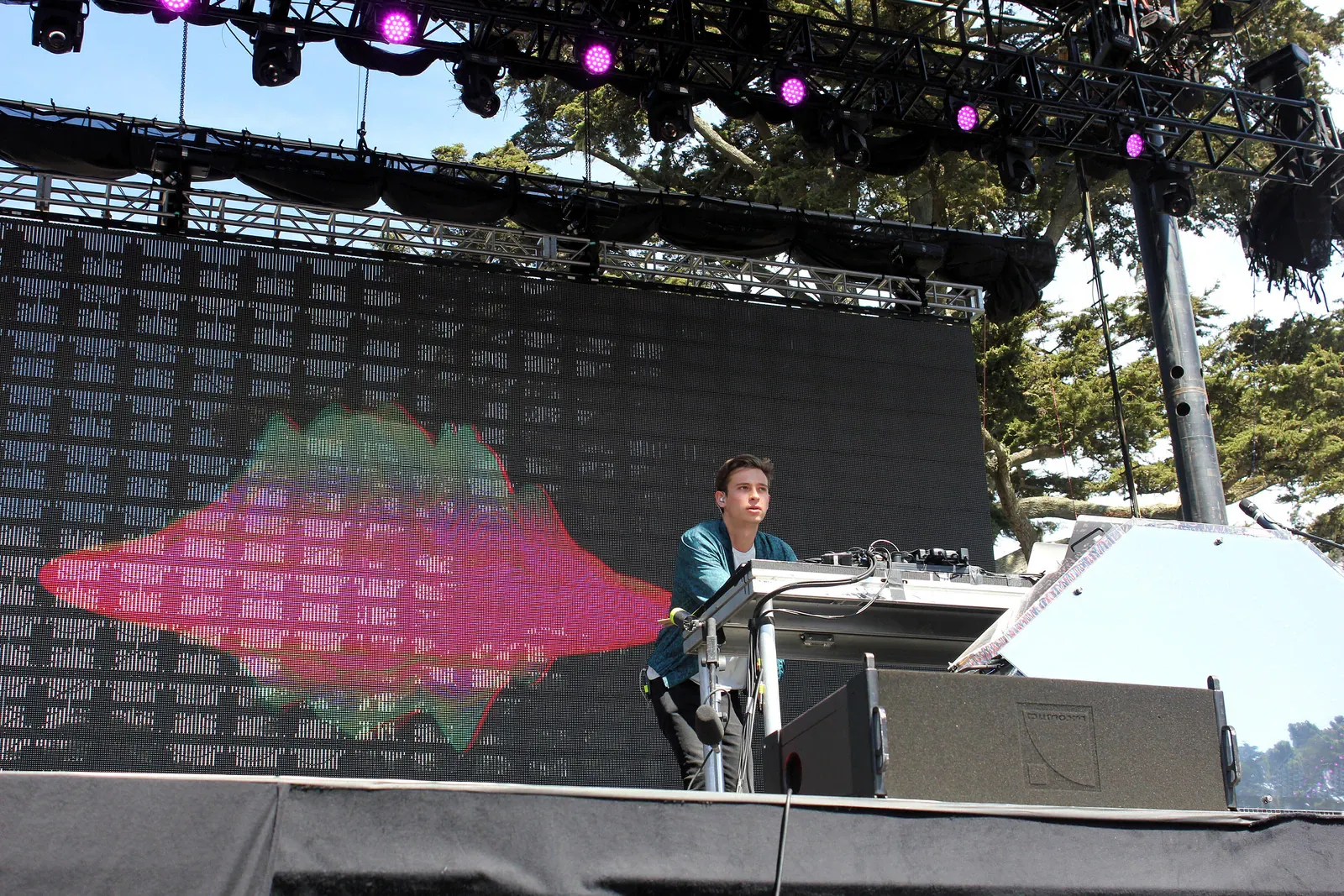
Origins
The sound grew out of a Glasgow circle around the LuckyMe collective, founded in 2007 by Hudson Mohawke and friends as a label and design studio. Rustie and Hudson Mohawke are credited as its pioneers, drawing on wonky, the off-kilter, hip-hop-leaning UK electronic style, and on the heavy bass of dubstep. Hudson Mohawke signed to Warp in 2009 and released “Cbat” there in 2011.
Rustie’s debut album Glass Swords, released on Warp in October 2011, is credited with defining the early sound. Critics found it hard to categorise, hearing rave, dance-pop and bass music packed into single tracks. Its lead single “Ultra Thizz” gave the style a first anthem, and in February 2012 the album won the Guardian First Album Award ahead of nominees including James Blake, SBTRKT and Katy B.
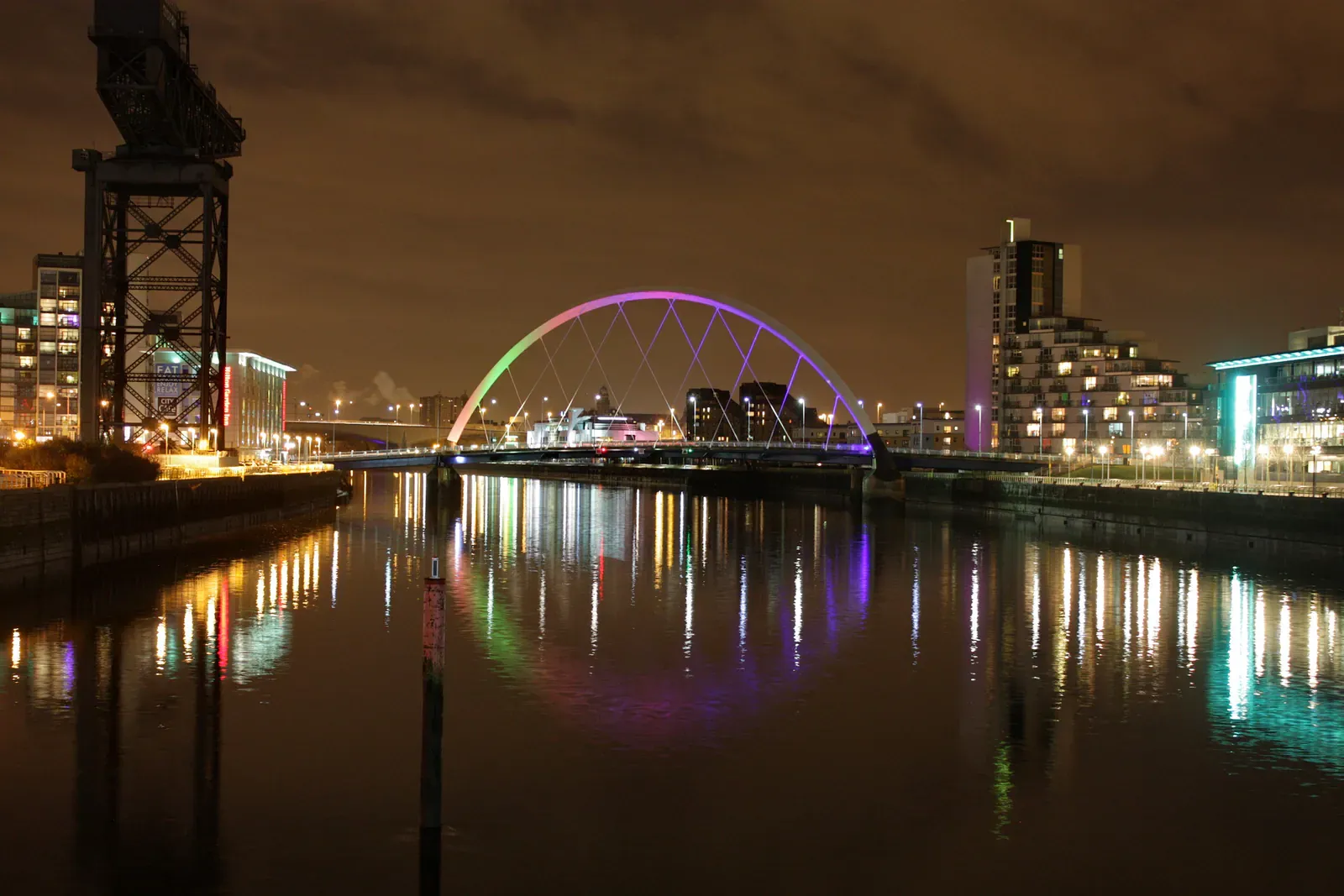
Glasgow, 2009-2012
Glasgow supplied the first records. TNGHT, the duo of Hudson Mohawke and Lunice, released its debut EP in July 2012 through Warp and LuckyMe. Its bass-heavy trap and rave tracks, led by “Higher Ground”, fed straight into EDM and hip-hop production. In 2013 Hudson Mohawke and TNGHT worked on Kanye West’s Yeezus, and the song Blood on the Leaves samples TNGHT.
Outside Scotland, Cashmere Cat in Norway debuted in 2012 with the four-track Mirror Maru EP on Pelican Fly, a set of sparse piano and soft percussion. In Sydney, Flume released his self-titled debut album on Future Classic in November 2012; it reached number one in Australia.
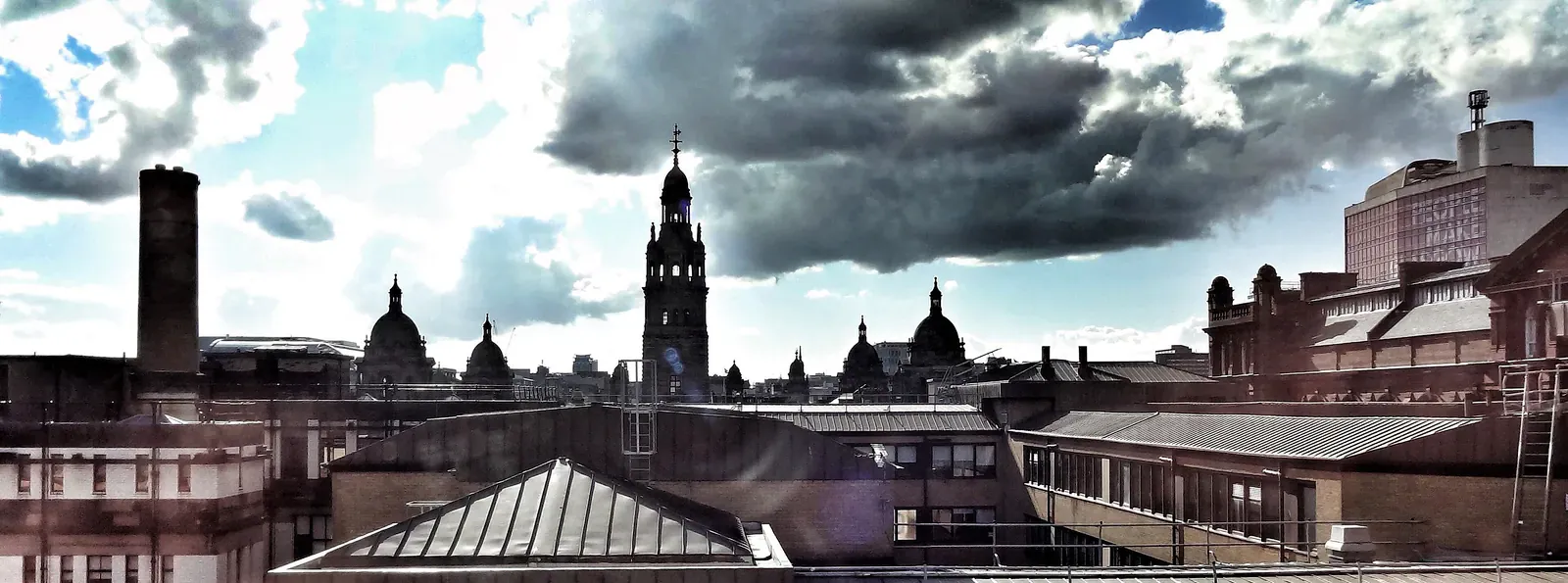
Remixes and early EPs, 2012-2015
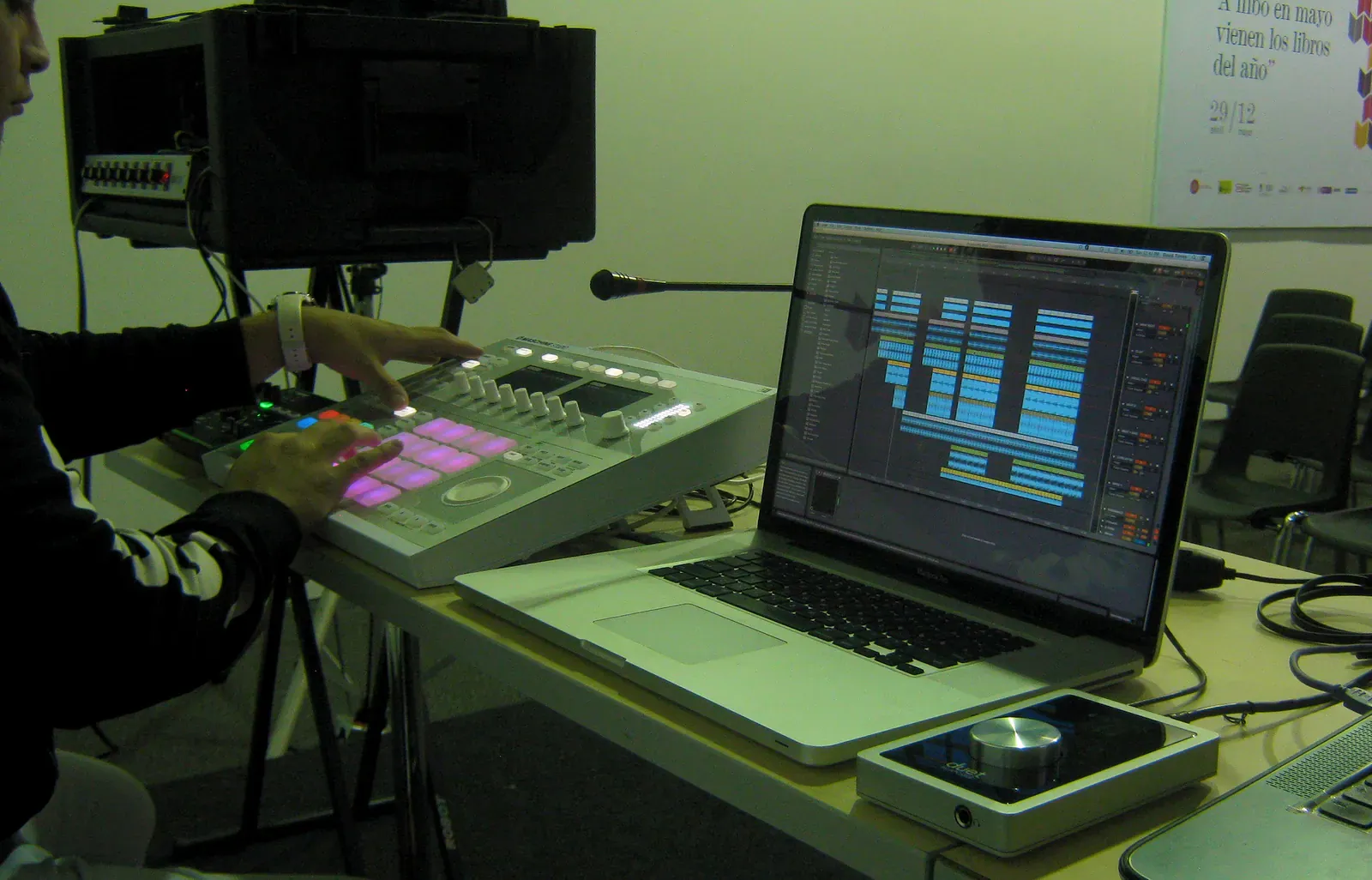
The sound spread online through remixes. Flume’s remix of Disclosure’s “You & Me”, released in 2013, is often named as the track that brought future bass to a wider audience. The tools were the same few software synthesizers and a DAW, which kept the sound consistent across cities.
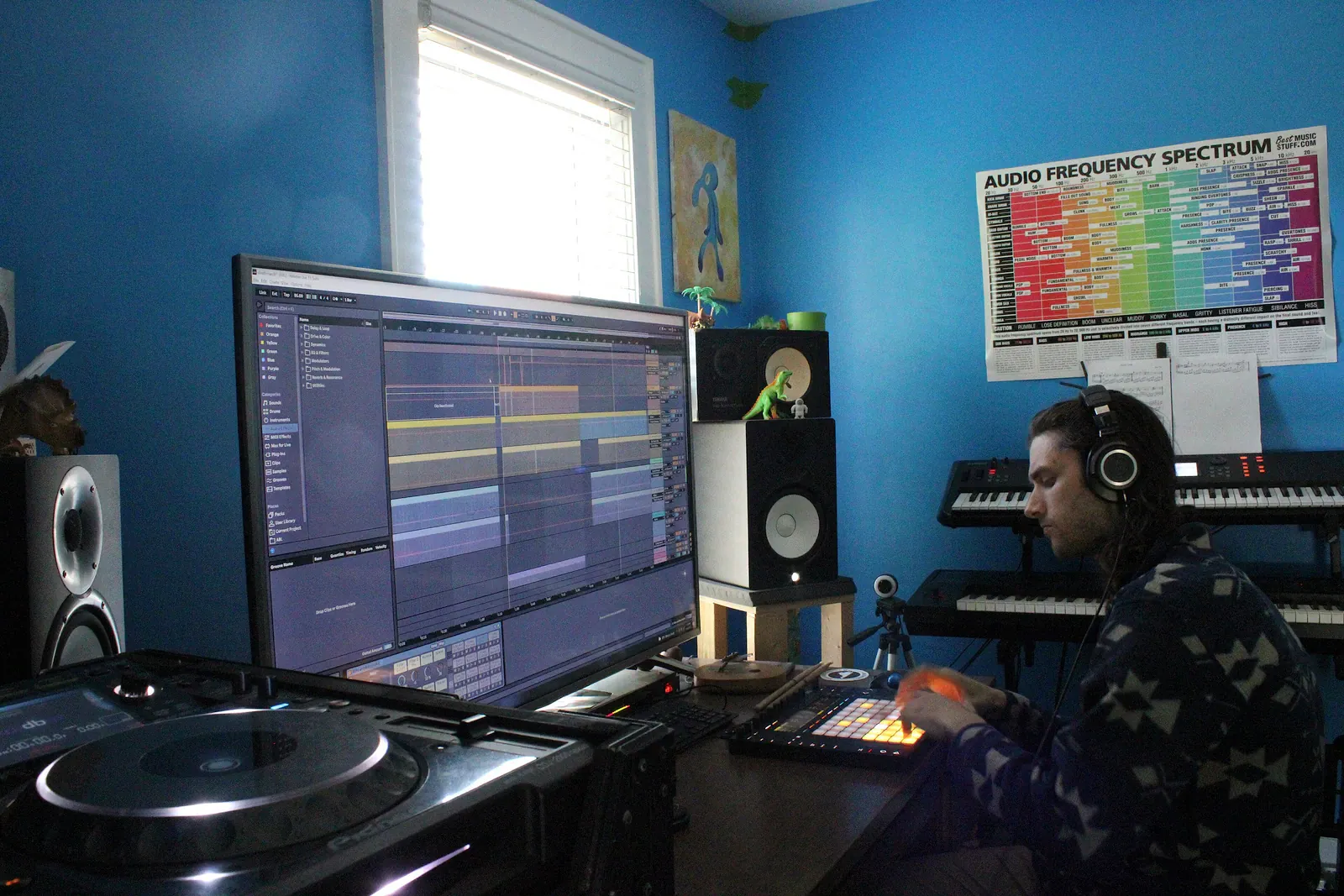
Scenes formed around labels. In The Hague, San Holo and Thorwald van den Akker founded Bitbird as a home for melodic future bass. In Tokyo, Snail’s House released the Kirara EP in May 2015 on Trekkie Trax, credited with launching kawaii future bass, an offshoot with cute, chiptune-flavoured timbres and anime or game samples. In Winnetka, near Chicago, Louis the Child formed a duo whose track “It’s Strange” appeared in the FIFA 16 soundtrack in 2015.
Breakout and festival scale, 2016-2019
Future bass is described as reaching mainstream audiences in Europe, Asia and North America in 2016. Flume and Kai’s “Never Be Like You” reached number one in Australia and topped the Triple J Hottest 100, and its parent album Skin won Best Dance/Electronic Album at the 2017 Grammy Awards. Mura Masa’s “Love$ick”, with A$AP Rocky, came out in 2016, and his self-titled 2017 debut was nominated in the same Grammy category.
San Holo’s “Light”, released on Bitbird in November 2016, went gold in the US and Canada. Snail’s House’s “Pixel Galaxy” video was released in 2017. In 2019 Illenium’s Ascend became his first album to reach number one on the Billboard Top Dance/Electronic Albums chart; the single “Crashing”, co-written with Julia Michaels, showed melodic future bass in a pop setting.
Characteristics
The style is defined by contrast with its parents. Dubstep built tension from sub-bass and a snarling midrange; future bass keeps the half-time frame but fills it with bright, wide chords that move rather than growl. A chord is often the lead voice, where earlier bass genres put the bassline in front. The vocals are treated as an instrument: sliced, pitched and reordered into hooks, with a sung verse in the more pop-leaning tracks.
Arrangements follow the festival drop. A filtered intro and a riser lead into a half-time drop, a vocal breakdown follows, and the build is repeated for a second drop. The harmony leans on seventh and ninth chords, with jazz-style turnarounds.
Instruments and production
Production is software-based. Wavetable synthesizers such as Xfer Serum and Native Instruments Massive supply the layered chord and bass patches, and the sound is shaped in Ableton Live, where vocal samples are sliced and warped. The shared toolchain explains the speed with which the style spread, and why it sounds similar on different continents.
Mainstream success
Future bass crossed over earlier than most bass genres because its melodic drops sat easily beside pop. Flume’s Grammy, Illenium’s chart-topping album and San Holo’s gold single put it on the dance, pop and festival circuits at once. Video-game soundtracks, such as FIFA 16 with Louis the Child, and online video carried the style into audiences that did not follow club music. Hudson Mohawke’s “Cbat” went viral again in 2022, eleven years after its release.
Notable recordings
“Ultra Thizz”, the 2011 lead single from Glass Swords, set out the early template of the style. “You & Me (Flume Remix)” is the other turning point; by taking a house single and giving it a half-time drop, it showed that a remix could define a genre. “Never Be Like You” in 2016 marks the point at which the sound became a national chart fact in Australia.
Culture
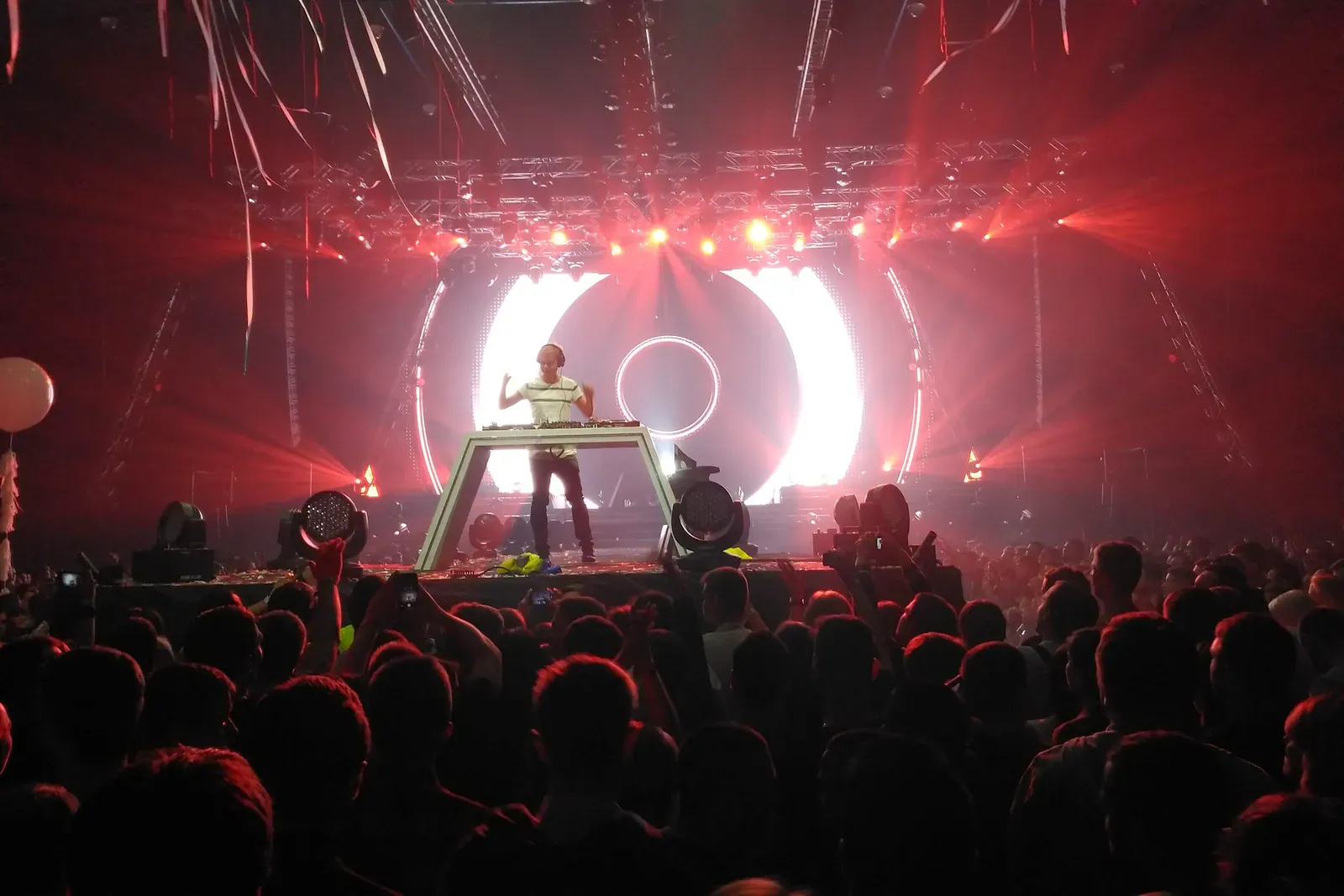
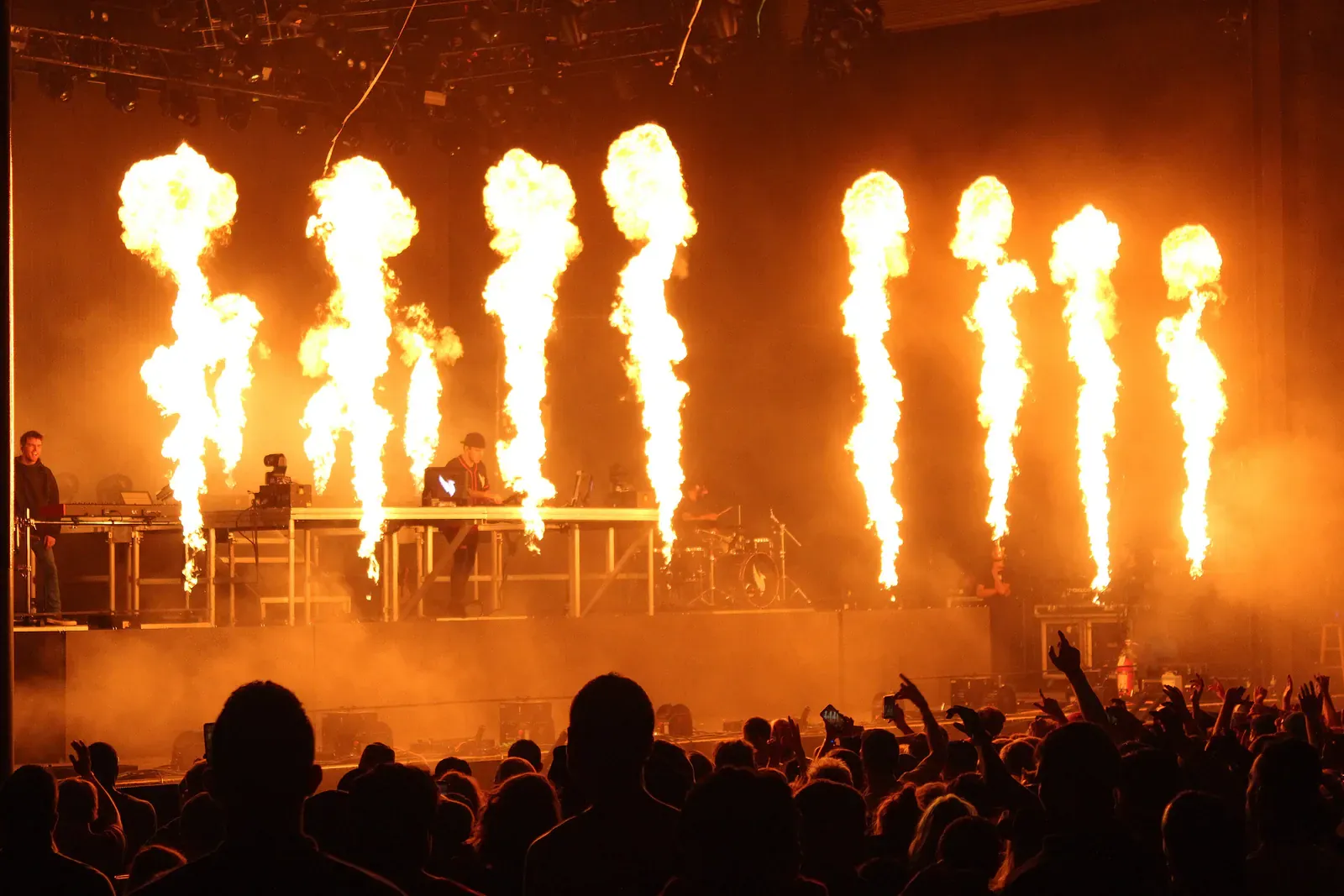
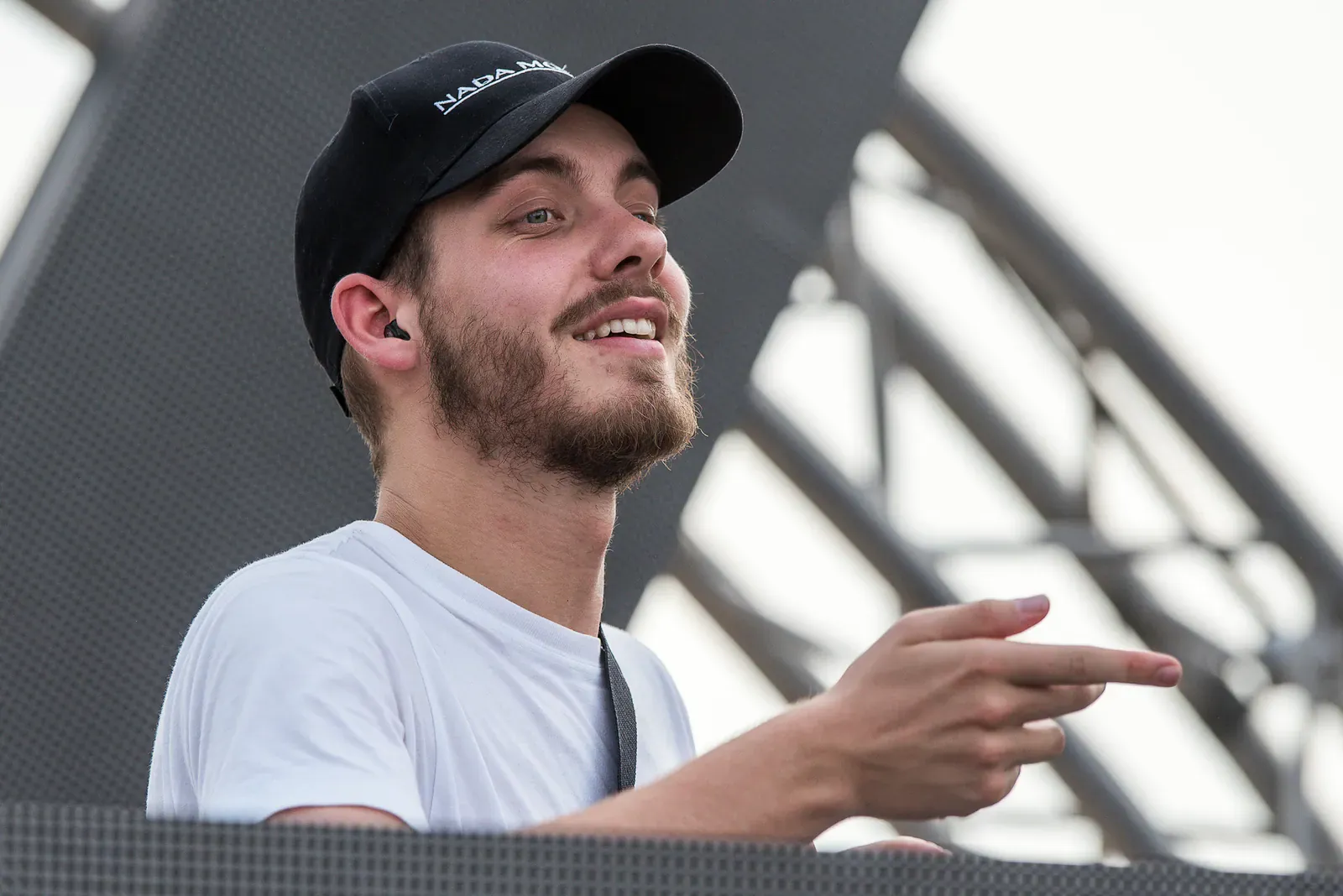
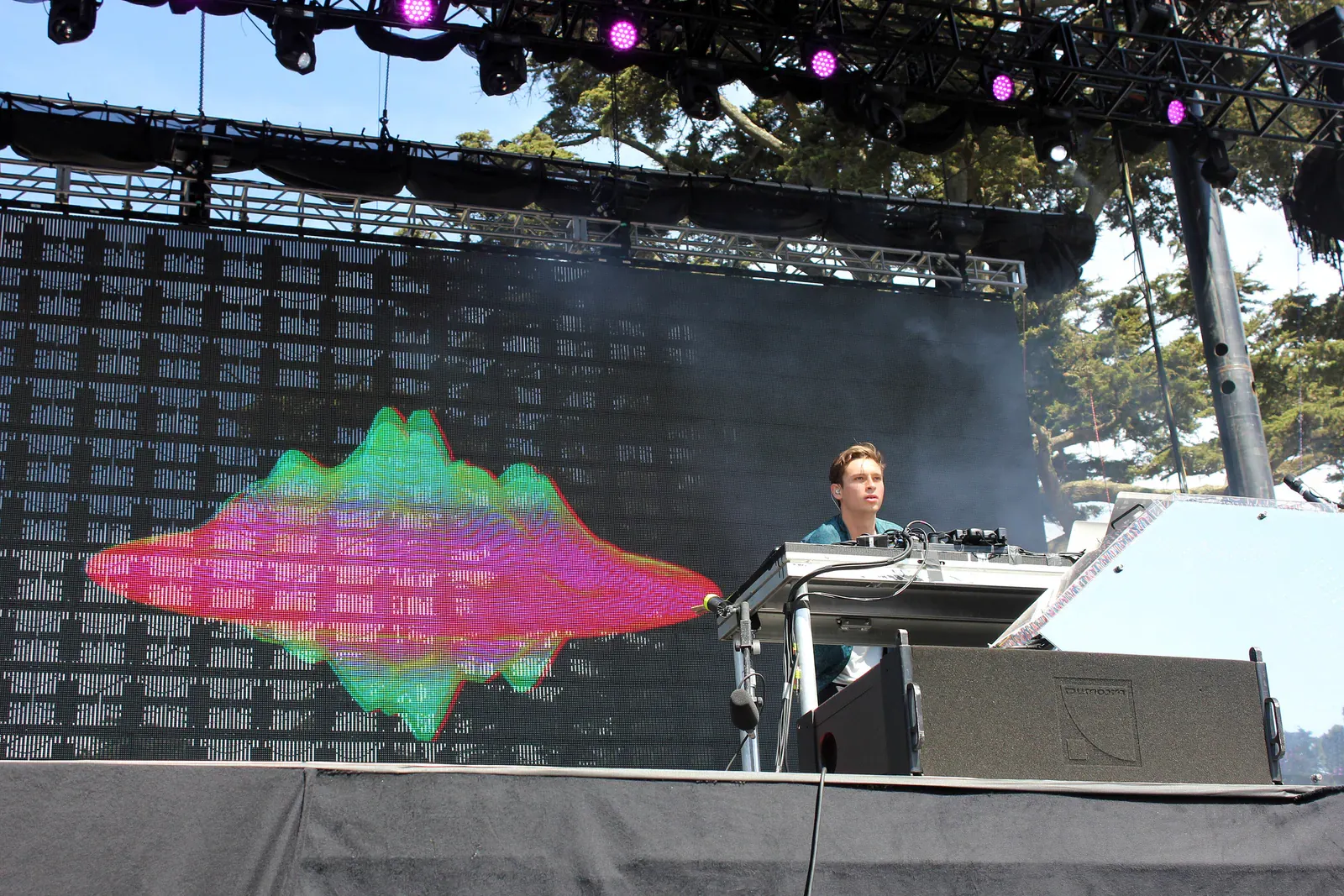
Kawaii future bass pairs cute timbres with anime and game imagery, as in the Pixel Galaxy video. The mainstream branch is tied to the visual language of arena shows, with LED walls, flame jets and festival crowds. Labels and design collectives, from LuckyMe to Bitbird, built identities around artwork and merchandise as much as around records. Red Rocks Amphitheatre in Colorado hosted shows by Illenium and Louis the Child in 2019.
Legacy
From 2020, producers folded the style into melodic bass, pop and experimental work, and wave and kawaii future bass run as separate scenes. Hi This Is Flume, a 17-track mixtape released on Future Classic in 2019 with guests including Slowthai, JPEGMafia and Sophie, pushed the style toward experimental territory. The style belongs to the electronic family.
Misconceptions
Future bass is just dubstep with a different name. It descends from dubstep and trap but shares little of their bass-heavy aggression; its tension rests on chords and vocals rather than on the low end.
It began in Australia with Flume. The first records came from Rustie and Hudson Mohawke in Glasgow in the early 2010s. Flume’s debut followed in 2012, and his 2013 remix and 2016 album brought the sound to a larger audience.
Kawaii future bass is the same as future bass. It is a Japan-linked offshoot, launched with Snail’s House’s Kirara EP in 2015, with its own timbres and imagery.
Frequently asked questions
What is future bass?
Future bass is an electronic bass style from the early 2010s built on half-time trap and dubstep rhythms, modulated supersaw chords and pitched vocal chops. Its drops are melodic rather than aggressive.
Who started future bass?
Rustie and Hudson Mohawke, two Scottish producers, are credited as the pioneers of future bass. Rustie’s Glass Swords, released on Warp in 2011, is credited with defining its early sound.
What is the difference between future bass and dubstep?
Dubstep centres on sub-bass and a growling midrange. Future bass keeps the half-time drop but puts warm chords and vocal samples in front, so the mood is brighter and more melodic.
What is kawaii future bass?
Kawaii future bass is an offshoot linked to Japan, with cute, chiptune-flavoured timbres and anime or game samples. Snail’s House’s 2015 EP Kirara is credited with starting it.
Which artists define future bass?
Rustie, Hudson Mohawke, TNGHT, Cashmere Cat, Flume, San Holo, Mura Masa, Louis the Child, Snail’s House and Illenium are the leading names of the genre.
Sound
Sound sheet
Anatomy of a track
| # | Part | Bars |
|---|---|---|
| 1 | Intro (filtered chords) | 8 |
| 2 | Build-up (riser, arpeggio) | 8 |
| 3 | Drop (half-time) | 8 |
| 4 | Breakdown (vocal chops) | 8 |
| 5 | Build-up | 8 |
| 6 | Drop 2 | 8 |
Signature sounds
- Detuned supersaw chords
- LFO filter wobble on chords
- Chopped, pitch-shifted vocal samples
- White-noise risers and arpeggio builds
- Trap-style half-time drums with the snare on beat 3
- Sidechain ducking against the kick
Synths and software
- Xfer Serum
- Native Instruments Massive
- Ableton Live
Techniques
- Detuned supersaw chords
- LFO filter modulation
- Vocal chopping
- Sidechain compression
- White-noise risers
Keys and modes
Extended 7th and 9th chords. Lush seventh and ninth chord progressions, sometimes ii-V-I or jazz turnarounds.
Vocals
Chopped, pitch-shifted and vocoded vocal samples, often with a sung verse in the more pop-leaning tracks.
Scenes
Where it happened
Where and when the sound lived: one bar per city on a shared timeline.
Europe
Oceania
North America
Asia
Active scenes
Peak 5, 2014-2025
Home of Rustie, Hudson Mohawke and the LuckyMe label that began the sound.
Flume and the Future Classic label.
Snail's House and the kawaii future bass offshoot.
Bitbird, the label run by San Holo.
Louis the Child formed here near Chicago.
Venues and places
Morrison, 2019 to today. Illenium and Louis the Child played the Colorado amphitheatre in 2019.
Culture
Culture markers
- Anime and video-game imagery
Kawaii future bass pairs cute timbres with anime and game samples, as in the Pixel Galaxy video.
Artwork - Genre-packed sound
Critics found Rustie's Glass Swords hard to categorise, hearing rave, dance-pop and bass music packed into single tracks.
Artwork
Media
Key media
- 2016Gouldian Finch
by Bitbird. The label's first compilation, blending melodic future bass and trap.
Compilation - 2019Hi This Is Flume
by Flume. A 17-track mixtape with Slowthai, JPEGMafia and Sophie that showed the style pushing into experimental territory.
Mix
Glossary
Terms on this page
A drop where the drums feel half as fast as the tempo, with the snare late in the bar.
A Japan-linked offshoot with cute, chiptune-flavoured timbres and anime or game samples.
A white-noise or pitch-sweep build that leads into the drop.
Compression keyed to the kick or snare that ducks the chords and bass so the drums punch through.
A chord patch built from stacked, slightly detuned sawtooth oscillators.
A sliced vocal sample, pitched and rearranged into a melodic or rhythmic hook.
Off-kilter, hip-hop-leaning UK electronic style that fed the early Glasgow sound.
Electronic family