Trap (EDM)
EDM trap joins Southern rap drums with festival build-ups and drops. It formed around 2012 in the US, Scotland and the Netherlands and hit number one in 2013.
United States, Netherlands, 2012
Electronic family
Born
2012
United States, Netherlands
Subgenres
9
Documented branches
Links
17
Genres it drew on or shaped
Tempo
135-150 BPMLineage
Family tree
Grew out of
Derived from
Influenced by
United States, Netherlands, 2012
Trap (EDM)
Led to (11)
Timeline
Era by era
From the first sparks to today. Select a dot to read the story behind it.
- Labels and block parties
2006 to 2011
- Trap meets the festival
2011 to 2013
- Pop crossover
2013 to 2015
- Splintering and new labels
2016 to 2019
- Reunions and legacy
2019 to today
Eras
Moments
- 1 Labels and block parties, 2006 to 2011
- 2 Trap meets the festival, 2011 to 2013
- 3 Pop crossover, 2013 to 2015
- 4 Splintering and new labels, 2016 to 2019
- 5 Reunions and legacy, 2019 to today
2006
Labels and block parties
Mad Decent, Fool's Gold and LuckyMe start up and Flosstradamus builds a Chicago party scene, mixing rap, electro and bass before the sound has a name.
- 2006Diplo founds Mad Decent in Philadelphia
- 2007Flosstradamus form in ChicagoCurt Cameruci and Josh Young start as a Chicago DJ duo.
- 2007LuckyMe launches in GlasgowCo-founded by Hudson Mohawke; it later co-releases the TNGHT EP.
- 2007A-Trak and Nick Catchdubs found Fool's Gold
- 2008First Mad Decent Block PartyDiplo starts a street party in Philadelphia; it grows into a touring festival.
- 2010Mad Decent moves to Los Angeles
- 2010Yellow Claw start a party night at Jimmy Woo, Amsterdam
2011
Trap meets the festival
The Original Don remix, the TNGHT EP and Harlem Shake turn Southern-rap drums into dance-floor records; All Trap Music and Ultra 2013 give the sound a stage.
- 2011Flosstradamus release Jubilation EP on Fool's Gold
- 2012Flosstradamus remix Major Lazer's Original DonCited as a record that started EDM trap; the duo made it like a rap beat.
- 2012Baauer releases Harlem Shake on Jeffree'sRecorded in his Brooklyn bedroom and issued 22 May 2012.
- 2012TNGHT EP released by Warp and LuckyMeIncludes Goooo and Higher Ground, out July 2012.
- 2012RL Grime posts his first Halloween mixThe annual mix becomes a showcase for new trap.
2013
Pop crossover
Turn Down for What, Bricks and Yellow Claw take festival trap to the Hot 100, rap collaborations and Europe, while RL Grime builds a headline following.
- 2013All Trap Music compilation reaches iTunes dance top 10Released February 2013 with RL Grime, Flosstradamus and Baauer; peaked at number two.
- 2013Harlem Shake tops the Billboard Hot 100Debuts at number one after the Harlem Shake meme.
- 2013Ultra Music Festival gives trap its own arenaFlosstradamus and other trap producers play a dedicated trap arena in Miami.
- 2013Yellow Claw sign to Mad Decent and issue Amsterdam Trap MusicTheir first international EP.
- 2013TNGHT co-produce Blood on the Leaves on Kanye West's Yeezus
- 2013DJ Snake and Lil Jon release Turn Down for WhatOut 18 December 2013 on Columbia.
- 2013TNGHT announce an indefinite hiatus
- 2014Carnage and Migos release Bricks on UltraOut 17 June 2014.
- 2014RL Grime releases debut album Void
- 2015Yellow Claw release Blood for Mercy on Mad DecentDebut album with In My Room; number one on US Dance/Electronic Albums.
2016
Splintering and new labels
Acts split or rebrand (Flosstradamus 2016), RL Grime starts Sable Valley and the sound fragments into twerk, chill trap, hard trap and hybrid styles.
- 2016Flosstradamus duo splitsJosh Young leaves in December 2016; Curt Cameruci continues the project.
2019
Reunions and legacy
TNGHT returns in 2019, RL Grime releases Play in 2023 and Baauer issues U on LuckyMe in 2026 as the style settles into a lasting production approach.
- 2019RL Grime launches Sable ValleyLabel debut with Arcus featuring graves.
- 2019TNGHT return with Serpent and the EP IIFirst release in over six years.
- 2026Baauer releases U on LuckyMeThird album, executive produced by Hudson Mohawke.
Listening path
Anthems
The records that built the sound, grouped by the part they played. Thumbnails come from YouTube; the player loads only when you press play.
- 01
Flosstradamus, 2012
Rap-beat style remix of a Major Lazer track that is widely cited as the record that started EDM trap.
Origin - 02
TNGHT, 2012 · Warp
Minimal 808 and airhorn banger from the TNGHT EP that gave producers a template for the dance-floor trap sound.
Origin - 03
TNGHT, 2012 · Warp
Second TNGHT EP cut that fused rave synths with trap drums and became a scene reference.
Origin - 04
Baauer, 2012 · #1 Billboard Hot 100, 2013 · Mad Decent
Took the sound to the mainstream: a meme-fuelled number one on the Billboard Hot 100 in 2013.
Start hereBreakthrough - 05
DJ Snake, 2013 · Columbia Records
Crossover smash with Lil Jon that kept festival trap on pop radio after Harlem Shake.
Start hereBreakthrough - 06
RL Grime, 2014
Heavy-bass festival trap anthem from Void that became a main-stage staple.
Start hereAnthem - 07
Carnage, 2014 · Ultra Records
Migos-fronted track that defined the rap-meets-festival strand of EDM trap.
Anthem - 08
Yellow Claw, 2015 · Mad Decent
Yellow Claw and DJ Mustard blend Amsterdam trap with West Coast rap vocals from Ty Dolla Sign and Tyga.
Crossover
Facts
| Family | Electronic |
| Origin | United States, Netherlands |
| Emerged | Early 2010s |
| Status | Active |
| Tempo | 135 to 150 BPM |
| Meter | 4/4 |
| Grew out of | Dubstep |
| Subgenres | 9 |
EDM trap is a form of electronic dance music that takes the drum programming of Southern US rap trap, with its booming 808 bass and fast hi-hats, and sets it inside the build-ups and drops of festival dance music.
It took shape between about 2011 and 2013 around producers in the United States, Scotland and the Netherlands. It is a separate genre from hip-hop trap, which is built around a rapper rather than a drop.
Origins
The sound grew out of labels and club nights that mixed rap, electro and bass music before anyone called it trap. Diplo started Mad Decent in Philadelphia in 2006, and in 2008 he threw the first Mad Decent Block Party, a street party in Philadelphia. Fool’s Gold in New York and LuckyMe in Glasgow both launched in 2007, and in Chicago Curt Cameruci and Josh Young began Flosstradamus as a DJ duo. The Mad Decent, Fool’s Gold and LuckyMe imprints gave these scenes a catalogue and a touring circuit.
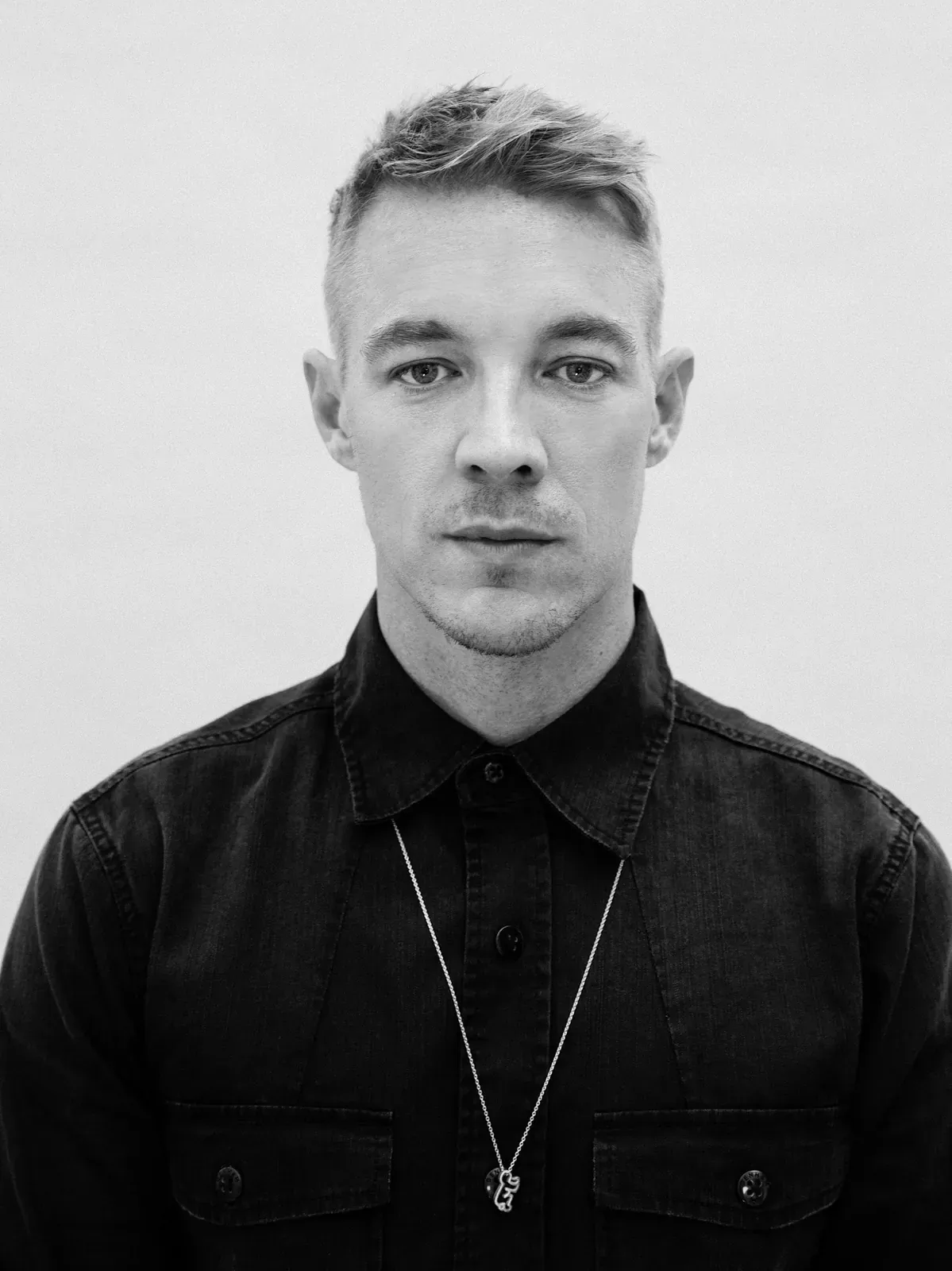
By 2010 Mad Decent had moved to Los Angeles, and in Amsterdam the duo Yellow Claw started a party night at the club Jimmy Woo. The shared ingredient was the drum pattern of Southern rap, borrowed by people who worked in dance music.
Trap meets the festival, 2011-2013
The turn came around 2012. Flosstradamus remixed Major Lazer’s “Original Don” as if it were a rap beat, and the record is often named as the one that started the style. In May Baauer released “Harlem Shake”, recorded in his Brooklyn bedroom. In July the Warp and LuckyMe release of the TNGHT EP, a collaboration between Hudson Mohawke of Glasgow and Lunice of Montreal, arrived with tracks including “Goooo” and “Higher Ground”. Its minimal 808 beats and cartoonish synths became a template for other producers. RL Grime, based in Los Angeles, began a yearly Halloween mix that became a showcase for new trap.
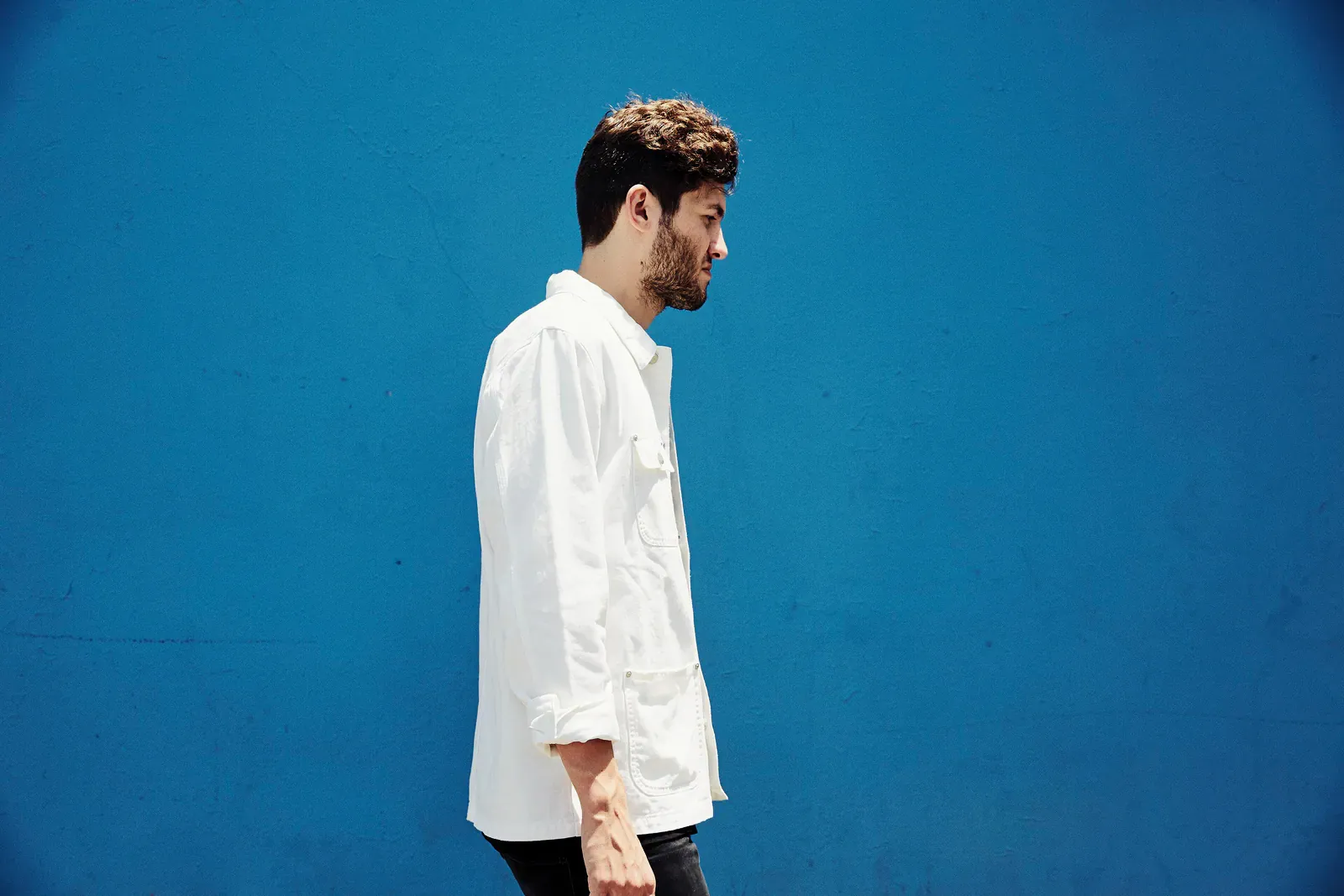
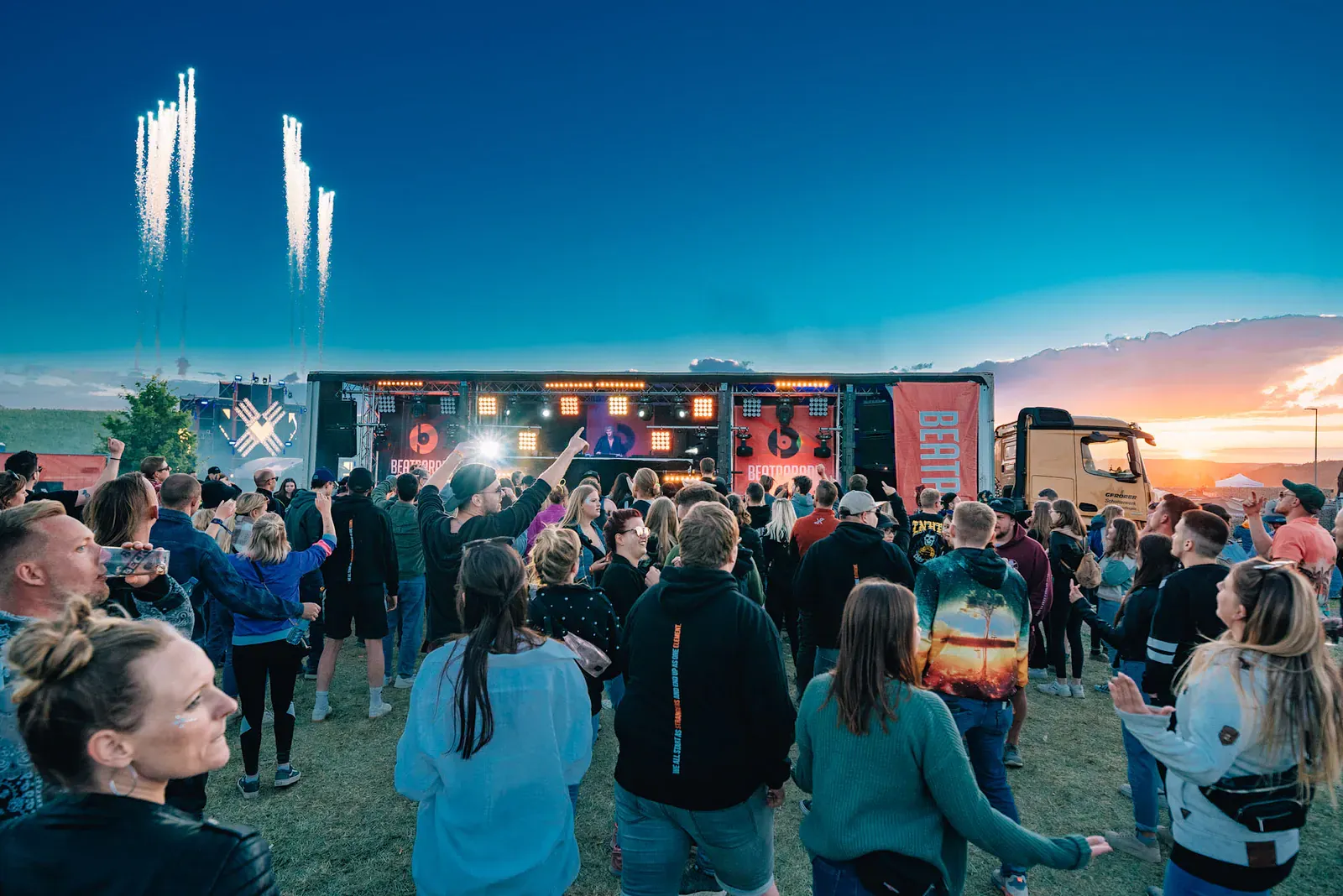
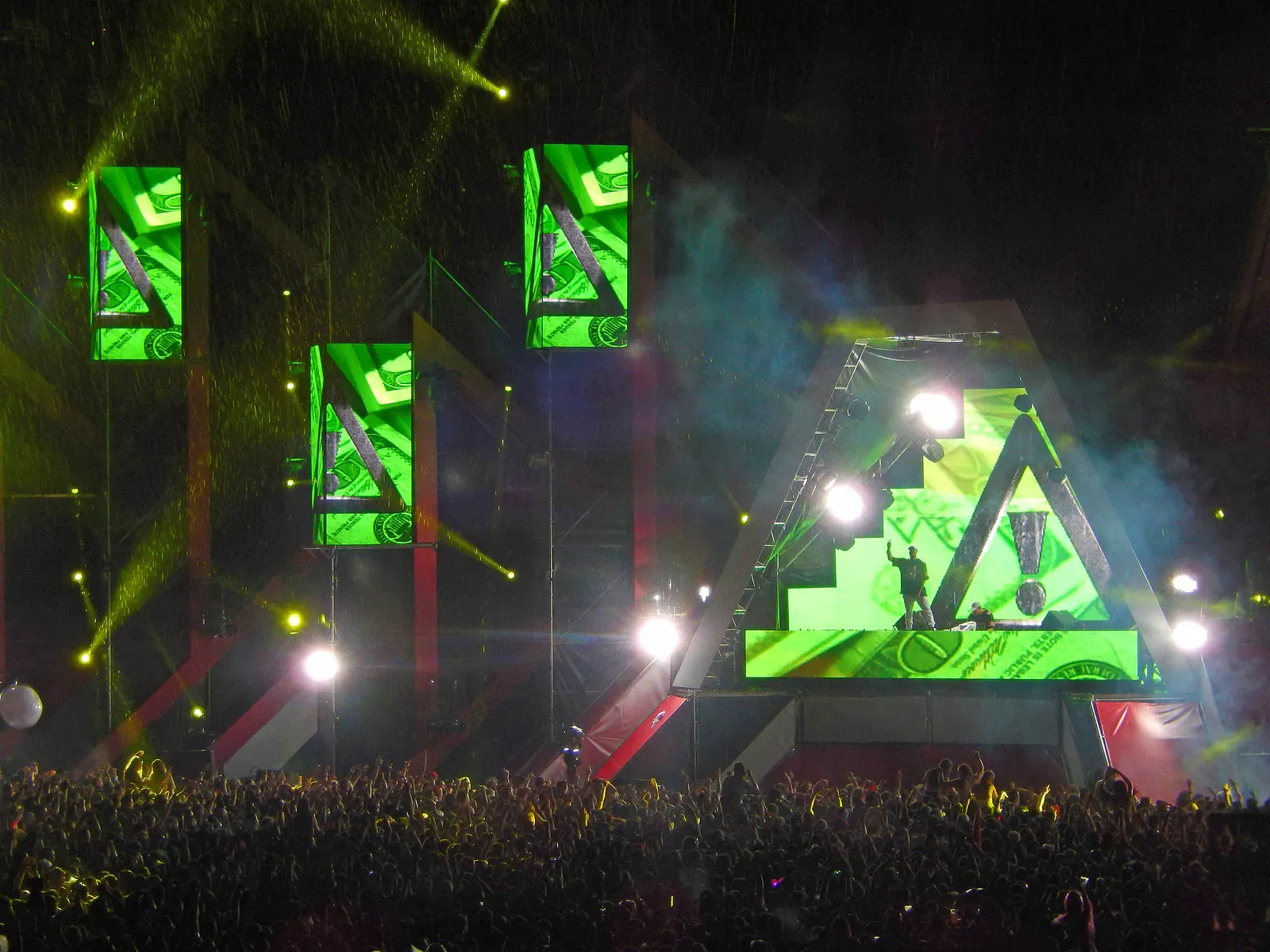
In 2013 the sound found a stage. The compilation “All Trap Music” came out in February and reached number two on the iTunes dance chart. At Ultra Music Festival in Miami that year, Flosstradamus and other trap producers played a dedicated trap arena. Late in the year TNGHT co-produced “Blood on the Leaves” for Kanye West’s album Yeezus, then announced an indefinite hiatus.
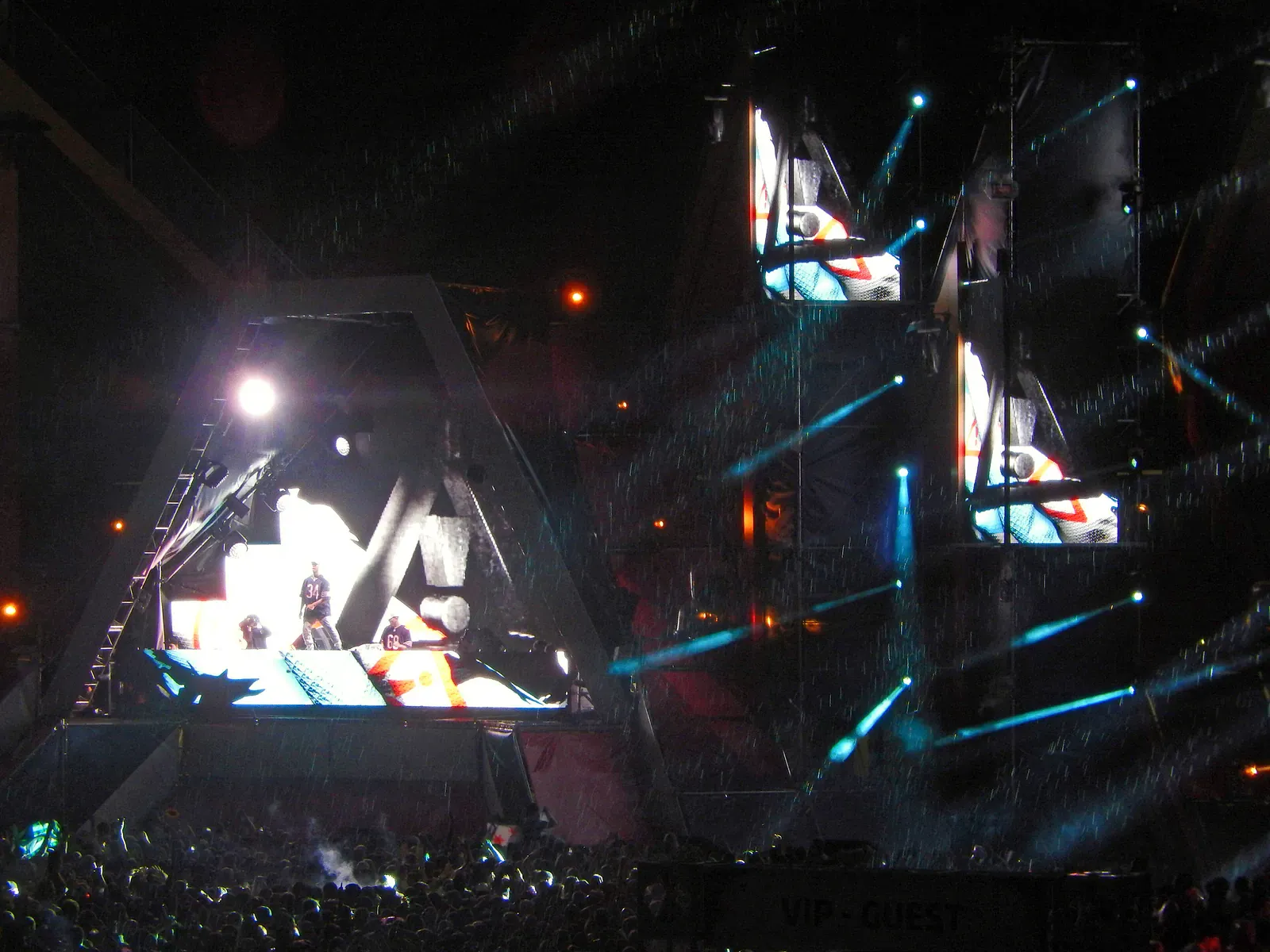
Pop crossover, 2013-2015
“Harlem Shake” entered the Billboard Hot 100 at number one in 2013, pushed by an internet craze of short group-dance videos set to the track. The meme reached listeners who had never been to a festival.
DJ Snake and Lil Jon followed in December 2013 with “Turn Down for What” on Columbia, and the video directed by Daniels spread widely and later passed a billion views. In June 2014 Carnage and Migos released “Bricks” on Ultra, which brought the style back to Atlanta rap vocals. RL Grime released his debut album Void that year, with “Core” becoming a main-stage staple, and in 2015 Yellow Claw issued Blood for Mercy on Mad Decent, which reached number one on the US Dance/Electronic Albums chart.
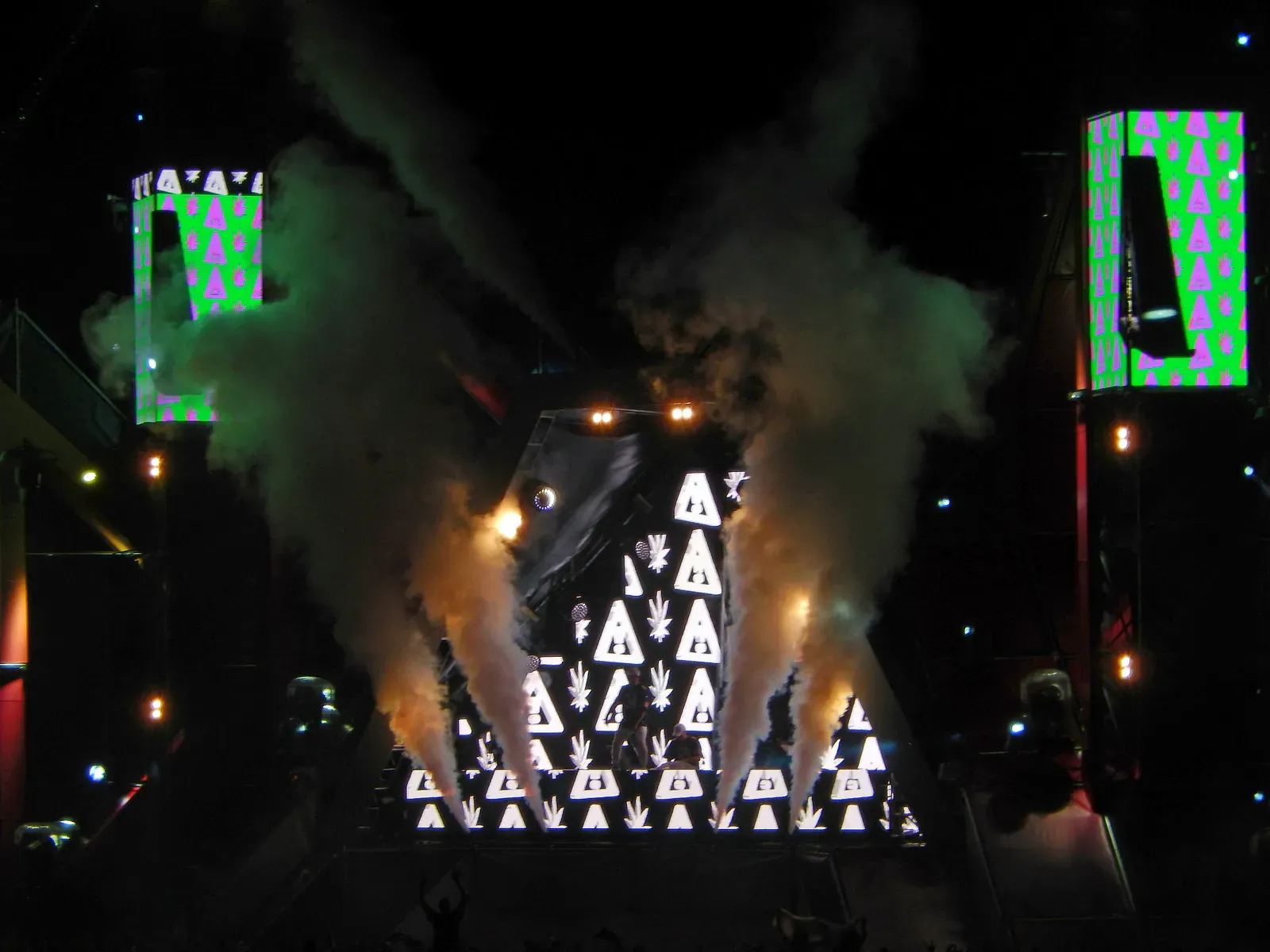
Splintering and new labels, 2016-2019
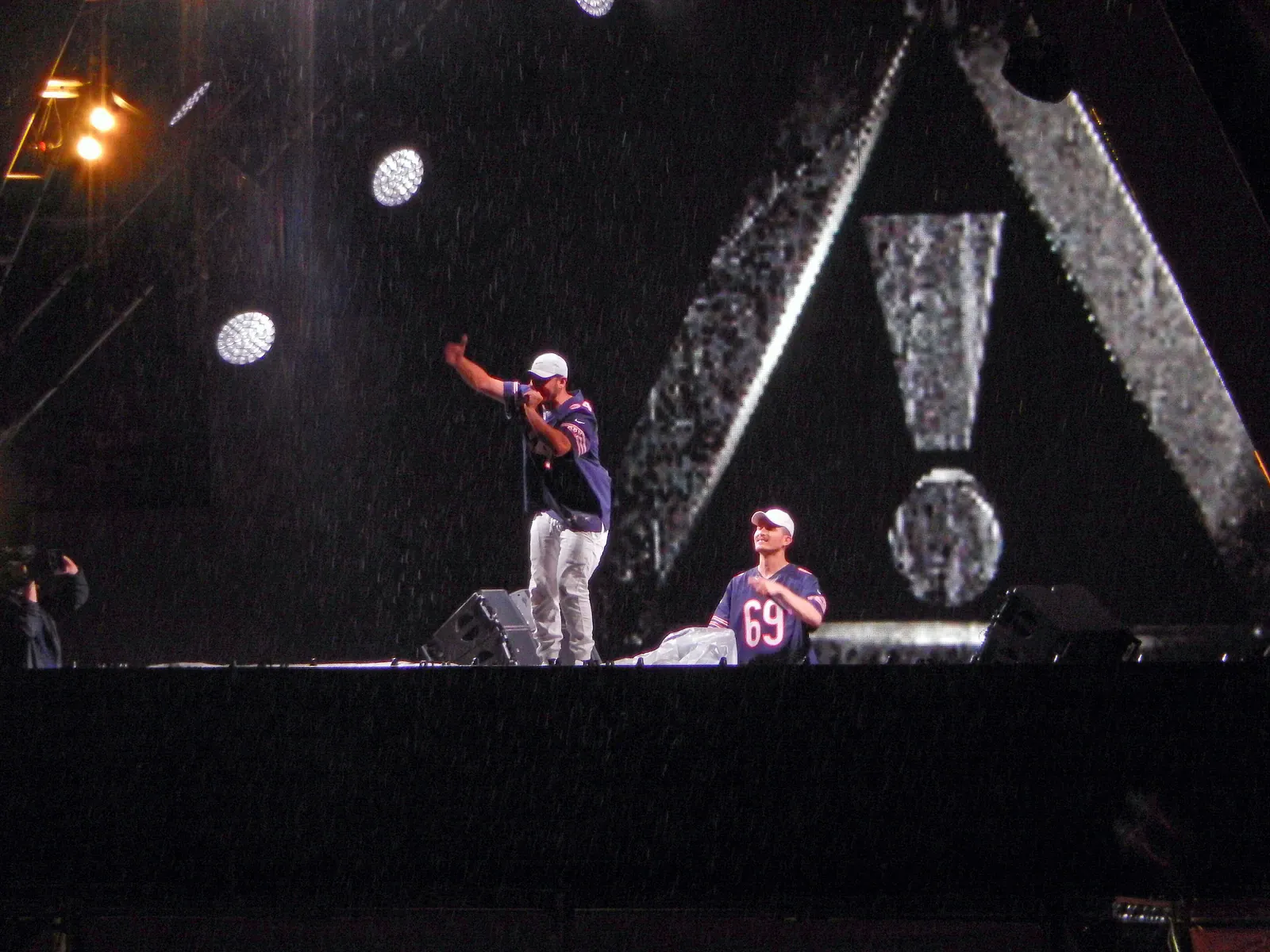
After 2016 the genre stopped being one sound. Flosstradamus split in December 2016 when Josh Young left and Curt Cameruci continued the project. The style fragmented into twerk, chill trap, hard trap, hybrid trap and other branches, each with its own audience. In 2019 RL Grime launched his label Sable Valley with “Arcus”, and TNGHT returned with “Serpent” and a second EP, their first release in over six years.
Reunions and legacy, 2019 onward
RL Grime released the album Play in 2023, and Baauer put out his third album U on LuckyMe in 2026, with Hudson Mohawke as executive producer. The 808-and-hi-hat drum language it carried into dance music has stayed in use well beyond the festival circuit.
Characteristics
The genre is defined by a collision of two rhythmic ideas. Hi-hats run fast, often in triplet rolls, while the kick and snare keep a half-time pulse, so that a track on a dance-floor grid feels like a slow, heavy rap beat. Tuned 808 bass carries the low end and rave-style synth leads and brass-like stabs carry the hooks. The structure comes from dance music: a build-up of snare rolls and filtered synths raises tension, then the drop releases it, and hip-hop vocal samples and shouts mark the climax. Melodies lean dark.
Instruments and production
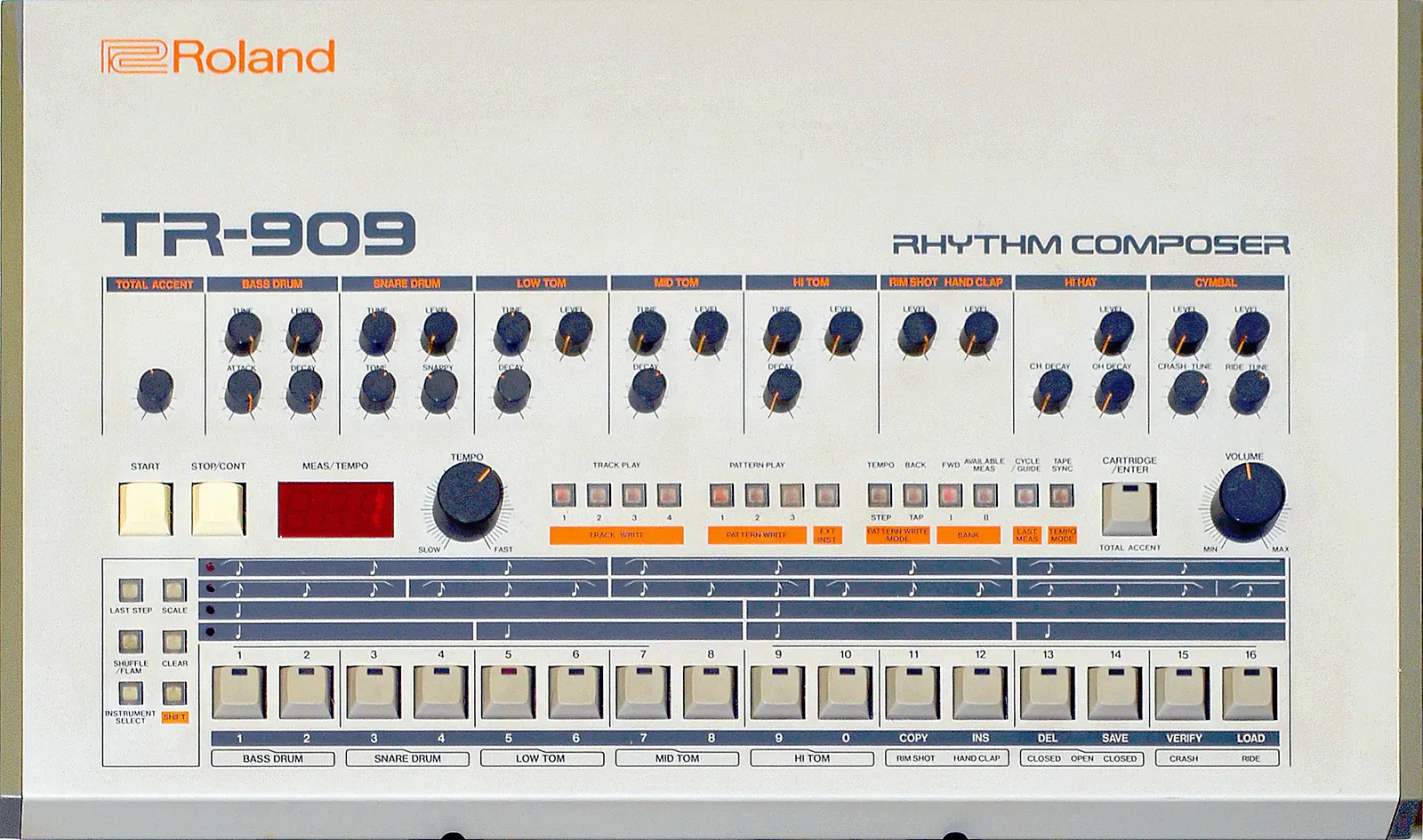
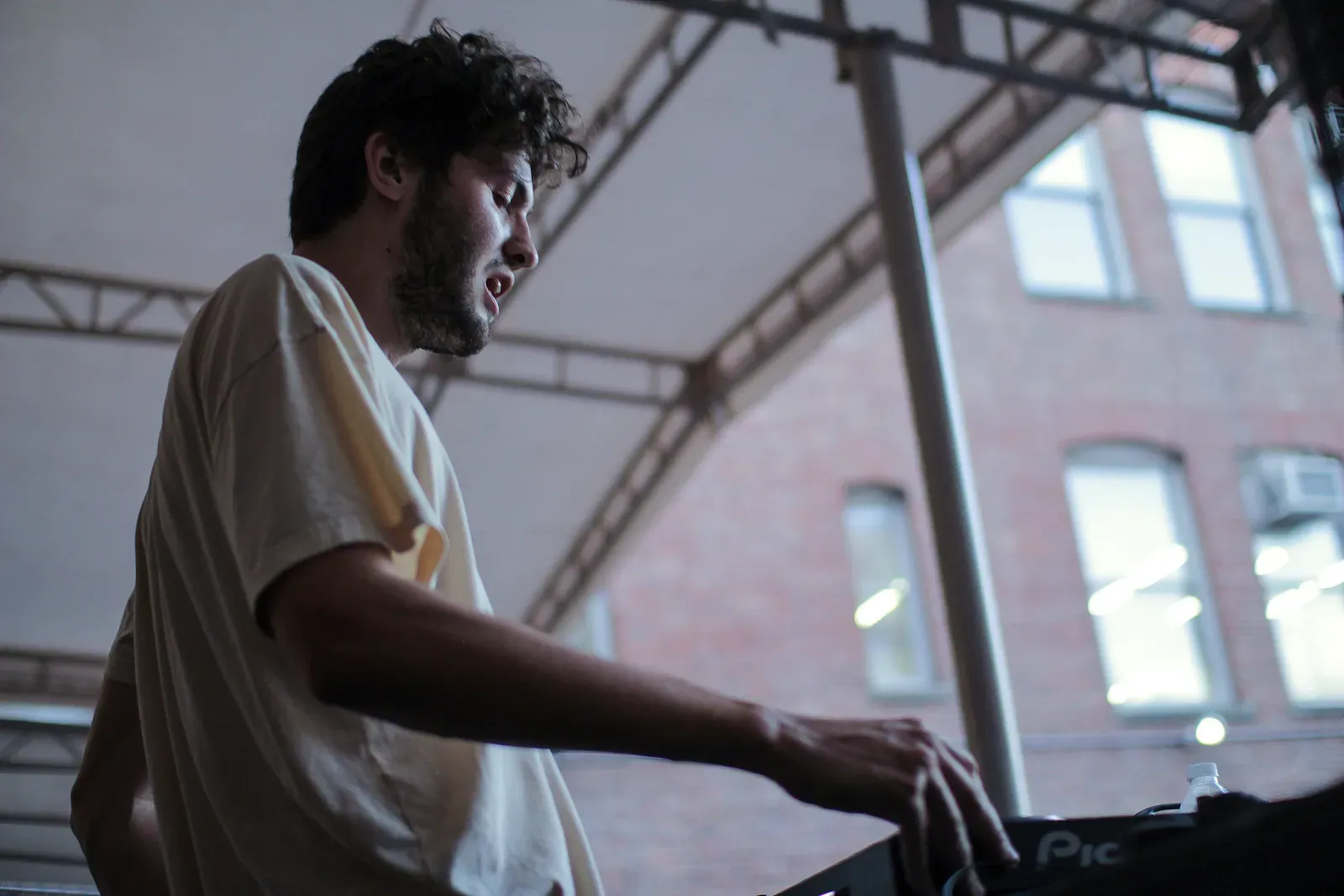
Tracks are mostly built in a computer. The Roland TR-808, introduced in 1980, supplies the sine-like bass drum that producers tune to the key of the track, and software sequencers handle the hat rolls that would be tedious to play. Samplers trigger the shouts and vocal fragments. Baauer recorded his number one in a bedroom.
Mainstream success
Exposure peaked twice. The first peak was “Harlem Shake” and the trap arena at Miami’s Ultra festival in 2013. The second was the run of rap-and-dance records that followed, among them “Turn Down for What” and “Bricks”, which put festival producers on radio and alongside rappers. After 2016 the style fragmented into narrower branches, each with its own producers.
Notable recordings
“Original Don” and the TNGHT EP are the two origin points: a remix that treated a dance track as a rap beat, and a stripped set of 808 patterns that other producers copied. “Harlem Shake” is the breakthrough, a record whose success came from a meme and not from a club. “Core” shows the festival strand at its heaviest, and “In My Room” by Yellow Claw with DJ Mustard, Ty Dolla Sign and Tyga shows the style meeting West Coast rap.
Culture
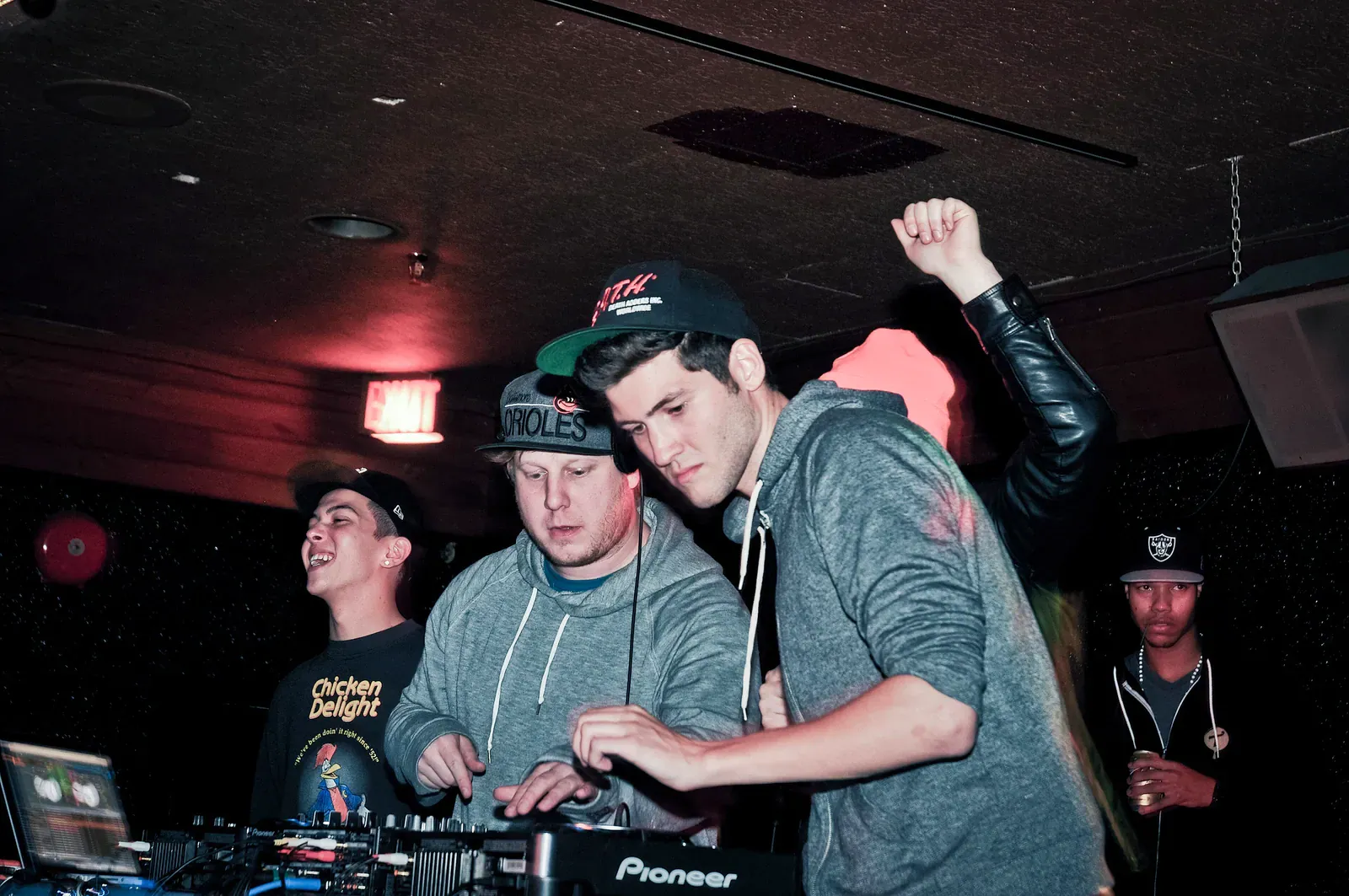
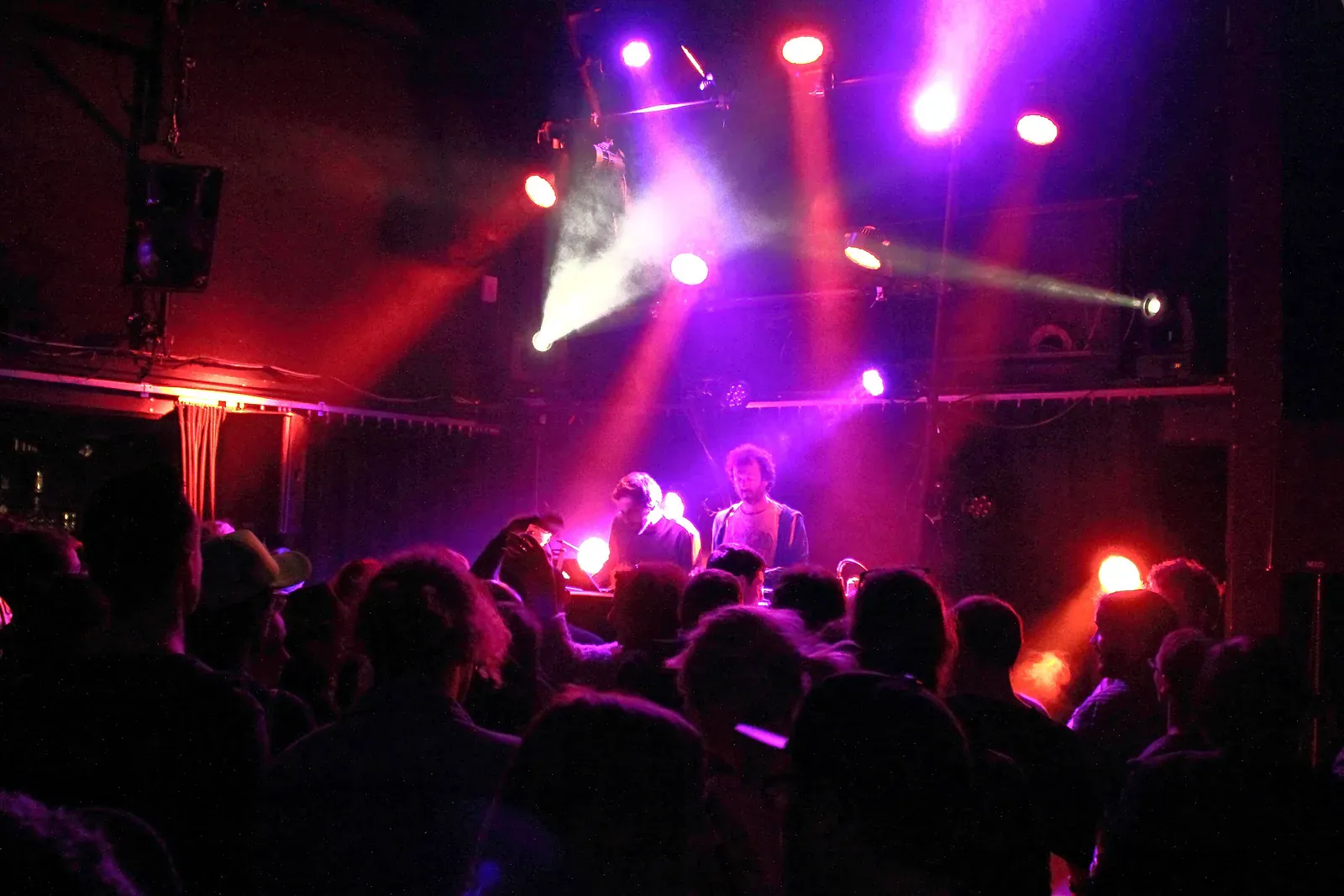
Dance followed the records. The Harlem Shake meme of 2013 was a craze of short group-dance videos, and twerk, a percussion-heavy bounce dance, became tied to a branch of the sound, including Yellow Claw’s Amsterdam Twerk Music. Flosstradamus fans adopted hooded sweatshirts, which turned into a group identity under the name HDYNATION. The street-party model of the Mad Decent Block Party shaped the label’s festival tour and left the genre with a communal, outdoors streak.
Legacy
EDM trap changed what a dance drop could sound like, moving the weight from a four-on-the-floor kick toward half-time bass and making rap collaborations a normal part of festival sets. Warp, Ultra and Columbia issued some of its best-known records. It sits within the wider electronic family and descends in part from dubstep.
Misconceptions
One common idea is that EDM trap is hip-hop trap under a new name. The two share drum sounds, but the older style is built around a rapper, while EDM trap is producer-led and organised around the build-up and drop. Rappers appear on records such as “Bricks”, but the arrangement stays that of dance music.
Another is that “Harlem Shake” created the genre. The record came out in May 2012 and reached number one only in 2013 through a meme, after the Flosstradamus remix and the TNGHT EP had already set the sound.
A third is that the style was a one-year fad. The yearly Halloween mix, the TNGHT return in 2019, RL Grime’s 2023 album and Baauer’s 2026 album show that its producers kept working, and its branches have continued under other names.
Frequently asked questions
What is EDM trap?
EDM trap is festival dance music that uses the 808 bass, half-time snare and fast hi-hat rolls of Southern rap trap inside a build-up and drop structure. It emerged around 2012 and was popularised by Baauer, TNGHT, Flosstradamus and RL Grime.
How is EDM trap different from trap?
Hip-hop trap is a rap style centred on vocals, while EDM trap is produced for dance floors and festivals and centred on drops. EDM trap borrows trap’s drum sounds, not its vocal focus.
Which song made EDM trap famous?
“Harlem Shake” by Baauer is the record that brought EDM trap to a mass audience, reaching number one on the Billboard Hot 100 in 2013 after the Harlem Shake internet meme. It was followed by “Turn Down for What” by DJ Snake and Lil Jon.
Sound
Sound sheet
Signature sounds
- 808 sub-bass kick tuned to the track key
- Fast triplet hi-hat rolls over a half-time snare
- Snare-roll build-up into a drop
- Rave synth leads and brass-style stabs
- Hip-hop vocal samples and shouts
- Dark melodies
Drums and percussion
- Roland TR-808
Techniques
- Half-time drum pattern
- Hi-hat rolls
- Snare-roll build-up
- Tuned 808 bass
Vocals
Short hip-hop vocal samples and shouts, plus rapper features.
Scenes
Where it happened
Where and when the sound lived: one bar per city on a shared timeline.
North America
Europe
Active scenes
Peak 6, 2013-2025
Home of Mad Decent and the first Block Party before the label moved west.
Flosstradamus formed in the city in 2007.
Baauer recorded Harlem Shake in his bedroom studio; Fool's Gold is based in the borough.
Mad Decent relocated here in 2010; RL Grime is based in the city.
LuckyMe label and Hudson Mohawke; TNGHT paired him with Montreal's Lunice.
Yellow Claw built a following at Jimmy Woo before signing to Mad Decent.
Ultra Music Festival gave trap its own arena in 2013.
Venues and places
Philadelphia, 2008 to today. Street party started by Diplo that grew into a touring festival.
Amsterdam, 2010 to today. Club where Yellow Claw hosted their Thursday party night.
Miami, 2013 to today. Gave trap its own arena in 2013.
Culture
Culture markers
- Harlem Shake meme
2013 internet craze of short group-dance videos set to Baauer's track.
Dance - Twerk
Percussion-heavy bounce dancing tied to the twerk offshoot and to Yellow Claw's Amsterdam Twerk Music.
Dance - HDYNATION hoodies
Flosstradamus fans adopted hoodies, which became a group identity.
Fashion - Block party culture
Mad Decent's street-party roots shaped its festival tour.
Ritual
Media
Key media
- 2012RL Grime Halloween mix series
by RL Grime. Annual October mix that showcases new trap and bass tracks.
Mix - 2013All Trap Music
by Various. First trap compilation; reached number two on the iTunes dance chart.
Compilation - 2014Turn Down for What music video
by Daniels. Viral video by Daniel Kwan and Daniel Scheinert that passed a billion views.
Film
Glossary
Terms on this page
Short for the Roland TR-808; also the tuned sub-bass built from its kick.
A rising section of snare rolls and filtered synths that raises tension before the drop.
The release after a build-up where the heavy kick and bass return at half-time pace.
Loud, stadium-sized subgenre of EDM trap aimed at main-stage crowds.
Kick and snare play at half the pace of the hi-hats so a 140 BPM grid feels like about 70.
Rapid triplet or 32nd-note hat bursts used as accents and fills.
Southern US hip-hop style of 808 bass and fast hi-hats; EDM trap borrows its drums and adds dance-music builds and drops.
Electronic family