Jungle music
Jungle is a UK breakbeat music of the early 1990s that fused chopped Amen breaks, reggae bass and ragga vocals, born in London pirate radio and clubs.
London, 1992
Electronic family
Born
1992
London
Subgenres
9
Documented branches
Links
28
Genres it drew on or shaped
Tempo
150-175 BPMLineage
Family tree
Grew out of
- Breakbeat hardcore
Derived from
- Darkcore
Derived from
London, 1992
Jungle
Led to (15)
Timeline
Era by era
From the first sparks to today. Select a dot to read the story behind it.
- Breaks, bass and sound systems
1969 to 1990
- Out of hardcore
1991 to 1993
- Golden age
1994 to 1996
- Drum and bass takes over
1997 to 2004
- Revival
2005 to 2026
Eras
Moments
- 1 Breaks, bass and sound systems, 1969 to 1990
- 2 Out of hardcore, 1991 to 1993
- 3 Golden age, 1994 to 1996
- 4 Drum and bass takes over, 1997 to 2004
- 5 Revival, 2005 to 2026
1969
Breaks, bass and sound systems
The Amen break is recorded in 1969, hip-hop and rave producers start sampling it, and Jamaican sound system and ragga voices meet UK hardcore.
- 1969The Winstons record Amen, BrotherDrummer Gregory Coleman plays the four-bar break that later becomes jungle's most chopped sample.
- 1989Reinforced Records founded in LondonMarc Mac and Gus Lawrence of 4hero start the label that later puts out Goldie's Rufige Kru and Doc Scott records.
- 1989Ragga Twins form in HackneyDeman Rockers and Flinty Badman bring sound system toasting to Shut Up and Dance records.
- 1990Moving Shadow founded in StevenageRob Playford starts the label that issues Dred Bass and Renegade Snares.
1991
Out of hardcore
Pirate radio and clubs in London push breakbeat hardcore toward darker, faster, reggae-heavy records; Tribal Base, Terminator and Valley of the Shadows appear.
- 1991Kool FM starts broadcasting from HackneyThe pirate station first goes on air on 28 November and becomes jungle's main London radio voice.
- 1991Rebel MC releases Tribal BaseA hardcore and reggae single with a sampled 'all the junglists' chant that helps name the music.
- 1992Metalheads release TerminatorGoldie and Rob Playford fold film samples into heavily edited breakbeats.
- 1993Origin Unknown release Valley of the ShadowsA RAM Records single built on arpeggiated electronics and documentary samples.
- 1993Omni Trio issue Renegade SnaresRob Haigh builds crystalline breaks from individual drum hits on Moving Shadow.
- 1993Kool FM launches Jungle Fever nightsThe recurring club night runs to the present day.
1994
Golden age
Ragga jungle hits the UK Top 40 with Original Nuttah and Incredible, labels such as Moving Shadow, Suburban Base and Metalheadz peak, and DJs argue over the scene's commercial turn.
- 1994Dead Dred's Dred Bass defines the dread bass soundA thick, stop-start bassline on Moving Shadow that many producers copy.
- 1994Original Nuttah reaches the UK Top 40Shy FX and UK Apache's ragga jungle record, released in October on SOUR, becomes one of the first jungle hits.
- 1994Incredible gives jungle a UK top 10 singleM-Beat and General Levy's re-release on Renk peaks at number 8 in August.
- 1994DJs boycott General LevyA comment about running jungle leads DJs to campaign against Incredible.
- 1994Metalheadz foundedGoldie, Kemistry and Storm start the label that carries the sound toward drum and bass.
- 1995Metalheadz Sunday Sessions begin at the Blue NoteThe weekly night in London becomes a hub for the jungle to drum and bass shift.
1997
Drum and bass takes over
Producers and promoters move to the name drum and bass, reggae samples fade, and the sound turns to hip-hop and jazz influences.
- 1997Roni Size and Reprazent release New FormsThe Mercury Prize winning album marks drum and bass's commercial peak.
around 2005
Revival
Old-school nights, reissues and new records return: Chase & Status' RTRN II JUNGLE and Original Nuttah 25, both in 2019, and rebuilt pirate station Kool London.
- 2015Fundraiser pays Amen break bandleader Richard SpencerA crowdfunding campaign raises over 18,000 pounds for the man whose band was never paid for the sample.
- 2019Chase & Status release RTRN II JUNGLEThe Virgin EMI album brings in General Levy and Cutty Ranks.
- 2019Original Nuttah 25 anniversary releaseShy FX and UK Apache re-record the 1994 classic.
Listening path
Anthems
The records that built the sound, grouped by the part they played. Thumbnails come from YouTube; the player loads only when you press play.
- 01
Rebel MC, 1991
A hardcore and reggae single that helped name jungle through its sampled junglist chant.
Origin - 02
Goldie, 1992
Released as Metalheads: Goldie and Rob Playford's early dark breakbeat record.
Origin - 03
Shy FX, 1994
Ragga jungle with a full sung vocal that reached the UK Top 40; this upload is the 2019 re-recorded Original Nuttah 25, as no original is on an official artist channel.
Start hereBreakthrough - 04
M-Beat, 1994
M-Beat and General Levy's jungle record reached number 8 in the UK and was the scene's biggest crossover flashpoint.
Start hereBreakthrough - 05
Origin Unknown, 1993 · RAM Records
The record many name as the quintessential jungle tune, with arpeggios and near-death documentary samples.
Start hereAnthem - 06
Omni Trio, 1993 · Moving Shadow
Breaks edited from single hits under piano and keys, bridging atmospheric and dancefloor jungle.
Anthem - 07
Dead Dred, 1994 · Moving Shadow
Its thick stop-start bassline gave dread bass its name and was widely copied.
Anthem - 08
DJ Hype, 1994 · Suburban Base
MC GQ rides time-stretched beats and vocals on a Suburban Base dancefloor record.
Anthem - 09
Alex Reece, 1995 · Metalheadz
A Metalheadz record that sits on the border where jungle turned into drum and bass.
Crossover - 10
Chase & Status, 2018
From RTRN II JUNGLE, featuring Cutty Ranks, a modern nod to the 1990s sound.
Revival
Facts
| Family | Electronic |
| Origin | London, United Kingdom |
| Emerged | 1992 to 1994 |
| Status | Revival |
| Tempo | 150 to 175 BPM |
| Meter | 4/4 |
| Grew out of | Breakbeat hardcore, Darkcore |
| Subgenres | 6 |
Jungle is a form of electronic dance music that emerged in London and other UK cities between 1992 and 1994. It rebuilds sampled funk breakbeats, above all the Amen break, at high speed over sub-bass taken from reggae and dub, with ragga vocal samples and live MC chatter.
It grew out of breakbeat hardcore and is the direct ancestor of drum and bass, part of the wider electronic family.
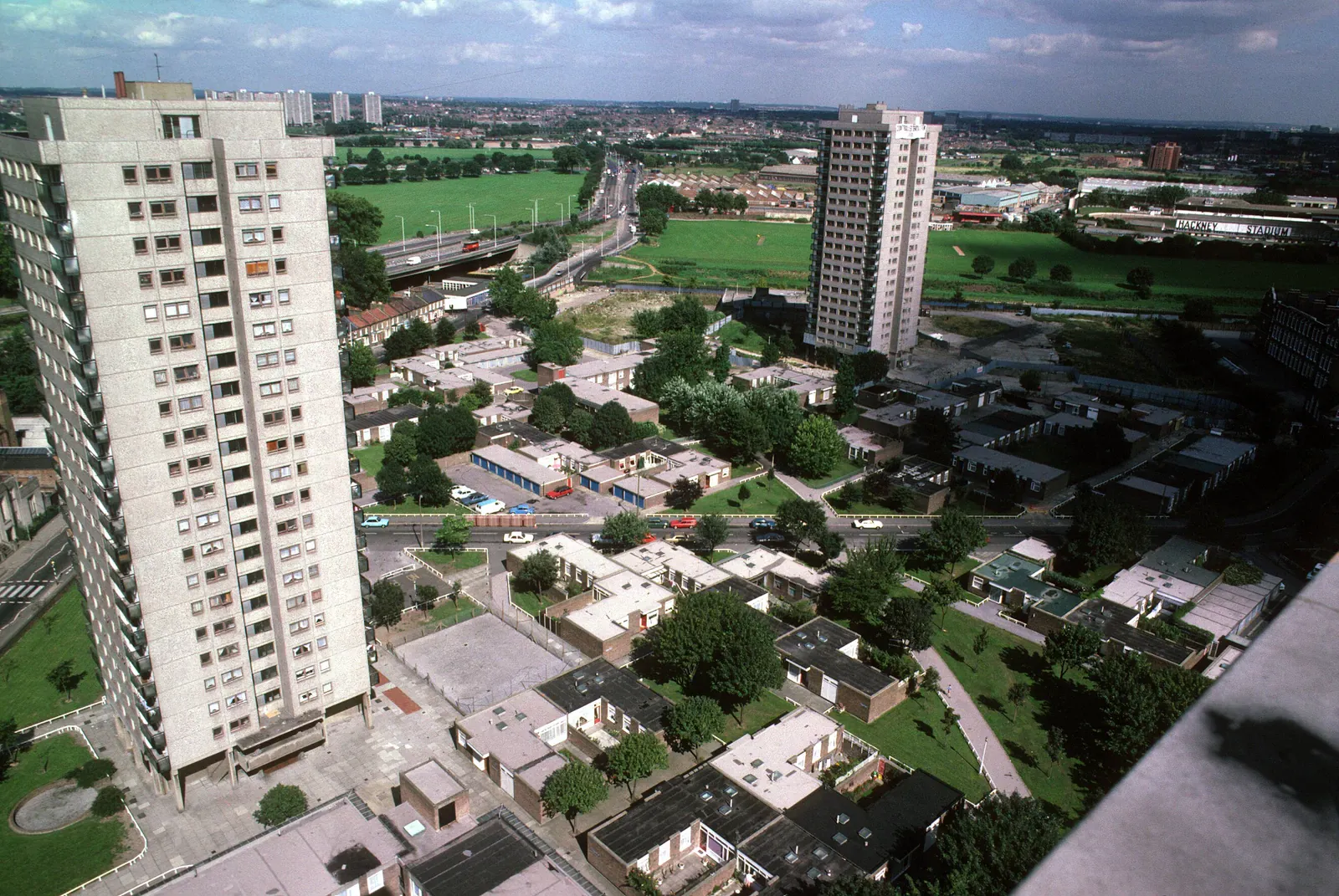
Origins
Jungle has two roots, one in the studio and one in the street. The studio root is a drum solo: in 1969 The Winstons recorded “Amen, Brother” and drummer Gregory Coleman played a four-bar break that hip-hop producers began sampling in the 1980s and rave producers turned into a standard raw material. The band was never paid for the sample. A crowdfunding campaign in 2015 raised more than 18,000 pounds for Richard Spencer, the group’s leader, long after the break had been chopped into thousands of tracks.
The street root is the Caribbean sound system. Caribbean migrants brought the culture of heavy speaker stacks, selectors and toasting to Britain, and a generation of young listeners grew up on dub bass and dancehall voices. When the rave scene accelerated into breakbeat hardcore at the start of the 1990s, those listeners brought that bass and those voices to it.
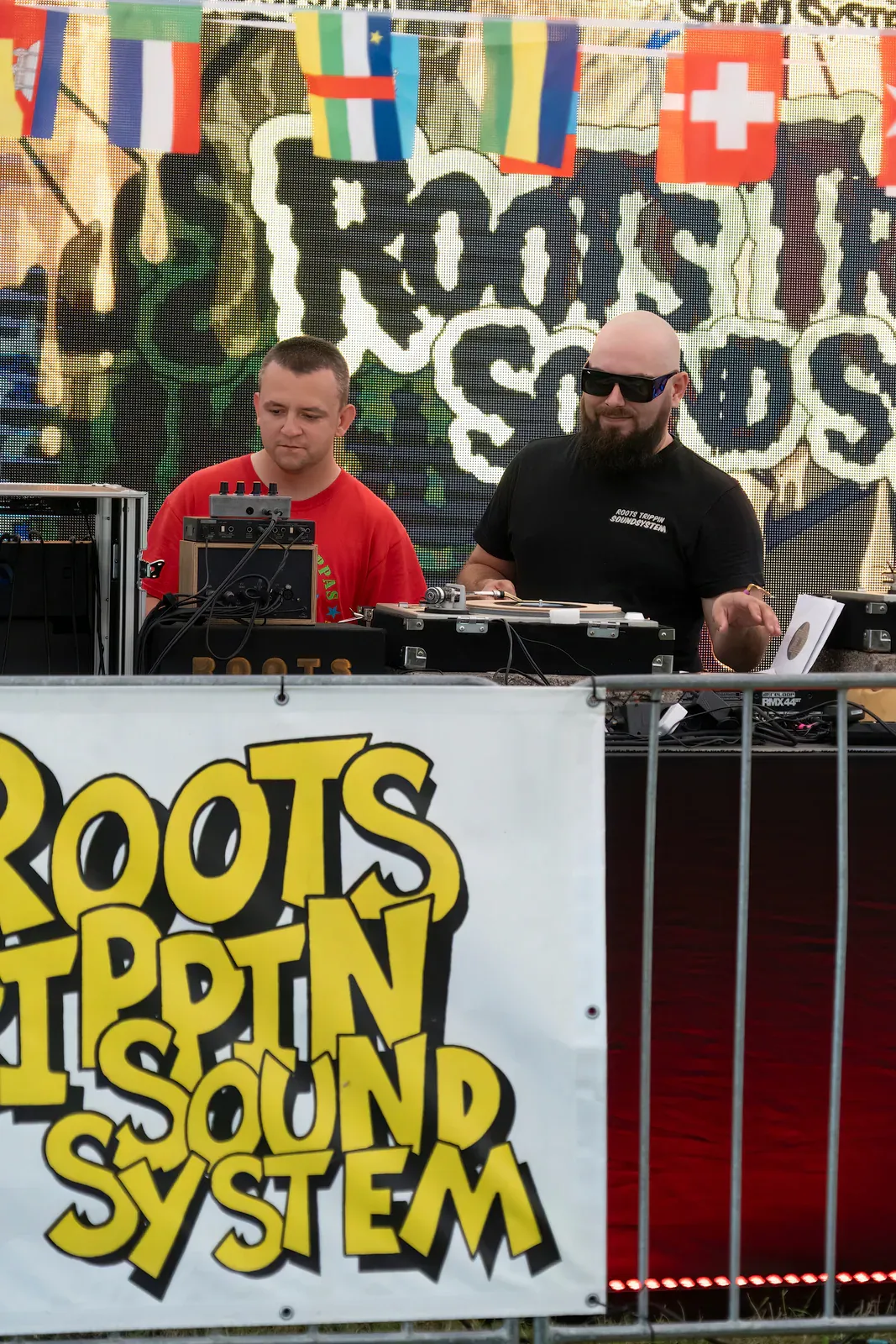
Ragga Twins formed in Hackney in 1989 and brought sound system toasting to Shut Up and Dance records. In 1991 Rebel MC released “Tribal Base”, a hardcore and reggae single whose sampled “all the junglists” chant helped give the music its name. In 1992 Goldie and Rob Playford released “Terminator” as Metalheads, folding film samples into rapidly edited breakbeats.
Out of hardcore, 1991-1993
The split from hardcore happened on the air and in clubs rather than in a single record. Kool FM began broadcasting from Hackney on 28 November 1991 and became the main London voice of the new sound, and tape packs of its shows were copied and sent to cities such as Birmingham. A night called Telepathy, first held in Stratford in 1990, and later events such as Jungle Fever, gave the music a room.
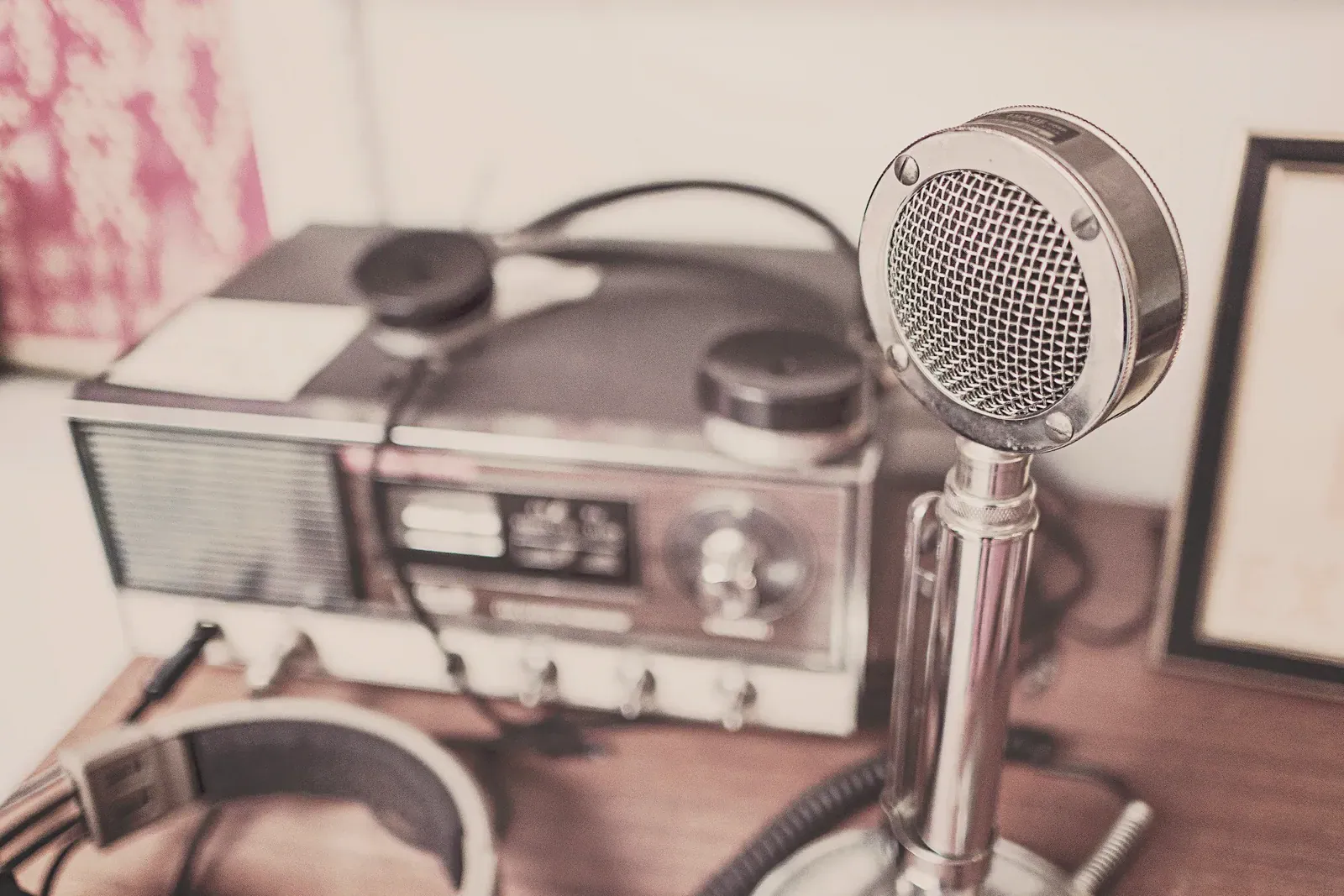
Labels formed around producers who wanted harder, darker records than hardcore allowed. Reinforced, started in 1989 by Marc Mac and Gus Lawrence of 4hero, later released Goldie’s Rufige Kru and Doc Scott. Moving Shadow, founded in 1990 in Stevenage by Rob Playford, issued Omni Trio’s “Renegade Snares” in 1993, in which Rob Haigh builds the breaks from individual drum hits under crystalline keyboards. RAM Records released Origin Unknown’s “Valley of the Shadows” in 1993, with arpeggiated electronics and documentary samples, a record many describe as the most representative jungle tune. Suburban Base came out of Danny Donnelly’s Boogie Times record shop in Romford.
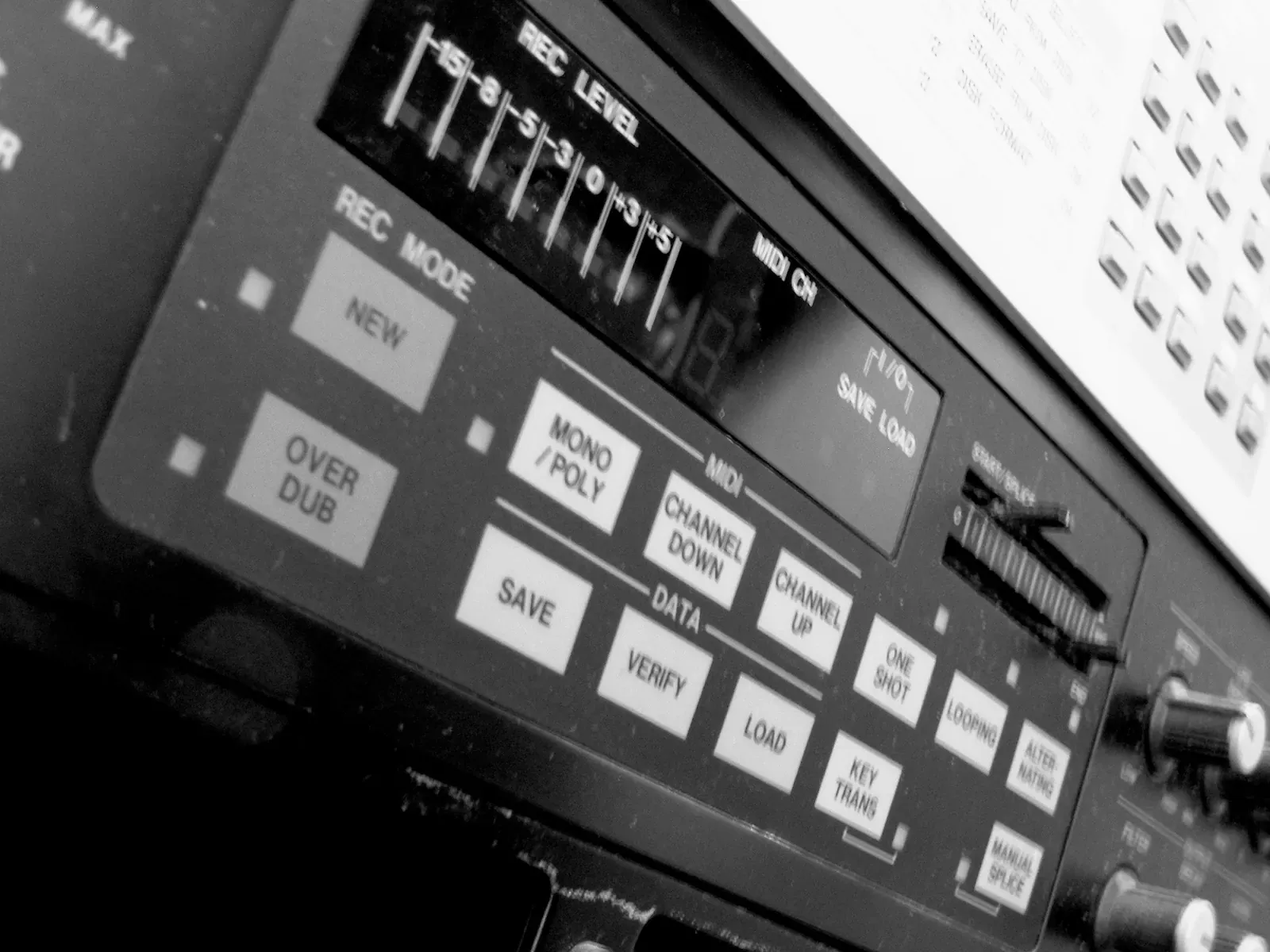
Golden age, 1994-1996
From 1994 jungle reached the charts. “Original Nuttah” by Shy FX and UK Apache, released in October on SOUR, a ragga jungle record with a full sung vocal, entered the UK Top 40. In August M-Beat and General Levy’s “Incredible” reached number 8 on Renk, the first jungle record in the UK top 10. It split the scene: DJs campaigned against the record after a comment General Levy made about running jungle, and many in the scene felt commercial success was being bought at the cost of its identity.
At the same time the music was getting more varied. Dead Dred’s “Dred Bass”, released on Moving Shadow in 1994, gave its name to a thick stop-start bass sound that many producers copied. DJ Hype’s “Roll the Beats”, with MC GQ on Suburban Base, used time-stretched beats and voices to produce a digital stutter. Remarc’s “Drum & Bass Wize” layered Amen manipulations with dancehall MC samples. Jump-up arrived in 1995 and put bass experiments in the foreground.
Media attention followed. Channel 4 broadcast the documentary “All Junglists: A London Someting Dis” in 1994 to counter stereotypes that tied the music to violence, and BBC Radio 1 gave jungle its own show, “One in the Jungle”, in 1995. The Astoria in London hosted the Roast jungle event in 1994.
Drum and bass takes over, 1997-2004
Goldie, Kemistry and Storm founded Metalheadz in 1994, and its weekly Sunday Sessions at the Blue Note club in London from July 1995 became the place where jungle turned into something cooler and more technical. Alex Reece’s “Pulp Fiction” on Metalheadz sits on the border between the two. By 1997 producers and promoters were using the name drum and bass, reggae samples were fading, and the sound was drawing on hip-hop and jazz. Roni Size and Reprazent’s album “New Forms” won the Mercury Prize in 1997 and marked the commercial peak of the new name.
Characteristics
Jungle is a producer’s music built from other records. The Amen break is the best known source, but funk and soul breaks of every kind are cut apart and rebuilt, so that the same sampled drummer sounds different in every track. Bass comes from dub and dancehall. Ragga samples and live MCs supply the hooks. Two broad strands formed within the first years: a dark, atmospheric strand typified by “Valley of the Shadows” and Omni Trio, and a ragga strand carried by vocals and toasting. The vocabulary of the scene, from the rewind to the dubplate, belongs to the sound system tradition.
Instruments and production
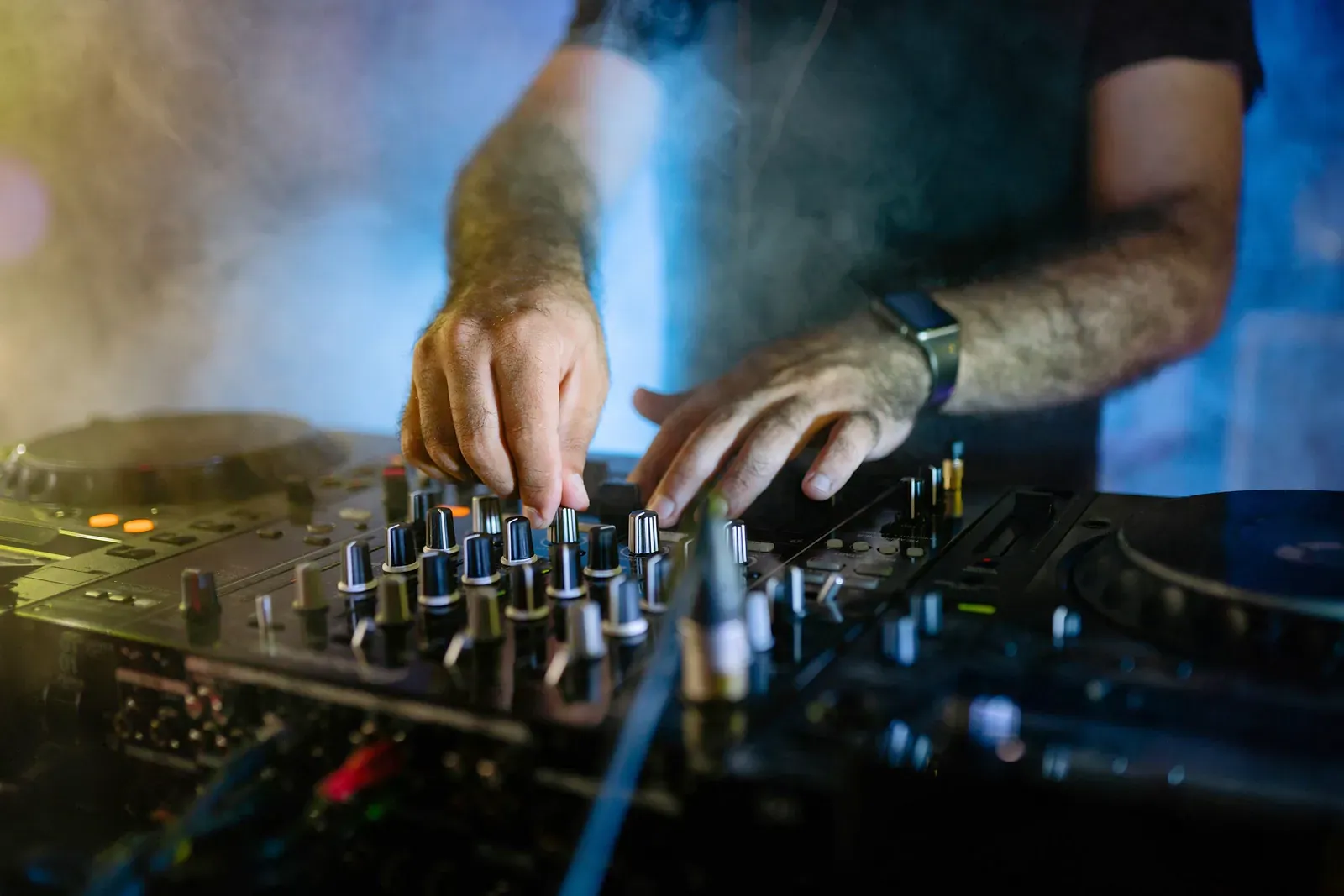
Early jungle was made on modest equipment: a sampler to capture and speed up breaks, an Atari ST running sequencing software, and later software that sliced drum loops into pieces for re-sequencing. Aggressive pitching and stretching of breaks and voices left a digital grit that became part of the sound.
Culture
Jungle grew out of the rave scene and Caribbean sound system culture, and its dancers skanked over the broken beat. Streetwear defined the look: baggy jeans, camouflage, Nike Air Max, hoodies and MA-1 jackets.
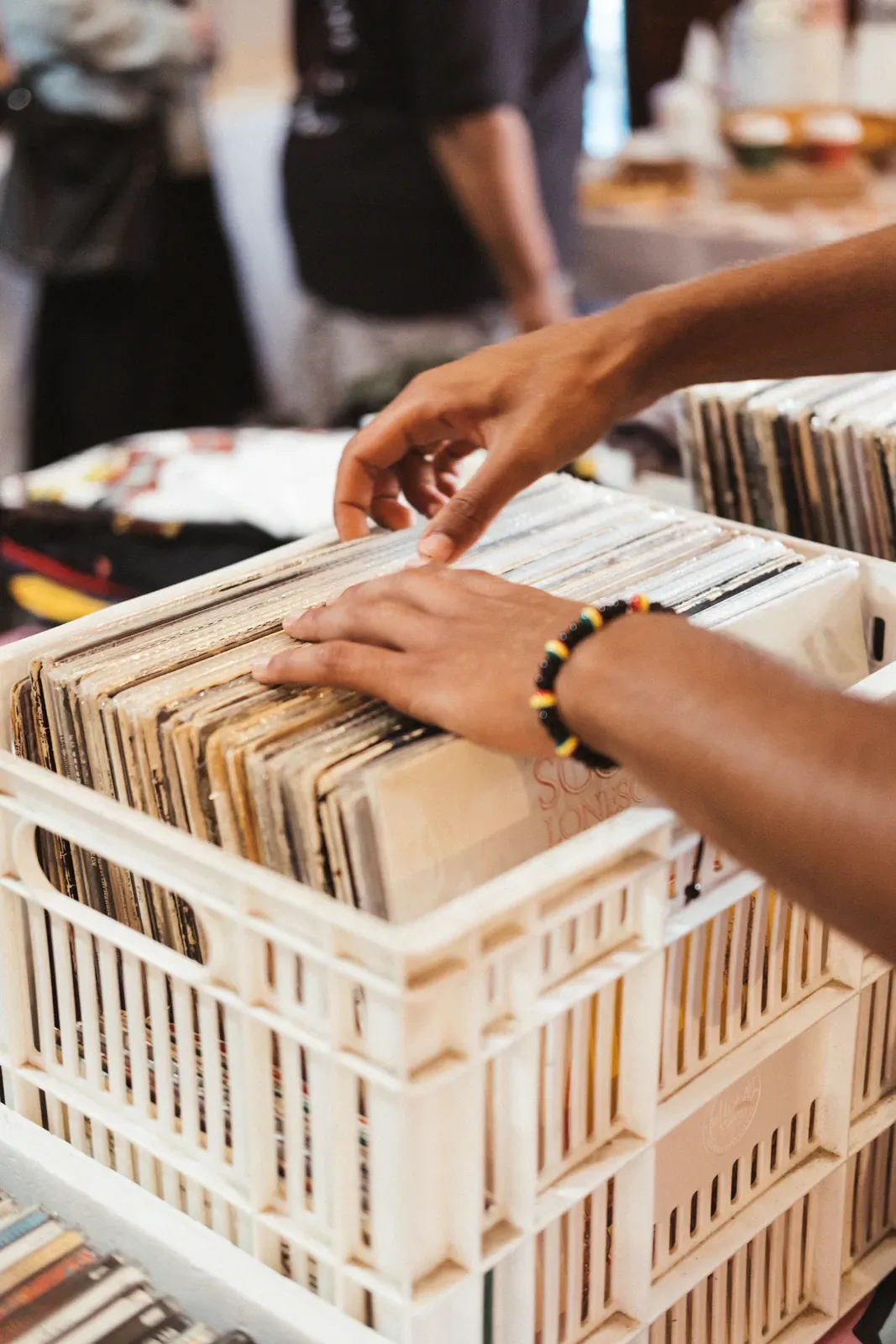
The scene economy rested on pirate radio, dubplates and record shops rather than on major labels. Exclusive acetates gave DJs prestige, and a shop such as Boogie Times in Romford could seed a label, as it did Suburban Base. Media stereotypes linked the music to violence, a charge the scene rejected and that fed its distrust of the 1994 chart moment.
Legacy
Jungle never disappeared; it changed its name. Drum and bass, breakbeat styles and later UK bass music all inherit its chopped breaks and sound system bass. From the mid-2000s old-school nights and reissues brought the music back. In 2019 Chase & Status released the album “RTRN II JUNGLE” on Virgin EMI, with General Levy and Cutty Ranks among the guests, and Shy FX and UK Apache re-recorded “Original Nuttah” for its 25th anniversary. Kool London, the rebuilt pirate station, continues to broadcast.
Misconceptions
Jungle is not simply an older name for drum and bass. The two overlap, but the sound of 1992 to 1995, with ragga voices, reggae bass and breaks edited by hand, is distinguished in nearly every account from the harder, jazz and hip-hop leaning drum and bass that followed from 1996 onward.
It is also not only ragga. The scene had a dark, atmospheric side from the start, and records such as “Valley of the Shadows” and “Renegade Snares” use keyboards and film or documentary samples instead of dancehall voices.
A third belief is that the Amen break made money for its creators. It did not: the Winstons were never paid for the break that became jungle’s best known sample, and the 2015 fundraiser for Richard Spencer was a gift from fans and producers rather than a royalty.
Frequently asked questions
What is jungle music?
Jungle music is a UK dance music of the early 1990s built from fast, chopped breakbeats, deep reggae-derived bass, ragga vocal samples and MC vocals. It formed in London pirate radio and club culture around 1992 to 1994.
What is the difference between jungle and drum and bass?
Jungle is the earlier music, from about 1992 to 1995, and keeps strong reggae and ragga elements. Drum and bass is the name that took over from 1996 and 1997 as producers moved toward cleaner, more technical production and away from reggae samples.
Where does the name jungle come from?
The name is tied to the chant “all the junglists” that Rebel MC sampled on “Tribal Base” in 1991. A fan or maker of the music became known as a junglist.
What is the Amen break?
The Amen break is a four-bar drum solo from The Winstons’ 1969 record “Amen, Brother”, played by Gregory Coleman. Sampled across hip-hop and rave, it became the best known drum source in jungle.
Sound
Sound sheet
Signature sounds
- Chopped Amen break and other funk breaks
- Deep sub-bass drawn from reggae and dub
- Ragga and dancehall vocal samples
- MC chatter over the beat
- Film and documentary samples
- Time-stretched and pitched vocals
Drums and percussion
- Akai S950
Synths and software
- Cubase
- ReCycle
Techniques
- Chopping and re-sequencing breaks
- Time-stretching
- Pitch shifting samples
- Ragga vocal sampling
- Reggae-derived sub-bass
Vocals
Rapid-fire MC chatter and ragga toasting in patois, plus sampled dancehall voices.
Scenes
Where it happened
Where and when the sound lived: one bar per city on a shared timeline.
Europe
Active scenes
Peak 4, 1996-1997
Hackney tower blocks, pirate radio and clubs such as Telepathy and Roast formed jungle's centre.
Home of Suburban Base and the Boogie Times shop.
Rob Playford ran Moving Shadow from his home there.
Kool FM Midlands ran here and tape packs carried the London shows.
Venues and places
London, 1990 to today. A night in Stratford, first held in 1990 and a hub for hardcore and jungle fans.
London, 1991 to today. Pirate station broadcasting from Hackney tower blocks, widely seen as jungle's most important station.
London, 1994 to today. Home of the Roast jungle event in 1994.
London, 1995 to today. Where Metalheadz Sunday Sessions began in July 1995.
Romford, 1990 to today. Danny Donnelly's dance record shop, from which he started Suburban Base.
Culture
Culture markers
- Junglist
A fan or maker, tied to the chant Rebel MC sampled from a yard tape.
Slang - The rewind
Crowds shout for a DJ to pull the record back and play it again.
Ritual - Dubplates
Exclusive acetates gave DJs status and scarcity and let producers test new tracks.
Ritual - Pirate radio tape packs
Tapes of Kool FM shows were distributed to cities such as Birmingham.
Ritual - Two-step skank
A skanking dance style over the broken beat, in clubs with mixed crowds.
Dance - Streetwear and MA-1 jackets
Baggy jeans, camouflage, Nike Air Max, hoodies and MA-1 jackets marked the crowd.
Fashion
Media
Key media
- 1994All Junglists: A London Someting Dis
by Channel 4. Documentary on the scene that countered media stereotypes linking jungle to violence.
Film - 1995One in the Jungle
by BBC Radio 1. Radio 1's jungle show, a sign of the music moving to national radio.
Radio - 1996Platinum Breakz
by Metalheadz. First of the label's compilations of urban breakbeat music.
Compilation - 1996Still Smokin'
by DJ Hype. Mix album by DJ Hype.
Compilation - 1998Talkin' Headz: The Metalheadz Documentary
by Metalheadz. Documentary on the label that led the move to drum and bass.
Film - 2002Ali G Indahouse
by Mark Mylod. Feature film that uses Incredible, a sign of the song's mainstream reach.
Film
Glossary
Terms on this page
A drum break from The Winstons' 1969 Amen, Brother, chopped and re-sequenced in thousands of tracks.
A thick, stop-start bass sound named after Dead Dred's 1994 record.
An exclusive acetate cut for DJs, used to test and showcase unreleased tracks.
A style from 1995 that put bass experiments in the foreground, as on Super Sharp Shooter.
A fan or maker of jungle, from the chant Rebel MC sampled.
Jungle driven by dancehall vocals and toasting, dominant around 1994 and 1995.
Crowd request for a DJ to pull the record back and play it again.
Electronic family