Breakcore
Breakcore is extreme breakbeat music from the 1990s that chops the Amen break into dense, distorted patterns, rooted in jungle, hardcore and digital hardcore.
London, 1995
Electronic family
Born
1995
London
Subgenres
4
Documented branches
Links
17
Genres it drew on or shaped
Tempo
160-185 BPMLineage
Family tree
Grew out of
Derived from
Derived from
- Hardcore (electronic dance music)
Derived from
Influenced by
London, 1995
Breakcore
Led to (4)
Timeline
Era by era
From the first sparks to today. Select a dot to read the story behind it.
- Hardcore and noise roots
1992 to 1999
- Labels and the web
2000 to 2008
- Dispersal and mashcore
2009 to 2018
- Metal crossover and online revival
2019 to today
Eras
Moments
- 1 Hardcore and noise roots, 1992 to 1999
- 2 Labels and the web, 2000 to 2008
- 3 Dispersal and mashcore, 2009 to 2018
- 4 Metal crossover and online revival, 2019 to today
1992
Hardcore and noise roots
Digital hardcore, gabber and noise-jungle scenes in Berlin, London and Newcastle (Australia) set the template: the Amen break at very high tempos with distortion.
- 1969The Winstons record Amen, BrotherIts drum break becomes the most sampled in breakbeat music.
- 1992Nasenbluten form in NewcastleThe Australian trio later became a named influence on breakcore.
- 1992Atari Teenage Riot form in BerlinA digital hardcore band fusing punk vocals and techno.
- 1994Digital Hardcore Recordings foundedAlec Empire sets up the label that gives digital hardcore its name.
- 1994Bloody Fist Records founded in NewcastleMark Newlands starts the label for local hardcore releases.
- 1995Atari Teenage Riot release Delete Yourself!The first album on Digital Hardcore Recordings.
- 1996Alec Empire's The DestroyerCounted among the earliest breakcore records.
- 1996DJ Scud co-founds Ambush Records in LondonThe label focuses on noise-oriented hardcore drum and bass.
- 1996Nasenbluten release N of Terror
2000
Labels and the web
Planet Mu, Ad Noiseam and Peace Off spread the sound, and peer-to-peer sharing carried it between scenes. Venetian Snares and Shitmat gave it two faces.
- 2001Ad Noiseam founded in BerlinNicolas Chevreux starts a label that later releases Igorrr, Shitmat and Drumcorps.
- 2003Shitmat's Shopliftin' GabbaA debut single, later followed by the term mashcore.
- 2005Venetian Snares release Rossz Csillag Alatt SzületettBreakbeats meet orchestral samples on Planet Mu.
- 2006Documentary Notes on BreakcoreA film by David Kleinl and Bertram Koenighofer on the scene.
2009
Dispersal and mashcore
Labels slowed down (Ad Noiseam froze in 2016) while artists worked solo, with mashcore and raggacore offshoots and new acts such as Machine Girl.
- 2012Shitmat's Mash HitsA project remixing every UK number one single since 1952.
- 2012Machine Girl form on Long IslandA later driver of the 2020s revival.
- 2016Ad Noiseam enters a deep freezeThe Berlin label stops regular releases.
2019
Metal crossover and online revival
Igorrr took breakcore into metal audiences, and a 2020s revival on streaming platforms drew on anime, video-game and early-2000s imagery.
- 2020Igorrr's Spirituality and DistortionA breakcore and extreme-metal album on Metal Blade; it reached the German top 20.
- 2024Machine Girl release MG UltraIncludes the single Until I Die.
Listening path
Anthems
The records that built the sound, grouped by the part they played. Thumbnails come from YouTube; the player loads only when you press play.
- 01
Atari Teenage Riot, 1995 · Digital Hardcore Recordings
Opens the digital hardcore label that fed breakcore: punk shouting over breakbeat noise.
Origin - 02
Alec Empire, 1996 · Digital Hardcore Recordings
Title track of an album counted among the earliest breakcore records.
Origin - 03
Venetian Snares, 2005 · Planet Mu
Opens the album that brought breakcore to IDM and classical-minded listeners.
Start hereBreakthrough - 04
Shitmat, 2003
The debut single that set the mashcore tone.
Start hereAnthem - 05
Venetian Snares, 2005 · Planet Mu
Another fast, string-laced cut from the same album.
Anthem - 06
Igorrr, 2020 · Metal Blade
Lead single of the album that carried breakcore into metal audiences.
Start hereCrossover - 07
Machine Girl, 2024
A single from the 2020s revival, with an official video from the band.
Revival
Facts
| Family | Electronic |
| Origin | London, United Kingdom |
| Emerged | Mid-to-late 1990s |
| Status | Revival |
| Tempo | 160 to 185 BPM |
| Grew out of | Jungle, Drum and bass, Hardcore (electronic dance music) |
| Subgenres | 4 |
Breakcore is a style of extreme breakbeat music that took shape in the mid-to-late 1990s in London, Berlin and Newcastle, Australia. Producers cut the Amen break into tiny slices, push the tempo far beyond drum and bass, and layer the result with distortion, noise and a collage of samples.
It belongs to the electronic music family and grew out of jungle, drum and bass and hardcore dance music.
Origins
Breakcore has no single founding moment. It formed where several fast, abrasive scenes overlapped in the early and mid 1990s. The raw material was older: in 1969 The Winstons recorded “Amen, Brother”, and its drum break became the most sampled loop in breakbeat music, the rhythmic core of jungle and later of breakcore.
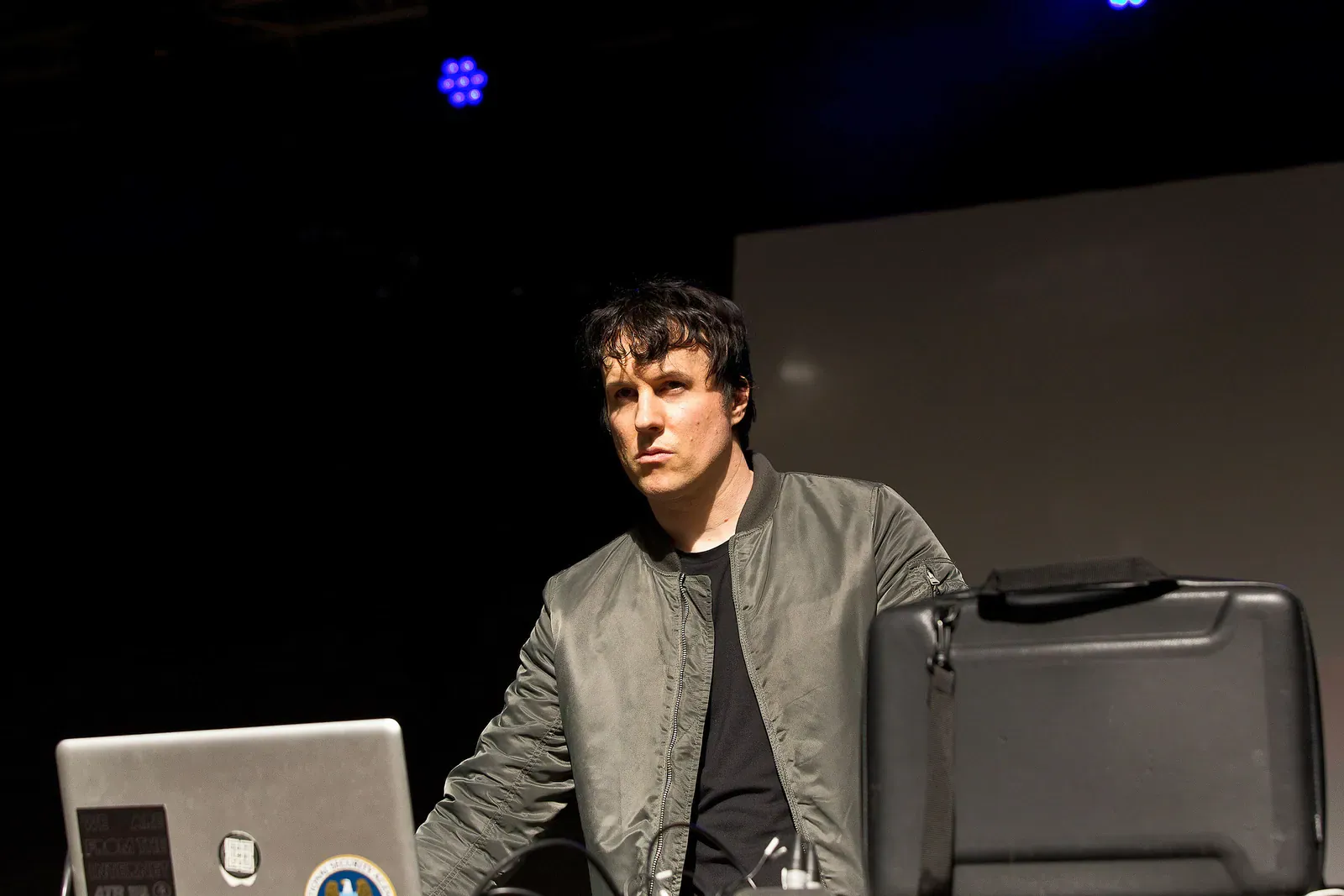
In Berlin, Alec Empire and Atari Teenage Riot formed the band in 1992 and fused punk vocals with techno. Empire founded Digital Hardcore Recordings in 1994, and the label gave digital hardcore its name. Atari Teenage Riot’s 1995 album “Delete Yourself!” was the first on the label, and Empire’s 1996 album “The Destroyer” is counted among the earliest breakcore records. Digital hardcore is therefore a direct root: punk shouting laid over breakbeat noise.
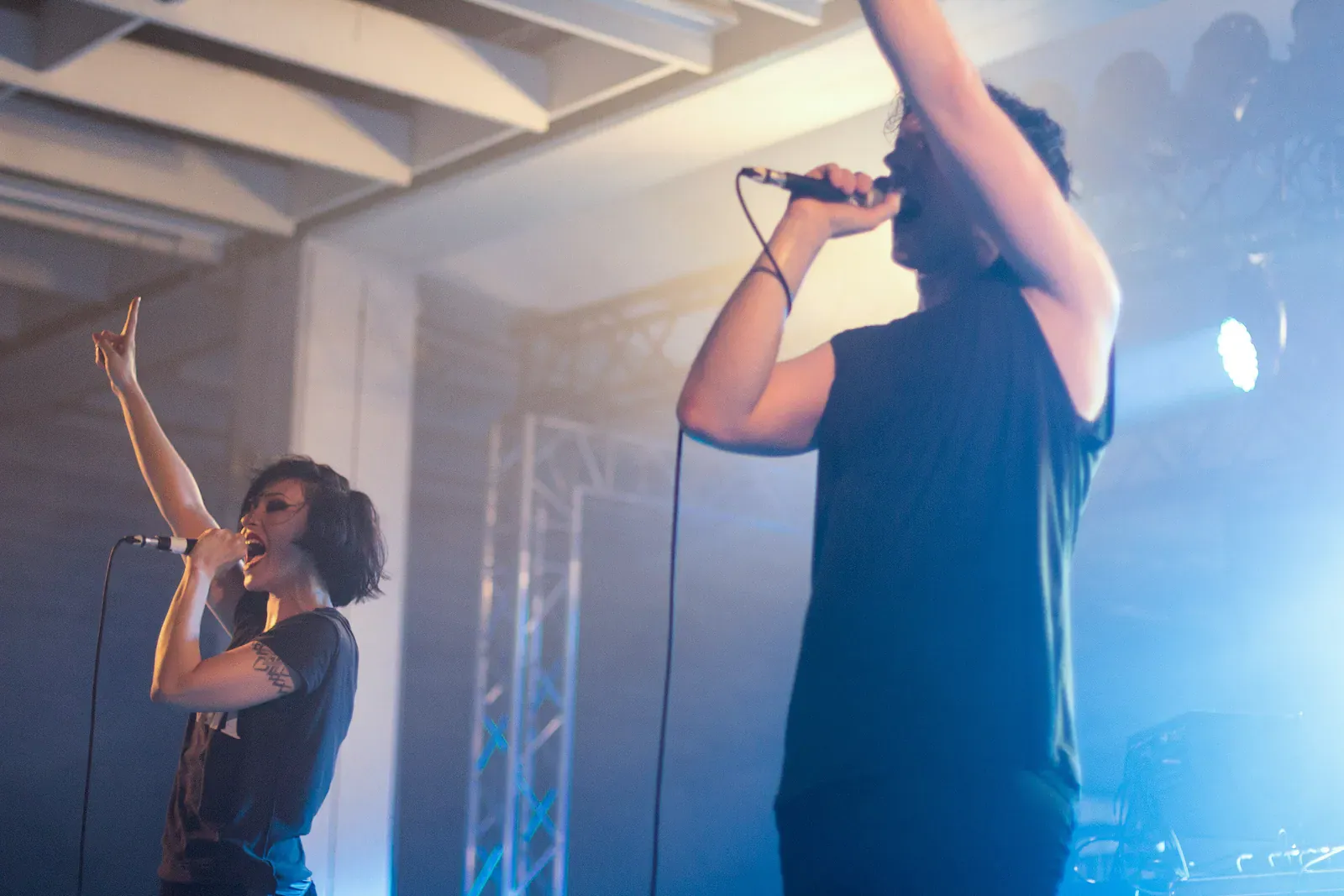
Newcastle in Australia supplied a second root. Nasenbluten formed there in 1992, and Bloody Fist Records, started in 1994 by Mark Newlands, released local hardcore. The trio’s 1996 record “N of Terror” mixed hardcore techno with ironic samples and later became a named influence on breakcore.
London added a third. DJ Scud co-founded Ambush Records in 1996, a label focused on noise-oriented hardcore drum and bass. Together, the three cities established the template of the Amen break at very high tempos with distortion.
Hardcore and noise roots, 1992-1999
The early scenes shared a habit rather than a sound: take a dance-floor rhythm and break it. Jungle and drum and bass supplied the chopped breaks, gabber and hardcore supplied the speed, and noise and IDM supplied the license to treat a drum pattern as a texture instead of a groove. Peace Off, a label from Rennes, added mashup and IDM touches to hardcore breaks.
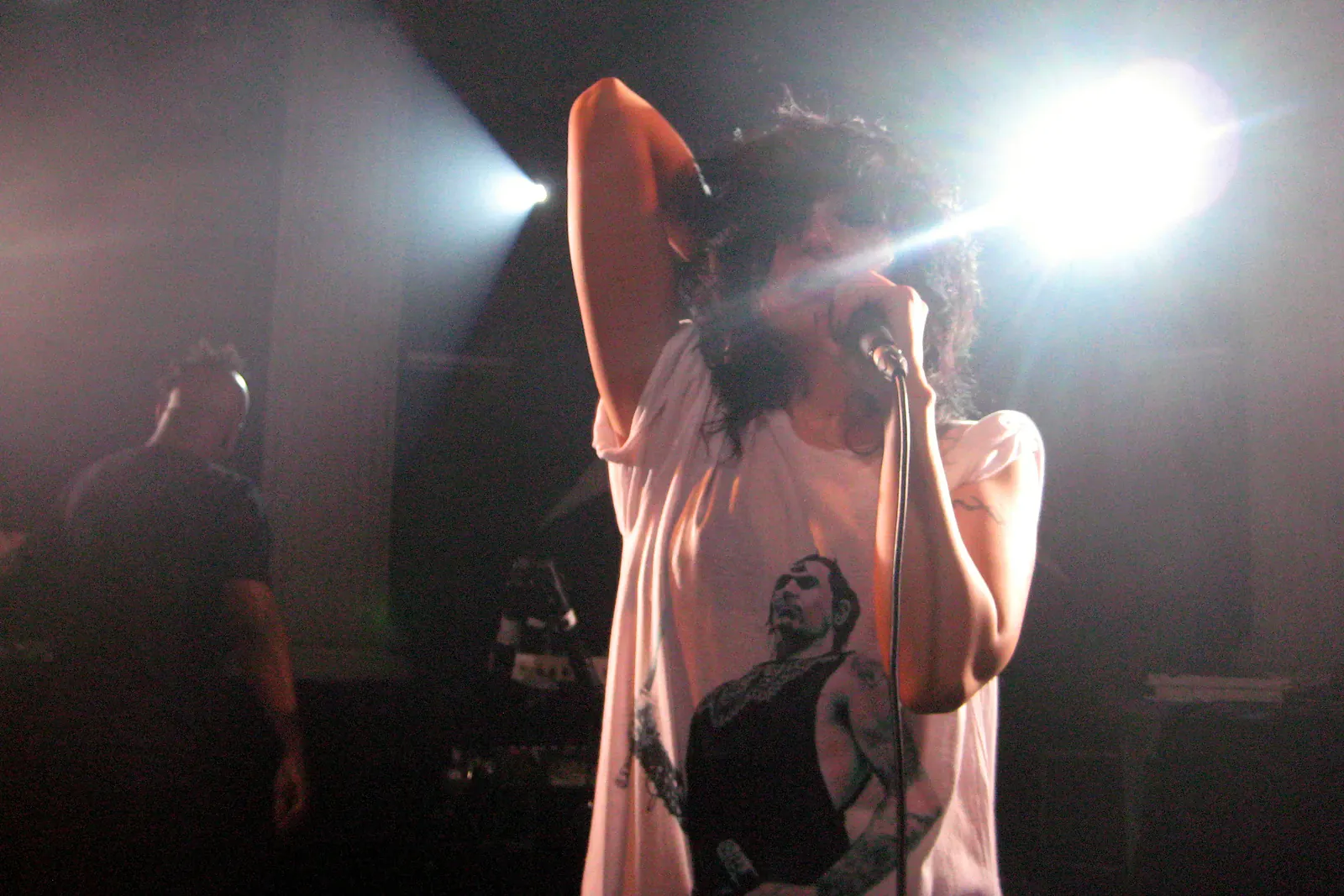
Labels and the web, 2000-2008
The genre spread through labels and file sharing. Ad Noiseam was founded in Berlin in 2001 by Nicolas Chevreux and later released Igorrr, Shitmat and Drumcorps. Planet Mu and Peace Off carried the sound to IDM-minded listeners, and peer-to-peer sharing moved records between scenes that otherwise rarely met. Venetian Snares and Shitmat gave the period two faces: one orchestral and precise, the other ironic and populist.
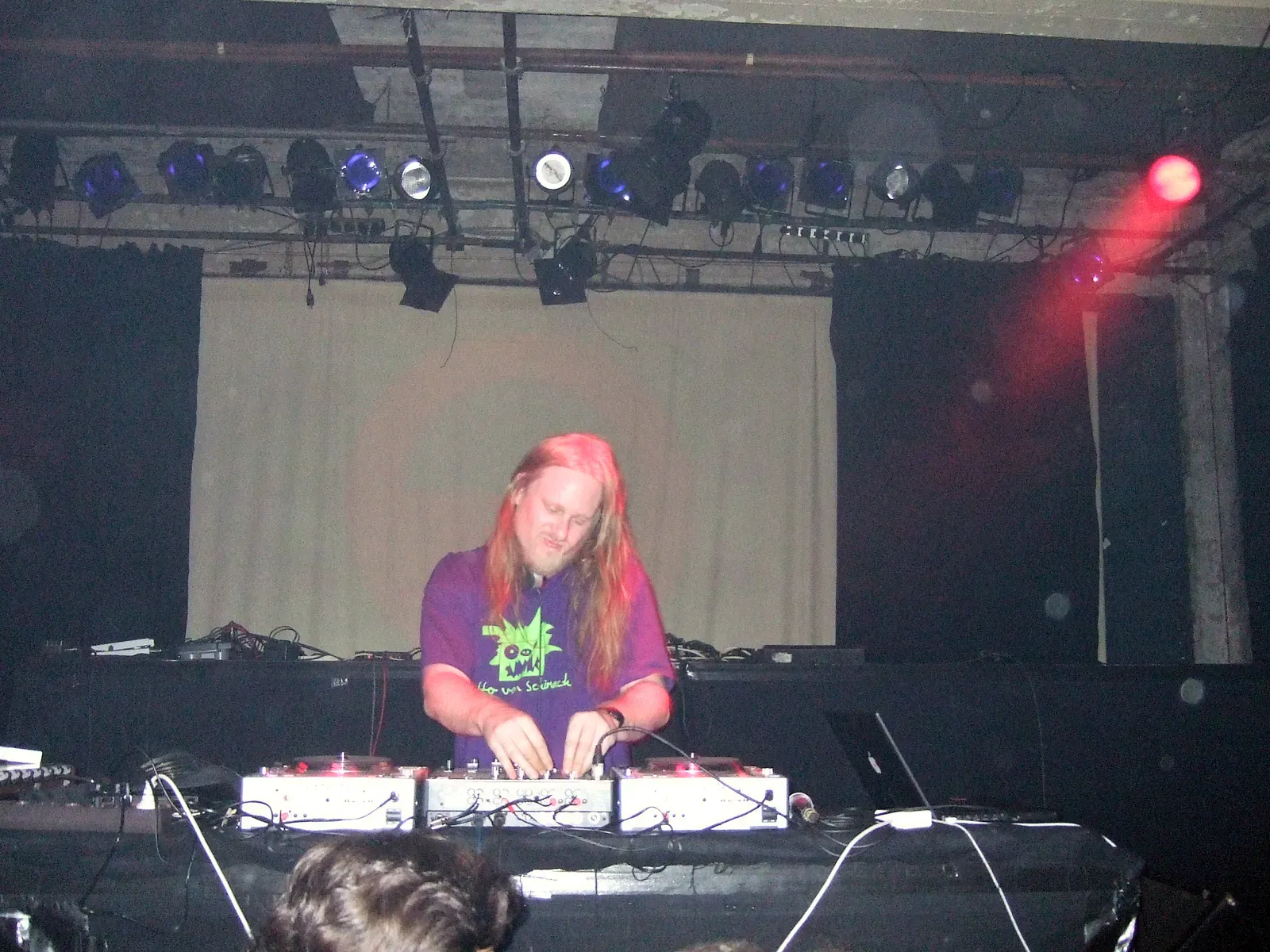
Shitmat’s 2003 debut single “Shopliftin’ Gabba” set the tone for mashcore, a term Shitmat is credited with coining. In 2005 Venetian Snares released “Rossz Csillag Alatt Született” on Planet Mu, combining breakbeats with orchestral and classical samples. It is hailed as one of the genre’s most important albums and reached IDM and classical-minded audiences that had no interest in hardcore. A 2006 documentary, “Notes on Breakcore” by David Kleinl and Bertram Koenighofer, covered the scene.
Dispersal and mashcore, 2009-2018
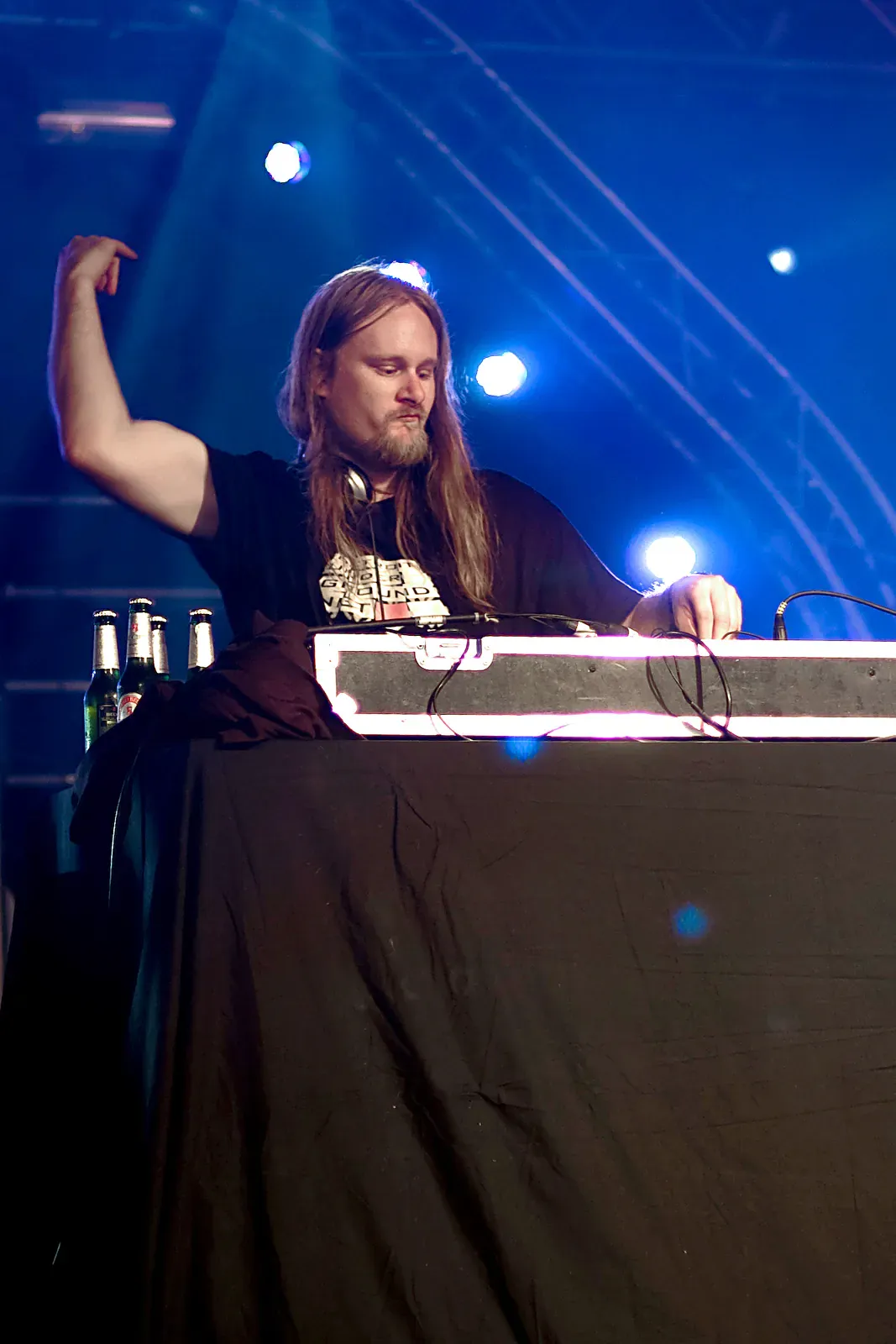
After 2008 the label network slowed. Ad Noiseam entered a deep freeze in 2016 and stopped regular releases. Artists increasingly worked alone, and the genre split into offshoots. Mashcore, built on mashups, and raggacore, built on ragga and dancehall vocals, became recognized strains. Shitmat’s 2012 project “Mash Hits” cut every UK number one single since 1952 into a single mashcore work. In the same year Machine Girl formed on Long Island, a later driver of the 2020s revival.
Mainstream success
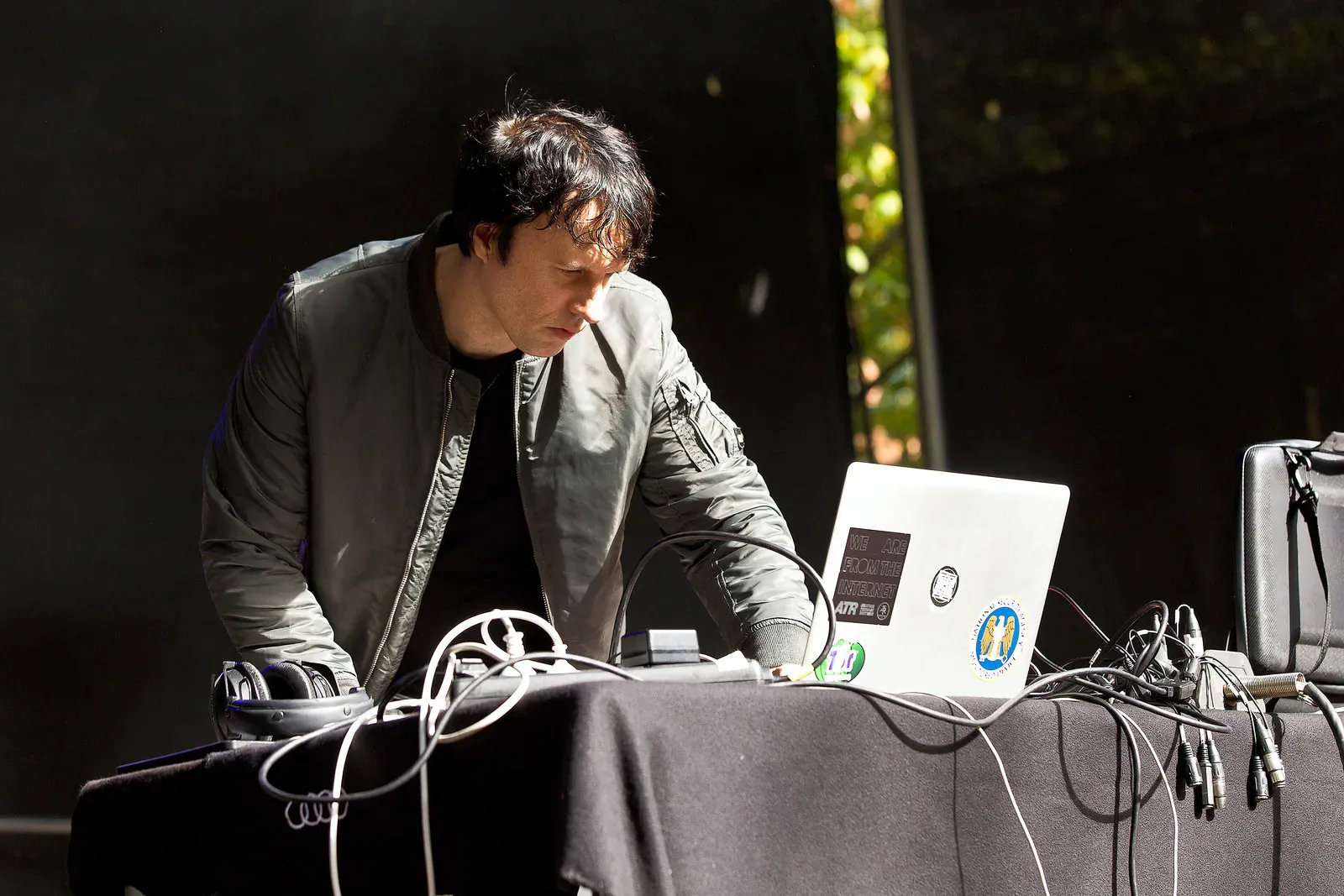
Breakcore never reached the charts as a genre, but its edges touched them. The clearest crossover came in 2020 with Igorrr’s “Spirituality and Distortion”, a record fusing breakcore with extreme metal and baroque instruments, released on Metal Blade. It reached the German top 20 and carried the genre’s techniques to a metal audience that had never followed the label scene.
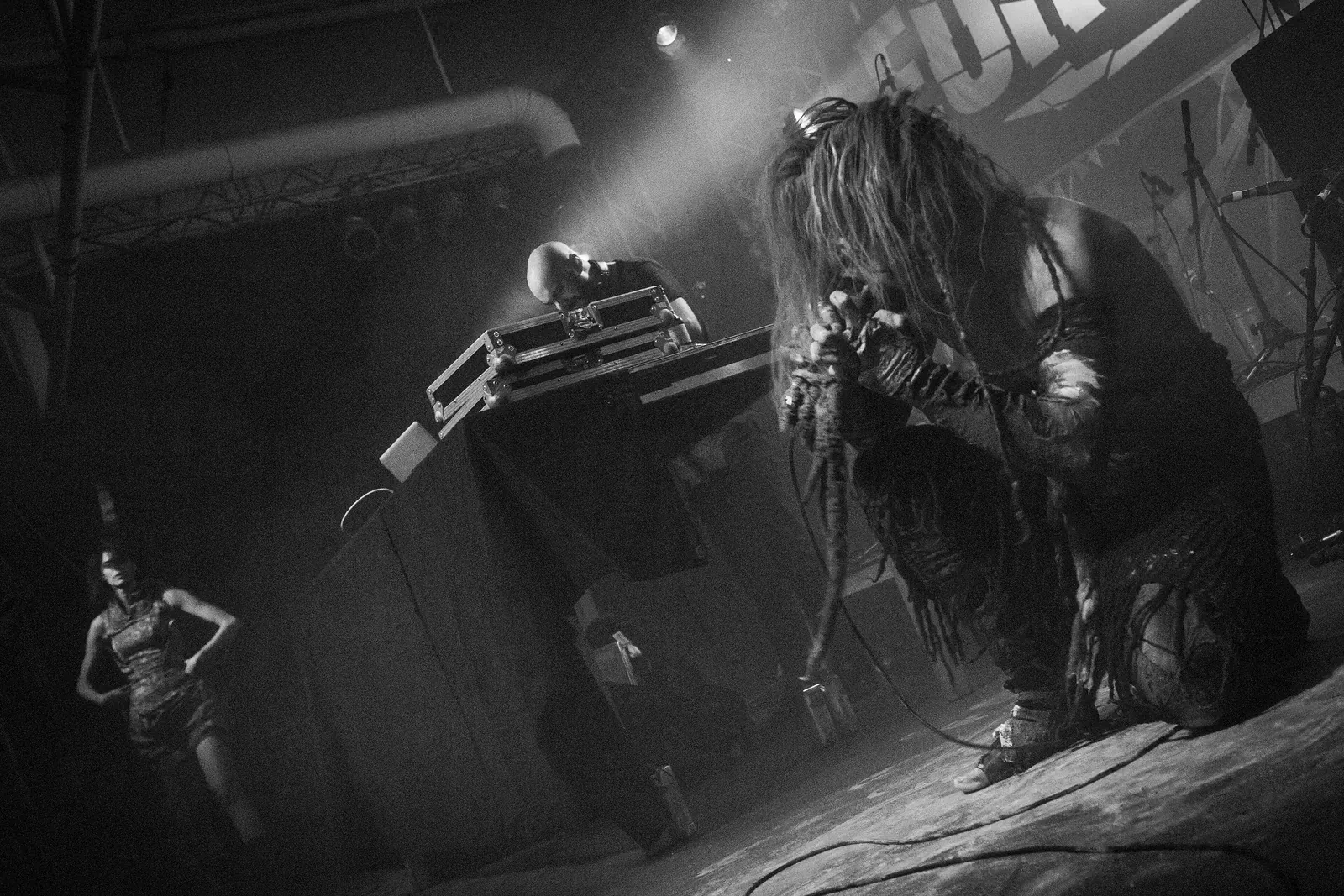
The 2020s brought a second, online wave. Streaming platforms and social media pulled breakcore toward anime, video-game and early-2000s imagery, and Machine Girl’s 2024 release “MG Ultra”, which includes the single “Until I Die”, is an example of the revival. This version is generally more atmospheric and more tied to internet culture than the 1990s original.
Notable recordings
“Delete Yourself!” (1995) is the starting point for the digital hardcore line: shouted punk vocals over breakbeat noise, released on the label that named the style. “The Destroyer” (1996) followed as an Empire album counted among the earliest breakcore records. On “Szerencsétlen”, the opening track of “Rossz Csillag Alatt Született”, string samples ride on fast breaks, and “Hajnal” from the same album is another fast, string-laced cut. “Very Noise” (2020) is the lead single from Igorrr’s metal crossover, and “Until I Die” (2024) represents the revival.
Culture
Breakcore grew in independent circles: small labels and club nights such as Wasted in Berlin, Bangface in London and the Anticartel event in Rennes. The UK free-party scene also produced and distributed its own breakcore. Berlin’s Berghain hosted the Ad Noiseam tenth-anniversary festival in 2011.
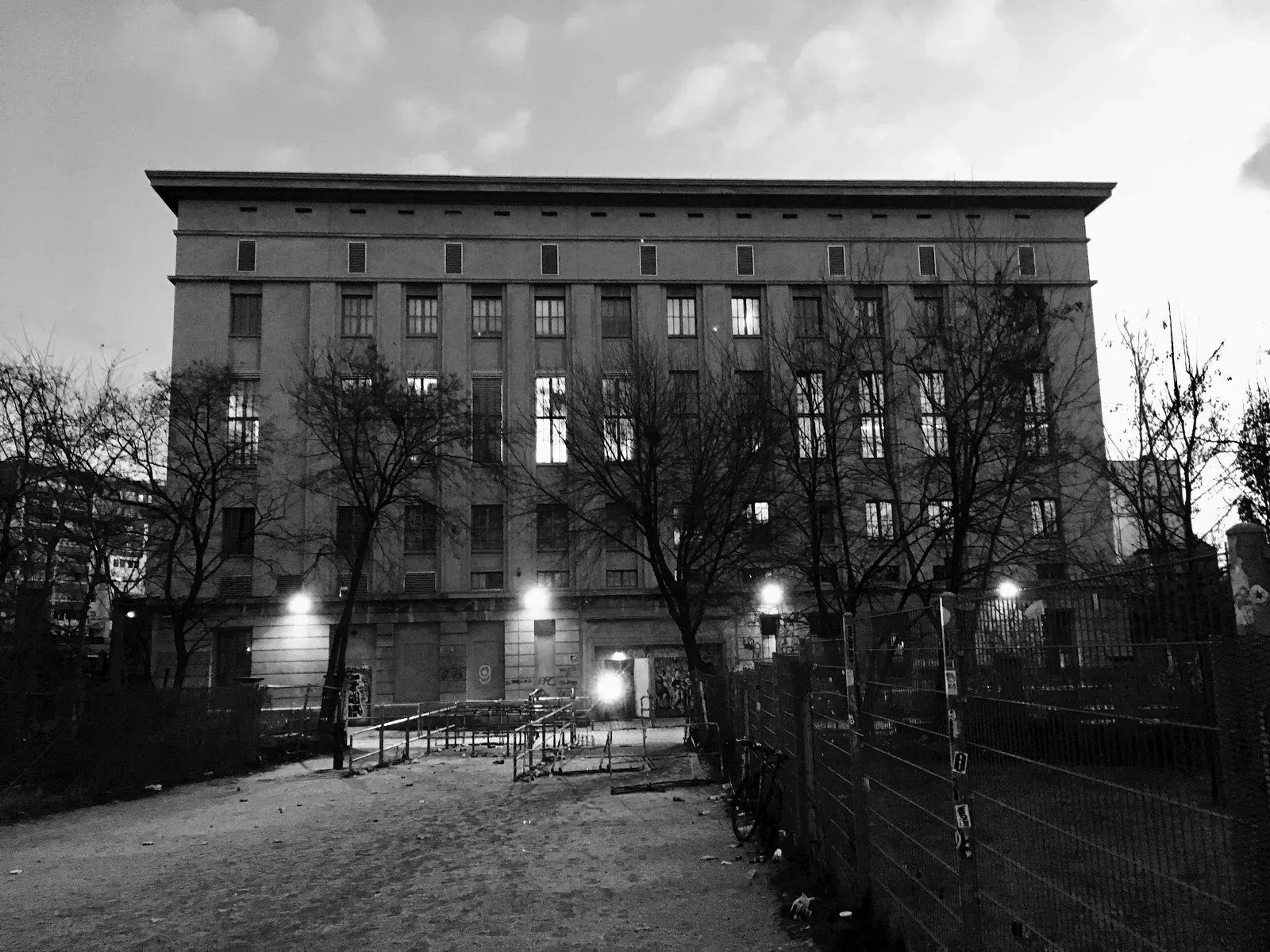
Two culture traits stand out. One is humour and irony: sample sources range from pop and rock to classical and dancehall, and the collage is often the joke. The other is the revival’s visual language of anime, video games and Y2K imagery.
Legacy
Breakcore left a practical legacy in how producers treat breaks: chopped, pitch-shifted and re-sequenced until the original loop is barely recognizable. Its offshoots, mashcore and raggacore, still carry the names and approaches it produced, and its crossover into metal showed that the genre’s methods work outside dance music. Within the electronic family, breakcore stands as the point where jungle’s sampling craft, hardcore’s speed and noise’s aggression meet.
Misconceptions
Breakcore is not simply fast drum and bass. Drum and bass and jungle are two of its parents, but hardcore and digital hardcore supplied the speed and the punk attitude, and noise supplied the distortion. The result owes as much to the Berlin and Newcastle hardcore scenes as to London’s breakbeat clubs.
The Amen break does not belong to breakcore alone. The break from The Winstons’ 1969 “Amen, Brother” is the most used break in jungle as well as in breakcore. What sets breakcore apart is the density of the editing, not the sample.
The 2020s revival is not a new genre invented online. Its core techniques date to the 1990s and 2000s, and acts such as Igorrr and Machine Girl are working with the same break-chopping vocabulary, filtered through anime, video-game and streaming-platform culture.
Frequently asked questions
What is breakcore?
Breakcore is an extreme breakbeat genre from the 1990s in which the Amen break is chopped, pitch-shifted and distorted into dense patterns at very high tempos, often with a collage of samples from pop, rock and classical music.
Where did breakcore come from?
Breakcore emerged in the mid-to-late 1990s from London, Berlin and Newcastle in Australia, drawing on jungle, drum and bass, hardcore dance music, digital hardcore and noise.
What is the difference between breakcore and mashcore?
Mashcore is a strain of breakcore built on mashups of well-known tracks. The term is credited to Shitmat, whose 2012 project “Mash Hits” remixed every UK number one single since 1952.
Who are the key breakcore artists and labels?
Key artists include Venetian Snares, Shitmat, Igorrr, Alec Empire, Atari Teenage Riot, Hecate, DJ Scud, Nasenbluten and Machine Girl. Key labels include Planet Mu, Digital Hardcore Recordings, Ad Noiseam, Ambush Records, Peace Off and Bloody Fist Records.
Sound
Sound sheet
Signature sounds
- Chopped and re-sequenced Amen break
- Pitch-shifted, time-stretched drum slices
- Heavy distortion and saturation
- Genre-hopping sample collage, from pop to classical
- Ragga and dancehall vocal samples (raggacore)
Techniques
- Amen break chopping
- Pitch and time manipulation
- Sample collage
- Ragga vocal chops
Scenes
Where it happened
Where and when the sound lived: one bar per city on a shared timeline.
Europe
Oceania
North America
Active scenes
Peak 4, 1996-2025
Home of Atari Teenage Riot, Ad Noiseam and the Wasted club night.
Ambush Records, Planet Mu and the Bangface club night centred the UK scene.
Nasenbluten and Bloody Fist Records built an early hardcore-to-breakcore scene.
Shitmat records mashcore here.
Venetian Snares works from Winnipeg.
Venues and places
Berlin, 2011 to today. Hosted the Ad Noiseam tenth-anniversary festival in 2011.
Culture
Culture markers
- Anime and video-game imagery
The 2020s revival leans on anime, video-game and Y2K visuals.
Artwork - Mashcore and raggacore
Tags that name mashup-heavy and ragga-driven strains of the genre.
Slang - Free parties and sound systems
The UK free-party scene produced and distributed its own breakcore.
Ritual
Media
Key media
- 2006Notes on Breakcore
by David Kleinl and Bertram Koenighofer. A documentary on the breakcore scene.
Film
Glossary
Terms on this page
A drum solo from The Winstons' 1969 Amen, Brother, the most used break in jungle and breakcore.
A punk-and-techno style named by Alec Empire for his label, a root of breakcore.
A UK free-festival sound-system scene that embraced breakcore production and distribution.
A mashup-driven breakcore style, a term Shitmat is credited with coining.
A breakcore style built on ragga and dancehall vocals and rhythms.
Electronic family