Pop rap
Pop rap fuses rapped verses with sung hooks, pop song structure and recognisable samples. It grew from 1980s crossover rap and reached the charts in 1990.
New York City, 1986
Hip Hop family
Born
1986
New York City
Subgenres
4
Documented branches
Links
14
Genres it drew on or shaped
Tempo
95-135 BPMLineage
Family tree
Grew out of
- New-school hip hop
Derived from
Influenced by
New York City, 1986
Pop rap
Led to (4)
Timeline
Era by era
From the first sparks to today. Select a dot to read the story behind it.
- Run-DMC, LL Cool J and the blueprint
1985 to 1989
- Hammer, Vanilla Ice and the crossover
1990 to 1994
- Dance and R&B fusion
1995 to 2002
- Black Eyed Peas to streaming
2003 to 2026
Eras
Moments
- 1 Run-DMC, LL Cool J and the blueprint, 1985 to 1989
- 2 Hammer, Vanilla Ice and the crossover, 1990 to 1994
- 3 Dance and R&B fusion, 1995 to 2002
- 4 Black Eyed Peas to streaming, 2003 to 2026
1985
Run-DMC, LL Cool J and the blueprint
Run-DMC and LL Cool J broke into the mainstream and set the template. Tone Loc, Young MC and the Fresh Prince followed with party songs built on storytelling.
- 1985LL Cool J releases RadioThe debut album of the rapper later called the first pop rapper, signed to Def Jam in 1984.
- 1986Run-DMC and Aerosmith record Walk This WayThe collaboration from the album Raising Hell put rap and rock on the same radio playlists.
- 1987LL Cool J releases I Need LoveMTV later called it one of the first pop rap crossover hits.
1990
Hammer, Vanilla Ice and the crossover
MC Hammer and Vanilla Ice reached the pop mainstream in 1990 with songs built on samples of older hits, and drew sharp criticism and lawsuits over the borrowing.
- 1990MC Hammer releases U Can't Touch ThisIssued in April on Capitol from Please Hammer, Don't Hurt 'Em, it made a flashy dancer-rapper a pop star.
- 1990Vanilla Ice releases Ice Ice BabyThe first hit by a solo white American rapper made him a household name.
- 1990Borrowing from hits draws criticism and court casesPop rap was derided, and occasionally taken to court, for its willingness to lift from well-known singles.
1995
Dance and R&B fusion
Rap joined dance music and R&B on the radio. Ja Rule blended gangsta themes with 1980s pop and soul elements, and pop rap dominated the charts.
- 1995Fantasy remix with Ol' Dirty BastardMariah Carey's single was remixed with a rapper, a pattern pop rap would repeat for years.
- 1997Puff Daddy releases I'll Be Missing YouA tribute single released in 1997 that sold across the pop charts.
- 1997Will Smith releases Gettin' Jiggy wit ItA lead single from the album Big Willie Style and a pop radio staple.
2003
Black Eyed Peas to streaming
Black Eyed Peas returned pop rap to the mainstream with Elephunk in 2003, and from the late 2000s Nicki Minaj, Drake, Flo Rida and Pitbull carried it into the streaming era.
- 2003Black Eyed Peas release Where Is the Love?The breakthrough single from Elephunk, released in 2003.
- 2011Nicki Minaj releases Super BassThe fifth single from Pink Friday, issued on April 5, 2011.
- 2015Drake releases Hotline BlingReleased in July 2015; its video, directed by Director X, followed in October.
- 2019Spotify introduces a pop rap categoryMany listeners were confused, since most of them simply call the music rap.
- 2021LL Cool J rejects the forefather labelIn April he tweeted that he did not embrace being called the forefather of pop rap.
Listening path
Start listening
A short path from an easy way in to the deep end. Thumbnails come from YouTube; the player loads only when you press play.
- 01
Run-DMC feat. Aerosmith, 1986
The rap and rock collaboration that opened radio to the style; listen for the guitar riff beneath the rapped verses.
- 02
MC Hammer, 1990
The sample-built mainstream breakthrough; listen for the borrowed bass line under the chant hook.
- 03
Black Eyed Peas, 2003
The sung chorus over rapped verses that revived the style in the 2000s.
- 04
Nicki Minaj, 2011
Rapped verses and a sung pop hook in a chart single of the early 2010s.
- 05
Drake, 2015
A sung, melodic track that shows how far the genre moved from rapped verses.
Facts
| Family | Hip Hop |
| Origin | New York City, United States |
| Emerged | Late 1980s |
| Status | Active |
| Tempo | 95 to 135 BPM |
| Meter | 4/4 |
| Grew out of | New-school hip hop |
| Subgenres | 3 |
Pop rap, also called pop hip hop, hip pop or rap pop, is a style of hip hop that pairs rapped verses with melodic, sung hooks, a pop song structure and, often, samples of well-known records.
It took shape in New York in the mid-1980s, reached the mainstream charts in 1990 and has stayed on the radio ever since. Its production is built to be heard by a wide audience, and its lyrics lean toward love, relationships and parties more than street life.
Origins
The style grew out of the new-school hip hop of the 1980s, the generation of rappers who moved the music from block parties to records, radio and television. Run-DMC, formed in Hollis, Queens, in 1983 by Joseph Simmons, Darryl McDaniels and Jason Mizell, set much of the template, together with LL Cool J and the Beastie Boys. These acts suddenly broke into the mainstream, and the habits they brought with them became the raw material of pop rap: short, memorable choruses, clear song forms and records that could sit on a pop playlist.
LL Cool J is the figure most often tied to the beginning. He signed to Def Jam in 1984 and released the album Radio in 1985, which led some writers to call him the first pop rapper. His 1987 single “I Need Love” was later described as one of the first pop rap crossover hits. He has pushed back on the idea of being the forefather of the style, a point that says a lot about how contested the label remains.
Run-DMC’s 1986 remake of “Walk This Way” with Aerosmith, from the album Raising Hell, is the other founding recording. Taking a rock hit from 1975 and rapping over it showed that a rap record could borrow the audience of another genre outright.
New York, 1985-1989
Late in the decade, Tone Loc, Young MC and the Fresh Prince (later better known as Will Smith) turned out party records built on storytelling and humour. Their songs were lighter in tone than the harder rap of the same years and found a home on pop radio and in videos. The period set the rules that later pop rap followed: a hook people could sing, a beat that suited dancing, and lyrics that stayed away from the roughest material.
Oakland and the crossover, 1990-1994
In 1990 pop rap became a chart force. MC Hammer, a rapper and dancer from Oakland, released “U Can’t Touch This” in April on Capitol as the third single from his album Please Hammer, Don’t Hurt ’Em. His rise was fast, and his stage shows put choreography and the wide Hammer pants at the centre of the act. The same year Vanilla Ice, born in Dallas and raised in Miami, scored with “Ice Ice Baby” and became the first solo white American rapper to succeed commercially.
Both hits leaned on samples of 1980s songs, and that habit brought a backlash. Pop rap was derided, and in some cases taken to court, for its readiness to borrow from well-known records. The criticism fixed an image that the genre has had to carry since: a style that trades on familiar tunes. In 1994 hits such as Coolio’s “Fantastic Voyage” and the Notorious B.I.G.’s “Big Poppa” showed how blurry the line was, since both used plush synthesizer production, catchy hooks and party lyrics while being very different in lyrical skill.
Dance and R&B fusion, 1995-2002
During the 1990s rap moved closer to dance music and R&B, and pop rap spread with it. A 1995 remix of Mariah Carey’s “Fantasy” with Ol’ Dirty Bastard became a reference point for a pattern that lasted for decades: a pop single reworked with a rapper’s verse. In 1997 Puff Daddy released the tribute single “I’ll Be Missing You” and Will Smith released “Gettin’ Jiggy wit It” from the album Big Willie Style, both aimed at the whole pop audience.
By the turn of the century Ja Rule was mixing gangsta themes with 1980s pop and soul elements, and pop rap dominated the charts.
Black Eyed Peas to the streaming era, 2003 onward
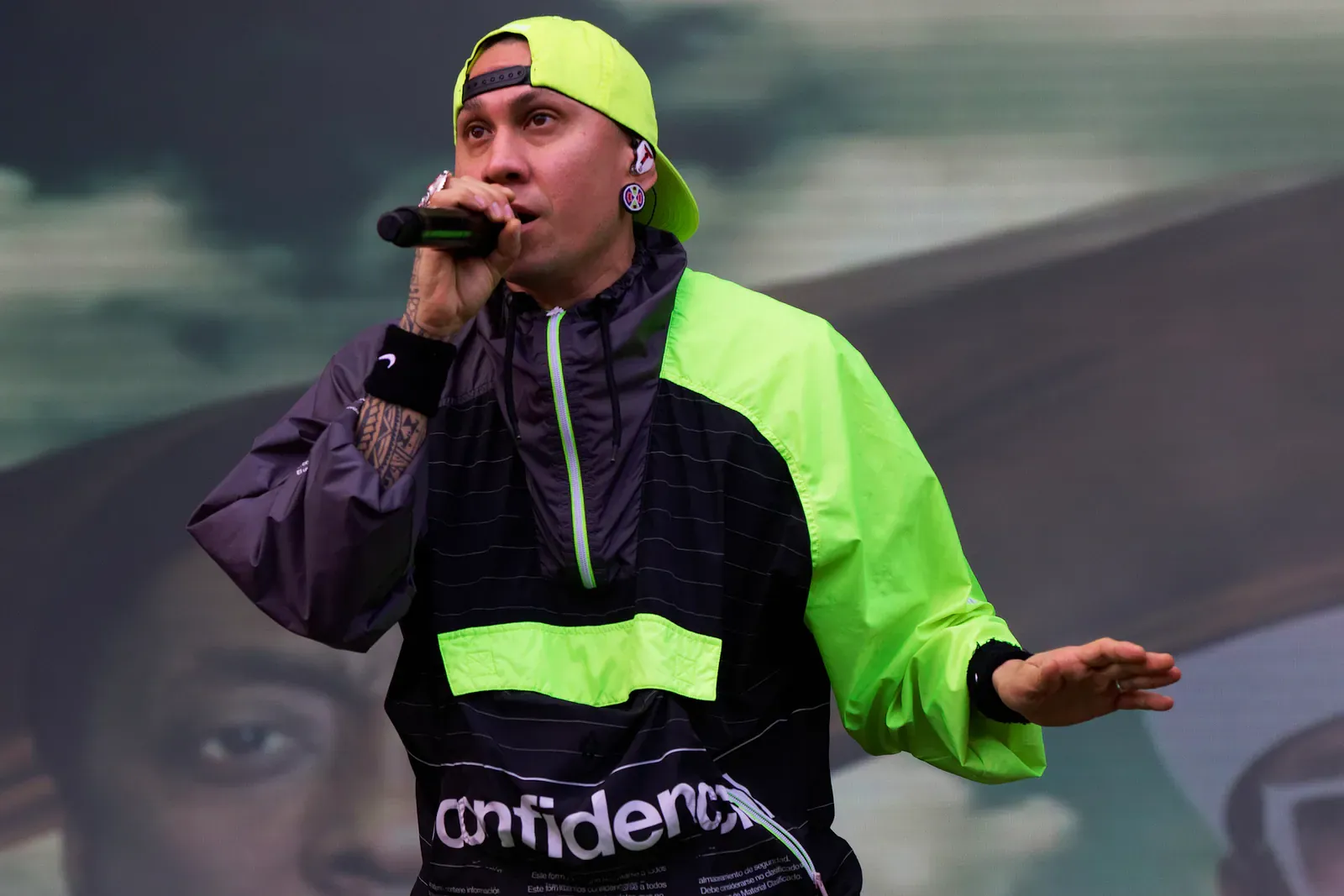
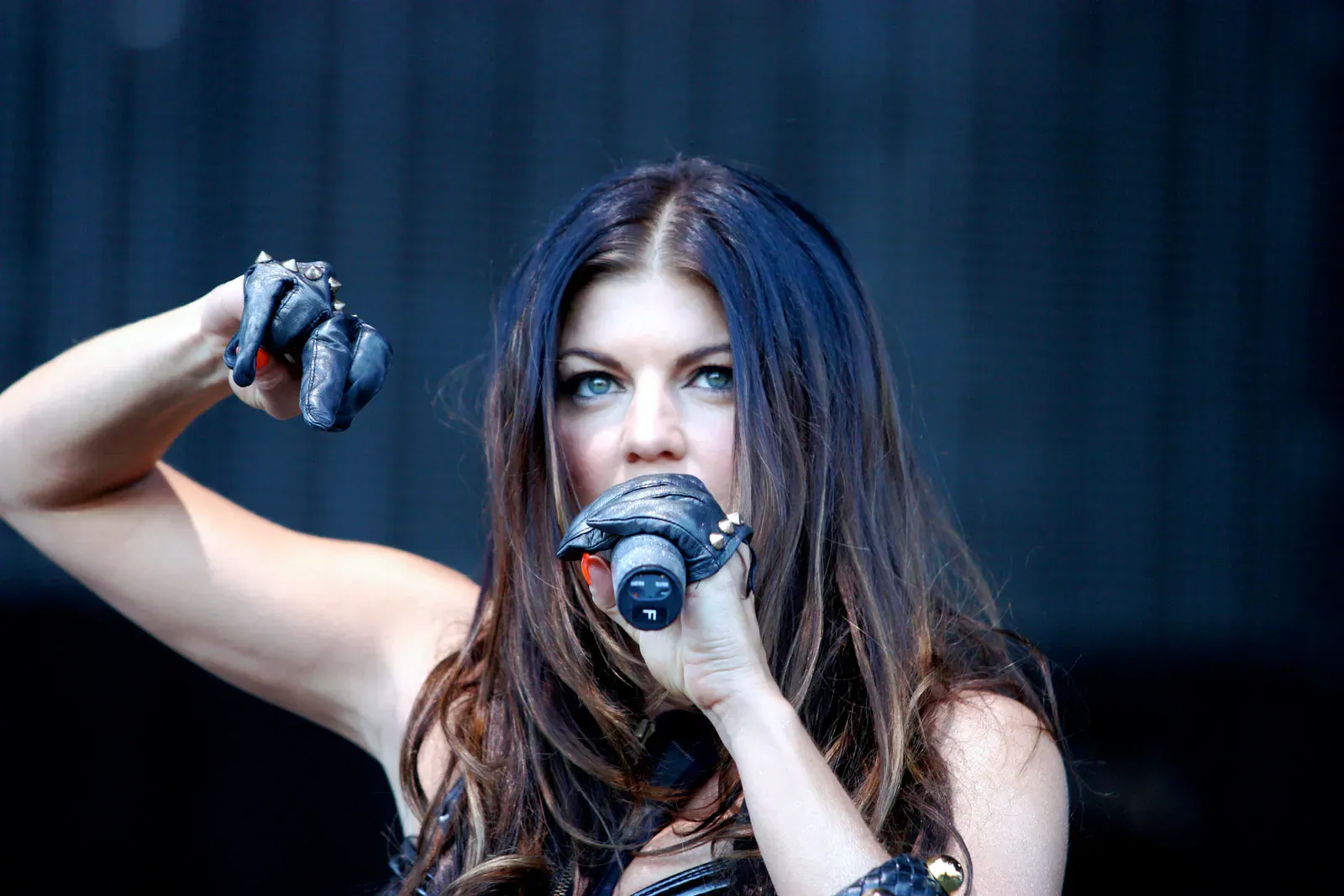
Black Eyed Peas, formed in Los Angeles in 1992 and made up of will.i.am, apl.de.ap and Taboo, with Fergie as a member during the group’s peak in the 2000s until 2017, took pop rap back to the top with the album Elephunk. Its single “Where Is the Love?” came out in 2003, and the group has sold an estimated 80 million records. In the late 2000s and early 2010s a new set of artists carried the style forward, among them Nicki Minaj, Drake, will.i.am, LMFAO, Flo Rida, Pitbull and Wiz Khalifa.
Characteristics
The most common definition describes pop rap as a marriage of hip hop beats and raps with strong melodic hooks, usually placed in the chorus of a standard pop song structure. Verses stay rapped, and the chorus is sung or delivered in a rap-singing style between the two. The lyrics are less aggressive than street-level rap and often cover love and relationships, with party songs a frequent theme. The sound sheet on this page lists the tempo range, techniques and gear; the prose here focuses on how those pieces serve the song.
Some 1990s artists mixed pop rap with a harder attitude to defuse criticism that their music was too easy to like, so the genre never had a single stance. That mix of ambition and accessibility explains why pop rap is the label most often argued over.
Instruments and production
Production follows the needs of a radio single. A sampler anchors the song with a recognisable hook from an older hit, and synthesizers add the polished, layered sound heard on many 1990s records. The sung chorus, not the beat, is the point everything is built around, and rapped verses are written to lead into it. Remixes with guest rappers are a regular tool for giving an existing pop single a rap audience.
Mainstream success
The genre’s biggest moments came when songs crossed from rap radio to pop radio. “U Can’t Touch This” made a dancer-rapper a household name in 1990. “Where Is the Love?” put Black Eyed Peas on the mainstream charts in 2003, and its video, directed by will.i.am, followed two characters riding in a panel van through East Los Angeles asking questions about the world.
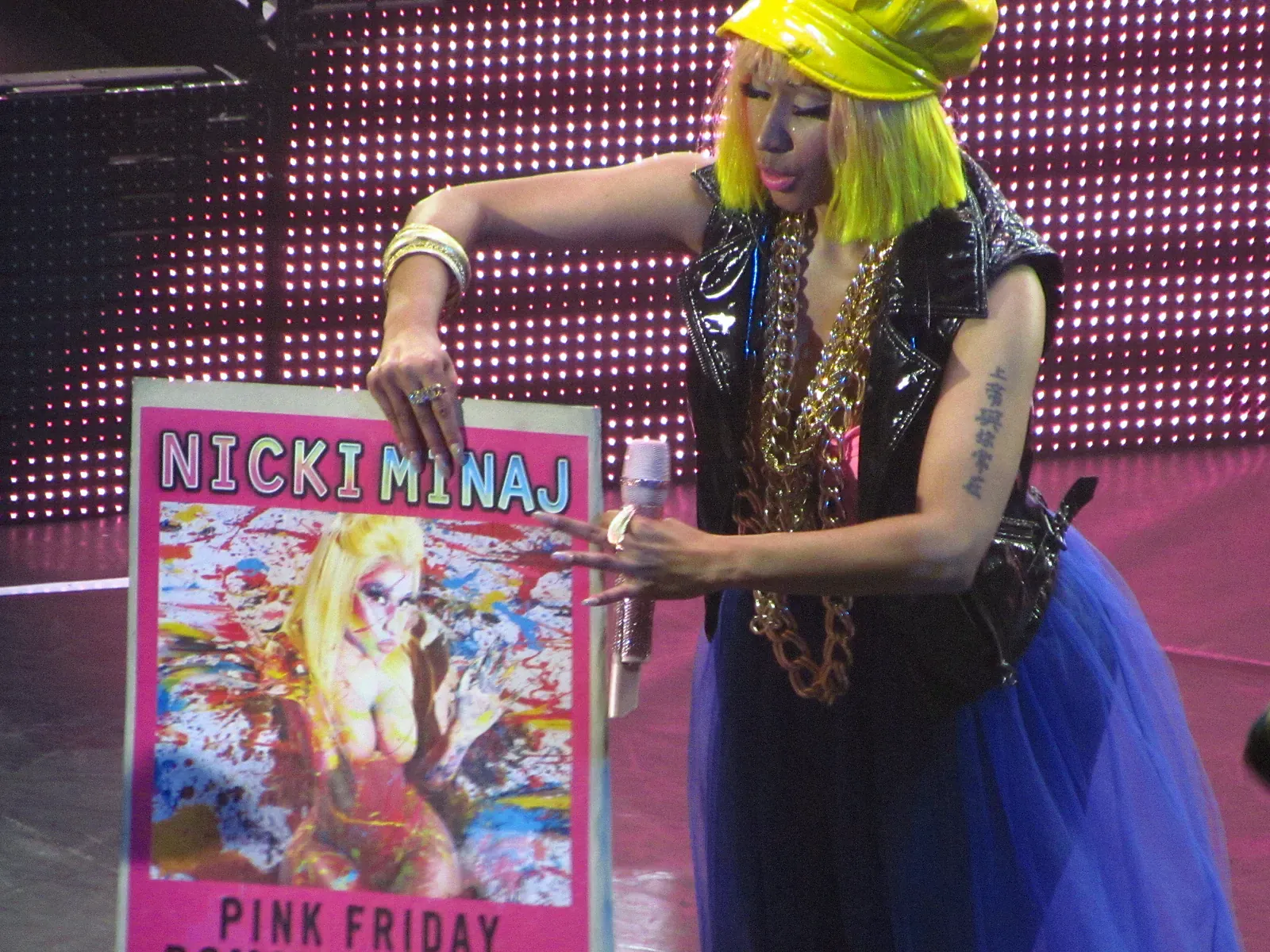
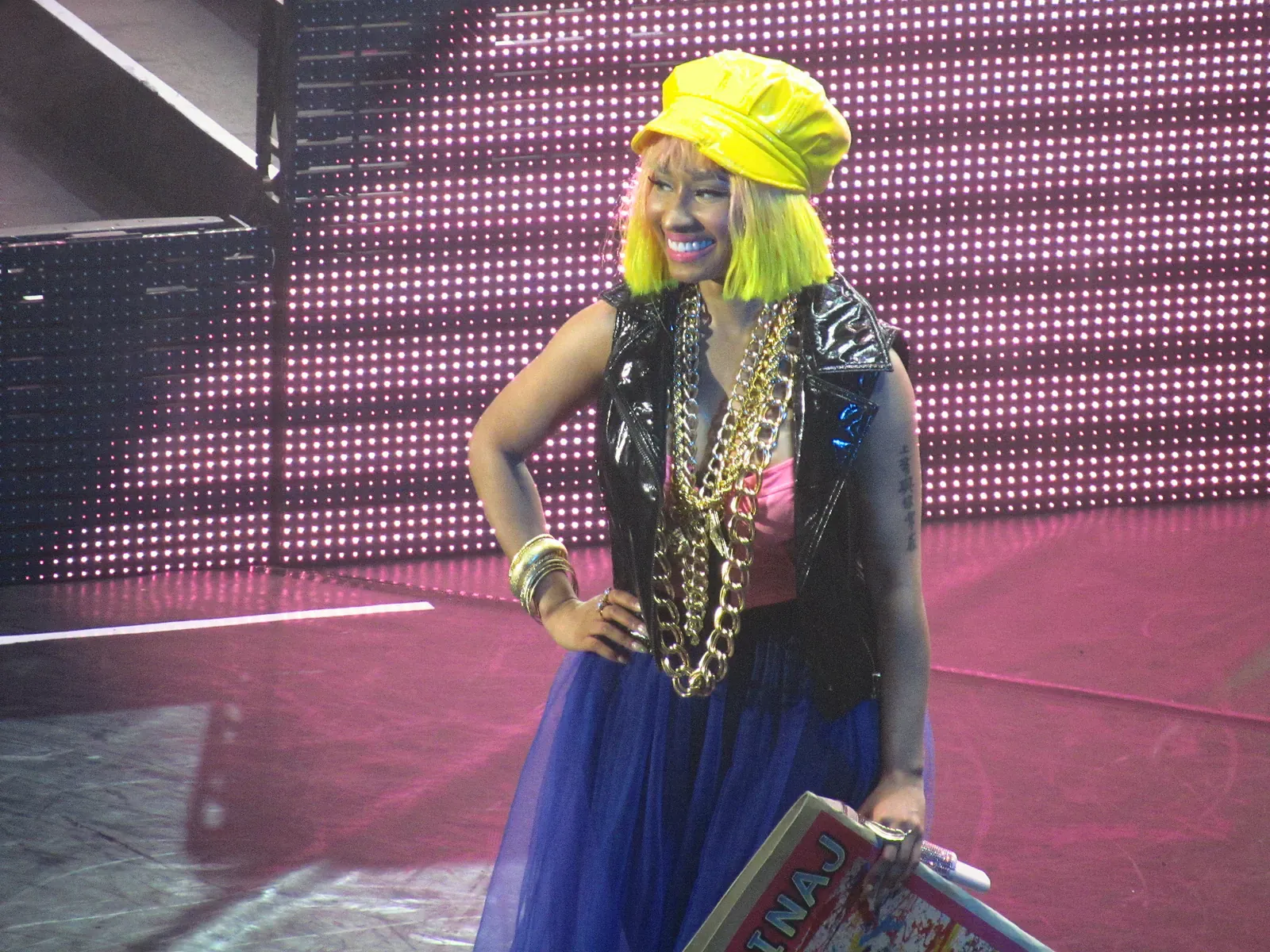
“Super Bass” was the fifth single from Nicki Minaj’s album Pink Friday, released on April 5, 2011, with a video directed by Sanaa Hamri that used bubblegum-pink props. The video later passed one billion views on YouTube. Drake’s “Hotline Bling” arrived in July 2015, and its video, directed by Director X, spread through parodies after its October premiere.
Notable recordings
“Walk This Way” is the record that opened radio to rap and rock together. Its video was directed by Jon Small, and the record became a model for pairing rap with another genre’s audience.
“U Can’t Touch This” is the sample-built landmark. Its video, directed by Rupert Wainwright, turned Hammer pants and fast dance steps into references that outlived the song. “Where Is the Love?” shows the opposite approach: a sung, message-driven chorus carrying rapped verses.
Culture
Pop rap has often been tied to the visual side of music. Hammer’s flashy dance movements and wide trousers were as much a part of his fame as his songs, and the video for “Hotline Bling” spawned several parodies.
Legacy
The most lasting effect of pop rap is that rap became a routine part of pop. The sung hook over a rapped verse is now common across the charts, and the line between rap and pop is thin enough that many rappers with hit records do not call themselves pop rappers. The style’s children include melodic rap and pop trap, and it remains a branch of hip hop shaped by commercial radio.
Misconceptions
Pop rap is often treated as a polite word for selling out. Critics have argued that a rapper with a hit is not automatically a pop rapper, and that the label blurs the difference between someone who is popular and someone who writes for the charts. The two are not the same.
Many people also assume the style began with Hammer and Vanilla Ice. Its roots are earlier, in the late-1980s work of Run-DMC, LL Cool J and the Beastie Boys, and those artists did not set out to be filed under the name.
A third misunderstanding is that listeners have always used the term. Most people who listen to pop rap do not call it that and simply call it rap. When Spotify introduced a pop rap category in 2019, many users were confused about what it meant.
Frequently asked questions
What is pop rap?
Pop rap is a style of hip hop that fuses rhythmic rapped verses with melodic hooks, pop song structure and sampled hits. It was most visible in the charts from 1990 onward.
Who started pop rap?
Run-DMC and LL Cool J set the template in the 1980s, and LL Cool J is often called the first pop rapper, though he has rejected the title. MC Hammer and Vanilla Ice brought it to the top of the charts in 1990.
Which songs define pop rap?
“Walk This Way” by Run-DMC and Aerosmith, “U Can’t Touch This” by MC Hammer, “Where Is the Love?” by Black Eyed Peas, “Super Bass” by Nicki Minaj and “Hotline Bling” by Drake are among the most cited records.
Why is pop rap controversial?
Critics tie it to selling out and to heavy borrowing from older hit records, which led to lawsuits in the early 1990s. Others see it as an ordinary part of rap’s range.
Sound
Sound sheet
Signature sounds
- Sung or rap-sung chorus hook
- Verse-chorus pop song structure
- Sampled hooks from well-known records
- Lyrics on love, relationships and parties, less aggressive than street rap
Techniques
- Sampling hit records
- Sung chorus over rapped verses
- Rap-singing
- Guest-rapper remixes
Tuning
12-tone equal temperament, A=440
Vocals
Rapped verses with a sung or rap-sung hook, lyrics on love, relationships and parties.
Scenes
Where it happened
Where and when the sound lived: one bar per city on a shared timeline.
North America
Active scenes
Peak 4, 2006-2025
Run-DMC formed in Hollis, Queens, and LL Cool J came from Queens; the 1980s template started here.
MC Hammer's home city; his first album Feel My Power appeared in 1986.
Black Eyed Peas formed here in 1992 and later led the 2000s pop rap revival.
Drake's home city and base of a streaming-era melodic rap hybrid.
Glossary
Terms on this page
The jump of a rap record into pop radio and mainstream charts.
A melodic, catchy refrain, usually the chorus of a standard pop-song structure.
A delivery that sits between rapped and sung lines, common in pop rap hooks.
A critic's charge that a rapper traded artistic principles for commercial reach.
Hip Hop family