Latin American hip hop
Latin American hip hop is rap in Spanish and Portuguese from Brazil, Mexico, Cuba, Chile and Puerto Rico shaped by local rhythms and street politics.
Brazil, Mexico, Cuba, Chile, 1986
Hip Hop family

Born
1986
Brazil, Mexico, Cuba, Chile
Subgenres
10
Documented branches
Links
5
Genres it drew on or shaped
Tempo
75-105 BPMLineage
Family tree
Grew out of
Derived from
Brazil, Mexico, Cuba, Chile, 1986
Latin American hip hop
Led to (10)
Timeline
Era by era
From the first sparks to today. Select a dot to read the story behind it.
- First contact
1979 to 1990
- Underground scenes and festivals
1991 to 1995
- National breakthroughs
1996 to 2004
- Crossover and the internet
2005 to 2015
- Streaming era
2016 to today
Eras
Moments
- 1 First contact, 1979 to 1990
- 2 Underground scenes and festivals, 1991 to 1995
- 3 National breakthroughs, 1996 to 2004
- 4 Crossover and the internet, 2005 to 2015
- 5 Streaming era, 2016 to today
1979
First contact
Hip hop arrived through radio, television and dance: a 1979 Mexican parody rap, Puerto Rican rap in Spanish and the Bailes Black of São Paulo prepared the first local scenes.
- 1979Mexico's first rap recordComedian Guillermo Ríos, as MC Aplausos, adapts the Rapper's Delight beat into the parody El Cotorreo.
- 1988Racionais MC's form in São PauloMano Brown, Ice Blue, Edi Rock and DJ KL Jay start the group that will define Brazilian rap.
- 1988Hip Hop, Cultura de Rua compilationThe first Brazilian hip hop record, on the Paralelo label, features Thaíde and DJ Hum and MC Jack.
- 1989Vico C releases La recta finalThe Puerto Rican rapper issues his debut album in Spanish and becomes known as the Philosopher of Rap.
around 1991
Underground scenes and festivals
Posses, street corners and first festivals gave rap its own spaces in São Paulo, Santiago, Havana and the State of Mexico, while Racionais MC's recorded for small labels.
- 1995First Festival de Rap CubanoGrupo Uno and the state youth association stage the first national rap festival in Havana.
1996
National breakthroughs
Control Machete, Racionais MC's, Tiro de Gracia, Makiza and Orishas reached television and large labels, and Cuba moved from tolerating rap to backing it.
- 1996Control Machete release Mucho baratoThe Monterrey trio puts Mexican rap on MTV Latin America and sells strongly across the region.
- 1997Sobrevivendo no InfernoRacionais MC's release the album independently on their Cosa Nostra label; Diário de um Detento recounts the 1992 Carandiru massacre.
- 1999Cuba declares rap authentic cultureThe Cuban government calls rap an authentic expression of Cuban culture, ending years of suspicion.
- 2000Orishas release A lo cubanoThe Paris-based Cuban group fuses rap with son and bata drums on the album that includes 537 C.U.B.A.
- 2002Agencia Cubana de Rap foundedThe state creates a rap agency, a record label and the magazine Movimiento.
2005
Crossover and the internet
Calle 13 won Latin Grammys, Emicida built an audience through social networks and Ana Tijoux reached listeners abroad, as Latin rap spread beyond its home markets.
- 2005Calle 13 debut with Atrévete-te-teThe Puerto Rican duo launches with a self-titled album that mixes rap and reggaeton with other styles.
- 2008Emicida posts Triunfo onlineThe São Paulo MC builds a following through social networks and video platforms rather than a major label.
- 2009Emicida co-founds Laboratório FantasmaHe and his brother Evandro Fióti start an independent label for Brazilian rap artists.
- 2010Ana Tijoux releases 1977The Chilean MC reaches international listeners; the album is later heard in Breaking Bad.
- 2011Calle 13 release LatinoaméricaThe video, shot in Peru, is nominated for a Latin Grammy for song of the year.
2016
Streaming era
Streaming merged the regional scenes with the wider Latin urban market, while Emicida and Racionais MC's carried the Brazilian tradition into awards and theatres.
- 2020Emicida wins a Latin GrammyAmarElo, released in 2019, wins best Portuguese language rock or alternative album.
Listening path
Start listening
A short path from an easy way in to the deep end. Thumbnails come from YouTube; the player loads only when you press play.
- 01
Control Machete, 1996
Mexican rap reaches MTV Latin America; listen for the Spanish flow over a slow hip hop beat.
- 02
Racionais MC's, 1997
A prison narrative from the 1992 Carandiru massacre that became the canon of Brazilian rap.
- 03
Orishas, 2000
Cuban rap with son and Afro-Cuban sounds, recorded after the move to Paris.
- 04
Ana Tijoux, 2010
Chilean political rap that reached international audiences and television.
- 05
Calle 13, 2011
A pan-regional anthem that took Latin rap to the Latin Grammys.
Facts
| Family | Hip Hop |
| Origin | Brazil, Mexico, Cuba, Chile |
| Emerged | 1980s |
| Status | Active |
| Tempo | 75 to 105 BPM |
| Meter | 4/4 |
| Grew out of | Old-school hip hop |
| Subgenres | 10 |
Latin American hip hop is rap performed in Spanish and Portuguese by artists from Brazil, Mexico, Cuba, Chile and Puerto Rico. It grew out of Bronx hip hop during the 1980s and took root in separate national scenes.
Its common traits are social and political lyrics, local-language slang and fusions with regional rhythms such as son, cumbia and samba. US Latino rap such as Chicano rap, and Latin trap, are treated separately.
Origins, 1979-1990
Hip hop reached Latin America through radio, television, dance and parody. In Mexico, the comedian Guillermo Ríos recorded the first Mexican rap record in 1979 as MC Aplausos, adapting the instrumental of “Rapper’s Delight” for the comic song “El Cotorreo”.
In Brazil the ground was prepared by the Bailes Black of the 1970s, parties where American funk and soul were played during the military dictatorship (1964-1985). Young Black Paulistanos met around São Bento station and Rua 24 de Maio, and in 1988 the first Brazilian hip hop posse, Sindicato Negro, formed at Praça Roosevelt. The compilation “Hip Hop, Cultura de Rua”, released the same year on the Paralelo label with Thaíde and DJ Hum, was the first Brazilian hip hop record.
Cuba received the culture from Miami radio and television in the 1980s, and breakdancing came before rapping. Puerto Rico gave the region its first rapper working entirely in Spanish. Vico C, born in Brooklyn in 1971 and raised on the island, released “La recta final” in 1989, followed by “Misión la cima” in 1990 and “Hispanic Soul” in 1991. In São Paulo, Racionais MC’s formed in 1988 from Mano Brown, Ice Blue, Edi Rock and DJ KL Jay, all from the favela belt around the city.
Underground scenes and festivals, 1991-1995
During the early 1990s rap acquired its own spaces. In Mexico the movement began in earnest around 1991 with groups from the State of Mexico such as Sindicato del Terror and 4to Del Tren. In Santiago, Tiro de Gracia formed in 1993, performing at first over looped cassette tapes made by DJ Raff. Racionais MC’s issued “Raio-X Brasil” in 1993.
In Havana, rap grew in the Alamar district. In 1995 Grupo Uno and the state-run Asociación de Hermanos Saíz launched the Festival de Rap Cubano, which became the scene’s showcase despite little promotion.
National breakthroughs, 1996-2004
Between 1996 and 2004 rap in the region moved from small circuits to national audiences. At the 1996 Cuban festival the group Amenaza won first place by adding Afro-Cuban bata percussion to rap. Amenaza moved to Paris in 1998 and became Orishas, a name taken from the deities of the Afro-Cuban religion. Their debut “A lo cubano” appeared in 2000, mixing rap with son and rumba.
The Cuban state changed position meanwhile. In 1999 the government declared rap an authentic expression of Cuban culture, and in 2002 it founded the Agencia Cubana de Rap, a state label and the magazine “Movimiento”.
In Monterrey, Control Machete became the commercial face of the Avanzada Regia movement. Their 1996 debut “Mucho barato” sold more than 100,000 copies in Mexico, passing 500,000 across Latin America, and earned an MTV Video Music Award nomination in 1997. The group went on hiatus in 2004.
In Brazil, Racionais MC’s released “Sobrevivendo no Inferno” in 1997 through their own Cosa Nostra label. It sold over 1.5 million copies. Tiro de Gracia signed to EMI Odeon in late 1996 and released “Ser humano!!” in 1997, and Makiza, with the MC Ana Tijoux, put out “Vida salvaje” the same year. Sabotage’s “Rap é compromisso” followed on Cosa Nostra in 2002.
Crossover and the internet, 2005-2015
The Puerto Rican duo Calle 13 started in 2004 as the stepbrothers Residente (René Pérez Joglar) and Visitante (Eduardo Cabra Martínez), with their half-sister iLe on backing vocals. Their sound drew on jazz, bossa nova, cumbia and tango. The group holds the record for Latin Grammy wins, with 21, and three Grammys. In 2007 they and Orishas won a Latin Grammy for “Pa’l Norte”.

Brazil changed its distribution model. In 2008 Emicida released his first single, “Triunfo”, and built an audience through social networks and video platforms rather than a major label. In 2009 he and his brother Evandro Fióti founded Laboratório Fantasma, an independent label. The 2012 Racionais MC’s video for “Mil Faces de um Homem Leal”, about the revolutionary Carlos Marighella, won the MTV VMB Video of the Year.
Cuba went the other way. The state festival was dissolved after ten years in 2006, and 43 dissident rappers formed the Comisión Depuradora under Aldo Rodríguez. Los Aldeanos later led a harder-edged generation that left the country amid censorship.
In Chile, Ana Tijoux turned solo. Her 2010 album “1977”, named after her birth year, earned a Grammy nomination and international attention, and her 2011 song “Shock” resonated with Chilean student protests. Her work was released internationally on Nacional Records.
Streaming era, 2016 onward
By the mid-2010s the regional rap scenes shared a marketplace with Latin urban music, and Latin trap, a separate style, emerged in Puerto Rico. Emicida’s “AmarElo” (2019) won the 2020 Latin Grammy for best Portuguese language rock or alternative album, and in 2023 Spotify marked 50 years of Mexican hip hop with a mural in Mexico City.
Characteristics
The common ground is lyrical rather than musical. Rappers address police violence, racism, poverty, migration and politics in Spanish or Portuguese, using local slang and, in border and Caribbean contexts, Spanglish. Storytelling is central, as in “Diário de um Detento”. Musical identity varies by country: bata and son in Cuba, funk and soul breaks in Brazil, regional styles in Mexico.
Instruments and production
Production follows the hip hop template of turntables, samplers and drum machines, with the local element added through samples or live players. DJs such as DJ KL Jay and DJ Hum handle breaks and scratching. The regional signature comes from bata drums in Orishas’ records, cumbia and tango in Calle 13’s arrangements and regional styles in Mexican rap.
Mainstream success
Control Machete became the first hip hop group to succeed on MTV in Mexico. Racionais MC’s won the MTV VMB audience award in 1998 and the Brazilian Order of Cultural Merit in 2006. Calle 13’s Latin Grammy tally and Emicida’s 2020 win placed rap inside the Latin music industry, while Ana Tijoux’s “1977” reached a wider audience through Breaking Bad.
Notable recordings
“Diário de um Detento” (1997) by Racionais MC’s was co-written with Jocenir, a former prisoner. Its lyrics date three days around the Carandiru prison massacre of 2 October 1992, in which 111 inmates were killed.
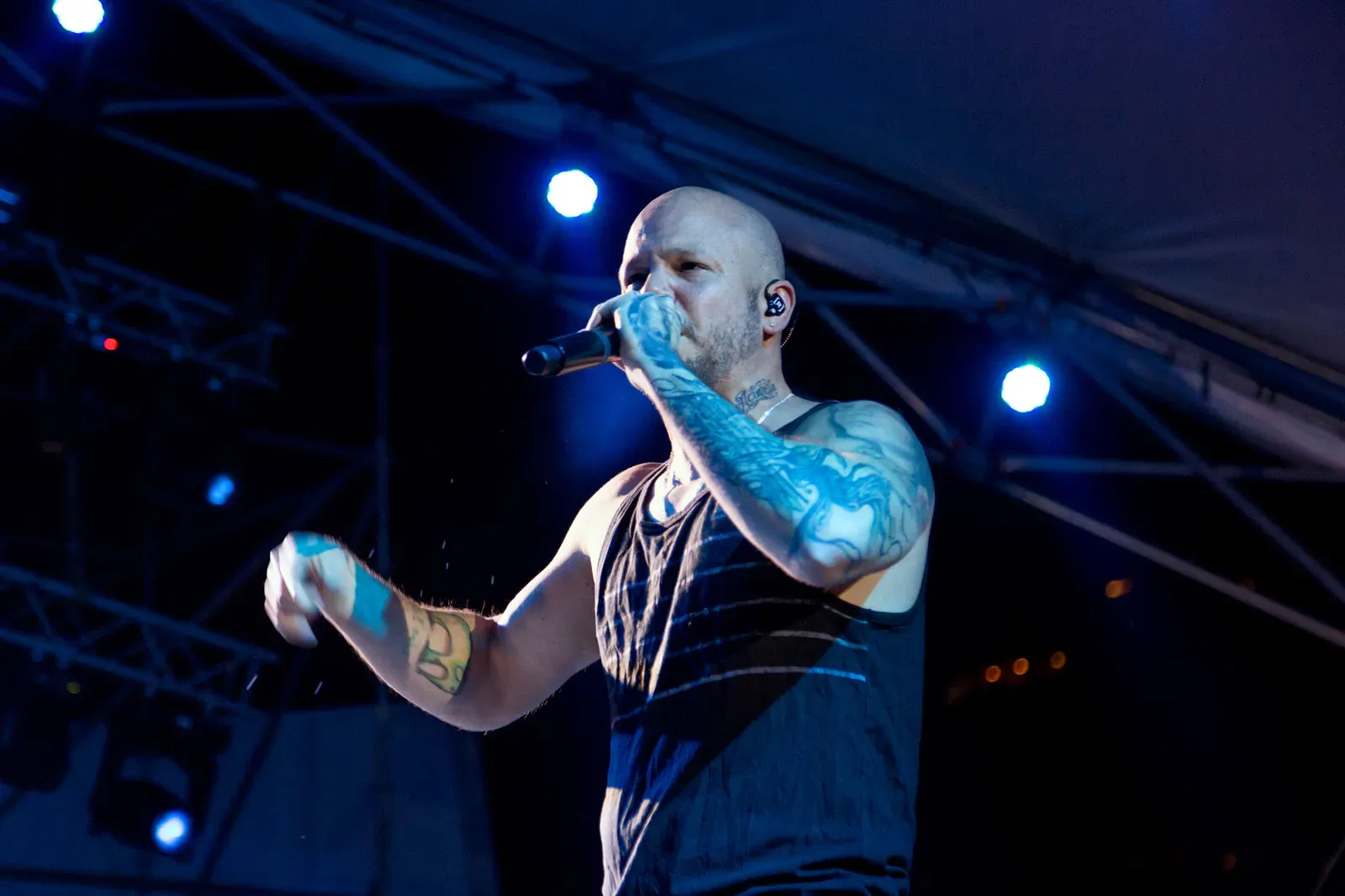
“Latinoamérica” (2011) by Calle 13 came from the album “Entren los que quieran”. The video was shot over 21 days in Peru and mixes images of Latin American people and landscapes with animated segments. It was nominated for song of the year at the Latin Grammys.
“537 C.U.B.A.” (2000) by Orishas is about the pain of those who have left their own country, written after the group’s move to Paris.
Culture
In Brazil the Bailes Black gave the scene a Black identity and a dance floor. In Cuba the state set the terms: a festival, an agency and a magazine from above, a dissident collective from below. Orishas took their name from Santería deities. In Mexico, Avanzada Regia tied rap to a Monterrey music movement.
Legacy
Vico C is considered an influence on the development of reggaeton, which he described as essentially hip hop with a Caribbean flavour. Racionais MC’s, who control their own production and distribution, set a model of independence that Emicida extended with his own label, and Cartel de Santa, Akwid and Kinto Sol followed Control Machete in Mexico. Related pages cover old school hip hop, reggaeton, cumbia, samba and son cubano, and the parent hip hop family.
Misconceptions
A common belief is that Latin American hip hop is the same as reggaeton or Latin trap. The three overlap, and Vico C’s records fed into reggaeton, but the regional scenes grew around rap itself.
A second belief is that it simply copied the United States. Mexican parody in 1979, the Bailes Black in Brazil and Miami television in Cuba were different routes in, and each country developed its own subjects.
A third is that it is the same as Chicano rap. Mexican hip hop is distinct from Chicano rap, which emerged from California gang culture, and covers conscious rap, cumbia rap and regional styles.
Frequently asked questions
What is Latin American hip hop?
Latin American hip hop is rap in Spanish and Portuguese from Latin American countries, notably Brazil, Mexico, Cuba, Chile and Puerto Rico. It mixes hip hop production with local rhythms.
Where did Latin American hip hop begin?
It began in several places at once in the 1980s. Mexico had a parody rap record in 1979, Puerto Rico had Vico C by 1989, and São Paulo’s first posse formed in 1988.
Who are the most important Latin American hip hop artists?
Racionais MC’s (Brazil), Calle 13 (Puerto Rico), Control Machete (Mexico), Orishas (Cuba) and Ana Tijoux (Chile).
Is reggaeton the same as Latin American hip hop?
No. Reggaeton is a related Caribbean style, while Latin American hip hop centres on rap. Vico C and Calle 13 sit on the border between them.
Sound
Sound sheet
Anatomy of a track
| # | Part | Bars |
|---|---|---|
| 1 | Intro (sample or spoken) | 4 |
| 2 | Verse 1 | 16 |
| 3 | Hook | 8 |
| 4 | Verse 2 | 16 |
| 5 | Outro | 8 |
Signature sounds
- Rhymes in Spanish or Portuguese
- Local rhythms and samples (son, cumbia, samba, bata)
- Social commentary on police, inequality and migration
- Narrative storytelling over a slow beat
Drums and percussion
- Bata drums
Techniques
- Local rhythm fusion
- Narrative storytelling
- Bilingual switching
- Freestyle improvisation
Tuning
12-TET, A=440
Vocals
Rapped in Spanish or Portuguese, with Spanglish and slang.
Scenes
Where it happened
Where and when the sound lived: one bar per city on a shared timeline.
Latin America
Caribbean
Active scenes
Peak 5, 1996-2025
Black dance parties, street posses and Racionais MC's made it the centre of Brazilian rap.
The Alamar district and the Festival de Rap Cubano grew an underground that Orishas and Los Aldeanos came from.
Control Machete led the Avanzada Regia movement from here.
Tiro de Gracia formed here and later signed to EMI Odeon.
Vico C and later Calle 13 brought Puerto Rican rap to a Latin audience.
Venues and places
São Paulo, 1988 to today. Rail and metro station where São Paulo b-boys and rappers gathered in the late 1980s.
São Paulo, 1988 to today. Downtown street of record shops and street dance circles in the early São Paulo scene.
Havana, 1995 to today. Festival that ran for ten years, until 2006, and launched Orishas.
Culture
Culture markers
- Bailes Black
Funk and soul dance parties of 1970s Brazil that gave São Paulo hip hop its Black identity.
Dance - Breakdance in Cuba
Breaking arrived through Miami TV and radio in the 1980s before rap took over.
Dance - Santería references
Orishas took their name from the deities of the Afro-Cuban religion and used bata drums.
Ritual - Spanglish and street slang
Rappers mix Spanish, English and local slang in bilingual rhymes.
Slang
Media
Key media
- 1988Hip Hop, Cultura de Rua
by Various. First Brazilian hip hop record, with Thaíde and DJ Hum.
Compilation - 2000Amores perros
by Various. Mexican film whose soundtrack included Control Machete.
Film - 2002Movimiento
by Agencia Cubana de Rap. Magazine of the Cuban state rap agency.
Zine
Glossary
Terms on this page
Music movement of Monterrey, Mexico, whose commercial face was Control Machete.
Brazilian Black parties of the 1970s where funk and soul were played; a root of São Paulo hip hop.
A crew of MCs, DJs and dancers; Sindicato Negro was the first Brazilian one in 1988.
Cuban rap, tied to the Havana festival and state rap agency.
Rap performed in Spanish, a label used from Vico C onward.
Hip Hop family