Son cubano
Son cubano is Cuba's foundational popular genre, formed in eastern Cuba in the late 1800s from Spanish strings and Afro-Cuban rhythm and call-and-response.
Oriente, 1880
Latin family
Born
1880
Oriente
Subgenres
12
Documented branches
Links
24
Genres it drew on or shaped
Tempo
80-155 BPMLineage
Family tree
Grew out of
- Changüí
Derived from
Derived from
Influenced by
Oriente, 1880
Son cubano
Led to (13)
Timeline
Era by era
From the first sparks to today. Select a dot to read the story behind it.
- Roots in Oriente
1880 to 1908
- Havana sextets and septets
1909 to 1936
- Conjuntos and big bands
1937 to 1958
- From Havana to salsa
1959 to 1995
- Revival and heritage status
1996 to today
Eras
Moments
- 1 Roots in Oriente, 1880 to 1908
- 2 Havana sextets and septets, 1909 to 1936
- 3 Conjuntos and big bands, 1937 to 1958
- 4 From Havana to salsa, 1959 to 1995
- 5 Revival and heritage status, 1996 to today
around 1880
Roots in Oriente
Peasant guateques in the eastern highlands blend Spanish guitar and tres traditions with Bantu-derived percussion and call-and-response. Changui, nengon and regina precede the son.
- 1880Son takes shape in OrienteRural groups of singers and guitarists in the eastern highlands play changui, nengon and regina at guateques.
around 1909
Havana sextets and septets
Son reaches Havana around 1909 and is first recorded in 1917. Sexteto Habanero, Trio Matamoros and Septeto Nacional popularise it through records, radio and trips to New York and Spain.
- 1909Son reaches HavanaSoldiers, laborers and trovadores carry the rural style to the capital, where it meets rumba and the recording industry.
- 1920Sexteto Habanero formed in HavanaThe group sets the classic sextet line-up of guitar, tres, bongo, claves, maracas and bass, and records for Victor.
- 1925Trio Matamoros formed in Santiago de CubaMiguel Matamoros, Rafael Cueto and Siro Rodriguez start a trio that tours Latin America and records in New York.
- 1926Sexteto Habanero travel to the US to recordRecording trips to New Jersey and New York start a run of 78 rpm sides that spreads the son beyond Cuba.
- 1927Septeto Nacional founded by Ignacio PineiroFounded as a sextet and soon joined by trumpeter Lazaro Herrera, it adds the trumpet that later defines the septet.
- 1927Sexteto Habanero add a cornet and become a septetOne of the first groups to add a horn, a format that most son bands copy.
- 1929Septeto Nacional play the Ibero-American Exposition in SevilleA tour of Spain follows, taking the Havana septet to theatres in Madrid and other cities.
- 1933Septeto Nacional invited to Chicago's Century of Progress fairFour years after its Spanish tour, the group is invited to play at the American world's fair.
1937
Conjuntos and big bands
Arsenio Rodriguez adds piano, extra trumpets and conga to form the conjunto, while Beny More folds guaracha, bolero and mambo into the son. Tourism and big bands push the old septets aside.
- 1940Arsenio Rodriguez founds his conjuntoHe adds a piano, extra trumpets and the tumbadora to the septet and brings in more varied rhythms and harmonies.
- 1945Beny More goes to Mexico with Conjunto MatamorosThe young singer stays on in Mexico when the group returns to Havana and works as a soloist there before returning to Cuba.
- 1953Beny More forms the Banda GiganteHis big band mixes son montuno, guaracha, bolero and mambo and becomes one of the leading Cuban bands of the 1950s.
1959
From Havana to salsa
After the revolution, son, mambo and rumba feed the salsa that takes shape in New York. In Cuba, state label EGREM holds the recording monopoly and veteran septets such as Septeto Nacional keep playing.
- 1964EGREM founded as Cuba's state record labelIt takes over the assets of Panart and holds a monopoly on Cuban record production until the late 1980s.
1996
Revival and heritage status
The 1997 Buena Vista Social Club album turns traditional son into a world-music phenomenon. UNESCO inscribes the practice of Cuban son on its intangible heritage list in December 2025.
- 1996Buena Vista Social Club recorded at EGREM in HavanaRy Cooder, Nick Gold and Juan de Marcos Gonzalez improvise a son album with veterans after a planned Mali collaboration falls through.
- 1997Buena Vista Social Club releasedWorld Circuit issues the album and it becomes the best-selling Cuban album ever, opening with Chan Chan.
- 1998Buena Vista Social Club play Carnegie HallThe concerts in Amsterdam and New York are filmed for Wim Wenders's documentary and later issued on a live album.
- 1999Wim Wenders's Buena Vista Social Club documentaryThe film follows the Havana sessions and the Carnegie Hall show and earns an Oscar nomination.
- 2004Septeto Nacional nominated for a GrammyThe veteran septet receives a Grammy nomination, 77 years after its founding.
- 2025UNESCO inscribes the practice of Cuban sonThe decision, taken in December at the 20th session of the intangible heritage committee, follows a 2012 Cuban national heritage declaration.
Listening path
Start listening
A short path from an easy way in to the deep end. Thumbnails come from YouTube; the player loads only when you press play.
- 01
Buena Vista Social Club, 1997
The opening track of the 1997 album that took traditional son to a global audience.
- 02
Buena Vista Social Club, 1997
A son from the same album, with an extended section of improvised call-and-response and soloing.
- 03
Ibrahim Ferrer, 1999
A remake, on the singer's 1999 solo album, of the Arsenio Rodriguez afro-son from 1937, a standard of the genre.
- 04
Trio Matamoros, 1931
Miguel Matamoros's bolero-son, first recorded by the trio in 1931 and one of the best-known songs of the Santiago trova tradition.
Facts
| Family | Latin |
| Origin | Oriente, Cuba |
| Emerged | Late 19th century |
| Status | Active |
| Tempo | 80 to 155 BPM |
| Meter | 4/4 |
| Grew out of | Changüí, European folk |
| Subgenres | 10 |
Son cubano is a Cuban song and dance genre that took shape in the eastern highlands of the island in the late 19th century.
It joins Spanish string playing and verse traditions to Afro-Cuban percussion, and it is built on a repeating clave rhythm and a closing montuno section in which a lead singer and a chorus trade lines. It became Cuba’s most widespread popular music in the 20th century and is the base on which mambo and salsa were later built.
Origins
The son grew out of rural parties called guateques in Oriente, the eastern region around Santiago de Cuba and Guantanamo. Singers and guitarists there played changui, nengon and regina, forms that mixed the Spanish tres and guitar and the improvised verse of the copla with Bantu-derived drums and call-and-response. The son took its shape from this mixture over the last decades of the 1800s.
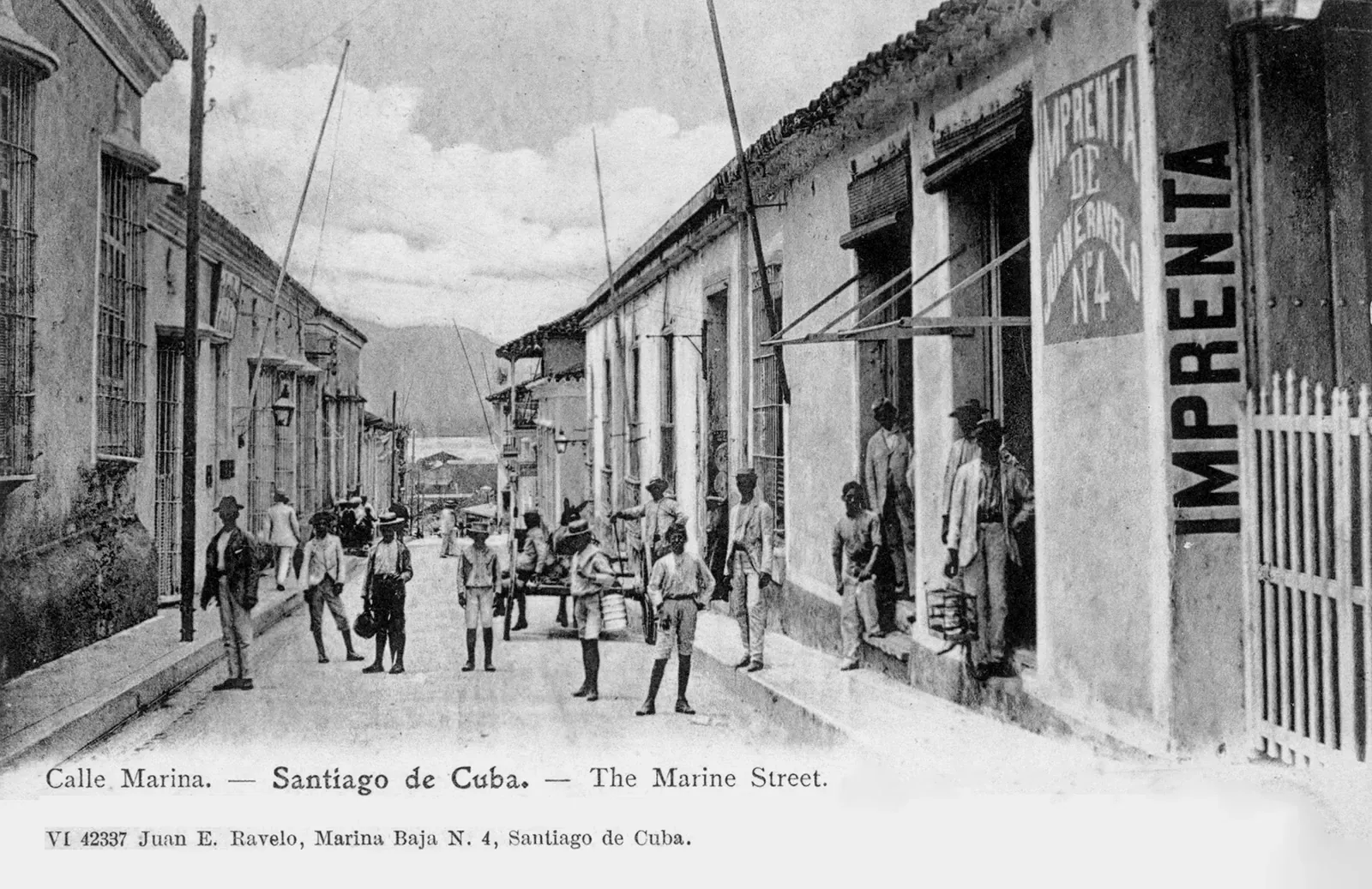
Eastern Cuba stayed the heart of the tradition. Guantanamo kept the rural cousin changui, while Santiago de Cuba became the home of the trova singers and of Trio Matamoros, one of the great son groups. The clave pattern that later organised every part of a son is thought to have been taken from Havana rumba around 1910, which shows how the eastern son changed once it moved west.
Havana sextets and septets, 1909-1936
Soldiers, laborers and travelling singers carried the rural style to Havana around 1909, where it met rumba and a young recording industry. The son was first recorded in 1917. Sexteto Habanero, formed in Havana in 1920, fixed the classic sextet of guitar, tres, bongo, claves, maracas and bass, and recorded for Victor. A trip to New Jersey and New York in 1926 produced a run of 78 rpm sides that spread the son beyond Cuba.
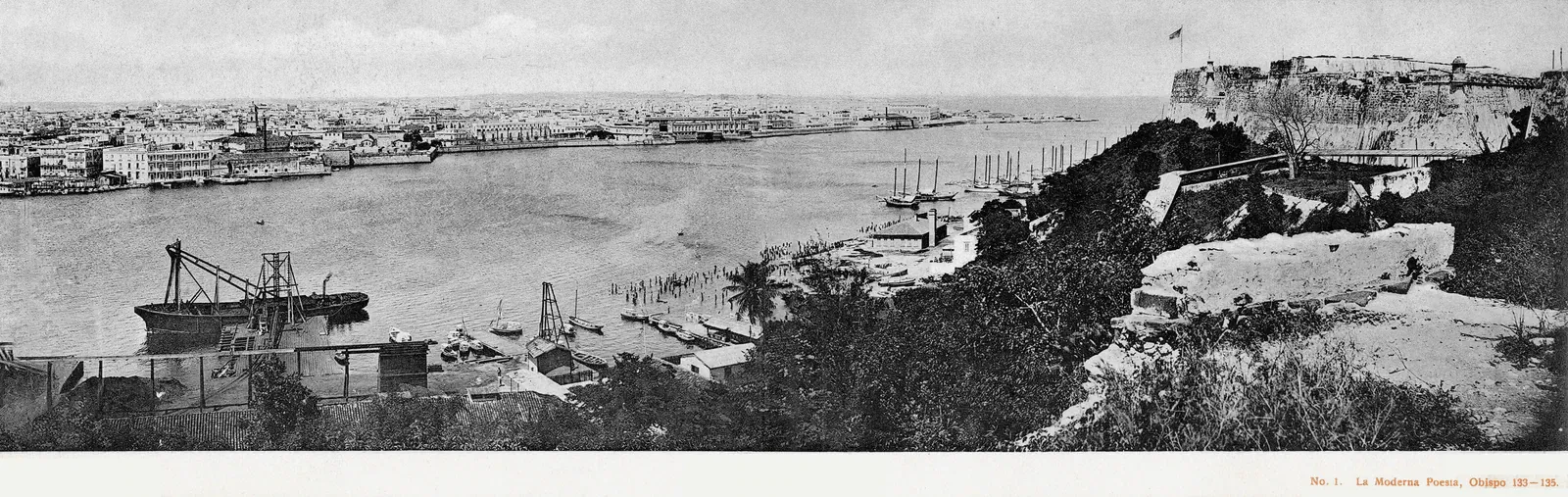
In 1927 Sexteto Habanero added a cornet and became a septet, and Ignacio Pineiro founded Septeto Nacional, which took on the trumpeter Lazaro Herrera and made the trumpet part of the standard son band. Commercial radio had reached Cuba in 1922 and carried the music across the island. Trio Matamoros, formed in Santiago de Cuba in 1925 by Miguel Matamoros, Rafael Cueto and Siro Rodriguez, toured Latin America and recorded in New York.
Septeto Nacional also played the Ibero-American Exposition in Seville in 1929, toured Spanish theatres, and was invited to the Century of Progress fair in Chicago in 1933.
Conjuntos and big bands, 1937-1958
The blind tres player Arsenio Rodriguez remade the son from the late 1930s and founded his own conjunto in 1940. He added a piano, extra trumpets and the tumbadora to the septet, and the resulting conjunto brought in richer harmony and a longer montuno. His first hit, Bruca maniguá, recorded in 1937 by Orquesta Casino de la Playa before he took it up himself, became a standard of the genre. The son montuno style that came out of the conjunto became a harmonic template for mambo and, later, salsa.
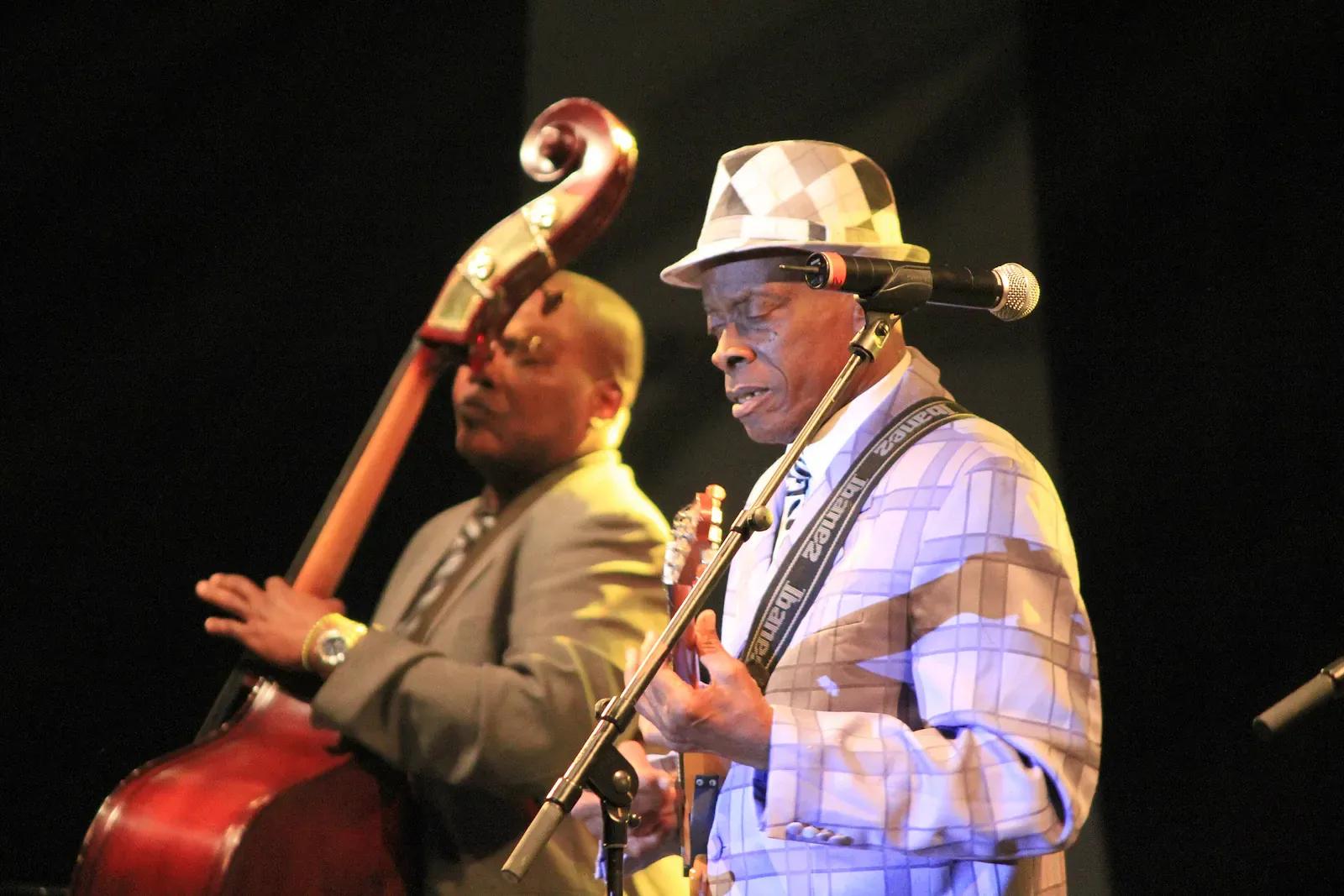
Beny More carried the style into the big-band age. After going to Mexico with the Matamoros group in 1945 he stayed on as a soloist, and in 1953 he formed the Banda Gigante, whose repertoire mixed son montuno with guaracha, bolero and mambo. He was called the sonero mayor, the master of the improvising singers. Tourism and big bands pushed the old septets aside in these years.
From Havana to salsa, 1959-1995
After the 1959 revolution, son, mambo and rumba fed the salsa that took shape in New York, while on the island the state label EGREM was founded in 1964 and took over the assets of Panart, the Havana independent that had been nationalised in 1961. EGREM held a monopoly on record production until the late 1980s. Veteran septets such as Septeto Nacional kept playing.
Revival and heritage status, 1996 onward
In March 1996 Ry Cooder, Nick Gold and Juan de Marcos Gonzalez improvised a son album at the EGREM studios with veteran musicians, after a planned collaboration with musicians from Mali fell through. World Circuit released Buena Vista Social Club in 1997. It became the best-selling Cuban album ever made, and the band’s 1998 concerts in Amsterdam and at Carnegie Hall were filmed by Wim Wenders. His 1999 documentary earned an Oscar nomination and carried the revival worldwide.
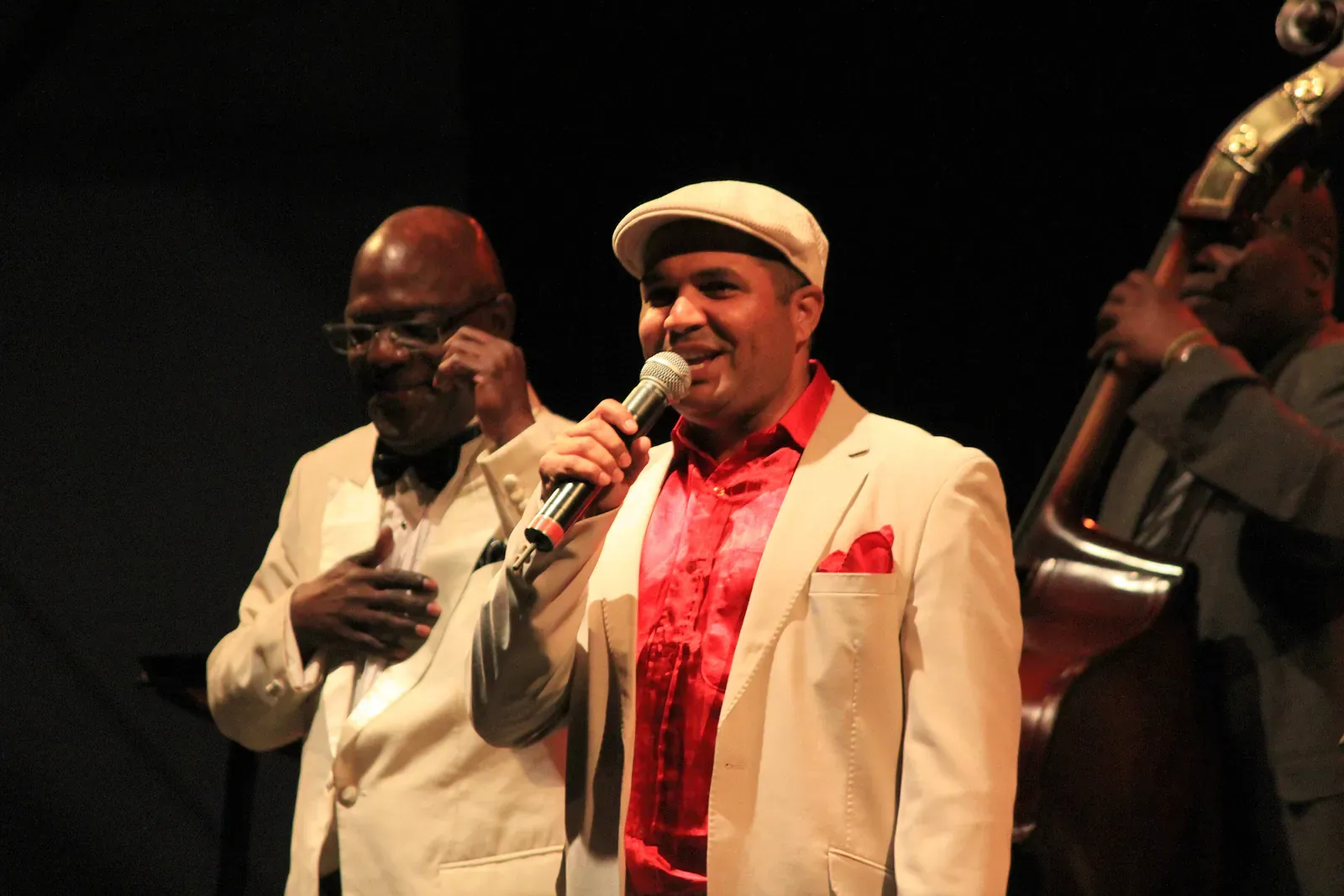
The veterans continued to record, and Septeto Nacional, 77 years after its founding, received a Grammy nomination in 2004. Cuba declared the practice of son national heritage in 2012, and in December 2025 the intangible heritage committee at UNESCO inscribed the practice of Cuban son on its list at its 20th session.
Characteristics
A son has two broad halves. The first states a verse or a refrain over a steady groove, and the second, the montuno, repeats a short chorus while the lead singer improvises in a manner called soneo. The singer and chorus answer each other, a structure traced to Bantu-derived traditions, and the voices often move in parallel thirds. The bass line is anticipated, falling just ahead of the beat.
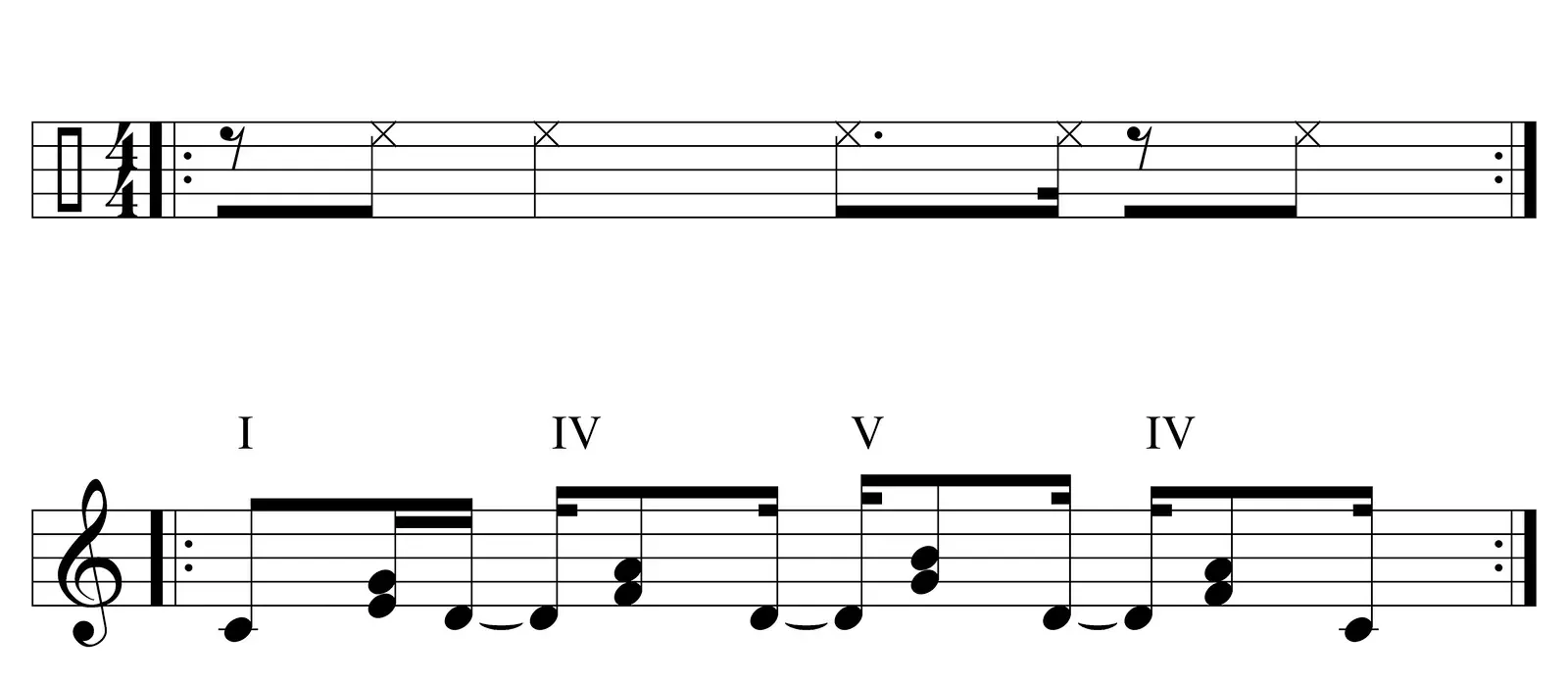
Instruments and production
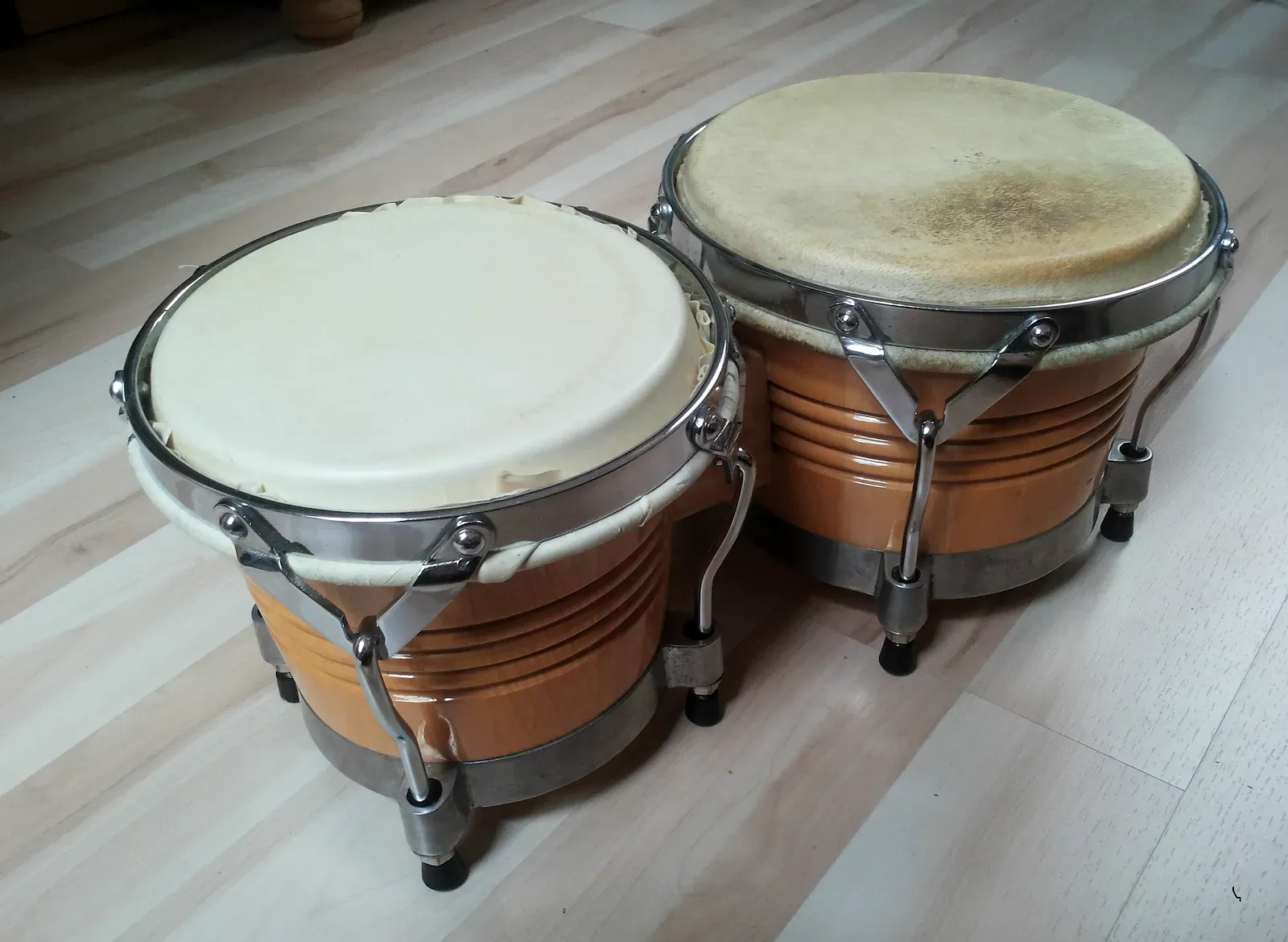
The sound is acoustic and built on contrast between a melodic string layer and a percussive one. The tres and guitar play repeating figures that frame the montuno, while bongo, claves and maracas keep the pulse. Early groups used the marimbula and the botija jug for bass lines until the double bass replaced them in the 1920s. The trumpet joined in the late 1920s and the conga in the conjunto era. The 78 rpm records made in New York in the 1920s carried this acoustic sound abroad.
Notable recordings
Lagrimas negras, recorded in 1931 by Trio Matamoros for Victor, is a bolero-son by Miguel Matamoros that remains a standard for Cuban groups. It shows how the son absorbed the slower bolero and still kept the clave beneath it. Bruca maniguá, first cut in 1937 and Arsenio Rodriguez’s first hit, is an afro-son and a standard of the genre. Ibrahim Ferrer’s 1999 remake, from the first solo album by a Buena Vista singer, ties the conjunto era to the revival.
The 1997 album opens with Chan Chan; the 2008 live album from Carnegie Hall documents the full 1998 concert.
Culture
The son is a partnered dance in which the bass and instruments guide the steps, performed in free-form or set patterns. Its first home was the guateque, the rural party of eastern Cuba, and its central figure is the sonero, a singer who improvises verses over the montuno. Abelardo Barroso, who joined Sexteto Habanero in 1925, was one of the most famous early soneros, and the title sonero mayor later went to Beny More.
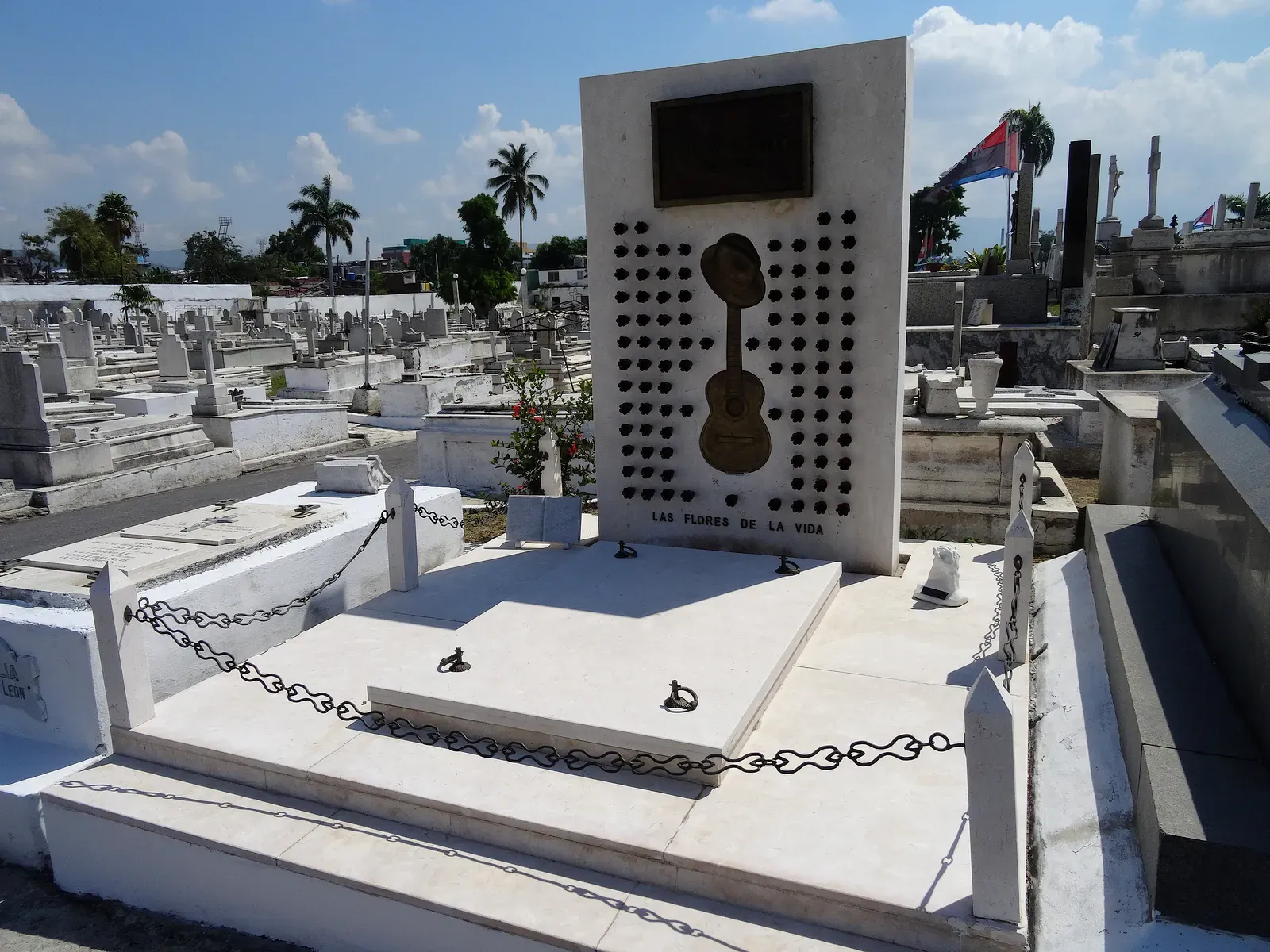
Social clubs and cabarets were the venues: a Marianao social club named Buena Vista hosted Arsenio Rodriguez, Cachao Lopez and Ruben Gonzalez in the 1930s and 1940s.
Legacy
The son is the base layer of much Latin dance music. Mambo and salsa inherited its clave, its montuno and its call-and-response, and later Cuban styles such as songo and timba grew out of son. Related forms include son montuno, changui, sucu-sucu and the bolero-son. It is part of the wider Latin tradition of Caribbean and Latin American popular music.
Misconceptions
The son is not the same thing as salsa. The son took shape in Cuba in the 1880s and was recorded from 1917, while salsa was a later development in New York that drew on son, mambo and rumba and added its own arrangements and sound.
It is also not a Havana invention. Its roots lie in the eastern highlands of Oriente, and it reached Havana by around 1909, though it was probably heard there earlier.
Finally, Buena Vista Social Club was not a long-running orchestra that had played the same repertoire for decades. The name belonged to a Havana social club where Arsenio Rodriguez and others played in the 1930s and 1940s, and the 1997 album was assembled in 1996, with veteran musicians brought together at EGREM.
Frequently asked questions
What is son cubano?
Son cubano is a Cuban song and dance genre from the eastern highlands, formed in the late 1800s from Spanish strings and verse and Afro-Cuban percussion and call-and-response. It is organised around a clave rhythm and a montuno section.
Where did son cubano originate?
Son cubano originated in Oriente, the eastern region of Cuba, and its city of reference is Santiago de Cuba. It reached Havana around 1909 and was first recorded there in 1917.
What is the difference between son and salsa?
Son cubano is the older Cuban form that salsa later drew on. Salsa took shape in New York from son, mambo and rumba, and it kept the son’s clave and montuno structure.
Is Buena Vista Social Club son?
Yes. The 1997 Buena Vista Social Club album is built on traditional son and its related forms, including the son montuno, and it brought them to a world audience.
Sound
Sound sheet
Signature sounds
- Tres guajeo ostinato
- Clave-based rhythm
- Call-and-response montuno
- Bongo and maracas percussion
- Anticipated bass
- Trumpet answering the singers
Techniques
- Guajeo
- Soneo
- Call and response
Vocals
Lead singer and a chorus in parallel thirds, with improvised soneo verses.
Scenes
Where it happened
Where and when the sound lived: one bar per city on a shared timeline.
Caribbean
North America
Active scenes
Peak 4, 1926-2025
Cradle of the son and home city of Trio Matamoros, Compay Segundo and the trova tradition.
Rural cousin changui develops here alongside the first sones of the eastern highlands.
The son reaches the capital around 1909 and becomes Cuba's most popular dance music there.
Sexteto Habanero, Trio Matamoros and Septeto Nacional all cut early records here; son later feeds salsa.
Venues and places
Havana, 1964 to today. The state label's Havana studios host the March 1996 Buena Vista Social Club sessions.
Havana, 1932 to today. A Marianao social club where Arsenio Rodriguez, Cachao Lopez and Ruben Gonzalez played in the 1930s and 1940s.
Havana, 1930 to today. Cabaret where Septeto Nacional played around 1930 and where Arsenio Rodriguez's conjunto later debuted.
Seville, 1929 to today. Septeto Nacional performed at the 1929 fair before touring Spanish theatres.
Chicago, 1933 to today. Septeto Nacional was invited to play the 1933 world's fair.
New York, 1998 to today. Buena Vista Social Club played the hall in 1998, a show later issued as a live album.
Culture
Culture markers
- Son dance
A partnered dance in which the bass and instruments guide the steps, performed in free-form or set patterns.
Dance - Guateque
Rural party in eastern Cuba where groups of singers and guitarists played the early forms of son.
Ritual - Sonero
A singer who improvises verses over the montuno; Abelardo Barroso was one of the most famous early soneros.
Slang
Media
Key media
- 1999Buena Vista Social Club
by Wim Wenders. Documentary on the Havana sessions and the Carnegie Hall concert that pushed the revival worldwide.
Film
Glossary
Terms on this page
The two-bar rhythmic pattern, probably taken from Havana rumba around 1910, that every part of a son locks to.
The larger son format popularised in the 1940s with piano, several trumpets and conga.
The repeated closing section in which a lead singer improvises over a short chorus.
The standard son band of the late 1920s: the sextet with a trumpet added.
The vocal improvisation a singer performs over the montuno and chorus.
A singer who specialises in son and in improvising verses; Beny More was called the sonero mayor.
A Cuban guitar-family instrument with three double-string courses, central to son sound and arrangements.
Latin family