Cloud rap
Cloud rap is hazy hip-hop built on reverb, ethereal chopped samples and trap drums, born on blogs around 2008-2010 and spread through SoundCloud and YouTube.
Southern United States, 2009
Hip Hop family
Born
2009
Southern United States
Subgenres
3
Documented branches
Links
28
Genres it drew on or shaped
Tempo
60-75 BPMLineage
Family tree
Grew out of
Derived from
Derived from
Influenced by
Southern United States, 2009
Cloud rap
Led to (6)
Timeline
Era by era
From the first sparks to today. Select a dot to read the story behind it.
- Blog origins
2008 to 2010
- A$AP Rocky and the breakthrough
2011 to 2012
- Stockholm and the internet collectives
2013 to 2019
- New wave
2020 to today
Eras
Moments
- 1 Blog origins, 2008 to 2010
- 2 A$AP Rocky and the breakthrough, 2011 to 2012
- 3 Stockholm and the internet collectives, 2013 to 2019
- 4 New wave, 2020 to today
around 2008
Blog origins
Lil B and Clams Casino built the hazy sound from 2008, Main Attrakionz in Oakland and SpaceGhostPurrp in Miami followed, and a 2010 blog post gave it the name cloud rap.
- 2008Lil B and Clams Casino pioneer the sound
- 2009Lil B releases 6 Kiss with Clams Casino's I'm God beat
- 2009Main Attrakionz start releasing in Oakland
- 2010Blogger coins the term cloud rapWalker Chambliss of Space Age Hustle used it for Main Attrakionz member Squadda B.
- 20103 Years Ahead: The Cloud Rap Tape compilationSpace Age Hustle's compilation helped popularise the name.
- 2010Lil B's Rain in EnglandA beatless, new-age synth-wash album released on Weird Forest Records.
2011
A$AP Rocky and the breakthrough
Purple Swag and Peso in 2011 carried the style from blogs to radio, and Live. Love. A$AP, with Clams Casino production, led to a major-label deal.
- 2011Clams Casino's Instrumentals mixtapeReleased free on 7 March 2011.
- 2011Clams Casino's Rainforest EP
- 2011A$AP Rocky releases Purple Swag
- 2011Peso leaks and reaches New York radioHot 97 played it within weeks of the August leak.
- 2011Live. Love. A$AP and a major-label dealRocky signed to Polo Grounds, and his releases moved to RCA when J Records was folded into it.
- 2012SpaceGhostPurrp breaks with A$AP MobHe accused Rocky's crew of copying Raider Klan's style; Rocky disputed it.
2013
Stockholm and the internet collectives
Yung Lean's Ginseng Strip 2002 went viral in 2013, Drain Gang formed the same year, and by the late 2010s the sound had split into emo rap, digicore and rage.
- 2013Long. Live. A$AP debuts at number oneFirst-week sales on the Billboard 200 were 139,000 copies.
- 2013Yung Lean's Ginseng Strip 2002 goes viral
- 2013Drain Gang forms in StockholmBladee, Ecco2k, Thaiboy Digital and Whitearmor.
- 2016Clams Casino's debut album 32 Levels on Columbia
2020
New wave
Early 2020s artists merged the original sound with plugg and microgenres such as jerk, sigilkore and hexD.
- 2020Imogen Heap sample for I'm God clearedClams Casino cleared the sample in April 2020.
Listening path
Start listening
A short path from an easy way in to the deep end. Thumbnails come from YouTube; the player loads only when you press play.
- 01
Lil B, 2009
The Clams Casino beat that defined the early sound.
- 02
A$AP Rocky, 2011
The single that took the style to mainstream radio.
- 03
Yung Lean, 2013
The viral video that spread the style from Stockholm.
- 04
Bladee, 2022
A Drain Gang track showing the style's later internet-era form.
Facts
| Family | Hip Hop |
| Origin | Southern United States, United States |
| Emerged | Late 2000s |
| Status | Active |
| Tempo | 60 to 75 BPM |
| Meter | 4/4 |
| Grew out of | Southern hip hop, Trap |
| Subgenres | 2 |
Cloud rap, also called trillwave, is a style of hip-hop that emerged from the Southern United States scene in the late 2000s. It pairs trap drums with hazy, reverb-heavy production and ethereal chopped samples, and it grew up on blogs, SoundCloud and YouTube rather than on radio.
The name came from a 2010 blog post and stuck, even though many of the artists it described disliked it.
Origins
The sound drew on trap and Southern hip-hop but borrowed its mood from ambient, new age, downtempo and chillout music. Traces of it appear earlier, in the 1990s Houston and Memphis scenes and in the 2000s record Clouddead, which later inspired the Californian duo Main Attrakionz. By 2008 the Berkeley rapper Lil B and the New Jersey producer Clams Casino were already working in the style.
Their best-known collaboration is “I’m God”, a Clams Casino instrumental built on a looped Imogen Heap vocal. It first appeared on Lil B’s album 6 Kiss, released on 22 December 2009, and the sample was formally cleared only in April 2020. Lil B also released Rain in England in 2010, a beatless album of poetry over new-age synth washes that pushed the atmosphere further than any trap record had.
The name arrived in 2010. Walker Chambliss, who co-founded the blog Space Age Hustle, used “cloud rap” to describe the music of Squadda B of Main Attrakionz, whom he called the king of cloud rap. He thought he was echoing a 2009 interview in which Lil B showed a writer a computer-generated picture of a castle in the clouds and said that was the music he wanted to make. The blog’s compilation 3 Years Ahead: The Cloud Rap Tape helped spread the term that year.

Miami and the first scenes, 2009-2010
Several local scenes formed almost at once. In Oakland, Main Attrakionz were releasing mixtapes from 2009, including Zombies on tha Turf and 808s and Dark Grapes. In South Florida, SpaceGhostPurrp founded the collective Raider Klan and, with the act Metro Zu, was tagged cloud rap by bloggers by 2010. Houston’s Viper and an underground Finnish rap scene also fed the early sound.

A$AP Rocky and the breakthrough, 2011-2012
Clams Casino issued his Instrumentals mixtape free on 7 March 2011 and an official debut EP, Rainforest, on Tri Angle Records the same year. It was a Harlem rapper who took the style to a mass audience. A$AP Rocky released “Purple Swag” in July 2011, and in August “Peso” leaked online and reached New York’s Hot 97 within weeks. In October his mixtape Live. Love. A$AP, with production from Clams Casino and Friendzone, drew critical praise.
Rocky signed to Polo Grounds Music, and when J Records was folded into RCA Records that month, his releases moved there. His debut album Long. Live. A$AP entered the Billboard 200 at number one in January 2013 with 139,000 first-week copies in the United States.
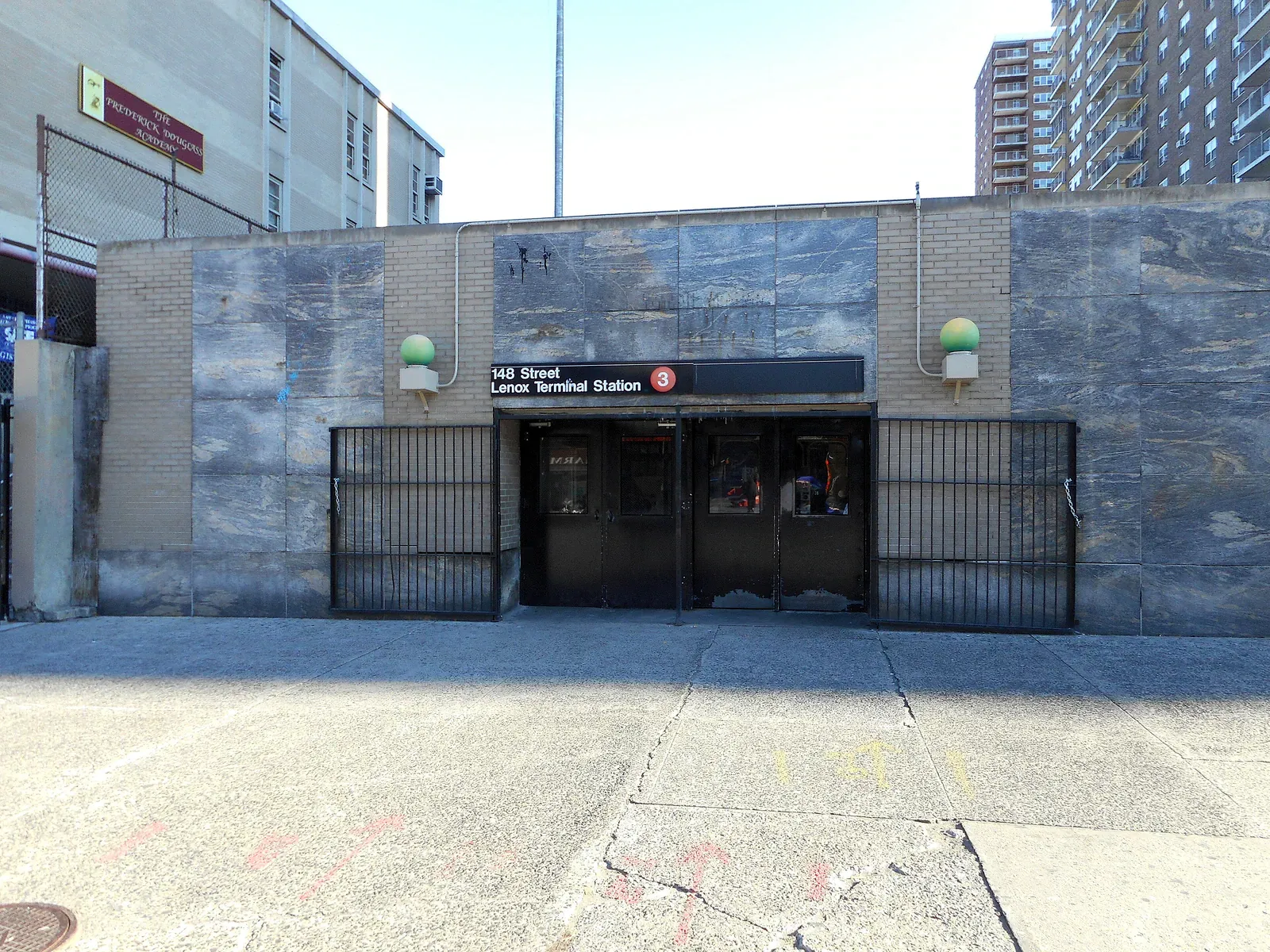
The breakthrough also brought conflict. In 2012 SpaceGhostPurrp broke with the A$AP Mob and accused Rocky’s crew of copying Raider Klan’s style, which Rocky disputed in an interview.
Stockholm and the internet collectives, 2013-2019
In 2013 the Swedish rapper Yung Lean released “Ginseng Strip 2002”, whose video went viral on YouTube. It sampled a track by the Japanese producer Dé Dé Mouse, produced by Gud, and made the Stockholm collective Sad Boys a leading name in the style. Drain Gang, formed the same year by Bladee, Ecco2k, Thaiboy Digital and Whitearmor, extended the Stockholm line. Elsewhere, groups such as Seshollowaterboyz, with Bones and Xavier Wulf, and Goth Money kept the sound dark and lo-fi.

By the late 2010s the style had split into emo rap, digicore and rage, and Clams Casino finally released a debut album, 32 Levels, on Columbia in 2016.
Characteristics
The production leans on ethereal synths, distorted samples and reverb-heavy beats with a chopped, lo-fi finish. Samples come from ambient, new age and chillout records, from British singers such as Sade and Imogen Heap, and, as the style developed, from J-pop, video games and anime soundtracks. Producers such as Clams Casino, 90’s Bambino and SpaceGhostPurrp recur across many artists. Lyrics sometimes turn to love and betrayal, as well as sex, drugs and alienation, and delivery is usually rapped or sung in an Auto-Tuned, laid-back voice. Tempos tend to sit slow, around 60 to 75 beats per minute at the felt pulse.
Instruments and production
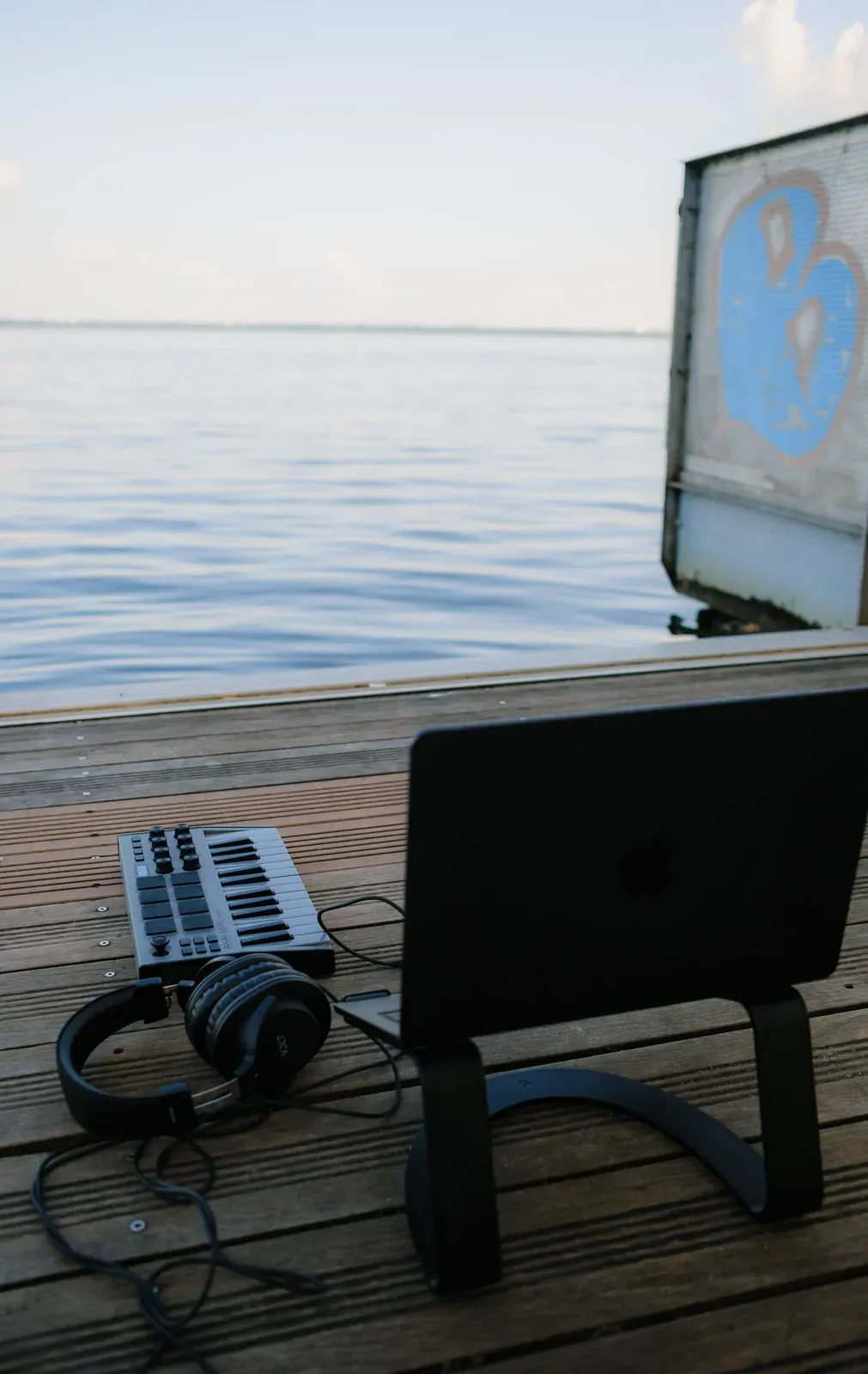
A typical beat is built in a computer from a single looped, pitched or filtered sample, with trap-style drum programming laid under it and heavy reverb on everything. Because the sample sets the mood, the sample itself is the main creative choice, which is why uncleared sources such as the Imogen Heap vocal in “I’m God” became a long-running issue.
Culture
Most cloud rap was released independently and promoted through SoundCloud, YouTube and Twitter, and blogs did the early gatekeeping that radio once did. Crews doubled as collectives: Raider Klan, A$AP Mob, Sad Boys, Drain Gang, Goth Money, Seshollowaterboyz and GothBoiClique. The aesthetic was visual as well as sonic, with video-game, anime and vaporwave imagery attached to the music, and the word “cloud” was meant to cover both the hazy sound and the style’s lack of clear borders.
Legacy
Cloud rap fed emo rap, digicore, hexD, jerk and rage, and its sample palette passed to later internet-born styles. In the early 2020s a new group of artists, including Xaviersobased, Fakemink, Yabujin, 2hollis and Smokedope2016, merged the original sound with plugg and microgenres such as sigilkore. In 2025 the term “cloud rock” appeared for an alternative-rock style influenced by electronica, hyperpop and cloud rap.
Misconceptions
It is often said that A$AP Rocky started cloud rap. His 2011 singles brought it to a mainstream audience, but Lil B and Clams Casino were working in the style by 2008, and the term was coined in 2010.
Another common claim is that the style belongs to one region. It began in the Southern United States, yet its early names include Oakland’s Main Attrakionz, Harlem’s Rocky, and later the Swedes of Sad Boys and Drain Gang.
A third is that the artists chose the label. Many of them disliked the term and distanced themselves from it, and Main Attrakionz’s Mondre M.A.N. has said the name was one given to them.
Frequently asked questions
What is cloud rap?
Cloud rap is a hip-hop style defined by hazy, reverb-heavy beats, ethereal chopped samples and trap drums. It began in the late 2000s and is also known as trillwave.
Who started cloud rap?
Lil B and the producer Clams Casino are generally credited with pioneering the sound from about 2008, alongside Main Attrakionz, Friendzone, Viper, Metro Zu and SpaceGhostPurrp.
What is the best-known cloud rap song?
“I’m God” by Lil B, produced by Clams Casino, is the most cited early example, and A$AP Rocky’s “Peso” and Yung Lean’s “Ginseng Strip 2002” took the style to wider audiences.
How is cloud rap different from trap?
Cloud rap uses trap-style drums but replaces trap’s hard, aggressive mood with ambient, dreamlike samples and heavy reverb. Its lineage includes trap and Southern hip-hop, and it influenced emo rap. It belongs to the wider hip-hop family.
Sound
Sound sheet
Signature sounds
- Chopped ethereal sample loop
- Reverb-heavy trap drums
- Auto-Tuned vocal melodies
Techniques
- Chopped sampling
- Reverb-heavy mixing
- Trap drums under ambient pads
- Auto-Tune
Keys and modes
D. Tonal centre of I'm God and Purple Swag.
Vocals
Rapped and sung delivery, often with Auto-Tune and reverb over hazy beats.
Scenes
Where it happened
Where and when the sound lived: one bar per city on a shared timeline.
North America
Europe
Active scenes
Peak 4, 2012-2025
Main Attrakionz, whose Squadda B inspired the term.
SpaceGhostPurrp, Metro Zu and the Raider Klan collective.
Harlem's A$AP Mob and Rocky's breakout.
Yung Lean's Sad Boys and Drain Gang.
Culture
Culture markers
- Castle in the clouds
Lil B showed a writer a CGI image of a castle in the clouds in 2009 and said that was the music he wanted to make.
Artwork - Trillwave
Alternative genre name.
Slang
Media
Key media
- 20103 Years Ahead: The Cloud Rap Tape
by Space Age Hustle. The blog's compilation helped popularise the name cloud rap.
Compilation - 2011Instrumentals
by Clams Casino. Free mixtape of the producer's beats.
Mix
Glossary
Terms on this page
A slice of an existing recording, often ambient, game or anime music, looped and distorted into a beat.
Hip-hop with hazy, reverb-heavy beats, ethereal chopped samples and trap drums, named by a blogger in 2010.
Miami collective founded by SpaceGhostPurrp.
Stockholm collective around Yung Lean, Yung Gud and Yung Sherman.
An alternative name for the genre.
Hip Hop family