Country folk
Country folk is acoustic, lyric-led songwriting with country and bluegrass instruments. It grew from Dylan's 1969 Nashville album to Prine, Harris and Welch.
Nashville, Tennessee, 1963
Country family
Born
1963
Nashville, Tennessee
Links
8
Genres it drew on or shaped
Tempo
80-130 BPMLineage
Family tree
Grew out of
Derived from
Influenced by
Nashville, Tennessee, 1963
Country folk
Timeline
Era by era
From the first sparks to today. Select a dot to read the story behind it.
- Dylan goes to Nashville
1967 to 1969
- Songwriters and the Hot Band
1970 to 1979
- Roots labels and the Austin-Nashville axis
1980 to 1999
- The Americana era
2000 to today
Eras
Moments
- 1 Dylan goes to Nashville, 1967 to 1969
- 2 Songwriters and the Hot Band, 1970 to 1979
- 3 Roots labels and the Austin-Nashville axis, 1980 to 1999
- 4 The Americana era, 2000 to today
1967
Dylan goes to Nashville
Bob Dylan returned to semi-acoustic, folk-based songwriting in 1967 and cut Nashville Skyline in Nashville in 1969, opening the city to the folk-revival songwriters.
- 1967Dylan releases John Wesley HardingReleased on December 27, 1967; it returned Dylan to semi-acoustic instrumentation and folk-influenced songwriting.
- 1969Nashville SkylineReleased on April 9, 1969, a country album recorded in Nashville with Dylan's softer singing voice.
- 1969Dylan appears on The Johnny Cash ShowA promotional appearance on June 7 helped make Nashville Skyline one of his best-selling albums.
1970
Songwriters and the Hot Band
John Prine rose from the Chicago folk clubs, and Emmylou Harris carried Gram Parsons's country-rock legacy into a gentler, acoustic-led sound with the Hot Band.
- 1970Roger Ebert reviews John Prine in ChicagoThe Sun-Times critic heard Prine by chance at the Fifth Peg; the review raised his profile in the Chicago folk scene.
- 1970Rounder Records is foundedThree Boston-area friends started the label that later specialised in acoustic roots music.
- 1971John Prine's debut albumJerry Wexler signed him to Atlantic after seeing him open for Kris Kristofferson at The Bitter End in New York.
- 1975Emmylou Harris releases Pieces of the SkyHer solo breakthrough included Boulder to Birmingham and reached number seven on the country album chart.
- 1975Emmylou Harris forms the Hot BandJames Burton, Glen D. Hardin and Rodney Crowell backed her on Elite Hotel, her first country number one album.
- 1978Nanci Griffith's first albumThere's a Light Beyond These Woods was a folk-oriented debut on a small label.
1980
Roots labels and the Austin-Nashville axis
Rounder and other independents specialised in acoustic country-folk, while Nanci Griffith won a Grammy in 1994 and Emmylou Harris recorded Wrecking Ball in 1995.
- 1984Griffith records in Nashville and plays Austin City LimitsOnce in a Very Blue Moon used Nashville players including Bela Fleck and Mark O'Connor.
- 1992Iris DeMent releases Infamous AngelHer debut mixed folk, country and gospel.
- 1994Griffith wins the Contemporary Folk GrammyOther Voices, Other Rooms, with guests from Bob Dylan to Odetta, won her only Grammy.
- 1995Wrecking BallEmmylou Harris and producer Daniel Lanois made an atmospheric album released on September 26, 1995.
- 1996Gillian Welch releases RevivalProduced by T Bone Burnett with a bare sound close to her live show; nominated for the 1997 Contemporary Folk Grammy.
2000
The Americana era
Gillian Welch and David Rawlings, the O Brother soundtrack and the Americana movement gave the sound a new audience, and most country-folk artists now work under that label.
- 2000O Brother, Where Art Thou? soundtrackWelch was associate producer and sang on it; the album won the 2002 Grammy for Album of the Year.
- 2015Welch and Rawlings honoured by the Americana Music AssociationThey received its Lifetime Achievement Award for Songwriting on September 16, 2015.
- 2020John Prine diesHe died on April 7, 2020, leaving a catalogue of humorous and melancholy character songs.
Listening path
Start listening
A short path from an easy way in to the deep end. Thumbnails come from YouTube; the player loads only when you press play.
- 01
Bob Dylan, 1969
Dylan's country croon over a pedal steel hook from Nashville Skyline.
- 02
John Prine, 1971
A character song about a woman's disappointment, in plain words over acoustic guitar.
- 03
Emmylou Harris, 1975
A grief song for Gram Parsons that set Harris's solo career going.
- 04
Nanci Griffith, 1988
A live version of her story song, which Kathy Mattea took to the country charts.
- 05
Gillian Welch, 1996
Spare duo guitars and old-time harmony from Revival.
Country folk is a gentle, acoustic-led form of singer-songwriter music that brings country and bluegrass instruments back into the folk-revival tradition. It took shape in the United States after Bob Dylan recorded in Nashville in 1969, and its songs are lyric-led, narrative and sparsely arranged.
The label is loose and is used more by listeners and critics than by the music business, which is why it has long overlapped with country rock, Americana and alternative country.
Origins
Johnny Cash told a music magazine in March 1965 that he would like to produce a Nashville album with Dylan, but the sessions did not take place until 1969.
By then Dylan had already changed direction. His 1967 album John Wesley Harding, released on December 27, returned him to semi-acoustic instrumentation and folk-influenced songwriting after three albums of electric blues-based rock. Two years later Nashville Skyline went further and committed to country music outright, with simple song structures, a domestic mood and a softer voice that Dylan used after he stopped smoking.
The singer-songwriters who followed him are the core of the genre. They preferred a quieter and more acoustic setting than country rock, one that left room for the words.
Dylan in Nashville, 1967-1969
Nashville Skyline was released on April 9, 1969, reached number three in the United States and number one in the United Kingdom, and produced three singles that received steady radio play. Dylan promoted it with an appearance on The Johnny Cash Show on June 7. Kris Kristofferson later said that Dylan had opened every door in Nashville, brought in a new audience and changed how the city thought about songwriting. The hook of Lay Lady Lay is a recurring four-note pedal steel line, a country instrument placed in the middle of a folk-rock star’s record.
Songwriters and the Hot Band, 1970-1979
John Prine delivered mail in Chicago and sang at open mic nights at the Fifth Peg on Armitage Avenue, a bar frequented by teachers and students from the Old Town School of Folk Music. In 1970 the Chicago Sun-Times critic Roger Ebert heard him by chance and wrote his first printed review. Prine became a central figure in a Chicago folk scene that also included Steve Goodman. Kristofferson heard him in 1971 and invited him to open at The Bitter End in New York, where Jerry Wexler of Atlantic Records signed him the next day.
His debut album of 1971 held Sam Stone, about a Vietnam veteran, Paradise, about strip mining in his parents’ hometown in Kentucky, and Hello in There, about growing old. Critics called him the next Dylan, and Dylan himself is reported to have backed him anonymously on harmonica at an early New York show. Diamonds in the Rough followed in 1972 with a stripped-down sound that showed his taste for bluegrass and Hank Williams. Common Sense, produced by Steve Cropper in 1975, was his first album to reach the US top 100.
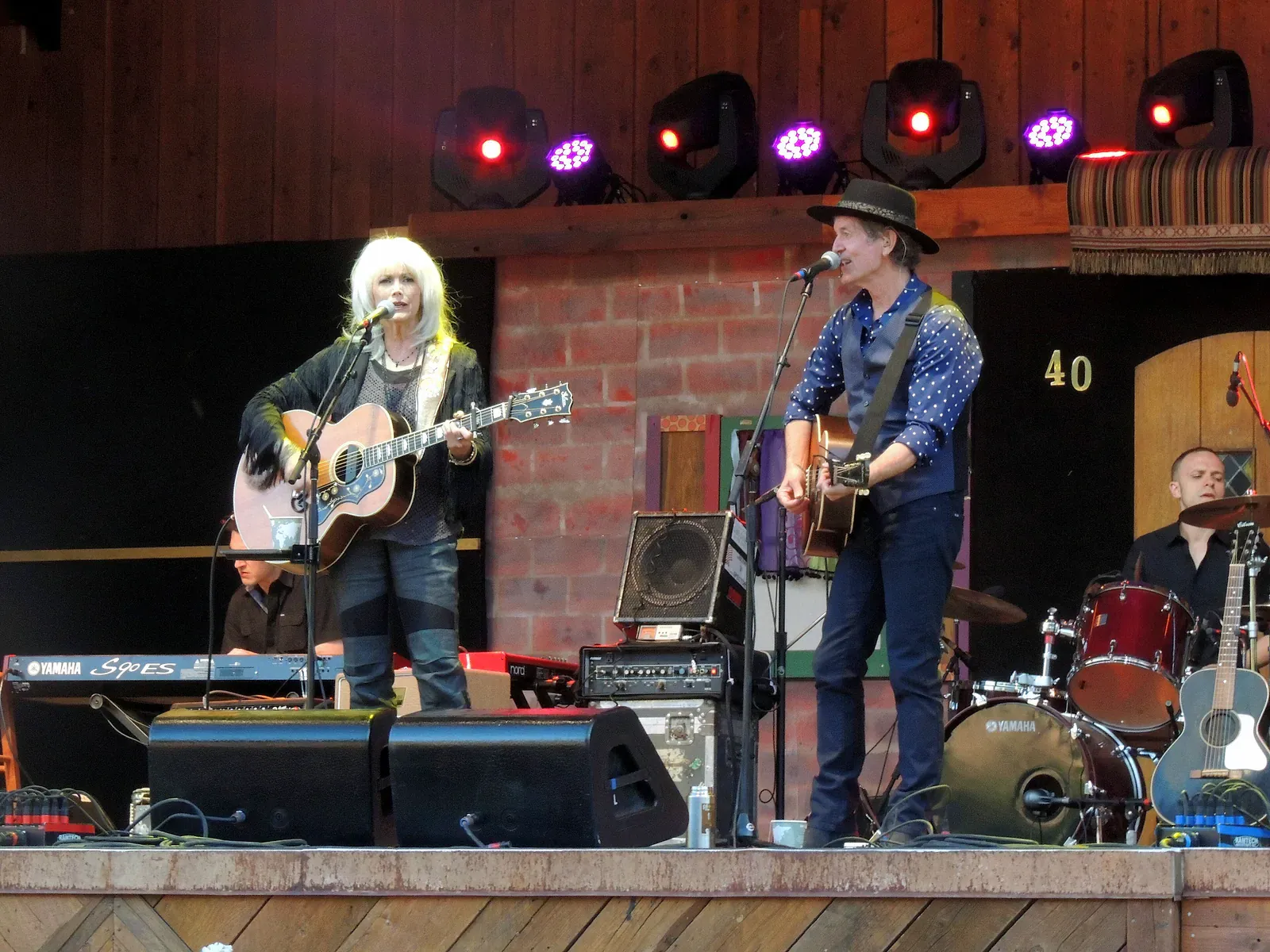
Emmylou Harris took a different path to the same place. After Gram Parsons died she formed her own band, signed to Warner Bros.-Reprise and, with producer Brian Ahern, made Pieces of the Sky in 1975. It reached number seven on the country album chart and included her own song Boulder to Birmingham, written out of her feelings about Parsons. Elite Hotel the same year was her first number one country album, and for it she formed the Hot Band with James Burton, Glen D. Hardin and Rodney Crowell.
Roots labels, 1980-1999
The label country folk has been in use since at least the mid-1970s, but by the 1980s independent companies such as Rounder and Sugar Hill specialised in recording its artists, and the sound had a home outside the Nashville mainstream.
Nanci Griffith is the main figure of these years. She released her first album in 1978 and a second in 1982, both on small labels, then recorded Once in a Very Blue Moon in Nashville in 1984 with Béla Fleck, Mark O’Connor and Lloyd Green. She called her own style folkabilly. The Last of the True Believers brought her first Grammy nomination and included Love at the Five and Dime and Goin’ Gone, both of which became hits for Kathy Mattea. Other Voices, Other Rooms in 1993 collected songs by other writers, with guests from Bob Dylan to Odetta, and won her only Grammy.
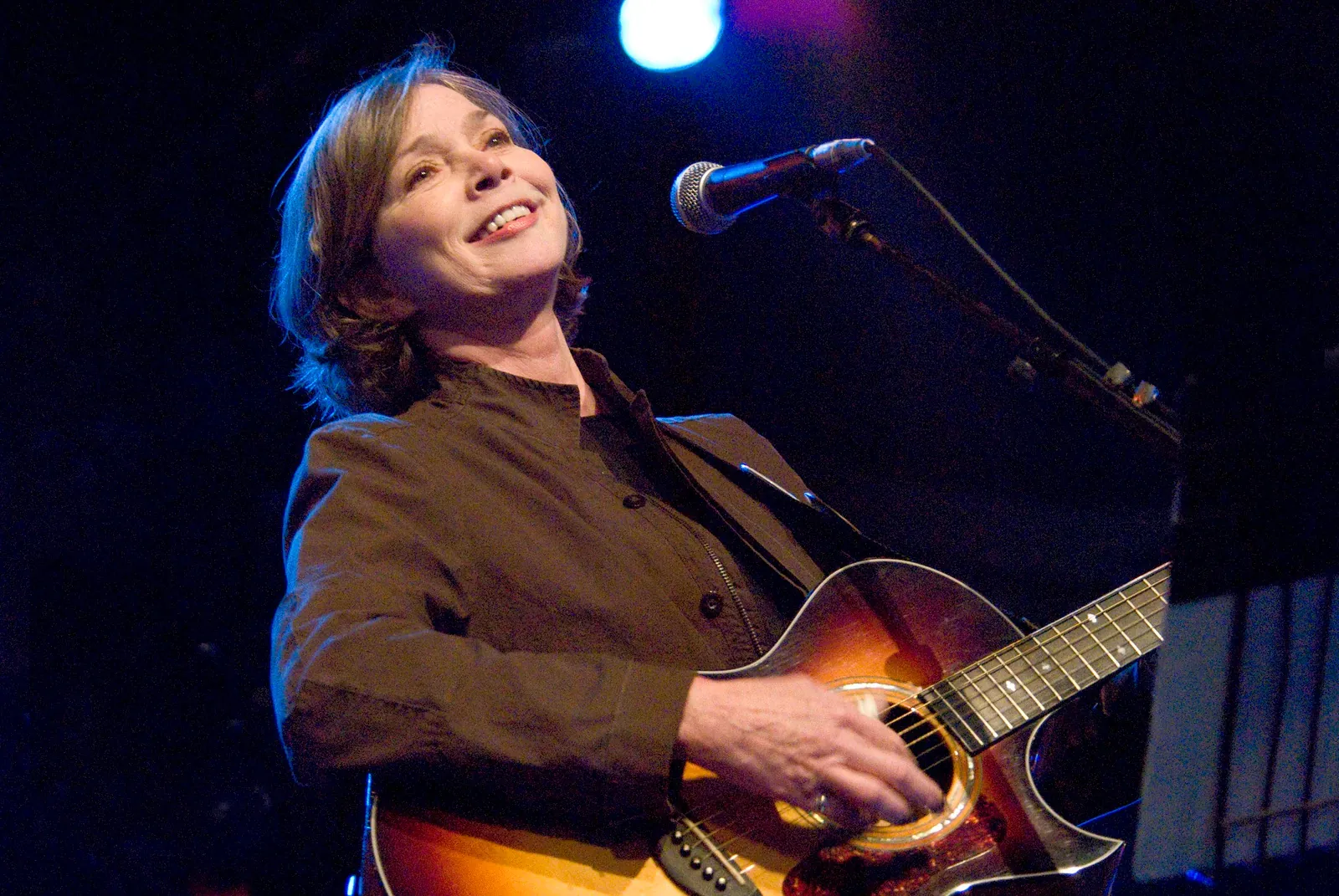
Emmylou Harris returned to the centre in 1995 with Wrecking Ball, a more atmospheric album made with producer Daniel Lanois on Elektra, with guests including Steve Earle, Lucinda Williams and Neil Young, who wrote the title song.
The Americana era, 2000 onward
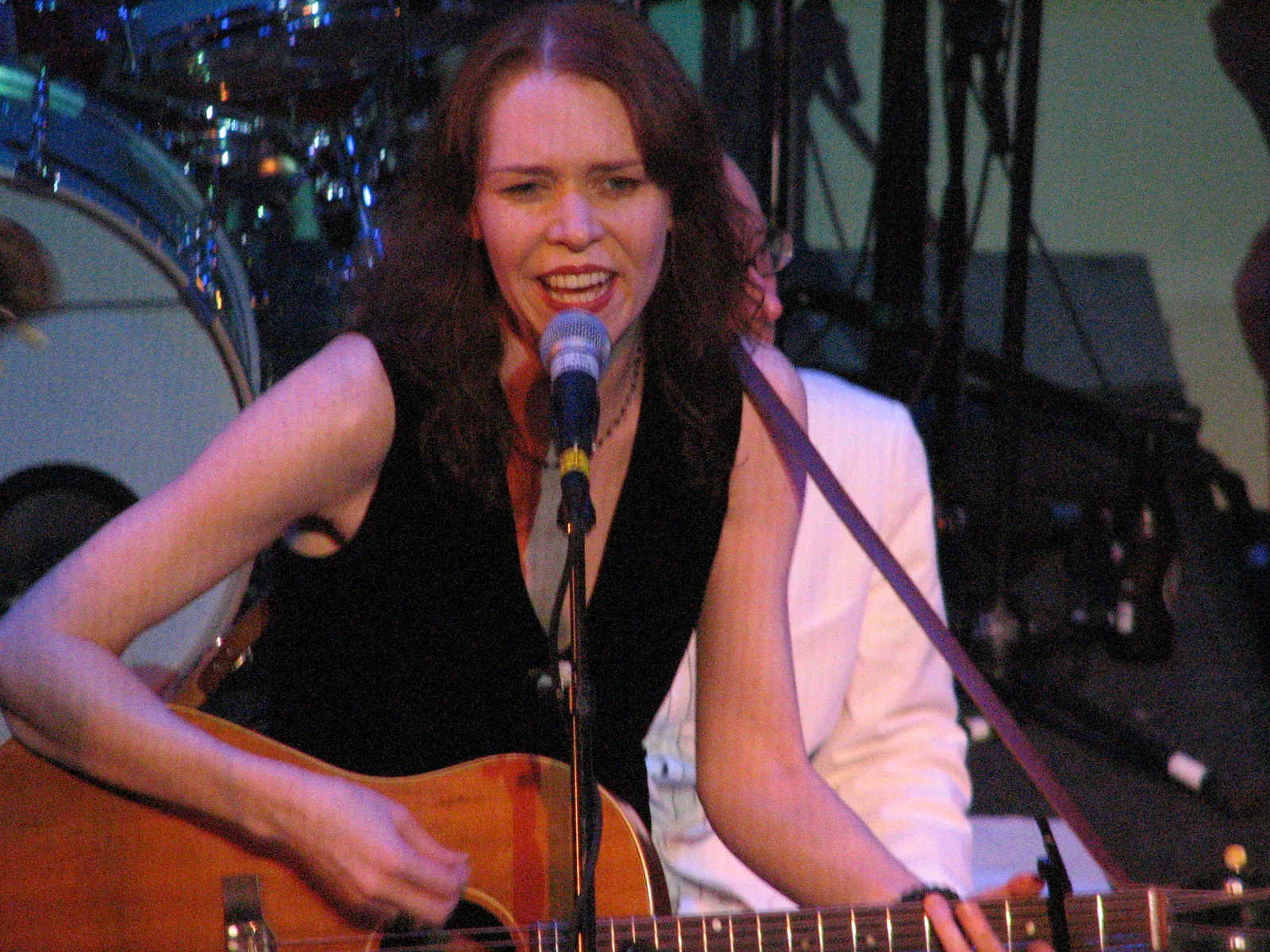
Gillian Welch released Revival in April 1996, produced by T Bone Burnett, who wanted to keep the bare sound of her live show with David Rawlings. It was nominated for the 1997 Grammy for Best Contemporary Folk Album. Her work on the O Brother, Where Art Thou? soundtrack in 2000, as associate producer and singer, brought her a wider audience when the album went on to win the 2002 Grammy for Album of the Year.
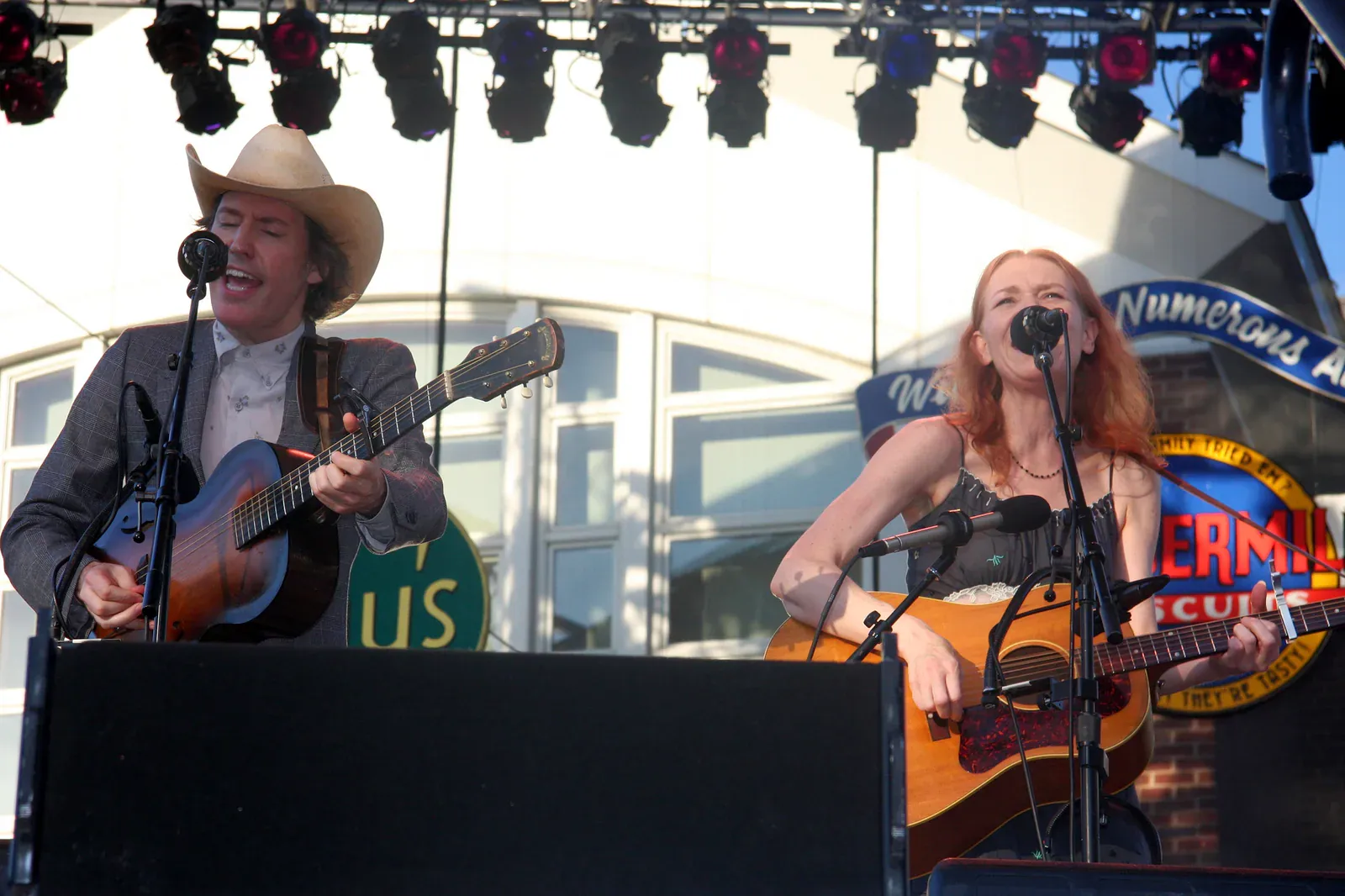
Most artists now sorted as country folk are placed under Americana, among them Brandi Carlile, Jason Isbell, Patty Griffin, Amanda Shires and Sarah Jarosz, and Welch and Rawlings received the Americana Music Association’s Lifetime Achievement Award for Songwriting in 2015.
Characteristics
Songs are built around a voice and an acoustic guitar, and the words come first. Prine’s lyrics sketch a person in a few lines, while Welch writes slowly paced songs about orphans, addiction and poverty. Singing is plain and conversational, closer to speech than to the polished Nashville sound. The distinction from the folk of Dylan’s 1960s contemporaries is instrumental: mandolin, banjo, fiddle and steel guitar return to the mix.
Instruments and production
Production aims to stay out of the way. Welch plays a 1956 Gibson J-50 and Rawlings a 1935 Epiphone, and Burnett recorded their first album close to a live performance. The usual aim is a small ensemble in which the guitar, a bluegrass-derived instrument and the vocal can all be heard clearly.
Mainstream success
Country folk never had a single breakthrough moment. Nashville Skyline was the biggest early success, and Emmylou Harris topped the country album chart in the 1970s. Other chart success came through other singers, as when Kathy Mattea recorded Griffith’s songs and David Allan Coe took You Never Even Called Me by My Name, co-written by Prine and Goodman, onto the country charts in 1974.
Notable recordings
Boulder to Birmingham is the clearest example of how the form works: a first-person song of grief for a dead friend, sung over a plain band. Angel from Montgomery, from Prine’s debut, gives a middle-aged woman’s disappointment in everyday language, and its sound is one acoustic guitar. Orphan Girl from Revival is a duet of two voices and two guitars, and Emmylou Harris, Linda Ronstadt and Patty Griffin have all recorded it.
Culture
Open mic nights, folk clubs and coffeehouses formed the scene, and Prine’s start at the Fifth Peg is the standard example. Story songs about veterans, widows and shop workers became the form’s trademark. Festivals such as Telluride and Cambridge, and the television programme Austin City Limits, carried the music to listeners outside the clubs.
Legacy
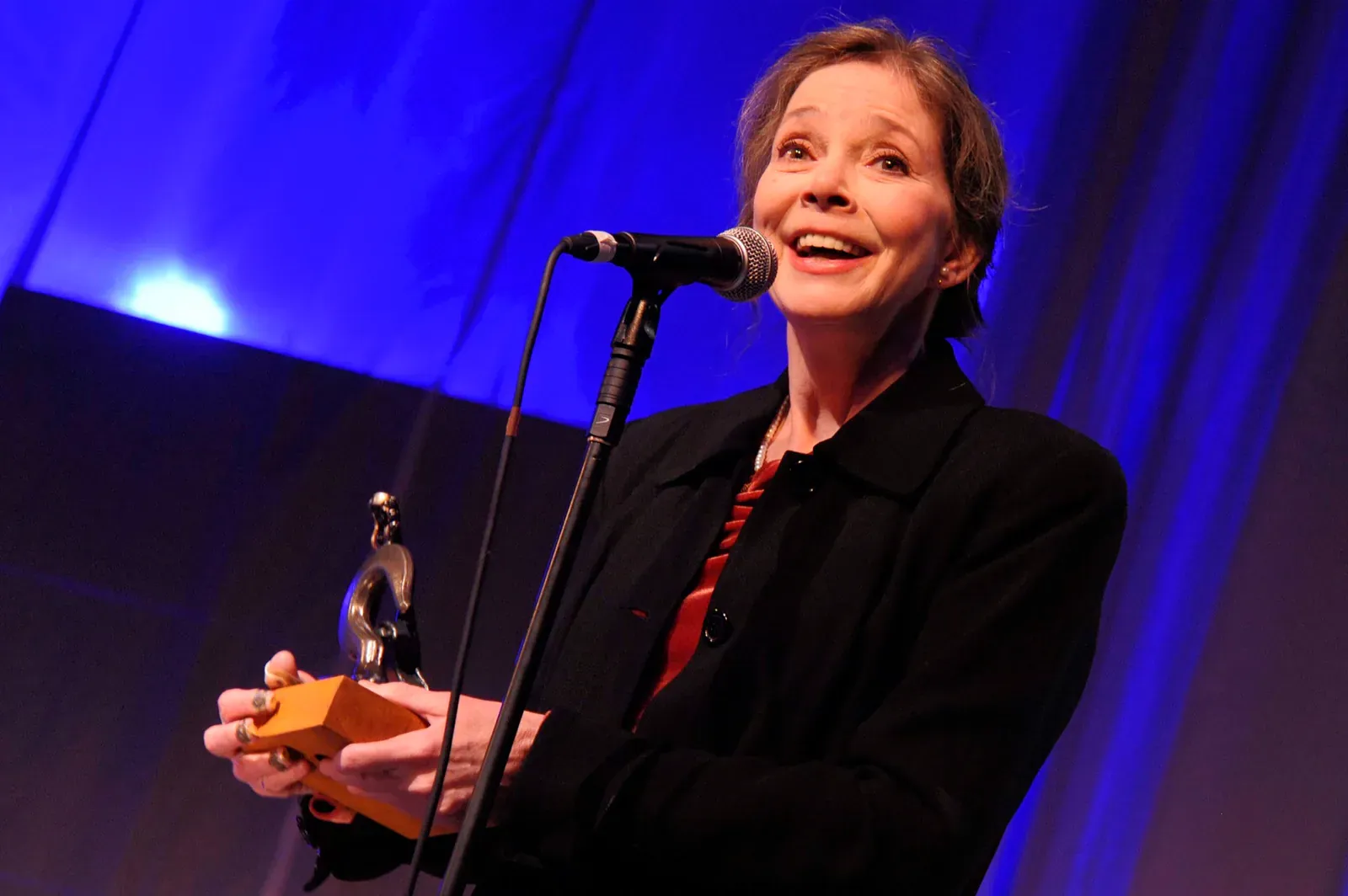
Country folk set a model for singer-songwriters who wanted country instruments without country radio. Prine died on April 7, 2020, and Griffith in 2021, and the Americana category now carries the tradition. Alternative country and outlaw country share many of its writers and listeners.
Misconceptions
It is often assumed that country folk is a Nashville genre. Its main figures worked in Chicago, Texas and the Boston area as well, and critics note that the music was mostly not aimed at the country audience at all.
Another assumption is that Nashville Skyline invented the style. The record opened the door, but the term country folk has been in use since at least the mid-1970s, and it describes the quieter singer-songwriters who recorded after Dylan.
Gillian Welch is sometimes assumed to be from Appalachia because of her subjects. She was raised in Southern California, a point critics argued over when Revival appeared, though others defended her songs as sincere.
Frequently asked questions
What is country folk?
Country folk is acoustic singer-songwriter music that uses country and bluegrass instruments, such as mandolin, banjo, fiddle and steel guitar, for lyric-driven songs.
How is country folk different from country rock?
Country rock sets country songs to a rock backbeat, while country folk is quieter and more acoustic and gives more space to the lyrics.
Who are the main country folk artists?
John Prine, Emmylou Harris, Nanci Griffith and Gillian Welch are the main names, with Bob Dylan’s Nashville Skyline as the starting point of the style.
Is country folk the same as Americana?
The two overlap heavily. Americana is the wider category, and most current country folk artists are filed under it, while older artists are described as country folk.
Sound
Sound sheet
Signature sounds
- Acoustic guitar carries the song
- Mandolin, banjo, fiddle or steel guitar added to folk songwriting
- Lyric-led character sketches
- Spare, unhurried arrangements
Techniques
- Country instruments under folk songs
- Character sketch lyrics
- Slow, heartbeat pacing
Keys and modes
Major keys. Measured recordings sit in G, A, B, C, D and E.
Vocals
Plain, conversational singing with a country lilt, from Dylan's soft 1969 croon to Harris's clear soprano.
Scenes
Where it happened
Where and when the sound lived: one bar per city on a shared timeline.
North America
Active scenes
Peak 3, 1970-2025
Where Dylan cut Nashville Skyline and where many country-folk albums were later recorded.
The Old Town folk clubs, including the Fifth Peg and the Earl of Old Town, launched John Prine.
Home of Rounder Records, a main independent label for acoustic roots music.
Culture
Culture markers
- Open mic nights
Prine began performing at open mic nights at the Fifth Peg in Chicago while delivering mail.
Ritual - Songs as short stories
Story songs about veterans, widows and shop girls became the form's trademark.
Artwork
Media
Key media
- 1994Red Hot + Country
by Various. An AIDS benefit album on which Griffith and Jimmy Webb contributed a song.
Compilation - 2000O Brother, Where Art Thou? soundtrack
by Various. Welch and Harris sang on this roots soundtrack, which won the 2002 Album of the Year Grammy.
Compilation
Glossary
Terms on this page
An umbrella for roots music where most country-folk artists now sit.
A label for gentle, acoustic-led singer-songwriters who added country and bluegrass instruments to folk songwriting.
Nanci Griffith's own name for her blend of folk and country.
Emmylou Harris's backing group from 1975, with James Burton, Glen D. Hardin and Rodney Crowell.
A performer who writes and sings their own songs, usually to acoustic accompaniment.
Country family