Folk revival
The folk revival is the set of movements, from the 1890s to today, that collected, reworked and popularised traditional song in Britain and North America.
United Kingdom, United States, Ireland, Canada, 1882
Folk family
Born
1882
United Kingdom, United States, Ireland, Canada
Subgenres
5
Documented branches
Links
1
Genres it drew on or shaped
Tempo
80-135 BPMLineage
Family tree
Grew out of
United Kingdom, United States, Ireland, Canada
Folk revival
Led to (5)
Timeline
Era by era
From the first sparks to today. Select a dot to read the story behind it.
- Collectors and the first revival
1882 to 1920
- Field recordings and labour song
1933 to 1949
- The second revival
1950 to 1969
- Fusion and resurgence
1965 to today
Eras
Moments
- 1 Collectors and the first revival, 1882 to 1920
- 2 Field recordings and labour song, 1933 to 1949
- 3 The second revival, 1950 to 1969
- 4 Fusion and resurgence, 1965 to today
1882
Collectors and the first revival
Scholars and composers transcribed songs from rural singers, from Child's ballad volumes to Cecil Sharp's Somerset collections, and set up societies to preserve them.
- 1882Child's ballad collection beginsFrancis James Child's eight-volume The English and Scottish Popular Ballads, issued 1882-92, defined the repertoire later revivalists drew on.
- 1898Folk Song Society foundedFrank Kidson and Lucy Broadwood were important in setting up the society in Britain.
- 1904Sharp publishes Folk Songs from SomersetCecil Sharp's five-volume collection appeared from 1904 to 1909.
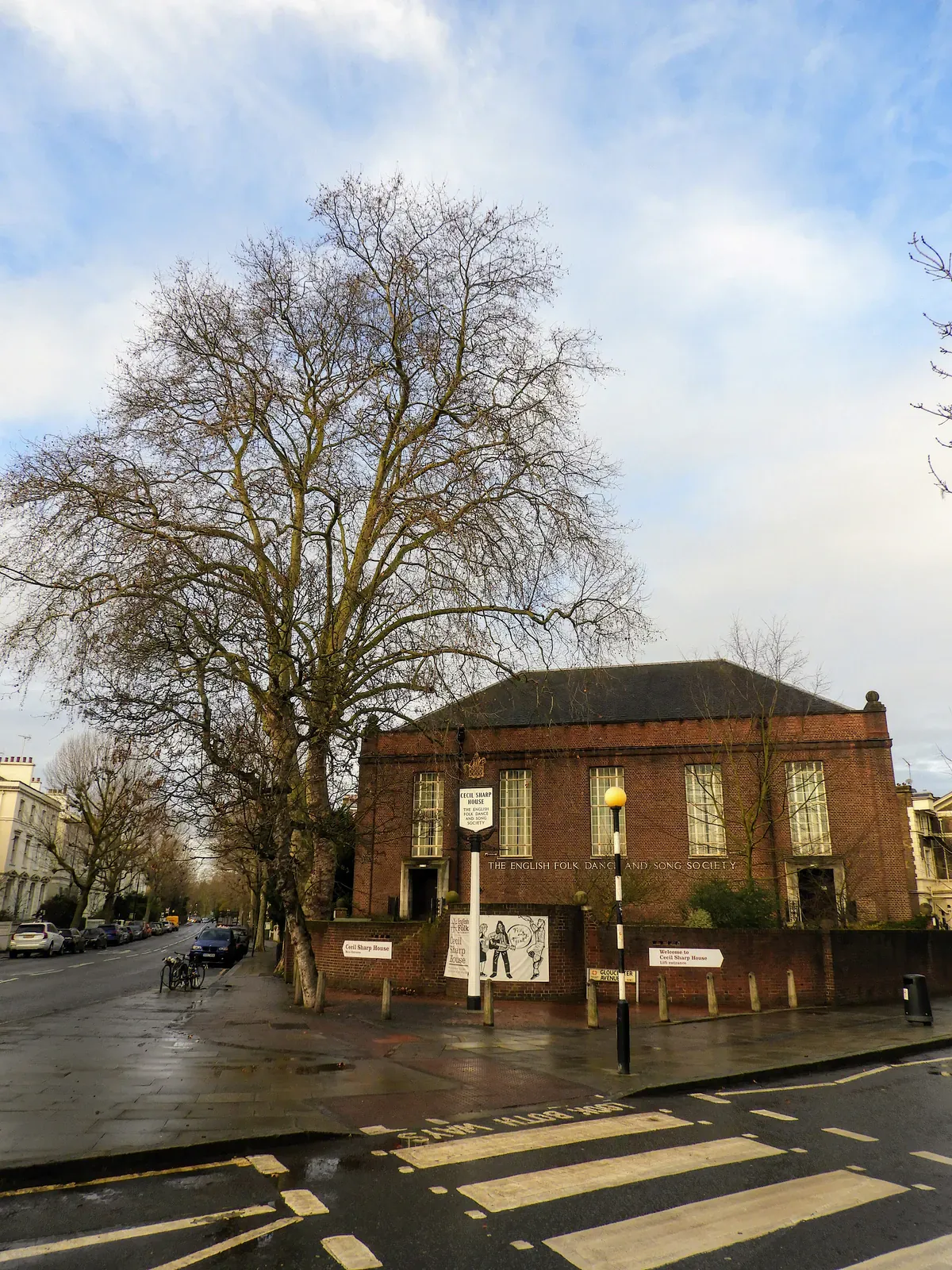
- 1911English Folk Dance Society foundedSharp's society reflected his parallel interest in dance music; it merged with the Folk-Song Society in 1932 as the EFDSS.
1933
Field recordings and labour song
John Avery Lomax began recording for the Library of Congress in 1933, and the Almanac Singers and People's Songs tied traditional song to the labour movement.
- 1933Lomax begins Library of Congress recordingsJohn Avery Lomax made extensive field recordings, in contrast to the British focus on transcription.
- 1941Almanac Singers formedPete Seeger and Lee Hays founded the politically active group, with Woody Guthrie among its changing members.
- 1948The Weavers formedSeeger, Hays, Fred Hellerman and Ronnie Gilbert started the group that began the commercial American revival.
1950
The second revival
The Weavers, the Kingston Trio, Joan Baez and Bob Dylan in the US and MacColl, Lloyd and the folk clubs in Britain made folk music a commercial and political force.
- 1950Goodnight, Irene tops the chartThe Weavers' single of Lead Belly's song spent 13 weeks at number one on Billboard.
- 1952Anthology of American Folk Music releasedHarry Smith's set of 1927-32 commercial recordings reached younger musicians.
- 1953Ballads and Blues Club opens in LondonEwan MacColl started the club that became a model for the British folk club circuit.
- 1956Skiffle craze beginsLonnie Donegan's Rock Island Line hit fed a boom of acoustic youth bands that fed into the folk clubs.
- 1958Tom Dooley goes goldThe Kingston Trio's murder-ballad hit sold more than three million copies and led to a Grammy folk category.
- 1960Joan Baez debut reaches the top tenHer Vanguard debut, mostly traditional ballads, stayed on the Billboard chart for over two years.
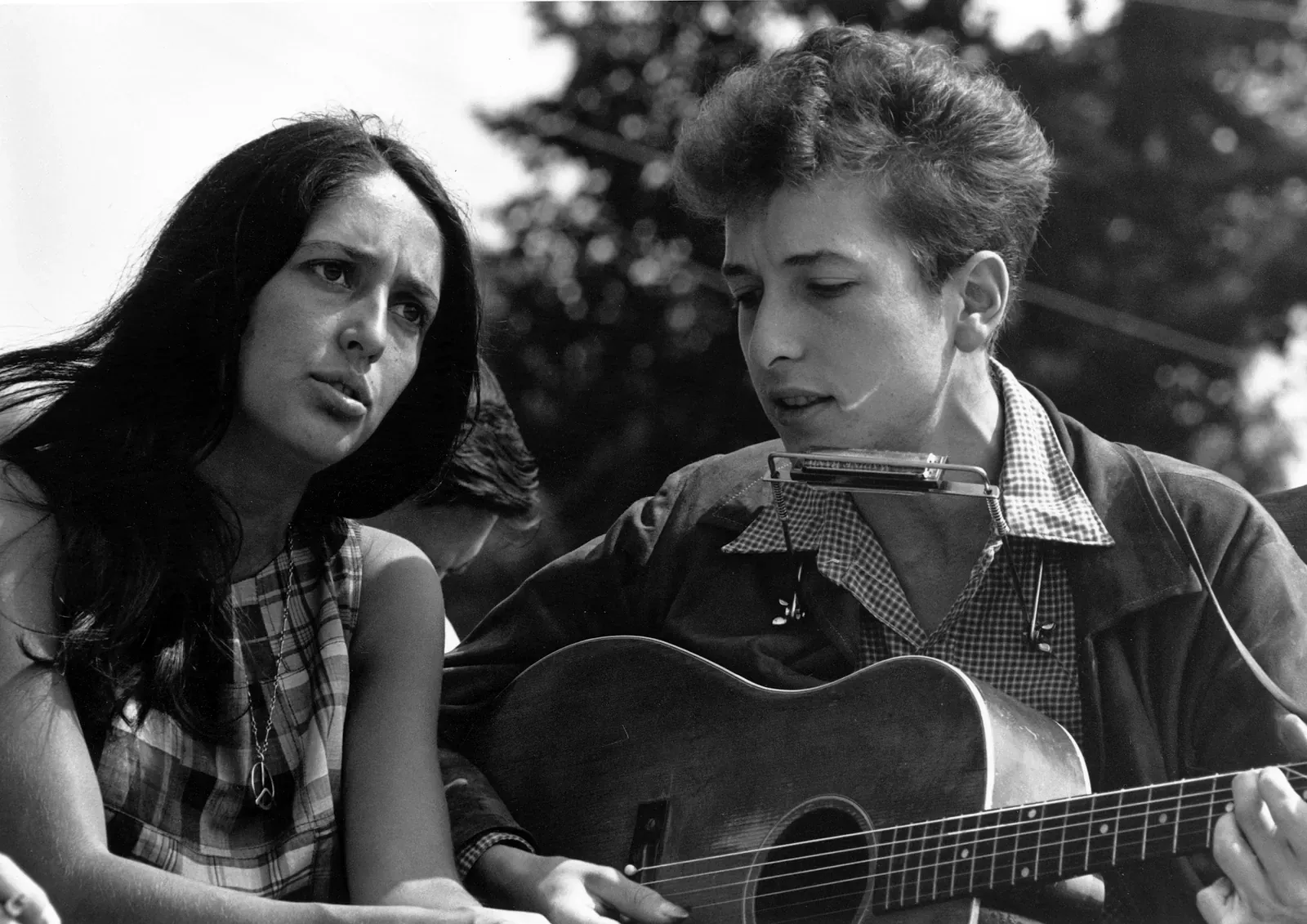
- 1963March on WashingtonSeeger, Baez, Peter, Paul and Mary and Dylan sang We Shall Overcome and other songs at the civil rights march.
1965
Fusion and resurgence
Electric folk, progressive folk and singer-songwriters followed the peak, then a new generation of traditional performers emerged in Britain from the 1990s.
- 1965Dylan records with electric instrumentsAfter the Electric Dylan controversy, many young folk artists followed him to a rock sound.
- 1967Pentangle formedBert Jansch, John Renbourn, Jacqui McShee, Danny Thompson and Terry Cox combined folk and jazz in British progressive folk.
Listening path
Start listening
A short path from an easy way in to the deep end. Thumbnails come from YouTube; the player loads only when you press play.
- 01
The Weavers, 1950
The number-one hit that started the commercial American revival.
- 02
Ewan MacColl, 1956
A British second-revival song written by MacColl in 1949 about industrial Salford.
- 03
The Kingston Trio, 1958
The murder ballad that took collegiate folk into the mass market.
- 04
Joan Baez, 1960
A Scottish ballad sung with a soprano voice, typical of her traditional debut.
- 05
Peter, Paul and Mary, 1963
The cover that brought Dylan's song, and protest folk, to a national audience.
Facts
| Family | Folk |
| Origin | United Kingdom, United States, Ireland, Canada |
| Emerged | 1890s onwards |
| Status | Active |
| Tempo | 80 to 135 BPM |
| Meter | 4/4 |
| Subgenres | 5 |
The folk revival is the name for the successive movements that collected, reinterpreted and popularised traditional music, beginning with scholarly collectors in the 1890s and peaking in the post-war booms in Britain and the United States.
It differs from folk itself in that its performers usually learned the songs from books, records or clubs rather than from a community, and often added new songs in the same style. The movement created the folk club, the folk festival and the singer-songwriter, and it is the origin of contemporary folk music.
Collectors and the first revival, 1882-1920
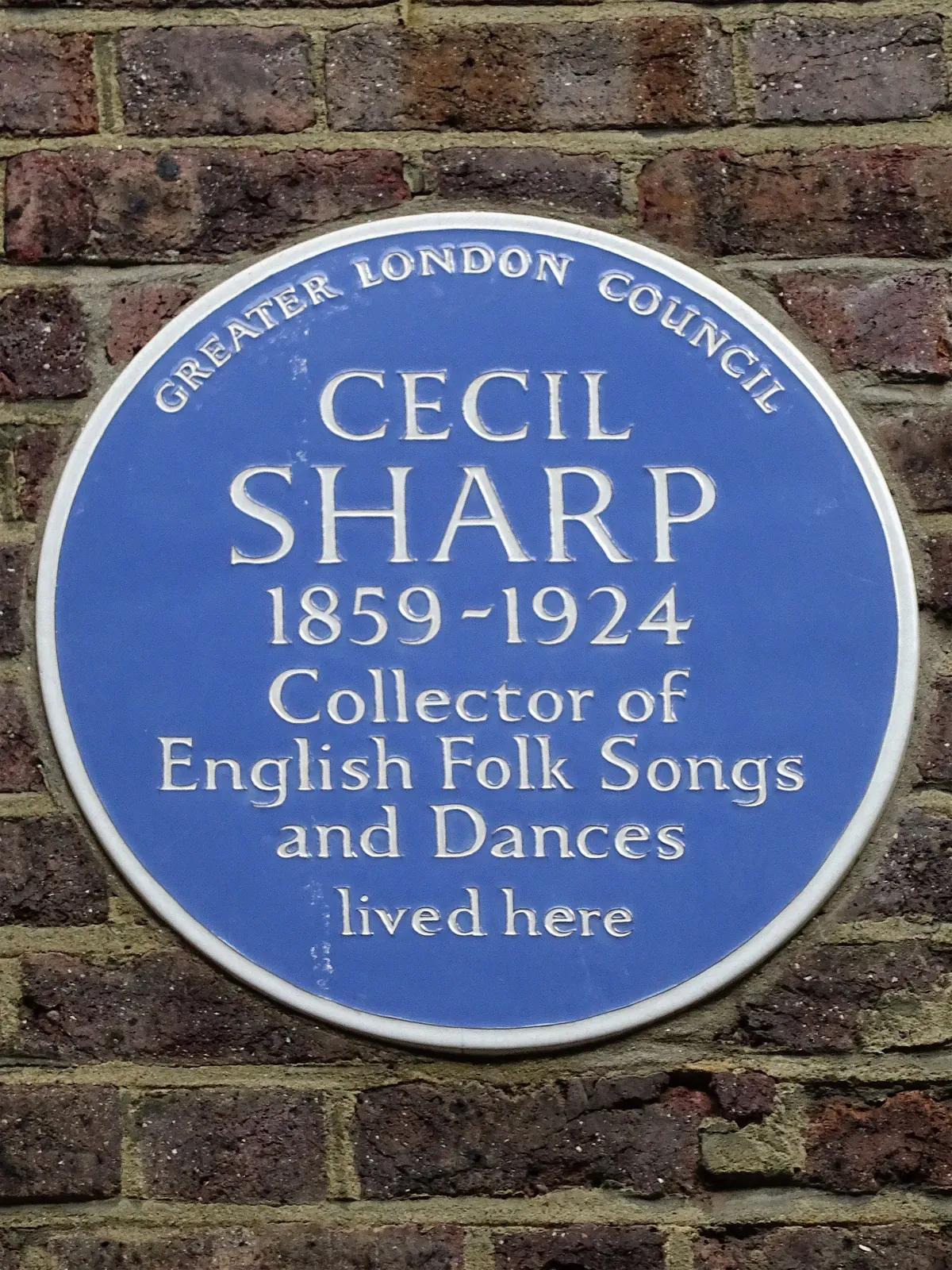
The first British revival was a project of transcription. Francis James Child’s eight-volume collection of English and Scottish ballads appeared from 1882 to 1892 and fixed much of the repertoire later performers used. Frank Kidson and Lucy Broadwood helped found the Folk Song Society in 1898, and Cecil Sharp published the five volumes of Folk Songs from Somerset between 1904 and 1909. In 1911 Sharp founded the English Folk Dance Society, reflecting a parallel interest in dance tunes.
Nationalism drove much of this work. In 1906 the Board of Education approved teaching folk songs in schools, and composers such as Ralph Vaughan Williams, Percy Grainger and George Butterworth built folk melodies into the English “pastoral” school of classical music. Collectors preferred to write songs down, while in the United States John Avery Lomax began extensive recording for the Library of Congress in 1933.
Field recordings and labour song, 1933-1949
In the United States the revival began among archivists and activists. Lomax’s recordings, and later work by Alan Lomax and others, made rural performers audible to city audiences. In New York, interest in square and folk dancing gave musicians such as Pete Seeger an audience, and in 1941 Seeger and Lee Hays founded the Almanac Singers, whose changing line-up included Woody Guthrie, Josh White and Lead Belly. People’s Songs, which Seeger led, circulated labour movement songs until it disbanded in 1948-49. The link between traditional song and left-wing politics defined how the revival was perceived for the next two decades.
The second revival, 1950-1969
The commercial revival began with the Weavers, formed in November 1948 by Seeger, Hays, Fred Hellerman and Ronnie Gilbert. Their 1950 single of Lead Belly’s “Goodnight, Irene” spent 13 weeks at number one. They were then dropped by Decca after Seeger was named in Red Channels, and radio stations refused their records. Folk went underground into schools, summer camps and bohemian districts: Greenwich Village in New York, North Beach in San Francisco, and college towns such as Cambridge, Massachusetts. A 1955 reunion concert and its 1957 album on Vanguard proved there was still an audience.
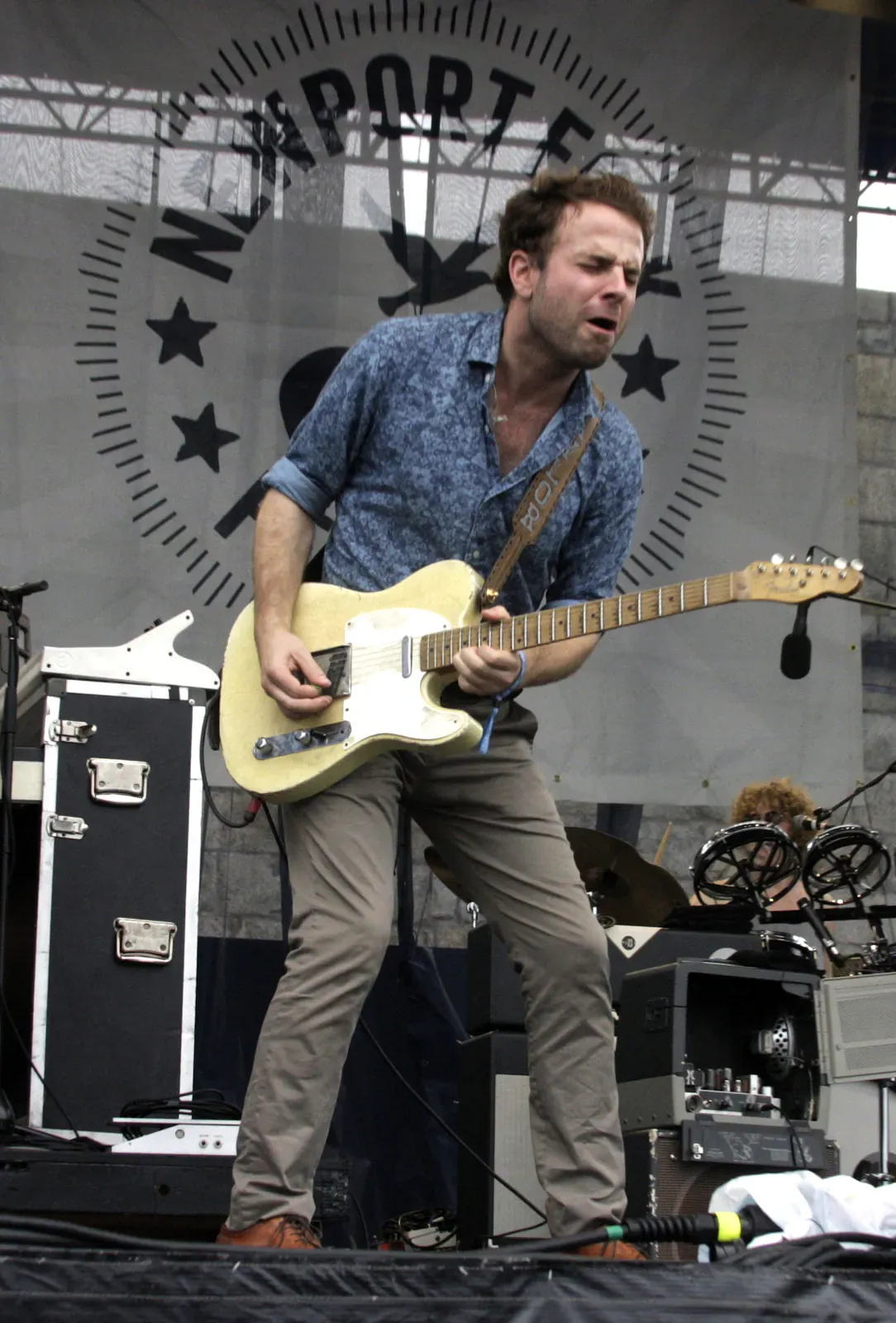
Meanwhile, archives fed the scene. Harry Smith’s Anthology of American Folk Music, issued by Folkways in 1952, collected 84 songs recorded between 1927 and 1932, and young musicians learned from it. Older performers such as Clarence Ashley were rediscovered and brought to the 1963 and 1964 Newport Folk Festivals. The label survives as Smithsonian Folkways.
Britain followed the American example with its own concerns. Ewan MacColl and A. L. Lloyd, both involved in socialist politics, led the second revival there, and the BBC radio series As I Roved Out, built on field recordings by Peter Kennedy and Seamus Ennis from 1952 to 1958, introduced many listeners to British and Irish folk. MacColl opened the Ballads and Blues Club in London in 1953. The skiffle craze of 1956-58, started by Lonnie Donegan’s “Rock Island Line”, brought young players such as Martin Carthy and John Renbourn into the clubs, and by the mid-1960s Britain probably had over 300 folk clubs. Topic Records, founded in 1939, recorded much of the repertoire and became financially secure with Lloyd’s The Iron Muse in 1963.
Fusion and resurgence, 1965 onwards
When Bob Dylan began recording with a rock rhythm section in 1965, many young folk artists followed, and the Lovin’ Spoonful and the Byrds, whose members came from the coffeehouse scene, played folk-tinged songs in rock line-ups. The British Invasion had already cut into the revival’s mainstream audience, and the public appetite for acoustic folk waned. In Britain, fingerstyle players developed “folk baroque” and groups such as Pentangle, formed in 1967, joined it to other styles, while the Incredible String Band and others moved further from tradition. Ralph McTell’s “Streets of London” reached number 2 in the UK in 1974. Related styles include folk rock and the repertoire covered in English folk and American folk.
From the late 1970s British folk club attendance fell as punk, new wave and electronic music took over. A new generation, often children of second-revival figures, restored the tradition from the 1990s, among them Eliza Carthy, Kate Rusby, Kathryn Tickell, Spiers and Boden, and Seth Lakeman.
Characteristics
Revival music is acoustic and song-centred. Texts come from older ballads and broadsides or from new songs written in the style, and performers speak openly of their sources. Tunes are often modal, with a few chords, and tempos in popular recordings run from a slow walking pace to a brisk strum. Performance varies widely: Joan Baez used a rich soprano with vibrato, the Kingston Trio sang in polished harmony, and traditional singers in British clubs favoured plain delivery.
Instruments and production
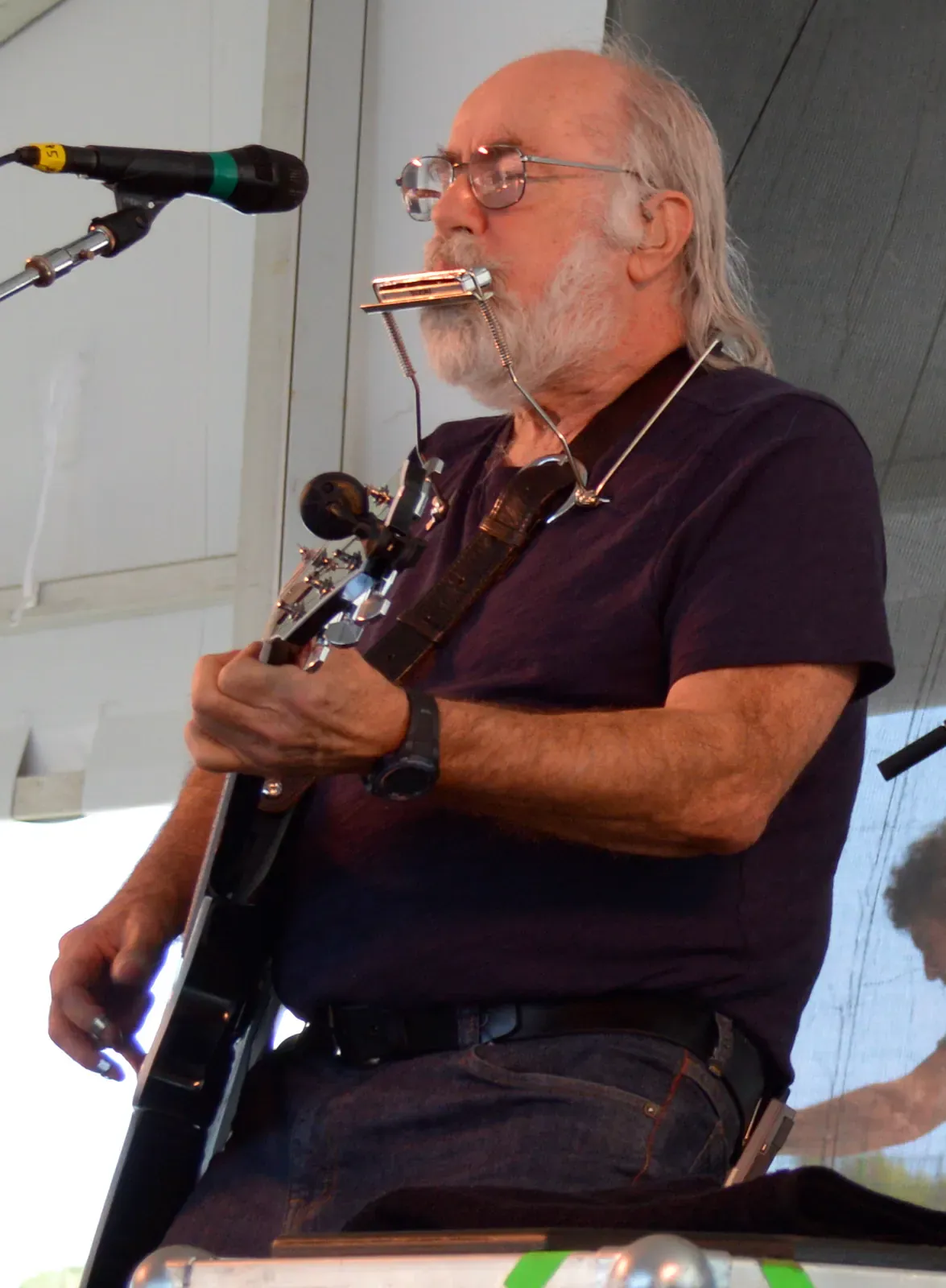
Acoustic guitar and five-string banjo dominated American performance, with harmonica added by singer-songwriters. British skiffle groups used washboards and tea chest basses, and the guitarists of the folk clubs drew on American blues.
Mainstream success
The Kingston Trio, formed in the San Francisco Bay Area, turned folk into a mass-market product. Their 1958 recording of “Tom Dooley” went gold and sold more than three million copies, and the group’s recordings from 1958 to 1961 earned Capitol over 25 million dollars. They had four albums in the Billboard top 10 for five consecutive weeks in late 1959.
Joan Baez’s debut reached the top ten in late 1960 and put her on the cover of Time in November 1962. Peter, Paul and Mary took Dylan’s “Blowin’ in the Wind” and Seeger’s “If I Had a Hammer” to national audiences. At the 1963 March on Washington, Seeger, Baez, Dylan and others sang “We Shall Overcome”.
Notable recordings
“Goodnight, Irene” was a Lead Belly song that a quartet of union singers carried to the top of the chart in 1950, until politics ended their career. “Tom Dooley” came from an old murder ballad that had been sung at Lead Belly’s funeral concert and, in the Kingston Trio’s version, reached a larger audience than any folk record before it.
Culture
The revival was a social scene as much as a musical one. In the United States it overlapped with the beatnik coffeehouse circuit across the US and Canada, and with the civil rights and peace movements, which used freedom songs in marches, voter registration drives and sit-ins. Hootenannies and sing-alongs were central, and so was image: the Kingston Trio avoided protest songs and presented a clean-cut collegiate persona, while Baez aligned with the movements.
Legacy
The revival turned scattered local traditions into a shared repertoire, created a circuit of clubs and festivals that survives, and produced the idea of the singer-songwriter as a folk artist. Its offshoots include progressive folk, British folk rock, country folk and, from the mid-2000s, the “nu-folk” and indie-folk scenes.
Misconceptions
One myth holds that the revival was an American phenomenon. Britain had its own first revival from the 1890s and a second one in the 1950s and 1960s, and the two countries traded performers and songs, with Alan Lomax working in England and Scotland. A second myth says Dylan’s electric turn killed it. The mainstream appetite for acoustic folk did decline after 1965, but the traditional scene continued, and a new generation of acoustic performers revived it in Britain in the 1990s. A third says the Weavers faded because the public lost interest; in fact Decca dropped them and venues cancelled them after Seeger appeared in Red Channels, and their reunion album sold strongly.
Frequently asked questions
What was the folk revival?
The folk revival was a set of movements that collected, performed and popularised traditional music, mainly in Britain and the United States. Its two main waves were the collecting revival of about 1890 to 1920 and the performing revival of about 1945 to 1969.
Who started the American folk revival?
The commercial American folk revival began with the Weavers, formed in 1948 by Pete Seeger, Lee Hays, Fred Hellerman and Ronnie Gilbert.
How is the folk revival different from folk music?
Traditional folk music is passed on within a community. The folk revival refers to outsiders and a later generation learning it from collections and records, then performing it for concerts and recordings, often alongside new songs.
Why did the folk revival decline in the 1960s?
The British Invasion and the rise of rock took the mainstream audience, and after Dylan’s 1965 electric recordings many folk artists moved to rock line-ups.
Sound
Sound sheet
Signature sounds
- Strummed or fingerpicked acoustic guitar
- Traditional ballad texts or new topical songs
- Clear lead vocal, often with group harmony
Techniques
- Folk baroque fingerstyle
- Reworked traditional ballads
- Topical protest songs
- Group sing-along
Keys and modes
Modal and major keys. Traditional tunes use church modes such as Dorian or Mixolydian over few chords.
Vocals
Clear, unaffected lead voices, from Baez's soprano with vibrato to group harmony trios and quartets.
Scenes
Where it happened
Where and when the sound lived: one bar per city on a shared timeline.
North America
Europe
Active scenes
Peak 4, 1955-2025
Greenwich Village coffeehouses and People's Songs circles formed the centre of the American revival.
A college district where coffeehouse folk grew, alongside Chicago, Denver and Minneapolis.
North Beach bohemia and the Bay Area nightclub circuit that produced the Kingston Trio.
Home of the Ballads and Blues Club, the EFDSS and the early British folk clubs.
Venues and places
London, 1953 to today. Ewan MacColl's club, the start of a circuit that reached over 300 folk clubs in Britain by the mid-1960s.
Culture
Culture markers
- Folk clubs and hootenannies
Informal club nights and sing-alongs, often in urban rooms, with songs that looked back to a rural past.
Ritual - Collegiate image
The Kingston Trio cultivated a clean-cut look and avoided overtly political songs.
Fashion - Protest and freedom songs
Songs such as We Shall Overcome became tied to the civil rights and peace movements.
Ritual
Media
Key media
- 1882The English and Scottish Popular Ballads
by Francis James Child. The eight-volume collection that defined the ballad repertoire of later performers.
Book - 1952Anthology of American Folk Music
by Harry Smith. An edition of old 78 rpm recordings, re-released on CD in 1997.
Compilation - 1952As I Roved Out
by BBC Home Service. A programme built on field recordings by Peter Kennedy and Seamus Ennis, run until 1958.
Radio
Glossary
Terms on this page
The ballad texts gathered by Francis James Child in the late 19th century.
A fingerstyle guitar approach pioneered by Davy Graham, Martin Carthy, John Renbourn and Bert Jansch.
An informal gathering of folk singing and sing-alongs.
The mid-20th-century wave that produced contemporary folk music, after the first collecting phase.
A British acoustic craze of 1956-58 played on guitars and improvised instruments.
Folk family