Sea shanty
Sea shanties are call-and-response work songs sung on merchant sailing ships from the early 1800s to pace hauling and heaving, now a revived folk repertoire.
North Atlantic merchant sail, 1800
Folk family
Born
1800
North Atlantic merchant sail
Subgenres
8
Documented branches
Links
10
Genres it drew on or shaped
Tempo
85-135 BPMLineage
Family tree
Grew out of
- Work song
Derived from
Influenced by
African American folk music
North Atlantic merchant sail, 1800
Sea shanty
Led to (8)
Timeline
Era by era
From the first sparks to today. Select a dot to read the story behind it.
- Chants and sing-outs
1750 to 1819
- The merchant-sail heyday
1820 to 1879
- Steam, decline and collection
1880 to 1940
- Folk revival
1941 to 2019
- Viral shanties
2020 to today
Eras
Moments
- 1 Chants and sing-outs, 1750 to 1819
- 2 The merchant-sail heyday, 1820 to 1879
- 3 Steam, decline and collection, 1880 to 1940
- 4 Folk revival, 1941 to 2019
- 5 Viral shanties, 2020 to today
around 1750
Chants and sing-outs
English and French sailors used simple chants to coordinate single tasks such as hauling bowlines, but a developed repertoire of shipboard work songs had not yet appeared.
- 1549Hauling chant in The Complaynt of ScotlandA popularly cited early reference to what appears to be a sailor's hauling chant.
- 1811Grog Time o' Day at a Jamaican capstanJamaican stevedores sing the work song at a capstan; the same song later turns up among sailors hauling halyards.
around 1820
The merchant-sail heyday
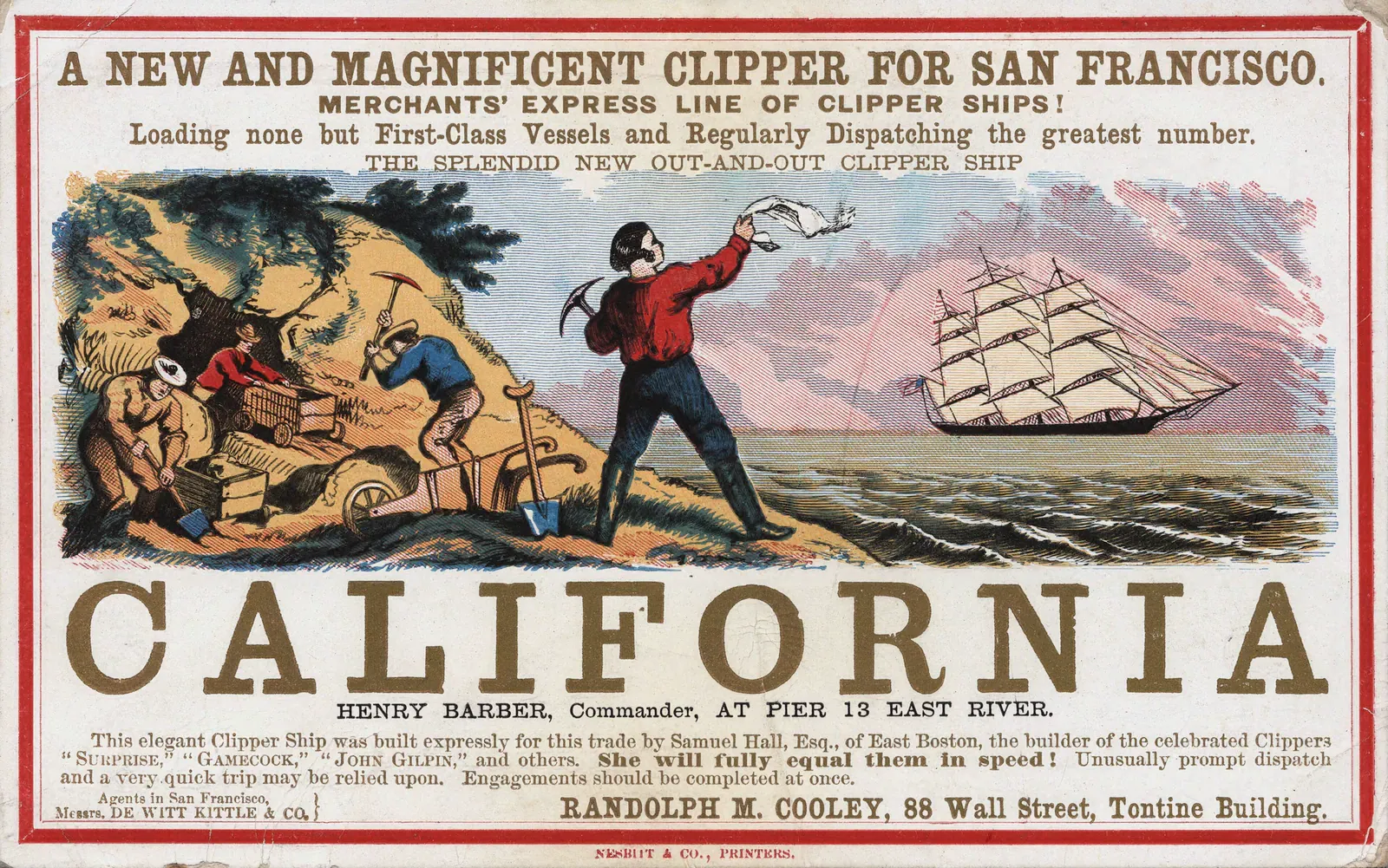
On larger packet and clipper ships with smaller crews, shanties for hauling, heaving and pumping became standard, drawing on African-American work songs, minstrel tunes and folk songs. The 1870s mark the peak.
- 1870Shanties reach their zenithThe 1870s are counted as the peak of the genre; sailors who first went to sea after that decade are held not to have seen shanties in their prime.
1880
Steam, decline and collection
Steam winches and pumps replaced the shantyman. Collectors from the 1880s on, among them Davis and Tozer, Cecil Sharp, Masefield, Bullen and Terry, printed the repertoire, while the first commercial recordings appeared by 1928.
- 1882Alden laments the vanishing shantymanWith steamships spreading, a writer already notes that the steam winch has replaced the pulling song.
- 1892Davis and Tozer's Sailor Songs or ChantiesOne of the earliest shanty collections circulates in the early 1890s, with piano accompaniment and drawing-room lyrics.
- 1906Masefield's A Sailor's GarlandThe poet's collection mixes shanties with older sea songs and becomes one of the most quoted sources.
- 1914Bullen's Songs of Sea LabourA former shantyman publishes a practical collection that treats only true work songs as shanties.
- 1918Official Chantey Man for the Merchant MarineThe U.S. Shipping Board appoints Stanton H. King to teach shanties to young recruits.
- 1921Terry's The Shanty Book, volume 1Full scores and enough verses to sing whole songs fuel shore-side shanty singing; a second volume follows in 1926.
1941
Folk revival
The Almanac Singers, A. L. Lloyd, the Weavers and later Stan Hugill moved shanties onto concert stages and into folk clubs, while pubs, festivals and sings kept the practice alive as leisure singing.
- 1941Deep Sea Chanteys and Whaling BalladsAlan Lomax recruits the Almanac Singers to record shanties for an album.
- 1961Hugill's Shanties from the Seven SeasThe largest shanty collection becomes the standard reference for performers and enthusiasts.
around 2020
Viral shanties
In 2021 a TikTok rendition of Wellerman by Nathan Evans sent a wave of new listeners to the shanty repertoire and to groups such as The Longest Johns.
- 2021Wellerman goes viralA rendition by Nathan Evans on TikTok brings the genre to a mass audience.
Listening path
Start listening
A short path from an easy way in to the deep end. Thumbnails come from YouTube; the player loads only when you press play.
- 01
The Weavers, 1955
A folk-revival take on a Georgia Sea Islands work song with call and response.
- 02
Fisherman's Friends, 2010
A pumping and capstan favourite sung by a Cornish group in near a cappella style.
- 03
Nathan Evans, 2021
The 2021 viral rendition that set off the new shanty wave.
Facts
| Family | Folk |
| Origin | North Atlantic merchant sail, United Kingdom |
| Emerged | Early 1800s; heyday 1840s to 1870s |
| Status | Revival |
| Tempo | 85 to 135 BPM |
| Grew out of | Work song |
| Subgenres | 8 |
A sea shanty, also spelled chantey or chanty, is a traditional work song sung on large merchant sailing vessels to synchronise and pace collective labour.
It took its developed form in the early 1800s in the North Atlantic trade, drew on African-American work songs, minstrel tunes and land-based folk songs, and is defined by call and response between a leader, the shantyman, and a crew answering in chorus. Singing at work faded with steam power, and most shanty singing since the mid-20th century is a leisure revival within folk music.
Origins
Singing to coordinate work at sea is older than the genre. A reference in The Complaynt of Scotland of 1549 appears to describe a sailor’s hauling chant, and by the second half of the 18th century English and French sailors used simple chants for single tasks that needed a unanimous pull. Such brief calls were later grouped as sing-outs.
The shanty as a distinct form emerged in the Atlantic merchant trade of the early 19th century, and it flourished for roughly fifty years. Larger ships with smaller crews and stricter schedules needed coordinated work. The practice of a song for most tasks appears to owe a good deal to African-American work songs. African workers in Africa and the New World were widely noted to sing while working, and the same work song could pass between settings: “Grog Time o’ Day” was sung by Jamaican stevedores at a capstan in 1811, by boat crews in the Caribbean, by stevedores loading a steamboat in New Orleans, and eventually by a crew hauling halyards. The double-pull chorus typical of halyard shanties is the clearest inheritance.
Sailors also adapted minstrel songs, marches and land-based folk songs to the rhythm of the job.
The merchant-sail heyday, 1820s to 1870s
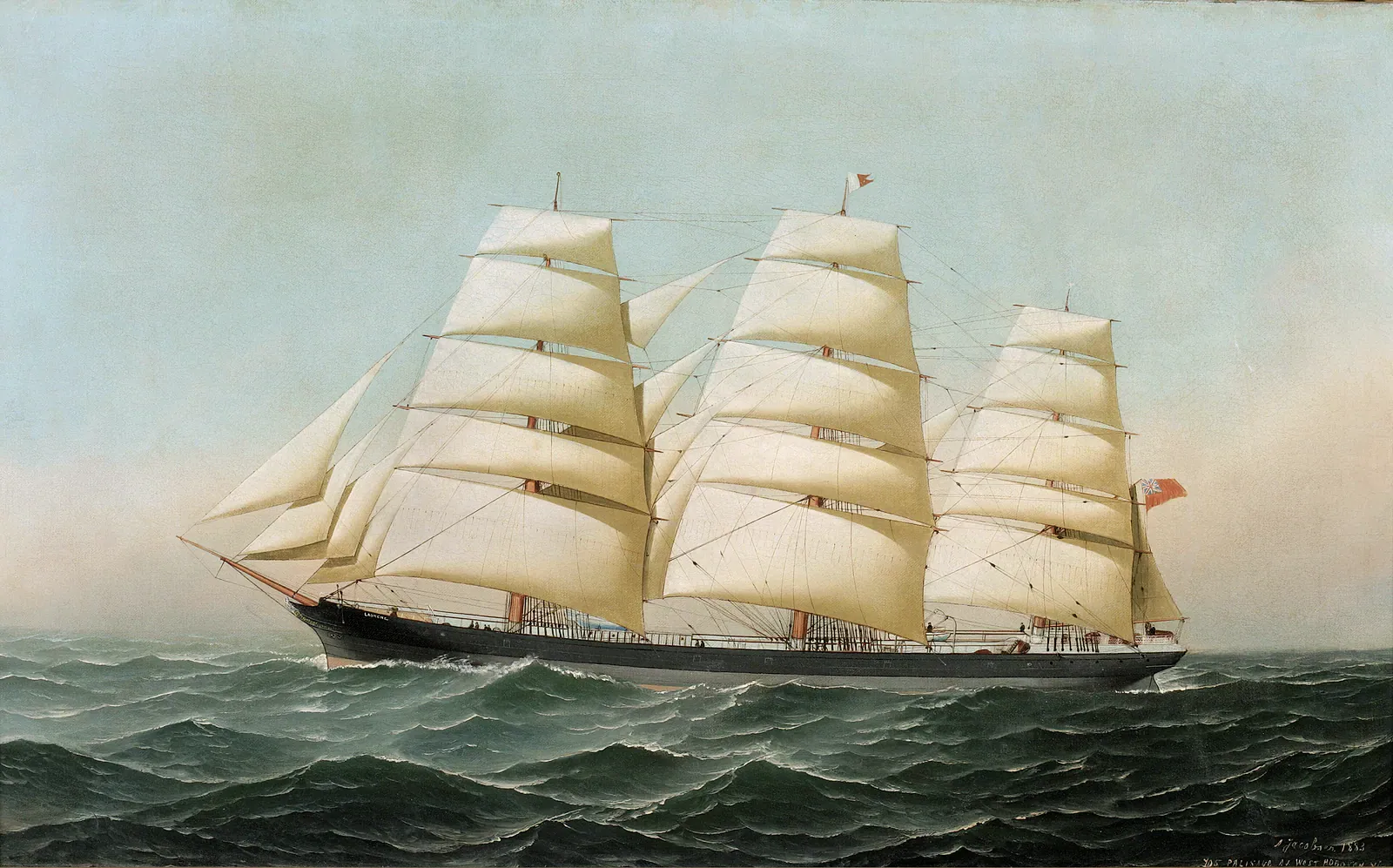
By the American Civil War the form was fully developed, and the repertoire then grew in a rather standardised way. The 1870s are counted as the genre’s zenith, and sailors who first went to sea after that decade are held not to have seen shanties in their prime.
Function set the form. Every shanty had a chorus so that the whole crew could sing together, and many used a solo line answered by a short refrain. The shantyman was a regular sailor, usually self-appointed, who took on the role alongside his other duties;. His skill lay in improvisation, since a task might end abruptly or run on unpredictably. Stock verses and formulas such as “Were you ever in…?” let him lengthen or shorten a song, and lyrics did not need rhyme or reason, only to fit the work.
Steam, decline and collection, 1880 to 1940
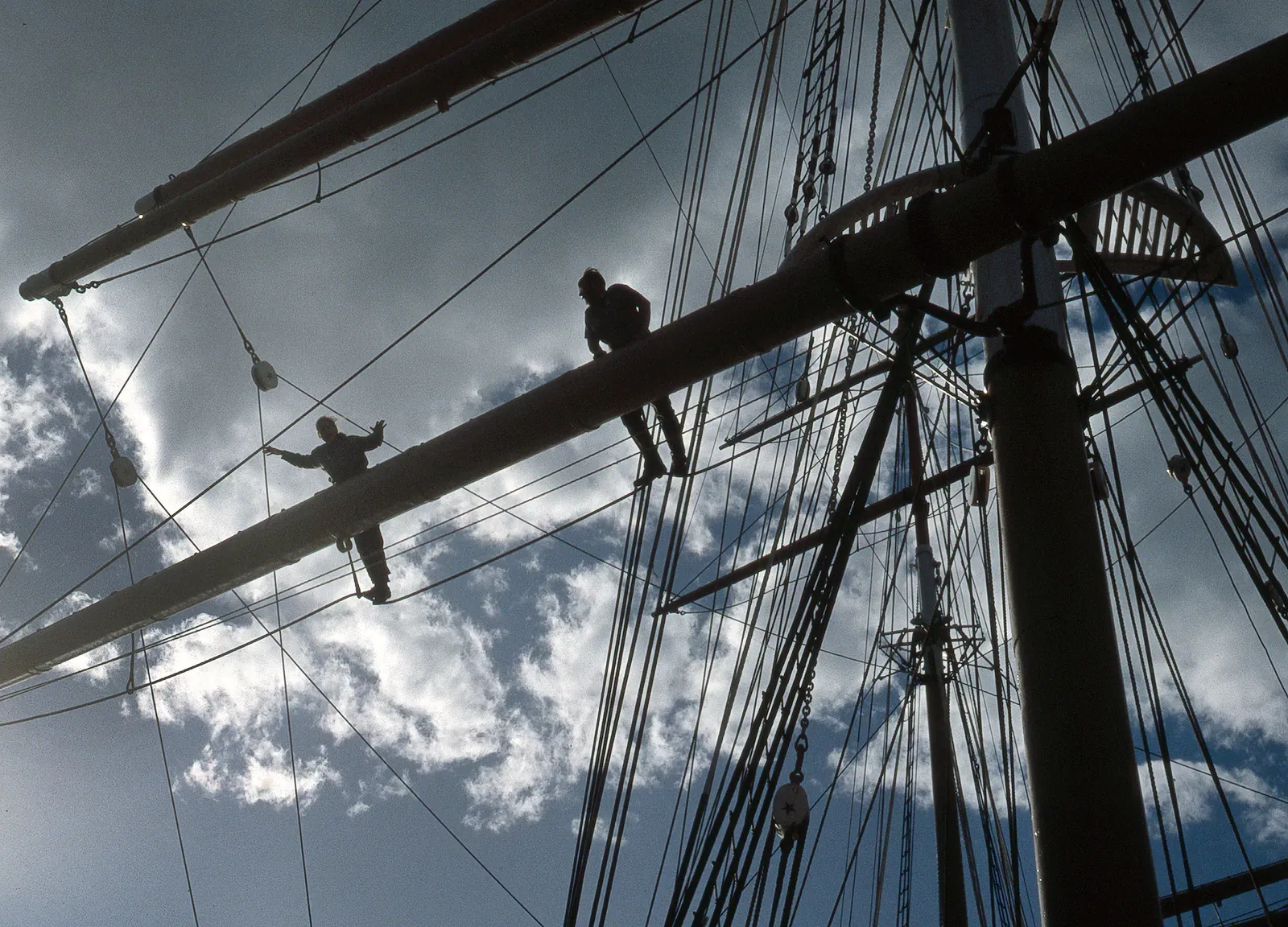
The decline came with steam. In 1882 a writer already lamented that the shantyman had left no successors and that the steam winch had replaced the pulling song, and the first collections appeared in that decade partly as a response to a vanishing art.
Printed collections then shaped how the repertoire was understood. An early collection from the early 1890s, Davis and Tozer’s Sailor Songs or Chanties, gave piano accompaniment and drawing-room lyrics. Cecil Sharp and colleagues took down shanties from veteran sailors in the 1900s. John Masefield published A Sailor’s Garland in 1906, mixing shanties with older sea songs, and Frank Thomas Bullen, an experienced shantyman, issued Songs of Sea Labour in 1914 with a practical rather than romantic aim.
The first revival-style uses followed. In 1918 the U.S. Shipping Board appointed Stanton H. King Official Chantey Man for the Merchant Marine. Terry’s The Shanty Book, in volumes of 1921 and 1926, supplied full scores and enough verses to sing whole songs. By 1926 the Seven Seas Club in London held a shanty sing-along after its monthly dinners, and by 1928 commercial recordings in a classical concert style had appeared.
Characteristics
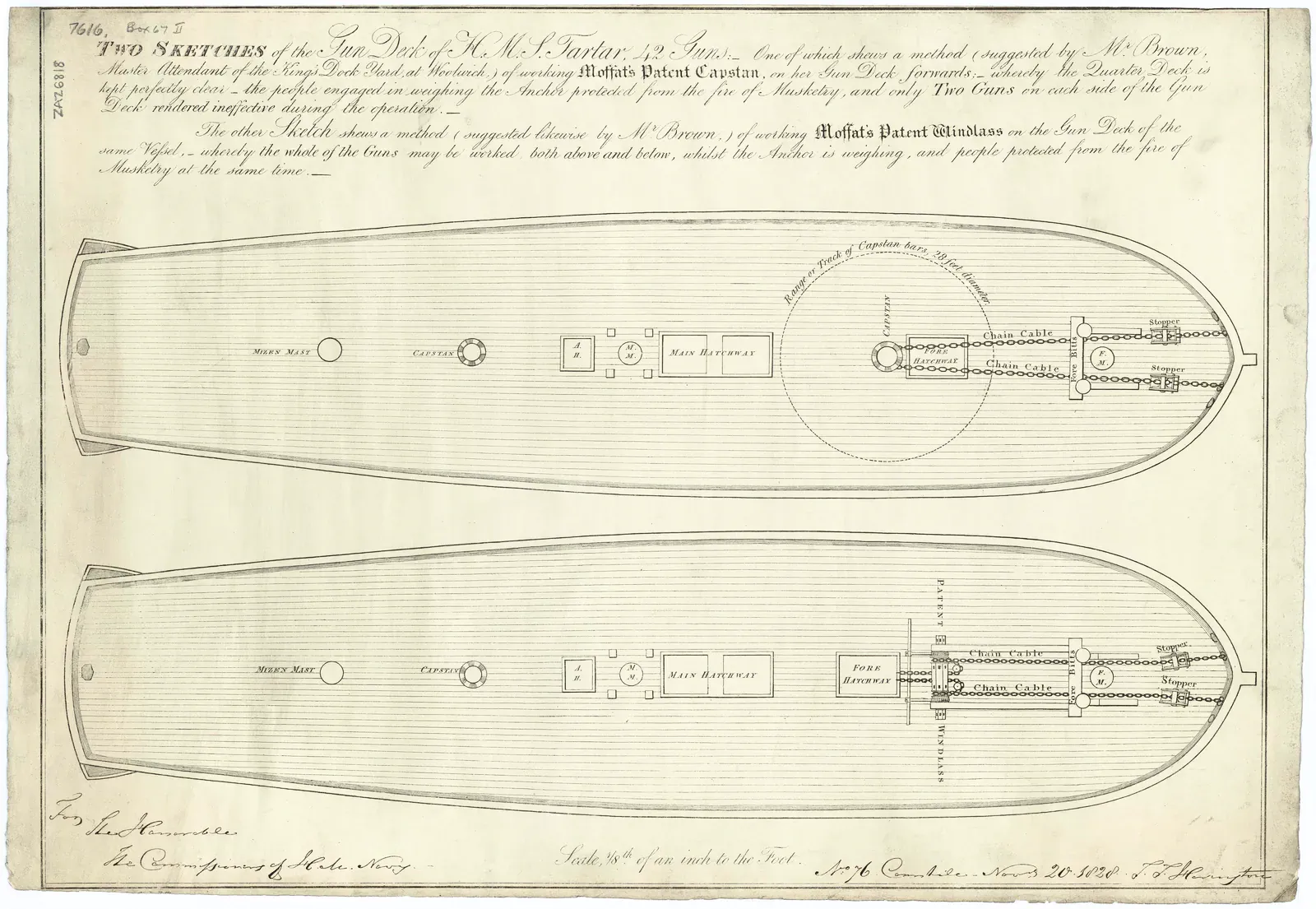
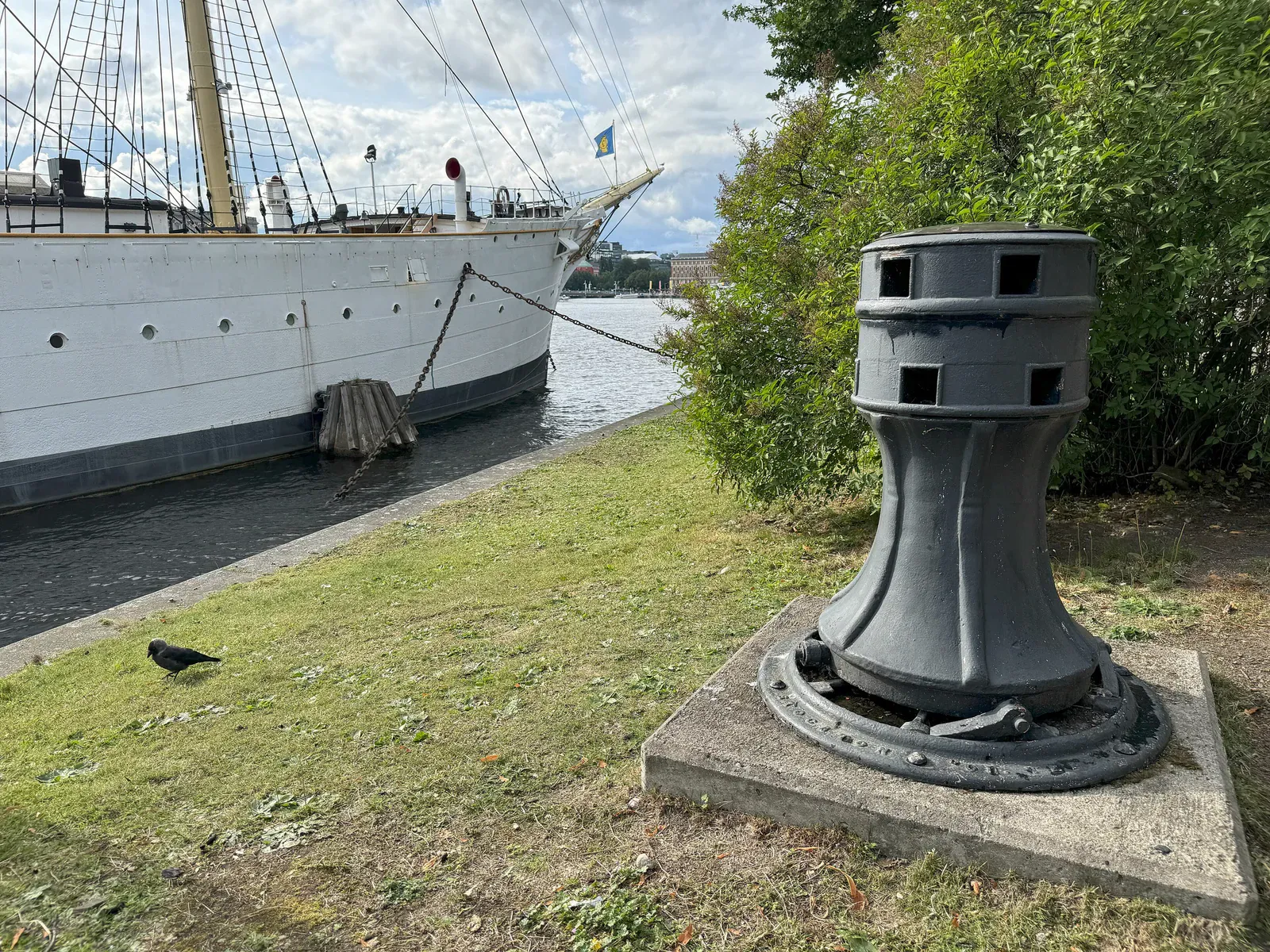
Shanties are classed by the work they paced. Hauling shanties include the long-drag or halyard type, sung for hoisting yards, with two pulls per chorus as in “Blow the Man Down”; the short-drag or sheet type, with one strong pull on the last word of the chorus, as in “Haul Away Joe”; and stamp-and-go shanties for marching a line along the deck. Heaving shanties include the capstan type, for the continuous walk round the capstan, with longer solo verses and often a grand chorus, as in “Shenandoah” and “Rio Grande”; windlass shanties, which could borrow from both halyard and capstan repertoire; and pumping shanties such as “South Australia” and “Leave Her, Johnny, Leave Her”, sung at the final pumping of the ship before the crew left her in port.
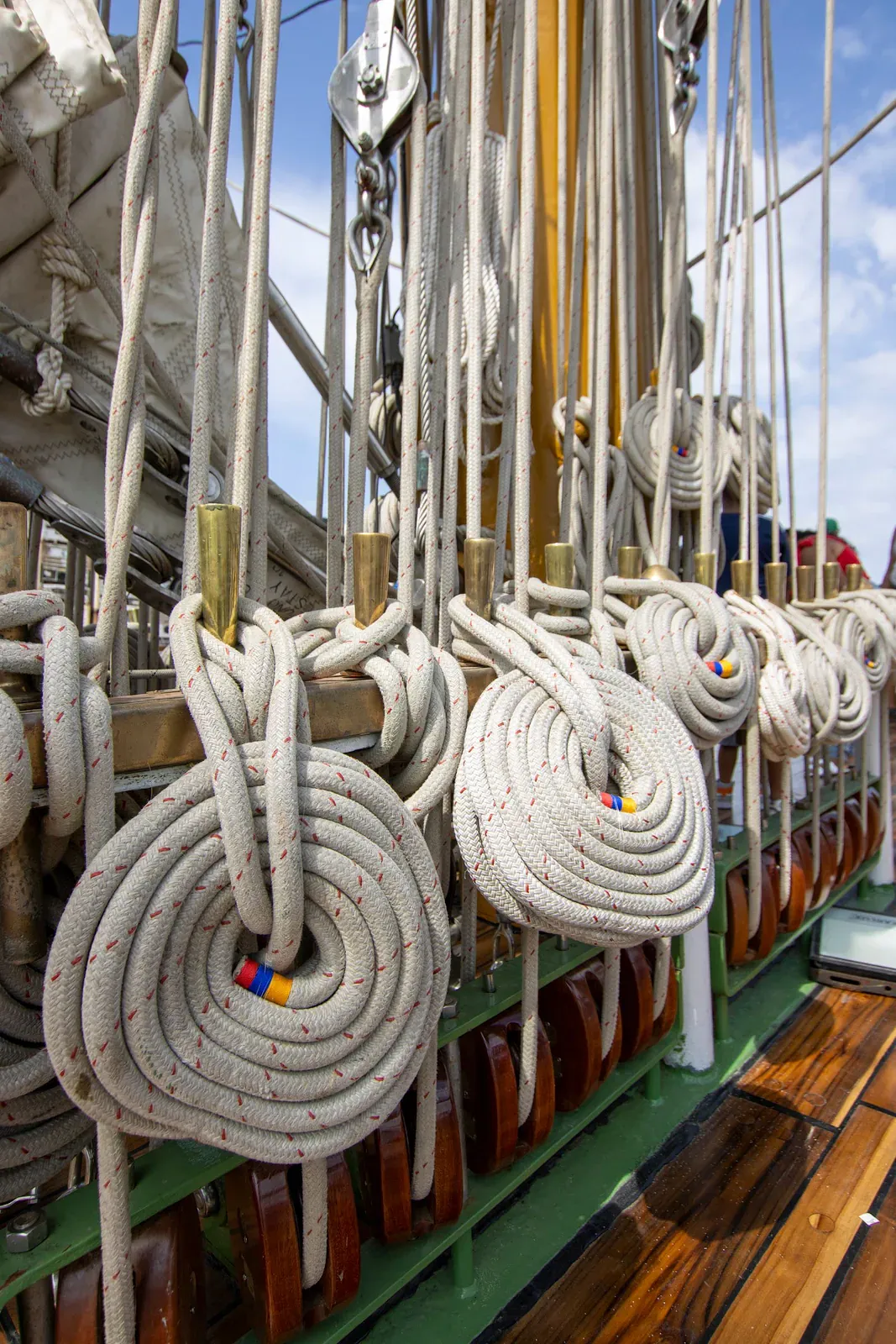
Singing was loud, in a full, strident voice to carry over wind and waves. Original shanties were unaccompanied and sung only at work, at a tempo that suited the labour. One familiar tune, “What Shall We Do with a Drunken Sailor”, is in the Dorian mode.
Revival
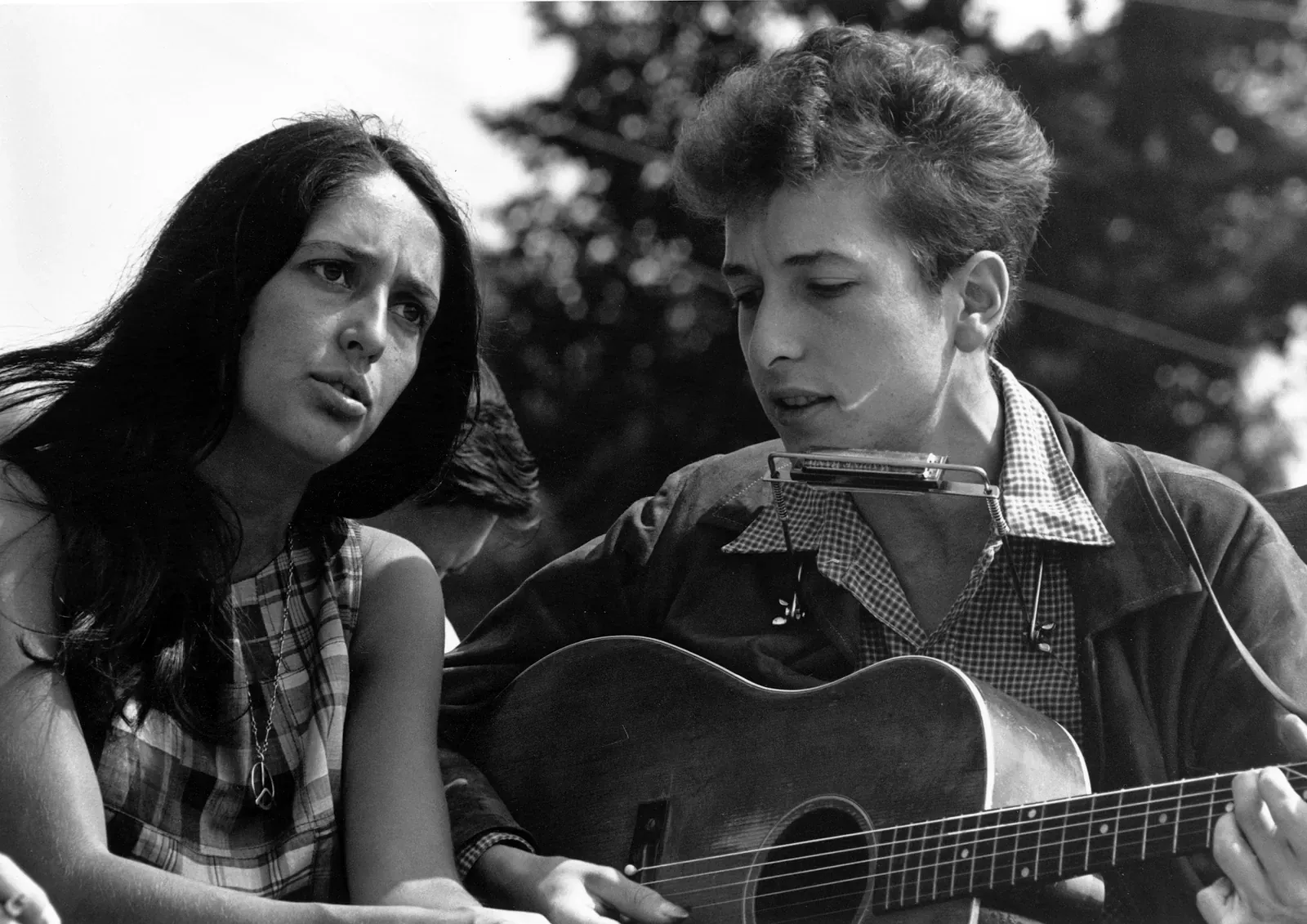
The mid-20th-century folk revival gave shanties a second life. The Almanac Singers recorded shanties for Deep Sea Chanteys and Whaling Ballads in 1941 at the request of Alan Lomax. In Britain A. L. Lloyd led the incorporation of shanties into the revival repertoire from the 1950s, discarding the classical concert style for a more authentic delivery. In 1956 Paul Clayton recorded Whaling and Sailing Songs from the Days of Moby Dick for Tradition Records, and Burl Ives released Down to the Sea in Ships. The Weavers sang “Pay Me My Money Down”, a work song from the Georgia Sea Islands that Bruce Springsteen later adapted from their version.
Stan Hugill’s Shanties from the Seven Seas of 1961 became the standard reference. Hugill, known as the Last Working Shantyman, aimed to include every item ever reported as used for the work.
Mainstream success
In 2006 Johnny Depp helped facilitate Rogue’s Gallery, a collection of pirate ballads, sea songs and chanteys, after an interest in the repertoire that grew during the filming of Pirates of the Caribbean. Fisherman’s Friends, a group from Port Isaac in Cornwall that sings shanties in an essentially a cappella manner, signed to Universal Music Group in March 2010.
The largest wave came in 2021, when a rendition of “Wellerman” by the Scottish postman Nathan Evans went viral on TikTok and sent many users to learn and sing shanties. The Bristol group The Longest Johns, whose version of the same song also spread, reached number 37 on the UK chart.
Notable recordings
The Weavers’ live “Pay Me My Money Down”, recorded at Carnegie Hall in December 1955, presents a Georgia Sea Islands work song as a folk-revival concert number. Fisherman’s Friends’ “South Australia” of 2010 is a pumping shanty sung by a Cornish group in near a cappella style. Nathan Evans’s “Wellerman” of 2021 is a sea-themed song popularly mistaken to be a shanty.
Culture
The shanty survives mainly as a social practice. Open sessions, called chantey sings, are held monthly aboard the ship Balclutha in San Francisco and weekly in Gloucester, Massachusetts, where any participant may lead and the rest join the choruses. The Griswold Inn in Essex, Connecticut, has hosted Monday evening chantey sessions since 1972.
Traditional-minded singers favour a loud, full voice and light instrumentation such as a concertina, while folk-style performers prefer a lighter timbre, livelier tempos and a guitar or banjo.
Legacy
Shanties left a mark on Anglophone folk music and American folk, where songs such as “Blow the Man Down”, “What Shall We Do with a Drunken Sailor” and “Bound for South Australia” are standard group material. Irish rock and folk groups carried the repertoire into new settings, and punk and rock bands such as the Sex Pistols and the Pogues have recorded older sea songs.
Misconceptions
One common belief is that shanties are very old. The shanty as a genre emerged in the early 19th century and flourished for about fifty years, and earlier hauling chants such as the one noted in 1549 were simpler sing-outs rather than developed songs.
A second is that every sea song is a shanty. Shanties were work songs matched to specific tasks, distinct from the sea songs sung for entertainment, though popular usage now stretches the term to maritime songs in general.
A third is that “Wellerman” is a traditional shanty. It is a sea-themed song that became a hit in 2021 and was widely mistaken for one.
Frequently asked questions
What is a sea shanty?
A sea shanty is a work song of the merchant sailing era, sung to coordinate hauling, heaving and pumping, and built on call and response between a shantyman and the crew.
What are the main types of sea shanty?
Hauling shanties include the halyard or long-drag, short-drag and hand-over-hand types. Heaving shanties include capstan and windlass shanties, and pump shanties served the daily pumping of the hull.
When did sea shanties disappear from ships?
Singing at work declined as steam winches and pumps replaced hand labour from the 1880s and was rare by the early 20th century.
Sound
Sound sheet
Signature sounds
- Solo line answered by crew refrain
- Pull timed to the last syllable of the response
- Improvised or stock verses over a fixed chorus
- No instrumental accompaniment in the original form
Techniques
- Call and response
- Pull on the last syllable
- Double-pull chorus
- Grand chorus
- Improvised verses
Keys and modes
Dorian mode. What Shall We Do with a Drunken Sailor is a well-known tune in the Dorian mode.
Vocals
Loud, full, emphatic voices, a solo leader with the crew answering, traditionally unaccompanied.
Scenes
Where it happened
Where and when the sound lived: one bar per city on a shared timeline.
North America
Europe
Active scenes
Peak 2, 1995-2025
The Griswold Inn has held Monday evening chantey sessions since 1972.
Home of the Fisherman's Friends, an essentially a cappella group performing shanties since 1995.
Venues and places
Essex, 1972 to today. Monday evening sea chantey sessions led originally by Cliff Haslam.
London, 1926 to today. By 1926 the club held a shanty sing-along after its monthly dinners.
Culture
Culture markers
- Chantey sings
Open sessions where anyone may lead a shanty and all join the choruses, held aboard the Balclutha in San Francisco and in Gloucester, Massachusetts.
Ritual - Shantyman's stock verses
Floating verses and formulas such as 'Were you ever in...' let the leader lengthen a song for any task.
Ritual
Media
Key media
- 1906A Sailor's Garland
by John Masefield. Poet's collection that shaped later views of shanties, though not wholly authentic.
Book - 1914Songs of Sea Labour
by Frank Thomas Bullen. Practical collection by an experienced shantyman.
Book - 1921The Shanty Book
by Richard Runciman Terry. Two volumes with full scores that supported shore-side singing.
Book - 1961Shanties from the Seven Seas
by Stan Hugill. The largest shanty collection and the usual first reference.
Book
Glossary
Terms on this page
A soloist's line answered by a short refrain from the crew, the hallmark of the genre.
A continuous-action shanty for walking the capstan round, with long verses and often a grand chorus.
A long-drag shanty for hoisting yards, typically with two pulls per chorus.
The sailor, usually self-appointed, who sang the solo lines and led the crew.
A sheet shanty for brief bursts of force, with one strong pull per chorus on its last word.
A very brief chant used for a few sharp pulls, simpler than a full shanty.
Folk family