Hawaiian music
Hawaiian music covers chant, hula, hymn-derived singing, ʻukulele, slack-key and steel guitar, from pre-contact mele to Jawaiian and global ʻukulele pop.
Hawaiian Islands, 1778
Oceanian family
Born
1778
Hawaiian Islands
Subgenres
10
Documented branches
Links
12
Genres it drew on or shaped
Tempo
60-130 BPMLineage
Family tree
Grew out of
Hawaiian Islands
Hawaiian music
Led to (10)
Timeline
Era by era
From the first sparks to today. Select a dot to read the story behind it.
- Chant meets hymn
1778 to 1872
- The royal court and the new instruments
1872 to 1893
- Hapa haole, steel guitar and Hawaii Calls
1894 to 1958
- Statehood and the Waikiki showroom
1959 to 1969
- Hawaiian Renaissance
1970 to 1980
- Hawaiian reggae and a global audience
1981 to 2026
Eras
Moments
- 1 Chant meets hymn, 1778 to 1872
- 2 The royal court and the new instruments, 1872 to 1893
- 3 Hapa haole, steel guitar and Hawaii Calls, 1894 to 1958
- 4 Statehood and the Waikiki showroom, 1959 to 1969
- 5 Hawaiian Renaissance, 1970 to 1980
- 6 Hawaiian reggae and a global audience, 1981 to 2026
1778
Chant meets hymn
Oli, mele and hula already carry history and genealogy when Protestant missionary choirs bring hymns (himeni) after 1820. Foreign instruments and harmony enter island music.
- 1820Missionary choirs bring hymnsProtestant missionaries introduce himeni, the hymn tradition that shapes Hawaiian harmony singing.
1872
The royal court and the new instruments
Henri Berger leads the Royal Hawaiian Band, Kalākaua revives hula and Liliʻuokalani writes Aloha ʻOe. The ʻukulele arrives in 1879 and Joseph Kekuku develops the steel guitar.
- 1872Henri Berger takes charge of the Royal Hawaiian BandThe Prussian bandmaster builds the royal band that plays for the court and abroad.
- 1876Hawaiʻi Ponoʻī becomes the national anthemKing Kalākaua's court music replaces the earlier anthem.
- 1878Liliʻuokalani writes Aloha ʻOeThe Princess composes the farewell song that becomes the islands' best-known melody.
- 1879The braguinha reaches HonoluluPortuguese immigrants arriving on the Ravenscrag bring the small guitar that becomes the ʻukulele.
- 1885Joseph Kekuku develops the steel guitarThe Oʻahu youth slides a metal bar along the strings of a guitar held on his lap.
around 1894
Hapa haole, steel guitar and Hawaii Calls
Hawaiian records outsell most mainland genres by 1916, Sol Hoʻopiʻi takes the steel guitar to Los Angeles, and the Hawaii Calls radio show (1935) sends English-language hapa haole songs around the world.
- 1906First commercial recordings made in HawaiiVictor makes the first batch of Hawaiian recordings in the islands.
- 1916Hawaiian records outsell most mainland genresHawaiian music is a bestseller in the US, setting off the Hawaiian craze in Tin Pan Alley.
- 1927Sol Hoʻopiʻi records Hula BluesHis Novelty Trio cuts the steel guitar tune for Columbia in Los Angeles on 7 March.
- 1935Hawaii Calls goes on the airWebley Edwards starts the live radio show from the Moana Hotel courtyard; it runs until 1975.
- 1938Sweet Leilani wins the Academy AwardHarry Owens' song, sung by Bing Crosby in Waikiki Wedding, takes Best Original Song.
- 1946Gabby Pahinui records HiʻilaweHis first record, possibly the first Hawaiian song recorded with slack-key guitar.
- 1950Bing Crosby and the Andrews Sisters record Mele KalikimakaR. Alex Anderson's 1949 song becomes the standard Hawaiian Christmas song.
1959
Statehood and the Waikiki showroom
Tourism boosts Waikiki nightclub acts. Don Ho reaches the US charts with Tiny Bubbles, Elvis Presley's Blue Hawaii soundtrack tops the album chart for 20 weeks, and the Merrie Monarch Festival (1964) revives hula.
- 1961Elvis Presley's Blue Hawaii soundtrackThe RCA album spends 20 weeks at number one on the Billboard album chart.
- 1964Merrie Monarch Festival begins in HiloThe hula competition, started to attract tourists, becomes a driver of hula and music revival.
- 1966Don Ho releases Tiny BubblesReprise issues the single; it reaches number 57 on the Hot 100 and the album number 15.
1970
Hawaiian Renaissance
Young Hawaiians reclaim language, hula and slack key. Gabby Pahinui's band, Keola and Kapono Beamer and others record for local labels such as Panini and Paradise Productions.
- 1972Gabby Pahinui Hawaiian Band records for Panini RecordsThe first Gabby Band album launches the slack-key side of the Renaissance.
- 1978Honolulu City Lights is releasedKeola and Kapono Beamer's album becomes the bestselling Hawaiian record of its time.
- 1979Bob Marley plays the Waikiki ShellThe 6 May concert exposes Hawaiian audiences to reggae and seeds Jawaiian.
- 1980Gabby Pahinui diesHe dies on 13 October at age 59, ending the Gabby Band.
1981
Hawaiian reggae and a global audience
Jawaiian bands such as Kapena fuse reggae with island music. Israel Kamakawiwoʻole's Facing Future (1993) and Jake Shimabukuro's viral ukulele video (2006) reach listeners far outside Hawaii.
- 1986Kapena releases Satisfaction GuaranteedRecorded live at Sparky's Lounge, it is the first commercially successful Jawaiian album.
- 1993Facing Future is releasedIsrael Kamakawiwoʻole's album becomes the bestselling Hawaiian album and goes platinum in 2005.
- 2005First Grammy for Best Hawaiian Music AlbumThe Recording Academy adds the category; its first four winners are slack-key collections.
- 2006Jake Shimabukuro's ukulele video goes viralA video of While My Guitar Gently Weeps reaches millions of viewers and starts his international career.
Listening path
Anthems
The records that built the sound, grouped by the part they played. Thumbnails come from YouTube; the player loads only when you press play.
- 01
Sol Hoʻopiʻi, 1927 · Columbia Records
Steel guitar trio recording that fixed the sliding Hawaiian guitar sound heard on records across the US.
Origin - 02
Bing Crosby, 1937 · Decca Records
Harry Owens' song, an Academy Award winner, was Crosby's first gold record and took Hawaiian-style pop worldwide.
Start hereBreakthrough - 03
Keola Beamer, 1978
Title song of the bestselling Hawaiian album of its day and a defining contemporary Hawaiian song.
Start hereAnthem - 04
Kapena, 1990
Upbeat crowd favorite from Kapena's album Stylin', one of the band's most popular songs and a Jawaiian staple.
Anthem - 05
Bing Crosby, 1950 · Decca Records
R. Alex Anderson's Hawaiian Christmas song became a seasonal standard through Crosby and the Andrews Sisters.
Crossover - 06
Elvis Presley, 1961 · RCA Records
Elvis sings the 1937 hapa haole tune on the soundtrack that spent 20 weeks at number one on the US album chart.
Crossover - 07
Don Ho, 1966 · Reprise Records
Don Ho's Waikiki signature song, written by Leon Pober, reached the US Hot 100 and the easy listening chart.
Crossover - 08
Israel Kamakawiwoʻole, 1993 · Mountain Apple Company
The ʻukulele medley from Facing Future carried a Hawaiian voice into film, television and the global streaming era.
Start hereCrossover - 09
Jake Shimabukuro, 2006
Solo ʻukulele version of the Beatles song, famous from a viral 2006 video, that showed the instrument to rock and jazz fans.
Crossover - 10
Gabby Pahinui, 1972
Gabby's slack-key version of the old waterfall song, from the album that anchored the Hawaiian Renaissance.
Revival - 11
Israel Kamakawiwoʻole, 1993 · Mountain Apple Company
Israel Kamakawiwoʻole's song on Facing Future, a lament over the changes to the islands that became a Hawaiian Renaissance touchstone.
Revival
Facts
| Family | Oceanian |
| Origin | Hawaiian Islands, United States |
| Emerged | Pre-contact onwards |
| Status | Active |
| Tempo | 60 to 130 BPM |
| Meter | 4/4, some 3/4 |
| Subgenres | 10 |
Hawaiian music is the sung poetry, dance accompaniment and popular music of the Hawaiian Islands. It grew from pre-contact chant (oli) and song (mele), absorbed missionary hymns from about 1820, and was reshaped by imported instruments: the ʻukulele, the slack-key guitar and the steel guitar.
Its defining traits are falsetto singing, hula accompaniment and lyrics carrying veiled meaning.
Origins
Before contact with Europeans in 1778, music was vocal. An oli was chanted without instruments or dance; a mele was a sung poem that recorded genealogy, place and history, and hula gave it movement. Drums such as the sharkskin pahu and the double gourd ipu heke, the feathered rattle ʻulīʻulī, a mouth bow (ʻukēkē) and a bamboo nose flute supplied the accompaniment.
Protestant missionaries arrived in the 1820s and taught hymn singing (himeni). Hawaiians adopted four-part harmony readily, and it became the basis of later vocal groups. European instruments followed through ship crews and the court band.
The royal court, 1872-1893
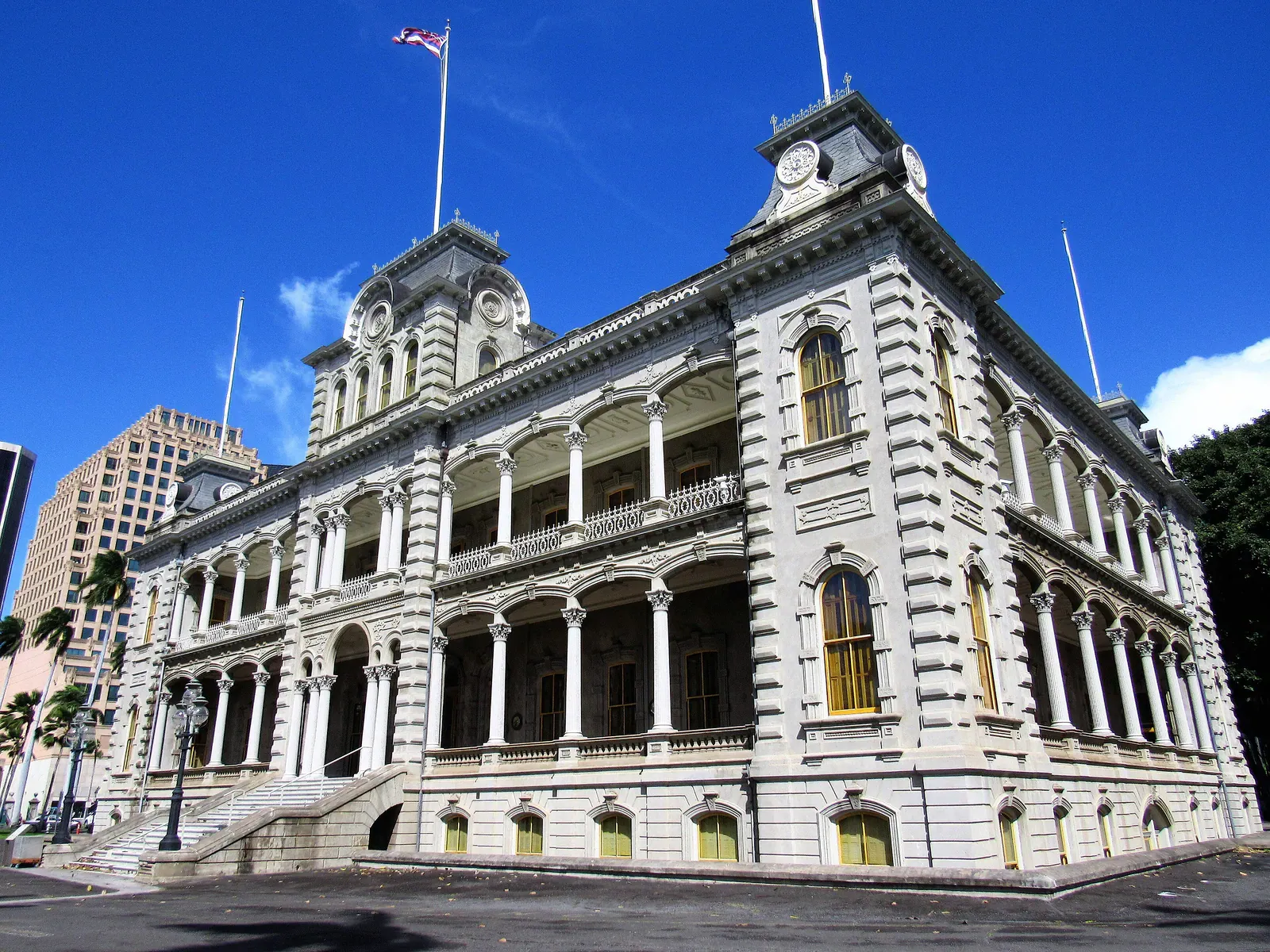
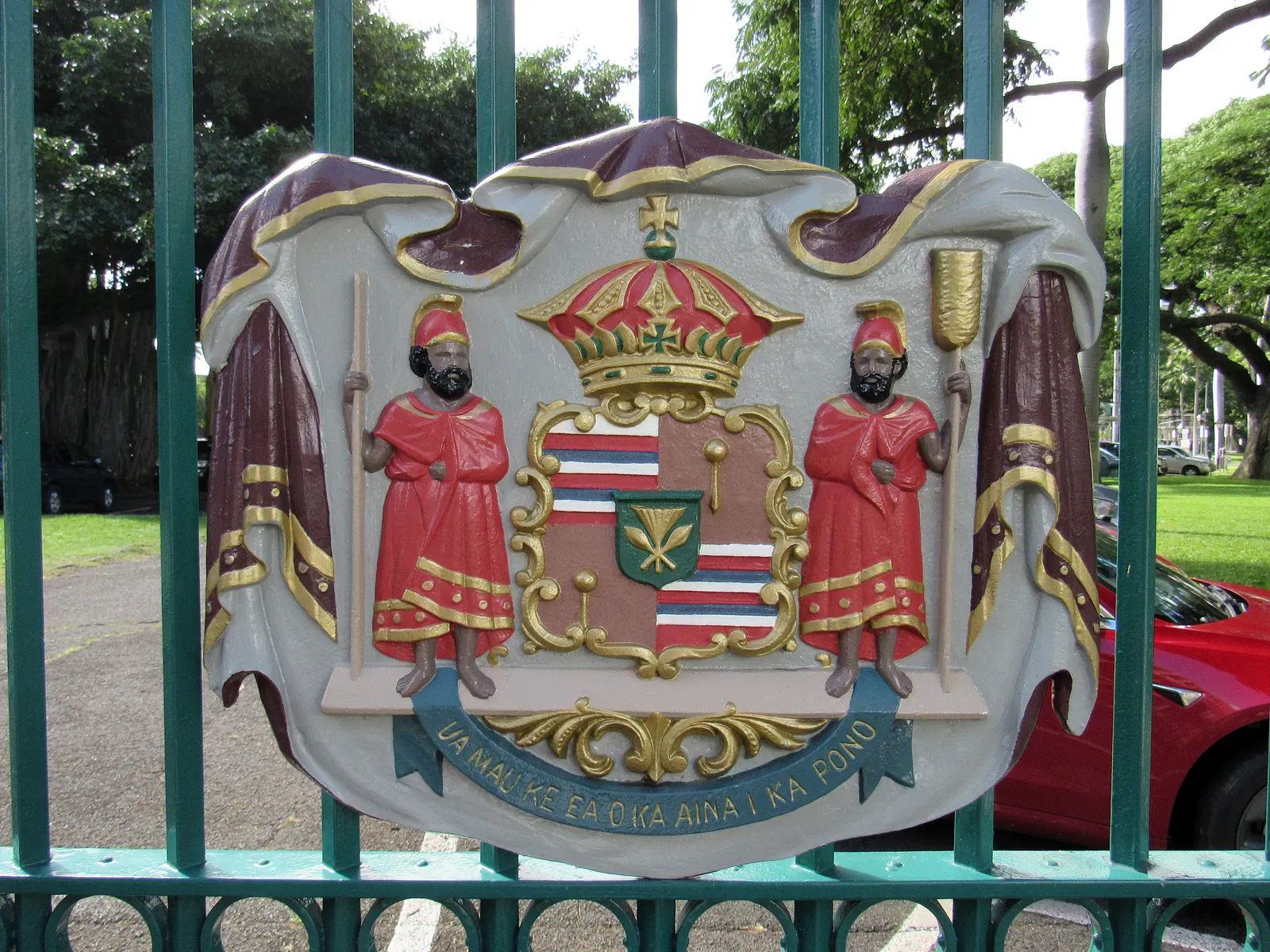
Henri Berger, a Prussian bandmaster, took charge of the Royal Hawaiian Band in 1872 and built the court band. King Kalākaua, who reigned from 1874, encouraged the revival of hula and chant that missionary pressure had suppressed, and his court commissioned new songs. Hawaiʻi Ponoʻī became the national anthem in 1876. Liliʻuokalani, his sister and later queen, wrote Aloha ʻOe around 1878, the best-known Hawaiian melody.
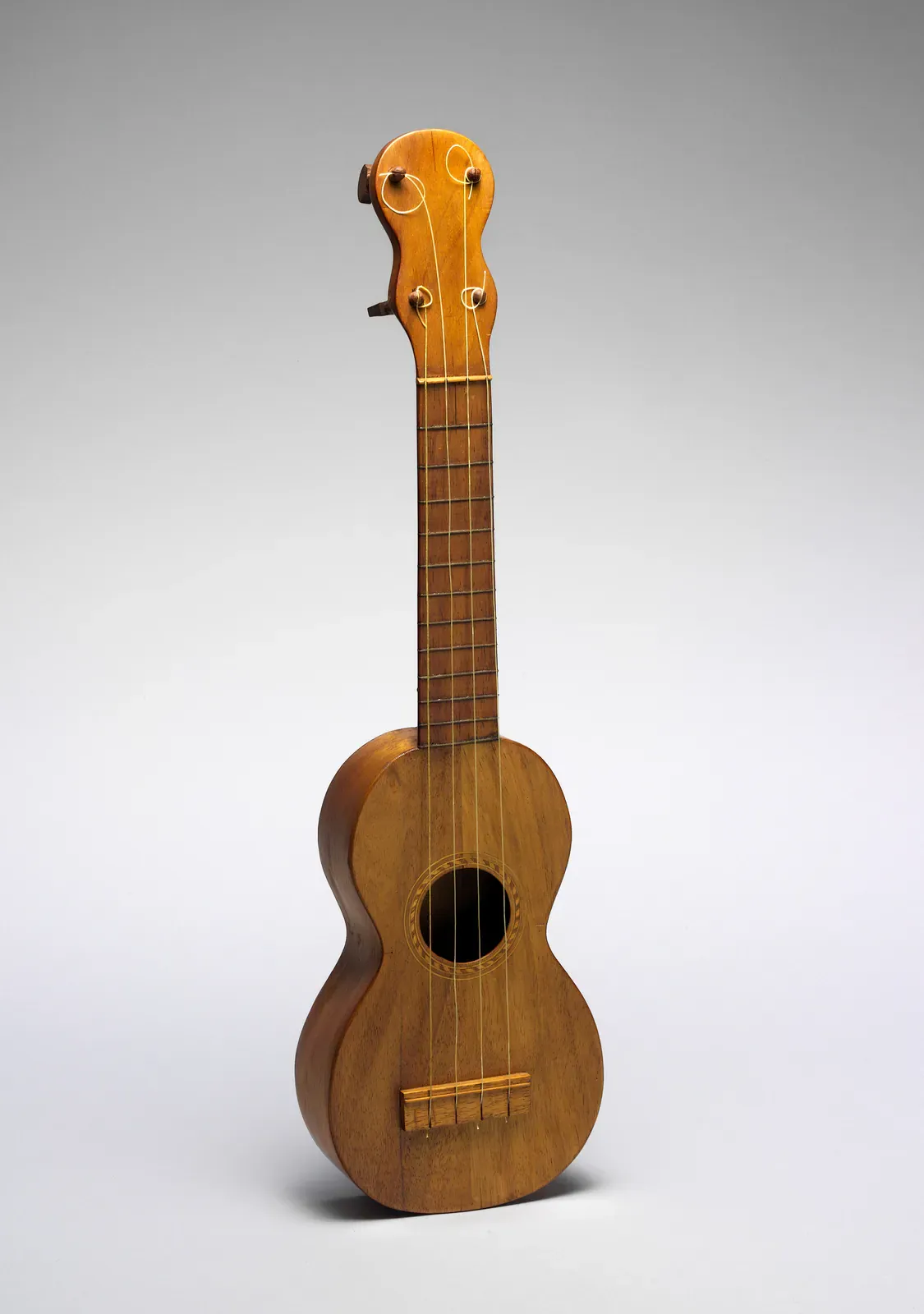
Two instruments arrived in this period. Portuguese immigrants landing in Honolulu in 1879 brought the braguinha, a small four-string guitar that Hawaiians turned into the ʻukulele. Around 1885 a young Oʻahu musician, Joseph Kekuku, found that sliding a metal bar along guitar strings produced a gliding, voice-like tone. That was the origin of the Hawaiian steel guitar.
Hapa haole, steel guitar and Hawaii Calls, 1894-1958
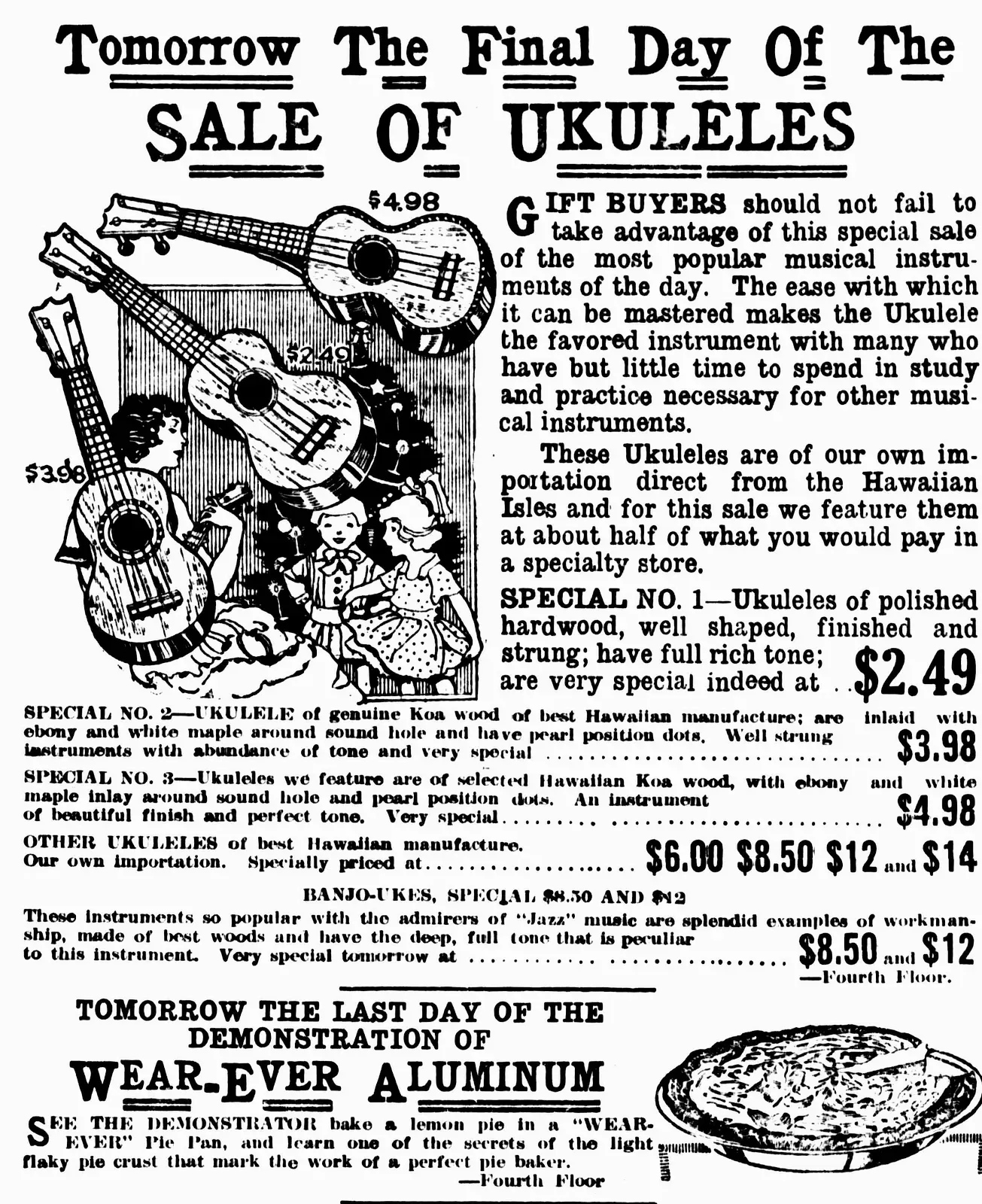
Commercial recording began in Hawaii in 1906, when Victor made the first batch of local records. By 1916 Hawaiian records outsold most mainland genres in the United States, and Tin Pan Alley in New York turned out Hawaiian-themed songs in what became known as the Hawaiian craze. Many were hapa haole songs: Hawaiian-flavoured numbers with English lyrics, usually in major keys with simple I-IV-V harmony.
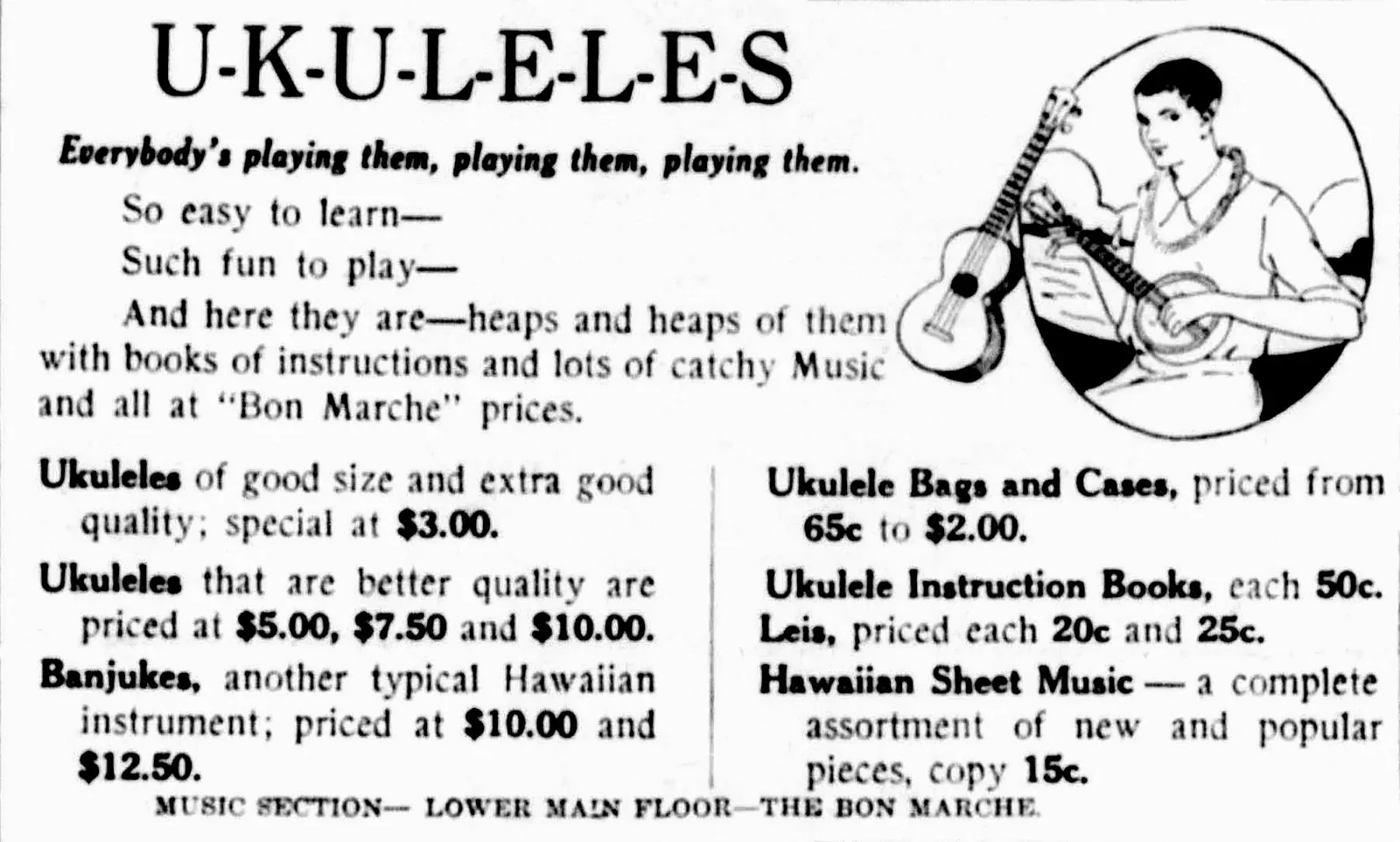
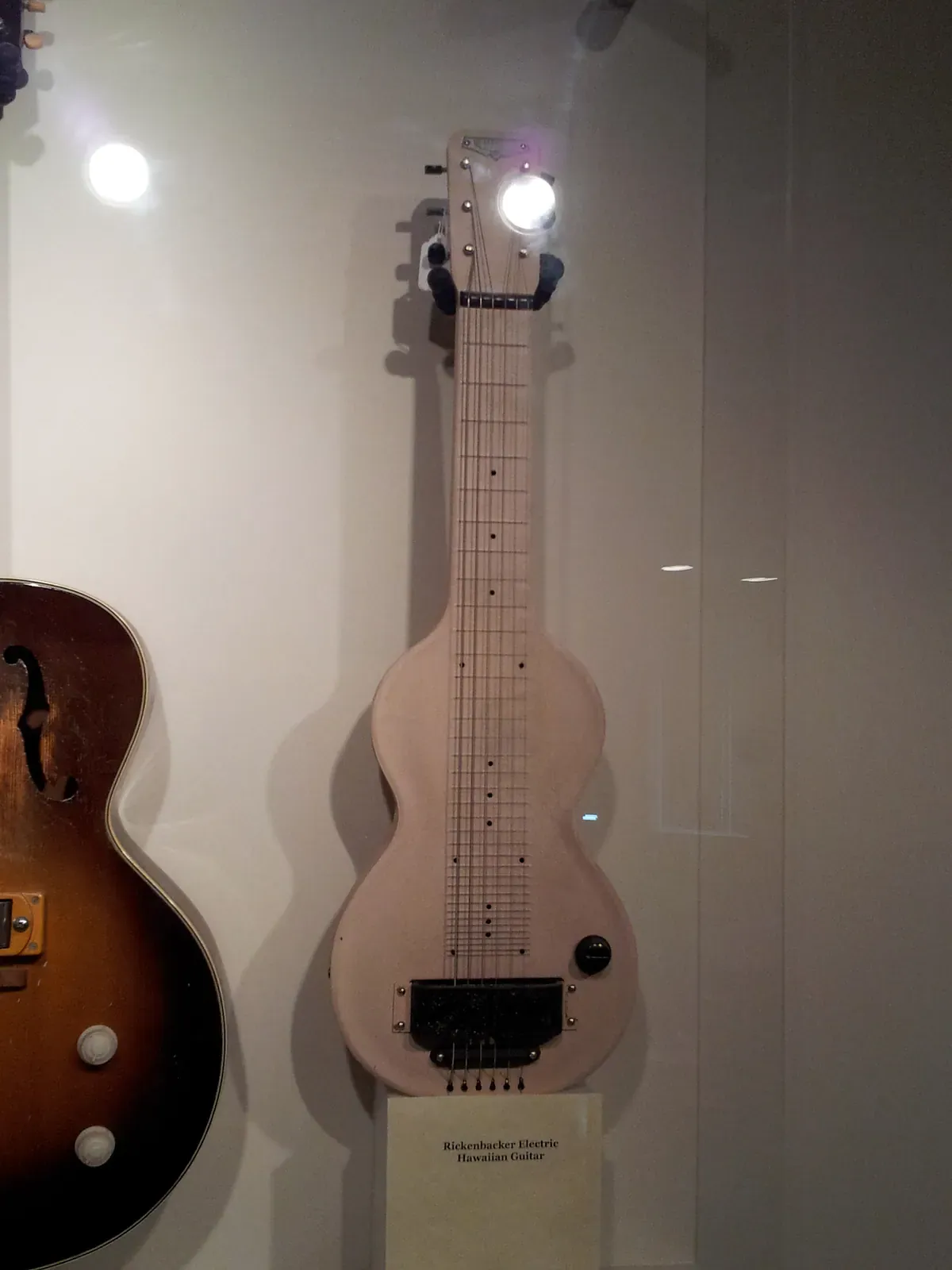
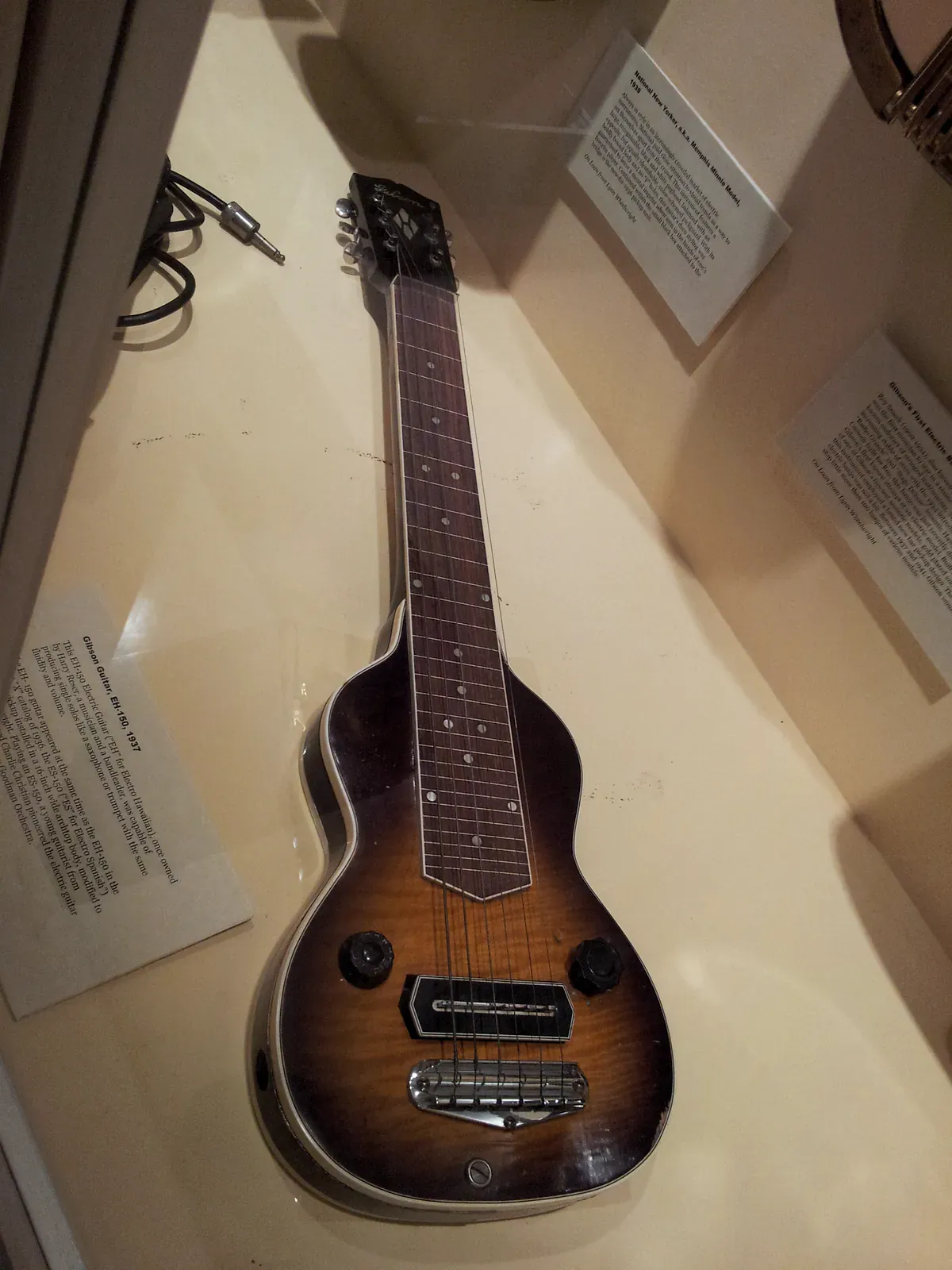
The steel guitar left the islands with touring players. Sol Hoʻopiʻi moved to Los Angeles in the mid-1920s and recorded Hula Blues for Columbia with his Novelty Trio on 7 March 1927. Electric pickups of the early 1930s let steel players be heard in dance bands, and the amplified instrument spread into country and Western swing.
In 1935 Webley Edwards began Hawaii Calls, a live radio programme from the Moana Hotel courtyard in Waikiki. It ran until 1975 and at its peak reached about 750 stations, carrying hapa haole songs and Hawaiian-language mele to listeners who had never visited. Sweet Leilani, written by Harry Owens and sung by Bing Crosby in Waikiki Wedding, won the Academy Award for Best Original Song in 1938.
Slack-key guitar developed in parallel as a mostly private, family-held tradition. Gabby Pahinui made what may be the first slack-key record, Hiʻilawe, in 1946.
Statehood and the Waikiki showroom, 1959-1969
Hawaii became a state in 1959 and jet travel brought mass tourism. Waikiki nightclubs and showrooms became the main paid venues for Hawaiian entertainers. Elvis Presley’s Blue Hawaii soundtrack, released by RCA in 1961, spent 20 weeks at number one on the Billboard album chart. Don Ho, whose Tiny Bubbles reached number 57 on the Hot 100 in 1966 on Reprise, defined the showroom style.
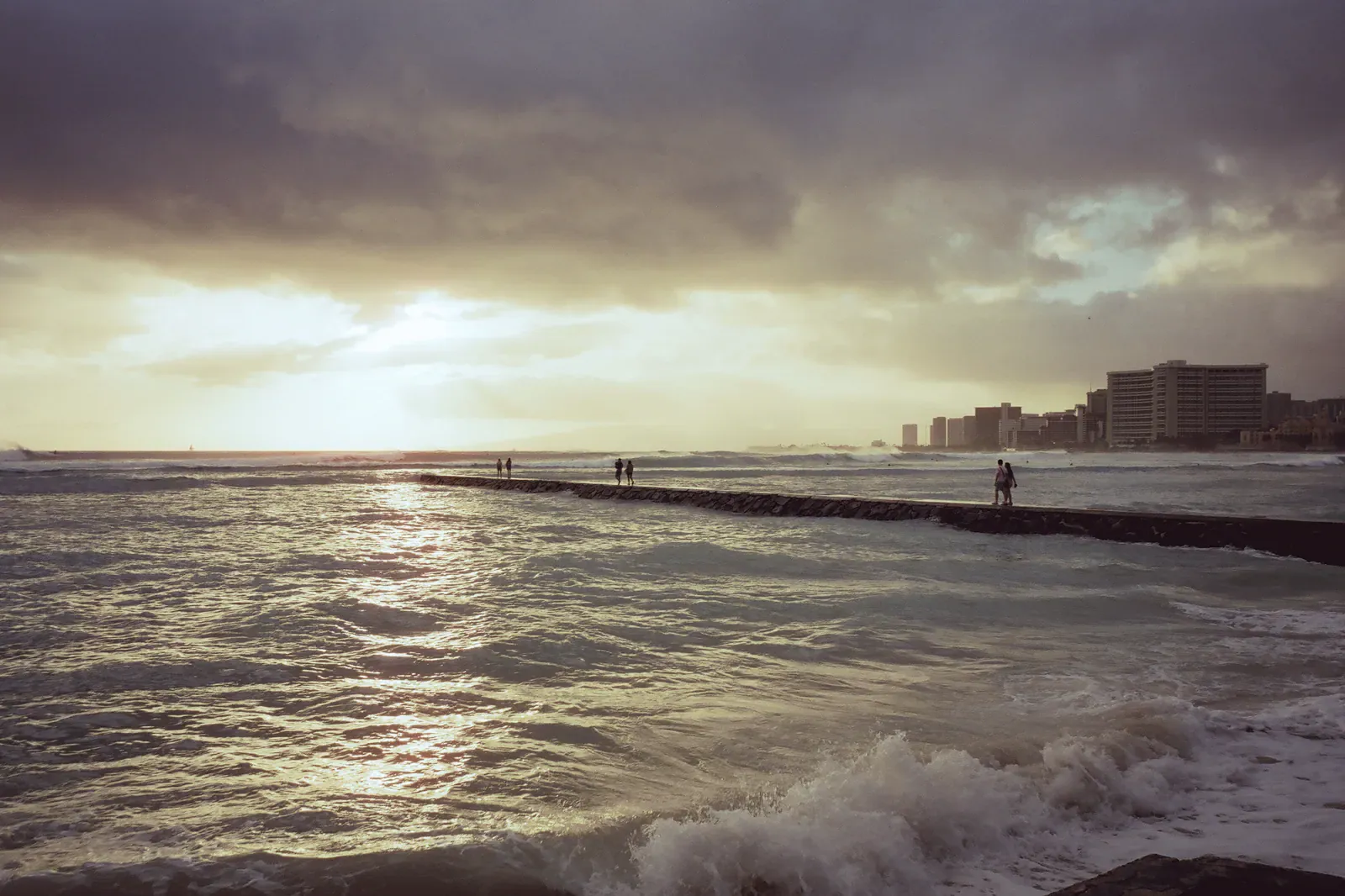
The Merrie Monarch Festival began in Hilo in 1964. It was started to attract visitors, and it grew into the main hula competition and a driver of revival.
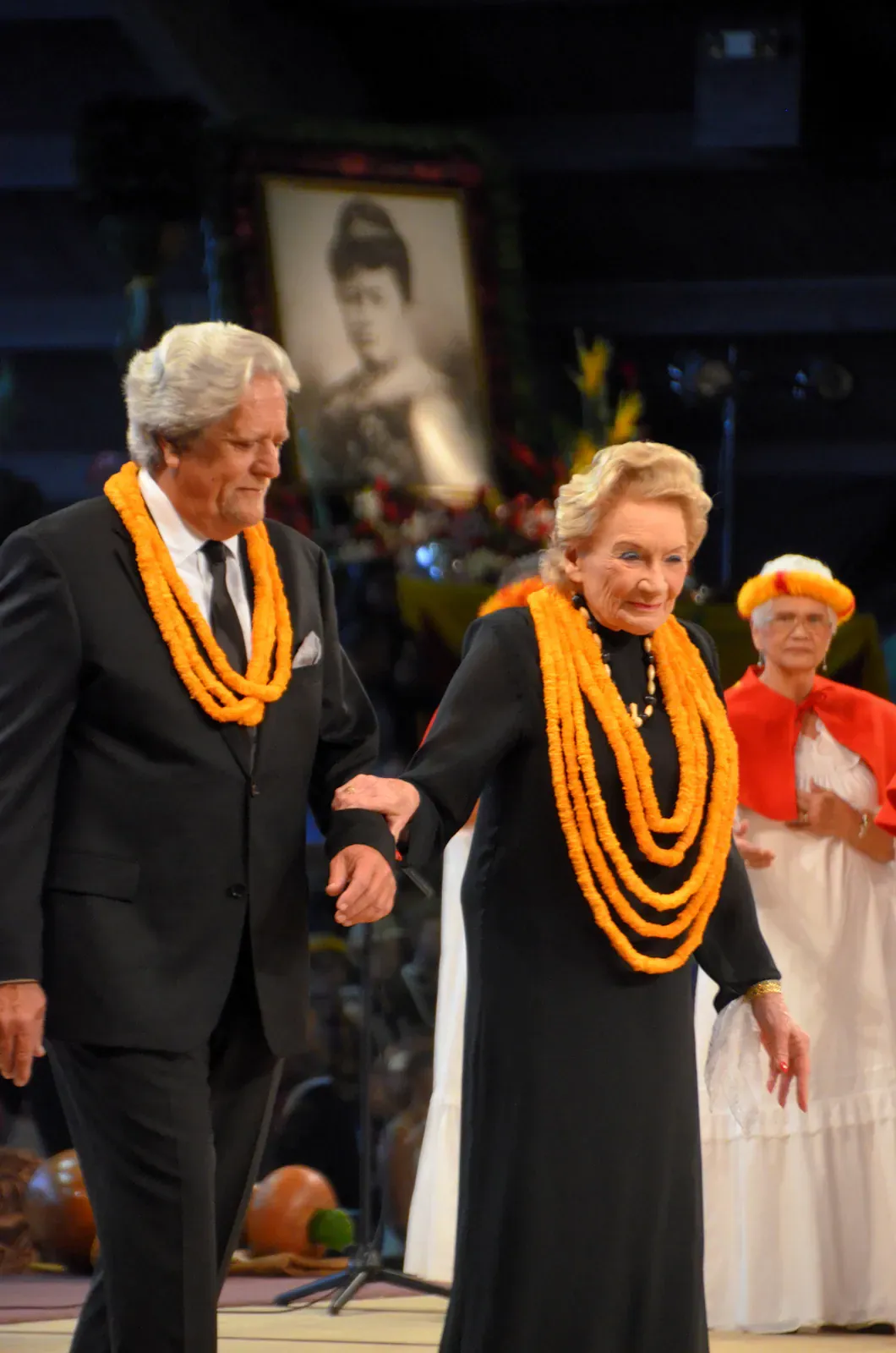
Hawaiian Renaissance, 1970-1980
A younger generation reclaimed Hawaiian language, hula and slack key during the 1970s, in step with wider movements for Native Hawaiian rights. The Gabby Pahinui Hawaiian Band recorded for the local Panini label in 1972, with Pahinui’s sons and other slack-key players. Keola and Kapono Beamer’s Honolulu City Lights (1978) became the bestselling Hawaiian record of its time. Pahinui died on 13 October 1980.
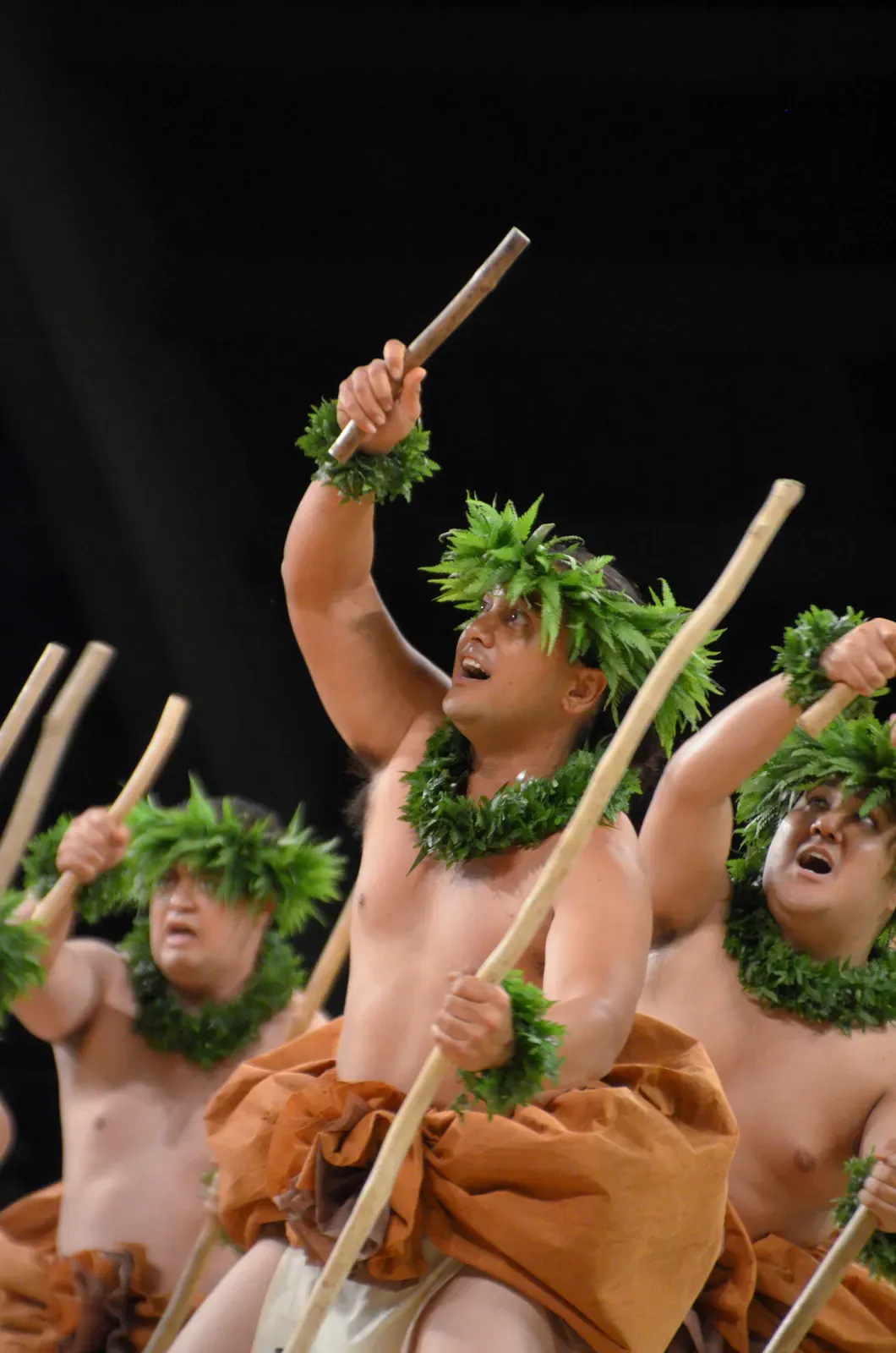
Hawaiian reggae and a global audience, 1981-present
Bob Marley played the Waikiki Shell on 6 May 1979, and reggae began to take hold in island music. Jawaiian, a Hawaiian-style reggae, produced its first commercially successful album with Kapena’s Satisfaction Guaranteed (1986), recorded live at Sparky’s Lounge. Israel Kamakawiwoʻole’s Facing Future (1993) became the bestselling Hawaiian album and went platinum in 2005. Its ʻukulele medley of Over the Rainbow and What a Wonderful World reached film, television and streaming audiences worldwide. A 2006 video of Jake Shimabukuro playing While My Guitar Gently Weeps on ʻukulele started an international career.
The Recording Academy added a Grammy category for Best Hawaiian Music Album in 2005.
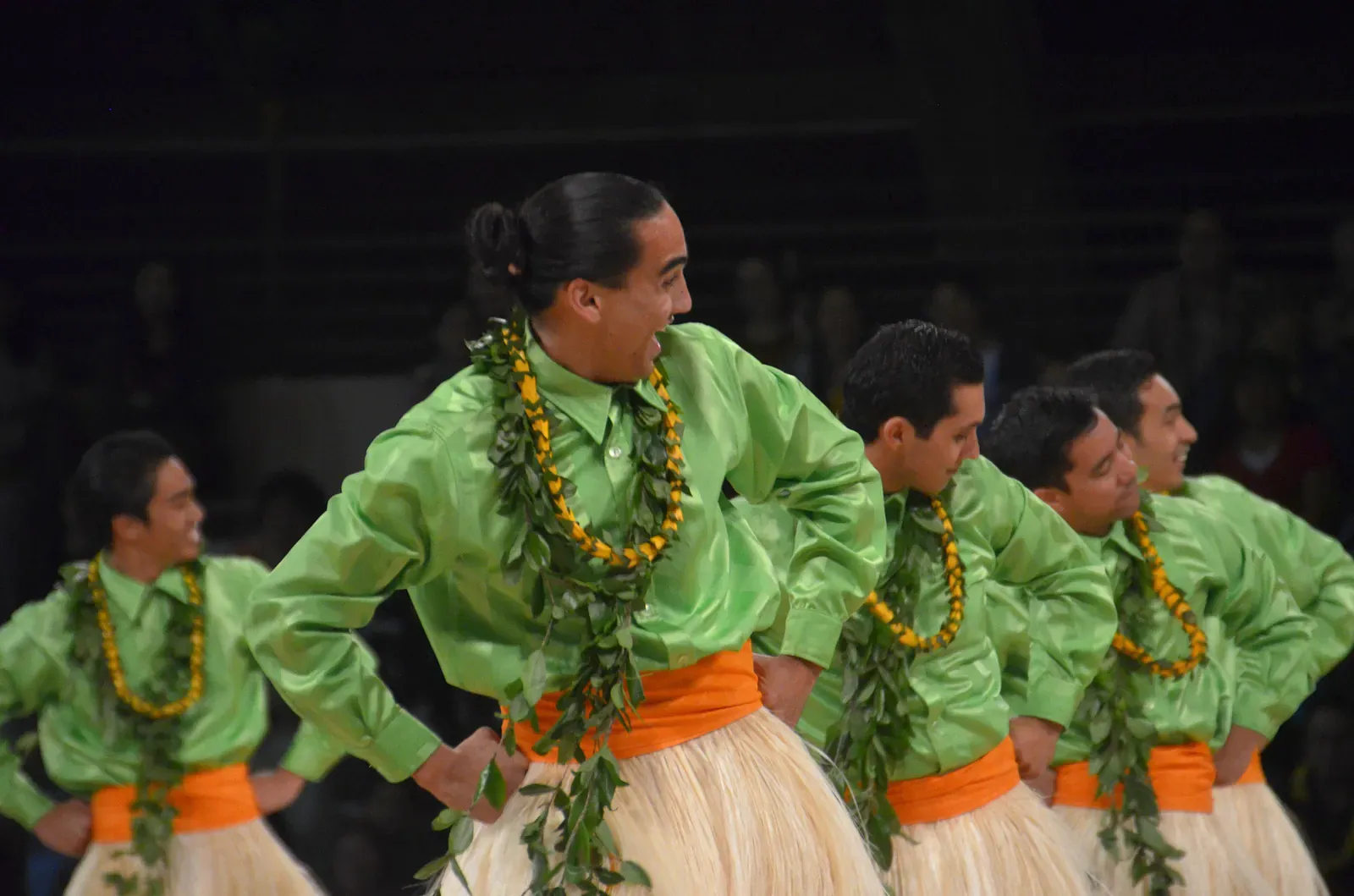
Characteristics
Songs keep a steady 4/4 or occasional 3/4 pulse, at roughly 70 to 140 BPM. Singers use falsetto (leo kiʻekiʻe) and a vocal break called haʻi. Lyrics often carry kaona, a veiled second meaning about love, place or politics, so a song about a rain or a cliff may refer to a person or an event. Songs end with a short turnaround called a Hawaiian vamp.
Instruments and production
The ʻukulele supplies the strum and the backbeat in most ensembles. Slack key (kī hōʻalu) retunes the guitar to an open chord and plays an alternating thumb bass under a fingered melody; the best-known tuning is open G, called taro patch. Steel guitar carries the sliding lead voice. Recording has remained largely acoustic and live, with local labels such as Hula Records issuing most slack-key and traditional material.
Notable recordings
Hula Blues (1927) fixed the sound of the Hawaiian steel trio for American listeners. Decca issued Sweet Leilani in 1937, Crosby’s first gold record, and Mele Kalikimaka in 1950, which became the standard Hawaiian Christmas song. Hiʻilawe, Gabby Pahinui’s slack-key reading of an older waterfall song, anchored the Renaissance. Honolulu City Lights gave contemporary Hawaiian music its title song, and Facing Future carried a single ʻukulele medley around the world.
Culture
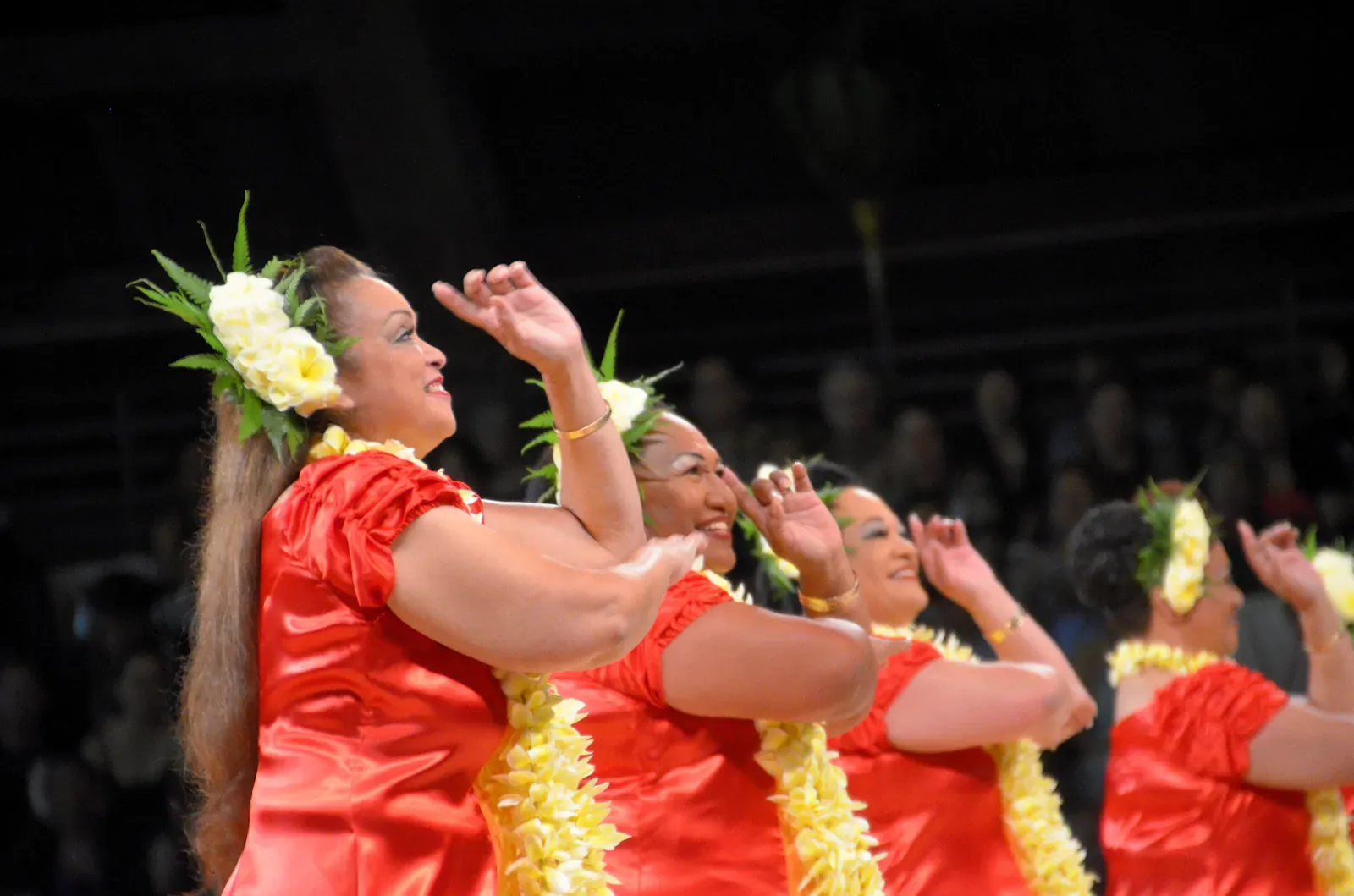
Hula is inseparable from the music. Hula kahiko is danced to chant and drums in older style; hula ʻauana is the modern style, danced to string music. Chants open ceremonies and ask permission to enter a place. Lei and aloha attire mark performances, and the Merrie Monarch competition in Hilo judges both styles each year.
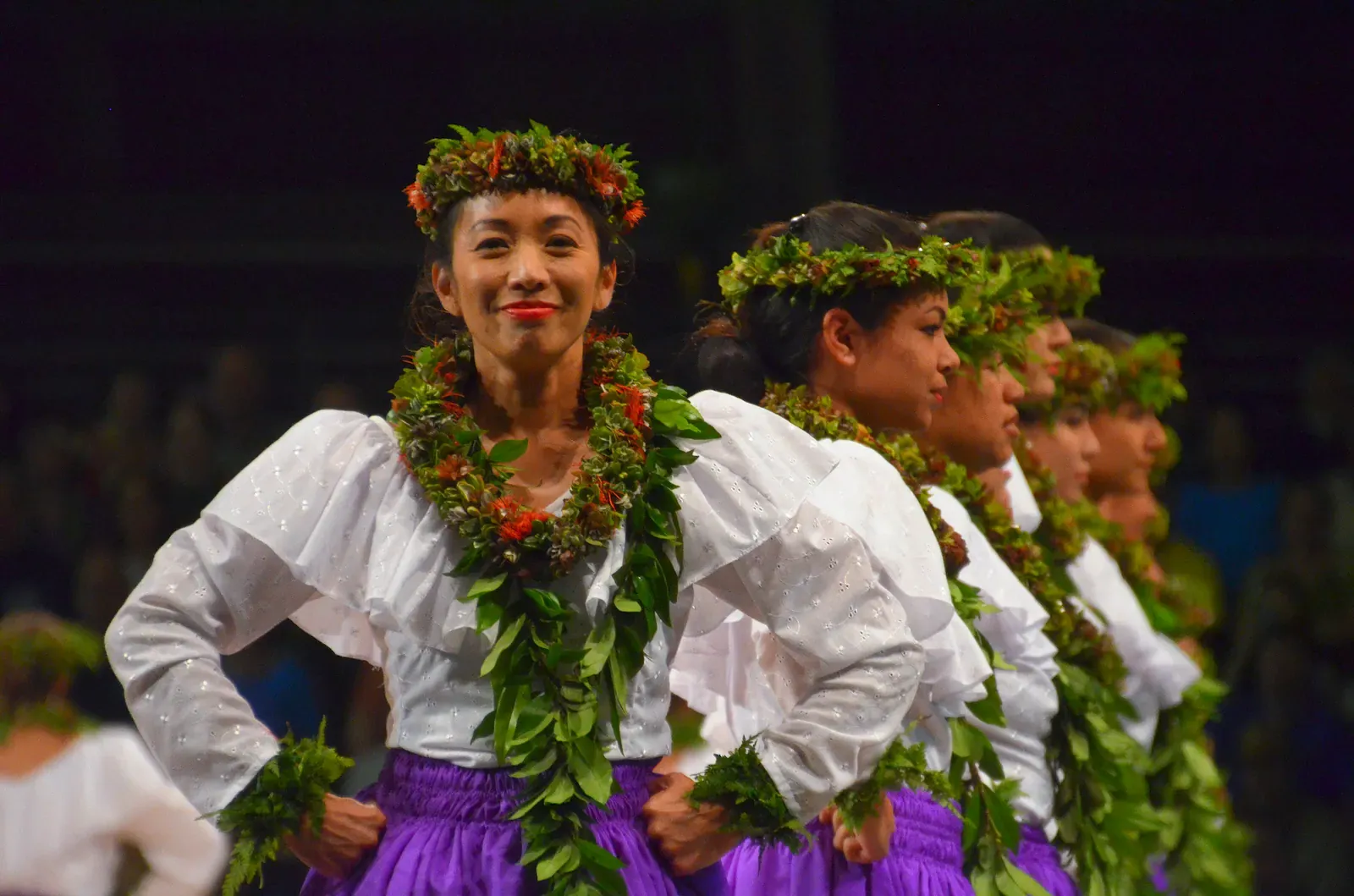
Tourism has been both income and pressure. Waikiki showrooms paid musicians, but also shaped what outsiders expected: hapa haole songs with English words and a postcard version of the islands. The Renaissance partly answered that by putting Hawaiian-language song and local labels at the centre.
Legacy
Hawaiian steel guitar reshaped country music: Jerry Byrd carried the technique into Nashville, and Bud Isaacs’ pedal steel playing on Webb Pierce’s Slowly, recorded in 1953, spread an instrument derived from it. Hawaiian-flavoured pop also fed exotica and the wider Pacific song tradition covered in Polynesian music. The ʻukulele, once a regional instrument, is now played worldwide, and Hawaiian reggae links the islands to the reggae tradition. For the wider region, see Oceanian music.
Misconceptions
The ʻukulele is often called an ancient Hawaiian instrument. It was developed from the Portuguese braguinha after 1879, and pre-contact Hawaiian music used drums, rattles, a bow and a flute.
Hawaiian music is sometimes treated as a creation of tourism. Chant and hula long predate the visitor industry, and himeni, slack key and the royal-court repertoire grew outside it, even though Waikiki shaped the commercial sound.
Slack key is not a single tuning. About 50 named open tunings exist, and many were kept as family secrets, with taro patch the best known.
Frequently asked questions
What is Hawaiian slack-key guitar?
Slack-key guitar is a fingerstyle tradition in which the guitar’s strings are loosened to an open chord. The thumb plays a steady bass while the fingers carry the melody. The Hawaiian name is kī hōʻalu, “loosen the key”.
Who invented the Hawaiian steel guitar?
Joseph Kekuku, a young man on Oʻahu, is credited with developing it around 1885 by sliding a metal bar along the strings of a guitar held flat on the lap. Sol Hoʻopiʻi later took the technique to Los Angeles.
What does hapa haole mean in Hawaiian music?
Hapa haole describes Hawaiian-flavoured songs with English lyrics, popular from the early 1900s. Sweet Leilani and Blue Hawaii are examples.
Is Hawaiian music the same as Polynesian music?
No. Hawaiian music is one regional tradition within Polynesian music, distinguished by its slack-key and steel guitar styles, hula repertoire and its own recording industry.
Sound
Sound sheet
Anatomy of a track
| # | Part |
|---|---|
| 1 | Intro (ʻukulele or guitar vamp) |
| 2 | Verse (mele stanzas) |
| 3 | Refrain |
| 4 | Instrumental break (steel or slack-key guitar) |
| 5 | Final verse |
| 6 | Ending (Hawaiian vamp) |
Signature sounds
- Falsetto leaps and ha'i breaks
- Slack-key alternating thumb bass
- Steel guitar glissandi
- ʻUkulele strum with a backbeat
- Hidden meaning (kaona) in the lyrics
- Hawaiian vamp ending
Drums and percussion
- Ipu heke
- Pahu
- ʻUlīʻulī
Techniques
- Alternating thumb bass
- Steel bar glissando
- Falsetto and ha'i
- Oli delivery
- Hawaiian vamp
Keys and modes
Open G major (taro patch). The best-known slack-key tuning, D-G-D-G-B-D
Major keys with I-IV-V and V7 turnarounds. Typical hapa haole and ʻukulele song harmony
Tuning
Slack-key open tunings (about 50 named, many kept as family secrets); ʻukulele re-entrant G-C-E-A
Vocals
Falsetto and ha'i breaks, close harmony groups and Hawaiian-language mele, with unaccompanied chant in oli
Scenes
Where it happened
Where and when the sound lived: one bar per city on a shared timeline.
North America
Active scenes
Peak 2, 1916-2025
Royal court, Hawaii Calls, Waikiki showrooms and the record labels were all based here.
Home of the Merrie Monarch Festival, the main hula competition.
Sol Hoʻopiʻi's trio and other Hawaiian players recorded and worked here in the 1920s and 1930s.
Tin Pan Alley turned out Hawaiian-themed songs during the 1916 craze.
Steel players such as Jerry Byrd brought Hawaiian steel guitar techniques into country music.
Venues and places
Honolulu, 1935 to today. Hawaii Calls was first broadcast live from here, reaching 750 stations worldwide at its peak.
Honolulu, 1956 to today. Kapiolani Park bandshell, built in 1956, where Bob Marley played in 1979.
Hilo, 1964 to today. Hula competition at Edith Kanakaʻole Stadium, begun in 1964 and linked with the Renaissance.
Culture
Culture markers
- Hula kahiko
Ancient-style hula danced to chant and drums, judged at the Merrie Monarch Festival.
Dance - Hula ʻauana
Modern-style hula danced to ʻukulele, guitar and steel guitar songs.
Dance - Oli
Chants that open ceremonies and performances and ask permission to enter a place.
Ritual - Kaona
Veiled or double meaning in lyrics, a hallmark of mele composition.
Slang - Lei and aloha attire
Flower and leaf garlands and island prints accompany Hawaiian performances and hula.
Fashion
Media
Key media
- 1935Hawaii Calls
by Webley Edwards. Live Waikiki radio show that spread hapa haole and Hawaiian songs worldwide until 1975.
Radio - 1937Waikiki Wedding
by Frank Tuttle. Bing Crosby film that introduced Sweet Leilani.
Film - 1961Blue Hawaii
by Norman Taurog. Elvis Presley film whose soundtrack was a US number one album.
Film - 1979Hawaiian Music and Musicians
by George S. Kanahele. Illustrated history and encyclopedia of Hawaiian music.
Book - 2011The Descendants
by Alexander Payne. Hawaii film whose soundtrack features Gabby Pahinui and Keola Beamer.
Film
Glossary
Terms on this page
Hawaiian-flavored songs with English lyrics, popular from the early 1900s.
Hymn, the church-derived vocal tradition introduced by missionaries.
Kahiko is the older style danced to chant and drums; ʻauana is the modern style danced to string music.
Hawaiian-style reggae, from Jamaican plus Hawaiian.
Slack key, literally loosening the tuning key.
Hawaiian word for a song or poem, covering chant and sung texts.
Chant performed without instruments or dance.
Open G major slack-key tuning, D-G-D-G-B-D.
Oceanian family