New Zealand country
New Zealand country is the country music of Aotearoa, shaped by 1920s imports, Tex Morton, a television boom from 1968 and the Gold Guitar Awards in Gore.
New Zealand, 1926
Country family

Born
1926
New Zealand
Links
6
Genres it drew on or shaped
Tempo
80-145 BPMLineage
Family tree
Grew out of
Derived from
Influenced by
Western musicCountry yodeling
New Zealand, 1926
New Zealand country
Timeline
Era by era
From the first sparks to today. Select a dot to read the story behind it.
- Records, radio and singing cowboys
1926 to 1967
- The television era
1968 to 1987
- The Gold Guitar circuit
1988 to 2010
- Alt-country and crossover
2011 to today
Eras
Moments
- 1 Records, radio and singing cowboys, 1926 to 1967
- 2 The television era, 1968 to 1987
- 3 The Gold Guitar circuit, 1988 to 2010
- 4 Alt-country and crossover, 2011 to today
around 1926
Records, radio and singing cowboys
American hillbilly records, radio and sound films reached New Zealand from the late 1920s. Tex Morton busked, recorded and then left for Australia, while local country bands formed.
- 1926American country records reach New ZealandImported hillbilly records, radio and sound films seeded a local taste for yodelling and cowboy songs.
- 1931Tex Morton's first recordings in WellingtonMade on a Speak-A-Phone machine, they are regarded as the first hillbilly recordings made outside the United States.
1968
The television era
Country was the soundtrack of local light entertainment, from The Country Touch in 1968 to That's Country, which was sold to the US in 1983. The Gold Guitar Awards began in Gore in 1974.
- 1968The Country Touch begins on televisionTex Morton's idea became an instant hit on Auckland's AKTV-2, with a backing choir and square dancers.
- 1968Hamilton County Bluegrass Band starts playingThe band, from the Waikato, has performed since the late 1960s and backed early country television shows.
- 1974First Gold Guitar Awards in GoreThe annual awards for country music, held each June in Gore, made the southern town the country capital.
- 1980That's Country starts, hosted by Ray ColumbusMade by TVNZ at Christchurch's James Hay Theatre, it became the best known New Zealand country series.
- 1982Suzanne Prentice reaches number 11 with When I DreamHer best-selling single made her one of the best-known country voices of the period.
- 1983That's Country sold to the Nashville NetworkPremiering on US television in March, it was the first locally made entertainment series sold to the United States.
- 1984That's Country ends after controversyProduction stopped in November following a controversy and a Commission of Inquiry; country then lost its regular television slot.
- 1986Patsy Riggir Country album reaches number 3The album from her own television show went platinum.
1988
The Gold Guitar circuit
With television gone, the scene lived on festivals, club nights and the annual Gore awards, where Hands of Fame handprints were added from 1992, and on a loyal rural and Maori audience.
2011
Alt-country and crossover
Tami Neilson, Marlon Williams and Delaney Davidson brought soul and gothic country to wider audiences, while Keith Urban, born in Whangarei, led the export to Nashville.
- 2014Tami Neilson wins the APRA Silver ScrollWalk (Back to Your Arms) made her the first country songwriter to win the songwriting award.
- 2025Gold Guitar Awards face claims of racismThe awards gained negative publicity over claims of racism against Maori performers.
Listening path
Start listening
A short path from an easy way in to the deep end. Thumbnails come from YouTube; the player loads only when you press play.
- 01
Keith Urban, 2002
The Whangarei-born singer's Nashville number one, the best-known export of the scene.
- 02
Tami Neilson, 2014
The song that won the first APRA Silver Scroll for a country songwriter.
- 03
Tami Neilson, 2018
The fast, soul-tinged lead single of Sassafrass!, shot in New Zealand.
- 04
Marlon Williams, 2018
A country-rooted ballad from a singer who began in the Canterbury alt-country scene.
Facts
| Family | Country |
| Origin | New Zealand |
| Emerged | Late 1920s to |
| Status | Active |
| Tempo | 80 to 145 BPM |
| Meter | 4/4 |
| Grew out of | Hillbilly music |
New Zealand country is the country music of Aotearoa New Zealand, a regional variant of the country family that grew from American records and radio arriving in the late 1920s.
It is built on yodelling, cowboy styling and story songs, was carried into every living room by local television between 1968 and the mid-1980s, and is centred on the annual Gold Guitar Awards in the southern town of Gore.
Origins
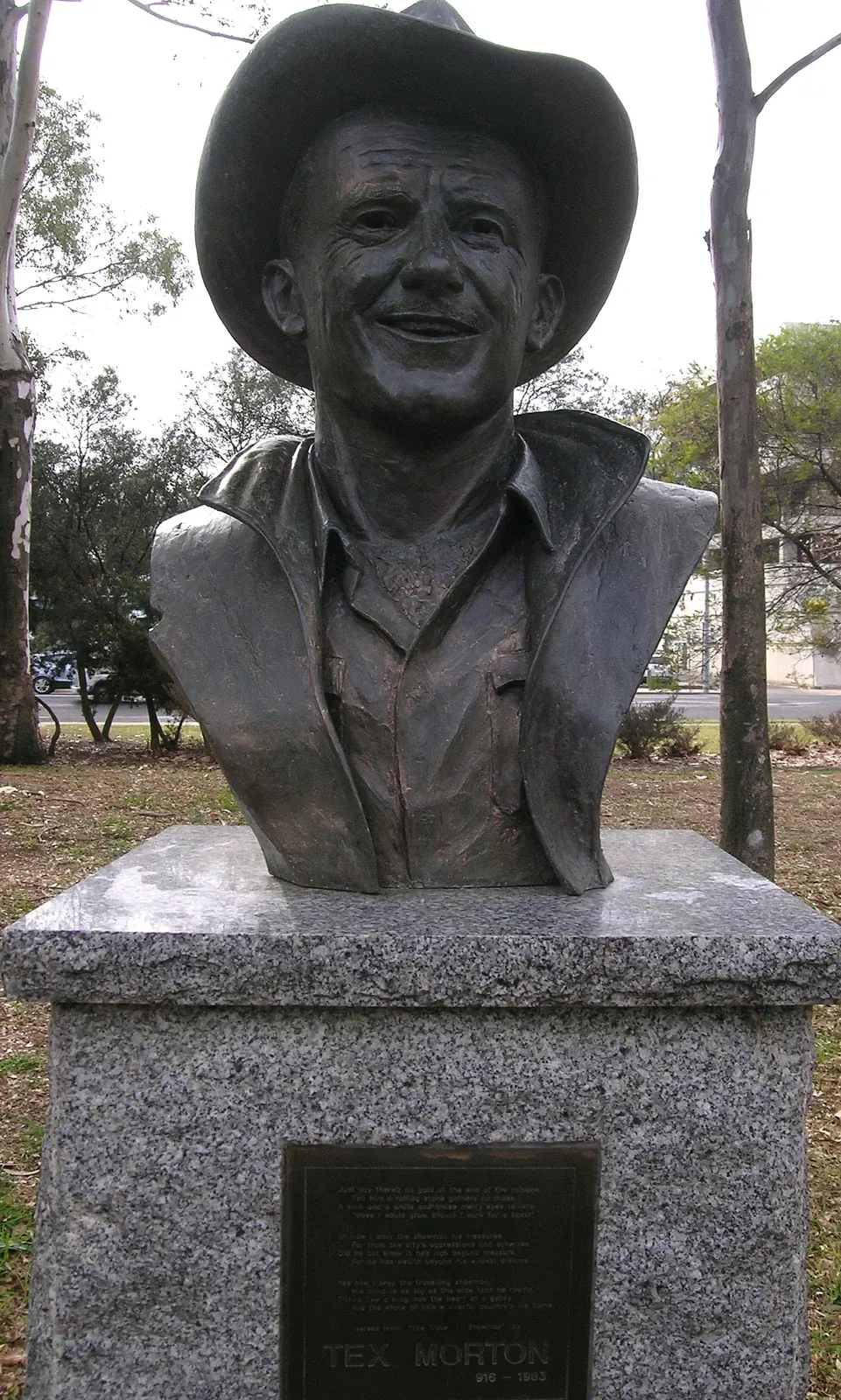
The first layer arrived by import. American hillbilly records, radio broadcasts and sound films reached New Zealand from the late 1920s, bringing the yodelling of Jimmie Rodgers and the harmony singing of the Carter Family, and the cowboy image that came with western films. The founding figure is Tex Morton. Born Robert William Lane in Nelson in 1916, he left home as a teenager, busked his way north and took the name Morton from a sign on a garage. In the early 1930s he made his first recordings in Wellington on a Speak-A-Phone machine, songs regarded as the first hillbilly recordings made outside the United States. He then moved to Australia, where he recorded for Columbia in Sydney from 1936 and became known as the father of Australian country music. His career belongs to both countries, which is why New Zealand country begins with an emigrant: the home market was too small to hold a full-time professional.
The television era, 1968-1987
For about twenty years country was the soundtrack of local light entertainment. The sequence began in 1968 when Tex Morton proposed a country and western series to the producer Bryan Easte. The result, The Country Touch, ran on Auckland’s AKTV-2 from 1968 to 1970 with Garth Young as musical arranger, a backing choir, square dancers and the Hamilton County Bluegrass Band, a Waikato group that has performed since the late 1960s. It was an instant hit.
Other series followed: Country Folk in Dunedin in 1972, Country Road from Wellington in 1973, and A Touch of Country from Christchurch between 1975 and 1978, led by the band of the guitarist Gray Bartlett. The best known was That’s Country, made by TVNZ at Christchurch’s James Hay Theatre and hosted from 1980 by Ray Columbus, a Christchurch-born pop singer whose 1964 hit “She’s a Mod” had made him famous in a different genre. Regulars included Patsy Riggir, Suzanne Prentice, Brendan Dugan, Gray Bartlett and Jodi Vaughan, and visiting guests included Kenny Rogers and Emmylou Harris.
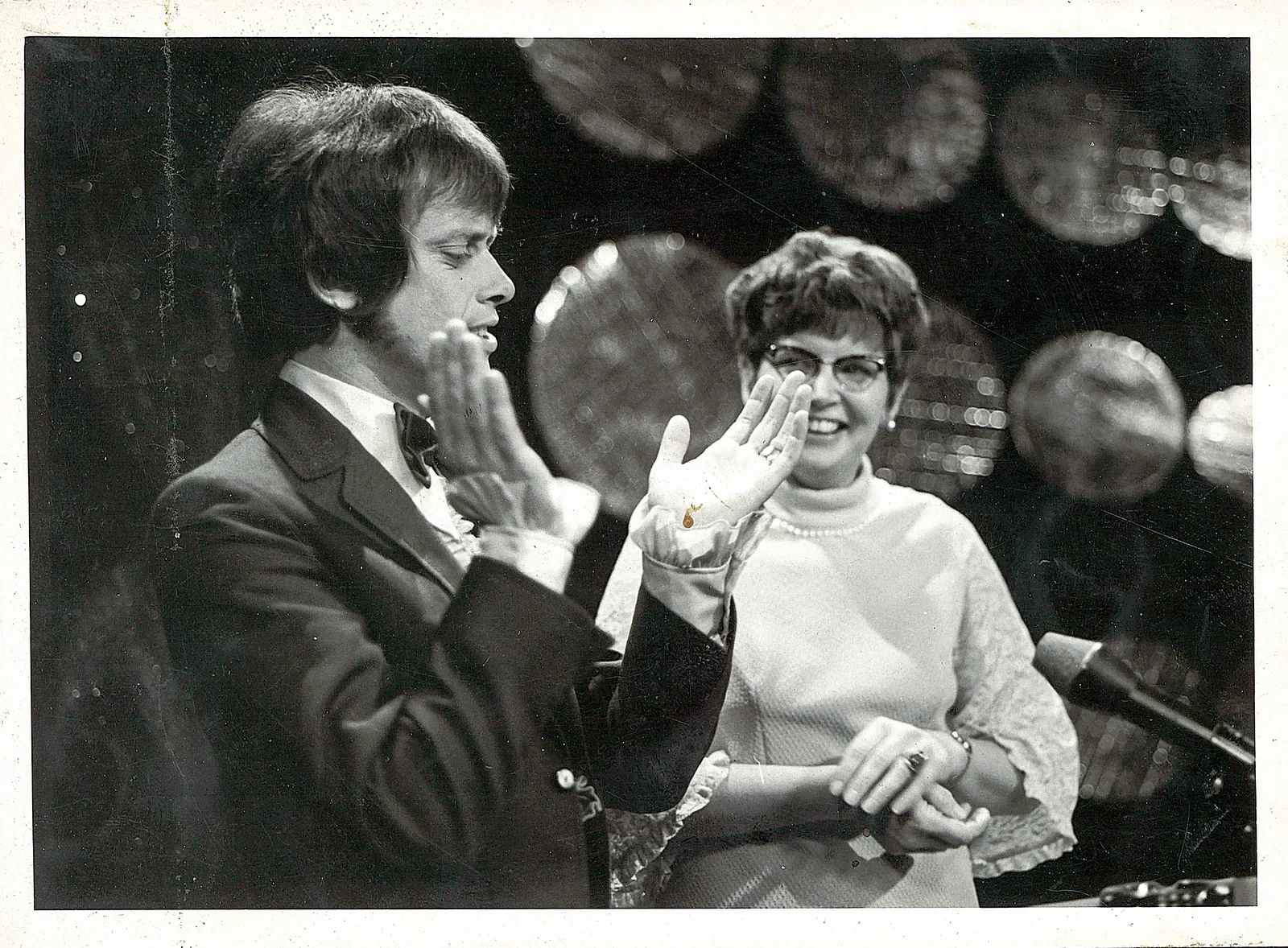
That’s Country became the first locally made entertainment programme sold to the United States. It premiered on the Nashville Network in March 1983 and reached 12 million subscribers by the end of that year. Production stopped in November 1984 after a controversy and a Commission of Inquiry. Patsy Riggir Country followed in 1986, and the album from the show reached number 3 and went platinum. A last series, Dixie Chicken, was pulled after two episodes in 1987. After that, country appeared on television only sporadically.
Gore and the Gold Guitar circuit
The scene’s institutional centre is Gore, a Southland town that calls itself the country music capital. The New Zealand Gold Guitar Awards have been held there each June since 1974 as part of the Tussock Country Music festival. Prizes are given by style and by age group, with junior and age-group categories added to the original senior award. Overseas guests have presented trophies, among them Freddy Fender, George Hamilton IV, Ricky Skaggs and Glen Campbell.
A Hands of Fame structure, holding the handprints of prominent country musicians, has been added to at Gore since 1992 and has had a permanent home since 2004. With television gone, this circuit of festivals, club nights and award categories carried the scene through the 1990s and 2000s, and it kept rural and Maori performers in front of a loyal audience. The awards drew negative publicity in 2025 over claims of racism against Maori performers.
Characteristics
The style keeps the structure of mainstream country: verse and chorus, a steady four-beat pulse and a narrative lyric. Measured tempos on canonical recordings run from about 80 beats per minute for ballads to the mid-140s for uptempo numbers. Early performers took over the yodel and the cowboy costume, and the television shows presented country as family variety, with choirs, dancers and a house band. Maori performers and Maori songbook material are a regular part of the repertoire, as in the albums of the singer Dennis Marsh, described as New Zealand’s best-selling country artist.
Instruments and production
Acoustic guitar carried the early records, and Tex Morton’s busking act rested on voice and guitar alone. The bluegrass banjo of the Hamilton County Bluegrass Band sat alongside choirs and piano arrangements on 1960s television, and the studio bands of the Christchurch shows were led by guitarists such as Gray Bartlett. Recent records often use full band production recorded abroad: Mel Parsons made an album in Santa Monica with the producer Mitchell Froom, and several artists record in Nashville or Sydney.
Notable recordings
Tex Morton’s “Wrap Me Up with My Stockwhip and Blanket” (1936) is the earliest landmark, a recording that moved an American delivery towards Australasian subjects. The scene’s biggest domestic hit of the television years is Suzanne Prentice’s “When I Dream”, which reached number 11 on the New Zealand singles chart in 1982.
Tami Neilson’s “Walk (Back to Your Arms)” from the album Dynamite! (2014) won the APRA Silver Scroll that year, making her the first country songwriter to take the songwriting award. Neilson, born in Toronto and based in New Zealand, also won Best Country Album at the New Zealand Music Awards in 2009, 2010, 2012 and 2015. Her 2018 single “Stay Outta My Business” shows the faster, soul-tinged side of the style.
Mainstream success
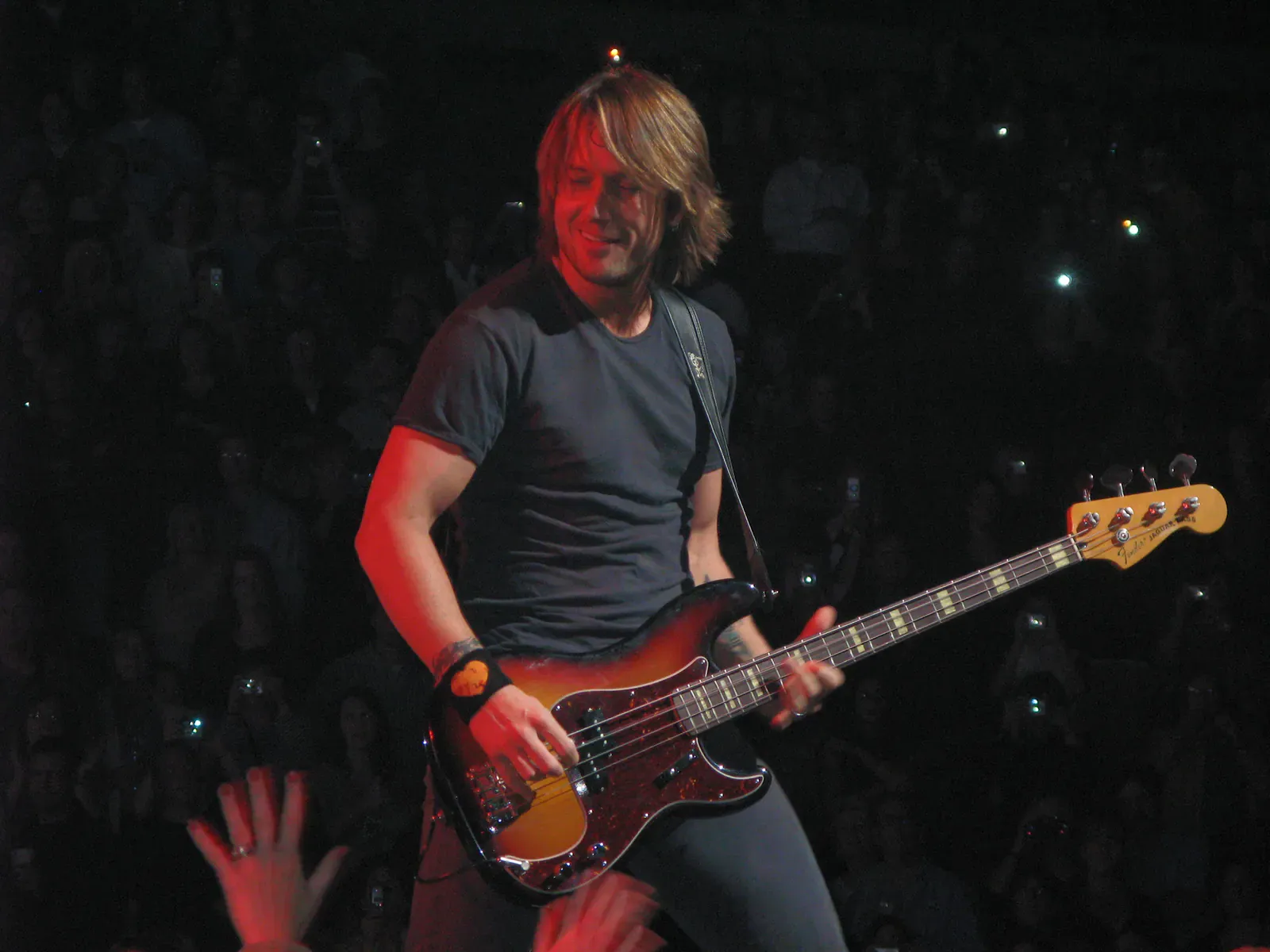
Domestic success came through television and the Gold Guitar circuit rather than radio. Patsy Riggir, born in Arapuni in 1945, appeared on the Grand Ole Opry and on the Ralph Emery Show in the United States, while Suzanne Prentice, from Invercargill, later became a politician. The most visible export is Keith Urban, who was born in Whangarei in 1967, grew up in Australia and built his career in Nashville with Capitol. His single “Somebody Like You”, from the 2002 album Golden Road, was a country number one.
Culture
Western shirts and hats remain a stage convention, and square dancers were part of the television format. Several performers are also presenters: Dennis Marsh hosted the series My Country Song, and Ray Columbus presented That’s Country.
Legacy
The recent scene has moved towards alt-country and country-soul. The Warratahs, a Wellington band active since the 1980s, won Best Country Album at the 2016 New Zealand Music Awards for Runaway Days and were inducted into the New Zealand Music Hall of Fame in 2025. In 2012 Delaney Davidson and Marlon Williams recorded the song “Bloodletter” as a horseback chase on a mid-Canterbury station, after the 2011 Christchurch earthquake. Jenny Mitchell, a Gore native, and Kaylee Bell, who won a Gold Guitar in 2007, keep the awards circuit connected to newer names.
Misconceptions
Tex Morton is often counted as an Australian figure because his career took off in Sydney, but he was born in Nelson, New Zealand, and the first recordings that made his name were made in Wellington. Keith Urban is usually presented as an Australian country star, yet he was born in Whangarei and holds New Zealand citizenship alongside Australian and American. Country did not end when That’s Country left the air in 1984: the Gold Guitar Awards continued every year except 2020, and new performers have kept winning in its categories.
Frequently asked questions
What is New Zealand country music?
The country music of New Zealand, a variant of American country that grew from imported 1920s records and Tex Morton’s recordings and peaked on local television between 1968 and the mid-1980s.
Where are the Gold Guitar Awards held?
In Gore, in the southern South Island, every June since 1974, as part of the Tussock Country Music festival.
Who is the best-known New Zealand country singer?
Tex Morton is the founding figure, Patsy Riggir and Suzanne Prentice were the best known on 1980s television, Dennis Marsh is described as the best-selling country artist, and Keith Urban is the most famous export.
What was That’s Country?
A TVNZ country series hosted by Ray Columbus from 1980, filmed in Christchurch and sold to the Nashville Network in 1983, which ended in November 1984.
Sound
Sound sheet
Anatomy of a track
| # | Part | Bars |
|---|---|---|
| 1 | Verse | 16 |
| 2 | Chorus | 8 |
| 3 | Verse | 16 |
| 4 | Chorus | 8 |
Signature sounds
- Yodelling and cowboy styling
- Warm story-song vocals
- Bluegrass-style banjo and acoustic backing
Techniques
- Yodelling
- Busking-style voice and guitar
- Bluegrass picking
- Country-soul crossover
Keys and modes
Major keys. Canonical recordings cluster on A and D, with G and F also appearing.
Vocals
Clear story-song delivery, with yodelling in the early tradition and soul-inflected singing in recent years.
Scenes
Where it happened
Where and when the sound lived: one bar per city on a shared timeline.
Oceania
Active scenes
Peak 4, 1975-2025
The country music capital, host of the Gold Guitar Awards each June.
Studio base of A Touch of Country and That's Country.
Where The Country Touch first aired on AKTV-2.
Where Tex Morton made his first recordings and later home of The Warratahs.
Venues and places
Gore, 1974 to today. Held each June as part of the Tussock Country Music festival, with a Hands of Fame wall of handprints.
Christchurch, 1980 to today. Where That's Country and Patsy Riggir Country were filmed.
Culture
Culture markers
- Cowboy styling
Western shirts, hats and yodelling carried over from the singing-cowboy acts of the 1930s.
Fashion - Square dancing
Square dancers appeared on The Country Touch alongside a backing choir.
Dance - Hands of Fame
Handprints of prominent country musicians have been added at Gore since 1992.
Ritual
Glossary
Terms on this page
Annual awards for New Zealand country music, held in Gore each June since 1974.
A structure at Gore with handprints of prominent country musicians, added to since 1992.
TVNZ country series hosted by Ray Columbus from 1980 and sold to the United States in 1983.
The Gore festival of which the Gold Guitar Awards are part.
A vocal break between chest and head voice, imported with Jimmie Rodgers and cowboy records.
Country family