Field holler
The field holler is a solo, unaccompanied shout of enslaved and later imprisoned African Americans, and the closest vocal ancestor of the blues.
Mississippi Delta, 1800
Blues family
Born
1800
Mississippi Delta
Subgenres
2
Documented branches
Links
8
Genres it drew on or shaped
Tempo
70-120 BPMLineage
Family tree
Grew out of
- Work song
Also shaped by
Influenced by
Mississippi Delta, 1800
Field holler
Led to (3)
Timeline
Era by era
From the first sparks to today. Select a dot to read the story behind it.
- Plantation cries
1800 to 1865
- Sharecropping, levee and prison camps
1866 to 1932
- Field recordings
1933 to 1959
- Archive and echo
1958 to today
Eras
Moments
- 1 Plantation cries, 1800 to 1865
- 2 Sharecropping, levee and prison camps, 1866 to 1932
- 3 Field recordings, 1933 to 1959
- 4 Archive and echo, 1958 to today
around 1800
Plantation cries
Enslaved field hands in the cotton, rice and sugar South sang solo cries across the fields to pass messages, ask for water and vent feeling. An observer in 1853 described a long, loud shout that rose, fell and broke into falsetto.
- 1853Olmsted describes the hollerFrederick Law Olmsted calls it a long, loud, musical shout, rising and falling and breaking into falsetto.
around 1866
Sharecropping, levee and prison camps
The holler outlived slavery among sharecroppers, levee workers, railway gangs and prison laborers. It fed the blues, and blues singers such as Texas Alexander kept its free rhythm on record.
- 1867Slave Songs of the United StatesThe first collection of songs of enslaved Black Americans is published.
- 1901Parchman Farm opensThe Mississippi state prison farm begins with four stockades and becomes a major site of recorded work chants and hollers.
- 1927Texas Alexander records Levee Camp Moan BluesSung in free rhythm with Lonnie Johnson's guitar answering his voice.
- 1927Jaybird Coleman records Mistreatin' MamaA harmonica blues often cited as showing strong links with the field holler tradition.
- 1929Charley Patton records Screamin' and Hollerin' the BluesParamount issues the Delta singer's shouted blues under the name The Masked Marvel.
1933
Field recordings
No recorded hollers survive from before the mid-1930s. John and Alan Lomax carried recording gear to Southern prisons from 1933, and the Parchman Farm sessions of 1947 and 1959 preserved the long levee camp hollers.
- 1933The Lomaxes record in Southern prisonsJohn and Alan Lomax visit Parchman Farm and record Lead Belly in a Louisiana penitentiary for the Library of Congress archive.
- 1940Bukka White records Parchman Farm BluesA Chicago session turns his prison-farm experience into one of the best-known songs of the penitentiary.
- 1947Bama's Levee Camp HollerW. D. Stewart, called Bama, is recorded by Alan Lomax at Parchman Farm in a long melismatic holler.
1958
Archive and echo
Once convict and field labor was mechanized the holler faded as a working practice. It lives on in archive releases, in the blues and gospel it shaped, and in contests of white rural hollering.
- 1958Negro Prison Songs issuedThe Tradition label releases Lomax's Parchman recordings on LP.
- 1969National Hollerin' Contest beginsSampson County, North Carolina starts an annual contest for the white tradition of hollerin'.
- 1997Prison Songs on CDRounder issues the Lomax Parchman recordings in two volumes as part of The Alan Lomax Collection.
- 2014Parchman Farm box setDust-to-Digital publishes photographs and field recordings made between 1947 and 1959.
Listening path
Start listening
A short path from an easy way in to the deep end. Thumbnails come from YouTube; the player loads only when you press play.
- 01
Texas Alexander, 1927
Listen for the free-time voice and the guitar that follows it.
- 02
Charley Patton, 1929
Listen for the shouted, grainy delivery that echoes the holler.
- 03
Bukka White, 1940
A song of prison-farm labor from a man who served there.
- 04
Lead Belly, 1941
A boasting cotton-picking work song, a metered cousin of the solo holler.
Facts
| Family | Blues |
| Origin | Mississippi Delta, United States |
| Emerged | Early 19th century to 1940s |
| Status | Historical |
| Tempo | 70 to 120 BPM |
| Meter | Free rhythm |
| Subgenres | 2 |
The field holler, also called the field call, is a solo vocal cry sung without accompaniment by enslaved African Americans in the American South, and later by sharecroppers and forced laborers.
It is sung in free rhythm, in a loud voice that rises, falls and breaks into falsetto, and it was used to pass messages, ask for water, pace the work and vent feeling. Its descent runs into the blues, spirituals and gospel.
Origins
The holler has roots in the music of West Africa, where most enslaved Africans in America came from. Scholars also point to Islamic vocal practice: a similar quivering voice, nasal tone and sudden shifts of scale link the Muslim call to prayer with nineteenth-century hollers, and a good share of the enslaved Africans brought to America were Muslim.
It was never written down while it was a working practice. The earliest known description dates from 1853, when the writer Frederick Law Olmsted heard a “long, loud, musical shout, rising and falling and breaking into falsetto”. The sentence would have fitted recordings made a century later.
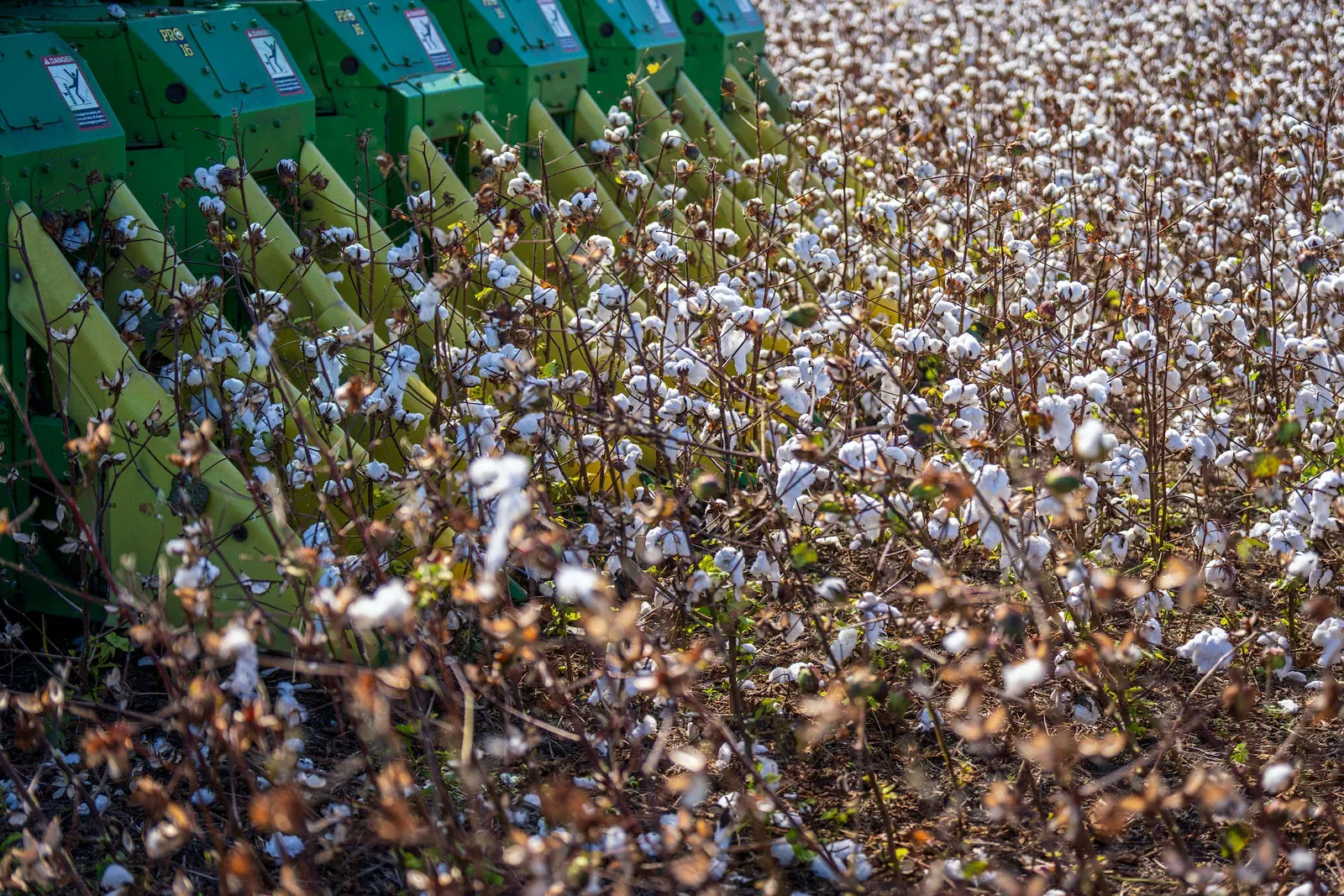
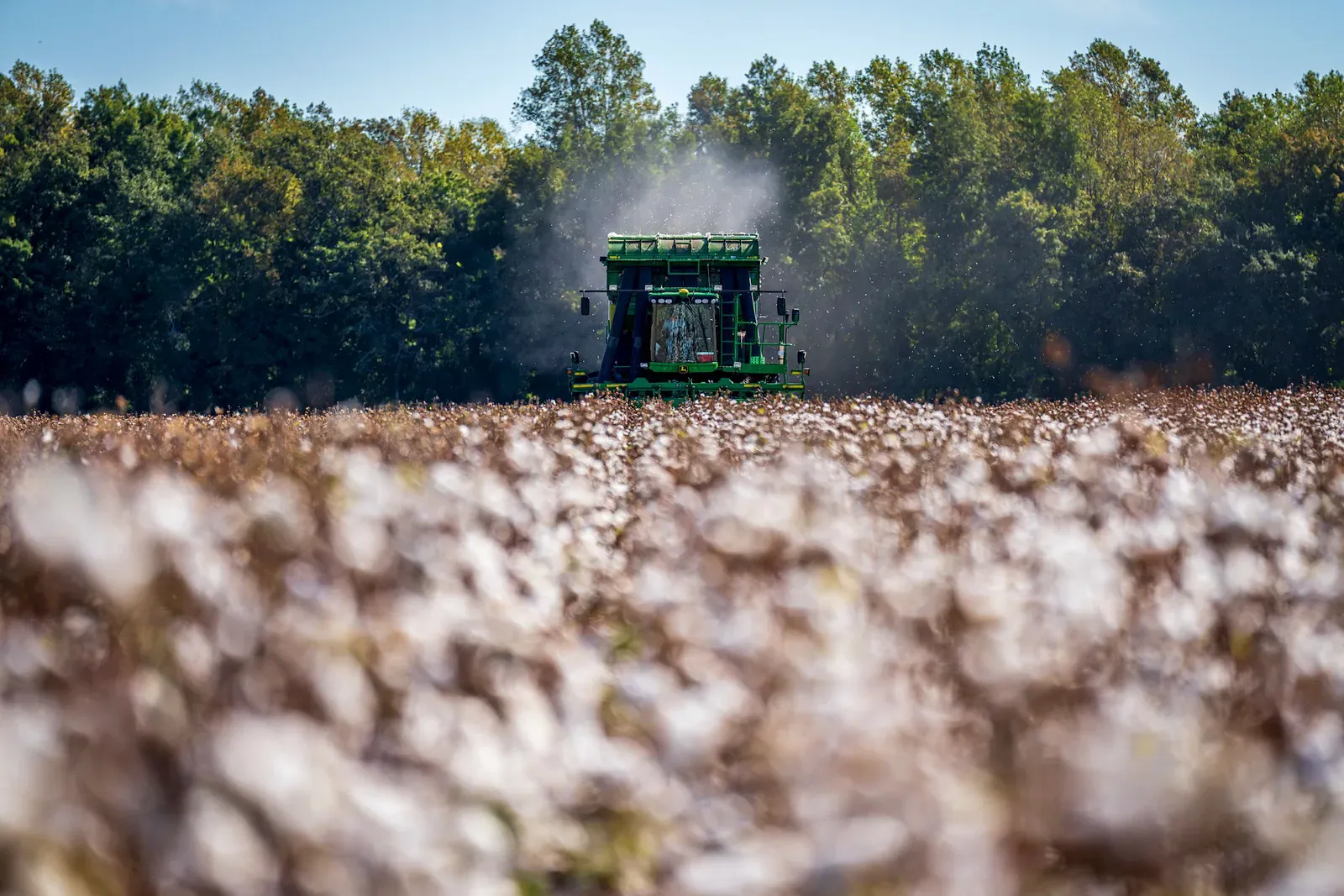
Hollers belonged to cotton, rice and sugar plantations, to levee and railway gangs and to turpentine camps, not to one crop. The singer was alone, even when others were near. A cry from one field could be answered by a laborer in another, so the holler worked as speech across distance as well as song. Text was improvised or missing: cries for water and food, remarks on the day, religious feeling, or quiet insults aimed at overseers.
Plantation cries, 1800-1865
Nothing survives in sound from this period, so its picture comes from observers and from later practice. The solo shout differed from the collective work song, where a leader called and a group answered in time with the labor. The two forms lived side by side and fed each other. Corn-field hollers, water calls and whoops were names for different uses of the same voice.
The holler also sits close to the call and response of the spirituals. Singers developed melisma, many pitches on a single syllable, and the falsetto break, a jump into the head voice at the end of a phrase. Both survive in gospel and in blues singing.
Sharecropping, levee and prison camps, 1866-1932
Emancipation ended slavery but not the field work. Sharecroppers on Southern farms, laborers on levees and on railway gangs, and prisoners forced to work under vagrancy laws kept the holler going. The levee camp holler became a named type, a long melismatic line sung by the men who built and repaired the levees along the Mississippi.
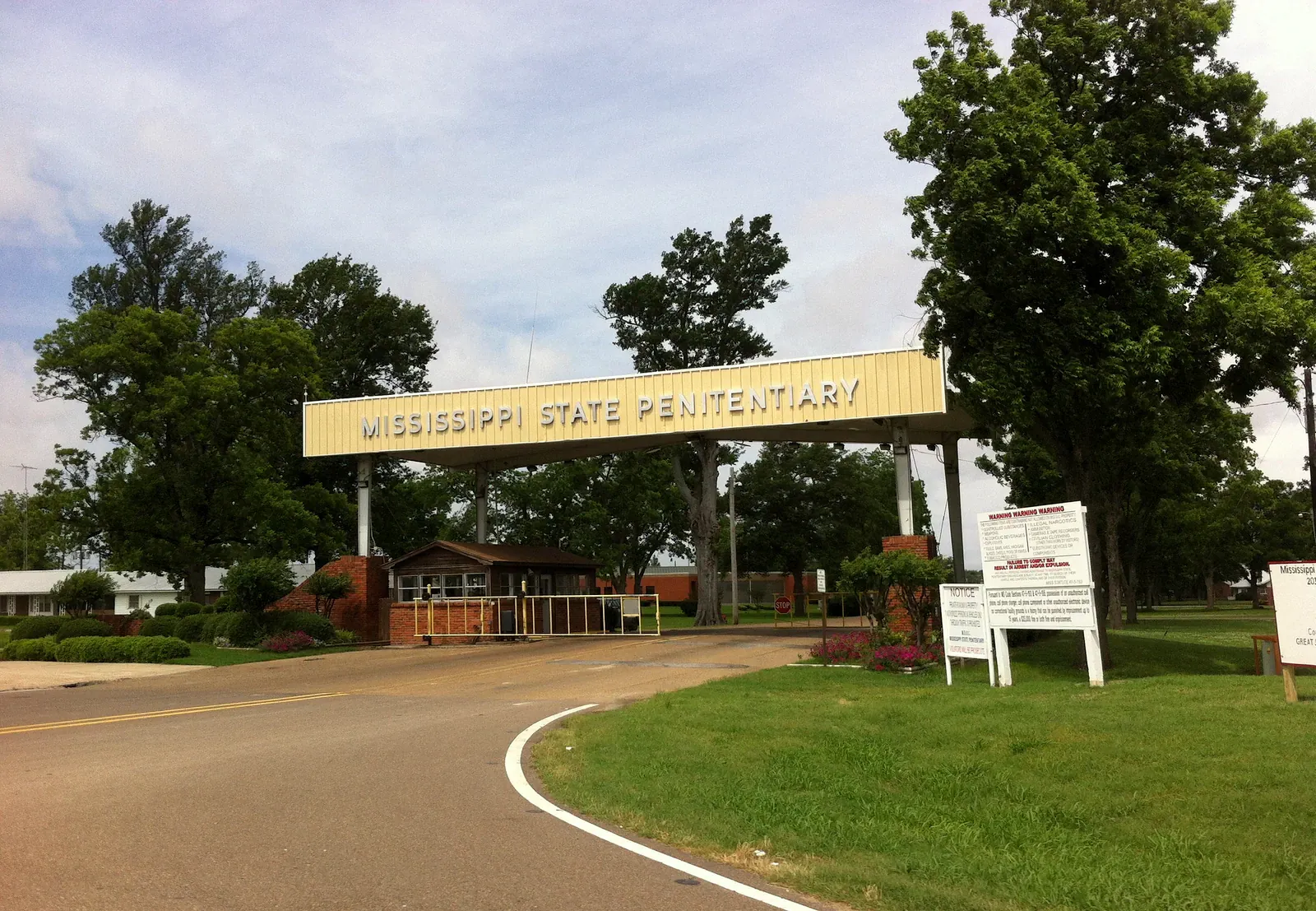
The Mississippi State Penitentiary, called Parchman Farm, opened in 1901 with four stockades and was built largely by prisoners. In its fields work chants and hollers continued for decades.
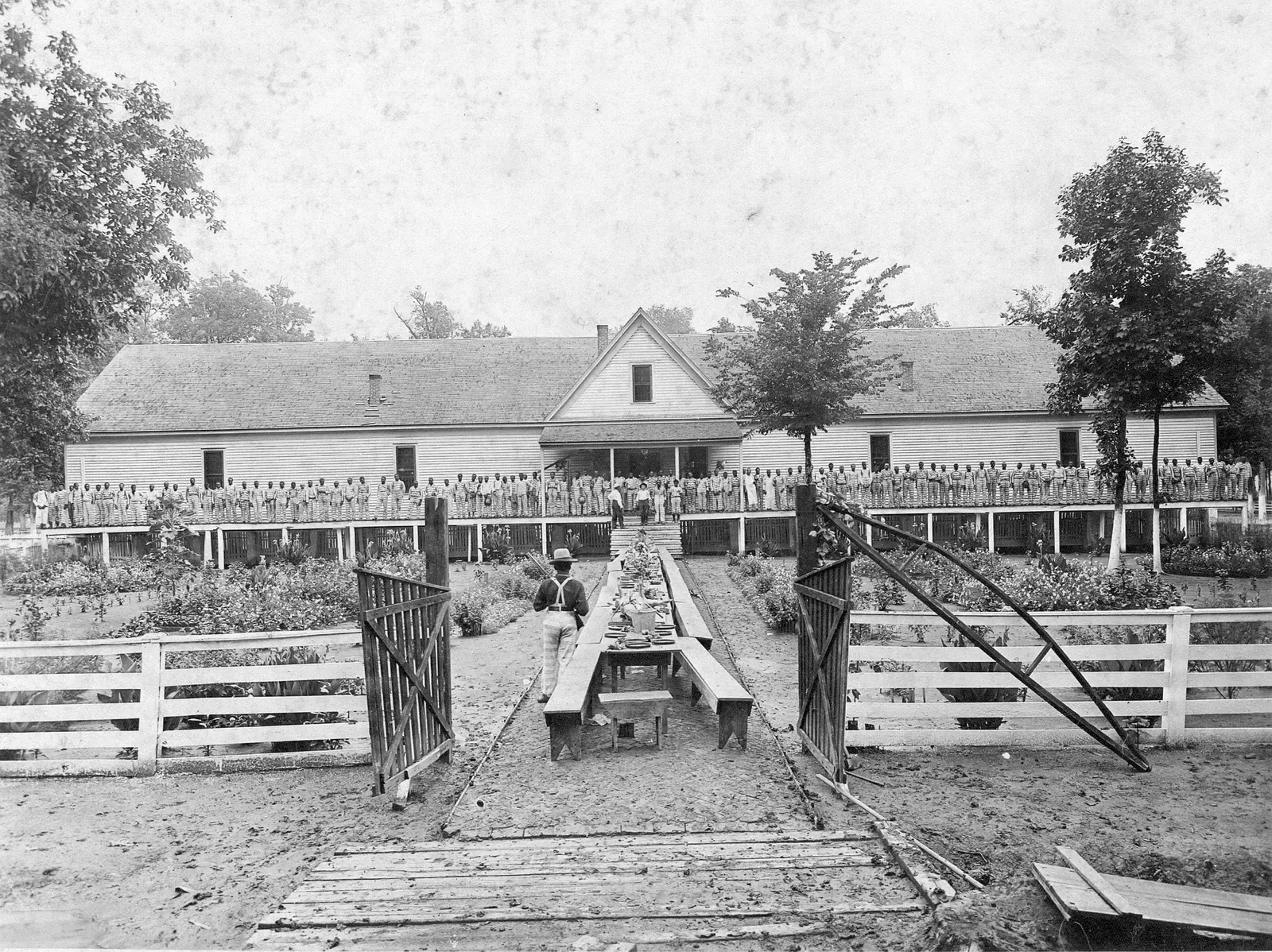
The first records of the blues carried the holler’s manner. Texas Alexander cut “Levee Camp Moan Blues” for OKeh in 1927. Alexander played no instrument and sang in the free rhythm of work songs, which left his accompanists, among them Lonnie Johnson, to follow him. Johnson answered the voice with guitar lines rather than a steady beat. In the same year the harmonica player Jaybird Coleman recorded “Mistreatin’ Mama”, a blues often cited for its strong ties to the holler.
Field recordings, 1933-1959
The record companies wanted blues, not hollers, so the hollers reached disc only through folklorists. In 1933 John Lomax and his son Alan began recording trips for the Library of Congress archive of folk song. They worked with a phonograph borrowed from the library and recorded in Southern prisons, including Parchman Farm and a Louisiana penitentiary where Lead Belly was held.
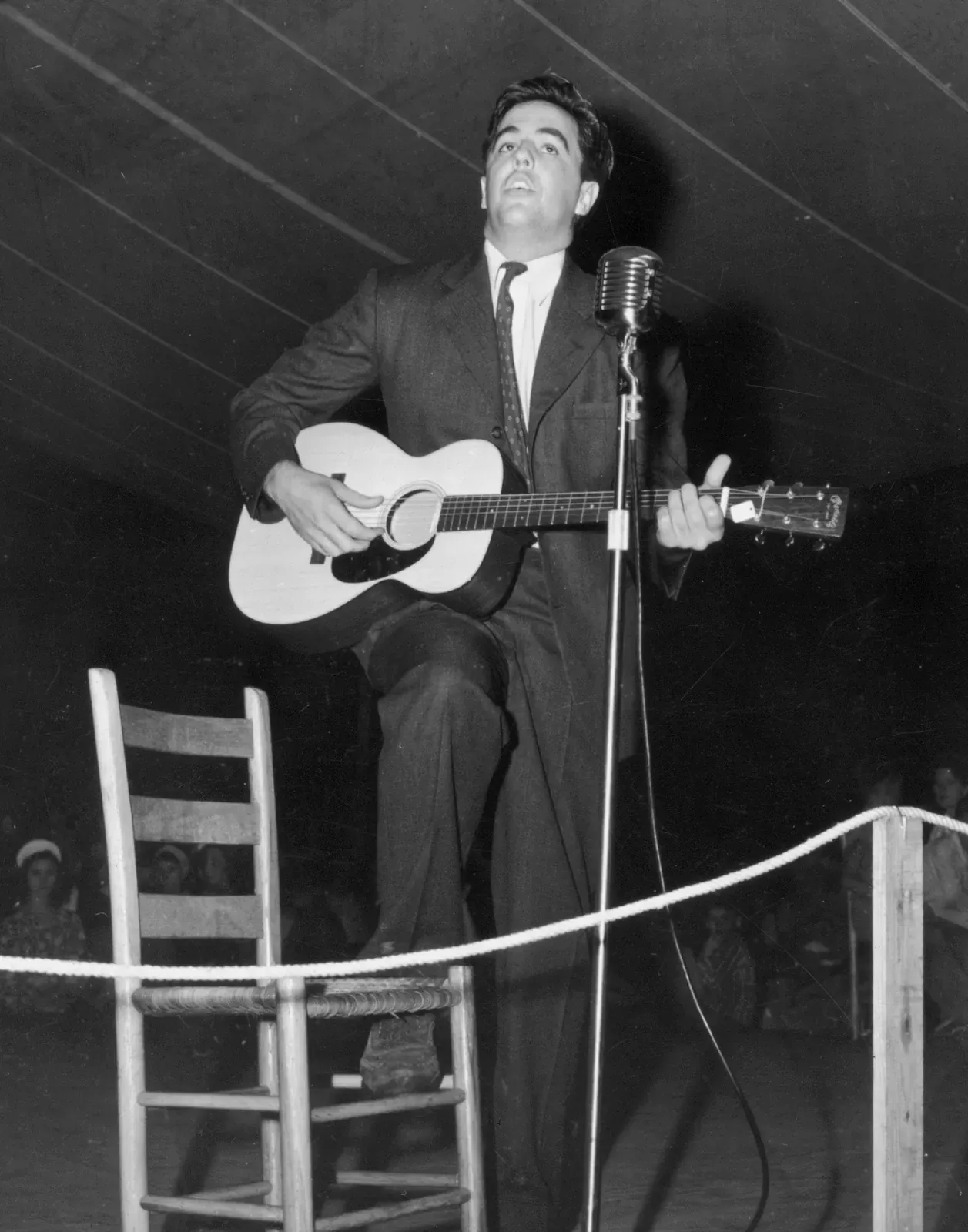
Alan Lomax returned to Parchman in 1947 and 1948 and again in 1959. In 1947 he recorded W. D. Stewart, called Bama, in a levee camp holler that is among the best-known examples of the type: a long, wandering melisma with syllables stretched over many notes. A selection of these recordings came out on the LP “Negro Prison Songs” in 1958, issued by the Tradition label.
Characteristics
A holler has no steady beat and no set form. A singer opens with a cry, holds a line of melismatic syllables, breaks into falsetto and falls to a low close, with each phrase set by the singer’s breath. The pitch wavers and bends instead of landing on fixed notes. Texts are wordless, or made up in the moment around work, thirst, hunger, home or God.
Metered recordings that descend from the tradition, such as Lead Belly’s boasting cotton song “Pick a Bale of Cotton”, sit at about 70 to 120 beats per minute, but the holler itself is free. The sound sheet above records the tuning, techniques and vocal manner.
Instruments and production
The form is unaccompanied voice. In blues versions a guitar follows rather than leads, as in Alexander’s recordings, and harmonica players imitated holler phrasing. No studio technique is tied to the form: the evidence is on field recordings, cut to disc in prisons and farms with equipment carried in a car.
Culture
Corn-shucking jubilees were plantation gatherings at which neighbors came together to work and sing. Hollers marked the edges of this social world, the voice that filled the gap between workers and told others where one stood. Parchman was a hard place: the singers there called out the chants and the songs of their own experience, and Lomax later wrote that the prisoners he recorded were the source of the finest music he had heard in his country.
Legacy
The holler is regarded as a forerunner of the call and response of spirituals and gospel, and ultimately of jug bands, stride piano, the blues, rhythm and blues and jazz. Country blues singers such as Charley Patton, whose 1929 record “Screamin’ and Hollerin’ the Blues” appeared on Paramount, gave the shout a place in the blues, and Bukka White’s “Parchman Farm Blues” of 1940 turned the penitentiary itself into a song.
Mechanization and changes in prison labor ended the holler as a working practice, but not as sound. Rounder reissued Lomax’s Parchman recordings in two volumes in 1997, and Dust-to-Digital published a box of photographs and field recordings from 1947 to 1959 in 2014. A white tradition of hollering also exists, and a National Hollerin’ Contest has been held in Sampson County, North Carolina, every year since 1969. The Smithsonian Folkways catalogue holds Lead Belly’s recordings, among them “Pick a Bale of Cotton”.
Misconceptions
The holler is often confused with the work song. A work song is collective, with a leader calling and a group answering in time with the labor; the holler is sung alone, though others might answer from afar.
Another view ties hollers to cotton alone. They were also sung by levee workers, rice and sugar hands, railway gangs and turpentine camp laborers.
A third says that hollers were recorded as slavery ended. Printed songbooks of enslaved people appeared in 1867, but the first recordings of hollers date from the 1930s, and no earlier examples are known.
Frequently asked questions
What is a field holler?
A field holler is a solo, unaccompanied shout sung by African American field workers in the South, in free rhythm with a rising and falling line and falsetto breaks.
What is the difference between a field holler and a work song?
A field holler is sung by one person, while a work song is collective and usually uses call and response to keep a group working in time.
Where did the field holler come from?
It grew out of the vocal traditions of West Africa, with possible Islamic influence, among enslaved people on Southern plantations in the early nineteenth century.
How did the field holler shape the blues?
Its melisma, wavering pitch, free phrasing and falsetto passed into early blues singers such as Texas Alexander and Charley Patton, and it is counted among the blues’ vocal ancestors.
Are field hollers still sung?
As a working practice they have largely ended, but archive recordings survive and a National Hollerin’ Contest has been held in North Carolina since 1969.
Sound
Sound sheet
Anatomy of a track
| # | Part |
|---|---|
| 1 | Opening cry |
| 2 | Sustained melismatic line |
| 3 | Falsetto break |
| 4 | Fall to a low close |
Signature sounds
- Solo voice with no accompaniment
- Wordless or improvised text
- Falsetto breaks
- Cry carried across a distance
Techniques
- Melisma
- Falsetto break
- Wavy intonation
- Free rhythm
- Improvised text
Tuning
Unaccompanied voice with no fixed temperament, wavering intonation and bent pitches
Vocals
Solo, loud and unaccompanied, in chest voice rising into falsetto, sometimes wordless, with melismas and improvised lines.
Scenes
Where it happened
Where and when the sound lived: one bar per city on a shared timeline.
North America
Active scenes
Peak 4, 1969-2025
Mississippi State Penitentiary in the Delta, where Lomax recorded work chants and levee camp hollers in 1933, 1947 and 1959.
Louisiana penitentiary where John and Alan Lomax recorded Lead Belly in 1933.
Home of the Library of Congress archive of folk song that stored the recordings.
Seat of Sampson County, North Carolina, home of the National Hollerin' Contest.
Venues and places
Parchman, 1901 to today. Mississippi prison farm where Lomax recorded levee camp hollers in 1933, 1947 and 1959.
Culture
Culture markers
- Whoops and water calls
Field hollers were also known as corn-field hollers, water calls and whoops.
Slang - Corn-shucking jubilees
Plantation gatherings where communities sang while shucking corn and rolling logs.
Ritual - Answering across fields
A lone caller's holler might be answered by another laborer in a distant field.
Ritual - National Hollerin' Contest
An annual contest held in Sampson County, North Carolina since 1969.
Ritual
Media
Key media
- 1867Slave Songs of the United States
by Allen, Ware and Garrison. The first printed collection of songs of enslaved Black Americans.
Book - 1958Negro Prison Songs
by Various. Lomax's Mississippi State Penitentiary recordings on LP.
Compilation - 1997Prison Songs, Vol. 1: Murderous Home
by Various. Rounder's CD edition of Lomax's Parchman recordings of 1947 and 1948, including Bama's holler.
Compilation - 2014Parchman Farm: Photographs and Field Recordings, 1947-1959
by Various. Dust-to-Digital set pairing Lomax's photographs with the field recordings.
Compilation
Glossary
Terms on this page
A name for the field holler tied to corn and cotton fields.
A sudden jump into the high head voice at the end of a shouted phrase.
A solo, unaccompanied cry sung while working in the fields, also called a field call.
A long, melismatic holler sung by laborers building and repairing levees.
Singing many notes on one syllable, common in hollers.
A holler used to ask for water, one of the practical uses of the form.
Blues family