Punk blues
Punk blues fuses punk rock's speed and abrasion with blues forms and slide guitar, from the Gun Club in 1981 to the White Stripes and the Black Keys.
Los Angeles, 1981
Blues family
Born
1981
Los Angeles
Links
10
Genres it drew on or shaped
Tempo
95-180 BPMLineage
Family tree
Grew out of
Influenced by
Los Angeles, 1981
Punk blues
Timeline
Era by era
From the first sparks to today. Select a dot to read the story behind it.
- First fusions, Los Angeles to Detroit
1980 to 1990
- Garage-blues underground
1991 to 1996
- Duos and the garage revival
1997 to 2006
- After the peak
2007 to 2011
Eras
Moments
- 1 First fusions, Los Angeles to Detroit, 1980 to 1990
- 2 Garage-blues underground, 1991 to 1996
- 3 Duos and the garage revival, 1997 to 2006
- 4 After the peak, 2007 to 2011
1980
First fusions, Los Angeles to Detroit
The Gun Club, Pussy Galore and the Gories pushed blues through punk and garage noise in Los Angeles, New York and Detroit, mostly on small labels.
- 1980Creeping Ritual becomes the Gun ClubJeffrey Lee Pierce's band takes its name in April 1980 and goes on to blend punk with blues, voodoo and country imagery.
- 1981Fire of LoveThe Gun Club's debut appears on 31 August 1981 on Ruby Records, a division of Slash, and is later cited as the landmark album of the style.
- 1982MiamiChris Stein of Blondie produces the Gun Club's second album, with Debbie Harry on backing vocals.
- 1984Pussy Galore forms at Brown UniversityJon Spencer and Julia Cafritz start a noise-blues band that later moves to New York and runs until 1990.
- 1986The Gories form in DetroitMick Collins, Dan Kroha and Peggy O'Neill teach themselves to play and start a blues-heavy garage trio.
- 1989Houserockin'The Gories release their debut album, which includes overt blues influences rare in 1980s garage punk.
- 1990I Know You Fine, But How You Doin'The Gories record their second album with Alex Chilton producing.
1991
Garage-blues underground
The Jon Spencer Blues Explosion and the Oblivians built a touring circuit of blues-drenched garage punk, with Matador giving the first a wider audience.
- 1991Jon Spencer Blues Explosion form in New YorkSpencer, Judah Bauer and Russell Simins, who had played together in the Honeymoon Killers, start a three-piece after Pussy Galore ends.
- 1992The Gories splitThe Detroit trio break up after a European tour; they reunite in 2009.
- 1993Oblivians start in MemphisGreg Cartwright, Jack Yarber and Eric Friedl form a trio with no bass player in which each member sings and swaps instruments.
- 1993Extra WidthThe Jon Spencer Blues Explosion release their second album on Matador in June 1993.
- 1996A Ass Pocket of WhiskeyThe Jon Spencer Blues Explosion record with the Mississippi bluesman R.L. Burnside at Holly Springs in February 1996.
1997
Duos and the garage revival
The White Stripes and the Black Keys, two-piece bands from Detroit and Akron, carried raw blues riffs into the charts of the early 2000s.
- 1997The White Stripes play their first showJack and Meg White debut at the Gold Dollar bar in Detroit on Bastille Day 1997.
- 2001White Blood CellsThe White Stripes' third album comes out in July 2001 and wins critical praise in the UK and then the US after a major-label reissue.
- 2003Elephant and Seven Nation ArmyThe album reaches number six in the US and tops the UK chart, and the song wins the 2004 Grammy for Best Rock Song.
2007
After the peak
The White Stripes went on hiatus and disbanded, the Gories and Oblivians reunited, and the Black Keys reached a mass audience.
- 2009Gories and Oblivians reuniteThe two bands co-headline a European reunion tour.
Listening path
Start listening
A short path from an easy way in to the deep end. Thumbnails come from YouTube; the player loads only when you press play.
- 01
The White Stripes, 2003
The pitch-shifted guitar riff over a minimal drumbeat that took two-piece blues punk to the top of the charts.
- 02
The White Stripes, 2001
A two-minute blast of fuzz guitar and pounding drums from White Blood Cells.
- 03
The Jon Spencer Blues Explosion, 1994
Opening track of Orange, with string arrangement and Spencer's shouted vocal over grinding riffs.
- 04
The Black Keys, 2003
A thick, fuzzy riff recorded in a single basement session, and a model of the duo format.
Facts
| Family | Blues |
| Origin | Los Angeles, United States |
| Emerged | Early 1980s; peak early to mid 1990s |
| Status | Active |
| Tempo | 95 to 180 BPM |
| Meter | 4/4 |
Punk blues, also called blues punk, is a fusion of punk rock’s speed, volume and abrasion with the forms and slide-guitar vocabulary of the blues.
It began in Los Angeles in the early 1980s, grew into a touring underground in the 1990s, and reached the charts in the early 2000s through two-piece bands such as the White Stripes. It sits in the blues family beside its relatives garage rock and punk rock.
Origins
Before punk existed, bands such as the MC5, the Stooges, the Rolling Stones, the Who, the Sonics, Captain Beefheart and the New York Dolls already treated American blues as raw material, and the garage rock of the mid-1960s supplied the amateur attack. Chet Weise of the Immortal Lee County Killers called punk blues just a bit turned up and a bit faster.
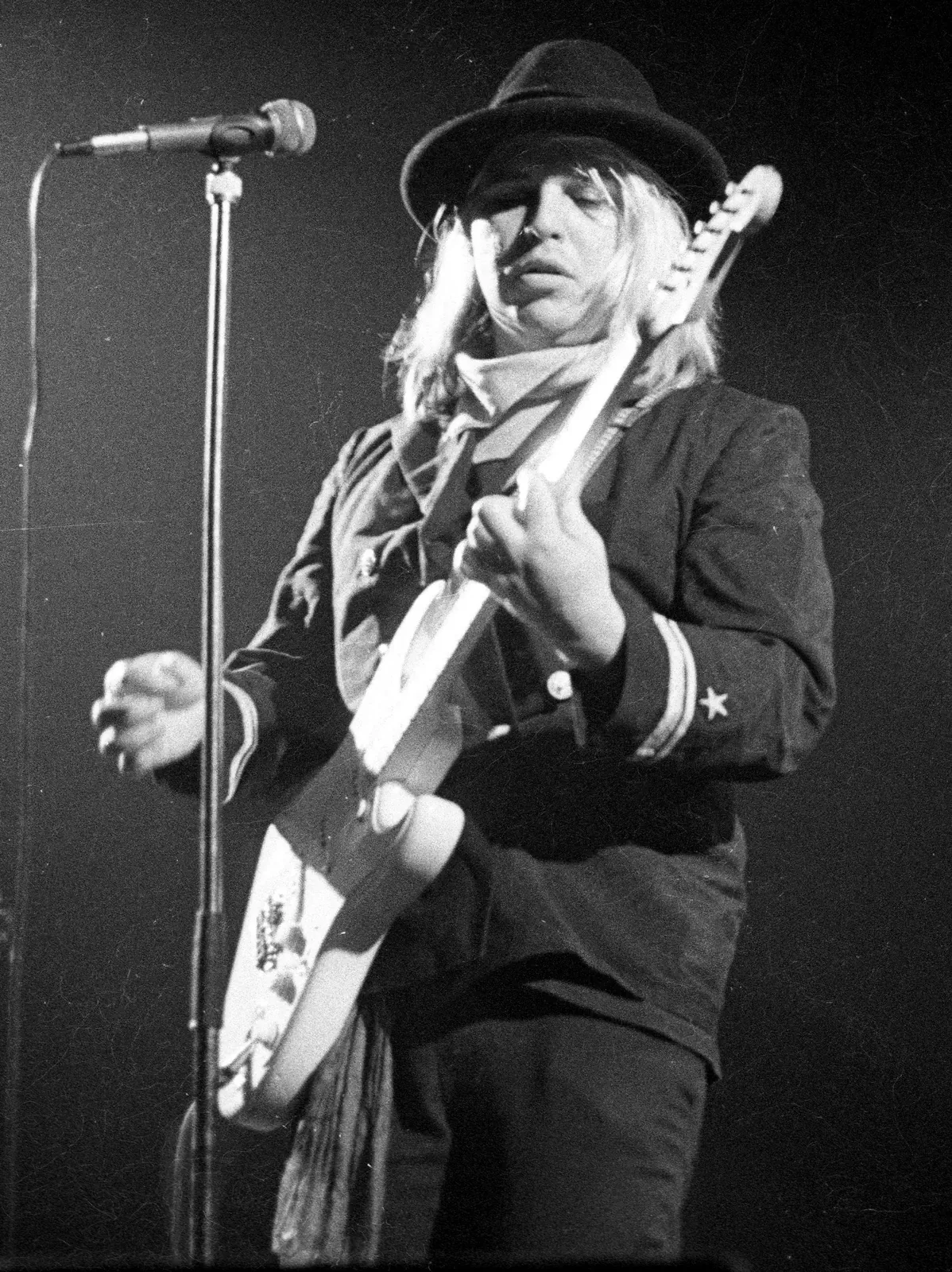
The first band to join the two on record was the Gun Club, formed in Los Angeles by Jeffrey Lee Pierce, a former head of the city’s Blondie fan club. His first line-up, Creeping Ritual, took the name Gun Club in April 1980 on a suggestion from Keith Morris of the Circle Jerks. John Doe of X said Pierce had invented a new style by mixing the two idioms.
Los Angeles, New York and Detroit, 1980-1990
The Gun Club’s debut, Fire of Love, appeared on 31 August 1981 on Ruby Records, a division of Slash, produced by Tito Larriva of the Plugz and Chris D. of the Flesh Eaters. Miami followed in 1982 with Chris Stein of Blondie producing and Debbie Harry on backing vocals.
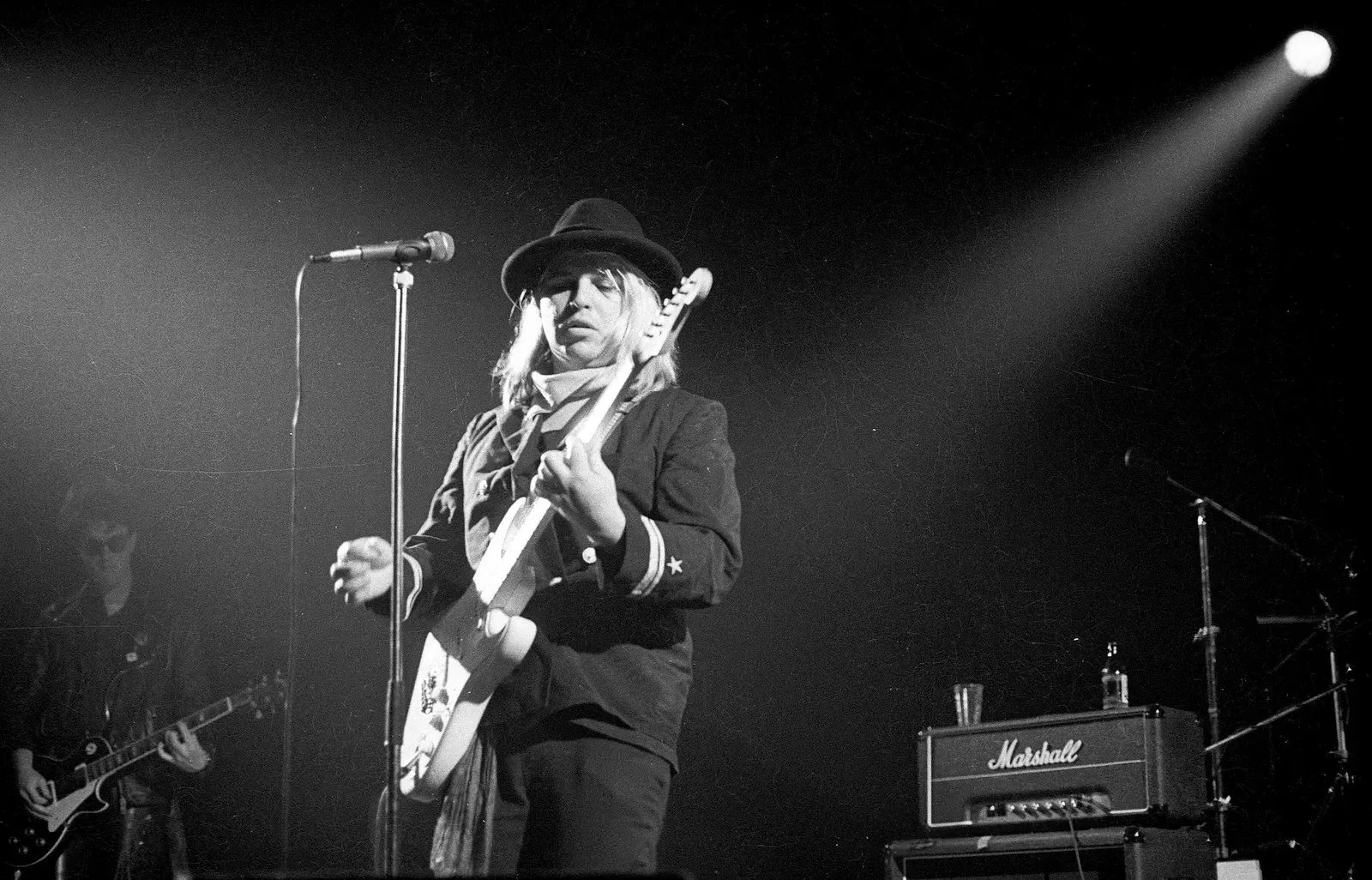
Elsewhere the fusion arrived through noise. Jon Spencer started Pussy Galore at Brown University in 1984, and the band, an irreverent experimental blues rock group, ran until 1990 with Spencer as its only constant member. In Detroit, Mick Collins, Dan Kroha and Peggy O’Neill formed the Gories in 1986 and taught themselves to play. Their debut Houserockin’ came out in 1989, and Alex Chilton produced the second album in 1990. They were among the first 1980s garage bands to show overt blues influence, and they broke up in 1992.
The garage-blues underground, 1991-1996
Spencer formed the Jon Spencer Blues Explosion in New York in 1991 with guitarist Judah Bauer and drummer Russell Simins, all veterans of the Honeymoon Killers. Extra Width, recorded in Memphis and New York, was released on Matador in June 1993, and Orange followed in October 1994. The band toured with Beck in 1994 and with the Beastie Boys and the Roots in 1995.
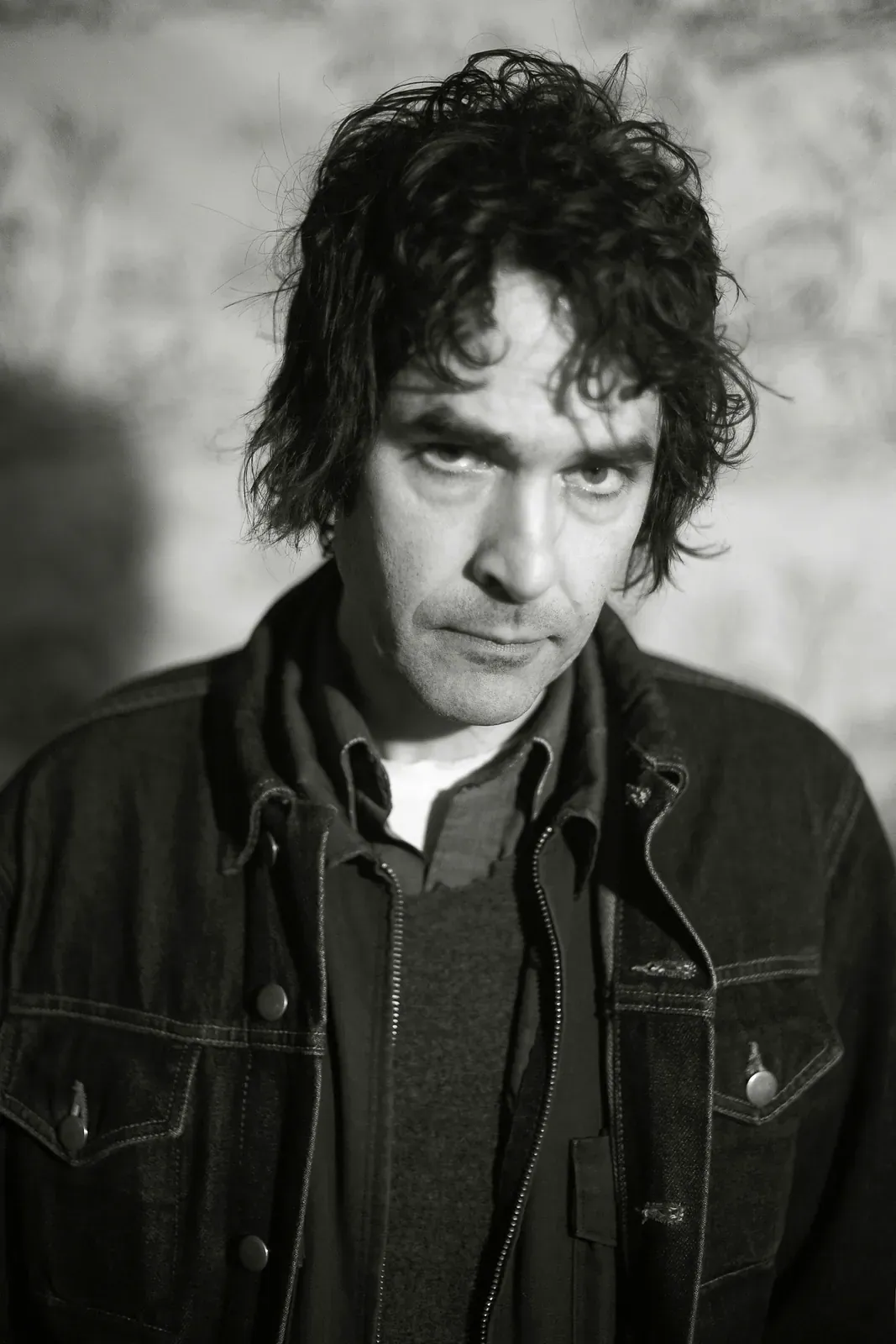
In February 1996 the group went to Holly Springs, Mississippi, to record A Ass Pocket of Whiskey with the hill country bluesman R.L. Burnside and guitarist Kenny Brown.
Memphis produced its own variant. The Oblivians formed in 1993 as a trio with no bass player and no bass drum, in which Greg Cartwright, Jack Yarber and Eric Friedl each sang and each played guitar and drums. They split in 1998 after four albums.
Duos and the garage revival, 1997-2006
Jack and Meg White played their first concert as the White Stripes at the Gold Dollar bar in Detroit on Bastille Day 1997, two months after Meg started learning drums. They came up beside the Gories and the Dirtbombs and cited the Gories and the Gun Club as influences. After two 1998 singles pressed in runs of 1,000 on Italy Records, they signed in 1999 to Sympathy for the Record Industry, which released their debut that June. It was dedicated to the Delta bluesman Son House. De Stijl followed in 2000, recorded on 8-track tape in Jack’s living room.
White Blood Cells, released on 3 July 2001, brought wide success once a major label reissued it in 2002, and Rolling Stone’s September 2002 cover declared that rock was back. Elephant followed in 2003, recorded in two weeks at Toe Rag Studios in London.
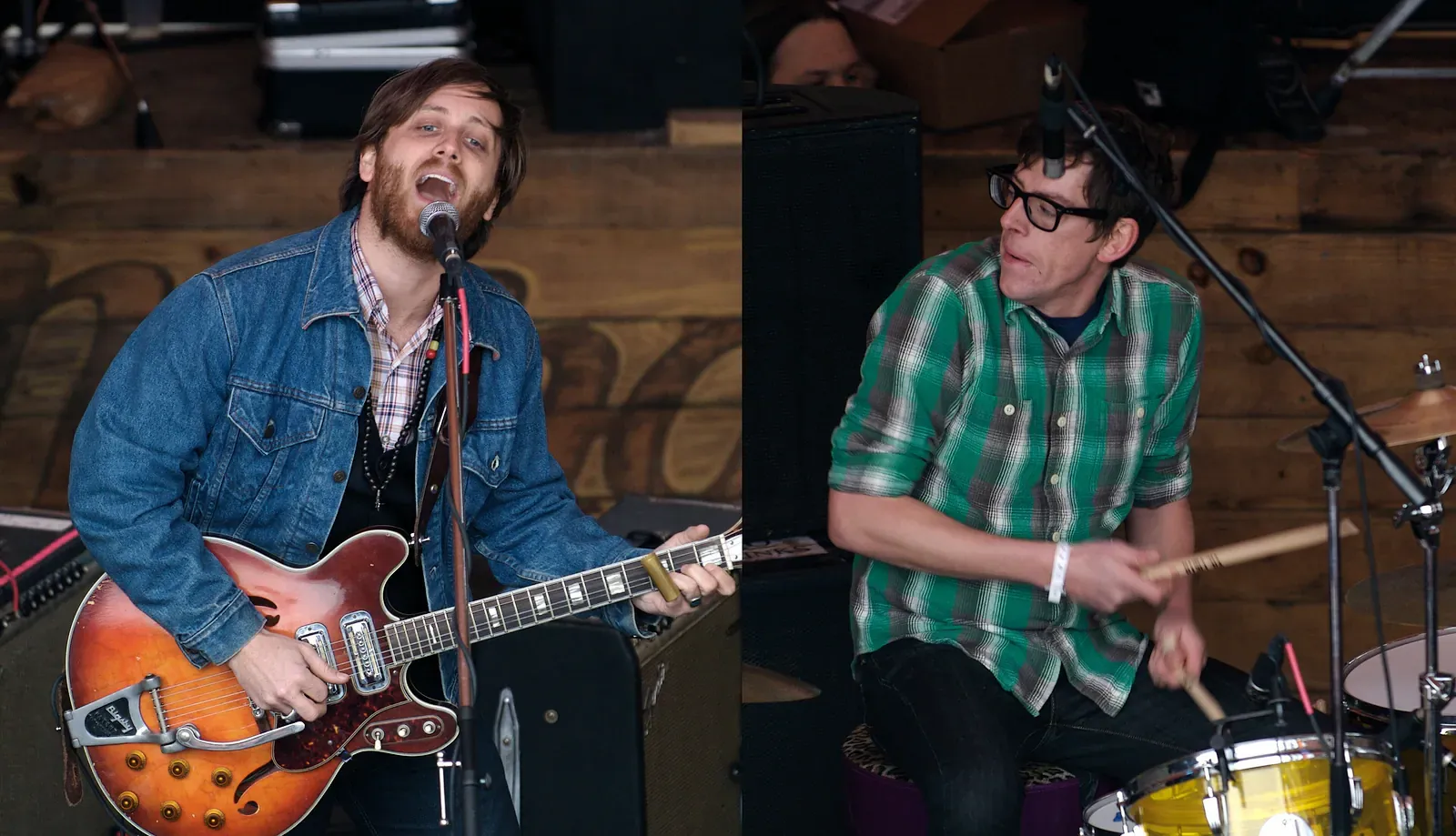
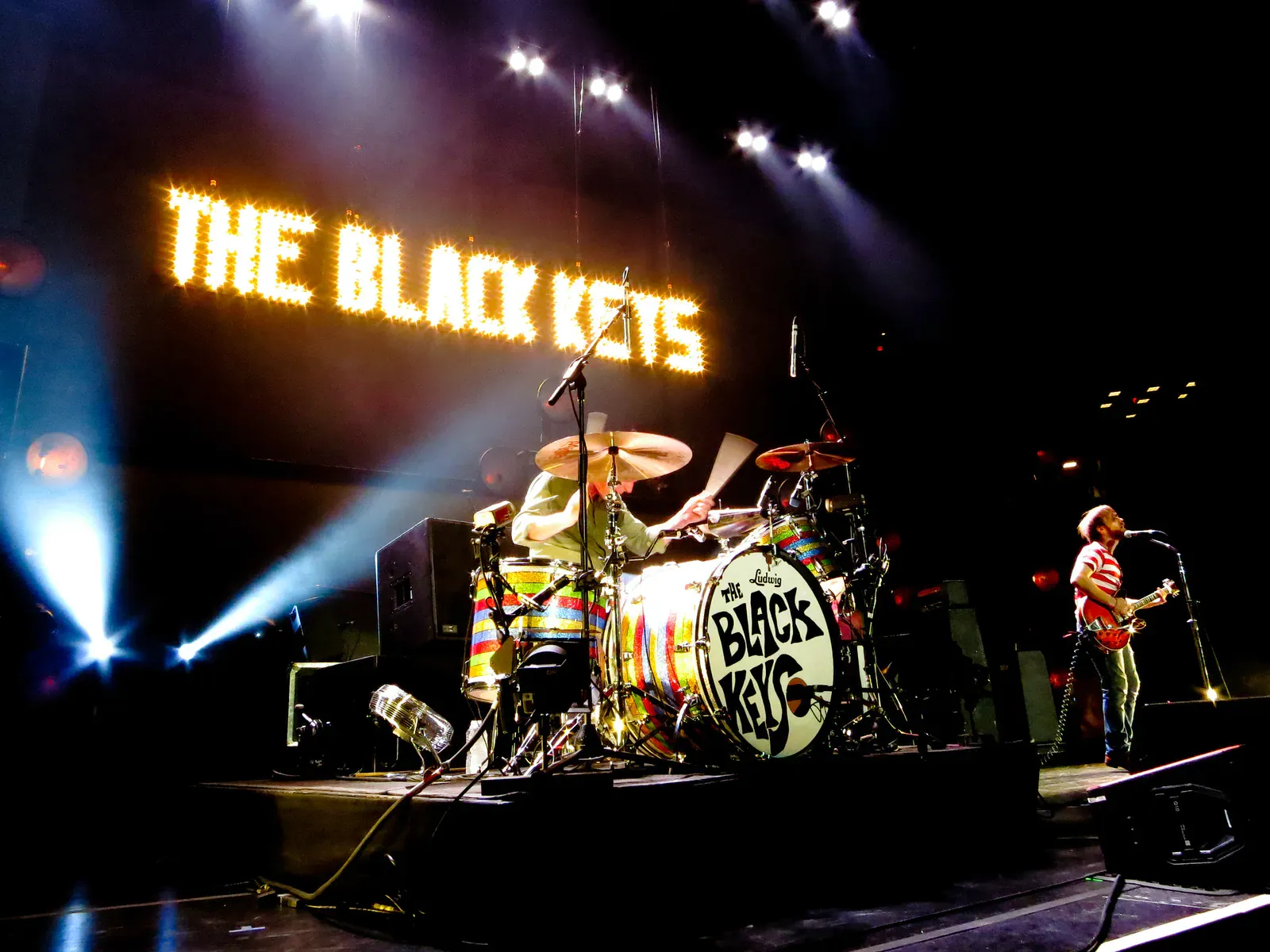
Another duo took a similar path from Akron, Ohio. Dan Auerbach and Patrick Carney formed the Black Keys in mid-2001 after a basement demo. Their debut, The Big Come Up, was recorded on 8-track in Carney’s basement and mixed originals with covers of Muddy Waters, Junior Kimbrough and R.L. Burnside. Thickfreakness was made in one 14-hour session and released by Fat Possum in April 2003.
After the peak, 2007-2011
The White Stripes went on hiatus after Icky Thump and disbanded in 2011, while the Black Keys reached a mass audience with Brothers in 2010. The Gories and the Oblivians co-headlined a European reunion tour in 2009, and Spencer’s trio kept recording until it split in 2018.
Characteristics
Punk blues keeps the structure of the blues and drops its polish. Songs rest on repeated riffs, shouted or howled vocals and hard-hit drums, and the guitar is distorted, with slide lines taken from Delta and hill country players. Line-ups are small, often duos or trios. Production is deliberately rough: live takes, basement tape machines and old gear are part of the sound.
Instruments and production
Jack White favoured 1960s amplifiers and pedals, including a Big Muff Pi distortion pedal, and used a DigiTech Whammy to reach pitches a guitar cannot normally play, which is how the bass-register line of “Seven Nation Army” was made. He also played in several open tunings. The Oblivians dropped the bass drum altogether, Spencer added theremin to his guitar, and Bauer played harmonica. De Stijl and The Big Come Up went to 8-track tape at home, and Elephant used gear from before 1960.
Mainstream success
For most of its first two decades punk blues stayed on small independent labels. Matador and a 1994 slot on The Jon Stewart Show gave the Blues Explosion a wider audience. The larger crossover came with the White Stripes. Elephant went to number six in the United States and number one in Britain, and “Seven Nation Army” topped the Billboard rock charts and won the 2004 Grammy for Best Rock Song.
Jack White later built his own label, Third Man, and the White Stripes had released early work on Sub Pop.
Notable recordings
Fire of Love set the template: Pierce shouting over a rhythm section pushed to punk speed, with blues-derived guitar and voodoo imagery. Its influence ran to Jack White, who asked why songs such as “Sex Beat” were not taught in schools.
“Bellbottoms”, the opening track of Orange, shows the Blues Explosion method: a string arrangement by Kurt Hoffman over grinding guitar and Spencer’s shouted vocal, a deliberate collision of noise and soul.
“Seven Nation Army” is built from a riff on a pitch-shifted guitar, a minimal drumbeat and distorted vocals. It peaked at number 76 on the Billboard Hot 100 but outlived its chart run, as fans sing the riff at sporting events, including the 2018 FIFA World Cup.
Culture
Punk blues has no single dance or dress code, but it has strong habits of self-reliance. Pussy Galore released its early records on Spencer’s own Shove Records label, and the Oblivians swapped instruments within a single set. The White Stripes built a visual identity of red, white and black borrowed from the Dutch De Stijl movement.
Legacy
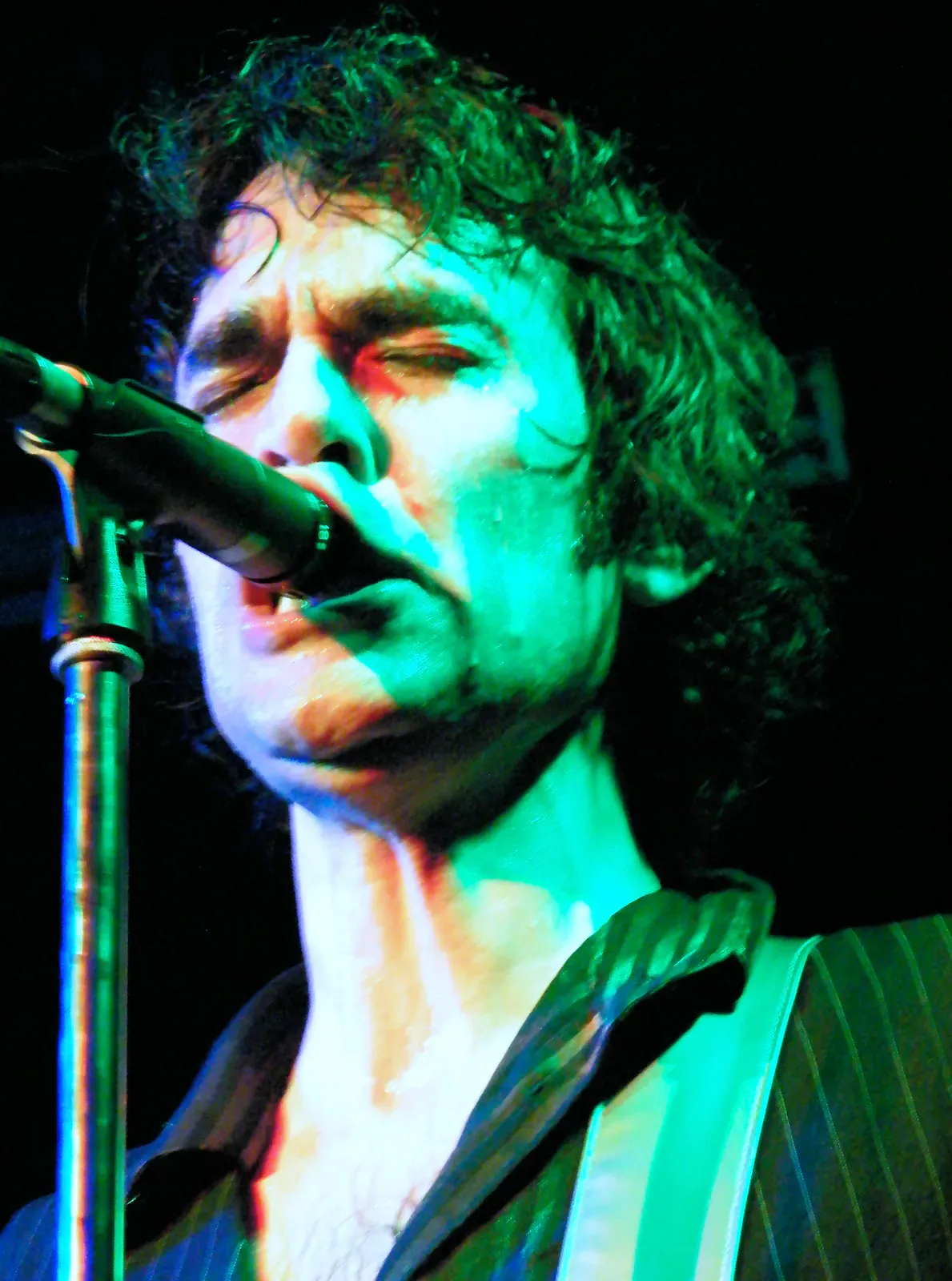
The style fed straight into the garage rock revival of the early 2000s, when the White Stripes were counted with the Strokes and the Hives as leaders of a new garage rock revolution. The Rock and Roll Hall of Fame inducted the White Stripes in 2025, saying they brought the blues into the twenty-first century with two people. The Black Keys carried the same raw approach toward blues rock,.
Misconceptions
One claim is that punk blues began with the White Stripes. Fire of Love came out in 1981, and the Gories and Pussy Galore pre-date the 2001 breakthrough. The White Stripes took an established underground to the charts and named the Gun Club and the Gories as influences.
Another is that the style requires a duo. The format is associated with the White Stripes and the Black Keys, but the Gun Club changed line-up around Pierce, and the Blues Explosion and the Oblivians were trios.
A third is that punk blues and blues rock are the same thing. Blues rock plays blues material with rock instrumentation, while punk blues keeps the speed, noise and amateur attack of punk.
Frequently asked questions
What is punk blues?
Punk blues is a fusion of punk rock and blues that joins punk’s speed and distortion to blues riffs and slide guitar. It began with the Gun Club in Los Angeles in the early 1980s and was carried by the Jon Spencer Blues Explosion, the Oblivians and the White Stripes.
Who invented punk blues?
The Gun Club, led by Jeffrey Lee Pierce, are usually named as the first band to blend the two styles on record, on their 1981 album Fire of Love.
What is the difference between punk blues and blues rock?
Blues rock plays blues forms with rock instrumentation, while punk blues plays them with punk’s speed and rawness, usually in small line-ups with lo-fi recording.
Is the White Stripes a punk blues band?
The White Stripes are usually counted among the main punk blues acts of the 2000s, thanks to their blues-based, stripped-down duo sound and their debt to Son House and the Gun Club.
Sound
Sound sheet
Signature sounds
- Riff-driven guitar over minimal drums
- Distorted slide or pitch-shifted guitar lines
- Lo-fi analog or live-in-the-studio recording
- Two- or three-piece line-up, often without bass
Techniques
- Slide guitar
- Octave-shifted riffs
- Instrument swapping
- Live or analog recording
Keys and modes
Minor pentatonic and blues scale. Riffs borrow the scales of electric and Delta blues.
Tuning
Standard tuning, plus open tunings for slide, as Jack White used
Vocals
Shouted, howled and shared between members
Scenes
Where it happened
Where and when the sound lived: one bar per city on a shared timeline.
North America
Active scenes
Peak 5, 2001-2025
Home of the Gun Club, whose 1981 debut gave the style its first landmark album.
Base of Pussy Galore and then the Jon Spencer Blues Explosion.
The Gories started here, and the White Stripes grew out of the same garage circuit.
The Oblivians' hometown, and where the Blues Explosion recorded parts of Extra Width and Now I Got Worry.
Dan Auerbach and Patrick Carney formed the Black Keys here and recorded in Carney's basement.
Culture
Culture markers
- Red, white and black palette
The White Stripes' look came from the Dutch De Stijl movement and shaped the De Stijl album cover.
Fashion - Instrument swapping
The Oblivians' three members each sang and played guitar and drums, swapping instruments within a set.
Ritual - Stadium chant
Fans sing Seven Nation Army's riff at sporting events, including the 2018 FIFA World Cup.
Ritual
Media
Key media
- 2004Under Blackpool Lights
by Dick Carruthers. Concert film of the White Stripes shot entirely on Super 8.
Film
Glossary
Terms on this page
Jon Spencer's trio name, also used for their loose, shouted mix of punk, soul and blues.
Early-2000s wave of raw guitar bands, including the White Stripes, that the press labelled a new garage rock revolution.
Mississippi style of R.L. Burnside and Junior Kimbrough that the Blues Explosion and the Black Keys recorded with or covered.
Deliberately rough recording on cheap or vintage gear, such as basement 8-track tape.
A guitar-and-drums duo with no bass player, the format of the White Stripes and the Black Keys.
Blues family