Soul blues
Soul blues joins blues forms with gospel-trained soul singing and horns, developed in the American South from the late 1960s for mainly Black audiences.
Memphis, 1968
Blues family
Born
1968
Memphis
Links
13
Genres it drew on or shaped
Tempo
80-140 BPMLineage
Family tree
Grew out of
Influenced by
Memphis, 1968
Soul blues
Timeline
Era by era
From the first sparks to today. Select a dot to read the story behind it.
- Duke and Checker blues-soul
1951 to 1967
- Stax, Memphis and the crossover years
1968 to 1978
- Malaco and the blues revival
1979 to 1994
- Southern soul-blues market
1995 to today
Eras
Moments
- 1 Duke and Checker blues-soul, 1951 to 1967
- 2 Stax, Memphis and the crossover years, 1968 to 1978
- 3 Malaco and the blues revival, 1979 to 1994
- 4 Southern soul-blues market, 1995 to today
1951
Duke and Checker blues-soul
Bobby Bland on Duke in Houston and Memphis, and Little Milton on Checker in St. Louis, put gospel phrasing and big-band arrangements on electric blues, and sold mostly to Black audiences on the Chitlin' Circuit.
- 1956Blues Consolidated revue tours the Chitlin' CircuitBobby Bland tours with Junior Parker, starting as Parker's valet and driver.
- 1957Bland's Farther Up the Road tops the R&B chartHis first chart hit reaches number 1 R&B and number 43 on the Hot 100.
- 1961Turn On Your Love Light and I Pity the FoolBland's Duke singles, arranged by Joe Scott, set the template of horns and gospel-trained vocal; I Pity the Fool reaches number 1 R&B.
- 1965Little Milton's We're Gonna Make ItA blues-infused soul single tops the R&B chart and reaches Top 40 radio.
- 1967Malaco opens its recording studio in JacksonA booking agency founded in 1962 by Tommy Couch and Mitchell Malouf starts making records.
1968
Stax, Memphis and the crossover years
Soul labels carried the sound into pop. Johnnie Taylor's Who's Making Love reached the Hot 100 top 5, Stax folded in 1975, and Taylor's Disco Lady topped the pop chart in 1976.
- 1968Johnnie Taylor's Who's Making LoveA Stax single that reaches number 1 R&B and number 5 on the Hot 100, selling over a million copies.
- 1971Denise LaSalle's Trapped by a Thing Called LoveHer Westbound single reaches number 1 R&B and number 13 on the Hot 100, and goes gold.
- 1973Duke is sold to ABC DunhillOnly Bobby Bland is kept by the new owner, who makes the California Album with Michael Omartian.
- 1974Latimore's Let's Straighten It OutThe Miami pianist's single is a number 1 R&B hit and reaches number 31 on the Hot 100.
- 1975Stax goes bankruptThe Memphis label that carried Johnnie Taylor and Little Milton folds.
- 1976Disco Lady is the first platinum singleJohnnie Taylor's Columbia record spends four weeks at number 1 on the Hot 100 and is the first single certified platinum by the RIAA.
1979
Malaco and the blues revival
Z. Z. Hill's 1982 Down Home made Malaco of Jackson, Mississippi the home of Southern blues-soul. Johnnie Taylor, Little Milton, Bobby Bland and Denise LaSalle followed Hill to the label.
- 1982Z. Z. Hill's Down HomeCheating in the Next Room and the album Down Home sell more than 500,000 copies and start a blues boom on Malaco.
- 1984Hill dies and Malaco signs Johnnie TaylorTommy Couch hears Taylor sing at Hill's funeral and invites him to Malaco; Little Milton signs the same year.
- 1985Bobby Bland signs with Malaco and records Members OnlyThe album reaches number 45 on the R&B albums chart and the title song becomes his signature piece.
1995
Southern soul-blues market
Ecko Records opened in Memphis in 1995 and Johnnie Taylor's Good Love! topped the blues album chart in 1996. A circuit of small labels, radio and touring has kept the style alive in the South.
- 1995Ecko Records is founded in MemphisJohn Ward's label becomes a home for Southern soul-blues, with Denise LaSalle and Barbara Carr on the roster.
- 1996Good Love! tops the blues albums chartJohnnie Taylor's eighth Malaco album is the label's biggest record to that date.
Listening path
Start listening
A short path from an easy way in to the deep end. Thumbnails come from YouTube; the player loads only when you press play.
- 01
Bobby Bland, 1957
His first chart hit and the early Duke sound: listen for the horns and the gospel-trained voice over a blues beat.
- 02
Little Milton, 1965
A blues-infused soul song that reached Top 40 radio, the style's first breakthrough beyond the R&B market.
- 03
Z. Z. Hill, 1982
The Malaco record that restarted the Southern blues market.
- 04
Bobby Bland, 1985
Bland's Malaco signature song, a slow groove with horns, from the label's golden years.
- 05
Johnnie Taylor, 1996
A slow Malaco blues from the album Good Love!, the style's modern chitlin-circuit sound.
Facts
| Family | Blues |
| Origin | Memphis, United States |
| Emerged | Late 1960s to 1970s |
| Status | Active |
| Tempo | 80 to 140 BPM |
| Meter | 4/4 |
Soul blues is a style of American blues that took shape in the late 1960s and early 1970s by combining blues forms with soul vocals and urban contemporary production.
Its singers were raised on gospel and electric blues, and its records pair a church-trained lead voice with horns, organ and a house rhythm section. It is closely tied to the Southern United States, to the Chitlin’ Circuit and, from the 1980s, to Malaco Records in Jackson, Mississippi.
Origins
The fusion came from musicians who grew up listening to electric blues players such as Muddy Waters, Jimmy Reed and Elmore James and to soul singers such as Sam Cooke, Ray Charles and Otis Redding. The parent styles are covered on the Electric blues and Soul pages, and the wider tradition on the Blues family page.
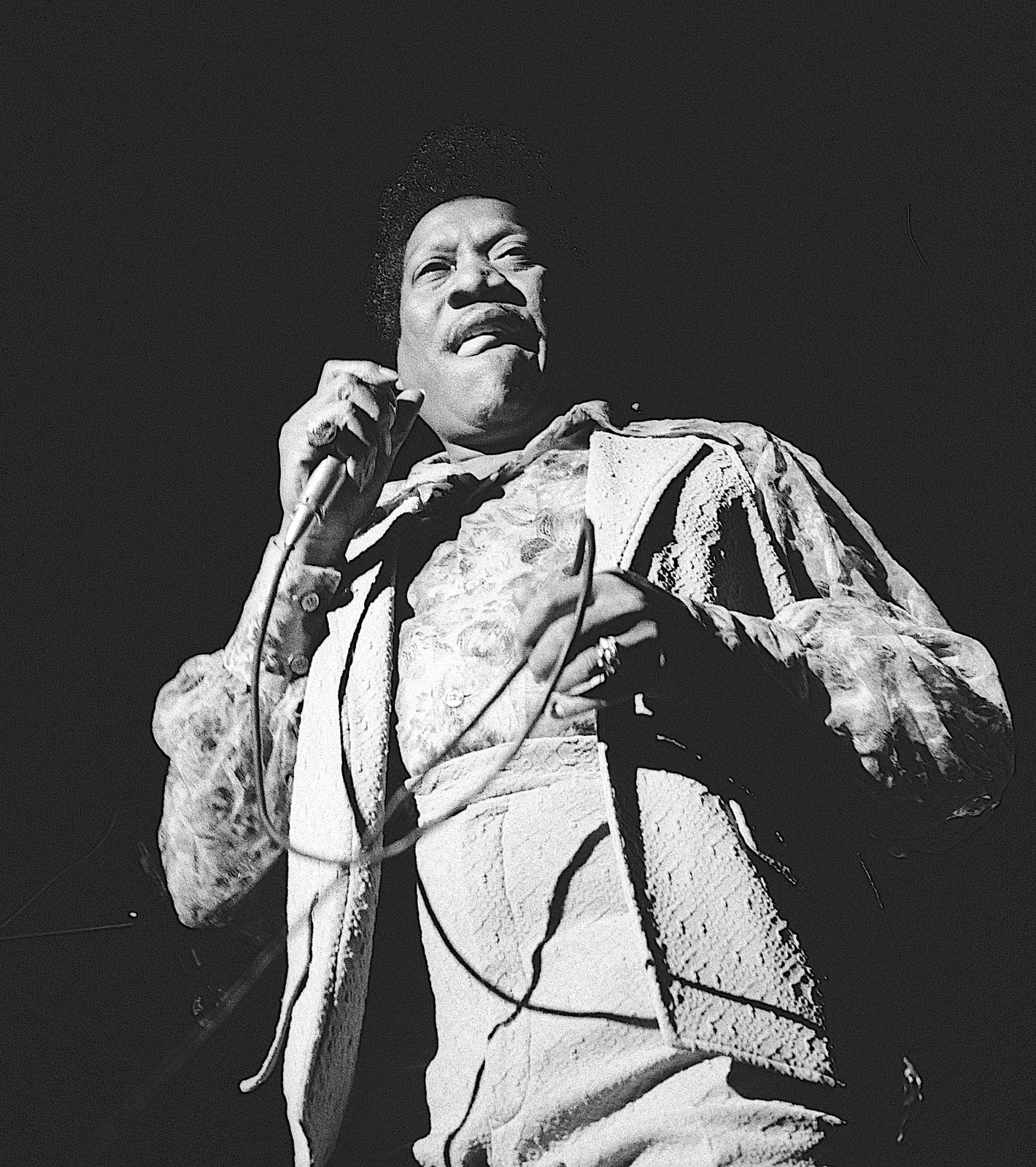
Bobby “Blue” Bland is the usual starting point. He was born in 1930, recorded for Modern and Sun in Memphis in the early 1950s, and from 1954 sang for Duke Records, which was run from Houston by Don Robey. Bland played no instrument. He worked with the bandleader Bill Harvey and the arranger Joe Scott to craft big-band blues singles, usually with the guitarist Wayne Bennett, and in 1956 he began touring the Chitlin’ Circuit in the Blues Consolidated revue with Junior Parker. That network of Black-owned clubs and theatres became the main market for the style.
Gospel was the other root. Johnnie Taylor sang with the Highway QC’s and then replaced Sam Cooke in the Soul Stirrers in 1957, and Z. Z. Hill began in a Texas gospel group, the Spiritual Five.
Duke and Checker, 1951-1967
Bland’s first hit was Farther Up the Road in 1957, a number 1 R&B record that reached number 43 on the Hot 100. In the early 1960s came Cry Cry Cry, I Pity the Fool, Turn On Your Love Light and a hit version of T-Bone Walker’s Stormy Monday. Many were credited to Robey but written by Joe Scott. Ain’t Nothing You Can Do, in 1964, became his highest pop placing at number 20. His records sold mostly in the R&B market rather than across to pop.
In St. Louis, Little Milton followed a parallel route. Born in Mississippi, he recorded for Sun in 1953, set up Bobbin Records in 1958 and then reached the charts through Chess’s Checker label. His 1965 single We’re Gonna Make It, a blues-infused soul song, topped the R&B chart and broke onto Top 40 radio, where white artists dominated. Who’s Cheating Who? followed in the R&B top five. The label behind Checker is covered on the Chess page.
Stax, Memphis and crossover, 1968-1978
Soul labels carried the sound to a wider audience. Johnnie Taylor, billed as the Philosopher of Soul, joined Stax Records in 1966 and recorded with its house band, including Booker T. and the M.G.’s. Who’s Making Love, in 1968, reached number 1 on the R&B chart and number 5 on the Hot 100 and sold over a million copies. Denise LaSalle’s Trapped by a Thing Called Love, released on Detroit’s Westbound label, was a number 1 R&B and number 13 pop hit in 1971, recorded using Memphis session players at the studios of Hi Records. In 1974 the Miami pianist Latimore had a number 1 R&B record with Let’s Straighten It Out.
Duke’s catalogue was sold to ABC Dunhill in 1973, and only Bland was kept on. With the arranger Michael Omartian he made His California Album and Dreamer in Los Angeles, and This Time I’m Gone for Good returned him to the pop top 50 for the first time since 1964. Stax collapsed in 1975. Taylor then moved to Columbia, where Disco Lady spent four weeks at number 1 on the Hot 100 in 1976 and became the first single certified platinum by the RIAA.
Malaco and the blues revival, 1979-1994
The turning point was a small independent label in Mississippi. Malaco began in 1962 as a booking agency run by Tommy Couch and Mitchell Malouf, opened a recording studio in Jackson in 1967 and scored with Southern soul hits in the early 1970s. After Stax closed, its writers and producers turned up at Malaco. In 1979 Z. Z. Hill signed. His first Malaco hit was Cheating in the Next Room in 1982, and the album Down Home, with the title track Down Home Blues, sold over 500,000 copies and stayed on the soul album chart for almost two years. Hill died in April 1984.
At Hill’s funeral Couch heard Johnnie Taylor sing and invited him to the label, where Taylor stayed for sixteen years and made ten albums. Little Milton signed in 1984, and Denise LaSalle joined as a songwriter in 1982 before recording her own albums. Bobby Bland joined in 1985. Malaco sold 25,000 to 50,000 copies an album and had stopped competing with mainstream labels.
Southern market, 1995 to the present
Ecko Records was founded in Memphis in 1995 by John Ward and became a home for artists such as Denise LaSalle and Barbara Carr. Taylor’s Good Love! topped the Billboard blues album chart in 1996 and was then the biggest release in Malaco’s history. Malaco Music Group formed in 1997, and the company kept releasing records after a 2011 tornado destroyed its Jackson studio, rebuilt by 2012.
The market is regional: records move through radio, touring and small distributors rather than the national charts.
Characteristics
Songs follow either the twelve-bar blues form or a soul-ballad structure, often within one set. The lead voice carries gospel phrasing, and subjects run to infidelity, loyalty and hard times. Duke records leaned on big-band arrangements, Stax and Hi records on Memphis rhythm sections, and Malaco records on a house band in Jackson.
Instruments and production
Horns punctuate and answer the singer, an organ fills the harmony, and electric guitar adds short fills rather than long solos. Production leans on studio rhythm sections: the Memphis players behind Stax, the Muscle Shoals Rhythm Section on many Southern soul records, and the Malaco Rhythm Section with drummer James Stroud, bassist Vernie Robbins, guitarist Jerry Puckett and later keyboardist Carson Whitsett.
Mainstream success
Soul blues has had few mainstream records. Taylor’s Who’s Making Love and Disco Lady, LaSalle’s Trapped by a Thing Called Love and Latimore’s Let’s Straighten It Out all crossed to the Hot 100. Bland’s 62 R&B chart records in 25 years rarely crossed over. After the early 1980s the style lived on its own market: Hill’s Down Home sold in large numbers, and its success contributed to a boom in blues records made at Malaco.
Notable recordings
Farther Up the Road, in 1957, set the Duke pattern: a chart-topping blues sung with a gospel singer’s weight, backed by horns. Down Home Blues, written by George Jackson, was the best-known blues song of the 1980s and was later recorded by Malaco labelmate Denise LaSalle. Members Only, the title track of Bland’s 1985 Malaco album, reached number 54 on the R&B singles chart and was his last chart single, though it remained his signature song.
Culture
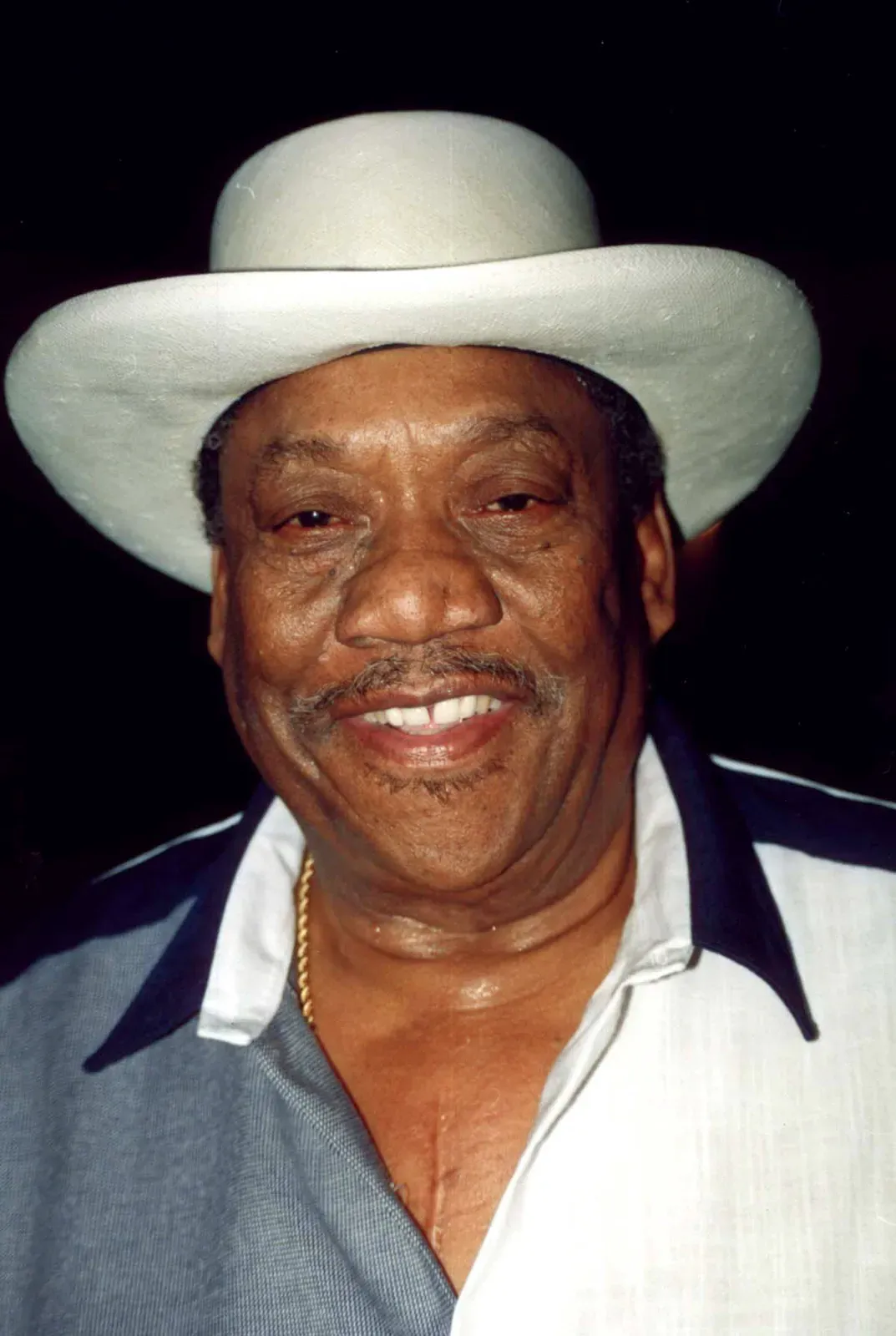
The Chitlin’ Circuit is the setting: Black-owned venues across the South and Midwest that supported performers through segregation and afterwards. Soul-blues acts are honoured by blues institutions: Bland entered the Blues Hall of Fame in 1981, Little Milton in 1988, Denise LaSalle in 2011, Latimore in 2017 and Johnnie Taylor in 2022.
Legacy
The style kept the blues in front of Black Southern audiences when much of the 1970s and 1980s blues scene played for white listeners. Bland chose Malaco in 1985 because he wanted to continue performing for African American audiences. Bland’s Ain’t No Love in the Heart of the City was covered by Whitesnake in 1978 and sampled on Jay-Z’s The Blueprint in 2001. Related pages include Soul, Memphis blues and Rhythm and blues.
Misconceptions
One common idea is that soul blues began at Malaco in the 1980s. Bland had already built the template on Duke in the 1950s and 1960s, and Malaco took it over after Z. Z. Hill’s success. Another is that Bland wrote his classic records. Many were credited to Don Robey but written by his arranger Joe Scott. A third is that Down Home Blues was Hill’s own song. It was written by George Jackson, and Hill recorded it in 1982.
Frequently asked questions
What is soul blues?
Soul blues is a style that unites the twelve-bar blues and soul ballads with gospel-trained singing, horns and a house rhythm section. It developed in the American South in the late 1960s and early 1970s.
Who are the main soul blues artists?
Bobby Bland, Johnnie Taylor, Little Milton, Z. Z. Hill and Denise LaSalle are the central names, along with Latimore and Tyrone Davis.
Which label is most linked to soul blues?
Malaco Records of Jackson, Mississippi, which signed Z. Z. Hill in 1979 and then Johnnie Taylor, Little Milton, Denise LaSalle and Bobby Bland. Duke, Stax and Ecko were also central.
How is soul blues different from Southern soul?
Southern soul is the wider Southern mix of blues, country, early R&B and gospel, while soul blues keeps the blues forms and repertoire at the centre. The two share artists, labels and audiences.
Sound
Sound sheet
Signature sounds
- Gospel-schooled lead vocal over a blues form
- Horn section and organ backing
- Slow-to-medium groove from a house rhythm section
Techniques
- Gospel phrasing
- Horn punctuation
- Soul-ballad song form
- House rhythm section
Keys and modes
Blues scale. Blue-note vocal and guitar phrasing over twelve-bar and soul-ballad chord changes.
Vocals
Gospel-trained baritone and tenor voices singing blues stories of infidelity, hard times and loyalty.
Scenes
Where it happened
Where and when the sound lived: one bar per city on a shared timeline.
North America
Active scenes
Peak 4, 1967-2025
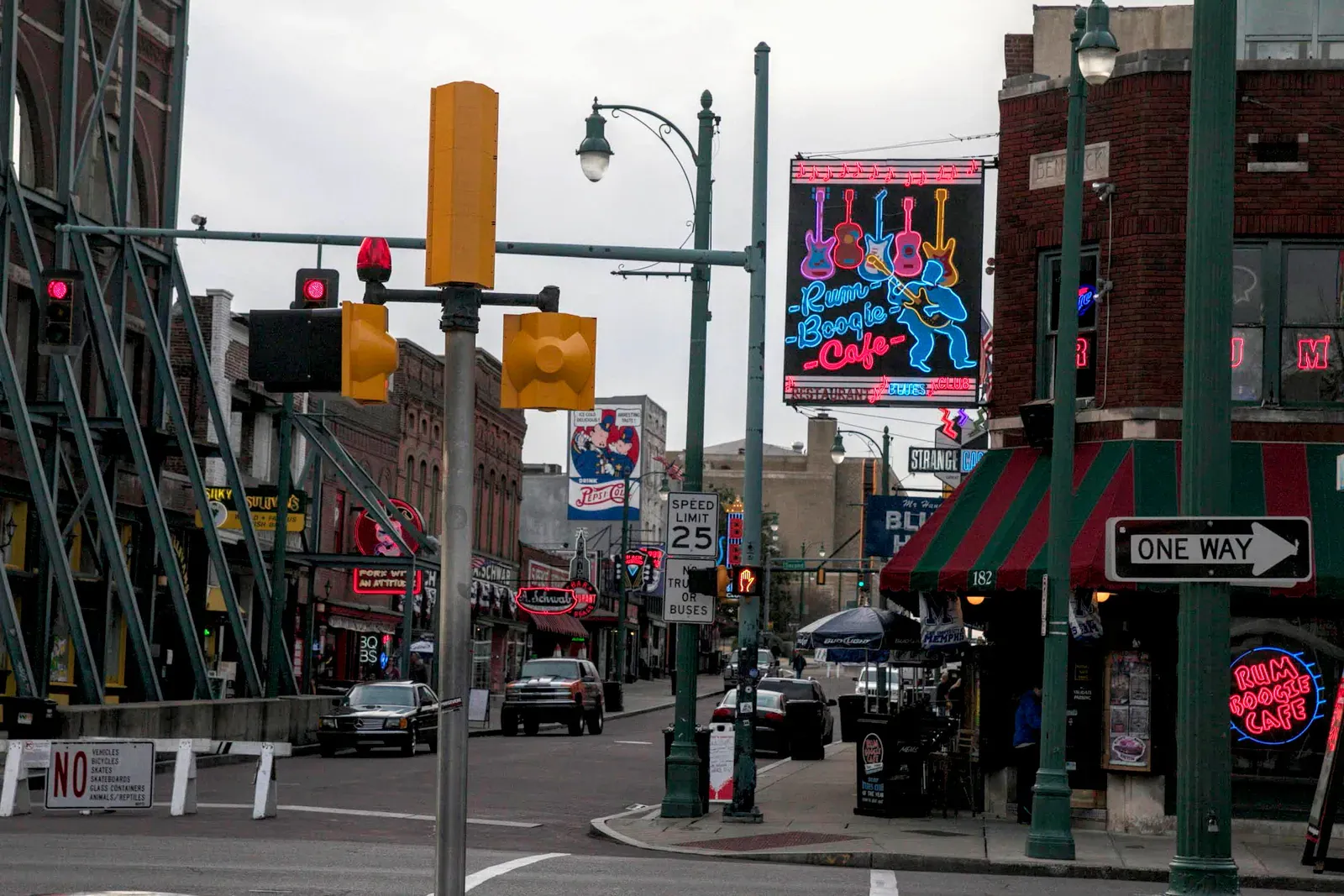
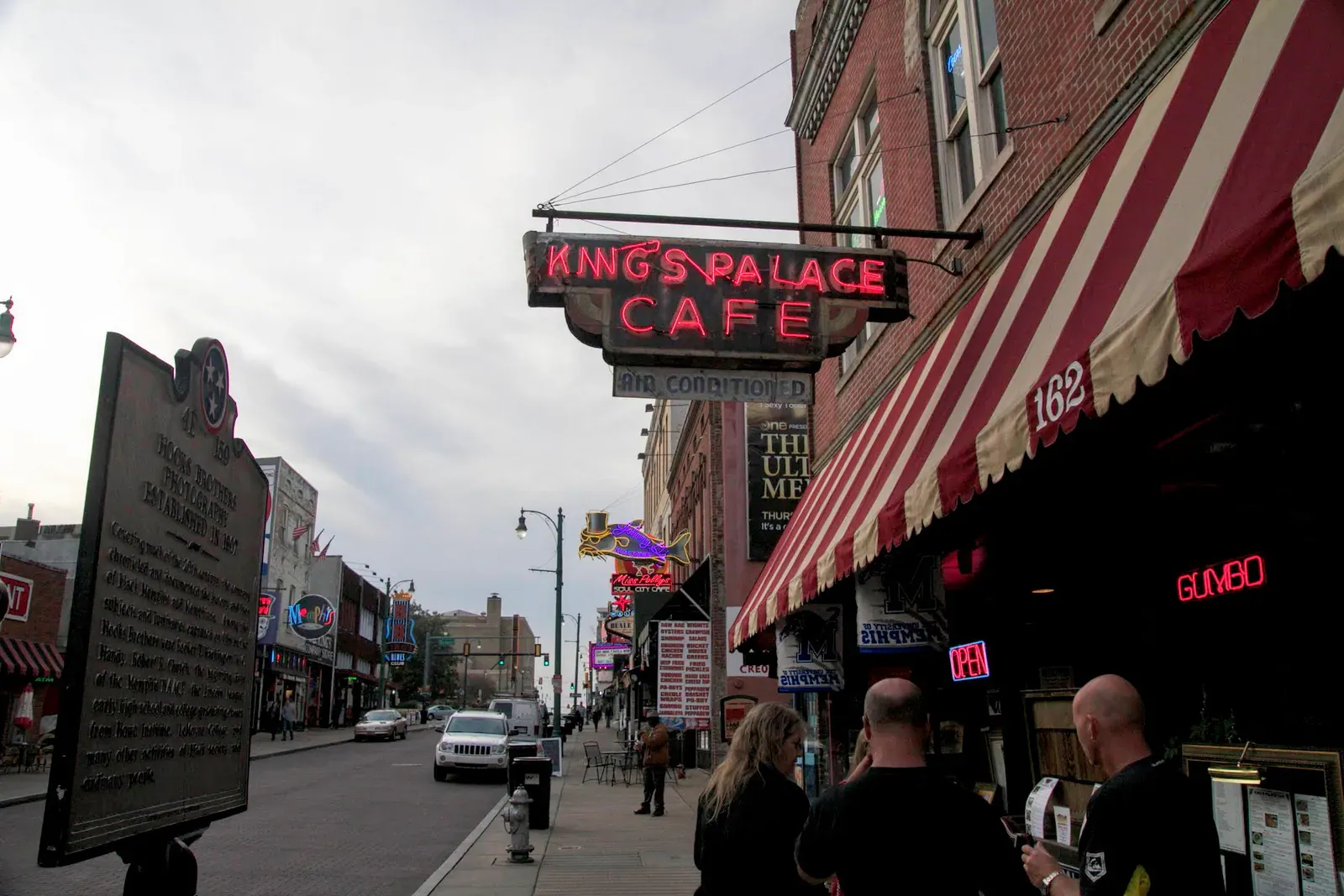
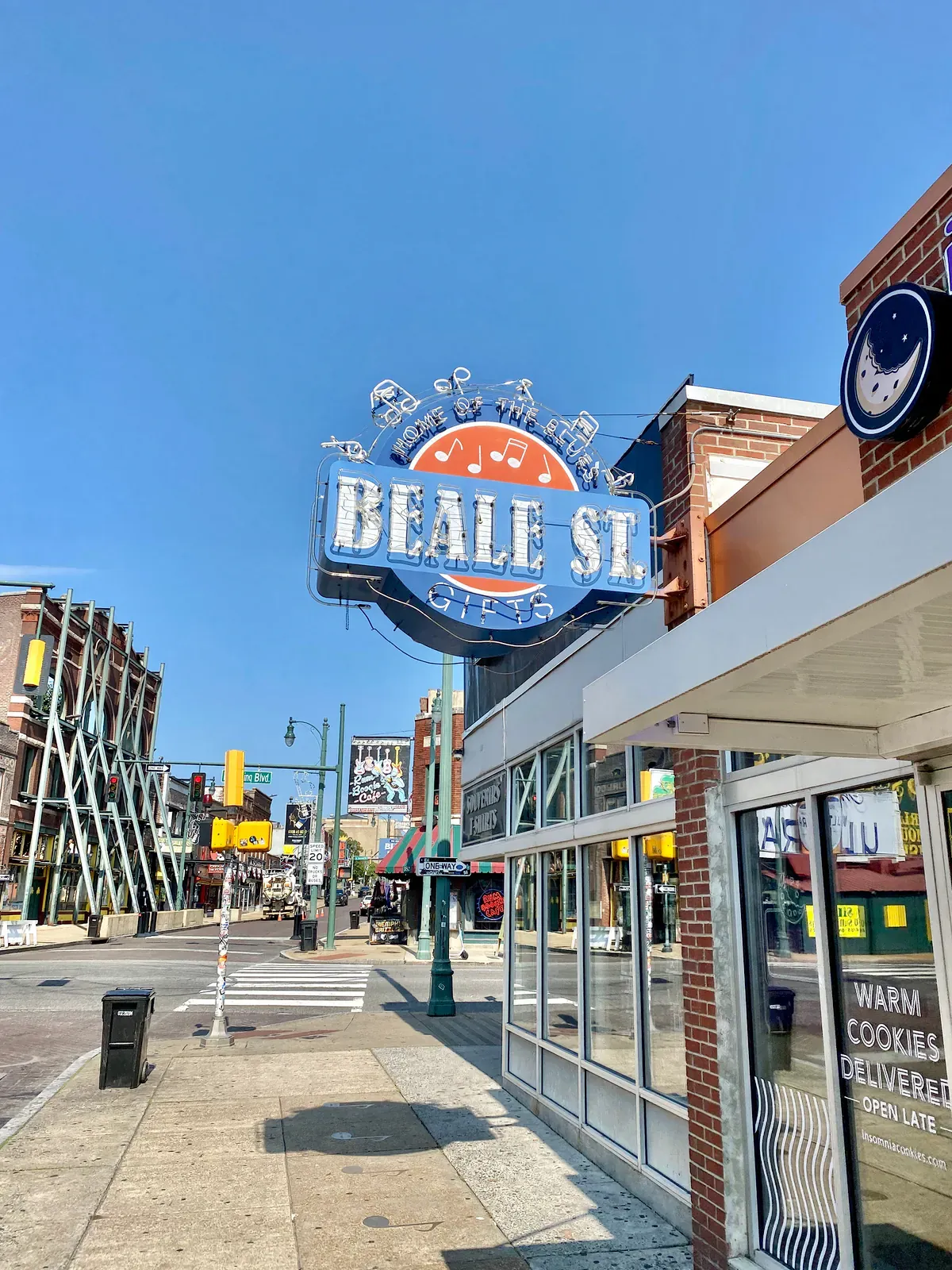
Beale Street and Stax Records: Bland's first records, Johnnie Taylor's Stax hits and, from 1995, Ecko Records.
Don Robey ran Duke and Peacock from his Bronze Peacock club, the base for Bobby Bland's records.
Little Milton set up Bobbin Records here and later reached the charts through Chess and Checker.
Home of Malaco Records, the label that became the centre of Southern blues-soul.
Venues and places
Jackson, 1967 to today. Studio on West Northside Drive, where Z. Z. Hill, Johnnie Taylor and Bobby Bland recorded; rebuilt after a 2011 tornado.
Culture
Culture markers
- Chitlin' Circuit
The touring route of Black-owned clubs and theatres that supported soul-blues artists from the 1950s.
Slang - Package revue tours
Shows such as Bland and Parker's Blues Consolidated put several acts and one band on the road together.
Ritual
Media
Key media
- 1973Wattstax
by Mel Stuart. Concert film of Stax's 1972 Los Angeles benefit, with Johnnie Taylor and Little Milton among the performers.
Film - 1999The Last Soul Company: Malaco a Thirty Year Retrospective
by Various. Label anthology covering Malaco's blues and soul years.
Compilation
Glossary
Terms on this page
Network of Black-owned venues across the South and Midwest that kept soul-blues artists working through segregation and after.
Touring package show with several acts and a house band, like the Blues Consolidated tour of Bobby Bland and Junior Parker.
The house band of drums, bass, guitar and keyboards, like the Malaco Rhythm Section and the Muscle Shoals Rhythm Section.
Soul from the American South, blending twelve-bar blues, early R&B and gospel; the market that soul-blues lives in today.
The standard blues form of twelve measures that soul-blues keeps alongside soul-ballad song forms.
Blues family