Classic female blues
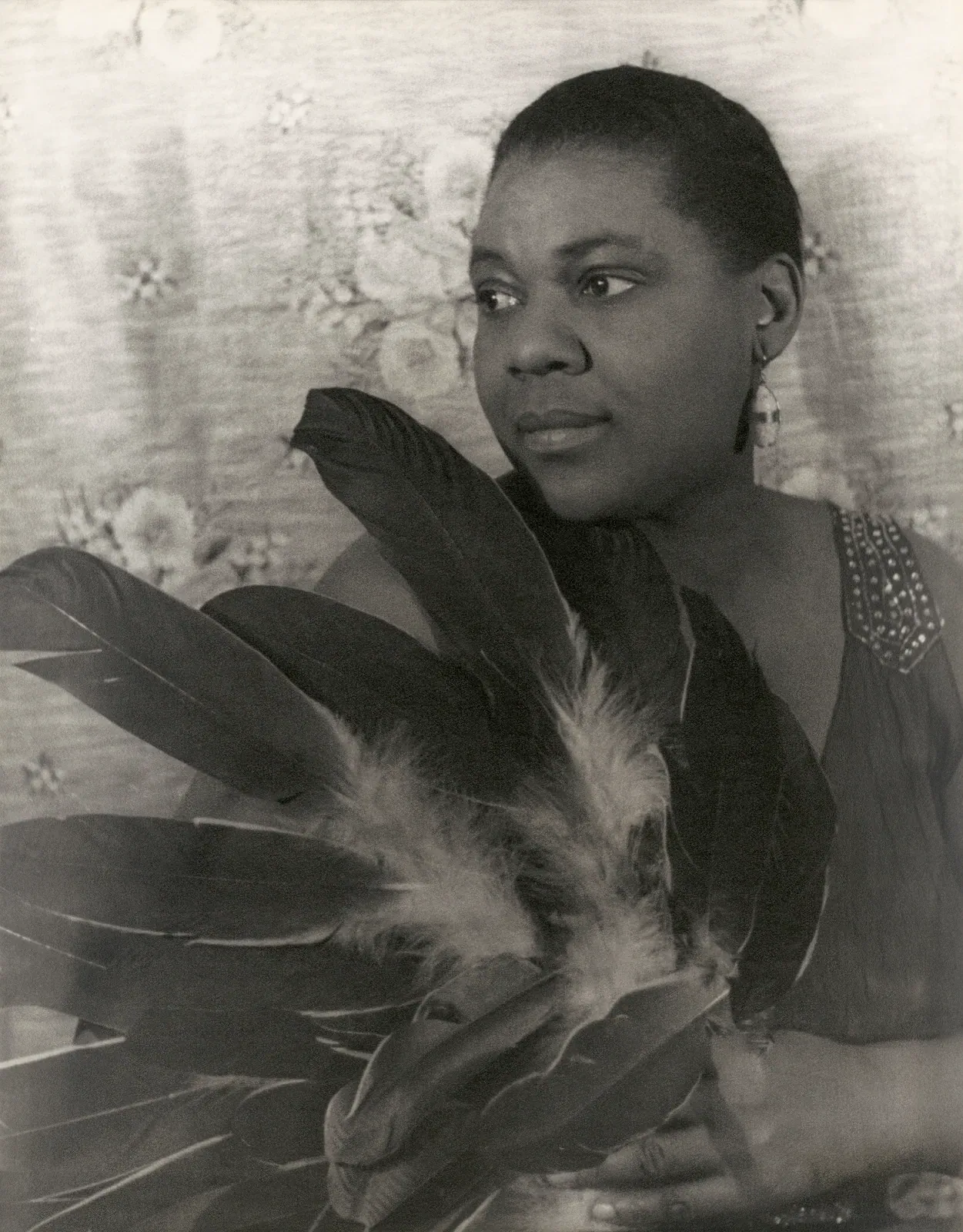
Classic female blues is the vaudeville-era blues of 1920s women singers such as Bessie Smith and Ma Rainey, the first blues to reach record.
vaudeville and tent-show circuits, 1920
Blues family
Born
1920
vaudeville and tent-show circuits
Links
11
Genres it drew on or shaped
Tempo
65-115 BPMLineage
Family tree
Grew out of
Influenced by
vaudeville and tent-show circuits, 1920
Classic female blues
Timeline
Era by era
From the first sparks to today. Select a dot to read the story behind it.
- Tent shows and vaudeville
1902 to 1919
- Crazy Blues and the race-record boom
1920 to 1922
- Rainey, Smith and the peak
1923 to 1929
- Decline and revival
1930 to 1977
Eras
Moments
- 1 Tent shows and vaudeville, 1902 to 1919
- 2 Crazy Blues and the race-record boom, 1920 to 1922
- 3 Rainey, Smith and the peak, 1923 to 1929
- 4 Decline and revival, 1930 to 1977
around 1902
Tent shows and vaudeville
Women such as Ma Rainey and Bessie Smith worked blues into minstrel, tent and vaudeville acts on the Black touring circuits, years before any of it was recorded.
- 1902Ma Rainey adds the blues to her actRainey learns a song about a lost lover from a woman in the audience and makes it her closing number, calling it the blues.
1920
Crazy Blues and the race-record boom
Mamie Smith's 1920 Okeh sessions proved that Black buyers would pay for records by Black singers, and companies began signing blues women in New York and Chicago.
- 1920Mamie Smith's first Okeh sessionOn 14 February Smith records That Thing Called Love and You Can't Keep a Good Man Down in New York; both sell well.
- 1920Crazy BluesRecorded on 10 August, the first blues by a Black woman sells over 75,000 copies in its first month.
- 1921A wave of first recordingsEthel Waters, Alberta Hunter, Edith Wilson and others make their first records within a year of Crazy Blues.
1923
Rainey, Smith and the peak
Bessie Smith and Ma Rainey began recording in 1923 and set a rougher, earthier standard, backed by pianists and jazz players such as Louis Armstrong.
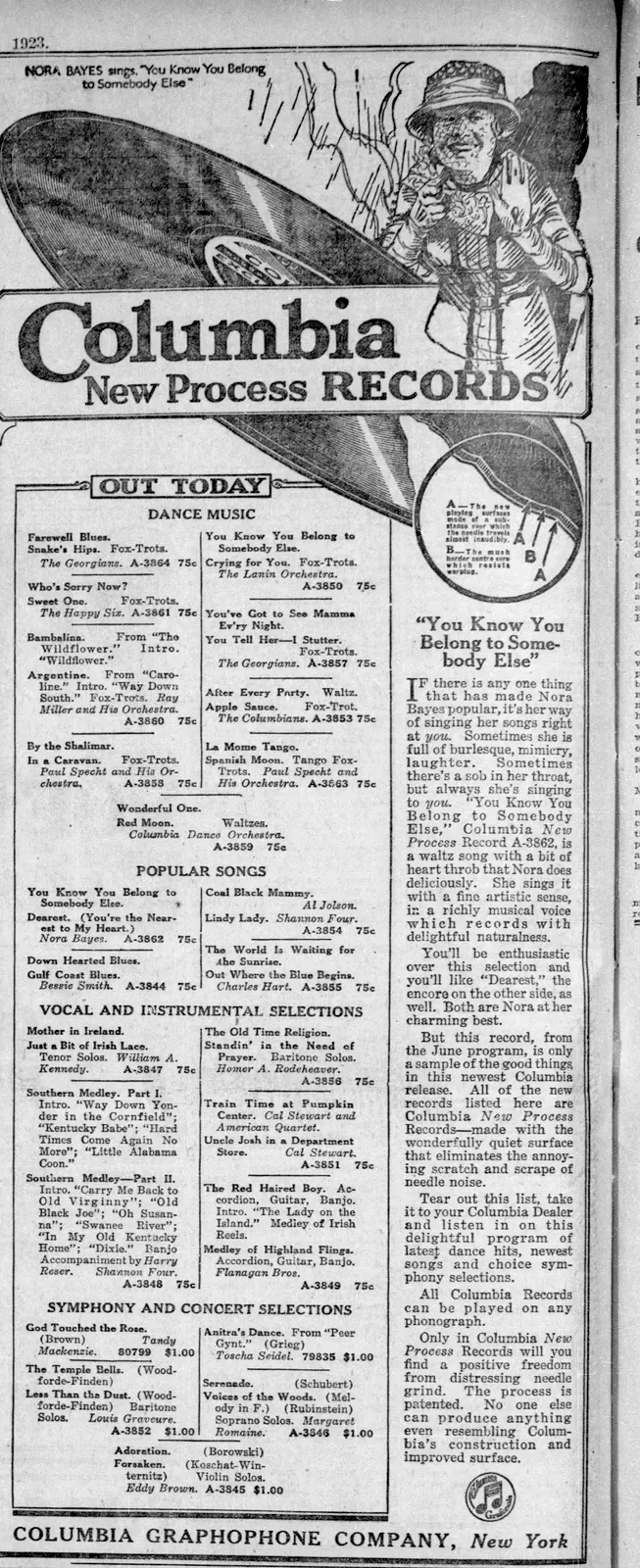
- 1923Bessie Smith signs with ColumbiaAfter three companies refuse her, Smith records Down Hearted Blues for Columbia; it becomes her breakthrough hit.
- 1923Ma Rainey's first recordsRainey, long unrivaled in the South, records for Paramount and reaches Northern city audiences for the first time.
- 1924Wild Women Don't Have the BluesIda Cox records her own song with Lovie Austin's Blues Serenaders, a defiant statement of independence.
- 1926Victoria Spivey's Black Snake BluesOkeh issues Spivey's first record and it is an overnight success.
- 1926Blind Lemon Jefferson turns the marketHis first hit records bring a rural, guitar-led male blues that soon overtakes the polished theatre style.
- 1929Bessie Smith films St. Louis BluesSmith stars in a 17-minute short, her only screen appearance.
1930
Decline and revival
Guitar-led male blues, the Depression and swing ended most careers by the early 1930s; a 1960s folk-blues revival brought Spivey, Wallace and Hunter back to the stage.
- 1937Bessie Smith diesSmith dies in a car crash, closing the era's central career.
- 1961Spivey Records foundedVictoria Spivey starts her own label and records Lucille Hegamin, Lonnie Johnson and other veterans.
- 1977Alberta Hunter returns to singingAfter about twenty years as a nurse, Hunter resumes her career and records again until her death in 1984.
Listening path
Start listening
A short path from an easy way in to the deep end. Thumbnails come from YouTube; the player loads only when you press play.
- 01
Mamie Smith, 1920
The record that started it all: a vaudeville singer with a jazz band, the first blues cut by a Black woman.
- 02
Bessie Smith, 1923
Smith's first record: listen for the huge voice and the bending phrasing against a plain piano.
- 03
Ma Rainey, 1924
Rainey's rougher, earthier tone over a small jazz band, in one of the blues' most covered songs.
- 04
Ida Cox, 1924
A woman's declaration of independence, with piano and a conversational vocal.
- 05
Bessie Smith, 1929
Late in the era, a slow lament that became a blues standard.
Facts
| Family | Blues |
| Origin | vaudeville and tent-show circuits, United States |
| Emerged | 1910s to 1928 |
| Status | Historical |
| Tempo | 65 to 115 BPM |
| Meter | 4/4 |
Classic female blues, also called vaudeville blues or classic blues, is the blues sung by professional women entertainers in the United States in the 1920s. It joined the folk blues of the South to the songwriting and staging of urban theatre, and it was backed by a pianist or a small jazz band.
It was the first blues to be recorded and sold in large numbers, and its leading voices were Mamie Smith, Ma Rainey, Bessie Smith and Ida Cox.
Origins
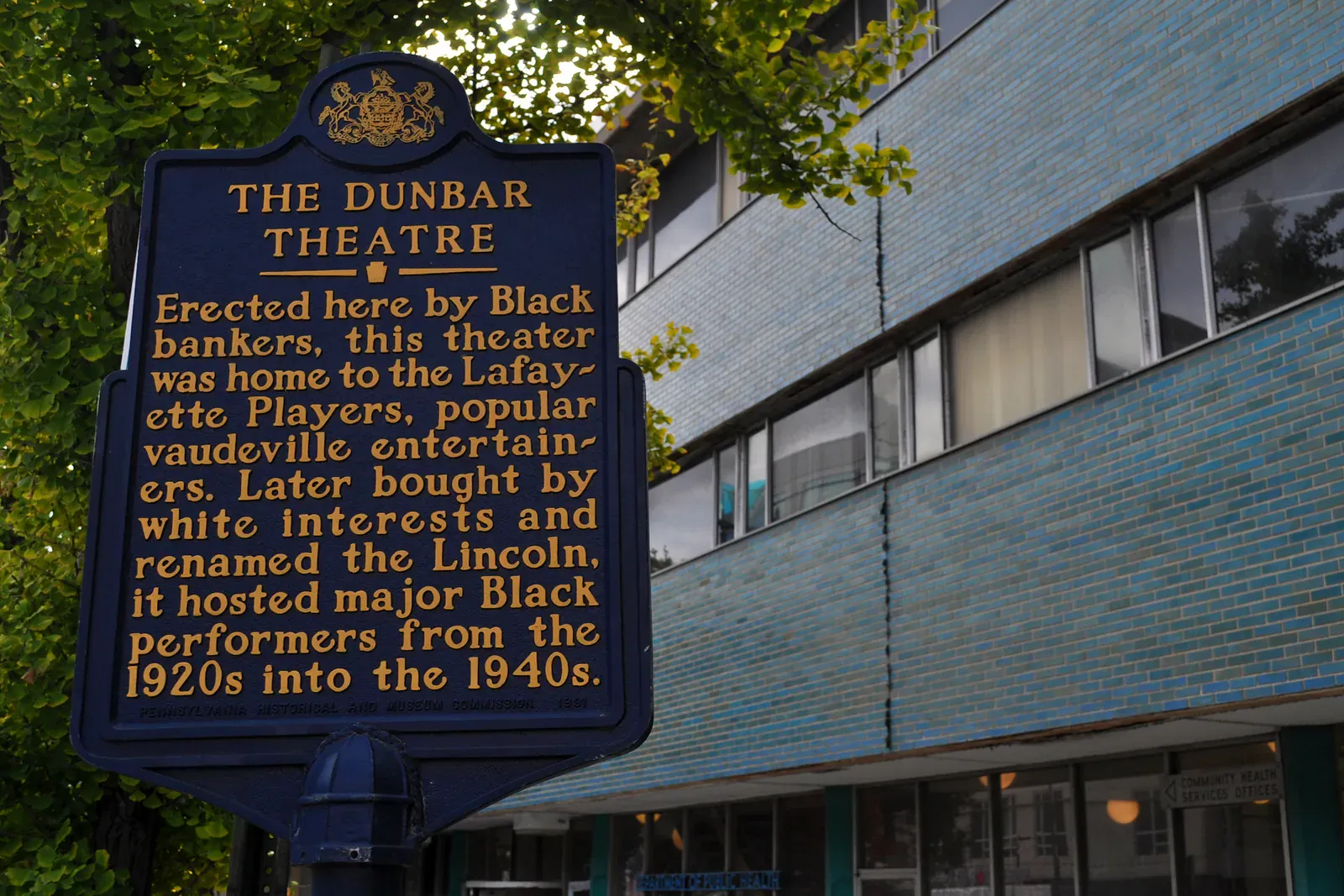
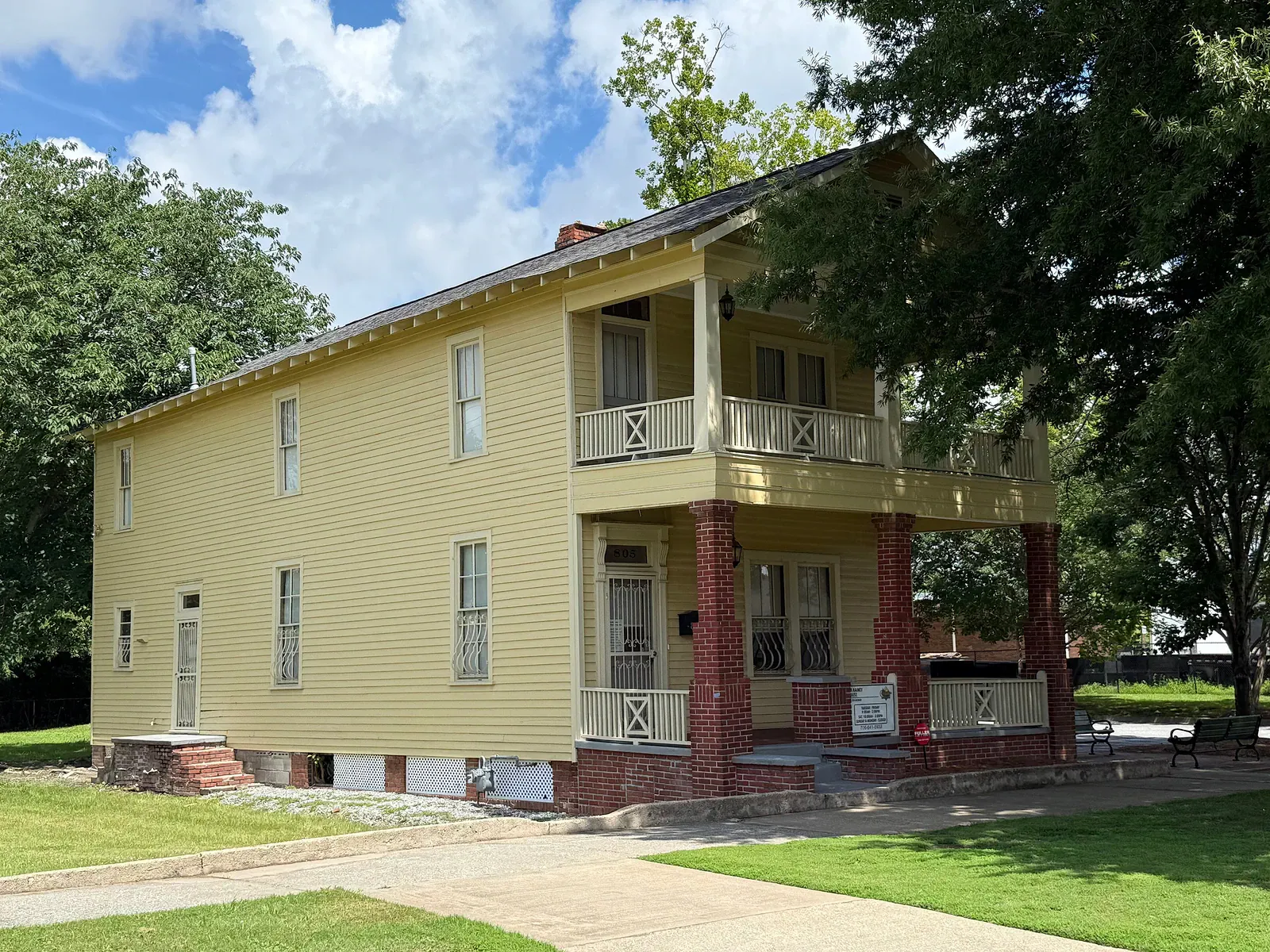
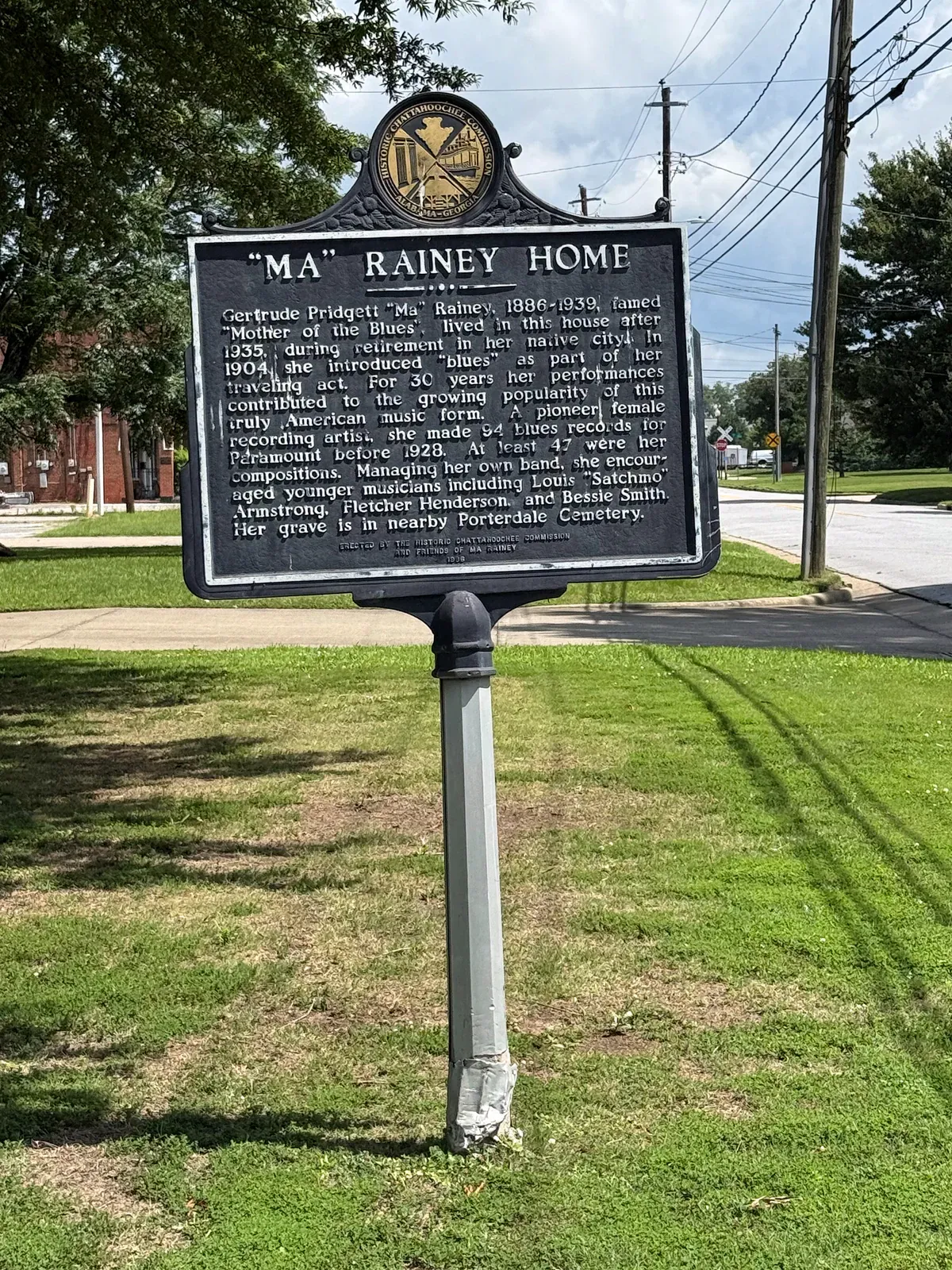
Blues was a Southern folk music of work songs and solo voice until about 1900. Its move onto the stage came through touring shows. Ma Rainey, born in Columbus, Georgia, is credited as the first to perform blues as popular entertainment, adding it to her act of show songs and comedy in the early 1900s. By her own account she heard a woman sing about a lost lover, learned the song and made it her closing number, calling it “the blues”. Other young women followed her through the tent shows and theatres of the Theatre Owners Booking Association, the Black-run circuit that carried most of the singers on the East Coast and through the South as far west as Oklahoma.
The composer W. C. Handy gave the style its repertoire. His published blues, among them “The Memphis Blues” and “St. Louis Blues”, became standards for singers, and by the end of the 1910s blues songs were a staple of Black stage shows. Recording was the missing step.
New York, 1920-1922
In 1919 Handy and the Harlem songwriter and publisher Perry Bradford began urging record companies to court Black buyers. The Okeh studio in New York recorded the cabaret singer Mamie Smith on 14 February 1920, and the two non-blues songs she cut that day sold well. On 10 August she returned with “Crazy Blues”, the first blues recorded by a Black woman. It sold more than 75,000 copies in its first month, an extraordinary figure then, and the success made the record business pay attention. Smith became known as America’s First Lady of the Blues.
The response was a rush of signings. Lucille Hegamin recorded “Jazz Me Blues” in November 1920. Ethel Waters, Alberta Hunter, Edith Wilson and several others made their first records before the end of 1921, and companies scouted, booked and recorded hundreds of Black women singers. The records were sold as “race records”, advertised in Black papers such as the Chicago Defender and the Pittsburgh Courier. Some, such as Hegamin’s Paramount recordings of 1922, also found white buyers.
Rainey, Smith and the peak, 1923-1929
The market’s centre of gravity shifted in 1923. Bessie Smith, born in Tennessee, had toured the Black circuit since 1912 and led her own revue in Atlantic City by 1918. After three companies turned her down she signed with Columbia and recorded “Down Hearted Blues”, a song written by Alberta Hunter and Lovie Austin. It sold in the hundreds of thousands. She became the highest-paid Black artist of the decade and recorded more than 160 songs.
Ma Rainey, long unrivaled in the South but little known in Northern cities, made her first records the same year, for Paramount. Rainey and Smith pushed the style toward a rougher, earthier sound, and audiences moved away from the lighter, more refined voices of the first wave. Their songs treated love, sexuality, work, drink and domestic violence. Rainey recorded more than 100 songs, about two dozen of them her own. Ida Cox, Clara Smith, Sara Martin, Victoria Spivey and her cousin Sippie Wallace recorded throughout the decade. Spivey became an overnight success in 1926 when Okeh issued her own “Black Snake Blues”.
Characteristics
The voice carries the music. Singers were trained on tent and theatre stages and had to fill a room without amplification, so the style favours a big, projected contralto or mezzo with bent pitches and long, delayed phrasing. The vocal effects collected by one scholar are improvised melody, unusual phrasing that shifts a lyric’s stress, and shouts, groans, moans and wails. Those habits passed into jazz, Broadway musicals, torch songs, gospel and later rhythm and blues.
The songs mix the 12-bar blues form, repeated with an AAB line pattern, with the 16- and 32-bar structures of popular song. Tempos are slow to moderate, from about 65 to 115 beats per minute on the best-known records. Mamie Smith’s “Crazy Blues” sits at the quick end and Bessie Smith’s “Nobody Knows You When You’re Down and Out” near the slow end. Lyrics are first-person and direct, and many songs speak about independence, which gave the style a social edge. Smith’s “In the House Blues” addresses domestic violence, and Cox’s “Wild Women Don’t Have the Blues” is a statement of self-reliance.
Instruments and production
Accompaniment was a piano, often played by a bandleader-composer such as Lovie Austin or Fletcher Henderson, or a small jazz combination of cornet, clarinet, trombone and banjo. The horn answers each sung line, which gives the records a conversation between voice and instrument. Louis Armstrong played cornet on sessions with Ma Rainey and with Bessie Smith, among them her 1925 “St. Louis Blues”.
Recording technology shaped the sound. Until 1925 singers performed into an acoustic horn, which rewarded volume. The adoption of microphone-based electrical recording that year captured a powerful voice such as Smith’s with much greater fidelity, and the best-known Columbia sides date from this period.
Notable recordings
“Crazy Blues” is the founding record. Perry Bradford wrote it, and Smith recorded it with her Jazz Hounds band in August 1920; it entered the Grammy Hall of Fame in 1994 and the Library of Congress registry in 2005.
“Down Hearted Blues” is Bessie Smith’s debut and the recording that made her name. Hunter had already recorded the song herself in 1922. Smith’s version, cut for Columbia in 1923, turned it into a hit.
“See See Rider Blues” shows Rainey’s side of the style. Recorded for Paramount in October 1924 in New York, with an accompanying band that included Louis Armstrong, it set down a 12-bar song that later passed into jazz, country and rock and has been recorded in well over a hundred versions.
Mainstream success
At its height the style sold records in the hundreds of thousands and filled theatres. Bessie Smith drew large numbers of white listeners to her shows as well, even though her songs spoke for working-class Black women. The three companies behind most of the output were Okeh, Paramount and Columbia. In 1929 Smith starred in a 17-minute film, “St. Louis Blues”, her only screen appearance, and Spivey appeared the same year in the first all-black talking film.
Decline and revival
By 1928 the polished theatre sound was losing ground. The 1926 success of Blind Lemon Jefferson’s records opened a market for rural, male, guitar-led blues, a line that continued through country blues and into urban blues. The Great Depression hurt black vaudeville and the record industry, and swing replaced the old bands in the 1930s. Many careers ended. Ethel Waters adapted to new styles; Hegamin and Martin left entertainment; Hattie McDaniel and Edith Wilson became actors. Bessie Smith died in a car crash in 1937.
The 1960s folk and blues revival returned Sippie Wallace, Alberta Hunter, Edith Wilson and Victoria Spivey to the concert stage. Spivey started her own label in the early 1960s, where she recorded Lucille Hegamin and Lonnie Johnson, and Hunter resumed a career in 1977 after about twenty years as a nurse.
Legacy
The classic singers were among the first Black artists to be recorded and they spread the 12-bar blues across the country. Mahalia Jackson and Janis Joplin both named Bessie Smith as an influence. Their songs also took up race, sex, poverty and imprisonment. The tradition belongs to the wider blues family, and it sits beside the comic, sexually frank hokum of the same decade.
Misconceptions
One myth is that “Crazy Blues” was Mamie Smith’s first record. It was her second session: in February 1920 she recorded two songs that were not blues, backed by white musicians, and those sold well enough to bring her back in August.
A second is that the two Smiths were related. Bessie and Mamie Smith were not.
A third is that classic blues is early country blues with a piano. It was professional urban stage music with arranged accompaniment, while country blues was a rural solo guitar style.
Frequently asked questions
What is classic female blues?
Classic female blues is the blues sung by women entertainers on the vaudeville and tent-show circuits of the 1920s. It was recorded with piano or small jazz-band accompaniment and was the first blues released on commercial records.
Who recorded the first blues by a Black woman?
Mamie Smith, on 10 August 1920 for Okeh, with “Crazy Blues”. Lucille Hegamin recorded “Jazz Me Blues” that November and became the second.
Why did classic female blues decline?
The Depression cut record sales and theatre work, swing displaced the small bands, and from 1926 a rural male guitar blues began selling better than the polished stage style.
Who are the most important classic female blues singers?
Bessie Smith, called the Empress of the Blues, and Ma Rainey, the Mother of the Blues, are the central figures, with Mamie Smith, Ida Cox, Alberta Hunter, Victoria Spivey and Sippie Wallace close behind.
Sound
Sound sheet
Anatomy of a track
| # | Part | Bars |
|---|---|---|
| 1 | Piano or band intro | 4 |
| 2 | Vocal chorus (AAB lines) | 12 |
| 3 | Repeated vocal choruses | 24 |
| 4 | Instrumental or cornet chorus | 12 |
| 5 | Final vocal chorus | 12 |
Signature sounds
- Female contralto or mezzo voice projected from the theatre stage
- Piano or small jazz combo accompaniment
- Call and response between voice and cornet or clarinet
- 12-bar AAB blues forms alongside popular song forms
- Lyrics of love, sex, work, drink and domestic violence
Techniques
- Blue-note bending
- Moans, groans and wails
- Behind-the-beat phrasing
- Voice and horn call and response
Keys and modes
Blues scale over major chords. Flattened third, fifth and seventh bent against major-key accompaniment.
Vocals
Powerful projected contralto or mezzo voices trained on the tent and theatre stage, delivered with bends, moans and wails; acoustic-horn recording demanded volume before 1925.
Scenes
Where it happened
Where and when the sound lived: one bar per city on a shared timeline.
North America
Active scenes
Peak 4, 1920-1929
Georgia home town of Ma Rainey, who began performing in local talent shows and minstrel acts.
Alberta Hunter settled here as a young teenager and sang in its bars and cabarets before recording.
Bessie Smith headlined her own revue here by 1918, on the Black touring circuit.
Home of the Okeh studio where Mamie Smith made the first blues record by a Black woman.
Venues and places
New York City, 1920 to today. Where Mamie Smith recorded in February and August 1920, including Crazy Blues.
Chicago, 1915 to today. White-owned club with a white-only clientele where Alberta Hunter began, in an upstairs room.
Culture
Culture markers
- Race records
The trade label for blues records sold to Black buyers through the Chicago Defender and other Black newspapers.
Slang - Tent show and T.O.B.A. touring
Singers toured the South and East in canvas tents and Black-run theatres, one of the few venues open to Black performers.
Ritual - Black Bottom
Ma Rainey recorded Ma Rainey's Black Bottom in 1927, titled for a dance that spread widely later in the decade.
Dance
Media
Key media
- 1929St. Louis Blues
by Dudley Murphy. Bessie Smith's only film, a 17-minute short built around W. C. Handy's song.
Film - 1993Blues Masters, Volume 11: Classic Blues Women
by Various. A widely issued anthology of the era's singers.
Compilation - 2020Ma Rainey's Black Bottom
by George C. Wolfe. Feature film of August Wilson's play about a fictional 1927 Rainey recording session.
Film
Glossary
Terms on this page
Title given to Bessie Smith; blues queens were billed with such royal titles.
Industry term for records made by Black artists and sold mainly to Black buyers, advertised in Black newspapers.
Theatre Owners Booking Association, the Black-run touring circuit that carried most classic blues singers.
Travelling show under canvas in the South, a main training ground for blues women.
Another name for the style, from the theatre circuits where the singers worked.
Blues family