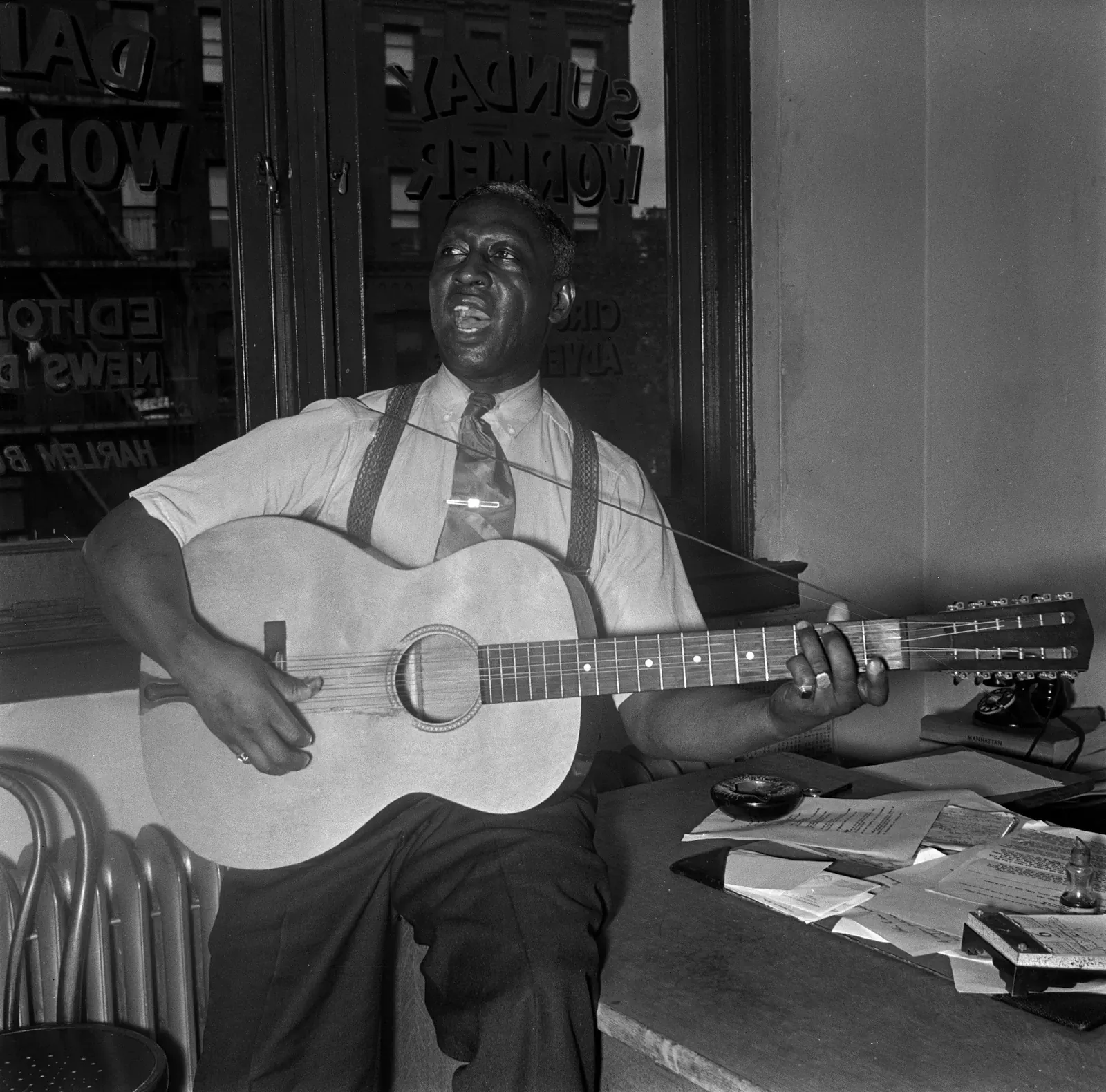
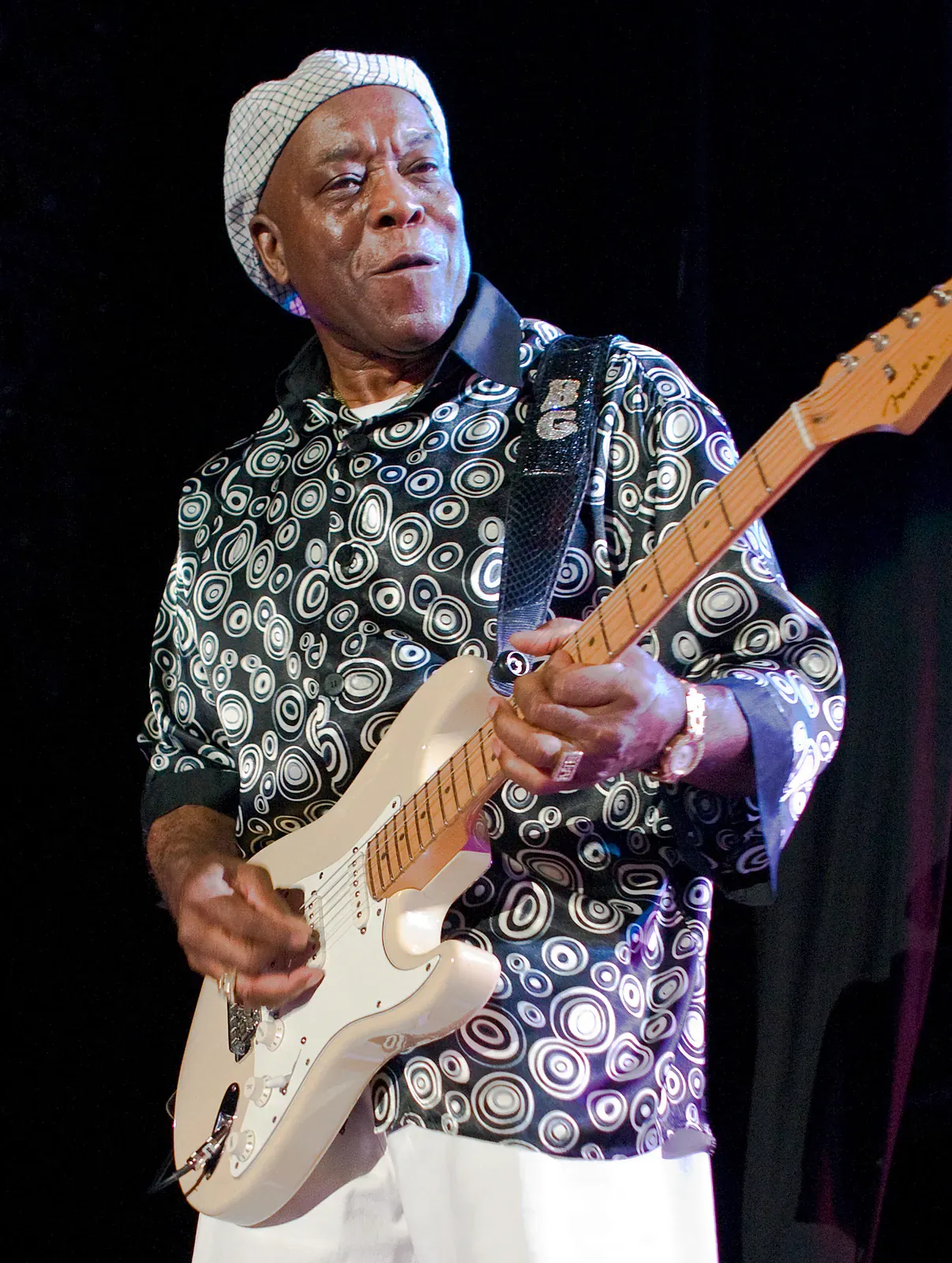
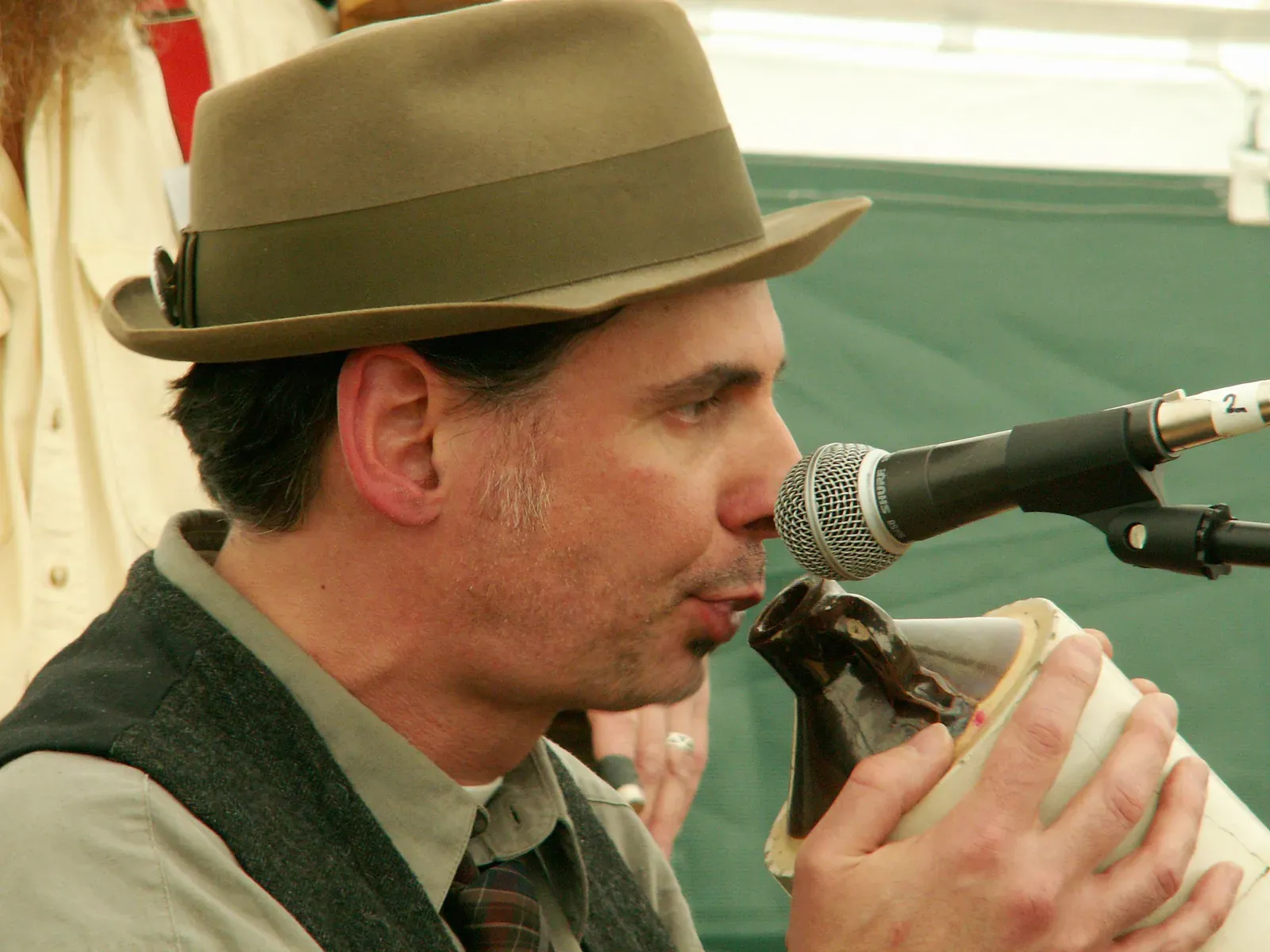
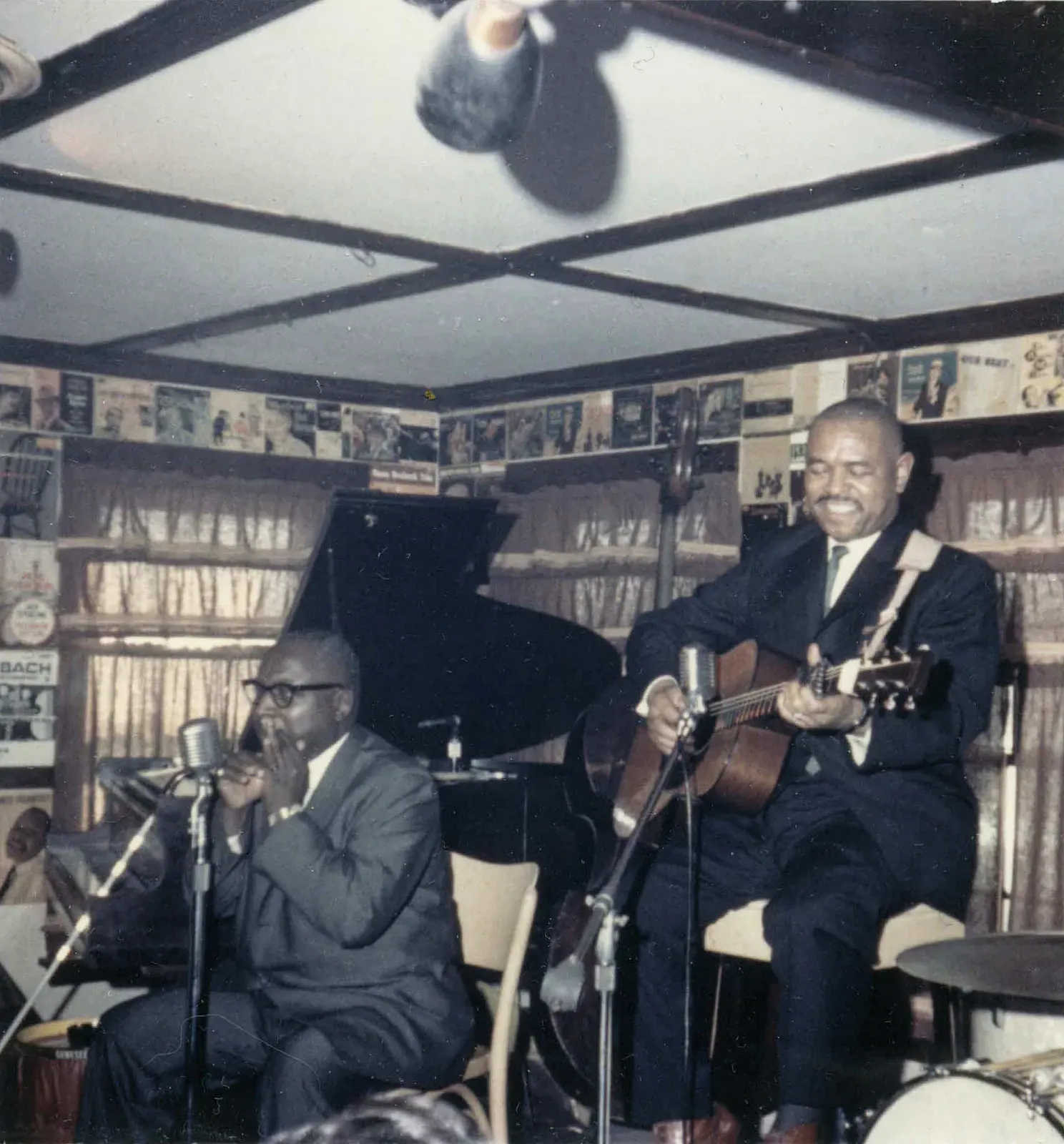
New York blues
New York blues is the blues of New York City from the 1930s to the 1960s, made by Piedmont guitarists and harmonica players who settled there.
New York City, 1935
Blues family
Born
1935
New York City
Links
4
Genres it drew on or shaped
Tempo
95-130 BPMLineage
Family tree
Grew out of
- Piedmont blues
Derived from
New York City, 1935
New York blues
Timeline
Era by era
From the first sparks to today. Select a dot to read the story behind it.
- Migrants and the recording industry
1931 to 1949
- Folkways and the folk audience
1950 to 1959
- Revival years
1960 to 1969
- Late careers and honours
1970 to 1996
Eras
Moments
- 1 Migrants and the recording industry, 1931 to 1949
- 2 Folkways and the folk audience, 1950 to 1959
- 3 Revival years, 1960 to 1969
- 4 Late careers and honours, 1970 to 1996
1931
Migrants and the recording industry
Southern guitarists and harmonica players settle in Harlem, the Bronx and Greenwich Village, record for New York labels and play clubs, Broadway and jump-band sessions.
- 1931Josh White moves to New YorkA South Carolina guitarist signs with ARC Records, first for religious songs, then for blues and session work.
- 1935The Village Vanguard opensMax Gordon opens the Greenwich Village room on 22 February; it first presents folk music and poetry.
- 1935Gary Davis records in New YorkThe American Record Company cuts 15 sides with the blind guitarist in July, mostly gospel and two blues.
- 1938From Spirituals to Swing at Carnegie HallJohn Hammond's concert on 23 December includes harmonica player Sonny Terry on a bill of blues, gospel and jazz.
- 1938Cafe Society opens on Sheridan SquareBarney Josephson's Greenwich Village club runs until 1948 and becomes a showcase for Black performers.
- 1940John Henry opens on BroadwayJosh White plays the street singer Blind Lemon beside Paul Robeson in the musical, which opens on 10 January.
- 1942Brownie McGhee settles in New YorkMcGhee teams up with harmonica player Sonny Terry, whom he had known since 1939; the pairing is an immediate success.
- 1944Gary Davis moves to the BronxIn January the blind guitarist joins his wife in New York and preaches and plays at storefront Baptist churches and on the street.
- 1947Harlem Records issues Drinkin' Wine Spo-Dee-O-DeeStick McGhee and his brother Brownie write a clean version of the song; the small label releases it in January.
- 1947Terry joins Finian's RainbowSonny Terry is in the original Broadway cast of the musical, one of several stage jobs for the New York duo.
- 1949Stick McGhee records for AtlanticThe re-recorded Drinkin' Wine Spo-Dee-O-Dee reaches number 2 on the Billboard R&B chart and stays there four weeks.
1950
Folkways and the folk audience
The same players turn to Folkways and other folk-minded labels and to white listeners in Village rooms and on festival stages.
- 1950Lead Belly memorial concert at Town HallOn 28 January Gary Davis makes his first stage appearance in New York at the tribute to the twelve-string guitarist.
- 1955Brownie McGhee Blues on FolkwaysA solo album by McGhee appears on Moses Asch's label, the home of much of his and Terry's folk-era work.
- 1958The Gaslight Cafe opensThe MacDougal Street coffeehouse becomes a Village stage for folk and blues acts until it closes in 1971.
1960
Revival years
Folk clubs and Prestige's Bluesville line bring Gary Davis and the Terry and McGhee duo to a new audience, and the duo records for a rock-era label by 1969.
- 1960Gerde's Folk City opensThe West Village club, a folk room from June, later gives Gary Davis his first club residency.
- 1960Harlem Street SingerGary Davis records the album at Rudy Van Gelder's studio in New Jersey for Prestige's Bluesville line; Death Don't Have No Mercy is cut on 24 August.
- 1960Stick McGhee's last sessionHe cuts two songs for Herald in New York with Sonny Terry, then retires; he dies in August 1961.
- 1969A Long Way From HomeBrownie McGhee and Sonny Terry record a studio album that includes Hole in the Wall.
1970
Late careers and honours
Terry and McGhee tour until about 1980 and receive national honours in 1982; Terry dies in 1986 and McGhee in 1996.
- 1972Gary Davis diesHe dies on 5 May, weeks after playing a church concert in Northport, Long Island.
- 1982National Heritage FellowshipsSonny Terry and Brownie McGhee are among the first recipients of the NEA's folk and traditional arts honour.
- 1986Sonny Terry diesThe harmonica player dies on 11 March; Brownie McGhee dies on 16 February 1996 in Oakland.
Listening path
Start listening
A short path from an easy way in to the deep end. Thumbnails come from YouTube; the player loads only when you press play.
- 01
Sticks McGhee and His Buddies, 1949
The New York jump-blues hit by Brownie McGhee's brother, re-cut for Atlantic in 1949.
- 02
Josh White, 1955
A song from Josh White's repertoire, heard here in his Elektra recording of 1955.
- 03
Brownie McGhee, 1955
Piedmont-style guitar and plain storytelling on a Folkways record made for the folk audience.
- 04
Reverend Gary Davis, 1960
The street preacher's best-known piece, cut at Rudy Van Gelder's studio on 24 August 1960.
- 05
Brownie McGhee and Sonny Terry, 1969
The guitar and harmonica duo in a call-and-response piece from their late-revival studio album.
Facts
| Family | Blues |
| Origin | New York City, United States |
| Emerged | 1930s to 1960s |
| Status | Historical |
| Tempo | 95 to 130 BPM |
| Grew out of | Piedmont blues |
New York blues is the blues recorded and performed in New York City between the 1930s and the 1960s, built mostly by southern players who moved north.
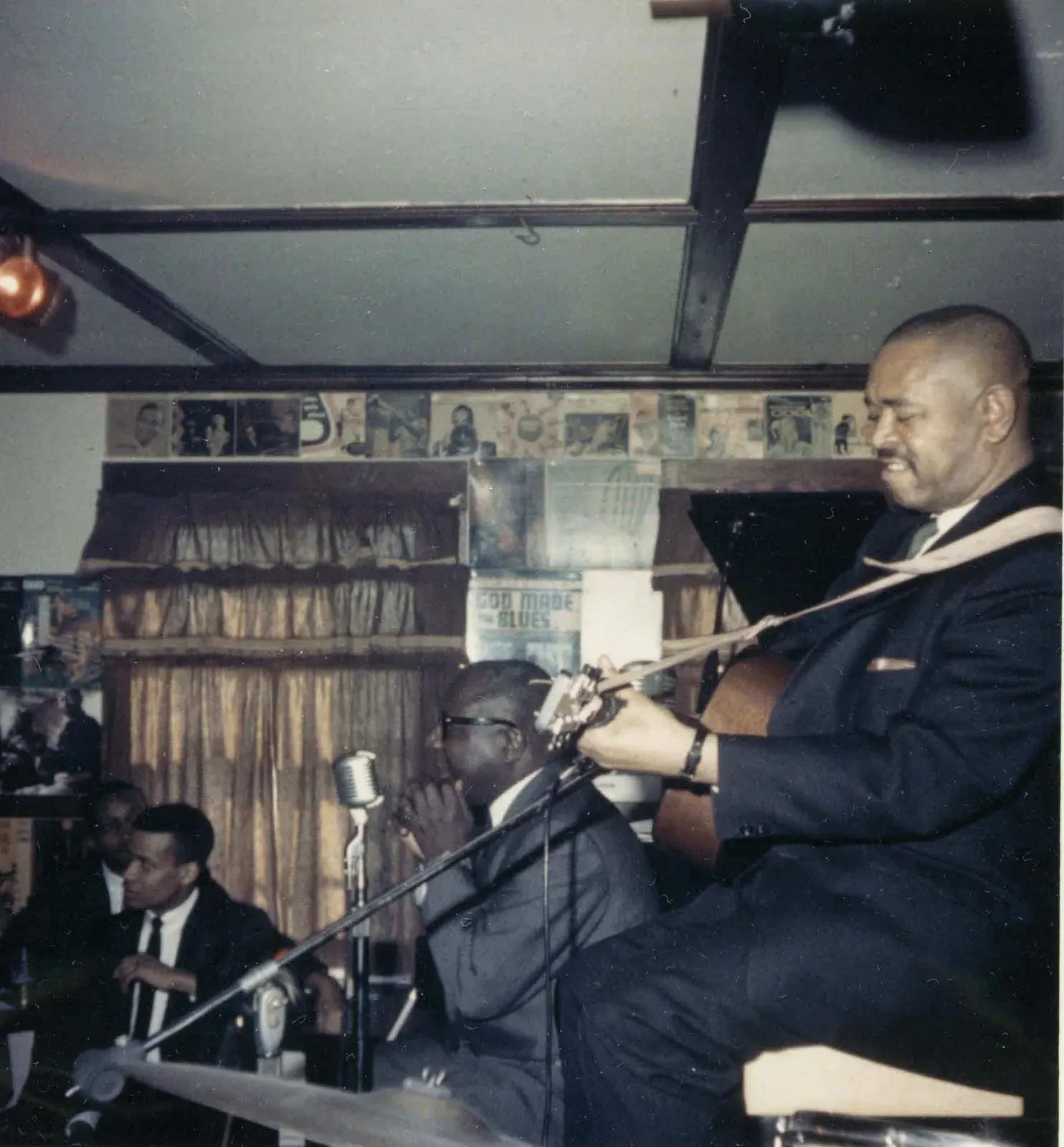
Piedmont guitarists such as Brownie McGhee and Reverend Gary Davis, the harmonica player Sonny Terry and the guitarist Josh White made the city their base, recording for its labels and playing its clubs, churches and stages. It was never one sound: it ran from storefront gospel to jump-band R&B to the acoustic blues of the folk revival.
Origins
The Piedmont blues of the Carolinas and Virginia supplied the style. Its thumb-driven fingerpicking was carried to New York by a few players whose careers took them north, usually through a recording contract. Josh White, a Greenville, South Carolina guitarist who had first recorded for Paramount in 1928, moved to the city in 1931 to record for the American Record Company. He sang religious songs under his own name, then blues as Pinewood Tom, and worked as a session guitarist behind other artists.
Gary Davis, blind since infancy and a fixture of the Durham scene, was brought to New York in July 1935 for the same company. He cut 15 sides, mostly gospel with two blues, and none sold well. The city offered studios and clubs, but not yet an audience for this music.
Migrants and the recording industry, 1931-1949
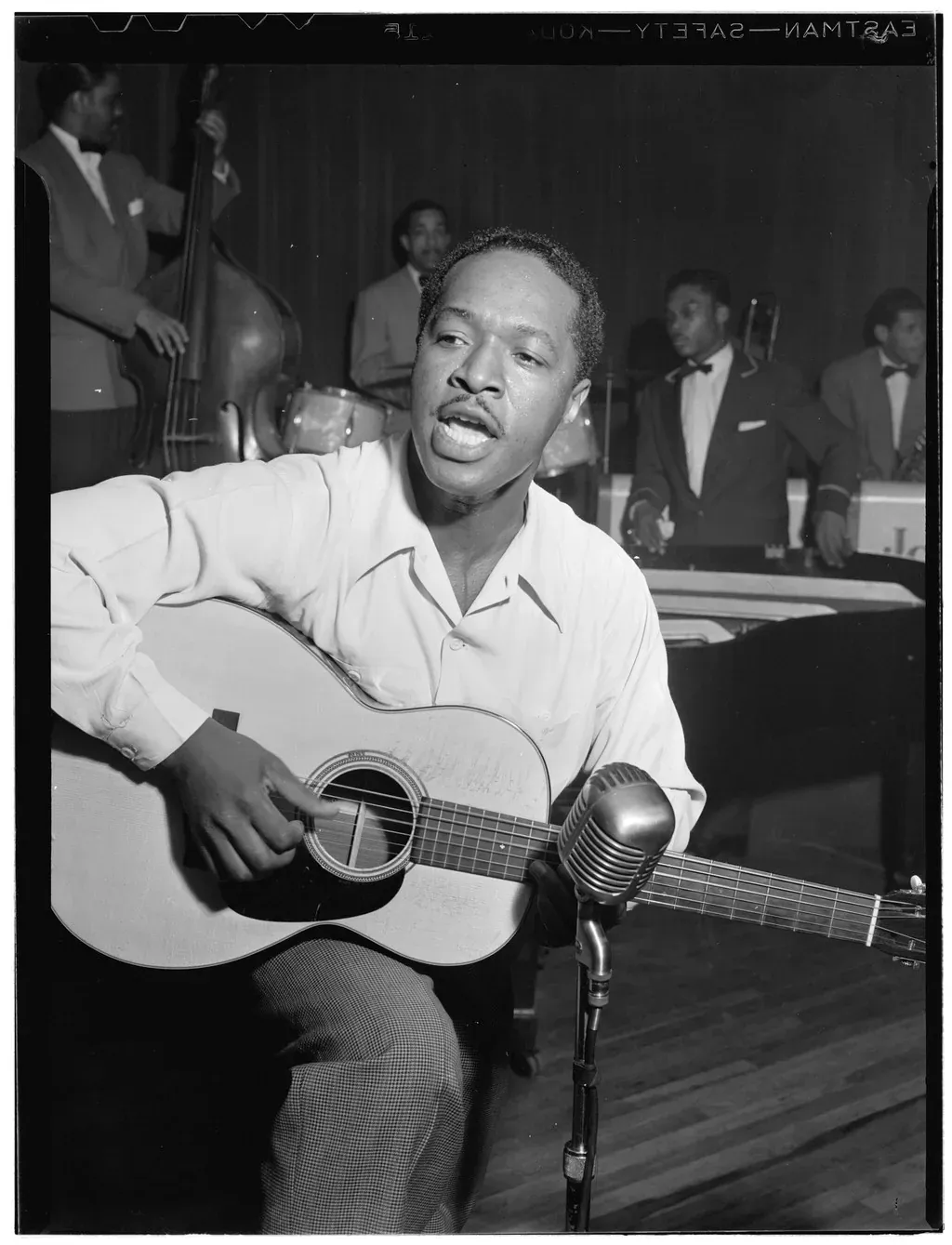
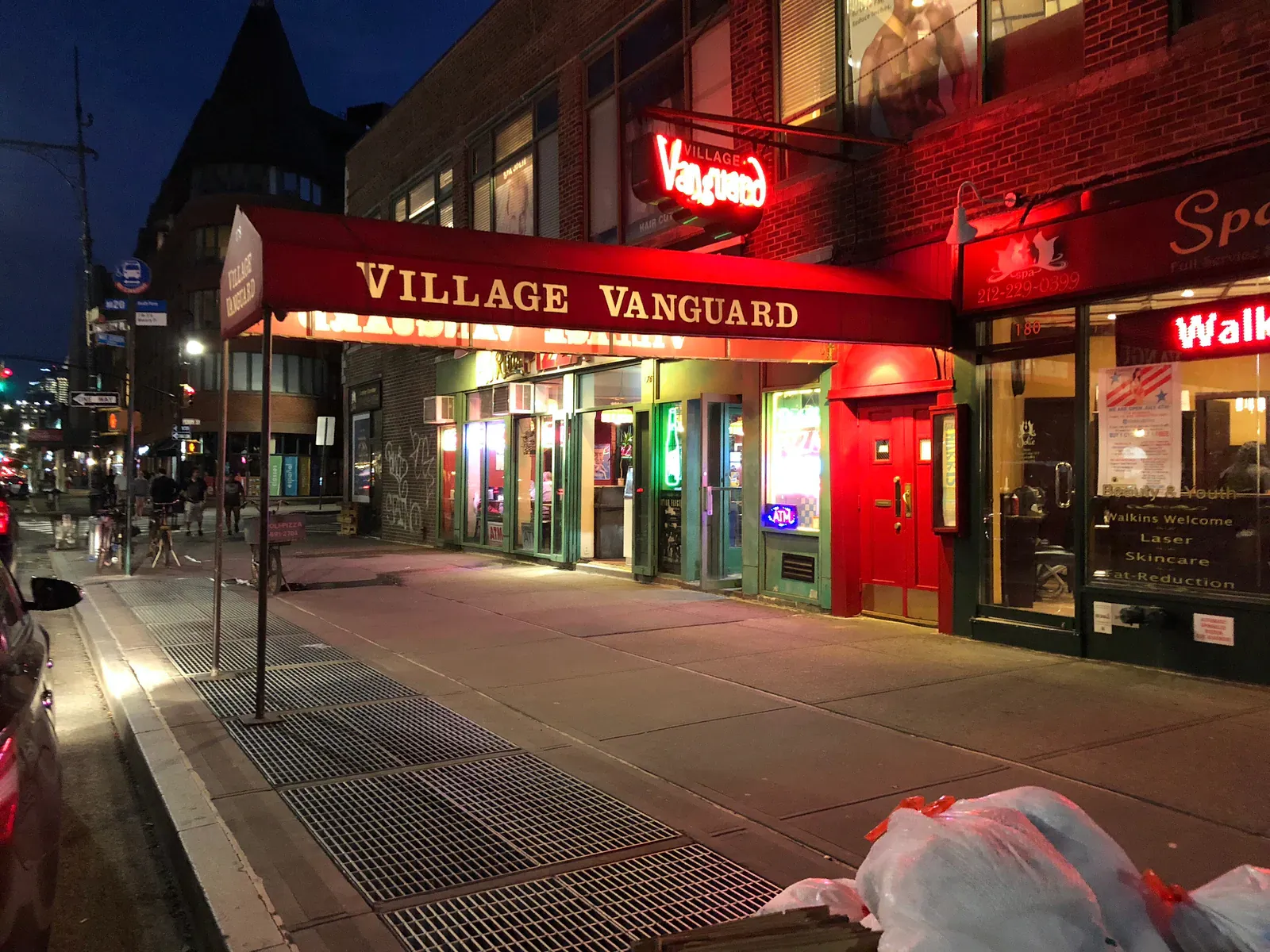
The Village Vanguard opened in Greenwich Village in February 1935, first as a room for folk music and poetry. Cafe Society followed in 1938 on Sheridan Square and ran until 1948, a club that gave Black performers a downtown stage. Josh White worked this circuit, and paired with Lead Belly for a six-month engagement at the Vanguard. He also played Blind Lemon in the Broadway musical John Henry, which opened on 10 January 1940 with Paul Robeson in the lead.
Sonny Terry played the first From Spirituals to Swing concert at Carnegie Hall in December 1938 and recorded his first commercial sides in 1940. Brownie McGhee, a Tennessee guitarist who had recorded for Okeh in Chicago, moved to New York in 1942 and teamed with Terry, whom he had known since 1939. The pairing was an immediate success. In the 1940s the two did not sell themselves as folk artists: they fronted a jump combo with honking saxophone and rolling piano, billed as Brownie McGhee and his Jook House Rockers or Sonny Terry and his Buckshot Five, often with Champion Jack Dupree on piano. Terry joined the original Broadway cast of Finian’s Rainbow in 1947.
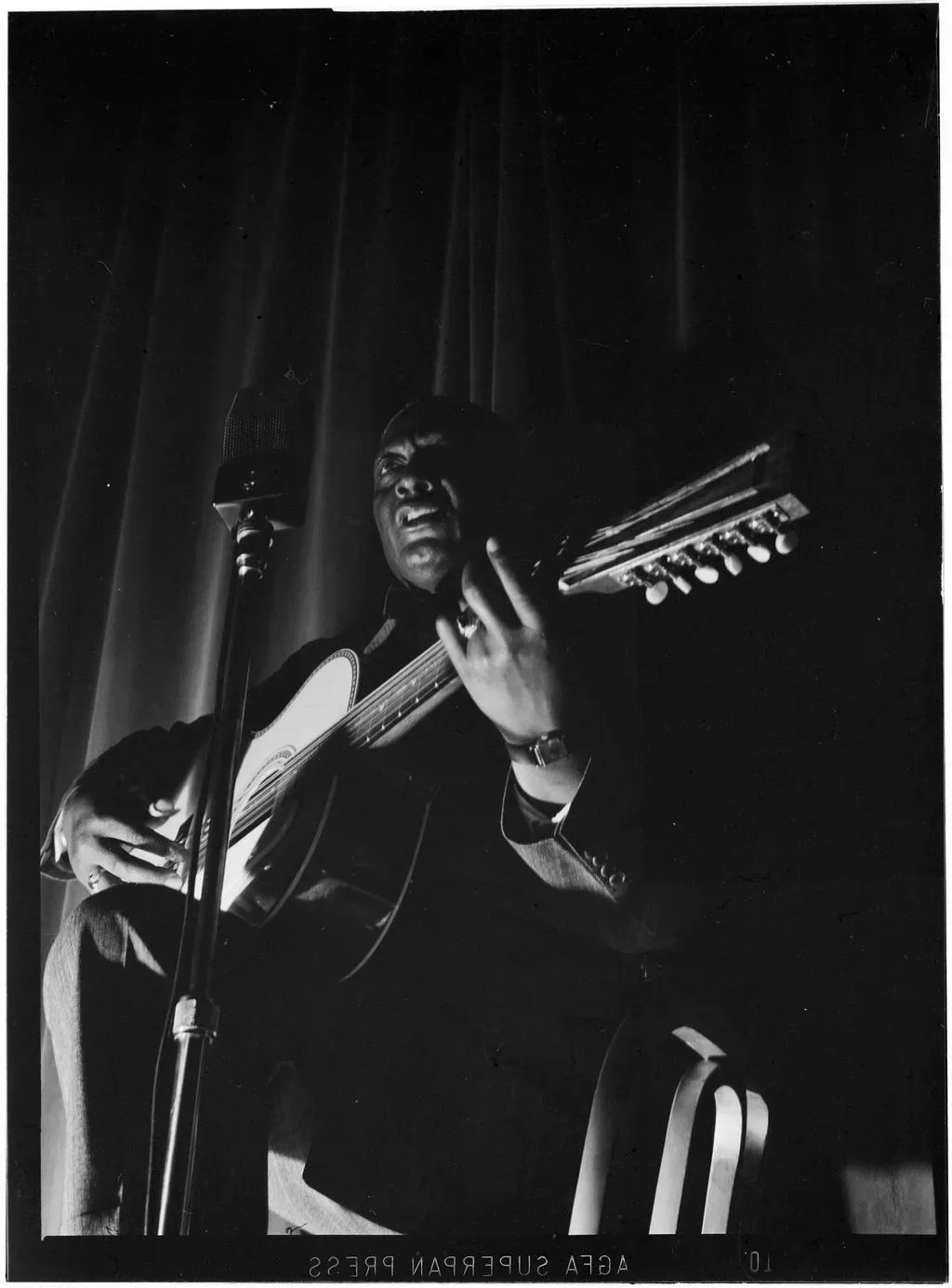
Gary Davis arrived in January 1944 and lived in the East Bronx for 16 years, preaching and playing at storefront Baptist churches and on the street. Moses Asch recorded him in 1945, with little release at the time.
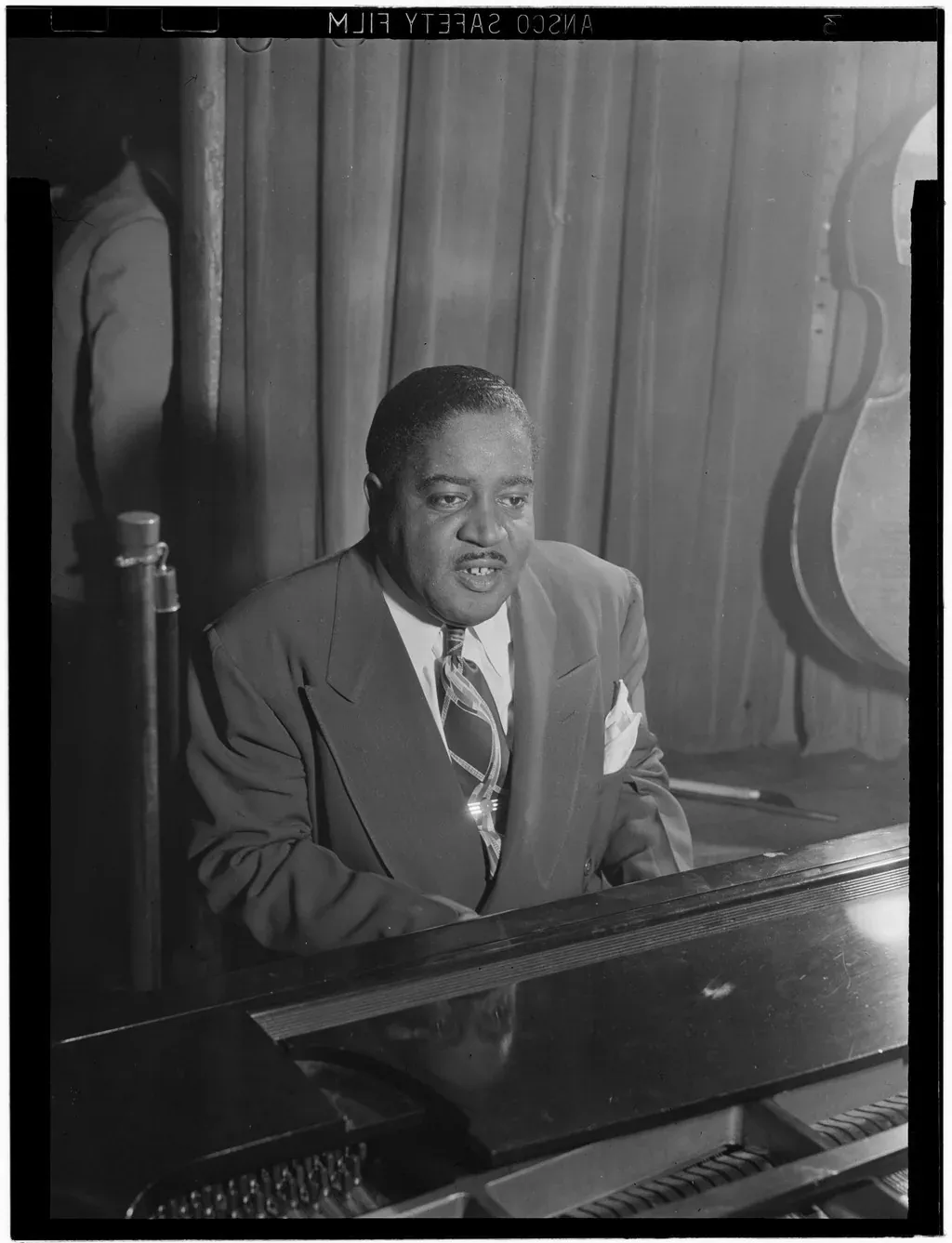
The city’s recording industry also produced a hit of its own. Stick McGhee, Brownie’s brother, wrote Drinkin’ Wine Spo-Dee-O-Dee in 1946 with Brownie’s help. Harlem Records issued the song in January 1947, but it did not get airplay until he re-cut it for Atlantic in 1949. It spent almost half a year on the Billboard R&B chart and reached number 2, and Wynonie Harris and Lionel Hampton covered it that year. Its title gave its name to spodi, an alcoholic fruit drink.
Folkways and the folk audience, 1950-1959
On 28 January 1950 Gary Davis made his first stage appearance in the city at the Lead Belly memorial concert at Town Hall. By then Terry and McGhee were turning to a different audience. Moses Asch’s Folkways label, which published their solo and duo records, treated the blues as documentary folk music. Brownie McGhee Blues appeared in 1955, and from 1958 until 1980 the pair did most of their work, touring about eleven months of each year. Josh White’s recordings for Elektra in 1955, including One Meat Ball, show the same turn toward concert audiences.
Stick McGhee, meanwhile, moved from Atlantic through Essex, King and Savoy and never repeated his hit. He cut his last session in 1960, for Herald in New York with Terry, and died in August 1961.
Revival years, 1960-1969
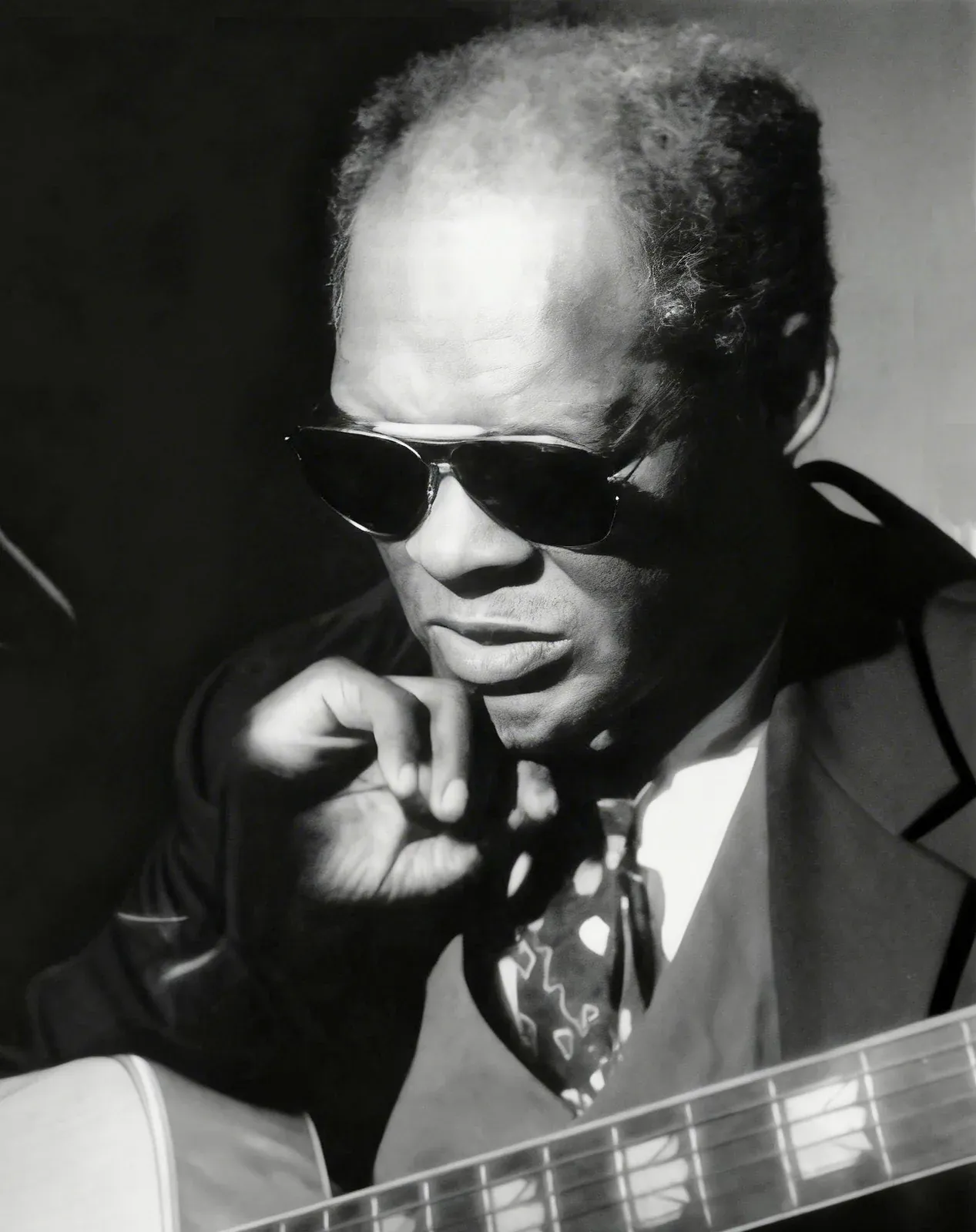
The Gaslight Cafe opened on MacDougal Street in 1958 and Gerde’s Folk City became a folk room in June 1960. Davis, aged 64, played a first club residency at Gerde’s. In 1960 the producer Kenneth Goldstein took him to Rudy Van Gelder’s studio in New Jersey, where he recorded 20 songs in three hours on a Gibson J-200, which became the album Harlem Street Singer on Prestige’s Bluesville line. The best known cut, Death Don’t Have No Mercy, was recorded on 24 August. Bob Dylan, the Grateful Dead and Hot Tuna later covered it. Davis also taught: Stefan Grossman went to him for lessons at 16 in 1962 and Dave Van Ronk and David Bromberg were among his students.
Late careers, 1970-1996
Terry and McGhee were popular on revival stages through the 1960s and recorded A Long Way From Home in 1969. They received National Heritage Fellowships in 1982, the first year of the award. Davis died on 5 May 1972, weeks after a church concert in Northport, Long Island. Terry died on 11 March 1986. McGhee died on 16 February 1996 in Oakland, after small film and television roles, including the singer Toots Sweet in Angel Heart.
Characteristics
Three ingredients recur. The first is Piedmont guitar, with a steady thumb bass and a melody picked above it. The second is the guitar and harmonica duet, in which Terry’s whoops and train imitations answer McGhee’s guitar. The third is crossover with other New York music: gospel in Davis, folk in White and Terry, jump-blues in Stick McGhee and the 1940s Terry and McGhee combos.
Legacy
The scene supplied much of the music of the folk revival. It is also a link between the Piedmont blues of the 1930s and later blues revival players, and its songs passed into rock through covers. Its style appears under blues revival, in the blues family, and its jump-band side sits beside jump blues.
Misconceptions
The first misconception is that New York had a single blues style. The name covers southern players who arrived in different decades and worked in gospel, jump-band and folk settings, which is why historians treat it as a place more than a sound.
A second is that Terry and McGhee were always folk artists. In the 1940s they led a jump combo and recorded for the R&B market, and only later became the folk-blues duo.
A third is that Gary Davis was discovered only in the 1960s. He recorded 15 sides in New York in 1935 and again in 1945 and 1949; the revival turned a street preacher into a recording artist and teacher.
Frequently asked questions
What is New York blues?
New York blues is the blues played in New York City from the 1930s to the 1960s, mostly by southern musicians such as Brownie McGhee, Sonny Terry, Josh White and Gary Davis who settled there.
Who were the main New York blues musicians?
Brownie McGhee and Sonny Terry, Reverend Gary Davis, Josh White and Stick McGhee are the core. Lead Belly and Champion Jack Dupree were part of the same circuit.
Where was New York blues played?
In Harlem and Bronx churches and streets, in Greenwich Village clubs such as the Village Vanguard, Cafe Society, the Gaslight Cafe and Gerde’s Folk City, and at Carnegie Hall.
Is New York blues the same as Piedmont blues?
No. Piedmont blues is a guitar style from the Carolinas and Virginia. New York blues is the city scene in which several Piedmont players worked after moving north.
Sound
Sound sheet
Anatomy of a track
| # | Part |
|---|---|
| 1 | Guitar or harmonica opening figure |
| 2 | Sung verses in blues form |
| 3 | Harmonica or guitar break |
| 4 | Last verse and tag |
Signature sounds
- Guitar and harmonica trading lines as a duo
- Thumb-bass fingerpicking carried north from the Carolinas
- Gospel songs and blues sung by the same player
- Jump-band horns and piano on 1940s New York sessions
Techniques
- Piedmont fingerpicking
- Harmonica whoops and train imitations
- Guitar-voice interplay
- Jump-band backing
Keys and modes
C. Open-position key of Sonny Terry's harmonica showpiece Walk On
E. Common guitar key, as in Brownie McGhee's Sporting Life
Vocals
A plain, speech-like blues voice over guitar, with harmonica whoops answering and gospel colour in Davis's singing.
Scenes
Where it happened
Where and when the sound lived: one bar per city on a shared timeline.
North America
Active scenes
Peak 4, 1947-2025
Clubs and coffeehouses from the Village Vanguard to Gerde's Folk City gave the players a folk audience.
Gary Davis lived here for 16 years after moving north and preached at storefront churches.
Harlem Records issued Stick McGhee's first Drinkin' Wine in January 1947.
Home of the Savoy label, founded in 1942, which recorded Stick McGhee in the 1950s.
Venues and places
New York, 1935 to today. Greenwich Village room where Lead Belly and Josh White shared a six-month engagement.
New York, 1938 to today. Sheridan Square club open from 1938 to 1948; Josh White and Pete Johnson were photographed there in June 1946.
New York, 1938 to today. Host of From Spirituals to Swing in 1938, where Sonny Terry played.
New York, 1958 to today. MacDougal Street coffeehouse that presented folk and blues acts until 1971.
New York, 1960 to today. West 4th Street folk club where Gary Davis played a first residency.
Culture
Culture markers
- Street and storefront-church playing
Gary Davis preached and played at storefront Baptist churches and on the street, which paid little but built his audience.
Ritual - Sunday folk gatherings
Washington Square hosted Sunday song circles that Gary Davis attended in the early 1960s.
Ritual - Spodi
Stick McGhee's wine song lent its name to an alcoholic fruit drink.
Slang
Media
Key media
- 1971Guitar Styles of Brownie McGhee
by Happy Traum. A guitar instruction book that includes McGhee's own account of his life and the blues.
Book - 1979The Jerk
by Carl Reiner. Terry and McGhee appear in the Steve Martin comedy.
Film - 1987Angel Heart
by Alan Parker. Brownie McGhee plays the blues singer Toots Sweet in the thriller.
Film - 1991The Folkways Years, 1945-1959
by Brownie McGhee. Collects McGhee's Folkways recordings from the New York years.
Compilation
Glossary
Terms on this page
Acoustic blues presented to concert and coffeehouse audiences during the folk revival.
A small-band blues with honking sax, piano and a driving shuffle, as in Brownie McGhee and his Jook House Rockers.
A guitar style from the Carolinas and Virginia in which the thumb keeps a steady bass while the fingers pick melody.
An alcoholic fruit drink named after Stick McGhee's song Drinkin' Wine Spo-Dee-O-Dee.
A small congregation housed in a shop front, where Gary Davis preached and played in the 1940s.
Blues family