Louisiana blues
Louisiana blues is post-war blues from Louisiana, split between jazz-flavored New Orleans piano and guitar and the slow, echo-heavy swamp blues of Baton Rouge.
New Orleans, 1945
Blues family
Born
1945
New Orleans
Subgenres
2
Documented branches
Links
4
Genres it drew on or shaped
Tempo
70-125 BPMLineage
Family tree
Grew out of
Influenced by
New Orleans, 1945
Louisiana blues
Led to (2)
Timeline
Era by era
From the first sparks to today. Select a dot to read the story behind it.
- Post-war foundations
1945 to 1953
- Excello, Specialty and the peak
1954 to 1966
- Decline
1967 to 1969
- Heritage and revival
1970 to today
Eras
Moments
- 1 Post-war foundations, 1945 to 1953
- 2 Excello, Specialty and the peak, 1954 to 1966
- 3 Decline, 1967 to 1969
- 4 Heritage and revival, 1970 to today
1945
Post-war foundations
New Orleans studios and clubs turn piano blues and R&B into a local sound, and Baton Rouge and Crowley players start recording slow, harmonica-led blues.
- 1947Imperial Records is foundedLew Chudd's Los Angeles label begins recording New Orleans rhythm and blues, which shapes the city's post-war blues sound.
- 1949Mardi Gras in New OrleansProfessor Longhair's signature carnival song is recorded and becomes a local and R&B hit.
- 1953Excello Records starts in NashvilleErnie Young launches the label as a subsidiary of the gospel imprint Nashboro; it later issues most swamp blues.
- 1953TipitinaProfessor Longhair records Tipitina for Atlantic, a rumba-flavored piano piece that becomes his best-known tune.
- 1953The Things That I Used to DoGuitar Slim's gospel-tinged blues with a distorted electric guitar solo is issued in December and sells a million.
1954
Excello, Specialty and the peak
Guitar Slim's 1954 hit, Professor Longhair's piano records and J. D. Miller's Excello sessions produce the style's best-known recordings, ending with Slim Harpo's pop crossover in 1966.
- 1954Lightnin' Slim joins ExcelloLightnin' Slim begins recording in Louisiana for J. D. Miller and Excello, one of the first swamp blues voices.
- 1957I'm a King BeeSlim Harpo's debut single, recorded at Miller's Crowley studio, is a regional hit in the South.
- 1958I'm a Lover Not a FighterLazy Lester's Excello single becomes a swamp blues standard later covered by British bands.
- 1959Guitar Slim diesGuitar Slim dies in New York on 7 February, aged 32.
- 1959Rooster BluesLightnin' Slim's slow Excello single becomes his biggest R&B hit.
- 1964The Rolling Stones cover I'm a King BeeThe band's debut album carries the song, and British Invasion groups draw on Slim Harpo's catalog.
- 1966Baby, Scratch My BackSlim Harpo's single reaches number 1 on the R&B chart and number 16 on the Hot 100.
1967
Decline
Rock and roll and soul dominate the charts, and many Louisiana bluesmen lose their recording deals and audiences.
1970
Heritage and revival
The New Orleans Jazz and Heritage Festival, new recordings of Professor Longhair and reissues of the Excello catalogue bring the music back, while many swamp players move toward zydeco.
- 1970New Orleans Jazz and Heritage Festival beginsThe festival gives Professor Longhair a new audience and starts the second phase of his career.
- 1970Slim Harpo diesSlim Harpo dies in Baton Rouge on 31 January.
- 1972New Orleans PianoAtlantic issues a collection of Professor Longhair's early recordings, produced by Jerry Wexler.
- 1974Lightnin' Slim diesLightnin' Slim dies on 27 July.
- 1980Professor Longhair diesProfessor Longhair dies in New Orleans on 30 January.
- 2018Lazy Lester diesLazy Lester, one of the last first-generation swamp bluesmen, dies on 22 August.
Listening path
Start listening
A short path from an easy way in to the deep end. Thumbnails come from YouTube; the player loads only when you press play.
- 01
Slim Harpo, 1957
The sparse harmonica blues that shows the Crowley sound and was covered by British bands.
- 02
Lightnin' Slim, 1959
A slow, echoing swamp blues from the Excello catalogue.
- 03
Lazy Lester, 1958
A relaxed shuffle that became a swamp blues standard.
- 04
Professor Longhair, 1953
The New Orleans piano style, with its rumba-tinged left hand.
Facts
| Family | Blues |
| Origin | New Orleans, United States |
| Emerged | 1940s to 1960s |
| Status | Revival |
| Tempo | 70 to 125 BPM |
| Meter | 4/4 |
| Subgenres | 2 |
Louisiana blues is the blues of Louisiana after the Second World War, and it divides into two branches.
New Orleans blues is built on piano and saxophone, shaped by jazz and Caribbean rhythm, and swamp blues is a slower, sparser style from the Baton Rouge and Crowley area with echo, tremolo guitar and harmonica. Both branches peaked in the 1960s, faded in the later part of the decade and have been revived in waves since the 1970s. It sits inside the wider blues family and borders rhythm and blues.
Origins
New Orleans is better known as the birthplace of jazz than as a blues city, yet the twelve-bar form was familiar there before most of the country knew it. Brass and dance bands played blues long before the war, and after 1945 the city’s studios and clubs produced a stream of records that mixed blues with rhythm and blues and pointed toward rock and roll. Cosimo Matassa’s J&M studio recorded much of this output, and labels from Los Angeles, such as Imperial and Specialty, came to the city to cut sessions.
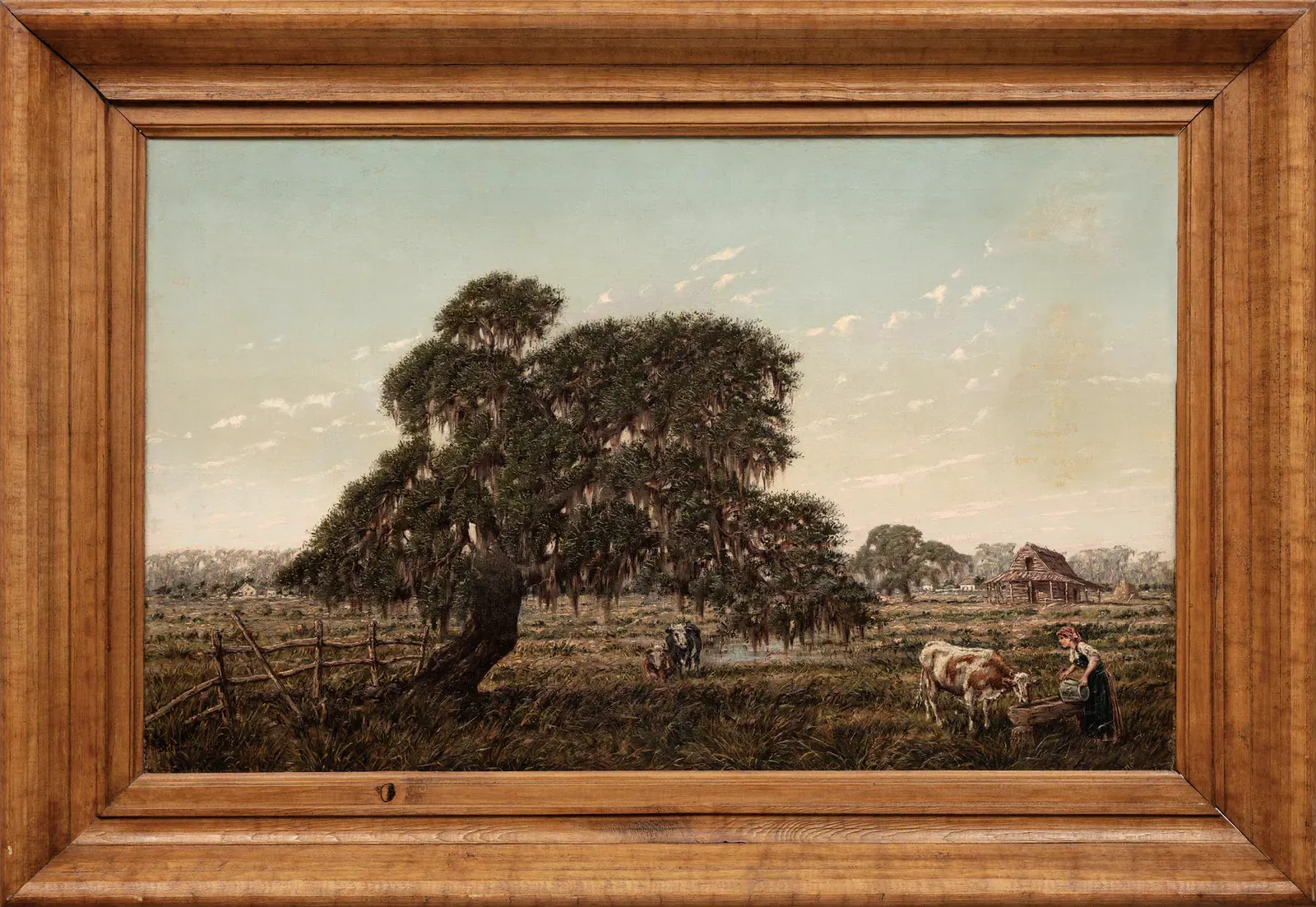
Farther west and north, in the Black communities around Baton Rouge and Crowley, a different sound formed in the 1950s. Producer J. D. Miller recorded local singers and harmonica players in a small Crowley studio and sent the tapes to Excello Records in Nashville, which released them nationally. The records leaned on boogie patterns from Jimmy Reed, the guitar of Lightnin’ Hopkins and the Chicago sound of Muddy Waters, then added a Louisiana drawl, slapback echo and the rhythms of Cajun and zydeco neighbors.
New Orleans, 1945-1966
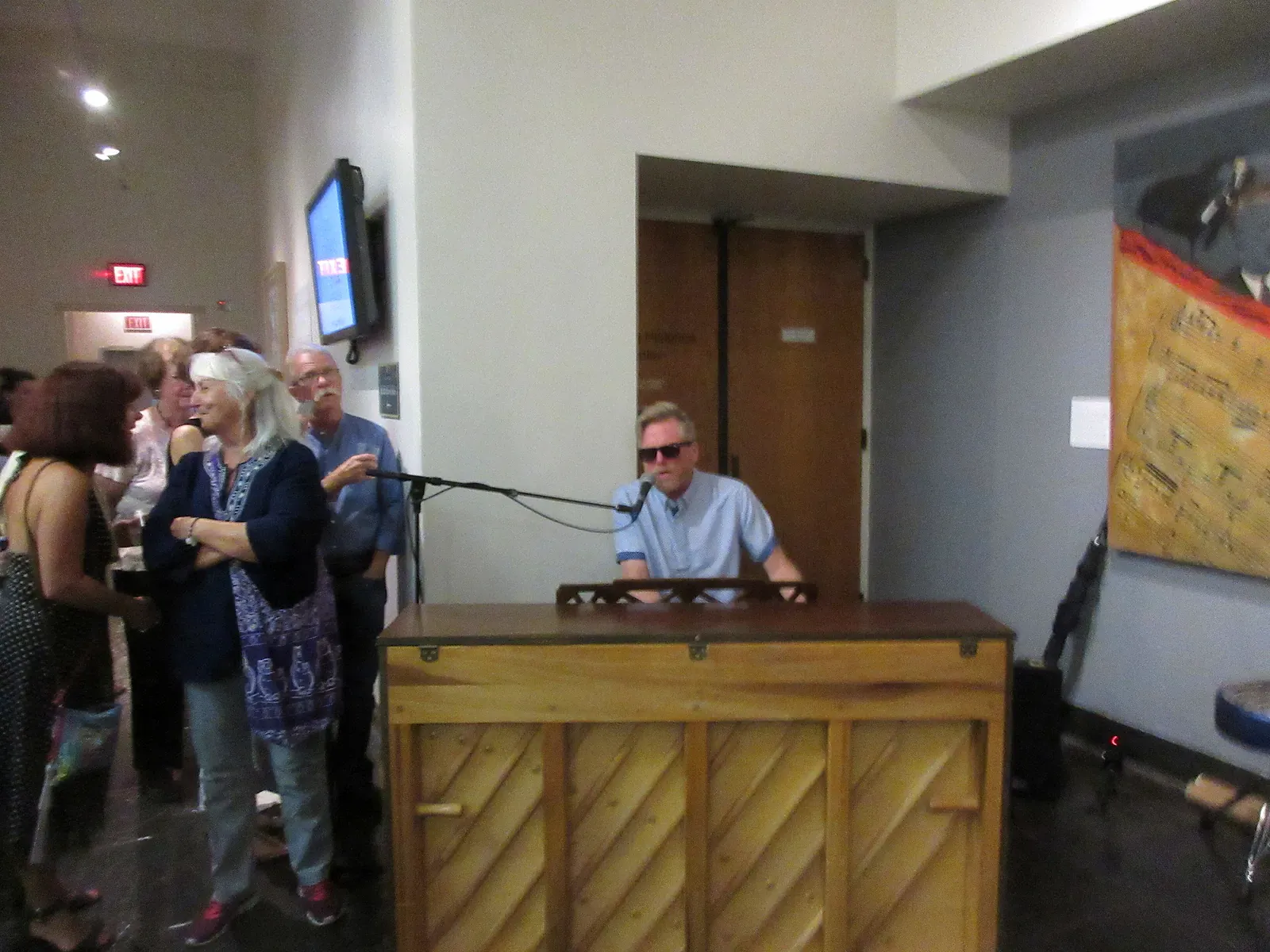
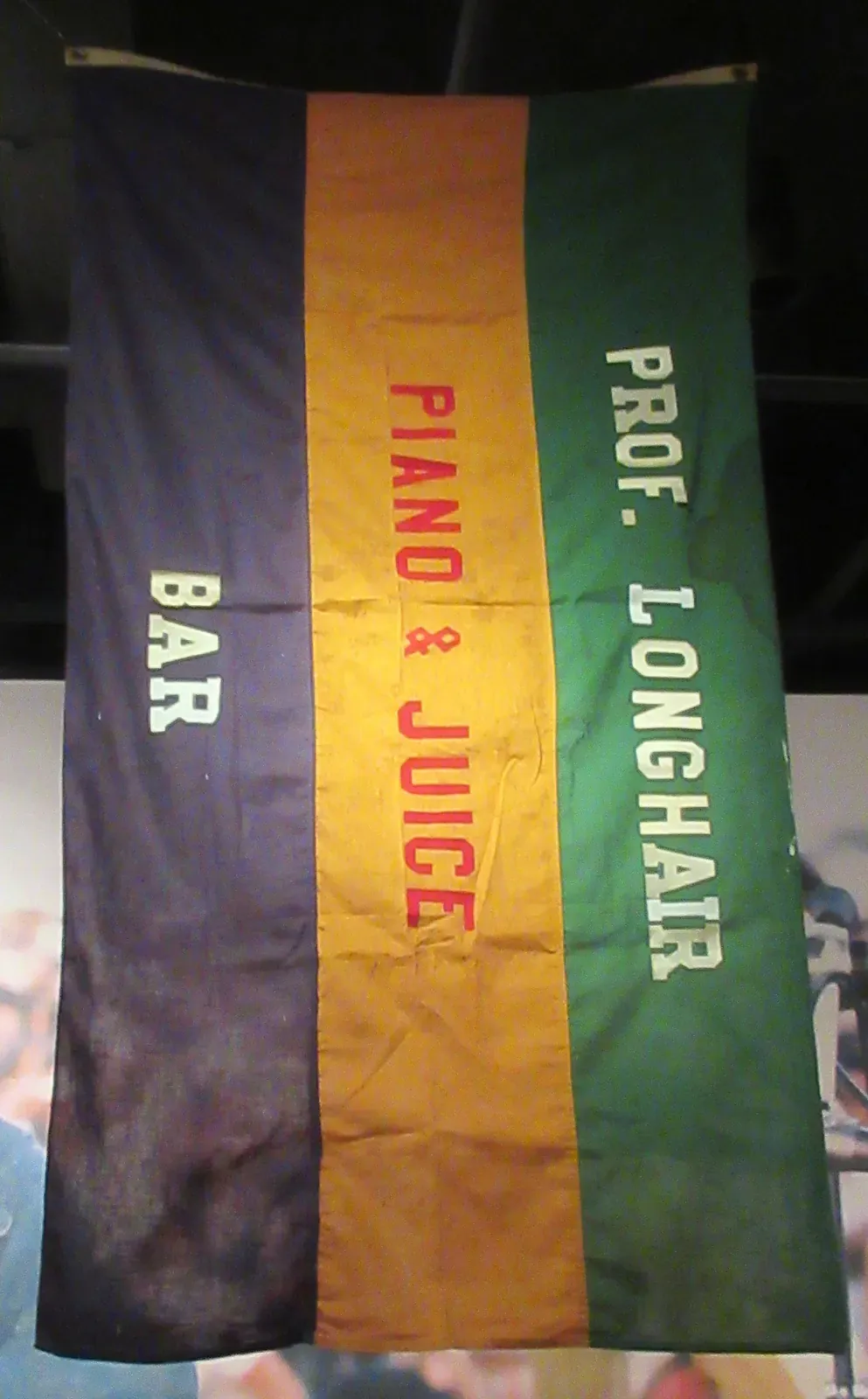
The New Orleans branch has two main faces. One is the piano. Professor Longhair, born Henry Roland Byrd, combined blues with rumba, mambo and calypso patterns in his left hand, and recorded “Mardi Gras in New Orleans” in 1949 and “Tipitina” in 1953. His rolling, syncopated style became the template for later city pianists, and James Booker, whose instrumental “Gonzo” reached the Billboard top 50 in 1960, worked in the same keyboard tradition.
The other face is the guitar. Guitar Slim, born Eddie Jones in Mississippi, moved to New Orleans and recorded “The Things That I Used to Do” for Specialty at J&M in 1953. Ray Charles arranged the session. The record paired gospel-style vocals with an overdriven electric guitar solo, was issued in December and sold a million copies, and later appeared on the Rock and Roll Hall of Fame’s list of songs that shaped rock and roll. Other guitarists, such as Snooks Eaglin and Earl King, carried the city’s sound onward. King’s “Come On” was later covered by Jimi Hendrix and Stevie Ray Vaughan.
Vocals in this branch range from relaxed crooning to full gospel shouting, and the rhythm section tends to play slightly behind the beat. The music is cheerful in delivery even when the lyrics are not.
Swamp blues, 1954-1966
Swamp blues is slower and more spacious. Lightnin’ Slim began recording for Miller and Excello in 1954 and became one of its first voices. Slim Harpo, from Lobdell, Louisiana, recorded “I’m a King Bee” in 1957 and went on to the genre’s biggest pop success in 1966 with “Baby, Scratch My Back”, a number 1 hit on the R&B chart that also reached number 16 on the Hot 100. Lazy Lester, Silas Hogan, Lonesome Sundown and the pianist Katie Webster filled out the same circle of players.
The Excello sound depended on the studio as much as on the players. Miller’s room gave voices and harmonicas a short, ghostly echo, drums stayed sparse and the guitar repeated a simple figure under a shuffle beat. Critics have described the result as eerie echo, shuffle beats, tremolo guitars and searing harmonica. British groups heard it clearly: the Rolling Stones, the Kinks and the Yardbirds all covered Slim Harpo, and the Stones put “I’m a King Bee” on their first album.
Characteristics
Most Louisiana blues keeps the twelve-bar form, set in a laid-back tempo that rarely moves beyond a medium shuffle. The two branches differ in what they put on top. New Orleans players favor piano and saxophone, with Caribbean-tinged syncopation and the sound of a dance band. Swamp players favor a single guitar and a harmonica, often in a rack so that both can be played together, with little more than a light drum kit behind them. Songs from both branches tend to be short, built on a repeating riff and aimed at the juke joint or the dance hall.

Instruments and production
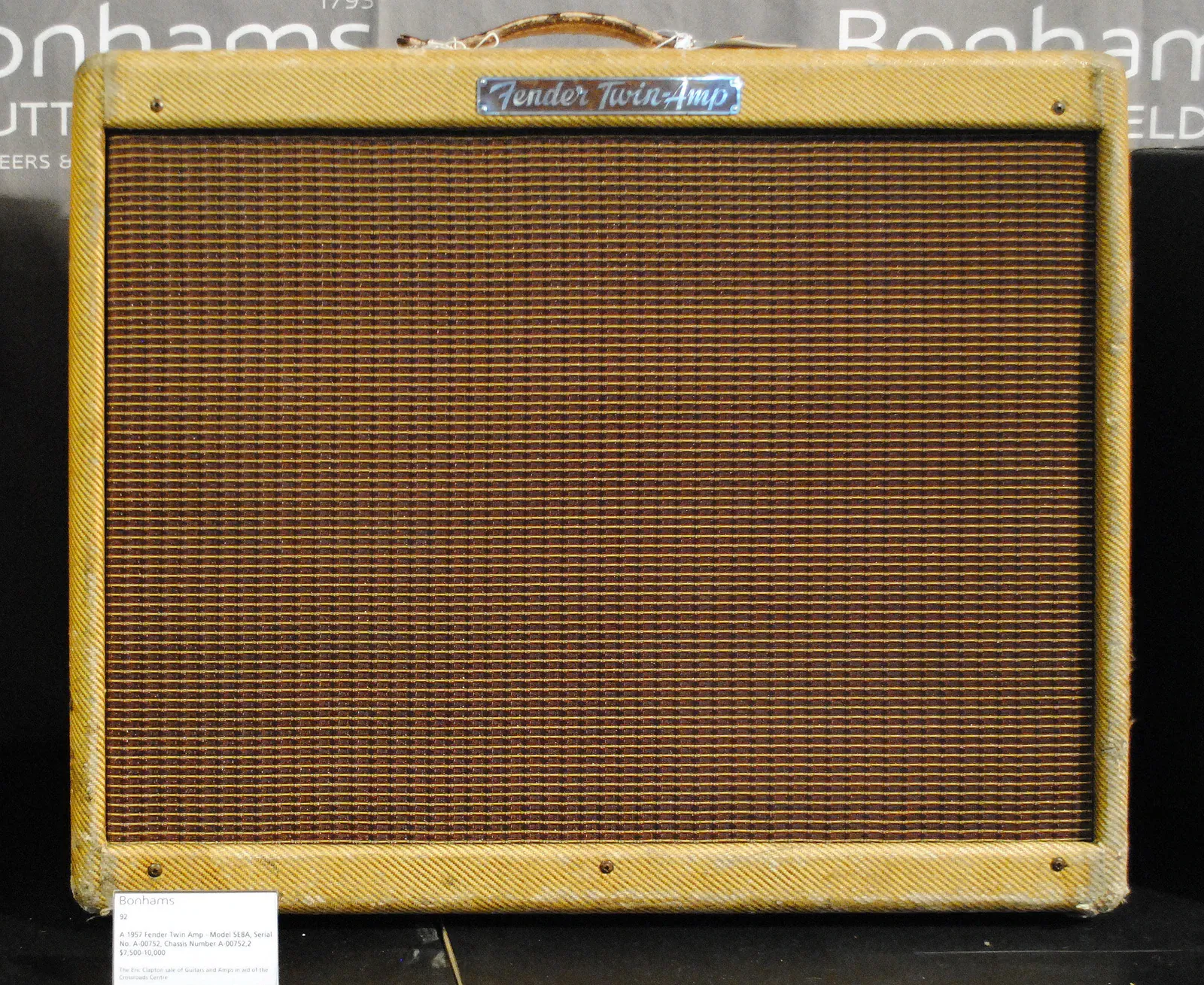
Piano is the signature New Orleans instrument, played with a rumba-influenced left hand and a loose right hand, with tenor or baritone saxophone riffs on top. In swamp blues, the harmonica leads and the electric guitar, usually with amplifier tremolo, supplies a repeated figure. Miller’s studio methods mattered as much as the instruments: close microphones, tape echo and a small room produced the sound that other producers later copied. Guitar Slim’s distorted lead tone, achieved a decade before rock guitarists made it common, showed how far an amplifier could be pushed.
Mainstream success
Both branches reached the charts but rarely stayed there. Guitar Slim’s record and Professor Longhair’s “Tipitina” were R&B successes, and Excello’s artists had regional and R&B hits through the late 1950s and the 1960s. The crossover moment was Slim Harpo’s 1966 pop hit. By the end of the decade rock and soul dominated radio, Excello’s roster dried up and many of the older players lost their audiences. Several swamp bluesmen turned to zydeco, which kept a loyal Black audience.
Notable recordings
“The Things That I Used to Do” is the best-documented record of the style. Recorded in October 1953 and issued that December, it sold well beyond the R&B market and is often cited as a bridge between blues, gospel and early soul. “Tipitina” is a different kind of landmark: a piano piece rather than a song, it gave a New Orleans club its name and became Professor Longhair’s calling card. “I’m a King Bee” shows how little a swamp blues record needs: a spare riff, a harmonica and a reverberant voice, recorded at Miller’s studio in 1957.
Culture
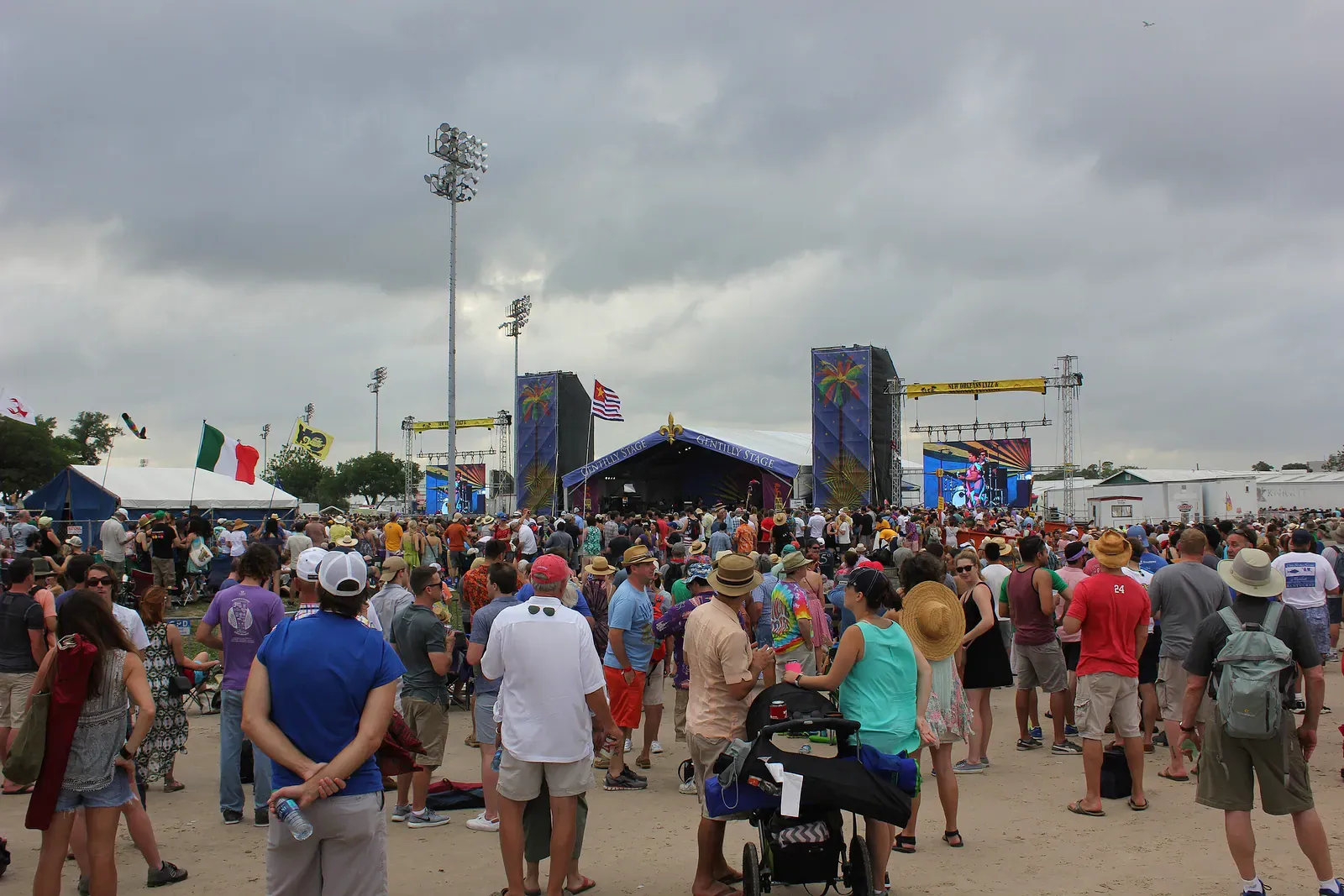
Carnival season runs through the New Orleans branch. Professor Longhair’s Mardi Gras songs are replayed every year, and the club Tipitina’s, opened on Napoleon Avenue in 1977 and named after his tune, became a base for the city’s piano players. Guitar Slim was as famous for his stage show as for his records, appearing in bright dyed suits and playing on a long cable that let him wander through the room. Swamp blues belonged to rural juke joints and small clubs around Baton Rouge, where audiences were mostly local and Black.
Legacy
Professor Longhair’s second career began after the first New Orleans Jazz and Heritage Festival in 1970. Atlantic issued a set of his early recordings as “New Orleans Piano” in 1972, and he remained a central figure in the city until his death in 1980. Reissues of the Excello catalogue and renewed interest from blues and rock musicians gave swamp blues a similar afterlife, though most of its first-generation players were gone by 1980. Lazy Lester, who recorded until the 2010s, was among the last.
Misconceptions
Louisiana blues is not simply Mississippi blues moved south. The New Orleans branch drew on jazz, Caribbean rhythm and dance-band traditions, and the swamp branch on Chicago boogie and Louisiana French-language music. It is also not a branch of Cajun or zydeco music, even though it borrows from both: swamp blues was made by Black blues musicians for blues audiences, and its players later moved toward zydeco rather than the other way round. Finally, New Orleans was not a blues backwater. The twelve-bar form was played in the city in the early twentieth century, and the post-war records of Guitar Slim and Professor Longhair were major regional and national R&B hits.
Frequently asked questions
What is Louisiana blues?
Louisiana blues is the blues of Louisiana after the Second World War. It has two branches: New Orleans blues, led by piano and saxophone, and swamp blues, a slower style around Baton Rouge with harmonica, tremolo guitar and echo.
What is the difference between swamp blues and New Orleans blues?
New Orleans blues is built on piano and horns and absorbs jazz and Caribbean rhythm. Swamp blues is sparser and slower, with guitar, harmonica and tape echo, and shows Cajun and zydeco influence.
Who are the most important Louisiana blues artists?
Professor Longhair and Guitar Slim lead the New Orleans branch, and Slim Harpo, Lightnin’ Slim and Lazy Lester lead swamp blues.
Why is swamp blues associated with Excello Records?
Producer J. D. Miller recorded most of the style’s key artists in Crowley, Louisiana, and released them through Excello in Nashville, which carried their records to a national market.
What is Louisiana blues known for?
It is known for a relaxed tempo, a rolling New Orleans piano style, distorted guitar tone, ghostly studio echo and songs that British Invasion bands covered.
Sound
Sound sheet
Anatomy of a track
| # | Part | Bars |
|---|---|---|
| 1 | Intro riff or harmonica phrase | 4 |
| 2 | Vocal choruses (12-bar form) | 24 |
| 3 | Harmonica, guitar or piano solo | 12 |
| 4 | Final chorus and tag | 12 |
Signature sounds
- Slow shuffle or triplet feel
- Slapback echo on voice and harmonica
- Piano rumba left hand in New Orleans tracks
- Sparse drums and a repeated guitar figure
Drums and percussion
- Drum kit
Techniques
- Slapback echo
- Rumba left hand
- Rack harmonica
- Tremolo guitar
- Distorted guitar solo
Keys and modes
Major and minor 12-bar blues. Blues scale over I-IV-V changes, often in keys that suit harmonica such as E and A.
Tuning
12-TET, A=440
Vocals
Relaxed, laid-back drawl to full gospel shouting, often behind the beat.
Scenes
Where it happened
Where and when the sound lived: one bar per city on a shared timeline.
North America
Active scenes
Peak 3, 1950-2025
Home of the J&M studio and the piano-and-saxophone blues of Professor Longhair and Guitar Slim.
Base of Slim Harpo and Lightnin' Slim and the club circuit of swamp blues.
Town of J. D. Miller's studio, where most Excello swamp blues was recorded.
Venues and places
New Orleans, 1945 to today. Cosimo Matassa's studio recorded New Orleans R&B and blues, including Guitar Slim's 1953 hit.
Crowley, 1950 to today. Small Crowley studio where Miller recorded Slim Harpo, Lazy Lester and Lightnin' Slim with a distinctive echo.
New Orleans, 1977 to today. Club on Napoleon Avenue opened in 1977 and named for Professor Longhair's tune.
New Orleans, 1970 to today. Annual festival whose 1970s editions revived Professor Longhair's career.
Culture
Culture markers
- Mardi Gras carnival
Professor Longhair's carnival songs are replayed every season in New Orleans.
Ritual - Louisiana juke joints
Rural clubs around Baton Rouge were the main audience for swamp blues players.
Ritual - Guitar Slim's stage show
Guitar Slim wore brightly dyed suits and played with a long cable that let him walk through the crowd.
Fashion
Media
Key media
- 1972New Orleans Piano
by Professor Longhair. Atlantic collection of his early 1950s recordings, a key reissue of the revival.
Compilation - 1982Piano Players Rarely Ever Play Together
by Stevenson Palfi. Documentary about Professor Longhair, Tuts Washington and Allen Toussaint.
Film
Glossary
Terms on this page
Blues slang for the diatonic harmonica.
Piano- and saxophone-led blues shaped by jazz and Caribbean rhythm.
Professor Longhair's Afro-Cuban inflected bass piano pattern.
A short tape delay that gave Miller's recordings their eerie room sound.
Slow, echo-heavy Louisiana blues from Baton Rouge and Crowley with harmonica and sparse drums.
Blues family