Dirty blues
Dirty blues is American blues built on sexual innuendo and double entendre, recorded from the 1920s to the 1950s and heard mostly on jukeboxes.
United States, 1925
Blues family
Born
1925
United States
Links
5
Genres it drew on or shaped
Tempo
60-150 BPMLineage
Family tree
Timeline
Era by era
From the first sparks to today. Select a dot to read the story behind it.
- Vaudeville and hokum records
1923 to 1932
- Jukebox years
1933 to 1941
- Jump blues and R&B revival
1942 to 1955
- Dilution and reissue
1956 to today
Eras
Moments
- 1 Vaudeville and hokum records, 1923 to 1932
- 2 Jukebox years, 1933 to 1941
- 3 Jump blues and R&B revival, 1942 to 1955
- 4 Dilution and reissue, 1956 to today
1923
Vaudeville and hokum records
Women singers from the vaudeville circuit and Chicago hokum duos put sly sexual lyrics onto race records, as electrical recording made a cheap, steady market for the blues.
- 1923Lucille Bogan begins recordingThe Mississippi-born singer makes her first records in 1923, starting a catalogue that would later include the most explicit blues song preserved from a pre-war session.
- 1925Electrical recording adoptedMicrophone recording replaces the acoustic horn at the major labels, making low-cost blues sessions practical.
- 1928It's Tight Like ThatTampa Red and Georgia Tom record the hokum hit whose innuendo launches a wave of bawdy double-entendre songs.
- 1931Bo Carter's innuendo recordsBo Carter records Banana in Your Fruit Basket and Pin in Your Cushion, built on everyday objects standing in for sex.
1933
Jukebox years
With radio closed to risque songs, coin-operated phonographs carried Lucille Bogan, Bo Carter, Lil Johnson and the Harlem Hamfats into bars, cafes and juke joints.
- 1933Jukeboxes spreadAfter the end of Prohibition, coin-operated phonographs fill bars and juke joints and give risque records a way to be heard without radio.
- 1935Lucille Bogan's Shave 'Em DryBogan cuts an openly obscene version at a commercial session, the most explicit pre-war blues recording known.
- 1936Oh Red by the Harlem HamfatsThe Chicago band's first record is a hit and wins a Decca contract, setting a template for bawdy small-band blues.
- 1936Lil Johnson's Press My ButtonLil Johnson records Press My Button (Ring My Bell), a blunt innuendo song later quoted as a standard example of the style.
1942
Jump blues and R&B revival
Shouters and saxophonists on King Records, among them Wynonie Harris, Bull Moose Jackson and Hank Ballard, brought bawdy songs back as danceable R&B hits that radio often refused to play.
- 1948Good Rockin' TonightWynonie Harris's King single reaches the top of the R&B chart and revives the bawdy blues as dance music.
- 1948I Want a Bowlegged WomanBull Moose Jackson's King recording becomes one of the suggestive R&B hits of the late 1940s.
- 1954Work with Me, AnnieHank Ballard and the Midnighters top the R&B chart, and radio stations refuse to play the record because of its lyrics.
- 1955Dance with Me HenryGeorgia Gibbs's rewritten pop cover of Ballard's Annie records shows the cleaned-up route the style took into rock and roll.
around 1956
Dilution and reissue
Rock and roll absorbed the sound and cleaned up the words, while the old records survived on jukebox stock and, from the 1970s, on specialist compilations.
- 1976The Copulatin' Blues compilationThe Stash reissue gathers risque blues from the 1920s to the 1950s for a new audience of collectors.
Listening path
Start listening
A short path from an easy way in to the deep end. Thumbnails come from YouTube; the player loads only when you press play.
- 01
Bo Carter, 1931
The double entendre at its most playful; listen for the gentle guitar under the sly delivery.
- 02
Lucille Bogan, 1935
The most explicit pre-war blues on record; listen for Bogan's spoken asides over the piano.
- 03
Wynonie Harris, 1948
The shouted jump-blues hit that revived bawdy blues for the dance floor and pointed to rock and roll.
- 04
Bull Moose Jackson, 1952
A honking saxophone and a one-joke lyric show the 1950s R&B form of the innuendo song.
- 05
Hank Ballard and the Midnighters, 1954
The chart-topping record radio would not play, and the last big hit of the tradition before rock and roll absorbed it.
Facts
| Family | Blues |
| Origin | United States |
| Emerged | 1920s to 1950s |
| Status | Historical |
| Tempo | 60 to 150 BPM |
| Meter | 4/4 |
Dirty blues, also called bawdy blues, is blues that deals with sex and drug use through slang, innuendo and double entendre, and occasionally in plain terms.
It was recorded in the United States from the 1920s to the 1950s, was most popular before the Second World War, and was often kept off the radio, so jukeboxes carried it. It is a subject-matter style within the blues more than a separate sound, and its slow-drag grooves and twelve-bar forms are those of the wider tradition.
Origins
Women singers on vaudeville and tent-show circuits sang suggestive songs long before the first blues records, made for a Black market from the early 1920s, carried some of that material to a wider public. Lucille Bogan, born in Mississippi, began recording in 1923 and went on to make some of the most outspoken records of the period, often under the name Bessie Jackson.
Electrical recording, adopted by the major labels in 1925, lowered the cost of sessions and let companies record singers from the South and the Midwest in volume. Record companies sold these discs as race records, a marketing category for Black buyers, and a bawdy song was a reliable seller. The style also overlapped with hokum, the comic, innuendo-filled blues of Chicago, and with the work of classic female blues singers.
Hokum and the first hits, 1928-1932
The hit that fixed the formula was “It’s Tight Like That,” recorded in 1928 by Tampa Red and Georgia Tom. Tampa Red played steel-bodied slide guitar, a lead style that later shaped Chicago blues guitarists, while Georgia Tom, born Thomas A. Dorsey, would turn to gospel and become one of its major composers. Its jokes depended on a phrase that could be read two ways, and the same method ran through dozens of later records.
In Mississippi, Bo Carter built a catalogue on everyday objects standing in for sex. “Banana in Your Fruit Basket” and “Pin in Your Cushion,” recorded in the early 1930s, show the method at its plainest: a calm guitar part and an innocent surface for a lyric that is not innocent. Carter also managed and played with the Mississippi Sheiks, so he worked on both sides of the repertoire, with and without the double meaning.
Jukebox years, 1933-1941
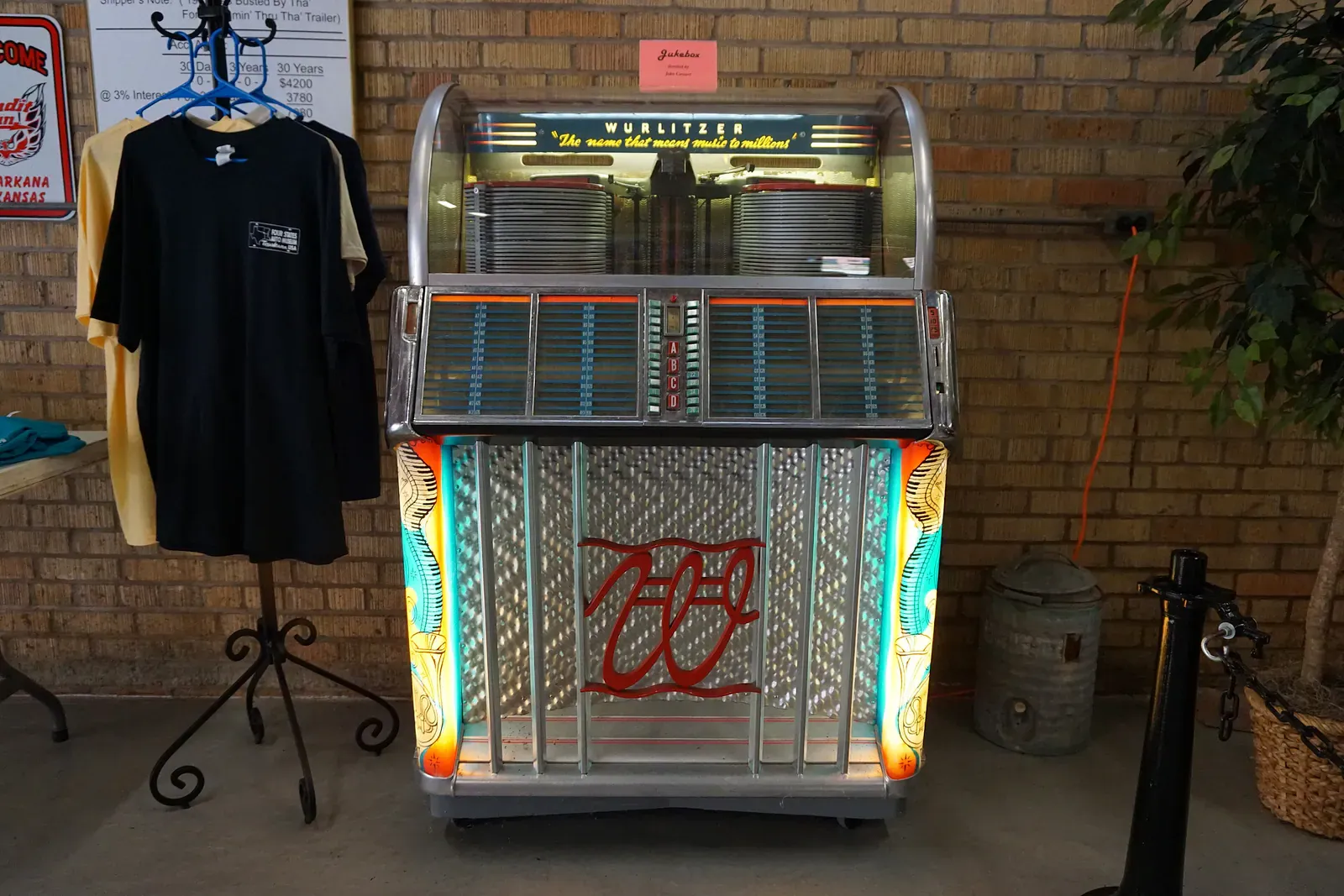
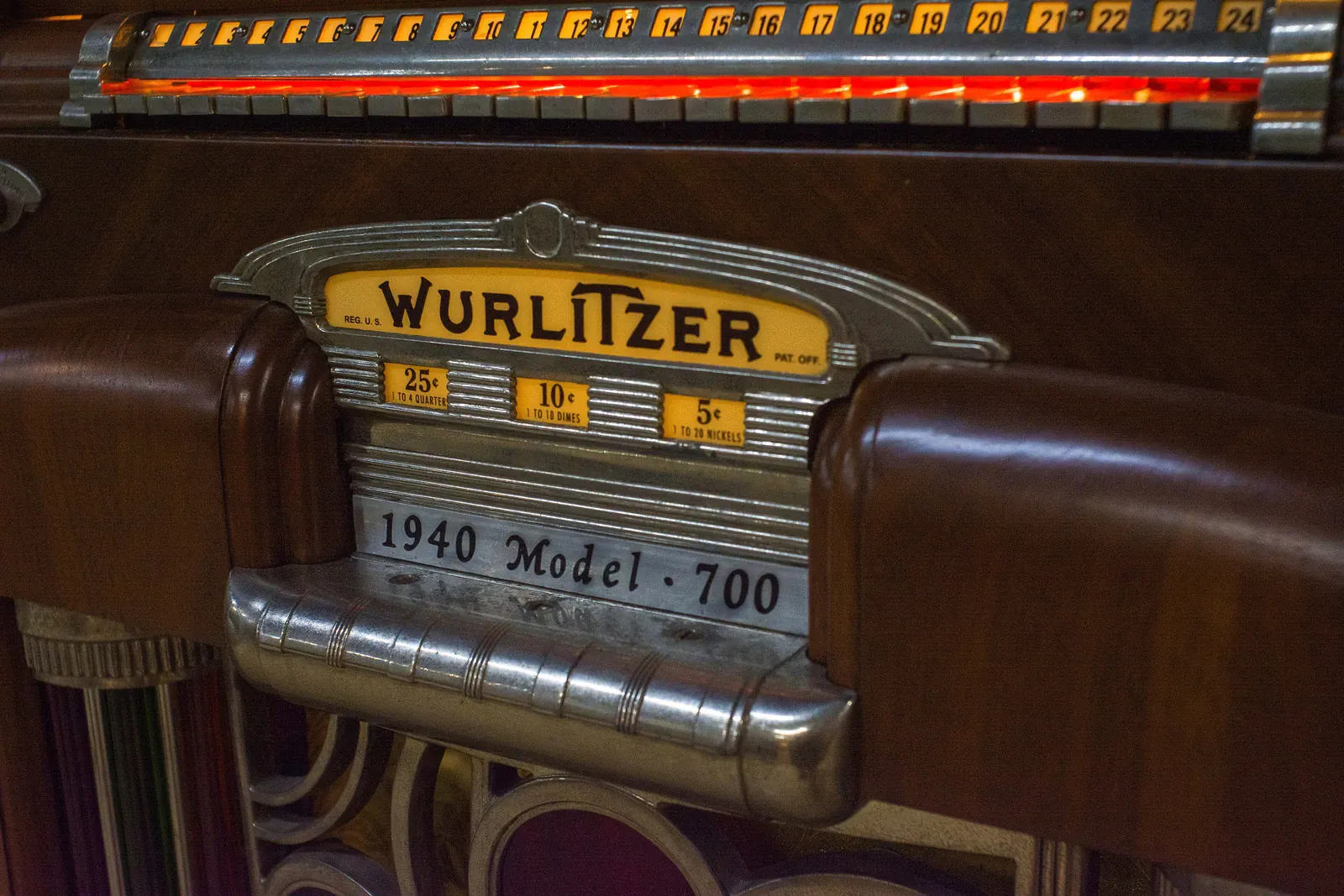
The end of Prohibition in 1933 brought coin-operated phonographs into bars, cafes and juke joints, and they changed how the style was heard. A song that radio would not touch could still earn money by the nickel, and a record bought by a venue owner reached far more listeners than the buyer alone. Heard in a juke joint or at a rent party, a bawdy song fitted the setting, and the jukebox, not the stage, became its home.
The period also produced the most extreme recording of the style. At a 1935 session Bogan recorded “Shave ’Em Dry” in an openly obscene version, now regarded as the most explicit pre-war blues preserved from a commercial session.
In 1936 the Harlem Hamfats, a Chicago band formed that year, scored a hit with their first record, “Oh Red.” It won them a Decca contract for fifty titles and a template of small-band blues that was danceable and openly suggestive. Lil Johnson recorded “Press My Button (Ring My Bell)” the same year, a blunt innuendo song that later writers cite as a standard example of the style.
Jump blues and the R&B revival, 1942-1955
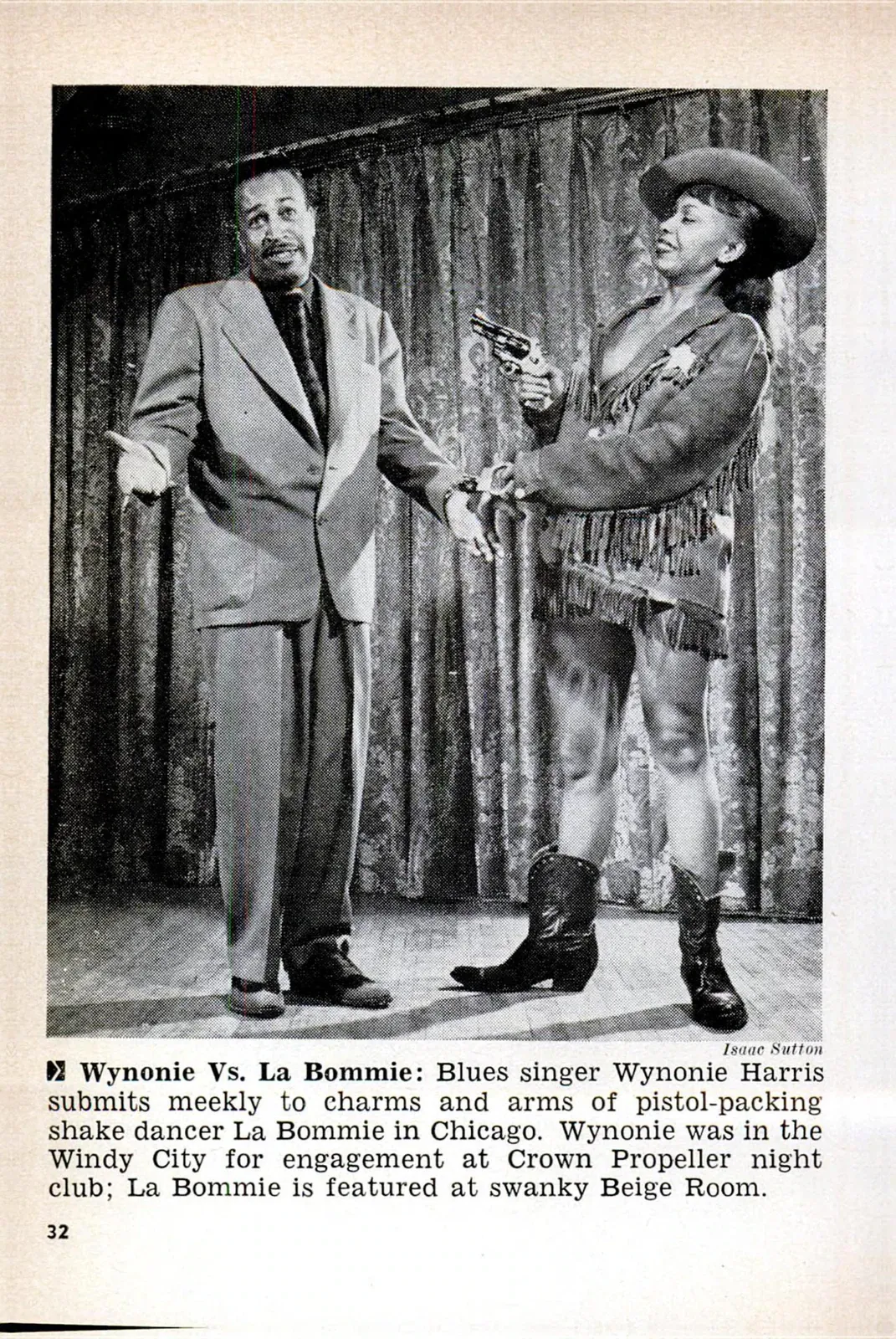
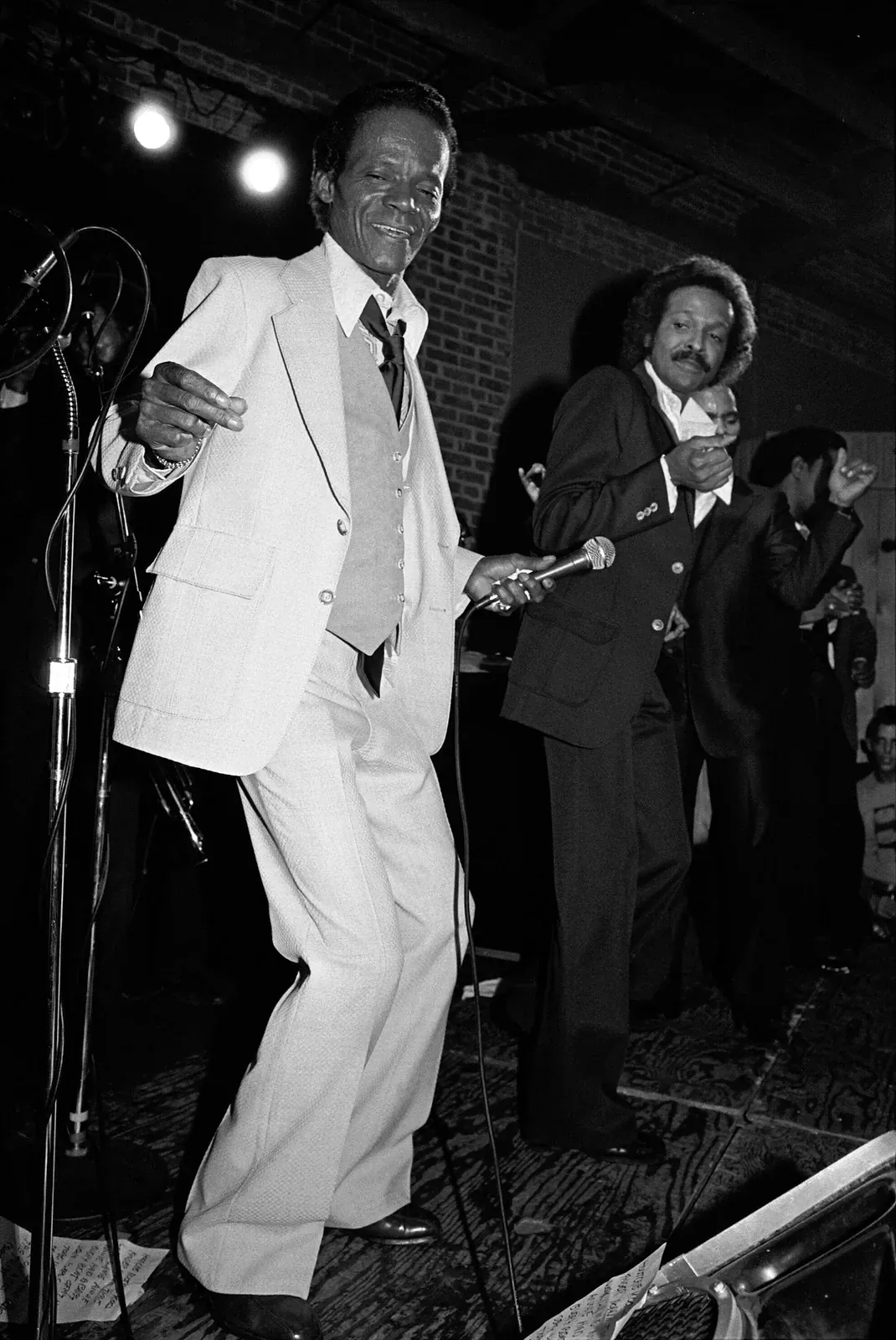
In the 1940s the bawdy tradition moved from acoustic guitars and pianos to the horns and drums of jump blues. Wynonie Harris, born in Omaha, Nebraska, had fifteen top ten hits between 1946 and 1952, many with ribald lyrics, and his 1948 King single “Good Rockin’ Tonight” reached the top of the R&B chart. Bull Moose Jackson, a saxophonist and singer, had hits such as “I Want a Bowlegged Woman” in 1948 and “Big Ten Inch Record” in 1952.
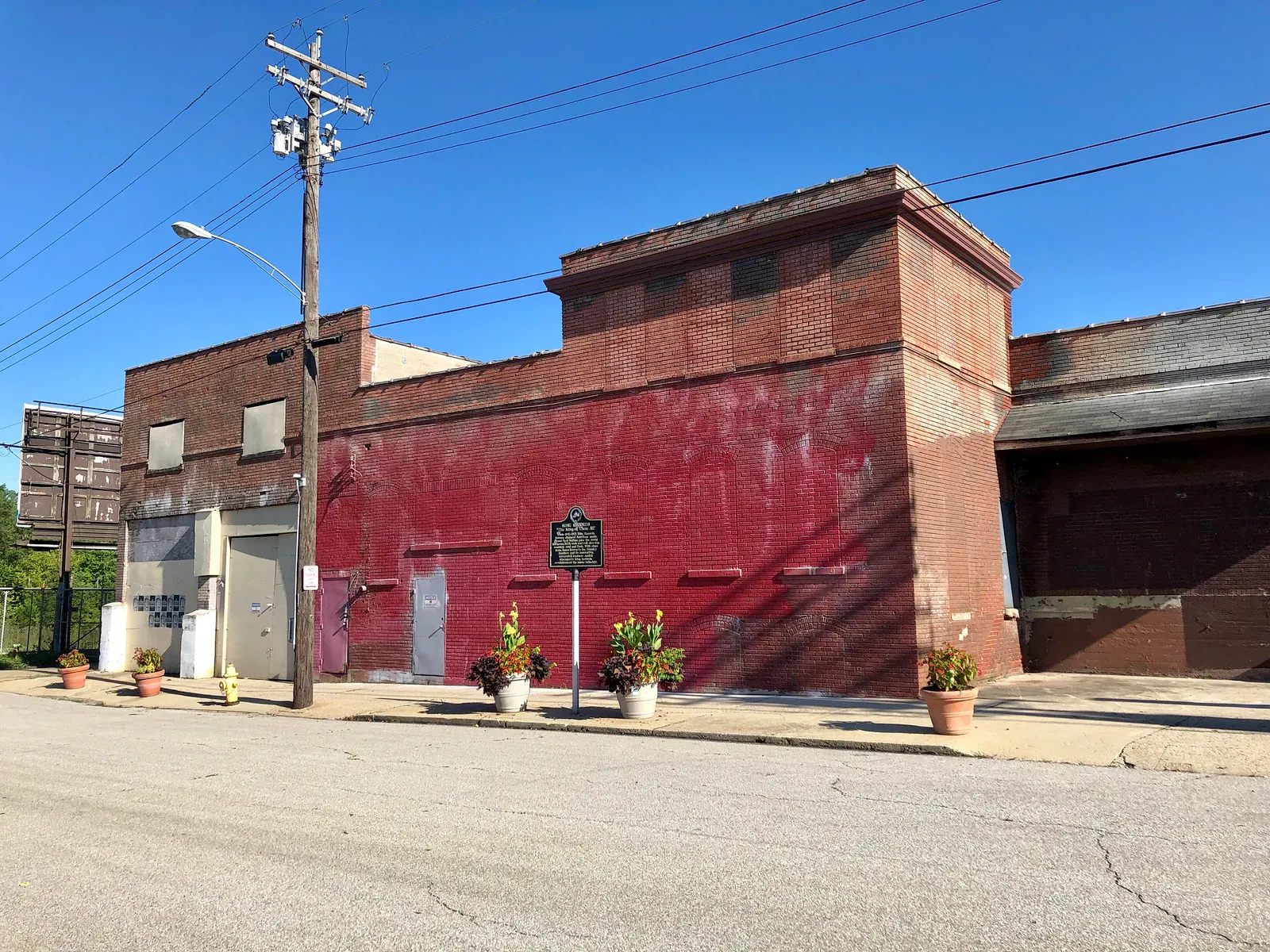
King Records in Cincinnati was the centre of this revival. Its roster, which also included Hank Ballard and the Midnighters, kept a steady supply of suggestive R&B on the market, and its output was a model of the independent labels that built the early rock and roll audience. Ballard, from Detroit, recorded “Work with Me, Annie” in 1954; it topped the R&B chart, drew bans from radio stations over its lyrics, and prompted answer songs, including “Annie Had a Baby.”
Characteristics
The defining feature is the lyric, not the music. A typical song takes an ordinary object, food, a tool or an animal, and uses it as a stand-in for sex, so that the same words can be sung in front of a mixed audience and still land. Spoken asides and laughter between verses underline the joke, and answer songs extend a hit.
Musically the form is the twelve-bar blues, at slow-drag or easy-shuffle tempos in the pre-war records and a faster jump-blues pace in the 1940s and 1950s. The vocal approach moved from a sly, conversational delivery to the shouting of the blues shouters.
Instruments and production
Pre-war recordings were made with small forces: a singer with an acoustic guitar or piano, sometimes with a second guitar, a clarinet or a kazoo. Tampa Red’s steel resonator guitar gave hokum its slide lead, and the Harlem Hamfats added a horn-led band with a rhythm section to the mix. Sessions were recorded in a few takes for labels such as Vocalion, Bluebird and Decca, in studios in Chicago and elsewhere.
The R&B revival brought the tenor saxophone to the front. Honking solos and riffs, a drum kit and an amplified rhythm section replaced the single guitar, and the singer became a shouter fronting a band.
Notable recordings
“Shave ’Em Dry” is the most discussed recording of the style because of how far it goes, and because it survived at all. It also shows Bogan’s skill as a performer, with spoken interjections working as part of the rhythm.
“Good Rockin’ Tonight” is the link to rock and roll. Wynonie Harris sang it as a shout over a driving shuffle, and its call to a night of dancing and drinking, with a suggestive edge, set the pattern for the first rock and roll records. “Work with Me, Annie” is its counterpart in the 1950s: a chart-topping hit that radio would not play, followed by sequels and a rewritten pop cover.
Culture
The coded vocabulary was part of the culture. Words such as jelly roll and hot dog, and objects of every kind, gave a singer cover, and a listener who knew the code and one who did not could hear the same record differently. The same songs filled juke joints and rent parties, where a jukebox stood in for a band and the room supplied the audience.
Mainstream success
The style rarely reached the mainstream under its own name. Its biggest successes came in the 1940s and 1950s through R&B, where Harris, Jackson and Ballard topped the Black-audience charts. The pop market preferred the cleaned-up version: in 1955 Georgia Gibbs’s rewritten cover of Ballard’s Annie record, “Dance with Me Henry,” showed how a suggestive song could be sold to a wider audience once the words were changed.
Legacy
Rock and roll absorbed the shouting vocals, the saxophone riffs and the sexual swagger, and removed most of the innuendo. The older records survived on jukebox stock and, from the 1970s, on specialist anthologies such as “The Copulatin’ Blues” (1976), “Them Dirty Blues” (1989) and “You Got to Give Me Some of It” (2015), which brought the catalogue to new listeners. The tradition of the double entendre carried on in later blues, R&B and soul, though no longer as a category of its own.
Misconceptions
One common claim is that dirty blues was a fringe curiosity. Record companies issued it in volume, and its hits sold widely, as the 1928 success of “It’s Tight Like That” and the Harlem Hamfats’ fifty-title Decca contract show. A second claim is that the style disappeared with the war. It was revived in the late 1940s by jump blues and R&B, and Harris, Jackson and Ballard all had hits. A third is that every bawdy song was explicit. Most worked by innuendo, and the openly obscene “Shave ’Em Dry” is notable because it was an exception.
Frequently asked questions
What is dirty blues?
Dirty blues is blues that deals with sex and drug use through slang, innuendo and double entendre, and sometimes in explicit terms. It was recorded from the 1920s to the 1950s and was often available only on jukeboxes because radio would not play it.
Who are the main dirty blues artists?
Lucille Bogan, Bo Carter, Lil Johnson, Wynonie Harris and Hank Ballard are the most closely associated, with the Harlem Hamfats and Bull Moose Jackson as other noted names.
What is the difference between dirty blues and hokum?
Hokum is a comic, innuendo-filled blues style of the late 1920s and 1930s, centred on Chicago. Dirty blues is defined by its taboo subject matter and covers a longer period, so the two overlap but are not the same.
Why was dirty blues kept off the radio?
Its lyrics dealt with sex and drugs in ways broadcasters treated as unacceptable, so it reached listeners through jukeboxes, race-record sales and live shows instead.
What was the most explicit dirty blues song?
Lucille Bogan’s “Shave ’Em Dry,” recorded in 1935, is regarded as the most explicit blues preserved from a pre-war commercial session.
Sound
Sound sheet
Anatomy of a track
| # | Part | Bars |
|---|---|---|
| 1 | Intro | 4 |
| 2 | Verse (twelve-bar AAB lyric) | 12 |
| 3 | Second verse | 12 |
| 4 | Instrumental chorus | 12 |
| 5 | Final verse and tag | 12 |
Signature sounds
- Double-entendre lyric built on food, tools or animals as stand-ins
- Slow-drag or easy shuffle groove under a conversational vocal
- Spoken asides, laughter and ad-libs between verses
- Answer songs and sequels to a hit
Techniques
- Double entendre
- Slow-drag groove
- Spoken asides
- Honking sax riffs
Keys and modes
Blues scale over I-IV-V. Twelve-bar form with blue notes, usually in guitar-friendly keys such as E, A or G.
Vocals
Conversational, sly delivery in the pre-war records and shouted jump-blues singing in the R&B revival.
Scenes
Where it happened
Where and when the sound lived: one bar per city on a shared timeline.
North America
Active scenes
Peak 2, 1928-1954
Home of hokum duos and the Harlem Hamfats, with recording sessions and rent parties on the South Side.
River hub whose Delta-fed street and club singers supplied the label scouts with country-rooted bawdy blues.
Base of King Records, where Wynonie Harris, Bull Moose Jackson and Hank Ballard recorded their suggestive R&B hits.
Home city of Hank Ballard and the Midnighters in their early 1950s rise.
Venues and places
Cincinnati, 1943 to today. Studio of the King label, where Wynonie Harris, Bull Moose Jackson and Hank Ballard made their R&B records.
Culture
Culture markers
- Coded vocabulary
Jelly roll, hot dog, sugar bowl and everyday objects stood in for sex, letting records pass as comic songs.
Slang - Juke joints and rent parties
The songs were heard in juke joints, bars and rent parties, where the jukebox replaced the live band.
Ritual - Answer songs
Hits drew replies from other singers, such as the Annie sequels that followed Work with Me, Annie.
Ritual
Media
Key media
- 1976The Copulatin' Blues
by Various. Stash anthology that reintroduced the risque blues to collectors.
Compilation - 1989Them Dirty Blues
by Various. Jass Records collection of bawdy blues from the pre-war and R&B years.
Compilation - 2015You Got to Give Me Some of It: 55 Risque Blues and R&B Classics 1928-1954
by Various. Jasmine Records overview spanning the whole life of the style.
Compilation
Glossary
Terms on this page
Powerful, projecting singer in front of a jump band, as Wynonie Harris was.
A phrase with an innocent surface meaning and a sexual second meaning, the genre's main device.
Comic, innuendo-filled blues style of the late 1920s and 1930s that overlaps with dirty blues.
Common blues slang for sex or the sexual partner.
Industry label for records aimed at Black buyers from the 1920s to the late 1940s, the market for pre-war dirty blues.
Blues family