Vocal jazz
Vocal jazz is jazz in which the voice acts as an improvising instrument, with bent notes, scat and conversational phrasing; it began in the US in the 1920s.
New Orleans, 1920
Jazz family
Born
1920
New Orleans
Subgenres
3
Documented branches
Links
15
Genres it drew on or shaped
Tempo
60-165 BPMLineage
Family tree
Grew out of
Derived from
- Ragtime song
Derived from
Influenced by
New Orleans, 1920
Vocal jazz
Led to (3)
Timeline
Era by era
From the first sparks to today. Select a dot to read the story behind it.
- Scat and swing vocalists
1926 to 1939
- Bop and the big-band graduates
1940 to 1955
- Songbooks, cool jazz and vocalese
1956 to 1969
- Bop revival and new singers
1970 to today
Eras
Moments
- 1 Scat and swing vocalists, 1926 to 1939
- 2 Bop and the big-band graduates, 1940 to 1955
- 3 Songbooks, cool jazz and vocalese, 1956 to 1969
- 4 Bop revival and new singers, 1970 to today
1926
Scat and swing vocalists
Louis Armstrong's 1926 Heebie Jeebies popularised scat, big-band singers such as Ella Fitzgerald became stars, and Billie Holiday brought a speech-like phrasing to ballads.
- 1926Armstrong records Heebie JeebiesLouis Armstrong and his Hot Five record the song in Chicago in February; its scat vocal is treated as the turning point for scat singing.
- 1927Creole Love CallAdelaide Hall sings wordlessly with Duke Ellington's orchestra on 26 October, a voice used as another instrument.
- 1934Ella Fitzgerald wins Apollo Amateur NightFitzgerald debuts at 17 on 21 November at the Apollo Theater and wins first prize singing in the style of Connee Boswell.
- 1938A-Tisket, A-TasketFitzgerald's version of the nursery rhyme with Chick Webb's orchestra becomes one of the best-selling records of the decade.
- 1939Strange Fruit recordedColumbia found the anti-lynching song too sensitive, so Billie Holiday recorded it for Commodore on 20 April; it sold about a million copies.
1940
Bop and the big-band graduates
Ella Fitzgerald, Sarah Vaughan, Billie Holiday and Dinah Washington left big bands for solo careers while bebop pushed vocal improvisation toward instrumental complexity.
- 1945Ella Fitzgerald's scat Flying HomeHer bop-influenced scat recording is later described as one of the most influential vocal jazz records of the decade.
- 1949King Pleasure begins recording vocaleseKing Pleasure issues pioneering examples of lyrics sung to recorded instrumental solos.
- 1955Verve Records founded around FitzgeraldNorman Granz, her manager, leaves Decca behind and builds a new label around her.
1956
Songbooks, cool jazz and vocalese
Verve's Song Book sets recast the Great American Songbook, cool-jazz singers took a relaxed approach, and Lambert, Hendricks & Ross made vocalese a popular form.
- 1956Ella Fitzgerald Sings the Cole Porter Song BookFirst of eight Song Book sets for Verve, recorded at irregular intervals through 1964.
- 1957Lambert, Hendricks & Ross formDave Lambert, Jon Hendricks and Annie Ross record Sing a Song of Basie the next year.
- 1964It Might as Well Be SwingFrank Sinatra and Count Basie record Fly Me to the Moon on 9 June.
1970
Bop revival and new singers
A 1970s bop revival renewed interest in bop scat, and later singers kept vocal improvisation developing largely apart from changes in instrumental jazz.
- 1994Scatman (Ski Ba Bop Ba Dop Bop)Scatman John fuses scat with eurodance and scores a worldwide hit.
Listening path
Start listening
A short path from an easy way in to the deep end. Thumbnails come from YouTube; the player loads only when you press play.
- 01
Frank Sinatra with Count Basie, 1964
A familiar standard in a swinging big-band arrangement; listen for the relaxed phrasing against the band.
- 02
Ella Fitzgerald, 1964
Her signature scat showpiece: straight lyric first, then a scat chorus.
- 03
Sarah Vaughan, 1955
Listen for the voice trading lines with a trumpet in a bop-era small group.
- 04
Billie Holiday, 1956
The 1956 Verve remake of her protest song; note the slow, speech-like delivery.
- 05
Louis Armstrong and His Hot Five, 1926
The 1926 recording from which modern scat technique arose.
Vocal jazz, also called jazz singing, is jazz in which the voice is used as an instrument.
It began in the United States in the early twentieth century, grew from blues, ragtime, work songs and spirituals, and is defined by pitch bending, behind-the-beat phrasing and improvised embellishment, usually over a rhythm section of piano, bass and drums. Its repertoire is mostly the Great American Songbook and jazz originals, and its two best-known improvising forms are scat singing and vocalese.
Origins
The roots of jazz singing lie in the field hollers and work songs of enslaved African Americans. Call and response, repeated phrases and improvisation, the foundations of jazz, were already present in those songs, and spirituals, minstrel shows and vaudeville added to the mix.
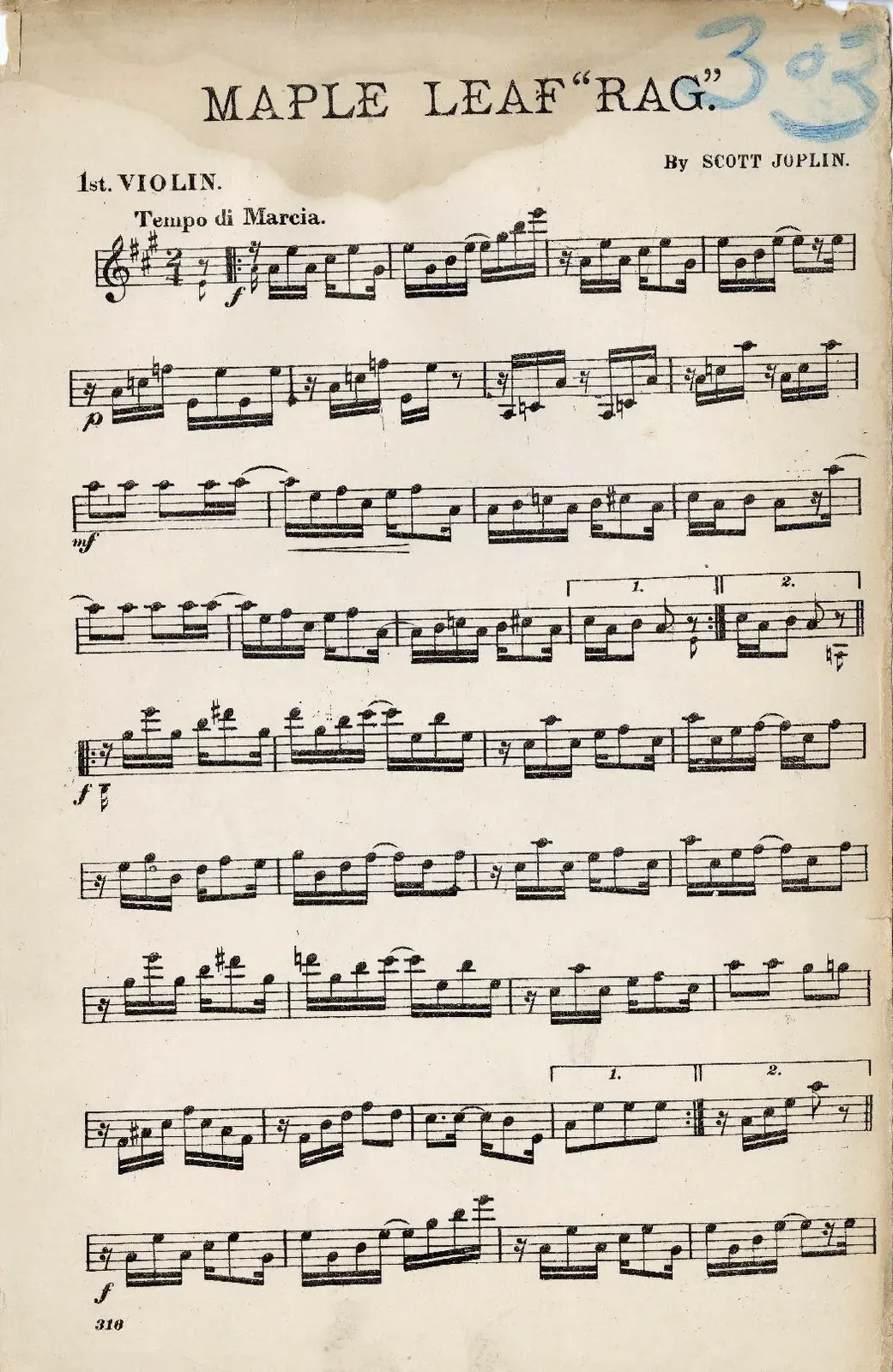
Louis Armstrong is often cited as the largest single contributor to the rise of vocal jazz from the late 1920s. His Hot Five recorded Heebie Jeebies in Chicago in February 1926, and the recording is regarded as the turning point for scat singing: from it arose techniques that form the basis of modern scat. The record became a national bestseller, and scatting became closely associated with Armstrong.
In October 1927 Adelaide Hall sang wordlessly on Duke Ellington’s Creole Love Call, treated as another instrument in the band. The Boswell Sisters used scat in harmony during the Depression years.
Scat and swing, 1926-1939
In the swing years singers worked inside big bands. Fitzgerald made her debut at 17 on 21 November 1934, at an early Amateur Night at the Apollo Theater in Harlem, where she won first prize singing in the style of Connee Boswell. In 1935 she joined drummer Chick Webb’s orchestra and became known through its engagements at the Savoy Ballroom. Her 1938 version of the nursery rhyme A-Tisket, A-Tasket, a song she co-wrote, became one of the best-selling records of the decade.
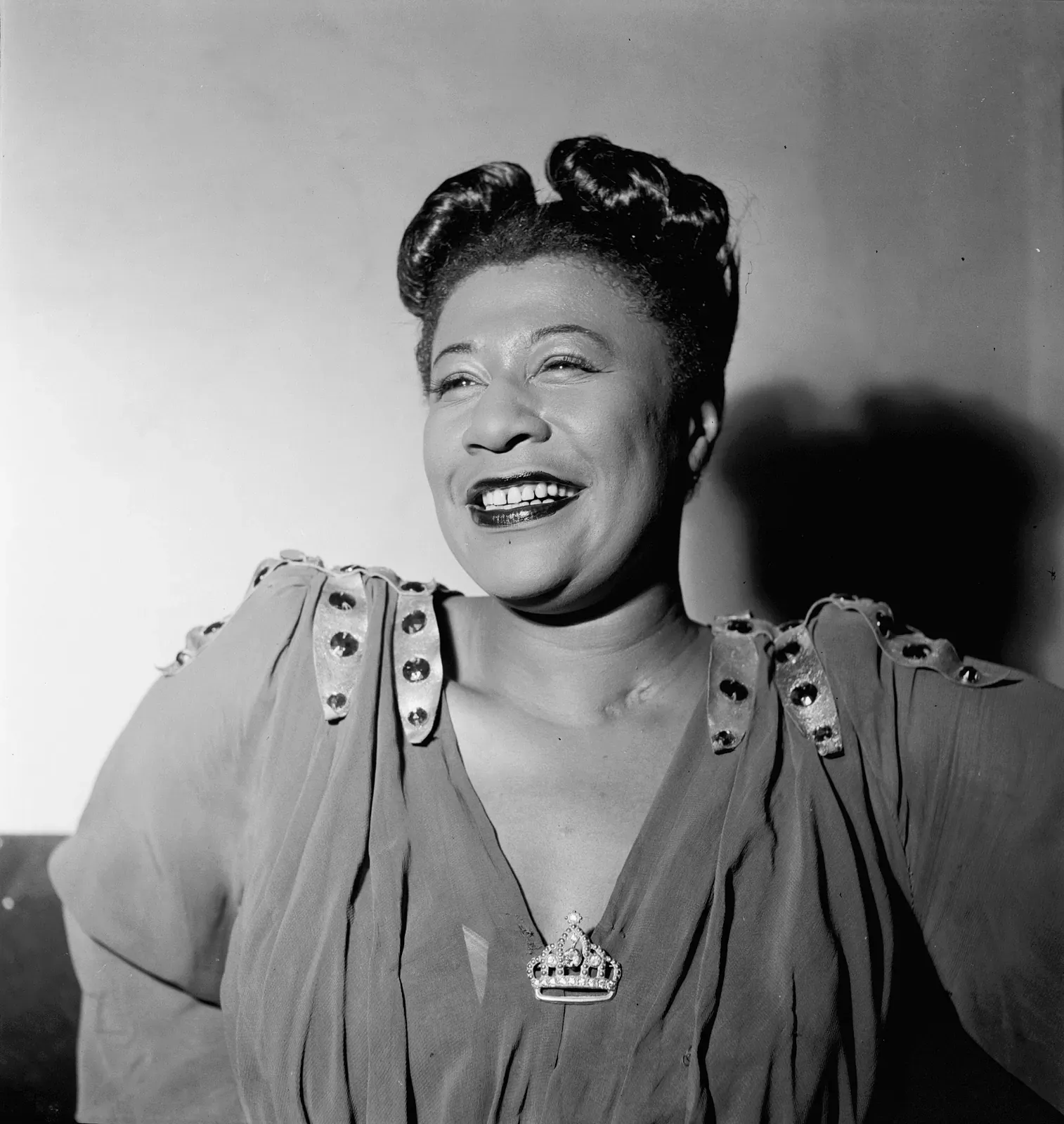
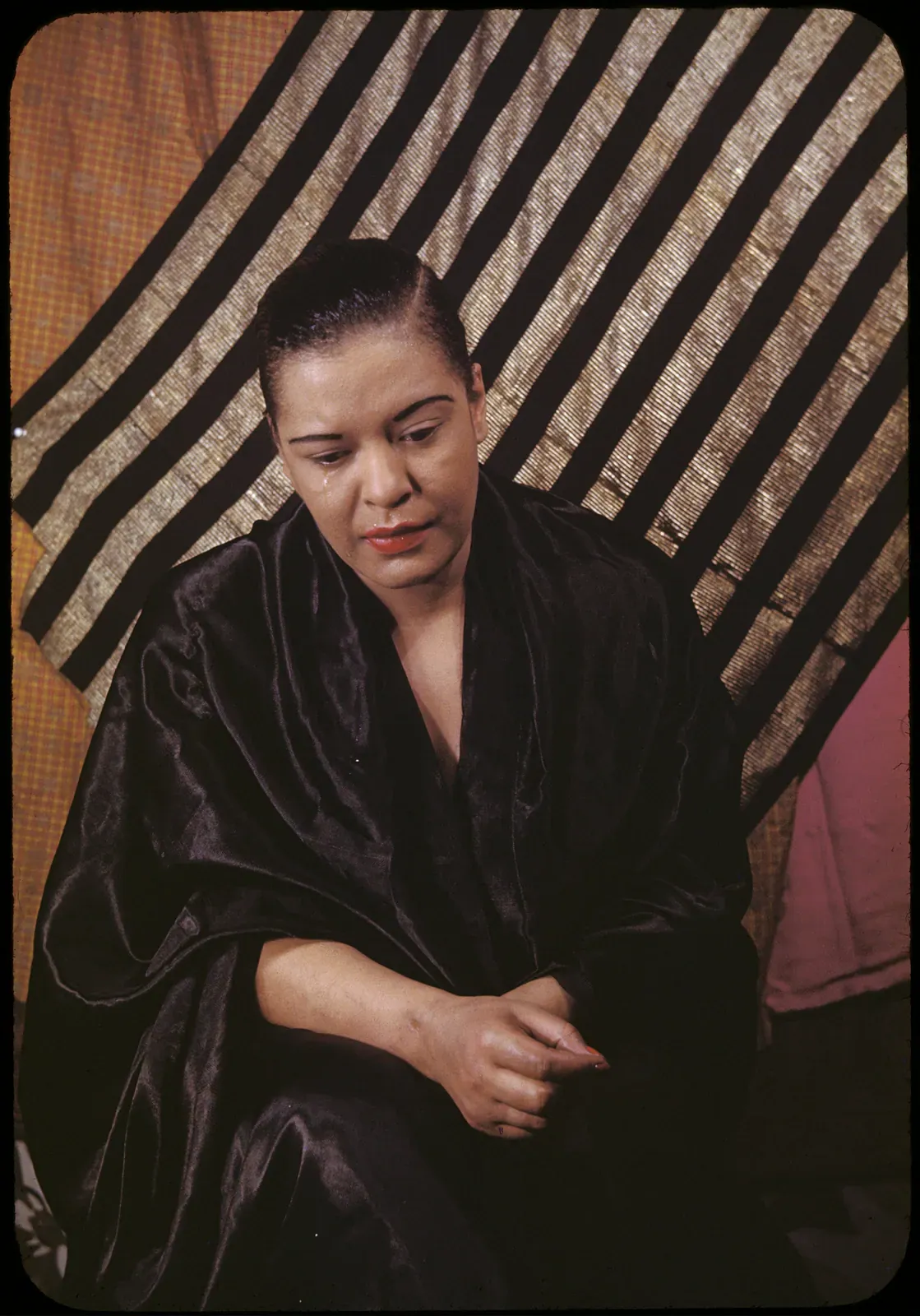
Billie Holiday took a different route. She worked with Teddy Wilson in the 1930s and with the bands of Count Basie and Artie Shaw, and she said she wanted her voice to sound like an instrument, citing Louis Armstrong and Bessie Smith among her influences. In 1939 she recorded Strange Fruit, a song about lynching by Abel Meeropol, which she first performed at the integrated Café Society in Greenwich Village.
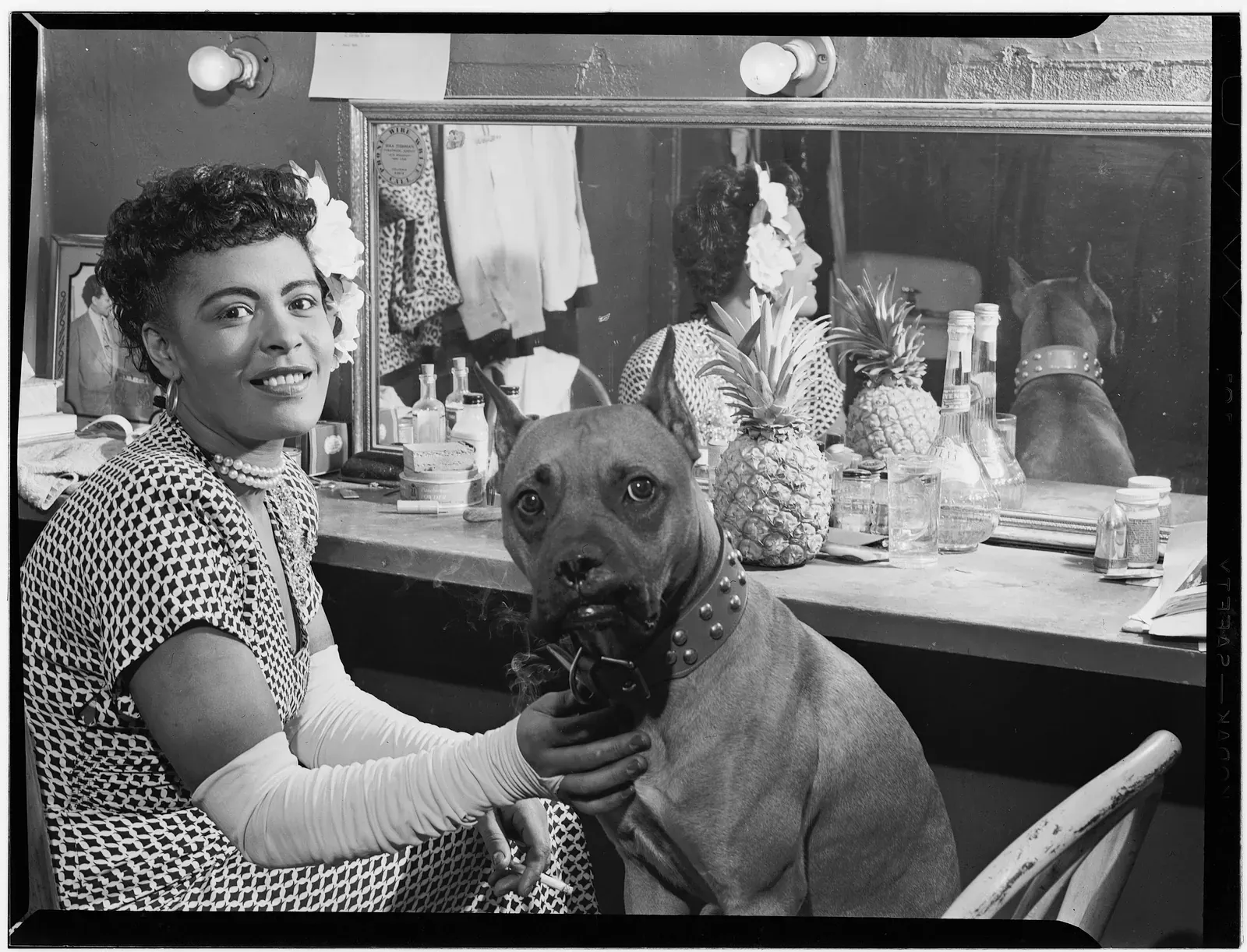
Bop and the big-band graduates, 1940-1955
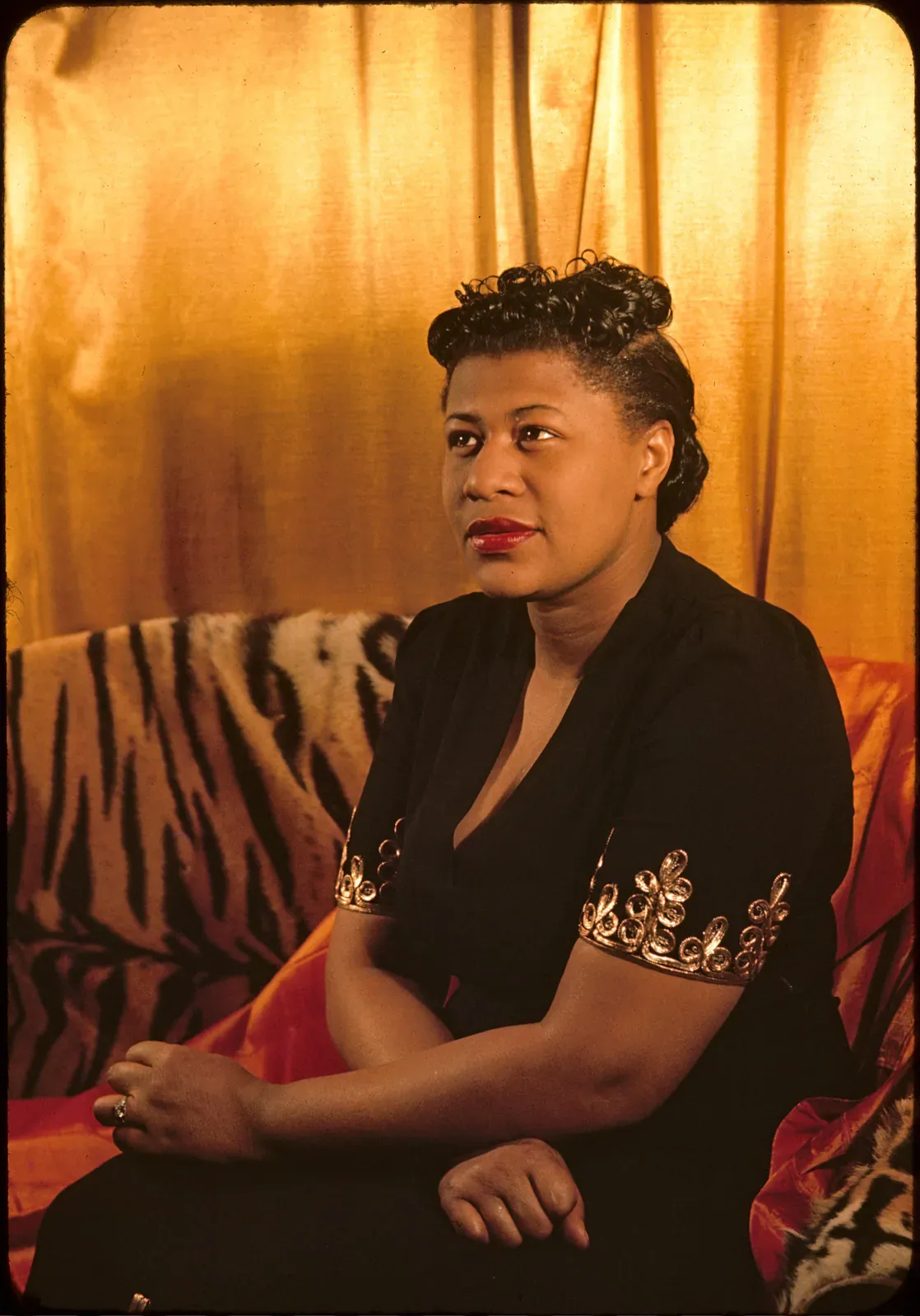
Bebop changed vocal jazz as it changed the instrumental form. Fitzgerald, Sarah Vaughan, Billie Holiday and Dinah Washington had all sung with big bands before building solo careers in the 1940s. Fitzgerald’s work with Dizzy Gillespie’s big band pushed her toward scat, which became a major part of her repertoire. Her 1945 scat recording of Flying Home was later described as one of the most influential vocal jazz records of the decade,.
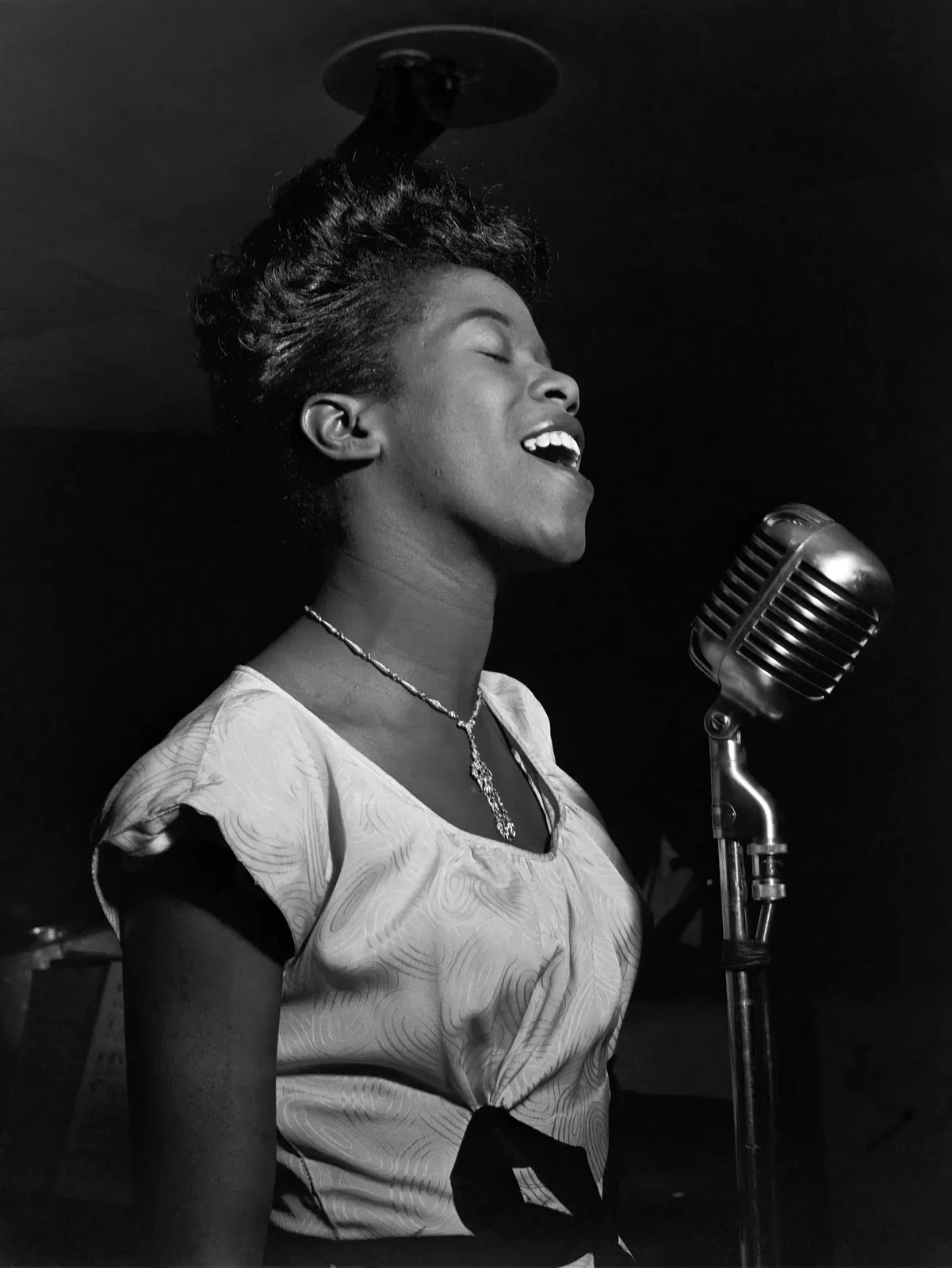
Vaughan and Fitzgerald show how syllable choice marks a style. Fitzgerald’s improvisation imitates the sound of the swing-era big bands she sang with, while Vaughan’s imitates the bop small groups that accompanied her. Vaughan, nicknamed Sassy and the Divine One, recorded Lullaby of Birdland with the Clifford Brown Sextet in 1955.
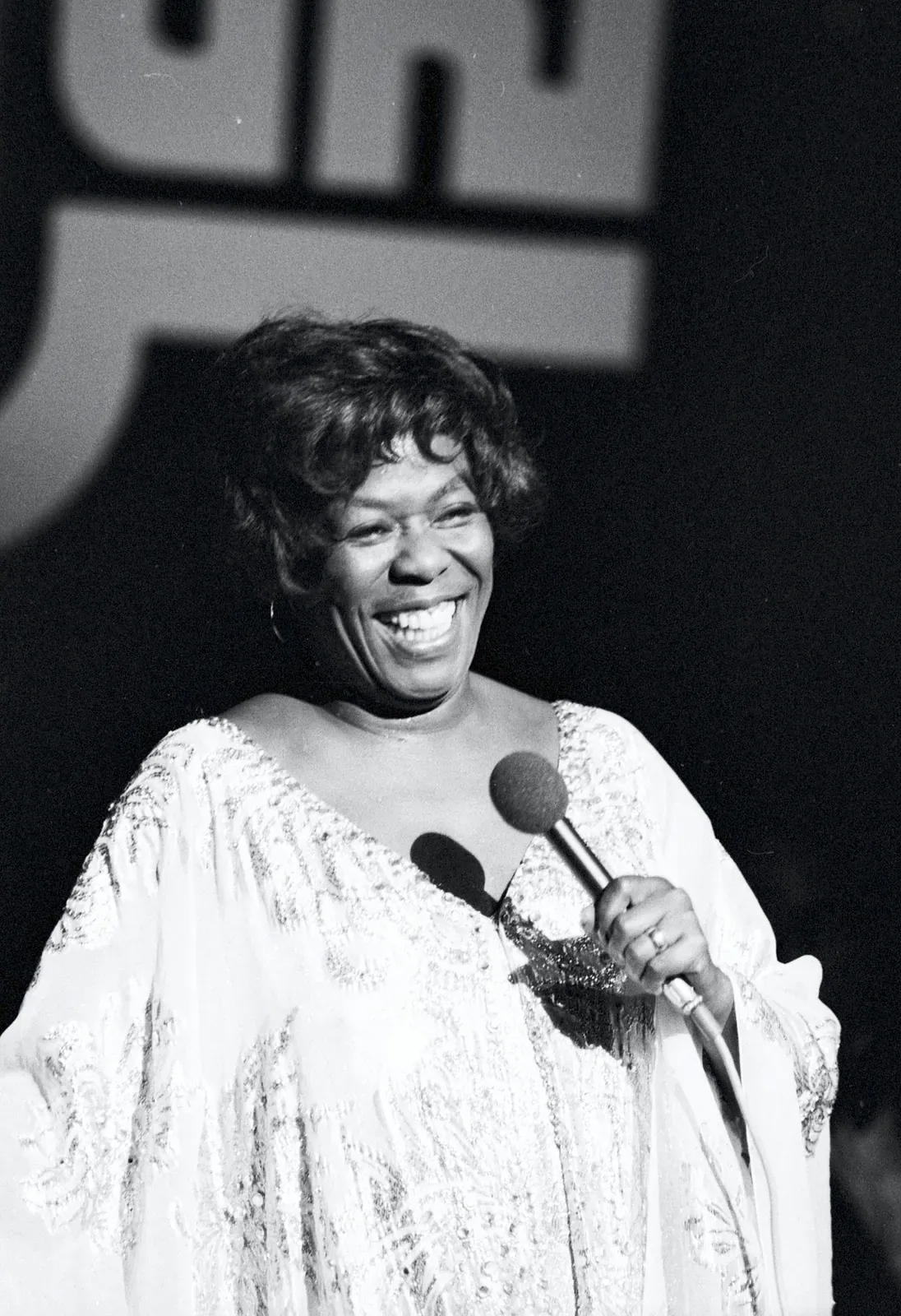
Vocalese appeared in this period: recognisable lyrics set to a recorded instrumental solo. King Pleasure recorded pioneering examples beginning in 1949.
Songbooks, cool jazz and vocalese, 1956-1969
Norman Granz, who had managed Fitzgerald since the mid-1940s, left Decca behind and built Verve Records around her in 1955. Her first Verve project, Ella Fitzgerald Sings the Cole Porter Song Book (1956), began eight Song Book sets recorded at irregular intervals until 1964. The sets spotlighted the composers and lyricists who make up much of the Great American Songbook and were an attempt to reach an audience beyond jazz. Fitzgerald called the Cole Porter project a turning point.
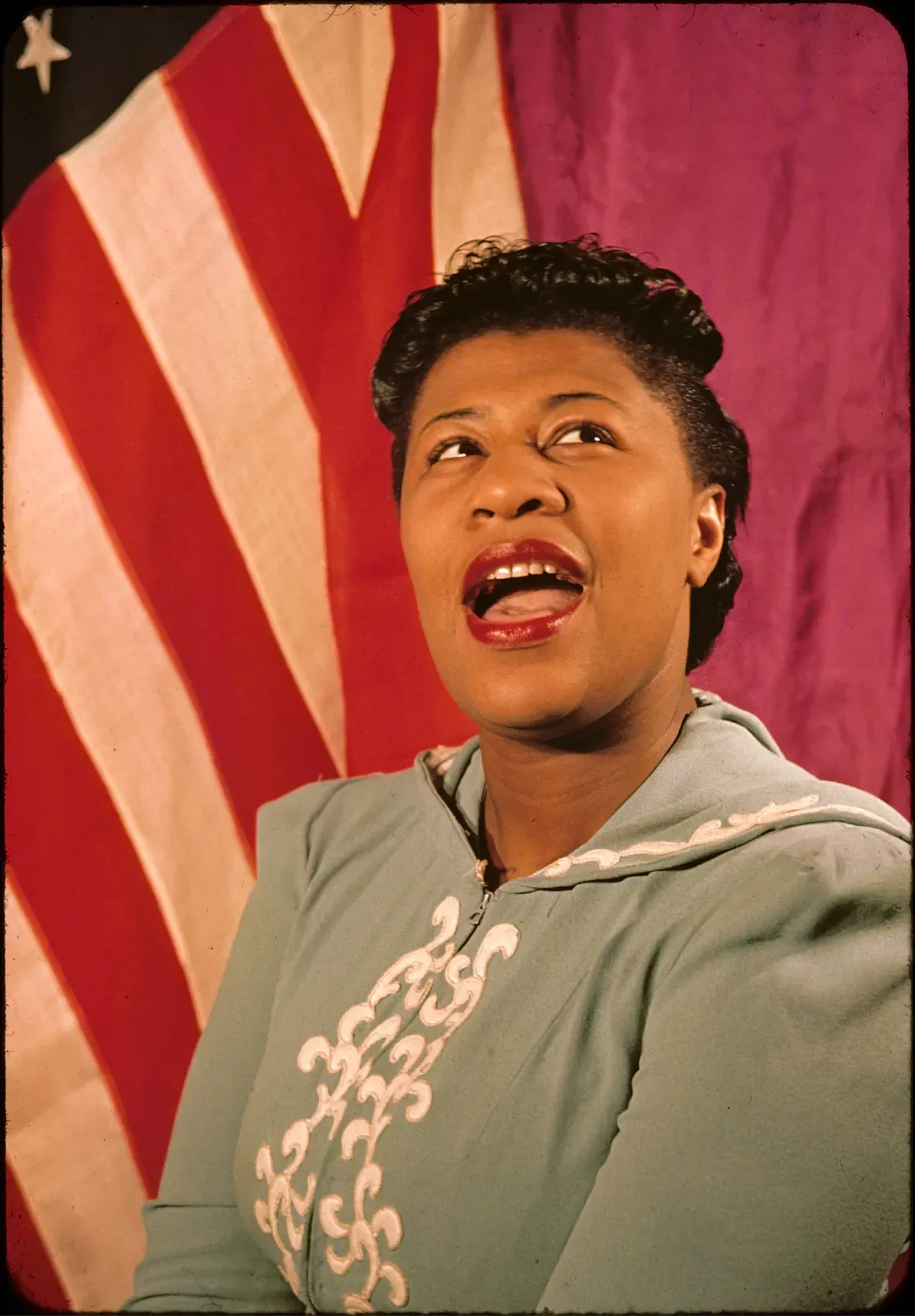
The cool-jazz years of the 1950s brought a more relaxed vocal style, associated with Peggy Lee, June Christy, Chris Connor, Helen Merrill, Carmen McRae, Joe Williams and Ray Charles. Lambert, Hendricks & Ross, formed in 1957 by Dave Lambert, Jon Hendricks and Annie Ross, made vocalese popular. Their first album, Sing a Song of Basie (1958), set lyrics to Count Basie pieces and won a Grammy Hall of Fame Award in 1998. In 1964 Frank Sinatra recorded Fly Me to the Moon with Count Basie’s orchestra on It Might as Well Be Swing.
Bop revival and later singers, 1970-present
A bop revival in the 1970s renewed interest in bop scat, and young scat singers saw themselves as continuing the classic bop tradition. Scatman John fused scat with eurodance for a worldwide hit in 1994, and Bobby McFerrin’s wordless performances showed how far the technique had moved from its early examples.
Characteristics
Vocal jazz is characterised by pitch bending, inflection, careful consonant execution and soft releases of vowels. Compared with choral technique it uses less legato and less ornamental vibrato, and its pronunciation is conversational with shorter phrases. Jazz singers usually sing in keys that sit in their middle to low registers and rely on flexible, mixed-register singing. Blue notes, which are lowered expressively with the exact pitch left to the singer, give the sound its colour.
Scat is improvised but not unstructured. Its lines are often variations on scale and arpeggio fragments and stock riffs. Fitzgerald’s scat performances of How High the Moon, for instance, all kept one tempo, opened with a straight chorus of the lyric, moved to a specialty chorus, and then went into the scat itself. Humour and quotation are part of the form: in her 1960 Berlin recording she quotes over a dozen songs, among them The Peanut Vendor and A-Tisket, A-Tasket.
Instruments and production
Most jazz singers work with a rhythm section of piano, bass, drums and sometimes guitar, and vocal ensembles add several voices alongside instruments. Microphone technique is a skill in itself: it lets a singer amplify certain phrases and sing quietly at others.
Notable recordings
Heebie Jeebies (1926) is the foundation recording of modern scat. Strange Fruit (1939) was first recorded for Commodore Records after Columbia found the subject too sensitive. The Commodore release got no airplay, but it sold about a million copies, partly helped by the jukebox hit on its other side, Fine and Mellow. Holiday remade the song for Verve in 1956.
Lullaby of Birdland (1955) sets Vaughan alongside a trumpet soloist in a small group. The Sinatra and Basie recording of Fly Me to the Moon (1964) is the best-known meeting of a pop singer and a jazz big band.
Culture
The Apollo’s Amateur Night, Harlem’s Savoy Ballroom and Greenwich Village’s Café Society were the rooms where careers were made. Scat syllables work as a personal signature: Betty Carter leaned toward soft sounds such as “louie-ooie-la-la-la”, while Vaughan preferred “shoo-doo-shoo-bee-ooo-bee”.
Legacy
Frank Sinatra named Holiday the greatest single musical influence on him in a 1958 interview. Scat reached Disney’s The Jungle Book in 1967 and the pop charts in the 1990s. Child styles, scat singing, vocalese and jazz poetry, have their own pages, and the music remains part of jazz and its neighbours swing, cool jazz and traditional pop.
Misconceptions
The tale that Armstrong invented scat by dropping his lyric sheet mid-take is possibly apocryphal. Heebie Jeebies is treated as the turning point and the model, and other singers, among them Adelaide Hall in 1927 and the Boswell Sisters in the 1930s, took up wordless singing soon after.
Scat and vocalese are different things. Scat uses improvised nonsense syllables, while vocalese sets recognisable words to an existing instrumental solo, and the term is credited to critic Leonard Feather, who used it for Lambert, Hendricks & Ross.
Strange Fruit was not a radio hit. It received no airplay on release, and its sales were attributed largely to the record’s other side, Fine and Mellow.
Frequently asked questions
What is vocal jazz?
Vocal jazz is jazz in which the singer uses the voice as an instrument, with bent notes, improvised embellishment and conversational phrasing, typically on standards and jazz originals with a piano, bass and drums rhythm section.
What is the difference between scat singing and vocalese?
Scat singing is improvisation on wordless syllables. Vocalese puts written lyrics to a previously recorded instrumental solo and sings it note for note.
Who are the most important vocal jazz singers?
Ella Fitzgerald, Billie Holiday, Sarah Vaughan and Louis Armstrong are the central figures, with Dinah Washington, Peggy Lee, Carmen McRae and Lambert, Hendricks & Ross also prominent.
What songs do vocal jazz singers perform?
The repertoire is mostly the Great American Songbook, the canon of twentieth-century American standards and show tunes, along with jazz originals.
Which labels recorded the key vocal jazz albums?
Verve Records issued Fitzgerald’s Song Book sets, Decca Records recorded Fitzgerald in the 1940s, and Commodore released Holiday’s Strange Fruit.
Sound
Sound sheet
Anatomy of a track
| # | Part |
|---|---|
| 1 | Straight chorus of the lyric |
| 2 | Specialty chorus |
| 3 | Scat chorus |
Signature sounds
- Behind-the-beat phrasing
- Pitch bending and inflection
- Wordless scat syllables
- Quoted song fragments inside scat choruses
Techniques
- Pitch bending and inflection
- Conversational diction
- Scat singing
- Vocalese
- Microphone technique
- Mixed-register singing
Keys and modes
Blues scale and blue notes. Notes bent or lowered expressively, with pitch left to the singer.
Middle to low vocal register. Singers usually choose keys that sit in the middle to low part of the voice.
Vocals
Conversational, behind-the-beat delivery with bent notes, improvised embellishment and wordless scat, usually over a piano, bass and drums rhythm section.
Scenes
Where it happened
Where and when the sound lived: one bar per city on a shared timeline.
North America
Active scenes
Peak 3, 1955-2025
Harlem's Apollo Theater and Savoy Ballroom and Greenwich Village's Cafe Society launched Fitzgerald and Holiday.
Where Armstrong's Hot Five recorded Heebie Jeebies.
Hollywood clubs such as the Mocambo gave Fitzgerald a wider audience in 1955.
Venues and places
New York City, 1934 to today. Hosted the Amateur Night where Fitzgerald made her debut.
New York City, 1935 to today. Harlem ballroom where Chick Webb's band with Fitzgerald gained acclaim.
New York City, 1939 to today. Integrated Greenwich Village club where Holiday first sang Strange Fruit.
Culture
Culture markers
- Scat syllables
Each singer chose syllables as a signature: Betty Carter favoured soft sounds, Sarah Vaughan plosives and close vowels.
Slang - Amateur Night
Talent contests such as the one at the Apollo launched Fitzgerald's career.
Ritual - Staged Strange Fruit
Holiday had the room silenced and the lights dimmed so that only her face was lit.
Ritual
Glossary
Terms on this page
A note expressively lowered in pitch, with the exact pitch left to the singer.
The canon of 20th-century American standards and show tunes that vocal jazz draws on.
Vocal improvisation on wordless syllables, imitating an instrumental line.
A chorus that introduces the scat chorus after a straight reading of the lyric.
Lyrics written to a recorded instrumental solo and sung note for note.
Jazz family