Cool jazz
Cool jazz is a post-war American jazz style of relaxed tempos, a light tone and written arrangements, shaped by the Miles Davis nonet's 1949-1950 sessions.
New York City, 1948
Jazz family
Born
1948
New York City
Subgenres
2
Documented branches
Links
12
Genres it drew on or shaped
Tempo
110-175 BPMLineage
Family tree
Grew out of
Derived from
Pushed back against
New York City, 1948
Cool jazz
Led to (3)
Timeline
Era by era
From the first sparks to today. Select a dot to read the story behind it.
- Thornhill and the nonet
1946 to 1950
- West Coast and the cool label
1951 to 1955
- Brubeck and the wider audience
1956 to 1961
- Afterlife
1962 to today
Eras
Moments
- 1 Thornhill and the nonet, 1946 to 1950
- 2 West Coast and the cool label, 1951 to 1955
- 3 Brubeck and the wider audience, 1956 to 1961
- 4 Afterlife, 1962 to today
1946
Thornhill and the nonet
Gil Evans, Gerry Mulligan and Lee Konitz worked in Claude Thornhill's band, then joined Miles Davis's 1948 nonet, which recorded for Capitol in 1949 and 1950.
- 1946Evans, Mulligan and Konitz join ThornhillBetween 1946 and 1949 all three worked in Claude Thornhill's band, known for French horns, tubas and a vibrato-free style.
- 1947Woody Herman's Four Brothers soundFour tenor and baritone saxophonists, Getz among them, played as a blended section; Early Autumn launched Getz's career.
- 1948Miles Davis nonet at the Royal RoostThe group played a two-week engagement in Manhattan in September 1948.
- 1949First Capitol sessions of the nonetRecorded January 21 and April 22, 1949, at Pete Rugolo's suggestion.
- 1950Third nonet sessionA piano-less date on March 9 added Moon Dreams and Darn That Dream.
1951
West Coast and the cool label
Former Stan Kenton players settled in California, the Mulligan quartet formed, and by 1953 Capitol marketed the sound as cool.
- 1951Kenton's orchestra disbands in Los AngelesMany players stayed in California, with activity centred on the Lighthouse Cafe in Hermosa Beach.
- 1952Mulligan quartet records My Funny ValentineThe pianoless quartet with Chet Baker made the ballad that the Library of Congress later preserved.
- 1953Capitol issues Classics in Jazz: Cool and QuietThe release is credited with starting the use of the term cool for the music.
- 1954Chet Baker SingsBaker's vocal album brought wide critical praise.
1956
Brubeck and the wider audience
Dave Brubeck's quartet reached the pop charts with Time Out in 1959 while hard bop rose as a counterweight.
- 1957Birth of the Cool compiledCapitol gathered the twelve nonet tracks, issued earlier on 78s, into one album.
- 1959Time Out reaches number twoBrubeck's album peaked at number two on the Billboard albums chart; Take Five was the first jazz single to sell a million.
- 1959Kind of Blue extends the cool approachCool influence is traced into modal jazz, notably Davis's Kind of Blue.
around 1962
Afterlife
Cool phrasing fed modal jazz, bossa nova, free jazz and the ECM aesthetic of the 1970s.
Listening path
Start listening
A short path from an easy way in to the deep end. Thumbnails come from YouTube; the player loads only when you press play.
- 01
Miles Davis, 1949
A nonet piece by Davis and Gil Evans with soft brass voicings.
- 02
Gerry Mulligan Quartet with Chet Baker, 1952
The pianoless quartet at its most lyrical.
- 03
The Dave Brubeck Quartet, 1959
Opens in 9/8 as 2+2+2+3, then solos in 4/4.
- 04
The Dave Brubeck Quartet, 1959
The 5/4 hit that carried the style to mass audiences.
Cool jazz is a style of modern jazz that arose in the United States after the Second World War, inspired by bebop and big-band writing. It favours relaxed tempos, a lighter tone and formal arrangements, and often borrows from classical music.
The name came into use around 1953, after the Miles Davis nonet had already recorded its defining sessions in New York.
Origins
The style’s roots lie in the swing era. Lester Young played the tenor saxophone with a light sound and a habit of sitting behind the beat, in contrast to the full-bodied approach of Coleman Hawkins. Critics also point to Bix Beiderbecke and Frankie Trumbauer as early cool voices, and to the delicate touch of pianist Teddy Wilson. In the 1940s these ideas met a more concrete model: Claude Thornhill’s orchestra, which used French horns and tubas, played without vibrato and taught its arrangers the art of underblowing.
Between 1946 and 1949 arranger Gil Evans, baritone saxophonist Gerry Mulligan and alto saxophonist Lee Konitz all worked for Thornhill. In 1947 the Woody Herman band’s “Four Brothers” sound, with Stan Getz and three other saxophonists playing as one blended section, showed the same preference for coordination over display. When Miles Davis put together a nonet in 1948, he drew Mulligan, Konitz and Evans from the Thornhill band and asked for brass that sounded, in his words, like human voices singing.
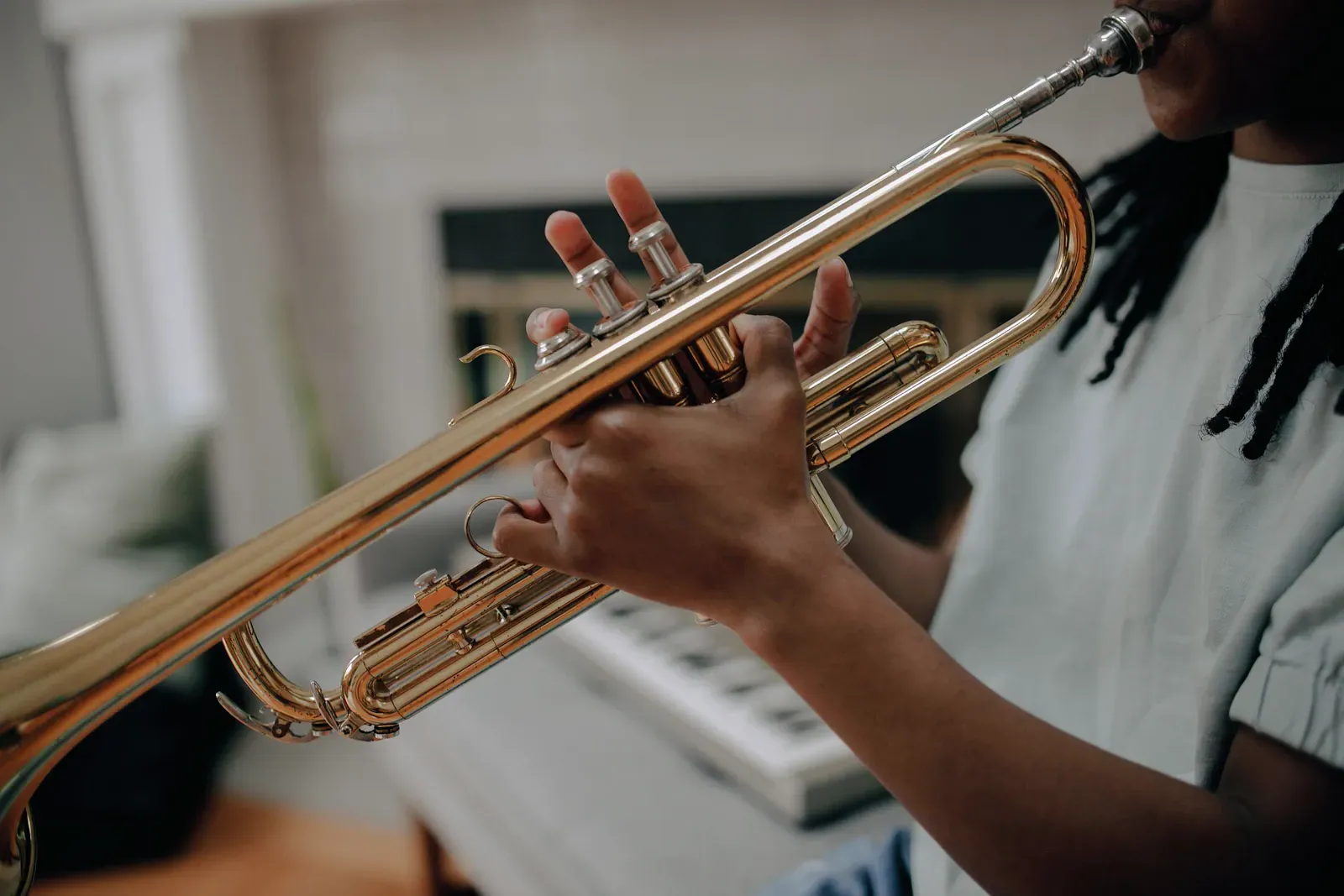
New York, 1948-1950
The Davis nonet existed briefly: a two-week September 1948 engagement at the Royal Roost in Manhattan, then three recording dates for Capitol. The January 21, 1949 session produced “Jeru”, “Godchild”, “Move” and “Budo”. On April 22 the band cut “Venus de Milo”, “Rouge”, “Israel” and “Boplicity”, the last credited to the pseudonym Cleo Henry for Davis and Evans. A piano-less session on March 9, 1950 added “Moon Dreams” and a vocal on “Darn That Dream” by Kenny Hagood.
The nonet’s hallmark was paired instrumentation. In “Move”, trumpet and alto saxophone share the melody, baritone saxophone and tuba supply counterpoint, and trombone and French horn fill in harmonies. Mulligan’s “Jeru” shows the other hallmark, a unison horn sound over rich harmony. Mulligan later said the aim had been a good small rehearsal band to write for, not an escape from bebop. The records were issued on 78s, were not widely appreciated at first, and were only compiled as the album Birth of the Cool by Capitol Records in 1957.
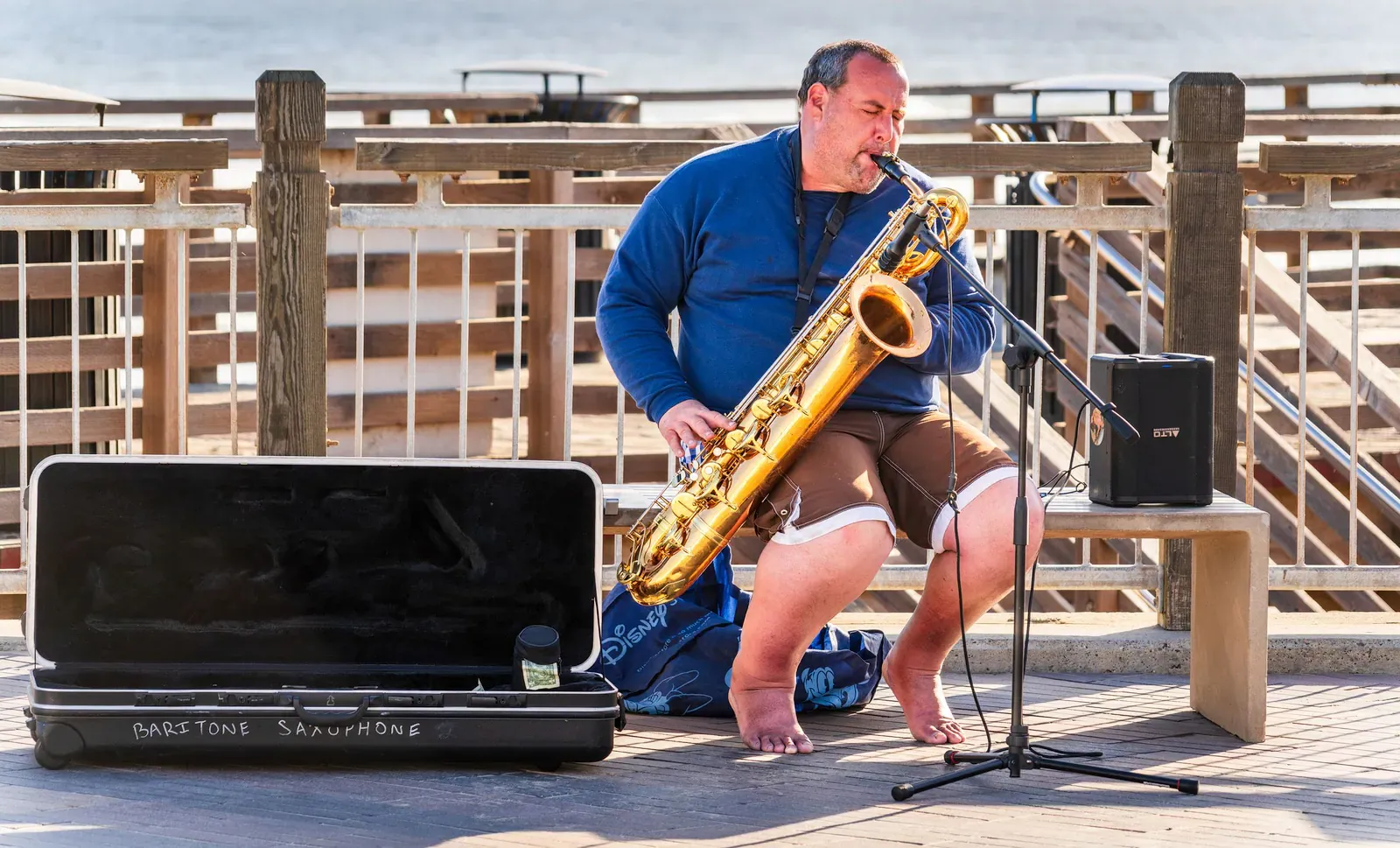
West Coast and the cool label, 1951-1955
In 1951 Stan Kenton disbanded his Innovations Orchestra in Los Angeles and many of its players stayed in California. Trumpeter Shorty Rogers and drummer Shelly Manne became central figures, and much of the activity centred on the Lighthouse Cafe in Hermosa Beach, where bassist Howard Rumsey led the Lighthouse All-Stars. Drummer Chico Hamilton ran a group that included a cellist, Fred Katz, and was likened to chamber music.
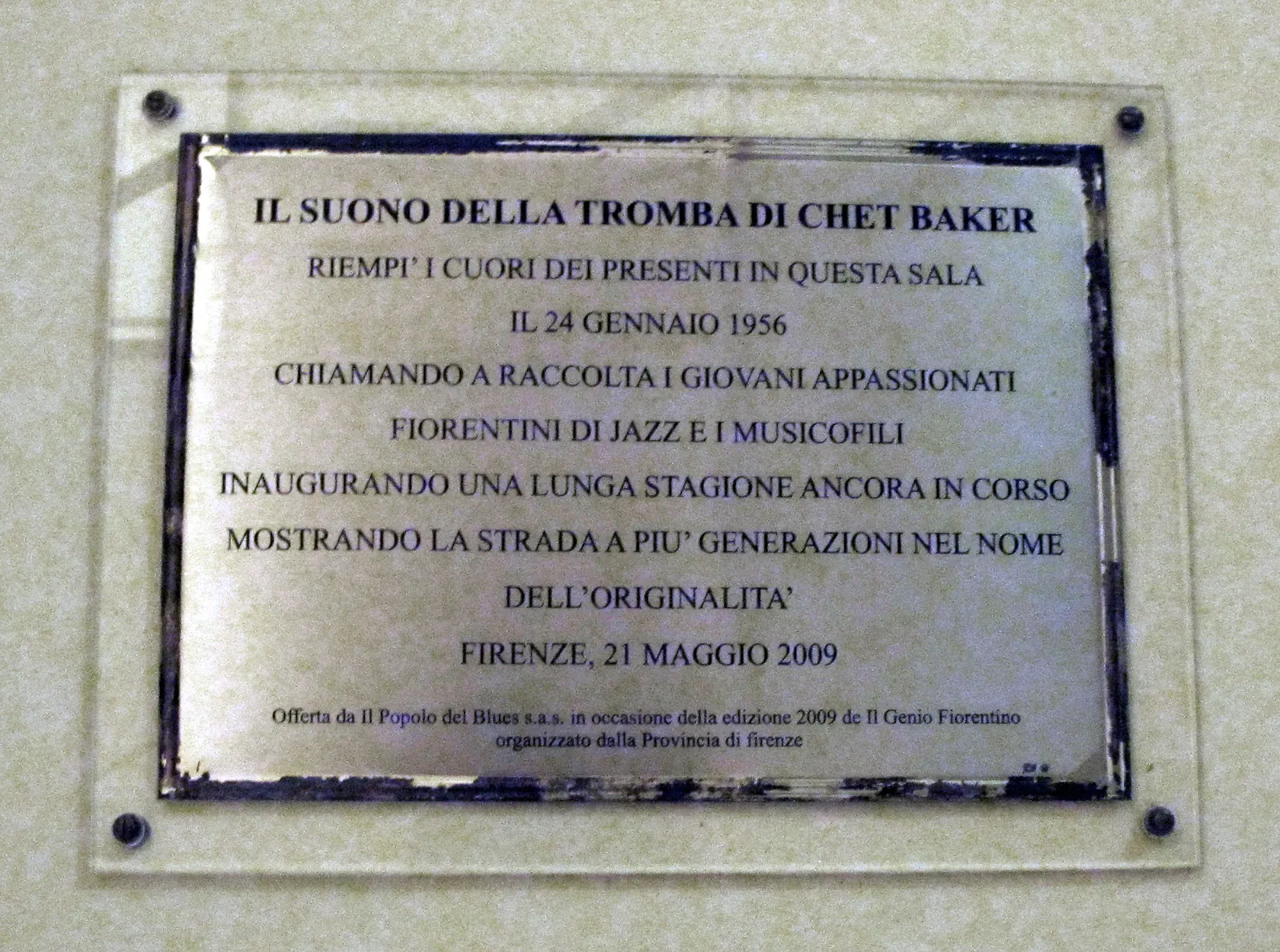
Gerry Mulligan formed a pianoless quartet with trumpeter Chet Baker, with bass and drums beneath two horns weaving around each other. Their 1952 recording of “My Funny Valentine” later entered the Library of Congress National Recording Registry. Baker, a trumpeter with a soft tone, also became a singer: Chet Baker Sings appeared in 1954. Capitol’s compilation Classics in Jazz: Cool and Quiet, released in 1953, is credited with starting the use of the term cool.
Other strands ran in parallel. John Lewis, a nonet member, co-founded the Modern Jazz Quartet, which brought classical forms such as the fugue into improvised music. George Shearing’s quintet and the saxophone work of Getz belonged to the same soft variants of bebop. In New York, Lennie Tristano and Konitz built a linear, somewhat atonal alternative to bop. The term West Coast jazz is disputed, since it often just means cool, and many California musicians played a hotter style.
Characteristics
Cool jazz is marked by moderate tempos and a reflective attitude. Players use little or no vibrato, a delicate attack and the middle register of the instrument rather than the extremes. Lee Konitz described his own sound as almost vibrato-free and mostly in the higher register. Arrangements are largely written in advance, and the emphasis shifts from virtuosic solos to ensemble colour and balance, with several melodic lines sounding at once.
Metre is not always a plain four. The Dave Brubeck Quartet’s Time Out, recorded in 1959, is built on unusual time signatures: “Take Five” stays in 5/4, while “Blue Rondo a la Turk” opens in 9/8 grouped 2+2+2+3, the rhythm of the Turkish zeybek, before its solos move to 4/4.
Instruments and production
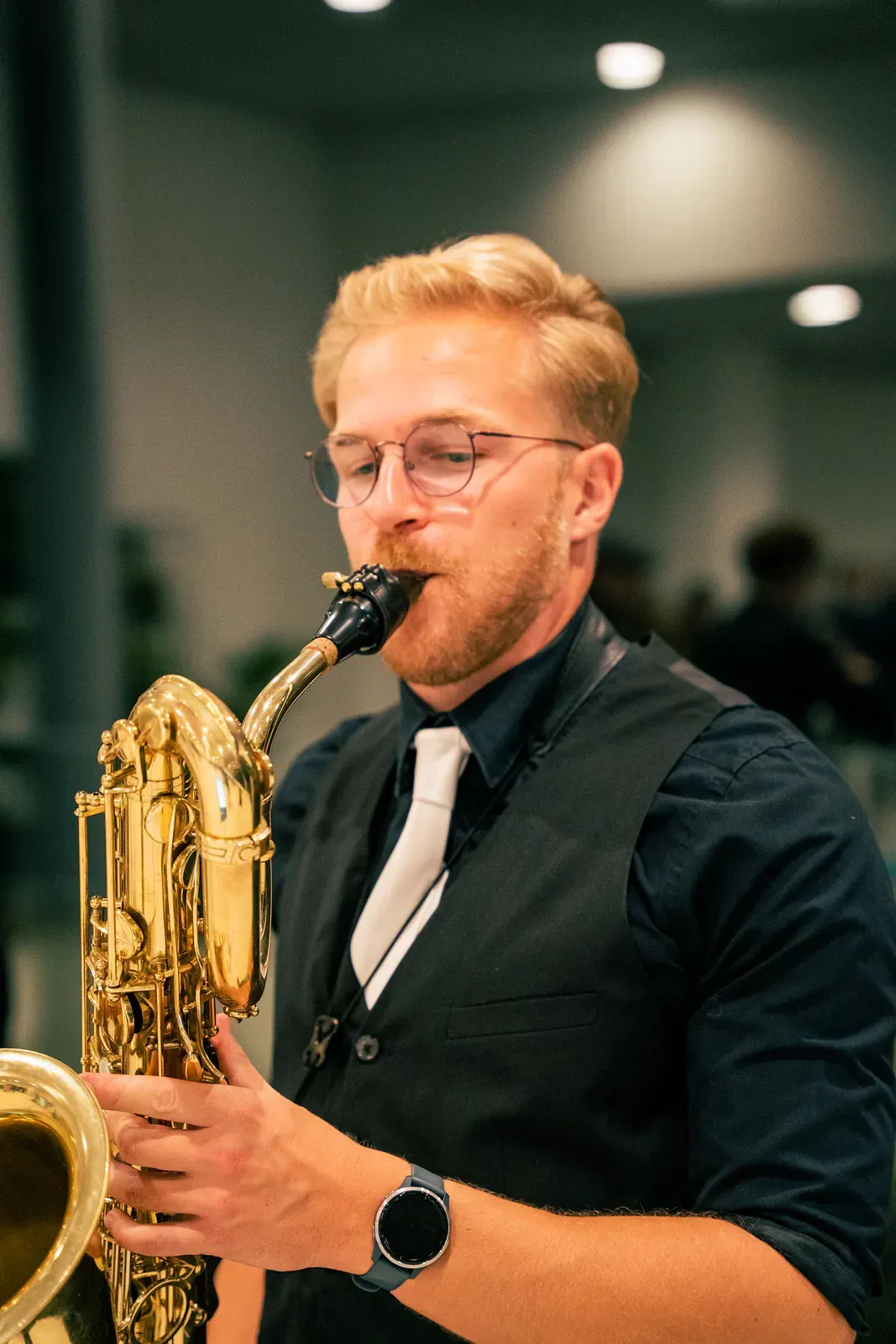
The nonet put French horn and tuba beside trumpet, trombone and two saxophones, the smallest ensemble that could keep the Thornhill band’s harmonies. Baritone saxophone, vibraphone in the Modern Jazz Quartet, flute and cello widened the palette; these instruments were used for texture rather than power. Brubeck’s quartet recorded Time Out at Columbia’s 30th Street Studio in New York.
Mainstream success
Cool jazz reached a mass audience through Brubeck. Time Out reached number two on the Billboard albums chart in 1959 and became the first jazz album to sell a million copies, and “Take Five”, written by saxophonist Paul Desmond, was the first jazz single to sell more than a million. Brubeck’s label was Columbia Records.
Notable recordings
Three recordings carry the story. “Boplicity” shows Evans’s soft brass voicings and the poise of the nonet. “My Funny Valentine” by the Mulligan quartet with Baker is the pianoless format at its most lyrical. “Take Five” turned a piece meant as a drum feature for Joe Morello into a hit; Desmond said it was never supposed to be one. Each is among the videos on this page.
Culture
The word cool itself is the main cultural artefact. Critics set the pastel tones of the new players against the fiery red of Dizzy Gillespie and his followers. Geography became a shorthand: Shelly Manne suggested that the relaxed California style reflected a relaxed lifestyle, while driving bop typified New York. Hard bop is also read, by some, as a response to cool and West Coast jazz, and by others as a response to rhythm and blues.
Legacy
The cool approach carried into bossa nova, which borrowed its phrasing and was boosted by the Getz records, and into modal jazz, notably Davis’s Kind of Blue in 1959. Davis and Gil Evans went on to Miles Ahead, Porgy and Bess and Sketches of Spain. Jimmy Giuffre’s trio of 1961-1962 took the idea toward free jazz. In the 1970s several musicians on the ECM label were seen as direct stylistic heirs, sharing clarity, subtlety and a dislike of bombast. Related pages: jazz, swing and bossa nova.
Misconceptions
One myth holds that the nonet set out to found a new style. Mulligan said the plan was a rehearsal band with something to write for, and that the cool label came after the fact. A second myth equates cool jazz with West Coast jazz; yet the nonet, Tristano and the Modern Jazz Quartet were New York groups, and Thornhill and Young worked there too. A third holds that Birth of the Cool was an immediate success; the records appeared as separate 78s, the live band lasted two weeks, and the album compilation came in 1957.
Frequently asked questions
What is cool jazz?
Cool jazz is a post-war style of modern jazz with relaxed tempos, a light tone, formal arrangements and classical influences. It arose in the United States as a quieter alternative to bebop.
Who started cool jazz?
No single founder exists, but the Miles Davis nonet’s 1949-1950 Capitol sessions, arranged largely by Gil Evans, Gerry Mulligan and John Lewis, are the usual starting point. Lester Young and the Claude Thornhill orchestra are its main antecedents.
What is the difference between cool jazz and bebop?
Bebop is fast and harmonically dense, with fiery solos. Cool jazz uses moderate tempos, little vibrato and written ensemble parts, with an understated dynamic range.
Is West Coast jazz the same as cool jazz?
Not exactly. West Coast jazz names cool-leaning music made in California in the 1950s, but the term is disputed because many California players also performed a hotter style.
Is Take Five cool jazz?
Dave Brubeck is often called a foremost exponent of cool jazz, and Time Out is described as a blend of cool and West Coast influences. Its odd metres set it apart from most cool jazz of the period.
Sound
Sound sheet
Signature sounds
- Blended horn voicings with French horn and tuba
- Light, vibrato-free tone
- Counterpoint between paired instruments
- Pianoless quartet format
- Odd meters such as 5/4 and 9/8
Techniques
- Light tone with little vibrato
- Behind-the-beat phrasing
- Paired instrumentation and counterpoint
- Formal arrangement
- Odd-meter writing
Vocals
Mostly instrumental; sung ballads such as Chet Baker Sings, and Kenny Hagood on Darn That Dream.
Scenes
Where it happened
Where and when the sound lived: one bar per city on a shared timeline.
North America
Active scenes
Peak 3, 1951-1960
Home of the Thornhill alumni, the Davis nonet and Lennie Tristano's circle.
The Lighthouse Cafe house band under Howard Rumsey anchored West Coast jazz.
Former Kenton and Herman sidemen such as Shorty Rogers and Shelly Manne settled here.
Venues and places
New York, 1948 to today. Site of the Miles Davis nonet's two-week engagement in September 1948.
Hermosa Beach, 1951 to today. Bassist Howard Rumsey led the Lighthouse All-Stars house band here.
New York, 1959 to today. Where the Dave Brubeck Quartet recorded Time Out in 1959.
Culture
Culture markers
- Cool
Label applied to the subdued post-bebop style from around 1953, in contrast to bebop's fiery intensity.
Slang
Media
Key media
- 1953Classics in Jazz: Cool and Quiet
by Various. Capitol compilation whose release marks the start of the term cool for this music.
Compilation
Glossary
Terms on this page
A nine-piece band; Davis's nonet used trumpet, trombone, French horn, tuba, alto and baritone saxophones and a rhythm section.
Mulligan's group with Chet Baker used baritone saxophone, trumpet, bass and drums with no piano, leaving room for interwoven lines.
Music combining classical elements with jazz, a neighbour of cool jazz.
Playing below full volume for a soft attack, a lesson Mulligan credited to Claude Thornhill.
Cool-leaning jazz from California in the 1950s, though the term is disputed since many players there were hot.
Jazz family