Modal jazz
Modal jazz improvises on modes and slow scales rather than dense chord changes. It took shape in New York in the late 1950s around Miles Davis and Coltrane.
New York City, 1958
Jazz family
Born
1958
New York City
Links
15
Genres it drew on or shaped
Tempo
90-275 BPMLineage
Family tree
Influenced by
Pushed back against
New York City, 1958
Modal jazz
Led to (4)
Timeline
Era by era
From the first sparks to today. Select a dot to read the story behind it.
- Theory and first experiments
1953 to 1958
- Milestones and Kind of Blue
1958 to 1960
- The Coltrane quartet
1960 to 1965
- Blue Note modernists and spiritual jazz
1965 to 1975
Eras
Moments
- 1 Theory and first experiments, 1953 to 1958
- 2 Milestones and Kind of Blue, 1958 to 1960
- 3 The Coltrane quartet, 1960 to 1965
- 4 Blue Note modernists and spiritual jazz, 1965 to 1975
1953
Theory and first experiments
George Russell's Lydian Chromatic Concept (1953) gave improvisers a scale-based alternative to chord changes, and Russell's 1957 Smalltet sessions put it on record.
- 1953George Russell publishes the Lydian Chromatic ConceptHis theory book proposes the Lydian mode as the centre of tonal gravity and becomes the founding text of modal thinking in jazz.
- 1957Russell's Ezz-thetic on The Jazz WorkshopGeorge Russell's Smalltet applies the Lydian concept in a composition; the tune is later recorded again for the 1961 album Ezz-thetics.
1958
Milestones and Kind of Blue
Miles Davis built Milestones (1958) and Kind of Blue (1959) on modes, with Bill Evans and John Coltrane in the band, and made the approach mainstream.
- 1958Miles Davis releases MilestonesThe title piece uses G Dorian for its A sections and A Aeolian for its B sections.
- 1959Kind of BlueRecorded at Columbia's 30th Street Studio on 2 March and 22 April, released 17 August; each player received scales rather than chord charts.
- 1959Bill Evans records Peace PieceA solo piano improvisation over a repeating left-hand figure, on Everybody Digs Bill Evans for Riverside.
1960
The Coltrane quartet
With McCoy Tyner, Elvin Jones and Jimmy Garrison, Coltrane stretched modal playing into long vamps and spiritual suites, ending with A Love Supreme (1965).
- 1960Coltrane forms his classic quartetMcCoy Tyner and Elvin Jones join, with Jimmy Garrison on bass from 1961; the group is active until 1965.
- 1960Impulse! Records is foundedCreed Taylor starts the label; Coltrane is among its earliest signings and it becomes known as the house that Trane built.
- 1961My Favorite ThingsColtrane turns a Rodgers waltz into a long soprano saxophone vamp, and a single edit reaches radio.
- 1962Live! at the Village VanguardColtrane's quartet plays extended modal pieces from a New York club residency, issued on Impulse!.
1965
Blue Note modernists and spiritual jazz
Herbie Hancock, Wayne Shorter and Pharoah Sanders carried modal writing into post-bop and spiritual jazz, and it became a basic part of the jazz curriculum.
- 1965A Love SupremeA four-part devotional suite by the Coltrane quartet, built on modal vamps and a bass motif.
- 1965Herbie Hancock's Maiden VoyageRecorded on 17 May with Freddie Hubbard and George Coleman, the title piece sets slowly moving chords over a pedal bass.
- 1967Wayne Shorter's FootprintsA minor blues over a modal-style groove, recorded for Adam's Apple with Herbie Hancock on piano.
- 1969Pharoah Sanders' KarmaThe 30-minute The Creator Has a Master Plan carries the modal vamp into spiritual jazz.
- 2002Kind of Blue enters the National Recording RegistryThe Library of Congress selects it among the first fifty recordings; in 2019 the RIAA certifies it five times platinum.
Listening path
Start listening
A short path from an easy way in to the deep end. Thumbnails come from YouTube; the player loads only when you press play.
- 01
Miles Davis, 1959
The AABA Dorian vamp that defines the style; listen for the bass figure and the half-step bridge.
- 02
John Coltrane, 1961
A waltz turned into a long soprano saxophone vamp that moves between a minor and major mode.
- 03
Herbie Hancock, 1965
Slow-moving chords over a pedal bass, the Blue Note view of modal writing.
- 04
John Coltrane, 1965
The quartet at its most intense: four-note bass motif, then open modal improvisation and a chanted close.
Modal jazz is jazz that improvises on modes, such as Dorian or Lydian, and on slow-moving scalar frameworks instead of fast-changing chord progressions. It took shape in New York City in the late 1950s as a reaction to the chord-heavy playing of bebop and hard bop.
Miles Davis’s Kind of Blue (1959) and John Coltrane’s quartet of the early 1960s defined it. It belongs to the wider jazz tradition.
Origins
By the 1950s, improvising over repeating chord changes was the dominant method in jazz, to the point that sidemen on recording dates sometimes received nothing more than a list of chords. A few musicians looked for other ways to organize a solo. Juan Tizol’s “Caravan” (1936) has a modal sound, and Bud Powell’s “Glass Enclosure” (1953) is cited as an early use of Lydian chords. Sun Ra is reported to have rehearsed modal pieces with a small group as early as 1950.
The theoretical push came from the composer George Russell. His 1953 book, The Lydian Chromatic Concept of Tonal Organization, argued that music is organized around the tonal gravity of the Lydian mode and offered improvisers a system of scales rather than chords. Russell’s own Smalltet recorded “Ezz-thetic” in 1957, and the circle around Davis, Bill Evans and later Herbie Hancock and Wayne Shorter took up the ideas.
Milestones and Kind of Blue, 1958-1960
Davis’s “Milestones” (1958) uses G Dorian for its A sections and A Aeolian for its B sections, one scale at a time and no chord for every bar. Bill Evans, who joined the band in 1958, helped steer Davis away from his hard bop style, and the experiment led to Kind of Blue.
The album was recorded at Columbia’s 30th Street Studio in New York on 2 March and 22 April 1959 and released on 17 August by Columbia Records. Davis led a sextet with John Coltrane, Julian “Cannonball” Adderley, Bill Evans, Paul Chambers and Jimmy Cobb, with Wynton Kelly replacing Evans on “Freddie Freeloader”. Rather than chord charts, Davis gave each player a set of scales for the improvisation, which left room for melody and unhurried pacing. “So What”, the opening track, is a 32-bar AABA form in which the A sections stay in D Dorian and the bridge steps up a half tone to E-flat Dorian.
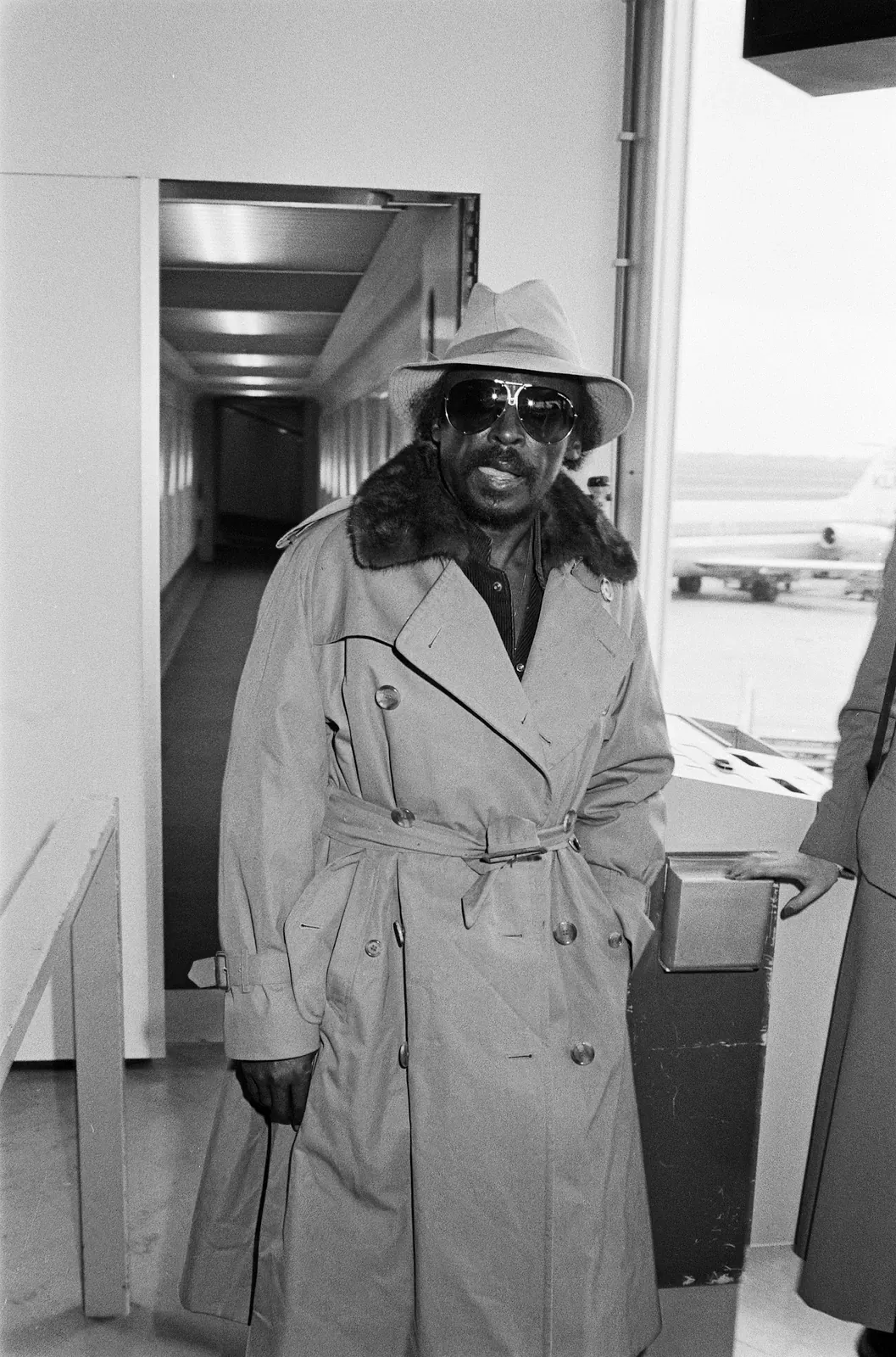
Evans’s solo piece “Peace Piece” was recorded around the same time and issued by Riverside on Everybody Digs Bill Evans (1959). It extends a single slow left-hand figure into a long piano improvisation and is among the earliest modal piano recordings.
The Coltrane quartet, 1960-1965
Coltrane, who had played on Kind of Blue, pushed modal improvisation furthest. From 1960 his quartet featured McCoy Tyner on piano and Elvin Jones on drums, with Reggie Workman and then Jimmy Garrison on bass. The group recorded for Atlantic and then, from 1961, for Impulse!, the label Creed Taylor founded in 1960 and which became known as the house that Trane built.
“Impressions” follows the same AABA form and Dorian keys as “So What”. The 1961 recording of “My Favorite Things” turned a Rodgers and Hammerstein waltz into a long soprano saxophone vamp that moves between minor and major modes, and a single edit received radio play. Africa/Brass (1961), Live! at the Village Vanguard (1962), Crescent (1964) and A Love Supreme (1964) are all counted as modal albums. Coltrane’s sources included Indian music and the drones of raga, which suited the static harmonies.
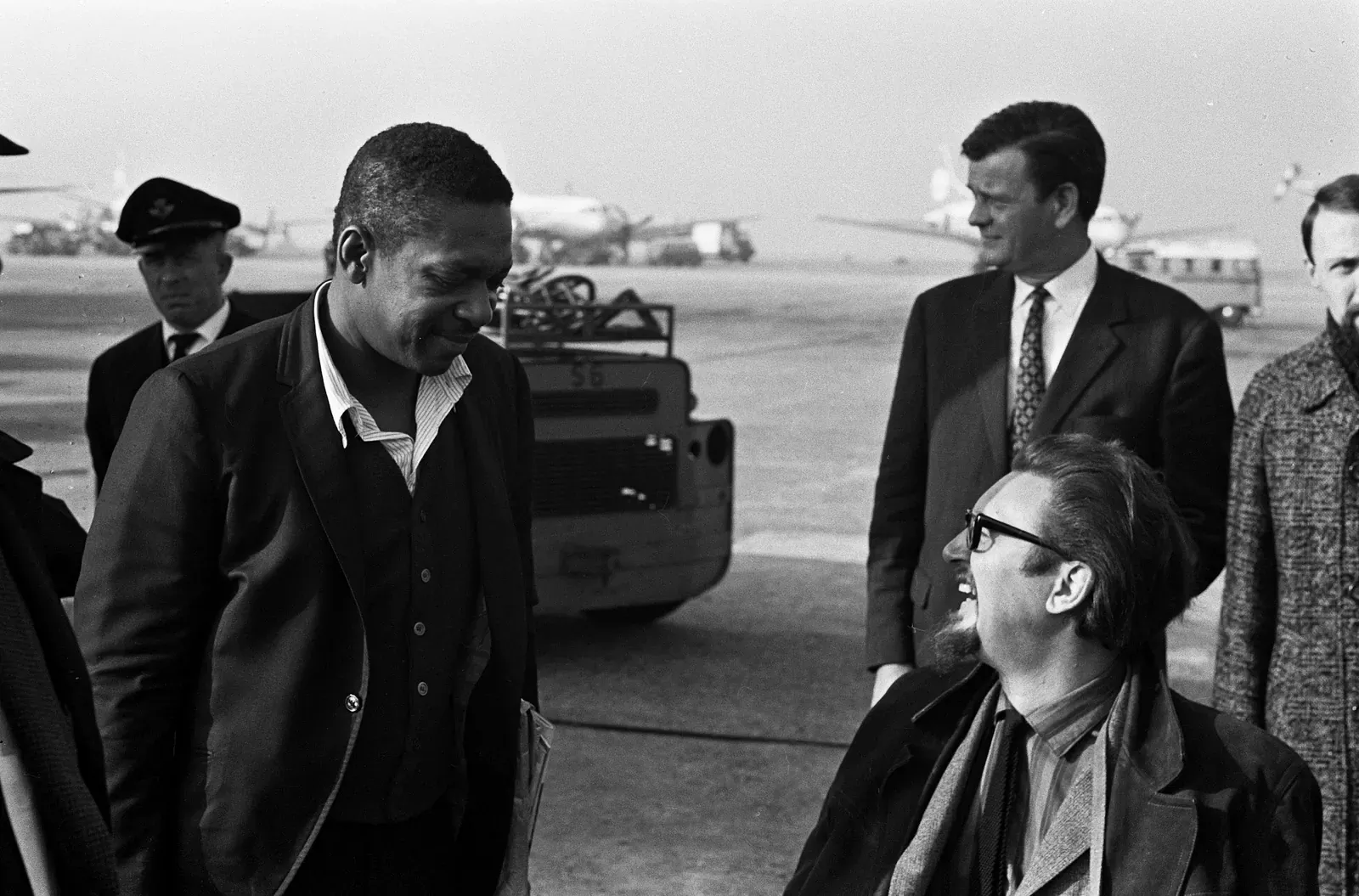
A Love Supreme, recorded in December 1964 and issued in 1965 on Impulse!, is a four-part suite built on a bass motif and modal vamps, with a devotional poem in the liner notes. It is the quartet’s best-known work.
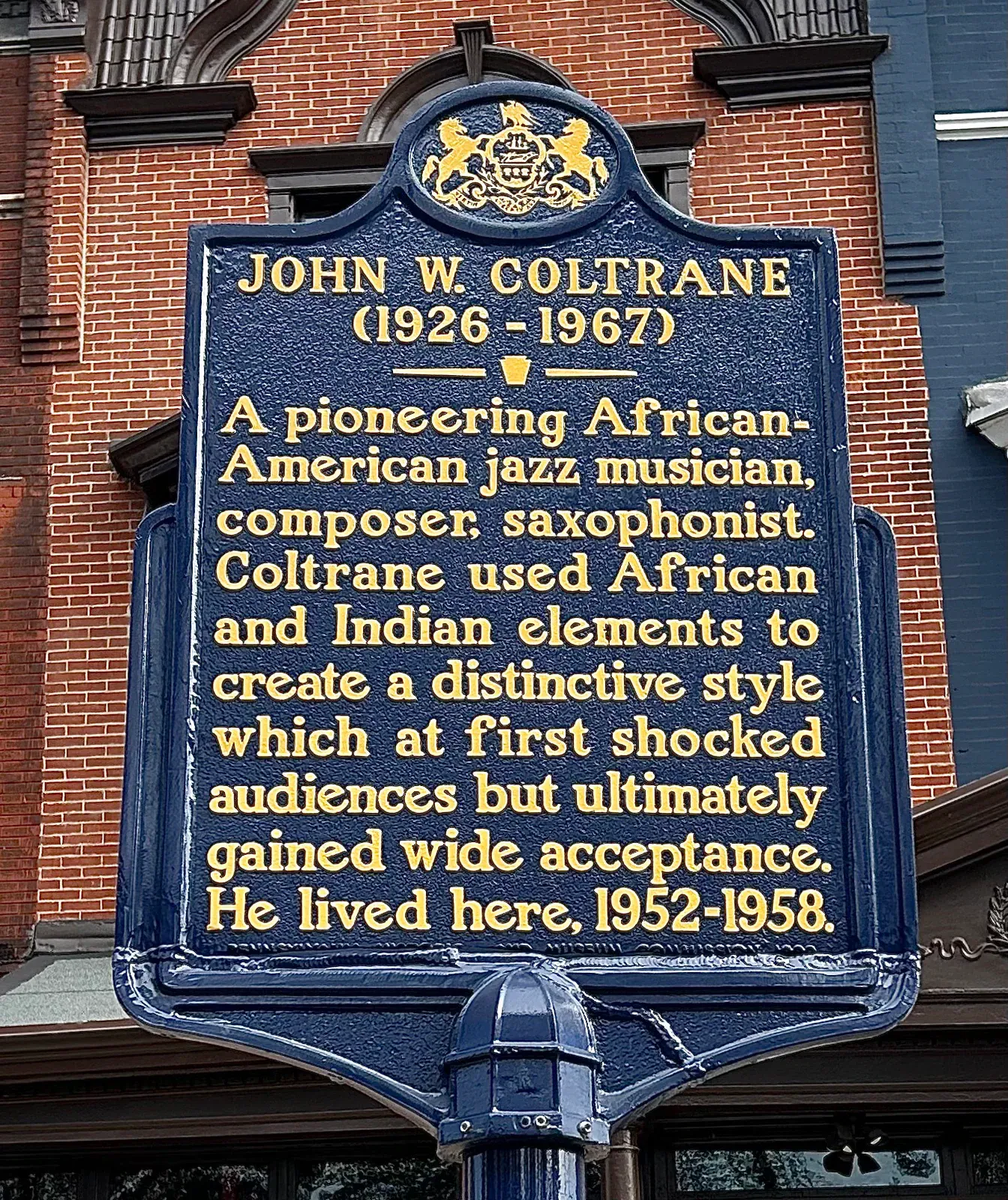
Blue Note modernists and spiritual jazz, 1965-1975
Younger players carried modal writing into post-bop. Herbie Hancock recorded Maiden Voyage for Blue Note on 17 May 1965 with Freddie Hubbard and George Coleman, and its title piece lays slowly moving chords over a pedal bass. Wayne Shorter’s “Footprints” (1967, on Adam’s Apple) puts a minor blues in a modal groove. Rudy Van Gelder’s studio in Englewood Cliffs, New Jersey, opened in July 1959, and recorded much of the output of Blue Note, Prestige and Impulse! in this period.
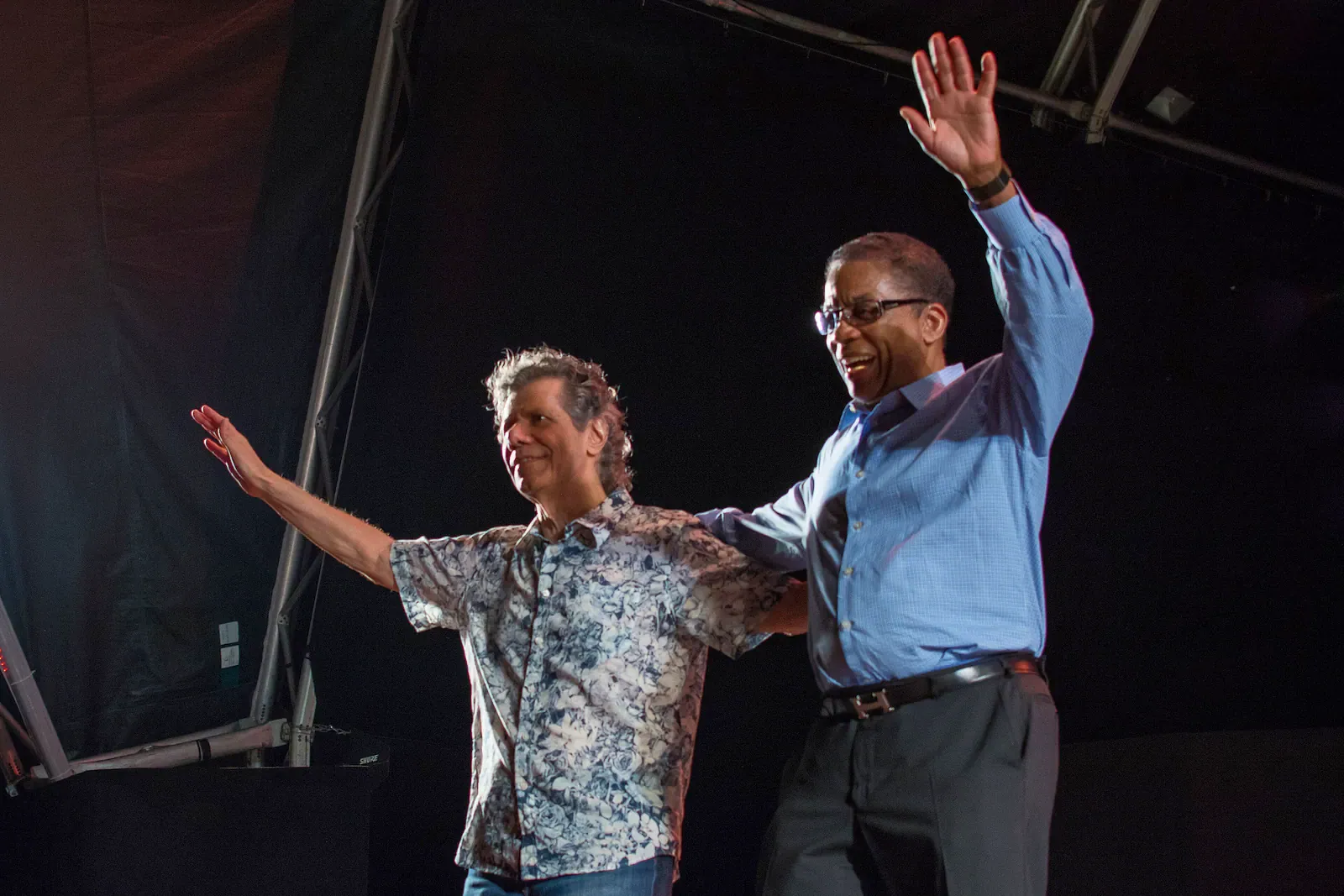
Pharoah Sanders and others developed the open vamp into the long, meditative pieces of spiritual jazz, with Sanders’s 1969 album Karma and its roughly 30-minute “The Creator Has a Master Plan” a well-known example. Chick Corea, Joe Henderson, Bobby Hutcherson, Woody Shaw and Larry Young are also named among modal performers.
Characteristics
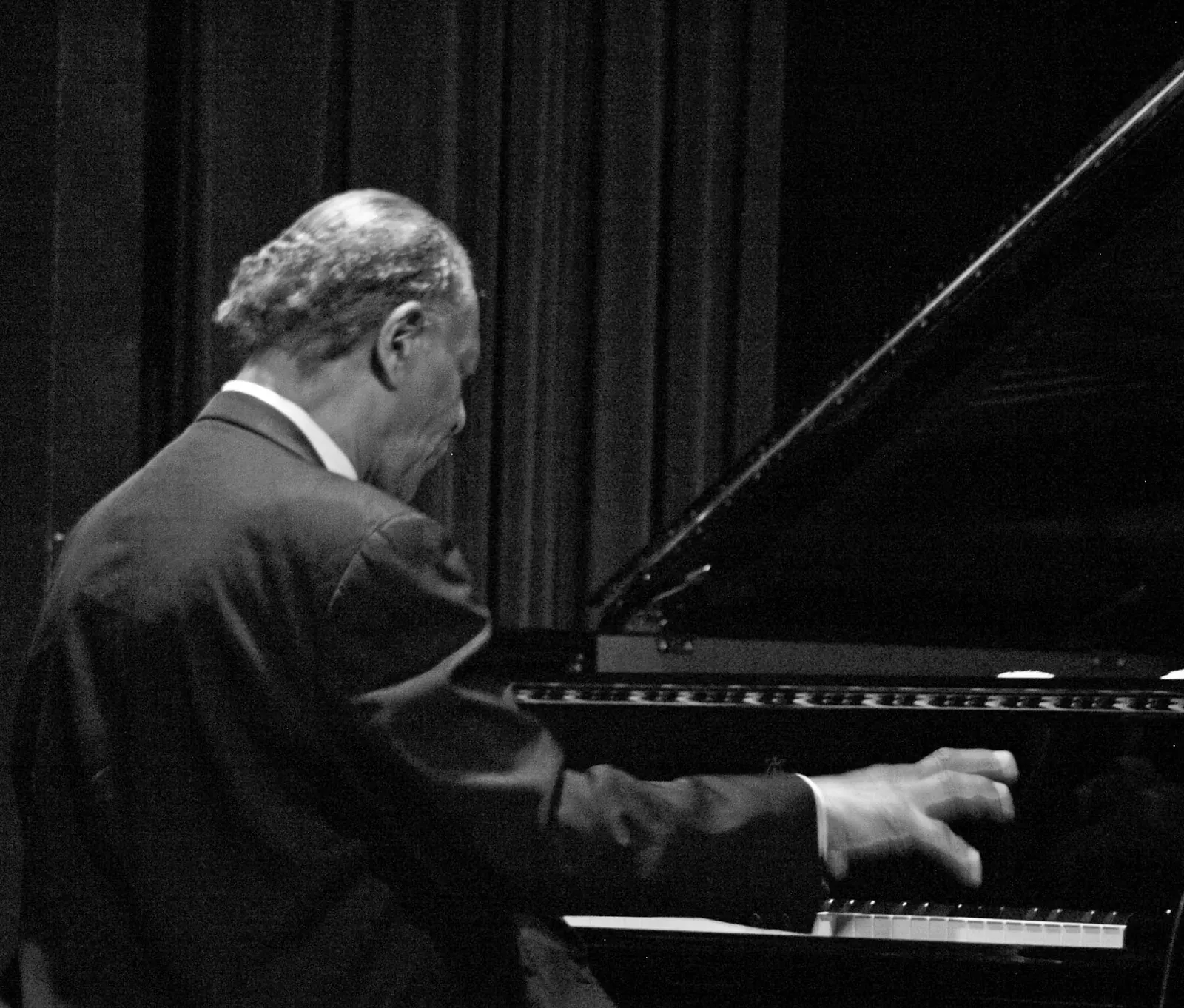
Modal improvisation emphasizes scales rather than a sequence of changing chords. Chords still appear, but they come from the prevailing mode. The bass often repeats the tonic or an ostinato, which establishes the mode, while the piano voices chords in fourths above it. Pieces are frequently built on long vamps, so the harmony moves slowly and solos can extend as long as the players choose. Some compositions mix modal sections with sections on conventional chord progressions, and many combine a Dorian minor feel with a half-step modulation.
Instruments and production
The standard line-up is a small group: tenor or soprano saxophone, trumpet, piano, double bass and drums. The piano and the horn share the harmonic space, which the sparse bass lines leave open. Drummers, most notably Elvin Jones, kept a ride-cymbal pulse and layered rolling accents on top, giving the vamps momentum. Columbia’s 30th Street Studio and Van Gelder’s studio were the central recording rooms.
Notable recordings
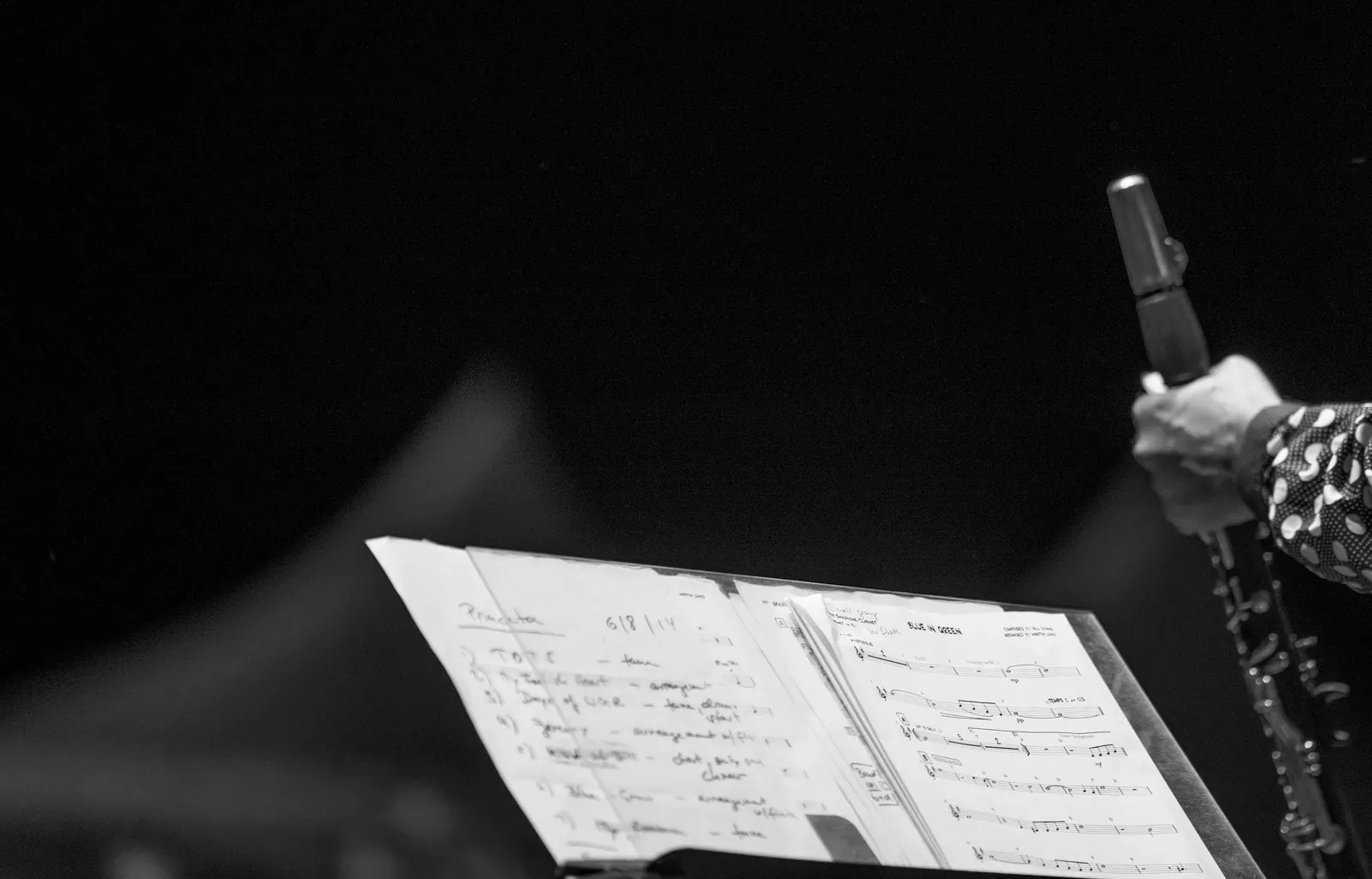
Kind of Blue remains the central document. The Library of Congress added it to the National Recording Registry in 2002 in the first fifty selections, and in 2019 the RIAA certified it five times platinum. “Blue in Green” and “Flamenco Sketches” lean on slow modal changes, while “All Blues” works in a 6/4 pulse.
A Love Supreme gave the style a spiritual voice. Maiden Voyage gave it a standard that younger players still learn first. “My Favorite Things” made it popular outside the jazz audience.
Culture
Modal jazz fit the long-set culture of New York clubs. The Village Vanguard, which became primarily a jazz room in 1957, hosted the Coltrane quartet and gave pieces space to run past quarter of an hour. Coltrane’s liner notes to A Love Supreme framed the music as a devotional act, and this religious dimension carried into spiritual jazz.
Legacy
Modal jazz remains a basic part of jazz teaching, and its tunes, including “So What”, “Impressions”, “Maiden Voyage” and “Footprints”, are everyday repertoire. Its static harmony and groove-based vamps also fed jazz fusion and later jazz-funk, and its influence stretches to rock and classical writers who cite Kind of Blue.
Misconceptions
Modal jazz is sometimes described as jazz without chords. Chords are still present, but they are drawn from the mode and are often built from stacked fourths, not changed each bar.
Kind of Blue is often called the first modal record. Davis’s “Milestones” preceded it by a year, and George Russell, Bud Powell and Sun Ra had worked with modal or Lydian ideas earlier in the 1950s.
The style is also said to have ended with the 1960s. Coltrane’s quartet disbanded in 1965, but modal writing has stayed in use through post-bop, spiritual jazz and later periods.
Frequently asked questions
What is modal jazz?
Modal jazz is jazz that builds solos on modes and slow harmonic frameworks instead of fast chord changes. Its best-known examples are Miles Davis’s Kind of Blue and John Coltrane’s 1960s quartet records.
Which album started modal jazz?
Miles Davis’s Milestones (1958) used modal writing in its title piece, and Kind of Blue (1959) built a whole album on it. Several earlier players explored modal ideas, so there is no single starting point.
What is the difference between modal jazz and bebop?
Bebop improvises over fast chord progressions that change every bar or two. Modal jazz keeps one mode for many bars, so the soloist works with a scale and a tonal centre rather than a chord sequence.
Who are the main modal jazz musicians?
Miles Davis, John Coltrane, Bill Evans, McCoy Tyner and Herbie Hancock are the central figures. Wayne Shorter, Pharoah Sanders, Joe Henderson and Bobby Hutcherson are also listed among modal performers.
What modes does modal jazz use?
Dorian is the most common, as in “So What” and “Impressions”. Aeolian and Lydian also appear, the latter strongly tied to George Russell’s theory.
Sound
Sound sheet
Anatomy of a track
| # | Part |
|---|---|
| 1 | Vamp intro (bass figure, then piano) |
| 2 | Head (AABA, 16 + 8 + 8 bars) |
| 3 | Solos over the same mode |
| 4 | Head restated |
Signature sounds
- One scale or mode per section, not a chord change every bar
- Pedal point or ostinato in the bass
- Open quartal chords in the piano
- Long solos over a vamp
Drums and percussion
- Drum kit
Techniques
- Scalar improvisation
- Quartal voicings
- Pedal point
- Extended vamps
Keys and modes
Dorian mode. So What and Impressions use D Dorian with a bridge in E-flat Dorian.
Aeolian mode. Milestones sets its B sections in A Aeolian against G Dorian A sections.
Lydian mode. The basis of Russell's concept and of many Shorter and Hancock pieces.
Vocals
Largely instrumental; a chanted vocal line appears in A Love Supreme's opening part.
Scenes
Where it happened
Where and when the sound lived: one bar per city on a shared timeline.
North America
Active scenes
Peak 2, 1959-2025
Home to Davis, Coltrane, Evans and Russell, with Columbia's 30th Street Studio and the Village Vanguard.
Rudy Van Gelder's New Jersey studio recorded Coltrane for Impulse! and Hancock for Blue Note.
Venues and places
New York City, 1948 to 1981. A converted church where Davis recorded Kind of Blue in 1959.
Englewood Cliffs, 1959 to today. Rudy Van Gelder's studio, used by Blue Note, Prestige and Impulse! for modal-era sessions.
New York City, 1935 to today. Greenwich Village club that turned primarily to jazz in 1957 and hosted Coltrane's 1961 live recordings.
Culture
Culture markers
- A Love Supreme liner poem
Coltrane's spiritual statement printed with the album frames the music as a devotional work.
Artwork - Long club sets
Residencies such as Coltrane's at the Village Vanguard let single pieces run past 15 minutes.
Ritual
Media
Key media
- 1953The Lydian Chromatic Concept of Tonal Organization
by George Russell. The theory text behind modal thinking in jazz.
Book - 2000Kind of Blue: The Making of the Miles Davis Masterpiece
by Ashley Kahn. A session-by-session account of the 1959 recordings.
Book - 2016Chasing Trane
by John Scheinfeld. Documentary on Coltrane's career, including the quartet years.
Film
Glossary
Terms on this page
A minor-sounding scale with a raised sixth, the mode of So What and Impressions.
George Russell's 1953 theory that organizes all music around the Lydian mode.
A scale with its own tonal centre and pattern of steps, such as Dorian or Lydian, used as the basis for improvisation.
A sustained or repeated bass note that stays while the harmony above it shifts.
A chord built from stacked fourths rather than thirds, giving an open, ambiguous sound.
A short repeated figure the rhythm section plays for as long as the soloist needs.
Jazz family