Hard bop
Hard bop is a mid-1950s jazz style that extended bebop with blues, gospel and rhythm and blues, led by Art Blakey and Horace Silver and dominant to about 1968.
New York City, 1954
Jazz family
Born
1954
New York City
Subgenres
1
Documented branches
Links
15
Genres it drew on or shaped
Tempo
110-165 BPMLineage
Family tree
Timeline
Era by era
From the first sparks to today. Select a dot to read the story behind it.
- New York and Detroit, 1953-1956
1953 to 1956
- Blue Note and Prestige years, 1957-1967
1957 to 1967
- Fusion and decline, 1968-1984
1968 to 1984
- Neo-bop revival, 1985 onward
1985 to today
Eras
Moments
- 1 New York and Detroit, 1953-1956, 1953 to 1956
- 2 Blue Note and Prestige years, 1957-1967, 1957 to 1967
- 3 Fusion and decline, 1968-1984, 1968 to 1984
- 4 Neo-bop revival, 1985 onward, 1985 to today
1953
New York and Detroit, 1953-1956
Blakey and Silver's Jazz Messengers, Miles Davis in Detroit and the Brown-Roach Quintet set a blues- and gospel-tinged alternative to bebop jam sessions and cool jazz.
- 1953Miles Davis settles in DetroitHe lived in the city until 1954, when Detroit musicians such as Barry Harris and Kenny Burrell were already shaping its bop scene.
- 1954A Night at BirdlandBlakey's quintet with Clifford Brown records two live Blue Note volumes at Birdland, among the earliest documents of the style.
- 1954Miles Davis plays Walkin' at NewportHis set at the first Newport Jazz Festival helped make him prominent in hard bop.
- 1955Silver's The PreacherHorace Silver's gospel-flavored tune seemed old-fashioned to Blue Note's Alfred Lion, who hesitated to record it, but it became a hit.
- 1955Miles Davis Quintet with ColtraneDavis forms the group that placed him and John Coltrane at the center of hard bop before he moved on to modal jazz.
1957
Blue Note and Prestige years, 1957-1967
Long-playing records, Van Gelder sessions and steady Blakey, Silver, Morgan, Adderley and Coltrane dates made hard bop the dominant jazz style, with soul jazz as its funkier branch.
- 1957Hard Bop album and the nameBlakey's Jazz Messengers album Hard Bop, cut in 1956, is issued; Nat Hentoff's liner notes credit critic John Mehegan with coining the term.
- 1957A Blowin' SessionJohnny Griffin, Coltrane and Hank Mobley play together with Lee Morgan and Blakey, the only studio date with all three saxophonists.
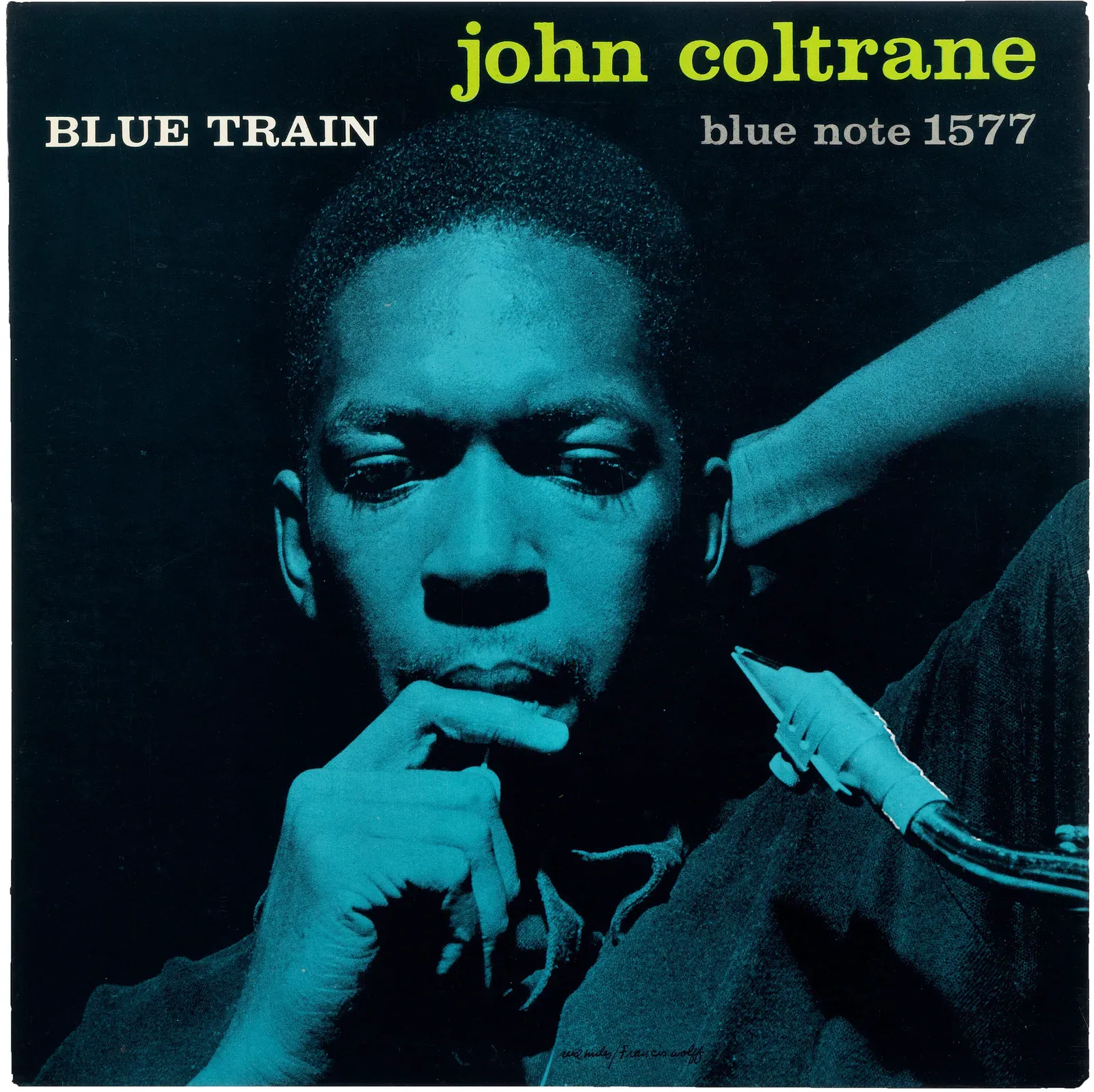
- 1957Coltrane's Blue TrainColtrane's Blue Note leader date, with Lee Morgan and Curtis Fuller, is called his hard bop masterpiece.
- 1958Blakey's Moanin'The Jazz Messengers with Lee Morgan and Benny Golson record the album often called the quintessential hard bop record; its title tune pioneered soul jazz.
- 1959Bud Powell moves to EuropeDexter Gordon follows in 1962 and records Our Man in Paris for Blue Note.
- 1964The SidewinderLee Morgan's funky, danceable title track blends soul jazz, Latin boogaloo, blues and R&B.
- 1964Song for My FatherSilver's best-known composition, cut with Carmell Jones and Joe Henderson.
1968
Fusion and decline, 1968-1984
Blue Note's sale, label consolidation, rock and fusion pulled players and audiences away; Donald Byrd and Miles Davis moved toward fusion.
- 1973Black ByrdDonald Byrd's fusion album becomes Blue Note's best seller, and hard bop fans call his shift a betrayal.
1985
Neo-bop revival, 1985 onward
One Night with Blue Note gathered veterans in 1985; younger players such as Wynton Marsalis revived the style, which became the base of modern acoustic jazz.
- 1985One Night with Blue NoteA filmed concert gathers about thirty mostly hard bop players, including Art Blakey, Ron Carter, Johnny Griffin and Freddie Hubbard.
Listening path
Start listening
A short path from an easy way in to the deep end. Thumbnails come from YouTube; the player loads only when you press play.
- 01
Art Blakey and the Jazz Messengers, 1958
The quintessential hard bop album's title tune, which pioneered soul jazz; listen for the gospel-like feel.
- 02
Horace Silver Quintet, 1964
Silver's best-known composition; listen for the quintet with Carmell Jones and Joe Henderson.
- 03
Sonny Rollins, 1957
Rollins's tenor leads a quartet with Max Roach on drums; listen for the tenor solo.
- 04
John Coltrane, 1957
Trumpet, trombone and tenor front line; listen for Coltrane's tenor over the changes.
- 05
Lee Morgan, 1964
The funky boogaloo groove that took hard bop to a wider audience.
Hard bop is a style of jazz that grew out of bebop in the United States in the mid-1950s and took in influences from rhythm and blues, gospel and the blues.
Its themes are simpler and more riff-based than bebop’s, its rhythm section drives harder, and its favourite settings were small groups of trumpet, tenor saxophone, piano, bass and drums. It centred on New York and Detroit and was the most dominant jazz style from about 1955 to 1968.
Origins
The name was used by critics and record companies in the mid-1950s for a current inside jazz that drew on rhythm and blues, gospel and blues, above all in saxophone and piano playing. Liner notes to the 1957 Art Blakey album Hard Bop credit the critic and pianist John Mehegan with coining the phrase. The style is generally traced to the Jazz Messengers, the group led by Blakey with Horace Silver.
The two musicians were reacting to the New York bebop scene of the early 1950s, where a star soloist would sit in with a house rhythm section and play blues and standards everybody knew, without rehearsal. Blakey and Silver wanted planned, memorable music with the audience in mind, kept short, and they dug into blues and gospel for tunes with wide appeal. The wider context was a generation of Black musicians who grew up when bebop and rhythm and blues were the dominant Black American music. Rhythm and blues began the blend of blues and gospel later called soul music, and some of the roots of hard bop are found there while bebop seemed to lose direction and audience.
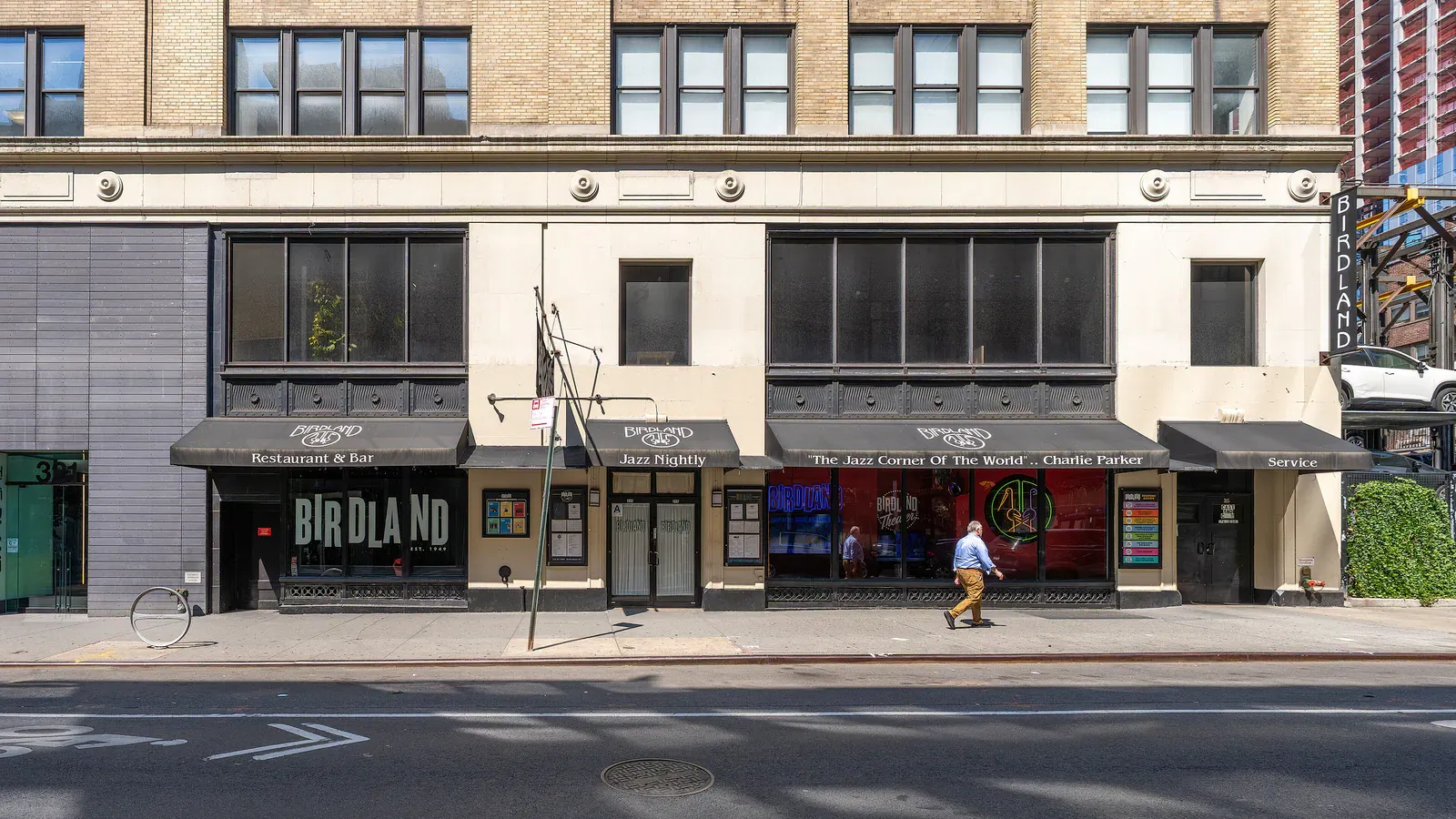
Several centres claim a share. Blakey’s quintet recorded A Night at Birdland for Blue Note in 1954 with trumpeter Clifford Brown, months before Miles Davis played “Walkin’” at the first Newport Jazz Festival. Detroit also mattered: Barry Harris and Kenny Burrell came from the city, Davis lived there from 1953 to 1954, and tenor saxophonist Billy Mitchell’s band at the Blue Bird Inn anchored its scene in the early 1950s.
A key early recording was Silver’s composition “The Preacher”, cut in 1955 with the Jazz Messengers. It was thought old-timey, so Blue Note’s Alfred Lion hesitated to record it, yet it became a hit. In 1955 Davis formed a quintet with John Coltrane, which put both players at the centre of hard bop before Davis moved on to other styles.
Blue Note and Prestige years, 1957-1967
The change from 78 rpm discs to 33 rpm long-playing records made longer solos practical, and the shift shows in the albums of the period. West Coast jazz was losing influence in the late 1950s, which sped hard bop’s rise. From 1952 to 1967 Blue Note signed and promoted hard bop players steadily, and Prestige recorded Sonny Rollins’s Saxophone Colossus.
A Blowin’ Session (1957) showed the style at full strength: Johnny Griffin, Coltrane and Hank Mobley on tenor saxophones, Lee Morgan on trumpet, Wynton Kelly, Paul Chambers and Blakey in the rhythm section. It is the only studio session ever to bring the three saxophonists together. The Jazz Messengers recorded Hard Bop in 1956 with trumpeter Bill Hardman and saxophonist Jackie McLean. Their 1958 album Moanin’, with Lee Morgan and Benny Golson, is regarded as the quintessential hard bop record and pioneered soul jazz.
Morgan and Golson then formed their own groups. Golson’s Jazztet with trumpeter Art Farmer made Meet the Jazztet in 1960, and Morgan’s The Sidewinder (1964) is known for funky, danceable grooves from soul jazz, Latin boogaloo, blues and R&B. Joe Henderson and Wayne Shorter worked in his bands. Coltrane, a major tenor saxophonist in the style, recorded Blue Train in 1957, called his hard bop masterpiece. His own favourite album of his early career, it features Morgan on trumpet and Curtis Fuller on trombone.
Davis’s group carried hard bop’s ideas toward modal jazz on Milestones and Kind of Blue, which kept core hard bop habits such as the call-and-response theme of “So What”. Silver’s Song for My Father (recorded 1964 with Carmell Jones and Joe Henderson) became his best-known composition and his most successful album.
Other musicians in the style include Donald Byrd, Tina Brooks, Sonny Clark, Lou Donaldson, Blue Mitchell, Sonny Rollins and Sonny Stitt. Pianists such as Tommy Flanagan, Kenny Drew and Wynton Kelly played altered versions of bebop alongside the hard bop saxophonists. Bud Powell moved to Europe in 1959 and Dexter Gordon in 1962, and Gordon’s Our Man in Paris for Blue Note is among his most iconic albums.
Characteristics
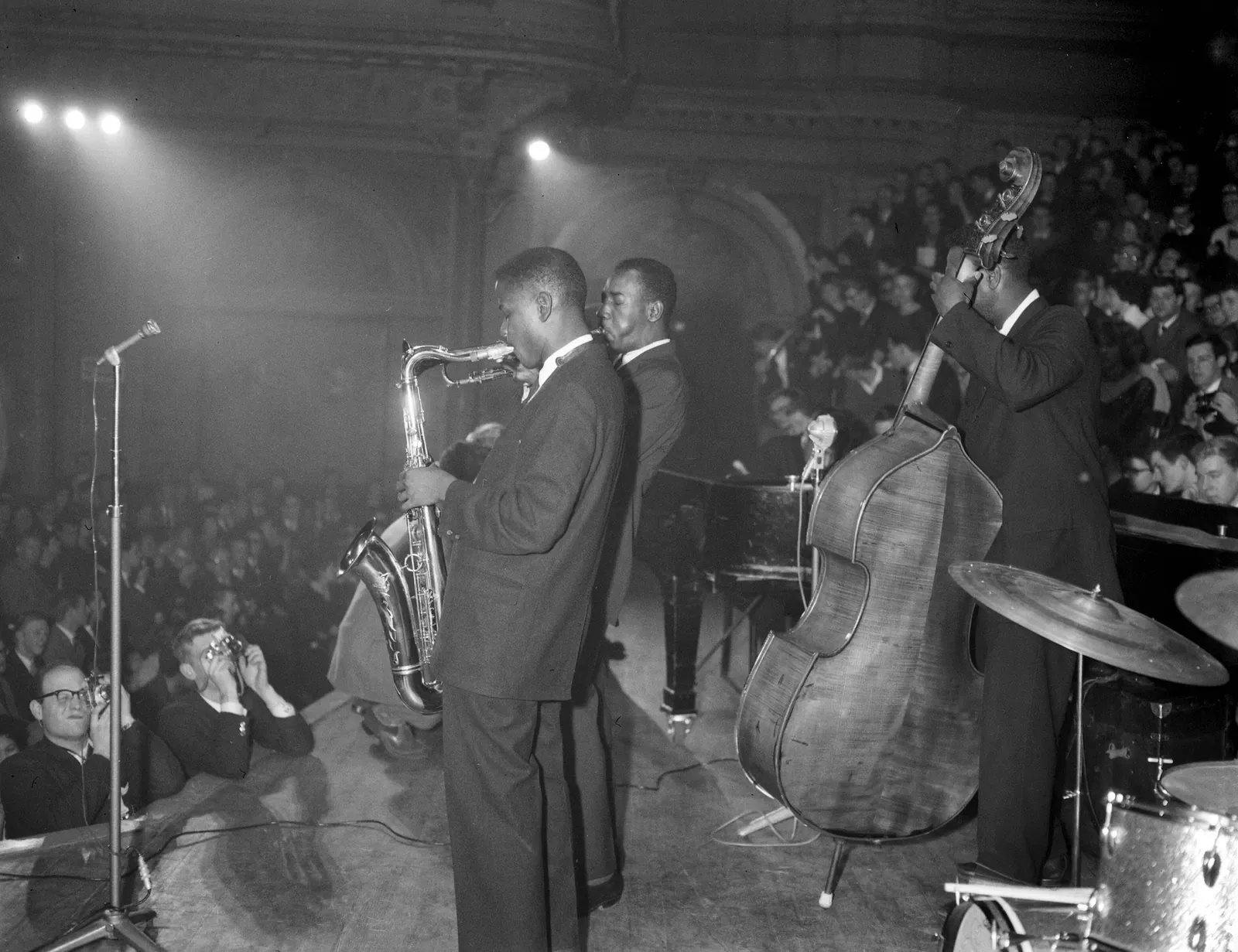
Hard bop favoured bluesy tempos and minor-key grooves, with simple riff themes in place of bebop’s winding lines. Tempos could be as fast as bebop’s, but the melodies were simpler. Saxophonists and pianists were open to rhythm and blues, and bass players gained more freedom and solo space instead of acting as a metronome. Amiri Baraka noted wider, harsher tones and simpler, more basic piano chords, naming Rollins as one of the best examples.
Gospel marks the style. Plagal “amen” cadences appeared in jazz during the era, and players used the Dorian and Mixolydian modes, blue notes, call and response and pedal points. Standard forms were the 12-bar blues, the 32-bar AABA song and rhythm changes. The rhythm section built a steady swing: a walking bass played in step with ride-cymbal time, with drummers adding strong accents and piano chords sparse and syncopated.
Some critics read hard bop as a response to cool jazz and West Coast jazz, whose new instrumentation and devices hard bop players saw as gimmicks. Another view, from drummer Shelly Manne, was that the two styles simply reflected their places: the relaxed Californian lifestyle against New York’s hectic pace.
Instruments and production
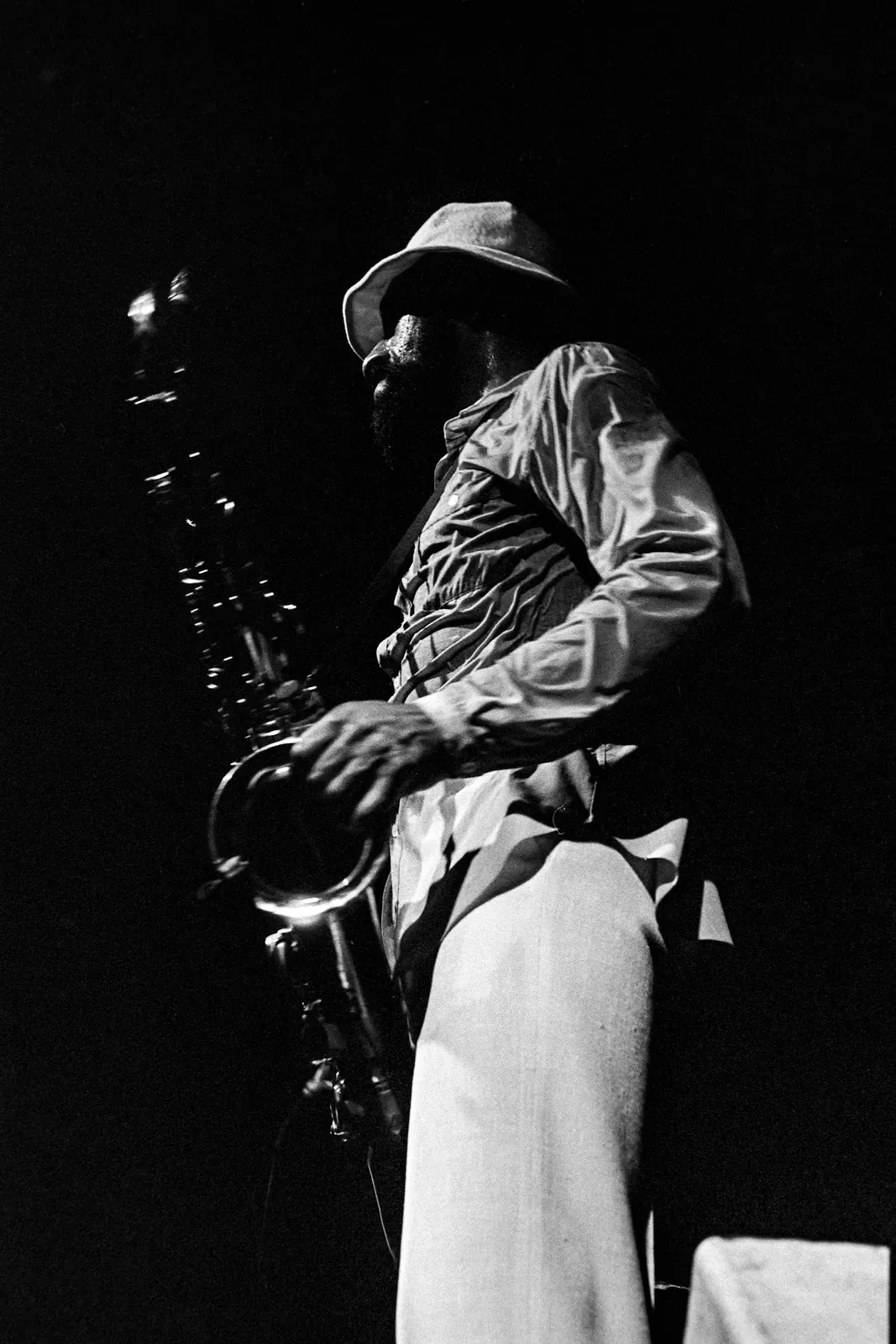
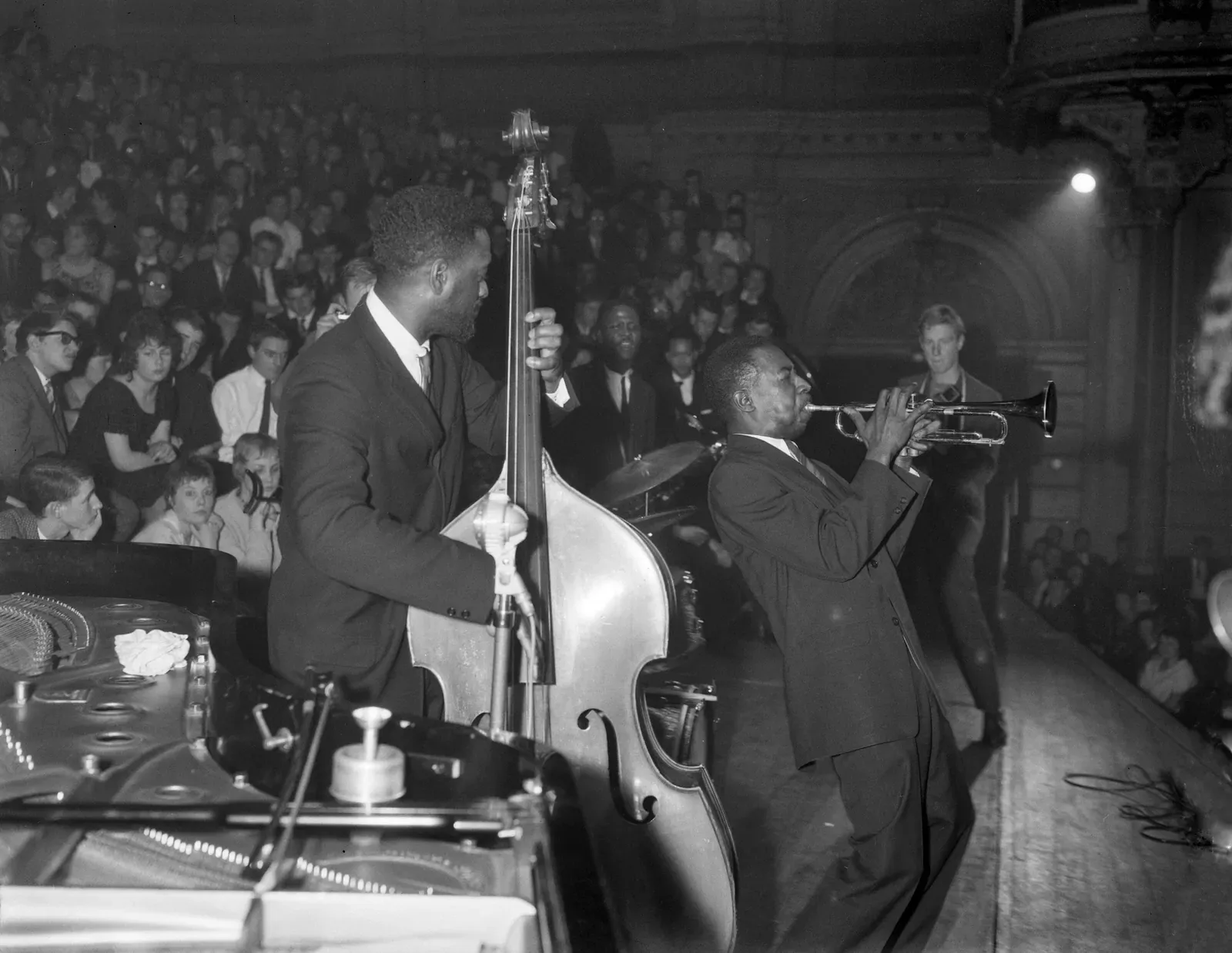
The core instruments are tenor saxophone, trumpet, piano, double bass and drums. Many classic sessions were made at Rudy Van Gelder’s studio in Hackensack, New Jersey, including Blue Train.
Mainstream success
Hard bop reached its widest audience through soul jazz, its funkier branch. “Funky hard bop” is a name for the rollicking feel of the style, and soul jazz means music with an earthy, bluesy melodic concept and repetitive, dance-like rhythms. Some listeners treat the two as one, while many musicians do not.
Decline and revival
By the late 1960s the style was described as running out of gas. Blue Note’s sale and decline, the rise of soul jazz and fusion, commercial rock and the consolidation of independent labels pushed it aside. Davis led other players toward jazz fusion. Donald Byrd’s Black Byrd (1973) became Blue Note’s most successful album and came close to the top of the R&B chart, though fans of hard bop called his turn a betrayal.
A revival followed in the 1980s as neo-bop. The filmed concert One Night with Blue Note (1985) brought together about thirty mostly hard bop players, including Blakey, Ron Carter, Johnny Griffin and Freddie Hubbard. Trumpeter Wynton Marsalis became the best-known proponent of the revival, and by the 1990s hard bop was described as the foundation of modern acoustic jazz. Joe Henderson became a national celebrity after signing to Verve in the 1990s.
Legacy
Hard bop shaped the acoustic jazz mainstream. Its quintet format, its blues and gospel vocabulary and its Blue Note catalogue remain reference points for jazz players, and recent albums still draw on the tradition. One author counted the years 1955 to 1965 as the last period in which jazz easily attracted the most advanced young Black musicians, and listed six albums as its high points: Ugetsu, Kind of Blue, Saxophone Colossus, Let Freedom Ring, Mingus Ah Um and Brilliant Corners.
Misconceptions
Hard bop is sometimes treated as a simplified bebop. It kept bebop’s harmony and fast tempos, and the simplicity lay in the themes, which were built on blues and gospel material. The Detroit and New York scenes were both involved, so crediting New York alone leaves out the Detroit players. And hard bop is not identical to soul jazz: the terms overlap, but many musicians do not consider soul jazz continuous with hard bop.
Frequently asked questions
What is hard bop?
Hard bop is a jazz style of the mid-1950s that added rhythm and blues, gospel and blues influence to bebop, with simpler riff-based themes and hard-driving rhythm sections.
Who started hard bop?
It is generally traced to the Jazz Messengers, led by drummer Art Blakey with pianist Horace Silver. Detroit players such as Barry Harris and Kenny Burrell also helped shape the style.
What is the difference between bebop and hard bop?
Both can be fast, but hard bop’s melodies are simpler, its players draw on rhythm and blues and gospel, and its bass players have more freedom and solo space.
Which albums define hard bop?
Frequently named records include Moanin’, Blue Train, Saxophone Colossus, The Sidewinder and Song for My Father.
Is hard bop the same as soul jazz?
No, but they overlap. Soul jazz stresses earthy, bluesy melody and repetitive dance-like rhythms and is often linked to funky hard bop.
Sound
Sound sheet
Anatomy of a track
| # | Part |
|---|---|
| 1 | Head (riff theme or blues melody played by the horns) |
| 2 | Solo choruses over the same form |
| 3 | Head out |
Signature sounds
- Simple, riff-based themes
- Gospel call and response
- Plagal amen cadence
- Walking bass with ride-cymbal time
Drums and percussion
- Drum kit
Techniques
- Walking bass and ride cymbal
- Call and response
- Plagal (amen) cadence
- Blues and rhythm forms
- Sparse piano comping
Keys and modes
Minor keys. Bluesy tempos and minor-key grooves are common.
Dorian and Mixolydian modes. Blues and gospel inflections use these modes plus blue notes and the blues scale.
Scenes
Where it happened
Where and when the sound lived: one bar per city on a shared timeline.
North America
Europe
Active scenes
Peak 3, 1959-2025
Birdland, the Five Spot and the Blue Note studios made the city the main center of the style.
Billy Mitchell's band at the Blue Bird Inn anchored a scene that produced Barry Harris and Kenny Burrell and drew Miles Davis in 1953.
Expatriates Bud Powell and Dexter Gordon relocated to Europe, and Gordon recorded Our Man in Paris.
Venues and places
New York City, 1954 to today. Blakey's quintet recorded A Night at Birdland live here in 1954, months before Davis's Newport set.
New York City, 1959 to today. Blakey's Jazz Messengers recorded On View at the Five Spot Cafe in 1959.
Detroit, 1950 to today. Billy Mitchell's early-1950s band here anchored Detroit's jazz scene and drew hard bop players.
Hackensack, 1957 to today. Rudy Van Gelder's studio, where Blue Train and many Blue Note sessions were recorded.
Newport, 1954 to today. Miles Davis played Walkin' at the inaugural 1954 festival.
Culture
Culture markers
- Funky
Critics called the rollicking, rhythmic feel of the style funky; the word also described soul jazz.
Slang - Blowing session
Studio jam sessions such as A Blowin' Session put several horn players together in a single day.
Ritual
Media
Key media
- 1985One Night with Blue Note
by Various. Filmed reunion concert of about thirty hard bop veterans, including Art Blakey and Freddie Hubbard.
Film
Glossary
Terms on this page
A label for the rollicking, rhythmic feel of the style, also applied to soul jazz.
The band founded by Art Blakey and Horace Silver, a school for generations of hard bop players.
The 1980s and 1990s revival of acoustic bop and hard bop styles.
The IV-I church ending, called the amen cadence, which entered jazz through gospel influence.
Music with an earthy, bluesy melodic concept and repetitive, dance-like rhythms, closely tied to hard bop.
Jazz family