Bebop
Bebop is small-combo jazz from 1940s New York built on fast tempos, substituted chords and long improvised solos, led by Parker, Gillespie, Powell and Monk.
New York City, 1942
Jazz family
Born
1942
New York City
Subgenres
2
Documented branches
Links
22
Genres it drew on or shaped
Tempo
80-300 BPMLineage
Family tree
Timeline
Era by era
From the first sparks to today. Select a dot to read the story behind it.
- Minton's and the recording ban
1940 to 1944
- First recordings
1944 to 1945
- Breakout
1946 to 1949
- Late bop and Massey Hall
1950 to 1955
Eras
Moments
- 1 Minton's and the recording ban, 1940 to 1944
- 2 First recordings, 1944 to 1945
- 3 Breakout, 1946 to 1949
- 4 Late bop and Massey Hall, 1950 to 1955
around 1940
Minton's and the recording ban
After-hours jams at Minton's Playhouse and Monroe's Uptown House shaped the new style while the 1942-1944 musicians' strike left it largely unrecorded.
- 1941Minton's sessions are recordedInformal tapes of Harlem jam sessions capture Thelonious Monk and Charlie Christian before the new style had a name.
- 1942Musicians' recording ban beginsThe American Federation of Musicians strike keeps bands off major-label records until 1944 and pushes bop development off disc.
1944
First recordings
Small specialty labels documented the new music: Coleman Hawkins's Woody'n You in February 1944, then Parker and Gillespie sessions for Savoy, Manor and Guild.
- 1944Woody'n You is recordedColeman Hawkins's February 1944 session with Dizzy Gillespie and Max Roach is counted as the first formal bebop recording.
- 1945Gillespie leads his first sessionThe Manor date of January 1945 includes Be-bop and Salt Peanuts.
- 1945Ko-KoParker and Gillespie cut the fast Cherokee contrafact in November 1945 for Savoy.
1946
Breakout
Gillespie's 1946 Bluebird date was the first major-label bop session; the style spread to Los Angeles, merged with Afro-Cuban rhythm and became the centre of modern jazz.
- 1946First major-label bebop sessionRCA Bluebird records Gillespie's orchestra in February 1946, including A Night in Tunisia.
- 1947Monk's first sessions as leaderBlue Note records Monk's quartet and trio, including 'Round Midnight.
- 1947CubopGillespie adds Chano Pozo on congas, producing Manteca and the Afro-Cuban bop fusion.
- 1949Birdland opensThe Broadway club named for Parker becomes the main New York room for bop.
1950
Late bop and Massey Hall
Powell, Monk and Roach recorded their best-known leader dates, the five-way Massey Hall concert came in 1953, and Parker died in 1955 as hard bop took over.
- 1951Un Poco LocoPowell's trio session for Blue Note, with Max Roach on drums, adds a Latin-tinged piece to the repertoire.
- 1953Jazz at Massey HallParker, Gillespie, Powell, Mingus and Roach play together in Toronto, the only time all five shared a stage.
- 1955Charlie Parker diesParker dies in New York in March 1955, aged 34.
- 1980Neo-bopYounger players return to bop harmony and the small-combo format in the 1980s.
Listening path
Start listening
A short path from an easy way in to the deep end. Thumbnails come from YouTube; the player loads only when you press play.
- 01
Thelonious Monk, 1947
A slow entry point to bop harmony; listen for Monk's dissonant voicings.
- 02
Dizzy Gillespie, 1953
The Massey Hall quintet; listen for the Afro-Cuban vamp and the break.
- 03
Bud Powell, 1949
A trio at breakneck tempo; listen for Powell's right-hand lines.
- 04
Charlie Parker, 1945
Parker's fastest and most compressed statement; listen for the Cherokee changes under the solo.
Bebop, also called bop, is a style of jazz that took shape in New York in the early to mid 1940s. It is played by small combos at fast tempos, with complex chord progressions, substitute chords, angular melodies and extended improvisation by each soloist.
It replaced the dance orientation of swing with a music meant for listening, and it became the basis of modern jazz within the jazz family.
Origins
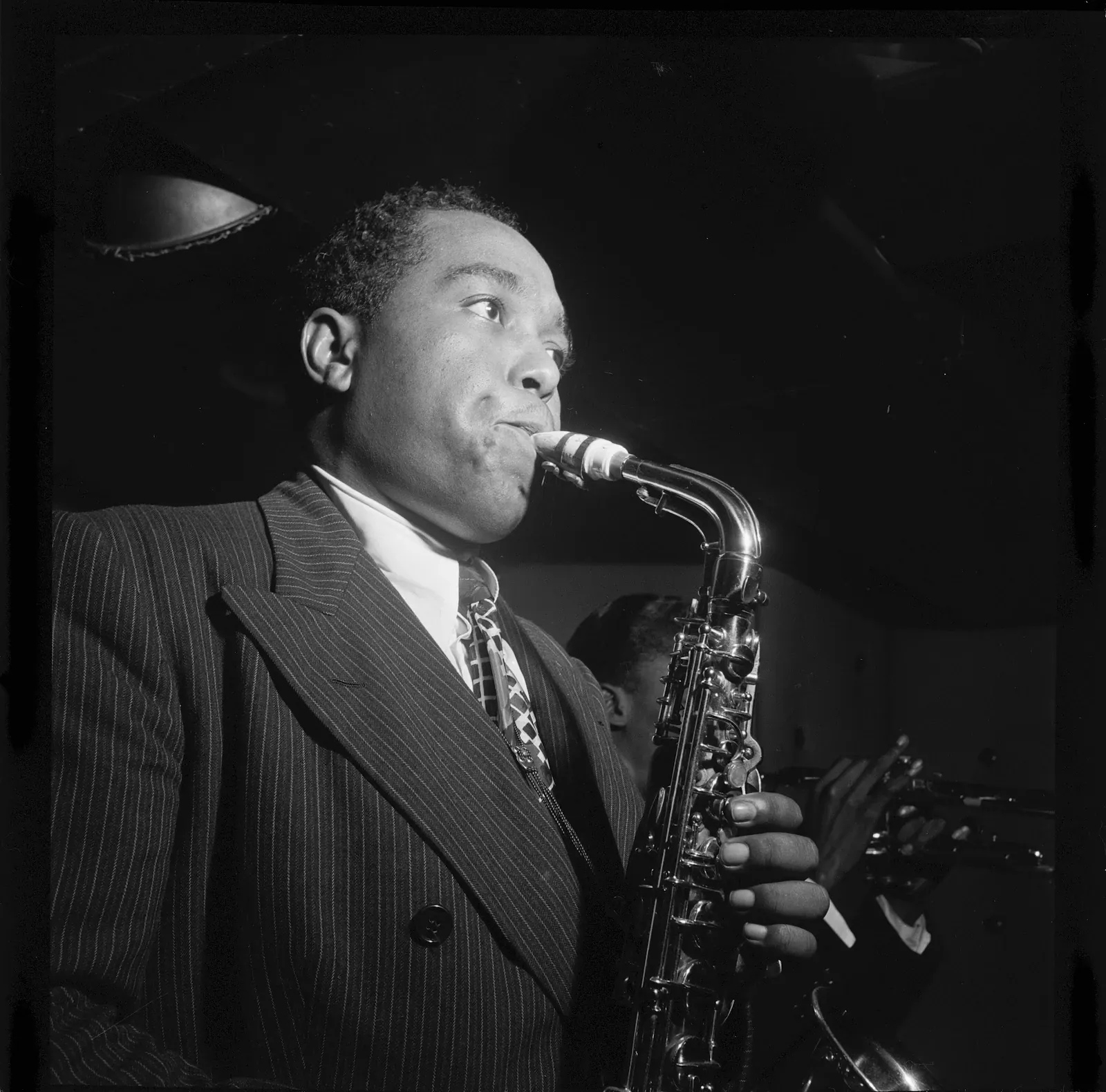
Bebop grew out of swing, and in particular out of the blues-based big-band jazz of Kansas City, where the alto saxophonist Charlie Parker learned his trade. When Parker joined Jay McShann’s orchestra and reached New York around 1940, he found other young players pushing at the limits of swing harmony. Trumpeter Dizzy Gillespie, then with Cab Calloway, was building melodies on the upper intervals of chords, beyond the seventh chords that had defined jazz harmony. Guitarist Charlie Christian, who arrived in New York in 1939, favoured off-beat accents and phrases that ended on the second half of the fourth beat, an early form of the asymmetric phrasing that bop adopted.
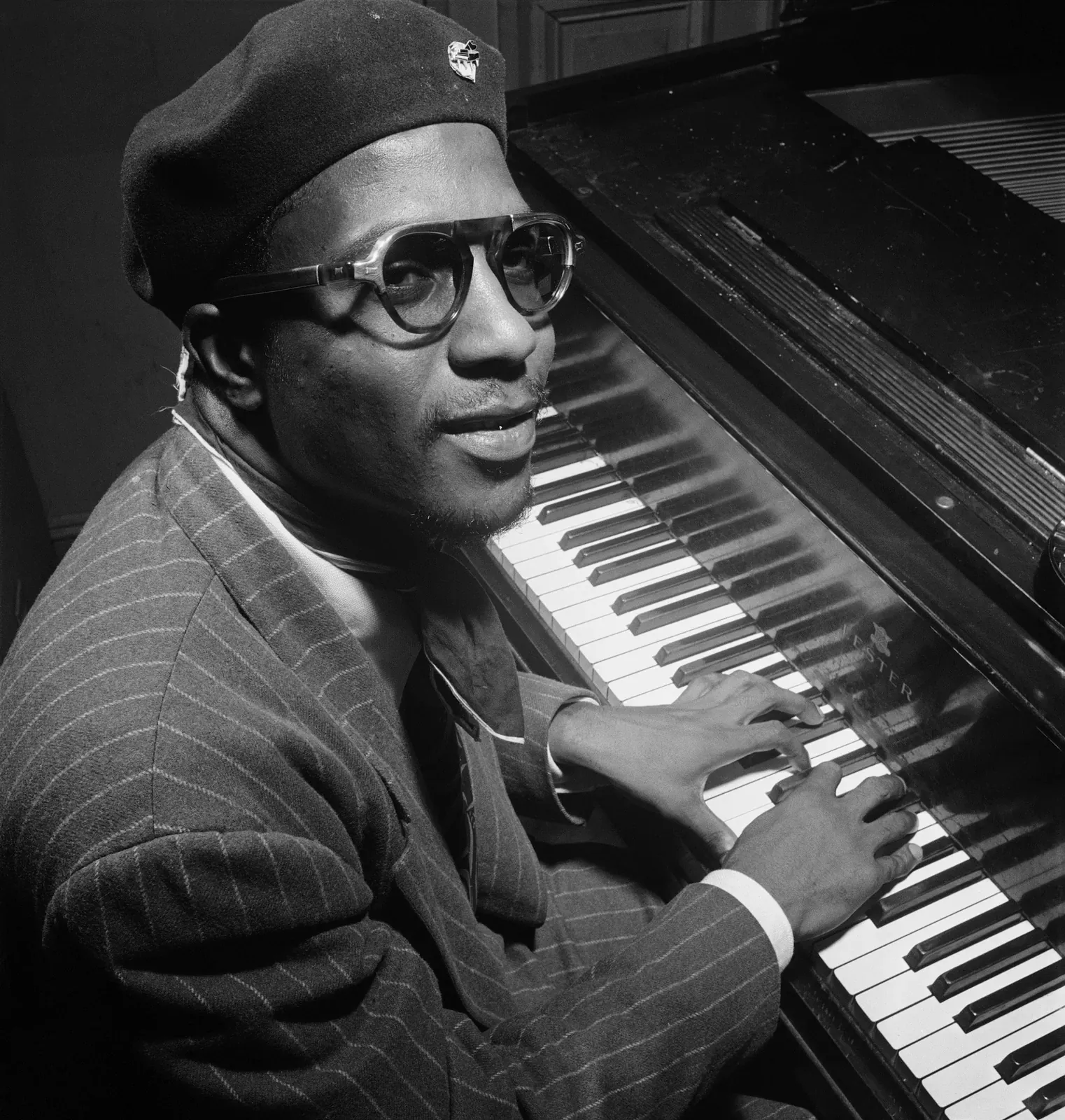
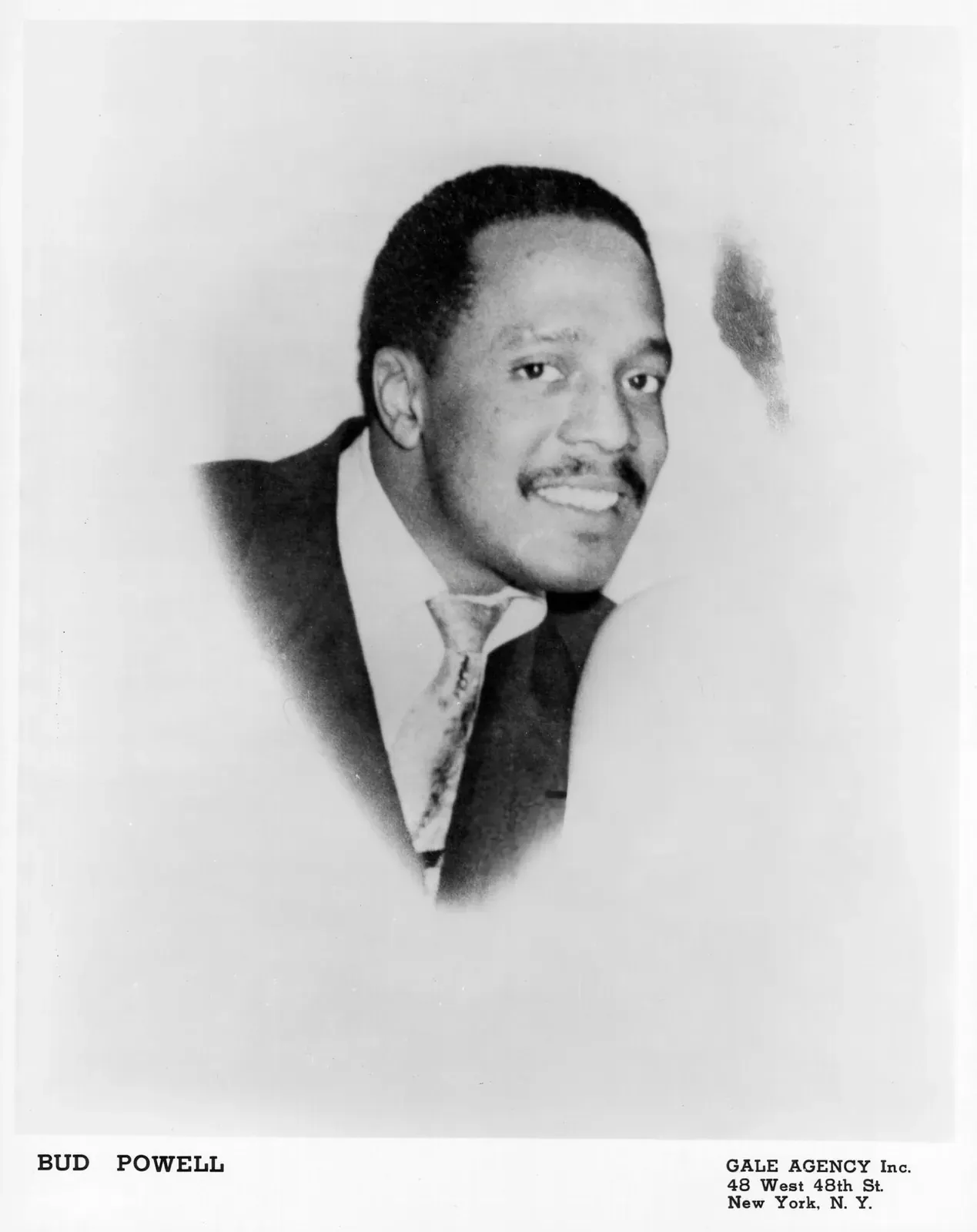
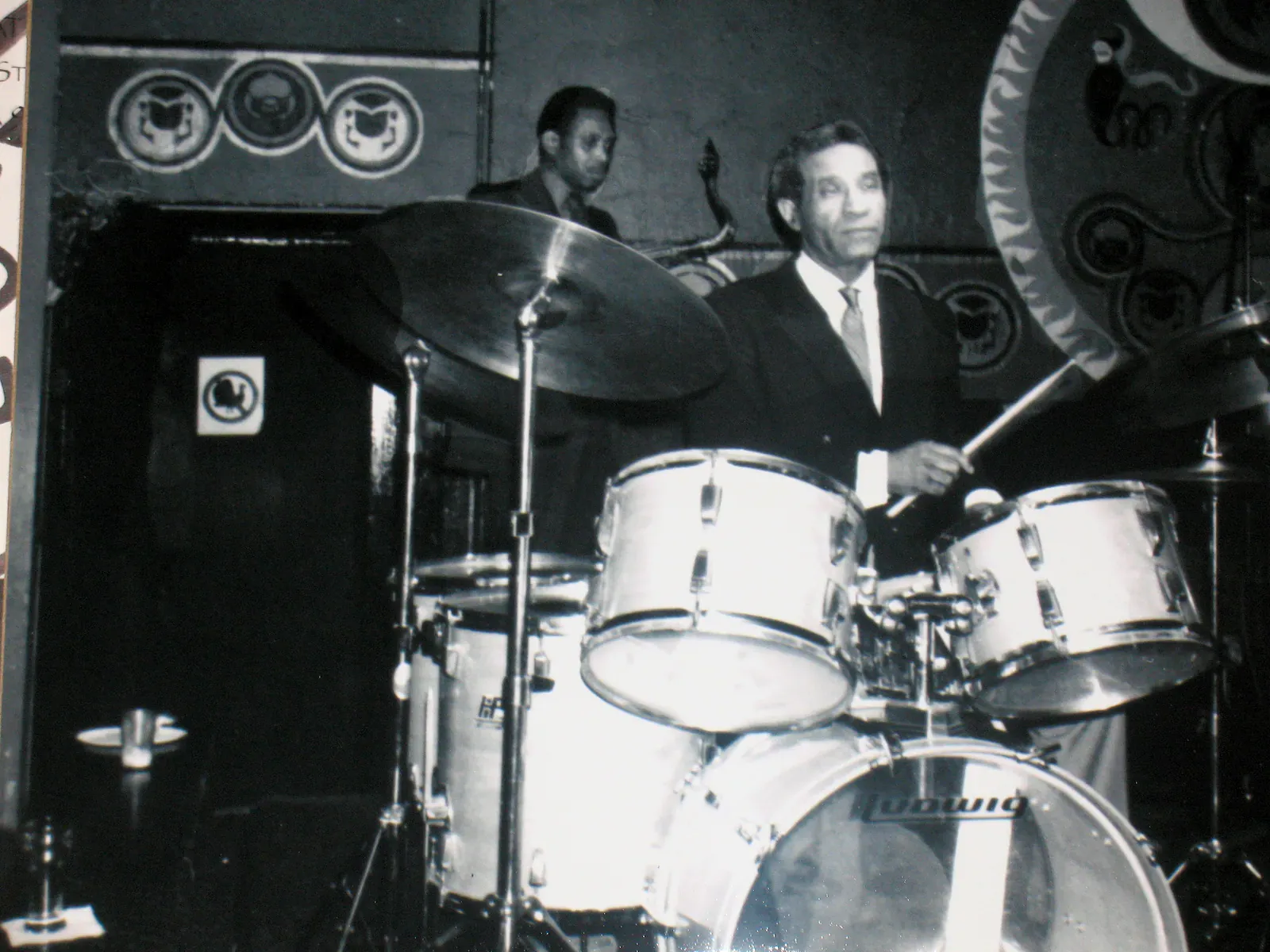
The pianists and drummers moved in the same direction. Bud Powell developed a streamlined right-hand style that played horn-like lines, while Thelonious Monk brought the new harmony into a style rooted in Harlem stride. Drummers Kenny Clarke and Max Roach shifted the main time from the hi-hat to the ride cymbal and kept the bass drum for sudden accents that musicians called bombs. That freed the double bass to walk four quarter notes to the bar, so every small group now needed a bassist.
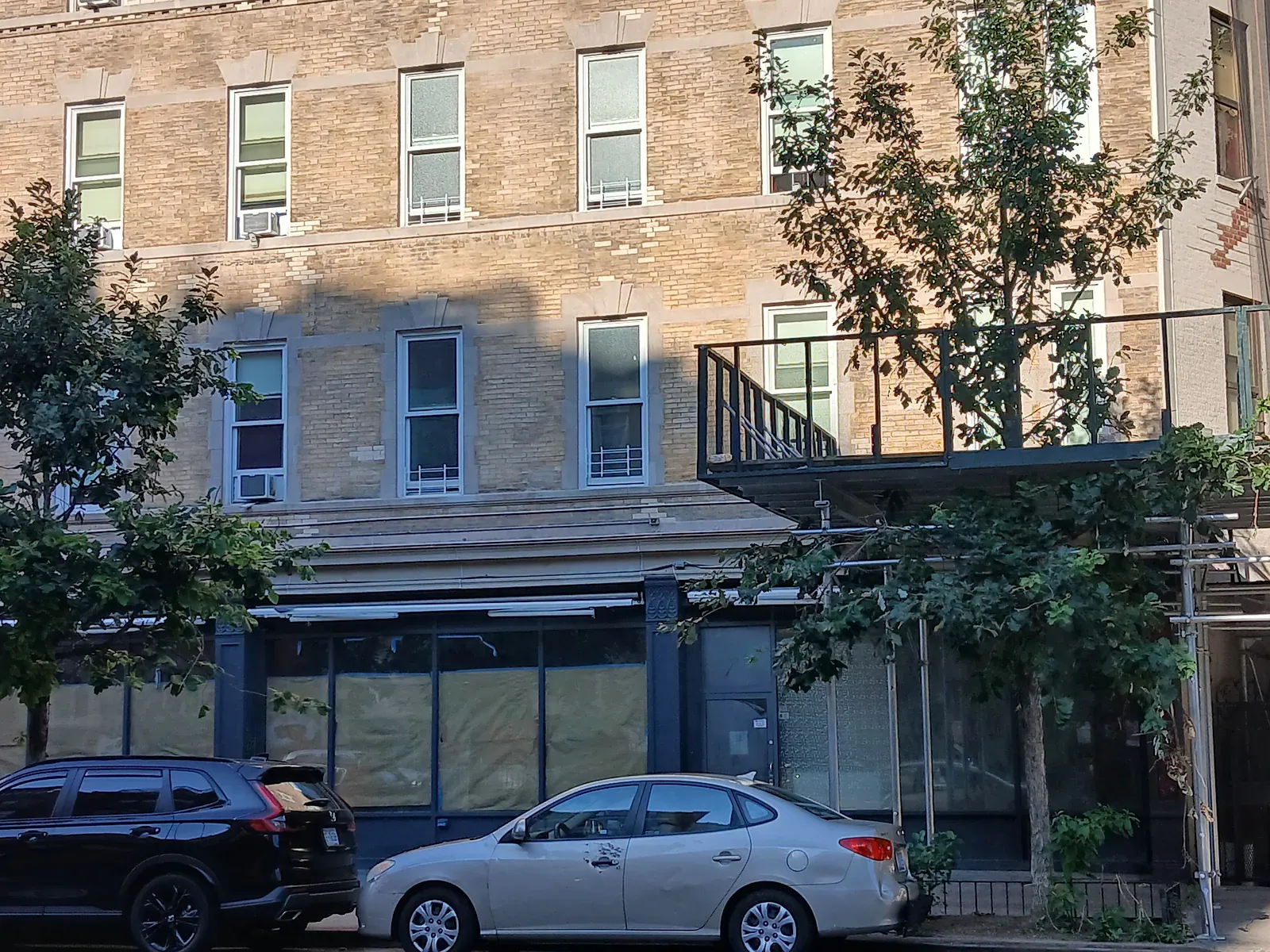
The style needed a room to develop, and Harlem supplied it. At Minton’s Playhouse, where Monk and Clarke were in the house band, and at Monroe’s Uptown House, where Roach played, musicians reharmonised standards, wrote new heads over their chords and played them fast enough to discourage players who did not belong. Parker disliked the word bebop, which echoed scat syllables, and never used it for his own music.
New York and the recording ban, 1940-1944
A musicians’ strike against the major labels began in 1942 and lasted until 1944, so most of bop’s early development went unrecorded. Some Minton’s sessions were taped informally in 1941, with Monk and Christian among the players. The strike also pushed big swing bands to break into smaller groups better suited to experiment. The first formal bebop recording is generally counted as Coleman Hawkins’s February 1944 session of Woody’n You, which included Gillespie and Roach.
First records, 1944-1945
Small specialty labels were less concerned with mass sales than the majors and recorded the new music first. Parker appeared on a September 1944 Tiny Grimes quintet date for Savoy, and Gillespie recorded his first session as leader for Manor in January 1945, which included Salt Peanuts. The Billy Eckstine orchestra, which carried Gillespie, Parker for a time, Dexter Gordon, Art Blakey and Sarah Vaughan, took bop to a wider audience through broadcasts of its performances. In November 1945 Parker’s Savoy session produced Ko-Ko, a contrafact on the chords of Cherokee that became the benchmark for speed and invention. The label’s role is covered on the Savoy page.
Breakout, 1946-1949
In February 1946 RCA Bluebird recorded Gillespie’s orchestra, the first major-label bebop date, with A Night in Tunisia among the titles. The same year the style took root in Los Angeles after Parker, Gillespie and others played there, and a Central Avenue circle formed around players such as Dexter Gordon and Teddy Edwards. In 1947 Gillespie added the Cuban conga player Chano Pozo, which produced Manteca and the Afro-Cuban bop fusion called cubop. The same year Blue Note recorded Monk’s first sessions as leader, including ’Round Midnight, in the label’s early encounters with the new music (Blue Note). Bud Powell’s trio recordings of 1949, among them Tempus Fugit, fixed the template of the bop piano trio. Birdland, the Broadway club named for Parker, opened in December 1949.
Late bop, 1950-1955
The early 1950s were the period of the best-known leader dates of the pianists and drummers. Powell recorded Un Poco Loco for Blue Note in May 1951 with Curly Russell on bass and Max Roach on drums, and it is often cited as an example of bop absorbing Afro-Cuban rhythm. In May 1953 Parker, Gillespie, Powell, bassist Charles Mingus and Roach played together at Massey Hall in Toronto, the only time those five shared a stage on record. Parker died in New York in March 1955 at age 34. By then Art Blakey, Horace Silver and others had begun to adapt bop into hard bop, and cool jazz had taken a different course from bop’s heat (cool jazz).
Characteristics
A typical bebop performance follows a head-solos-head plan. The ensemble states the melody in unison, each member solos in turn over the chord cycle, and the group returns to the melody at the end. Many heads are contrafacts, new melodies composed over the harmony of an existing song: Ko-Ko uses Cherokee, and Anthropology uses I Got Rhythm. The classic group is a quintet of alto or tenor saxophone, trumpet, piano, bass and drums, with the horns playing the head and the rhythm section supporting the soloists.
The harmony is dense. Soloists use chromatic passing notes, altered and extended chords, and substitutions that replace a dominant chord with another a tritone away. Tempos are the fastest in earlier jazz, with the quickest recordings running near 300 beats per minute, but the style also holds ballads such as ’Round Midnight, which sits at a slow pace under 80. Phrases overlap bar lines and begin off the beat, and a soloist may state the next chord before the rhythm section arrives at it.
Instruments and production
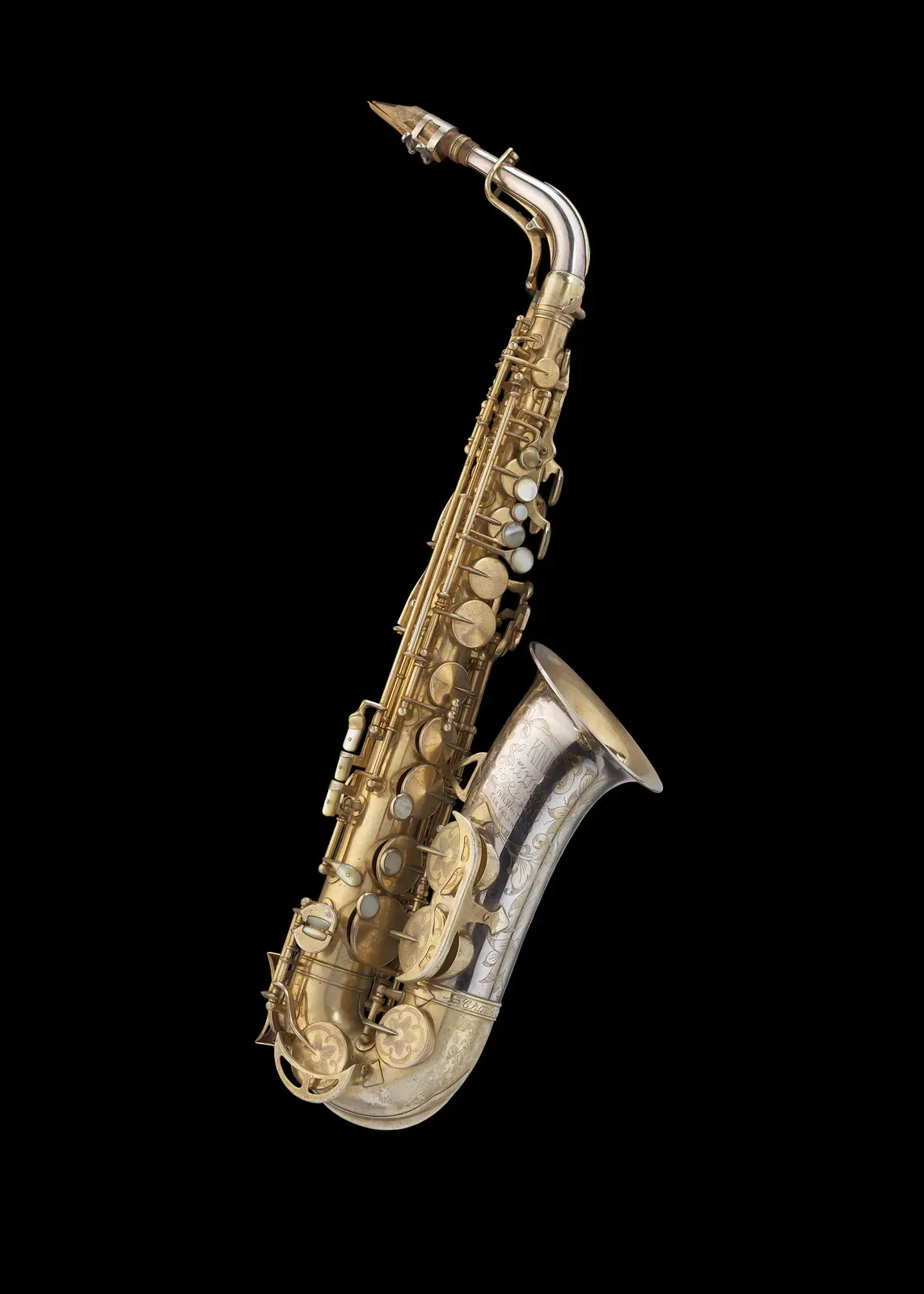
Bop is acoustic. The alto saxophone, trumpet, piano, upright bass and drum kit carried it, and the instruments appear in the sound sheet above. In production terms, the music was documented by small labels on 78 rpm discs limited to about three minutes a side, which squeezed solos into short takes until the long-playing record arrived in 1948. Informal recordings, radio broadcasts and later concert albums such as Massey Hall preserved the longer improvisations.
Culture
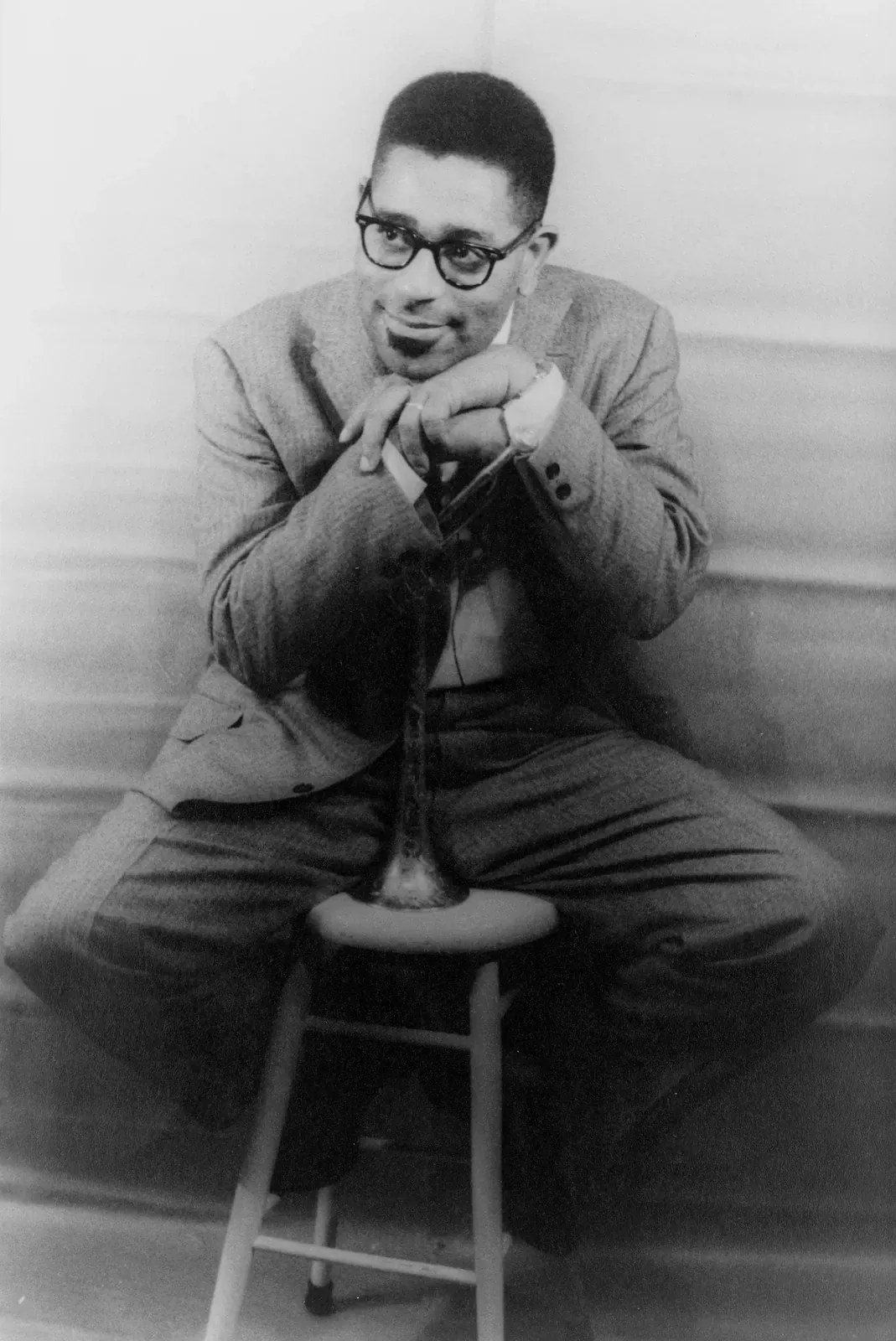
Bop musicians cultivated a look that set them apart from swing bandleaders: berets, horn-rimmed glasses and goatees, especially in Gillespie’s case. Cutting contests, in which players tested each other with fast tempos and unfamiliar changes, structured the Minton’s jams. The music was also linked to a postwar mood of artistic independence among Black musicians, who treated it as art rather than entertainment. Parker’s life, with its addiction and early death, became the subject of the 1988 film Bird, and a fictional expatriate bop saxophonist anchors the 1986 French film ’Round Midnight, with Dexter Gordon in the lead.
Legacy
Bebop’s vocabulary became the basic language of jazz improvisation. Hard bop, cool jazz, modal jazz and free jazz each grew from, or reacted to, its harmony and small-group format. Afro-Cuban bop led to Latin jazz, and the bop head and chord changes remain the shared repertoire of jam sessions worldwide. In the 1980s a generation of younger players returned to the style as neo-bop. Bop records also became a sampling source for hip-hop producers.
Misconceptions
One myth is that bebop was designed to be danced to. Its fast tempos and complex harmony were aimed at listeners, and musicians expressly moved away from the dance-hall role of swing. A second myth says Parker coined the term; he in fact disliked it, and the name came from the scat syllables of the new phrasing. A third holds that all bebop is fast. The style includes ballads, and its tempo range runs from slow ballad time to near 300 beats per minute.
Frequently asked questions
What is bebop in jazz?
Bebop is a 1940s jazz style for small groups, defined by fast tempos, complex chord progressions, substitute chords and virtuoso improvised solos over a head-solos-head structure.
Who invented bebop?
No single person did. Charlie Parker, Dizzy Gillespie, Thelonious Monk, Bud Powell, Kenny Clarke and Max Roach developed it together in New York, mainly through jam sessions at Minton’s Playhouse.
How is bebop different from swing?
Swing is dance music played by big bands with arranged ensemble passages. Bebop uses small combos, faster tempos, more complex harmony and long solos, and was intended for listening.
What are the first bebop records?
Coleman Hawkins’s Woody’n You, recorded in February 1944, is counted as the first formal bebop recording. Parker’s Ko-Ko of November 1945 and Gillespie’s first leader session of January 1945 followed.
Sound
Sound sheet
Anatomy of a track
| # | Part | Bars |
|---|---|---|
| 1 | Intro | 4 |
| 2 | Head (AABA or 12-bar blues) | 32 |
| 3 | Solo choruses | 64 |
| 4 | Trading fours | 16 |
| 5 | Head out | 32 |
Signature sounds
- Contrafacts on standard chord changes
- Ride cymbal time with bass drum bombs
- Walking bass line
- Fast unison head in angular phrases
Drums and percussion
- Drum kit with ride cymbal
Techniques
- Chord substitution
- Contrafact
- Extended and altered chords
- Asymmetric phrasing
Keys and modes
Bebop dominant scale. A mixolydian scale with an added passing note, keeping chord tones on the beat.
Blues in F and B-flat. Common keys for 12-bar bop blues such as Now's the Time.
Tuning
12-TET, A=440
Vocals
Mostly instrumental; singers such as Sarah Vaughan adapted bop phrasing and scat.
Scenes
Where it happened
Where and when the sound lived: one bar per city on a shared timeline.
North America
Active scenes
Peak 2, 1940-2025
Harlem after-hours rooms and 52nd Street clubs were the centre of the style.
Parker, Gillespie and Dexter Gordon's 1945-1946 stays seeded a Central Avenue bop scene.
Parker's early training in the city's blues-based big-band jazz fed his phrasing.
Venues and places
New York, 1938 to today. Harlem club whose house band of Monk and Kenny Clarke hosted the jams where bop took shape.
New York, 1949 to today. Broadway club named after Parker, a regular stop for bop and later hard bop groups.
Toronto, 1894 to today. Concert hall that hosted the 1953 Parker, Gillespie, Powell, Mingus and Roach quintet.
Culture
Culture markers
- Berets and horn-rimmed glasses
Gillespie's beret, goatee and glasses made the bop musician a recognisable figure.
Fashion - Cutting contests
Jam sessions at Minton's tested players with fast tempos and reharmonised standards.
Ritual - Bop talk
The name bebop echoes scat syllables, and musicians' slang spread with the style.
Slang
Media
Key media
- 1973Bird Lives!
by Ross Russell. Biography of Parker by the founder of Dial Records.
Book - 1986'Round Midnight
by Bertrand Tavernier. Drama about an expatriate bop saxophonist in Paris, with Dexter Gordon in the lead.
Film - 1988Bird
by Clint Eastwood. Biopic of Charlie Parker with Forest Whitaker in the title role.
Film
Glossary
Terms on this page
Unexpected bass drum accents used by bop drummers.
The chord progression a soloist improvises over.
A new melody written over the chords of an existing song.
The written melody played at the start and end of a performance.
Replacing a dominant chord with the dominant a tritone away.
Jazz family