Hindustani classical music
North Indian classical tradition built on raga and tala, shaped by court patronage from about 1200 and by gharana lineages of oral teaching.
India, Pakistan, Bangladesh, 1200
South Asian family
Born
1200
India, Pakistan, Bangladesh
Subgenres
16
Documented branches
Links
41
Genres it drew on or shaped
Tempo
30-175 BPMLineage
Family tree
Grew out of
Influenced by
India, Pakistan, Bangladesh, 1200
Hindustani classical music
Led to (17)
Timeline
Era by era
From the first sparks to today. Select a dot to read the story behind it.
- Courts, dhrupad and khayal
1200 to 1900
- Gramophone, schools and radio
1901 to 1946
- Independence and the festival circuit
1947 to 1965
- Sitar and the counterculture
1966 to 1989
- Global stage and digital archives
1990 to today
Eras
Moments
- 1 Courts, dhrupad and khayal, 1200 to 1900
- 2 Gramophone, schools and radio, 1901 to 1946
- 3 Independence and the festival circuit, 1947 to 1965
- 4 Sitar and the counterculture, 1966 to 1989
- 5 Global stage and digital archives, 1990 to today
around 1200
Courts, dhrupad and khayal
Persian and Indian practice merge under sultans and Mughals; dhrupad gives way to khayal, and hereditary gharanas pass the music on by oral teaching.
- 1300Amir Khusrau blends Persian and Indian musicCourt poet-musician credited with fusing Persian and Indian practice as Hindustani music drifts away from the Carnatic line.
- 1486Gwalior court makes dhrupad a Hindi artRaja Man Singh Tomar shifts court composition from Sanskrit to Hindi and dhrupad flourishes at Gwalior.
- 1560Tansen at Akbar's Mughal courtThe legendary singer symbolises Mughal patronage that shaped raga practice and later gharana lineages.
- 1720Sadarang popularises khayalCourt musicians such as Sadarang turn khayal into the vocal form that later displaces dhrupad.
1901
Gramophone, schools and radio
Gauhar Jaan's 1902 discs, Paluskar and Bhatkhande's schools and notation, and broadcasting move the music from courts to the public.
- 1901Paluskar founds Gandharva MahavidyalayaA Lahore school supported by public subscription rather than royal patrons, the model for modern music teaching.
- 1902Gauhar Jaan makes India's first recordingsFred Gaisberg's Gramophone Company sessions put classical song on disc; Gauhar Jaan was the first star.
- 1909Bhatkhande begins Hindustani Sangeeta PaddhatiVishnu Narayan Bhatkhande publishes through 1932 a notation and a ten-thaat system for classifying ragas.
1947
Independence and the festival circuit
State academies, All India Radio and all-night conferences such as Dover Lane and Sawai Gandharva create new stages for the great gharana masters.
- 1947Bismillah Khan plays Red Fort on Independence DayThe shehnai master is chosen to perform at Delhi's Red Fort on 15 August 1947.
- 1949Ravi Shankar becomes AIR music directorHe heads music at All India Radio, New Delhi until 1956.
- 1952Dover Lane Music Conference begins in KolkataThe all-night January festival becomes a national proving ground for classical musicians.
- 1953Sangeet Natak Akademi becomes functionalThe state academy for music, dance and drama, set up in 1952, starts work in 1953.
- 1953Sawai Gandharva festival starts in PuneBhimsen Joshi and Arya Sangeet Prasarak Mandal launch a December festival for his guru.
- 1955Ali Akbar Khan records at MoMA, New YorkMusic of India: Morning and Evening Ragas is recognised as the first Indian classical album released in the West.
- 1956Ravi Shankar's Three Ragas on World PacificA 1956 LP of Jog, Ahir Bhairav and Simhendra Madhyamam serves as an entry point for Western listeners.
- 1964Vilayat Khan refuses the Padma ShriThe sitarist calls the awarding committee musically incompetent and later refuses further state honours.
1966
Sitar and the counterculture
Ravi Shankar, Ali Akbar Khan and Menuhin collaborations, Monterey and Bangladesh, and Shakti take raga to rock, jazz and world-music audiences.
- 1967Ravi Shankar plays Monterey PopHis June 1967 set, with Alla Rakha, becomes the best-selling album of his career.
- 1968West Meets East wins a GrammyThe Menuhin and Shankar album takes the 1967 chamber music Grammy in February 1968, a first for an Asian musician.
- 1968Call of the Valley becomes an HMV bestsellerChaurasia, Sharma and Kabra frame ragas as a Kashmiri shepherd's day.
- 1971The Concert for Bangladesh at Madison Square GardenRavi Shankar and George Harrison organise a 1 August benefit that opens with a Bangla Dhun.
- 1973Zakir Hussain co-founds ShaktiJohn McLaughlin, L. Shankar, Vikku Vinayakram and Hussain fuse Indian classical music with jazz.
- 1977Kesarbai Kerkar's Jaat Kahan Ho flies on VoyagerHer raga Bhairavi sails on the Voyager Golden Record as the Indian classical selection.
- 1977ITC Sangeet Research Academy opens in KolkataA modern gurukul created to carry on guru-shishya teaching.
- 1988Mile Sur Mera Tumhara airs on DoordarshanThe national integration film opens with Bhimsen Joshi, making his voice familiar across India.
1990
Global stage and digital archives
Gurukuls and festivals keep the lineages alive while labels such as Saregama put historic recordings online on official channels.
- 2024Zakir Hussain wins three GrammysHe becomes the first Indian musician to win three Grammys in one ceremony; he dies in December 2024.
Listening path
Anthems
The records that built the sound, grouped by the part they played. Thumbnails come from YouTube; the player loads only when you press play.
- 01
Gauhar Jaan, 1902 · Saregama
India's first recorded song, a khayal in raga Jogia cut for the Gramophone Company, started the recorded history of the tradition.
Origin - 02
Ravi Shankar, 1967 · World Pacific
Played to a rock festival crowd in June 1967, this set brought raga to the counterculture and became his best-selling record.
Breakthrough - 03
Ravi Shankar, 1956 · World Pacific
The long sitar exposition on Three Ragas gave Western listeners one of their earliest full-length views of an alap-gat performance.
Anthem - 04
Bade Ghulam Ali Khan, 1960 · Saregama
A raga Sohni piece for Mughal-e-Azam, one of only two film songs the Patiala master sang, it carried concert-hall khayal into a Hindi film.
Start hereAnthem - 05
Hariprasad Chaurasia, 1968 · Saregama
A morning raga from the flute, santoor and slide guitar suite that became a best seller for HMV India and a gateway for new listeners.
Start hereAnthem - 06
Ravi Shankar, 1973 · Apple
The first raga of the 1972 New York duet between sitar, sarod and tabla, a jugalbandi often called a peak of the Shankar and Ali Akbar Khan partnership.
Anthem - 07
Ravi Shankar, 1967
The short opener of West Meets East with Yehudi Menuhin shows raga meeting a Western violin, on an album that topped the classical charts.
Start hereCrossover - 08
Ravi Shankar, 1971 · Apple
Sitar and sarod opened the 1971 Concert for Bangladesh in front of a rock audience at Madison Square Garden.
Crossover - 09
Shakti, 1976 · Columbia Records
Live Shakti track with tabla by Zakir Hussain that set Indian rhythm and raga phrasing beside jazz guitar.
Crossover - 10
Zakir Hussain, 1987 · ECM Records
Hussain's tabla leads a quartet with Hariprasad Chaurasia, John McLaughlin and Jan Garbarek, extending raga-style improvisation into a chamber setting.
Crossover
Facts
| Family | South Asian |
| Origin | India, Pakistan, Bangladesh |
| Emerged | 13th century onward, diverging from Carnatic music under Persian/Mughal influence |
| Status | Active |
| Tempo | 30 to 175 BPM |
| Meter | Tala cycle (often 16-beat teentaal); tempo varies from slow vilambit to fast drut |
| Subgenres | 16 |
Hindustani classical music is the classical tradition of North India, Pakistan and Bangladesh, built on the raga (a melodic framework tied to a mood and a time of day) and the tala (a rhythmic cycle).
It took shape from about the 13th century under Persian and Indian courts, diverged from the Carnatic music of the south, and reached a worldwide audience in the 1960s through Ravi Shankar’s sitar. A performance is improvised inside a raga over a tanpura drone, usually with tabla joining after a free opening, and skill passes from teacher to student inside gharanas, hereditary or stylistic lineages.
Origins: courts, dhrupad and khayal
The music grew where rulers paid for it. Amir Khusrau, the poet-musician of the Delhi sultanate around 1300, is credited with mixing Persian and Indian practice, and from then on the northern tradition drifted away from the southern one. At Gwalior, Raja Man Singh Tomar moved court composition from Sanskrit to Hindi in the late 1400s, and dhrupad, a slow, severe vocal form, flourished.
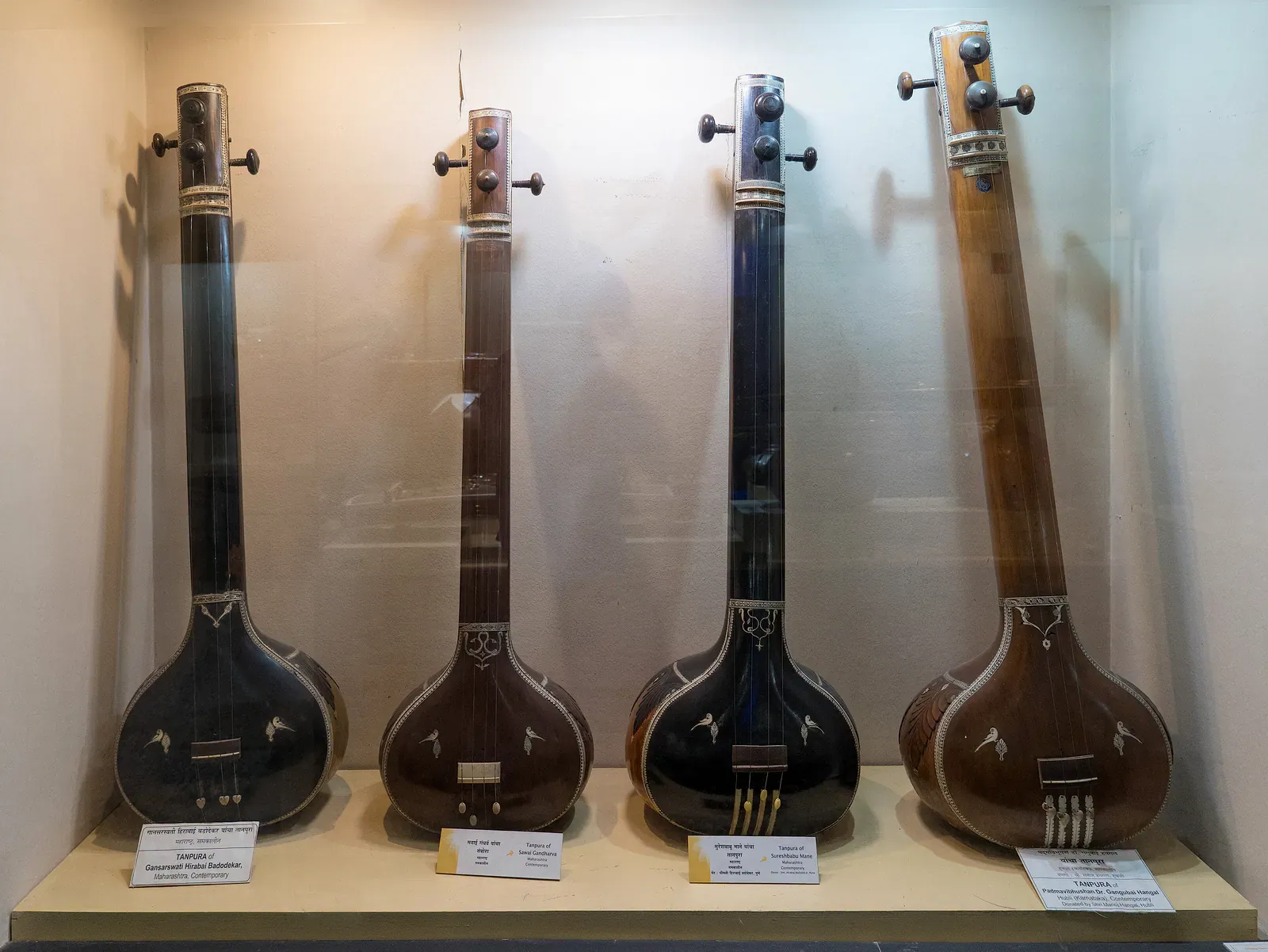
Under the Mughals, patronage deepened. Tansen, the singer at Akbar’s court in the 1560s, became the symbol of that age, and many later lineages trace themselves back to his circle. In the early 1700s court musicians such as Sadarang helped turn khayal into the main vocal form. Khayal gave the singer a short composition and then a long, free exploration of the raga, and it slowly displaced dhrupad.
Teaching stayed oral. A student lived with a master, practised daily (riyaz) and learned the family’s way of unfolding a raga. These lineages are the gharanas: Kirana, Patiala, Jaipur-Atrauli, Maihar and others, each with a recognizable voice.
Gramophone, schools and radio, 1902-1940s
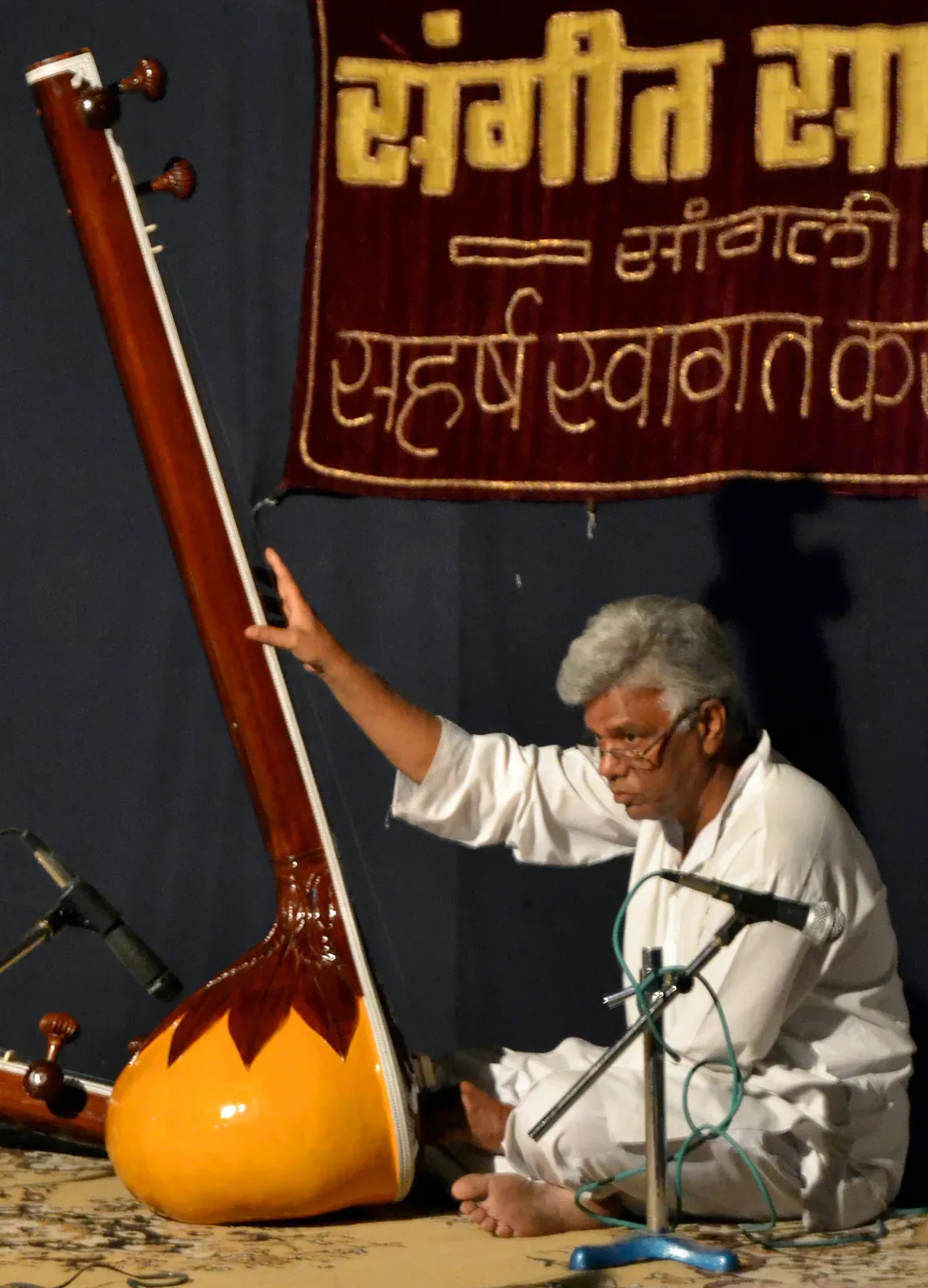
In 1902 the Gramophone Company’s recording engineer Fred Gaisberg made India’s first commercial records, and the first star was the singer Gauhar Jaan. A 78 rpm side held about three minutes, so singers had to pack a khayal into a miniature, and she famously closed each disc by announcing her own name. Records meant a household in Kolkata or Mumbai could hear a great singer without a palace invitation.
At the same time the courts were losing money. Vishnu Digambar Paluskar opened the Gandharva Mahavidyalaya in Lahore in 1901, paid for by public subscription instead of a prince. Vishnu Narayan Bhatkhande, from 1909, wrote down compositions and sorted ragas into ten parent scales, the thaat system still used in classrooms. Radio in the 1930s gave the music a daily national audience.
Independence and the festival circuit, 1947 onward
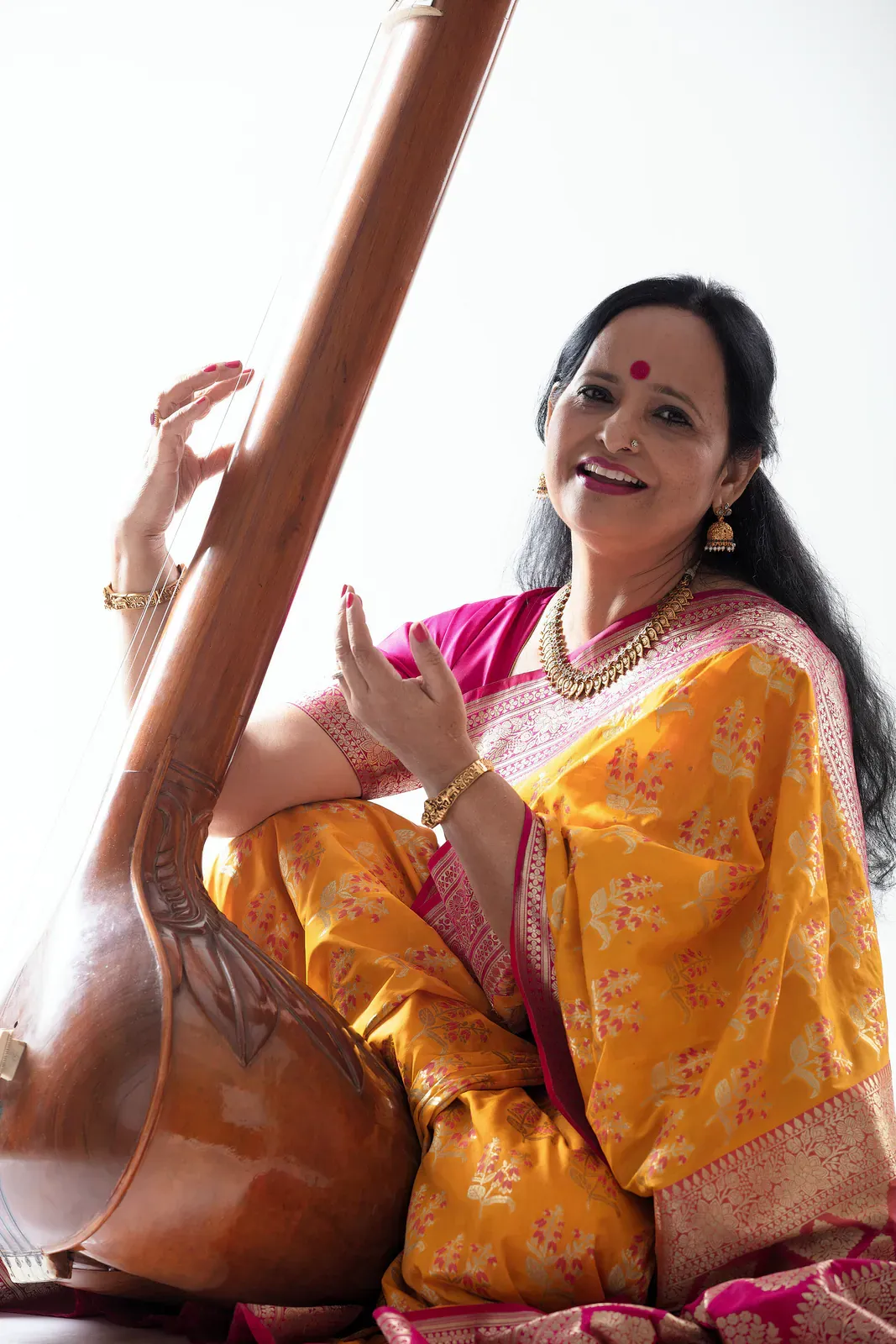
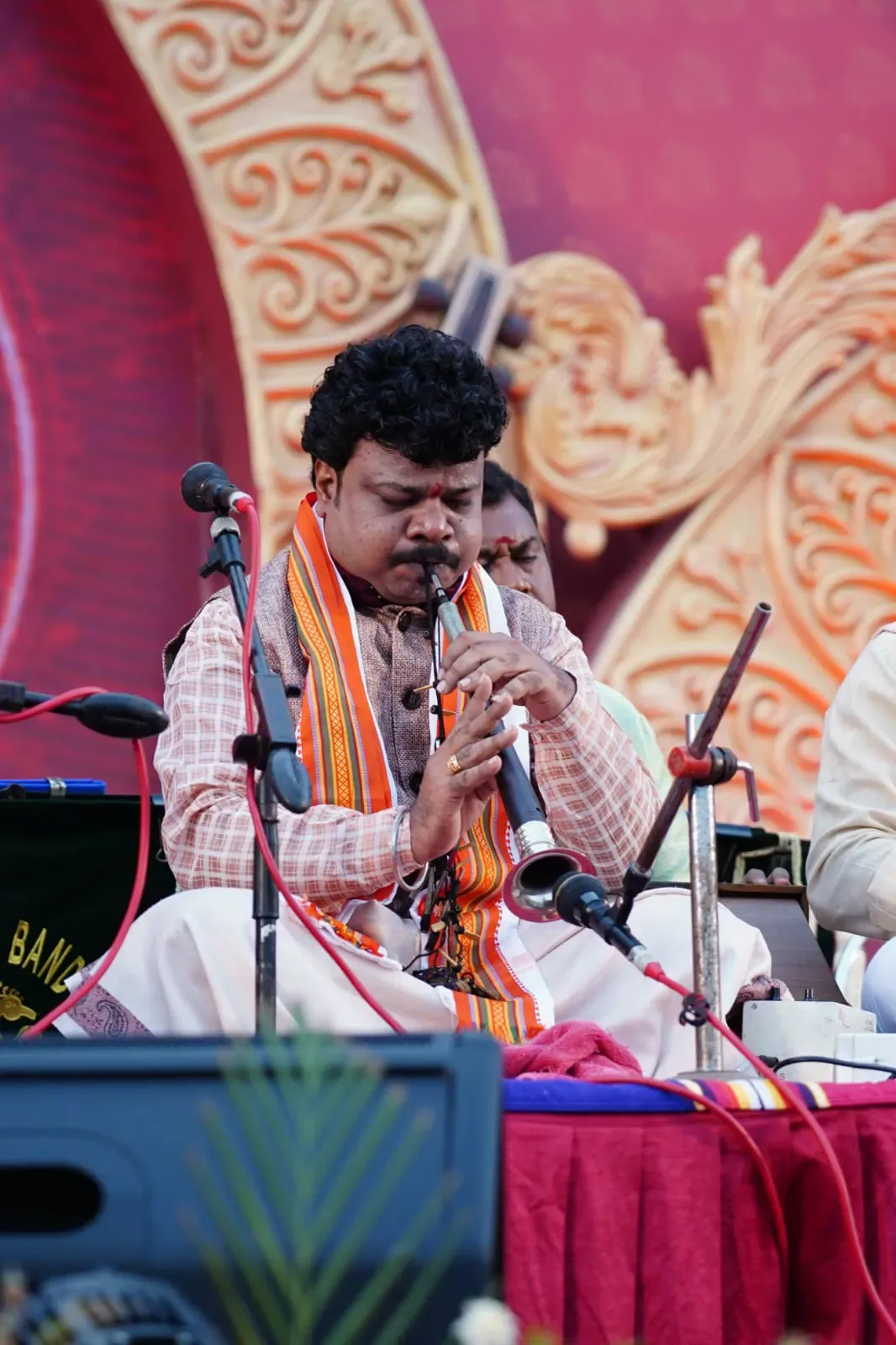
After 1947 the state became the patron. Bismillah Khan played the shehnai at the Red Fort on Independence Day, lifting a double-reed instrument that had belonged to weddings and temples onto a national stage. Ravi Shankar ran music at All India Radio in New Delhi from 1949 to 1956, and the Sangeet Natak Akademi began work in 1953.
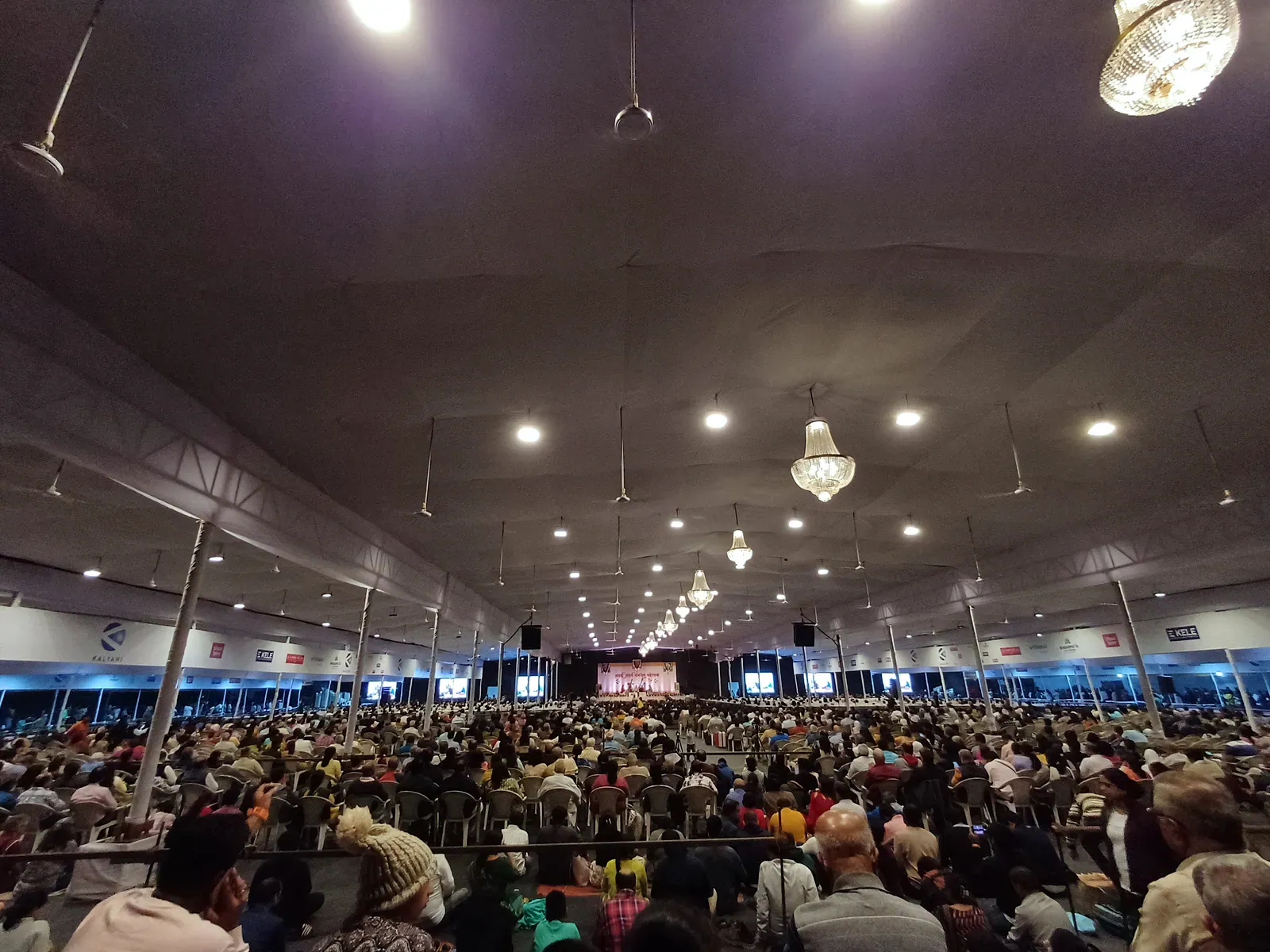
New stages appeared. Kolkata’s Dover Lane conference started in 1952 and ran through the night, with the dawn ragas saved for last. In 1953 Bhimsen Joshi and his circle launched the Sawai Gandharva festival in Pune for his teacher, and it is still a December pilgrimage for singers.
The sitar and the counterculture, 1955-1971
Western ears came first through records. Ali Akbar Khan cut the first Indian classical album released in the West after a 1955 session in New York. A year later Ravi Shankar’s Three Ragas came out on World Pacific, a long-playing record that let a full raga run without cuts.
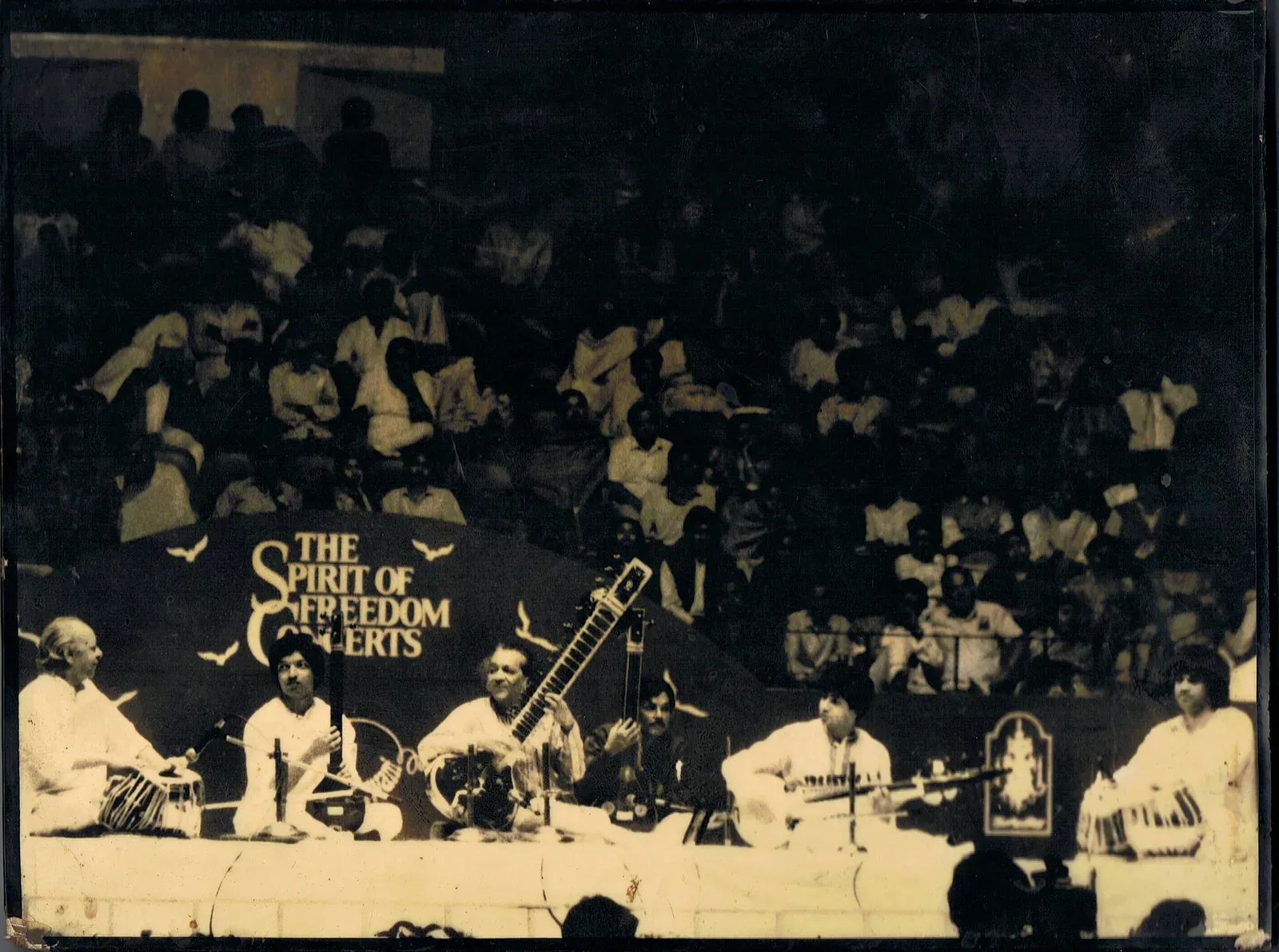
Then came the rock link. George Harrison played a sitar on a Beatles song in 1965, met Shankar in 1966 and began lessons. In June 1967 Shankar played the Monterey Pop festival with tabla master Alla Rakha, and the live album became his best seller. Menuhin and Shankar’s West Meets East won a Grammy in February 1968, a first for an Asian musician. Ali Akbar Khan moved his school to San Rafael, California, in 1968. On 1 August 1971 Shankar and Harrison staged the Concert for Bangladesh at Madison Square Garden, released on Apple Records, and it opened with a sitar and sarod piece.
Mainstream success
Through three doors. First the 78, then the LP: Saregama’s HMV catalogue made classical music a record-shop genre, and the 1968 album Call of the Valley, with Hariprasad Chaurasia, Shivkumar Sharma and Brij Bhushan Kabra, became a best seller for HMV India. Second the national media: Bade Ghulam Ali Khan sang for the film Mughal-e-Azam in 1960, and in 1988 Bhimsen Joshi’s voice opened the Doordarshan film Mile Sur Mera Tumhara. Third the West: Shankar’s Monterey set, Columbia’s release of Shakti in 1976 with Zakir Hussain, and ECM’s Making Music in 1987.
The reaction at home was mixed. Some masters resented the star treatment handed to a few. Vilayat Khan called the committee that offered him the Padma Shri musically incompetent in 1964 and later turned down further state honours.
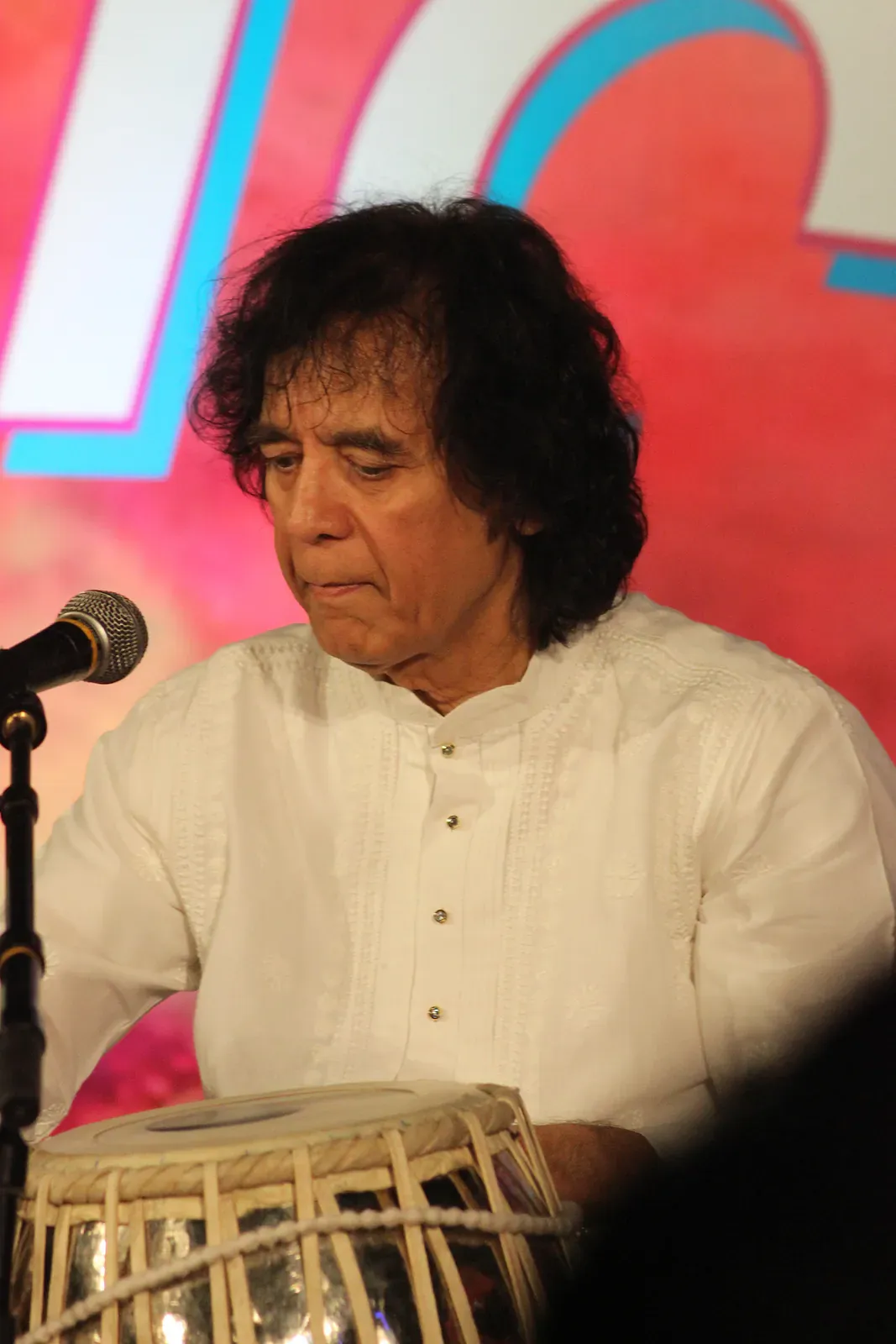
The global stage and digital archive, 1990 onward
Since 1990 the tradition has run on two tracks. Gurukul-style schools such as Kolkata’s ITC Sangeet Research Academy, opened in 1977, still teach one-to-one. Meanwhile Saregama and other labels have put historic recordings online, and Kesarbai Kerkar’s raga Bhairavi, Jaat Kahan Ho, travelled out of the solar system on the Voyager Golden Record in 1977. Zakir Hussain died in December 2024.
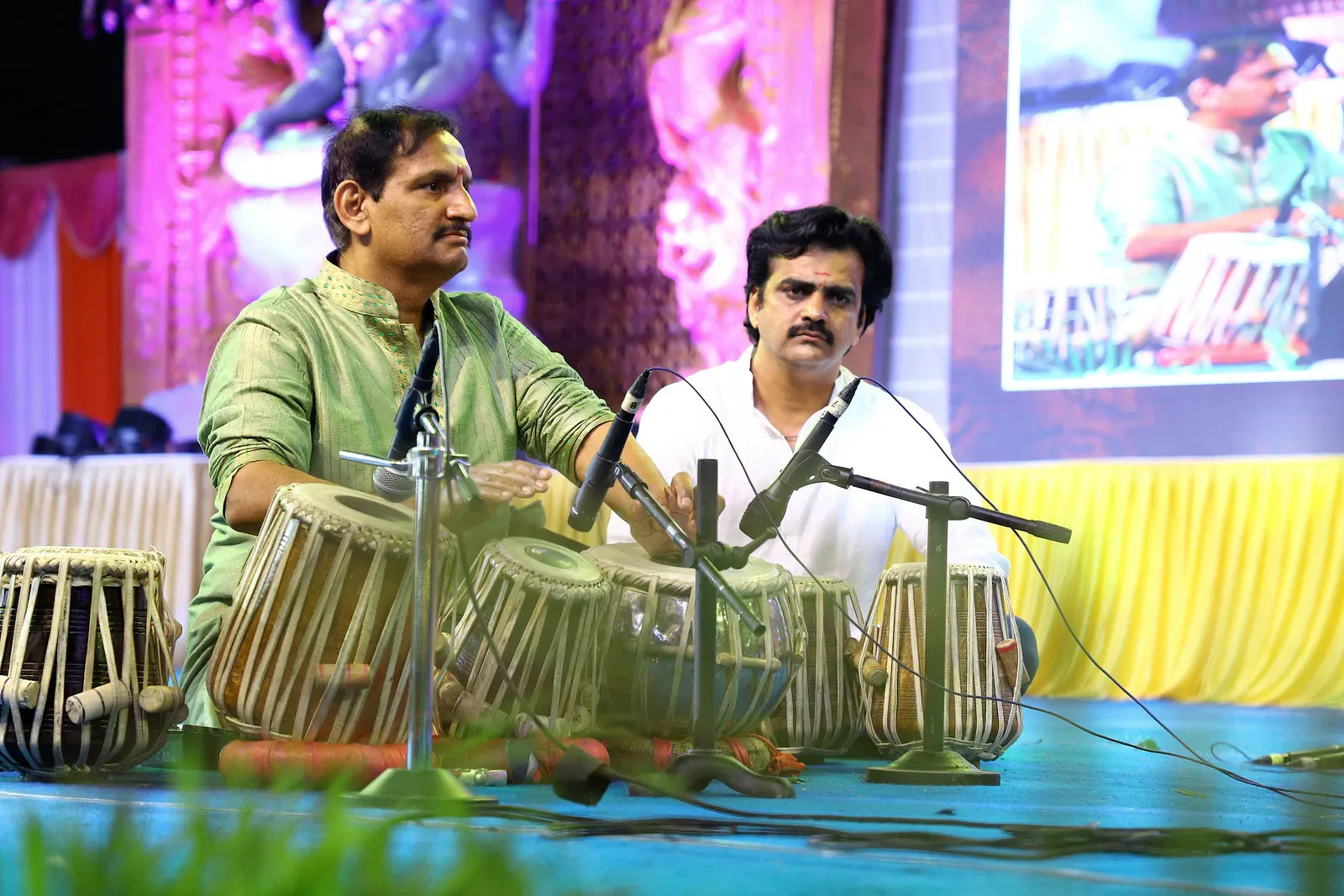
Notable recordings
Raga Jogia (1902) is the beginning of the record. Gauhar Jaan’s khayal, cut for the Gramophone Company, is India’s first recorded song, and the three-minute limit shaped how classical singing was presented on disc for decades.
The Monterey set is the crossover moment. Played to a rock festival crowd, it brought raga to an audience that had never heard an alap, and the album became his best-selling release.
Call of the Valley (1968) is the quieter story: a Kashmiri shepherd’s day told through morning and evening ragas on flute, santoor and slide guitar, and a gateway for new Indian listeners.
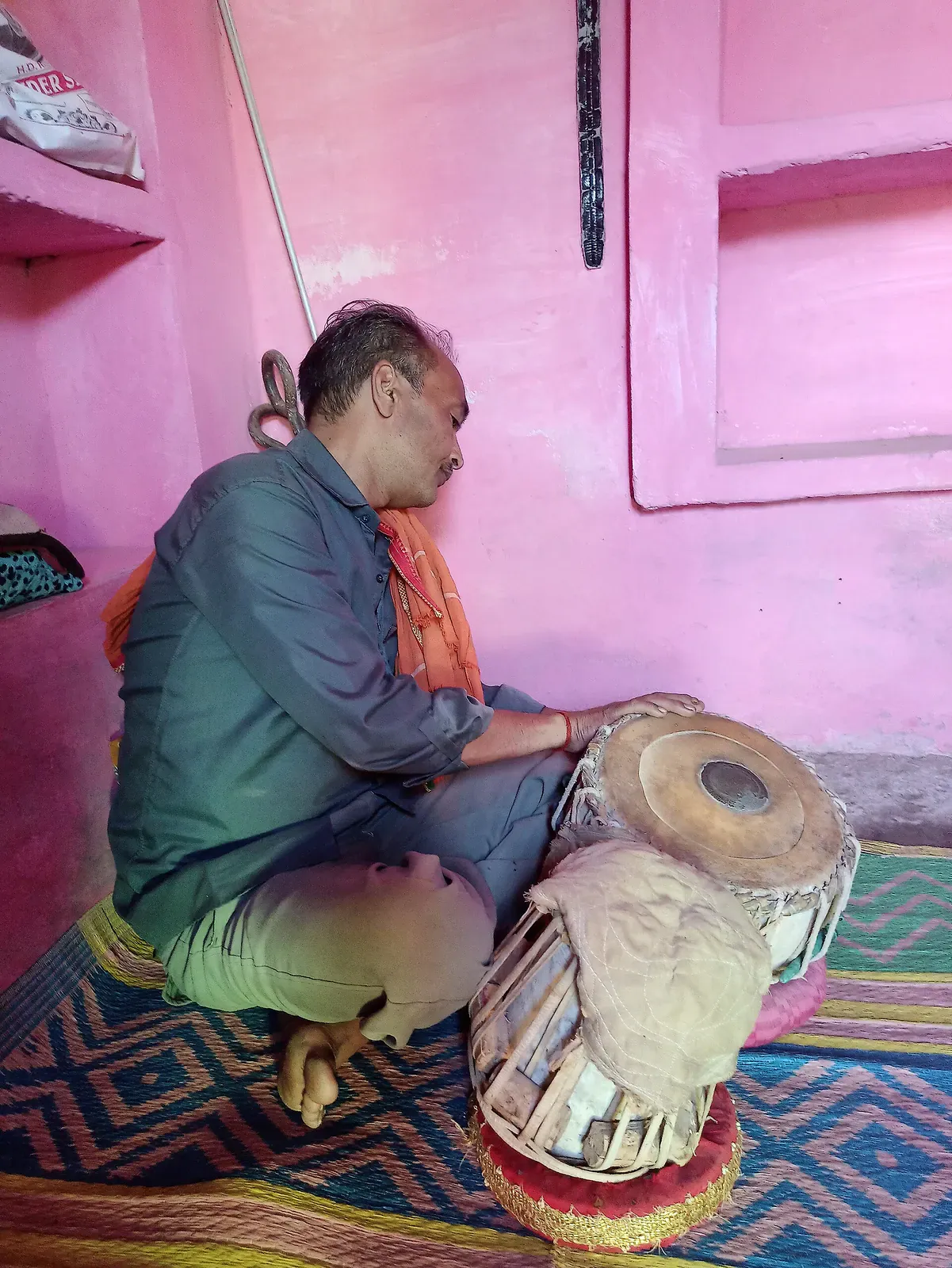
Culture
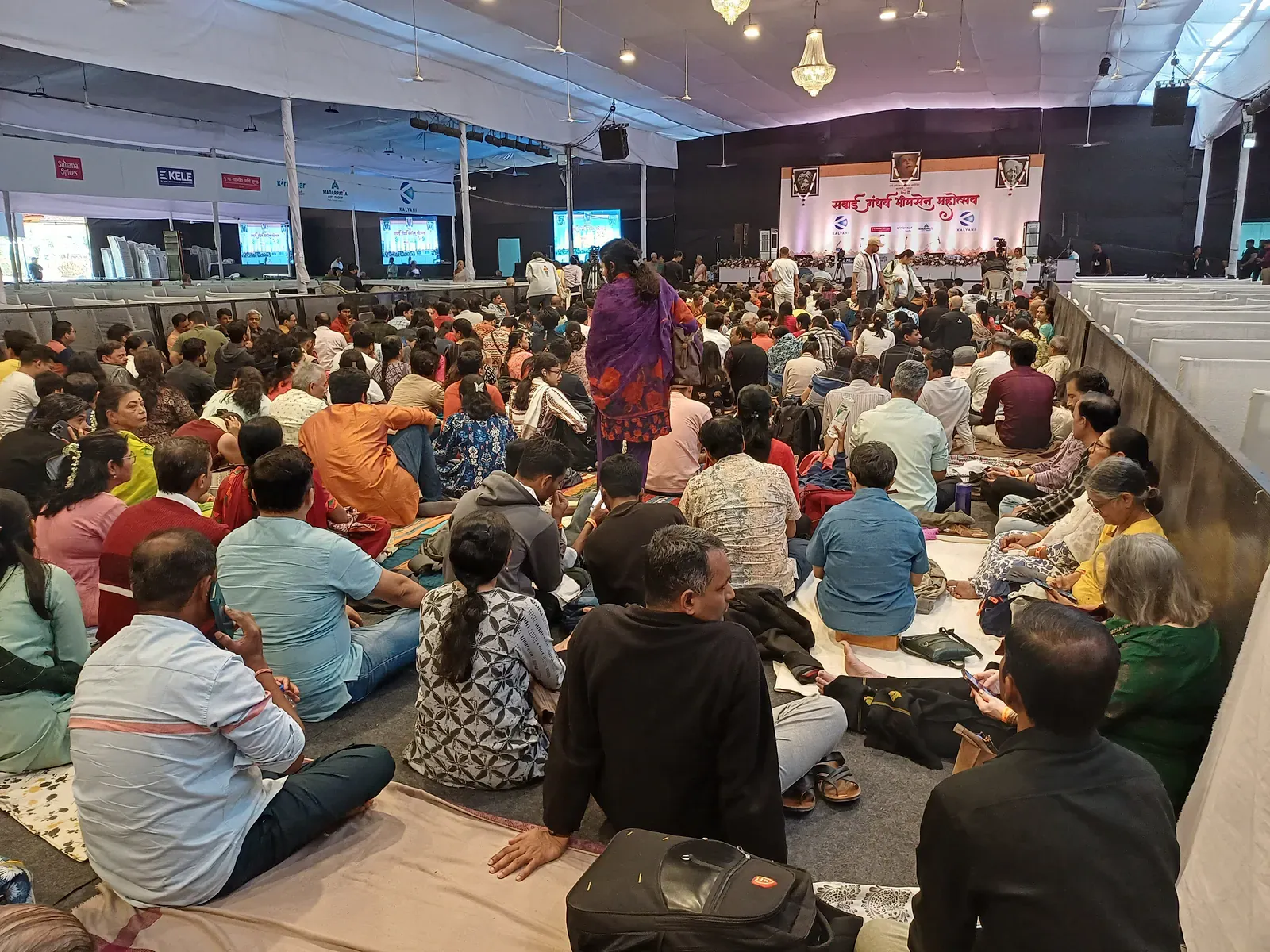
Teaching follows the guru-shishya line, and a student’s first years are spent on riyaz rather than performance. Ragas belong to hours of the day, so a night raga is not played at dawn. Festivals run overnight. In Pune and Kolkata listeners sit on the floor, call out approval mid-phrase, and wait for the dawn ragas.
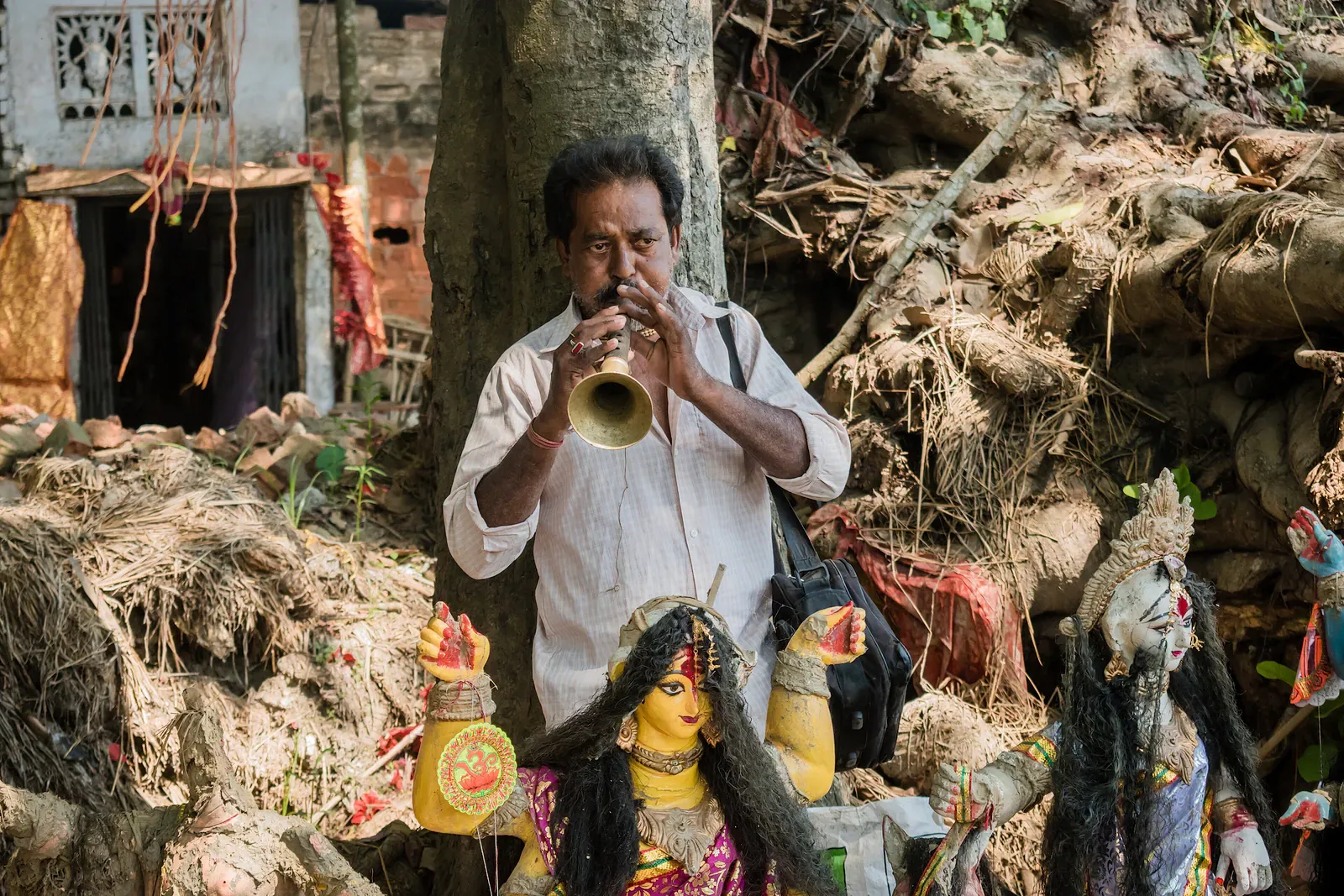
Misconceptions
It is neither fully composed nor fully improvised. A fixed composition (a bandish or gat) anchors the piece, and the artist improvises around it within the raga’s rules.
A raga is not just a scale. A raga also fixes characteristic phrases, ornaments, emphasis and a time of day, so two ragas with the same notes can sound different.
It is not the same as Carnatic music. The two share ancient roots but diverged around the 12th and 13th centuries. Hindustani music took on Persian influence and stresses long improvisation.
Frequently asked questions
What is Hindustani classical music?
Hindustani classical music is the North Indian classical tradition, based on ragas and talas and taught through gharana lineages. It grew from court music from about 1200.
Which instruments are used in Hindustani classical music?
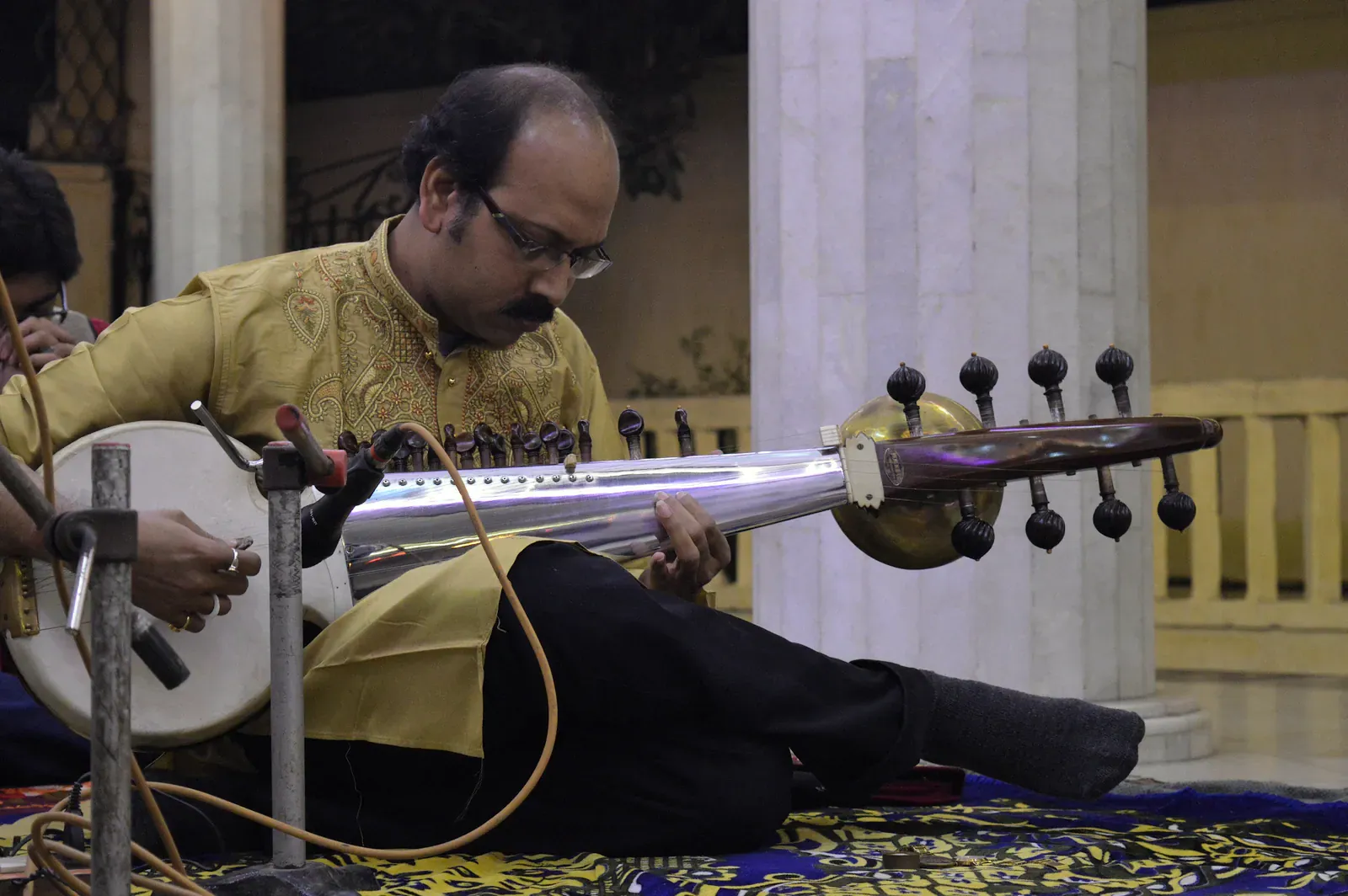
The main ones are the sitar, sarod, tabla, tanpura, shehnai, bansuri, santoor and harmonium. The voice is central too.
Who made Hindustani classical music known in the West?
Ravi Shankar did most of it, with Ali Akbar Khan and Alla Rakha. His 1967 Monterey Pop set and his link with George Harrison reached rock audiences. Browse the wider South Asian music family for related traditions.
Which recordings introduce Hindustani classical music?
Accessible pieces include Call of the Valley, Prabhati from West Meets East, or Bade Ghulam Ali Khan’s Prem Jogan Ban Ke, and full alap and gat recordings such as Three Ragas go deeper.
Sound
Sound sheet
Anatomy of a track
| # | Part |
|---|---|
| 1 | Alap: free exposition of the raga over a drone |
| 2 | Jor: steady pulse enters, still without tabla |
| 3 | Jhala: fast rhythmic climax on the strings |
| 4 | Gat or bandish: fixed composition with tabla, slow to fast |
| 5 | Tihai: phrase repeated three times to land on the first beat |
Signature sounds
- Tanpura drone
- Raga tied to a time of day
- Meend glides
- Tabla and soloist call and response
- Tihai cadence
- Vilambit to drut tempo rise
Drums and percussion
- Tabla
- Pakhawaj
Techniques
- Meend
- Gamak
- Taan
- Tihai
- Sargam
Keys and modes
Raga Yaman. An evening raga with a raised fourth degree
Raga Bhairav. An early-morning raga with flat second and sixth degrees
Raga Darbari Kanada. A midnight raga of slow, elaborate meend
Raga Bhairavi. A morning raga, traditionally the closing raga of a concert
Tuning
Sa set by the performer; 22 shruti per octave in theory
Vocals
Unaccompanied by lyrics at first: a slow alap, then a short composition and long improvisation
Scenes
Where it happened
Where and when the sound lived: one bar per city on a shared timeline.
Asia
North America
Active scenes
Peak 7, 1968-2025
Man Singh Tomar's court nurtures dhrupad; later Tansen is remembered here with an annual festival.
Home of Ravi Shankar, Bismillah Khan and the Banaras tradition.
Dover Lane conference and ITC Sangeet Research Academy anchor a strong concert and teaching scene.
HMV India, film studios and radio give vocalists and instrumentalists a recording hub.
The Sawai Gandharva festival makes it a pilgrimage for khayal singers.
All India Radio and the Sangeet Natak Akademi shape national patronage.
Ali Akbar College of Music relocates here and teaches Western students.
Venues and places
Pune, 1953 to today. Three-day December festival founded by Bhimsen Joshi; a debut here marks a rising musician.
Kolkata, 1952 to today. January all-night festival, now staged at the Nazrul Mancha auditorium.
New Delhi, 1949 to today. Ravi Shankar directed music here from 1949 to 1956.
Kolkata, 1977 to today. A gurukul-style academy for guru-shishya teaching.
Monterey, 1967 to today. Site of the 1967 Monterey Pop festival and Ravi Shankar's set.
New York, 1971 to today. Hosted the 1971 Concert for Bangladesh.
San Rafael, 1968 to today. Ali Akbar Khan moved the school here in 1968.
Culture
Culture markers
- Guru-shishya parampara
Teaching passes orally from master to disciple, often within a gharana.
Ritual - Time theory of ragas
Ragas belong to hours of the day, so a night raga is not played at dawn.
Ritual - All-night concerts
Festivals such as Dover Lane run through the night, with the dawn ragas last.
Ritual - Riyaz
Disciplined daily practice, the base of every performer's training.
Slang - Shehnai at weddings and temples
The instrument's ceremonial role was carried to the concert stage by Bismillah Khan.
Ritual
Media
Key media
- 1955Pather Panchali
by Satyajit Ray. Ravi Shankar's sitar score began his film career.
Film - 1958Jalsaghar
by Satyajit Ray. Vilayat Khan scored this film about a doomed music-loving landlord.
Film - 1960Mughal-e-Azam
by K. Asif. Bade Ghulam Ali Khan sang two raga pieces for its soundtrack.
Film - 1968Monterey Pop
by D. A. Pennebaker. Documents the festival where Ravi Shankar played to a rock audience.
Film - 1977Voyager Golden Record
by NASA. Carried Kesarbai Kerkar's Jaat Kahan Ho as the Indian classical selection.
Compilation
Glossary
Terms on this page
Unmetered opening that unfolds the raga slowly without tabla.
The fixed composition, instrumental gat or vocal bandish, played with tabla and built on the improvisation.
A hereditary or stylistic lineage, such as Kirana, Patiala, Maihar or Jaipur-Atrauli.
A duet in which two soloists, often of different instruments, trade and answer phrases.
The main vocal form, built on a short composition and long improvisation, that overtook dhrupad.
A melodic framework of notes, phrases and moods, tied to a time of day or season.
A rhythmic cycle of beats, such as the 16-beat teentaal.
One of ten parent scales used to classify ragas in Bhatkhande's system.
South Asian family