South Asian music
South Asian music spans raga, qawwali, film songs and bhangra across India, Pakistan, Bangladesh, Sri Lanka and Nepal. Follow it from shellac to YouTube.
234 genres
Since around 1000
Genres
234
In this family
Branches
47
Main subgenres
Since
around 1000
India, Pakistan, Bangladesh, Sri Lanka, Nepal
Timeline
Era by era
From the first sparks to today. Select a dot to read the story behind it.
- Temple, court and shrine
1000 to 1900
- Shellac, talkies and radio
1901 to 1946
- Partition and the golden age
1947 to 1969
- Cassettes and the diaspora
1970 to 1989
- Crossover and the Asian Underground
1990 to 2007
- Coke Studio, YouTube and streaming
2008 to 2026
Eras
Moments
- 1 Temple, court and shrine, 1000 to 1900
- 2 Shellac, talkies and radio, 1901 to 1946
- 3 Partition and the golden age, 1947 to 1969
- 4 Cassettes and the diaspora, 1970 to 1989
- 5 Crossover and the Asian Underground, 1990 to 2007
- 6 Coke Studio, YouTube and streaming, 2008 to 2026
around 1000
Temple, court and shrine
Raga and tala traditions split into Hindustani and Carnatic schools, while Sufi shrines, courts and temples sustain devotional song, folk repertoires and the first named gharanas.
- 1300Amir Khusrau and the qawwali traditionTradition credits the Delhi poet-musician with shaping qawwali and mixing Persian and Indian forms at Sufi shrines.
- 1800The Carnatic trinityTyagaraja, Muthuswami Dikshitar and Syama Sastri compose the core kriti repertoire of Carnatic music.
1901
Shellac, talkies and radio
The Gramophone Company records in Calcutta, sound film arrives in 1931, playback singing is born in Calcutta, and All India Radio carries classical and light music across the subcontinent.
- 1902First recordings in CalcuttaThe Gramophone Company records Indian singers, among them Gauhar Jaan, starting the subcontinent record industry.
- 1907Dum Dum record factory opensThe first Gramophone Company pressing plant outside Britain starts in Calcutta.
- 1931Alam Ara, the first Indian talkieSound film makes songs the engine of Indian cinema and creates the filmi tradition.
- 1935Playback singing arrivesCalcutta studios begin pre-recording songs so actors can lip sync, creating the playback singer.
- 1936All India Radio takes its nameState radio broadcasts classical and light music to a national audience and employs leading musicians.
1947
Partition and the golden age
Partition splits musical communities between India and Pakistan. Film composers and playback singers define popular taste, ghazal singers rise on radio, and Ravi Shankar opens the West.
- 1947Partition splits musical communitiesMusicians and shrines divide between India and Pakistan, and Lahore and Karachi build their own radio and film scenes.
- 1949Lata Mangeshkar breaks through with MahalThe song Aayega Aanewala makes the young singer a star.
- 1960Mughal-e-Azam soundtrackNaushad scores the epic with Lata Mangeshkar singing Pyar Kiya To Darna Kya.
- 1966M. S. Subbulakshmi sings at the United NationsThe Carnatic vocalist performs at the UN General Assembly, a first for an Indian musician.
- 1967Ravi Shankar at Monterey and West Meets EastSitar reaches rock audiences, and the album with Yehudi Menuhin, recorded in 1966, is released the same year.
- 1968Sooriya Records founded in Sri LankaGerald and Dulcie Wickremesooriya start the label that commercialises Sinhala and Tamil pop.
1970
Cassettes and the diaspora
Cheap tapes let T-Series, Tips and regional labels explode. In Britain, bhangra and qawwali grow in Birmingham and London, and Bangladesh, Sri Lanka and Nepal build national pop scenes.
- 1971The Concert for BangladeshRavi Shankar and George Harrison stage one of the first major benefit concerts, raising awareness of the Bangladesh crisis.
- 1975Tips founded in MumbaiThe Taurani brothers start the company that grows into one of India's large film music labels.
- 1983Gulshan Kumar launches T-SeriesCheap cassettes of film and devotional music turn the company into a mass market giant.
- 1985Nusrat Fateh Ali Khan reaches British audiencesNusrat plays the WOMAD festival in 1985, widening a British following that Oriental Star Agencies had begun building after signing him in the early 1980s.
- 1988Nation Records founded in LondonAki Nawaz and Kath Canoville launch a home for British Asian dance and world fusion.
- 1989Real World releases Shahen-ShahPeter Gabriel's label starts a run of Nusrat albums for Western listeners.
1990
Crossover and the Asian Underground
Nusrat reaches rock audiences through Real World, A. R. Rahman reinvents film scoring, and British Asian producers fuse tabla, bhangra and drum and bass into the Asian Underground.
- 1992A. R. Rahman scores RojaSynthesisers and studio production reset the sound of Indian film music.
- 1995Outcaste Records foundedShabs Jobanputra and Paul Franklyn launch the Asian Beats label, in a joint venture with Tommy Boy.
- 1998Mundian To Bach KePanjabi MC records the bhangra and hip-hop track for the album Legalised; released as a single in 2002, it goes worldwide.
- 1999Nitin Sawhney releases Beyond SkinThe album is shortlisted for the Mercury Prize and wins a South Bank Show Award.
2008
Coke Studio, YouTube and streaming
Coke Studio Pakistan revives folk and Sufi song, Rahman wins Oscars, and YouTube turns Indian film labels and Punjabi pop into global audiences counted in hundreds of millions.
- 2008Coke Studio Pakistan beginsThe televised studio series revives folk and Sufi repertoire with new arrangements for a young audience.
- 2009Rahman wins two Oscars for Slumdog MillionaireBest Original Score and Best Original Song for Jai Ho bring Indian film music global attention.
- 2014Zee Music Company launchesZee Entertainment starts its music label on 31 March 2014 to acquire film and non-film catalogues.
- 2019T-Series becomes the most-subscribed YouTube channelA Delhi cassette company overtakes every Western creator on the platform.
- 2024Universal acquires the Oriental Star Agencies catalogueThe Birmingham label's archive of about 18,000 recordings is sold in January 2024.
Facts
| Genres in the family | 234 |
| Main branches | 47 |
| Emerged | Ancient |
| Tempo | 30 to 175 BPM |
South Asian music is the classical, devotional, folk, film and popular music of India, Pakistan, Bangladesh, Sri Lanka, Nepal and their neighbours. It is built on raga and tala, a melodic grammar and a rhythmic cycle, and it reaches audiences today mostly through film songs.
It spans Hindustani and Carnatic classical music, devotional and Sufi song, folk forms such as bhangra, and the film and diaspora pop that grew from them since the early 20th century.
Temple, court and shrine, 1000-1900
Two classical schools, Hindustani in the north and Carnatic in the south, share raga and tala but differ in repertoire, instruments and Persian influence.
Before recording, music lived in three places: the temple, the court and the Sufi shrine. Over many centuries the classical tradition split into the northern Hindustani school, which absorbed Persian and Arabic influence, and the southern Carnatic school, which stayed closer to its Sanskrit and devotional roots. Around 1800 the composers Tyagaraja, Muthuswami Dikshitar and Syama Sastri, known as the Carnatic trinity, fixed the core kriti repertoire still sung in concert halls.
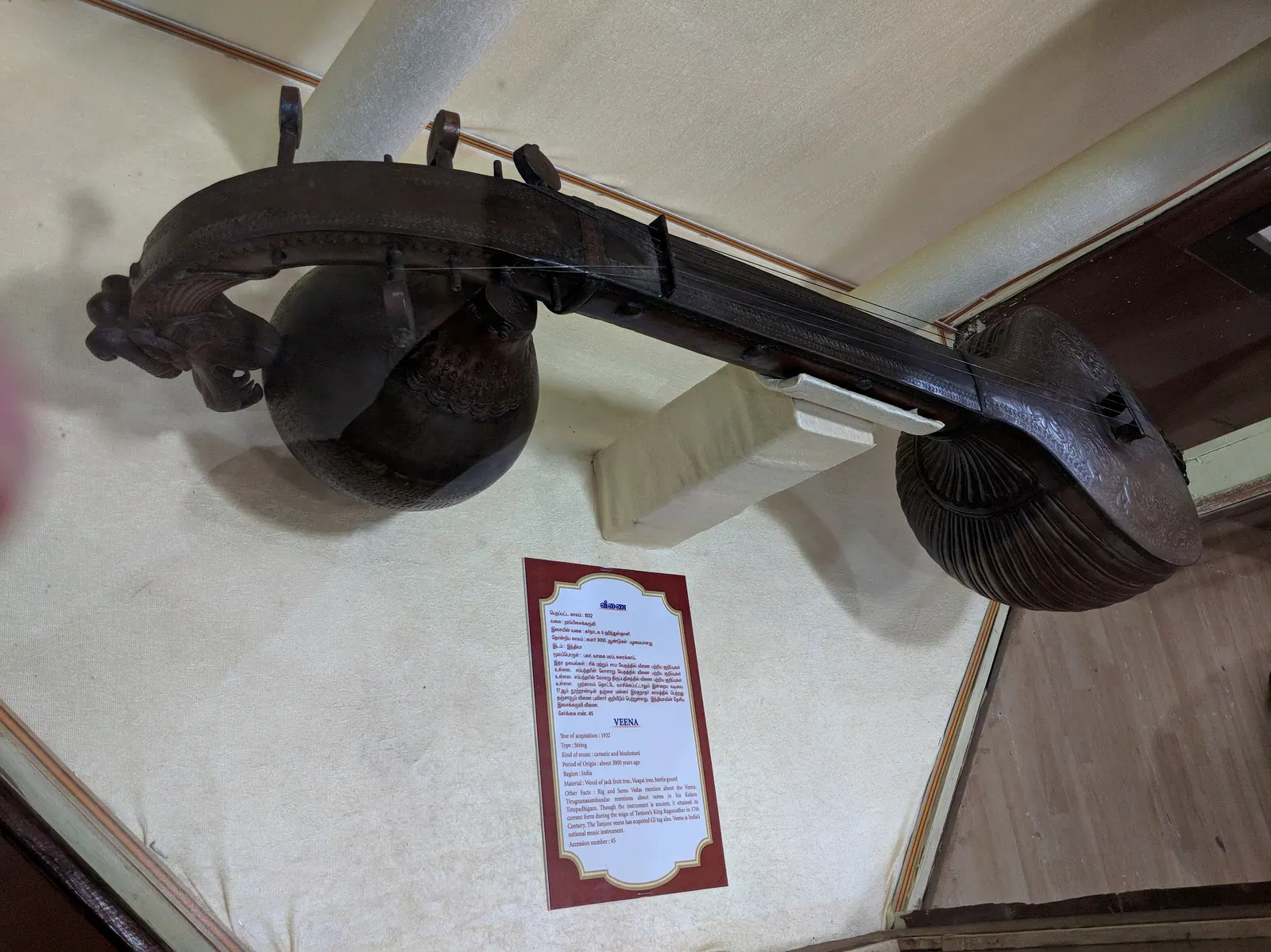
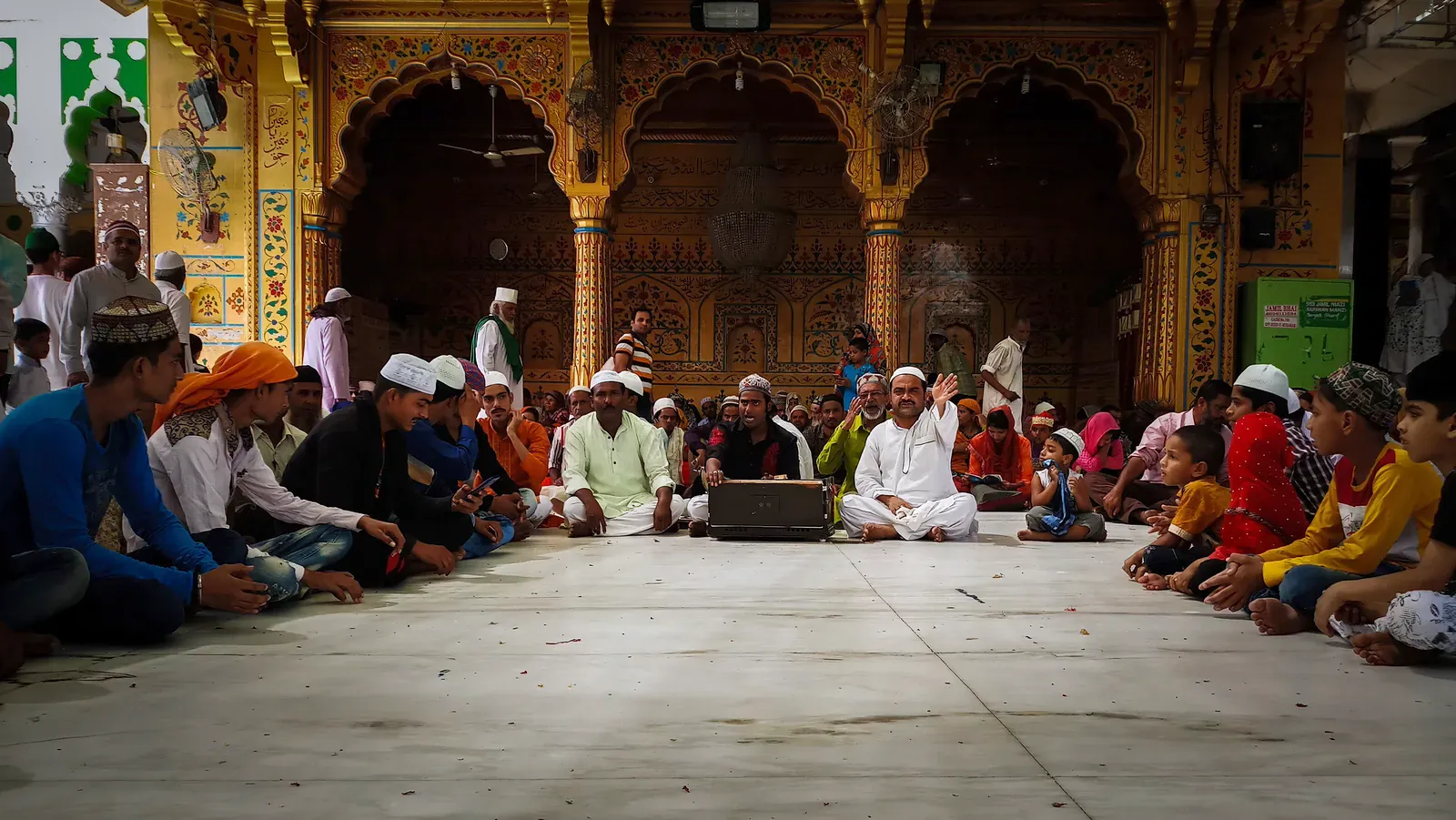
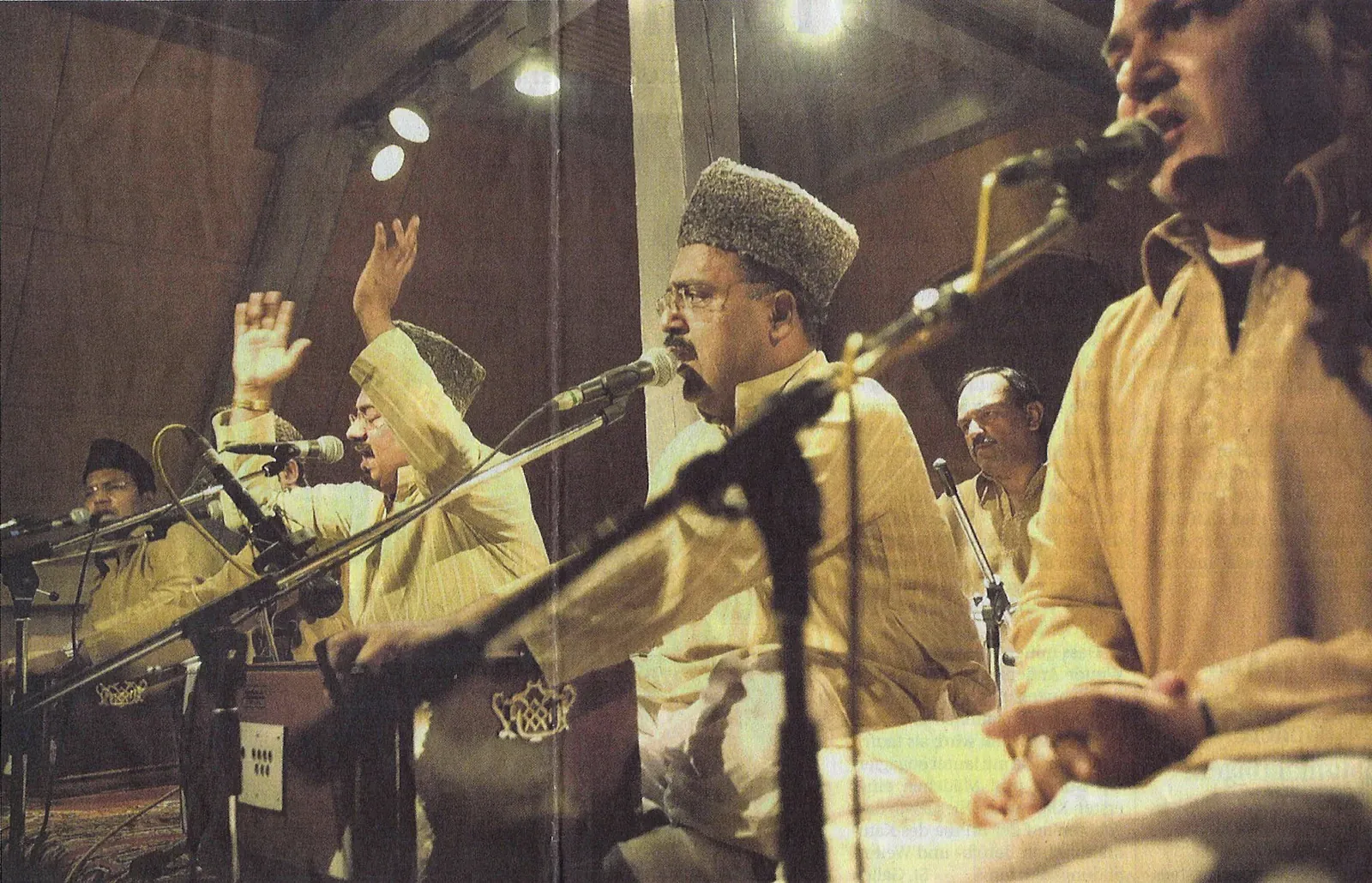
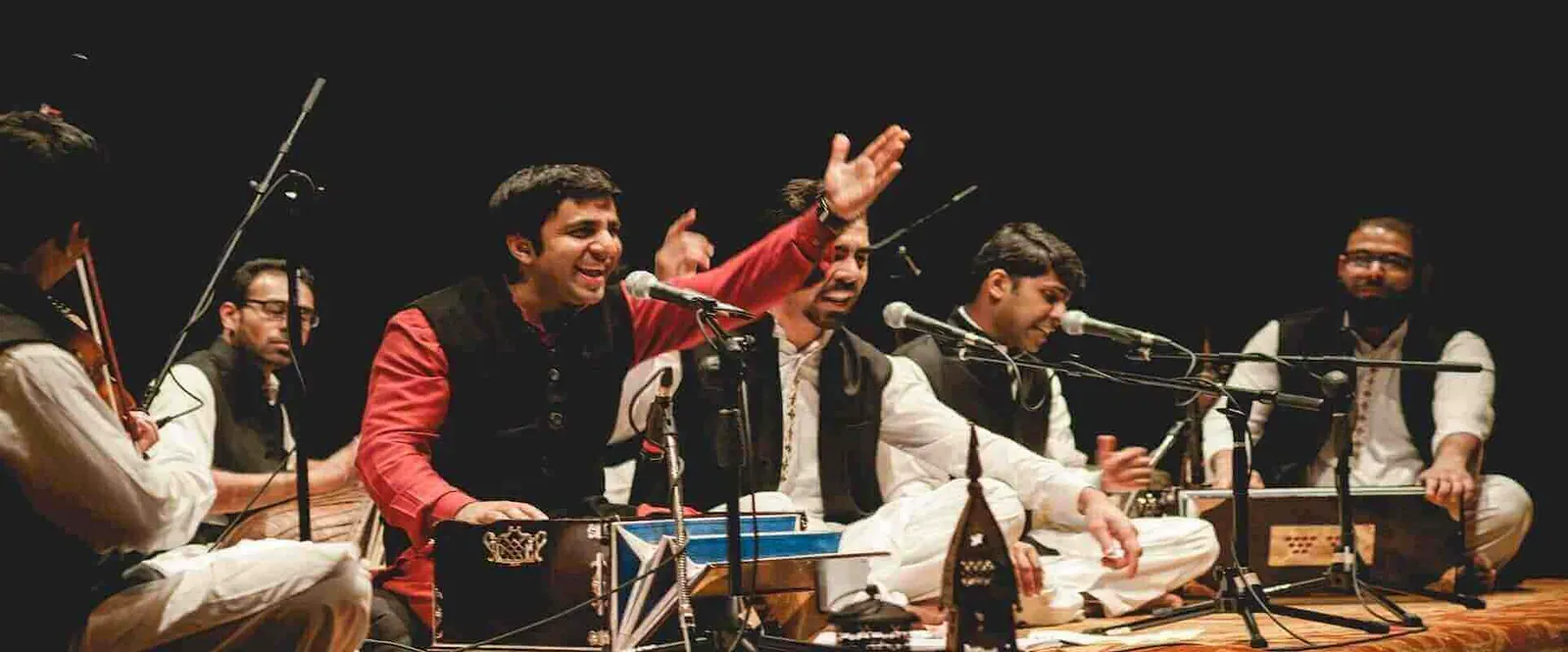
Qawwali belongs to the shrine. Tradition credits Amir Khusrau, a Delhi poet-musician of the 13th and 14th centuries and a disciple of the Chishti saint Nizamuddin Auliya, with shaping it from Persian and Indian forms. A group of eight or nine, led by a singer, with harmonium, tabla or dholak and a chorus that claps and repeats the verse, aims at devotional ecstasy rather than entertainment.
Shellac, talkies and radio, 1901-1946
The Gramophone Company recorded its first Indian singers in Calcutta in 1902, among them Gauhar Jaan, and opened a record factory at Dum Dum in 1907, its first outside Britain. That company is the ancestor of Saregama, which still holds a catalogue of more than 150,000 tracks. A three-minute disc forced court singers to compress a performance that once ran an hour, and it made a few voices famous across the country.
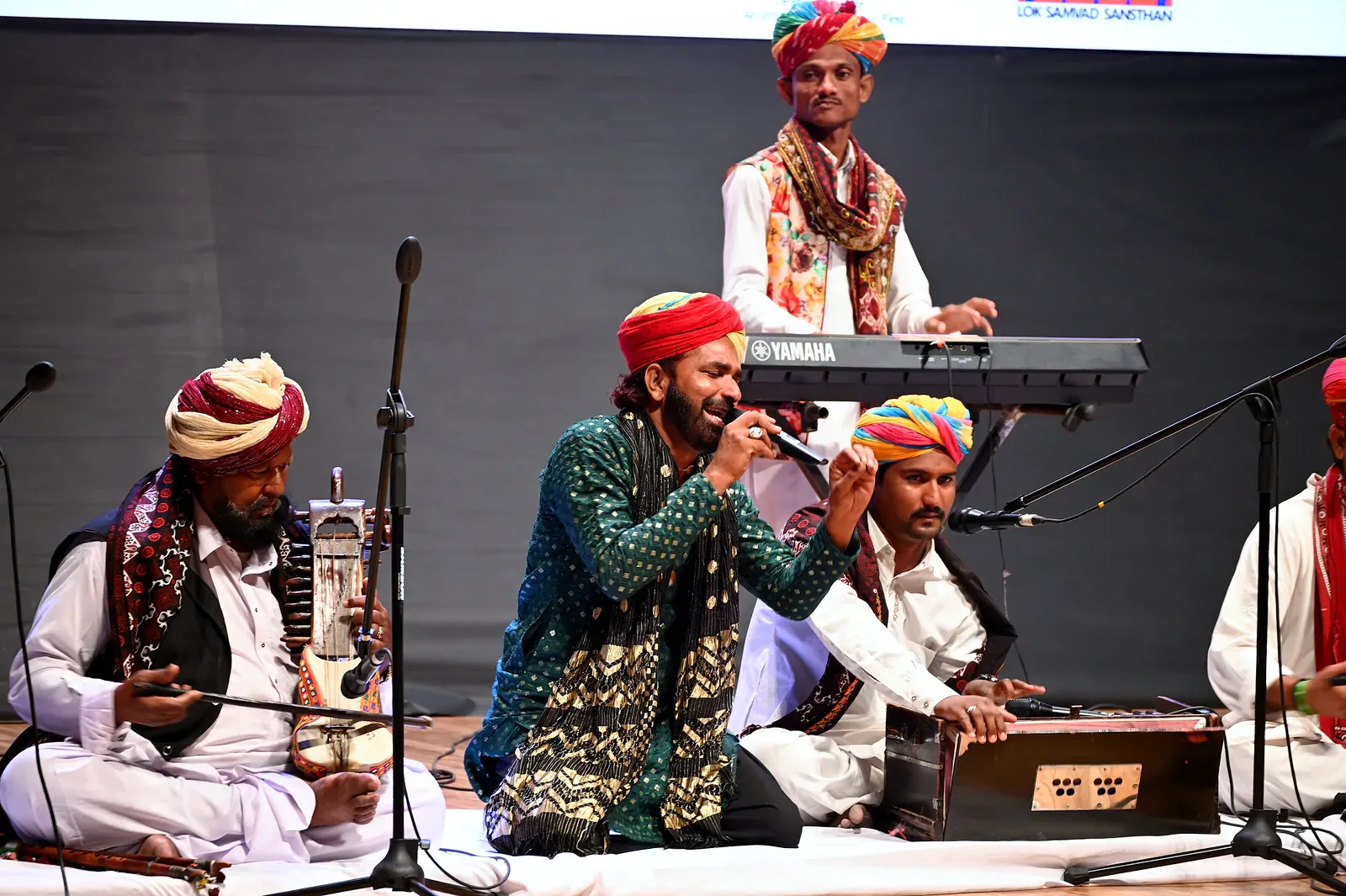
Sound film changed the economy. Alam Ara (1931) was the first Indian talkie, and songs became the engine of Indian cinema. In 1935 the Hindi film Dhoop Chhaon used playback singing, with voices recorded in the studio and actors lip-syncing, in Calcutta. All India Radio took that name in 1936 and put classical and light music into homes. It also banned the harmonium from 1940 to 1971, arguing the instrument could not produce the slides and ornaments of raga.
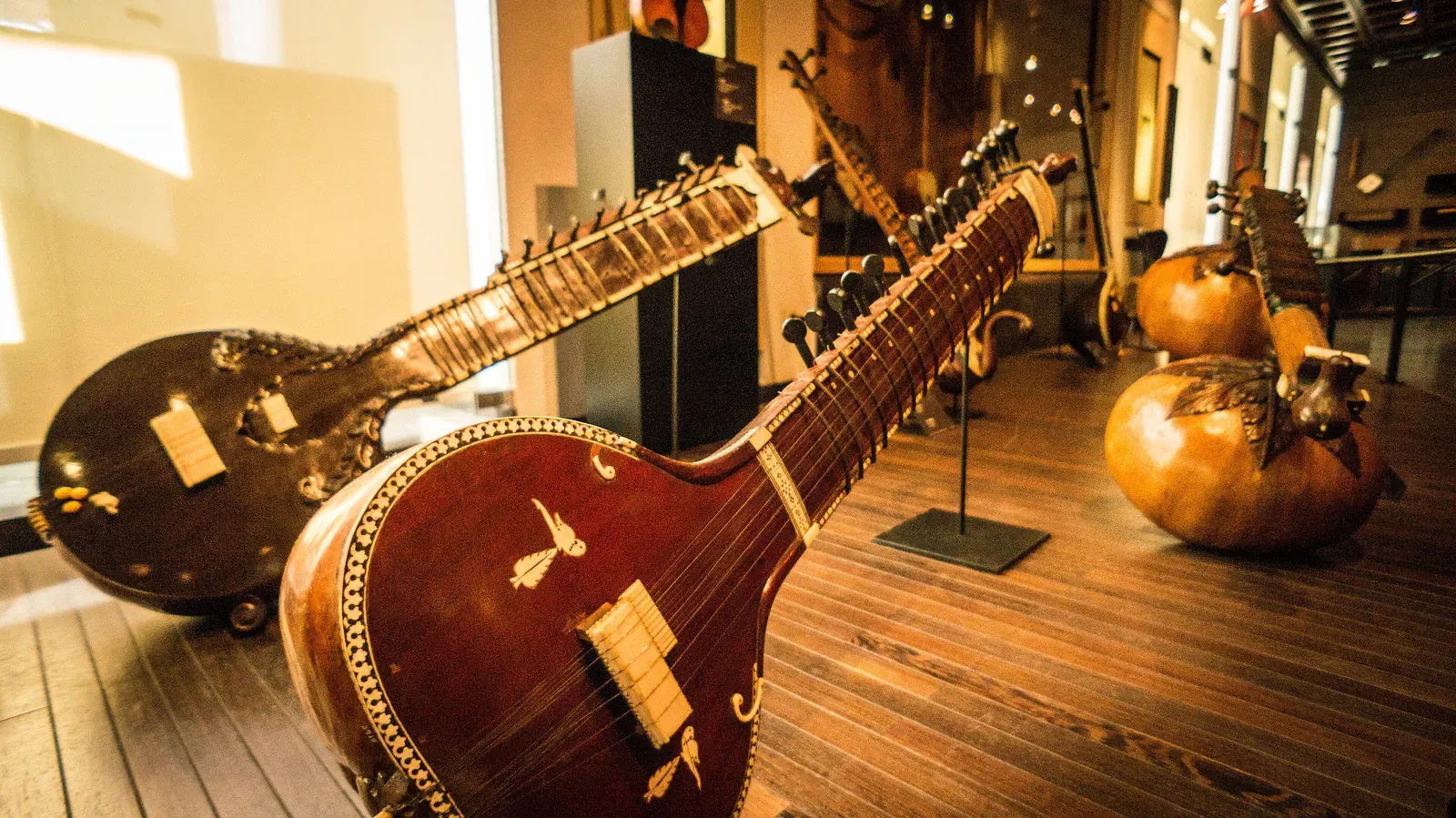
Partition and the golden age, 1947-1969
Partition in 1947 split musicians, shrines and audiences between India and Pakistan. Lahore and Karachi built their own radio and film industries, and the ghazal singer Mehdi Hassan, who had first sung on Radio Pakistan in 1952, became the voice of Pakistani film with Gulon Mein Rang Bhare (1964), a ghazal the poet Faiz Ahmed Faiz reportedly said now belonged to him. Lata Mangeshkar’s song Aayega Aanewala, from the film Mahal (1949), made her a star, and her voice shaped the golden age of film music for decades.
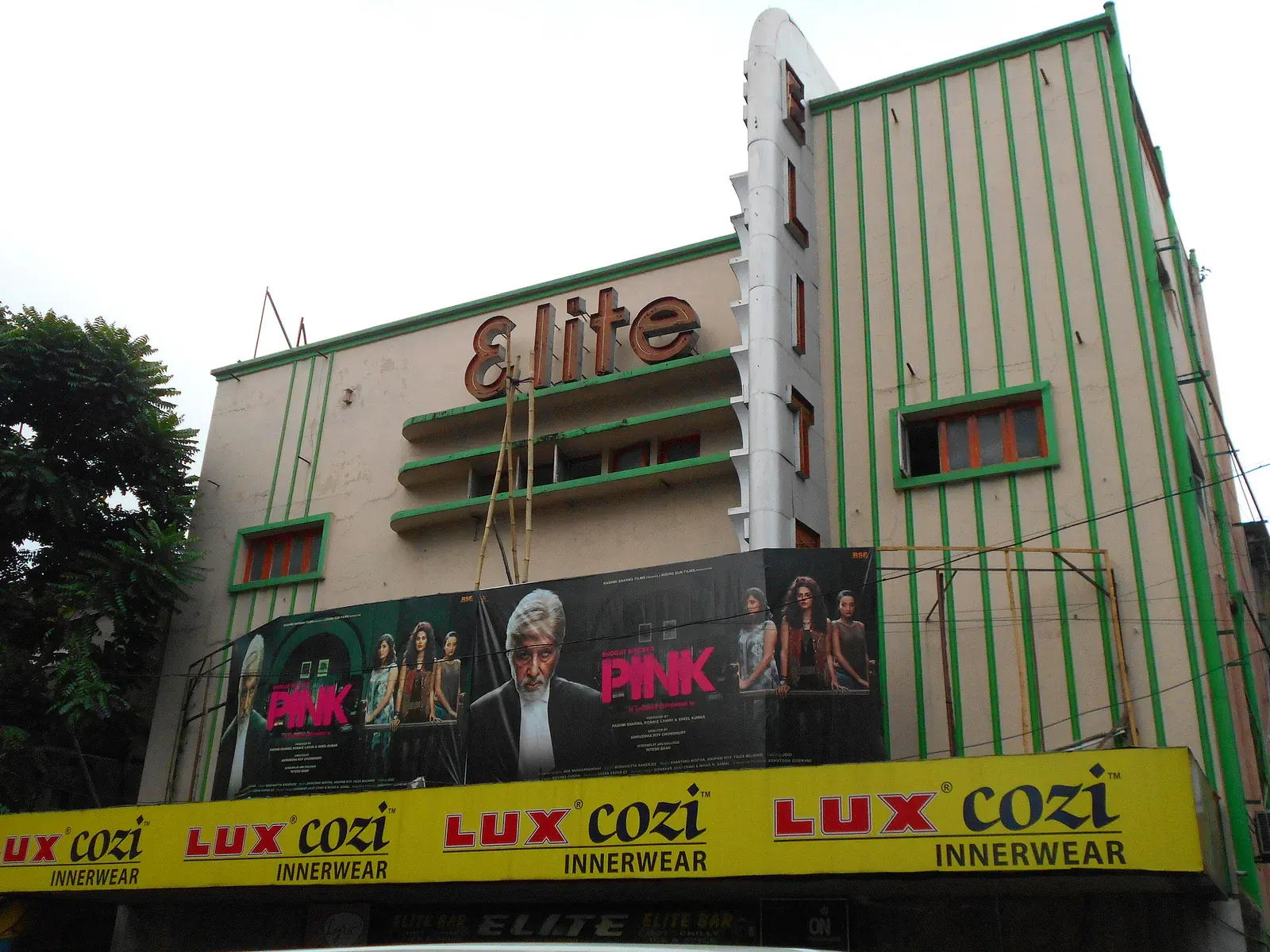
Naushad’s score for Mughal-e-Azam (1960) drew on classical forms, and the soundtrack became a Saregama landmark. The same years opened the West: M. S. Subbulakshmi, who recorded the Venkateswara Suprabhatam for the Gramophone Company in 1963, performed at the United Nations General Assembly in 1966, and in 1967 Ravi Shankar played at Monterey and released West Meets East, recorded with Yehudi Menuhin the year before. Four years later the Concert for Bangladesh, which he and George Harrison staged, tied the sitar to a humanitarian cause.
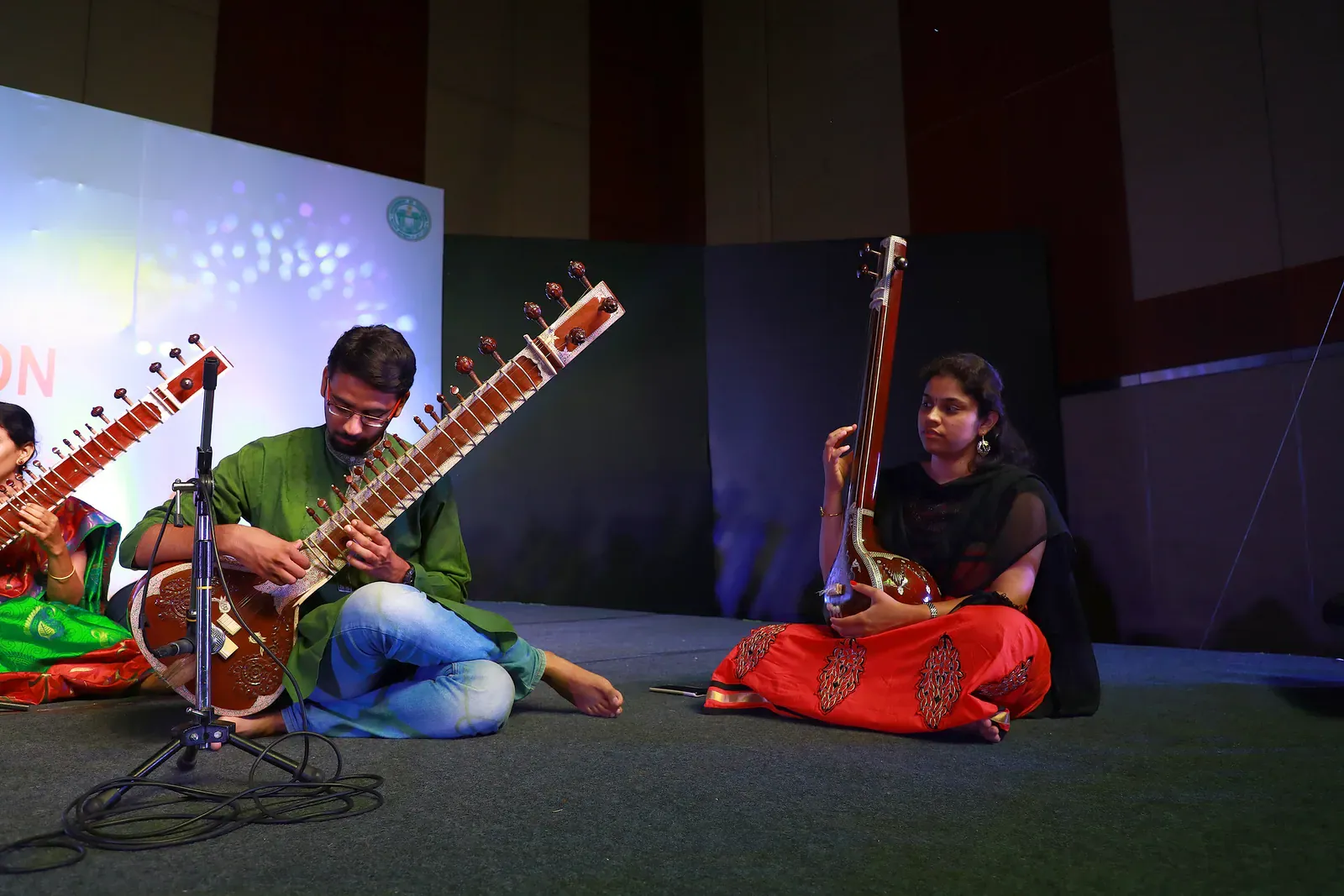
Cassettes and the diaspora, 1970-1989
The audio cassette made music cheap to copy and cheap to sell. Tips began as a record shop on Mumbai’s Lamington Road in 1975, and Gulshan Kumar launched T-Series in Delhi in 1983. Low prices and mass duplication of film and devotional music turned T-Series, legally Super Cassettes Industries, into a giant. The 1988 soundtrack of Qayamat Se Qayamat Tak, by Anand-Milind, is put at more than eight million copies and Aashiqui (1990), by Nadeem-Shravan, at about 20 million, though figures conflict and sales claims for the era are loose. Gulshan Kumar was murdered in 1997, and his son Bhushan Kumar took over the company.
In Britain the same decade built a second centre. Oriental Star Agencies began as a Birmingham importer of South Asian records, recorded local bhangra bands from 1969 and signed Nusrat Fateh Ali Khan in the early 1980s. Malkit Singh’s 1990 album Tootak Tootak Tootiyan reportedly sold 2.5 million copies, a record for bhangra at the time.
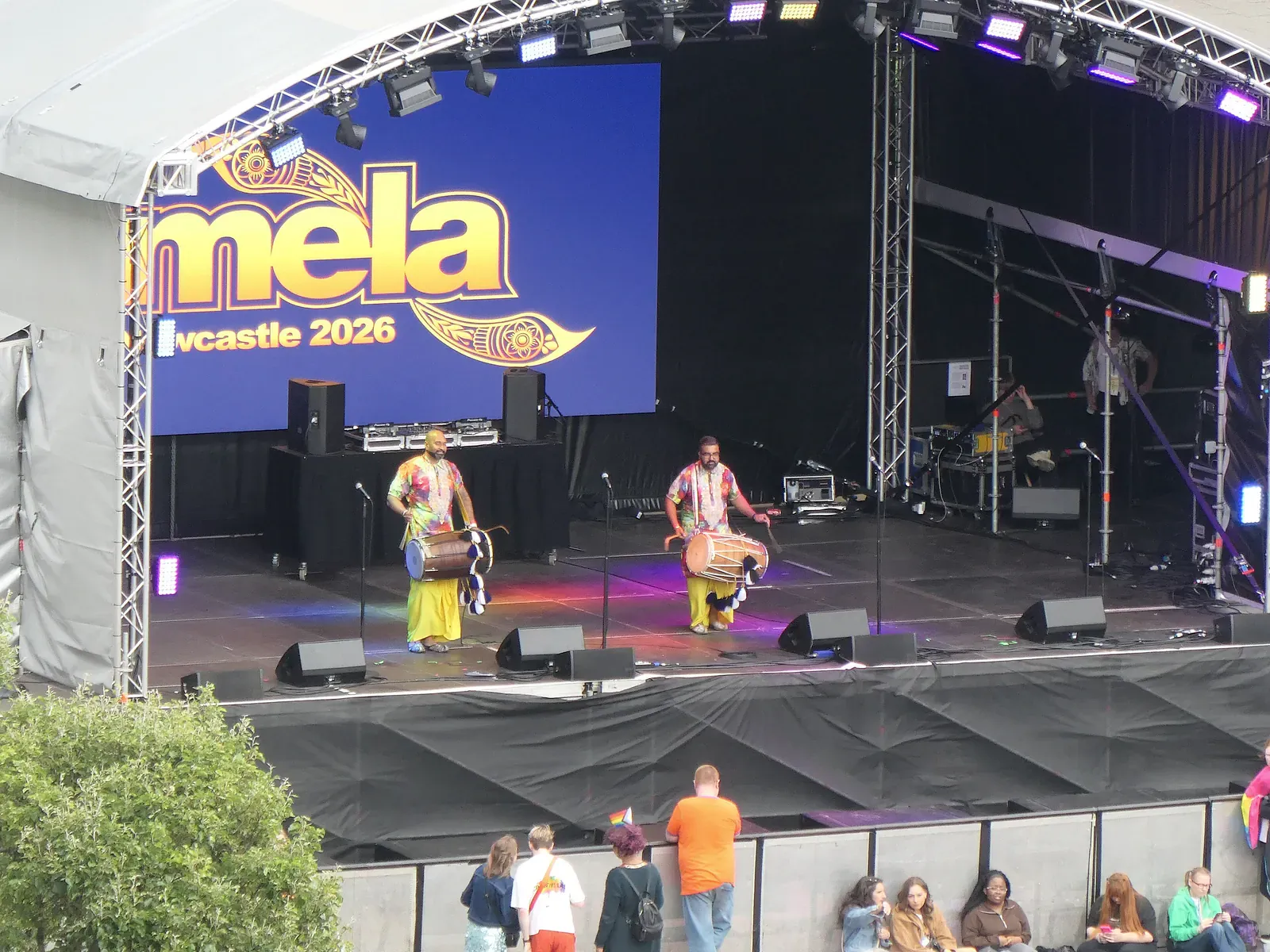
Crossover and the Asian Underground, 1990-2007
Peter Gabriel’s Real World released Shahen-Shah in 1989 and Mustt Mustt in 1990. Nusrat, who had led his family’s qawwali party since his father died in 1964, played the WOMAD festival in 1985, and his long devotional performances reached rock audiences until his death in London in 1997. Britain’s young Asian producers took tabla, bhangra and drum and bass into clubs. Nation Records started in London in 1988, and Outcaste Records followed in 1995. Asian Dub Foundation’s Facts and Fictions appeared on Nation in 1995, and Nitin Sawhney’s Beyond Skin (1999) was shortlisted for the Mercury Prize. The sound sits next to electronic music as much as South Asian tradition.
At home, A. R. Rahman’s score for Roja (1992) brought synthesisers and layered studio production to Tamil cinema and won him a National Film Award. Panjabi MC recorded Mundian To Bach Ke in Birmingham for his 1998 album Legalised. Issued as a single in 2002, it reached number five in the UK, the first bhangra song in the top ten, and a 2003 remix with Jay-Z entered the US Hot 100.
Coke Studio, YouTube and streaming, 2008-2026
Coke Studio Pakistan premiered on 8 June 2008, adapted from a Brazilian series by the producer Rohail Hyatt, and gave folk and Sufi repertoire new arrangements for a young audience. In 2009 Rahman won two Oscars, for score and for the song Jai Ho, for Slumdog Millionaire. YouTube then rewrote the economics: T-Series became the most-viewed channel in January 2017 and the first to reach 100 million subscribers on 29 May 2019. Other labels followed. Zee Music Company launched in March 2014, and southern labels such as Think Music, Aditya Music and Lahari Music carry Tamil, Telugu and Kannada film music that Hindi-centred coverage misses. The old labels still lead: Saregama released the Dhurandhar soundtrack on 1 December 2025, and every track charted at once in Spotify’s global top 200.
Culture
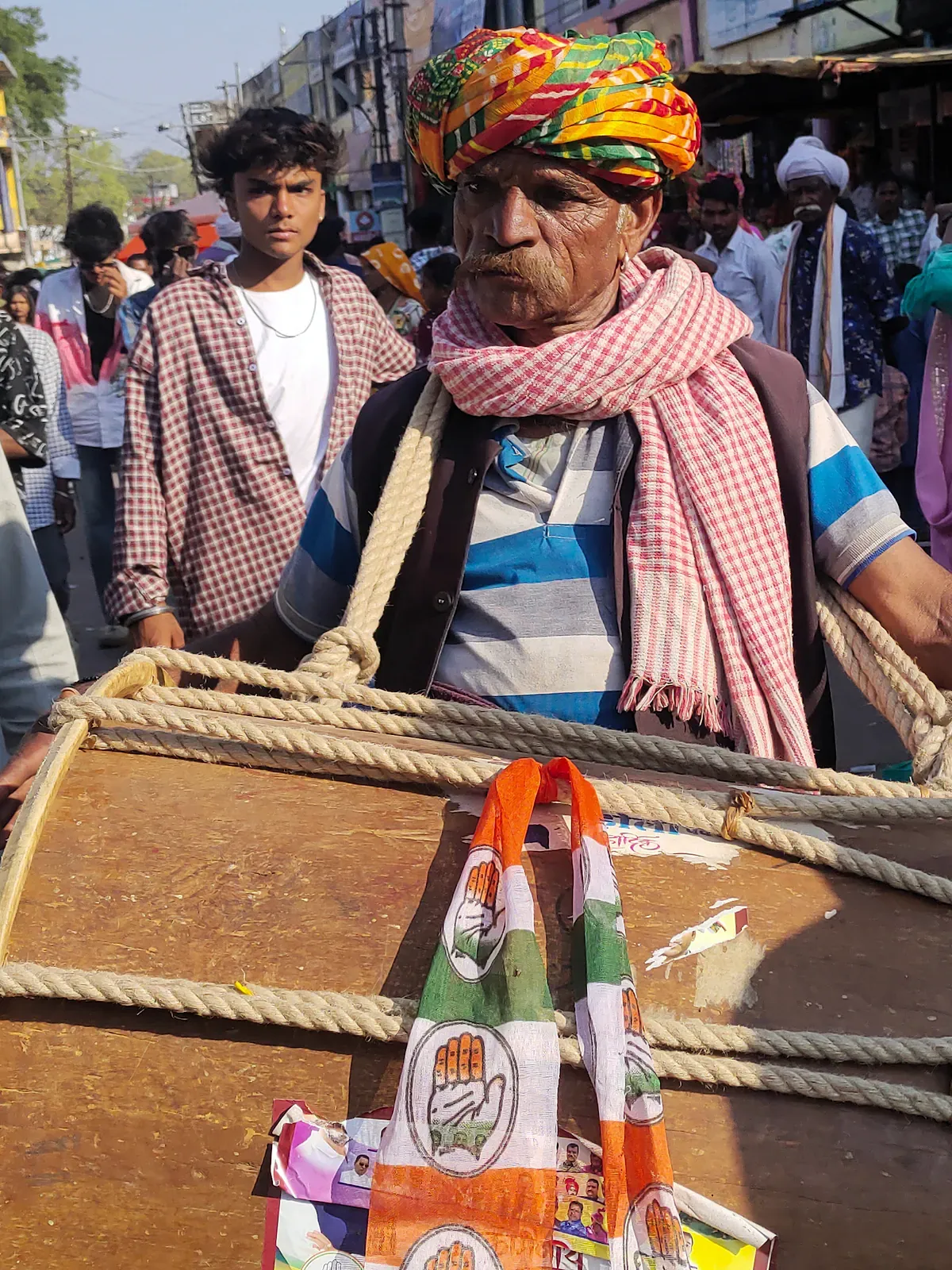
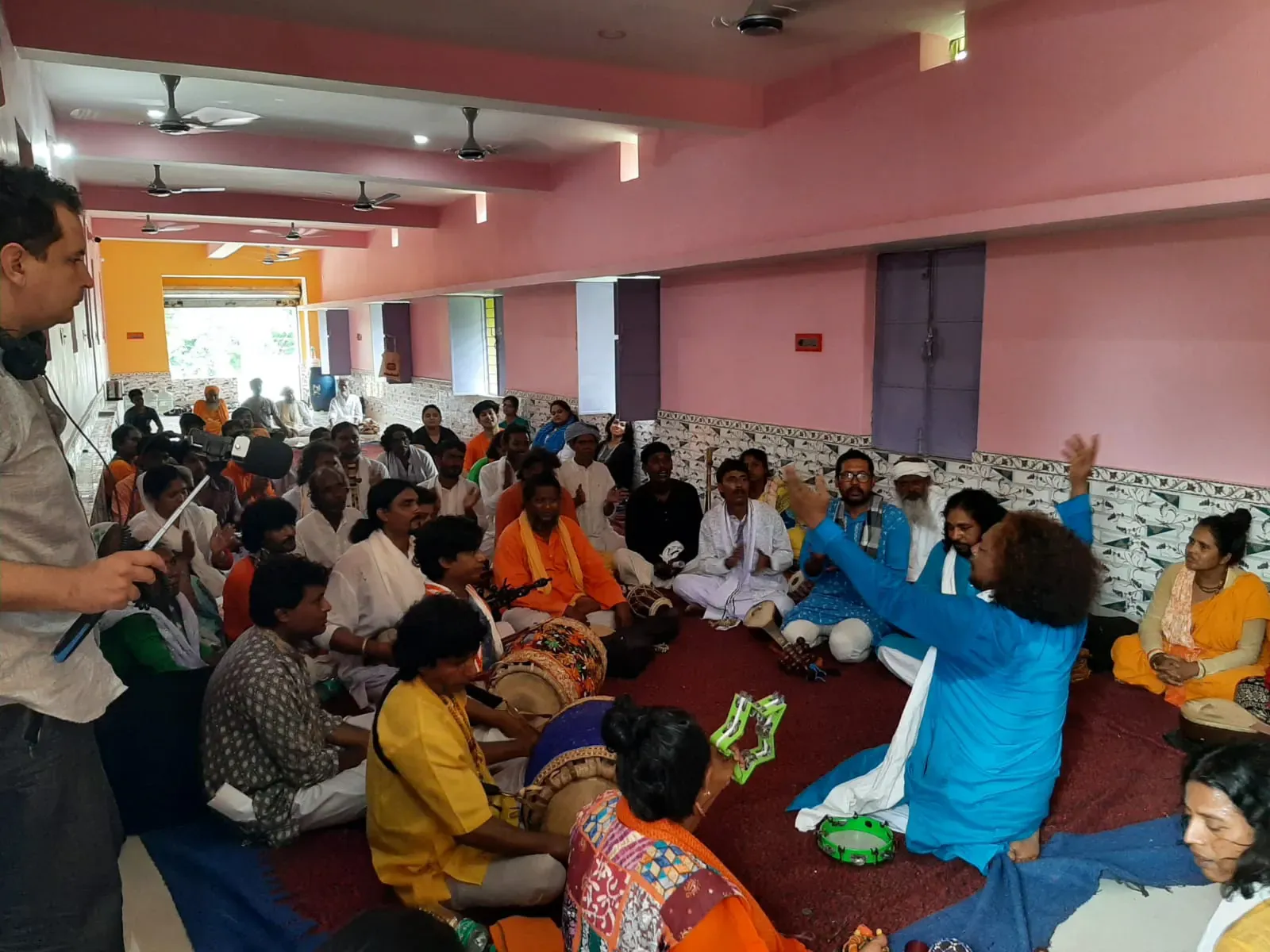
Dance and ritual shape the sound. Weddings, temple festivals and shrine anniversaries are the main stage, and a single piece may be played for hours. Film remains the economic centre, and its songs are the common repertoire of weddings and festivals. Rhythm is taught by voice before it is played: tabla players learn a bol, a spoken syllable for each stroke.
Misconceptions
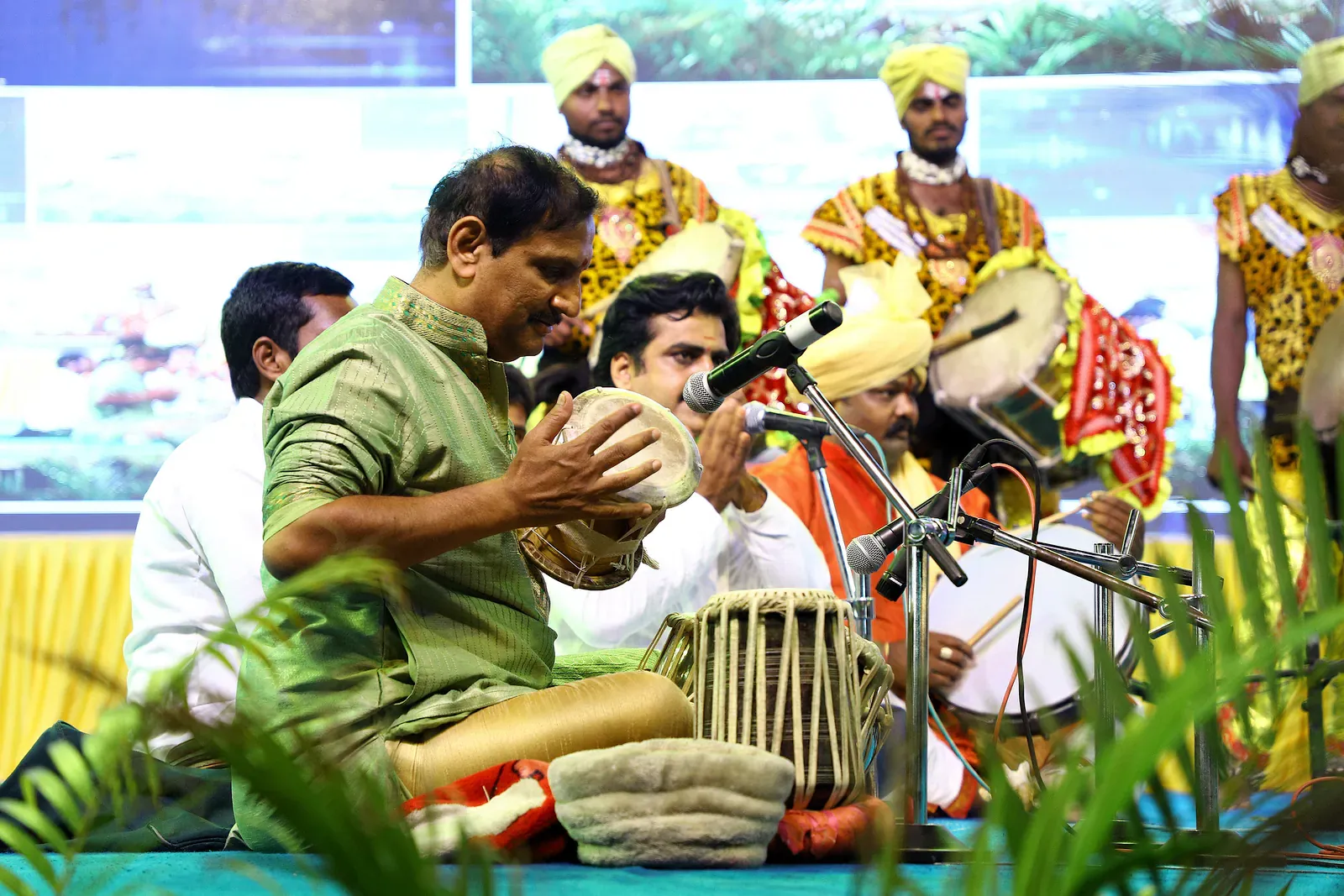
Myth: South Asian music is Bollywood plus the sitar. Bollywood means Hindi cinema. Saregama holds music in more than 23 Indian languages, and Tamil, Telugu and Kannada cinema each run their own labels. The sitar is mainly Hindustani. Carnatic music leans on the veena and the violin.
Myth: the harmonium is an ancient Indian instrument. It arrived in the mid-19th century, probably through missionaries or traders. Indian craftsmen adapted it to be played on the floor, and All India Radio banned it for three decades before 1971.
Myth: qawwali is Pakistani. Tradition places its start in Delhi in the 13th century, and shrines such as Ajmer still host it in India. Partition divided the community, but the form belongs to both countries.
Frequently asked questions
What is the difference between Hindustani and Carnatic music?
Hindustani music is the classical tradition of the north, shaped by Persian and Arabic influence, while Carnatic music is the tradition of the south, closer to its Sanskrit devotional roots. Both use raga and tala, but they differ in repertoire, instruments and the shape of a concert.
What instruments define South Asian music?
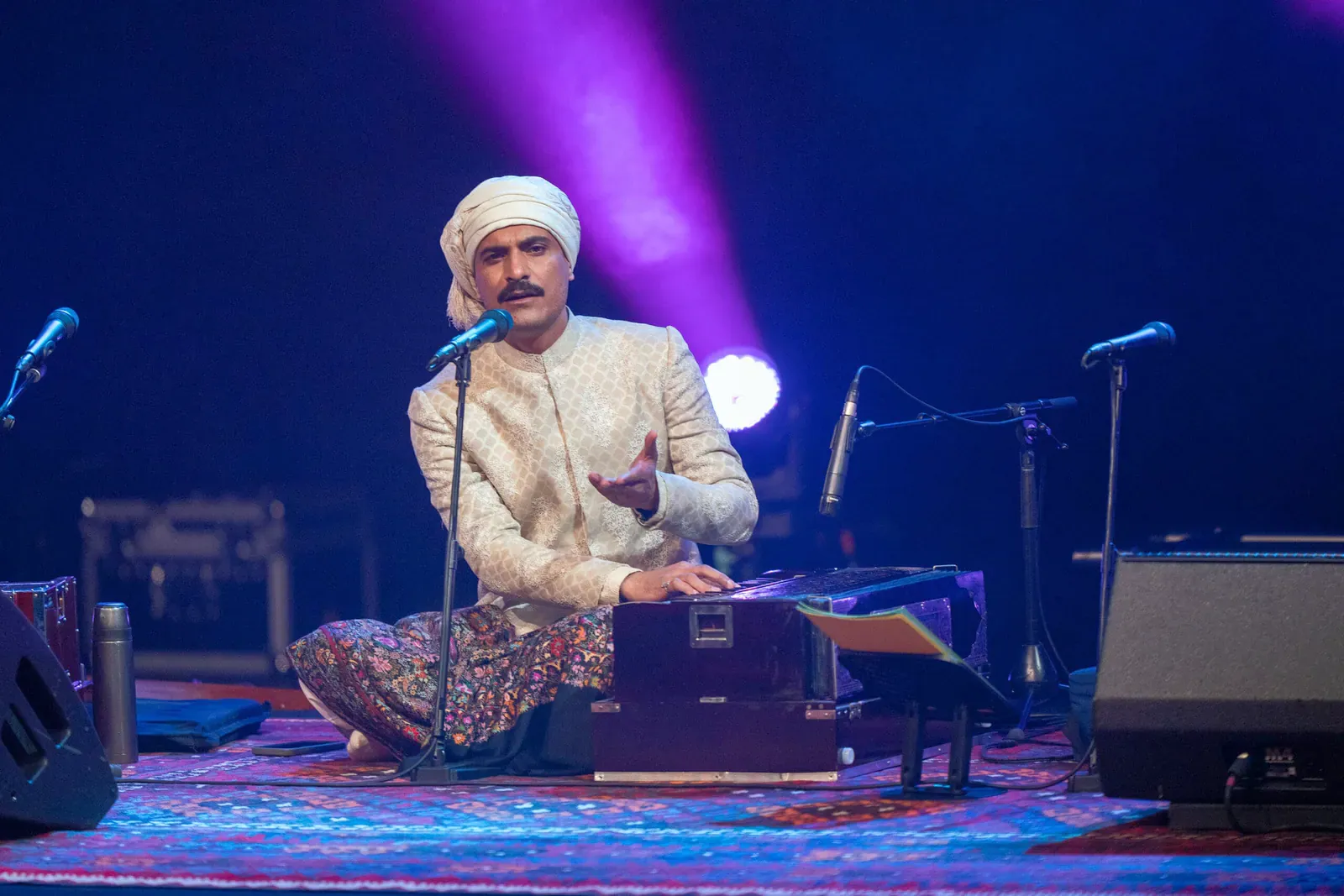
The sitar, sarod and tabla define Hindustani music, the veena and mridangam define Carnatic music, and the harmonium and dhol sit across devotional and folk traditions. The library lists nine core instruments, from the tanpura drone to the shehnai.
Which labels shaped South Asian music?
Saregama, the successor to the Gramophone Company, started recording in 1902. T-Series and Tips built the cassette era, and Oriental Star Agencies, Nation Records, Outcaste Records and Real World carried the music through the British diaspora.
Where should a new listener start?
Start with a film song, Lata Mangeshkar’s Pyar Kiya To Darna Kya, then move to Nusrat Fateh Ali Khan’s Mustt Mustt. The page’s listening path continues to Panjabi MC, Nitin Sawhney and a Ravi Shankar raga.
Subgenres
Genres in the family
47 main branches. Names with their own page are links.
- Assamese devotional music
2 branches
4 branches
- Balochi music
4 branches
- Bandiyaa Jehun
- Bengali folk music
9 branches
6 branches
1960, 3 branches
2 branches
- Bihu music
- Boduberu
15 branches
1931, 16 branches
1 branch
1 branch
- Ginans
4 branches
- Gujarati Sugam Sangeet
1200, 36 branches
1 branch
- Karnataka folk and popular music
3 branches
- Kashmiri folk music
2 branches
- Kerala folk and temple music
4 branches
11 branches
2 branches
- Maharashtrian folk music
5 branches
- Music of Bhutan
3 branches
- Music of Ladakh
1 branch
1920, 1 branch
- Nepali folk music
7 branches
- Odissi music
1 branch
- Pashto music
9 branches
6 branches
1270, 7 branches
1880, 1 branch
6 branches
- Sindhi music
4 branches
- Sri Lankan traditional music
4 branches
- Sufi kalam
- Sufiana Mausiqi
1 branch
- Tamil folk music
4 branches
- Telugu folk music
1 branch
- Thaara
-1500
- Yakshagana
Sound
What it sounds like
Tempo
- Overall30-175
- Hindustani classical music30-175
- Carnatic music65-105
- Qawwali90-140
- Ghazal65-100
- Filmi85-135
- Bhangra95-150
- Bhajan90-105
Drums and percussion
- Tabla
- Mridangam
- Pakhawaj
- Dhol
- Dholak
Techniques
- Drone
- Meend
- Gamak
- Alap
- Tala cycles with bols
- Accelerating call and response
- Vilambit to drut
Keys and modes
Raga Yaman. Kalyan thaat, all seven notes with sharp fourth, close to the Lydian mode; an evening raga
Raga Bhairavi. Flat second, third, sixth and seventh over a fixed tonic; often sung last in a concert
Tuning
Tonic (Sa) set to the performer's voice; theory counts 22 shrutis per octave, with pitches close to just intonation
Vocals
Raga-based improvised singing, ornamented with glides and oscillations, in solo, chorus and call-and-response forms
Instruments
- Sitar
Long-necked plucked lute with sympathetic strings, the sound of Hindustani classical music abroad.
- Tabla
Pair of hand drums that keep tala in Hindustani music and accompany qawwali, ghazal and film song.
- Harmonium
Hand-pumped reed organ that became the standard accompaniment for ghazal, qawwali and bhajan.
- Saraswati veena
Plucked string instrument central to Carnatic music.
- Bansuri
Bamboo flute used in classical, folk and film music.
- Sarod
Fretless lute with a metal fingerboard, prominent in Hindustani music.
- Dhol
Double-headed barrel drum that drives bhangra.
- Tanpura
Drone instrument that sets the tonic for raga performance.
- Shehnai
Double-reed wind instrument tied to weddings and temples.
Technology that shaped it
- 1902Shellac gramophone records
The Gramophone Company records in Calcutta, creating the first subcontinent record industry.
- 1935Playback recording
Pre-recorded songs let film actors lip sync and made singers stars in their own right.
- 1963Audio cassette
Cheap tapes from the 1980s let regional labels and pirates reach mass audiences.
- 2005YouTube
Label channels turned catalogue and film songs into hundreds of millions of subscribers.
Essential records
- 1960Mughal-e-Azam (soundtrack)
Naushad. Naushad's classical-based score and Lata Mangeshkar's vocals define the golden age sound.
- 1963Venkateswara Suprabhatam
M. S. Subbulakshmi. Her devotional recording is played in temples and homes across South India to this day.
- 1967West Meets East
Ravi Shankar and Yehudi Menuhin. A sitar and violin dialogue that brought Indian classical music to Western record buyers.
- 1971The Concert for Bangladesh
George Harrison and friends. The live album opens with Ravi Shankar and links South Asian music to humanitarian causes.
- 1989Shahen-Shah
Nusrat Fateh Ali Khan. His first Real World album shows qawwali in full devotional length for new listeners.
- 1990Tootak Tootak Tootiyan
Malkit Singh. A bhangra album credited with 2.5 million sales for the Birmingham scene.
- 1990Aashiqui
Nadeem-Shravan. The T-Series soundtrack is cited as the best-selling Indian film album ever.
- 1990Mustt Mustt
Nusrat Fateh Ali Khan. Nusrat meets Michael Brook, and the Massive Attack remix takes qawwali to clubs.
- 1992Roja (soundtrack)
A. R. Rahman. Rahman's debut film score brings synths and layered production to Tamil cinema.
- 1995Facts and Fictions
Asian Dub Foundation. Political dub, drum and bass and Asian rhythms from a London education workshop.
- 1998Legalised
Panjabi MC. Home of Mundian To Bach Ke, the bhangra single that went worldwide.
- 1999Beyond Skin
Nitin Sawhney. Flamenco, tabla and downtempo in the album that made the Asian Underground mainstream.
Scenes
Where it happened
Where and when the sound lived: one bar per city on a shared timeline.
Asia
Europe
Active scenes
Peak 10, 1988-2025
Hindi film studios, playback singers and the cassette and streaming labels centre on the city.
First recordings, the Dum Dum factory, early playback singing and Bengali song traditions.
The centre of Carnatic concert life and Tamil film music, home to Rahman and the December music season.
Film studios, ghazal and Punjabi folk singers shaped Pakistani popular music from before Partition.
Nusrat Fateh Ali Khan and a family of qawwals came from the city.
Cassette and label firms such as G-Series built Bangladesh's film and pop industry after independence.
Sooriya Records and radio shaped Sinhala pop and baila.
Narayan Gopal and Music Nepal built a Nepali modern song industry.
Oriental Star Agencies and Moviebox made the city the capital of UK bhangra and qawwali.
Nation Records, Outcaste and clubs such as Anokha gave the Asian Underground its home.
Glossary
Terms on this page
The unmetred opening in which a raga is slowly unfolded.
A lineage or school of musicians with its own style and teaching tradition.
The main compositional form of Carnatic concerts.
A private musical gathering, the traditional setting for ghazal and qawwali.
Pre-recorded vocals sung by a professional for actors on screen.
A melodic framework of notes, ornaments and mood that structures improvisation and composition.
The solfege of Indian music: sa, re, ga, ma, pa, dha, ni.
The rhythmic cycle that organises a piece, counted in beats.
Families