Kirtan
Kirtan is South Asian devotional group singing in call and response, rooted in medieval bhakti and spread to the West through ISKCON, Apple Records and yoga.
India, Bangladesh, Nepal, around 1270
South Asian family

Born
around 1270
India, Bangladesh, Nepal
Subgenres
5
Documented branches
Links
11
Genres it drew on or shaped
Lineage
Family tree
Grew out of
India, Bangladesh, Nepal
Kirtan
Led to (5)
Timeline
Era by era
From the first sparks to today. Select a dot to read the story behind it.
- Bhakti kirtan takes shape
1270 to 1700
- Regional schools
1700 to 1965
- Kirtan reaches the West
1966 to 1989
- The yoga-studio boom
1990 to 2012
- Heritage and Grammy recognition
2013 to 2026
Eras
Moments
- 1 Bhakti kirtan takes shape, 1270 to 1700
- 2 Regional schools, 1700 to 1965
- 3 Kirtan reaches the West, 1966 to 1989
- 4 The yoga-studio boom, 1990 to 2012
- 5 Heritage and Grammy recognition, 2013 to 2026
around 1270
Bhakti kirtan takes shape
Namdev shapes Marathi kirtan, Chaitanya leads street sankirtana in Bengal, and Guru Arjan sets daily shabad kirtan at Harmandir Sahib.
- 1270Namdev pioneers Marathi kirtanSant Namdev (c.1270-1350) is credited with early Marathi kirtan styles still influential today.
- 1509Chaitanya turns to congregational chantingAfter meeting Ishvara Puri he closes his school and leads sankirtana in Nabadwip, Bengal.
- 1604Guru Arjan compiles the Adi GranthHe also sets five daily kirtan sittings at Harmandir Sahib.
around 1700
Regional schools
Bengal develops padavali kirtan streams, Manipur performs Sankirtana as temple ritual, and harmonium and tabla spread through Sikh and Vaishnava congregations.
1966
Kirtan reaches the West
ISKCON begins public chanting in New York in 1966, and Harrison-produced Radha Krsna Temple records chart in Britain.
- 1966ISKCON founded in New YorkPrabhupada founds the society on 13 July and leads public chanting in September.
- 1966Krishna Consciousness LP on Happening RecordsEarly recording of the Hare Krishna mantra by Prabhupada and followers.
- 1969Hare Krishna Mantra singleRadha Krishna Temple (London), produced by George Harrison on Apple, peaks at number 12 in the UK.
- 1970Harrison releases My Sweet LordThe Hare Krishna chant runs through a number one hit in the UK and US.
- 1970Radha Krsna Temple release GovindaThe single peaks at number 23 in the UK.
- 1971The Radha Krsna Temple albumApple issues the album on 21 May in the US and 28 May in Britain; it does not chart.
1990
The yoga-studio boom
Krishna Das, Jai Uttal, Wah!, Deva Premal and Snatam Kaur record for new-age labels and bring kirtan to yoga centers and festivals.
- 1990Triloka Records foundedThe label, co-founded by Krishna Das, later issues Western kirtan albums.
- 1996One Track Heart by Krishna Das
- 1996Kula Shaker release GovindaThe Sanskrit-language single reaches number 7 in the UK.
- 1997Shiva Station by Jai UttalReleased on Triloka and mixed by Bill Laswell.
- 1998Pilgrim Heart by Krishna DasTriloka album featuring a guest appearance by Sting.
- 2001Savasana by Wah!Relaxation-oriented chant album for the yoga market.
- 2004Grace by Snatam Kaur
2013
Heritage and Grammy recognition
UNESCO lists Manipuri Sankirtana in 2013, Krishna Das and Jahnavi Harrison earn Grammy nominations, and Harjinder Singh receives a Padma Shri.
- 2013UNESCO lists Manipuri SankirtanaRitual singing, drumming and dancing of Manipur joins the Intangible Cultural Heritage list in December.
- 2013Krishna Das Grammy nominationLive Ananda is nominated for Best New Age Album.
- 2025Padma Shri for Harjinder Singh Srinagar Wale
Listening path
Anthems
The records that built the sound, grouped by the part they played. Thumbnails come from YouTube; the player loads only when you press play.
- 01
Radha Krsna Temple, 1971 · Apple
Hare Krishna devotees record kirtan with Harrison on Apple, an early step for kirtan on Western records.
Origin - 02
George Harrison, 1970 · Apple
Carries the Hare Krishna chant to number one in the UK and US.
Start hereBreakthrough - 03
Jai Uttal, 1997 · Triloka Records
Kirtan fused with rock and world grooves on the Laswell-mixed album.
Anthem - 04
Snatam Kaur, 2004
Sikh mantra chant from Grace that became a yoga and meditation favourite.
Start hereAnthem - 05
Krishna Das, 2007
Teaching version of the Hanuman Chalisa from Flow of Grace.
Anthem - 06
Kula Shaker, 1996
Sanskrit-language rock single based on the Govinda Jaya Jaya chant, number 7 in the UK.
Crossover
Facts
| Family | South Asian |
| Origin | India, Bangladesh, Nepal |
| Emerged | Roots in Vedic anukirtana recitation dialogue |
| Status | Active |
| Subgenres | 5 |
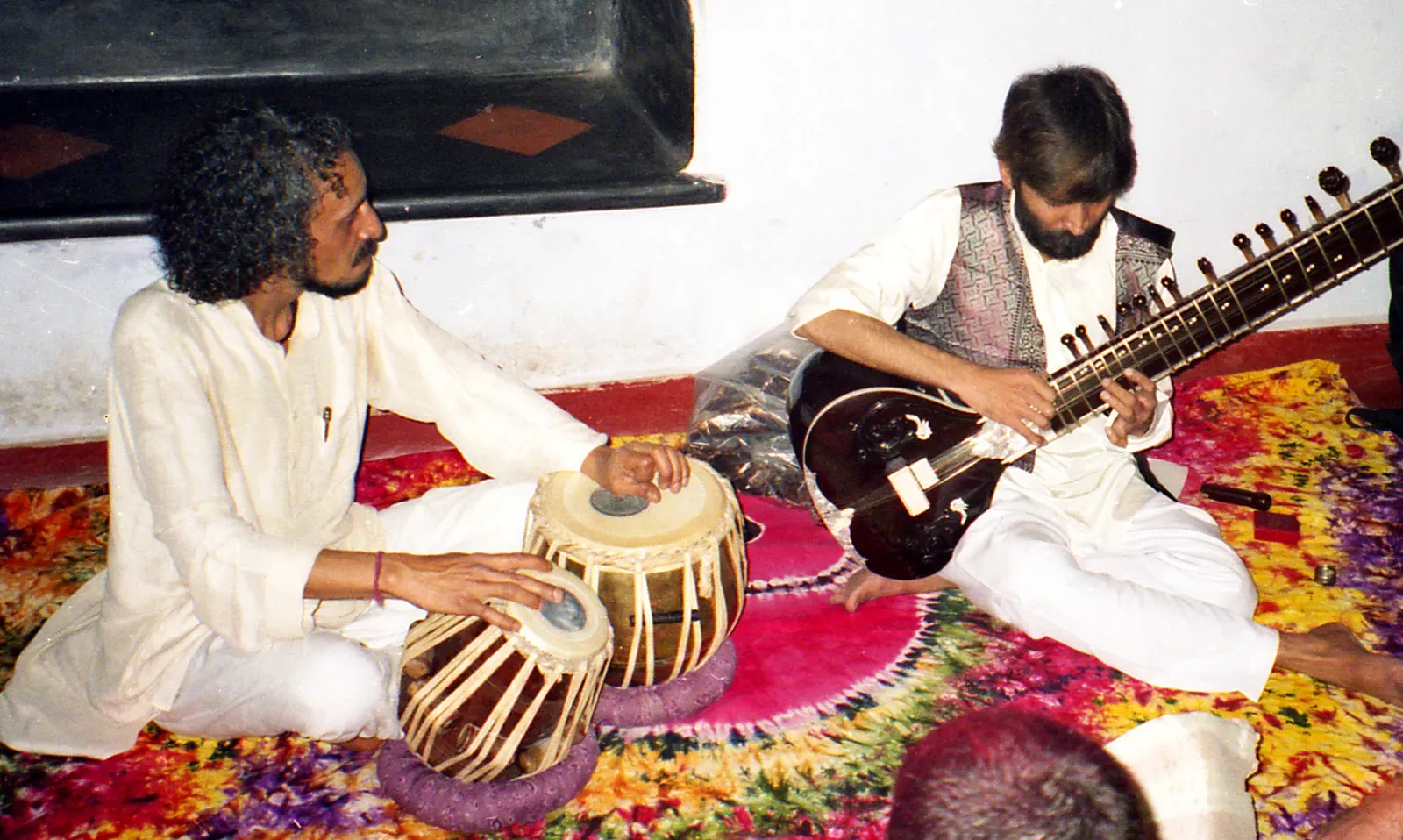
Kirtan is the devotional group singing of South Asia, in which a lead singer calls out a line praising or narrating the divine and a congregation answers.
It took shape in the bhakti movements of medieval India, survives in Hindu, Sikh and other traditions across India, Bangladesh and Nepal, and reached Western audiences from 1966 through the Hare Krishna movement, pop records and yoga studios. Participation matters more than virtuosity, and the music is usually accompanied by harmonium, drums and small cymbals.
Origins
The word kirtan comes from a Sanskrit root meaning to recite or praise. The form as heard today grew out of bhakti, the devotional currents that moved worship from priestly ritual to shared singing in regional languages. It has no single founder or birthplace: Marathi, Bengali, Manipuri and Sikh streams developed in parallel, each with its own repertoire and instruments.
Recorded kirtan is a much later story. The Radha Krsna Temple’s 1969 single, made by devotees in London, was the first Western hit recording of a kirtan chant. It marks the arrival of kirtan on Western records, not the origin of the practice, which is centuries older.
Bhakti kirtan takes shape, 1270-1700
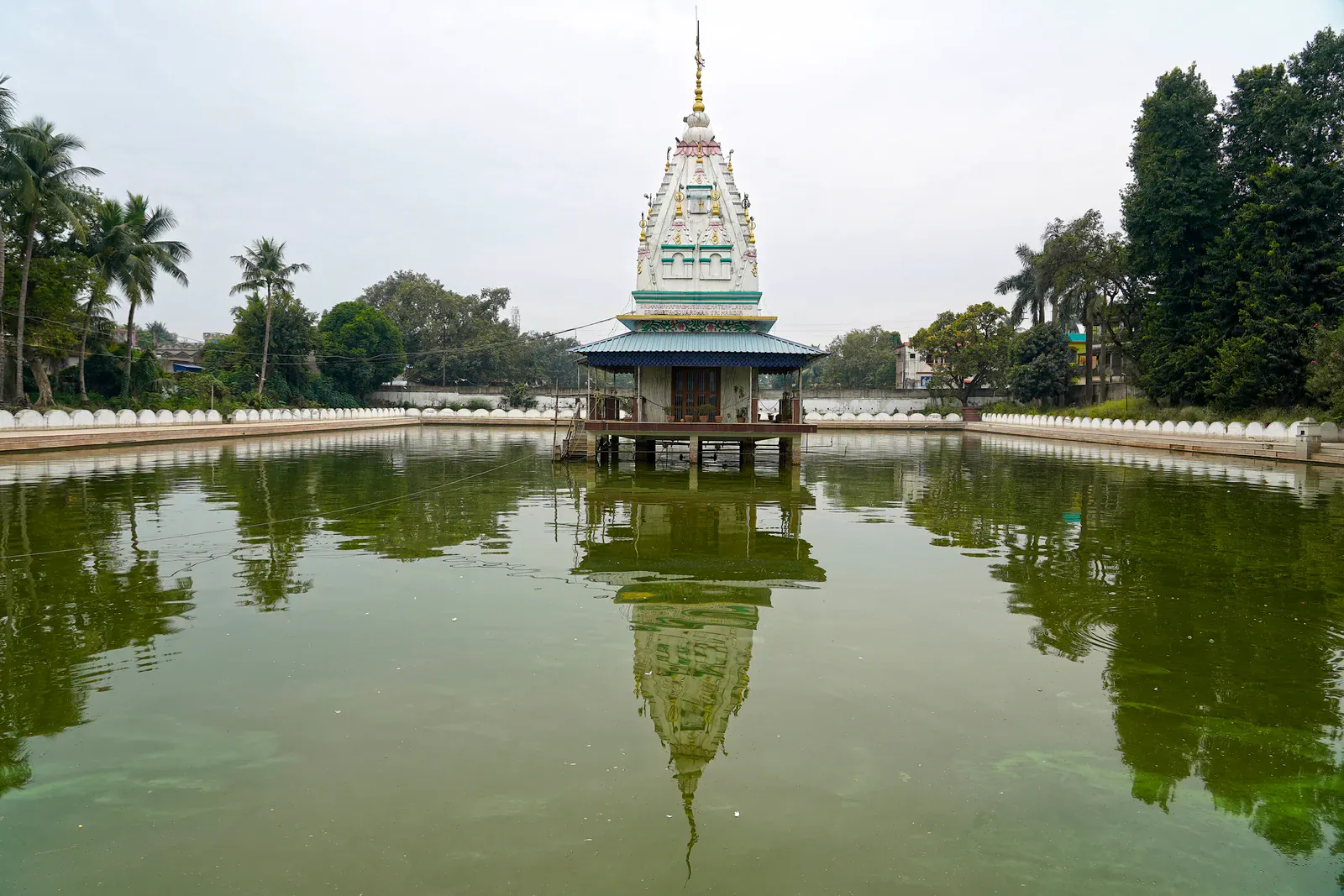
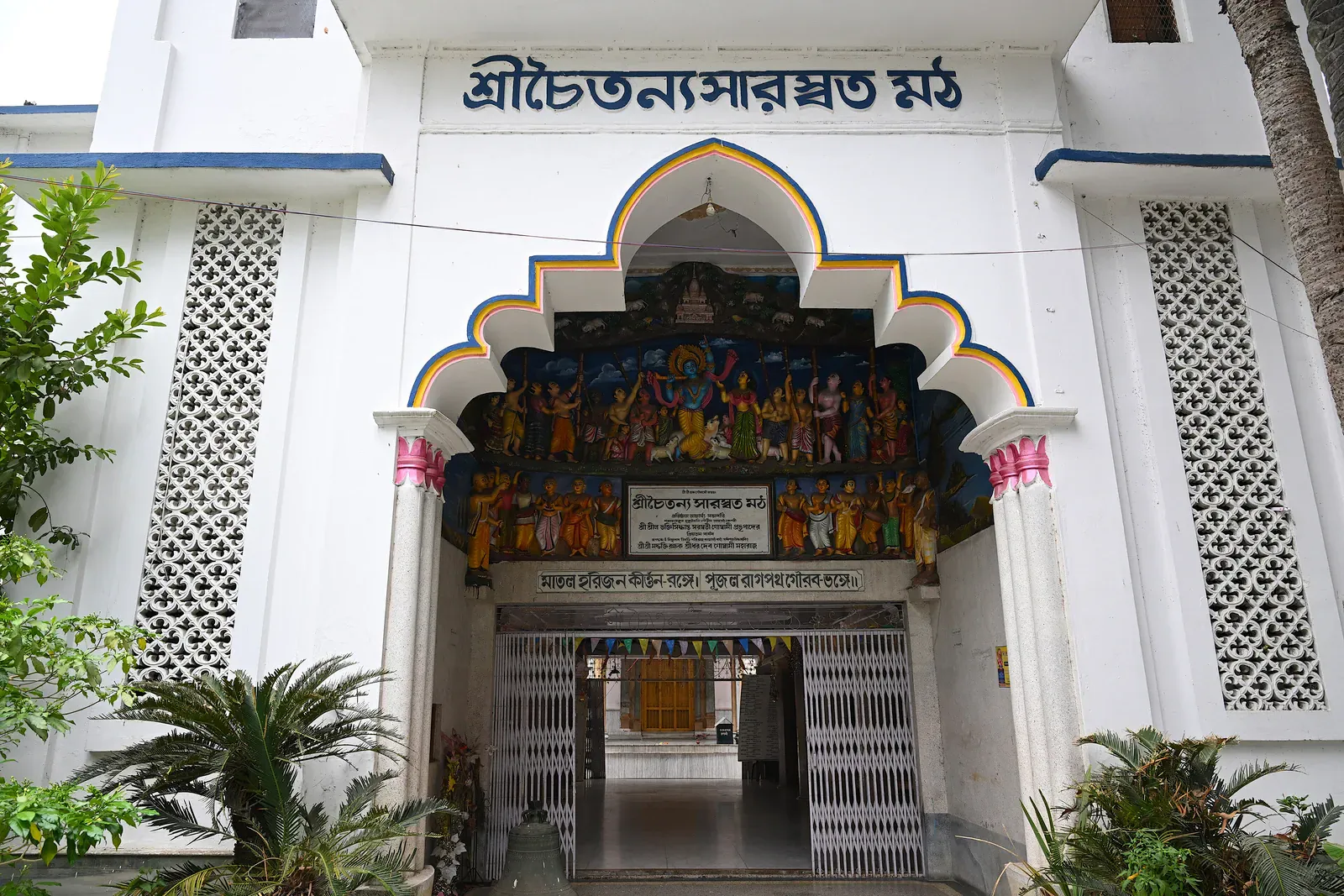
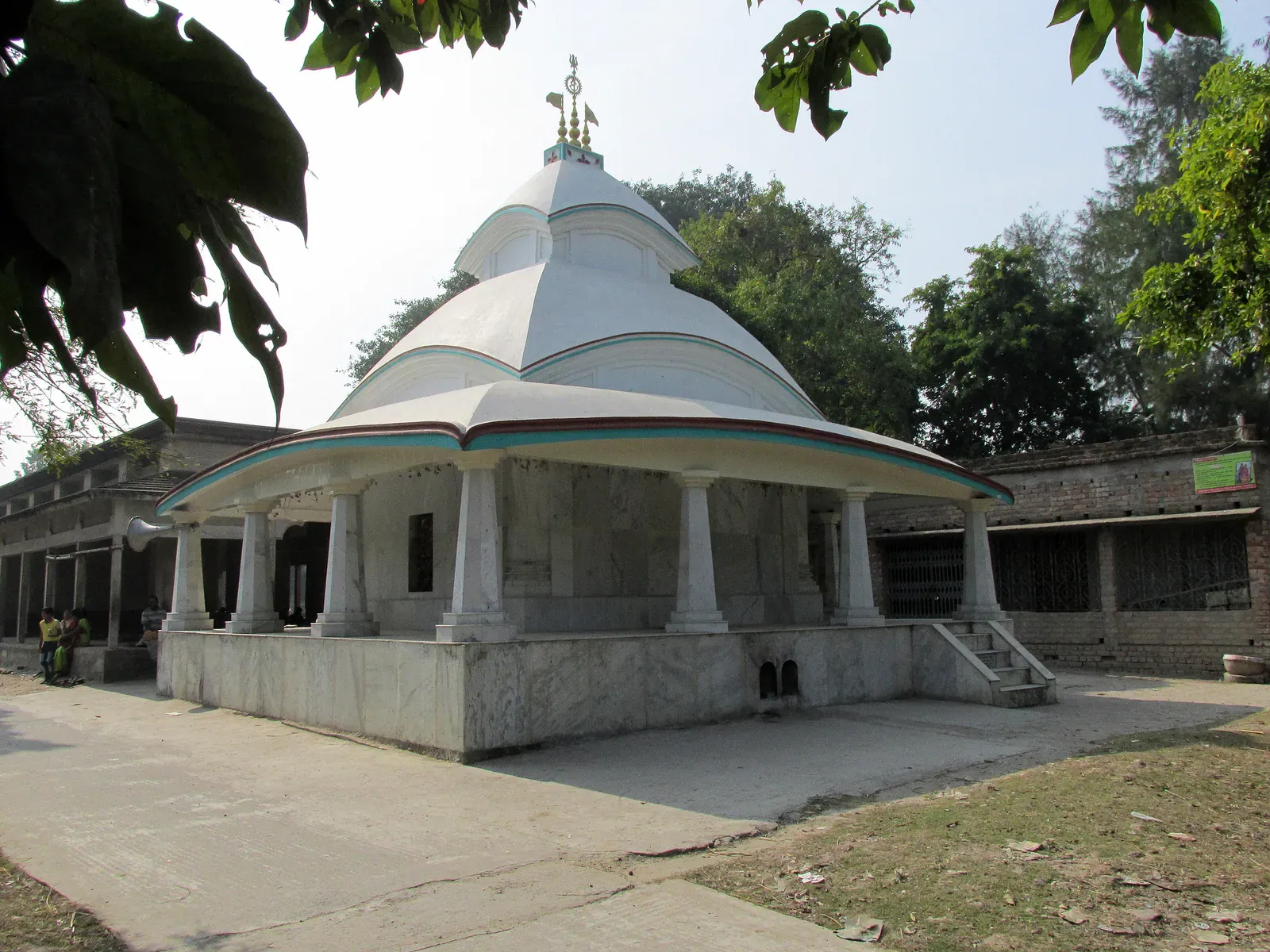
Sant Namdev (about 1270 to 1350) is credited with shaping Marathi kirtan, a style still influential in Maharashtra. In Bengal, Chaitanya turned in about 1509 from teaching to leading congregational chanting after meeting Ishvara Puri, making sankirtana a public act in Nabadwip. Songs and processions took devotion into streets rather than keeping it inside temples, and the clay khol drum became closely tied to the practice.
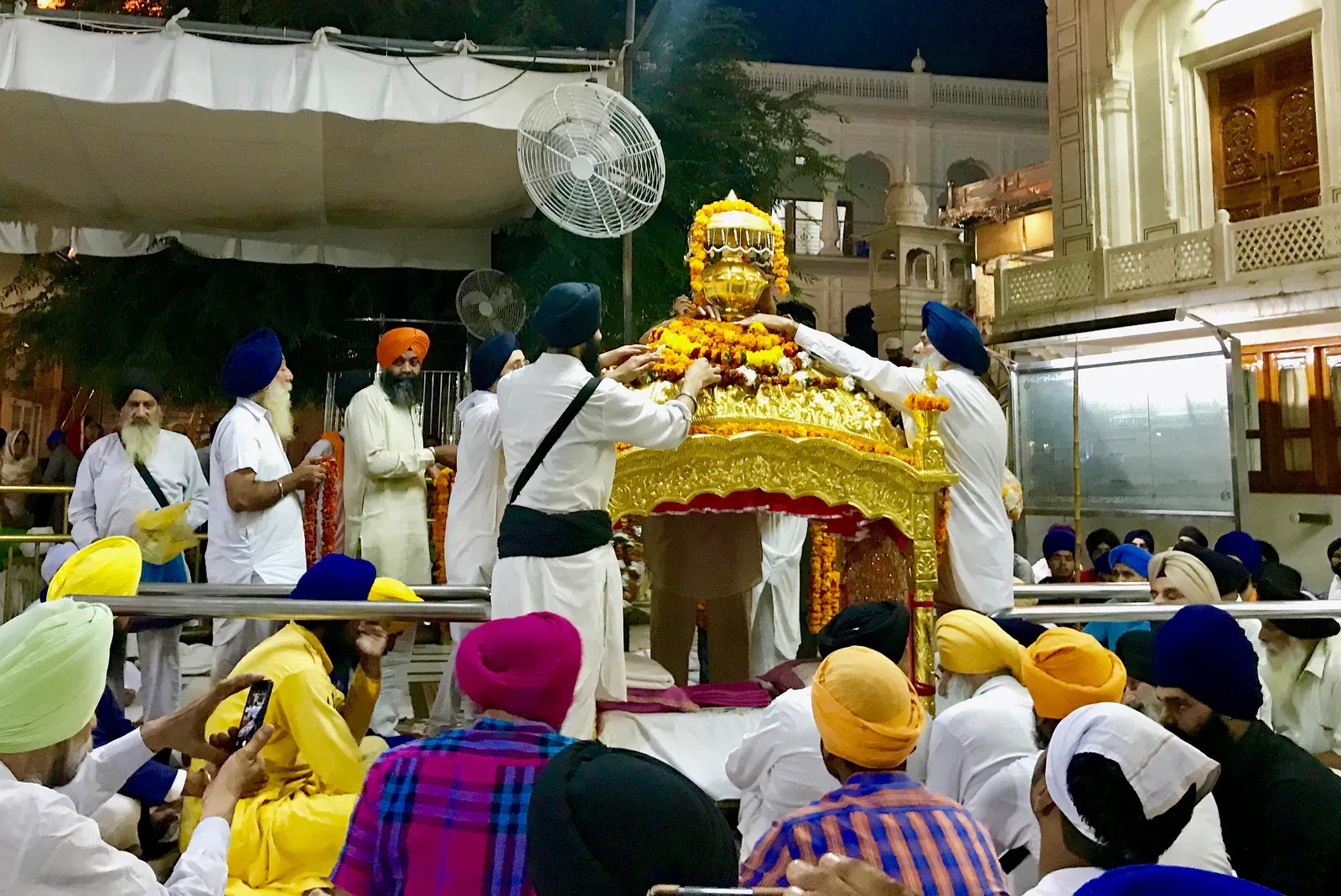
Sikh kirtan has a separate line of descent. Guru Nanak is remembered as singing with the rabab player Bhai Mardana, and in 1604 Guru Arjan compiled the Adi Granth and set five daily kirtan sittings at Harmandir Sahib in Amritsar. Hymns there are arranged by raga and sung by ragis before the Guru Granth Sahib.
Regional schools, 1700-1965
Over the following centuries kirtan split into distinct regional schools. Bengal developed padavali kirtan, in which poems on Radha and Krishna are sung as extended narrative cycles, while Manipur performed Sankirtana as temple ritual combining singing, drumming and dance. Harmonium and tabla spread through Sikh and Vaishnava congregations, replacing or joining older instruments and giving the music the sound now associated with it.
Kirtan reaches the West, 1966-1989
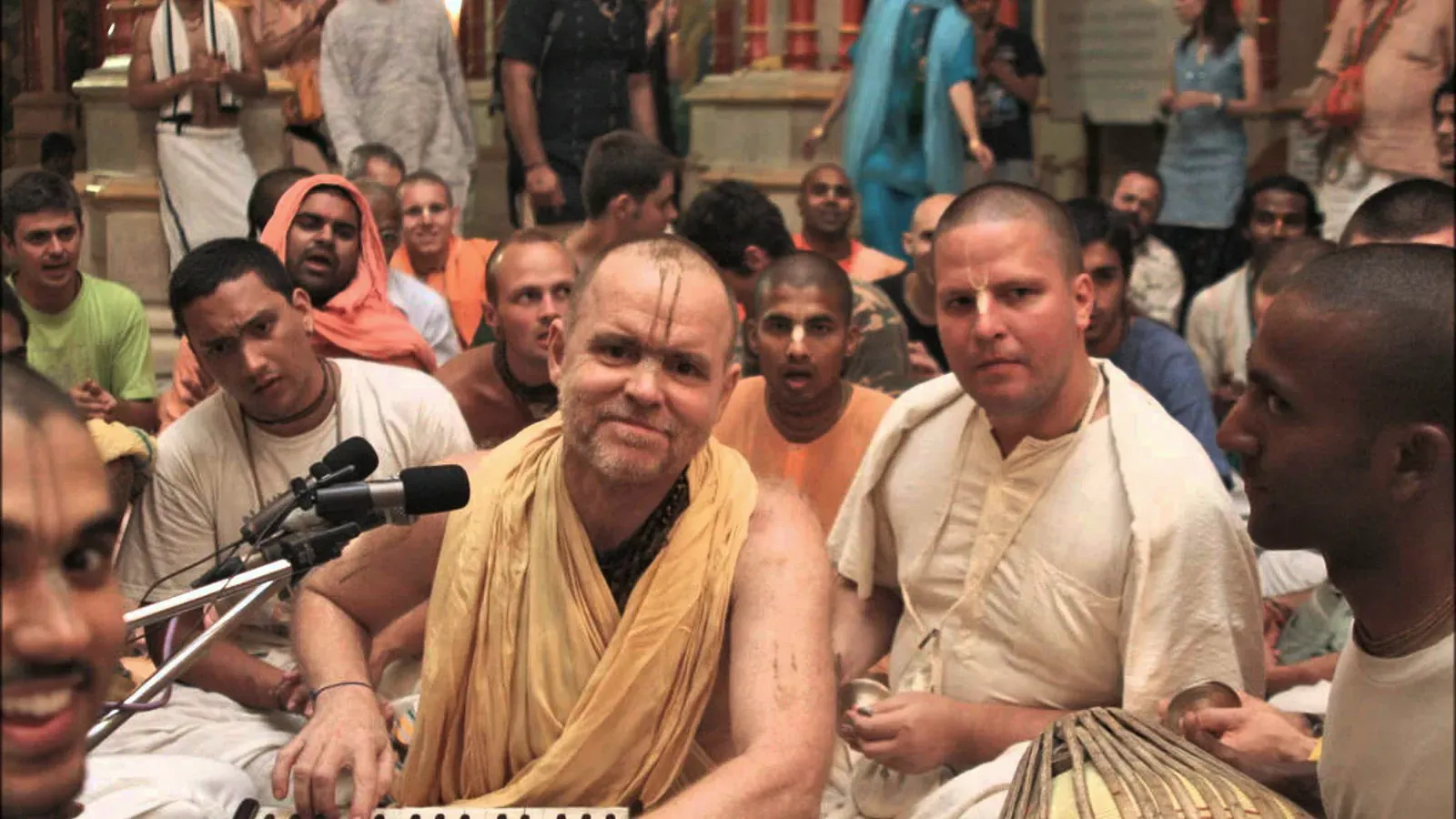
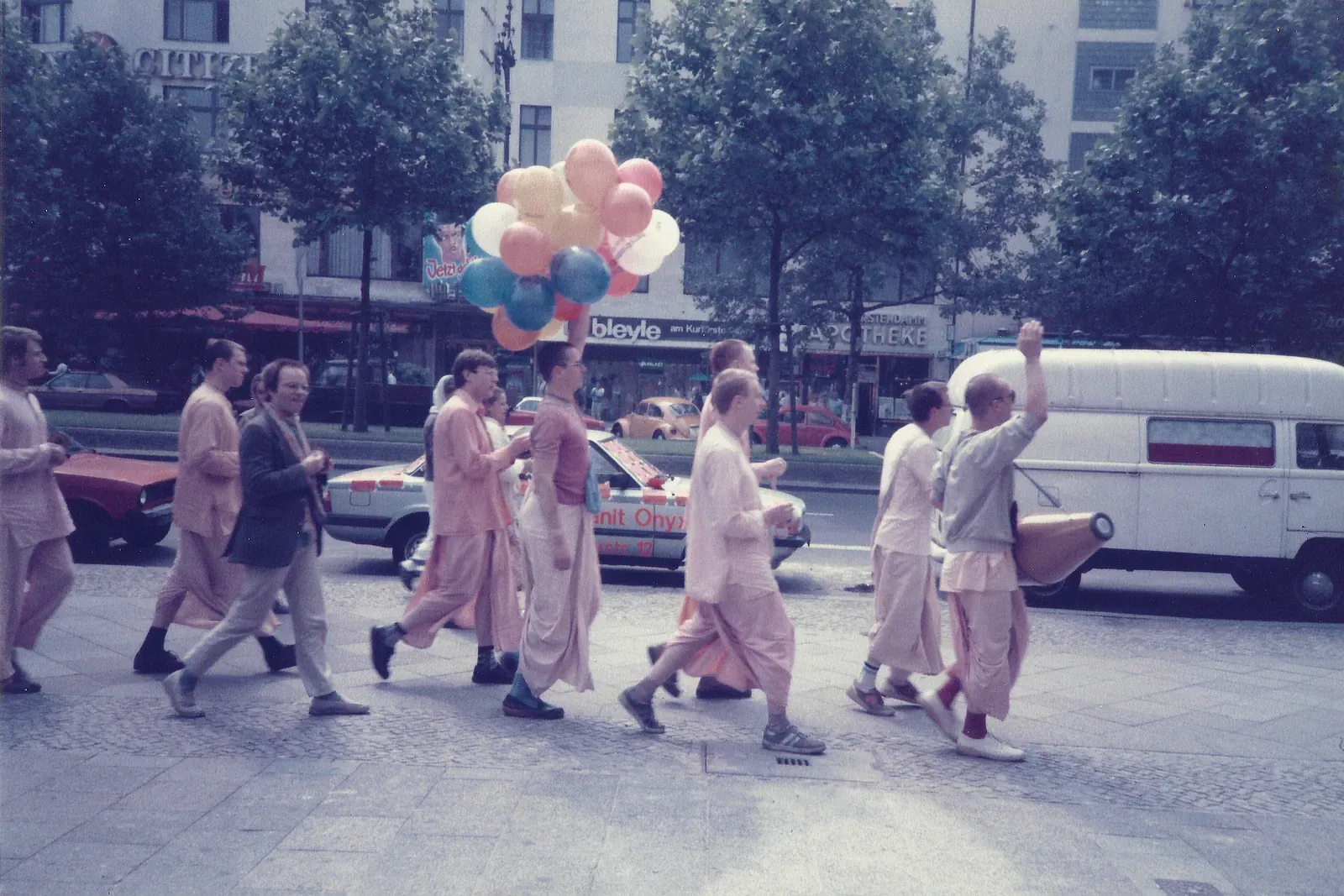
ISKCON was founded in New York on 13 July 1966, and its founder, A. C. Bhaktivedanta Swami Prabhupada, led public chanting later that year, bringing the street practice of harinam from Bengal to American parks and then to London. That year the Happening Records LP Krishna Consciousness captured early recorded chanting.
The connection with pop came through George Harrison. In 1969 the Radha Krishna Temple’s “Hare Krishna Mantra”, produced by Harrison on Apple, reached number 12 in the UK. Harrison’s own “My Sweet Lord” followed in 1970, running the same chant through a number one single in the UK and US. The temple’s “Govinda” peaked at number 23 in 1970, and an album followed in 1971 that did not chart. All three came out on Apple.
The yoga-studio boom, 1990-2012
From the 1990s kirtan found a second audience in yoga centres, new-age retail and festivals. Triloka Records, founded in 1990 with Krishna Das among its co-founders, issued much of the era’s chant: Krishna Das’s One Track Heart (1996) and Pilgrim Heart (1998, with a guest appearance by Sting), and Jai Uttal’s Shiva Station (1997), mixed by Bill Laswell. See Triloka Records. Wah!’s Savasana (2001) was made for the yoga market, Deva Premal brought Sanskrit mantras to new-age listeners, and Snatam Kaur’s Grace (2004) did the same for Sikh mantras.
This stage changed the setting more than the form. A leader on a stage sang to a seated audience, often with guitar, violin or flute added to the usual instruments, and the congregation became a paying crowd that still answered each line.
Heritage and Grammy recognition, 2013-2026
In December 2013 UNESCO inscribed the ritual singing, drumming and dance of Manipur’s Sankirtana on its Intangible Cultural Heritage list. The same year Krishna Das’s Live Ananda received a Grammy nomination for Best New Age Album, and Jahnavi Harrison later earned nominations of her own. In 2025 the Sikh kirtan singer Harjinder Singh Srinagar Wale received a Padma Shri.
Characteristics
The defining feature is the exchange between leader and group, usually over a short repeated mantra or hymn line. The chant often speeds up gradually, which builds intensity and draws the room into the rhythm. The audience is a participant rather than a listener.
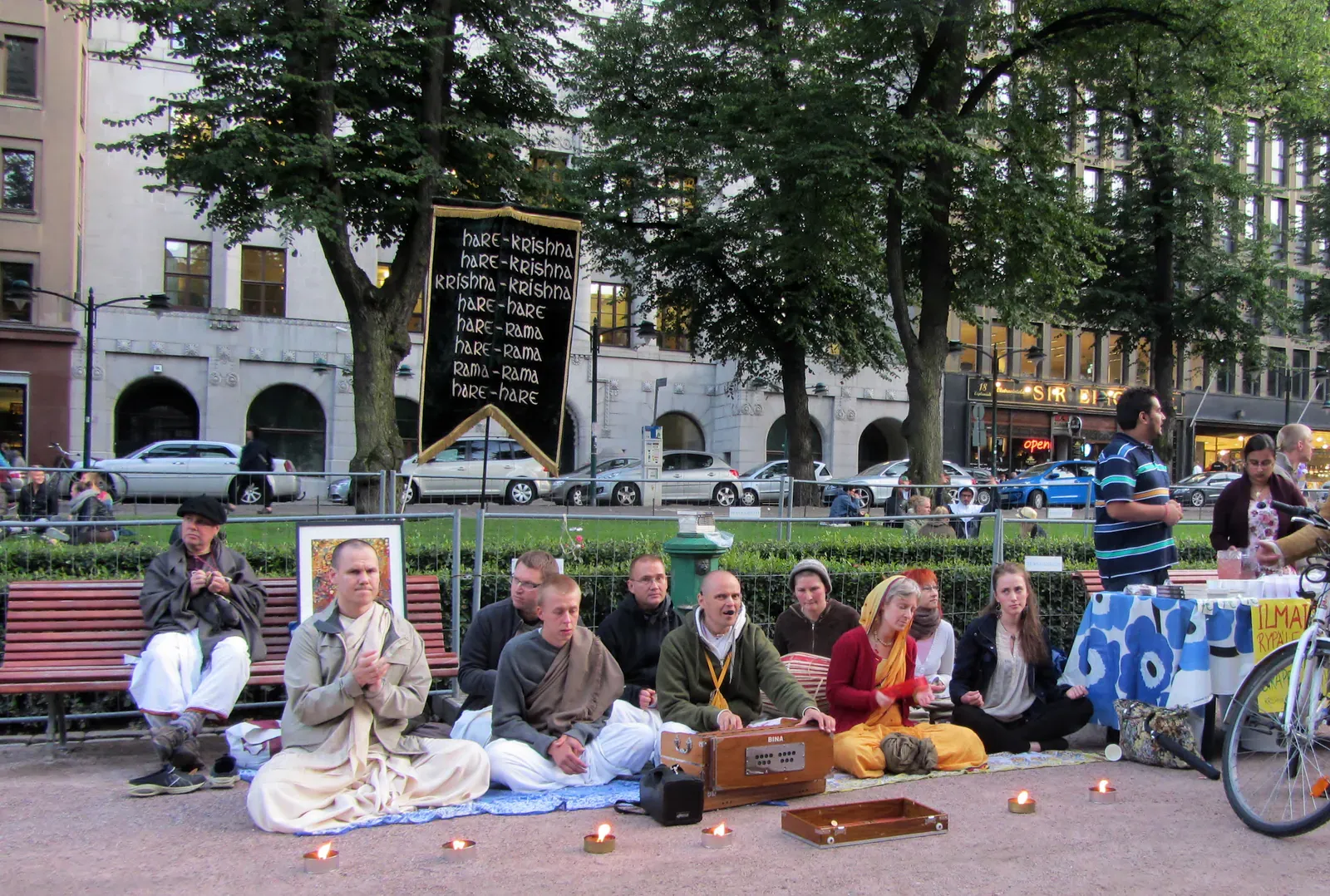
Content varies by tradition. Bengali lila kirtan narrates episodes of Radha and Krishna, Sikh shabad kirtan sets scripture to raga, and ISKCON harinam centres on the maha-mantra.
Instruments and production
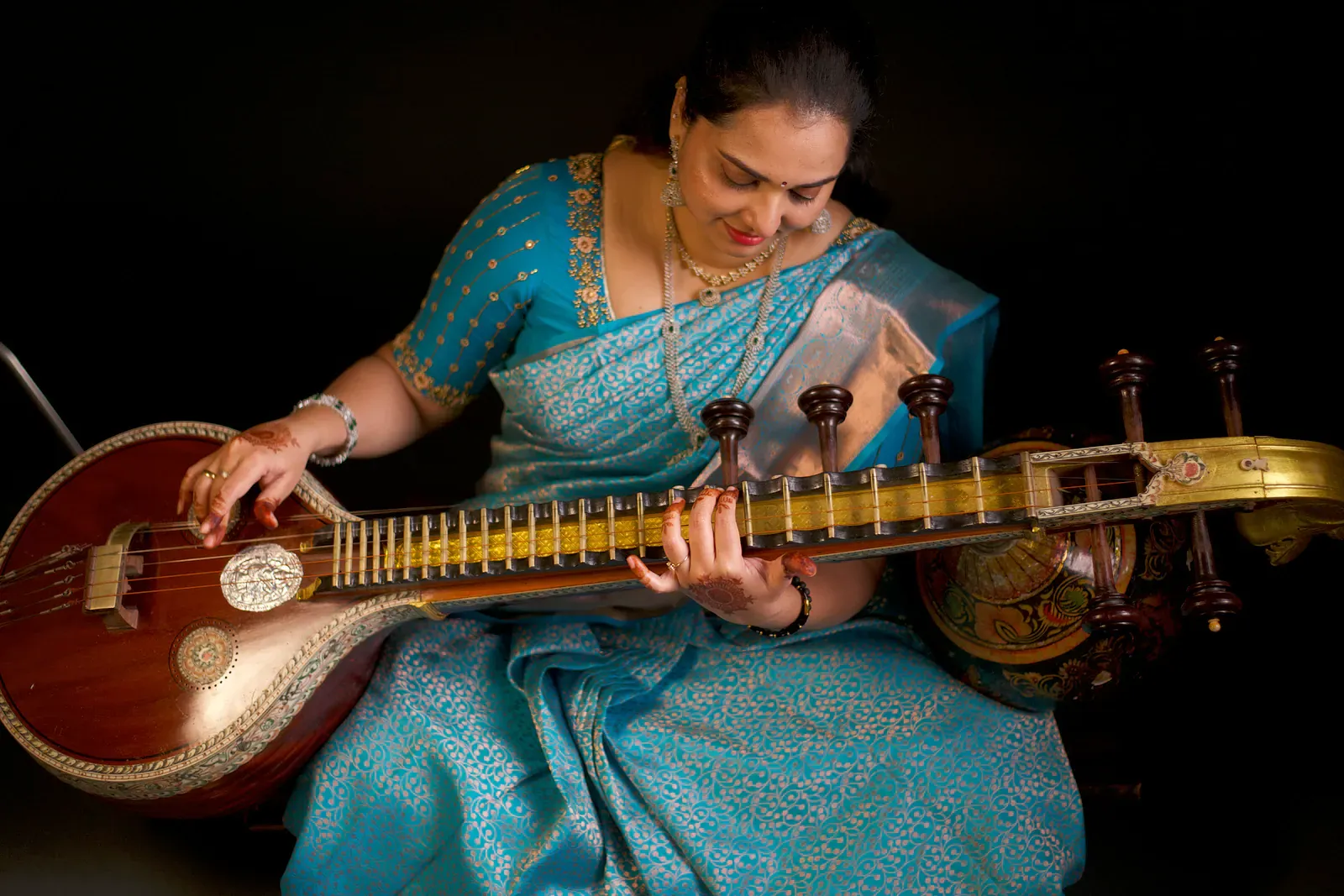
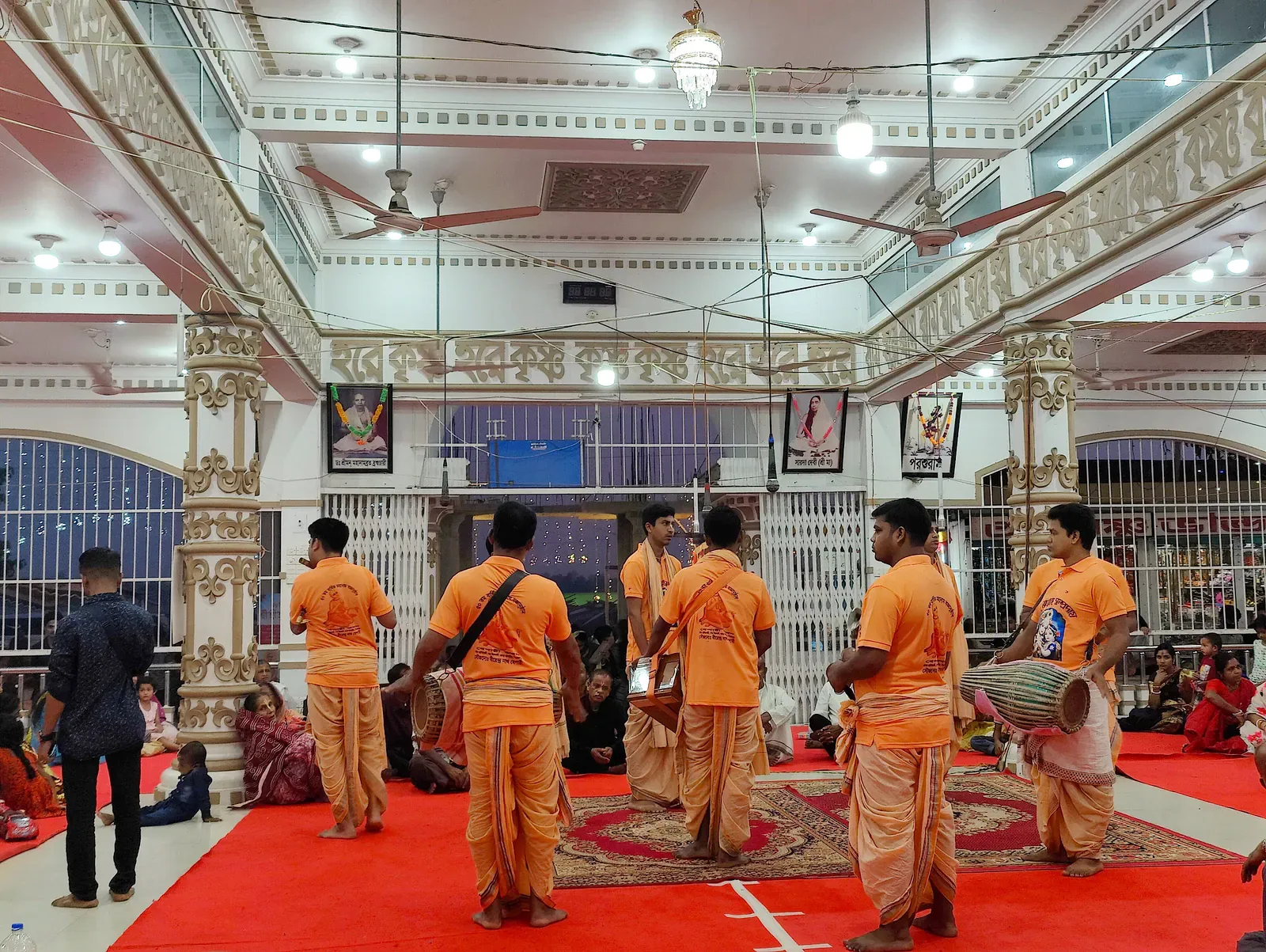
Instruments serve the singing rather than lead it. The harmonium gives the melody and drone, hand drums mark the cycle, and cymbals mark the pulse that the congregation claps or moves to. Studio kirtan keeps that arrangement and often adds Western instruments, while keeping the chorus as the point of the recording.
Mainstream success
Kirtan reached the charts twice by way of other artists. The Harrison-produced Apple singles put the Hare Krishna chant in front of a pop audience in 1969 and 1970. In 1996 the British rock band Kula Shaker took “Govinda”, a Sanskrit-language song based on the Govinda Jaya Jaya chant, to number 7 in the UK. Later success came through albums and live circuits rather than singles, and was tied to the new-age category and yoga rather than to radio.
Notable recordings
“Hare Krishna Mantra” is the origin record of the Western story: it showed that a chant sung by temple devotees could chart in Britain, which it did in 1969. “My Sweet Lord” was the breakthrough, folding the chant into a number one single in the UK and US. Jai Uttal’s Shiva Station (1997) represents the yoga-studio phase, fusing chant with rock and world grooves.
Culture
Kirtan is first a form of worship. Harinam sankirtana is a public procession of chanting from Chaitanya’s time, and Sikh ragis keep daily sittings at gurdwaras in the presence of the Guru Granth Sahib. In Manipur, Sankirtana combines song, drum and dance and is performed in temples and at life-cycle ceremonies. In the West, gatherings range from temple evenings to ticketed concerts and festivals, with chant leaders working as touring performers.
Legacy
Kirtan put the Sanskrit chant on Western pop records from 1969 and later supplied much of the chant repertoire of the yoga world. Within South Asia it remains a living practice across several religious traditions, with heritage recognition for the Manipuri form and national honours for leading Sikh singers.
Misconceptions
Kirtan is not exclusively Hindu. Sikh shabad kirtan is a central part of Sikh worship, and the form is practised in India, Bangladesh and Nepal.
It is also not a product of the 1960s counterculture. Congregational chanting in Bengal dates to Chaitanya in the early 16th century, and Marathi kirtan to Namdev two centuries before; the 1960s changed who was listening, not what the form was.
Nor is the 1969 “Hare Krishna Mantra” the beginning of kirtan. It was the first kirtan chant to become a Western chart hit, an event that depended on centuries of existing practice.
Frequently asked questions
What is kirtan music?
Kirtan is devotional group singing from South Asia in which a leader sings a line and a congregation repeats or answers it. It is performed in Hindu, Sikh and other traditions and is usually accompanied by harmonium, hand drums and small cymbals.
Where did kirtan come from?
Kirtan grew out of the bhakti devotional movements of medieval India. Marathi, Bengali, Manipuri and Sikh forms developed in parallel from about the 13th to the 17th century.
How is kirtan different from bhajan?
Bhajan is a related devotional song form. Kirtan is distinguished by its call-and-response structure and its emphasis on congregational participation rather than a solo performance.
Who made kirtan popular in the West?
The Radha Krishna Temple’s 1969 single and George Harrison’s “My Sweet Lord” introduced the Hare Krishna chant to pop audiences. Artists such as Krishna Das, Jai Uttal, Wah!, Deva Premal and Snatam Kaur later brought kirtan to yoga studios and festivals.
Sound
Sound sheet
Signature sounds
- Call-and-response chorus
- Gradual tempo build over a repeated mantra
Drums and percussion
- Tabla
- Khol (mridanga)
Techniques
- Call and response
- Tempo build
- Narrative lila kirtan
Keys and modes
Raga. Sikh shabad kirtan arranges hymns by raga.
Vocals
Lead singer with congregational chorus answering in unison
Scenes
Where it happened
Where and when the sound lived: one bar per city on a shared timeline.
Asia
North America
Europe
Active scenes
Peak 5, 1969-2025
Birthplace of Chaitanya and starting point of Bengali sankirtana.
Harmandir Sahib hosts daily shabad kirtan by ragis.
Centre of Meitei Sankirtana ritual singing, drumming and dance.
ISKCON founded here; early public chanting and the Happening LP.
Radha Krishna Temple recorded the Apple singles with Harrison.
Venues and places
Amritsar, 1604 to today. Five daily kirtan sittings begin here under Guru Arjan.
London, 1969 to today. London ISKCON temple of the devotees behind the Apple singles.
New York, 1966 to today. Site of the first public chanting session led by Prabhupada.
Culture
Culture markers
- Harinam sankirtana
Devotees chant in public, a practice from Chaitanya that ISKCON took to Western streets.
Ritual - Daily kirtan sittings
Sikh ragis sing shabad kirtan at the gurdwara in the presence of the Guru Granth Sahib.
Ritual - Meitei Sankirtana
Singing, drumming and dancing performed in Manipuri temples and at life-cycle ceremonies.
Dance
Media
Key media
- 1997It's Here Now (Are You?)
by Bhagavan Das. Autobiography of the yogi and kirtan singer.
Book - 2010Chants of a Lifetime
by Krishna Das. Memoir by the chant leader.
Book - 2012One Track Heart: The Story of Krishna Das
by Jeremy Frindel. Documentary on the singer who popularised kirtan in the West.
Film
Glossary
Terms on this page
Public street procession chanting the names of Krishna.
Devotional singing that tells or praises the divine, often in call and response.
The Hare Krishna, Hare Rama mantra central to ISKCON chanting.
Bengali poems of Radha and Krishna sung in lila kirtan.
Sikh singer of shabad kirtan in raga, performing before the Guru Granth Sahib.
Congregational group chanting of divine names, popularised by Chaitanya.
South Asian family