Filmi
Filmi is the song music of South Asian cinema, recorded by playback singers and lip-synced on screen. It began with the first sound film in 1931.
India, Pakistan, Bangladesh, 1931
South Asian family

Born
1931
India, Pakistan, Bangladesh
Subgenres
11
Documented branches
Links
27
Genres it drew on or shaped
Tempo
70-130 BPMLineage
Family tree
Grew out of
Influenced by
India, Pakistan, Bangladesh, 1931
Filmi
Led to (11)
Timeline
Era by era
From the first sparks to today. Select a dot to read the story behind it.
- Talkies and studio singers
1931 to 1946
- The golden age
1947 to 1969
- Pop, rock and disco
1970 to 1989
- Cassette boom and romance
1990 to 2000
- Global and streaming age
2001 to 2026
Eras
Moments
- 1 Talkies and studio singers, 1931 to 1946
- 2 The golden age, 1947 to 1969
- 3 Pop, rock and disco, 1970 to 1989
- 4 Cassette boom and romance, 1990 to 2000
- 5 Global and streaming age, 2001 to 2026
1931
Talkies and studio singers
Alam Ara (1931) brought sound to Indian cinema. Studios such as New Theatres and Bombay Talkies built song-led films, and playback singing replaced singing actors from 1935.
- 1931Alam Ara, the first Indian talkieThe film carried several songs, so the sound film and the film song began together.
- 1935Playback singing arrivesNew Theatres in Calcutta began recording songs separately from filming, freeing actors from singing on set.
- 1936Main Ban Ki Chidiya in Achhut KanyaA light Bombay Talkies number sung on screen by Ashok Kumar and Devika Rani became an early film hit.
1947
The golden age
Composers like Naushad, S. D. Burman and Shankar-Jaikishan, lyric poets and singers like Lata Mangeshkar and Mohammed Rafi set the template. Radio Ceylon and Vividh Bharati carried the songs to every home.
- 1947Partition splits the film worldLahore and Bombay studios were divided, and singers such as Noor Jehan moved to Pakistan.
- 1949Lata Mangeshkar breaks through with Aayega AanewalaThe success of the Mahal song pushed record companies and radio to credit playback singers by name.
- 1949Shankar-Jaikishan debut with BarsaatThe duo began a run of Raj Kapoor soundtracks that shaped 1950s film music.
- 1951Awara Hoon travels abroadMukesh sang the Awaara title song that became a hit in the Soviet Union, China and Turkey.
- 1952All India Radio restricts film songsThe government broadcaster cut back film music, and listeners moved to Radio Ceylon and its Binaca Geetmala countdown.
- 1957Mother India and NaushadThe Naushad-scored epic was a Best Foreign Language Film nominee at the Oscars.
- 1957Vividh Bharati launchesAll India Radio started a dedicated entertainment service built around film songs.
- 1960Mughal-e-Azam soundtrackNaushad and Lata Mangeshkar made Pyar Kiya To Darna Kya a defining song of the era.
- 1969Aradhana makes Kishore Kumar a lead voiceMere Sapnon Ki Rani and Roop Tera Mastana made him the voice of Rajesh Khanna.
1970
Pop, rock and disco
R. D. Burman brought rock and funk, Bappi Lahiri brought disco, and Kishore Kumar and Asha Bhosle ruled the charts. Audio cassettes and the Soviet market widened the audience.
- 1971Dum Maro DumAsha Bhosle and R. D. Burman brought psychedelic rock sound and hippie themes into a Hindi film.
- 1983T-Series foundedCheap audio cassettes opened the market beyond record players and made film music affordable.
- 1984Disco Dancer reaches Soviet cinemasBappi Lahiri disco numbers helped the film draw tens of millions of viewers in the USSR.
- 1988Ek Do Teen wins Alka Yagnik a Filmfare AwardThe Tezaab dance number also earned a Filmfare award for its choreographer Saroj Khan.
1990
Cassette boom and romance
Cheap cassettes made T-Series a giant. Romantic soundtracks like Dilwale Dulhania Le Jayenge sold in the millions, while A. R. Rahman introduced a digital, studio-built sound from Chennai.
- 1992A. R. Rahman debuts with RojaThe Tamil soundtrack, dubbed into Hindi, introduced a studio-built electronic sound to Indian film music.
- 1995Dilwale Dulhania Le Jayenge soundtrackJatin-Lalit songs sold millions and set the template for 1990s romantic soundtracks.
- 1998Chaiyya Chaiyya in Dil SeA. R. Rahman and Gulzar made a train-top Sufi-flavoured song that later reached Hollywood film.
2001
Global and streaming age
Slumdog Millionaire took Rahman to the Oscars in 2009. Streaming platforms and film-label channels on YouTube now drive reach, and a few singers carry most hits.
- 2009A. R. Rahman wins two OscarsSlumdog Millionaire won Best Original Score and Best Original Song (Jai Ho), a first for a Hindi-film composer.
- 2013Tum Hi Ho from Aashiqui 2Arijit Singh became the defining male voice of the streaming era with this ballad.
- 2022Lata Mangeshkar diesThe singer who defined Hindi film music for decades died on 6 February 2022 in Mumbai.
Listening path
Anthems
The records that built the sound, grouped by the part they played. Thumbnails come from YouTube; the player loads only when you press play.
- 01
Lata Mangeshkar, 1949 · Saregama
Lata Mangeshkar first hit; its success led labels and radio to credit playback singers by name.
Origin - 02
Mukesh, 1951 · Saregama
Took Hindi film song beyond India, becoming a hit in the Soviet Union, China and Turkey.
Breakthrough - 03
Kishore Kumar, 1969 · Saregama
Light, jaunty hit sung on a jeep chasing a train, an enduring image of 1970s Hindi film romance.
Start hereAnthem - 04
Asha Bhosle, 1971 · Saregama
Defined the hippie-era sound with rock guitars and a smoky Asha Bhosle vocal.
Anthem - 05
Alka Yagnik, 1988
High-energy dance number that won Alka Yagnik a Filmfare award and set the model for 1990s dance hits.
Anthem - 06
Lata Mangeshkar, 1995 · Saregama
Duet with Kumar Sanu opening the best-selling Bollywood soundtrack of its year, template of 1990s romance.
Start hereAnthem - 07
A. R. Rahman, 1998
Sufi-flavoured train-top number that also reached Hollywood and the concert stage.
Anthem - 08
Arijit Singh, 2013 · T-Series
Piano ballad that made Arijit Singh the defining voice of the streaming era.
Anthem - 09
Bappi Lahiri, 1982 · Saregama
Disco-era anthem that made the film a record-setting Soviet hit and Mithun Chakraborty a star there.
Crossover - 10
A. R. Rahman, 2008
Oscar-winning song from Slumdog Millionaire that brought the filmi sound to a worldwide audience.
Start hereCrossover
Facts
| Family | South Asian |
| Origin | India, Pakistan, Bangladesh |
| Emerged | Since Alam Ara (1931) |
| Status | Active |
| Tempo | 70 to 130 BPM |
| Meter | 4/4 (also 6/8 and 8-beat cycles) |
| Subgenres | 11 |
Filmi is the song music of South Asian cinema: songs written for a film, recorded in a studio by a professional playback singer, and lip-synced on screen by an actor.
It began in 1931 with Alam Ara, India’s first sound film, and remains the main route by which popular music reaches listeners across India, Pakistan and Bangladesh. One soundtrack can move from a raga-based ballad to a disco number, so filmi is defined by how its songs are made rather than by a single sound. It belongs to the wider South Asian family.
Origins
Sound arrived in Indian cinema with Alam Ara in 1931, and it came with songs. Hindi and regional films were already built on stage traditions that mixed speech and music, so the sound film and the film song began as one thing. For a few years actors sang for themselves, which limited who could be a star.
The fix came from Calcutta. In 1935 the studio New Theatres began recording songs separately and playing them back during shooting, so a trained singer could voice an actress who could not carry a tune. Playback singing stuck, and it shaped every era after it. A year later Bombay Talkies, working from a studio in Malad, scored an early hit with Main Ban Ki Chidiya in Achhut Kanya, sung on screen by Ashok Kumar and Devika Rani.
The song that made singers matter came in 1949. Aayega Aanewala, from the film Mahal, was sung by a young Lata Mangeshkar, and its success pushed record companies and radio to credit playback singers by name instead of printing only the actor on the label.
Talkies and studio singers, 1931-1946
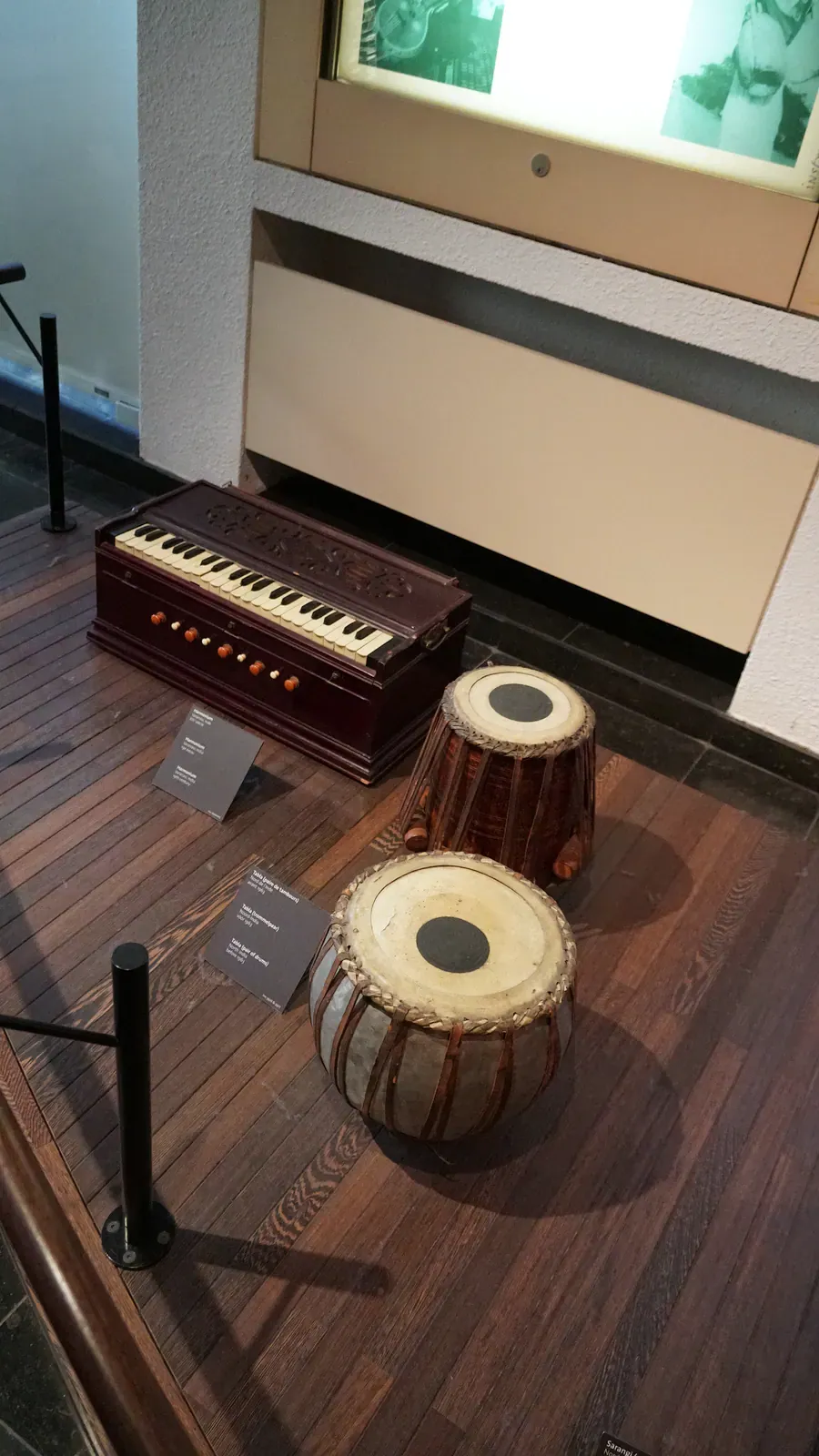
Between 1931 and 1946 the studios were the music business. New Theatres in Kolkata and Bombay Talkies in Mumbai kept composers, lyricists and singers on staff, and Lahore was a major film centre before Partition. Songs leaned on classical forms and stage music, with the harmonium as the composer’s working tool.
Partition in 1947 ended that world. Studios in Lahore and Bombay were divided, and singers such as Noor Jehan moved to Pakistan, leaving Bombay as the centre of Hindi film music.
The golden age, 1947-1969
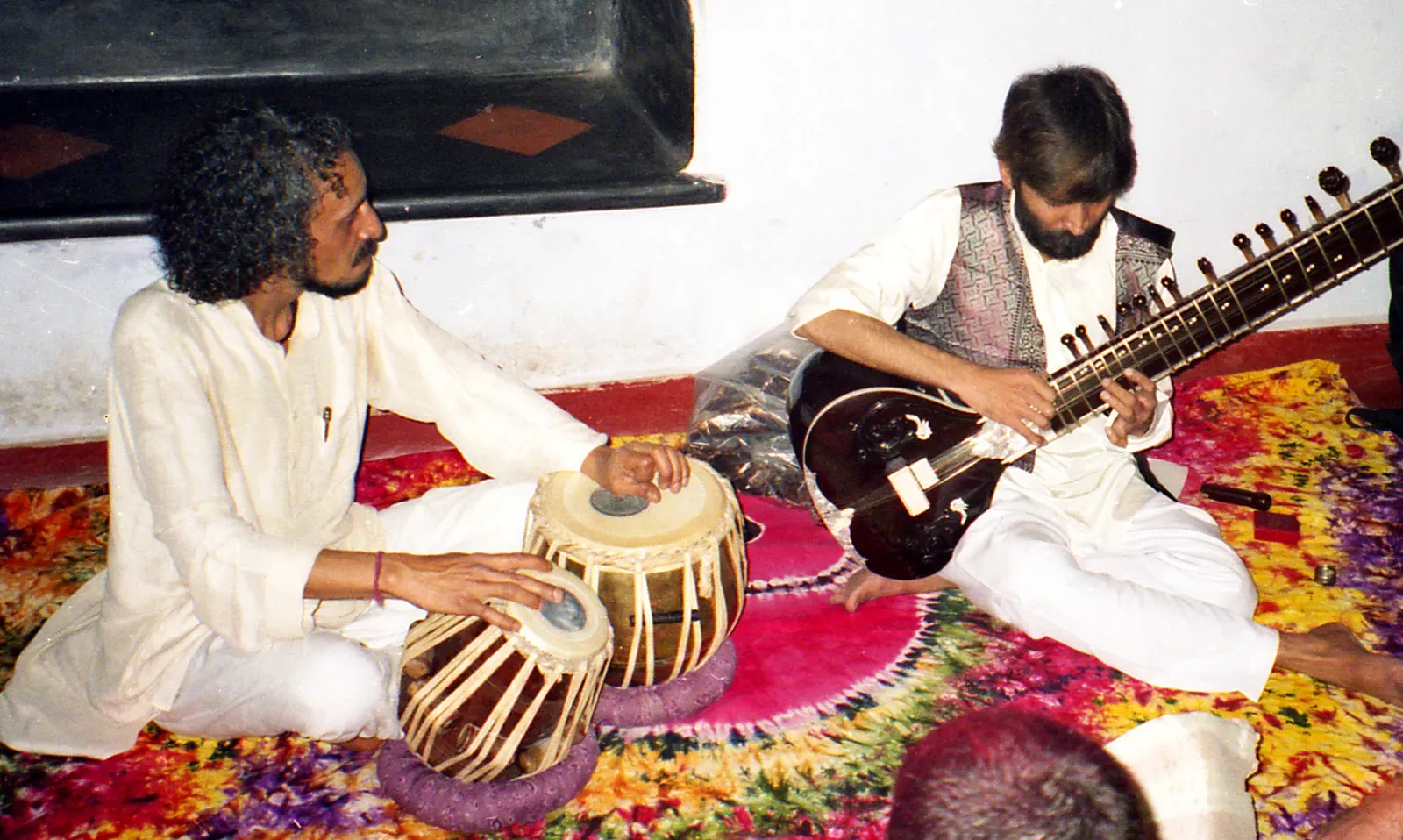
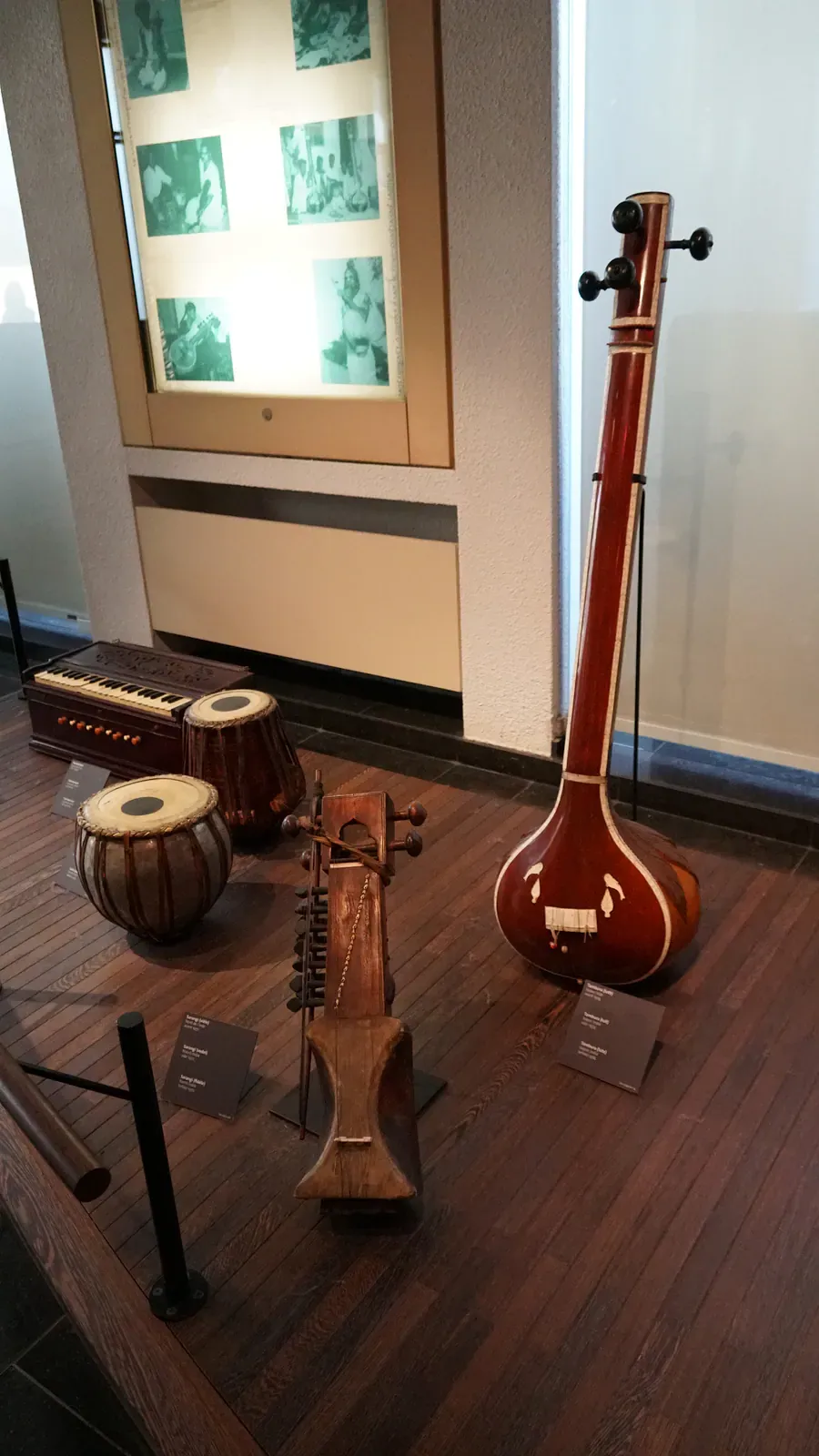
From 1947 to the late 1960s the template was set. Composers such as Naushad, S. D. Burman and the duo Shankar-Jaikishan wrote with large orchestras: Western violin sections stacked behind a sitar, a tabla and a human voice. Lyric poets wrote in a polished Urdu-Hindi, and Lata Mangeshkar, Mohammed Rafi, Mukesh, Asha Bhosle and Kishore Kumar became the voices of the era.
Radio did as much as the studios. In 1952 the state broadcaster cut back film music, and listeners moved to Radio Ceylon, where Ameen Sayani’s Binaca Geetmala turned the weekly hit countdown into a national ritual. In 1957 All India Radio answered with Vividh Bharati, a service built around film songs.
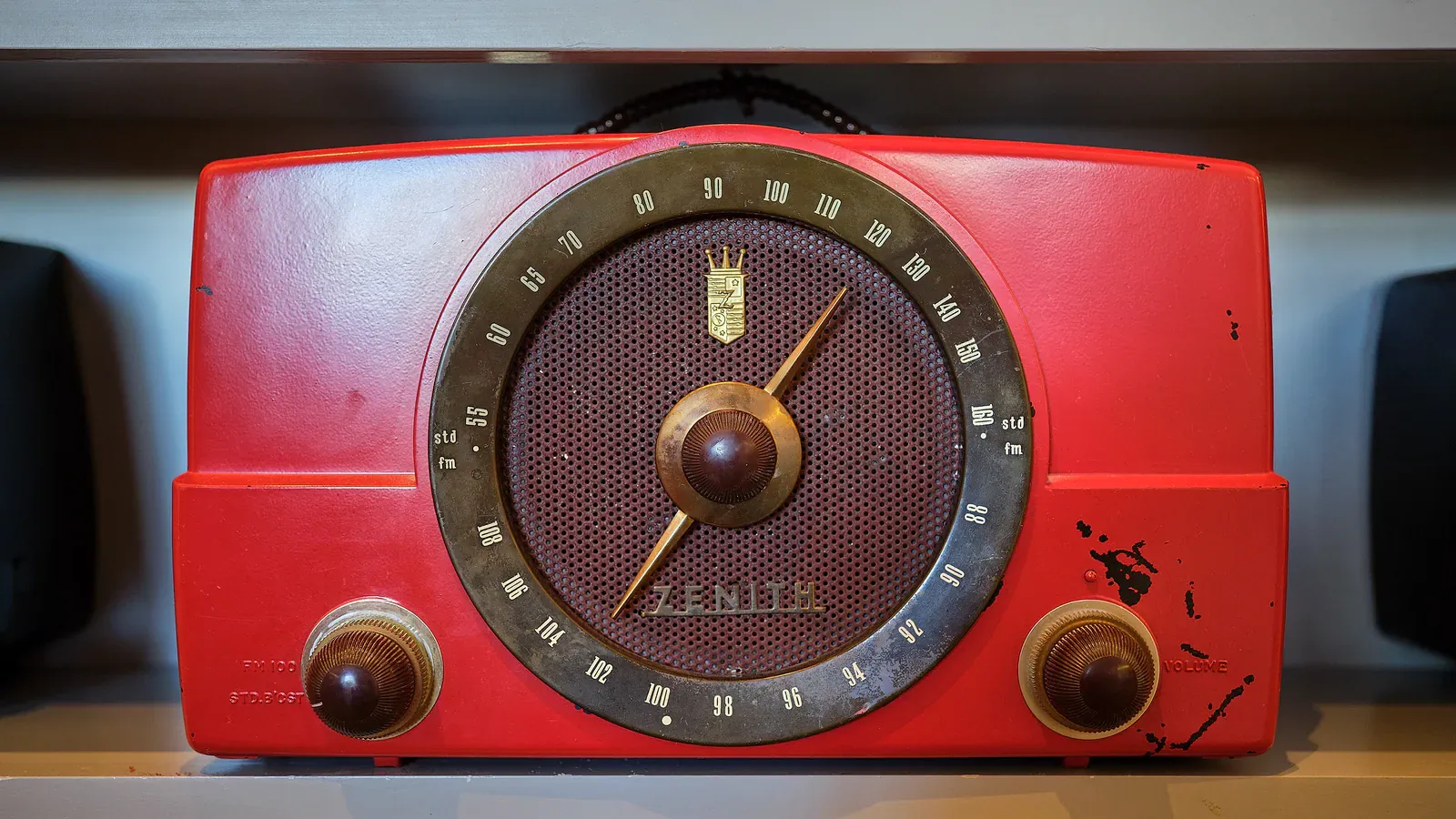
Songs also travelled. Awara Hoon, sung by Mukesh for the 1951 film Awaara, became a hit in the Soviet Union, China and Turkey. The 1957 film Mother India, scored by Naushad, was nominated for the Best Foreign Language Film Oscar, and the 1960 soundtrack of Mughal-e-Azam gave the era its grandest song, Pyar Kiya To Darna Kya.
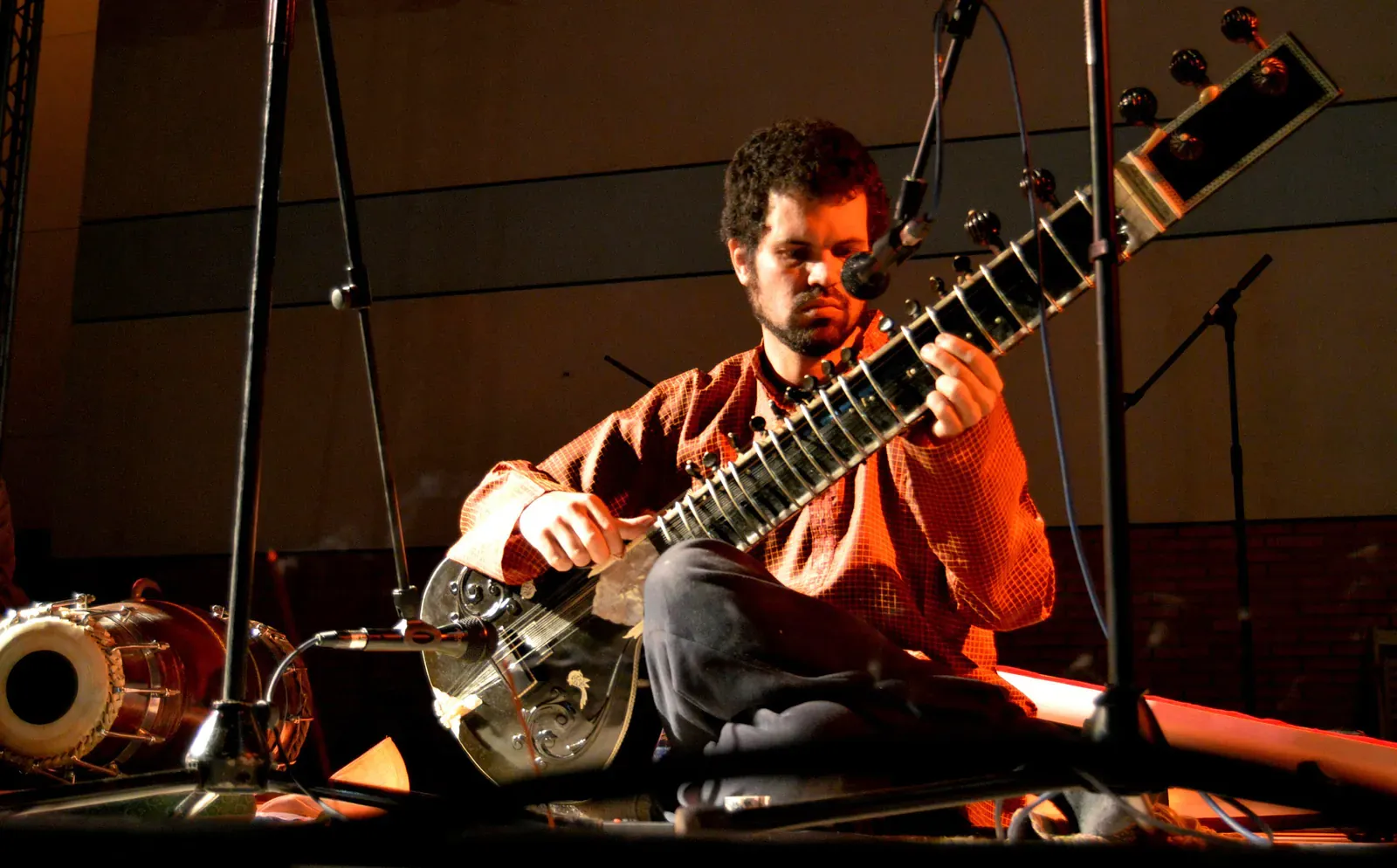
Pop, rock and disco, 1970-1989
R. D. Burman, the son of S. D. Burman, pulled Western pop into Hindi film in the 1970s. Dum Maro Dum (1971), sung by Asha Bhosle, paired rock guitars with a hippie-era film about young Westerners in Kathmandu. Kishore Kumar became the leading male voice after Aradhana in 1969, when he sang for the star Rajesh Khanna, and Asha Bhosle ruled the dance floor.
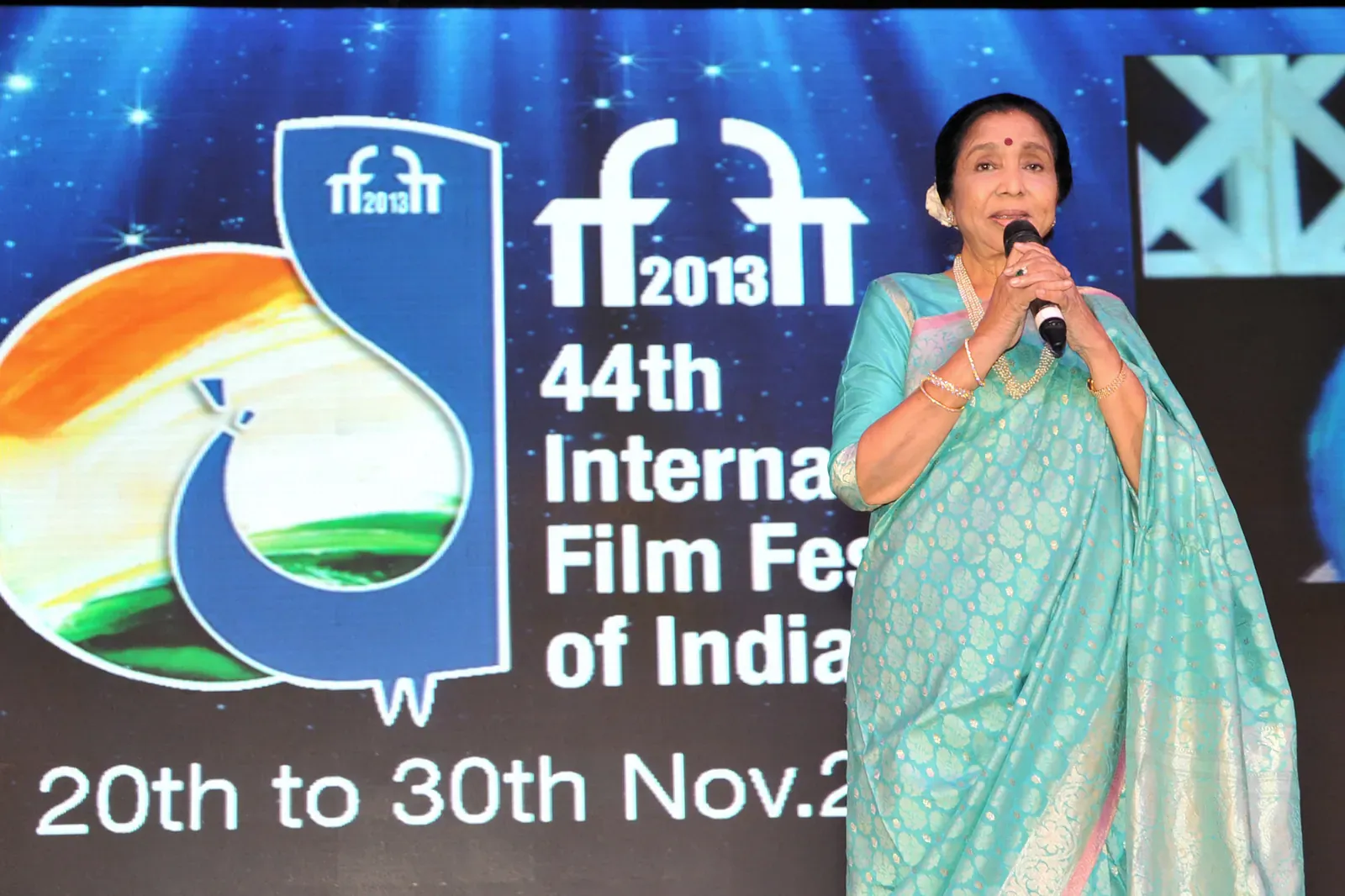
In the 1980s Bappi Lahiri brought in synthesizers and disco. The film Disco Dancer reached Soviet cinemas in 1984 and drew a huge audience there, which made I Am a Disco Dancer one of the most widely heard Indian songs abroad. In 1983 T-Series was founded, and its cheap audio cassettes opened the market far beyond record players. The label sits beside older houses such as Saregama and Tips Music at the top of the industry.
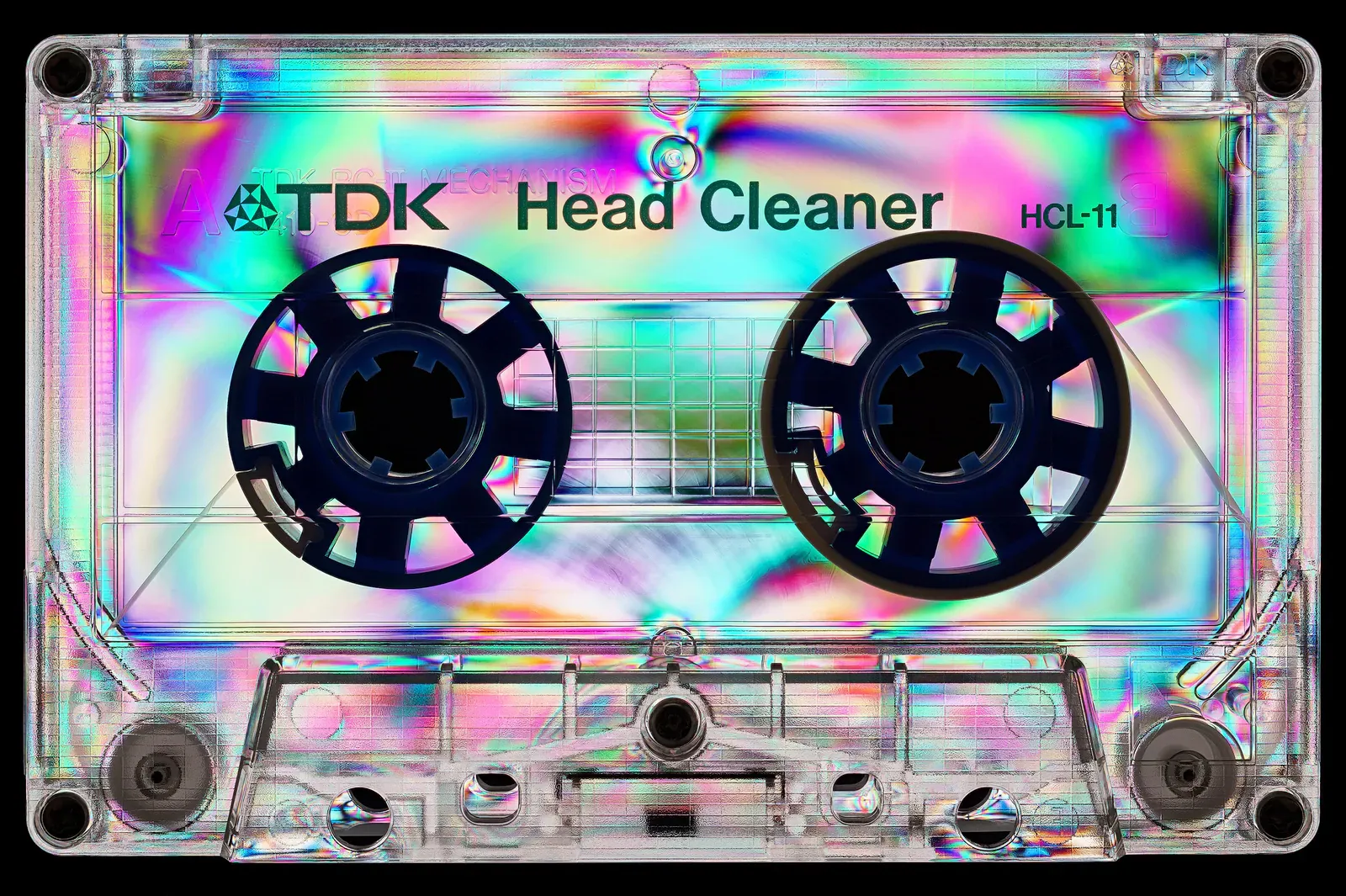
Cassette boom and romance, 1990s
In the 1990s romance took over. The soundtrack of Dilwale Dulhania Le Jayenge (1995) sold in the millions, and Tujhe Dekha To, a duet by Lata Mangeshkar and Kumar Sanu, became the model for a decade of love songs. T-Series grew into the largest film-music publisher, while regional houses such as Lahari Music and Aditya Music served Kannada, Telugu and Tamil films.
The sound itself changed in 1992, when A. R. Rahman debuted with Roja, a Tamil film dubbed into Hindi. Rahman built tracks in a Chennai studio on synthesizers and samplers instead of a live orchestra, and the digital sheen of his work reset what a film song could sound like.
Global and streaming age, 2000s onward
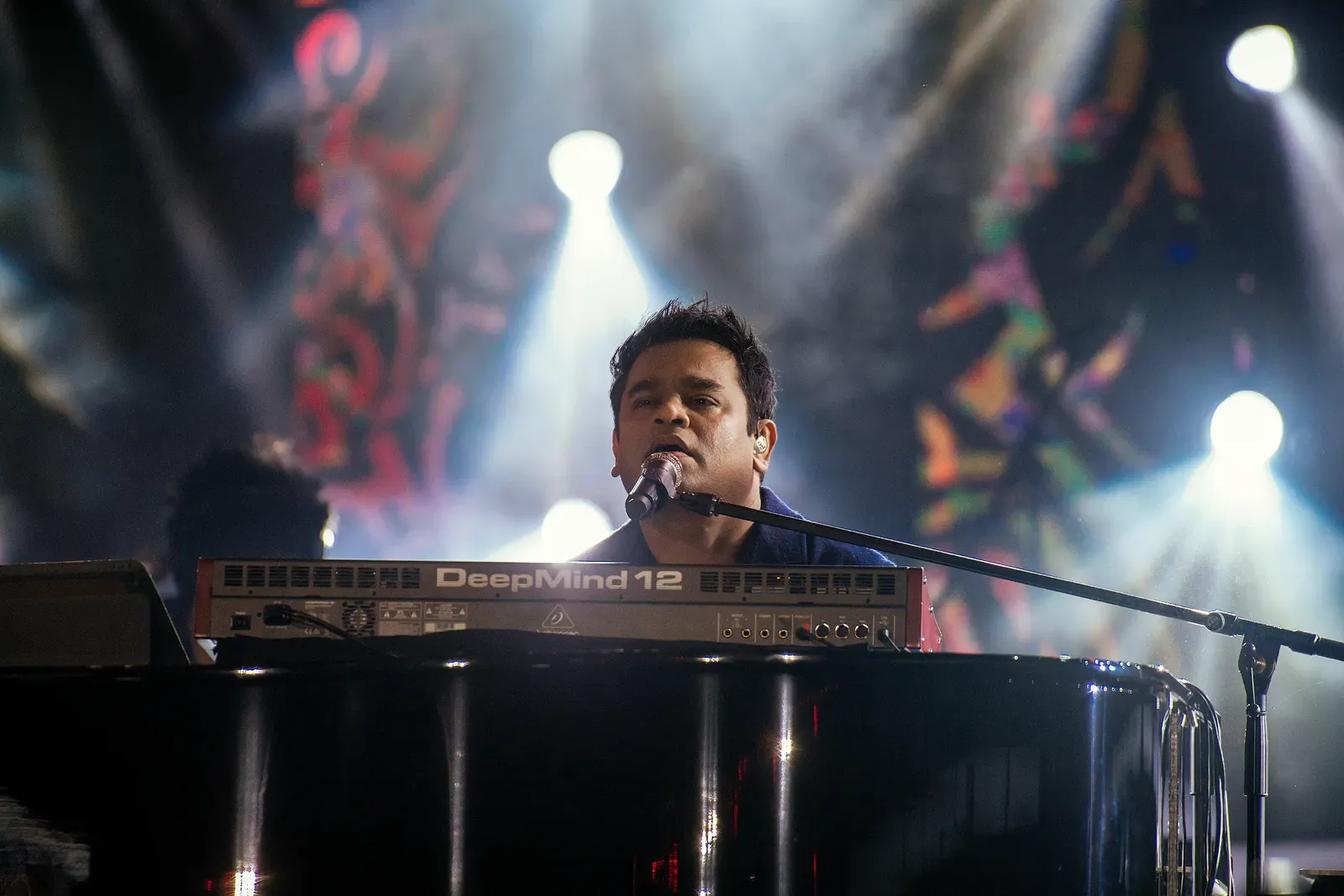
Rahman won two Oscars in 2009 for Slumdog Millionaire, Best Original Score and Best Original Song for Jai Ho, the first for a Hindi-film composer. Since then streaming apps and film-label channels on YouTube have become the main way to hear film songs, and a small group of singers carries most of the hits. Arijit Singh became the defining male voice of that period after Tum Hi Ho in 2013. Lata Mangeshkar died in Mumbai on 6 February 2022, and her passing closed the age she began.
Mainstream success
Within India, filmi was already the mainstream: the film industry’s output filled radio hours, wedding bands, tea stalls and school concerts. The real crossovers were outward. Awara Hoon and Disco Dancer showed in the 1950s and 1980s that a Hindi song could win audiences who did not understand the language, and Chaiyya Chaiyya (1998), a Rahman and Gulzar song shot on top of a moving train, later reached Hollywood film. Jai Ho completed the move with an Oscar.
The backlash came from officials and critics, not listeners. The 1952 cut to film music on state radio was an attempt to push classical music, and it only sent audiences to Ceylon.

Notable recordings
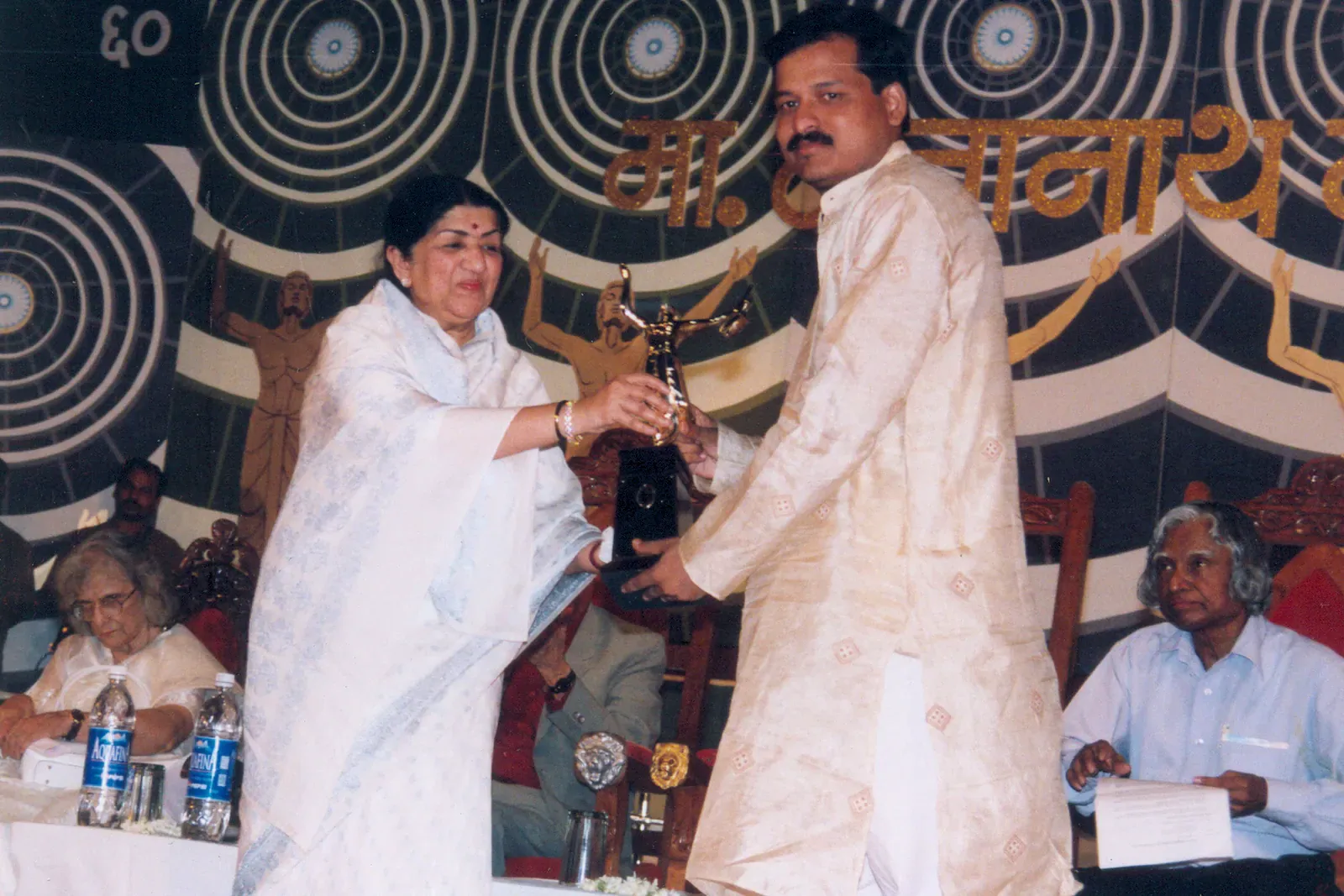
Aayega Aanewala is a quiet, haunted number. Lata Mangeshkar sang it in a hushed, echoing tone for Mahal, and its fame led to her name being credited, a small change that gave playback singers a public identity.
Mere Sapnon Ki Rani came from Aradhana in 1969, with Kishore Kumar singing a light, jaunty song while a jeep chases a train. It made him the voice of Rajesh Khanna and became an enduring image of 1970s romance.
Jai Ho closed the circle. Written for Slumdog Millionaire, it won the Oscar for Best Original Song, and it took the filmi style of a big chorus over a dance beat to audiences who had never heard a Hindi film.
Culture
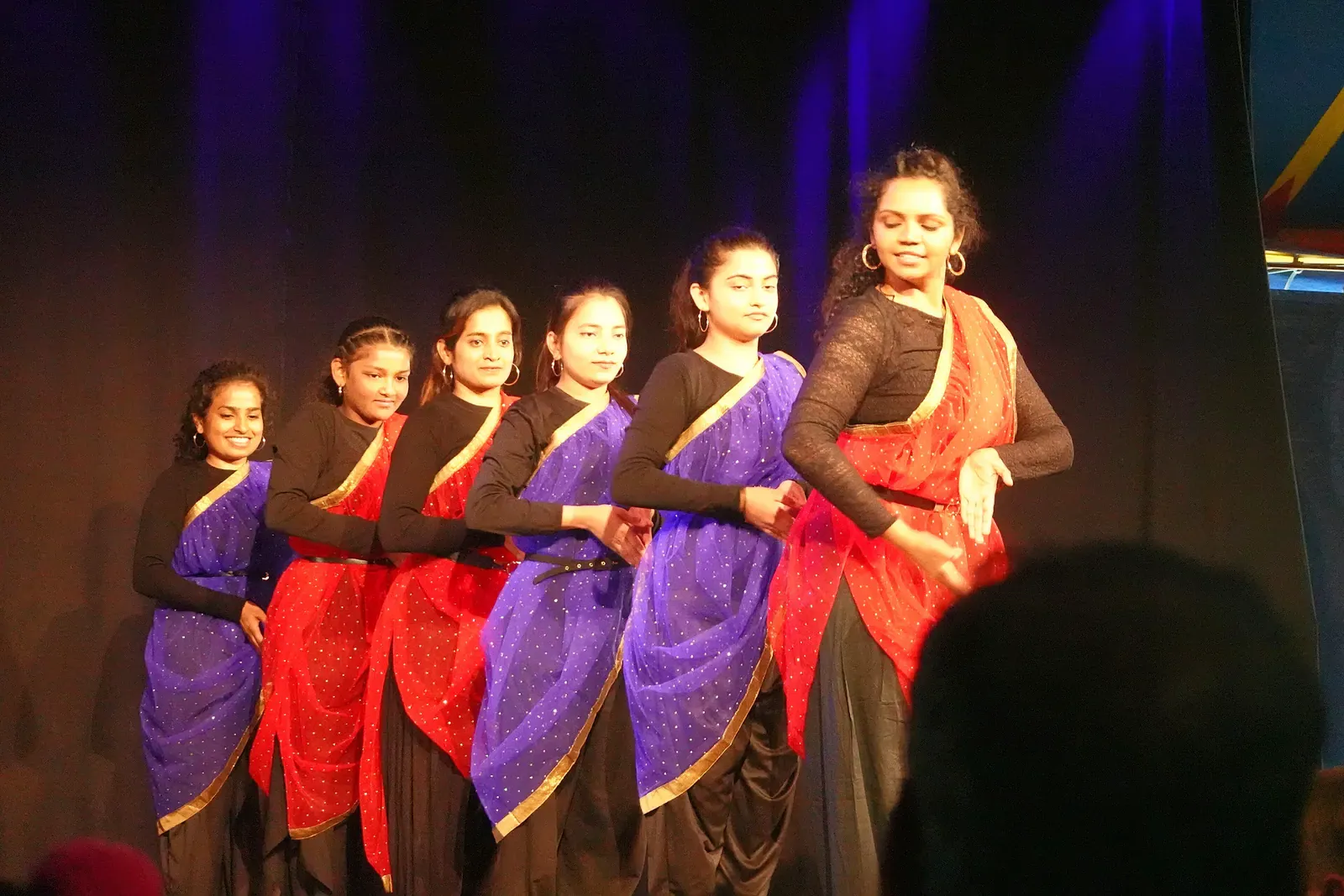
Filmi is a social music. Choreographed song sequences are copied at weddings and parties, and sangeet nights, the music evenings before a wedding, are built around film hits. Antakshari, a game in which teams sing songs, each starting on the last letter of the previous one, is played at gatherings from family trips to office parties. Item numbers, dance songs dropped into a film, often by a guest performer, are its most debated form. Hand-painted cinema hoardings and song booklets formed the visual side for decades.
Misconceptions
Filmi is often treated as a synonym for Bollywood music, but Bollywood is only the Hindi film industry of Mumbai. Filmi covers the songs of every language industry, including Tamil in Chennai, Telugu in Hyderabad, Bengali in Kolkata, and the film music of Pakistan and Bangladesh.
Actors are also assumed to sing their own songs. Almost none have since 1935: they move their lips to a recording made by a playback singer, and the early exceptions, such as the 1936 Main Ban Ki Chidiya, are the reason the practice stood out.
A third belief holds that filmi is a single musical style. A soundtrack mixes classical, folk, ghazal, qawwali, jazz, disco and rock within one album, so what marks the genre is the way the songs are made, not the style.
Frequently asked questions
What does filmi mean?
Filmi means “of the film”. In music it names songs composed for South Asian cinema, sung by playback singers and lip-synced on screen.
Who is the most famous filmi singer?
Lata Mangeshkar is widely regarded as the defining voice, with a career spanning the 1940s onwards. Mohammed Rafi, Kishore Kumar, Asha Bhosle and Arijit Singh are among the other leading names.
When did filmi begin?
Filmi began in 1931 with Alam Ara, India’s first talkie. Playback singing, which defines the genre, started in 1935.
How is filmi different from Indian classical music?
Filmi borrows ragas and talas from classical music but arranges them for orchestra and studio, with a short mukhda and verse structure suited to a film scene.
Sound
Sound sheet
Anatomy of a track
| # | Part | Bars |
|---|---|---|
| 1 | Instrumental prelude | 8 |
| 2 | Mukhda (refrain) | 8 |
| 3 | Interlude | 8 |
| 4 | First antara (verse) | 16 |
| 5 | Mukhda return | 8 |
| 6 | Second interlude | 8 |
| 7 | Second antara | 16 |
| 8 | Final mukhda | 8 |
Signature sounds
- Playback voice over a large orchestra
- Mukhda and antara refrain structure
- Instrumental interludes between verses
- Raga-based melody with Western harmony
- Genre-hopping within one soundtrack
- Poetic Urdu-Hindi lyrics
Drums and percussion
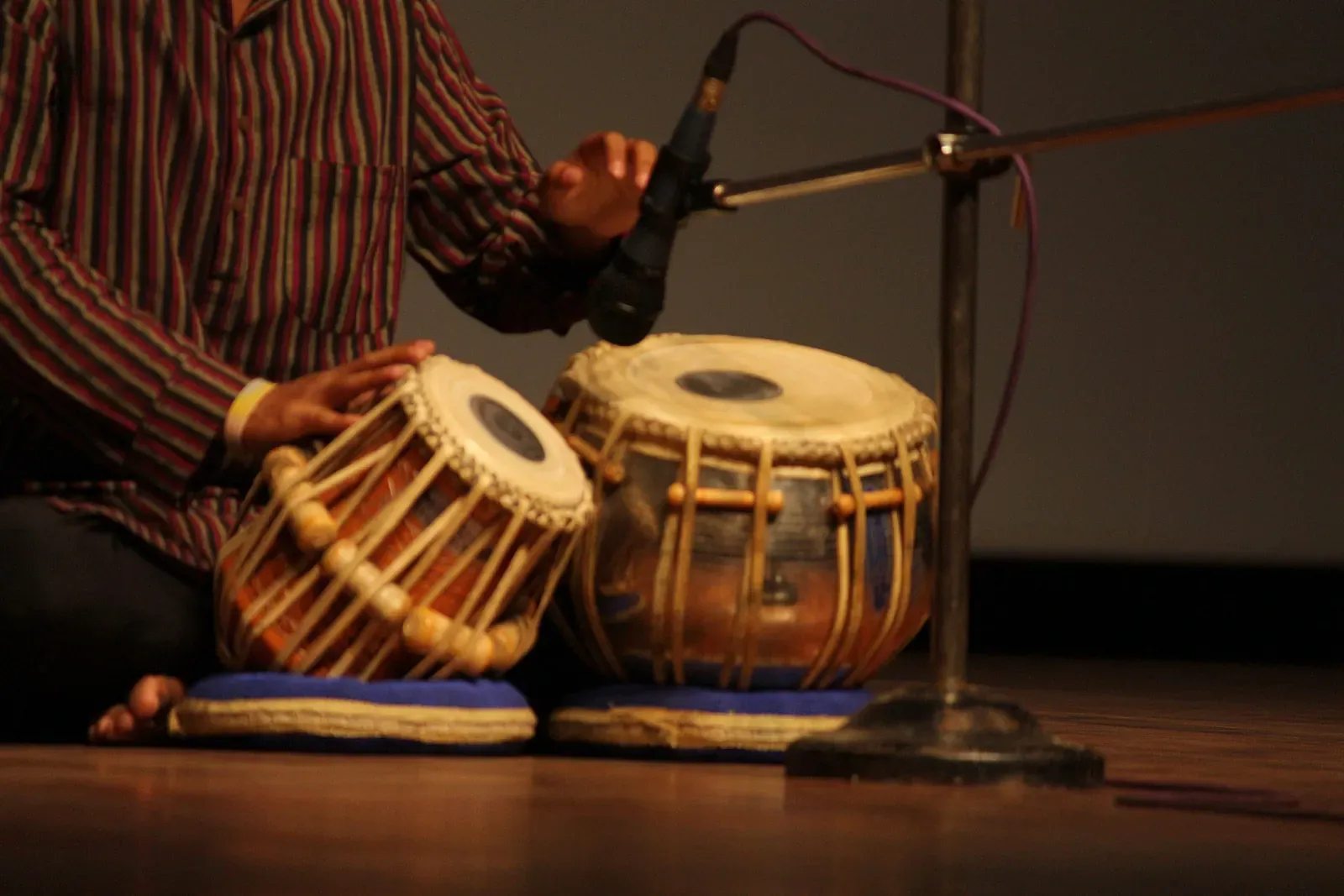
- Tabla and dholak
Techniques
- Playback recording
- Mukhda and antara form
- Instrumental interludes
- Genre-hopping soundtracks
- String section countermelody
Keys and modes
Raga-based modes. Melodies often follow ragas such as Yaman or Bhairavi, backed by Western-style orchestration.
Vocals
Trained playback singers, often with ornamented melody and an Urdu-Hindi lyric tradition.
Scenes
Where it happened
Where and when the sound lived: one bar per city on a shared timeline.
Asia
Active scenes
Peak 5, 1931-1947
Hub of the Hindi film industry and most recording studios.
New Theatres pioneered playback singing and Bengali-flavoured film music.
Centre of Tamil and South Indian film music, and later of A. R. Rahman.
Major film centre before Partition, later the home of Pakistani film music.
Telugu film studios and recording industry.
Bangladeshi film music grew here after the first Dhaka-made feature in 1956.
Venues and places
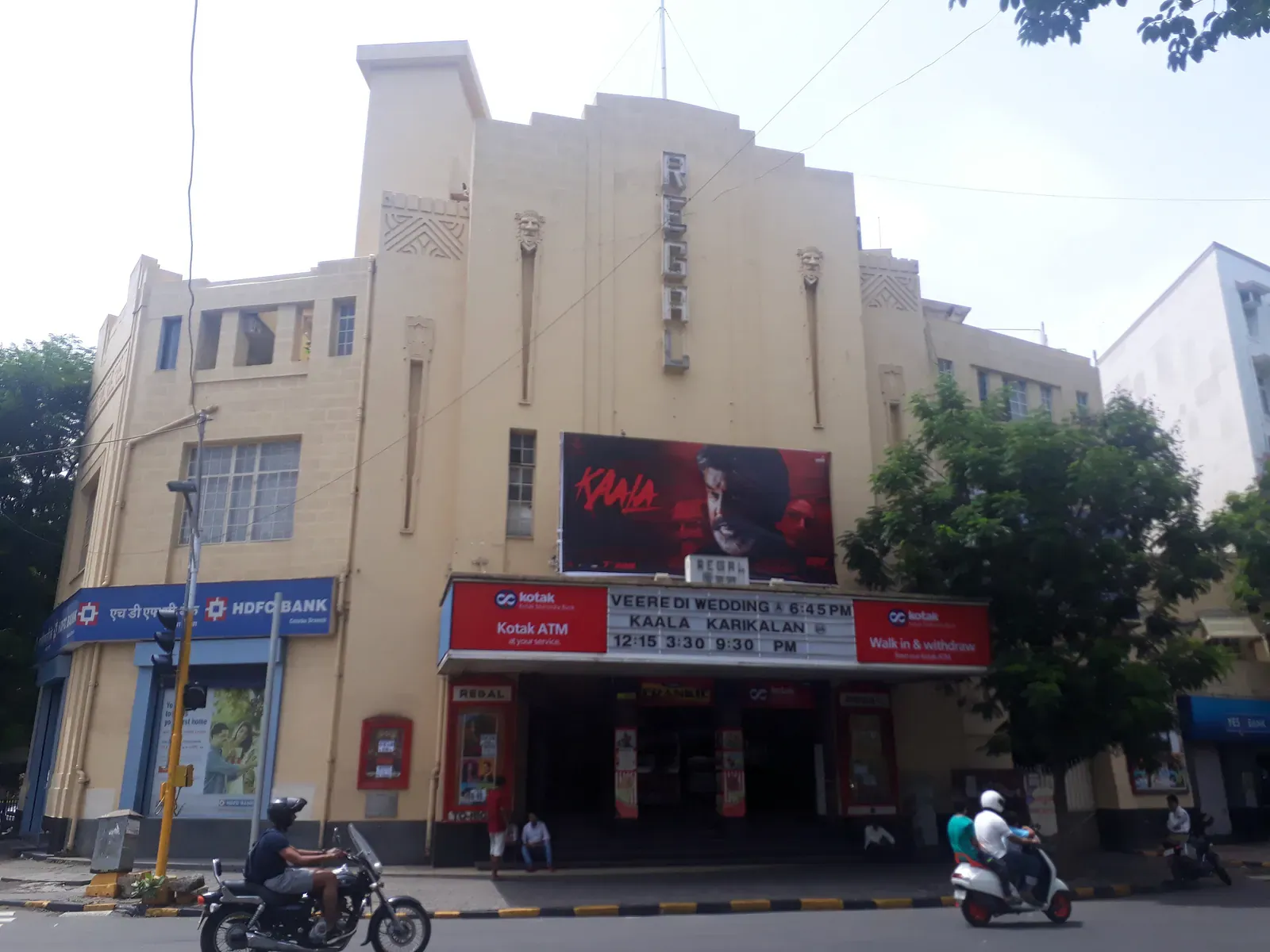
Mumbai, 1934 to today. Studio in Malad that made song-led films like Achhut Kanya.
Kolkata, 1931 to today. Studio where playback recording was pioneered in the mid-1930s.
Mumbai, 1954 to today. Bandra studio used for classic recordings and films.
Chennai, 1948 to today. Large Chennai studio complex serving Tamil and Hindi films.
Colombo, 1952 to today. Home of Binaca Geetmala, the hit-song countdown that filled the gap left by All India Radio.
Mumbai, 1957 to today. All India Radio service built around film songs.
Culture
Culture markers
- Film choreography
Song sequences carry large dance routines that audiences copy at weddings and parties.
Dance - Antakshari
A song-chain game played at gatherings, based on film songs.
Ritual - Sangeet nights
Pre-wedding music evenings built on filmi hits.
Ritual - Hand-painted film posters
Painted cinema hoardings and song booklets formed the visual language of film music.
Artwork
Media
Key media
- 1952Binaca Geetmala
by Ameen Sayani. Weekly hit countdown on Radio Ceylon that turned film songs into a national ritual.
Radio - 1957Vividh Bharati
by All India Radio. Radio service that gave film songs a permanent daily slot.
Radio - 2004Bollywood: A Guidebook to Popular Hindi Cinema
by Tejaswini Ganti. Academic guide to the industry that supplies filmi songs.
Book - 2008Slumdog Millionaire
by Danny Boyle. Oscar-winning film with an A. R. Rahman score that introduced filmi to the world.
Film - 2011R. D. Burman: The Man, The Music
by Anirudha Bhattacharjee and Balaji Vittal. Biography of the composer who modernised the filmi sound.
Book
Glossary
Terms on this page
A party game where teams sing songs, each starting on the last letter of the previous one.
A verse that sits between returns of the mukhda.
A dance song placed in a film, often by a guest performer.
The opening refrain of a song, which returns between verses.
The composer and arranger in charge of a film soundtrack.
A singer who records a song for an actor to lip-sync on screen.
South Asian family