Bhojpuri folk music
Bhojpuri folk music is the song tradition of Bihar and eastern Uttar Pradesh: Chhath and wedding songs, Biraha, kajari, chaiti, and migrant offshoots abroad.
Bihar, around 1400
South Asian family
Born
around 1400
Bihar
Subgenres
2
Documented branches
Links
6
Genres it drew on or shaped
Tempo
85-145 BPMLineage
Family tree
Grew out of
Influenced by
Bihar
Bhojpuri folk music
Led to (2)
Timeline
Era by era
From the first sparks to today. Select a dot to read the story behind it.
- Oral songs of occasion and season
1400 to 1885
- Stage, print and radio
1886 to 1962
- Cinema and cassettes
1963 to 1990
- State honours and online Chhath
1991 to today
Eras
Moments
- 1 Oral songs of occasion and season, 1400 to 1885
- 2 Stage, print and radio, 1886 to 1962
- 3 Cinema and cassettes, 1963 to 1990
- 4 State honours and online Chhath, 1991 to today
around 1400
Oral songs of occasion and season
Nirguna verse of Kabir is the earliest form on record. Songs marked births, weddings, festivals and seasons, and Biraha was sung in villages while grazing cattle and at social ceremonies.
- 1400Kabir's Nirguna songsThe earliest form of Bhojpuri song that survives is the Nirguna, spiritual verse on the formless divine, attributed to Kabir.
- 1834Indentured emigration beginsThe Atlas voyage to Mauritius starts the system that carries Bhojpuri speakers and songs to Mauritius, the Caribbean, Fiji and Suriname.
1886
Stage, print and radio
Biraha was documented in print and moved into cities. Bhikhari Thakur toured with his naach troupe, his books were printed in Howrah and Varanasi, and Girija Devi took Purab ang songs to All India Radio.
- 1886Grierson documents BirahaA British linguist's account describes Biraha as an unformalised art form, a song that lives in the heart and overflows when it is full.
- 1938Bhikhari Thakur's books reach printBetween 1938 and 1962 more than three dozen of his plays, songs and poems appear in print, many from presses in Howrah and Varanasi.
- 1949Girija Devi debuts on All India RadioThe Banaras singer makes her public debut on the Allahabad station and builds a name for Purab ang kajri, chaiti and hori.
1963
Cinema and cassettes
The first Bhojpuri talkie opened a film-song market in 1963. Folk singers such as Sharda Sinha reached wider audiences through records and Hindi film playback.
- 1963First Bhojpuri talkieGanga Maiyya Tohe Piyari Chadhaibo is released and opens a film-song market in the language.
- 1971Bhikhari Thakur diesThe playwright and singer known as the Shakespeare of Bhojpuri dies on 10 July.
1991
State honours and online Chhath
Padma awards recognised Bhojpuri singers. Chhath songs by Sharda Sinha spread through audio platforms and YouTube every autumn, and diaspora forms kept their own paths.
- 1991Padma Shri for Sharda SinhaThe singer of Chhath and wedding songs receives the civilian honour and later the Padma Bhushan in 2018.
- 1993Songs of the Seasons, Vol. 1Girija Devi's Music Today cassette carries the chaiti Raat Ham Dekhelee Sapanwa Ho Rama.
- 2013Bidesia in BambaiA documentary shows Mumbai through migrant workers from the Bhojpuri belt and their songs, with Kalpana Patowary on screen.
- 2016Pahile Pahil Chhathi MaiyaSharda Sinha releases a new Chhath song on 30 October, among the first videos on her own YouTube channel.
- 2024Sharda Sinha diesShe dies on 5 November at 72; Padma Vibhushan follows posthumously in 2025.
Listening path
Start listening
A short path from an easy way in to the deep end. Thumbnails come from YouTube; the player loads only when you press play.
- 01
Sharda Sinha, 2016
Listen for the slow, free-flowing Chhath melody and the plain voice that carries the story.
- 02
Sharda Sinha, 1989
Listen for the wedding-song phrasing that brought a folk voice into a Hindi film.
- 03
Girija Devi, 1993
Listen for the long, ornamented chaiti line, the semi-classical end of the tradition.
Facts
| Family | South Asian |
| Origin | Bihar, India |
| Emerged | Traditional, roots including Kabir's Nirguna songs |
| Status | Active |
| Tempo | 85 to 145 BPM |
| Subgenres | 2 |
Bhojpuri folk music is the traditional song of the Bhojpuri-speaking region, part of the South Asian family, which covers western Bihar, eastern Uttar Pradesh and parts of Nepal.
Its repertoire is organised by occasion, caste and season: songs for births, weddings and festivals, for the months of the year, for work in the fields, and for the long separations of a migrant society. Unaccompanied or backed by a dholak, harmonium and clappers, it is carried mostly by women’s voices and by men’s answering parties, and its migrant offshoots became Chutney in Trinidad and Baithak Gana in Suriname.
Origins
The earliest Bhojpuri song that survives is the Nirguna, spiritual verse on the formless divine that is attributed to Kabir. Songs for weddings, births and festivals such as Chhath were sung by ordinary people long before they were recorded, and the origin of the tradition as a whole is unclear.
The repertoire sorts itself in three ways. By occasion: sohar for a birth, a long list of songs for each wedding ritual, jantsar at the grindstone, ropani when paddy is transplanted. By caste: Biraha belongs to the Ahir (Yadav) community, nirbani to Chamar women, and Kaharwa to the Kanhar. By season: kajari in the monsoon month of Sawan, chaiti in Chait, phaguwa in Phalguna. Thumri, kajari, hori and chaiti sit at the semi-classical end, where the folk song was taken into the Hindustani classical fold.
Migration spread the tradition early. The Atlas voyage to Mauritius in 1834 began the indenture system that moved more than 1.6 million workers from India to plantations, many of them speakers of Bhojpuri. They kept their songs and mixed them with local ones. Wedding songs sung by women became Chutney in Trinidad and Guyana, with soca rhythms and later English lyrics, and Sundar Popo is counted among its pioneers. Suriname has Baithak Gana, and Mauritius has Geet Gawai, in which Bhojpuri blends with Mauritian Creole.
Biraha, theatre and print, 1886-1962
Biraha is a long narrative song of longing for an absent beloved. It was sung in villages while cattle grazed and at weddings until the 1880s, and a linguist’s account from 1886 describes it as a wild flower that is not cultivated in the field. In the early twentieth century Bihari Lal Yadav changed it. Born in Patna, he settled in Benares and sang it in temples. He replaced the two-line couplet with an unlimited number of rhymed lines and added a version of the khartal that became its identifying instrument. His pupils founded akharas, lineages that owned the written texts, so that a singer had to join one to perform.
Bhikhari Thakur took Bhojpuri song to the stage. Born in 1887 into a barber family in Saran, he left home for Kharagpur, Puri and Calcutta during a famine, saw Ramlila and an early cinema, and came back to form his own company. His plays and songs turn on the position of women, village life and the clash of old and new values. In Bidesiya the husband leaves for the city. The company toured weddings and fairs as far as Assam, and men played women’s parts in the naach tradition he is credited with fathering, which drew contempt from those who objected to his caste and to his dress. Between 1938 and 1962 more than three dozen of his books were printed, many in Howrah and Varanasi. He is called the Shakespeare of Bhojpuri.
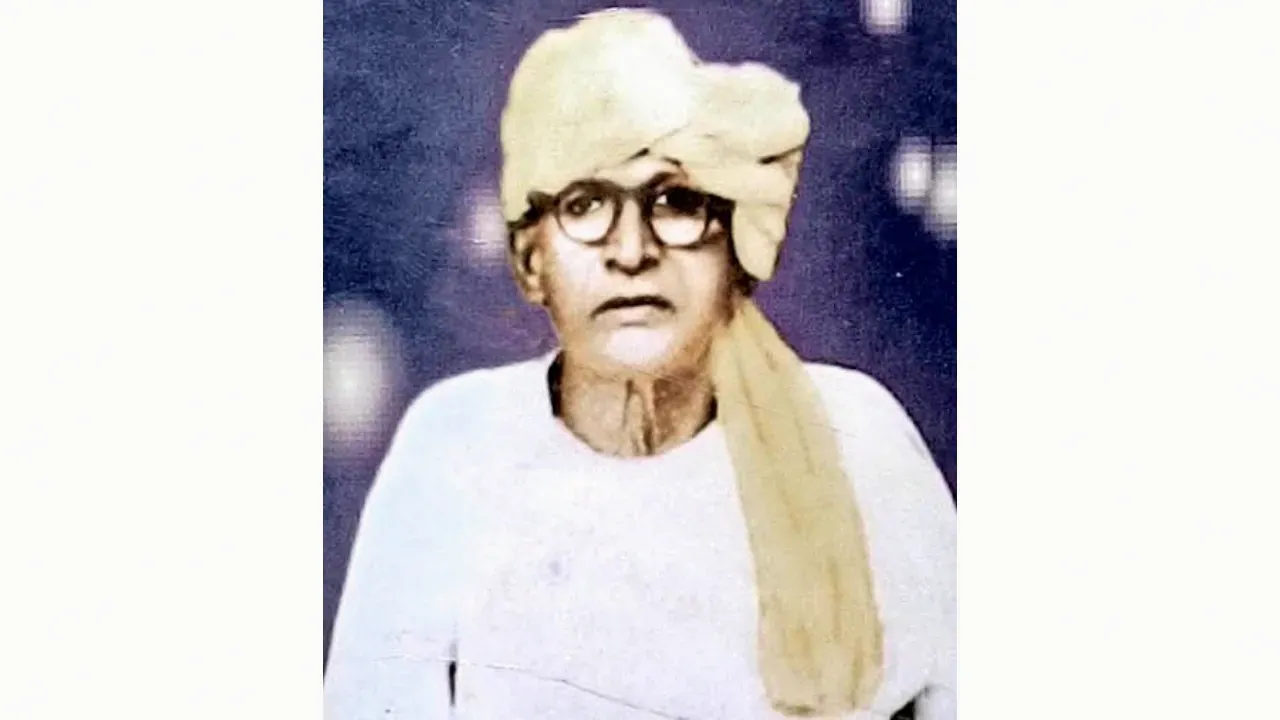
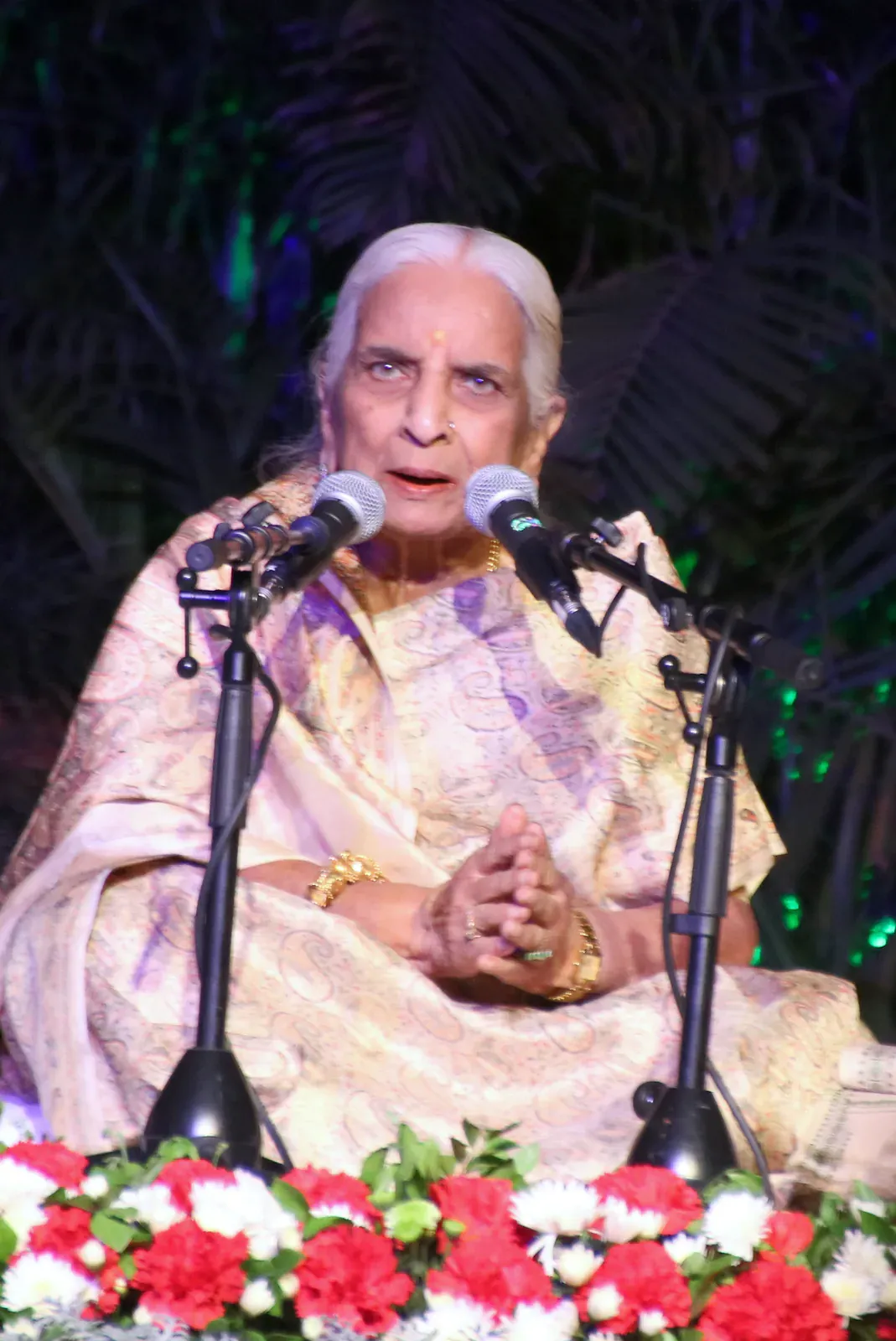
Radio brought the Purab ang to a wider audience. Girija Devi, born in Varanasi in 1929, made her public debut on All India Radio Allahabad in 1949 and gave her first concert in Bihar in 1951. Her repertoire included kajri, chaiti and hori as well as thumri, and she later taught at the ITC Sangeet Research Academy in Kolkata and at Banaras Hindu University. The kajari tradition itself was carried into the classical fold by Benares singers Rasoolan Bai, Siddheshwari Devi and Girija Devi.
Cinema and cassettes, 1963-1990
Modern Bhojpuri song grew out of Hindi film music of the 1950s, with songs such as Nain Lad Jaihe. In 1963 the first Bhojpuri talkie, Ganga Maiyya Tohe Piyari Chadhaibo, opened a market for film songs in the language. Sharda Sinha began her career with Maithili songs but became the voice of Bhojpuri festival music. Her Kahe Toh Se Sajna, sung for the Hindi film Maine Pyar Kiya in 1989, made her known across India.
Honours and Chhath online, 1991 to today
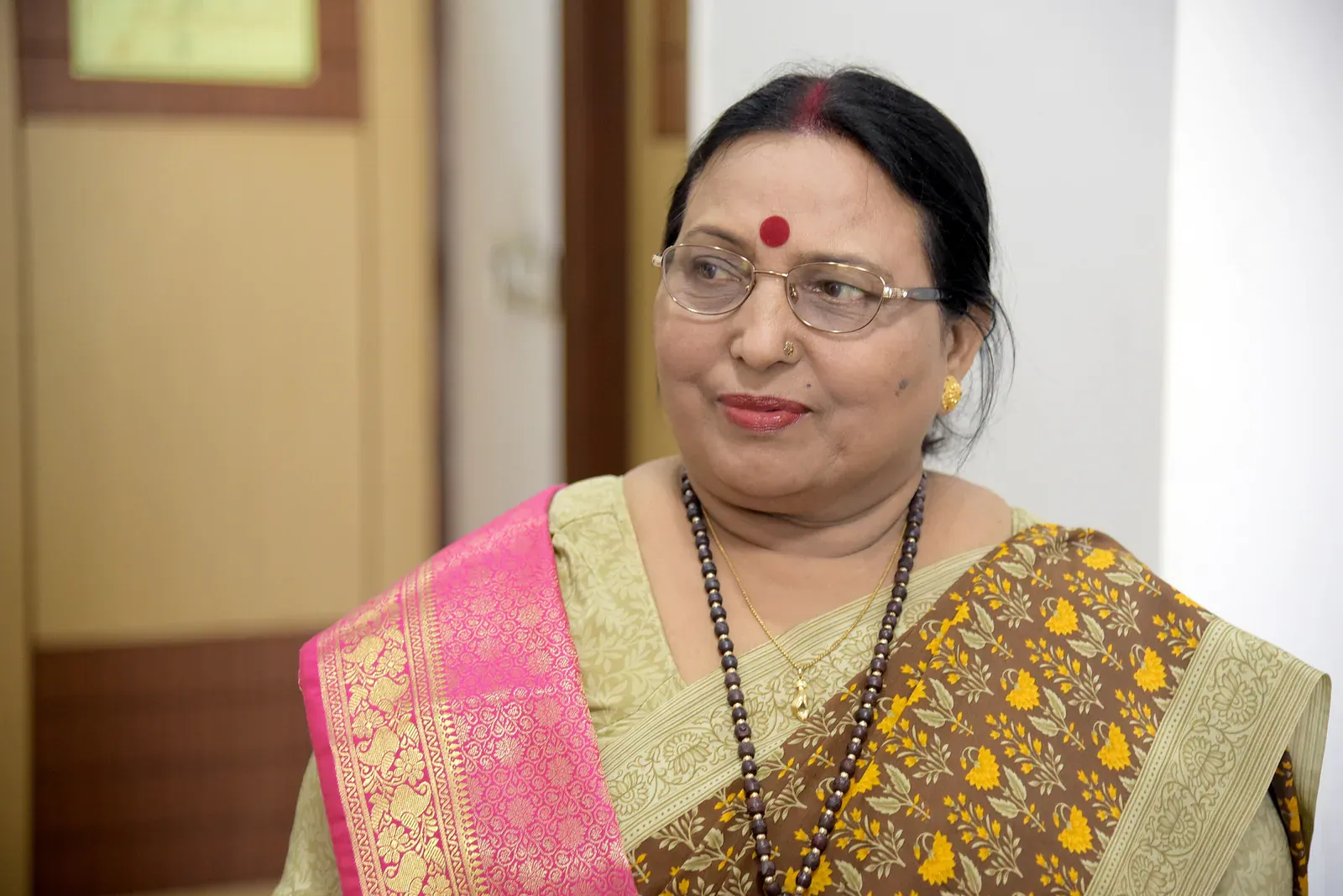
Sharda Sinha received the Padma Shri in 1991, the Sangeet Natak Akademi Award in 2000 and the Padma Bhushan in 2018. In her career she sang 62 Chhath songs on nine albums for T-Series, HMV and Tips. Her Kelwa Ke Paat Par, Hey Chhathi Maiya and Pahile Pahil Chhathi Maiya are played every autumn at the festival, which falls six days after Deepavali. After a gap in which she said music-company practices and weak lyrics had kept her away, she returned in 2016 with new Chhath songs on her own channel. She died on 5 November 2024, and the Padma Vibhushan was awarded to her posthumously in 2025.
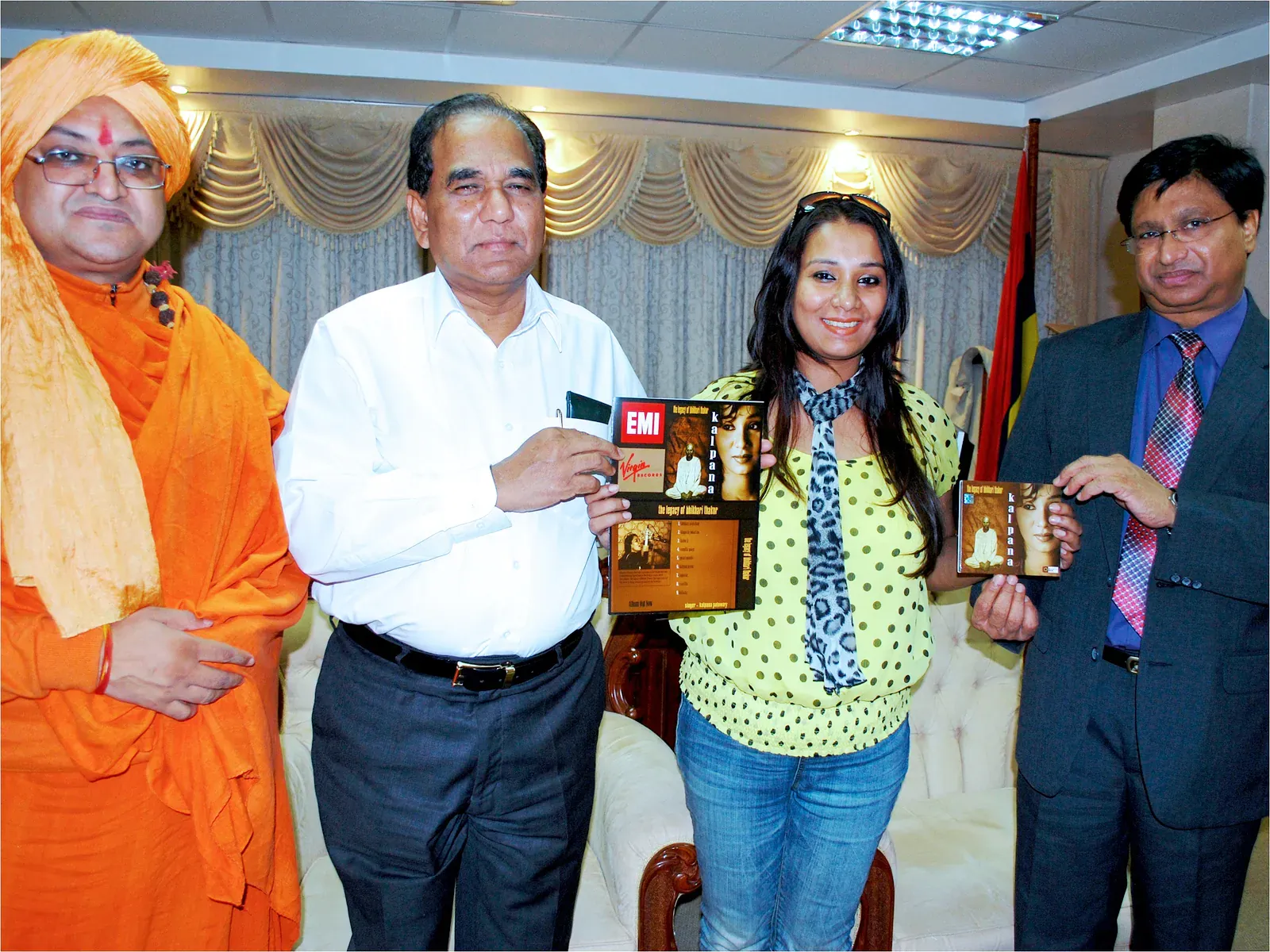
Others carry the folk song forward in different ways. Malini Awasthi, a disciple of Girija Devi who received the Padma Shri in 2016, popularised songs such as Railiya Bairan and Saiyan Mile Larkaiyan. Kalpana Patowary, nicknamed the Bhojpuri Queen, brought Khadi Birha to international stages and was the first woman to record the Chhaprahiya Purvi style, once reserved for men. Her album The Legacy of Bhikhari Thakur sets his songs for a new audience.
Characteristics
Songs follow a call and answer shape. In Biraha one party makes its point and the other replies with the same verse, with no limit on the number of verses. Women sing wedding songs and teasing lachari in groups, and Chhath songs belong to those who keep the fast. The singing is voice-led, the melody is often shaped by a raga, and a Girija Devi chaiti on Raga Pahadi shows how far a folk song can be ornamented. Barahmasa songs count the months of a year in the voice of a woman waiting for a husband who has gone away to work.
Instruments and production
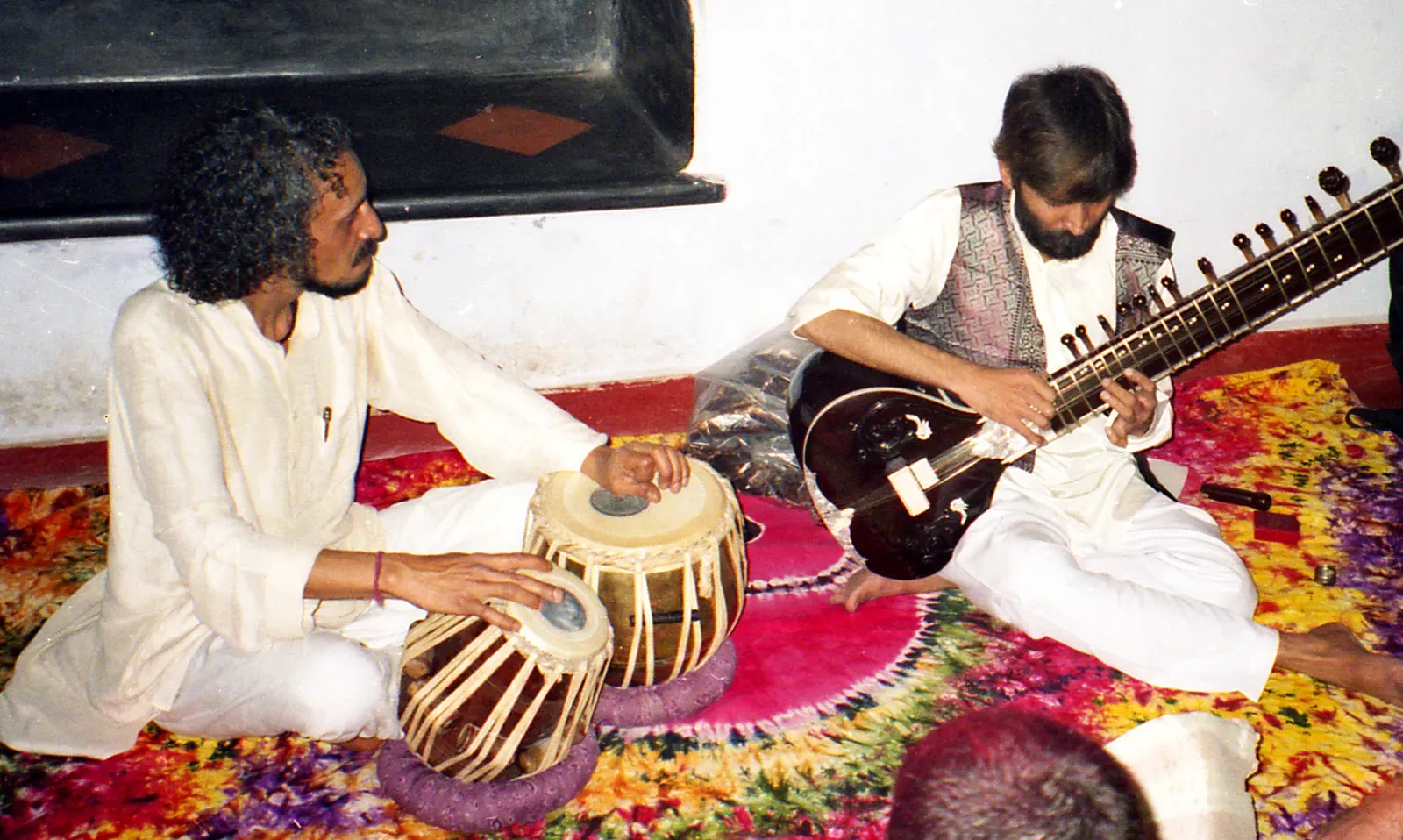
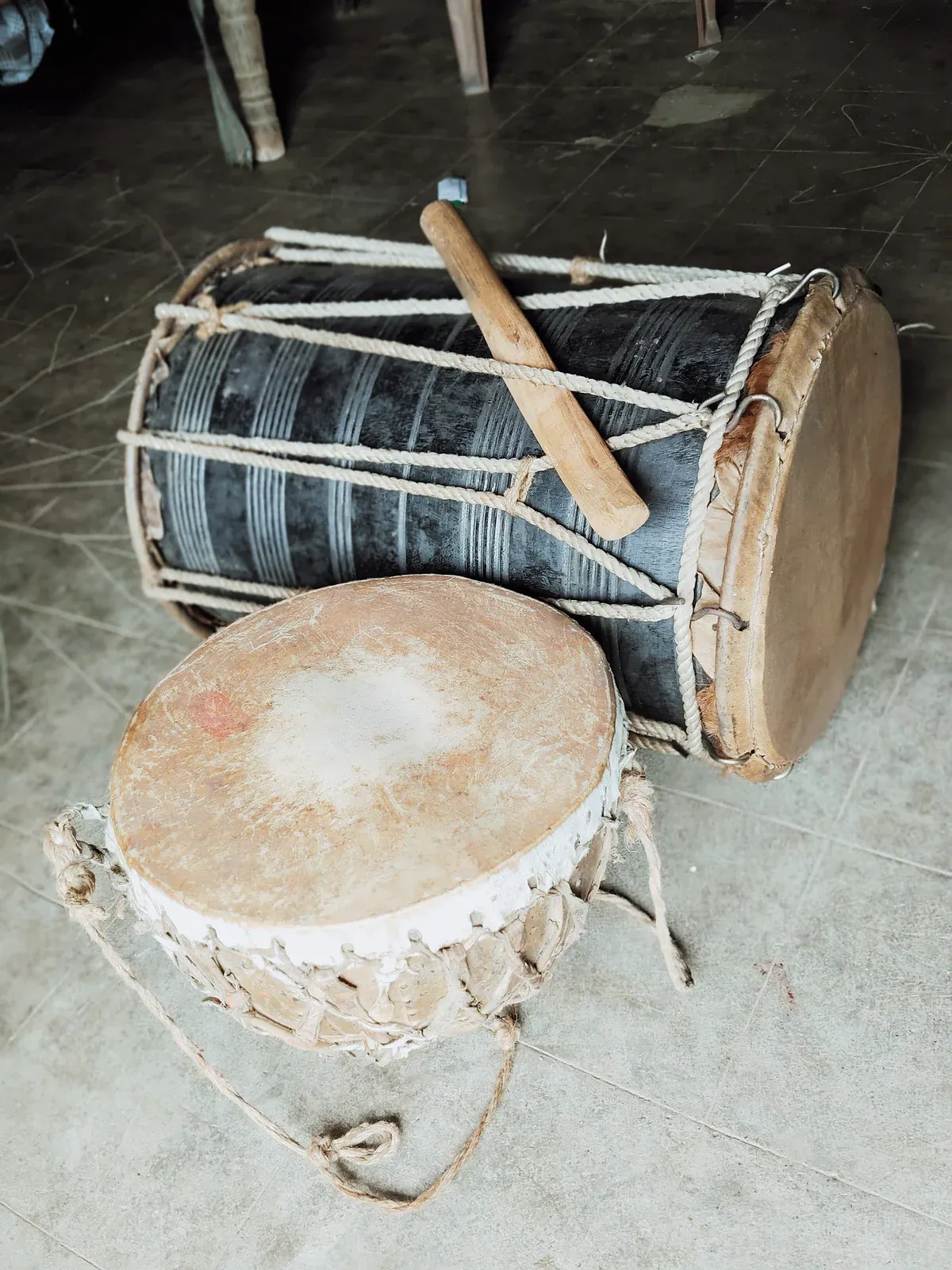
The dholak keeps the pulse, the harmonium supports the singer, and the khartal and manjira mark the beat in Biraha and devotional songs. Wedding and festival songs are often sung with little more than that.
Culture
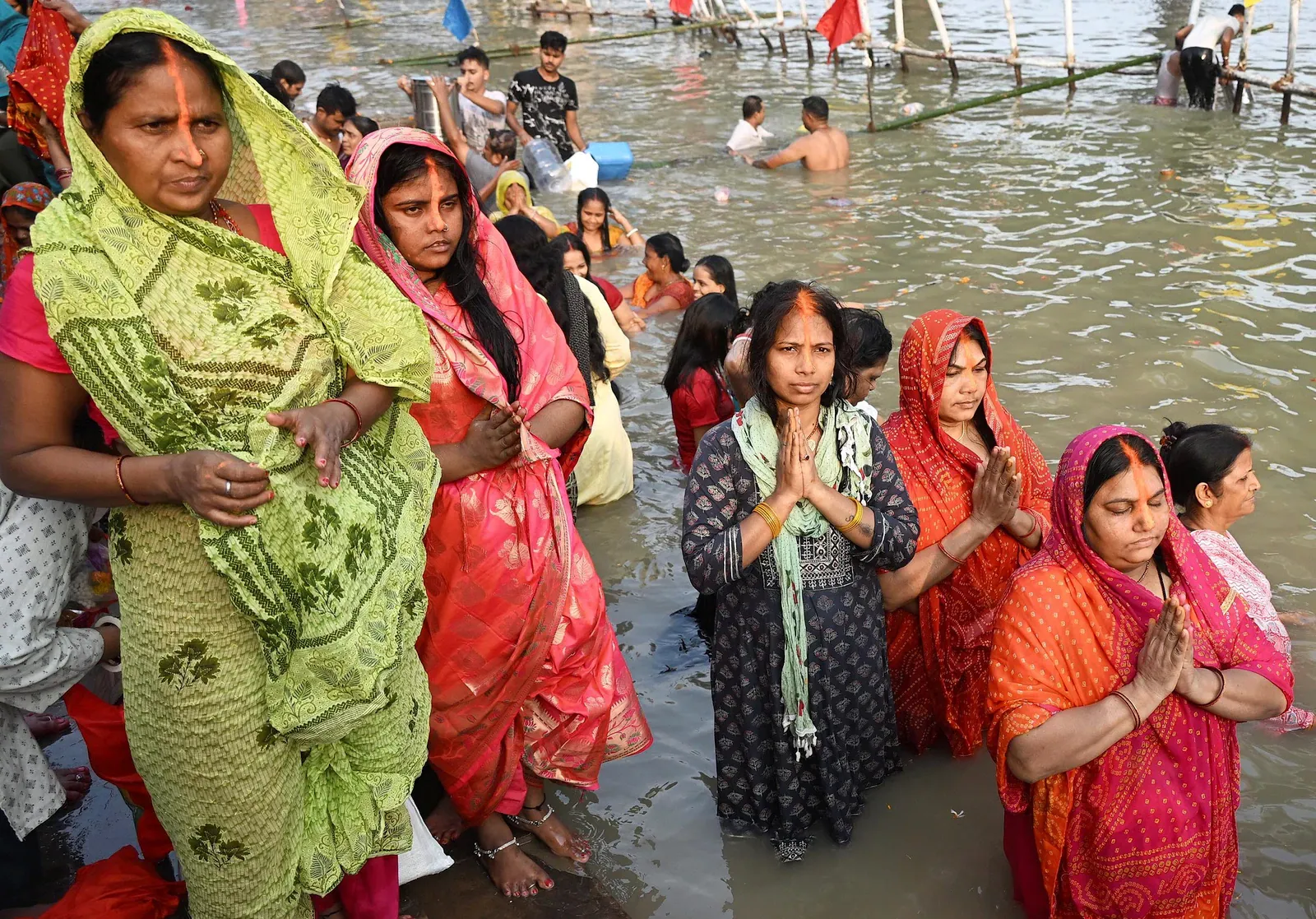
Chhath songs are inseparable from the festival, which is observed in Bihar, Jharkhand and eastern Uttar Pradesh and by the diaspora in cities from Kolkata to Singapore. Women stand in water at sunrise and sunset, and the songs praise Chhathi Maiya and the Sun God and speak of nature and its resources.

Wedding songs mark each ritual, from the teasing lachari sung by women to the jhumar of festive occasions. Work songs follow the farm year, from grinding wheat to transplanting paddy.
Legacy
Bhojpuri folk song gave the Caribbean and Indian Ocean diasporas their wedding music, gave the semi-classical Purab ang its subjects, and fed the modern Bhojpuri songs that followed film. Singers such as Sharda Sinha, Girija Devi and Malini Awasthi have earned national honours for performing it.
Misconceptions
Bhojpuri folk song is sometimes described as a Bihar tradition only. It belongs to the whole Bhojpuri belt, which includes eastern Uttar Pradesh and parts of Nepal, and its offshoots live in Trinidad, Guyana, Suriname, Mauritius and Fiji.
A second belief is that folk song cannot be refined. Kajari, chaiti and thumri are folk forms in the semi-classical mould, and the Benares gharana brought them into the classical fold.
A third is that a famous Bhojpuri singer sings only in Bhojpuri. Sharda Sinha sang mainly in Maithili and Bhojpuri but also in Magahi and Hindi.
Frequently asked questions
What are the main types of Bhojpuri folk songs?
The main types are sohar for births, wedding songs such as lachari and jhumar, Chhath songs, Biraha, kajari for the monsoon, chaiti for spring, Barahmasa and work songs such as jantsar and ropani.
What is Biraha in Bhojpuri folk music?
Biraha is a long narrative song of longing sung in answering verses by two parties, associated with the Ahir (Yadav) community and with the khartal.
Which Chhath songs are best known?
Kelwa Ke Paat Par, Hey Chhathi Maiya and Pahile Pahil Chhathi Maiya by Sharda Sinha are the Chhath songs played most often every year.
How did Bhojpuri folk music reach the Caribbean?
Indentured workers from Bihar and Uttar Pradesh carried their songs to Mauritius, Trinidad, Guyana and Suriname, and the wedding songs became Chutney and Baithak Gana.
Sound
Sound sheet
Anatomy of a track
| # | Part |
|---|---|
| 1 | Opening line naming the occasion, deity or mood |
| 2 | Verses on the theme, such as parting, the season or the ritual |
| 3 | Answer from the second party or refrain from the group |
Signature sounds
- Songs tied to an occasion, a month or a caste
- Open-ended rhymed verses
- Khartal clatter and dholak pulse in Biraha
Drums and percussion
- Dholak
Techniques
- Answering verses
- Open-ended rhymed lines
- Month-by-month cycle
- Women's group singing
Keys and modes
Raga Pahadi. A chaiti by Girija Devi is set on this raga.
Tuning
Pitch set by the lead singer; the harmonium is tuned to the voice
Vocals
Solo or group voice; women lead wedding, Chhath and work songs, men lead Biraha in answering parties
Scenes
Where it happened
Where and when the sound lived: one bar per city on a shared timeline.
Asia
Active scenes
Peak 4, 1949-2025
Home district of Bhikhari Thakur, whose troupe played weddings and fairs across Bihar, Bengal and Uttar Pradesh.
Dudhnath Press printed most of Bhikhari Thakur's books for readers among migrant workers from the Bhojpuri belt.
Temple stages for Biraha and home of the Banaras style of kajri and chaiti; a Varanasi press also printed Thakur's books.
Site of Girija Devi's All India Radio debut and of the Prayag Sangeet Samiti festival where Sharda Sinha sang spring songs.
Culture
Culture markers
- Chhath songs
Sung during Chhath Puja to praise the Sun God and Chhathi Maiya, by women who fast and stand in water.
Ritual - Wedding songs
Different songs mark each wedding ritual, from teasing lachari to jhumar and the nirbani of Chamar women.
Ritual - Seasonal songs
Kajari belongs to the monsoon month of Sawan, chaiti to Chait and phaguwa to Phalguna.
Ritual - Work songs
Jantsar for grinding wheat, ropani for transplanting paddy and sohani for weeding the fields.
Ritual
Media
Key media
- 1963Ganga Maiyya Tohe Piyari Chadhaibo
The first Bhojpuri talkie, which opened a market for Bhojpuri film songs.
Film - 1963Bidesiya
A film based on Bhikhari Thakur's play about a husband who leaves for the city.
Film - 2013Bidesia in Bambai
A documentary on Mumbai seen through migrant workers and their music.
Film
Glossary
Terms on this page
A Biraha lineage of teachers and pupils that owned the written texts and ran performances.
A cycle of songs describing a woman's pain of separation month by month through the year.
A long narrative song of separation, sung in answering verses by rival parties and tied to the Ahir (Yadav) community.
A song of the Chait month, March to April, that greets spring.
A monsoon song of a woman's longing for a beloved who is far away, set in the semi-classical mould.
A song sung at the birth of a child.
South Asian family