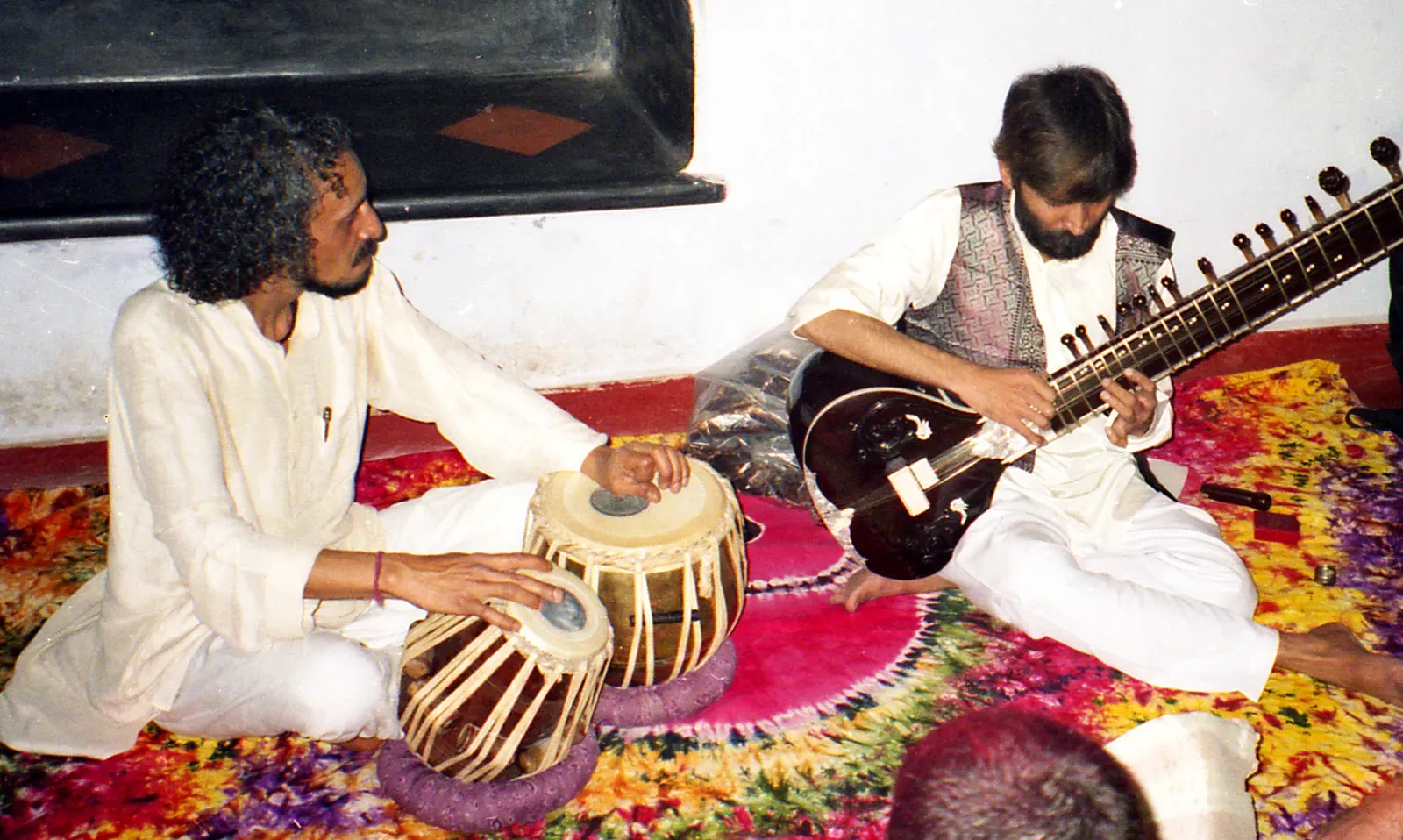
Baul
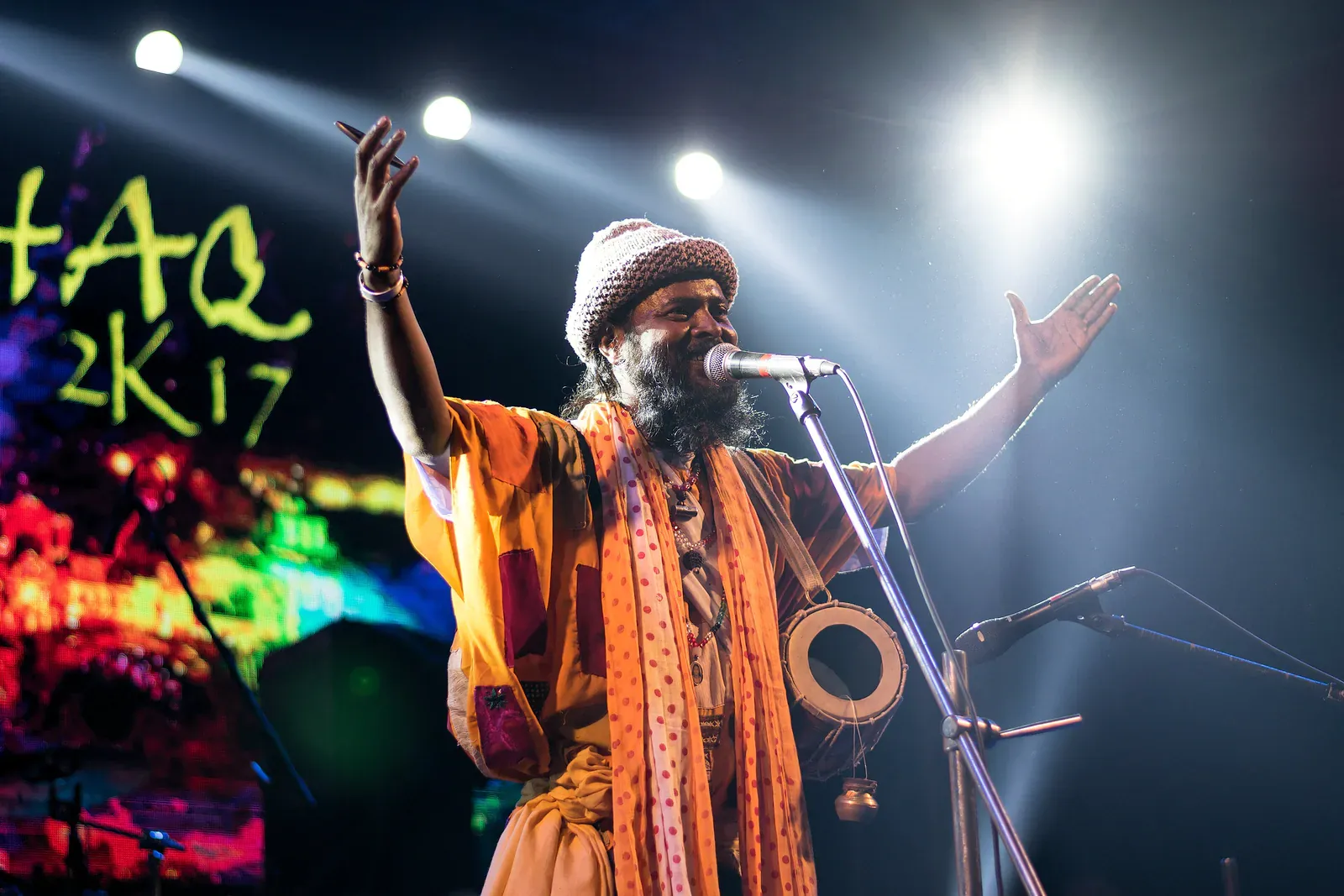
Baul is a mystic folk song tradition of Bengal, sung by wandering minstrels of Sufi and Vaishnava Sahajiya belief to the ektara drone lute.
Bengal, around 1450
South Asian family
Born
around 1450
Bengal
Links
8
Genres it drew on or shaped
Tempo
95-155 BPMLineage
Family tree
Timeline
Era by era
From the first sparks to today. Select a dot to read the story behind it.
- Wandering minstrels
1450 to 1890
- Transcription and Tagore
1891 to 1966
- Stage and world tours
1967 to 1996
- Fusion and heritage
1997 to today
Eras
Moments
- 1 Wandering minstrels, 1450 to 1890
- 2 Transcription and Tagore, 1891 to 1966
- 3 Stage and world tours, 1967 to 1996
- 4 Fusion and heritage, 1997 to today
around 1450
Wandering minstrels
The word Baul appears in Bengali texts of the 15th century. Songs pass by voice from guru to disciple among Hindu Vaishnava Sahajiya and Muslim Sufi singers, with Lalon of Kushtia as the best-known voice.
- 1450Baul named in Bengali textsThe Chaitanya Bhagavata and the Chaitanya Charitamrita use the word Baul, first as a term for the mad or ecstatic.
- 1889Portrait sketch of LalonJyotirindranath Tagore is said to have drawn the only portrait of Lalon from life on a houseboat on the Padma.
- 1890Lalon dies at CheuriyaLalon dies on 17 October and is buried at his akhra near Kushtia, now the site of yearly gatherings.
1891
Transcription and Tagore
Outside observers begin to write the songs down, and Rabindranath Tagore carries the Bauls into Bengali letters and his European lectures of the 1930s.
- 1931Tagore writes of the BaulsRabindranath Tagore's The Religion of Man presents the Baul quest for the man of the heart to a Western readership.
- 1948Aftab Sangeet publishedShah Abdul Karim's first songbook appears, the start of a body of about 1,600 compositions.
1967
Stage and world tours
Purna Das Baul is named Baul Samrat in 1967 and tours the United States the same year. A Nonesuch album follows in 1975 and the Bauls reach festival audiences abroad.
- 1967Baul Samrat on tour in the USPurna Das Baul receives the title Baul Samrat from President Rajendra Prasad and tours 40 US states, sponsored by Bob Dylan's manager Albert Grossman.
- 1973Farida Parveen sings LalonThe singer later called Queen of Lalon song performs the Lalon song Shatyo Bol Shupothey Chol.
- 1975The Bengal MinstrelNonesuch releases Purna Chandra Das Baul: The Bengal Minstrel for American listeners.
- 1995Parvathy Baul begins performingAfter years of training under Baul gurus in Bengal, she starts a stage career that takes her across India and abroad.
1997
Fusion and heritage
Real World Records releases Paban Das Baul's work in 1997, Baul rock bands appear in Kolkata, UNESCO lists the Baul tradition of Bangladesh in 2005, and women such as Parvathy Baul gain wide recognition.
- 1997Real SugarPaban Das Baul and guitarist Sam Mills release one of the first fusions of Bengali and western pop on Real World Records.
- 2001Ekushey Padak for Shah Abdul KarimBangladesh honours the Baul Samrat with its second-highest civilian award.
- 2005UNESCO recognitionThe Baul tradition of Bangladesh enters the list of Masterpieces of the Oral and Intangible Heritage of Humanity.
- 2006Baul Fakir Utsav in KolkataA two-day annual festival starts bringing Bauls from several Bengal districts and Bangladesh to city audiences.
- 2010Bolepur Bluez on national TVThe Kolkata Baul rock band reaches a mass audience on India's Got Talent.
- 2019Sangeet Natak Akademi AwardParvathy Baul receives India's national award for her contribution to the Baul tradition.
Listening path
Start listening
A short path from an easy way in to the deep end. Thumbnails come from YouTube; the player loads only when you press play.
- 01
Paban Das Baul & Sam Mills, 1997
A song from Real Sugar where the Baul voice meets guitar and electronics; listen for the drone under the vocal.
- 02
Paban Das Baul & Sam Mills, 1997
A song of secret love from the same album, showing how Baul lyrics sit on a pop arrangement.
- 03
Paban Das Baul & Sam Mills, 1997
A slower piece from Real Sugar with the restless mind as its subject.
Facts
| Family | South Asian |
| Origin | Bengal, Bangladesh |
| Emerged | Syncretic tradition, orally transmitted until the late 19th century |
| Status | Active |
| Tempo | 95 to 155 BPM |
Baul is a mystic song tradition of Bengal, sung by wandering minstrels who blend Sufi and Vaishnava Sahajiya ideas and accompany themselves on the ektara, a one-string drone lute.
It is found across Bangladesh and the Indian states of West Bengal, Tripura and Assam’s Barak Valley, and it was passed on by voice alone until the late nineteenth century. The songs search for a divine presence inside the human body, and in 2005 UNESCO listed the Baul tradition of Bangladesh as a Masterpiece of the Oral and Intangible Heritage of Humanity. Baul sits within the wider South Asian family.
Origins
The word Baul appears in Bengali texts as early as the fifteenth century, including the biographies of the saint Chaitanya, where it first meant someone mad or ecstatic. Scholars disagree on where the movement began, and neither the Bauls nor outsiders name a founder. Bauls explain the lack of records by their reluctance to leave traces behind.
The tradition grew from the meeting of Hindu and Muslim mystic currents in rural Bengal: Gaudiya Vaishnava devotion and the Sahajiya path on one side, Sufi practice on the other. Gurus of either faith initiate disciples of either faith, and the community is divided into named groups around individual teachers. The older devotional singing of kirtan is a recognised influence, and Baul thought shares ground with the wider world of Sufi music.
Two ways of life coexist. Ascetic Bauls renounce family and society, live on alms and move from one akhra, or hermitage, to the next, often with a female companion called a sevadasi. Householder Bauls live in a secluded part of a village with their families. Counts of ascetics in the Kushtia district of Bangladesh rose from 252 in 1976 to about 5,000 by 2000.
Lalon and the nineteenth century
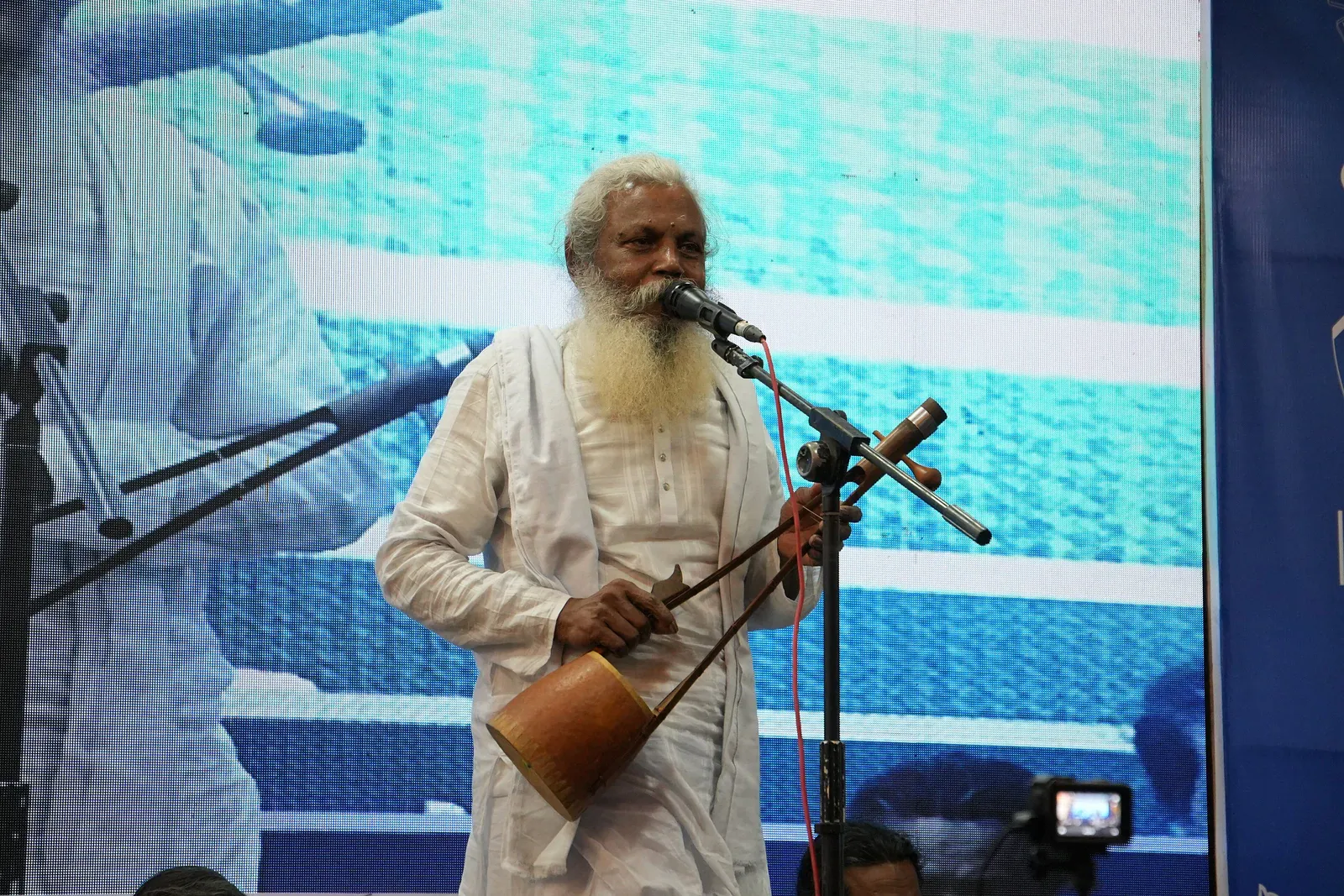
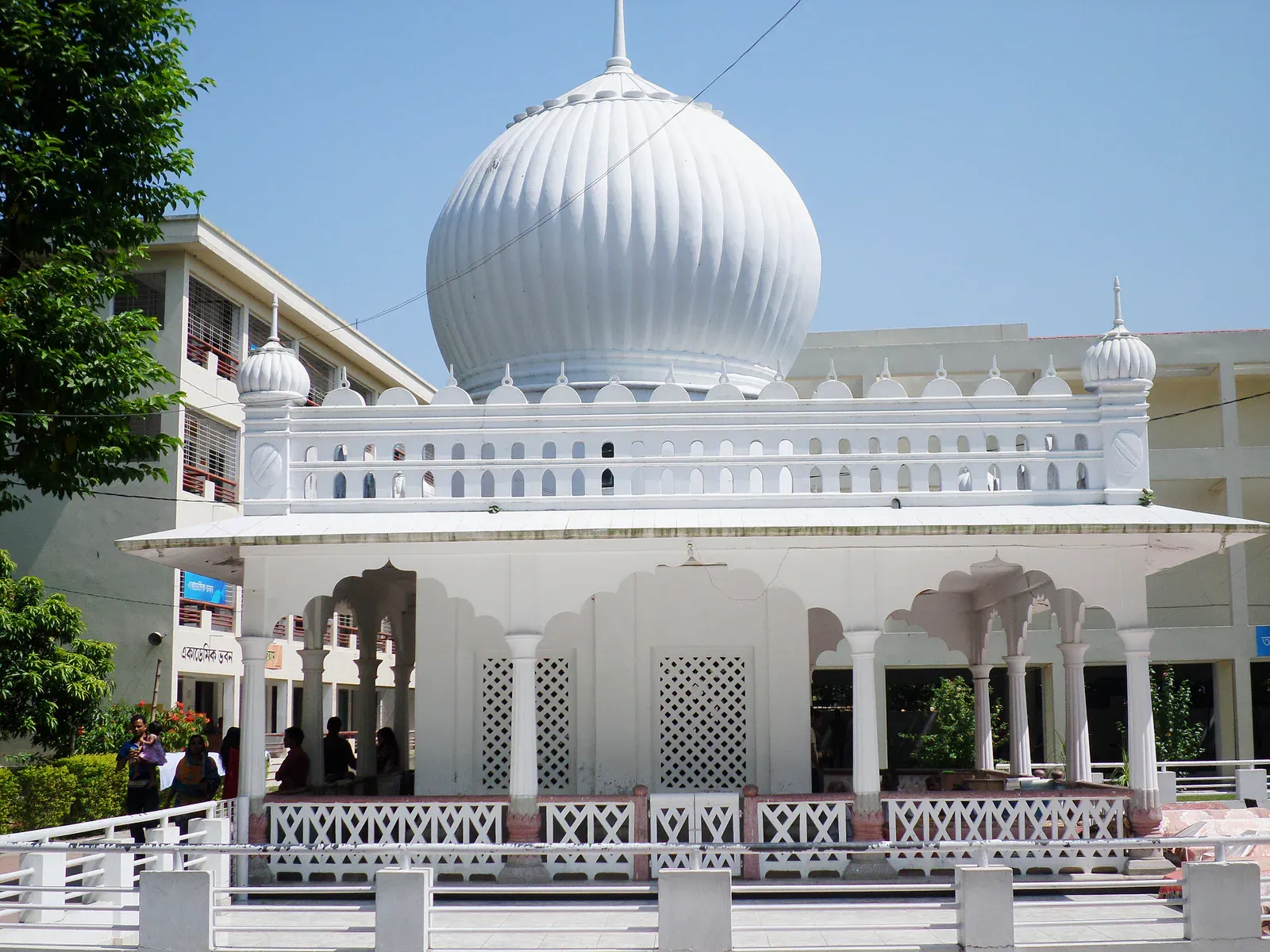
The best-known voice of the oral age is Lalon, who died at Cheuriya near Kushtia on 17 October 1890. Details of his early life are thin because he said little about his past. One widely told account has him abandoned with smallpox on a pilgrimage and nursed back by a Muslim weaver’s family, after which he followed the Baul saint Siraj Sain. He founded the akhra at Cheuriya, had no formal education, and left no written songs.
Estimates of his output run from about 2,000 to 10,000 songs, of which around 800 are generally accepted as authentic. They reject caste and creed and ask what a religion looks like, since no one has seen one at birth or death. Lalon was accused of heresy during his life and after it, yet he became an icon of religious tolerance in Bengal.
Tagore and the discovery by outsiders
Lalon lived on the Tagore family’s estate in Kushtia, and some of his songs reached the Bengali press through Rabindranath Tagore. Tagore’s own compositions carry Baul tunes and imagery, and he described the Bauls to European audiences in lectures of the 1930s collected in The Religion of Man. His songs of the man of the heart, among them one built on a Baul theme, belong to the repertoire of Rabindra Sangeet. Kazi Nazrul Islam, whose songs form Nazrul Geeti, also drew on the Baul message of devotion without sect, and Lalon’s example later reached the American poet Allen Ginsberg.
Stage and world tours, 1967 to 1996
The Baul performer became a stage artist in the 1960s. In 1967 Purna Das Baul, born in Birbhum in 1933, was given the title Baul Samrat, Baul Emperor, by India’s president Rajendra Prasad. That year he toured forty American states, sponsored by Bob Dylan’s manager Albert Grossman, and appeared on the cover of Dylan’s album John Wesley Harding. Nonesuch released The Bengal Minstrel in 1975, and later tours reached Europe, Asia and Australia. In Bangladesh the parallel figure is Shah Abdul Karim, 1916 to 2009, who wrote about 1,600 songs, married despite the celibate ideal and farmed until old age, and received the Ekushey Padak in 2001.
Fusion and recognition, 1997 to present
Real World Records issued Real Sugar in 1997, a collaboration between Paban Das Baul, born in Murshidabad in 1961, and the London guitarist Sam Mills that began in 1988 and is counted among the first fusions of Bengali and western pop. Paban Das Baul later worked with State of Bengal on Tana Tani. In Kolkata the band Bolepur Bluez built Baul rock, a style that reached national television in 2010.
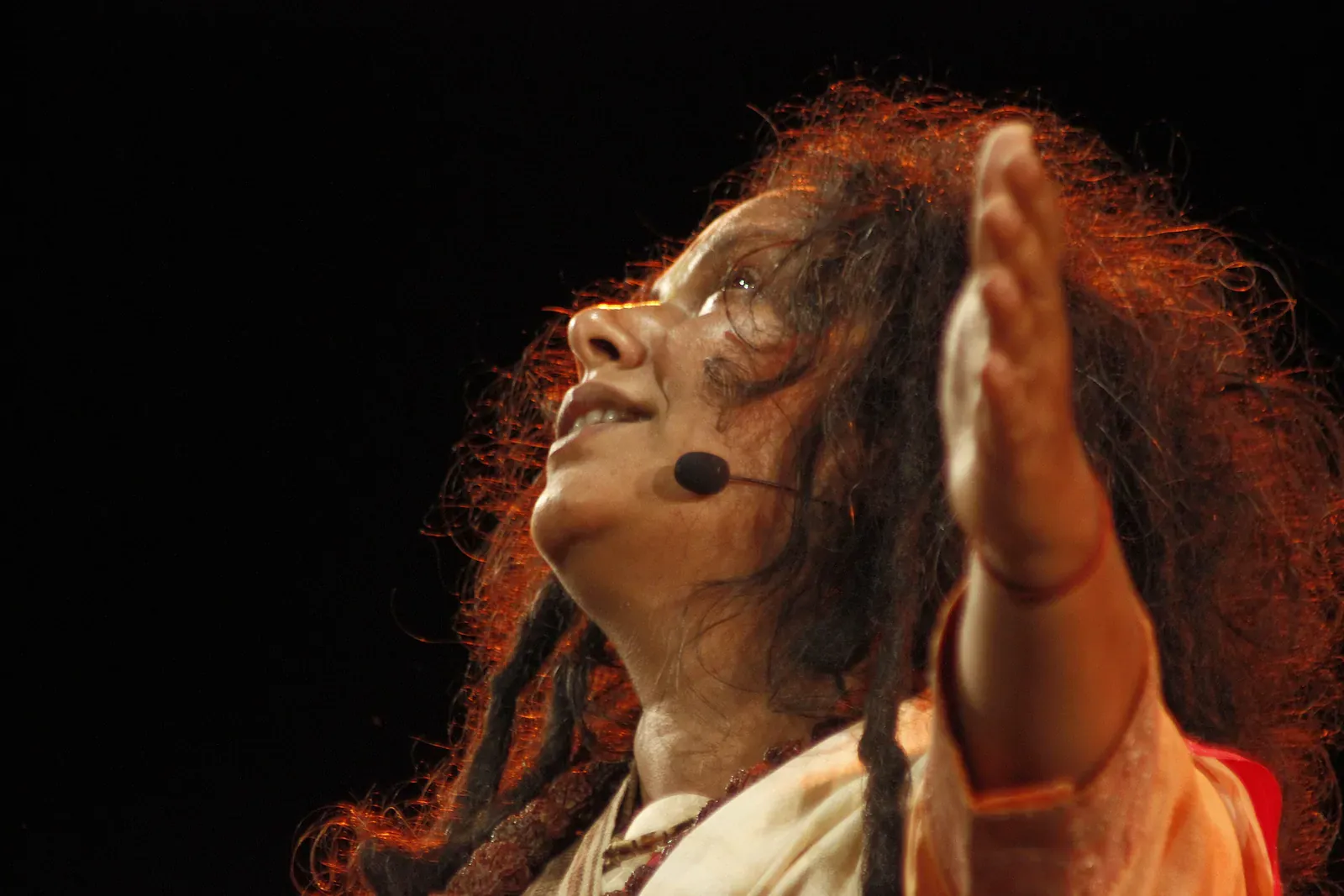
Women now lead the tradition’s public face. Parvathy Baul, who first heard a blind Baul singer on a train to Santiniketan, trained for years with gurus in Bankura, performs with painted backdrops and runs a school in Kerala. Farida Parveen, called the Queen of Lalon song, carried Lalon’s repertoire to mass audiences in Bangladesh until her death in 2025. Habib Wahid’s early-2000s album Krishno revived interest in Shah Abdul Karim’s songs through folk fusion.
Characteristics
Baul songs speak of the moner manush, the man of the heart, a figure that can be the beloved, the guru and the divine within the body. They celebrate heavenly love in earthy terms, and their verses use plain words with layered meanings. A singer rarely stays seated: the lead voice dances while playing, and each verse often closes with the poet’s name.
Baul teaching holds that neither priest, prophet nor ritual of an organised religion leads to God and that temple and mosque block the path. The search is individual and bodily, which gives the songs their esoteric imagery.
Instruments and production
The ektara gives the drone, the duggi small drum hangs at the waist, and ankle bells mark the dance steps. Fuller line-ups add the dotara, the khamak, a bamboo flute, finger cymbals and, in modern settings, harmonium and tabla.
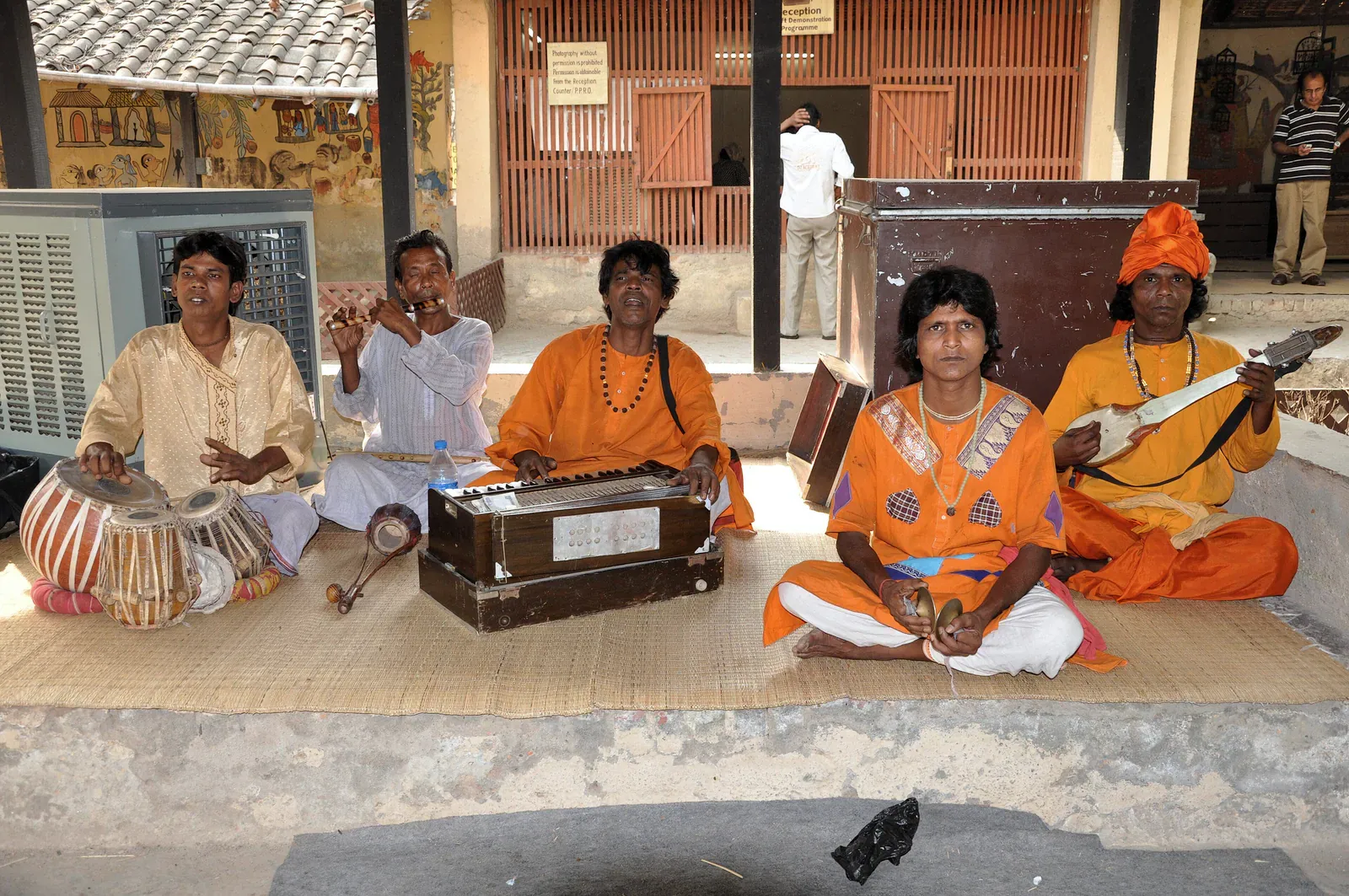
Recorded Baul music splits into two paths. Field and stage recordings keep the voice, drone and drum, as on the Nonesuch album. Fusion work such as Real Sugar places the same voice over guitar, bass and electronics.
Notable recordings
Real Sugar stands out because it moved Baul songs into the world-music circuit through Real World Records. Mon Moti, Gopun Premer Kotha and Choncholo Mon, all from the album, are the pieces played on this page. The Bengal Minstrel remains an early document of Purna Das Baul for western listeners, and Bangladesh, a 2017 album of Farida Parveen’s Lalon songs, records the Bangladeshi branch of the tradition.
Culture
Bauls in Bangladesh mostly dress in white as a sign of purity, with long white tunics and lungis, while Indian Bauls wear orange and red. Ascetics carry a shoulder bag, the jhola, for alms. Gatherings anchor the year: the Lalon Smaran Utsab at Kushtia in the month of Falgun, the Joydev Kenduli fair in Birbhum on Makar Sankranti, which is also called the Baul Fair, and the Poush Mela at Santiniketan. Baul Fakir Utsav has brought singers from Bengal and Bangladesh to Kolkata audiences since 2006.
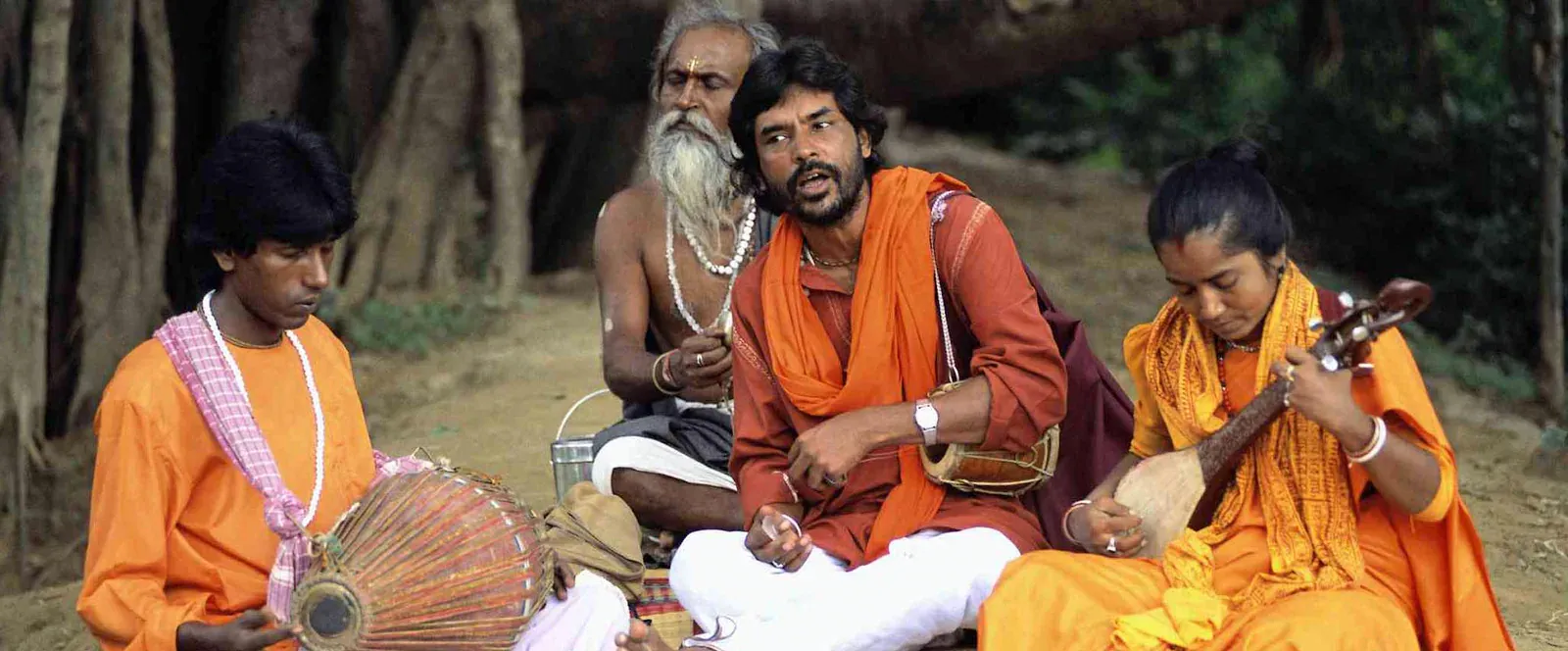
Not everyone welcomes the tradition. At various times in Bangladesh, Bauls have been targeted by Islamists who regard them as apostates and object to music.
Legacy
Baul influenced Bengali poetry and Rabindra Sangeet, and later the folk-fusion and Baul rock scenes of Kolkata and Dhaka. Singers such as Rina Das Baul of Bolpur and her troupe Rangamatir Baul have performed at European festivals. In practice the tradition survives in akhras and village gatherings as much as on stage.
Misconceptions
Baul is not a Hindu sect. Its members are mainly Bengali Muslims with a Sufi background and Bengali Hindus of the Gaudiya Vaishnava tradition, and the same guru may initiate either.
Baul songs are not simple village ditties. Their plain words carry a coded vocabulary of body, love and divinity that rewards a teacher’s explanation.
Baul is not a male preserve. Women long served as companions to ascetics, but Parvathy Baul, Farida Parveen and others now lead as singers, and Parvathy Baul received a Sangeet Natak Akademi Award in 2019.
Frequently asked questions
What is Baul music?
Baul music is the song tradition of Bengal’s wandering mystic minstrels, who mix Sufi and Vaishnava Sahajiya thought and sing of the divine inside the body, usually with an ektara drone.
Who was Lalon in Baul music?
Lalon, who died in 1890 at Cheuriya near Kushtia, is the most celebrated Baul poet. Hundreds of his songs survive, and his shrine hosts a yearly gathering of Bauls.
Where is Baul music heard live?
The largest gatherings are the Lalon Smaran Utsab at Kushtia, the Joydev Kenduli fair in Birbhum and the Poush Mela at Santiniketan, plus the Baul Fakir Utsav in Kolkata.
What instruments do Bauls play?
The core is the ektara drone lute and the duggi hand drum. Larger groups add the dotara, khamak, flute and finger cymbals, and harmonium or tabla on stage.
Sound
Sound sheet
Anatomy of a track
| # | Part |
|---|---|
| 1 | Refrain |
| 2 | Verse in two phrases |
| 3 | Return to the refrain |
| 4 | Signature verse naming the poet |
Signature sounds
- Ektara drone under a solo voice
- Duggi drum on the hip
- Ankle bells while dancing
- Lyrics on the man of the heart
Drums and percussion
- Duggi
Techniques
- Drone accompaniment
- Singer-dancer performance
- Dadra and kaharba cycles
- Mystic verse
Tuning
Relative pitch with a tonic drone on the ektara; the dotara is strung Pa-Sa-Sa-Ma.
Vocals
Solo lead voice singing mystic verses in Bengali, with a refrain at the end of each verse.
Scenes
Where it happened
Where and when the sound lived: one bar per city on a shared timeline.
Asia
Active scenes
Peak 2, 2006-2025
Home of Parvathy Baul and her school, Ektara Baul Sangeetha Kalari, which teaches the tradition far from Bengal.
Host of the annual Baul Fakir Utsav and the base of Baul rock bands such as Bolepur Bluez.
Culture
Culture markers
- White and saffron dress
Bauls in Bangladesh mostly wear white as a sign of purity, while those in India dress in orange and red.
Fashion - Baul dance
The singer dances while playing ektara and duggi, with ankle bells marking the steps.
Dance - The man of the heart
Songs speak of the moner manush, a figure at once the beloved, the guru and the divine in the body.
Slang - Gatherings at Kushtia and Kenduli
Bauls and followers gather at Lalon's shrine in Kushtia and at the Joydev Kenduli fair in Birbhum, among the largest annual meetings.
Ritual
Media
Key media
- 1931The Religion of Man
by Rabindranath Tagore. Tagore's lectures place the Bauls and their songs in a philosophy of love and the divine in man.
Book - 2005Songs of the Great Soul
by Parvathy Baul. An account of an educated woman's path into a tradition once held mostly by men in rural villages.
Book - 2010The Honey Gatherers: Travels with the Bauls
by Mimlu Sen. A travel memoir by the wife of Paban Das Baul on the life of itinerant Bauls.
Book
Glossary
Terms on this page
A Baul hermitage where a guru lives, teaches and hosts gatherings.
A wandering mystic singer of Bengal, and the music and sect that grew around such singers.
Living dead, a term for ascetic Bauls who have renounced family and society.
The man of the heart, the divine presence within the body that Baul songs search for.
A woman devoted to the service of an ascetic Baul on his path.
South Asian family