Nazrul geeti
Nazrul geeti is the Bengali song repertoire of Kazi Nazrul Islam, about 4,000 songs from revolutionary anthems to ghazals, begun in the 1920s.
Bengal, 1920
South Asian family
Born
1920
Bengal
Subgenres
1
Documented branches
Links
3
Genres it drew on or shaped
Tempo
65-110 BPMLineage
Family tree
Grew out of
Influenced by
Bengal, 1920
Nazrul geeti
Led to (1)
Timeline
Era by era
From the first sparks to today. Select a dot to read the story behind it.
- The rebel poet's songs
1920 to 1927
- Gramophone years
1928 to 1941
- After Nazrul fell silent
1942 to 1971
- National poet, institutes and archives
1972 to today
Eras
Moments
- 1 The rebel poet's songs, 1920 to 1927
- 2 Gramophone years, 1928 to 1941
- 3 After Nazrul fell silent, 1942 to 1971
- 4 National poet, institutes and archives, 1972 to today
1920
The rebel poet's songs
After leaving the army, Nazrul wrote revolutionary songs and poems in Calcutta, went to prison in 1923 and by 1926 was writing mass music for the working class.
- 1899Nazrul is born in ChuruliaKazi Nazrul Islam is born on 24 May in Churulia, Bengal Presidency, and later joins his uncle's leto folk theatre troupe as a songwriter.
- 1922Bidrohi and the Dhumketu magazineThe poem Bidrohi (The Rebel) makes Nazrul famous, and on 12 August he starts the bi-weekly Dhumketu, critical of British rule.
- 1923Arrest for seditionNazrul is arrested on 23 January, fasts for 40 days in Hooghly Jail and writes poems and songs in prison before his release in December.
- 1924Bisher Banshi bannedBritish authorities ban the collection of poems and songs Bisher Banshi, which circulates in secret; Bhangar Gan is also proscribed this year.
- 1926Krishnanagar and the mass musicSettled at Grace Cottage in Krishnanagar, Nazrul writes songs voicing the aspirations of the working class, later called his mass music.
1928
Gramophone years
Bengali ghazals, Islamic songs, raga-based songs and film music reached listeners on 78 rpm discs from HMV and smaller labels, sung by Abbasuddin Ahmed and others.
- 1928Bagichay Bulbuli Tui on HMVThe Bengali ghazal, set in raga Bhairavi and Kaharba tala, is released for the Durga Puja season and first recorded by K Mallik.
- 1928Notuner GaanThe marching song later adopted as the national march of Bangladesh is recorded.
- 1930Pralaya Shikha proscribedThe collection of poems and songs Pralaya Shikha is banned by the colonial government.
- 1932O Mon Romzaner Oi Rozar ShesheNazrul composes the Eid song for Abbasuddin Ahmed; it becomes a standard for Chand Raat and Eid-ul-Fitr.
- 1935Kamal Dasgupta joins the Gramophone CompanyAs music director he works closely with Nazrul and sets nearly 400 of his songs.
- 1935Tribhubaner Priya MuhammadNazrul composes the devotional song for Abbasuddin Ahmed, part of the Islamic song repertoire that sold well in the 1930s.
1942
After Nazrul fell silent
An illness ended Nazrul's writing and singing in 1942. Pupils and later singers such as Firoza Begum, Kamal Dasgupta and Sudhin Das kept the songs alive in Calcutta and Dhaka.
- 1942Nazrul loses his voiceAt 43 he begins to lose his voice and memory; later he is diagnosed with Pick's disease and never writes or sings again.
- 1942Firoza Begum's first recordA pupil of Nazrul since the age of ten, she records her first Islamic song on an HMV 78 rpm disc.
1972
National poet, institutes and archives
Nazrul was brought to Dhaka in 1972 and honoured as Bangladesh's national poet. The Kabi Nazrul Institute opened in 1985, and singers and teachers on both sides of the border pass the songs on through notation.
- 1972Nazrul brought to DhakaOn 24 May Bangladesh brings the poet to Dhaka and confers the status of national poet.
- 1976Nazrul diesHe dies on 29 August and is buried beside a mosque on the Dhaka University campus.
- 1985Kabi Nazrul Institute opensBangladesh's national institute for the poet is founded in Dhaka in February.
Listening path
Start listening
A short path from an easy way in to the deep end. Thumbnails come from YouTube; the player loads only when you press play.
- 01
Firoza Begum, 1991
The Bengali ghazal in raga Bhairavi, the song that made Nazrul's name on disc.
- 02
Firoza Begum, 1987
A romantic song from the album Jodi Sorone Aashe More.
- 03
Firoza Begum, 1987
A lyrical song from the same album, showing the gentle side of the repertoire.
- 04
Firoza Begum, 1987
A third song from the 1987 album, rounding out the Firoza Begum listening path.
Facts
| Family | South Asian |
| Origin | Bengal, Bangladesh |
| Emerged | 1920s-1942 |
| Status | Active |
| Tempo | 65 to 110 BPM |
| Meter | Kaharba 4+4 in the Bulbuli ghazal; keherwa in O Mon Romzaner |
| Subgenres | 1 |
Nazrul geeti, also spelled Nazrul sangeet, is the body of songs written and composed by the Bengali poet Kazi Nazrul Islam, roughly 4,000 in number. It took shape in Calcutta from the 1920s and mixes revolutionary marching songs, love lyrics, devotional verse and the first Bengali ghazals.
The tunes mostly rest on Hindustani ragas, and the songs are sung in Bengali by a solo voice with harmonium and tabla. They are popular in both Bangladesh and the Indian state of West Bengal. See the wider South Asian family for the neighbouring traditions.
Origins
Nazrul was born in 1899 in Churulia, in the Bengal Presidency, the son of a mosque imam. After his father died he worked as a muezzin, then joined his uncle’s leto troupe, a travelling folk theatre where he wrote songs and plays. He later studied Persian language and music with a teacher attached to his army regiment in Karachi, after joining the British Indian Army in 1917. That training, together with a teacher’s classical lessons, gave him both the folk tunes and the raga grammar he used in later years.
He left the army in 1920 and settled in Calcutta. His poem Bidrohi (The Rebel) made him famous in 1922, and in August of that year he began the bi-weekly Dhumketu, which attacked British rule. Arrested for sedition in January 1923, he fasted for 40 days in Hooghly Jail and kept writing songs and poems in prison. The book Bisher Banshi was banned in 1924 and read in secret; Pralaya Shikha followed in 1930. These bans explain why the early songs are remembered as acts of protest.
Calcutta and the gramophone, 1928-1941
From about 1926 Nazrul lived in Krishnanagar, where he wrote songs for the working class that later critics called his mass music. Around 1927 and 1928 he began setting Bengali verse in the ghazal form, which he had learned through Persian poetry. Bengali ghazal is regarded as his own innovation, and it introduced Islamic themes to the mainstream of Bengali song.
The record industry gave these songs their audience. The Gramophone Company, sold as HMV, ignored him until his popularity forced it to pay his arrears in late 1928, and he worked for it from 1929 while also writing for other labels. The ghazal Bagichay Bulbuli Tui, set in raga Bhairavi and the eight-beat Kaharba tala, went on sale for the 1928 Durga Puja season and was first recorded by K Mallik. Notuner Gaan, the marching song later adopted as the national march of Bangladesh, was recorded the same year.
In the 1930s Islamic song became his best-selling form. Adapted from qawwali and developed with the thumri singer Jamiruddin Khan and the folk singer Abbasuddin Ahmed, these songs included O Mon Romzaner Oi Rozar Sheshe, composed for Abbasuddin in 1932 in raga Pilu and keherwa tala, and Tribhubaner Priya Muhammad in 1935. Hindu singers such as Dhiren Das and Girin Chakrabarti recorded Islamic songs under Muslim names, an arrangement that shows how the market, not the community of the singer, shaped the repertoire.
Kamal Dasgupta joined the Gramophone Company as a music director in 1935 and set nearly 400 of Nazrul’s songs. In the same years Nazrul scored the film Patalpuri using Santhal jhumur folk music, and his film work in the late 1930s ranged across dhrupad, thumri, ghazal, baul and bhatiyali.
After 1942
In 1942, at 43, Nazrul began to lose his voice and memory, and he never wrote or sang again. Later doctors diagnosed Pick’s disease. The songs survived through pupils and records. Firoza Begum, who met him at the age of ten and became his pupil, recorded her first Islamic song for HMV in 1942. Singers such as Anup Ghoshal, a Kolkata artist counted among the foremost voices of the golden age of Nazrul geeti between the 1930s and 1970s, carried the repertoire onto long-playing records.
Bangladesh and the institute, 1972 onward
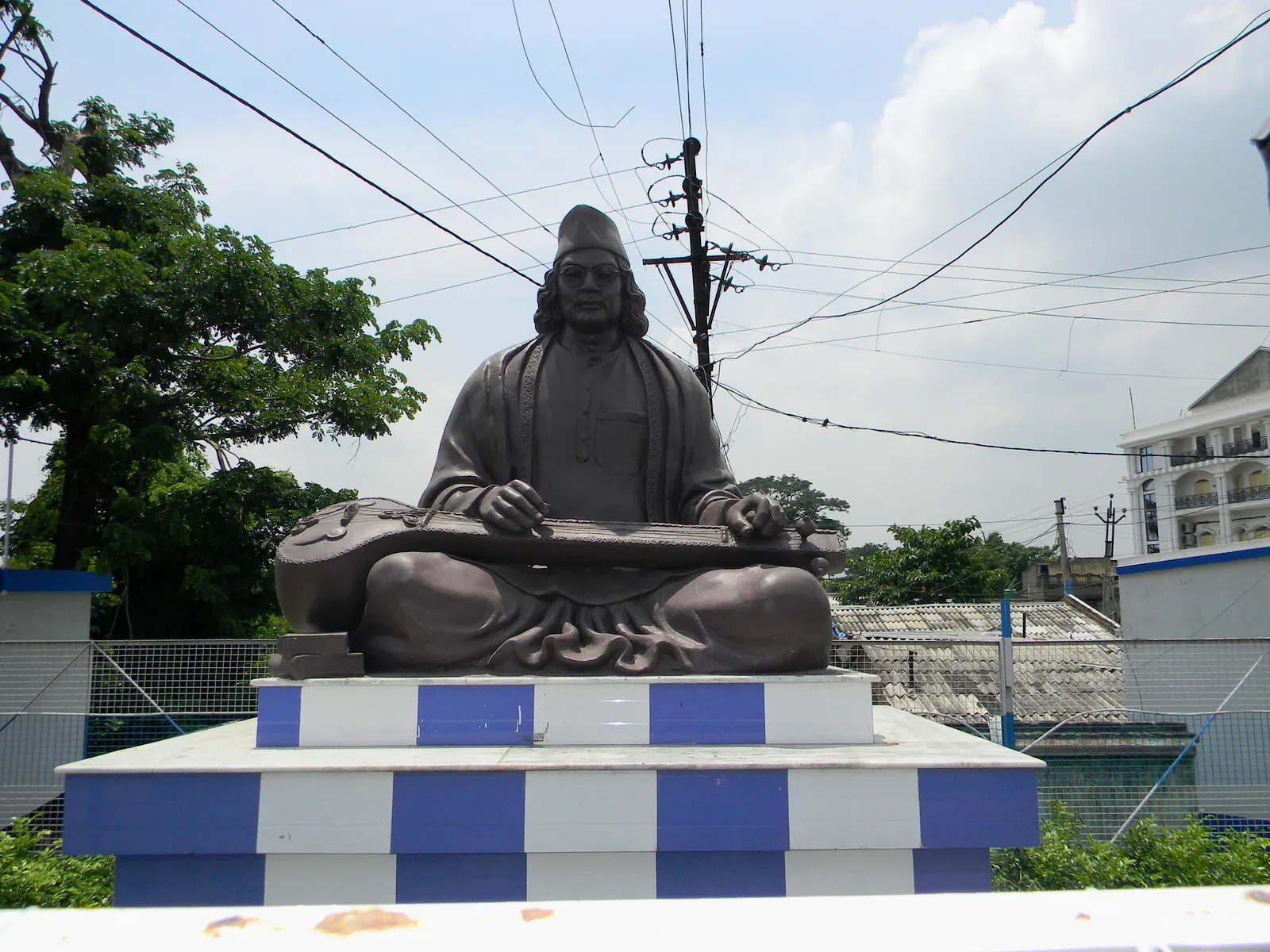
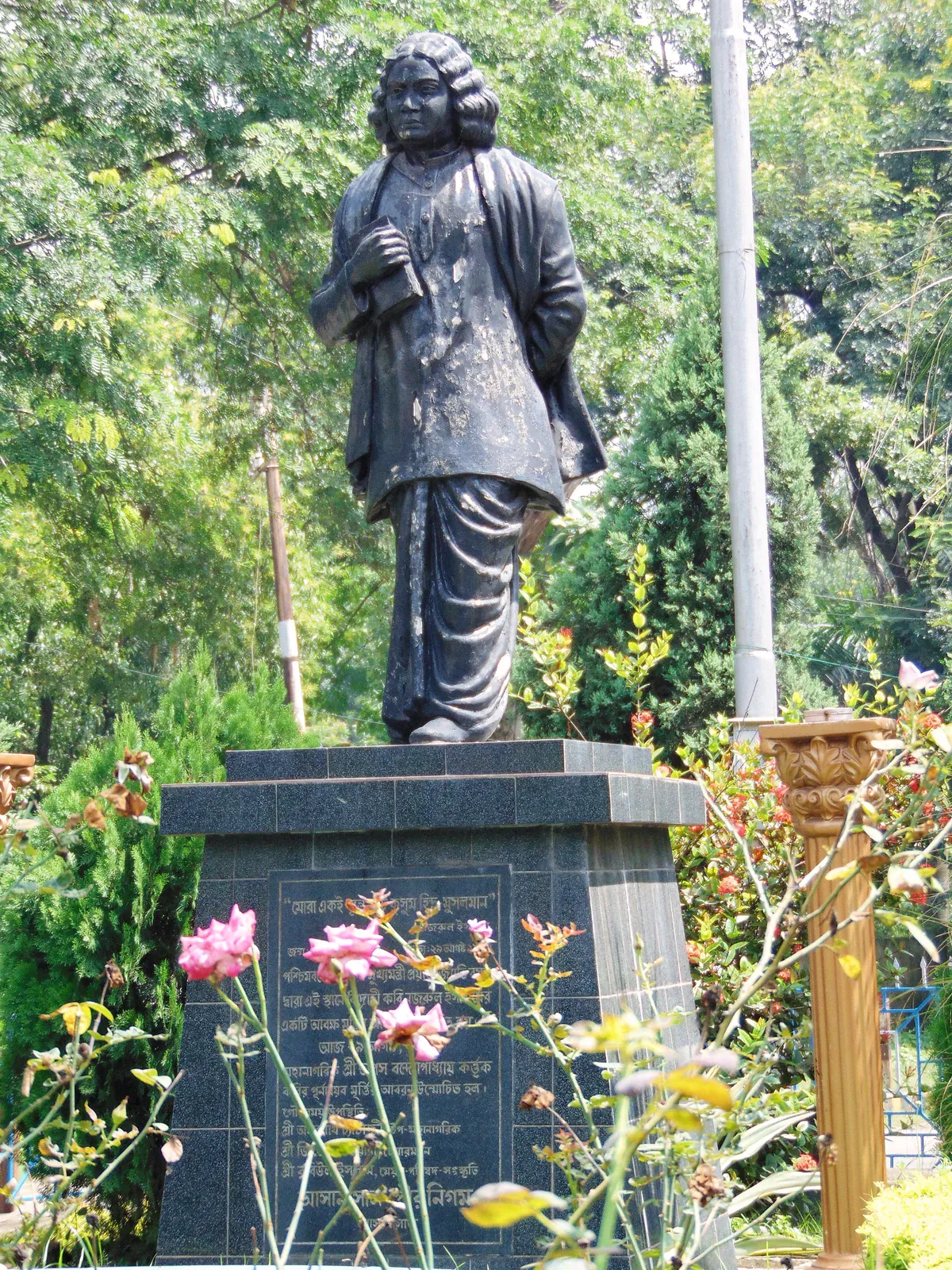
On 24 May 1972 the newly independent Bangladesh brought Nazrul to Dhaka and gave him the status of national poet. He was awarded Bangladeshi citizenship in February 1976 and died on 29 August 1976, buried beside a mosque on the University of Dhaka campus. India had honoured him with the Padma Bhushan in 1960.
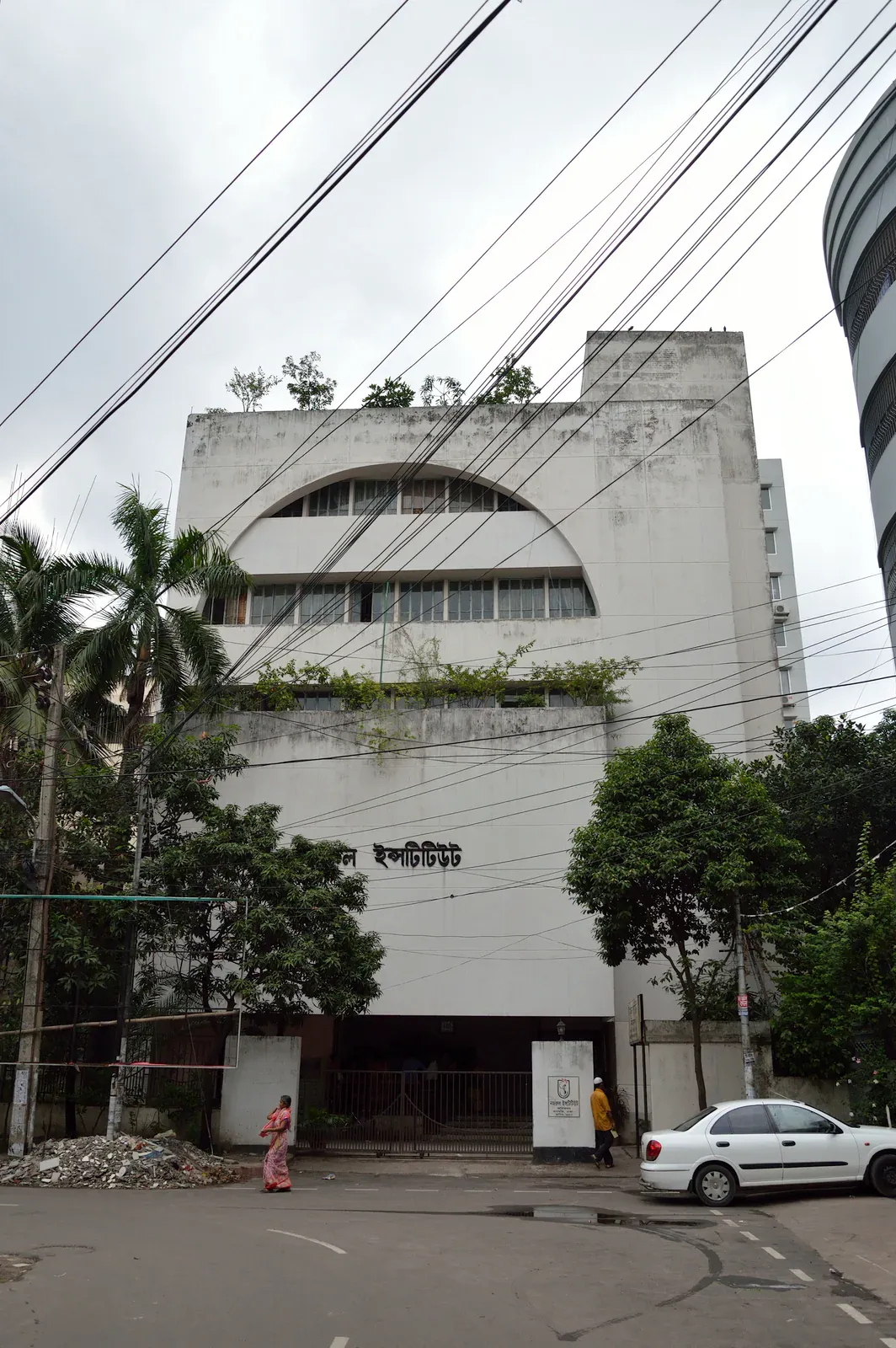
The national Kabi Nazrul Institute opened in Dhaka in February 1985 to promote his work, and the Nazrul Academy has branches around Bangladesh. A notation, or swaralipi, fixes how the songs are to be sung. Sudhin Das, a Dhaka Nazrul sangeet musician, said he and a colleague from the Nazrul Academy took the first steps to write notation for Nazrul sangeet, and he warned that earlier versions had been distorted. Das also joined the institute’s board that certifies the songs and taught younger singers there.
Characteristics
A Nazrul song is a Bengali poem set to a tune. In the 1920s and 1930s more than 600 of the 800 songs he published were based on classical ragas, though he also set folk tunes. The usual form has an opening refrain followed by verses that return to it. Vocabulary borrowed from Arabic and Persian sits next to Sanskrit-derived words, and the words carry the emotional weight, so singers keep the delivery close to the poem’s meaning.
The tempo is moderate. Recorded examples sit between about 65 and 110 beats per minute at the felt pulse, from the slow, drawn-out ghazals to the lighter songs, and the 78 rpm disc, which held about three minutes a side, fixed the length of early records. For the older Hindustani forms behind the ragas, see Hindustani classical music, and for the qawwali root of the Islamic songs, see qawwali.
Instruments and production
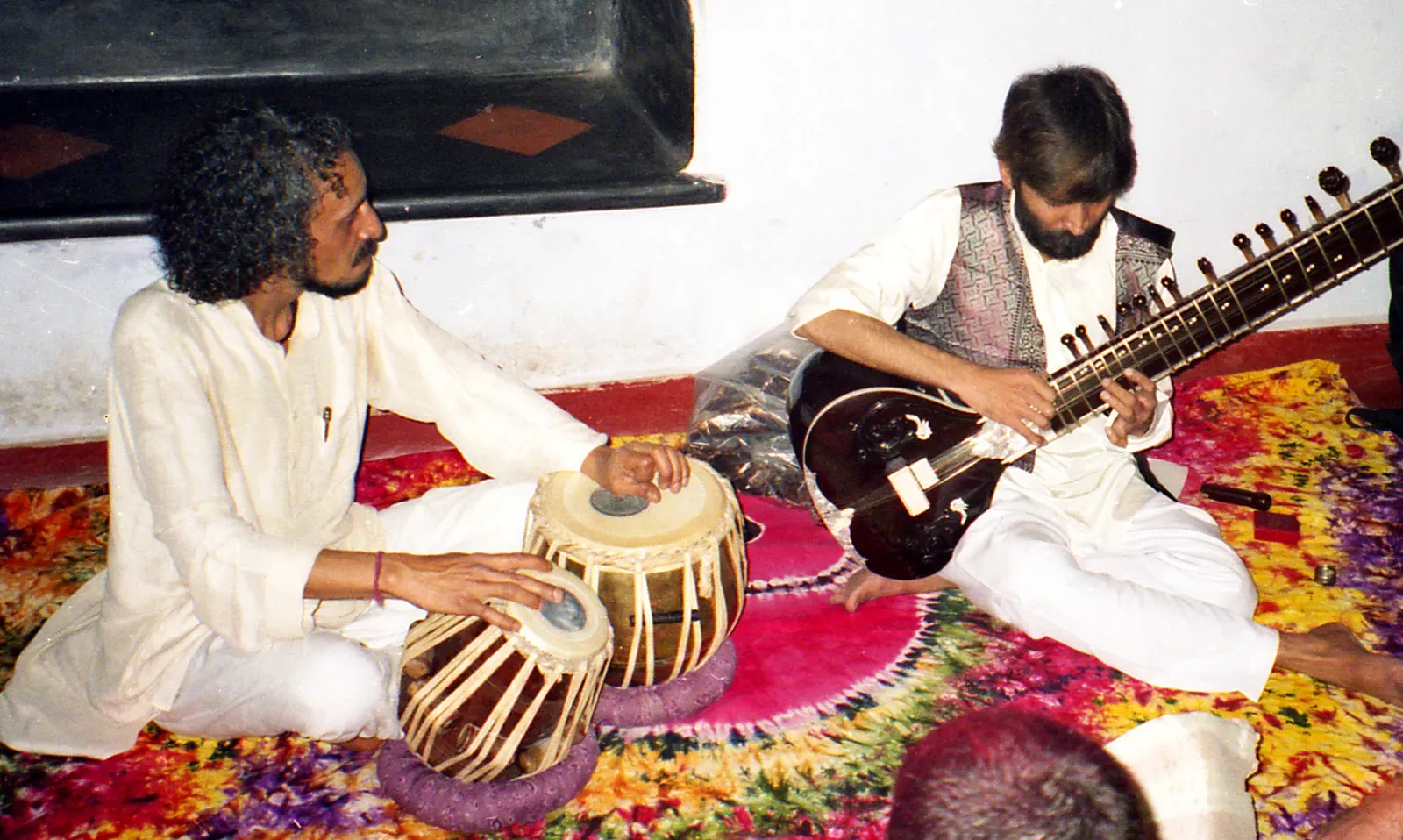
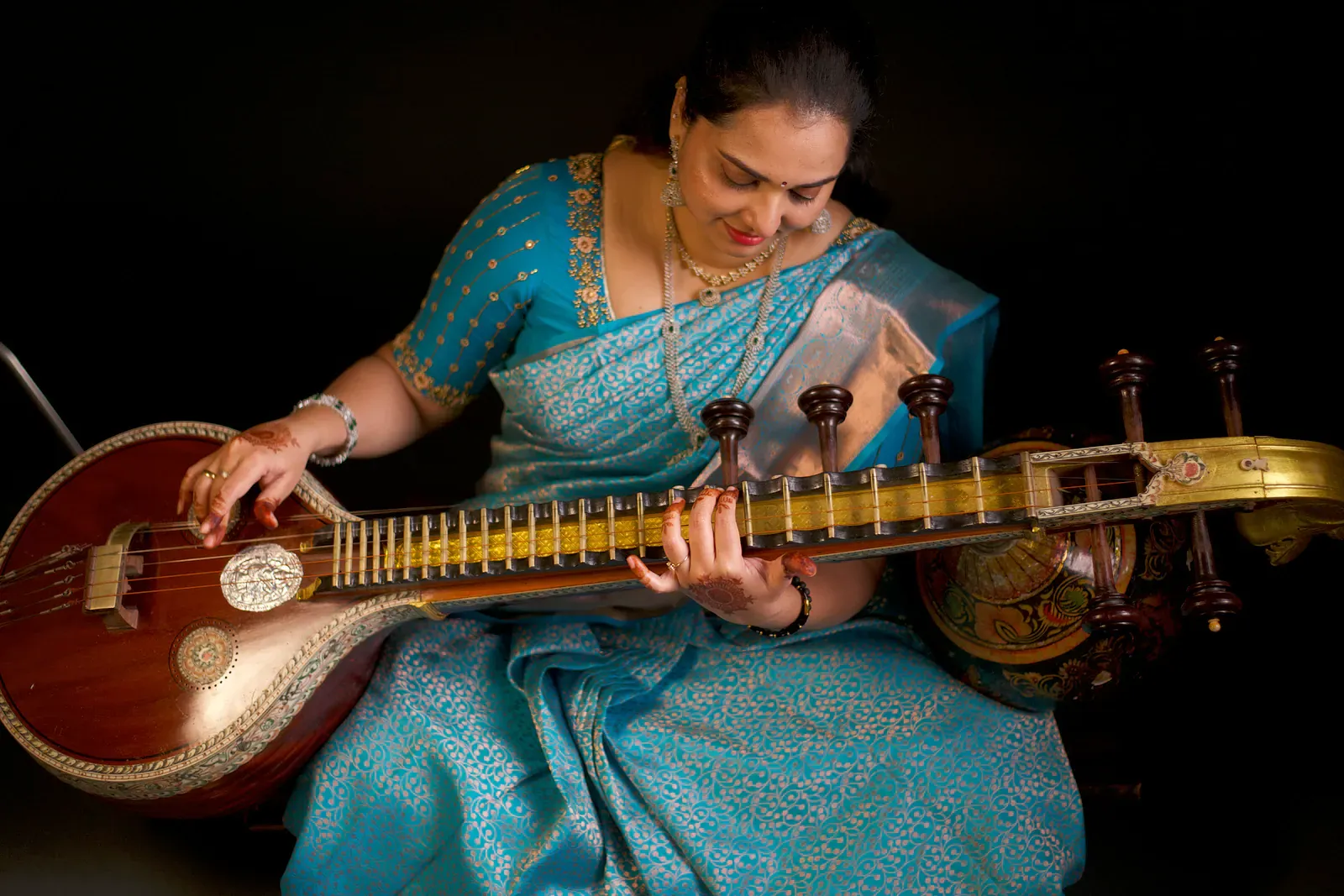
The harmonium and tabla form the standard accompaniment. Modern performances add the esraj, sitar, sarod, sarangi and keyboard. The tabla keeps Kaharba, keherwa and other talas, and the harmonium doubles the vocal line.
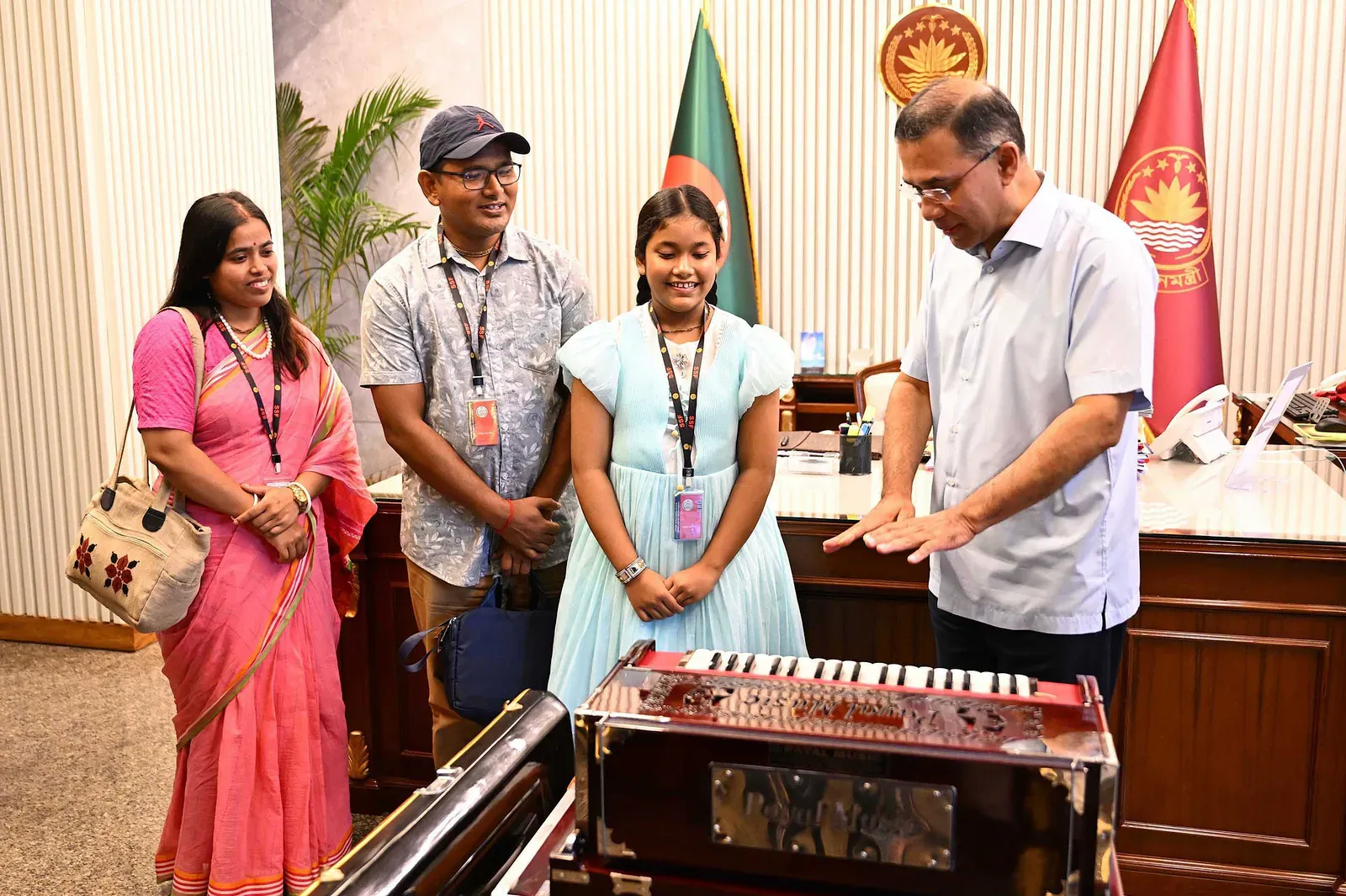
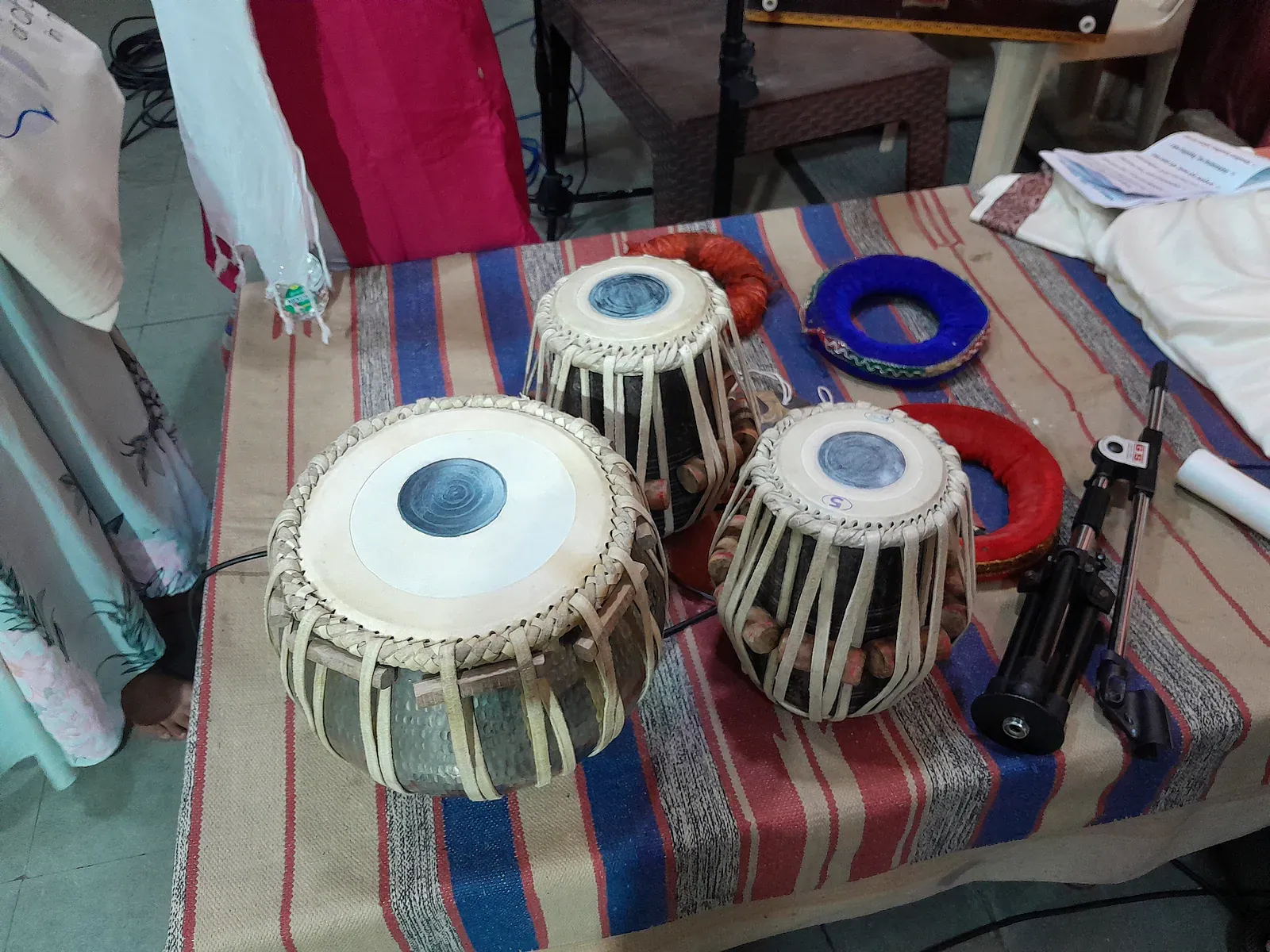
Modern recordings borrow from the studio: a 2022 Coke Studio Bangla version of Bagichay Bulbuli Tui, running nearly six minutes, adds a flamenco-style guitar opening, saxophones and tabla. The older style stays close to a solo voice and a small ensemble.
Notable recordings
Bagichay Bulbuli Tui stands first. Nazrul is said to have written it quickly on a handbill during a train journey to Calcutta in 1926, short of money because his son Bulbul was seriously ill, and the ghazal reached disc two years later. Manabendra Mukherjee’s 1967 recording remains a signature version.
O Mon Romzaner Oi Rozar Sheshe is the Eid song for Chand Raat. It became so closely tied to the festival that it is sung each year across the Bengali world.
Notuner Gaan, also known as Chol Chol Chol, shows the other face of the repertoire. Recorded in 1928, it became the national march of Bangladesh, and the revolutionary song Karar Oi Louho Kopat, known as Prison-doors of Steel, has been used in several films, especially from before independence.
Culture
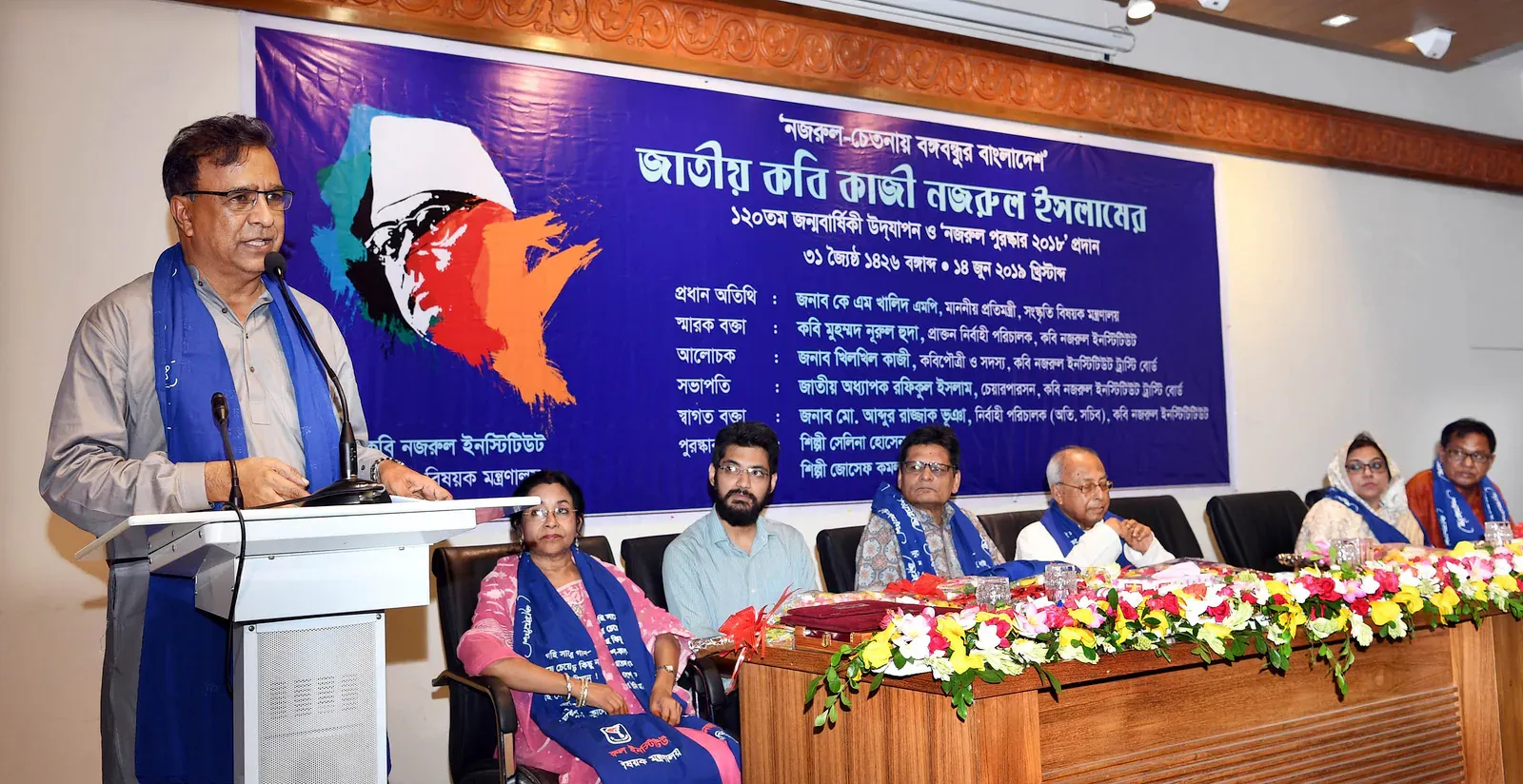
Nazrul geeti has public and ritual roles. Eid and Chand Raat bring out the Islamic songs, state occasions in Bangladesh use Notuner Gaan, and the Kabi Nazrul Institute marks the poet’s birth anniversary with lectures and awards.
Legacy
Nazrul looked to Rabindranath Tagore as a mentor, although followers of Tagore criticised his looser poetic practice. A Nazrul sangeet course is taught at universities in West Bengal, the songs have been translated and recorded in Oriya, and the Google Doodle of 25 May 2020 marked his 121st birthday.
Misconceptions
It is only protest music. The revolutionary songs are the best known, but the repertoire is far wider: ghazals, Islamic songs, raga-based love songs and film music.
It belongs to one country. Nazrul lived mostly in Calcutta and made his records there, and Kolkata singers like Anup Ghoshal became its voices. Bangladesh now honours him as national poet, but the songs are loved on both sides of the border.
It is simple folk music. Folk tunes appear, but most of his published songs used classical ragas, and notation exists to keep them exact.
Frequently asked questions
What is Nazrul geeti?
Nazrul geeti is the collection of Bengali songs composed by Kazi Nazrul Islam. It includes revolutionary songs, ghazals, Islamic devotional songs and raga-based lyrics.
Who sings Nazrul geeti?
Firoza Begum, Anup Ghoshal and Sudhin Das are among its best-known interpreters. Kamal Dasgupta set hundreds of the songs for the Gramophone Company.
What is the most famous Nazrul song?
Bagichay Bulbuli Tui, a Bengali ghazal in raga Bhairavi, is the best known, though Notuner Gaan is the better known in Bangladesh as a national march.
What instruments accompany Nazrul geeti?
The harmonium and tabla are standard, and esraj, sitar, sarod, sarangi and keyboard appear in modern performances.
Sound
Sound sheet
Anatomy of a track
| # | Part |
|---|---|
| 1 | Opening refrain (sthayi) |
| 2 | Verse (antara) |
| 3 | Return to the refrain |
Signature sounds
- Bengali lyrics with Arabic and Persian-derived words
- Tune built on a Hindustani raga
- Harmonium and tabla accompaniment
Drums and percussion
- Tabla
Techniques
- Raga-based setting
- Bengali ghazal
- Qawwali-derived Islamic song
- Folk tune settings
Keys and modes
Raga Bhairavi. The tune of the Bulbuli ghazal.
Raga Pilu. The raga of the Eid song O Mon Romzaner.
Vocals
Solo Bengali voice, close to the poem's meaning, with Arabic and Persian-derived words in ghazals and Islamic songs.
Scenes
Where it happened
Where and when the sound lived: one bar per city on a shared timeline.
Asia
Active scenes
Peak 3, 1972-2025
Nazrul settled here in 1920; the Gramophone Company and radio made Calcutta the centre where his songs were composed, recorded and taught.
Nazrul's home at Grace Cottage, where his work turned to songs for the working class.
The poet's home from 1972 and the seat of the Kabi Nazrul Institute and Nazrul Academy.
Venues and places
Krishnanagar, 1926 to today. Nazrul's home with his wife Pramila Devi and son Bulbul, where he wrote songs for the working class.
Dhaka, 1985 to today. National institute in Dhanmondi that promotes Nazrul's work and recognises research on it.
Culture
Culture markers
- Eid and Chand Raat songs
O Mon Romzaner Oi Rozar Sheshe is sung for Chand Raat and Eid-ul-Fitr across the Bengali world.
Ritual - Notuner Gaan as national march
The marching song is the national march of Bangladesh.
Ritual - Muslim-named records by Hindu singers
Singers such as Dhiren Das and Girin Chakrabarti recorded Islamic songs under Muslim names in the 1930s.
Ritual
Media
Key media
- 1922Dhumketu
by Kazi Nazrul Islam. Nazrul's bi-weekly magazine that carried the rebel poet's political writing.
Zine - 1924Bisher Banshi
by Kazi Nazrul Islam. A collection of poems and songs banned for calling for rebellion, read and passed on in secret.
Book - 1935Patalpuri
by Kazi Nazrul Islam. Nazrul's film score, which drew on Santhal jhumur folk music.
Film
Glossary
Terms on this page
A Persian-derived love-song form that Nazrul introduced into Bengali from 1927-28.
Islamic devotional song in Bengali, adapted from qawwali, that was the best-selling form of Nazrul's 1930s records.
An eight-beat tala divided 4+4, used in the Bulbuli ghazal.
A Bengali folk song and travelling theatre tradition in which Nazrul began as a songwriter.
Songs written and composed by Kazi Nazrul Islam, also called Nazrul Sangeet.
Written notation of a song's melody, used to fix and teach Nazrul's compositions.
South Asian family