Bhangra
Bhangra is Punjabi dhol-driven dance music, rebuilt by British Punjabis in the 1970s and 1980s as a band genre and later carried onto world charts.
Punjab, 1960
South Asian family
Born
1960
Punjab
Subgenres
3
Documented branches
Links
14
Genres it drew on or shaped
Tempo
95-150 BPMLineage
Family tree
Timeline
Era by era
From the first sparks to today. Select a dot to read the story behind it.
- Harvest dance to stage
1950 to 1970
- Birmingham and Southall bands
1971 to 1988
- Radio, cassettes and remixes
1989 to 1999
- Crossover and revival
2000 to today
Eras
Moments
- 1 Harvest dance to stage, 1950 to 1970
- 2 Birmingham and Southall bands, 1971 to 1988
- 3 Radio, cassettes and remixes, 1989 to 1999
- 4 Crossover and revival, 2000 to today
around 1950
Harvest dance to stage
The harvest dance of Punjabi farmers is staged in the 1950s, and in the 1960s the Sikh Punjabi community in Punjab begins the music that becomes modern bhangra.
- 1950Staged bhangra danceCommunity bhangra, danced after harvest, is turned into a staged folk dance and gives its rhythm to modern bhangra.
1971
Birmingham and Southall bands
Punjabi immigrants in Birmingham and Southall add guitars, bass and drum kits to the dhol, record band albums with a new melody per song and sell them on cassette.
- 1971Bhujhangy Group forms in BirminghamAn early British Punjabi recording group, whose first hit, Bhabiye Akh Larr Gayee, came out on Oriental Star Agencies.
- 1977Alaap forms in SouthallChanni Singh and Harjeet Gandhi start the band that plays Southall weddings and later becomes the first bhangra superstar act of Britain.
- 1978Multitone Records signs AlaapPran Gohil, founder of Multitone, discovers the band and records several albums with it.
- 1979Teri Chunni De SitareThe first album by a British bhangra group is credited with starting the Southall scene.
- 1983DCS formsShin and Danny Choranji found a band that releases 123 Go and O.U.1 on Multitone.
- 1984Alaap adds electronic dance soundsTen Chunm De Sitare, made with Deepak Kazanchi, brings contemporary electronic dance music into the band's sound.
1989
Radio, cassettes and remixes
Asian radio arrives in 1989, producers such as Bally Sagoo blend bhangra with house, hip hop and ragga, and Daler Mehndi takes the sound to Indian video channels.
- 1989BBC Asian Network launchesDanny Choranji's show Eastern Beat brings bhangra to national radio from 30 October, and Sunrise Radio starts the same year.
- 1996Bally Sagoo on Top of the PopsDil Cheez (My Heart) puts a bhangra and hip hop producer on British television.
- 1998Tunak Tunak TunDaler Mehndi's folk-pop video becomes one of the best-known Punjabi songs outside India.
- 1999Bands give way to folk singersBy the end of the 1990s band bhangra has largely declined, and DJs build cheap live sets around Punjabi folk singers.
2000
Crossover and revival
Panjabi MC's Mundian To Bach Ke reaches charts worldwide in 2002 and 2003, while dance teams and social media carry bhangra across the diaspora.
- 2002Mundian To Bach Ke singlePanjabi MC releases the single in November, topping charts in Italy and Wallonia.
- 2003Jay-Z remixA remix of Mundian To Bach Ke with Jay-Z charts highly in North America and Australia.
Listening path
Start listening
A short path from an easy way in to the deep end. Thumbnails come from YouTube; the player loads only when you press play.
- 01
Alaap, 1979
Start here for the first British bhangra band album: dhol and voice with band instruments added.
- 02
Apna Sangeet, 1987
Listen for the dhol placed up front in a traditional-leaning band arrangement.
- 03
Malkit Singh, 1988
Fast dhol dance bhangra with a shouted chorus, from the biggest-selling bhangra soloist.
- 04
Bally Sagoo, 1996
Hear how bhangra drums and hip hop beats sit together in a remix producer's work.
- 05
Panjabi MC, 2002
The crossover single: tumbi hook and dhol under a hip hop groove.
Facts
| Family | South Asian |
| Origin | Punjab, India |
| Emerged | 1960s Punjabi folk roots, commercialized in 1970s Britain |
| Status | Active |
| Tempo | 95 to 150 BPM |
| Meter | 4/4 |
| Subgenres | 3 |
Bhangra is a type of music from the Punjab region, built around the dhol, a double-headed barrel drum, and sung in Punjabi. It grew out of a harvest dance and became a modern band genre among Punjabi immigrants in Britain in the 1970s and 1980s.
Its defining traits are a swinging dhol beat, a new melody composed for each song and a dance-floor energy meant for weddings and festivals. It sits in the South Asian family beside Punjabi folk music, its main root.
Origins
Bhangra began as a dance. Punjabi farmers performed it in a circle to celebrate the harvest, with the dhol setting the beat, and the districts around Sialkot and Gurdaspur are named as its heartland before Partition. A staged version of the dance took shape in the 1950s, and the dhol rhythms that came with it, the bhangra rhythm above all, became the base of the music.
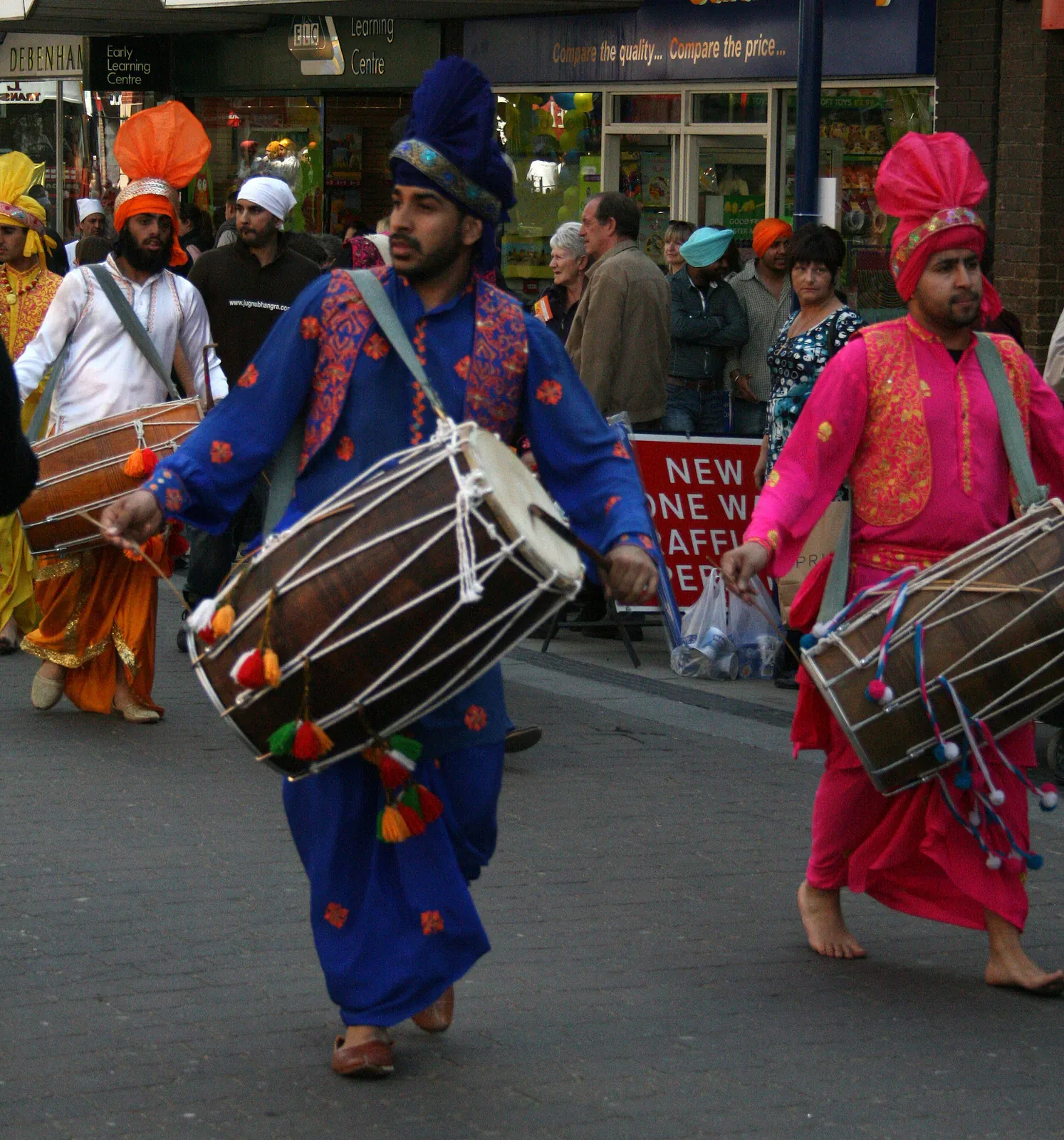
The roots of modern bhangra music go back to the Sikh Punjabi community in Punjab in the 1960s. Unlike traditional folk music, which draws on a shared stock of melodies used by many singers, bhangra worked as a band culture: each song got a new tune, so the musicians mattered as much as the singer. A typical song ran four verses and a chorus with two alternating instrumental bridges, which asked for more musicianship than a folk song.
Birmingham and Southall, 1971-1988
The commercial form of bhangra was made in Britain. Punjabi immigrants in Birmingham, Bradford and Leicester took folk music and altered it with instruments from their new country, and the rock influence in particular pushed it away from the simple, repetitive folk style.
The Bhujhangy Group, formed in Birmingham in 1971, was an early recording group. Its first major hit, Bhabiye Akh Larr Gayee, came out on Oriental Star Agencies and is described as the first bhangra song to combine traditional Asian music with modern Western instruments.
In West London, Alaap formed in Southall in 1977 under Channi Singh and Harjeet Gandhi. They first played weddings and family gatherings, and in 1978 the talent scout Pran Gohil of Multitone Records found them. Their album Teri Chunni De Sitare, from 1979, was the first album recorded by a British bhangra group and is seen as the birth of the Southall scene. In 1984 Alaap made Ten Chunm De Sitare with Deepak Kazanchi, which brought contemporary electronic dance music into the band’s sound.
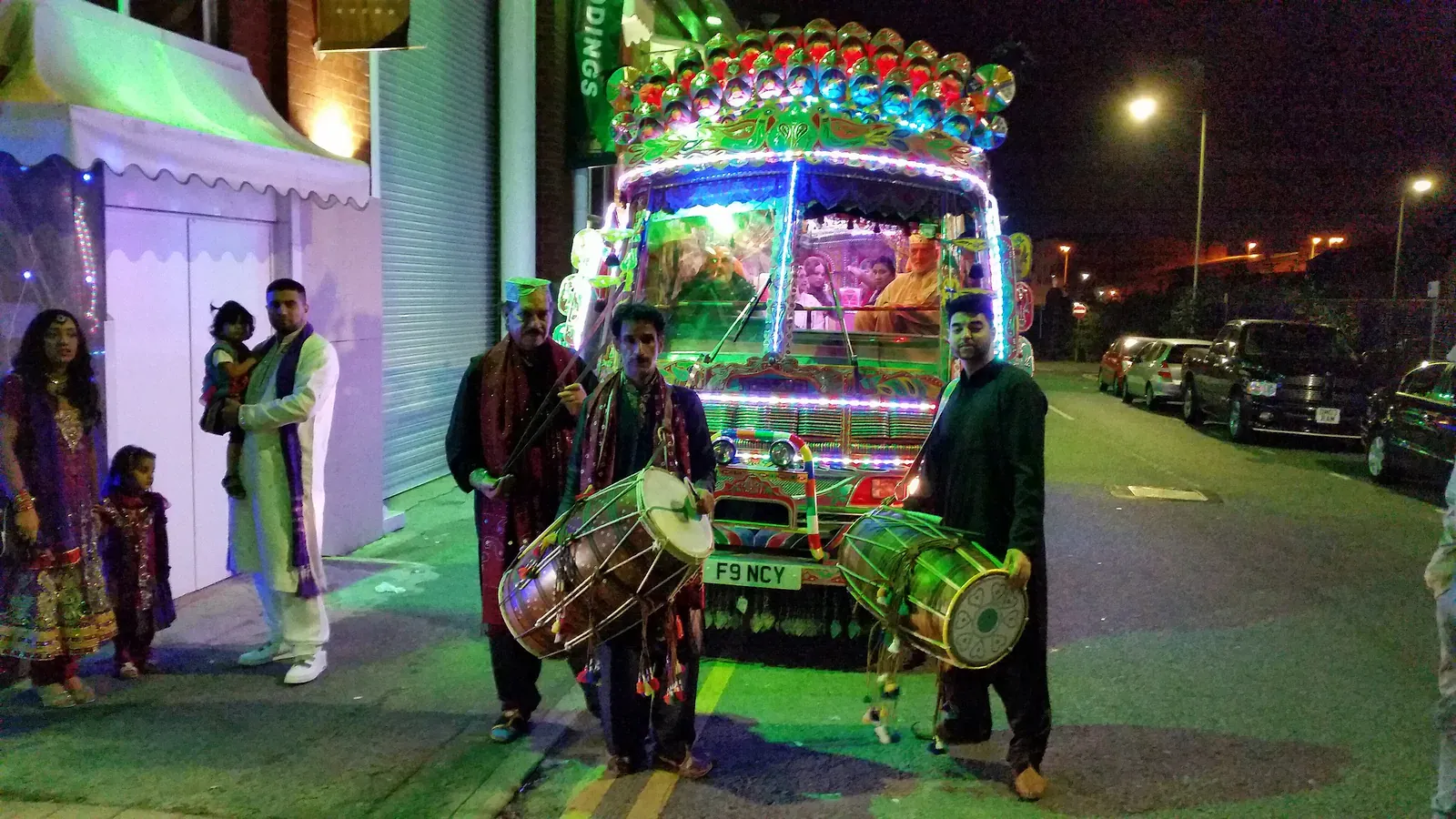
DCS formed in 1983 and became influential through releases on Multitone such as 123 Go and O.U.1. Apna Sangeet, from Birmingham, formed in 1984 and played a very traditional style with a dhol player at centre stage; by 1991 it held a platinum disc and by 1994 it had released nine albums and sold more than two million records. Malkit Singh, who moved to Birmingham in 1984, became the biggest-selling bhangra solo artist of all time with his band Golden Star.
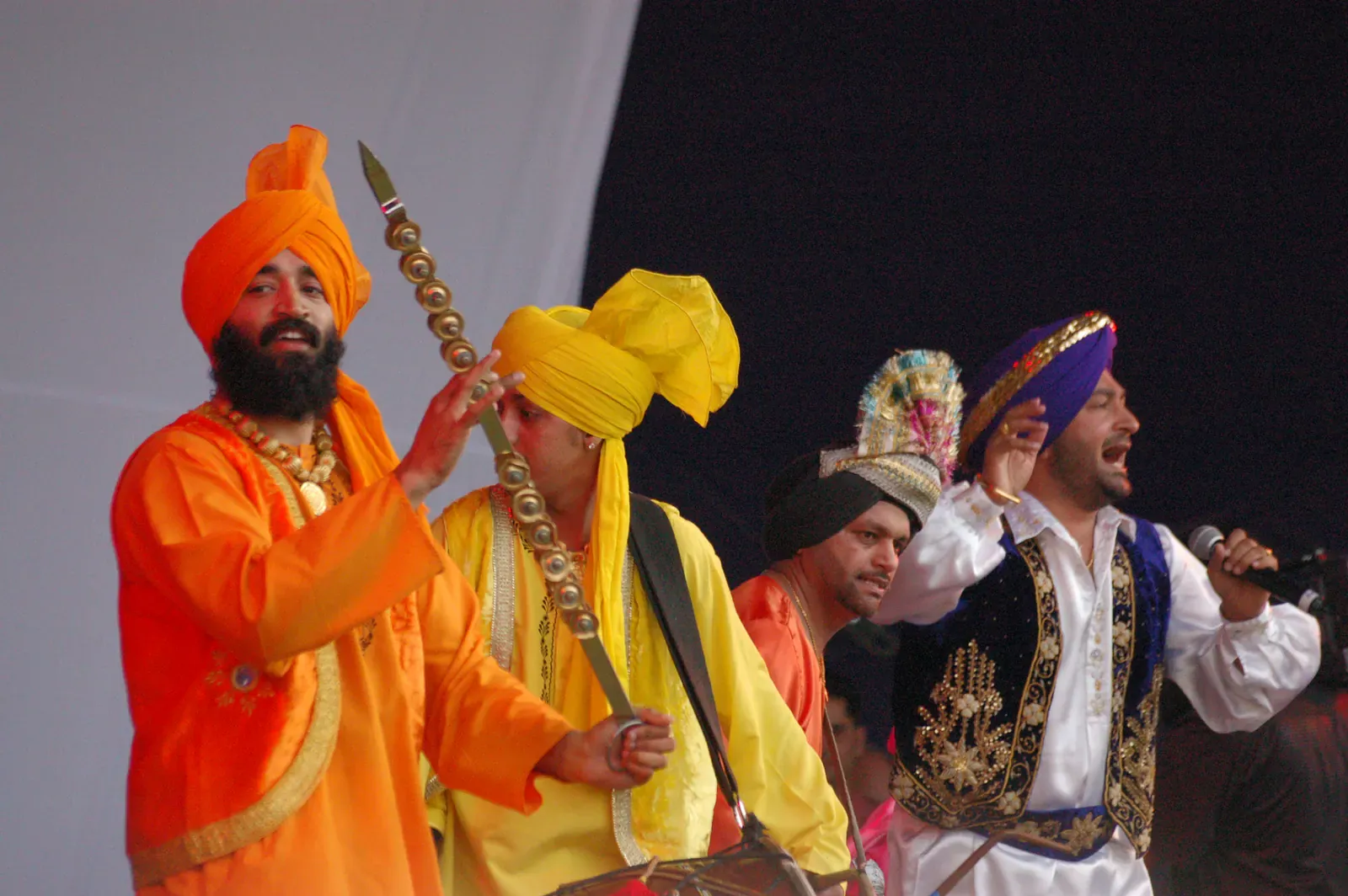
Sales did not show in the charts. In the 1980s labels such as Oriental Star Agencies and Multitone sold more than 50,000 cassettes a week in Britain, yet no bhangra act reached the Top 40, because most copies were sold in local shops rather than in chart-reporting stores.
Radio and remixes, 1989-1999
The BBC Asian Network launched on 30 October 1989, and Danny Choranji’s show Eastern Beat gave bhangra bands national airtime. The scene was centred on daytime raves, where young fans attended instead of school.
In the early and mid 1990s, house music and hip hop changed the sound. Producers such as Bally Sagoo, Johnny Zee and Talvin Singh combined traditional instruments and vocals with sampling, synthesisers and remixing. Sagoo, raised in Birmingham and signed by Sony, mixed tabla and Indian sound with bass lines and funky-drummer beats. Bhangra also met dancehall reggae: Apache Indian, from Handsworth, made bhangragga, with a dancehall delivery over dhol-heavy rhythms. In India, Daler Mehndi turned a folk-pop sound into video hits such as Bolo Ta Ra Ra and Tunak Tunak Tun, the latter released in 1998.
By the end of the 1990s band bhangra had largely declined. Punjabi folk singers, whom the bands had replaced a decade earlier, were back, now used by DJs to make cheap live music on laptops. This folkhop style was short lived because the samples under its beats could not be cleared for official release.
Crossover, 2000 onward
Panjabi MC, a Coventry-born producer, recorded Mundian To Bach Ke in Birmingham for his 1998 album Legalised, with vocals and lyrics by Labh Janjua. Released as a single in November 2002, it topped the singles charts in Italy and Wallonia and charted highly in many other countries. A 2003 remix with Jay-Z charted in North America and Australia, and the song sold an estimated 10 million copies. In 2001 the folkhop sound had already reached US R&B in Missy Elliott’s Get Ur Freak On, and Selena Gomez’s 2013 single Come & Get It borrowed from bhangra.
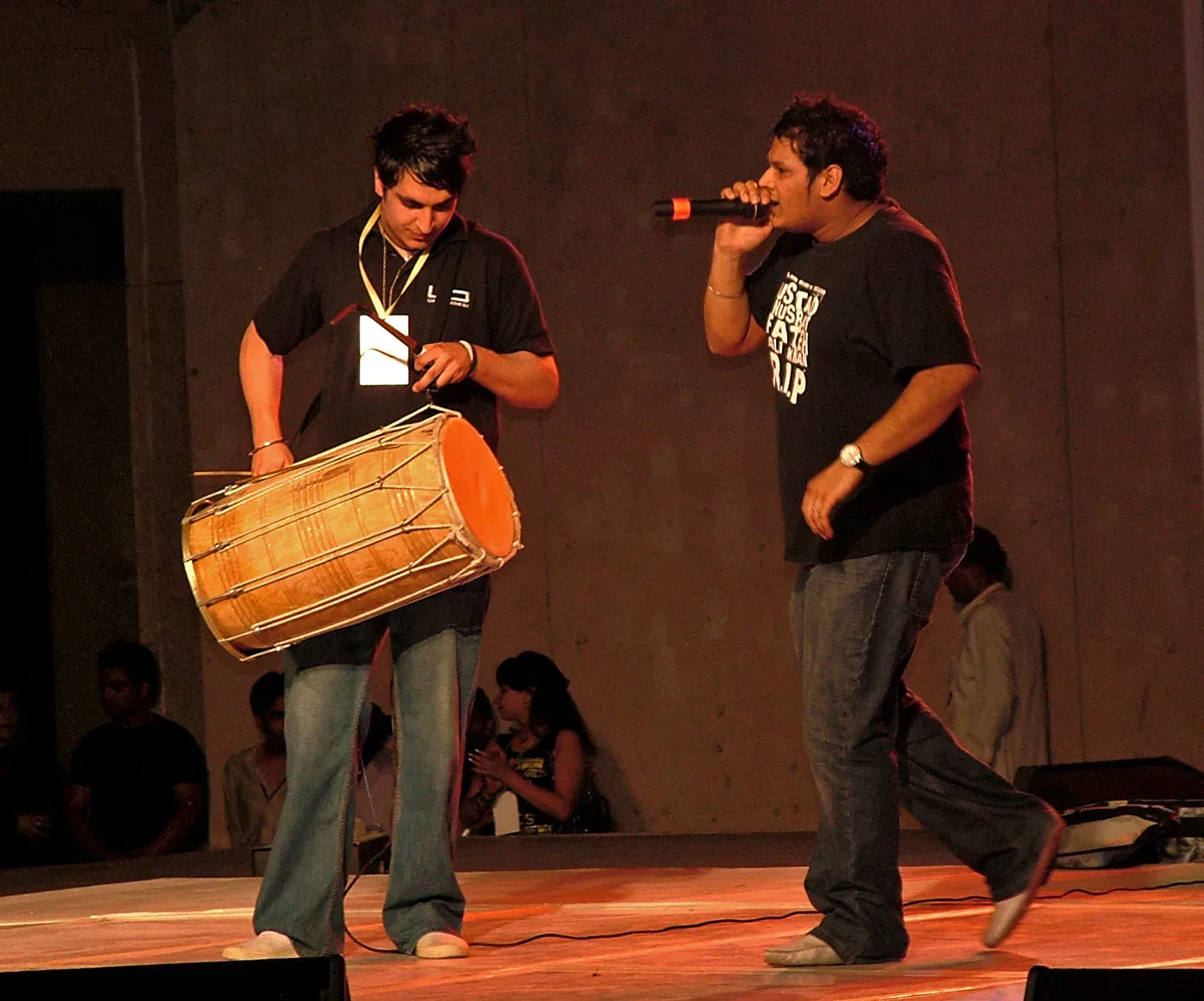
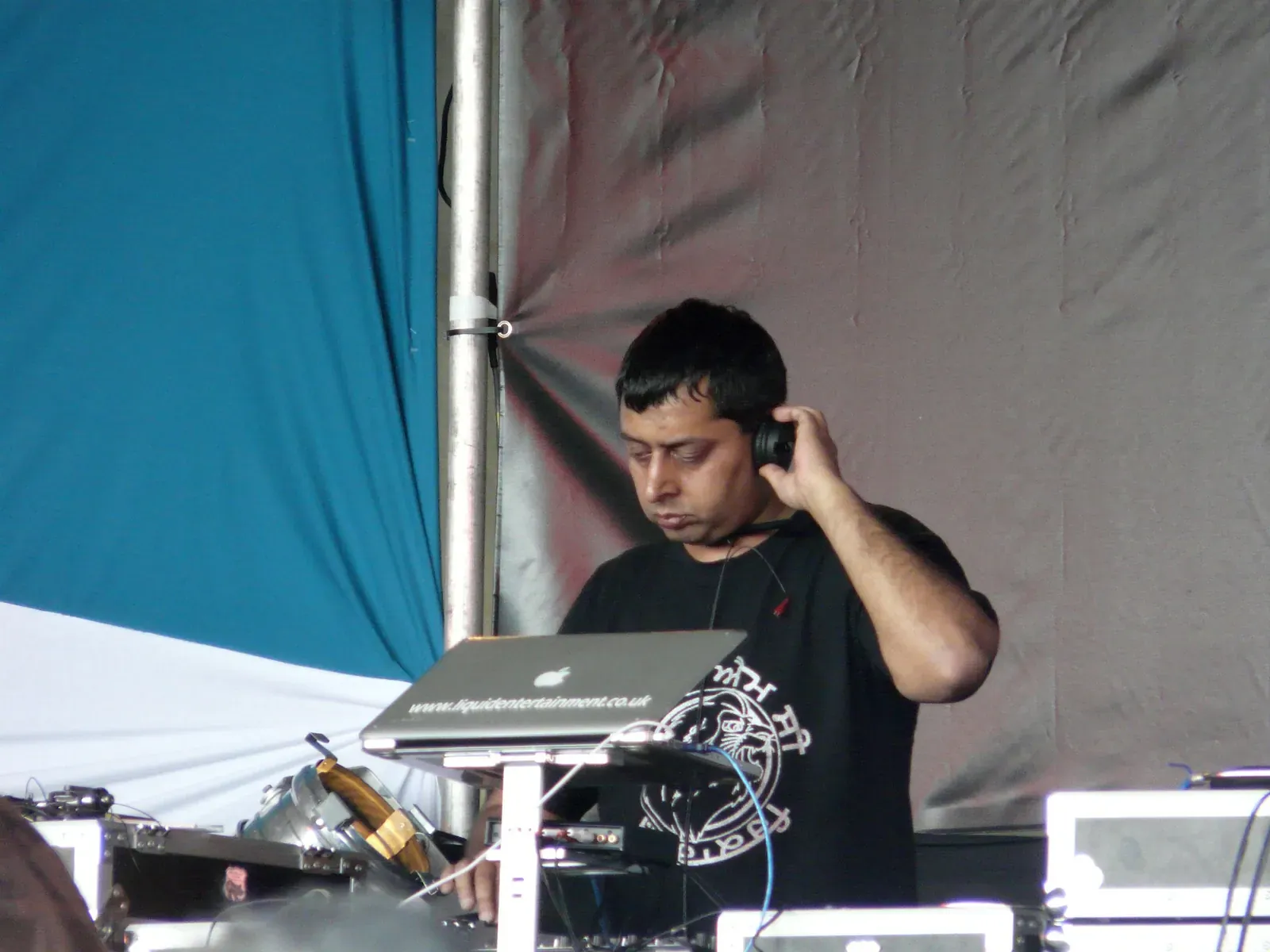
In North America the growth was in Punjabi folk music rather than band bhangra, led by Jazzy B, Kamal Heer and Harbhajan Mann. Social media and university dance teams in Britain, the United States and Canada now feed a renewed taste for traditional folk beats among younger Punjabis.
Characteristics
Bhangra is in 4/4 and fast, with measured recordings running from about 95 to 150 beats per minute. The dhol’s syncopated pattern, with accents on the weak beats, gives the music its swing. Lyrics are sung in Punjabi and cover love, social issues, pride in Punjabi culture and local heroes, with many songs about the independence fighters Udham Singh and Bhagat Singh. They were kept simple on purpose, because young listeners did not follow complex verse. Singers shout cries such as balle balle and chakde phatte, which mark celebration and pride.
Instruments and production
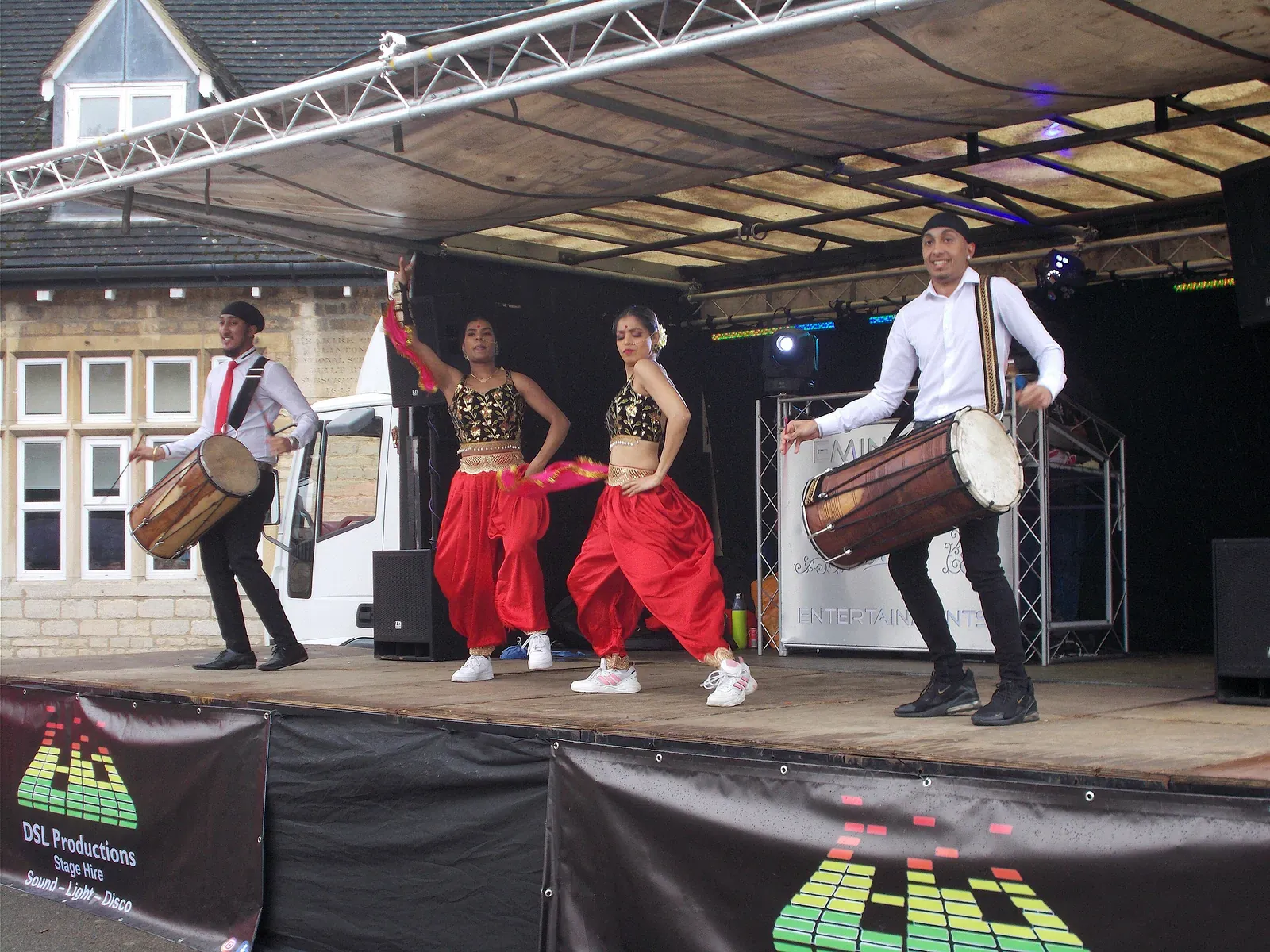
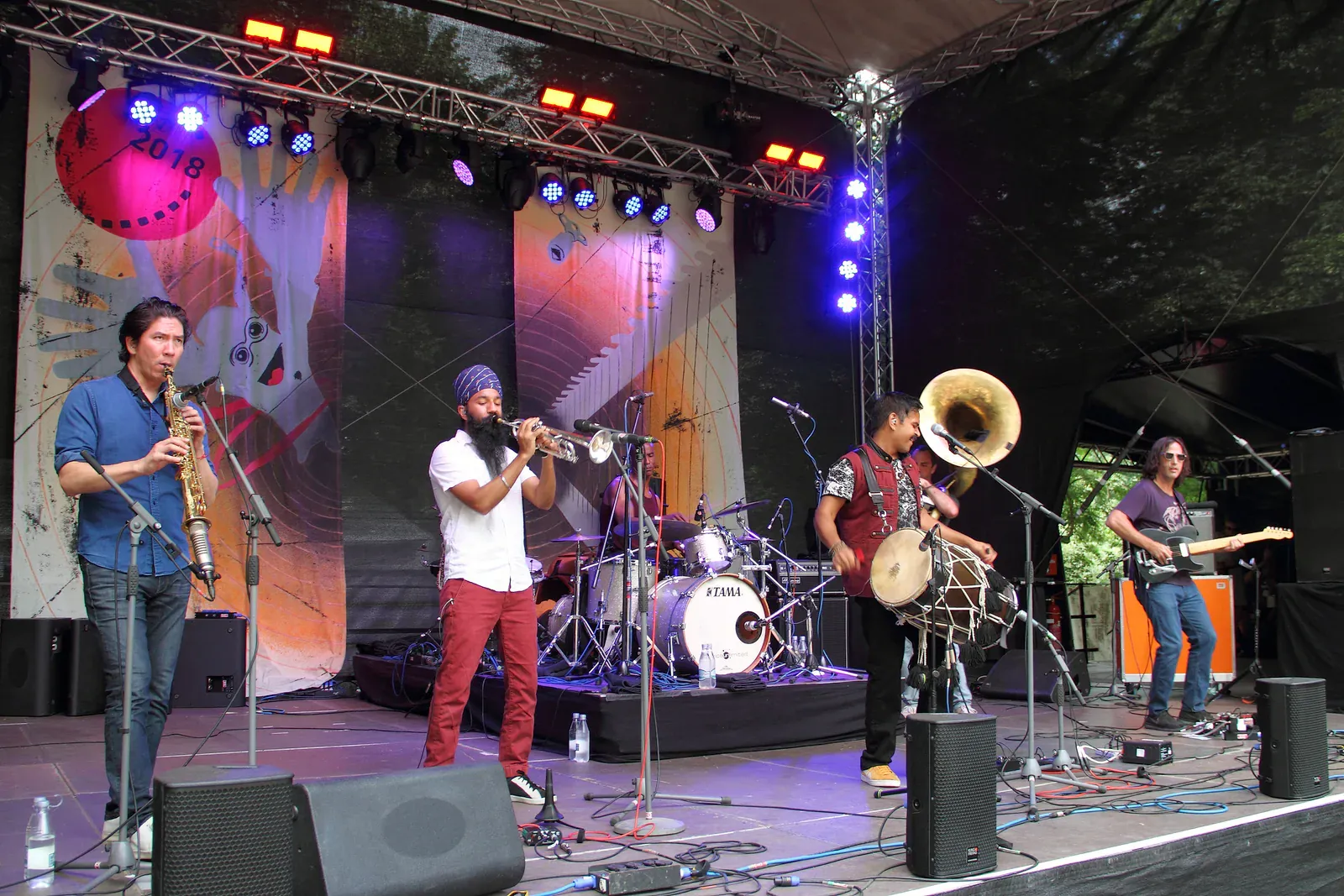
The dhol is played with two sticks, the thick dagga on the bass head and the thin tilli on the treble head, by a dholi who changes the pattern to mark the sections of a dance. Around it sit the tumbi, a high single-string instrument from folk singing, the dholak, the sarangi, the harmonium and tabla. British bands added guitars, bass, saxophone, synthesisers and drum kits, and in the 1990s producers added samplers and sequenced beats.
Notable recordings
Teri Chunni De Sitare is the founding record of the British scene, a band album that showed bhangra could work as a studio genre. Malkit Singh’s Tootak Tootak Tootiyan, sung to a fast dhol beat and a shouted refrain, became his signature and a standard at weddings; it was later sung again for the title song of a Hindi horror comedy. Mundian To Bach Ke shows the other direction: a tumbi hook and dhol laid over a hip hop groove, built by a producer and not by a live band, and it took bhangra to a mainstream audience that had not heard the cassette scene.
Culture
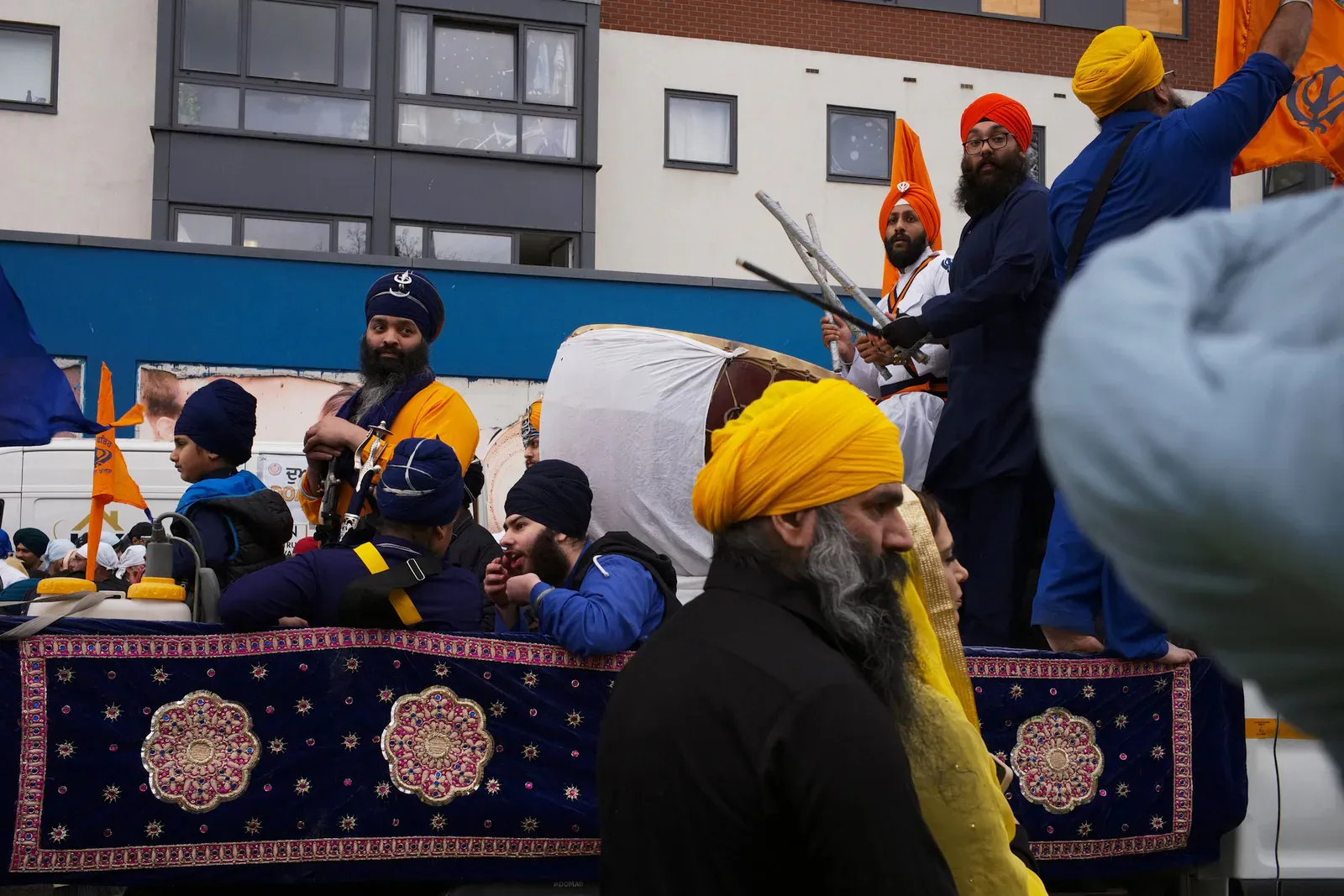
Bhangra is still a dance first. Dancers perform vigorous kicks, leaps and bends, often with raised and thrusting arms, to short songs called boliyan and to the dhol. In Britain it is part of Vaisakhi processions, and teams compete at universities and in clubs.
The genre has drawn criticism as well. Some Sikh listeners dislike folk songs written for the dominant Jatt clan, since Sikhism rejects caste, and parts of modern Punjabi song have been criticised for promoting caste hierarchy and substance abuse.
Legacy
The style gave British Punjabi youth a music of their own, and it fed into Asian Underground, desi hip hop and Punjabi hip hop. Its own offshoots include bhangra pop, folkhop and traditional bhangra. Indian pop and Punjabi folk music still draw on its beat.
Misconceptions
Bhangra is often called Punjabi folk music, but it is not. Folk music uses a shared set of melodies, while bhangra bands wrote a new tune for each song, and the tradition began with the dance, not with a song repertoire. A second myth holds that bhangra did not sell well in Britain in the 1980s; in fact its cassettes outsold popular British acts, though through local shops that did not report to the charts. A third says bhangra is only drum music. The dhol is central, but British bands used guitars, keyboards and drum kits from the start.
Frequently asked questions
What is bhangra music?
Bhangra is Punjabi dance music built on the dhol drum and sung in Punjabi, which developed from a harvest dance in Punjab into a band and producer genre in Britain.
Where did bhangra music start?
The dance came from the Punjab region before Partition, with Sialkot and Gurdaspur named as its heartland, while the modern recorded genre was made in Birmingham and Southall in the 1970s.
How fast is bhangra?
Measured recordings of bhangra run from roughly 95 to 150 beats per minute in 4/4, from the mid-tempo Mundian To Bach Ke to the quicker dance numbers of the 1980s and 1990s.
What instruments are used in bhangra?
The dhol is the core instrument, joined by the tumbi, dholak and sarangi in traditional settings and by guitars, bass, keyboards and drum kits in band and studio versions.
Sound
Sound sheet
Anatomy of a track
| # | Part |
|---|---|
| 1 | Chorus hook |
| 2 | Verse (about four per song) |
| 3 | Instrumental bridge, two alternating |
| 4 | Closing chorus |
Signature sounds
- Dhol chaal beat driving the dance
- New melody composed for each song
- Shouted cries of balle balle
- Tumbi hook line
Drums and percussion
- Dhol
- Dholak
- Drum kit
Techniques
- Dhol chaal
- Two-stick dhol playing
- Verse-chorus-bridge song form
- Sampling and remixing
Tuning
No fixed pitch; instruments follow the singer's range and a new melody is composed for each song
Vocals
Punjabi lyrics on love, pride and the land, sung fiercely with shouted cries of balle balle
Scenes
Where it happened
Where and when the sound lived: one bar per city on a shared timeline.
Europe
Active scenes
Peak 2, 1977-2025
Home of the Bhujhangy Group, Oriental Star Agencies, Apna Sangeet and Malkit Singh.
West London Punjabi area where Alaap began and the Southall sound took shape.
Culture
Culture markers
- Bhangra dance
Vigorous kicks, leaps and arm movements performed in a circle to the dhol, once danced by farmers after harvest.
Dance - Balle balle and chakde phatte
Cries of celebration and pride shouted in songs and on the dance floor.
Slang - Vaisakhi
The spring harvest festival with which bhangra is especially associated, now celebrated in British streets.
Ritual - Daytime raves
1980s British bhangra events held in the day, which young fans attended instead of school.
Dance
Media
Key media
- 1984Yari Jatt Di
A Punjabi film that used Alaap songs, an early link between bhangra bands and cinema.
Film - 1989Eastern Beat
by Danny Choranji. A BBC Asian Network show that put bhangra bands on national radio.
Radio
Glossary
Terms on this page
A cry of celebration and pride shouted in bhangra songs.
A short song or line shouted or sung in bhangra, answered by dancers.
The core dhol rhythm of bhangra.
The thick stick for the bass head of the dhol and the thin stick for the treble head.
A dhol player.
The spring harvest festival with which bhangra is especially associated.
South Asian family