Gaana
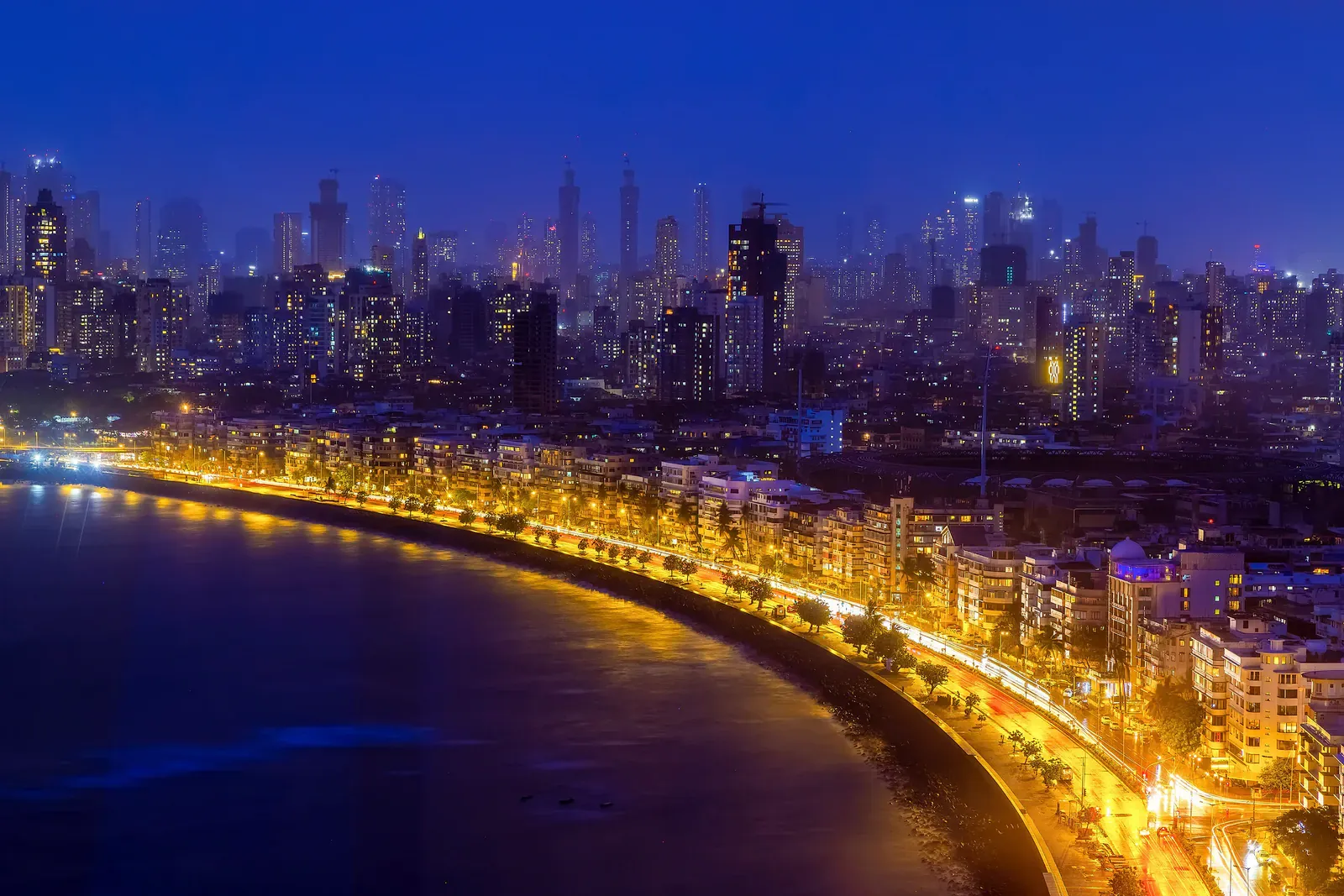
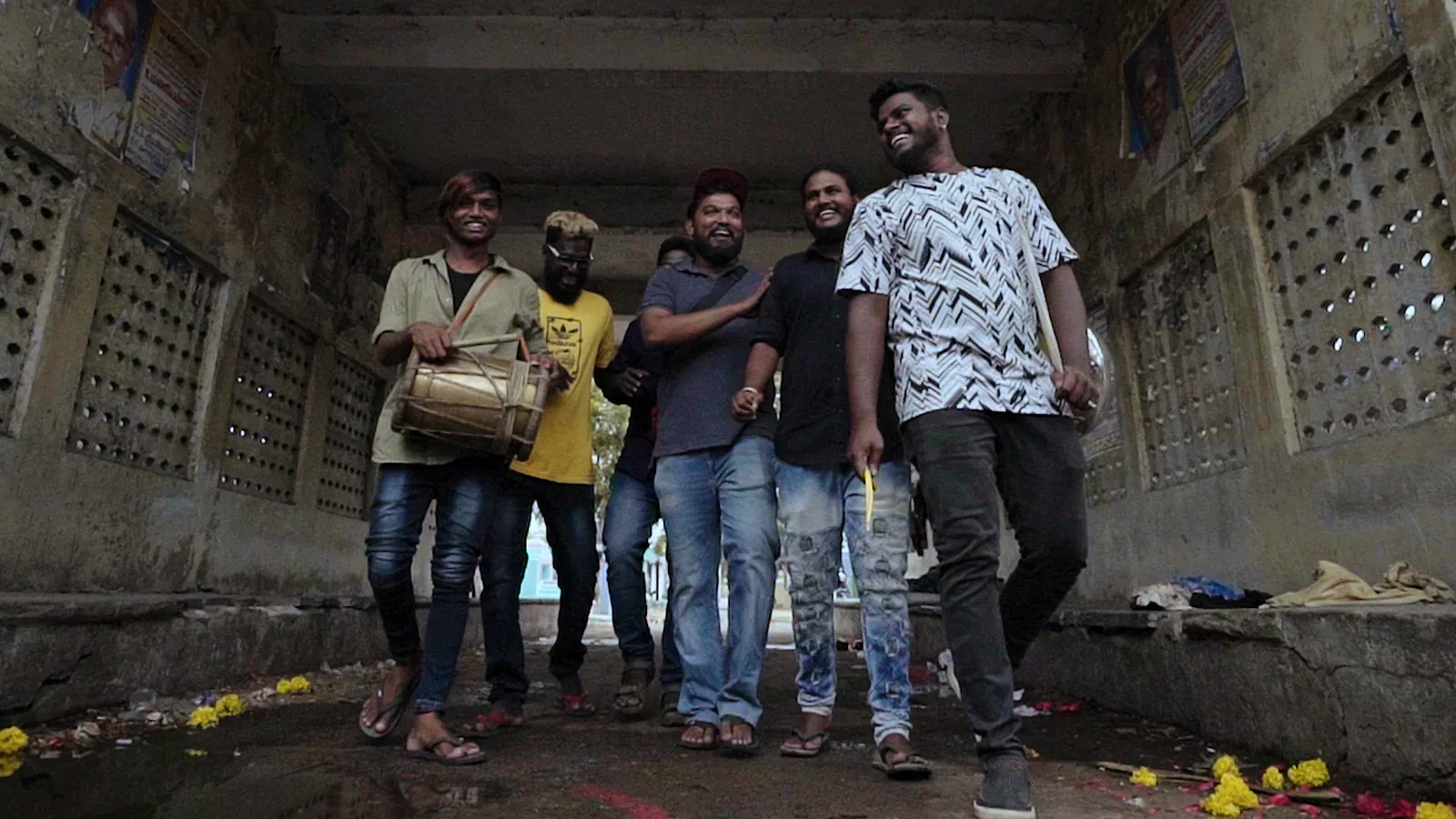
Gaana is the Tamil street song of North Chennai, sung in the Madras dialect over hand drums. Its path runs from burial grounds to film and protest.
Chennai, around 1800
South Asian family
Born
around 1800
Chennai
Subgenres
1
Documented branches
Links
3
Genres it drew on or shaped
Tempo
105-150 BPMLineage
Family tree
Timeline
Era by era
From the first sparks to today. Select a dot to read the story behind it.
- Streets and burial grounds
1800 to 1985
- Deva and the film song
1986 to 1999
- Fading from film
2000 to 2011
- Attakathi and new voices
2012 to today
Eras
Moments
- 1 Streets and burial grounds, 1800 to 1985
- 2 Deva and the film song, 1986 to 1999
- 3 Fading from film, 2000 to 2011
- 4 Attakathi and new voices, 2012 to today
around 1800
Streets and burial grounds
Singers in the slums and burial grounds of Madras perform for funerals, weddings and song duels, drawing on siddhar verse, Sufi songs and the folk music of rural migrants.
1986
Deva and the film song
Composer Deva debuts as a film composer in 1986 and carries gaana tunes into blockbusters through the 1990s, which makes the style popular on college campuses.
- 1986Deva debuts as film composerMattukkara Mannaru is his first full film as composer; he later becomes known as the Godfather of Gaana.
- 1996Kadhal Kottai soundtrackOne of the blockbusters through which Deva's gaana-inspired songs reach the Tamil mainstream.
around 2000
Fading from film
Gaana grows scarce in Tamil cinema, while singers keep it alive at funerals and stage shows and the Tamil Nadu Gana Artists Association forms in 2007.
- 2007Tamil Nadu Gana Artists Association foundedThe first body for gaana performers counts 750 members by 2012.
2012
Attakathi and new voices
The 2012 Attakathi soundtrack revives gaana in cinema, and from 2017 The Casteless Collective turns it to anti-caste protest.
- 2012Attakathi soundtrackReleased on 9 January under Think Music, its songs are built on gaana and bring Gana Bala to fame.
- 2014Deva sings gaana on Anirudh's Maan KarateComposer Anirudh Ravichander picks the veteran to voice a gaana song on his album.
- 2016South Indian Gana Singers Association formedAbout one hundred performers unite to promote the art form and stop their work being stolen.
- 2017The Casteless Collective formedFilmmaker Pa. Ranjith and Tenma audition about 150 applicants and assemble roughly 19 singers and musicians.
- 2018Magizhchi albumThe band's debut album; the same year its Beef Song protests the lynching of Dalit people.
- 2020Isaivani named in BBC 100 WomenThe Casteless Collective singer is recognised for pioneering women's place in gaana.
- 2026Death of DevaThe composer dies on 17 October, aged 75.
Listening path
Start listening
A short path from an easy way in to the deep end. Thumbnails come from YouTube; the player loads only when you press play.
- 01
Gana Bala, Santhosh Narayanan, 2012
The official film video of the song that put gaana back in cinema.
- 02
Gana Bala, Santhosh Narayanan, 2012
A second Attakathi gaana, written and sung by Gana Bala.
Facts
| Family | South Asian |
| Origin | Chennai, India |
| Emerged | 20th century, working-class North Chennai |
| Status | Active |
| Tempo | 105 to 150 BPM |
| Subgenres | 1 |
Gaana is a genre of Tamil music sung in the Madras Bashai dialect of Chennai, Tamil Nadu. It grew among the working communities of North Chennai, in the city’s slums and burial grounds, and its rap-like, spoken-sung delivery carries stories of labour, grief, love and street life.
It belongs to the South Asian family and has a long relationship with Tamil film song, a part of the wider filmi tradition.
Origins
The word “gaanaa” is the everyday Madras word for music, a borrowing from Hindustani; in literary Tamil the related word gaanam means a tune. Singers have performed gaana in the city for about two centuries. Its roots are traced to the siddhars, the tantric adepts of ancient Tamilakam, to the songs of the early nineteenth-century Tamil Muslim Sufi mystic Kunangudi Masthan Sahib, which gaana singers still perform, and to the folk music that migrants carried to Madras from rural Tamil Nadu.
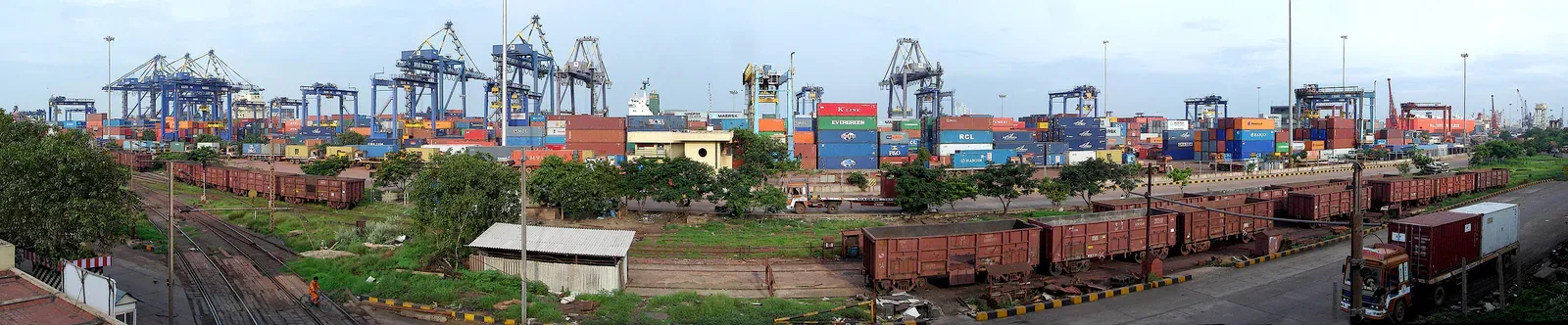
The genre belongs to the people who worked and lived there. Dock labourers and workers at cremation grounds made songs for funerals, weddings and neighbourhood gatherings. Recording technology changed one thing early: singers could now put their songs on record and earn something from them.
The song types
Gaana is not one form. Roughly twenty types have been mapped by scholars, and the best known are named in the community itself. An attu gaana sets original lyrics to a popular film tune. An all gaana is a song in which one artist creates the tune, the beats and the lyrics. Jigil gaana is about intoxication and intoxicants, and deepa gaana covers older compositions, among them ballads that can run for hours. Marana gaana, the funeral elegy, reflects on the meaning of death. Other songs glorify local heroes, and the most famous is the one about Alththota Bhupathi, a poor worker.
Deva and the film song, 1986-1999
The composer Deva made his debut as a full film composer with Mattukkara Mannaru in 1986, and through the 1990s he was among the busiest music directors in Tamil cinema; in 1996 alone he composed tunes for 36 films. He drew on forms heard in North Chennai and placed gaana elements in film songs, introducing them to blockbusters such as Kadhal Kottai, released in 1996. His gaana numbers ranged across religious and humanist themes, moral values, relationships and everyday struggle, and they spread the style through college campuses. He became known as the Godfather of Gaana.
Fading from film, 2000-2011
By the 2000s gaana was less common in Tamil cinema. The streets kept it alive. Singers performed at weddings, stage shows, political rallies and funerals, and more than 500 performers in Chennai earned their living from such events. In 2007 the Tamil Nadu Gana Artists Association was founded, and it had 750 members by 2012.
Attakathi and new voices, 2012 onward
The soundtrack of the film Attakathi, released on 9 January 2012 on Think Music, brought the form back. The composer Santhosh Narayanan made his film debut with it, and much of the music was based on gaana and fused with world-music elements. Gana Bala, who took to gaana in high school and studied botany at Presidency College, sang and wrote “Nadukadalula Kappala” and sang “Aadi Pona Aavani”. The two songs made his name and were credited with reviving the genre in Tamil cinema. He had won a television singing contest, Gana Kuyil Pattu, before that, and his first independent album was released by the composers Deva and Dhina.
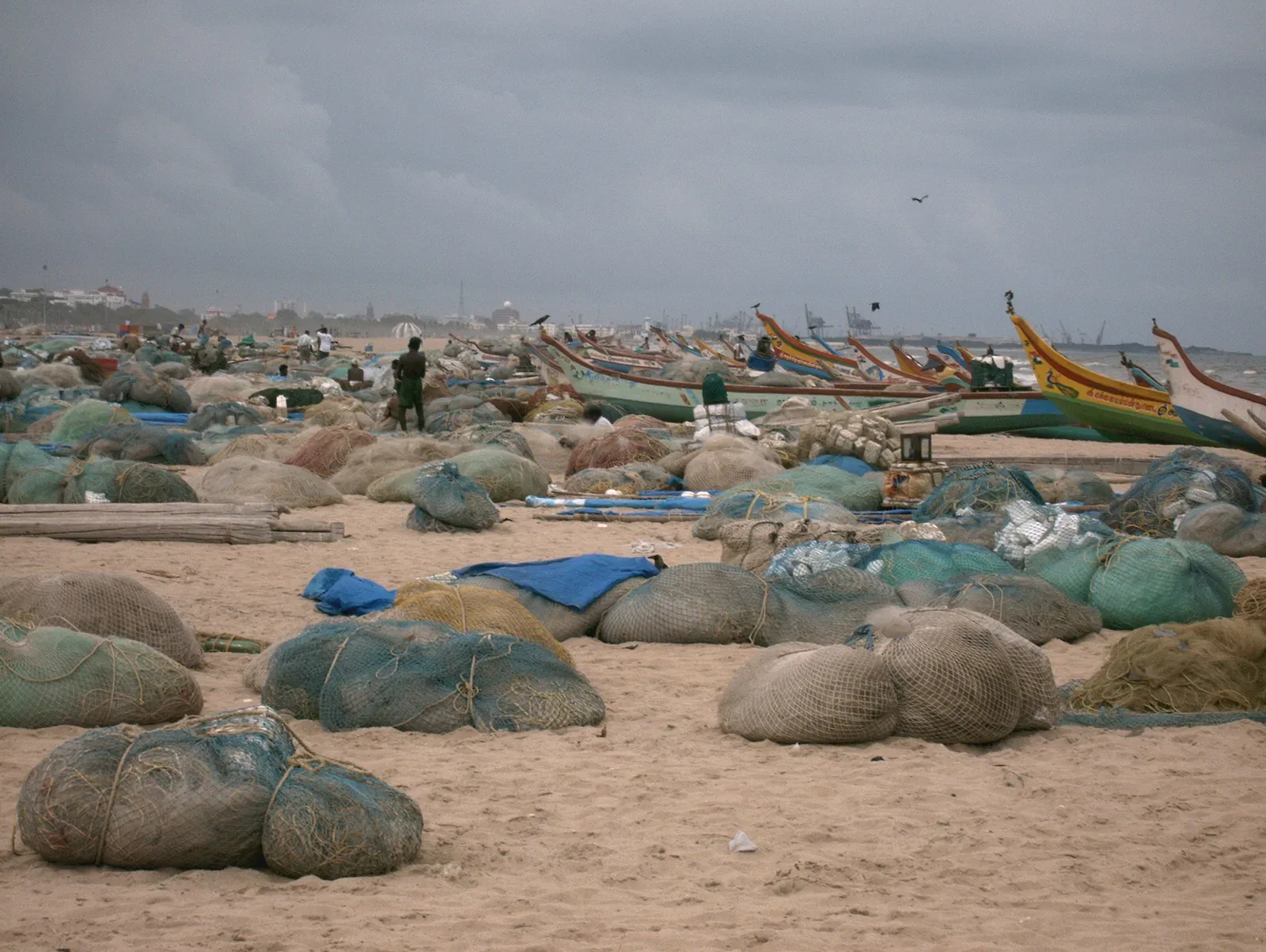
In 2016 about one hundred gaana performers formed the South Indian Gana Singers Association to promote the art, earn respect for it and stop their work from being stolen. The Casteless Collective followed in 2017, when the filmmaker Pa. Ranjith and the producer Tenma put out a call and received about 150 applications. Around 19 singers and instrumentalists from gaana, hip-hop, rock, rap and folk backgrounds formed the first group.
Characteristics
Gaana is sung in Madras Bashai rather than literary Tamil, and its delivery sits between speech and song. Lyrics follow the life of the city: the poverty and small joys of the working neighbourhoods, grief, love, drink and humour. Songs are usually written from a male viewpoint, and some contain sexual innuendo or misogyny, which many well-known singers reject.
Gaana also has a competitive side. In contests one singer questions another with a lyric and the other answers in kind, and both try to bring out the instability of life.
Instruments and production
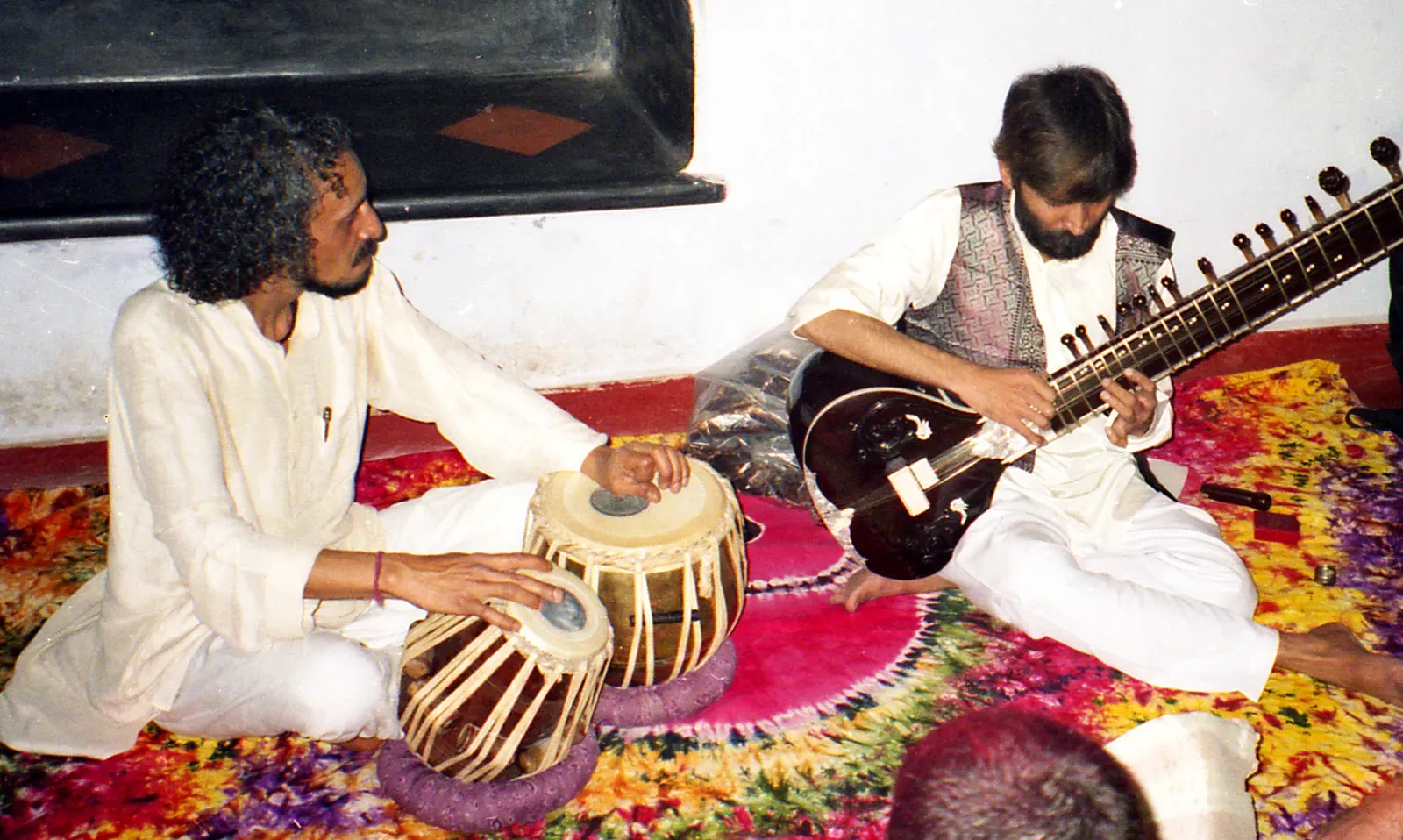
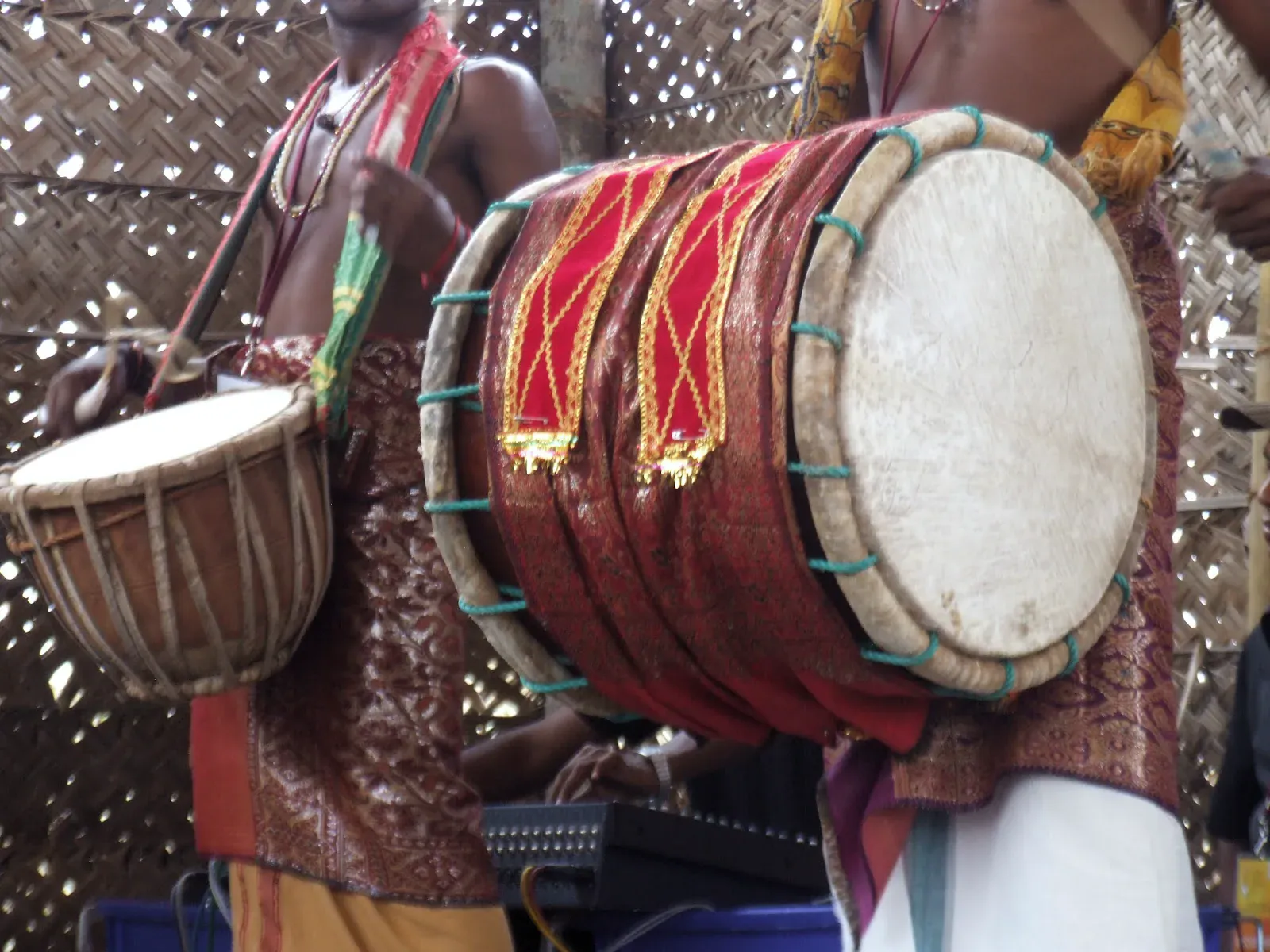
The traditional sound is vocal with hand percussion. In The Casteless Collective, percussionists play the parai, the tavil, the dholak and the satti, an earthen pot, beside a drum kit and guitar.
Mainstream success
Gaana’s mainstream life has run through cinema. Deva’s film songs made the style familiar to Tamil audiences, and the 2012 Attakathi soundtrack brought it back after a quiet decade. Composers have kept returning to it: in 2014 Anirudh Ravichander asked Deva to sing a gaana song on his Maan Karate album, and in 2023 Deva worked with a lyricist and a game developer on a song for the video game Venba.
Spread beyond the street has drawn criticism. Traditional singers argue that the “angst and melancholy” born of daily struggle has been overshadowed in films by lighter themes of fun and romance.
Notable recordings
“Aadi Pona Aavani” and “Nadukadalula Kappala” were both on the Attakathi soundtrack, which Gana Bala sang on and which Santhosh Narayanan composed. The soundtrack has seven songs, with lyrics by several writers including Gana Bala himself. “Nadukadalula Kappala” was reworked from one of Bala’s own gaana tunes. Both have official video releases and are the easiest way into the genre.
The Casteless Collective’s debut album Magizhchi came out in 2018. Its audio launch took place at an arts festival in Chennai, and its music is political: it opposes caste inequality and the oppression of women and minorities.
Culture
Performance is tied to life events. Gaana is performed at weddings, stage shows and political rallies, and at funerals, where marana gaana is sung. It also carries messages: during the Covid-19 pandemic, artists used gaana songs to pass on health guidelines in a form people could take in easily.
Gaana has been a vehicle for social protest. The Casteless Collective sings against caste discrimination, about the Dalit leader Ambedkar, and about the small joys of poor Chennai life. In 2018 it released “Beef Song” in protest at the lynching of Dalit people, and in 2019 “I’m Sorry Ayyappa” about the controversy over the Sabarimala temple.
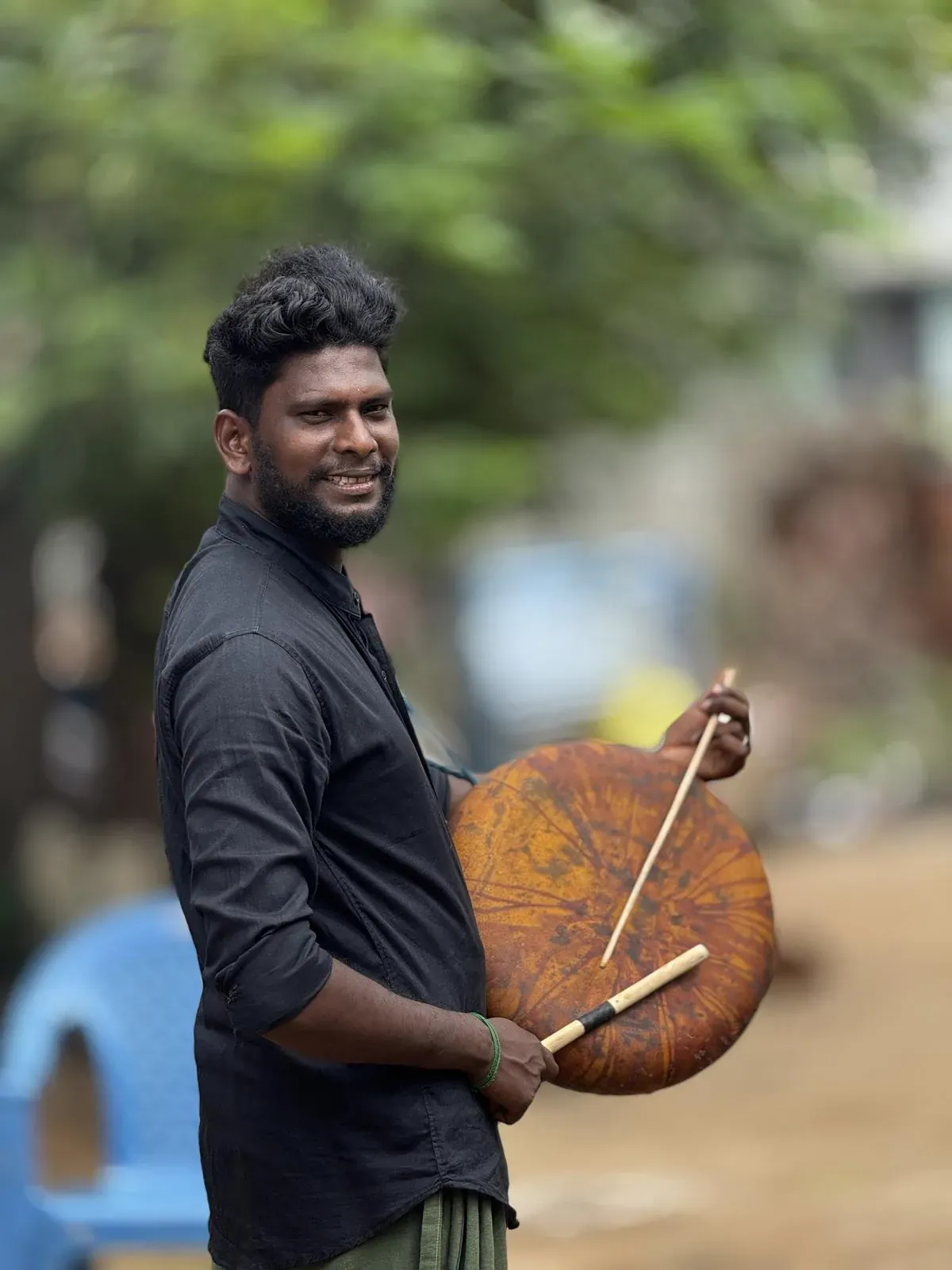
Women have long been rare in the genre, and the form is still dominated by men. Isaivani, born in Royapuram in North Chennai, is one of the first professional women gaana singers. She began performing at six with her father, who was a keyboardist, and was recruited for The Casteless Collective in 2017. In 2020 she was named in the BBC 100 Women list.
Legacy
Deva died on 17 October 2026, aged 75, after composing music for more than 400 films across four South Indian languages. His gaana songs still serve as reference points for new composers and singers. Gana Bala, Santhosh Narayanan and The Casteless Collective represent later routes: the studio, the film and the stage. The genre now has performer associations, women singers and a protest wing beside its film life.
Misconceptions
Gaana is not only film music. Film brought it a mass audience, but it began as a street and community form, and many singers still make their living at funerals and local events rather than from cinema.
It is not only a male genre. Most prominent performers are men, and songs are usually written from a male viewpoint, but women gaana singers such as Isaivani are gaining recognition.
It is not only about celebration. Some of its best-known songs are elegies; marana gaana is a form of mourning, and the pop version’s lightness is exactly what traditional singers object to.
Frequently asked questions
What does gaana mean?
Gaana is the everyday Madras word for music, taken from Hindustani. In Tamil, gaanam means tune, and in modern Hindi and Urdu gana means song.
Where does gaana come from?
Gaana comes from North Chennai, in the slums and burial grounds of Madras, where singers have performed for about two centuries.
Who is the Godfather of Gaana?
The film composer Deva, known as Thenisai Thendral, is called the Godfather of Gaana for bringing the style into mainstream Tamil cinema in the 1990s.
Is gaana the same as Tamil film music?
No. Gaana is a street and community genre that has crossed into Tamil film music; many film songs use gaana elements, but the genre exists apart from cinema.
What is the best gaana song to start with?
Gana Bala’s “Aadi Pona Aavani” from the 2012 Attakathi soundtrack is a clear first listen, with its easy tempo and a vocal in the Madras dialect.
Sound
Sound sheet
Signature sounds
- Rap-like spoken-sung lyrics in Madras Bashai
- Hand-drum percussion
- Stories of working-class city life
Techniques
- Song duel
- Spoken-sung delivery
- Film-tune adaptation
- Elegy
Vocals
Rap-like, spoken-sung delivery in the Madras Bashai dialect, usually from a male viewpoint
Scenes
Where it happened
Where and when the sound lived: one bar per city on a shared timeline.
Asia
Active scenes
Peak 1, 1800-2025
Gaana singers have performed in the city for about two centuries, from North Chennai's slums and burial grounds to its film studios.
Culture
Culture markers
- Madras Bashai
The Chennai street dialect is the language of gaana lyrics.
Slang - Funeral performance
Singers perform at funerals as well as weddings, stage shows and political rallies; over 500 earn a living this way in Chennai.
Ritual - Song contests
Singers answer each other's lyrics in public competitions, insisting on life's instability.
Ritual
Media
Key media
- 1996Kadhal Kottai
by Agathiyan. Ajith Kumar romance whose Deva songs helped bring gaana to blockbusters.
Film - 2012Attakathi
by Pa. Ranjith. Ranjith's directorial debut, with a gaana-based soundtrack.
Film
Glossary
Terms on this page
A song whose tune, beats and lyrics are all made by the same artist.
A song that sets original lyrics to a popular film tune.
Colloquial Madras word for music, from the Hindustani gana; the name of the genre.
Songs about intoxication and intoxicants.
The Chennai street dialect of Tamil in which gaana is sung.
An elegy on the philosophy of death, sung at funerals.
South Asian family