Kafi
Kafi is a Sufi poetic-song form of Punjab and Sindh that sets short refrain poems by Bulleh Shah, Shah Hussain and Latif to simple devotional music.
Punjab, around 1538
South Asian family
Born
around 1538
Punjab
Subgenres
2
Documented branches
Links
7
Genres it drew on or shaped
Tempo
95-145 BPMLineage
Family tree
Timeline
Era by era
From the first sparks to today. Select a dot to read the story behind it.
- Sufi poets of Punjab and Sindh
1538 to 1901
- Classical voices and radio
1930 to 1987
- Concert stages abroad
1988 to 2009
- Coke Studio and festivals
2010 to today
Eras
Moments
- 1 Sufi poets of Punjab and Sindh, 1538 to 1901
- 2 Classical voices and radio, 1930 to 1987
- 3 Concert stages abroad, 1988 to 2009
- 4 Coke Studio and festivals, 2010 to today
around 1538
Sufi poets of Punjab and Sindh
Shah Hussain, Bulleh Shah, Shah Abdul Latif Bhittai, Sachal Sarmast and Khwaja Ghulam Farid wrote the short rhymed poems that became the kafi repertoire, sung at shrines.
- 1538Shah Hussain is born in LahoreThe Lahore poet, regarded as a pioneer of the kafi form in Punjabi, wrote only short refrain poems called kafis.
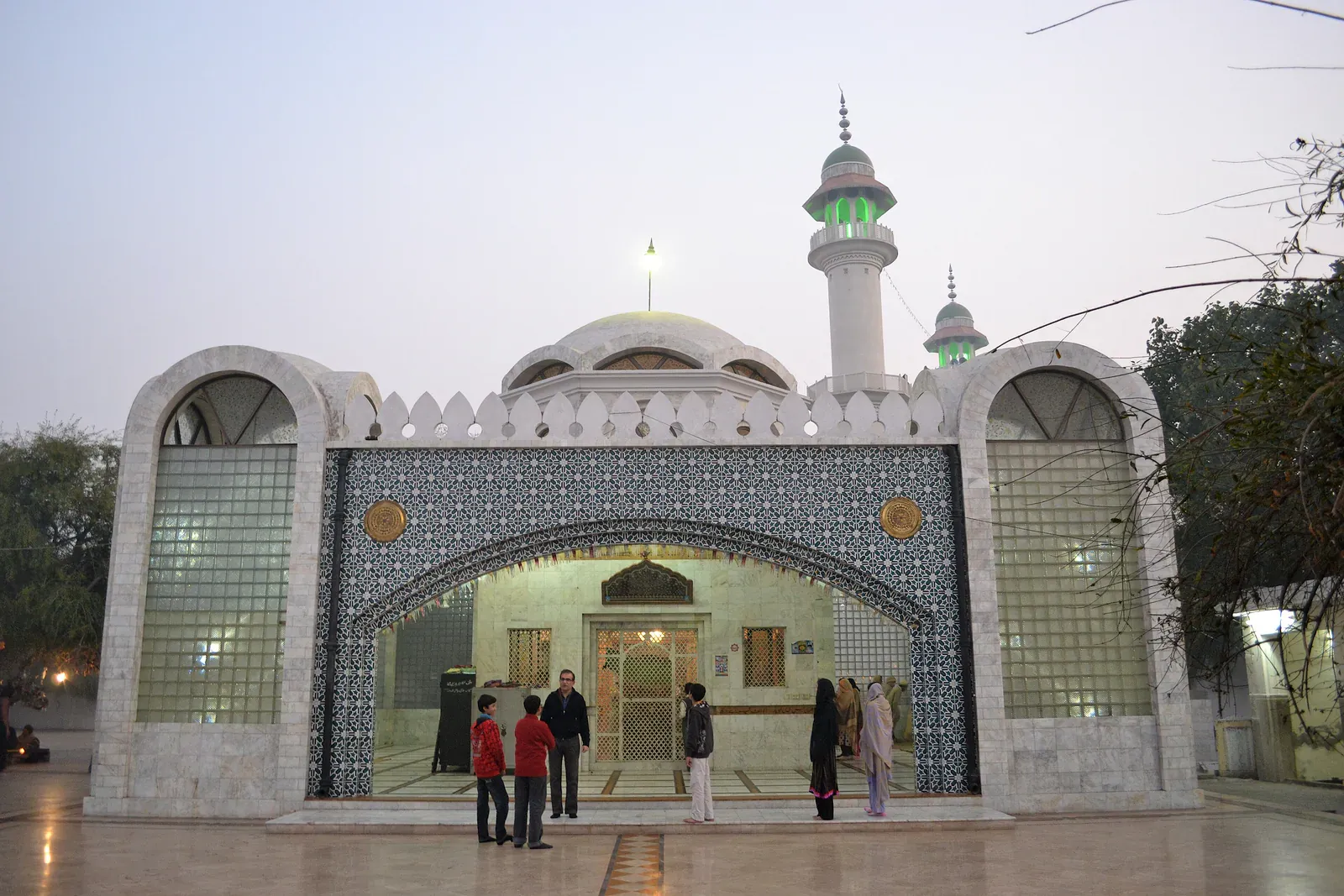
- 1599Shah Hussain diesHis shrine at Baghbanpura in Lahore hosts the Mela Chiraghan, the festival of lights.
- 1752Shah Abdul Latif Bhittai diesHis Sindhi verses were sung and memorised by disciples in musical sessions and gathered after his death into the Shah Jo Risalo.
- 1757Bulleh Shah dies in KasurThe Punjabi poet left over 150 kafis that singers still perform.
- 1866Shah Jo Risalo is first printedErnest Trumpp publishes the first edition of the Sindhi poet Latif's collected verse, arranged in chapters called Sur.
- 1901Khwaja Ghulam Farid diesThe Saraiki Chishti poet from Bahawalpur wrote kafis that later singers such as Pathanay Khan and Abida Parveen performed.
around 1930
Classical voices and radio
Patiala-trained singers set Sindhi kafis in classical style in the 1930s, and Radio Pakistan and television later carried folk and Sufi kafi singers to a national audience.
- 1930Classical kafi in the 1930sAshiq Ali Khan of the Patiala gharana renders Sindhi kafis in dhrupad style, while Allahdino Noonari sings a fusion form.
- 1973Abida Parveen's radio breakthroughShe breaks through on Radio Pakistan with a Sindhi song after singing at shrines.
1988
Concert stages abroad
Abida Parveen took kafi to Chicago, London and Paris halls and to record shelves, with albums devoted to Khwaja Ghulam Farid and Bulleh Shah.
- 1989Abida Parveen at WembleyHer London concert at the Wembley Conference Centre is broadcast on the BBC.
- 1992Kafiyan Khawaja Ghulam FaridAbida Parveen's album of Khwaja Ghulam Farid's kafis.
- 2001Baba Bulleh Shah albumAbida Parveen records an album of Bulleh Shah's verse.
2010
Coke Studio and festivals
Televised studio sessions and Sufi festivals gave kafi a younger audience, with Sanam Marvi and Abida Parveen on Coke Studio Pakistan.
- 2010Coke Studio Pakistan season 3Abida Parveen and Sanam Marvi both appear in a season built on Sufi and folk material.
Listening path
Start listening
A short path from an easy way in to the deep end. Thumbnails come from YouTube; the player loads only when you press play.
- 01
Abida Parveen, 1992
A Khwaja Ghulam Farid kafi from her 1992 album, voice and harmonium leading the refrain.
- 02
Abida Parveen, 1998
Bulleh Shah's most recorded kafi, with the repeated refrain that carries the mood.
- 03
Sanam Marvi, 2010
A younger Sindhi voice in the Sufi folk tradition, from Coke Studio Pakistan season 3.
Facts
| Family | South Asian |
| Origin | Punjab, Pakistan |
| Emerged | Traditional, associated with poets from Baba Farid to Bulleh Shah (1680-1757) |
| Status | Active |
| Tempo | 95 to 145 BPM |
| Subgenres | 1 |
Kafi is a Sufi poetic-song form of Punjab and Sindh, sung in Punjabi, Sindhi and Saraiki. A kafi is a short rhymed poem built around a refrain, and the singing sets it to simple, devotional music in which the words come before the melody.
The texts belong to a line of mystic poets from Shah Hussain in the sixteenth century to Khwaja Ghulam Farid in the nineteenth, and the tradition is now carried by singers across Pakistan, India and the diaspora. It sits within the South Asian family and borders qawwali and Punjabi folk song.
Origins
The word comes from the Arabic qafiya, meaning rhyme, and the form is said to descend from the qasida, an ode with a single rhyme meant to be sung with one or two lines repeated as a refrain. Kafi texts usually retell the great romantic tales of Punjabi and Sindhi folklore, such as Heer and Ranjha, and use the lovers as a metaphor for the soul’s longing. The underlying dialogue is between the disciple and his spiritual guide, the murshid, or between the lover and the beloved, which stands for the Creator.
Shah Hussain, born in Lahore in 1538, is regarded as a pioneer of the form in Punjabi. His surviving poems are all kafis, each a refrain followed by roughly four to ten rhymed lines, and they often speak in the voice of a bride waiting for her husband. A soul that reaches union is a happily married woman, one that fails is a deserted wife. His verse was set to Punjabi folk tunes, and many of his kafis entered the qawwali repertoire.
Sufi poets of Punjab and Sindh, 1538-1901
Bulleh Shah, who died in Kasur around 1757, is credited with more than 150 kafis written in the everyday language of the Punjab, and his lines became proverbs. In Sindh, Shah Abdul Latif Bhittai, who died around 1752, composed verses meant for musical performance. His disciples sang and memorised them in the musical sessions he held, and they were gathered after his death into the Shah Jo Risalo, first printed in 1866. The Risalo is divided into chapters called Sur, each tied to a musical mode,.
Sachal Sarmast, a Sindhi mystic who died around 1827, and Khwaja Ghulam Farid of Bahawalpur, who died in 1901, widened the tradition. Farid wrote mostly in Saraiki, and his kafis became staples of folk singers such as Pathanay Khan. Poems of this kind were sung by dervishes and fakirs, alone or in groups, as an offering to their murshid, and performances took place at the shrines of saints.
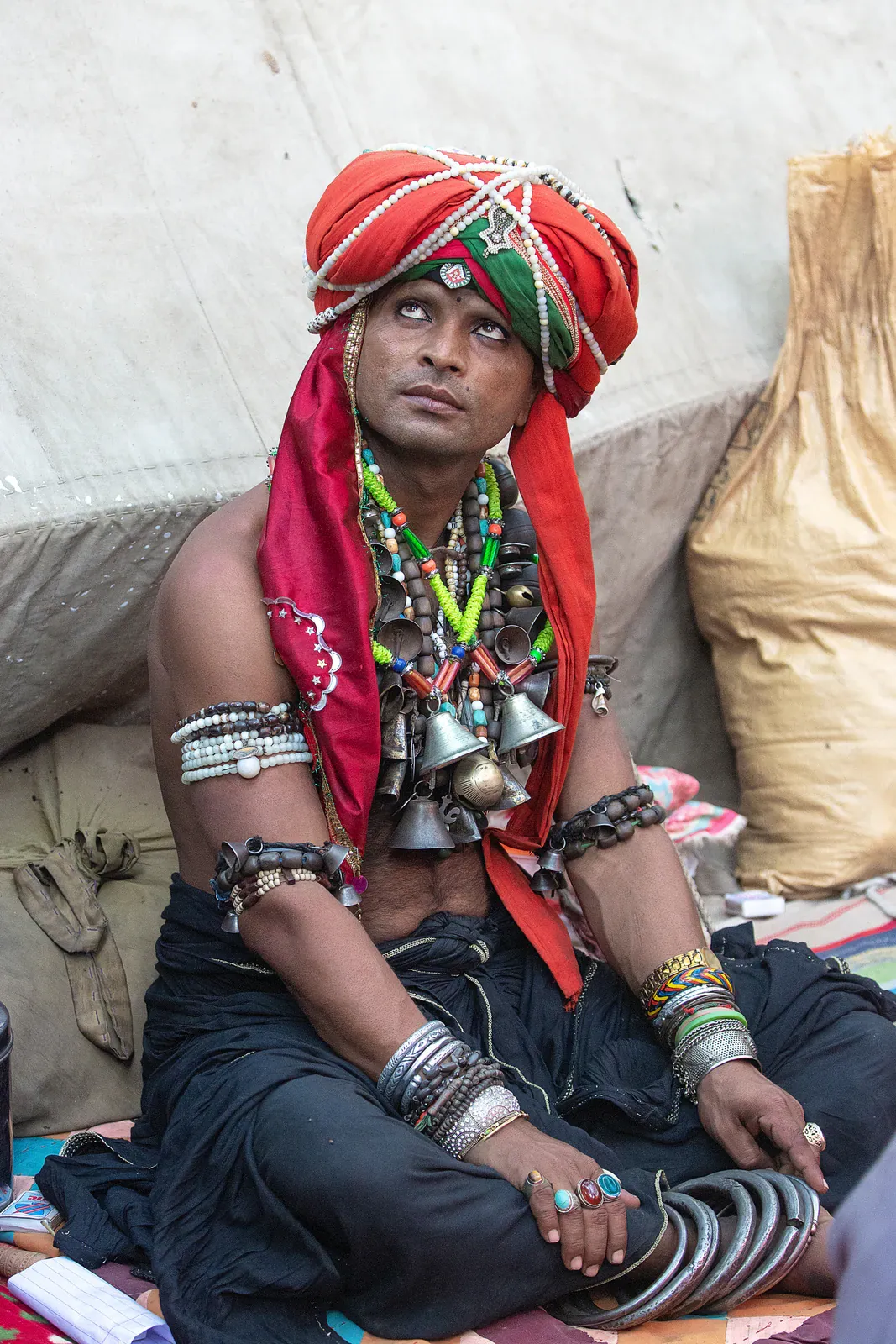
Classical voices and radio, 1930-1987
In the 1930s, when classical singing was at the height of its popularity, Ustad Ashiq Ali Khan of the Patiala gharana began rendering Sindhi kafis in the dhrupad style, while his contemporary Allahdino Noonari sang them in a fusion form.
Radio and television then widened the audience. Pathanay Khan, a folk singer from Kot Addu devoted to the verse of Khwaja Ghulam Farid and Bulleh Shah, gave kafis a spirited delivery that fellow singers later credited with a new dimension in Pakistani folk music. In 1976 Prime Minister Zulfikar Ali Bhutto invited him to Islamabad for a private performance; Bhutto wept at the kafi “Jindarri lutti tain yaar sajan” and, asked three times to name a wish, the singer replied only that Bhutto should look after the poor.
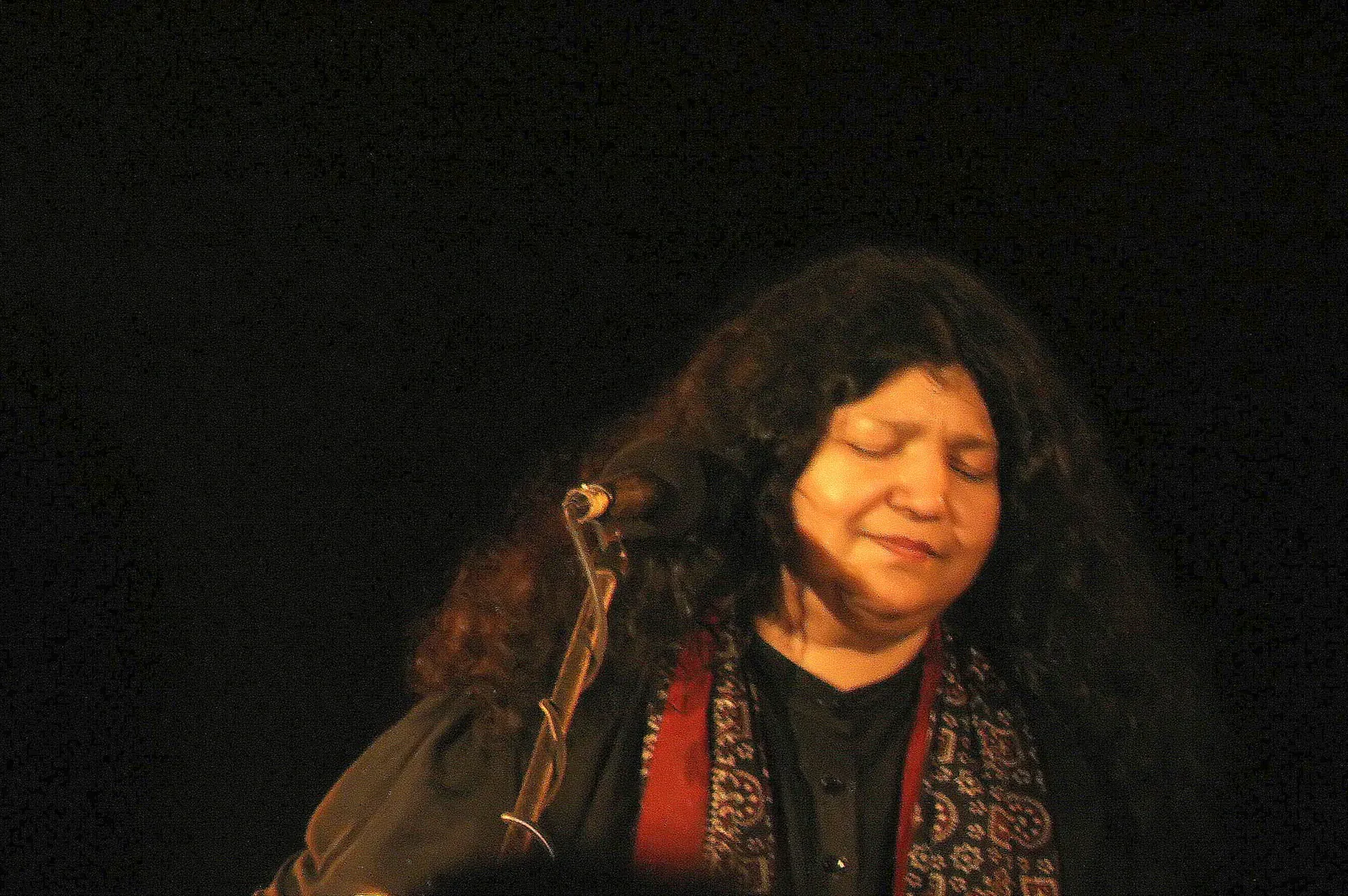
In Sindh, Abida Parveen, raised in Larkana in a Sufi family and trained by her father, had begun singing at shrines in the early 1970s. Her breakthrough came in 1973 with a Sindhi song on Radio Pakistan, and in 1977 she became an official radio singer.
Concert stages abroad, 1988-2009
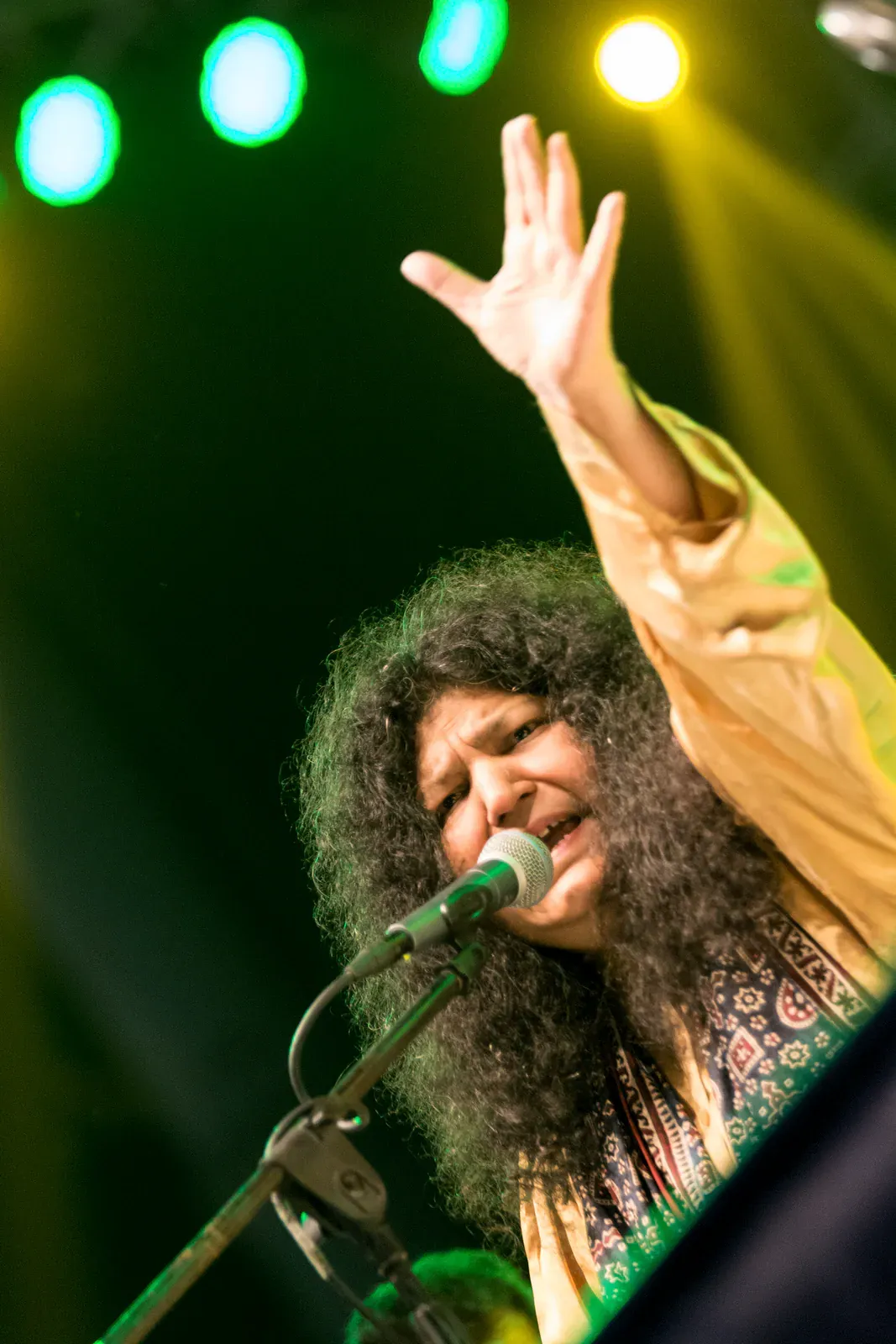
Parveen carried kafi onto international stages. A 1988 Chicago concert was issued on LP, and her 1989 concert at the Wembley Conference Centre in London was broadcast by the BBC. Her discography reflects the poets: an album of Khwaja Ghulam Farid’s kafis appeared in 1992, a French-market collection of Pakistani Sufi songs in 1995, and an album devoted to Bulleh Shah in 2001. Qawwali artists such as Nusrat Fateh Ali Khan, who sang the kafis of Shah Hussain, opened the same Western doors for the neighbouring tradition.
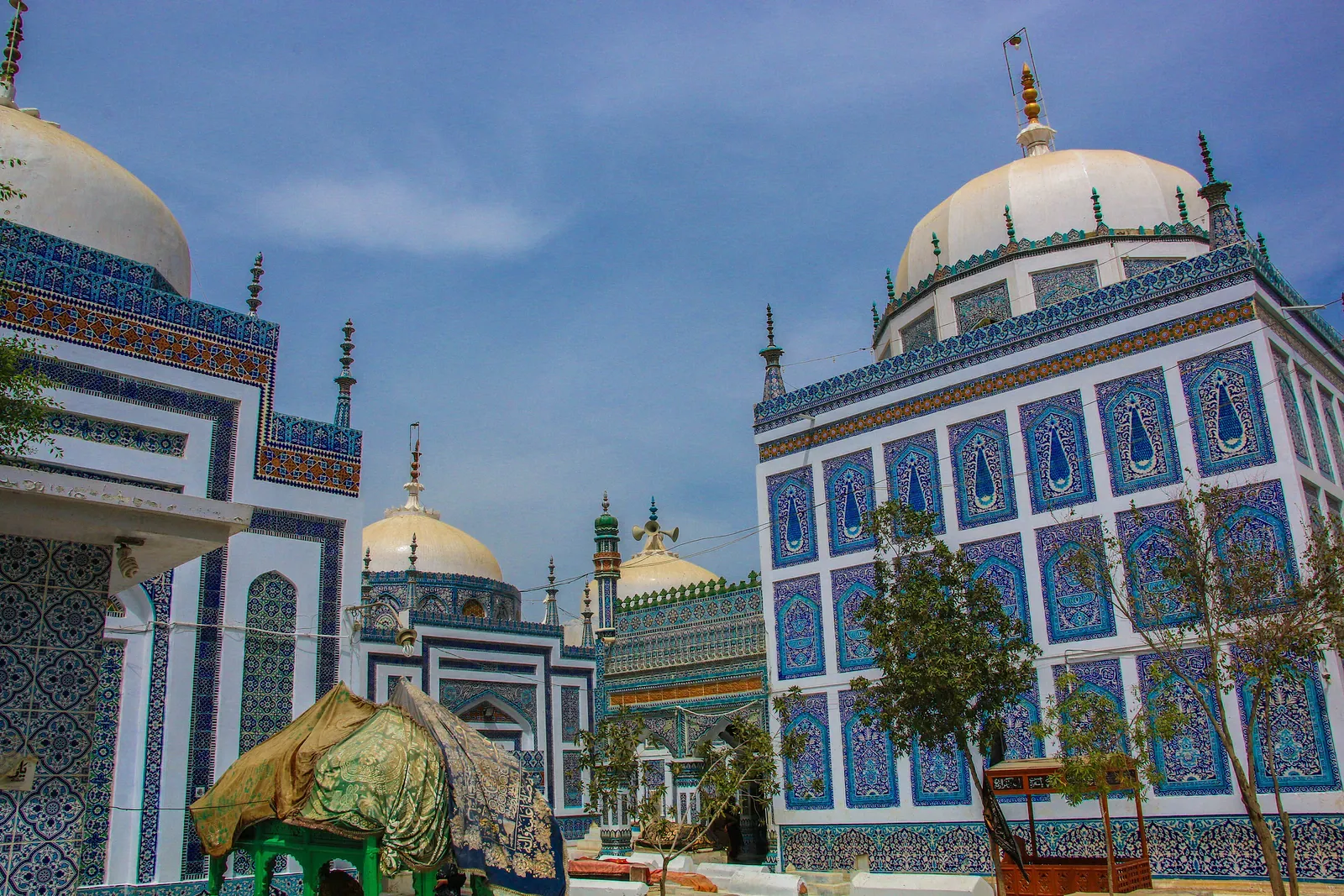
Coke Studio and festivals, 2010 onward
In 2010 the third season of Coke Studio Pakistan placed Abida Parveen and the younger Hyderabad singer Sanam Marvi on a televised studio stage built around Sufi and folk material. Marvi, who sings in Sindhi, Punjabi and Balochi, has been named among the present-day exponents of kafi alongside the Kutch singer Mooralala Marwada, whose Hindu community adopted the kafi form of Shah Latif. The same year Parveen sang at the Royal Albert Hall in London and at a Sufi music festival in New York.
Characteristics
Kafi is devotional music with a flexible musical frame. There are no fixed styles of singing, and a performance usually rests on one lead voice. The central verse returns again and again, and the repetition builds the mood. Their images come from marriage and the folk romances rather than from abstract theology.
The raga called Kafi is a separate matter: a raga of Hindustani classical music, the principal raga of Kafi thaat, matching the Dorian mode. It is related to folk tunes, but the song form takes its name from rhyme, not from the raga.
Instruments and production
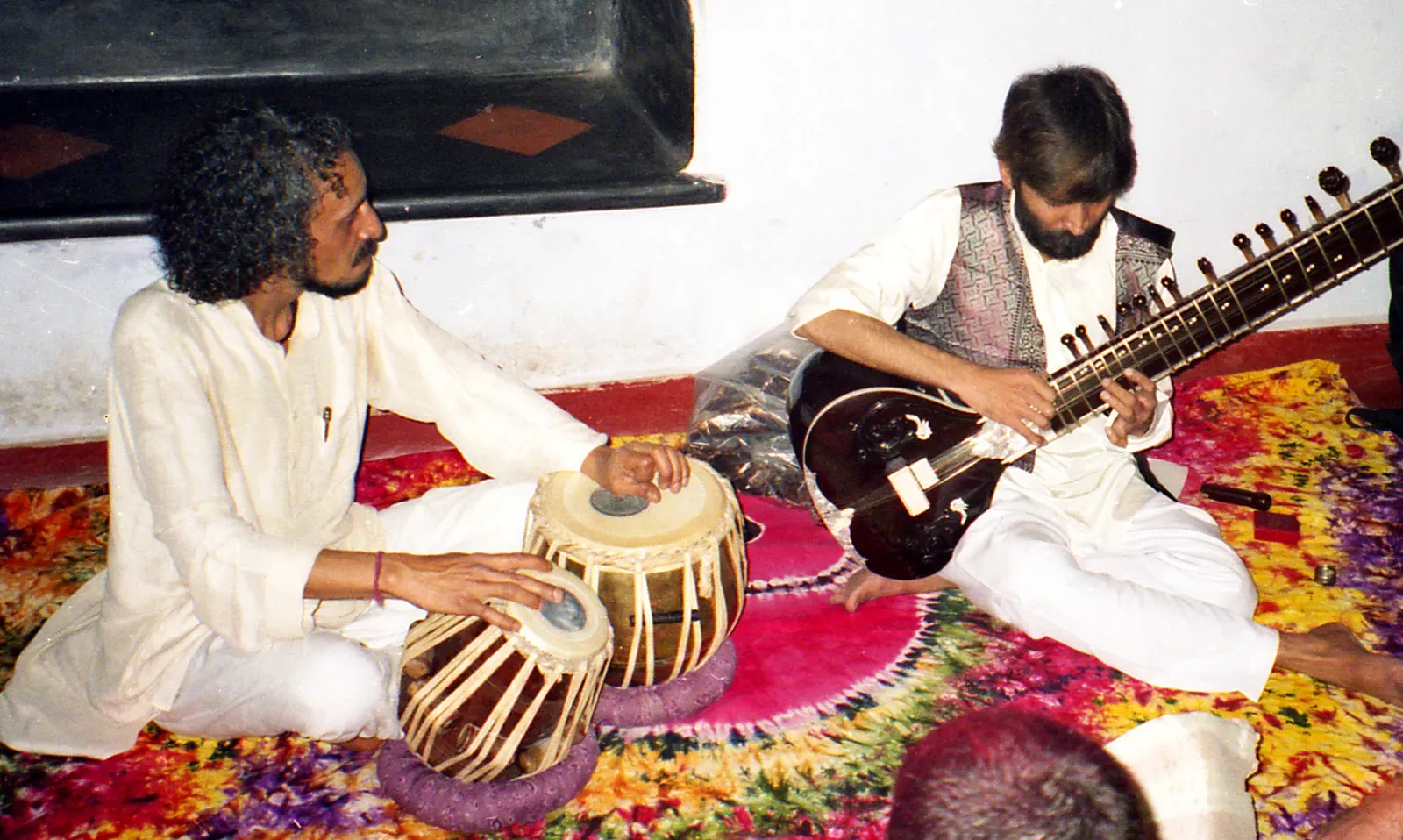
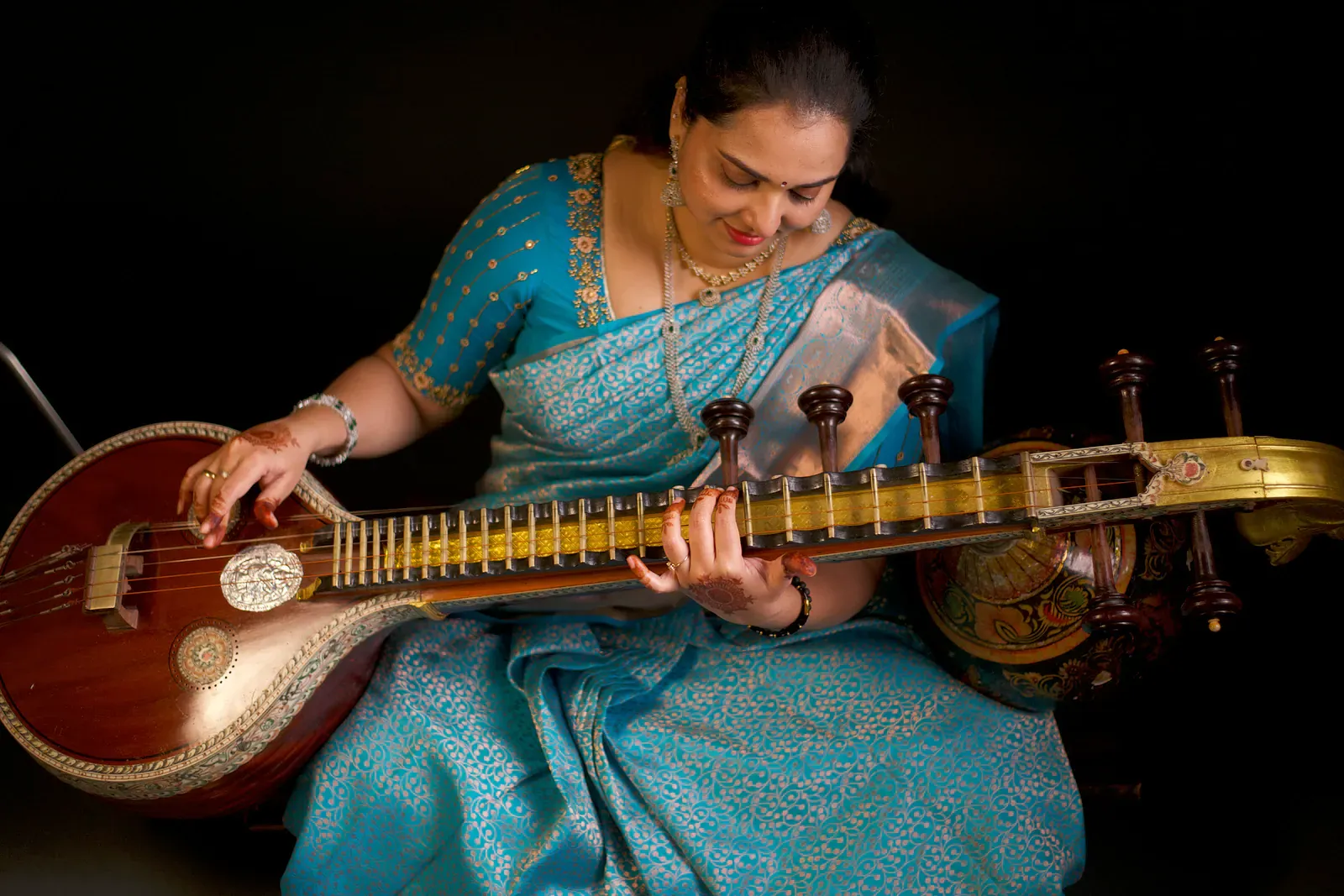
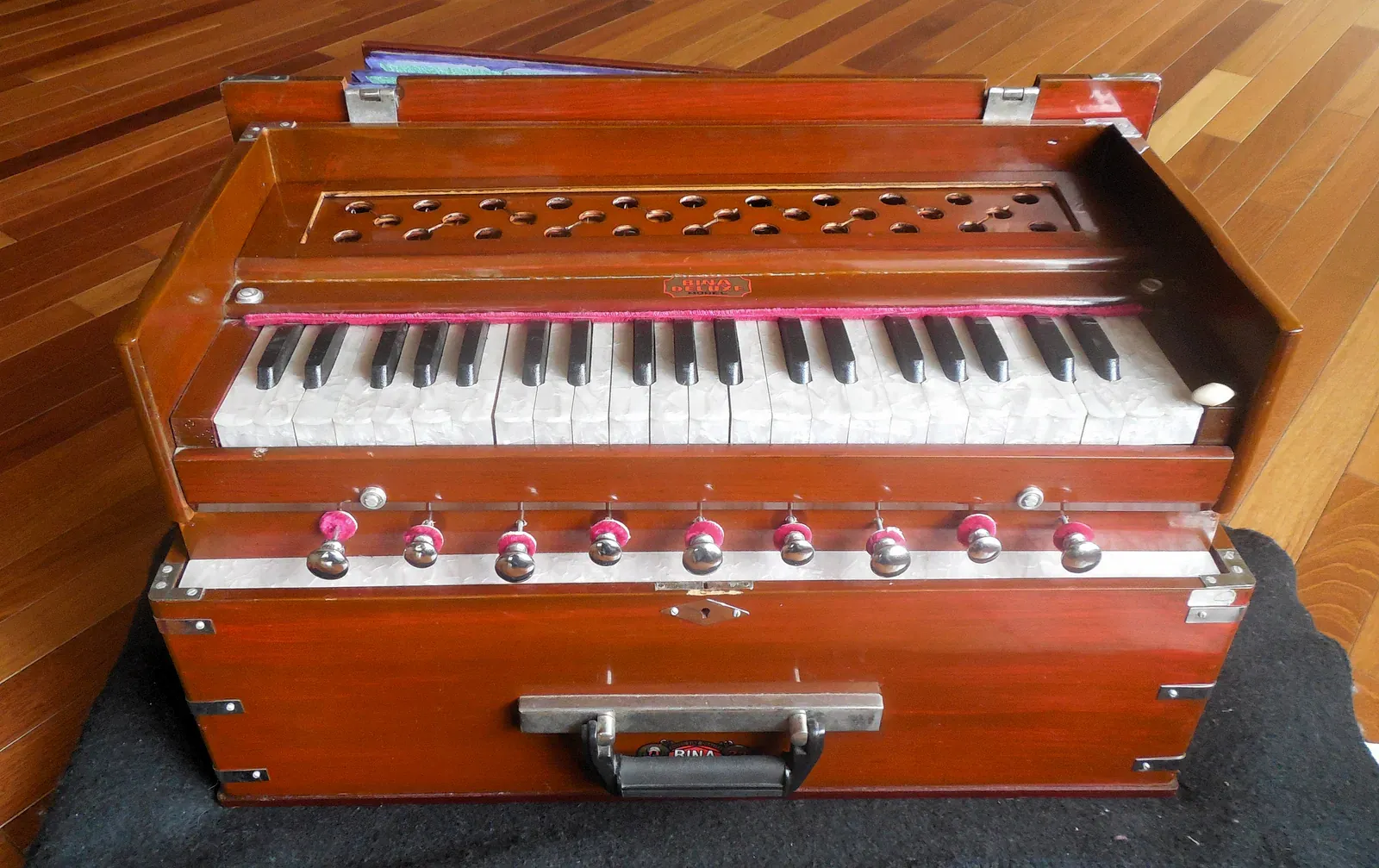
The arrangement is plain. A typical ensemble has one harmonium, a tabla, a dholak and a single vocalist, and the emphasis stays on the words rather than the music. Older Sindhi instruments were the yaktaro, a one-stringed plucked instrument, and wooden clappers called chappars. Contemporary singers add their own variations, but the voice remains the centre.
Notable recordings
“Tere Ishq Nachaya” (love made me dance) is Bulleh Shah’s best-known kafi and is performed by Sufi and qawwali singers alike. Abida Parveen’s rendition appears on her 1998 Golden Collection, and the poem inspired the 1998 film song “Chaiyya Chaiyya”. The band Jal sang it on the first episode of Coke Studio in 2011, and a variant called “Supreme Ishq”, sung by Riaz Ali Qadri, circulated in the early 2000s.
“Jhok Ladae Veen Yaar Deewana” is a 1992 Abida Parveen recording, made the year her album of Khwaja Ghulam Farid’s kafis appeared. The recording dates from the year of that album. Sanam Marvi’s “Manzil-e-Sufi” from Coke Studio Pakistan in 2010 shows the same tradition on a studio stage and in a younger voice.
Culture
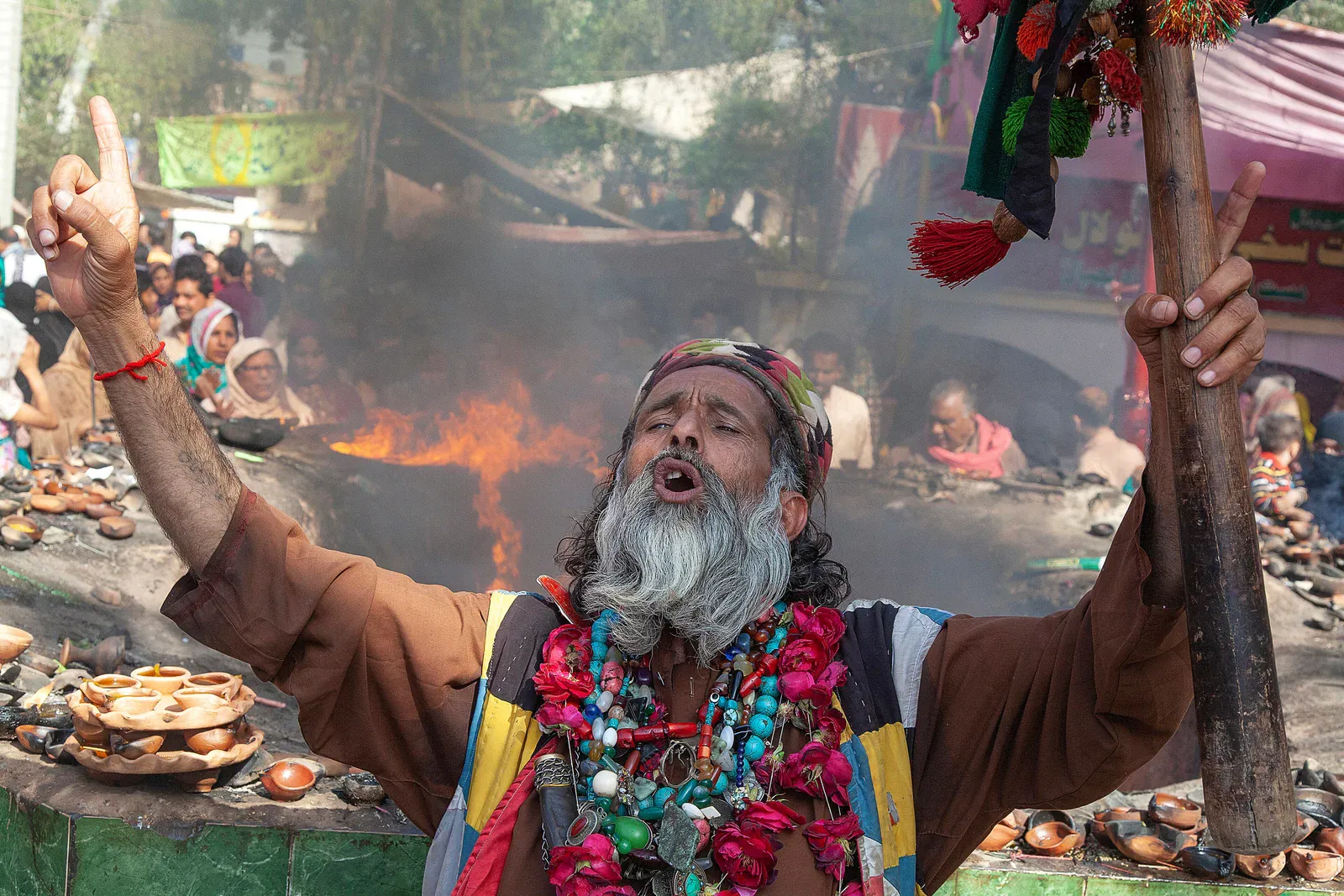
Kafi lives at shrines. The Mela Chiraghan, the festival of lights at Shah Hussain’s shrine in the Baghbanpura district of Lahore, combined an older urs and a fair under Maharaja Ranjit Singh, who led a procession there barefoot with Sikhs, Muslims and Hindus. The shrine of Shah Abdul Latif at Bhit Shah holds an annual urs attended by up to 500,000 visitors. Hindu singers in Kutch keep the Sindhi kafi alive.
Legacy
Kafi moved beyond the shrines through radio, concert halls, recordings and studio television, and its poets are now cited in film, pop and rock. Bulleh Shah’s lines have been recorded by dozens of artists, and they are read at cultural events including one organised by UNESCO. Sindhi kafi keeps the Latif repertoire, and Punjabi kafi keeps the verse of Shah Hussain and Bulleh Shah.
Misconceptions
Kafi is often taken for qawwali. The two overlap, since many kafis are part of the qawwali repertoire and both are sung at dargahs, but a kafi arrangement is simpler, with a harmonium, tabla and dholak behind one voice, and it centres on the words rather than on the call and response of a qawwali party. See qawwali for the larger ensemble tradition.
Kafi is also not only Punjabi. The poems and singing exist in Punjabi, Sindhi and Saraiki, and Latif’s Sindhi verse is as central as Bulleh Shah’s Punjabi.
A third error confuses the poem with the raga, which is described above and is a different thing.
Frequently asked questions
What does kafi mean in music?
Kafi names both a Sufi poem form and the way it is sung. The word comes from the Arabic for rhyme, and the form is built on a repeated refrain with a few rhymed lines.
Who wrote the most famous kafis?
The best-known kafi poets are Baba Farid, Shah Hussain, Bulleh Shah, Shah Abdul Latif Bhittai, Sachal Sarmast and Khwaja Ghulam Farid. Shah Hussain is regarded as a pioneer of the Punjabi form.
What languages are kafis sung in?
Punjabi, Sindhi and Saraiki are the main languages of kafi, and the singing is popular across Pakistan, India and Bangladesh.
Which singers are known for kafi?
Abida Parveen, Pathanay Khan, Sanam Marvi and Mooralala Marwada are named as exponents. Earlier, Ashiq Ali Khan and Allahdino Noonari sang Sindhi kafis in classical and fusion styles.
Is kafi related to Sufi music in general?
Yes. Kafi belongs to the wider Sufi music of South Asia and shares ground with Punjabi folk music.
Sound
Sound sheet
Anatomy of a track
| # | Part |
|---|---|
| 1 | Opening refrain, one or two lines |
| 2 | Rhymed verse lines, usually four to ten |
| 3 | Repeated refrain |
Signature sounds
- Sufi poem in Punjabi, Sindhi or Saraiki
- Refrain repeated to build the mood
- One lead voice over harmonium and hand drums
- Yaktaro and chappars among Sindhi dervishes
Techniques
- Refrain repetition
- Words before music
- Dhrupad-style kafi
- Bridal imagery
Keys and modes
Raga Kafi (Dorian). The principal raga of Kafi thaat matches the Dorian mode and has a direct lineage with folk music.
Sindhi sur modes. Latif's Risalo is arranged in Surs, each tied to a musical mode such as Yaman Kalyan, Sarang or Kedaro.
Vocals
Devotional solo or small group singing with no fixed style, delivered with intensity.
Scenes
Where it happened
Where and when the sound lived: one bar per city on a shared timeline.
Asia
Active scenes
Peak 3, 1960-2025
Birthplace of Shah Hussain and site of his shrine, where the Mela Chiraghan is held each year.
Home town of Abida Parveen, raised in a Sindhi Sufi family.
Radio Pakistan Hyderabad broadcast the Sindhi folk voice of Mai Bhagi, and the city is home to Sanam Marvi.
Venues and places
Lahore, 1599 to today. Baghbanpura shrine beside the Shalamar Gardens, site of the Mela Chiraghan.
Hyderabad, 1960 to today. Station where Mai Bhagi began singing on air in 1960.
Culture
Culture markers
- Mela Chiraghan
Festival of lights at Shah Hussain's shrine in Lahore, combined from an urs and a mela under Ranjit Singh.
Ritual - Urs of Shah Abdul Latif
Annual festival at Bhit Shah that draws up to 500,000 visitors.
Ritual - Singing for the murshid
Dervishes and fakirs sang kafis as an offering to their spiritual guide, often at dargahs.
Ritual
Media
Key media
- 1866Shah Jo Risalo
by Shah Abdul Latif Bhittai. The collected Sindhi verse, first printed by Ernest Trumpp, whose chapters are named after musical modes.
Book
Glossary
Terms on this page
Shrine of a Sufi saint where kafis are traditionally sung.
Rhymed Sufi poem and the song form that sets it, from the Arabic qafiya, meaning rhyme.
The spiritual guide to whom a kafi is offered, often symbolised as the beloved.
A chapter of Latif's Risalo, each tied to a musical mode.
Annual festival marking a saint's death, with music at the shrine.
A relaxed verse format Latif used in addition to the bayt.
South Asian family