Latin ballad
The Latin ballad (balada romántica) is a slow, orchestral love song for a solo singer, derived from bolero and dominant in Latin pop from the 1970s.
Mexico, Spain, Argentina, United States, 1960
Latin family
Born
1960
Mexico, Spain, Argentina, United States
Subgenres
2
Documented branches
Links
15
Genres it drew on or shaped
Tempo
60-105 BPMLineage
Family tree
Grew out of
- Bolero
Derived from
Influenced by
Mexico, Spain, Argentina, United States, 1960
Latin ballad
Led to (3)
Timeline
Era by era
From the first sparks to today. Select a dot to read the story behind it.
- Bolero roots and imported ballads
1950 to 1961
- Festivals and the first stars
1962 to 1969
- The baladista boom
1970 to 1979
- Romantic heyday
1980 to 1989
- Miami era
1990 to 2009
- After the peak
2010 to today
Eras
Moments
- 1 Bolero roots and imported ballads, 1950 to 1961
- 2 Festivals and the first stars, 1962 to 1969
- 3 The baladista boom, 1970 to 1979
- 4 Romantic heyday, 1980 to 1989
- 5 Miami era, 1990 to 2009
- 6 After the peak, 2010 to today
around 1950
Bolero roots and imported ballads
Bolero trios and crooners, plus US pop ballads, Italian and French song and early rock and roll, supply the repertoire and the sound that Spanish-language balladeers later merge.
- 1959Benidorm Song Festival beginsThe Spanish festival becomes a proving ground for young singers and songwriters, including Raphael in 1962 and 1963.
- 1961Sonata de amorMario Álvarez's Sonata de amor is cited as the first ballad recorded as such in Mexico.
1962
Festivals and the first stars
Song festivals in Benidorm and across Latin America, and Eurovision, launch the first baladistas, among them Raphael, while composers such as Armando Manzanero write for them.
- 1965Pobres besos míosArmando Manzanero, a bolero composer, records his ballad Pobres besos míos.
- 1966Raphael at EurovisionRaphael sings Yo soy aquél for Spain in Luxembourg and places seventh, repeating at the 1967 contest with Hablemos del amor.
- 1969Julio Iglesias records La vida sigue igualThe song appears on his debut album Yo canto and starts an international career.
1970
The baladista boom
Julio Iglesias, José José, Camilo Sesto and Mocedades score hits across Spain and Latin America, and radio, television and festivals spread a shared romantic style.
- 1970El triste at the Latin Song FestivalJosé José finishes third in Mexico's entry El triste, which launches his career across Latin America.
- 1972Algo de míCamilo Sesto's first number one in Spain tops Latin American charts for a year in most of the region.
- 1973Eres tú finishes second at EurovisionMocedades' ballad becomes a global hit and a top ten entry in the United States sung entirely in Spanish.
- 1975Melina and JamásCamilo Sesto releases two of his best-known songs on the album Amor libre.
1980
Romantic heyday
Producers and writers such as Manuel Alejandro shape polished studio ballads, Billboard opens Latin pop charts in 1985, and big sellers like José José's Secretos and Julio Iglesias reach a global audience.
- 1983SecretosJosé José's album with songs by Manuel Alejandro sells about four million copies, the best-selling record of his career.
- 1984To All the Girls I've Loved BeforeJulio Iglesias and Willie Nelson record the English-language duet that opens the singer to the American market.
- 1984QueridaJuan Gabriel records Querida, which becomes one of the most-covered romantic songs in Spanish.
- 1985Billboard Latin Pop Albums chartWhen the chart opens, José José's Reflexiones becomes its first number one.
1990
Miami era
Multinational labels centre production in Miami, the ballad homogenises around a pan-Latin sound, and it becomes the dominant form of Latin pop.
2010
After the peak
Bachata, reggaeton and Spanish-language electropop take radio share, while veteran balladeers keep touring and the repertoire lives on in covers and television.
- 2010Uptempo genres take the radioBachata, reggaeton and Spanish-language electropop gain Hispanic radio share while ballads lose popularity.
Listening path
Start listening
A short path from an easy way in to the deep end. Thumbnails come from YouTube; the player loads only when you press play.
- 01
Raphael, 1966
The Eurovision entry that defined the dramatic baladista voice.
- 02
José José, 1970
Listen for the held notes and the string backing that became the ballad template.
- 03
Camilo Sesto, 1975
Orchestral ballad with a rock edge from one of the era's top sellers.
- 04
Julio Iglesias, 1980
The crooner style that took the ballad to a global audience.
- 05
Juan Gabriel, 1984
A self-written standard that shows the genre's lyric directness.
Facts
| Family | Latin |
| Origin | Mexico, Spain, Argentina, United States |
| Emerged | Early 1960s |
| Status | Active |
| Tempo | 60 to 105 BPM |
| Meter | 4/4 |
| Grew out of | Bolero |
| Subgenres | 2 |
The Latin ballad, in Spanish the balada romántica, is a slow, sentimental love song for a solo singer, usually backed by an orchestra.
It descends from the Latin American bolero and took shape in the early 1960s in Mexico, Spain and the Spanish-speaking communities of the United States, absorbing US pop, rhythm and blues and rock. From the 1970s it became the dominant form of Latin pop.
Origins
The ballad has two parents. One is the bolero, the slow Caribbean and Mexican love song carried by trios and crooners through the 1950s. The other is the imported pop ballad: American crooners, early rock and roll, and the romantic songs of Italian and French singers, which were heard on records and in cinema across Latin America and Spain and often recast with new Spanish lyrics.
The two met in the early 1960s. The first Mexican recording described as a ballad, Mario Álvarez’s Sonata de amor, dates from 1961, and in 1965 the bolero composer Armando Manzanero recorded his own ballad, Pobres besos míos. Writers kept the emotional range of the bolero but swapped Latin percussion for a pop-rock rhythm section and strings, and the lyrics became more direct and less metaphorical. The line between bolero and ballad stayed blurred, and many songs fit either label.
A common scholarly definition calls the genre a love song of slow tempo, played by a solo singer usually accompanied by an orchestra. Researchers also tie its spread to the telenovela, which fed a shared Latin American way of expressing feeling through gesture, voice and melody.
Festivals and the first stars, 1962-1969
Song contests turned the style into a business. The Benidorm Song Festival in Spain, founded in 1959, gave early exposure to young singers, and Raphael won prizes there in 1962 and 1963. He signed with Hispavox, worked with the arranger Waldo de los Ríos and the songwriter Manuel Alejandro, and represented Spain at Eurovision in 1966 with Yo soy aquél and in 1967 with Hablemos del amor, placing seventh and sixth. A 1967 concert at Madison Square Garden showed that a Spanish-language balladeer could fill an American arena.

Mexico had its own circuit. In March 1970 the Festival de la Canción Latina, a forerunner of the OTI Festival, gave José José third place with El triste and a national audience. In the same period Julio Iglesias made his first records, including La vida sigue igual on the 1969 album Yo canto.
The baladista boom, 1970-1979
The 1970s were the first golden age. José José, Julio Iglesias, Camilo Sesto, Raphael, Mocedades, Emmanuel, Roberto Carlos and Rocío Dúrcal all scored hits across Spain and Latin America, helped by radio, television variety shows and festivals. Camilo Sesto’s Algo de mí reached number one in Spain and stayed on top for a year across most of Latin America. In 1973 Mocedades’ Eres tú, written by Juan Carlos Calderón, placed second at Eurovision and became one of the few Spanish-language songs to reach the US top ten.
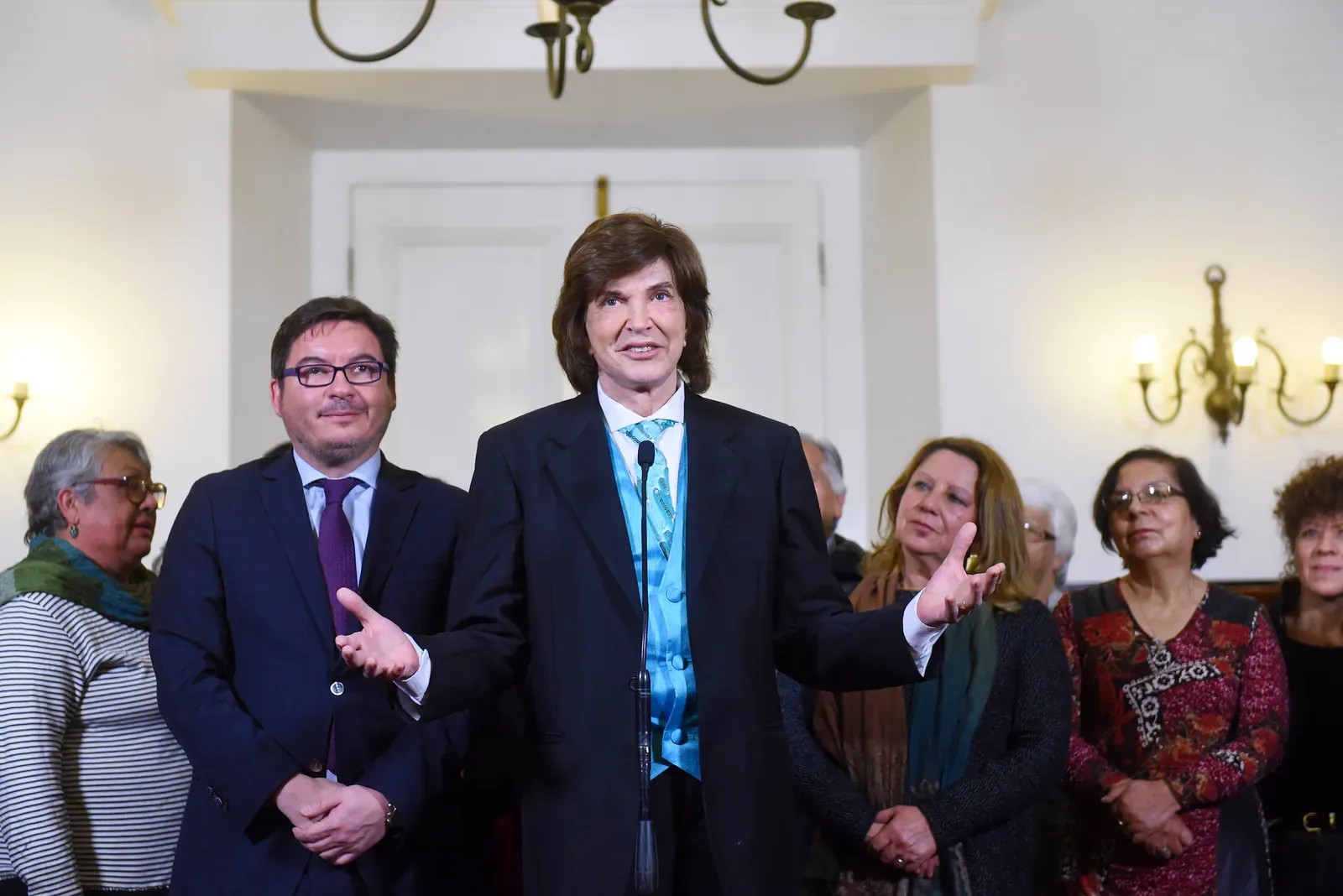
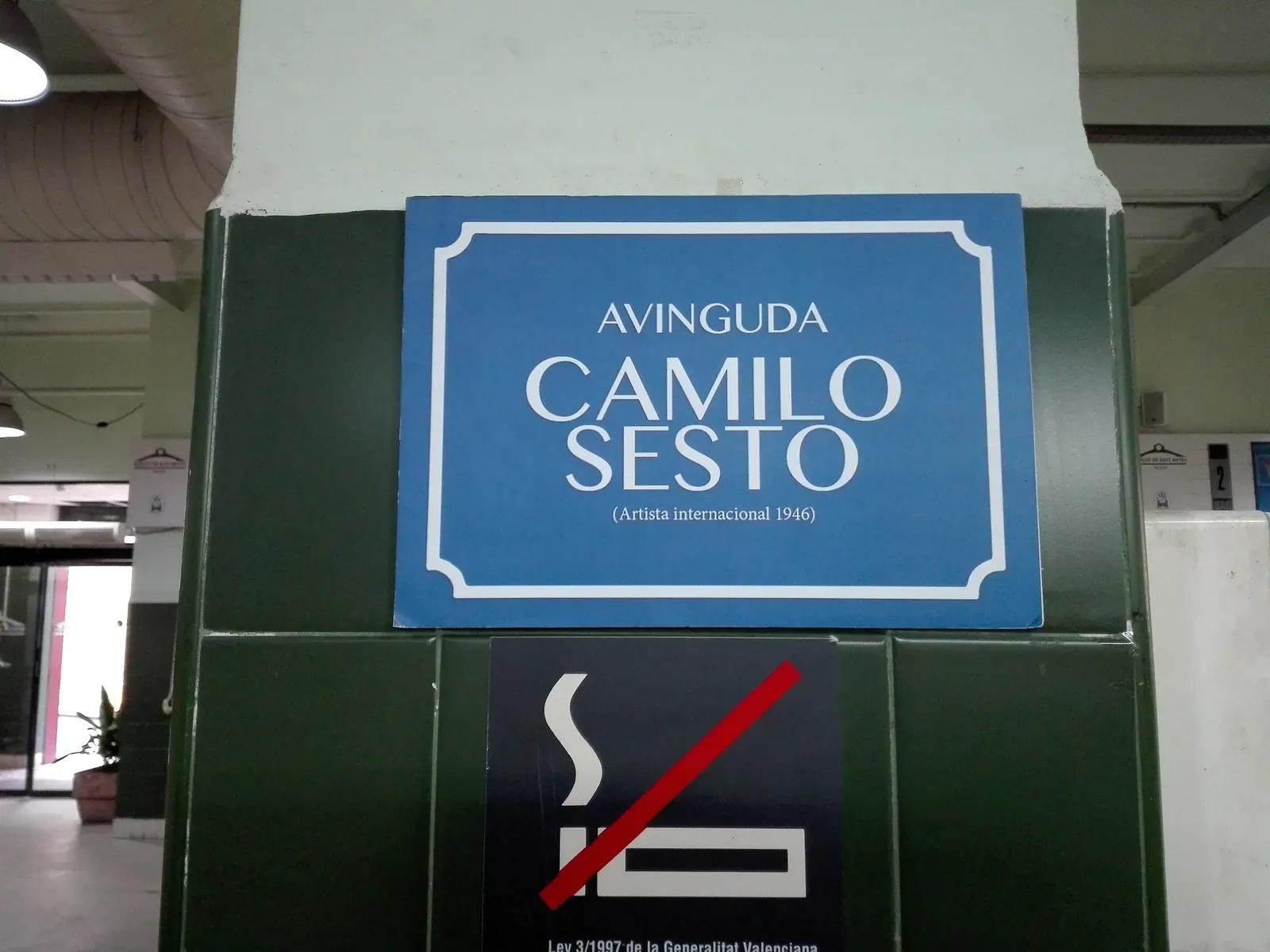
Camilo Sesto’s work shows how far the style leaned on rock: he produced his own records and wrote for others, and songs such as Melina and Jamás on the 1975 album Amor libre mix orchestral swells with guitar and a pop backbeat. José José’s records, by contrast, were built around vocal power and held notes, and his career spanned labels: he signed with RCA Victor for his first album and moved to Ariola in 1976.
Romantic heyday, 1980-1989
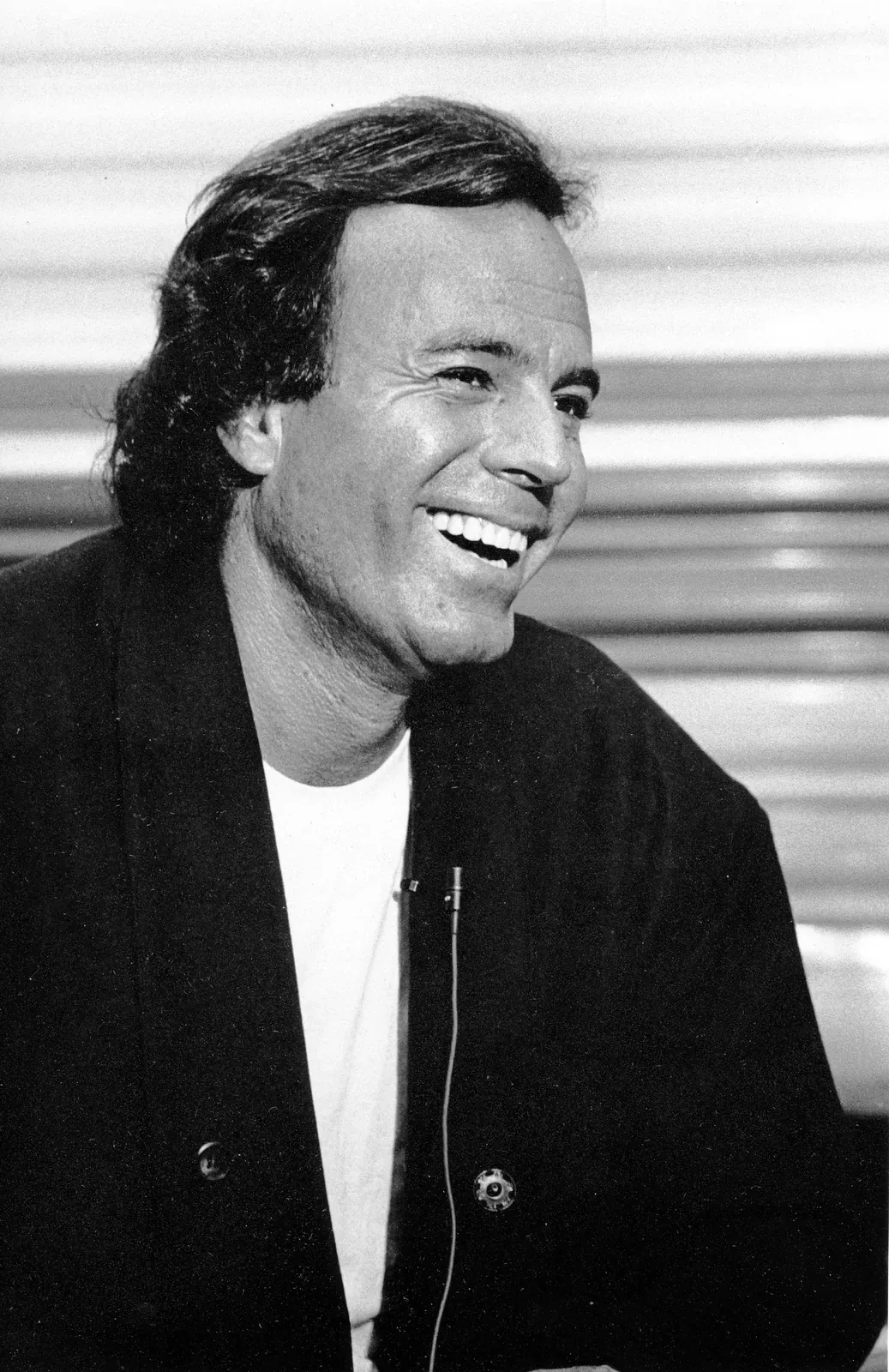
By the 1980s the ballad was a polished studio product. José José’s Secretos (1983), with songs by Manuel Alejandro, sold about four million copies, the best result of his career. When Billboard launched its Latin Pop Albums chart in 1985, his Reflexiones became its first number one. Julio Iglesias, the best-selling Spanish singer of all time, reached English-language audiences with duets such as To All the Girls I’ve Loved Before, recorded with Willie Nelson in 1984. Juan Gabriel, a singer-songwriter better known for mariachi and ranchera, wrote Querida in the same year, and it became a standard.
Miami era, 1990-2009
In the 1990s multinational labels concentrated production in Miami, which became the main centre of the ballad. The style homogenised around a pan-Latin sound, and it merged with other rhythms into variants such as romantic salsa and romantic cumbia. Camilo Sesto returned in 1991 after a retirement with Amor mío, ¿qué me has hecho?, a number one on the Billboard Hot Latin Songs chart.
Characteristics
The melody sits at the front. Verses are quiet and intimate, the chorus lifts, and a final chorus often rises a tone or semitone for emotional effect. Tempos run between about 60 and 105 beats per minute, in 4/4. Lyrics are first-person and direct: loss, devotion, jealousy, forgiveness, with little of the metaphor that marks the bolero.
The singer is the genre. Raphael, José José, Luis Miguel and others became known as divos or baladistas, and technical command of range and held notes is part of the appeal. Arrangements are written around the voice, with strings following phrases and the rhythm section staying soft.
Instruments and production
String sections, piano and acoustic or nylon-string guitar carry the harmony, over electric bass and a light drum kit borrowed from pop and soft rock. In the 1980s synthesizer pads joined the strings. Producers and arrangers mattered as much as singers: Manuel Alejandro shaped records for Raphael and José José, and Waldo de los Ríos was the orchestrator behind Raphael’s Hispavox records. The approach has more in common with orchestral pop and adult contemporary than with the percussion-led styles of the Latin family.
Notable recordings
Yo soy aquél, from 1966, set the dramatic template: a calm opening, a rising line, and a delivery that pushed the voice and the gesture to the edge. El triste (1970) stayed in the repertoire for five decades and is a model of the sustained, lonely ballad. Eres tú proved that a gentle, folk-tinged Spanish ballad could cross to non-Spanish markets. Querida, written and sung by Juan Gabriel, shows how the same form works for a self-written song.
Culture
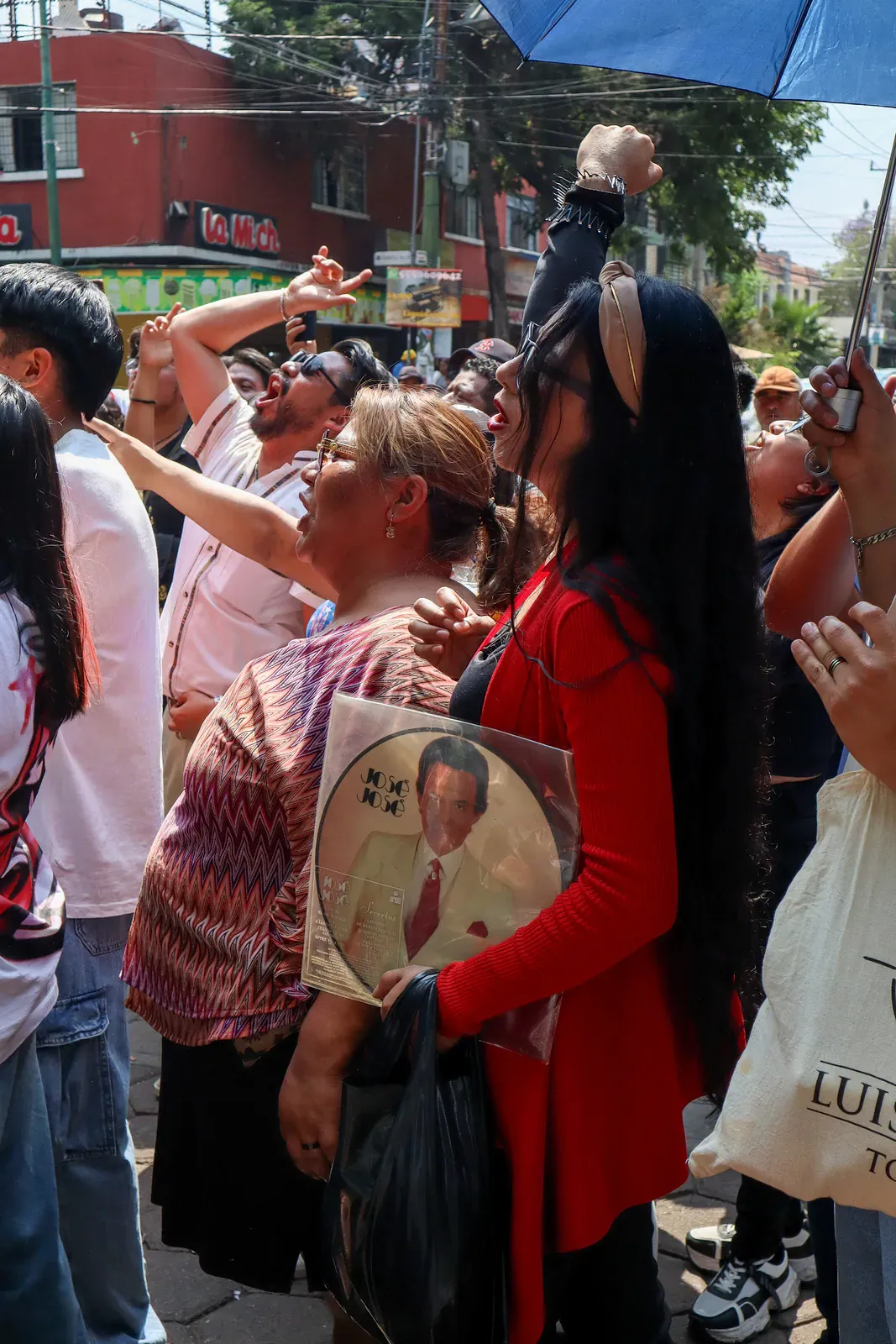
Festivals, television and the telenovela carried the genre. Benidorm, Viña del Mar in Chile and the Latin Song Festival were stages where ballads and careers were launched, and the star system around them gave the genre its tone: divos at the front, large orchestras behind them, and fans who kept the records for decades.
Legacy
By the early 2010s the ballad had lost radio share to bachata, reggaeton and Spanish-language electropop. The repertoire persists in tribute shows, telenovela soundtracks, covers and the touring of veterans: Raphael continues to tour the Americas and Europe. Younger pop singers still borrow its slow build, its final-chorus key change and its vocal showpieces.
Misconceptions
A common claim is that the ballad is just a modern bolero. The two overlap and are often confused, but the bolero relies on subtle, metaphorical language and Latin rhythms, while the ballad uses plainer, more direct lyrics and a pop-rock rhythm section.
Another is that it is a Mexican style. Mexico produced many of its stars, but Spanish singers such as Raphael, Julio Iglesias and Camilo Sesto built its sound at the same time, and Miami later became the production centre.
A third is that the genre disappeared. Its radio dominance faded after 2010, yet veteran singers still sell concert tickets, and the form remains the standard way to write a romantic song in Spanish.
Frequently asked questions
What is a Latin ballad?
A Latin ballad is a slow Spanish-language love song for a solo singer with orchestral or pop backing, derived from the bolero. It rose in the 1960s and dominated Latin pop from the 1970s.
Who are the most important Latin ballad singers?
Raphael, Julio Iglesias, José José, Camilo Sesto, Mocedades, Juan Gabriel and Luis Miguel are among the best-known performers.
What is the difference between a Latin ballad and a bolero?
A bolero uses more subtle, metaphorical language and Latin rhythms; a ballad uses plainer lyrics and a pop-rock rhythm section. Many songs fit either description.
How fast is a Latin ballad?
Typically about 60 to 105 beats per minute, in 4/4, with a slow build and often a key change for the last chorus.
Sound
Sound sheet
Anatomy of a track
| # | Part | Bars |
|---|---|---|
| 1 | Intro (piano or strings) | 4 |
| 2 | Verse | 16 |
| 3 | Chorus | 8 |
| 4 | Verse or bridge | 8 |
| 5 | Final chorus (often a key higher) | 8 |
| 6 | Outro | 4 |
Signature sounds
- Solo voice at the front of a string arrangement
- Slow tempo and sustained notes
- Key change for the final chorus
- Direct, romantic lyrics
Drums and percussion
- Pop-rock drum kit
Techniques
- Final-chorus key change
- Orchestral string swells
- Sustained high notes
- Spoken or hushed verse
Keys and modes
Major or natural minor. Plain diatonic harmony, often with a lift of a tone or semitone for the last chorus.
Vocals
Solo male or female vocalist with a wide range, delivering romantic lyrics with dramatic phrasing and long held notes.
Scenes
Where it happened
Where and when the sound lived: one bar per city on a shared timeline.
Europe
Latin America
North America
Active scenes
Peak 4, 1990-2025
Home of Hispavox and the Spanish television and festival circuit that produced Raphael, Julio Iglesias and Camilo Sesto.
Studios, television and the Latin Song Festival made it the centre of the Mexican balada, led by José José and Juan Gabriel.
Host city of the song festival that launched many early baladistas.
Main production centre of the ballad from the 1990s, home to multinational Latin labels.
Venues and places
Benidorm, 1959 to today. Spanish song contest that launched Raphael and other early baladistas.
Viña del Mar, 1960 to today. Chilean festival where Camilo Sesto, Raphael and others performed for a Latin American audience.
New York, 1967 to today. Raphael played the arena in 1967, an early sign of the ballad's reach among Spanish speakers in the United States.
Culture
Culture markers
- Divo
Leading male balladeers such as Raphael and Juan Gabriel are called divos.
Slang - Song festivals
Benidorm, Viña del Mar and the Latin Song Festival were stages where ballads and singers were launched.
Ritual - Telenovela theme songs
Scholars link the romantic ballad to the Latin American telenovela as an expression of shared emotion.
Ritual
Media
Key media
- 1985Gavilán o paloma
by José José. Autobiographical film starring José José, tied to the success of his songs of the same name.
Film
Glossary
Terms on this page
Spanish name of the genre: a slow, sentimental love song sung by a solo vocalist, usually with orchestra.
A singer who specialises in the romantic ballad, such as Raphael or José José.
Slow Latin American love song form from which the ballad derives, with more metaphorical lyrics than the ballad.
Alternative Spanish term for the melodic, orchestral love song, especially in Spain.
Nickname for a leading male balladeer, applied to figures such as Raphael and Juan Gabriel.
Latin family