Orchestral pop
Orchestral pop is string-led arrangements of popular songs and light originals, formed in the 1950s around Mantovani, Percy Faith and Ray Conniff.
United Kingdom, United States, 1951
Easy Listening family
Born
1951
United Kingdom, United States
Subgenres
1
Documented branches
Links
11
Genres it drew on or shaped
Tempo
75-125 BPMLineage
Family tree
Grew out of
Derived from
Derived from
United Kingdom, United States, 1951
Orchestral pop
Led to (2)
Timeline
Era by era
From the first sparks to today. Select a dot to read the story behind it.
- Radio orchestras and light music
1930 to 1950
- Cascading strings
1951 to 1959
- Stereo hits and film themes
1960 to 1969
- Party albums, disco and decline
1970 to 1989
- Lounge revival and concert afterlife
1990 to today
Eras
Moments
- 1 Radio orchestras and light music, 1930 to 1950
- 2 Cascading strings, 1951 to 1959
- 3 Stereo hits and film themes, 1960 to 1969
- 4 Party albums, disco and decline, 1970 to 1989
- 5 Lounge revival and concert afterlife, 1990 to today
around 1930
Radio orchestras and light music
Light orchestras and radio hosts such as Andre Kostelanetz bring popular songs and light classics to mass audiences through string-led arrangements. Mantovani builds his Decca career in Britain.
- 1937Andre Kostelanetz starts weekly CBS radio programmeThe Columbia-recording conductor brings orchestral arrangements of popular songs and Broadway tunes to a national audience.
- 1948Long-playing record introducedThe LP lets hour-long orchestral mood albums become a sellable format.
1951
Cascading strings
Ronald Binge devises the echoing cascading-strings sound for Mantovani on Charmaine in 1951. Percy Faith and Frank Chacksfield score hits, and Ray Conniff begins his Columbia years.
- 1951Mantovani records Charmaine with cascading stringsRonald Binge arranges the 1927 song with overlapping divided string parts that echo like a cathedral; it becomes Mantovani's first US hit.
- 1952Ronald Binge writes Elizabethan SerenadeThe light-music miniature later wins an Ivor Novello Award and becomes a staple of the repertoire.
- 1952Percy Faith's Delicado reaches US number oneA Brazilian choro tune becomes a chart-topping orchestral instrumental on Columbia.
- 1953Mantovani's Song from Moulin Rouge tops the UK chartThe orchestral instrumental reaches number one in Britain; Percy Faith's version is a top US seller of the year.
- 1953Frank Chacksfield scores with Ebb TideThe British Decca orchestra takes an instrumental into the US top two, a rare transatlantic success.
- 1954Mitch Miller hires Ray Conniff at ColumbiaConniff becomes house arranger, working with singers before building his own orchestra-and-chorus sound.
- 1954Billy Vaughn joins Dot RecordsHe becomes music director and leads an orchestra whose twin alto saxophones become a trademark.
- 1956Ray Conniff's 'S Wonderful! albumThe debut album sets a wordless chorus beside brass and woodwinds in stereo-minded arrangements.
- 1957Billy Vaughn's Sail Along, Silv'ry MoonA 1937 song becomes a gold-selling instrumental and US top-five single.
- 1958Stereo LP goes on saleMantovani becomes the first artist to sell a million stereo records, and orchestral albums double as hi-fi showpieces.
1960
Stereo hits and film themes
Instrumental orchestral singles top the US chart: A Summer Place, Wonderland by Night, Love Is Blue and Mancini's Romeo and Juliet theme. The Conniff Singers and James Last add chorus and party sounds.
- 1960Percy Faith's Theme from A Summer PlaceThe film theme spends nine weeks at number one on the Hot 100 and wins the Grammy for Record of the Year.
- 1961Bert Kaempfert's Wonderland by Night reaches number oneReleased in 1960, the muted trumpet over strings and choir tops the Hot 100 for three weeks.
- 1961Kaempfert produces first Beatles recordingsIn Hamburg he produces Tony Sheridan sessions with the Beatles as backing group, released on Polydor.
- 1961Henry Mancini's Moon RiverThe Breakfast at Tiffany's theme brings a film-composer orchestra sound to wide pop audiences on RCA Victor.
- 1965James Last's Non Stop Dancing '65The party album brings big-band-and-strings medleys with crowd noise and starts a long series.
- 1966Ray Conniff Singers' Somewhere My LoveLara's Theme from Doctor Zhivago with lyrics becomes a US top-ten single and wins a Grammy.
- 1968Paul Mauriat's Love Is Blue reaches number oneThe French arranger's instrumental stays five weeks at the top of the Hot 100, the only US number one recorded in France.
- 1969Mancini's Love Theme from Romeo and Juliet tops the Hot 100Nino Rota's melody with Mancini on piano spends two weeks at number one and eight on the easy-listening chart.
1970
Party albums, disco and decline
James Last turns the orchestra into a dance-party act and Hooked on Classics sets classical themes to a disco beat. The US easy-listening chart is folded into adult contemporary in 1979.
- 1974Ray Conniff records in the Soviet UnionHe becomes the first American popular artist to record in Russia, widening a global audience that later centres on Latin America and Japan.
- 1979Billboard's easy-listening chart becomes adult contemporaryThe chart renamed and refocused as instrumental pop gives way to vocal soft rock.
- 1981Hooked on ClassicsLouis Clark and the Royal Philharmonic put classical themes over a disco pulse; it reaches the US top ten and UK number two.
around 1990
Lounge revival and concert afterlife
The lounge revival rediscovers the records, while the Paul Mauriat orchestra keeps touring after its founder retires and James Last plays until his 2015 retirement.
- 2015James Last retiresThe bandleader, with more than 200 million records sold, gives a final concert in Cologne in April 2015 and dies in June.
Listening path
Anthems
The records that built the sound, grouped by the part they played. Thumbnails come from YouTube; the player loads only when you press play.
- 01
Mantovani, 1951 · Decca Records
Ronald Binge's arrangement introduced cascading strings and gave Mantovani his first US hit.
Origin - 02
Percy Faith, 1952 · Columbia Records
Faith's lush strings made a Brazilian choro tune a US number one.
Breakthrough - 03
Mantovani, 1953 · Decca Records
A UK number one that made the film-song instrumental a mainstream format.
Breakthrough - 04
Percy Faith, 1960 · #1 Billboard Hot 100, 1960 · Columbia Records
Nine weeks at number one and a Grammy: the genre's biggest crossover to the rock-era chart.
Start hereBreakthrough - 05
Bert Kaempfert, 1960 · #1 Billboard Hot 100, 1961 · Decca Records
A muted trumpet over strings and choir shows the German strand of the style topping the US chart.
Breakthrough - 06
Paul Mauriat, 1968 · #1 Billboard Hot 100, 1968 · Philips
The French arrangement spent five weeks at number one and carried the sound to Japan.
Start hereBreakthrough - 07
Frank Chacksfield, 1953 · Decca Records
A British orchestra's ocean-wave string showpiece that sold well in the US.
Anthem - 08
Billy Vaughn, 1957 · Dot Records
Twin saxophones and guitar gave a gold-selling instrumental to the American small-orchestra branch.
Anthem - 09
Henry Mancini, 1961 · RCA Records
The Breakfast at Tiffany's theme set the film-composer ballad that orchestral pop would keep recycling.
Start hereAnthem - 10
Ray Conniff, 1966 · Columbia Records
Lara's Theme with wordless chorus and lyrics, the Conniff sound at its most popular.
Anthem - 11
James Last, 1967 · Polydor Records
Last's own composition in a smooth dance-party arrangement that carried the style into European living rooms.
Anthem - 12
Henry Mancini, 1969 · #1 Billboard Hot 100, 1969 · RCA Records
A film theme with Mancini on piano held number one for two weeks and eight on the easy-listening chart.
Crossover - 13
Louis Clark, 1981 · RCA Records
Classical themes over a disco pulse took the orchestral pop idea to the dance floor.
Crossover
Facts
| Family | Easy Listening |
| Origin | United Kingdom, United States |
| Emerged | 1950s |
| Status | Active |
| Tempo | 75 to 125 BPM |
| Meter | 4/4 |
| Grew out of | Light music, Traditional pop |
| Subgenres | 1 |
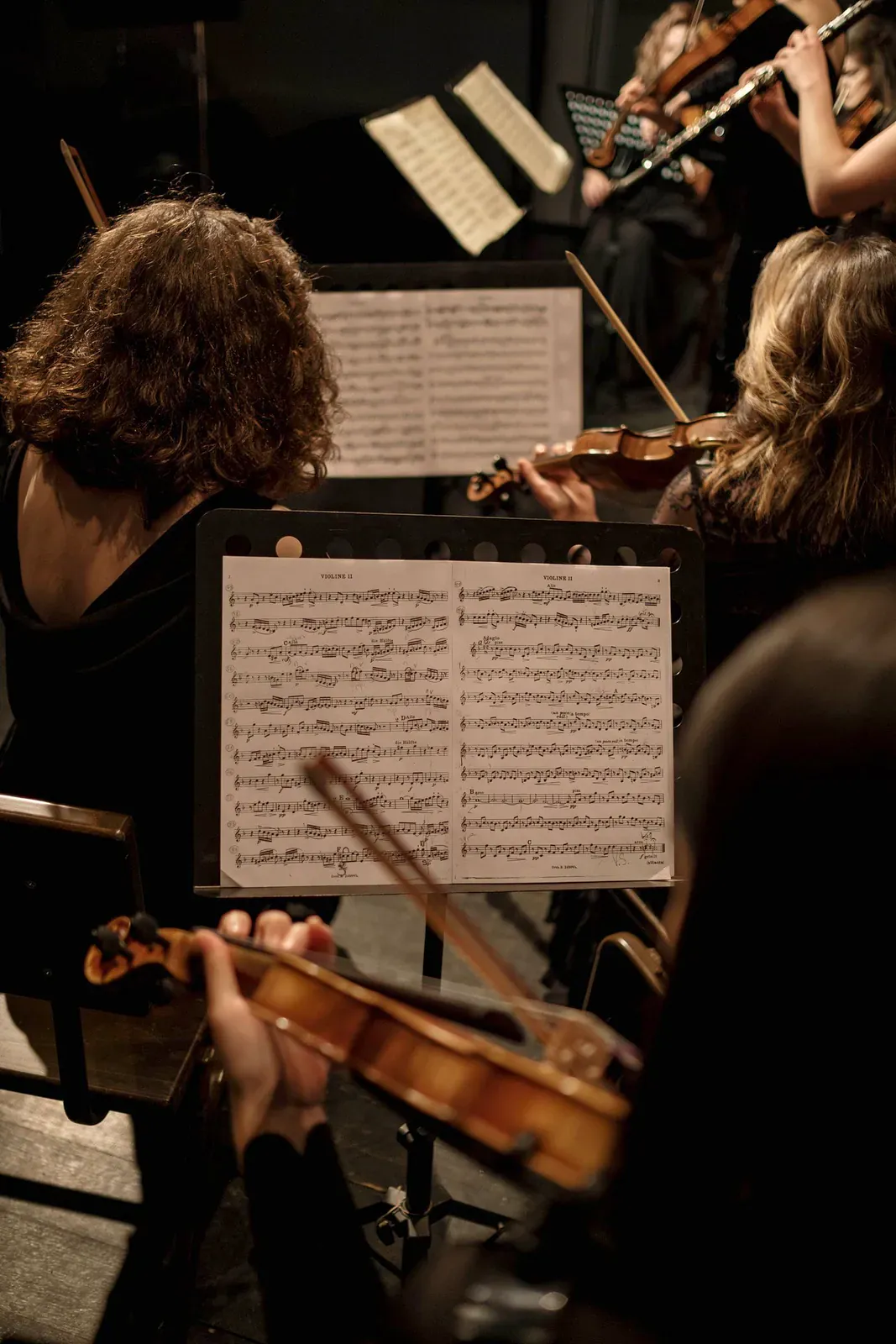
Orchestral pop is a style of light orchestral music built on string-led arrangements of popular songs, film themes and original instrumentals. It took shape in Britain and the United States in the early 1950s, and its marks are overlapping strings, wordless choral pads and a gentle rhythm section.
It sits in the easy listening family and is the core of the repertoire led by Mantovani, Percy Faith and Ray Conniff.
Origins
The style grew out of light music and traditional pop. Radio orchestras of the 1930s, such as the one Andre Kostelanetz led on a weekly CBS programme from 1937, put arrangements of popular songs and Broadway tunes in front of a national audience, and Mantovani was building a recording career with Decca in Britain. The long-playing record of 1948 then made an hour of orchestral mood music a sellable product.
The sound itself dates to 1951. Ronald Binge arranged the 1927 song Charmaine for Mantovani with divided string parts that enter one after another and echo like sound in a cathedral. The recording became Mantovani’s first US hit, and the technique was named cascading strings. Binge also wrote Elizabethan Serenade in 1952, a light-music miniature that later won an Ivor Novello Award.
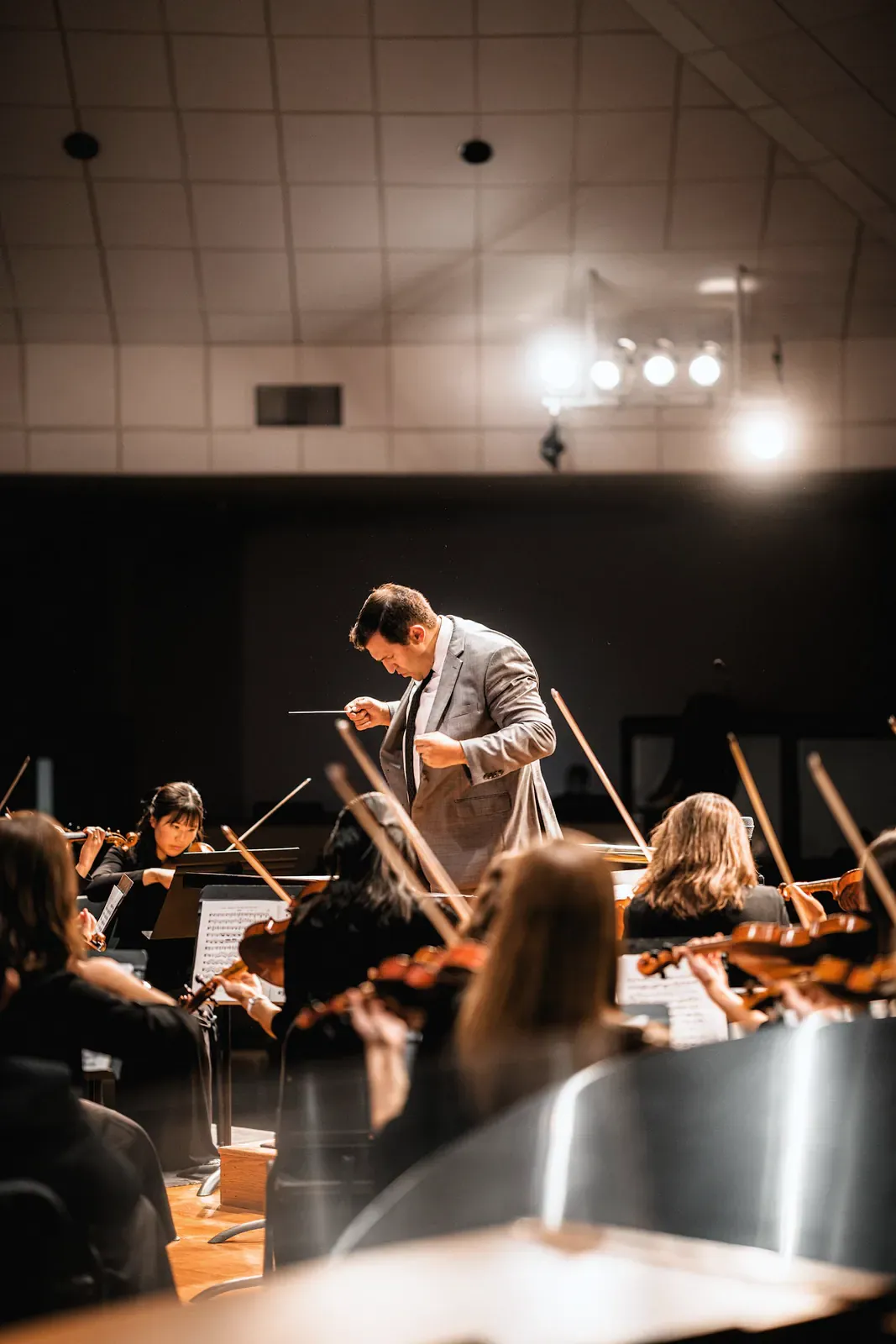
Cascading strings, 1951-1959
The decade after Charmaine produced the first instrumental hits of the style. Percy Faith took Delicado, a Brazilian choro tune, to number one in the United States in 1952 on Columbia. In 1953 the Song from Moulin Rouge reached number one in Britain for Mantovani, while Faith’s version of the same song was among the biggest sellers in the US. Frank Chacksfield’s Ebb Tide, also on Decca, reached the US top two that year, a rare transatlantic success for a British orchestra.
Mitch Miller hired Ray Conniff as a house arranger at Columbia in 1954, and his debut album ’S Wonderful! (1956) set a wordless chorus beside brass and woodwinds. At Dot Records Billy Vaughn led an orchestra whose twin alto saxophones became a trademark, and Sail Along, Silv’ry Moon (1957) sold in gold quantities. Stereo sound arrived on LP in 1958, and Mantovani became the first artist to sell a million stereo records. Orchestral albums doubled as demonstrations of home hi-fi.
Stereo hits and film themes, 1960-1969
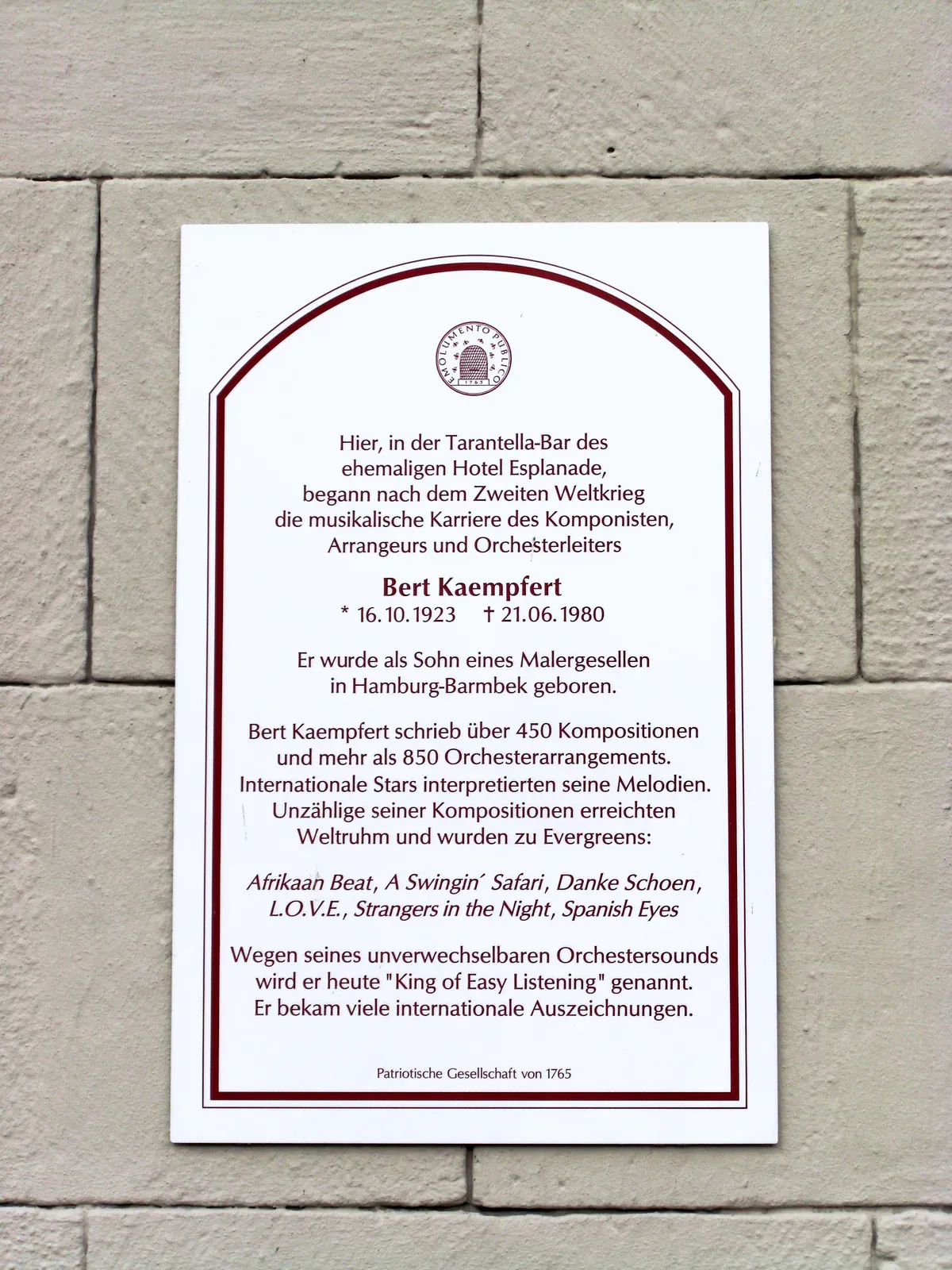
In the 1960s orchestral instrumentals competed directly with rock-era singles. Percy Faith’s Theme from A Summer Place spent nine weeks at number one on the Hot 100 in 1960 and won the Grammy for Record of the Year. Bert Kaempfert’s Wonderland by Night, with a muted trumpet over strings, a choir and a crackling plucked bass, topped the Hot 100 for three weeks in 1961. Henry Mancini’s Moon River, from the film Breakfast at Tiffany’s, brought a film-composer sound to a wide audience on RCA Victor.
Kaempfert was based in Hamburg, and in 1961 he produced Tony Sheridan sessions there with the Beatles as the backing group, released on Polydor. The German strand of the style ran through Hamburg, where James Last released Non Stop Dancing ’65, an album of dance medleys with crowd noise that began a long series. In 1966 the Ray Conniff Singers took Lara’s Theme from Doctor Zhivago, set it with lyrics as Somewhere My Love, and reached the US top ten and a Grammy.
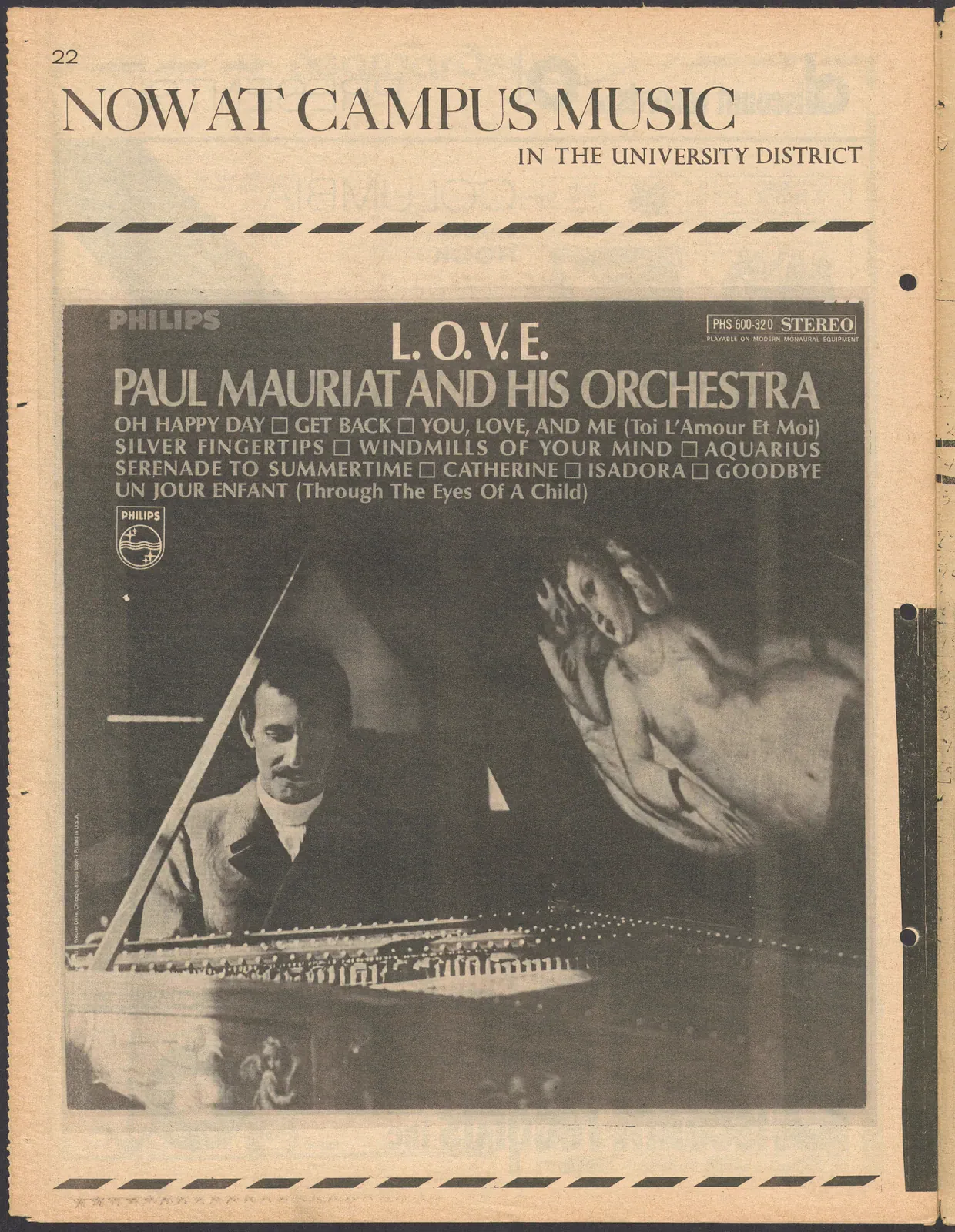
The decade closed with two chart-topping instrumentals. Paul Mauriat’s Love Is Blue stayed five weeks at number one on the Hot 100 in 1968, the only US number one recorded in France. Mancini’s Love Theme from Romeo and Juliet, Nino Rota’s melody with Mancini on piano, held number one for two weeks in 1969 and eight weeks at the top of the easy-listening chart.
Party albums, disco and decline, 1970-1989
In the 1970s James Last turned the orchestra into a dance-party act, mixing big-band and strings medleys with applause and chatter, and the format made him a European star. Ray Conniff recorded in the Soviet Union in 1974, the first American popular artist to do so, and by then his audience centred more on Latin America and Japan than on the US charts. Japan also became a regular touring market for Paul Mauriat, whose orchestra gave more than a thousand Japanese concerts over 25 tours by 1996.
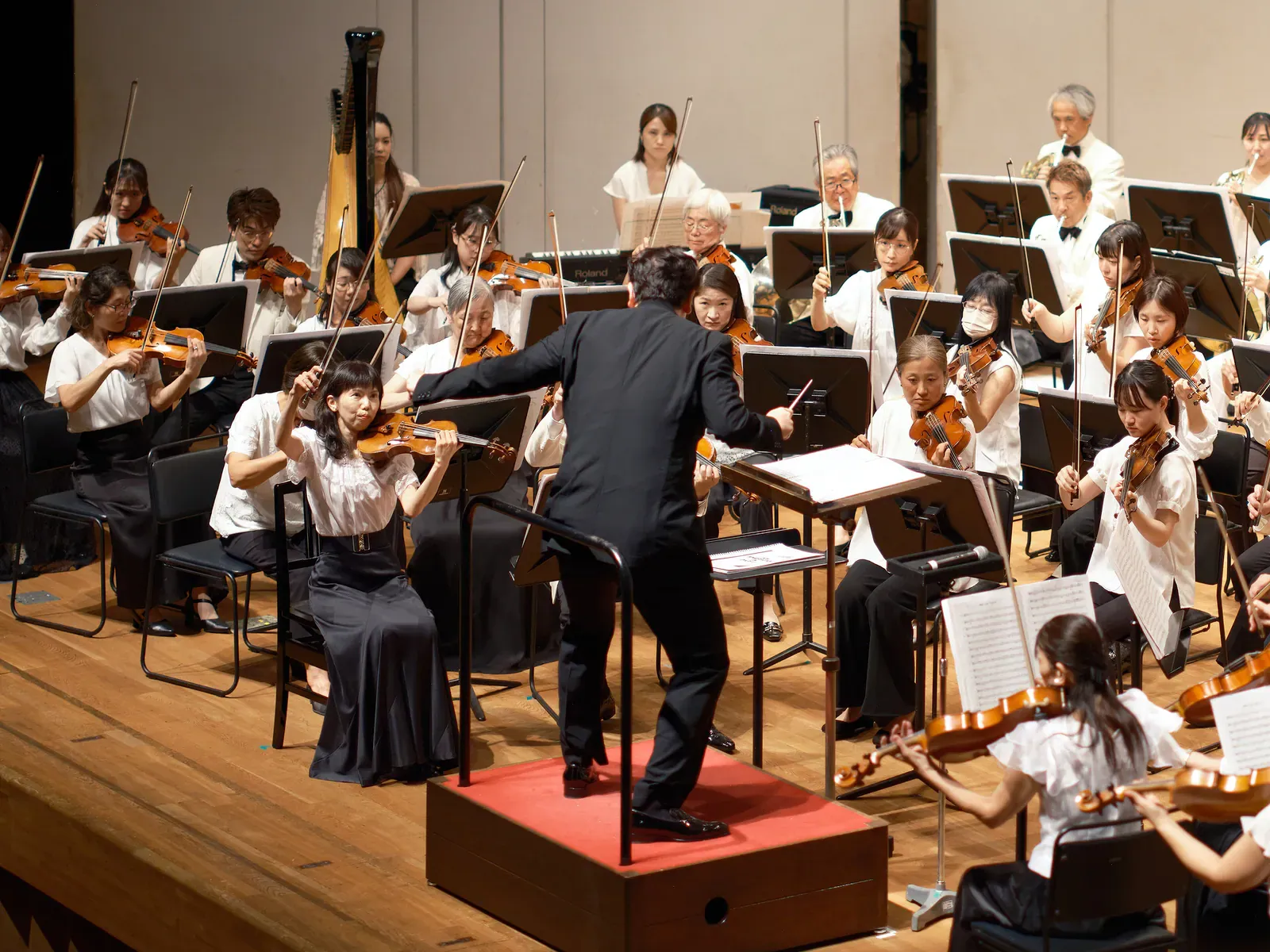
The market for the music shrank at the end of the decade. In 1979 Billboard’s easy-listening chart was renamed adult contemporary, a change that moved the focus from instrumental pop to vocal soft rock. The 1981 hit Hooked on Classics, a medley by Louis Clark and the Royal Philharmonic Orchestra that set classical themes over a disco pulse, reached the US top ten and number two in Britain, and showed the orchestral idea adapting to the dance floor.
Lounge revival and concert afterlife, 1990 onward
From about 1990 the lounge revival rediscovered the old records, and orchestral pop was reissued as a period soundtrack. The touring business continued. The Paul Mauriat orchestra kept performing after its founder retired, and James Last played until his retirement in 2015. His final concert was in Cologne in April 2015, and he died in June of that year with more than 200 million records sold.
Characteristics
Tracks in the style are usually in 4/4 and between about 75 and 125 beats per minute. A typical arrangement states a well-known theme in the strings, repeats it with a countermelody or chorus, passes through a bridge, and returns for a final statement, often in a raised key, before a coda or fade. Where voices appear, they are wordless and blended with the strings or doubling the brass.
The tune is nearly always borrowed. Standards, hit songs and film themes were rearranged for orchestra, so that the arrangement and the sound of the band, rather than composition, carried the identity of the record.
Instruments and production
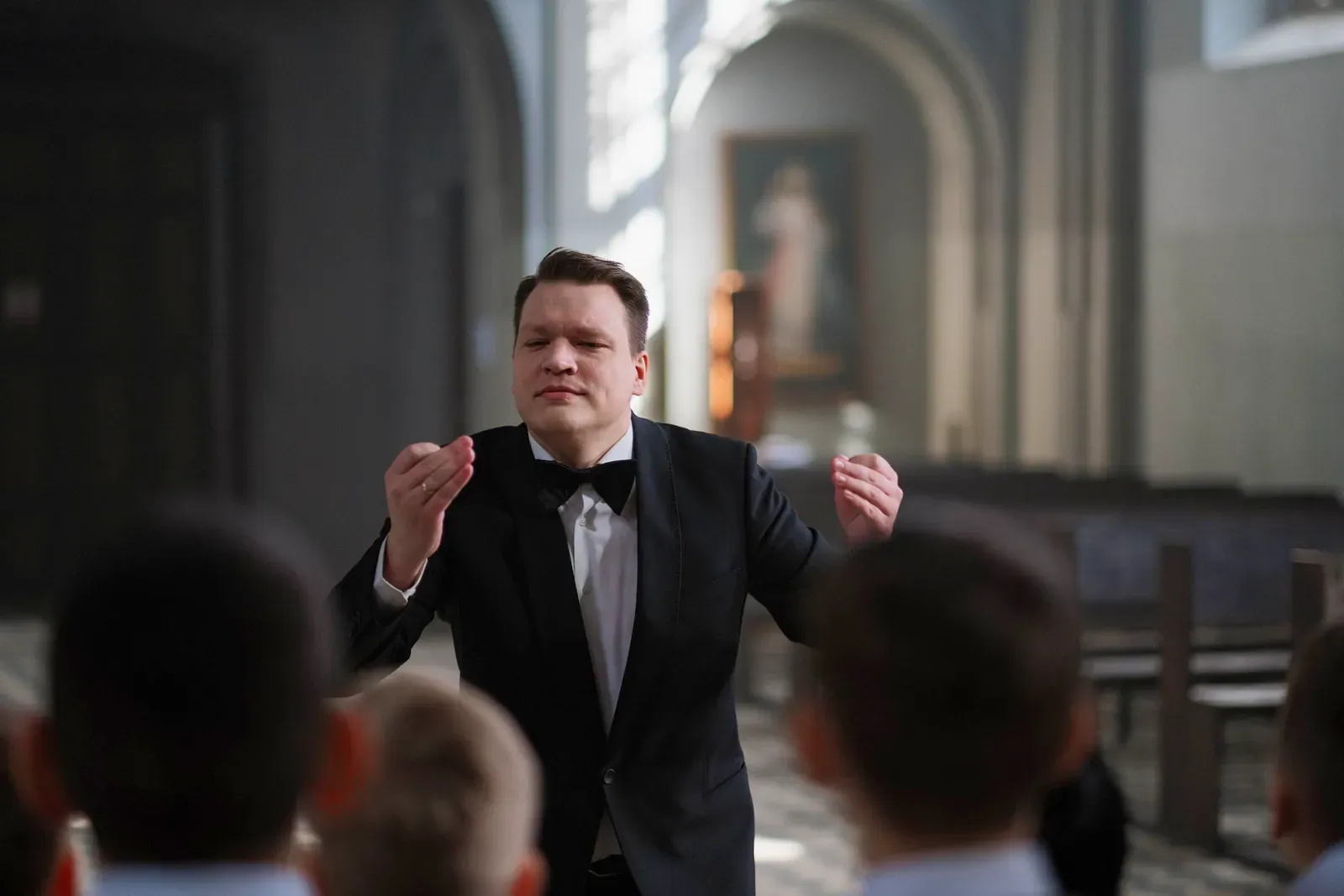
The core is a divided string section, usually with the violins split into several lines so that parts can overlap. Pizzicato electric bass, piano, a soloist on muted trumpet or saxophone, and a wordless mixed chorus are the common additions. Production favoured clean stereo placement, because the records were also sold as demonstrations of home audio equipment. Arrangers did the creative work: Binge shaped the Mantovani sound, and Conniff built his own voicing of chorus against brass.
Mainstream success
Orchestral pop was a chart genre in its own right. Instrumentals reached number one on the Hot 100 repeatedly between 1952 and 1969, with A Summer Place, Wonderland by Night, Love Is Blue and the Romeo and Juliet theme among them, and the Billboard easy-listening chart tracked a market for it from 1961 until the 1979 renaming. The style also became a staple of film and television backgrounds and of department-store and elevator speakers, which gave rise to the dismissive nickname elevator music, applied to bandleaders such as James Last.
Notable recordings
Charmaine marks the start of the cascading-strings sound, and Delicado showed that a foreign tune could top the US chart in a lush arrangement. A Summer Place is the style’s biggest crossover to the rock-era chart. Hooked on Classics, thirty years after Charmaine, took the idea onto the disco floor. The sequence runs from radio-era elegance to a dance-floor novelty, and the common thread is an arrangement built on a borrowed melody.
Culture
The music was conceived as listening that does not intrude on dinner or conversation, and it was sold through hi-fi shops and record clubs as much as through radio. Stereo mood albums were bought partly to show off new audio equipment, and bandleaders built international followings that in Conniff’s case centred on Latin America and Japan.
Legacy
Orchestral pop set the template for the pop orchestral arrangement that later artists borrowed, including the layered strings of baroque pop and the studio approach to orchestration of the Wall of Sound. Its records fed the lounge revival of the 1990s and are still reissued, and its concert tradition continues in orchestras that tour the repertoire in Japan and Europe.
Misconceptions
The music is often described as bland background sound with no popular success. It sold in the millions and several records reached number one on the Hot 100, among them nine weeks for A Summer Place and five for Love Is Blue.
It is also sometimes treated as strictly instrumental. The Ray Conniff Singers added lyrics to Lara’s Theme as Somewhere My Love, which reached the US top ten and won a Grammy, and the choruses on many records were wordless but still sung.
A third assumption is that Mantovani himself invented cascading strings. Ronald Binge devised the effect and arranged Charmaine in 1951, and Mantovani’s orchestra made it a trademark.
Frequently asked questions
What is orchestral pop?
Orchestral pop is a style of light orchestral music that arranges popular songs, film themes and original melodies for strings, often with a wordless chorus. It formed in the 1950s around Mantovani, Percy Faith and Ray Conniff.
What are cascading strings?
Cascading strings are overlapping divided string parts that echo each other like sound in a large hall. Ronald Binge devised the effect for Mantovani’s 1951 recording of Charmaine.
How does orchestral pop differ from baroque pop?
Orchestral pop is mostly instrumental and presents a borrowed tune through an orchestra, while baroque pop is a vocal rock-era style that uses strings and harpsichord as part of a band sound. The two are related, but their records were aimed at different audiences.
Which orchestral pop records reached number one in the US?
Percy Faith’s Delicado (1952) and Theme from A Summer Place (1960), Bert Kaempfert’s Wonderland by Night (1961), Paul Mauriat’s Love Is Blue (1968) and Henry Mancini’s Love Theme from Romeo and Juliet (1969) all topped the US chart.
Sound
Sound sheet
Anatomy of a track
| # | Part | Bars |
|---|---|---|
| 1 | Intro (strings or solo lead) | 4 |
| 2 | Theme, first statement (strings) | 8 |
| 3 | Theme, repeat with countermelody or chorus | 8 |
| 4 | Bridge | 8 |
| 5 | Final theme statement, often key-changed | 8 |
| 6 | Coda or fade | 4 |
Signature sounds
- Cascading, overlapping divided strings
- Wordless choral pads doubling the melody
- Instrumental cover of a hit song or film theme
- Gentle rhythm section, brushed or soft kit
- Solo lead such as muted trumpet, saxophone or piano
- Key change before the closing statement
Techniques
- Cascading strings
- Wordless chorus doubling brass
- Muted trumpet lead over pizzicato bass
- Instrumental cover of a hit
- Party medley with crowd noise
- Classical themes over a disco beat
Keys and modes
Natural minor. Theme songs such as A Summer Place and Love Is Blue sit in minor keys.
Major. Standards such as Charmaine are arranged in major keys.
Vocals
Mostly instrumental; where voices appear they are wordless choruses blended with the strings.
Scenes
Where it happened
Where and when the sound lived: one bar per city on a shared timeline.
North America
Europe
Asia
Active scenes
Peak 6, 1969-1975
Home base of Mantovani, Frank Chacksfield and Ronald Binge and of the Decca recordings that carried British light orchestras to the US.
Columbia Records and CBS radio, where Kostelanetz, Percy Faith and Ray Conniff built the American orchestral sound.
Polydor's base for Bert Kaempfert and James Last, whose party albums became a German export.
Where Paul Mauriat arranged and recorded for Philips before his Japanese tours.
Studio centre for Henry Mancini's film-composer pop on RCA Victor.
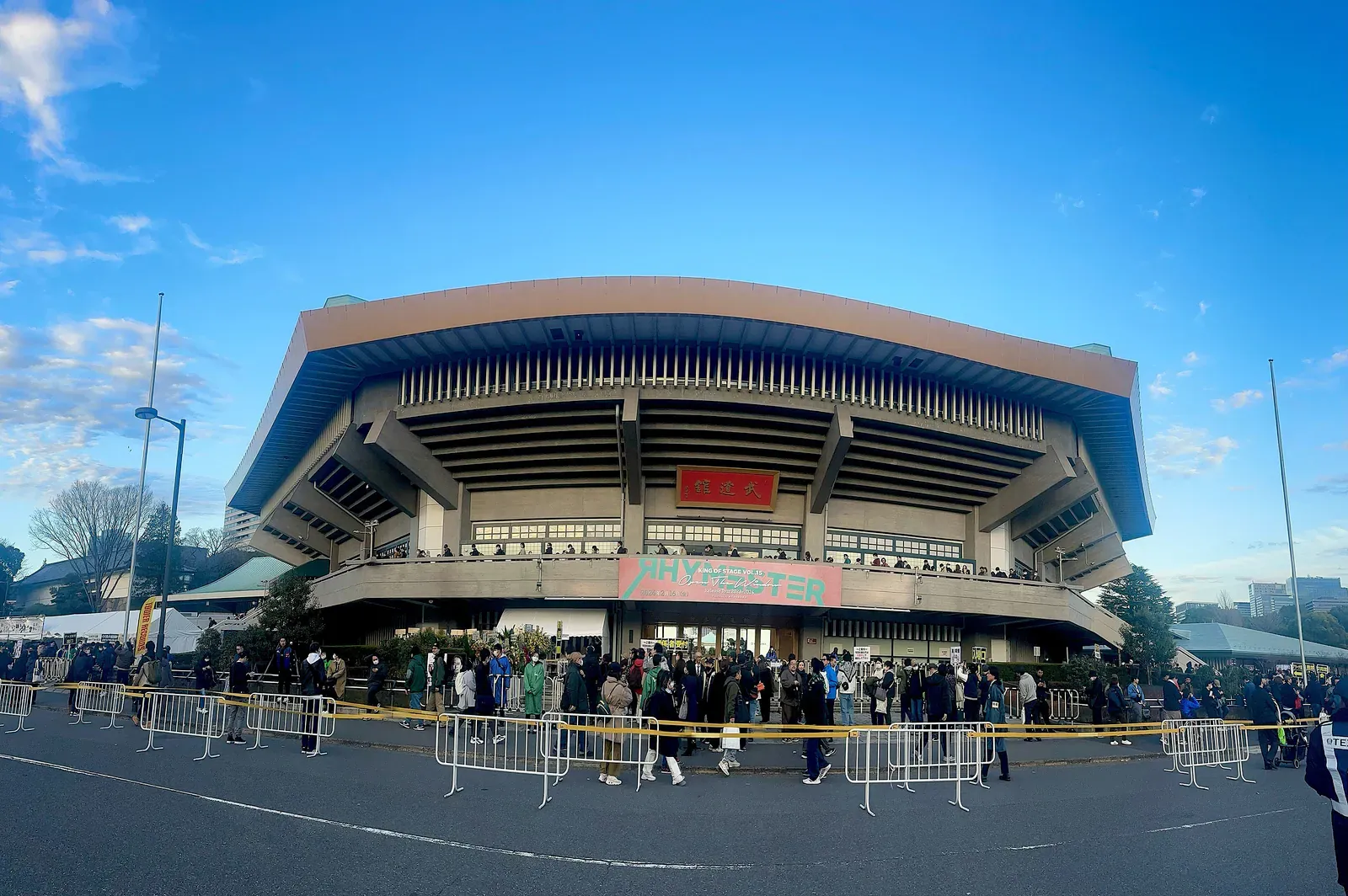
The largest later audience: Paul Mauriat sold over 15 million albums in Japan and sold out the Budokan.
Venues and places
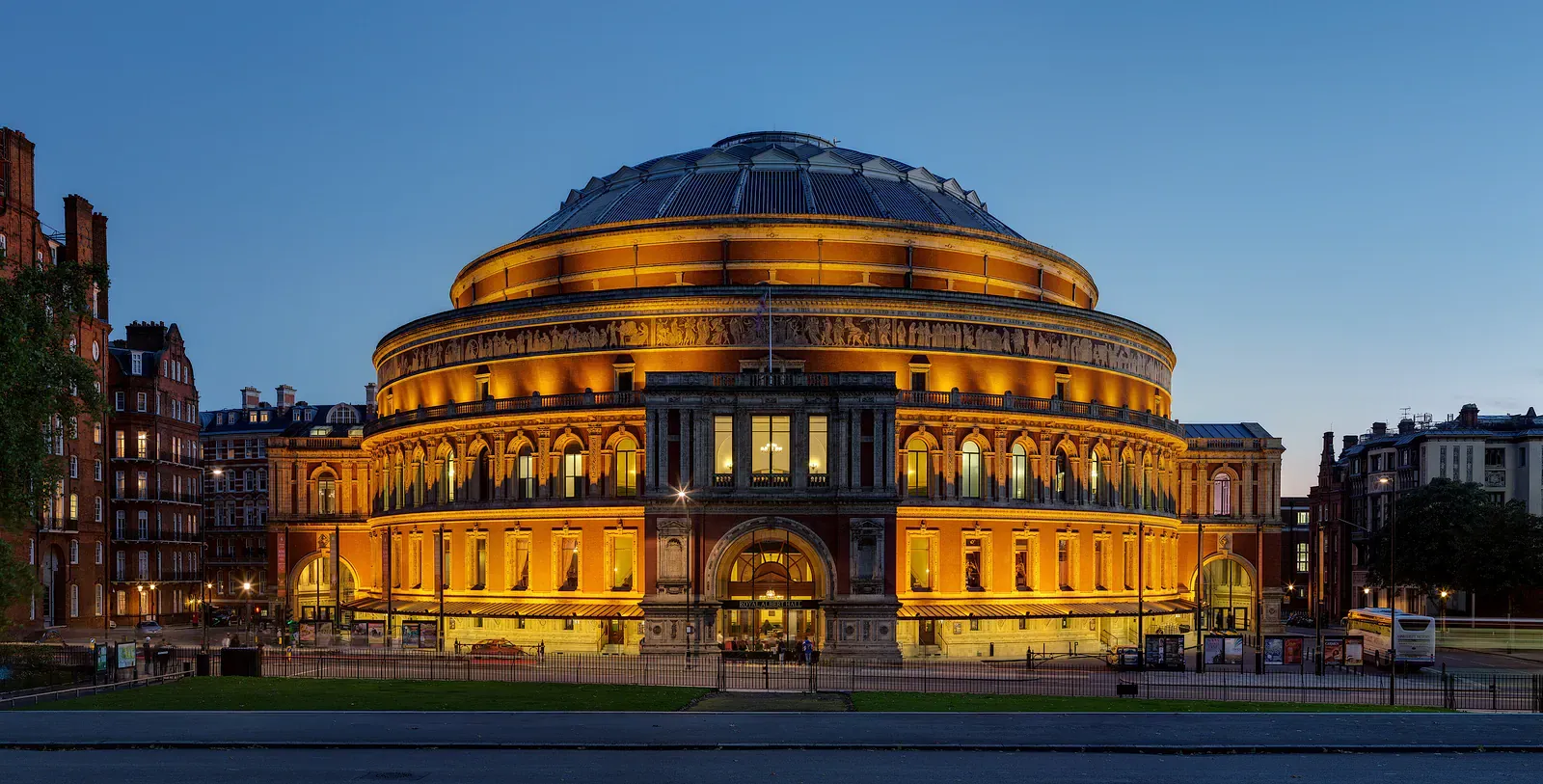
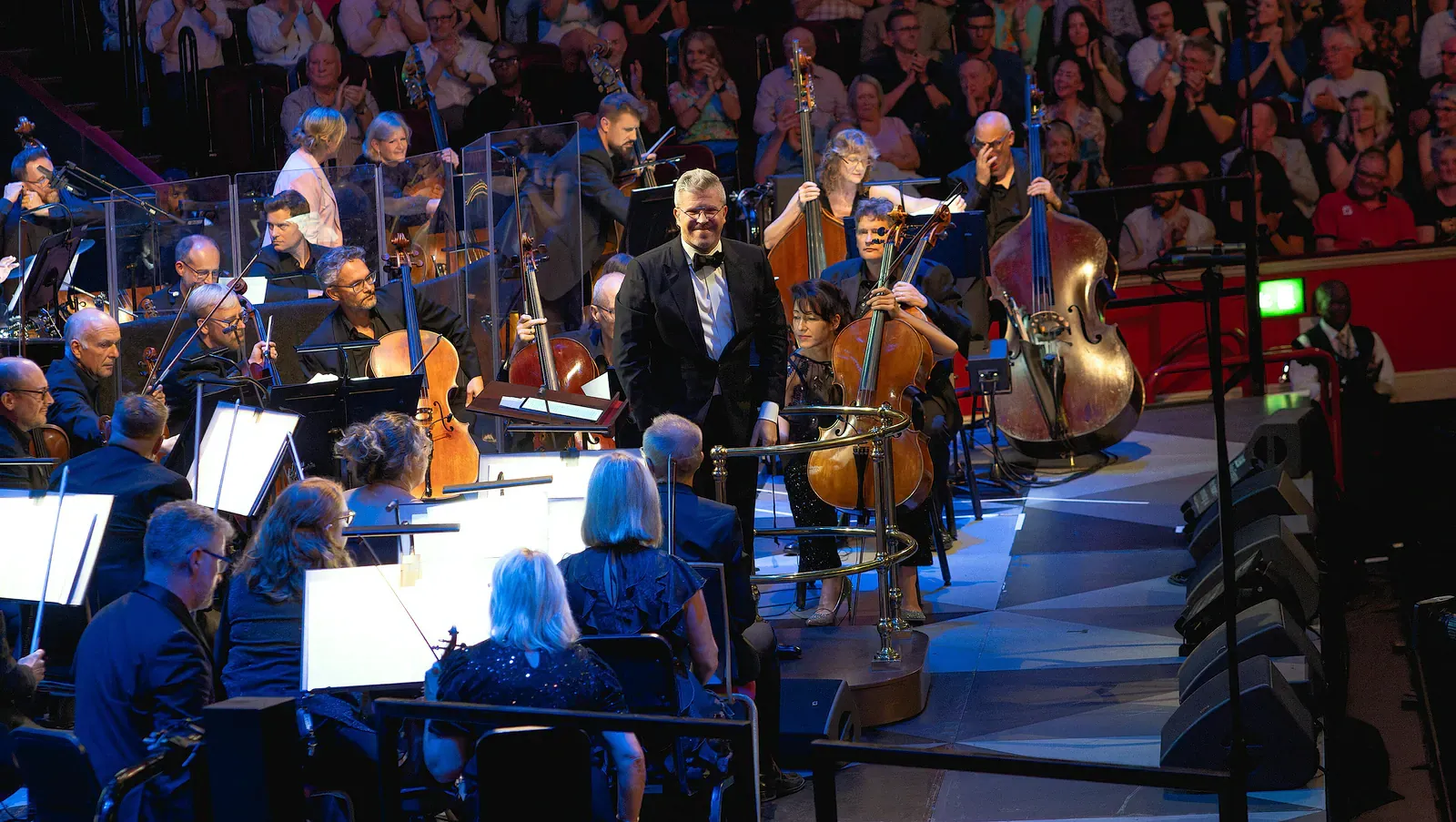
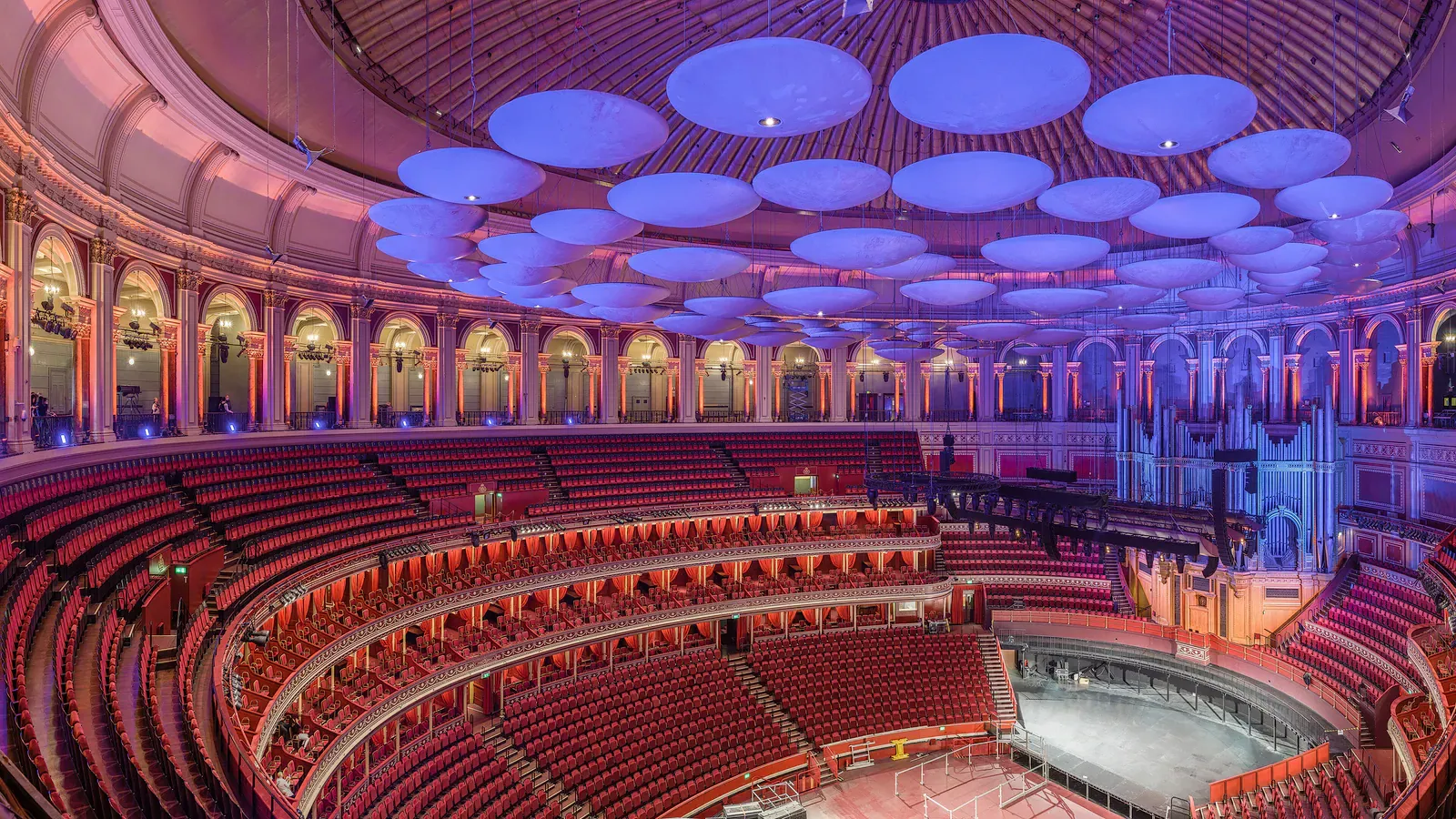
London, 1871 to today. James Last played ninety shows in the hall.
Tokyo, 1964 to today. Paul Mauriat sold out two shows in one day here, a first for a foreign artist.
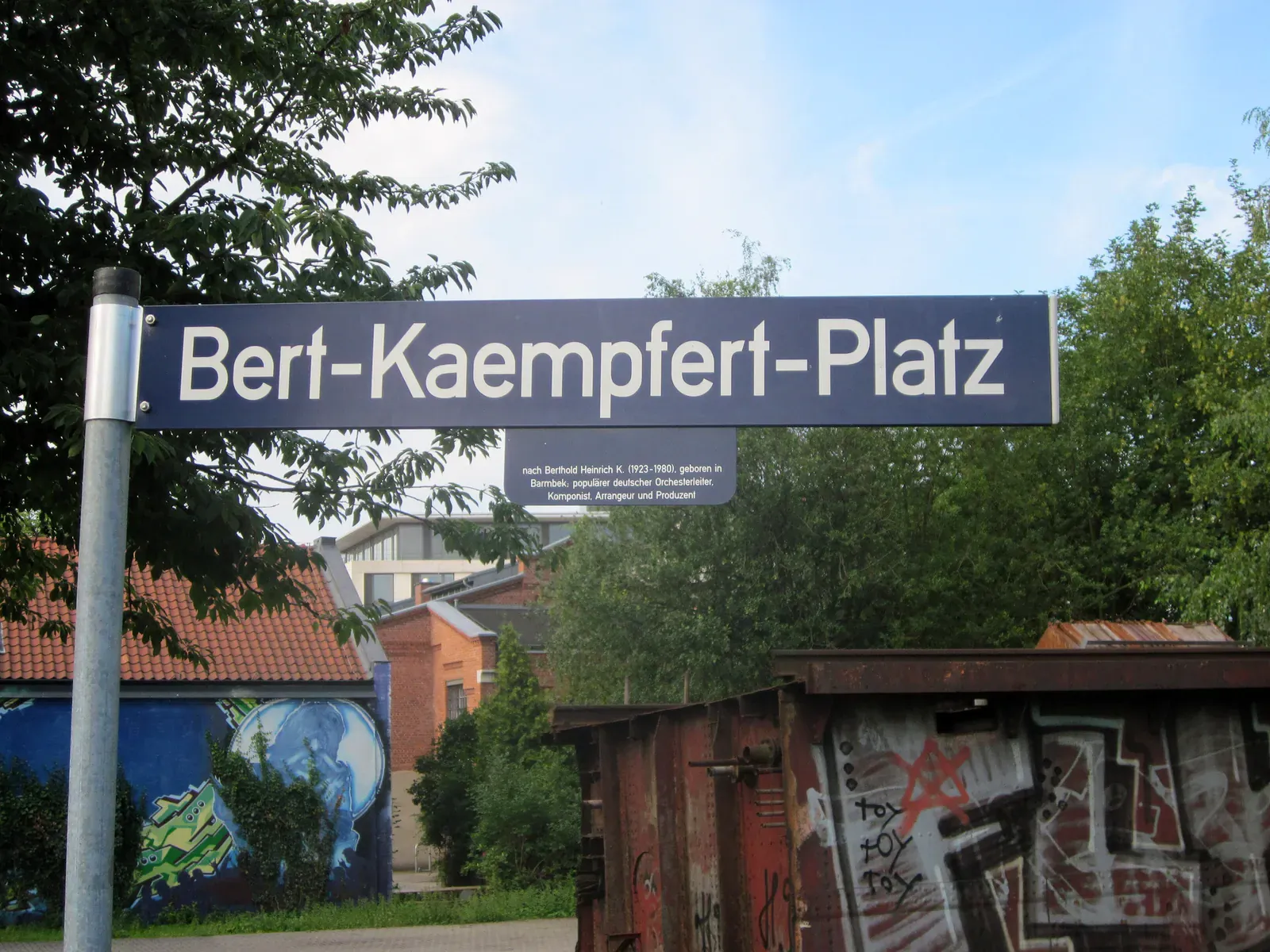
Hamburg, 1961 to today. A school hall in Harburg used for the 1961 Kaempfert-produced Tony Sheridan and Beatles sessions.
Culture
Culture markers
- Background listening
Orchestral pop was conceived as music that does not intrude on dinner or conversation.
Ritual - Hi-fi demonstration records
Stereo mood albums were bought to show off new home audio systems.
Ritual - Elevator music
The dismissive nickname applied to bandleaders such as James Last.
Slang - Japanese concert tours
Paul Mauriat gave more than a thousand Japanese shows over 25 tours by 1996.
Ritual
Media
Key media
- 1937Andre Kostelanetz Presents
by CBS. A weekly orchestral radio programme that popularised light-orchestra arrangements.
Radio - 1959A Summer Place
by Delmer Daves. The film whose Max Steiner theme Percy Faith turned into a number one single.
Film - 1961Breakfast at Tiffany's
by Blake Edwards. Home of Henry Mancini's Moon River.
Film - 1961Billboard Easy Listening chart
by Billboard. The chart that tracked orchestral instrumentals until it became adult contemporary in 1979.
Radio - 1968Romeo and Juliet
by Franco Zeffirelli. Source of the Nino Rota theme that Mancini took to number one.
Film - 1981Hooked on Classics
by Royal Philharmonic Orchestra. A medley album that put classical themes on a disco beat.
Compilation
Glossary
Terms on this page
A radio format of continuous soft orchestral instrumentals, closely related to orchestral pop.
An arranging technique of closely overlapping divided string parts that gives an echo effect, created for Mantovani by Ronald Binge.
The umbrella category of soft, mostly instrumental pop that includes this style, for which Billboard ran a dedicated chart.
An orchestral version of a hit vocal song or film theme without the singer.
Bert Kaempfert's crackling plucked bass sound.
A choir singing vowels rather than lyrics so that voices work as an instrument; the Ray Conniff Singers' signature.
Easy Listening family