Space age pop
Space age pop is 1950s and 1960s easy listening about the future: orchestras with theremins, synthesizers and ping-pong stereo, from Esquivel to Telstar.
United States, Mexico, 1954
Easy Listening family
Born
1954
United States, Mexico
Subgenres
1
Documented branches
Links
16
Genres it drew on or shaped
Tempo
95-145 BPMLineage
Family tree
Grew out of
- Big band
Derived from
Derived from
Influenced by
United States, Mexico, 1954
Space age pop
Led to (1)
Timeline
Era by era
From the first sparks to today. Select a dot to read the story behind it.
- Theremins and exotic suites
1947 to 1953
- Hi-fi and stereo showpieces
1954 to 1963
- Electronic instruments arrive
1964 to 1969
- Cocktail revival
1993 to today
Eras
Moments
- 1 Theremins and exotic suites, 1947 to 1953
- 2 Hi-fi and stereo showpieces, 1954 to 1963
- 3 Electronic instruments arrive, 1964 to 1969
- 4 Cocktail revival, 1993 to today
1947
Theremins and exotic suites
Les Baxter's theremin album of 1947 and his orchestral Quiet Village of 1951 set the template of orchestral pop with unusual instruments, years before stereo made it a craze.
- 1947Music Out of the MoonLes Baxter, Harry Revel and theremin player Samuel Hoffman release a three-disc 78 rpm set on Capitol, the best-selling theremin record of all time.
- 1951Quiet VillageLes Baxter makes the original recording of the piece that later became a hit for Martin Denny.
1954
Hi-fi and stereo showpieces
From the dawn of high fidelity to the arrival of the Beatles, bandleaders recorded stereo demonstration albums with ping-pong channels, wordless choruses and Latin percussion, and the Tornados took Telstar to number one in 1962.
- 1954The hi-fi heyday beginsThe period roughly 1954 to 1963 is usually named as the genre's peak, from the start of high fidelity to the Beatles.
- 1958Stereo LPs reach shopsCommercial stereo LPs give arrangers two channels to play with, the technical basis of ping-pong arrangements.
- 1959Persuasive PercussionEnoch Light's new Command label issues the Terry Snyder album with a stereo test claim; it spends 13 weeks at number one on the Stereo Action Albums chart from April 1960.
- 1962Esquivel's Latin-EsqueEsquivel splits his orchestra between two RCA studios in Hollywood, linked by headphones, for sharply separated channels.
- 1962TelstarJoe Meek's instrumental for the Tornados, built on a clavioline or Univox, reaches number one in the UK and, in December, in the United States.
- 1963The Beatles era arrivesGuitar groups and vocal beat replace instrumental showpieces on the charts, ending the heyday.
1964
Electronic instruments arrive
Perrey and Kingsley's tape-and-synthesizer albums for Vanguard from 1966 and the 1967 Moog record shifted the space theme from orchestras to machines, leading to the Moog craze after Switched-On Bach.
- 1966The In Sound From Way Out!Jean-Jacques Perrey and Gershon Kingsley issue a tape-loop album of electronic pop on Vanguard.
- 1967Kaleidoscopic VibrationsPerrey and Kingsley use the Moog synthesizer on a pop album before Switched-On Bach appears.
- 1967Joe Meek diesMeek dies on 3 February; a plagiarism claim over Telstar, which blocked his royalties, is resolved in his favour about three weeks later.
- 1968Switched-On Bach and the Moog crazeWendy Carlos's album sets off a wave of Moog-ified easy listening records, later called moogsploitation.
1993
Cocktail revival
Esquivel's 1994 CD compilation and bands such as Combustible Edison rediscovered the sound in the 1990s alongside the swing and tiki revivals.
- 1994Space-Age Bachelor Pad MusicBar/None issues a CD compilation of Esquivel's RCA recordings, compiled by Irwin Chusid, and starts the revival.
Listening path
Start listening
A short path from an easy way in to the deep end. Thumbnails come from YouTube; the player loads only when you press play.
- 01
Les Baxter, 1951
The orchestral exotic piece that set the template; listen for the bird calls and tuned percussion.
- 02
Esquivel, 1962
Chorus and brass alternate sharply between the left and right channels, the stereo trick at its clearest.
- 03
The Tornados, 1962
A satellite-themed instrumental with an electronic keyboard lead that reached number one on both sides of the Atlantic.
- 04
Perrey and Kingsley, 1967
Moog and tape loops turn a baroque idea into a bouncing electronic dance.
Facts
| Family | Easy Listening |
| Origin | United States, Mexico |
| Emerged | C. 1954-1963 |
| Status | Revival |
| Tempo | 95 to 145 BPM |
| Meter | 4/4 |
| Grew out of | Big band, Light music |
| Subgenres | 1 |
Space age pop, also called space age bachelor pad music, is a branch of easy listening made mostly in the United States and Mexico between about 1954 and 1963.
Bandleaders such as Esquivel, Les Baxter and Enoch Light used big-band and orchestral pop as a base and added electronic instruments, tuned percussion, wordless choruses and stereo effects that threw sound hard from one speaker to the other. The theme was the technological future: satellites, rockets and far-off worlds, sold to the owners of new hi-fi sets.
Origins
The roots lie in orchestral exotic and novelty records of the late 1940s. In 1947 Capitol issued Music Out of the Moon, a three-disc 78 rpm set by Les Baxter and the composer Harry Revel with theremin player Samuel Hoffman. It is the best-selling theremin record of all time, and its gliding electronic voice became the sound that audiences connected with space. Baxter moved on to arranging for Capitol in 1950, worked on early Nat King Cole hits and in 1951 made the original recording of Quiet Village, later a hit for Martin Denny. That strand grew into exotica, and the two styles overlap closely. Space age pop took the same lavish arrangements and pointed them at the future instead of at imagined tropical islands.
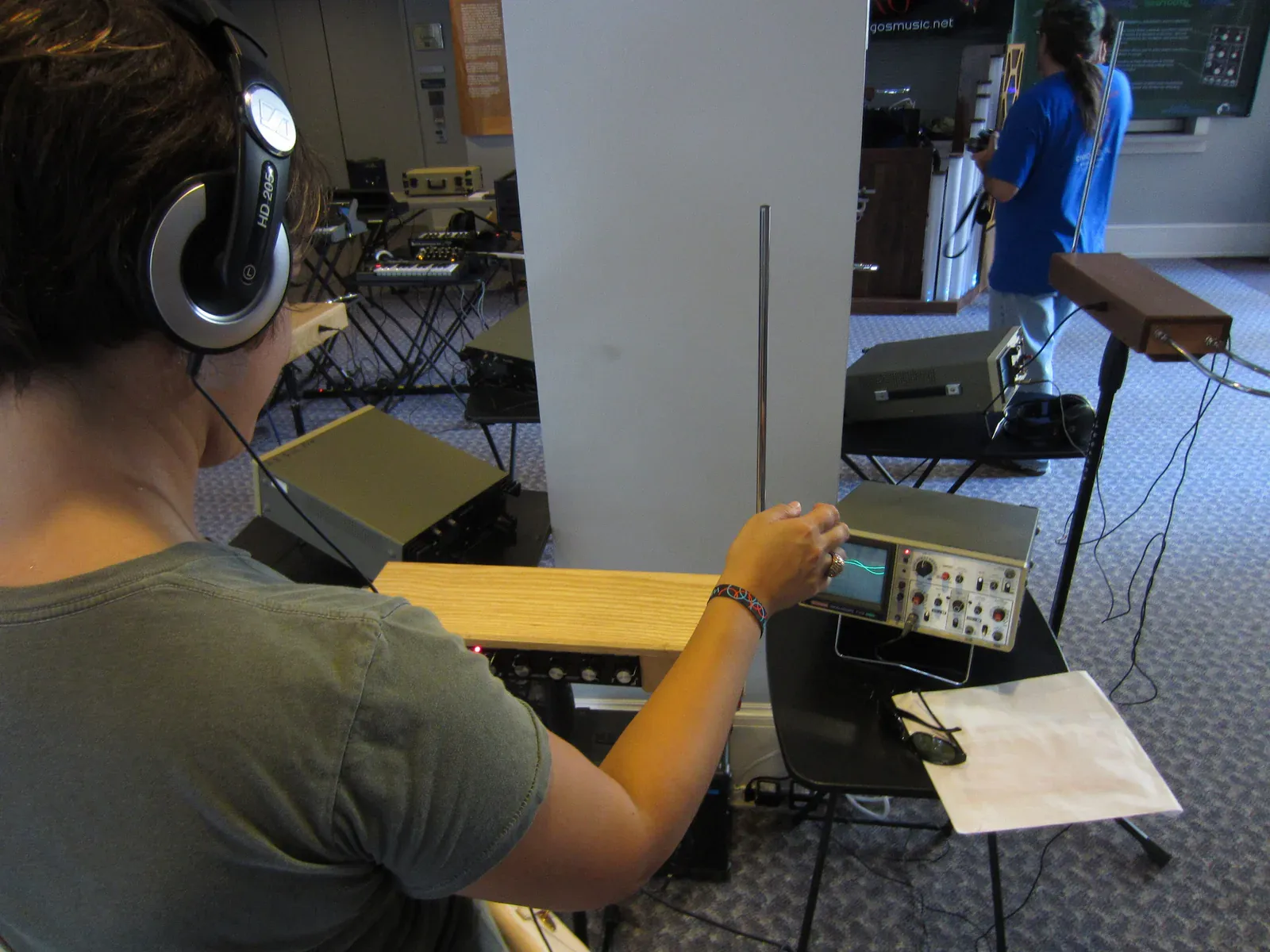
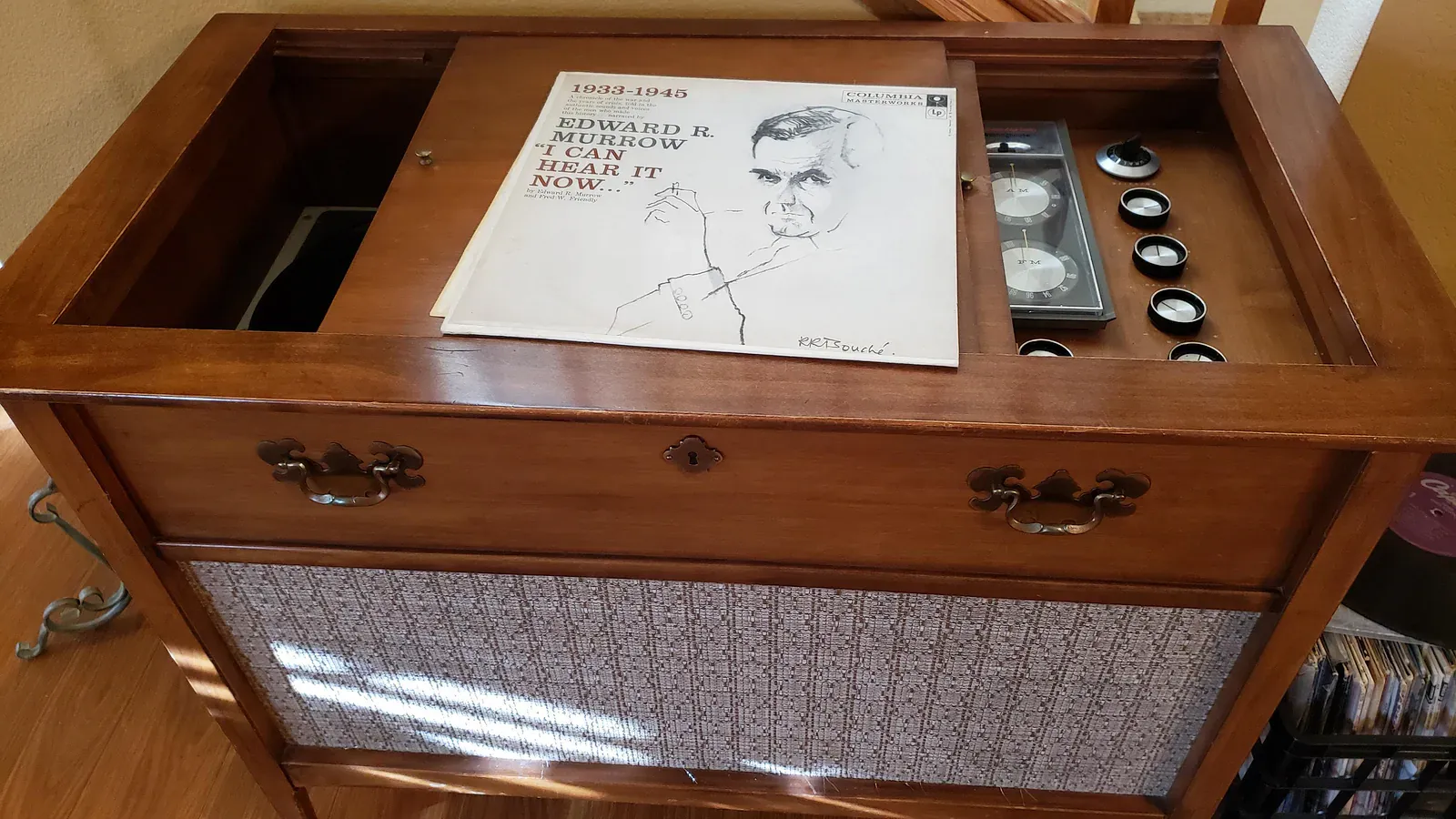
Technology supplied the second ingredient. High-fidelity equipment spread through middle-class homes in the 1950s, and commercial stereo LPs reached shops in 1958, giving arrangers two channels where there had been one. Irwin Chusid, who compiled the first Esquivel CD, dates the heyday of the genre to roughly 1954 to 1963, from the dawn of hi-fi to the arrival of the Beatles. Influences were varied: the Impressionist harmony of Ravel and Debussy, big-band jazz, Hawaiian music and Latin American styles such as samba, mambo and calypso.
Stereo showpieces, 1954-1963
Record companies marketed stereo as a novelty, and a group of arrangers built albums around it. Enoch Light, a classically trained violinist and former hotel dance-band leader, founded Grand Award Records in 1955 and the Command label in 1959, and sold the family of labels to ABC-Paramount that October while staying on as head of A&R. He recorded with the sections of the band isolated from each other, pioneered 35 mm magnetic film instead of tape for the Command recordings, and aimed at older, wealthier audiophiles rather than teenagers. His first Command release, Persuasive Percussion, credited to Terry Snyder and the All Stars, came with a gatefold sleeve that listed each track and described the album as a test for audio equipment. It reached number one on the Stereo Action Albums chart in April 1960, stayed there for 13 weeks and spent 124 weeks on the main album charts. The cover was a minimalist arrangement of dots by the painter Josef Albers.
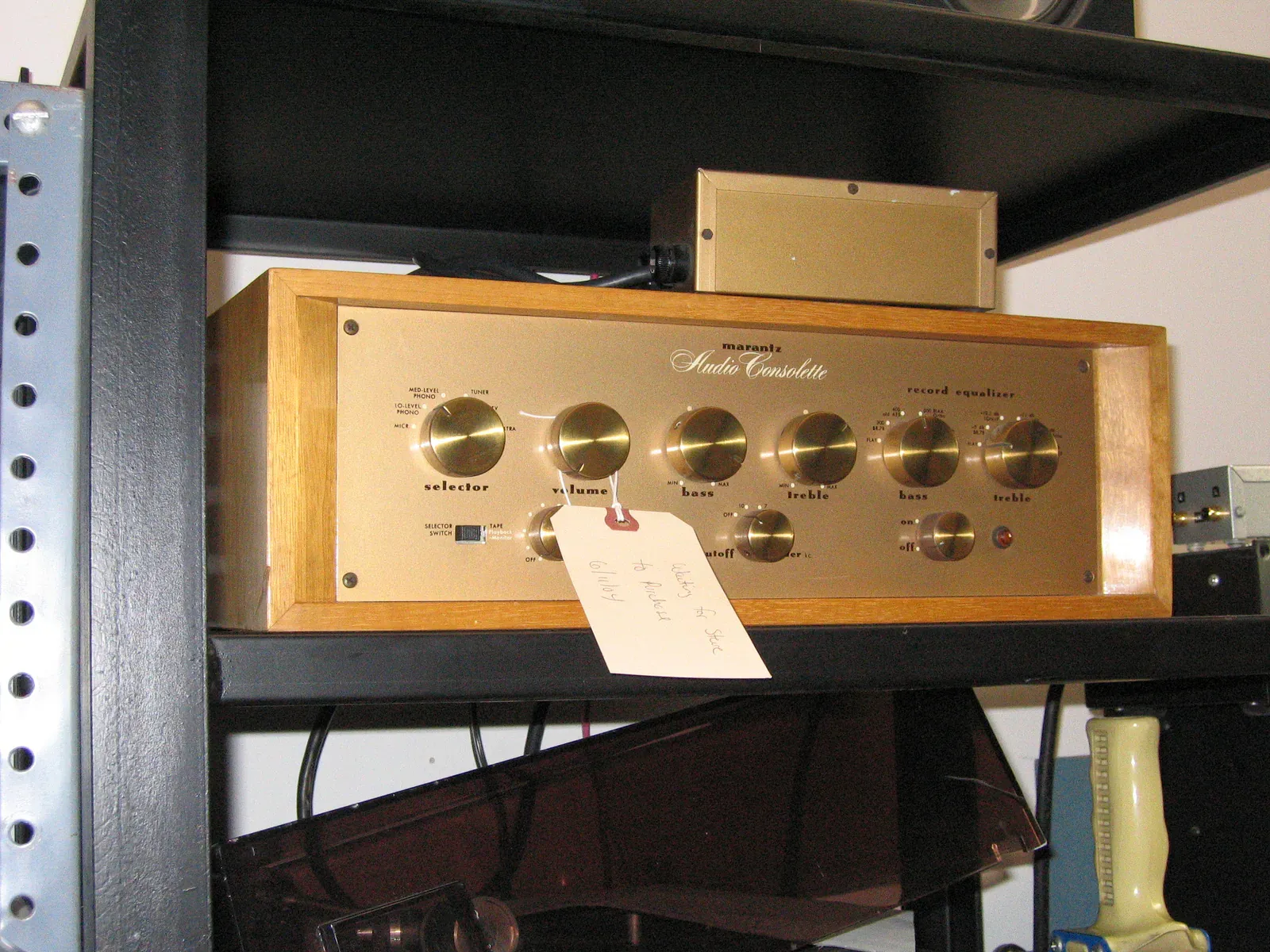
Juan Garcia Esquivel turned the same technology into a personal style. Born in Tampico, Mexico, in 1918, he grew up in Mexico City, taught himself music and became a bandleader and pianist. His arrangements used Chinese bells, mariachi bands, whistling, a mixed chorus singing nonsense syllables such as “zu-zu” and “pow!”, glissandos on pitched percussion and steel guitars, and sudden shifts in volume. Apart from his own piano solos there is no improvisation: everything is arranged note by note. For Latin-Esque, released by RCA Victor in 1962 in the label’s Stereo Action series, he divided the orchestra between two studios in the RCA building in Hollywood, a long corridor apart, and used headphones to keep the groups in time. On the album the song Mucha Muchacha alternates chorus and brass rapidly between the left and right channels. The album also used 24 tuned bongos, xylophone, accordion and theremin. Esquivel played Las Vegas lounges, including the Stardust around 1964, sometimes opening for Frank Sinatra, and staged light shows years before they were common at concerts.
Telstar and the British side, 1962
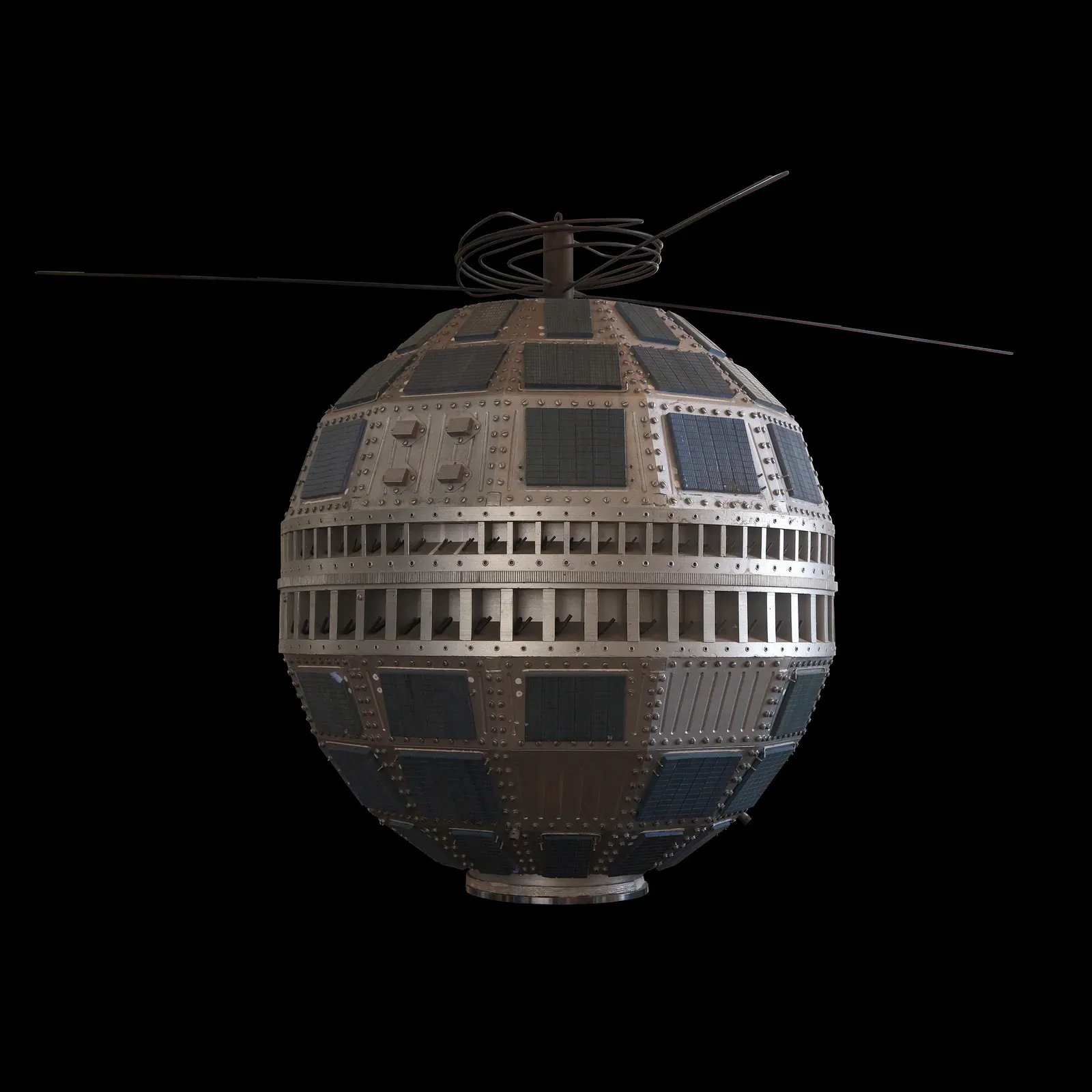
Britain contributed the best-known single of the genre. Telstar, written and produced by Joe Meek for the Tornados, was named after the communications satellite launched on 10 July 1962. Meek recorded it in a small flat above a shop on Holloway Road in north London, with a clavioline or similar Jennings Univox providing the electronic lead. The record reached number one in the UK and, in December 1962, on the Billboard Hot 100, making the Tornados the first British group to top the American chart. It stayed on the UK chart for 25 weeks, five of them at number one, and is estimated to have sold at least five million copies.
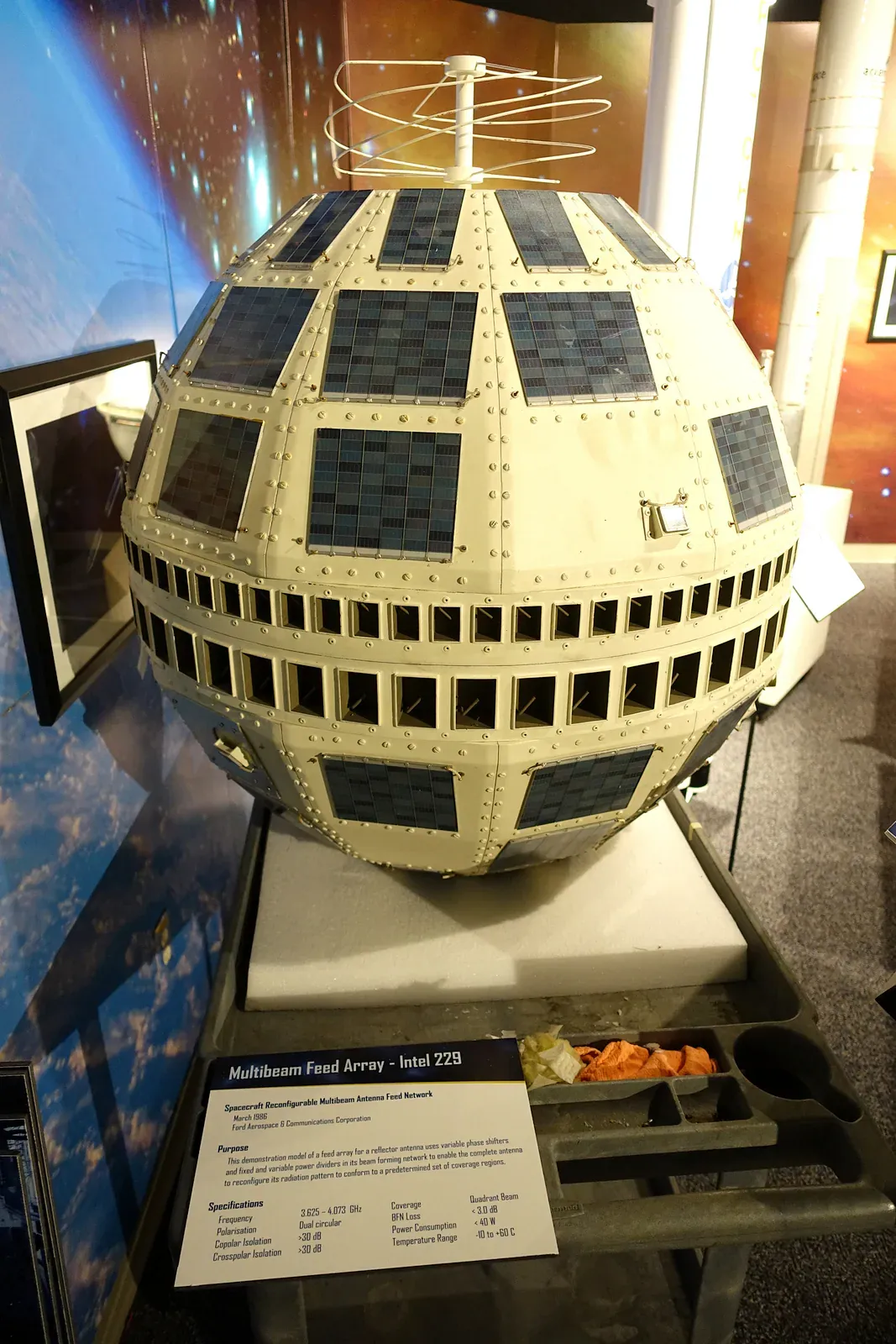
A French composer, Jean Ledrut, claimed that the tune copied a march from his score for the film Austerlitz. The claim was filed in March 1963 and blocked Meek’s royalties for the rest of his life. It was resolved in his favour about three weeks after his death by suicide on 3 February 1967.
The electronic turn, 1964-1969
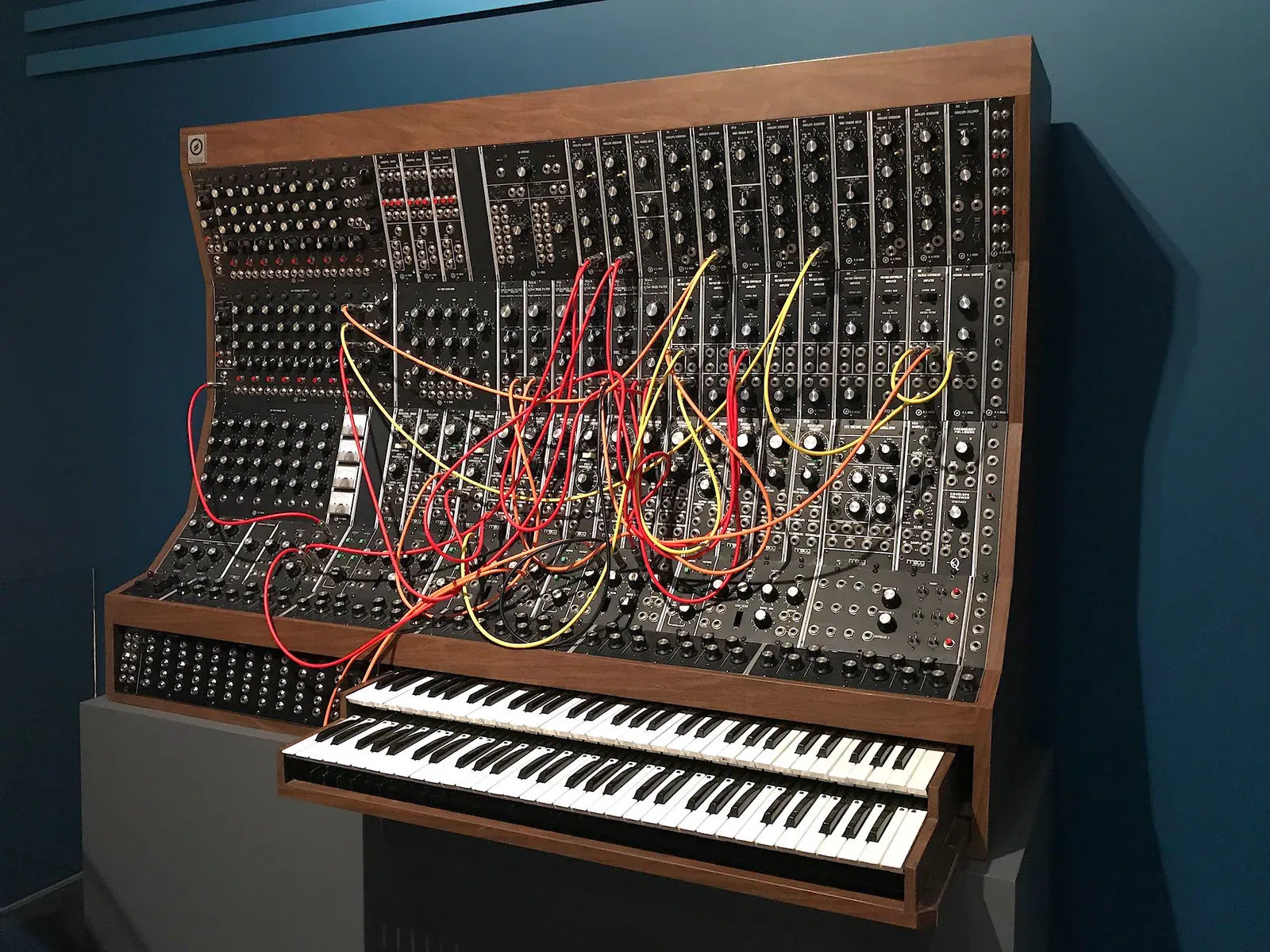
As synthesis matured, the space theme moved from orchestras to machines. Jean-Jacques Perrey, a French accordionist who had worked with the inventor of the Ondioline and experimented with tape manipulation, met the German-American arranger Gershon Kingsley in New York in 1964. For Vanguard they made The In Sound From Way Out! in 1966, built from tape loops and electronic keyboards, and Kaleidoscopic Vibrations in 1967, among the first pop records to use a Moog synthesizer. Baroque Hoedown, from that period, later became the music of Disneyland’s Main Street Electrical Parade. Wendy Carlos’s Switched-On Bach in 1968 then set off a flood of Moog-ified easy listening records, a wave later called moogsploitation.
Characteristics
Space age pop is largely instrumental. Tempos run from about 95 to 145 beats per minute in 4/4, usually with a tune that is easy to remember, played by a large band. What distinguishes it is treatment: left-right panning that is deliberately obvious, vocal groups used as an instrument, Latin percussion, and an electronic or exotic lead voice laid over conventional orchestration. Album titles and covers lean on science fiction, rockets, outer space and mid-century modern design, or on the stylish bachelor at a cocktail bar who was imagined as the listener.
Mainstream success
The style reached the charts at several points. Baxter’s Unchained Melody of 1955 was his first million seller and his Poor People of Paris in 1956 also passed a million copies, though those were orchestral pop records rather than strictly space themes. Persuasive Percussion held the top of a dedicated stereo chart for months, and Telstar went to number one in two countries. Most of the genre, however, lived on LPs bought by adults with good equipment, and radio, which was monaural on the AM dial, played little of it. The Beatles and the guitar groups that followed ended the heyday. Les Baxter turned to film scores for American International Pictures.
Legacy
Interest returned in the 1990s alongside the swing and tiki revivals. Esquivel’s Space-Age Bachelor Pad Music, a 1994 CD compilation of his RCA recordings assembled by Chusid, gave the style a name and a new audience, and more reissues followed. Bands responded differently. Combustible Edison, formed in Providence, Rhode Island, treated the music seriously and tried to add to its canon, while Mr. Bungle and Stereolab updated it with contemporary elements and ironic comment. Esquivel’s last recording, in 1996, was a Christmas album on which he contributed voice-overs to tracks by Combustible Edison. Today the sound is often treated as a precursor of ambient and other space-themed music, and its stereo experiments are an early chapter in the history of multitrack production.
Misconceptions
The first is that space age pop and exotica are the same thing. They share players, labels and listeners, but exotica evokes imagined faraway places, while space age pop is about the future and about the recording technology itself.
The second is that the records were casual novelties. Esquivel’s arrangements were meticulously scored with no improvisation outside his piano solos, and Latin-Esque required two studios, headphone synchronisation and five rehearsal sessions to try out electronic effects before recording.
The third is that the name belonged to the period. Terms such as space age bachelor pad music were applied afterwards, in retrospect, and the 1994 compilation helped to fix it.
Frequently asked questions
What is space age pop?
Space age pop is easy listening from roughly 1954 to 1963 that used stereo effects, early electronic instruments and unusual percussion to evoke technology and the future. Its leading figures are Esquivel, Les Baxter and Enoch Light, and its best-known single is Telstar.
What is bachelor pad music?
Bachelor pad music is another name for space age pop, from the idea that its audience was affluent, stylish single men with expensive stereos and cocktail bars. The term was coined after the fact.
Who invented space age pop?
No single person did. Baxter’s theremin work in 1947 and Quiet Village in 1951, Light’s stereo albums of 1959 and Esquivel’s recordings from the late 1950s each contributed, and the label came later.
How is space age pop different from lounge music?
Lounge music is the wider category of relaxed, stylish instrumental pop; space age pop is the part of it that focuses on futuristic themes, electronic sounds and showy stereo.
Sound
Sound sheet
Anatomy of a track
| # | Part | Bars |
|---|---|---|
| 1 | Theme with orchestral hook | 16 |
| 2 | Percussion and effects break | 8 |
| 3 | Stereo call and response | 8 |
| 4 | Reprise with ending flourish | 8 |
Signature sounds
- Hard left-right panning
- Wordless chorus syllables
- Electronic lead over orchestra
- Latin percussion
Drums and percussion
- Bongos
Synths and software
- Moog modular synthesizer
Techniques
- Ping-pong panning
- Split-studio recording
- Wordless vocals
- Glissando on percussion
Keys and modes
Extended major harmony. Impressionist-style chords learned from Ravel and Debussy colour the arrangements.
Tuning
12-TET, A=440
Vocals
Wordless choruses and nonsense syllables rather than lyrics
Scenes
Where it happened
Where and when the sound lived: one bar per city on a shared timeline.
Latin America
North America
Europe
Active scenes
Peak 4, 1962-2025
Capitol and RCA studios were where Baxter, Esquivel and others recorded their stereo arrangements.
Enoch Light's Command Records and the Vanguard sessions of Perrey and Kingsley were made here.
Joe Meek's home studio on Holloway Road produced Telstar.
Esquivel grew up and began his career here before moving to the United States.
Venues and places
Los Angeles, 1962 to today. Esquivel recorded Latin-Esque with half the orchestra in each of two studios.
London, 1962 to today. The flat above a shop where Joe Meek recorded Telstar.
Culture
Culture markers
- Rockets and mid-century design
Covers favoured rockets, space vistas and modernist graphics, or stylish bachelors in cocktail bars.
Artwork - Josef Albers's dots
The Persuasive Percussion cover is a minimalist arrangement of dots by the painter Josef Albers.
Artwork - Zu-zu and pow
Esquivel's choruses sang nonsense syllables instead of words.
Slang
Media
Key media
- 1994Space-Age Bachelor Pad Music
by Esquivel. The first CD reissue, compiled by Irwin Chusid, that introduced the style to a new generation.
Compilation
Glossary
Terms on this page
Name for the style from its supposed audience of affluent, stylish bachelors.
High fidelity, the 1950s home-listening ideal that these records were made to show off.
Wave of Moog-synthesizer easy listening records after Switched-On Bach.
Arranging so that sounds jump rapidly between left and right channels.
Voices used as an instrument on syllables such as zu-zu rather than lyrics.
Easy Listening family