Musical theatre
Musical theatre combines songs, spoken dialogue and dance so the music drives the drama. It grew in New York and London from the 1860s onward.
Broadway, 1866
Stage and screen family
Born
1866
Broadway
Subgenres
19
Documented branches
Links
14
Genres it drew on or shaped
Tempo
75-145 BPMLineage
Family tree
Grew out of
- Operetta
Derived from
Derived from
Derived from
Influenced by
Masque
Broadway, 1866
Musical theatre
Led to (19)
Timeline
Era by era
From the first sparks to today. Select a dot to read the story behind it.
- Spectacle, burlesque and operetta
1866 to 1919
- Musical comedy and Show Boat
1920 to 1942
- The Golden Age of the book musical
1943 to 1964
- Concept, rock and Sondheim
1965 to 1979
- The megamusical
1980 to 1999
- Franchises, jukeboxes and hip-hop
2000 to 2026
Eras
Moments
- 1 Spectacle, burlesque and operetta, 1866 to 1919
- 2 Musical comedy and Show Boat, 1920 to 1942
- 3 The Golden Age of the book musical, 1943 to 1964
- 4 Concept, rock and Sondheim, 1965 to 1979
- 5 The megamusical, 1980 to 1999
- 6 Franchises, jukeboxes and hip-hop, 2000 to 2026
1866
Spectacle, burlesque and operetta
The Black Crook, Victorian burlesque, vaudeville, Gilbert and Sullivan and Viennese operetta supply songs, dance and comedy; the Broadway and West End theatre districts take shape.
- 1866The Black Crook opens in New YorkNiblo's Garden combines a melodrama with songs and a ballet troupe; the long run makes it a common starting point for the American musical.
1920
Musical comedy and Show Boat
Songwriters such as Kern, Gershwin and Porter fill revues and light comedies with standards; Show Boat (1927) shows a musical can carry a serious story.
- 1927Show Boat opensKern and Hammerstein tie songs to a serious story spanning decades, a template for the integrated musical.
1943
The Golden Age of the book musical
Oklahoma! fuses song, story and dance; Rodgers and Hammerstein, Bernstein and others make long-running hits, and the cast album becomes a mass-market product.
- 1943Oklahoma! opens on BroadwayRodgers and Hammerstein make songs and dance drive character and plot; its long run sets the model for the Golden Age.
- 1943Oklahoma! cast album on DeccaThe recording by the original cast is an early landmark of the cast album as a retail product.
- 1947First Tony AwardsThe American Theatre Wing launches awards for Broadway work, giving the industry its own annual honour.
- 1949South Pacific cast album on ColumbiaEzio Pinza and Mary Martin lead a top-selling cast album as LP records take over.
- 1950South Pacific wins the Pulitzer Prize for DramaRodgers and Hammerstein's musical receives the drama prize, recognising the form as serious theatre.
- 1957West Side Story opensBernstein, Sondheim, Laurents and Robbins stage a Romeo and Juliet story with dance-led storytelling and a symphonic score.
1965
Concept, rock and Sondheim
Cabaret, Hair, Company and A Chorus Line widen the form with rock scores, themed structures and darker subjects, while Lloyd Webber begins in London.
- 1966Cabaret opensKander and Ebb use a Berlin nightclub as a commentary on the story, an early step toward the concept musical.
- 1968Hair opens on BroadwayA rock score and a counterculture cast bring the pop sound to the Broadway stage after its 1967 Public Theater debut.
- 1970Company opensSondheim and Furth's themed series of scenes about marriage defines the concept musical.
- 1973A Little Night Music yields Send in the ClownsThe ballad from the Sondheim show becomes a pop standard recorded by many singers.
- 1976Evita released as a concept albumLloyd Webber and Rice record the sung-through score before staging it, a route later used by other shows.
1980
The megamusical
Cats, Les Miserables and The Phantom of the Opera tour the world as branded spectacles; Rent and The Lion King bring new audiences to Broadway.
- 1981Cats opens in the West EndThe New London Theatre hosts Lloyd Webber's dance-heavy show; it later runs on Broadway and tours the world.
- 1981Memory becomes a UK hitElaine Paige's single from Cats reaches the UK top ten and carries the show to a wide audience.
- 1985Les Miserables opens in LondonSchonberg and Boublil's sung-through epic arrives from Paris in a new English production and becomes a global franchise.
- 1986The Phantom of the Opera opensLloyd Webber's romantic spectacle opens at Her Majesty's Theatre and later becomes Broadway's longest-running show.
- 1990Miss Saigon casting disputeActors' Equity first blocked a white actor from playing the Eurasian Engineer on Broadway, then reversed; the row opened a casting-diversity debate.
- 1996Rent opens and wins the Pulitzer PrizeJonathan Larson's rock musical wins the Pulitzer and the Tony for Best Musical; Larson died the night before the first preview.
- 1997The Lion King opens on BroadwayDisney's stage version with Julie Taymor's puppetry becomes a long-running global franchise.
2000
Franchises, jukeboxes and hip-hop
Film adaptations, jukebox shows and Wicked reshape the market; Hamilton (2015) brings hip-hop to the stage, and streaming spreads cast albums beyond theatre fans.
- 2003Wicked opens on BroadwayStephen Schwartz's show with Idina Menzel and Kristin Chenoweth becomes a blockbuster; its cast album is a long-term seller.
- 2016Hamilton wins 11 Tony Awards and the Pulitzer PrizeLin-Manuel Miranda's hip-hop-driven musical, opened in 2015, takes the top honours and brings a new young audience.
- 2020Broadway closes for the pandemicBroadway theatres shut on 12 March 2020 and stay closed for about 18 months.
- 2023The Phantom of the Opera closes on BroadwayThe Broadway production ends its 35-year run in April 2023.
Listening path
Anthems
The records that built the sound, grouped by the part they played. Thumbnails come from YouTube; the player loads only when you press play.
- 01
Alfred Drake, 1943 · Decca Records
The opening number of Oklahoma!, sung by the original cast, set the integrated model by starting a story with a song.
Origin - 02
Ezio Pinza, 1949 · Columbia Records
The South Pacific ballad was a hit beyond the theatre, helping to prove a stage song could win a mass audience.
Breakthrough - 03
Julie Covington, 1976
The Evita concept-album single reached a pop audience before the show reached the stage.
Breakthrough - 04
Elaine Paige, 1981 · Polydor Records
The Cats ballad became a single and a hit, taking the megamusical to a wide public.
Start hereBreakthrough - 05
Leonard Bernstein, 1957 · Columbia Records
The West Side Story ensemble shows how a staged scene can carry several viewpoints at once in music.
Start hereAnthem - 06
Joel Grey, 1966 · Columbia Records
The Cabaret opener introduces the Emcee and the concept of a nightclub that comments on the story.
Anthem - 07
Andrea McArdle, 1977 · Columbia Records
The signature of Annie, a Broadway family hit of the 1970s with a very singable tune.
Anthem - 08
Andrew Lloyd Webber, 1986
The title song of the longest-running Broadway show, a symbol of the megamusical.
Anthem - 09
Jonathan Larson, 1996
The Rent number is widely sung by school and community groups and defines the 1990s rock musical.
Anthem - 10
Idina Menzel, 2003
The Act I finale of Wicked, a belt showpiece known to a generation of fans.
Start hereAnthem - 11
Galt MacDermot, 1968 · RCA Records
The opening of Hair, whose rock sound carried the musical to pop radio and charts.
Crossover - 12
Glynis Johns, 1973 · Columbia Records
The A Little Night Music ballad became a pop and cabaret standard recorded by many singers.
Crossover - 13
Lin-Manuel Miranda, 2015
The Hamilton number shows hip-hop vocals driving a Broadway score and brought the genre new listeners.
Revival
Facts
| Family | Stage and screen |
| Origin | Broadway, United States |
| Emerged | 19th century onward |
| Status | Active |
| Tempo | 75 to 145 BPM |
| Meter | varies |
| Grew out of | Operetta, Vaudeville, Music hall |
| Subgenres | 16 |
Musical theatre is a stage form in which songs, spoken dialogue, acting and dance work together and the music carries the drama. It took shape in New York and London from the 1860s onward, drawing on burlesque, vaudeville and operetta.
It became the dominant commercial theatre genre of the 20th century and is documented through cast recordings.
Origins
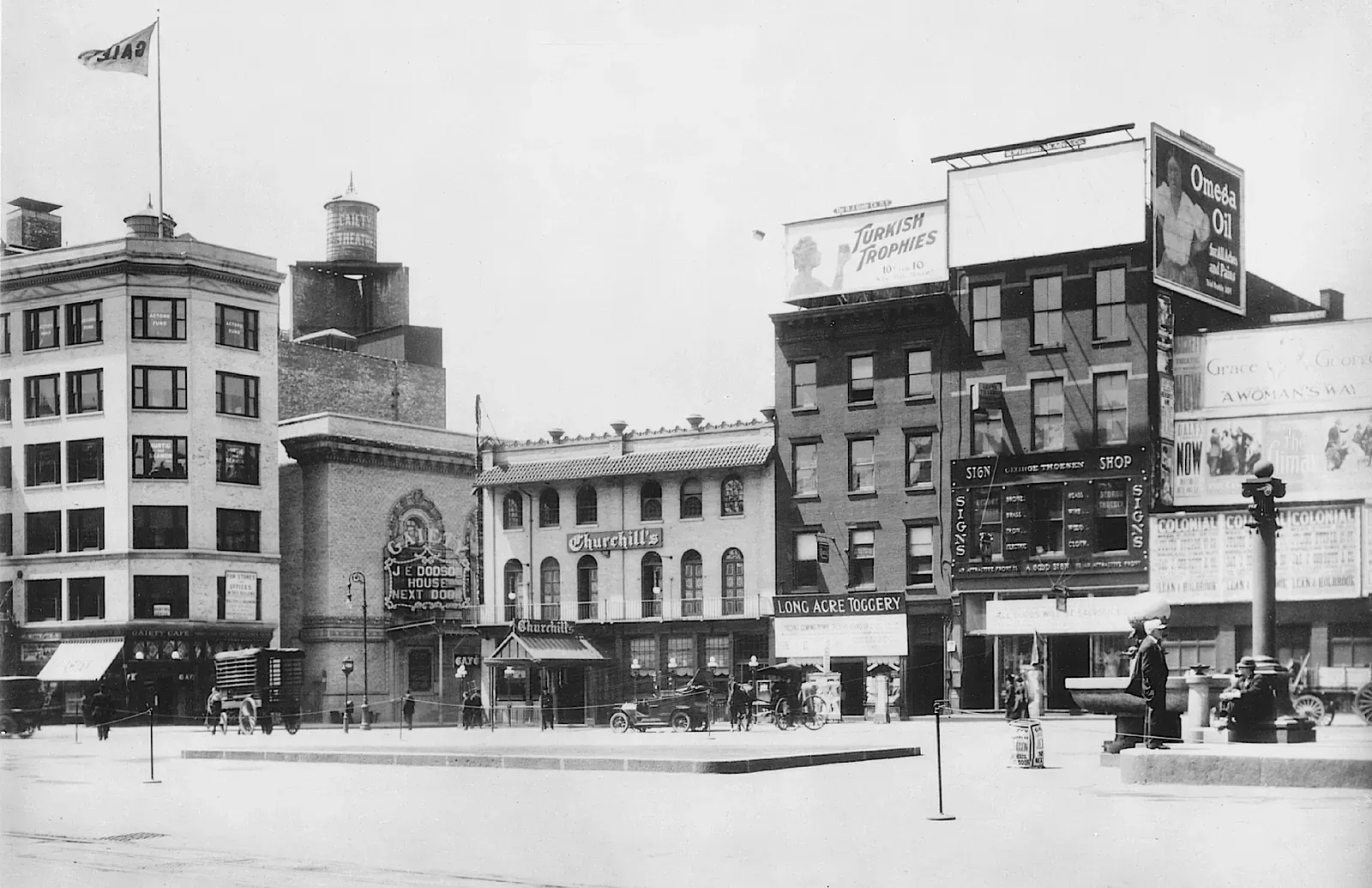
There was no single birth night, but historians often point to 1866. At Niblo’s Garden in New York, a melodrama called The Black Crook was joined to songs and a ballet troupe, and the long run showed producers that spectacle sold tickets. Around it sat burlesque and vaudeville for comedy, and Gilbert and Sullivan and Viennese operetta for the sung stories.
Those early shows were loose, and songs could be swapped from night to night. For the older sung-drama tradition the form borrowed from, see opera, and for the wider family this genre belongs to, see stage and screen music.
Burlesque and operetta, 1866-1919
This was the era of imports and mixtures. Operetta supplied tuneful romances, vaudeville the comic double act, and the syncopation of ragtime gave American songwriters a rhythm that did not sound European.
Musical comedy and Show Boat, 1920-1942
In the 1920s, songwriters ran the show. Jerome Kern, George Gershwin and Cole Porter wrote light comedies packed with songs that became standards. The plots were thin because the tunes were the product.
Then came Show Boat in 1927. Kern and Oscar Hammerstein tied their songs to a serious story that spans decades, the template for the integrated musical.
The Golden Age of the book musical, 1943-1964
Oklahoma! opened on Broadway in 1943, and it is the show everyone turns to for the new rules. Richard Rodgers and Oscar Hammerstein made song and dance reveal character and drive the plot rather than fill time, and the long run set the model for the next two decades. Its opening number, “Oh, What a Beautiful Mornin’”, started the story with a song instead of a chorus line.
Recorded sound turned the show into a product. The Oklahoma! cast album on Decca was an early landmark of the cast album as a product sold for home listening. In 1949 the South Pacific cast album on Columbia rode the shift to LP records, and “Some Enchanted Evening” became a hit beyond the theatre. In 1950 South Pacific won the Pulitzer Prize for Drama, proof that a musical could be serious theatre.
The Golden Age also had its dance-led masterpiece. West Side Story (1957) put a Romeo and Juliet story on the streets of New York, with a score by Leonard Bernstein, lyrics by Stephen Sondheim, a book by Arthur Laurents and staging by Jerome Robbins. In “Tonight”, several characters sing different wishes at once and the music holds them together. The cast album came out on Columbia, whose Broadway catalogue now sits with Masterworks Broadway.
Concept and rock musicals, 1965-1979
By the mid-1960s writers began to rebuild the formula. Cabaret (1966), by John Kander and Fred Ebb, used a Berlin nightclub as a running comment on the story, and “Willkommen” introduced an Emcee who spoke straight to the audience. Hair arrived on Broadway in 1968 after a 1967 run at the Public Theater, with a rock score and a counterculture cast. “Aquarius” carried it toward pop radio, and the cast album on RCA sold the sound to people who never saw the show.
Company (1970), by Sondheim, dropped the standard plot for a set of scenes about marriage and defines the concept musical. “Send in the Clowns”, from A Little Night Music (1973), became a standard recorded by many singers. Andrew Lloyd Webber and Tim Rice recorded Evita as a concept album in 1976 before staging it, so a single like “Don’t Cry for Me Argentina” sold the show first.
The megamusical, 1980-1999
Lloyd Webber’s Cats opened in the West End in 1981 and became a great branded spectacle: a dance-heavy show with almost no spoken plot, sold by a logo of two glowing eyes. “Memory” was released as a single by Elaine Paige on Polydor and reached the UK top ten, so the ballad drew people to the box office. Les Miserables followed in London in 1985, a sung-through epic from Paris in a new English production, and The Phantom of the Opera opened at Her Majesty’s Theatre in 1986 and went on to become Broadway’s longest-running show.
The business model was new: one production could be copied, toured and run in several cities at once, so these shows looked the same wherever they landed. Critics complained that sets and effects had pushed out the writing, and the complaint gave the era its name.
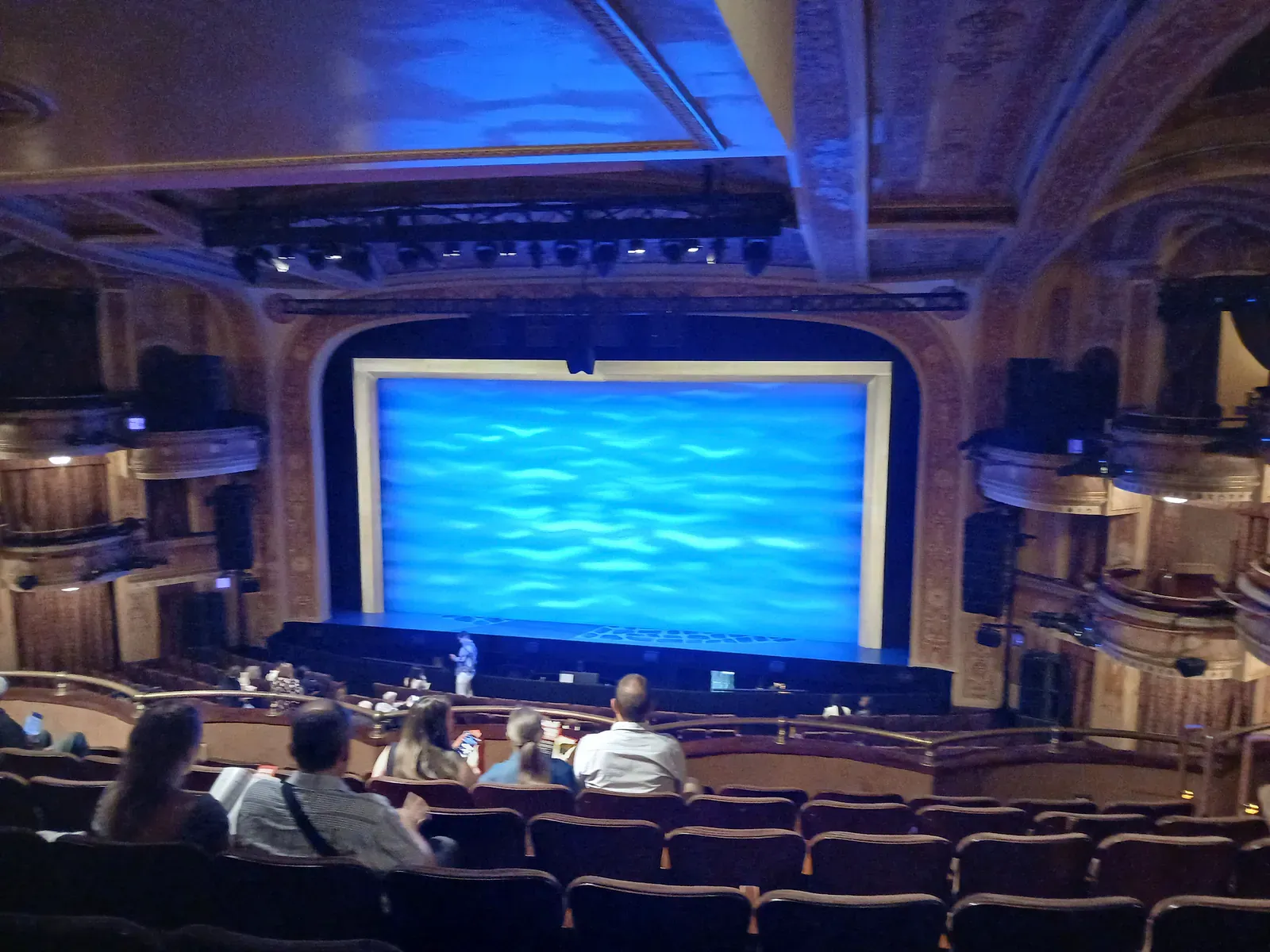
Rent opened in 1996 and won both the Pulitzer Prize and the Tony Award for Best Musical; its composer, Jonathan Larson, died the night before the first preview and never saw it open. Disney’s The Lion King arrived in 1997 with Julie Taymor’s puppetry.
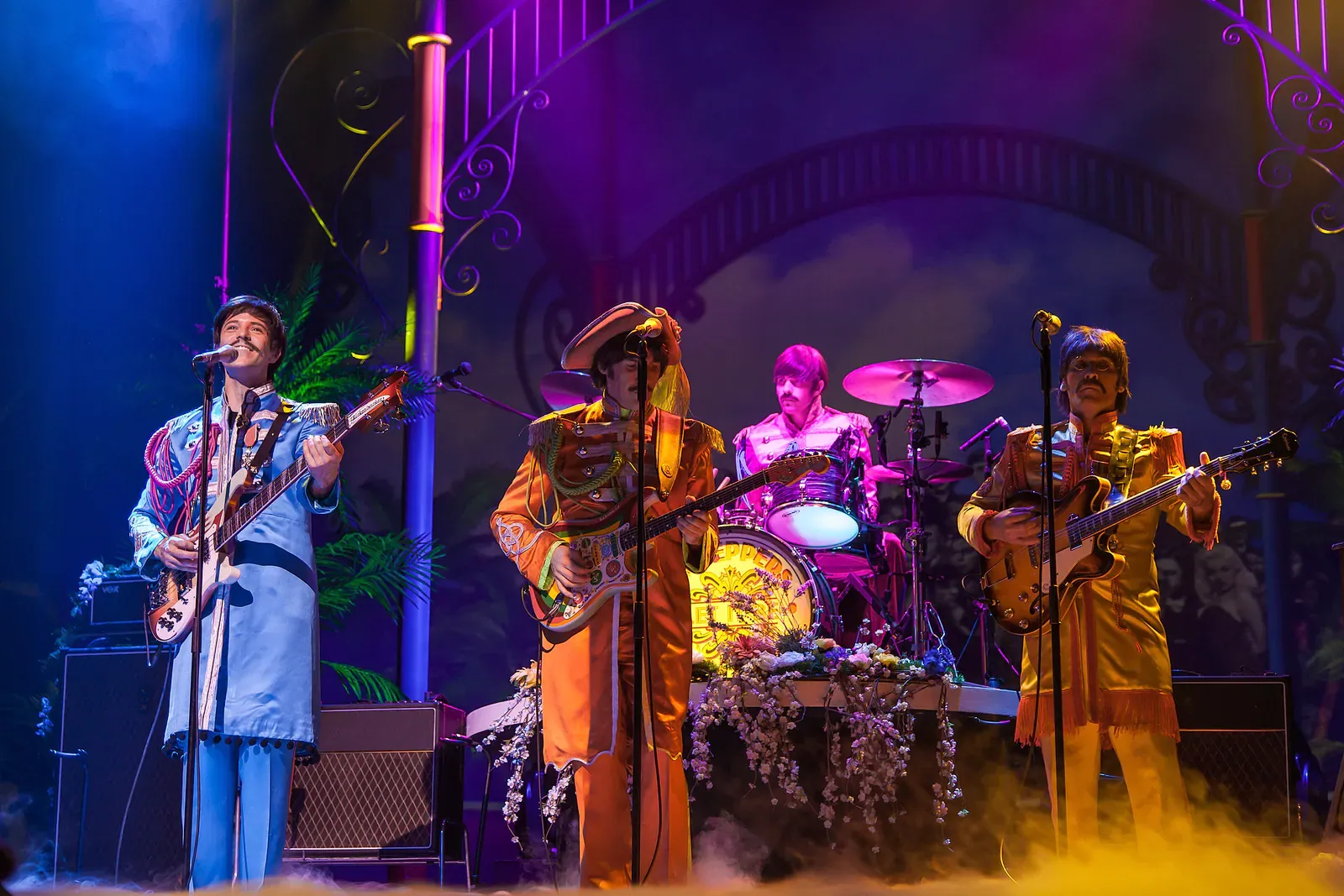
Franchises, jukeboxes and hip-hop, 2000-2026
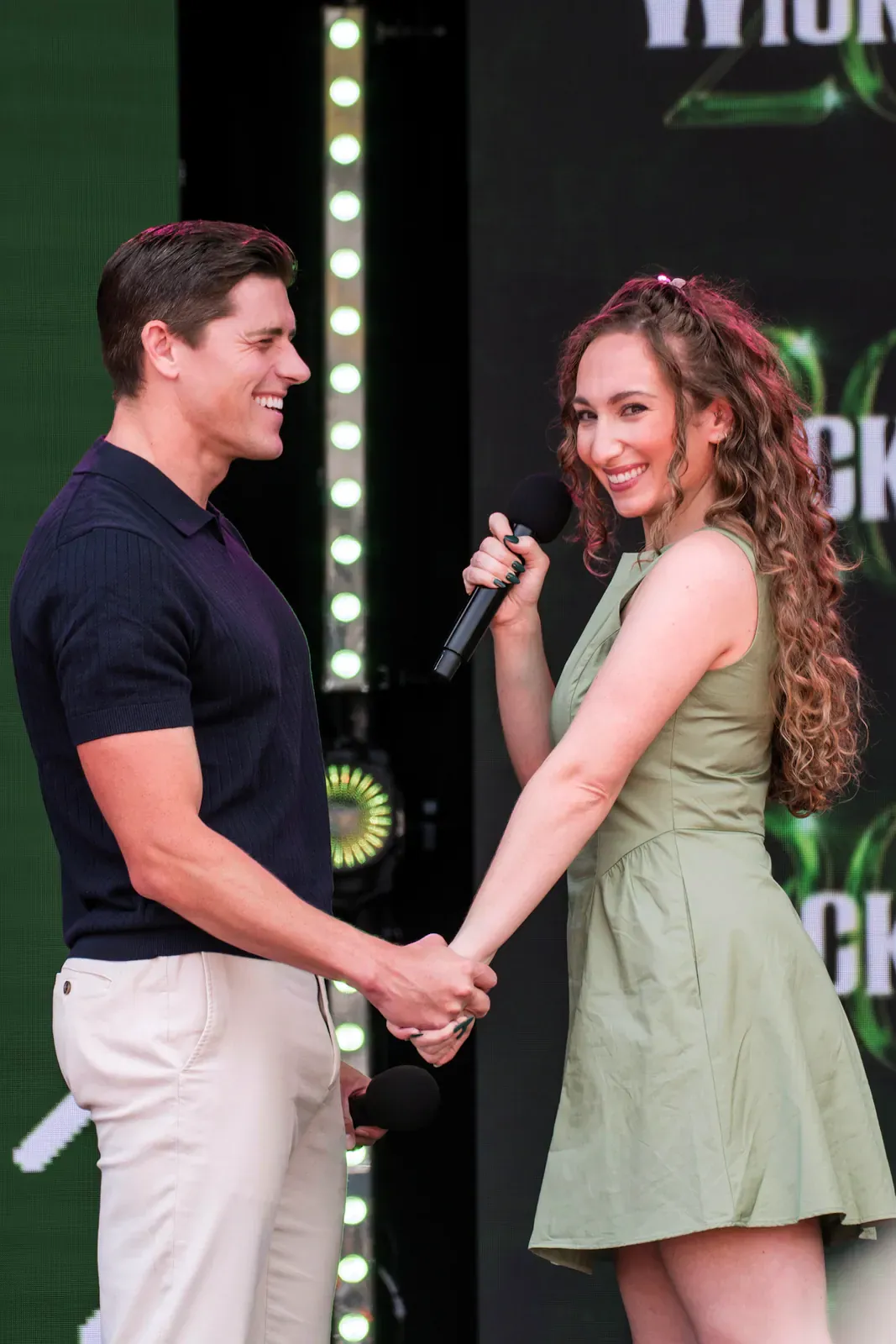
Wicked opened on Broadway in 2003 with Idina Menzel and Kristin Chenoweth, and “Defying Gravity” became a showpiece for a generation of belting singers. Film adaptations and jukebox shows filled the other seats.
Then came Hamilton. Lin-Manuel Miranda’s musical opened in 2015 and in 2016 took 11 Tony Awards and the Pulitzer Prize, with a hip-hop score about the American founding. The cast album, on Atlantic, reached the mainstream charts, and “My Shot” gave the theatre new listeners. Broadway’s theatres closed on 12 March 2020 for the pandemic and stayed shut for about 18 months; streaming has since spread cast albums beyond theatregoers. Independent labels such as Ghostlight record current shows.
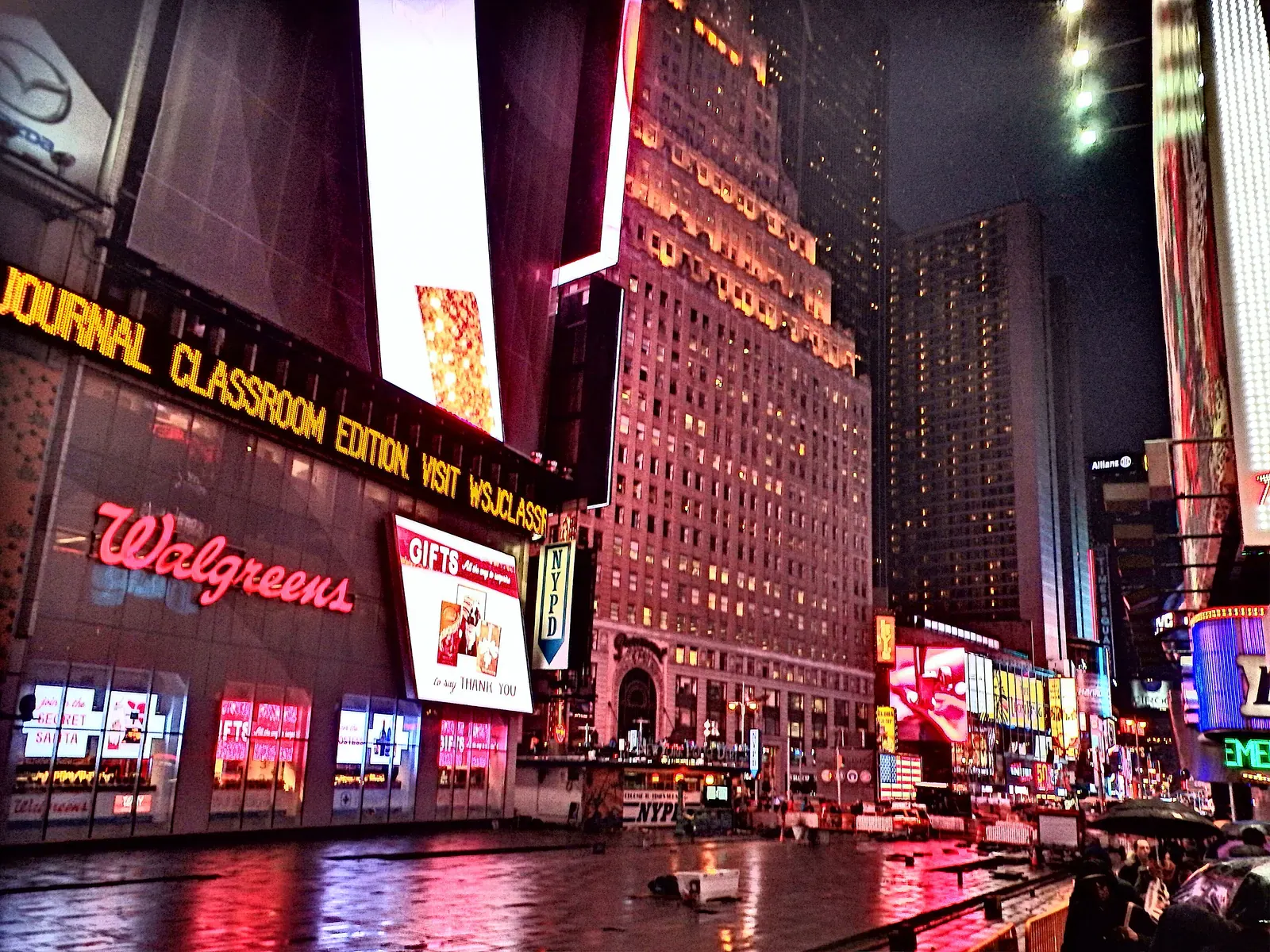
Characteristics
A show tune is built to do a job in the story. A typical number opens with a free-tempo verse that sets the scene, then moves into a chorus of eight-bar sections. Most scores share an overture made of the show’s own tunes, reprises of key melodies, dance breaks and a big late number for the lead.
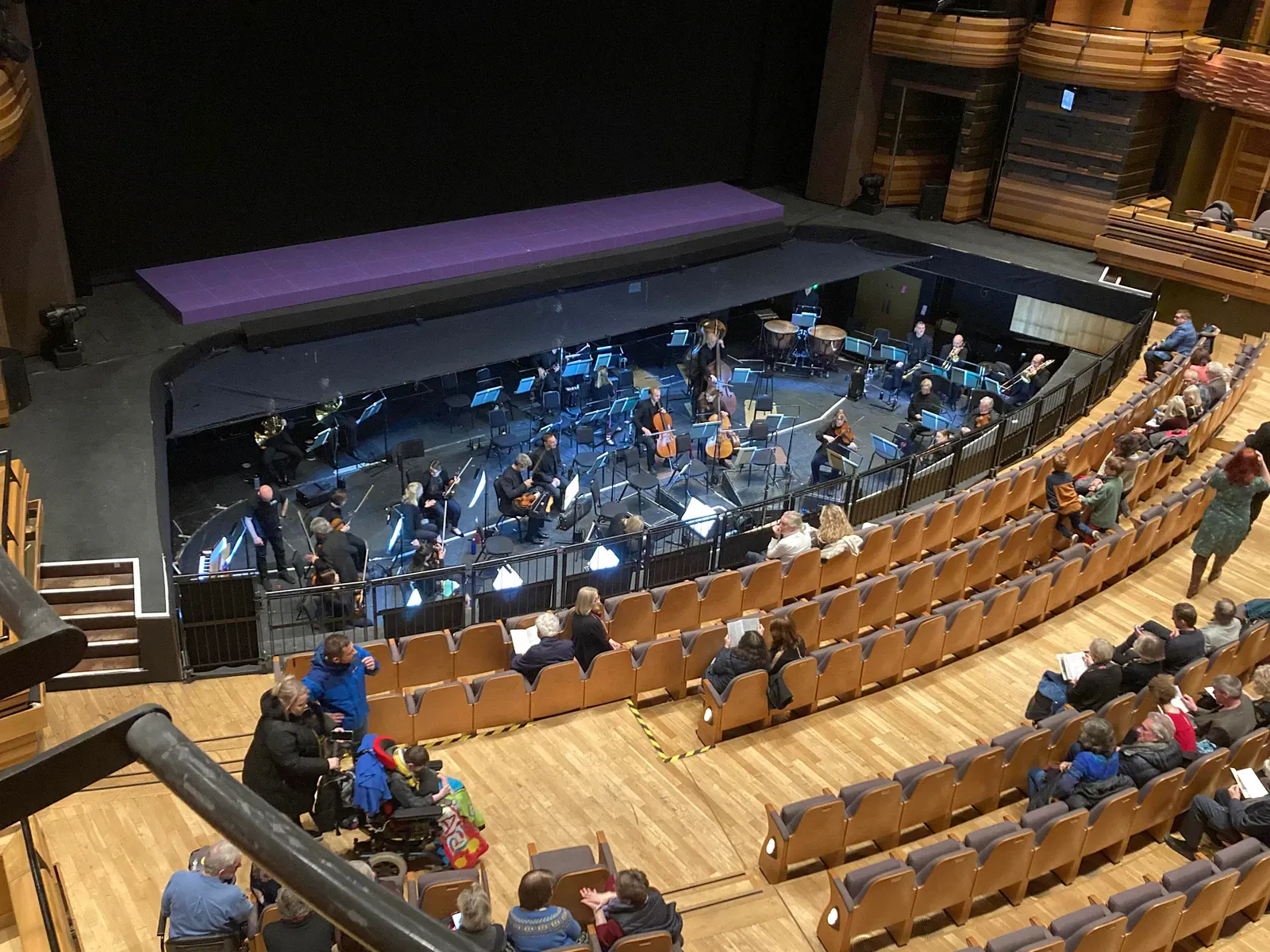
Instruments and production
The sound comes from the pit orchestra, the rhythm section, the belting voice and the radio microphone, with the synthesizer now covering parts that once needed strings.
Culture
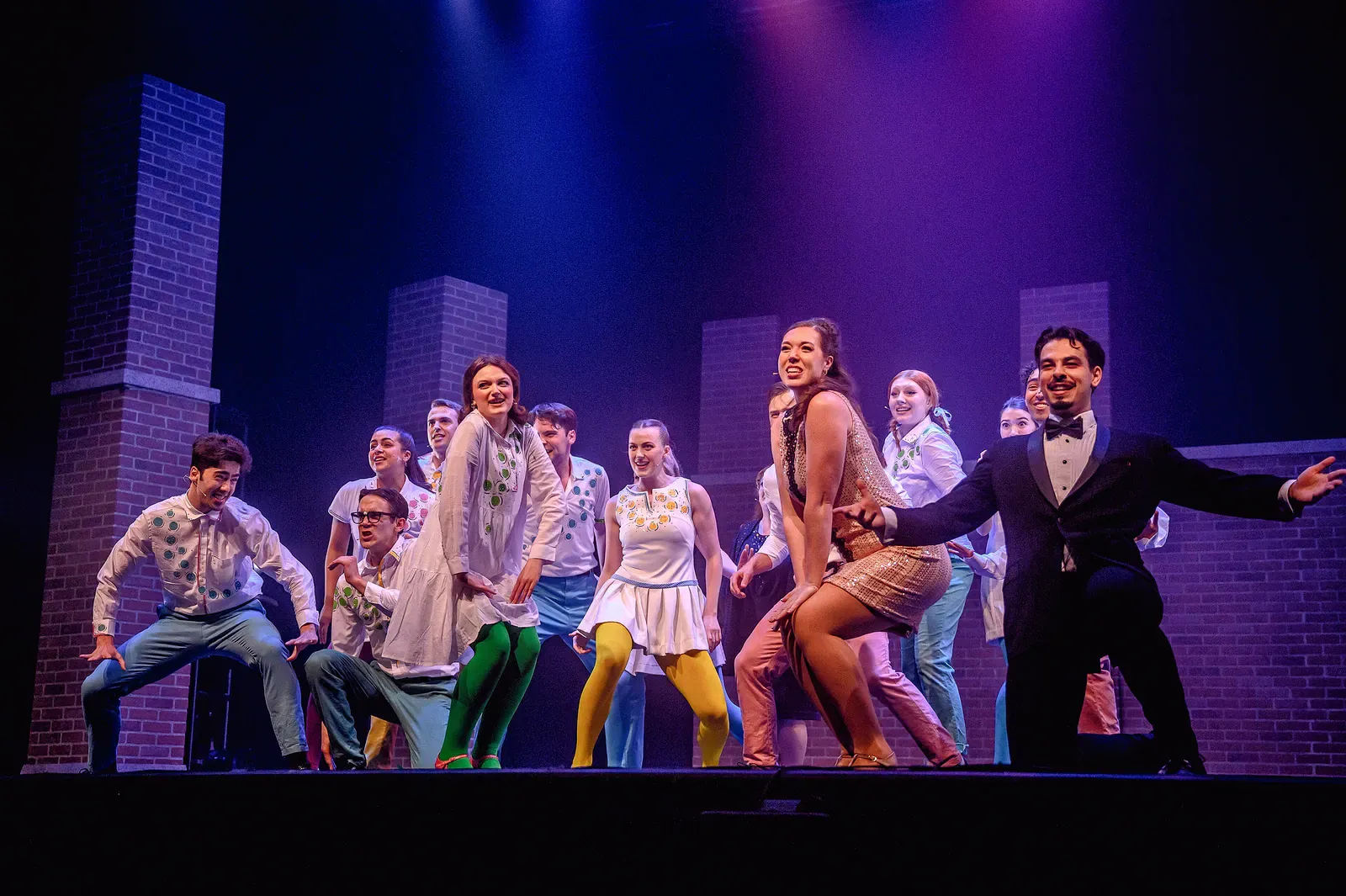
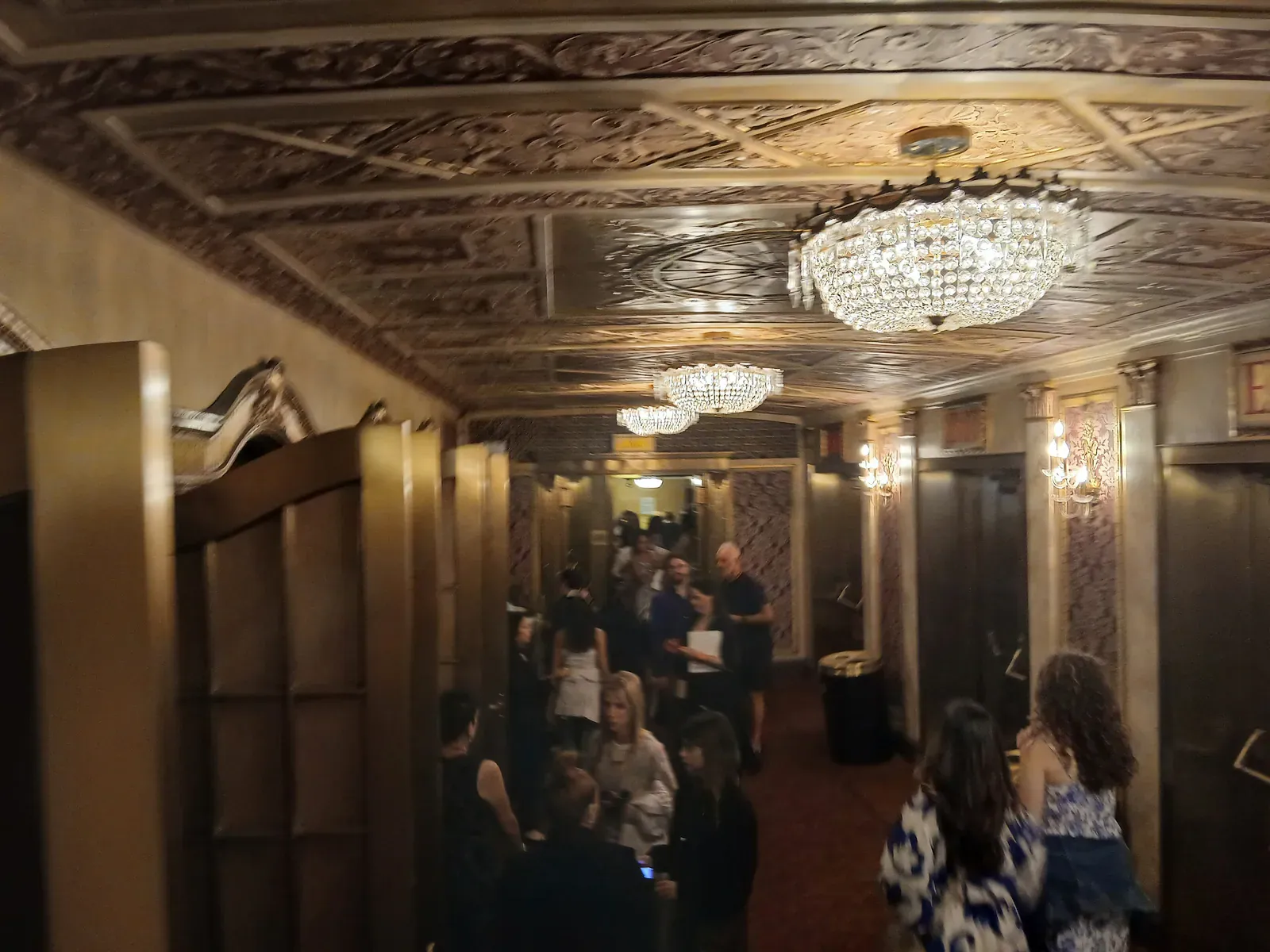
Theatre has its own habits. A single bulb, the ghost light, is left burning on a dark stage between performances. On opening night a chorus member receives the Gypsy Robe, decorated by past shows and passed along.
Choreography is its own signature. Bob Fosse’s style of hats, gloves and isolated, angled movement shaped Cabaret and Chicago. Fans wait at the stage door for signatures.
Misconceptions
“It is all light and happy.” Show Boat in 1927 already carried a serious story, and Company asked what marriage costs. The form has handled dark subjects for a century.
“Every musical is a spectacle with chandeliers.” The megamusical was one phase; Rent and Hamilton followed with rock and hip-hop, and plenty of shows have run with a small band.
“Cast albums are only for fans.” Evita was a concept album before it was staged, “Memory” was a UK hit single, and the Hamilton album reached the mainstream charts.
Frequently asked questions
What is musical theatre?
Musical theatre is staged entertainment in which songs, dialogue, acting and dance tell a story together. The songs carry the drama rather than interrupt it, unlike a concert or a revue.
What was the first musical?
There is no agreed first musical. The Black Crook, staged in New York in 1866, is often called the starting point of the American musical, while Show Boat (1927) and Oklahoma! (1943) set how it tells stories.
What is the difference between Broadway and the West End?
Broadway is the theatre district in New York, and the West End is its London equivalent. Hit shows often move between the two, as Cats and Les Miserables did.
What is a cast album?
A cast album records a musical’s score by its original cast. Oklahoma! and South Pacific made it a retail product in the 1940s, and it is still how a show reaches people who never see it live.
Which songs represent musical theatre?
“Some Enchanted Evening”, “Tonight”, “Memory” and “Defying Gravity” come from four different eras of musical theatre. The cast albums of Oklahoma!, West Side Story and Hamilton are among the best-known full recordings.
Sound
Sound sheet
Anatomy of a track
| # | Part | Bars |
|---|---|---|
| 1 | Verse (introductory, free in tempo) | 16 |
| 2 | Chorus A section | 8 |
| 3 | Chorus A section (repeat) | 8 |
| 4 | Bridge | 8 |
| 5 | Final A section | 8 |
Signature sounds
- Songs that move the plot or reveal character
- Overture built from the score's tunes
- Reprises of key melodies
- Spoken dialogue that cuts into song
- Dance breaks and production numbers
- A big late number for the lead
Drums and percussion
- Drum kit
Techniques
- Belting
- Underscoring
- Reprise
- Patter song
- Vamp
- Overture and entr'acte
Keys and modes
Major keys with a late modulation. Ballads and finales often step up a key for the last chorus to raise intensity.
Vocals
Acted singing with clear diction, from legit soprano and baritone to chest-voice belting, amplified by radio microphones.
Scenes
Where it happened
Where and when the sound lived: one bar per city on a shared timeline.
North America
Europe
Asia
Active scenes
Peak 5, 1992-2025
Broadway theatres define the commercial form; Off-Broadway houses feed new work.
The West End exports spectacle and imports Broadway hits; Gilbert and Sullivan at the Savoy came first.
Les Miserables premiered here in 1980 before its English reworking.
Operetta heritage meets modern musicals such as Elisabeth, which became a German-language export.
The all-female Takarazuka Revue made musical stagings a mass entertainment in Japan.
Venues and places
New York, 1866 to today. Home of The Black Crook, often cited as an early American musical.
New York, 1967 to today. Off-Broadway producer of Hair, A Chorus Line and Hamilton before they moved uptown.
New York, 1927 to today. Broadway house where Oklahoma! opened in 1943.
New York, 1911 to today. Broadway home of Cats from 1982 to 2000.
New York, 1925 to today. Broadway house where Hamilton has played since 2015.
New York, 1972 to today. Broadway house where Wicked has played since 2003.
London, 1897 to today. West End house where The Phantom of the Opera opened in 1986.
London, 1891 to today. West End house that hosted Les Miserables from 1985 to 2004.
Culture
Culture markers
- Ghost light
A single bulb is left burning on a dark stage between performances, a long-held theatre custom.
Ritual - Gypsy Robe
On opening night, a chorus member receives a robe decorated by past shows, passed show to show.
Ritual - Break a leg
The traditional good-luck wish to performers before curtain.
Slang - Fosse style
Bob Fosse's dance idiom of hats, gloves and isolated, angled movement shaped Cabaret and Chicago.
Dance - Logo-led show posters
Marks such as the Cats eyes, the Phantom mask and the Les Miserables girl turned posters into brands.
Artwork - Stage door
Fans wait outside the stage door after the show to meet cast members and collect signatures.
Ritual - Triple threat
A performer who can act, sing and dance.
Slang
Media
Key media
- 1884Playbill
by Playbill. The free theatre programme magazine that Broadway audiences have read for generations.
Zine - 1970Original Cast Album: Company
by D. A. Pennebaker. A documentary of the Company cast album session, a view of the recording ritual.
Film - 2003Elaine Paige on Sunday
by BBC Radio 2. A long-running weekly BBC radio show of show tunes and interviews.
Radio - 2004Broadway: The American Musical
by Michael Kantor. A PBS documentary series that surveys the history of the form.
Film - 2010Finishing the Hat
by Stephen Sondheim. Sondheim's annotated lyrics and essays on writing for the stage.
Book - 2016Hamilton: The Revolution
by Lin-Manuel Miranda and Jeremy McCarter. An annotated libretto and behind-the-scenes account of the hip-hop musical.
Book
Glossary
Terms on this page
The spoken script and story of a musical, as distinct from its music and lyrics.
A studio recording of the show's score by the performers who play it on stage.
A big late-in-the-show number that gives the lead a final showcase.
An early number in which the lead states a desire that drives the plot.
A musical built from existing pop songs rather than an original score.
The text of a musical or opera, including the book and the sung lyrics.
A later return of a melody with changed words or meaning.
A musical with almost no spoken dialogue, as in Les Miserables.
Stage and screen family