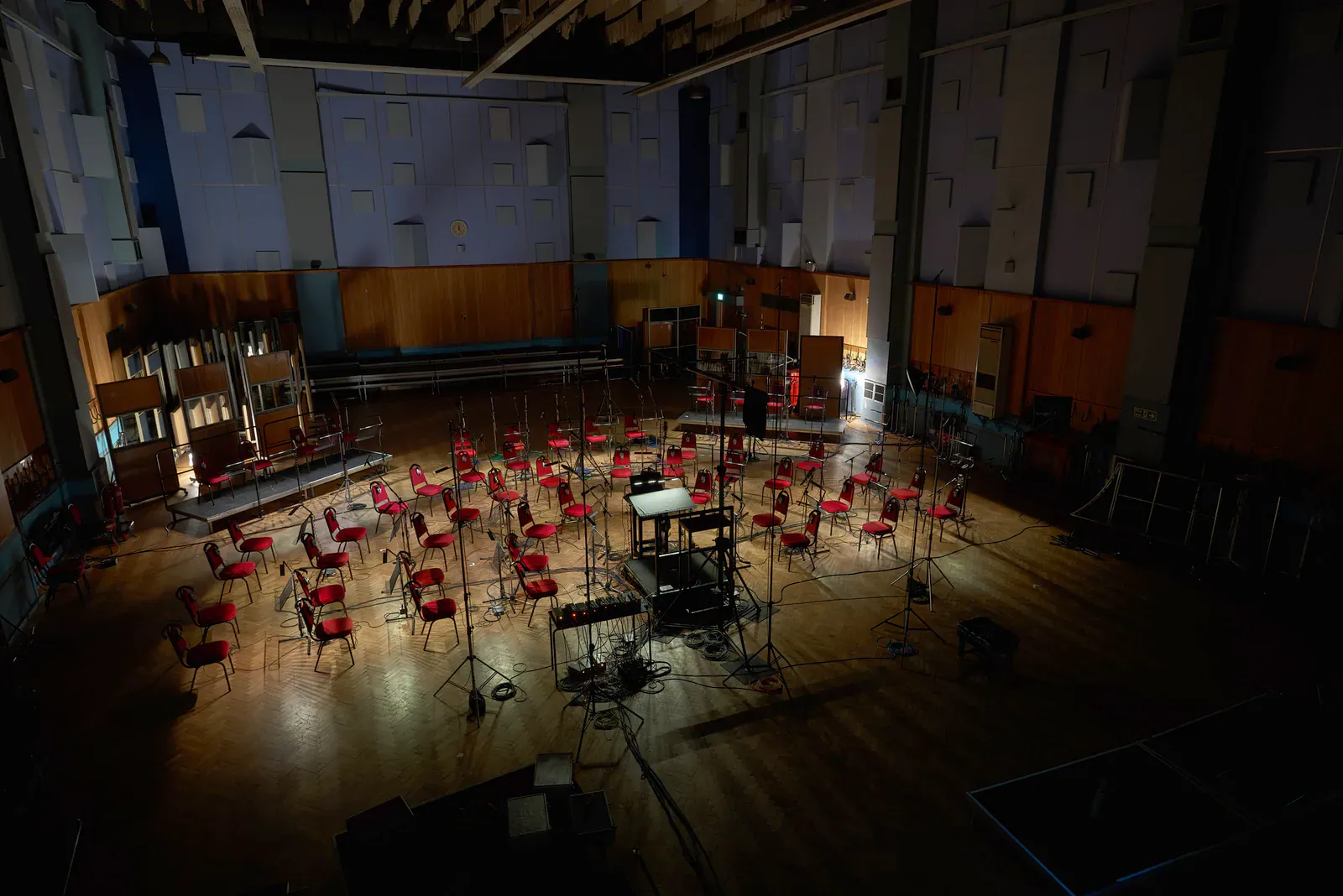
Music hall
Music hall is British popular theatre of songs, comic turns and speciality acts, staged in licensed halls from the 1850s and fading after 1960.
London, 1850
Stage and screen family
Born
1850
London
Subgenres
3
Documented branches
Links
19
Genres it drew on or shaped
Tempo
80-135 BPMLineage
Family tree
Grew out of
- Tavern concert room
Derived from
London, 1850
Music hall
Led to (4)
Timeline
Era by era
From the first sparks to today. Select a dot to read the story behind it.
- Saloons and supper rooms
1825 to 1851
- The first music halls
1852 to 1884
- Variety palaces and the big stars
1885 to 1913
- Variety and decline
1914 to 1960
Eras
Moments
- 1 Saloons and supper rooms, 1825 to 1851
- 2 The first music halls, 1852 to 1884
- 3 Variety palaces and the big stars, 1885 to 1913
- 4 Variety and decline, 1914 to 1960
1825
Saloons and supper rooms
Song-and-supper rooms and pub saloons such as the Grecian in London and Evans's in Covent Garden give singing, comedy and drama a paying audience in the pubs of the 1830s and 1840s.
- 1825The Grecian Saloon opens at The EagleThe tea garden off the City Road in London becomes the saloon later called the father of the music hall.
1852
The first music halls
Charles Morton's Canterbury opens in 1852 and purpose-built halls spread through London and the provinces, where audiences sit at tables with drink and tobacco and professional songwriters supply new songs.
- 1852Charles Morton opens the CanterburyOn 17 May the Lambeth hall opens on the site of a skittle alley and becomes the model for halls in other cities.
- 1853Settle Music Hall opensThe North Yorkshire hall opens on 11 October and survives as the oldest music hall in the United Kingdom.
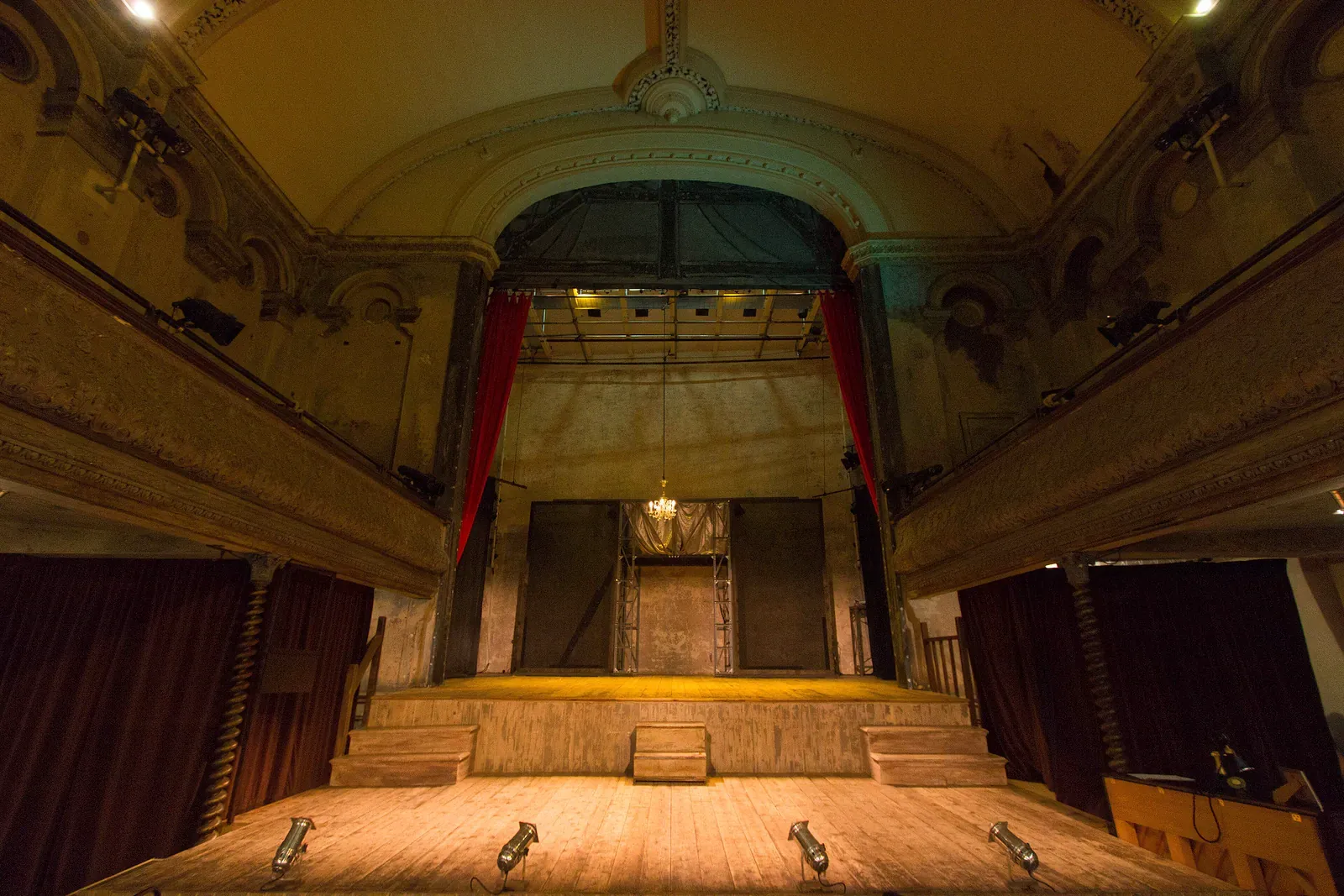
- 1859Wilton's Music Hall is builtJohn Wilton's East End hall off Cable Street still stands and is a listed performance space.
- 1861Oxford and London Pavilion bring halls westMorton's Oxford Music Hall and the London Pavilion open in the West End.
- 1867Champagne Charlie becomes the first major hall hitSongs promoting the drink sold by the hall owners lead to the first big success of the new popular song style.
- 1878London halls reach their peakThe capital has 78 large music halls and about 300 smaller venues before licensing rules and competition thin them.
- 1884Marie Lloyd debuts at the GrecianShe first appears on stage aged 14 and becomes the best-known hall entertainer of her time.
1885
Variety palaces and the big stars
Rebuilt theatres of varieties, from the London Pavilion to the Coliseum and Palladium, give Marie Lloyd, Vesta Tilley, Harry Lauder and Gus Elen national fame, gramophone sales and a stage union dispute.
- 1885London Pavilion rebuilt as a theatre of varietiesMarble, lavish foyers and electric lighting replace the plain hall, and the variety theatre becomes the new model.
- 1891The Man Who Broke the Bank at Monte CarloFred Gilbert's song, sung by Charles Coborn, is among the best-known hits of the Victorian halls.
- 1894Gus Elen's costermonger songs from Bateman and Le BrunnIf It Wasn't for the 'Ouses in Between and It's a Great Big Shame become the core of his cockney repertoire.
- 1902Harry Lauder makes his first recordingsNine selections for the Gramophone and Typewriter company begin a recording career lasting to 1940.
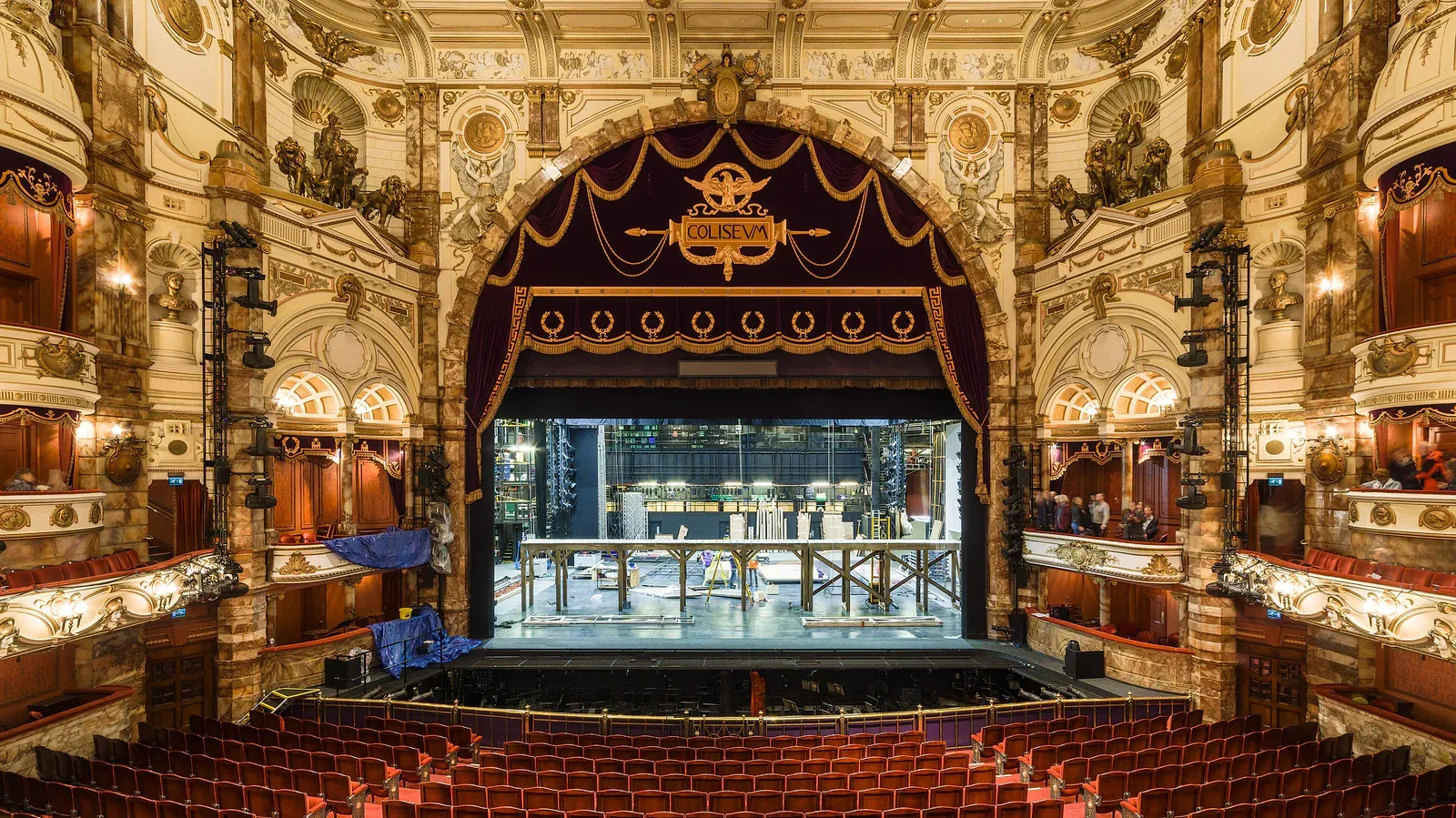
- 1904Oswald Stoll's Coliseum opensFrank Matcham designs the grand variety house at the bottom of St Martin's Lane.
- 1907The Music Hall WarFrom 22 January artists and stage hands strike for almost two weeks; arbitration wins a minimum wage and a maximum working week for musicians.
- 1910The London Palladium opensAnother Matcham design in Argyll Street, later the home of the Royal Variety Performance.
- 1912First Royal Variety Performance excludes Marie LloydAt the Palace Theatre before George V, the star of the halls is judged too saucy to be presented.
1914
Variety and decline
Licensing limits, cinema, radio, the gramophone, jazz and then rock and roll and television thin the audience until Moss Empires closes most of its theatres in 1960.
- 1914Drinking is banished from the auditoriumThe London County Council moves the bar out of the hall; Parliament abolishes the separate bar in 1923.
- 1922Marie Lloyd diesShe dies on 7 October, aged 52.
- 1932Veterans return to the Royal Variety PerformanceHarry Champion and Vesta Victoria appear for old-style hall, and troupes of veterans tour in the 1930s.
- 1957John Osborne writes the music hall's elegyBy the mid-1950s rock and roll and television are taking the young audience from the halls.
- 1960Moss Empires closes most of its theatresThe largest British hall chain ends live variety at the majority of its houses.
Listening path
Start listening
A short path from an easy way in to the deep end. Thumbnails come from YouTube; the player loads only when you press play.
- 01
Gus Elen, 1894
Listen for the gruff cockney delivery and the costermonger's cramped-garden joke.
- 02
Harry Champion, 1911
Listen for the rapid-fire patter and the audience refrain.
Facts
| Family | Stage and screen |
| Origin | London, United Kingdom |
| Emerged | C. 1850-1960 |
| Status | Historical |
| Tempo | 80 to 135 BPM |
| Meter | 4/4 |
| Grew out of | Tavern concert room |
| Subgenres | 3 |
Music hall is a form of British theatrical entertainment that mixed popular songs, comedy and speciality acts, performed in halls where the audience ate, drank and smoked.
It grew out of London pub saloons in the 1830s, took its own buildings from the 1850s, and was the main vehicle of British popular song before the gramophone and radio took over. Its songs, built from solo verses and a chorus the whole room sang, are the ancestors of the pub singalong.
Origins
The first halls were the back rooms of pubs. In the 1830s London saloons sold a song, a sketch or a dance along with the drink, replacing the pleasure gardens at Vauxhall and Cremorne that were being built over. The most famous was the Grecian Saloon, founded in 1825 at The Eagle off the City Road, where a later nursery rhyme still puts the money going “up and down the City Road”.
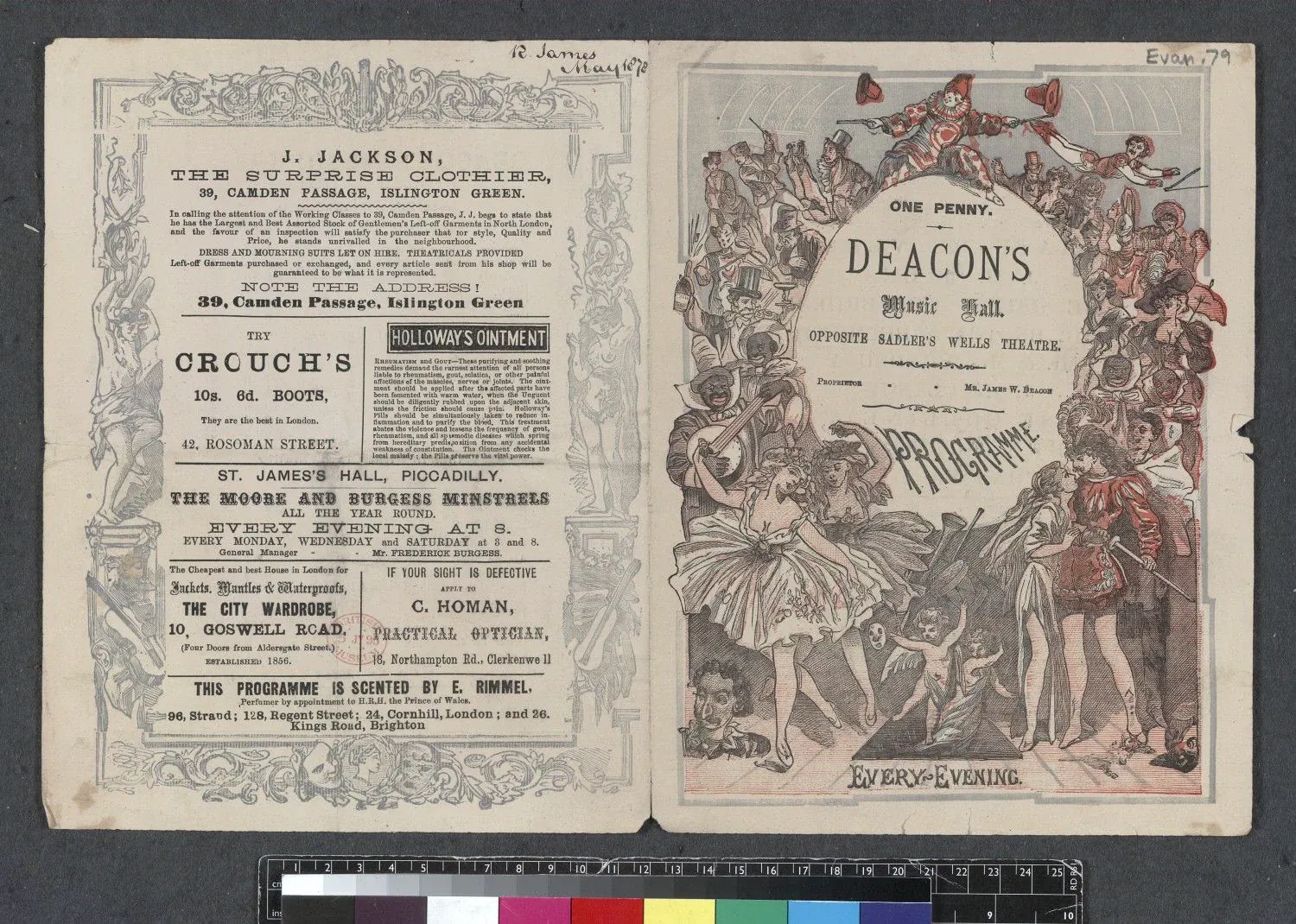
The Canterbury in Lambeth, opened by Charles Morton on 17 May 1852 next to his own pub, is often counted as the first true music hall. It was extended in 1854 and 1859, and its plan was copied in other cities. A hall differed from a theatre in one rule: the audience sat at tables in the auditorium with drink and tobacco, while a theatre kept the bar in a separate room. A chairman led the bill and introduced the acts.
The first halls, 1852-1884
By 1865 London had 32 halls seating between 500 and 5,000, plus a large number of smaller rooms, and in 1878 the count peaked at 78 large halls and about 300 small venues. Settle Music Hall in North Yorkshire opened in 1853 and survives as the oldest hall in the United Kingdom. Wilton’s, built in 1859 off Cable Street in the East End, also still stands.

The halls needed new songs faster than the folk repertoire could supply them, so publishers and professional songwriters were hired to write for named stars. Early hits, such as Champagne Charlie in 1867, promoted the drink the owners sold. A typical song had solo verses and a refrain meant for the audience. Subject matter turned contemporary and comic: courtship, drink, lodgers, mothers-in-law, soldiers and the city itself.
Variety palaces, 1885-1913
The rebuilding of the London Pavilion in 1885 began the shift from the plain hall to the theatre of varieties, with marble, grand foyers and electric lighting. The Empire in Leicester Square, the Alhambra, the Tivoli in the Strand and the Palace followed, and Tivoli became a brand name for halls across the British Empire. Oswald Stoll’s Coliseum arrived in 1904 and the London Palladium in 1910. As licensing grew stricter, the tables and the drink gradually left the auditorium.
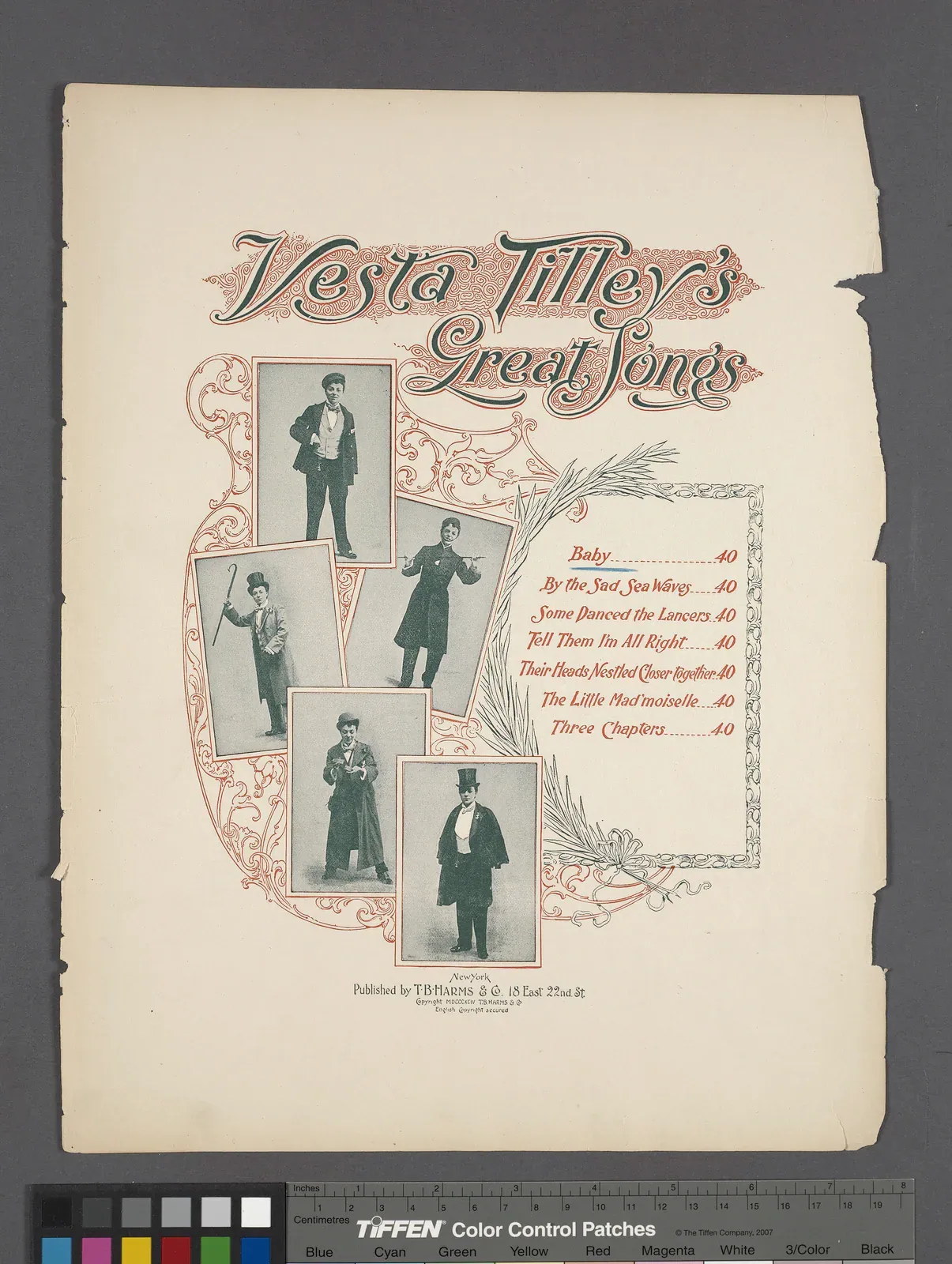
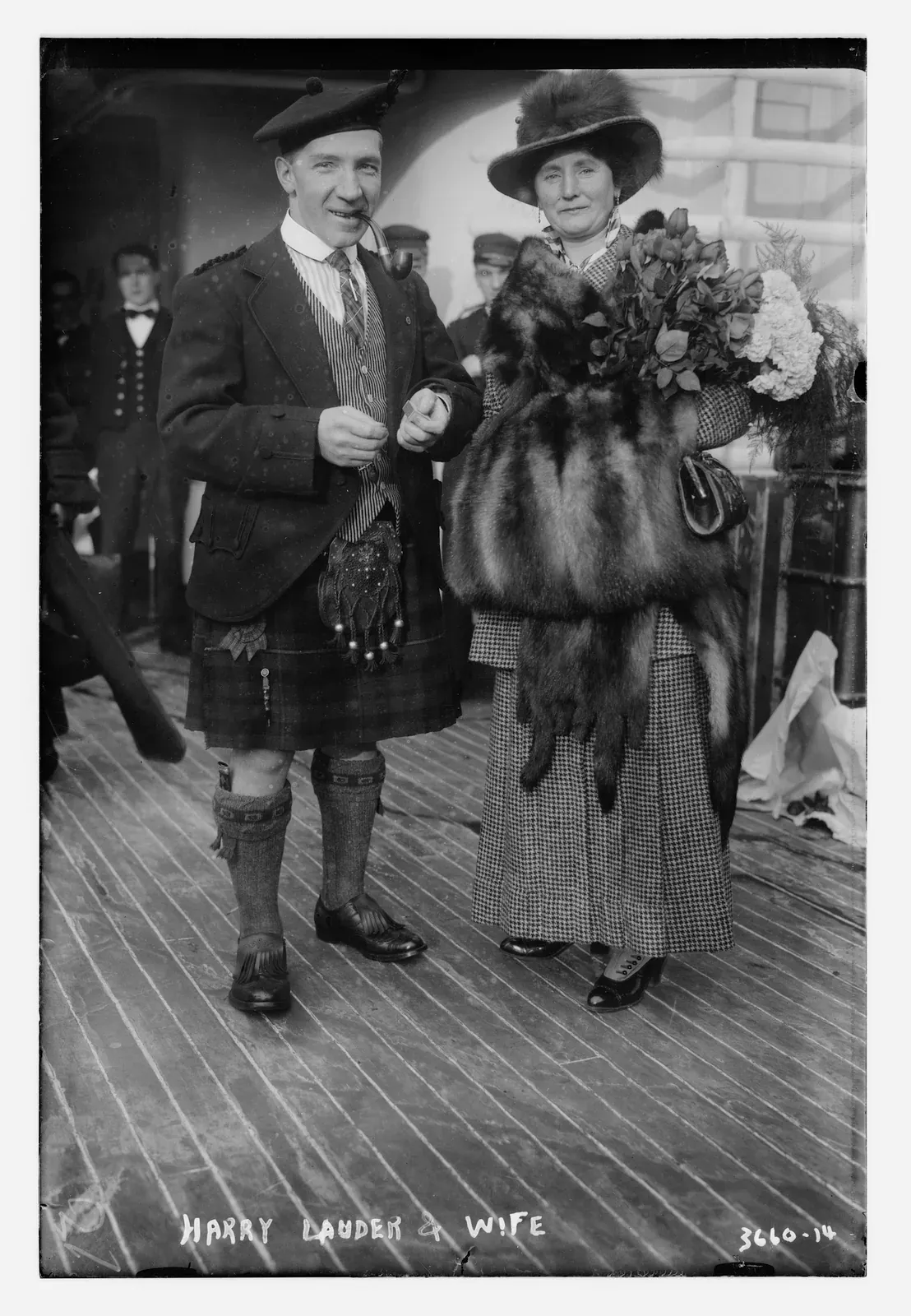
The stars of these years were professional entertainers on national circuits. Marie Lloyd made her debut at the Grecian aged 14 in 1884 and was the best-known of them, with cheeky songs such as A Little of What You Fancy Does You Good. Vesta Tilley was the leading male impersonator, a dandy in top hat and tails who was among the highest-earning women in England. Gus Elen played the costermonger, a street trader of the East End, in songs written for him by Edgar Bateman and George Le Brunn in 1894, including If It Wasn’t for the ’Ouses in Between. Harry Champion sang at breakneck speed about food and junk, and Harry Lauder took the Scots comic song from small Scottish halls to London in 1900 and on to an international career.
In January 1907 artists and stage hands struck at the Holborn Empire and other halls. The “Music Hall War” lasted almost two weeks, and arbitration won a minimum wage and a maximum working week for musicians. Stars who did not need the money, including Marie Lloyd and Gus Elen, backed the action. Five years later the first Royal Variety Performance, at the Palace Theatre in 1912, did not invite Lloyd, who was judged too saucy for the King.
Variety and decline, 1914-1960
After 1914 the London County Council banned drinking in the auditorium, and in 1923 the separate bar was abolished too. The audience now sat in rows as in any theatre. Cinema, radio and cheaper gramophone records drew people away, and jazz, swing and dance bands competed for the same evenings. The halls rebranded themselves as variety, and a new generation, including George Formby, Gracie Fields, Max Miller and Flanagan and Allen, kept the form alive in the interwar years.
Veteran performers returned in the 1930s. Troupes of old stars toured, and in 1932 Harry Champion and Vesta Victoria appeared at the Royal Variety Performance for old-style hall. In the mid-1950s rock and roll took the young audience, and television, which grew after the 1953 coronation was broadcast, removed the older one. John Osborne wrote in 1957 that the music hall was dying, and in 1960 Moss Empires, the largest British chain, closed most of its theatres.
Characteristics
A music hall song is built on a simple scheme: solo verses, then a repeated chorus that carries the main tune and invites the room to join. The performer works in character, a swell, a costermonger, a soldier, a Scot, a husband under pressure, and the dialect, costume and gestures matter as much as the melody. Comic patter, puns and cockney slang give the songs their texture. Harry Champion dropped patter for “quick singing”, delivering as many songs as possible in one act.
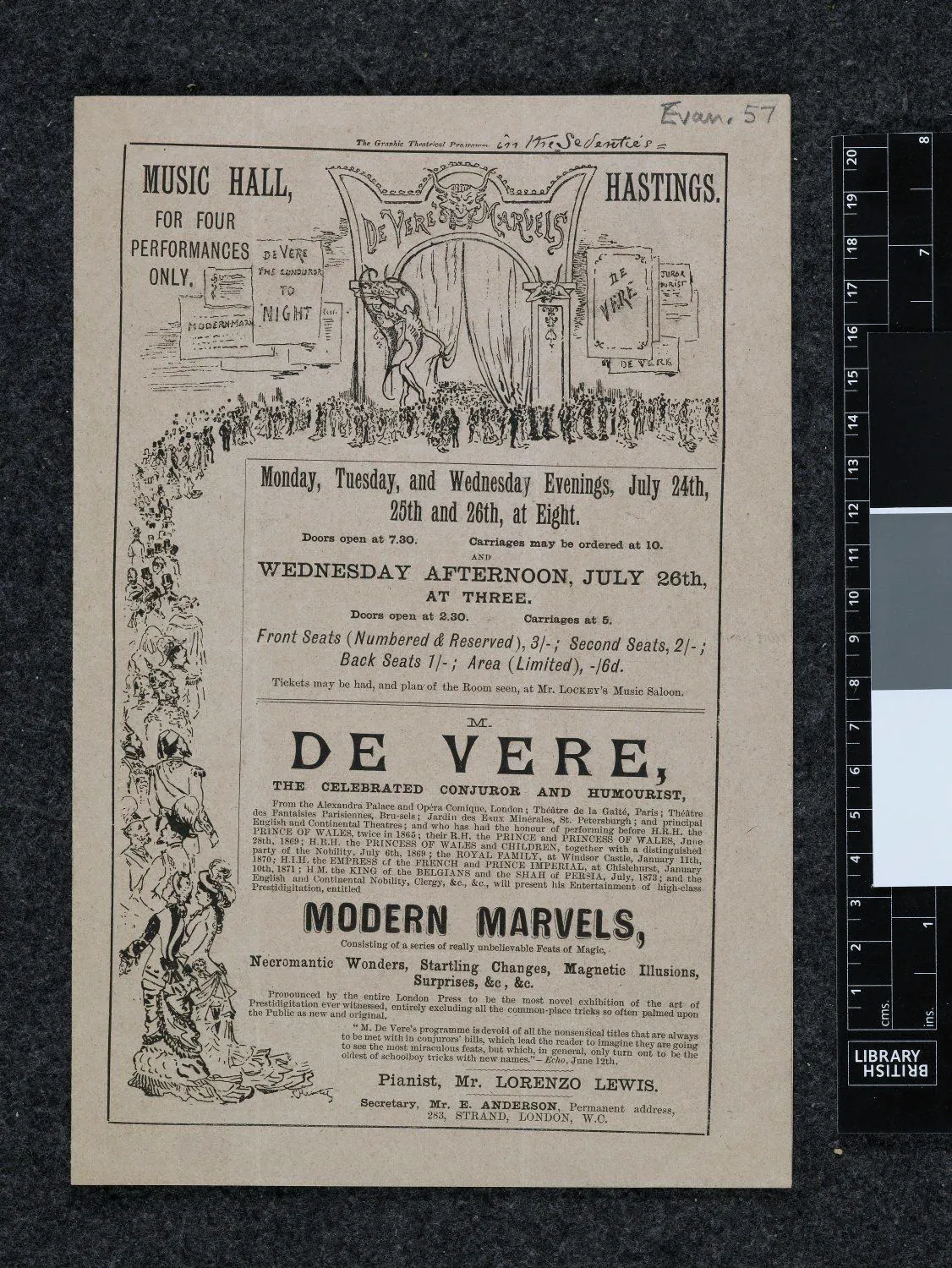
Bills were not only songs. Speciality acts, called “spesh”, included acrobats, jugglers, escapologists, magicians, mime artists and comic pianists, and drag acts in both directions: women dressed as men, such as Vesta Tilley, Ella Shields and Hetty King, and men dressed as women.
Instruments and production
The accompaniment was modest by design. A piano or a house orchestra, larger in the bigger halls, supported the singer in a major key, with the tune kept simple enough to be learned in one hearing. From 1898 the major stars were also recorded, and the gramophone made the best songs known beyond the halls: Lauder’s first recordings, nine selections for the Gramophone and Typewriter company, date from early 1902.
Notable recordings
Any Old Iron, sung by Harry Champion in 1911, uses the cry of the rag-and-bone trade as its pun refrain and was later reused in paint advertising. I’m Henery the Eighth, I Am, written by Fred Murray and R. P. Weston in 1910, tells of a man who is the eighth husband of a widow, and it became a pop hit again in the 1960s.
Culture
The halls were a working-class pleasure that rose in respectability. Early audiences ate, drank and smoked at tables, and and the cheapest seats were in the gallery. The East End coster character, the dandy and the male impersonator all became familiar types. In 1957 John Osborne called it a folk art. The Salvation Army borrowed tunes from the halls to reach people who knew no hymns.
Legacy
Stage and film musicals such as Oliver! and My Fair Lady kept drawing on the music hall idiom. A few buildings survive as performance spaces, among them Settle and Wilton’s. The BBC series The Good Old Days recreated the form for television for thirty years. In North America vaudeville was analogous: see vaudeville and musical theatre, and for the wider field the stage and screen family.
Misconceptions
Music hall is often treated as the same thing as vaudeville. They were parallel traditions with similar bills, but vaudeville developed in North America, with booking circuits such as Keith and Orpheum, while the halls were licensed venues with a different history of drink and regulation.
Another myth says the music hall ended with the First World War. It faded after 1918 as halls rebranded their shows as variety, but stars such as Gracie Fields and George Formby came out of it, and the largest chain only closed most of its houses in 1960.
A third myth says the performers wrote their own songs. Some did, such as Lauder, but most of the repertoire came from professional songwriters like George Le Brunn, Fred W. Leigh and Charles Collins, who tailored a song to a star’s voice and persona.
Frequently asked questions
What is music hall?
Music hall is a British entertainment of songs, comedy and speciality acts, staged in halls from the 1850s, whose audiences ate and drank during the show and joined in the choruses.
Where did music hall begin?
It began in London pub saloons in the 1830s, and the Canterbury in Lambeth, opened on 17 May 1852, is generally treated as the first true hall.
Who were the biggest music hall stars?
Marie Lloyd, Vesta Tilley, Harry Lauder, Gus Elen and Harry Champion were among the best known, with Dan Leno, Little Tich and Florrie Forde also famous.
What is the difference between music hall and variety?
Variety is the later form: from 1885 the halls were rebuilt as theatres of varieties, drink left the auditorium, and after 1918 the name variety replaced music hall.
When did music hall end?
It faded after 1918, and the end came in the 1950s and 1960s, when television and rock and roll drew audiences away and Moss Empires closed most of its theatres in 1960.
Sound
Sound sheet
Signature sounds
- Solo verses with an audience chorus
- Cockney or regional character voice
- Comic patter and pun refrains
- Piano or house orchestra accompaniment
Techniques
- Verse and chorus
- Patter
- Character song
- Topical song
Keys and modes
Major keys. Simple diatonic tunes built for quick learning and mass singing.
Vocals
Projected, declamatory solo voice with clear diction for large halls, often in cockney or Scots dialect.
Scenes
Where it happened
Where and when the sound lived: one bar per city on a shared timeline.
Europe
Active scenes
Peak 4, 1861-1936
Lambeth's Canterbury opens in 1852 and is destroyed by bombing in 1942.
The West End halls and theatres of varieties include the Pavilion, the Coliseum and the Palladium.
East End halls such as the Shoreditch Empire serve the working-class audience of the cockney songs.
The oldest surviving music hall in the United Kingdom, opened in North Yorkshire.
Venues and places
London, 1825 to today. Pub saloon off the City Road where Marie Lloyd made her debut.
London, 1852 to today. Charles Morton's Lambeth hall, often called the first true music hall.
Settle, 1853 to today. Oldest surviving music hall in the United Kingdom, opened as Settle Music Hall.
London, 1859 to today. East End hall built by John Wilton, now a listed arts venue.
London, 1861 to today. West End hall rebuilt in 1885 as a model theatre of varieties.
London, 1904 to today. Oswald Stoll's grand variety house in St Martin's Lane.
London, 1910 to today. Frank Matcham's Argyll Street variety theatre.
Culture
Culture markers
- Cockney rhyming slang and puns
Songs such as Any Old Iron play on street cries and rhyming slang.
Slang - The swell and the male impersonator
Lions comiques and male impersonators such as Vesta Tilley played dandies and fops.
Fashion - The costermonger costume
Gus Elen played an old East End coster with shambling gait and rough clothes.
Fashion - Eating, drinking and singing along
Audiences at tables ate, drank and smoked, and joined every chorus.
Ritual
Glossary
Terms on this page
The master of ceremonies who introduces acts from a table in the auditorium.
Cockney street trader of fruit and vegetables, a stock character of hall songs.
A fashionably dressed comic singer of the early halls.
The repeated refrain after solo verses that the audience joins.
Short for speciality act, a non-singing turn such as juggling, magic or acrobatics.
Stage and screen family