Copla
Copla is a Spanish sung-drama genre of orchestral songs about love and ruin, descended from the cuplé and at its height in the 1930s and 1940s.
Spain, 1930
European folk family
Born
1930
Spain
Subgenres
2
Documented branches
Links
6
Genres it drew on or shaped
Tempo
75-125 BPMLineage
Family tree
Grew out of
- Cuplé
Derived from
Spain, 1930
Copla
Led to (2)
Timeline
Era by era
From the first sparks to today. Select a dot to read the story behind it.
- Cuplé and the variety stage
1893 to 1929
- Quintero, León and Quiroga
1930 to 1959
- Pop and balada overtake it
1960 to 1979
- Rejection and revival
1980 to 1999
- Television contests and nueva copla
2000 to today
Eras
Moments
- 1 Cuplé and the variety stage, 1893 to 1929
- 2 Quintero, León and Quiroga, 1930 to 1959
- 3 Pop and balada overtake it, 1960 to 1979
- 4 Rejection and revival, 1980 to 1999
- 5 Television contests and nueva copla, 2000 to today
1893
Cuplé and the variety stage
Risque cuplé arrives from French music halls in 1893 and turns romantic after 1911 and the First World War; Raquel Meller's El relicario (1917) is counted as the first true copla.
- 1893La Pulga opens the cupléA cuplé adapted from a foreign song premieres at Madrid's Teatro Barbieri, starting the risque stage genre from which copla descends.
- 1908Raquel Meller begins performingShe becomes the best-paid star of the cuplé stage from 1920 to 1936 and one of the first singers of coplas.
- 1917El relicarioUsually named the first copla proper, written by Oliveros, Castellví and Padilla and sung by Raquel Meller.
- 1922Concha Piquer debuts in New YorkShe first appears on 13 September at 15, in an interval of the opera El gato montés, and later builds her stagecraft from this American tour.
around 1930
Quintero, León and Quiroga
Lyricist Rafael de León, librettist Antonio Quintero and composer Manuel Quiroga write the songs of Concha Piquer, Juanita Reina and Estrellita Castro, and copla feeds the musical cinema.
- 1933María de la ORafael de León and Salvador Valverde's song is introduced by Estrellita Castro and becomes a standard.
- 1937Ojos verdesValverde, León and Quiroga's song enters Concha Piquer's repertoire and is later covered by singers from Miguel de Molina to Miguel Poveda.
- 1941TatuajeQuiroga, Valerio and León's tango-tinged song is issued by Concha Piquer on Odeon in July.
- 1942Retablo españolPiquer's first big stage revue with Quintero, León and Quiroga opens in November, fixing the arte español format of song, dance and scenery.
- 1948Y sin embargo te quieroJuanita Reina records the song by Quintero, León and Quiroga, her own favourite and a standard sung later by Rocío Jurado, Ana Belén and Miguel Poveda.
around 1960
Pop and balada overtake it
Pop, romantic balada and Catalan rumba displace copla in the 1960s; Rocío Jurado swaps the bata de cola for evening gowns and takes it abroad.
- 1964A tu veraLeón and Solano's song is recorded for Lola Flores and later covered by Manolo Escobar, Falete and Malú.
around 1980
Rejection and revival
State favour under Franco makes copla suspect in the 1980s; Carlos Cano and Joan Manuel Serrat give it a new image while Rocío Jurado and Isabel Pantoja keep it on the charts.
- 1982Como una olaRocío Jurado's ballad by Pablo Herrero and José Luis Armenteros becomes one of the best-known songs of her career.
- 1985Marinero de lucesJosé Luis Perales's song for Isabel Pantoja is released by RCA Victor and brings her mass stardom.
- 1987Quédate con la coplaCarlos Cano's album carries María la portuguesa and fuels the revival of the genre.
2000
Television contests and nueva copla
Contests such as Se llama copla bring the repertoire to new singers, and artists like Pasión Vega and Diana Navarro bend it towards a style called nueva copla.
Listening path
Start listening
A short path from an easy way in to the deep end. Thumbnails come from YouTube; the player loads only when you press play.
- 01
Concha Piquer, 1941
The 1941 tango-tinged recording that shows Piquer's dramatic, declamatory delivery.
- 02
Juanita Reina, 1948
A golden-age standard in a moderate, orchestral setting.
- 03
Rocío Jurado, 1982
The ballad-leaning style that carried copla singers into the pop era.
- 04
Isabel Pantoja, 1985
The song that made Pantoja a mass star, a copla singer's turn to pop ballad.
- 05
Carlos Cano, 1987
Cano's revival-era song, a singer-songwriter's updating of the form.
Facts
| Family | European folk |
| Origin | Spain |
| Emerged | Flourished 1930s-1940s |
| Status | Active |
| Tempo | 75 to 125 BPM |
| Meter | Varies by form (pasodoble, tango, bolero, zambra) |
| Grew out of | Cuplé |
| Subgenres | 2 |
Copla, also called copla andaluza or canción española, is a form of Spanish popular song in which an orchestra and a powerful solo voice tell a short, hyperbolic story of love, jealousy, honour or ruin.
It descends from the cabaret cuplé and the older tonadilla, took shape in the 1920s and flourished in the 1930s and 1940s, and is epitomised by the writing team of Antonio Quintero, Rafael de León and Manuel Quiroga. The name also belongs to a poetic stanza of three or four short lines, from which the song form takes its title.
Origins
The singing tradition behind copla runs through the jácara of the seventeenth century and the tonadilla of the eighteenth, solo pieces for women performed inside longer stage works or on their own. In 1893 a cuplé called La Pulga, adapted from a foreign song, was staged at Madrid’s Teatro Barbieri. Cuplés were deliberately risque, and until 1911 they were mostly performed for male audiences in the variety theatres. After 1911 the repertoire turned more respectable, and after the First World War singers chose more romantic subjects.
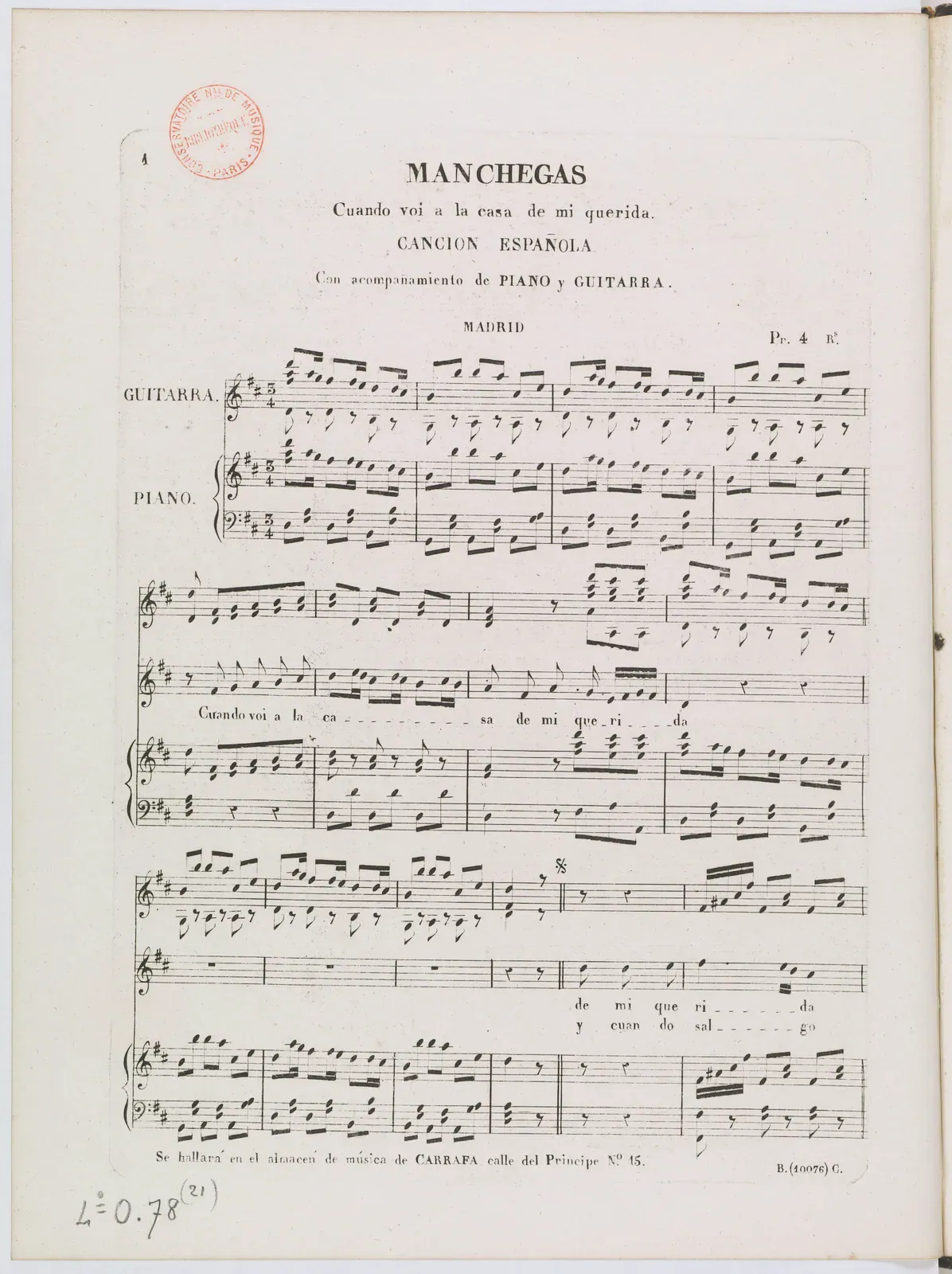
Raquel Meller, who began performing in 1908, was the leading star of that stage from 1920 to 1936, and one of the first singers of coplas. Her El relicario (1917), by Oliveros, Castellví and Padilla, is usually named the first copla in the strict sense. The genre inherited the cuplé’s social outlook, and added elements of zarzuela and flamenco opera.
Concha Piquer, Quintero, León and Quiroga, 1930-1959
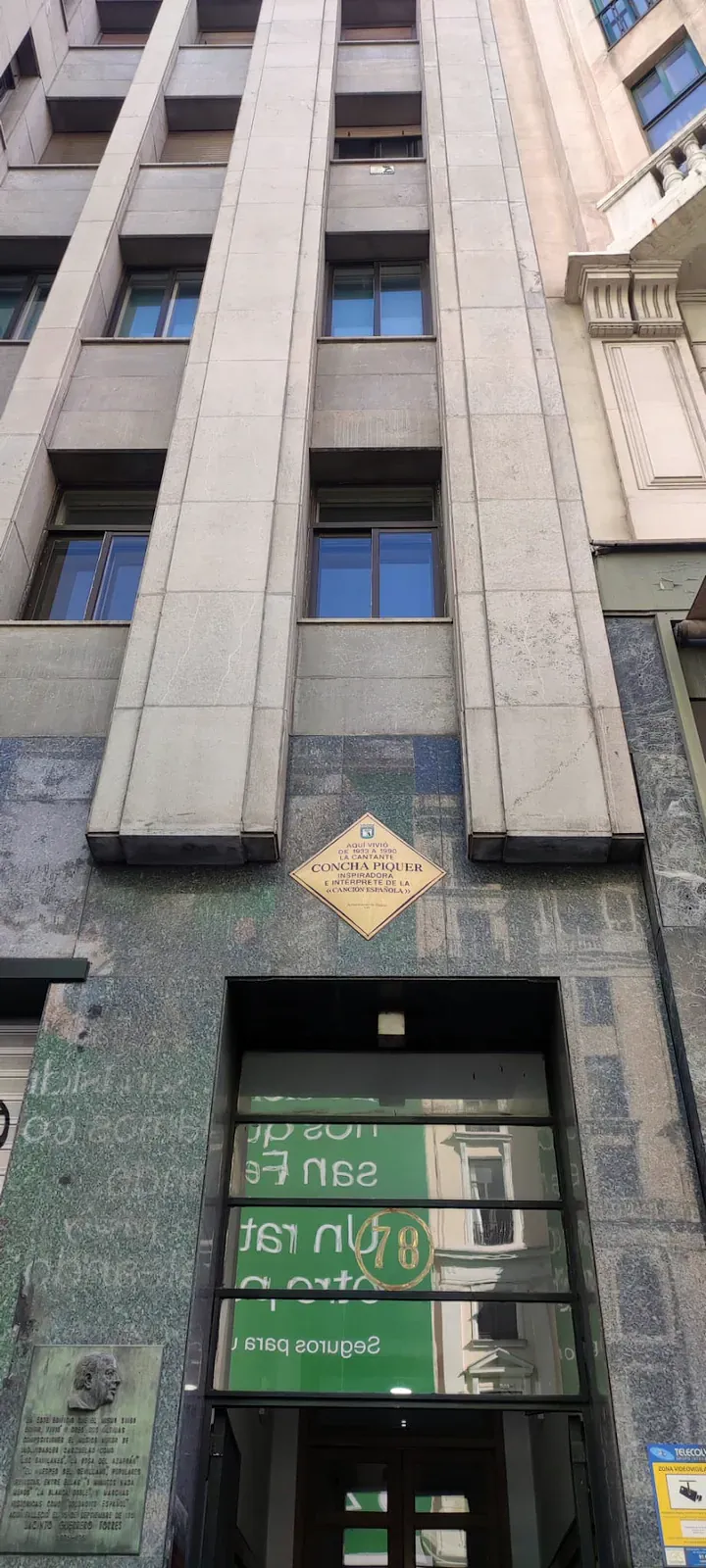
The central figure of the next phase was Concha Piquer, born in Valencia in 1906. Taken to New York as a teenager, she debuted there in September 1922 in an interval of the opera El gato montés, and returned to Spain at the end of the decade having learned how to stage, rehearse and market a show. She drifted away from cuplé toward a new repertoire, built with a stable creative team: Antonio Quintero shaped plots and libretti, Rafael de León, a poet linked to the Generation of 27, wrote the lyrics, and Manuel Quiroga composed the music. Their first large joint production for her, Retablo español, opened in November 1942 and fixed the model of the arte español revue, which combined song, dance, orchestra, scenery and costume.
The repertoire accumulated quickly. Estrellita Castro introduced María de la O (1933), Piquer recorded Ojos verdes (1937), Tatuaje (1941) and La Parrala (1942), and Juanita Reina, a Sevillian called the Queen of Copla, recorded Callejuela sin salida (1943) and Y sin embargo te quiero (1948). Imperio Argentina, Miguel de Molina and Lola Flores were other prominent singers. The civil war did not stop the genre. After it, the new political order banned the cuplé as a stage show, although it survived in disguised form in variety theatre.
Pop and balada, 1960-1979
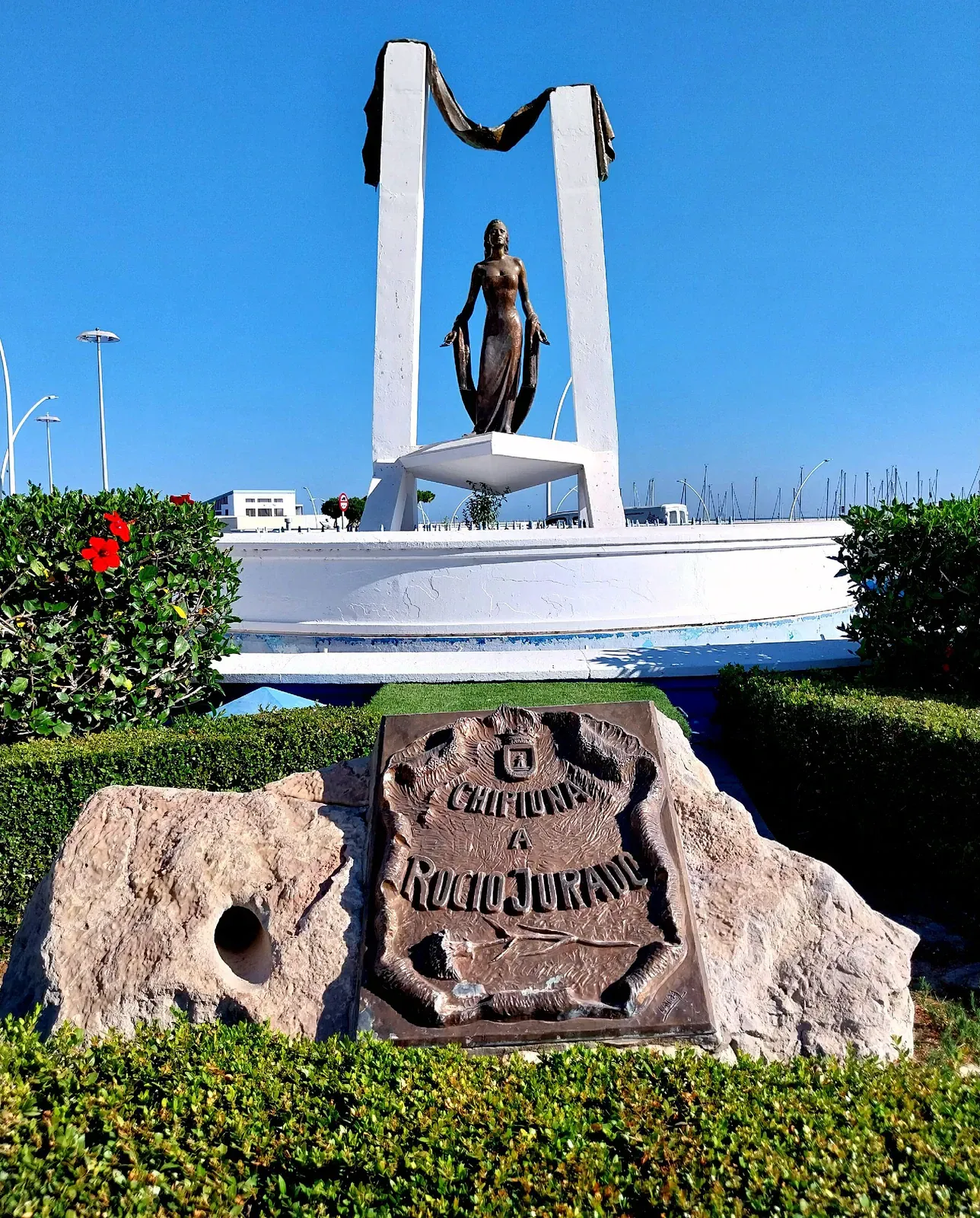
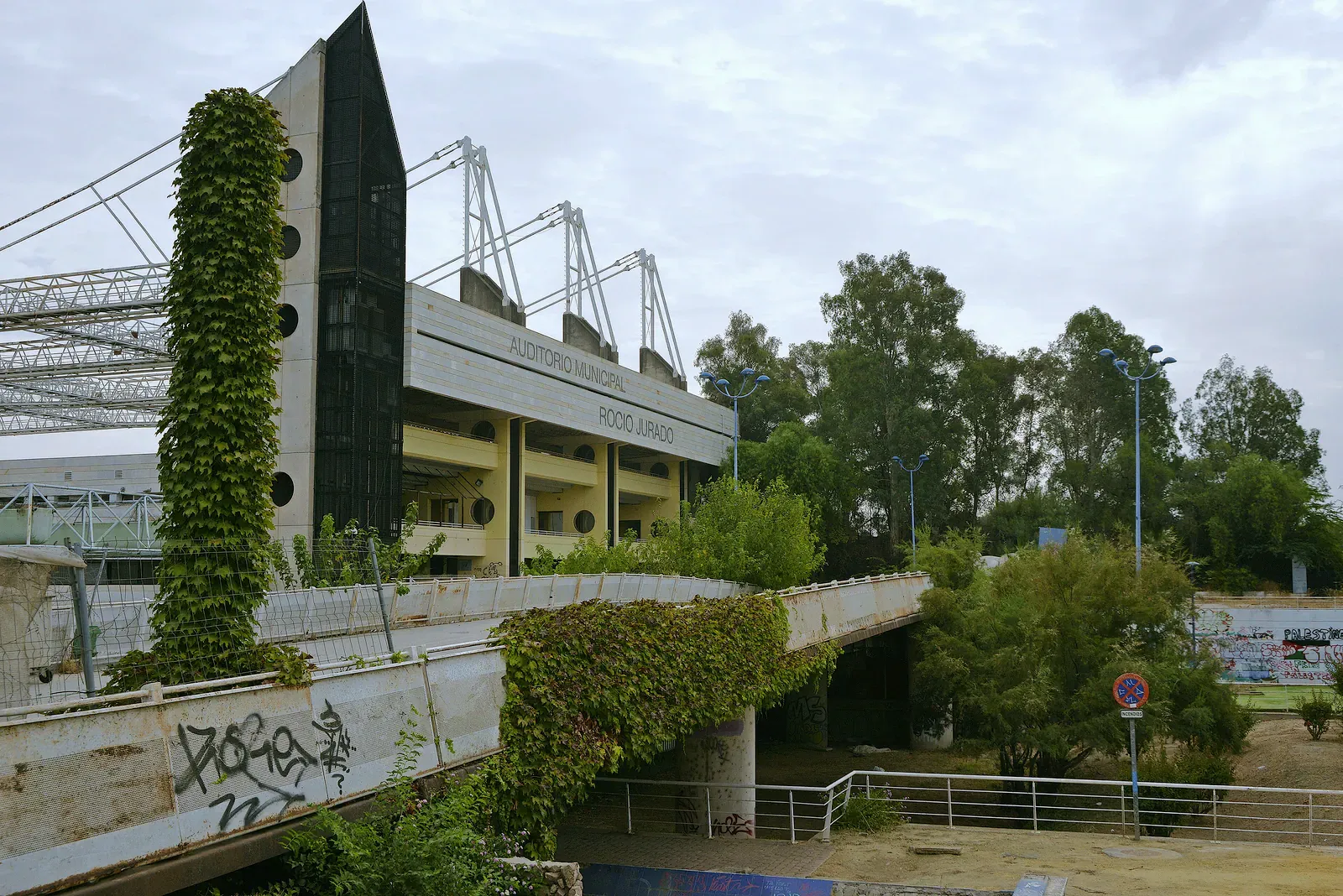
From the 1960s copla was displaced by pop, the romantic ballad and the Catalan rumba. It remained visible through film, where singers such as Manolo Escobar and Antonio Molina had their own musical vehicles, and through new hits like A tu vera (1964) for Lola Flores. Rocío Jurado, from Chipiona in Cádiz, modernised the look of the genre at the end of the 1960s by replacing the traditional bata de cola with striking evening gowns, and carried it beyond Spain.
Rejection and revival, 1980-1999
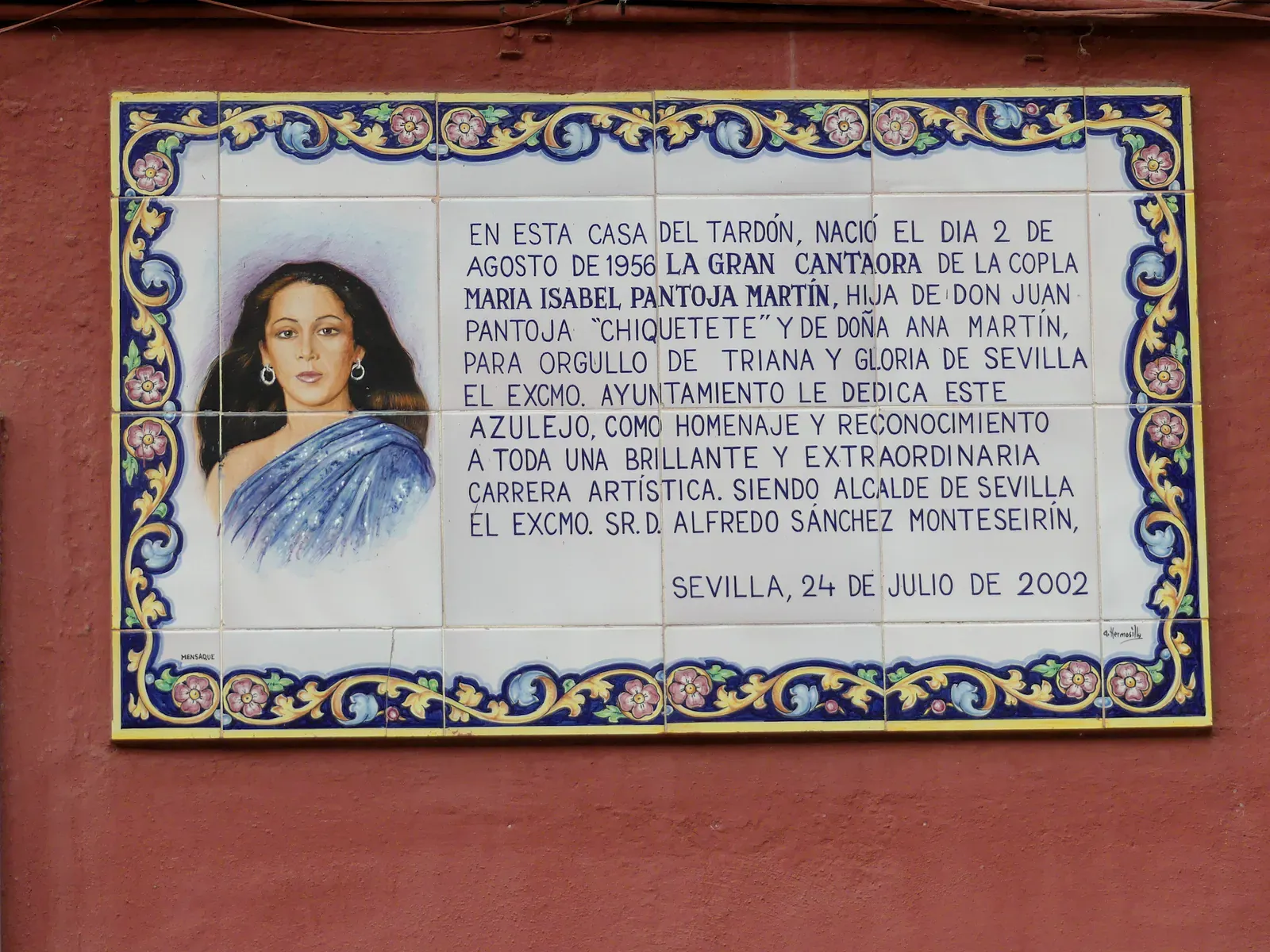
Support for copla under the Franco regime, which treated it as a symbol of national identity, led some audiences to reject it in the 1980s. Carlos Cano of Granada, who began singing in student and cultural circles in the late 1960s, and Joan Manuel Serrat gave it a new image. Cano’s Habaneras de Cádiz (1986) and María la portuguesa (1987), the latter on the album Quédate con la copla, were taken up by singers of other genres. In the same decade Rocío Jurado and Isabel Pantoja kept copla in the charts with songs written for them by popular authors, among them Como una ola (Jurado, 1982) and Marinero de luces (Pantoja, 1985).
Nueva copla and television, 2000 onward
In the twenty-first century the genre is kept alive by singers of heterogeneous origins: pure copla interpreters, flamenco artists adapting classic songs, and pop singers with copla roots. Pasión Vega and Diana Navarro, among others, stretch the style into what is called nueva copla. Television contests such as Se llama copla on Canal Sur and A tu vera on Castilla-La Mancha Televisión, and the later Original y copla, have given the repertoire a younger audience.
Characteristics
Lyrics are narrative and often exaggerated: stories of spurned women, escaped convicts, sailors, gypsies and fallen reputations, resolved in a few stanzas with a sharp ending. The stanza often follows an A-B-C-B rhyme pattern. The vocal style requires strong breath control and a controlled vibrato, usually with an Andalusian accent, although leading singers have come from all over Spain. Its texture is flamenco-flavoured without the depth of true flamenco singing, and singers such as Piquer, trained in lyric traditions, brought an almost operatic virtuosity.
Instruments and production
Classic copla is accompanied by an orchestra in the tradition of zarzuela, with prominent strings and brass. Arrangements often rely on constant pauses within a brisk, effect-laden rhythm, as in A tu vera, or on long developed instrumental introductions, as in La bien pagá. Ojos verdes repeats its introduction in the refrain at a contrasting tempo, Tatuaje moves between tango and other rhythms, and the repertoire also includes pasodobles such as Carmen de España, zambras and boleros. Measured tempos of canonical recordings fall roughly between 75 and 125 beats per minute.
Mainstream success
Copla was the most important popular music in Spain in its time, and fed a long line of musical films: Morena Clara (1936, remade in 1954), Carmen la de Triana (1938), María de la O, Lola la Piconera (1951) and others. Coplillas de las divisas, from Bienvenido Mr Marshall (1953), is among the most emblematic songs of Spanish cinema. Isabel Pantoja’s sales are estimated at around ten million copies, and her Marinero de luces brought mass stardom with a ballad format that moved the genre toward mainstream pop.
Notable recordings
Tatuaje tells of a woman looking for a lost lover through the name tattooed on a sailor’s skin, and was issued by Piquer on Odeon in July 1941. La Parrala constructs a murky biography through questions that are never answered, while Ojos verdes presents a love scene from the point of view of a woman outside respectable society, and Romance de la otra gives the floor to the mistress excluded from official marriage. Y sin embargo te quiero was Juanita Reina’s own favourite among her songs and has been covered by singers from Rocío Jurado to Miguel Poveda.
Culture
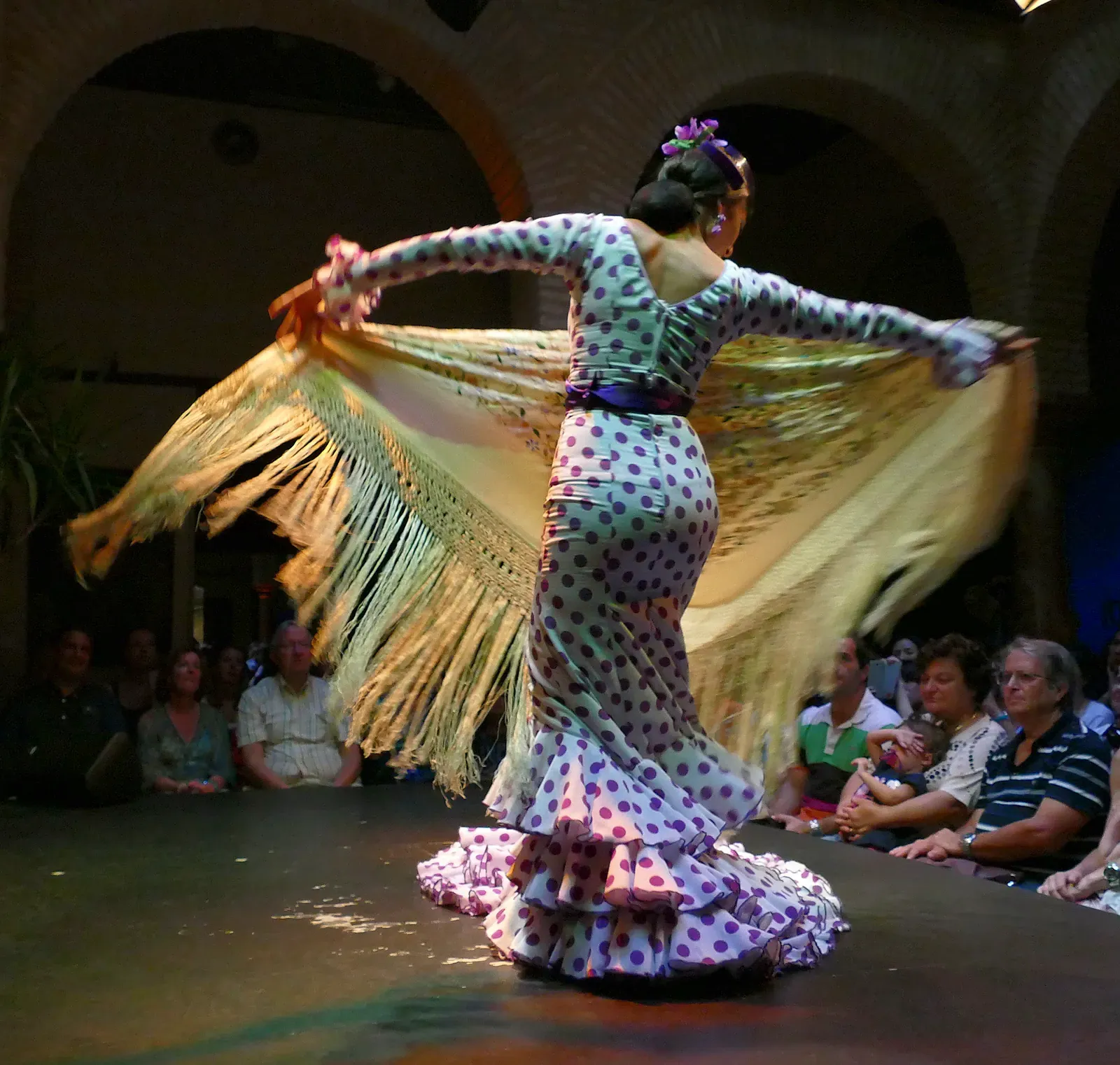
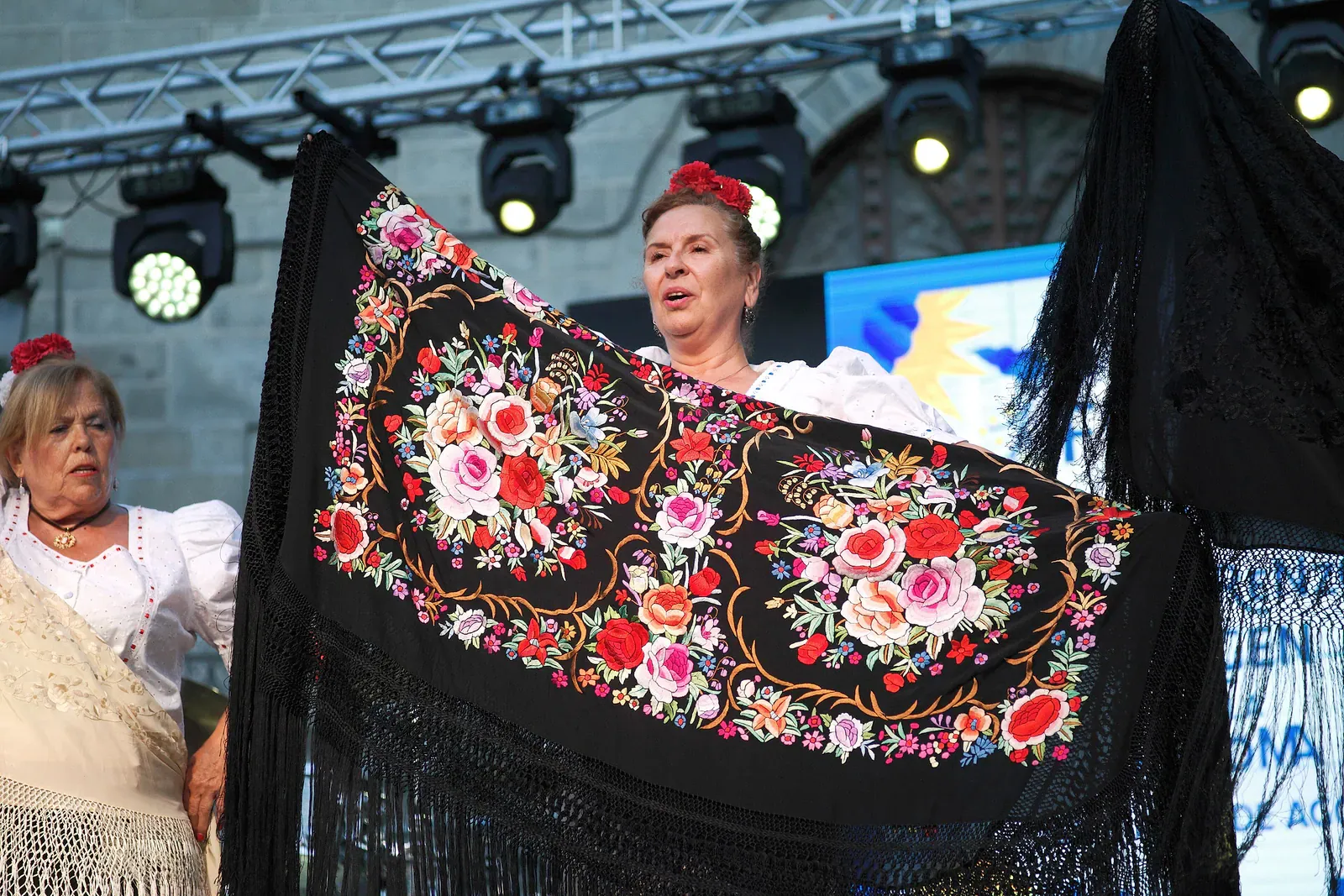
The stage persona drew on regional Spanish dress, with Manila shawls, trained gowns and elaborate hairstyles, planned as carefully as the music. Jurado’s evening dresses broke with that convention. Their themes, built on the illegitimacy of relationships outside heterosexual marriage, have drawn criticism as old-fashioned and sexist, while modern performers often choose songs that celebrate women’s independence and passion.
Legacy
Copla remains rooted in Spanish cultural identity. Its songs are covered across styles: María de la O has been recorded by singers from Isabel Pantoja to Diego el Cigala and Niña Pastori. Opera singer Plácido Domingo released an album of coplas, Pasión española, in 2008. The related flamenco tradition is covered in flamenco, and the wider region in the European folk family.
Misconceptions
Copla is not simply flamenco. Its accent and ornament come from Andalusia, but its orchestral accompaniment descends from zarzuela and concert music, and it lacks the depth of flamenco singing. It was also not invented by the Franco regime: the form was developing by 1917, María de la O dates from 1933 and Ojos verdes from 1937, before the end of the civil war. Finally, copla is not only a musical term. The word names a poetic stanza of three or four short lines that was already a popular tradition in the seventeenth century, from which the sung genre borrowed its title.
Frequently asked questions
What is copla music?
Copla is a Spanish genre of narrative popular song with orchestral accompaniment, powerful solo singing and melodramatic lyrics about love and social tragedy, at its height in the 1930s and 1940s.
Who wrote the classic coplas?
Many are credited to Antonio Quintero, Rafael de León and Manuel Quiroga, the most prolific and popular team of the genre. Ramón Perelló wrote La bien pagá, and Salvador Valverde, who went into exile after the civil war, co-wrote Ojos verdes and María de la O.
Who are the best-known copla singers?
Concha Piquer, Juanita Reina, Miguel de Molina, Lola Flores, Marifé de Triana, Rocío Jurado and Isabel Pantoja are the most cited, with Carlos Cano as the key figure of the revival.
What is nueva copla?
Nueva copla is the label for twenty-first-century singers, among them Pasión Vega and Diana Navarro, who bend the classic repertoire toward pop and flamenco.
Sound
Sound sheet
Anatomy of a track
| # | Part |
|---|---|
| 1 | Developed instrumental introduction |
| 2 | Narrative verses |
| 3 | Refrain, sometimes in contrasting tempo |
| 4 | Closing climax |
Signature sounds
- Orchestra with frequent pauses inside a lively rhythm
- Hyperbolic stories of love, jealousy and honour
- Songs that switch between tango, pasodoble and bolero
- Refrain restating the introduction in a contrasting tempo
Techniques
- Breath control and vibrato
- Andalusian accent
- Dramatic acting of the song
- Declamation and half-voice
Vocals
Powerful solo voice, mostly female, with vibrato and clear diction; some singers trained in lyric technique.
Scenes
Where it happened
Where and when the sound lived: one bar per city on a shared timeline.
Europe
Active scenes
Peak 4, 1968-2025
Home of the Teatro Barbieri, where the first cuplé was staged, and of the variety theatres that later hosted copla revues.
Birthplace of the lyricist Rafael de León, Juanita Reina and Isabel Pantoja.
City where Concha Piquer made her first stage appearances as a child.
Carlos Cano's city, where he gave his first concert in 1968 and later led the revival.
Culture
Culture markers
- Bata de cola and mantón de Manila
Traditional ruffled gowns and embroidered shawls dressed the stage persona until Rocío Jurado traded them for evening dresses.
Fashion - Espectáculos de arte español
Revues combining song, dance, orchestra, scenery and costume, built around singers such as Concha Piquer.
Artwork - Musical cinema
Copla stars carried the genre through the Spanish musical film from the 1930s to the 1960s.
Artwork
Media
Key media
- 1936Morena Clara
One of the musical films of copla's golden age, remade in 1954.
Film - 1938Carmen la de Triana
A copla-driven musical film of the late 1930s.
Film - 1953Bienvenido Mr Marshall
Its Coplillas de las divisas is among the most emblematic songs of Spanish cinema.
Film
Glossary
Terms on this page
Long ruffled gown worn by copla singers on stage.
Spanish popular song form deriving from a poetic stanza of the same name, also called canción española.
Risque cabaret song of the 1890s-1910s from which copla descends.
Label for twenty-first-century singers who stretch the genre toward pop and flamenco.
Eighteenth-century sung theatre piece and an older name for the singing tradition.
European folk family