Sephardic music
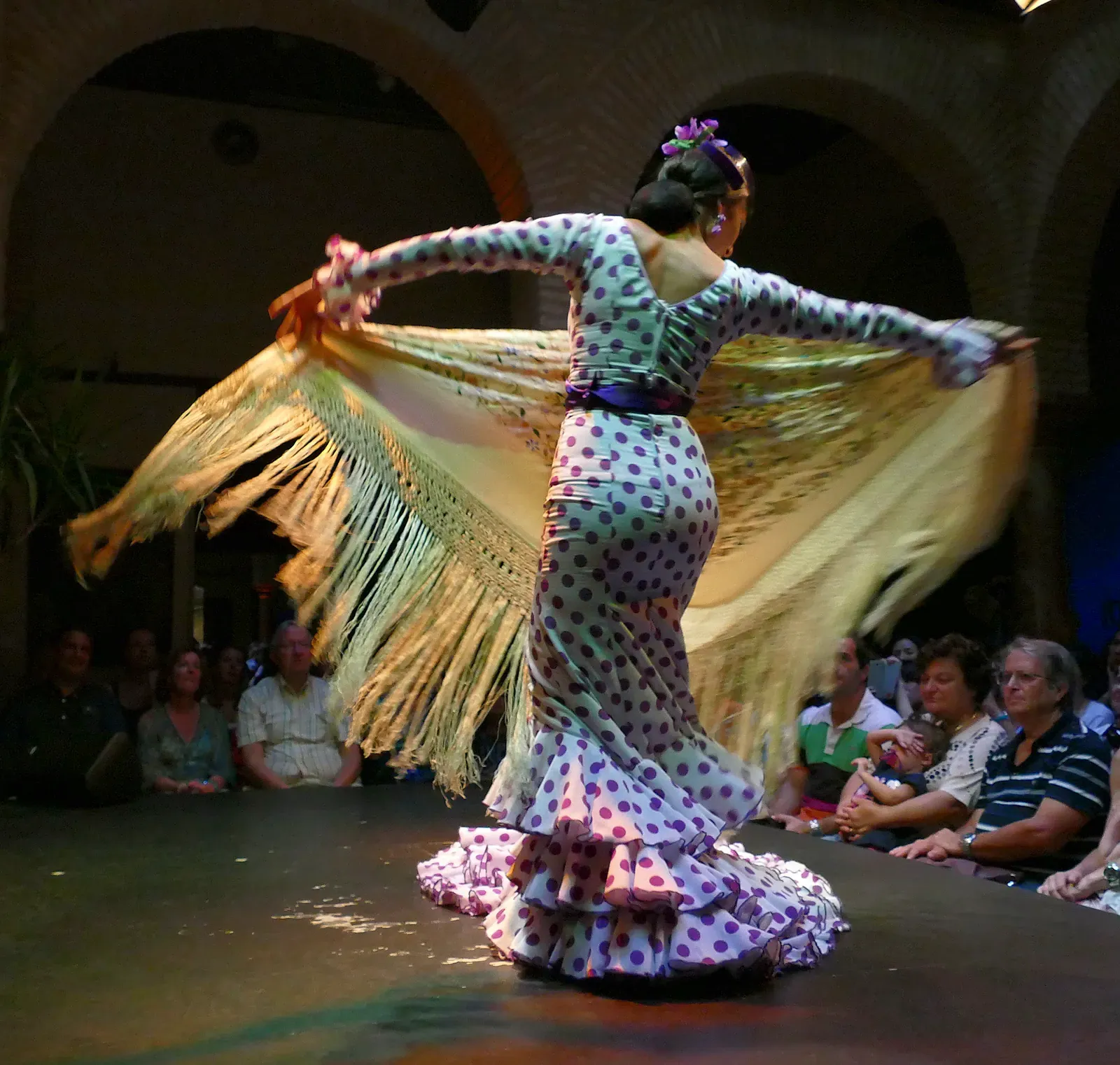
Sephardic music is the song tradition of Jews from medieval Spain and Portugal, sung mostly in Ladino and shaped by Moroccan, Ottoman and Balkan music.
Spain, Portugal, around 1200
European folk family
Born
around 1200
Spain, Portugal
Subgenres
2
Documented branches
Links
5
Genres it drew on or shaped
Tempo
55-140 BPMLineage
Family tree
Timeline
Era by era
From the first sparks to today. Select a dot to read the story behind it.
- Medieval Iberia
1200 to 1491
- Western and Eastern traditions
1492 to 1899
- Recording and collecting
1900 to 1988
- Revival and fusion
1989 to today
Eras
Moments
- 1 Medieval Iberia, 1200 to 1491
- 2 Western and Eastern traditions, 1492 to 1899
- 3 Recording and collecting, 1900 to 1988
- 4 Revival and fusion, 1989 to today
around 1200
Medieval Iberia
Songs and poems of the Jewish communities of medieval Spain and Portugal form the root repertoire, in Judeo-Spanish and Hebrew.
1492
Western and Eastern traditions
After the expulsions from Spain in 1492 and Portugal in 1496, lyrics travelled with the exiles while melodies took on Moroccan, Ottoman and Balkan colour.
- 1492Expulsion from SpainThe expulsion scatters Iberian Jews across the Mediterranean, carrying their songs and lyrics.
- 1496Expulsion from PortugalA second expulsion extends the Sephardic diaspora, later split into Western (Moroccan) and Eastern (Ottoman) branches.
1900
Recording and collecting
Early commercial records appeared in Greece and Turkey, followed by Jerusalem, while scholars such as Samuel Armistead gathered songs from about 1957.
- 1910First commercial recordingsEarly records of Sephardic song appear from Greece and Turkey, led by singers such as Jack Mayesh, Haim Efendi and Yitzhak Algazi.
- 1957Armistead collecting beginsSamuel Armistead, Joseph Silverman and Israel Katz start collecting Judeo-Spanish songs from informants in North America, Turkey, the Balkans, Greece, North Africa and Israel.
1989
Revival and fusion
Singers such as Flory Jagoda, Savina Yannatou, Françoise Atlan and Yasmin Levy brought Ladino song to concert stages, often mixed with flamenco or early music.
- 1989Kantikas di mi nonaFlory Jagoda records her Ladino song collection, including Ocho Kandelikas.
- 1992Romances séfardiesFrançoise Atlan releases her first album of Sephardic romances.
- 1995Thessaloniki community choir foundedThe Jewish Community of Thessaloniki Choir forms to preserve Sephardic song; its CD En la mar ay una torre appears on Minos EMI.
- 1995Primavera en SalonicoSavina Yannatou and her ensemble record Sephardic folk songs of Salonica.
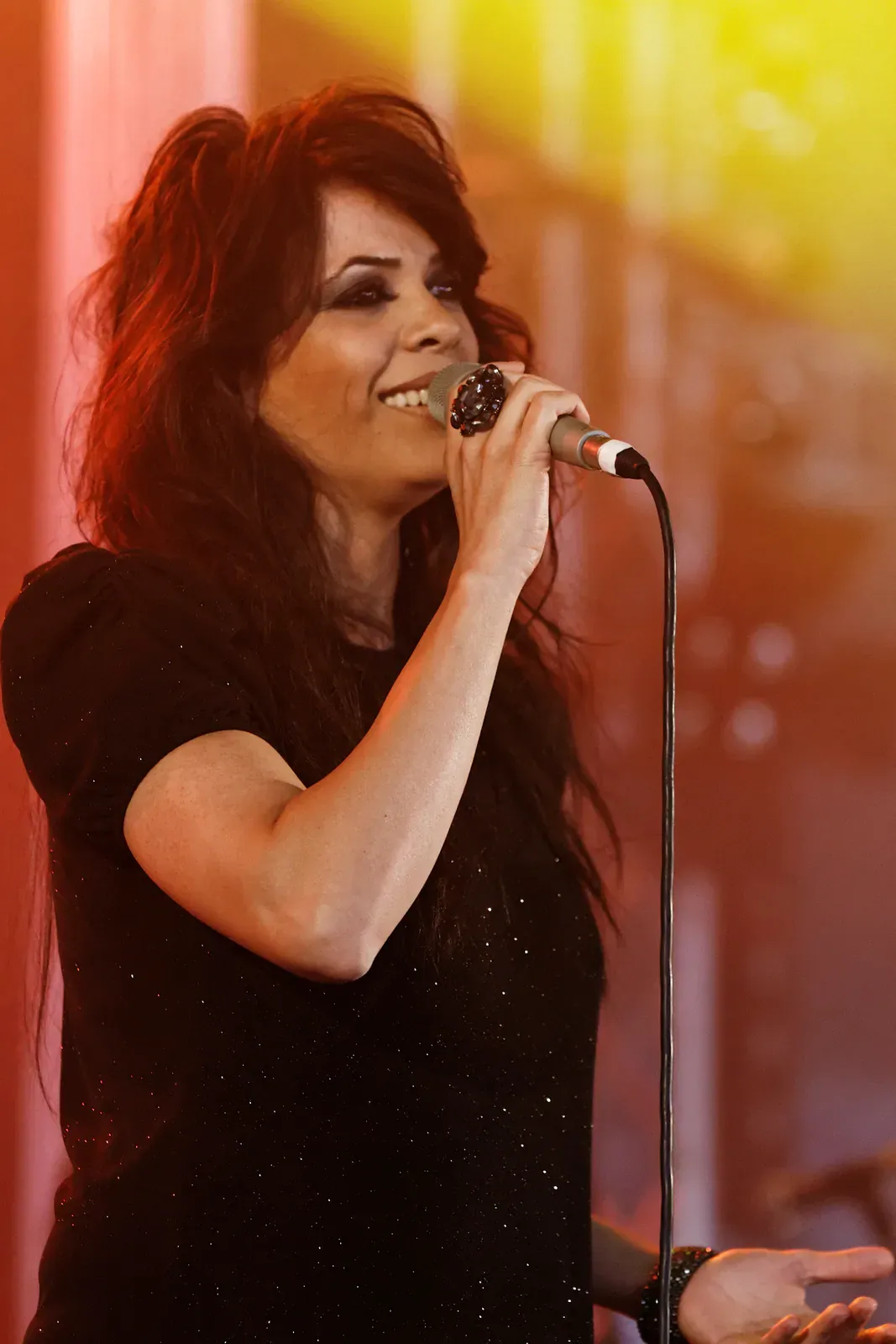
- 2005La JuderíaYasmin Levy releases the album that includes La alegría, mixing Ladino song with flamenco.
- 2007Mano suaveYasmin Levy's album carries Adio kerida, among the best-known Ladino lament recordings.
Listening path
Start listening
A short path from an easy way in to the deep end. Thumbnails come from YouTube; the player loads only when you press play.
- 01
Françoise Atlan, 1992
A Ladino lullaby, close to the unaccompanied domestic tradition.
- 02
Savina Yannatou, 1995
Salonica song in a Greek world-music treatment.
- 03
Yasmin Levy, 2005
Ladino song carried by flamenco phrasing.
- 04
Yasmin Levy, 2007
A slow farewell lament, one of the best-known Ladino songs.
Facts
| Family | European folk |
| Origin | Spain, Portugal |
| Emerged | Medieval Spain/Portugal, dispersed after 1492/1496 expulsions |
| Status | Active |
| Tempo | 55 to 140 BPM |
| Meter | Varies: 2/4, 4/4, 7/8 and 9/8 |
| Subgenres | 2 |
Sephardic music is the music of the Sephardic Jewish community, whose roots lie in medieval Spain and Portugal and whose songs are sung mostly in Judeo-Spanish, also called Ladino.
After the expulsions of 1492 and 1496 it scattered around the Mediterranean and absorbed Moroccan, Ottoman, Greek and Balkan sounds. It belongs to the wider world of European folk music and is mainly vocal, with a repertoire often sung by women without accompaniment.
Origins
The tradition begins with the Jewish communities of medieval Iberia. Their lyrics and poems survived in the communities formed by the exiles, so many Sephardic groups share the same texts. The melodies are another matter. With so many centuries since the expulsions, many original tunes have been lost, and singers adopted the melodies and rhythms of the countries where they settled.
The repertoire covers narrative ballads known as romances, songs of the life cycle, songs of the Jewish year and festival days, and general songs called kantikas. Besides Judeo-Spanish, texts also appear in Hebrew, Turkish, Greek and other local languages of the diaspora. The language itself is a Romance language descended from Old Castilian, with additions from other Iberian languages, Turkish and Hebrew.
Western and Eastern traditions, 1492-1899
The expulsion from Spain in 1492 and from Portugal in 1496 split the singers into two main branches. The Western tradition went to Morocco. The Eastern tradition spread through the Ottoman Empire, including Greece, Jerusalem, Armenia, the Balkans and Egypt. Greek and Turkish practice stayed fairly close to each other, while the Moroccan songs sit further from the eastern ones.
Each place left a mark. North African singers brought in high-pitched, extended ululations. Balkan rhythms arrived, for instance in 9/8. The Arabic maqam system gave the melodies their modal shape, and Turkish maqam Hicaz is a frequently heard mode in the Eastern repertoire. Where the Sephardim lived among Muslim neighbours, musicians were sometimes hired across communities for weddings and other celebrations.
Recording and collecting, 1900-1988
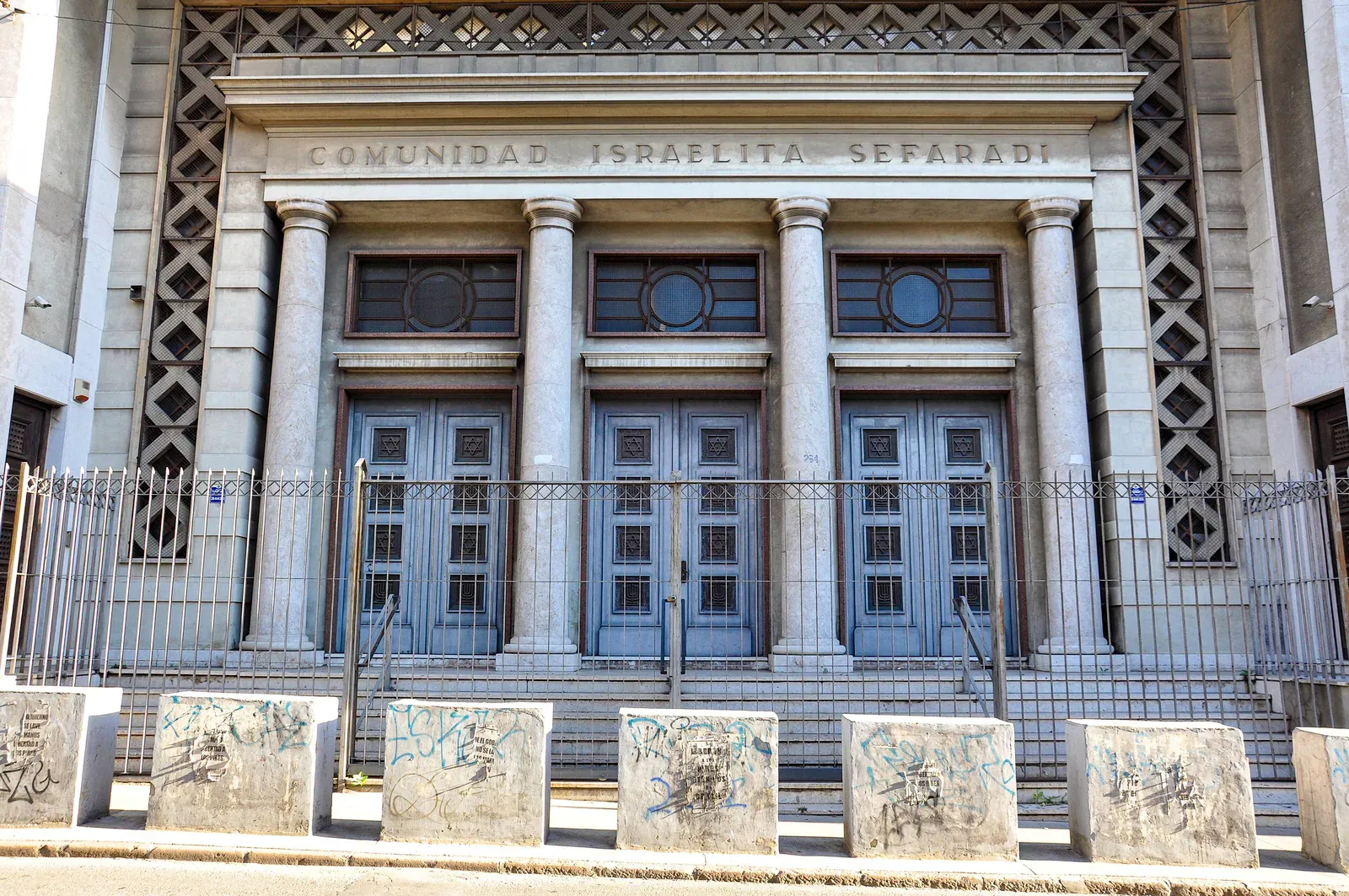
Early in the twentieth century commercial recordings of Sephardic song came from Greece and Turkey, followed by records from Jerusalem and other Eastern centres. The first performers were mostly men, among them Jack Mayesh, Haim Efendi and Yitzhak Algazi. A later generation added Gloria Levy, Pasharos Sefardies, Flory Jagoda and the Janet and Jak Esim Ensemble, and many of the new singers were not themselves Sephardic.
Scholars worked in parallel. Ethnomusicologists and specialists in medieval Hispanic literature transcribed songs in the early twentieth century. From about 1957 Samuel Armistead, with Joseph Silverman and Israel Katz, collected Judeo-Spanish songs from informants in North America, Turkey, the Balkans, Greece, North Africa and Israel. The recordings and transcriptions were later digitised and are hosted by a university library.
Revival and fusion, 1989 onward
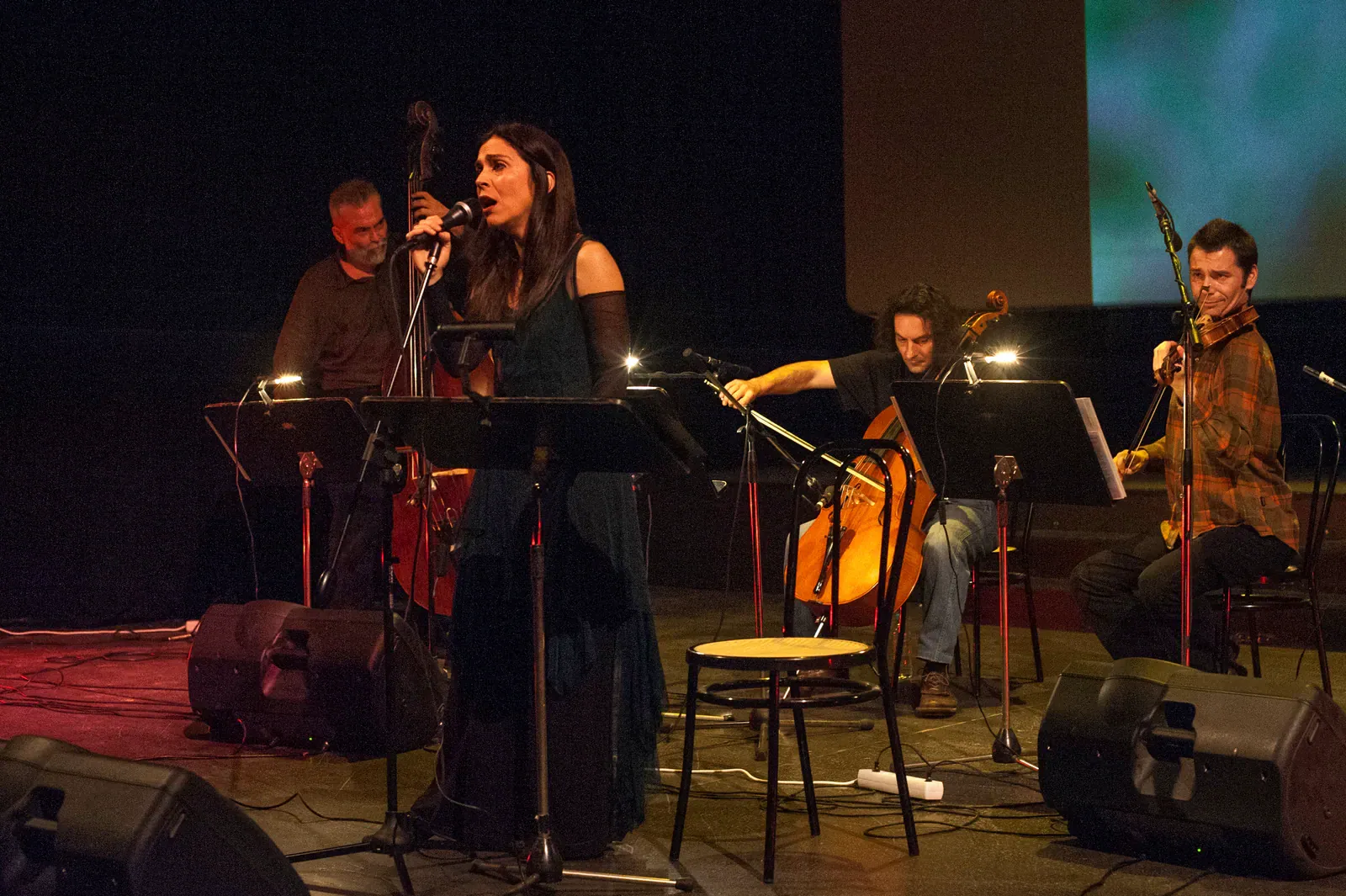
The late twentieth century brought concert singers and ensembles. Flory Jagoda, born in Sarajevo, recorded Kantikas di mi nona in 1989. Françoise Atlan, a French singer and ethnomusicologist, released Romances sefardies in 1992. Savina Yannatou and her ensemble recorded Sephardic folk songs of Salonica on Primavera en Salonico in the mid-1990s. In Thessaloniki the Jewish community founded a choir in 1995 to preserve the tradition, and its CD En la mar ay una torre appeared on Minos EMI.
Newer singers include Gerard Edery, Stefani Valadez, Marlene Samoun and Mara Aranda. Yasmin Levy, born in Jerusalem in 1975, and Edery mix Ladino song with Andalusian flamenco, while a Ladino hip-hop group, Los Serenos Sefarad, has set rap lyrics to old romanzas.
Characteristics
Melody and mode matter more than harmony. Songs follow the modes of the surrounding culture, and in the East they sit close to Ottoman maqam practice. Rhythms vary by region: Balkan cycles such as 9/8 turn up in the Eastern songs. Women’s household songs are sung alone, without harmony. Wedding songs add tambourines and other percussion.
The voice is always the main and most appropriate element, whether or not instruments are present. Tempo depends on the type of song: lullabies and laments sit in a slow, unhurried pulse, while dance-like songs move briskly.
Instruments and production
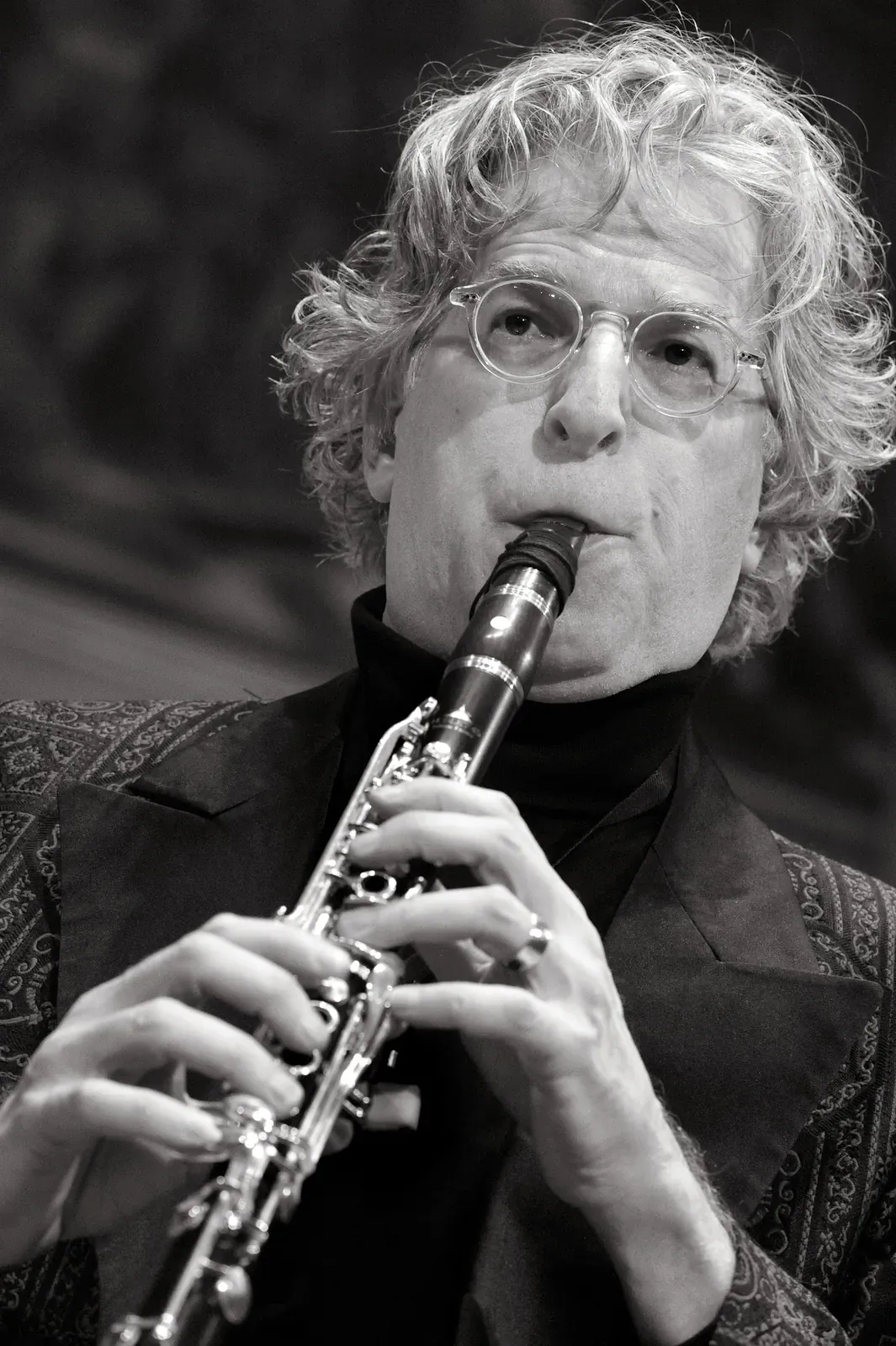
When instruments appear, they usually follow the host culture. The most common are plucked lutes, either the fretless oud or the fretted saz, the qanun or santur zither, violin, and frame and goblet hand drums. Men generally played both melody and percussion, while women sang unaccompanied at home and accompanied themselves with tambourines at weddings. In the eastern Mediterranean, women who specialised in wedding song and drumming were called tanyederas, and some early twentieth-century Jewish schools in the Ottoman lands taught oud and mandolin to girls.
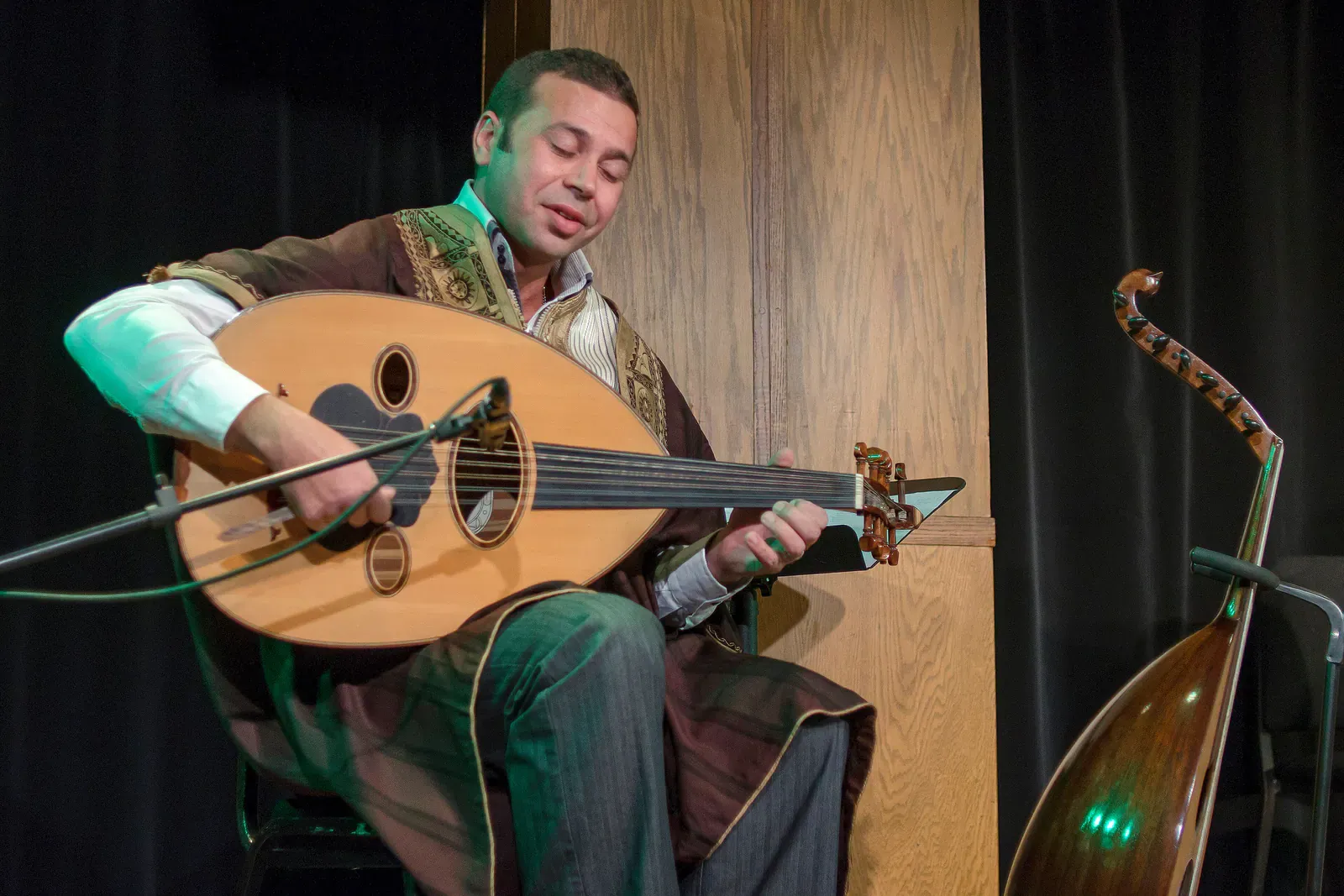
Studio production is plain. Modern recordings range from a single voice with oud to ensembles that bring in early-music instruments, flamenco guitar, double bass or piano. At modern Sephardic weddings no medieval instruments are heard, but an electronic keyboard probably is.
Mainstream success
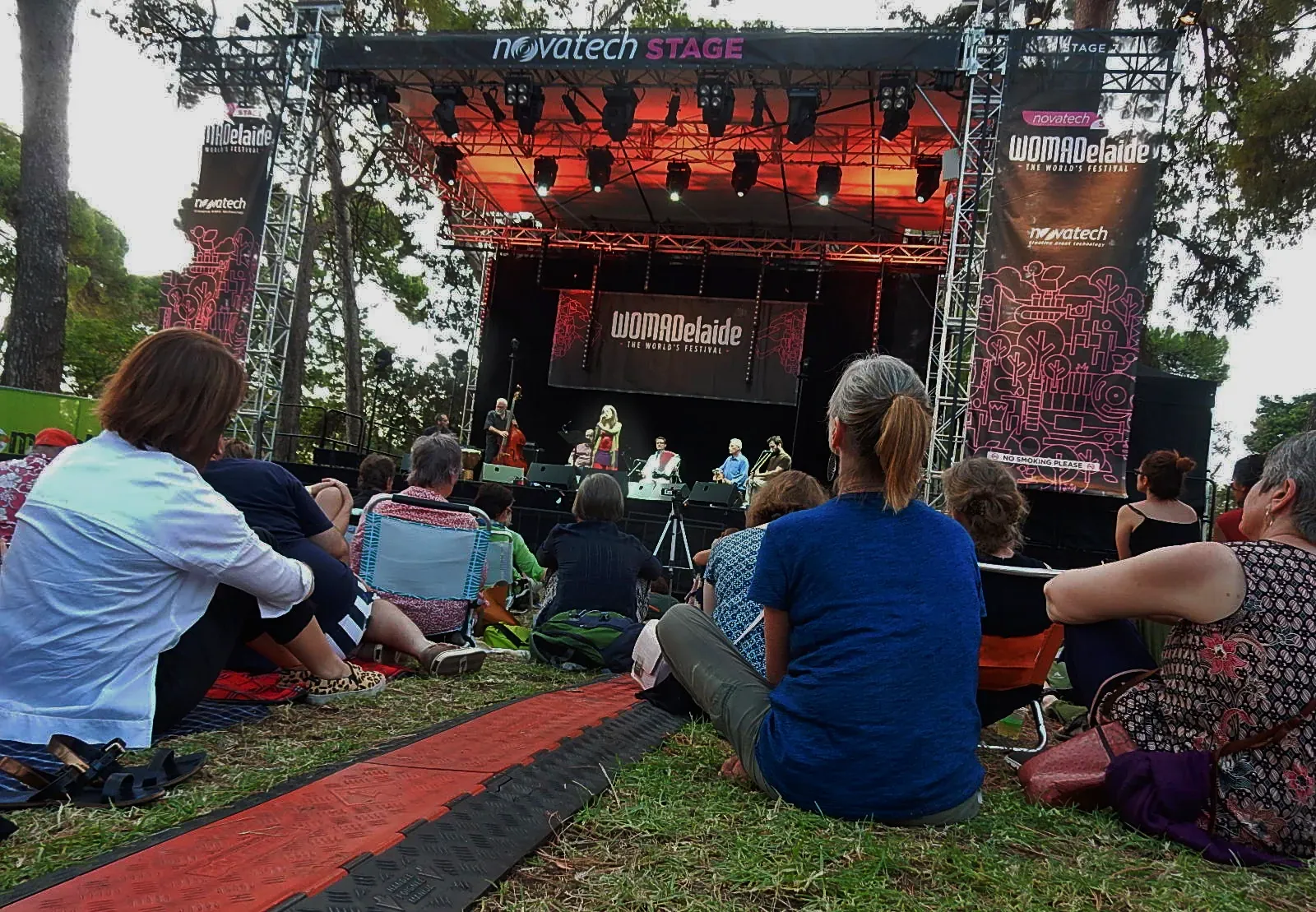
Sephardic music never had a pop breakthrough of its own. It spread through folk and world-music circuits, early-music ensembles and festivals. Yasmin Levy’s La alegria and Adio kerida became widely heard Ladino songs, and Flory Jagoda’s Ocho Kandelikas became a standard for Hanukkah and a favourite of choirs.
Notable recordings
Adio kerida, on Yasmin Levy’s 2007 album Mano suave, is a farewell lament and one of the best-known Ladino songs. Her La alegria, from La Juderia in 2005, shows how flamenco phrasing can carry Judeo-Spanish text. Atlan’s Durme, durme mi angelico, released on Romances sefardies in 1992, is a lullaby close to the domestic tradition. Songs of the Sephardim, by La Rondinella with Tina Chancey for Dorian Discovery in 1993, is an early-music reading of the repertoire.
Culture
Singing belongs to daily life. Women sang while doing household tasks, in Salonica using kitchen utensils as improvised percussion, and they led the singing at weddings. Festivals have their own songs, and Ocho Kandelikas, composed by Jagoda, is the most widely known Ladino song for Hanukkah.
Legacy
Sephardic song has fed a large body of new music. Composers such as Yitzhak Yedid, Betty Olivero, Tsippi Fleischer and Marina Toshich use Sephardic and Arabic material in chamber and vocal works. Flamenco, early music and world music all draw on the repertoire, and singers keep adding it to concert programmes.
Misconceptions
One myth holds that Sephardic songs preserve medieval Spanish tunes unchanged. Many original melodies were lost, and the surviving songs mainly keep medieval lyrics with melodies borrowed from host cultures. A second says the tradition is a single style. The Western and Eastern traditions differ substantially, and the Eastern ones sit close to Greek and Turkish practice. A third says that only Sephardic Jews have performed it. Musicians from the Muslim community played at Sephardic weddings, and several popular interpreters of Ladino song are not Sephardic.
Frequently asked questions
What language is Sephardic music sung in?
Most secular songs are in Judeo-Spanish, also called Ladino, a Romance language derived from Old Castilian. Hebrew, Turkish, Greek and other local languages also appear in the repertoire.
What instruments are used in Sephardic music?
The tradition is mainly vocal. Where instruments are used, the oud, qanun, saz, violin and frame or goblet drums are common, following the instruments of the host culture.
How is Sephardic music related to flamenco?
Both draw on Iberian roots and Mediterranean modal traditions. Singers such as Yasmin Levy and Gerard Edery deliberately combine Ladino song with Andalusian flamenco.
Who are the best-known Sephardic singers?
Flory Jagoda, Savina Yannatou, Françoise Atlan and Yasmin Levy are among the leading recording artists of the repertoire.
Sound
Sound sheet
Signature sounds
- Ladino lyrics
- Maqam-based melody
- Vocal lead with oud or qanun
Drums and percussion
- Frame drum
- Goblet drum
Techniques
- Unaccompanied singing
- North African ululation
- Balkan rhythms
- Flamenco fusion
Keys and modes
Maqam Hicaz. A frequently heard Turkish maqam in the Eastern repertoire.
Vocals
Lead voice, traditionally female and unaccompanied, in Judeo-Spanish.
Scenes
Where it happened
Where and when the sound lived: one bar per city on a shared timeline.
Asia
Europe
Active scenes
Peak 3, 1995-2025
Salonica, once a major Sephardic city, hosts the community choir and the Primavera en Salonico ensemble repertoire.
Early recordings of the Eastern tradition came from Jerusalem, and Yasmin Levy was born here.
Birthplace of Flory Jagoda, whose Ladino songs and Bosnian sevdalinka ballads shaped her repertoire.
Culture
Culture markers
- Women's household singing
Songs sung by women while doing household tasks, traditionally without accompaniment or harmony.
Ritual - Tanyederas at weddings
In the eastern Mediterranean, women specialising in wedding song and drumming were called tanyederas.
Ritual - Hanukkah song Ocho Kandelikas
Flory Jagoda's Ladino song for Hanukkah became a seasonal standard.
Ritual
Glossary
Terms on this page
Short general song, outside the narrative ballads and life-cycle songs.
Judeo-Spanish, a Romance language derived from Old Castilian, also called Judezmo.
Modal system of Arabic and Turkish music absorbed by Eastern Sephardic song.
Narrative ballad, one of the main song types of the repertoire.
Woman who sang and drummed at weddings in the eastern Mediterranean.
European folk family