Fado
Fado is a Portuguese urban song tradition from 1820s Lisbon, sung to guitarra portuguesa and viola, shaped by Amália Rodrigues and UNESCO-listed since 2011.
Lisbon, 1820
European folk family
Born
1820
Lisbon
Subgenres
4
Documented branches
Links
12
Genres it drew on or shaped
Tempo
75-130 BPMLineage
Family tree
Grew out of
Lisbon, 1820
Fado
Led to (4)
Timeline
Era by era
From the first sparks to today. Select a dot to read the story behind it.
- Lisbon taverns and salons
1820 to 1910
- Stage, radio and censorship
1911 to 1949
- Amália and the poets
1950 to 1974
- Revolution and renewal
1974 to 1999
- Novo fado and world heritage
2000 to today
Eras
Moments
- 1 Lisbon taverns and salons, 1820 to 1910
- 2 Stage, radio and censorship, 1911 to 1949
- 3 Amália and the poets, 1950 to 1974
- 4 Revolution and renewal, 1974 to 1999
- 5 Novo fado and world heritage, 2000 to today
around 1820
Lisbon taverns and salons
Fado took shape in the poor quarters of Lisbon, sung by sailors, bohemians and working people, and by the late nineteenth century had reached aristocratic salons and the piano.
- 1820Fado appears in LisbonReliable accounts of fado go back only to the 1820s and 1830s, in the bohemian districts of Bairro Alto, Mouraria and Alfama.
- 1885Fado enters aristocratic salonsAfter the 1880s nobles who frequented the old quarters carried fado melodies to the piano in salon parlours.
around 1911
Stage, radio and censorship
Fado moved into theatres, revues, cinema, radio and discs. Singers became professionals, fado houses appeared, and the Estado Novo regime licensed performers and censored lyrics.
- 1914Valentim de Carvalho founded in LisbonThe Lisbon music house starts selling phonographs and records and later becomes the main label of Amália Rodrigues.
- 1933Estado Novo regime installedUnder the regime that followed, fado singers and players needed a licence and lyrics were subject to censorship.
- 1939Amália's first professional engagementAmália Rodrigues sings in a fado venue for the first time as a professional and soon becomes famous across Portugal.
1950
Amália and the poets
Amália Rodrigues took fado abroad, and with composer Alain Oulman set poems by leading Portuguese writers to new melodies, making fado a concert music.
- 1955Barco Negro in Les Amants du TageAmália appears in Henri Verneuil's film and records Barco Negro, which becomes her signature in France and beyond.
- 1957Amália live at the OlympiaA live album from the Paris Olympia follows her first seasons there, which run until 1992.
- 1962Amália Rodrigues with Alain OulmanThe comeback album with melodies by Oulman includes Estranha Forma de Vida and sets new poetry to fado.
- 1970Com Que VozAmália sets classic poems, including Camoes, in an album released in March 1970.
1974
Revolution and renewal
After the Carnation Revolution fado lost media space to protest song. Carlos do Carmo brought orchestras, urban poetry and other genres into it, and a younger generation grew in the fado houses.
- 1974Carnation RevolutionFado loses radio and television exposure as protest songs become the music of the new democracy.
- 1976Carlos do Carmo at EurovisionUma Flor de Verde Pinho wins the Portuguese contest and places 12th at the Eurovision Song Contest.
- 1977Um Homem na CidadeCarlos do Carmo and poet Ary dos Santos make a concept album of Lisbon poems.
- 1998Fado Museum opens in AlfamaThe museum opens on 25 September in a former water pumping station.
- 1999Amália Rodrigues diesThe Queen of Fado dies on 6 October, and the public mourning revives interest in fado.
2000
Novo fado and world heritage
Mariza, Camané and Ana Moura reached large audiences at home and abroad, and in 2011 UNESCO inscribed fado on its list of intangible cultural heritage.
- 2001Mariza's Fado em MimThe debut album sells about 100,000 copies in Portugal, where a few thousand counted as a fado success.
- 2011UNESCO inscribes fadoOn 27 November fado joins the list of intangible cultural heritage of humanity.
- 2012Ana Moura's DesfadoThe album tops the Portuguese chart for six weeks and becomes the best-charting album in the country's history.
Listening path
Start listening
A short path from an easy way in to the deep end. Thumbnails come from YouTube; the player loads only when you press play.
- 01
Amália Rodrigues, 1962
Amália's own poem set to a Marceneiro melody; listen for the rubato pauses and the held notes.
- 02
Carlos do Carmo, 1976
A modern fado portrait of the city, with orchestral colour.
- 03
Mariza, 2007
A live Lisbon concert reading of the 1955 standard by the leading voice of novo fado.
- 04
Ana Moura, 2012
The title song of the best-charting Portuguese album, fado with a pop and roots production.
Facts
| Family | European folk |
| Origin | Lisbon, Portugal |
| Emerged | 1820s onward |
| Status | Active |
| Tempo | 75 to 130 BPM |
| Meter | 4/4 |
| Subgenres | 4 |
Fado is a Portuguese urban song genre that took shape in Lisbon in the 1820s and 1830s. A solo voice, accompanied by the twelve-string guitarra portuguesa and a viola, sings of fate, longing and the life of the city’s poor quarters.
The word comes from the Latin fatum, fate, and the mood is summed up by saudade, a sense of permanent loss. It has two main branches, Lisbon and Coimbra, and has been on UNESCO’s list of intangible cultural heritage since 27 November 2011. It belongs to the European folk family.
Origins
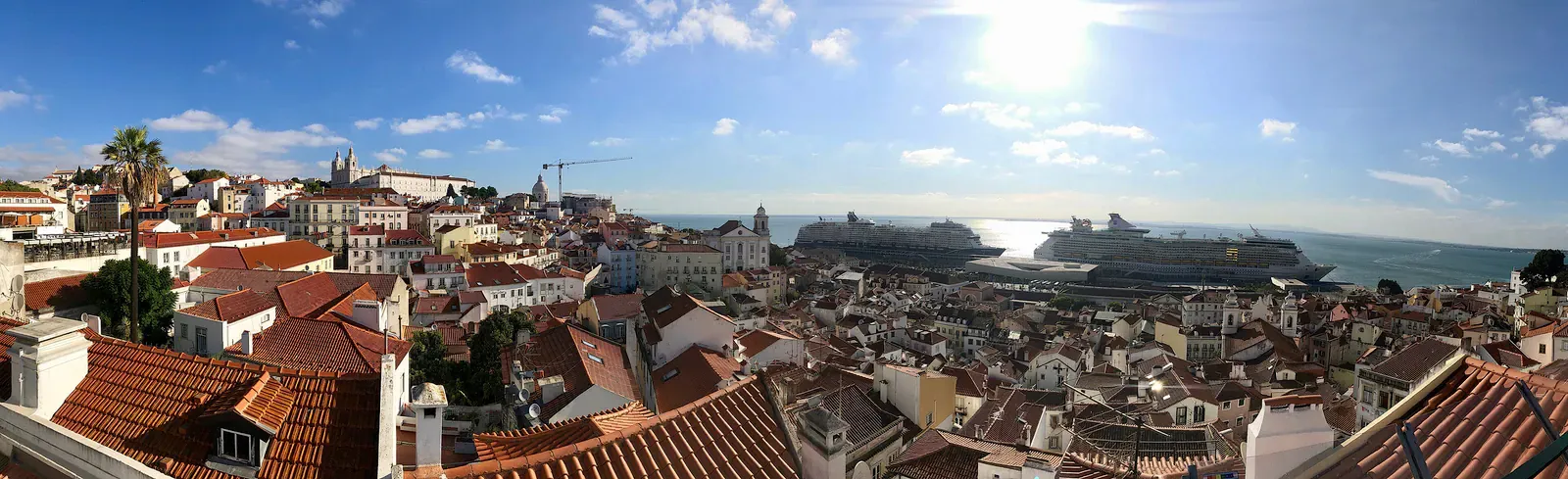
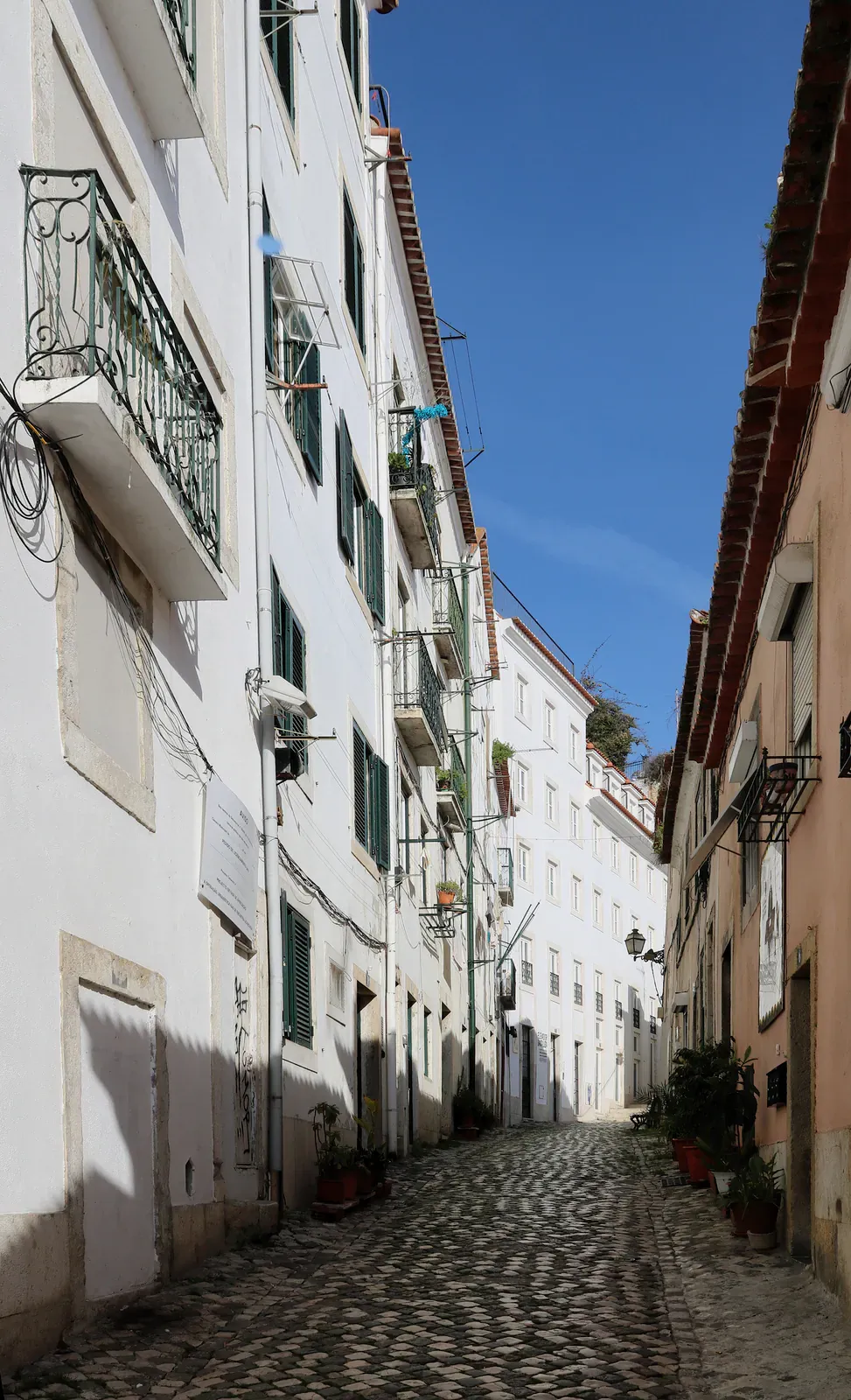
Reliable information on early fado goes back only to the 1820s and 1830s, and even that was reshaped as it passed from singer to singer. Most accounts place the birth in the bohemian districts of Lisbon: Bairro Alto, Mouraria and Alfama. Performers in the middle of the nineteenth century were sailors, courtesans and tavern regulars who danced the fado as well as sang it. In the second half of the century the dance faded and the performers became singers, the fadistas.
Maria Severa, a woman of Romani descent who sang in Mouraria and whom some thought scandalous, made the genre famous. Theories of deeper roots point to the medieval cantigas de amigo, Moorish influence, the songs of enslaved Africans at sea, or a mixed-race Brazilian musician, Domingos Caldas Barbosa, in the eighteenth century. None is conclusive. Related forms such as the Cape Verdean morna and the Brazilian modinha share some of its working-class maritime background.
Lisbon taverns and salons, 1820-1910
Fado began as the music of taverns and the poor quarters, sung by amateurs in the style later called fado vadio. After the 1880s noblemen who visited these districts carried the melodies to the piano, and fado entered aristocratic salons. Many songs still play on the double meaning of fado as fate and as song.
Stage, radio and censorship, 1911-1949
In the twentieth century fado left the taverns for revue theatres, cinema, radio and records. Singers became professionals, usually dressed in black, and fado houses opened in the old districts. Ercília Costa became the first fadista with an international reputation. Valentim de Carvalho, a Lisbon music house founded in 1914, later became the label most tied to Amália Rodrigues.
The Estado Novo regime, installed in 1933, required a licence from singers and players and censored lyrics. Longing, jealousy, neighbourhood life and bullfighting were allowed, while social and political texts were suppressed. Amália Rodrigues first sang professionally in a fado venue in 1939 and was a national star by the early 1940s.
Amália and the poets, 1950-1974
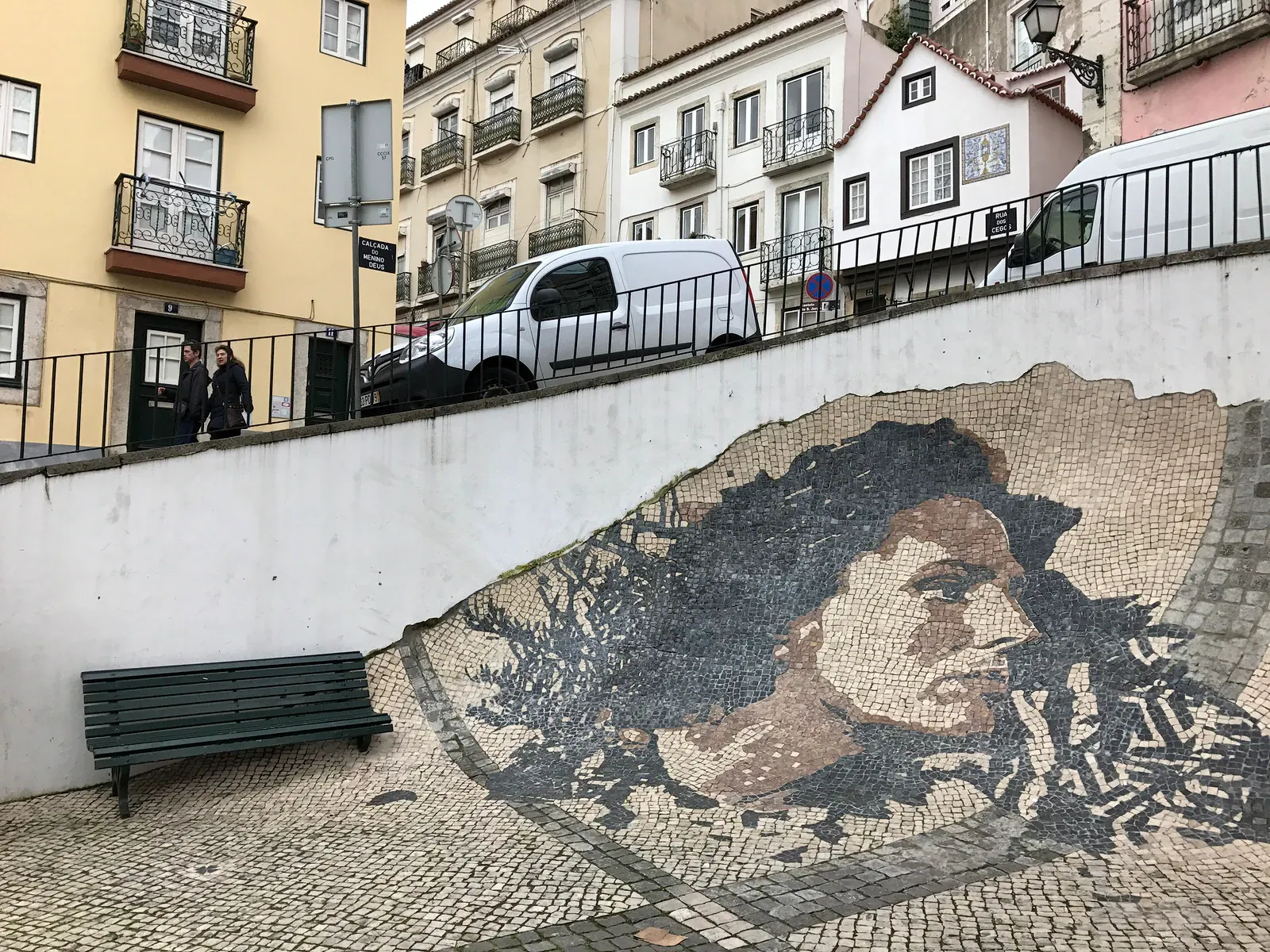
Amália Rodrigues, the Rainha do Fado, took the genre abroad. She appeared in Henri Verneuil’s film Les Amants du Tage in 1955, performed at the Paris Olympia for ten seasons between 1956 and 1992, and was the first Portuguese artist on American television, on ABC in 1953. Her 1962 comeback album, made with the French composer Alain Oulman, brought poems by leading Portuguese writers and by herself into fado, including Estranha Forma de Vida. Oulman was arrested by the political police in 1966 and went into exile, but kept writing for her.
Revolution and renewal, 1974-1999
After the Carnation Revolution of 1974 fado lost radio and television exposure to canção de intervenção, the protest song of the new democracy. Carlos do Carmo was an exception. Son of the fadista Lucília do Carmo, he ran the family fado house, worked with opponents of the old regime and added orchestras and jazz to the genre. In 1976 he sang Uma Flor de Verde Pinho at the Eurovision Song Contest and finished twelfth. His 1977 concept album Um Homem na Cidade, built on Lisbon poems by Ary dos Santos, is regarded by the musicologist Rui Vieira Nery as one of the most significant albums in the fado discography.
Camané, who won the Grande Noite do Fado in 1979, released a run of acclaimed albums from Uma Noite de Fados in 1995.
Novo fado, 2000 to the present
Amália died on 6 October 1999, and the public mourning revived interest in fado. Mariza, who had grown up in Mouraria and Alfama, was asked to pay tribute on broadcast, and her debut Fado em Mim in 2001 sold about 100,000 copies in Portugal at a time when 4,000 would have counted as a success. A BBC Radio 3 award in 2003 and a duet with Sting at the 2004 Athens Olympics followed. Ana Moura’s Desfado, produced in Hollywood by Larry Klein and released in 2012, spent six weeks at number one and became the best-charting album in Portuguese history. Carminho, who also records pop and Brazilian songs, belongs to the same generation.
Characteristics
A fado is usually sung by one person, in major or minor tonal harmony that sometimes shifts between the two at a verse change. Its signature gesture is rubato: the music pauses at the end of a phrase while the singer holds a note for dramatic effect. Both double-time and triple-time, waltz-like rhythms occur. Styles range from the melancholic fado menor to the livelier fado corrido, and include the desgarrada, an improvised verse contest between two singers.
Lisbon and Coimbra differ in setting and sound. Lisbon fado is the better known. Coimbra fado is tied to the university and to medieval serenades, sung only by men in academic dress, at night in squares and on the steps of the Santa Cruz Monastery. In the 1950s Coimbra singers began setting poems and ballads as a form of resistance to the dictatorship, and Zeca Afonso and Adriano Correia de Oliveira became leading figures of Portuguese popular song around the 1974 revolution.
Instruments and production
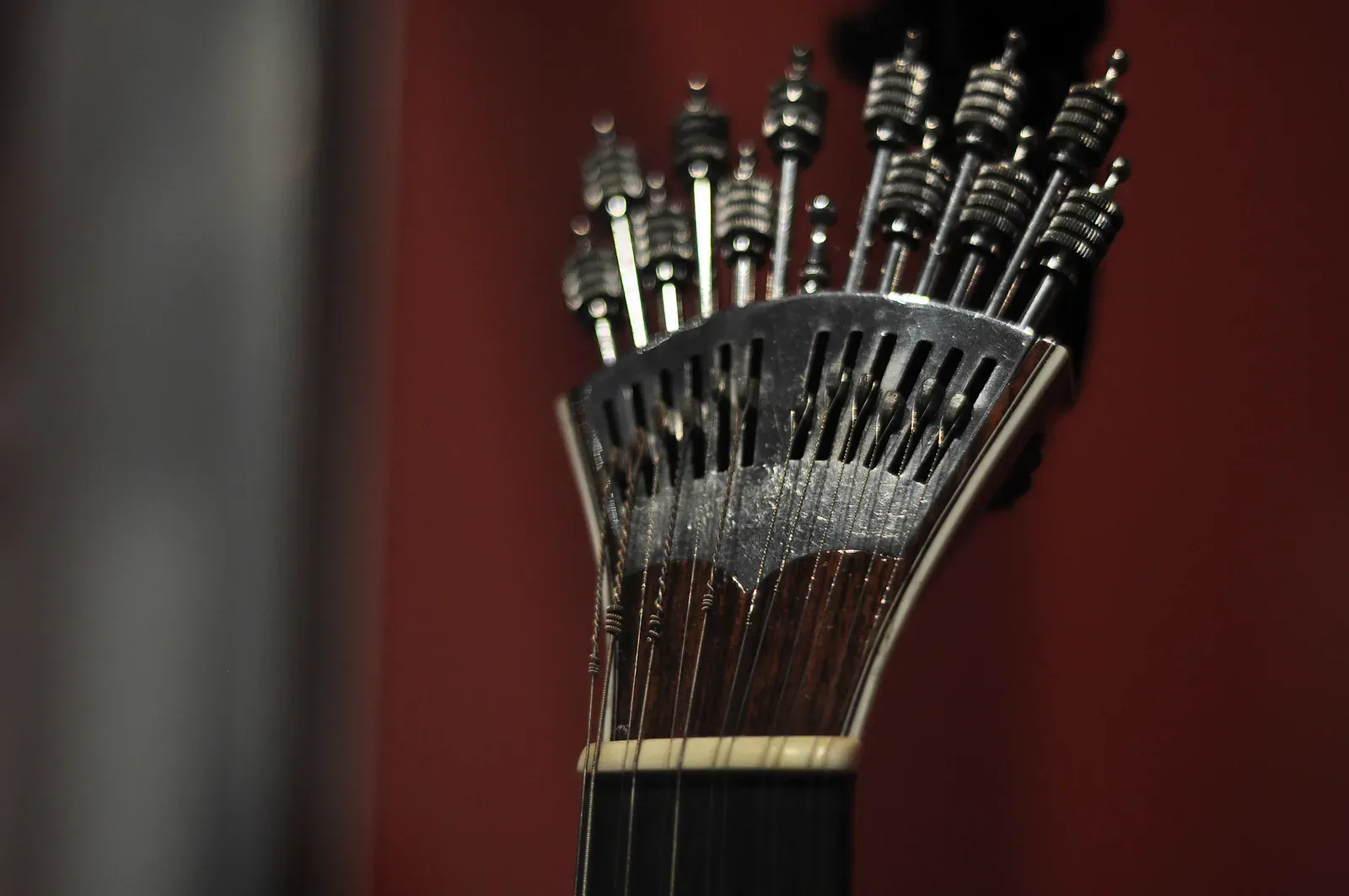
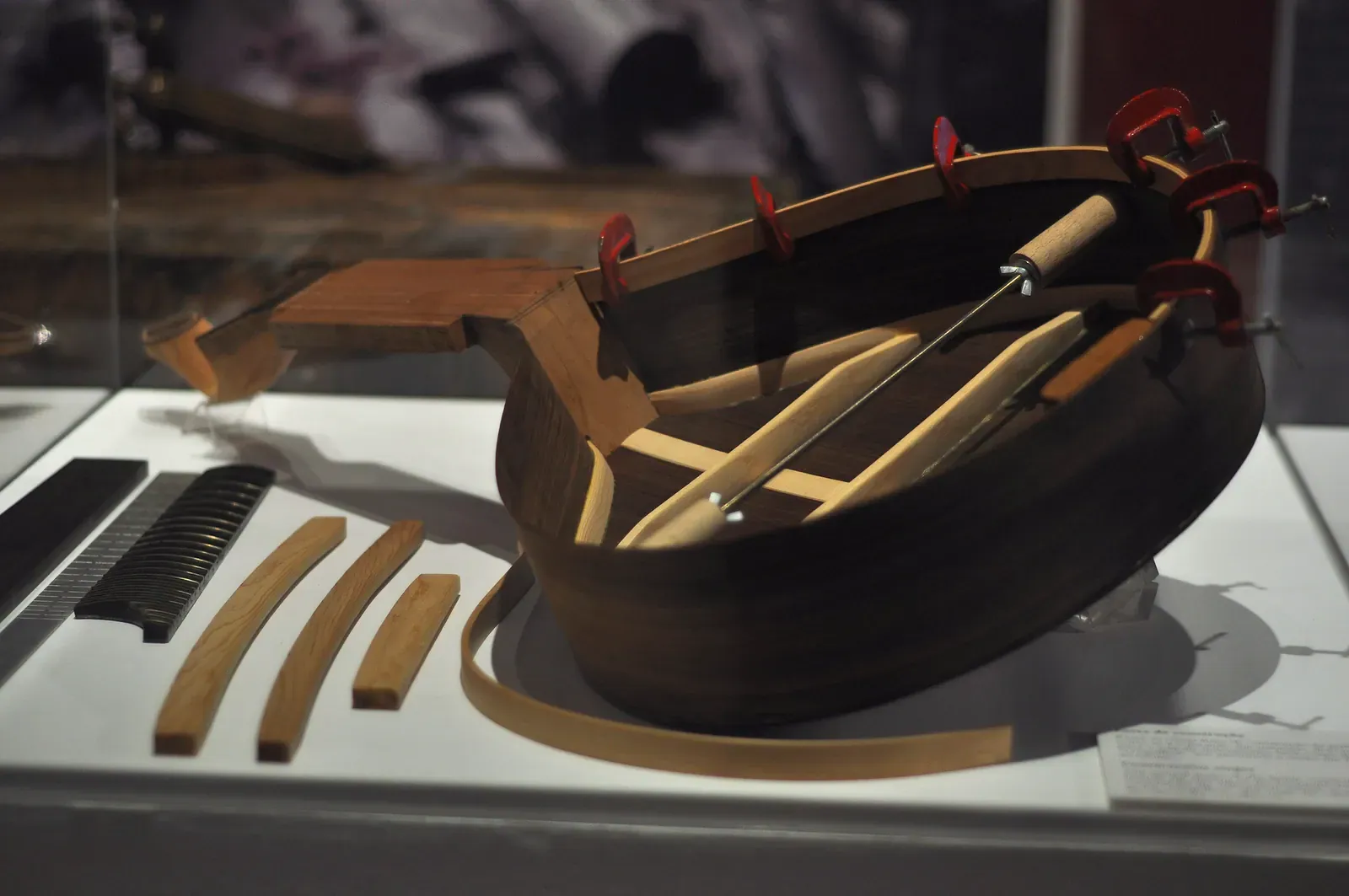
The guitarra portuguesa descends from the medieval citole and from the English guitar that spread through Portugal in the eighteenth century. It has twelve steel strings in six courses and is played with the figueta technique, using thumb and index finger, or with the dedilho, a quick up and down stroke of the index finger. The Lisbon model, tuned to D, sounds brighter than the Coimbra model, tuned to C and a major second lower, which has a darker tone. The viola, a steel-strung classical guitar, supplies rhythm and bass, sometimes with a double bass, and later records added string quartets and orchestras.
Mainstream success
Fado reached a mass audience in Portugal through cinema, radio and records, and abroad through Amália in France, Spain, Brazil and the United States. In the 2000s Portuguese buyers returned to the genre in numbers, and the 2012 and 2015 albums of Ana Moura both reached the top of the Portuguese chart, the second remaining there for four weeks. The 2011 UNESCO listing followed a candidacy submitted by Lisbon city council and supported by Mariza and Carlos do Carmo as ambassadors.
Notable recordings
Barco Negro was recorded for Les Amants du Tage and first issued on a 1955 record. It became Amália’s best-known piece abroad and a standard that Mariza later sang on her 2001 debut and again to open the 2018 Eurovision final in Lisbon.
Com Que Voz, an Amália album recorded in January 1969 and released in March 1970 on EMI and Valentim de Carvalho, takes its title from a line that plays on fado as fate and as song.
Lisboa, Menina e Moça, which Carlos do Carmo issued on a 1976 single, is counted among his classics.
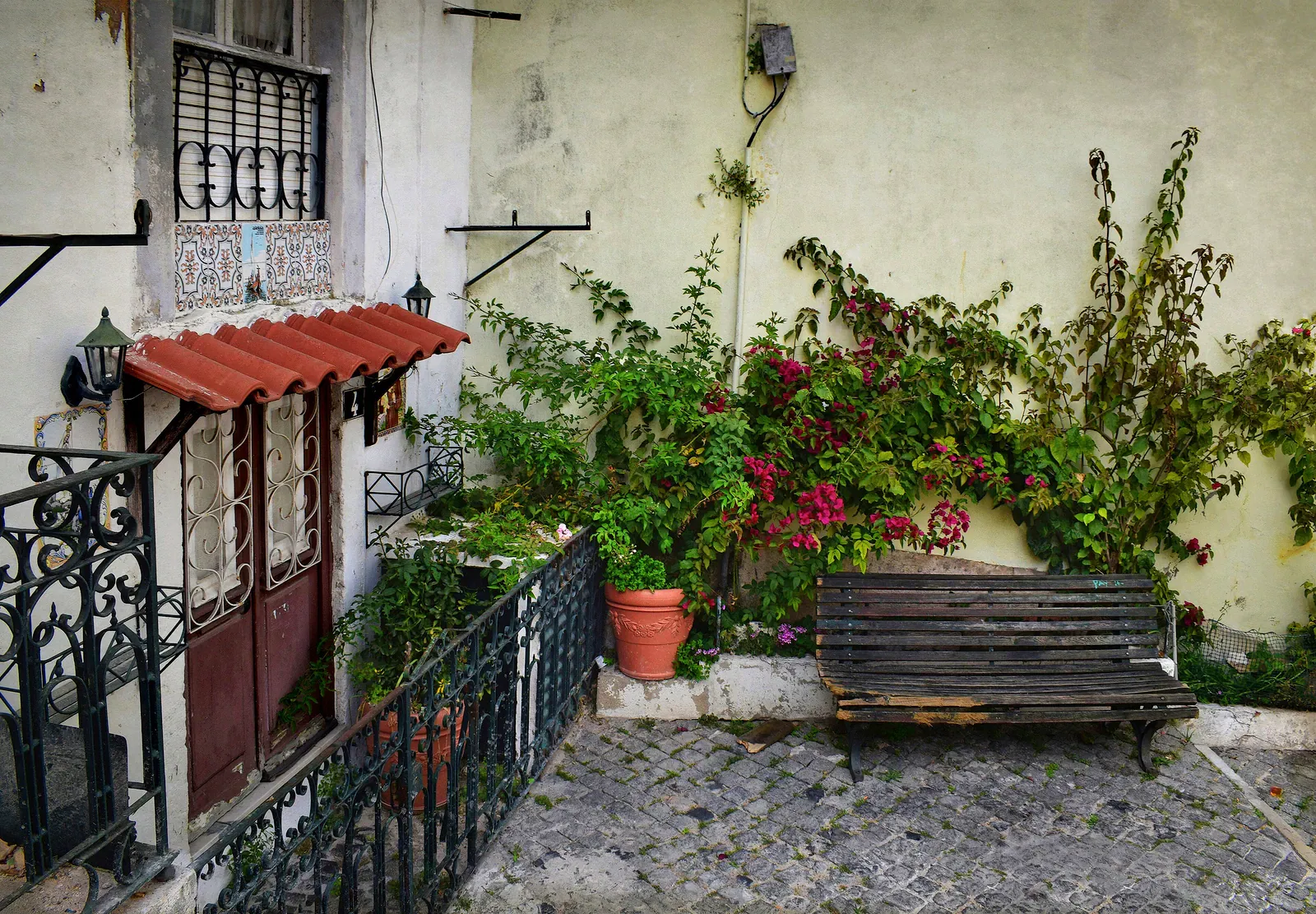
Culture
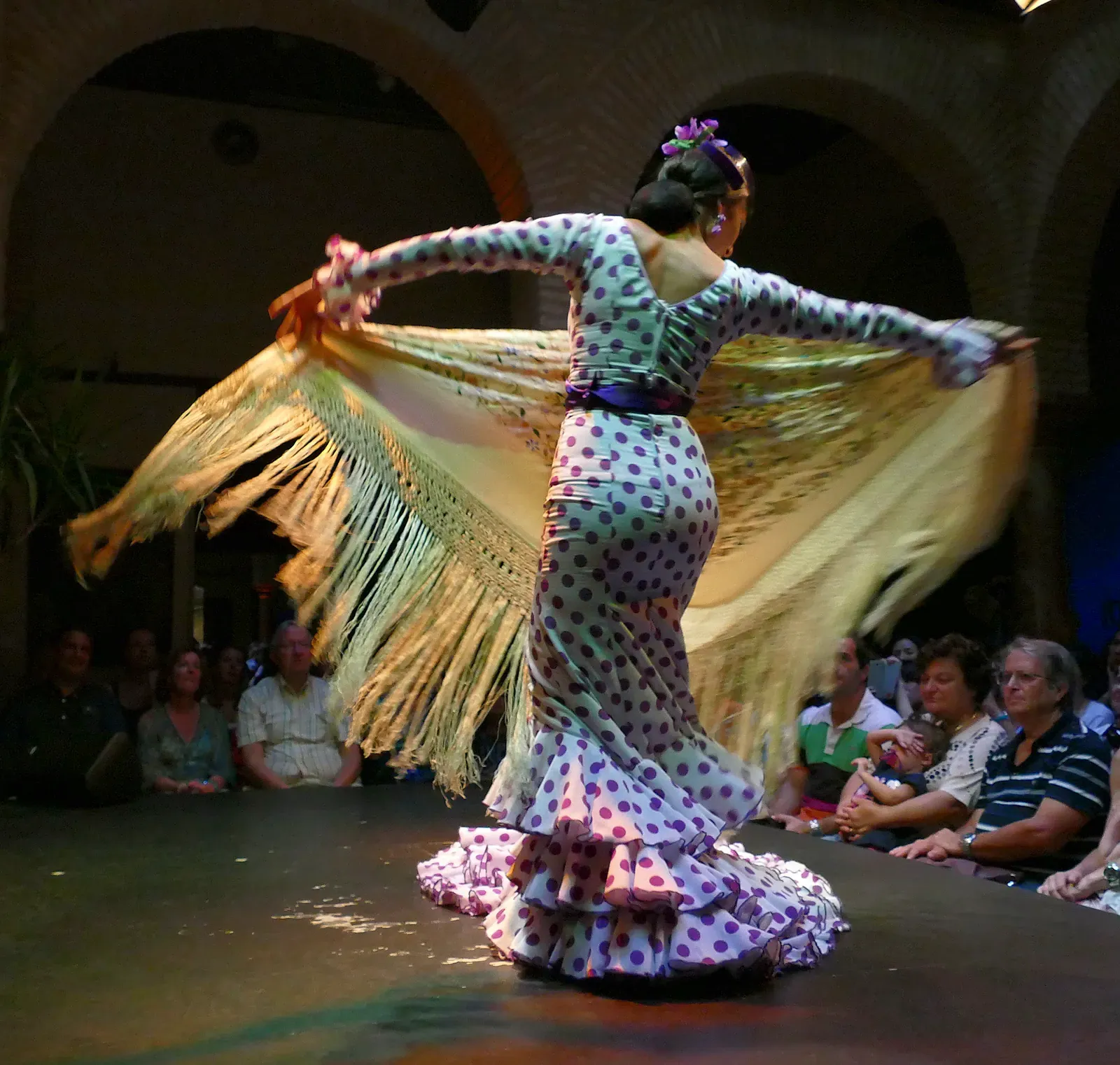
Fado is performed in casas de fado in Alfama, Mouraria, Bairro Alto and Madragoa, today also for tourists. Lisbon fadistas traditionally dress in black, with a shawl for women, and Coimbra students wear a dark robe, cape and leggings. The Fado Museum, opened on 25 September 1998 in a former water pumping station in Alfama, shows art, sheet music and biographies, and since 2016 hosts a digital archive of recordings from the early twentieth century.
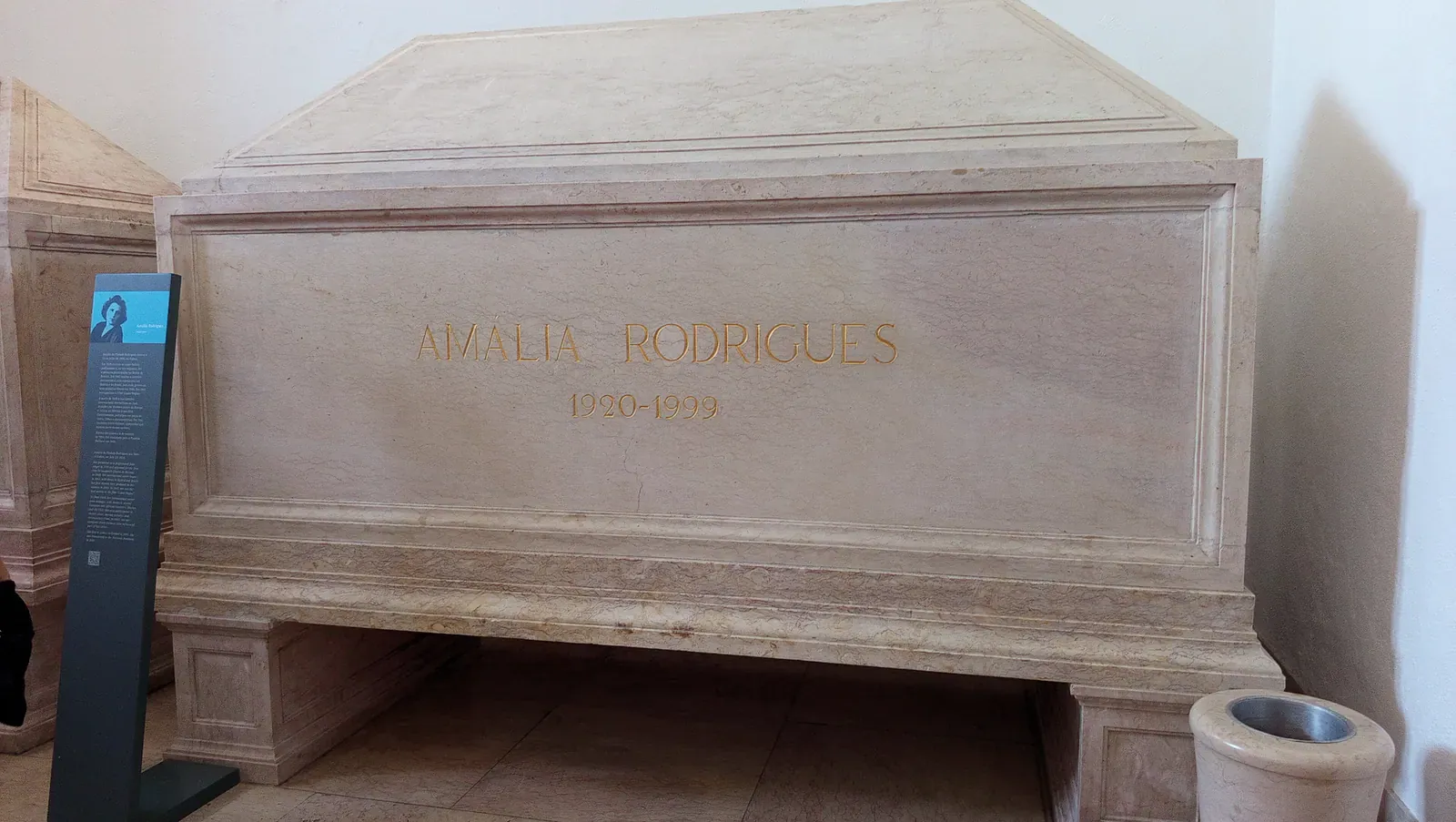
Legacy
Fado remains closely tied to Portuguese national identity. Amália received more than 40 decorations before her death. A younger generation of singers keeps both the old fados and new songs in circulation.
Misconceptions
Fado is not always sad: the tradition includes lively, danceable and humorous songs, and the desgarrada is a playful contest. It is not a single style either, since Lisbon and Coimbra differ in who sings, what they wear and how the guitar is tuned. Nor is its origin ancient: despite medieval theories, the reliable record begins in the 1820s and 1830s.
Frequently asked questions
What is fado music?
Fado is a Portuguese urban song genre, sung by one voice over guitarra portuguesa and viola, whose themes include fate, longing and city life. It developed in Lisbon in the early nineteenth century.
Who is the most famous fado singer?
Amália Rodrigues, known as the Rainha do Fado, is the most celebrated. Later leading names include Carlos do Carmo, Mariza, Camané and Ana Moura.
What does saudade mean in fado?
Saudade is a Portuguese word for longing and the feeling of an irreparable loss. It describes the mood fado is built to express.
What is the difference between Lisbon and Coimbra fado?
Lisbon fado is sung by men and women, often in fado houses. Coimbra fado is linked to the university, sung only by men in academic dress, and its guitar is tuned a major second lower.
Is fado on the UNESCO list?
Yes. Fado was inscribed on UNESCO’s list of intangible cultural heritage on 27 November 2011.
Sound
Sound sheet
Signature sounds
- Guitarra portuguesa and viola accompaniment
- Rubato pause and held note at the end of a phrase
- Lyrics of saudade, the sea and the poor quarters
Techniques
- Rubato phrase end
- Figueta
- Dedilho
- Duple and triple time
Keys and modes
Major and minor tonal harmony. A fado may switch between major and minor at a change of verse or melody.
Tuning
Lisbon guitarra in D, Coimbra guitarra in C, a major second apart
Vocals
Solo voice with ornamented, melismatic lines, dramatic held notes and an intimate, mournful delivery.
Scenes
Where it happened
Where and when the sound lived: one bar per city on a shared timeline.
Europe
Active scenes
Peak 2, 1956-2025
Fado grew in the old quarters of Alfama, Mouraria, Bairro Alto and Madragoa, where the main fado houses still stand.
Amália Rodrigues built her international name here, with ten Olympia seasons between 1956 and 1992.
Venues and places
Lisbon, 1998 to today. Museum in Alfama with art, sheet music, biographies and, since 2016, a digital sound archive going back to the early twentieth century.
Paris, 1956 to today. Paris hall where Amália Rodrigues sang for ten seasons between 1956 and 1992.
Culture
Culture markers
- Black shawl
Lisbon fadistas traditionally dress in black, with a shawl for women.
Fashion - Academic dress in Coimbra
Singers and players of Coimbra fado wear the student robe, cape and leggings.
Fashion - Casas de fado
Fado houses in Alfama, Mouraria, Bairro Alto and Madragoa host professional and amateur singers.
Ritual - Coimbra serenades
Night-time songs in squares and on the steps of the Santa Cruz Monastery, sometimes sung under a woman's window.
Ritual
Media
Key media
- 1955Les Amants du Tage
by Henri Verneuil. French film with Amália Rodrigues in a supporting role, which carried Barco Negro to a wide audience.
Film
Glossary
Terms on this page
Improvised contest in which two singers answer each other in verse.
A fado singer, professional or amateur.
Lively, danceable style, sometimes improvised.
Melancholic, slower style in a minor key.
Amateur fado sung in taverns and neighbourhood venues.
Portuguese word for longing and permanent loss, loosely the feeling fado conveys.
European folk family