Bulgarian wedding music
Bulgarian wedding music is a dance-band genre from Thrace that blends Bulgarian, Romani and Turkish folk with jazz improvisation, formed from the late 1960s.
Stara Zagora, 1968
European folk family
Born
1968
Stara Zagora
Subgenres
4
Documented branches
Links
8
Genres it drew on or shaped
Tempo
130-140 BPMLineage
Family tree
Grew out of
Influenced by
JazzRomani music
Stara Zagora, 1968
Bulgarian wedding music
Led to (4)
Timeline
Era by era
From the first sparks to today. Select a dot to read the story behind it.
- Stara Zagora and the Thracian bands
1968 to 1982
- Official disfavour
1982 to 1989
- International recognition
1990 to today
Eras
Moments
- 1 Stara Zagora and the Thracian bands, 1968 to 1982
- 2 Official disfavour, 1982 to 1989
- 3 International recognition, 1990 to today
around 1968
Stara Zagora and the Thracian bands
Wedding bands in Thrace fused Bulgarian, Romani, Turkish and Macedonian dance repertoire with jazz improvisation, led by clarinettist Ivo Papazov from 1974.
- 1952Balkanton founded in SofiaThe state record company became Bulgaria's only label for four decades.
- 1968Wedding band style emerges in BulgariaEnsembles began playing dance repertoire with jazz-style improvisation at weddings.
- 1974Ivo Papazov forms his own band in Stara ZagoraThe clarinettist's ensembles shaped the orchestral wedding band.
1982
Official disfavour
State media promoted only approved folk music; Romani and Turkish-influenced wedding bands stayed popular at weddings despite pressure and arrests.
- 1982Papazov arrested and beaten in custodyHis Turkish and Romani origins and following among Bulgarian Turks drew state attention.
- 1983Yuri Yunakov joins Papazov's wedding bandThe saxophonist returned to Romani repertoire and began mixing it with jazz.
- 1989Orpheus Ascending released on HannibalPapazov's first Joe Boyd-produced album for the British world-music label.
1990
International recognition
After the fall of the communist government the music grew more popular at home, reached world-music audiences through Hannibal releases, and spread to the United States.
- 1990Communist rule ends and wedding music grows in popularityOpen travel allowed Papazov to work with musicians abroad.
- 1994Yunakov emigrates to New York CityHe formed the Yuri Yunakov Ensemble, which toured in the United States and Europe.
- 1999Balada - Bulgarian Wedding MusicYunakov's album for a United States audience.
- 2003Together Again - Legends of Bulgarian Wedding MusicPapazov and Yunakov reunited on record; one track is analysed in a world-music textbook.
- 2005Papazov wins the BBC Radio 3 World Music Awards audience prize
- 2011Yunakov receives a National Heritage FellowshipThe United States' highest honour in folk and traditional arts.
Listening path
Start listening
A short path from an easy way in to the deep end. Thumbnails come from YouTube; the player loads only when you press play.
- 01
Ivo Papasov, 2003
A fast rachenitsa showing clarinet and saxophone leads over the dance rhythm.
- 02
Yuri Yunakov, 1999
Yunakov's saxophone-led title piece from his United States album.
Facts
| Family | European folk |
| Origin | Stara Zagora, Bulgaria |
| Emerged | Late 1960s, distinct genre by 1970s |
| Status | Active |
| Tempo | 130 to 140 BPM |
| Meter | 7/16 |
| Subgenres | 4 |
Bulgarian wedding music, or svatbarska muzika, is an instrumental dance-band genre that took shape in Bulgaria from the late 1960s.
Bands built around clarinet, saxophone and accordion play fast folk dances in additive meters, fusing Bulgarian, Romani, Turkish and Macedonian repertoire with jazz-style improvisation. It belongs to the European folk family and is also called Balkan jazz.
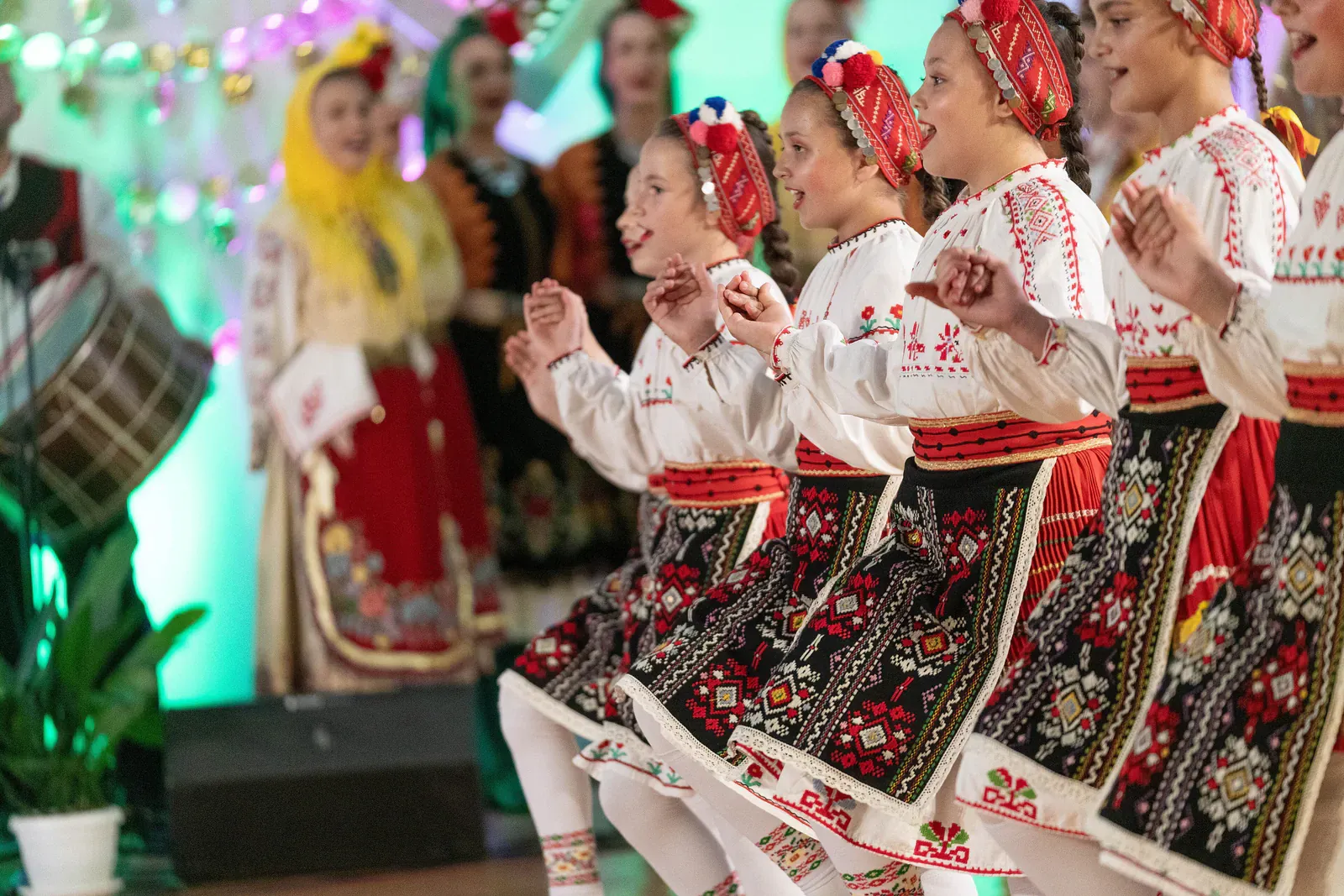
Origins
The genre grew out of the bands that played at weddings in Thrace, in the south of the country. Musicians there drew on the dance repertoire of Bulgarians, Romani, Turks and Macedonians, and added the improvising habits of American jazz, an influence audible in Bulgarian music since the 1950s. The result was loose and spontaneous in form, because the dancers and the wedding party, not a score, set its length and shape.
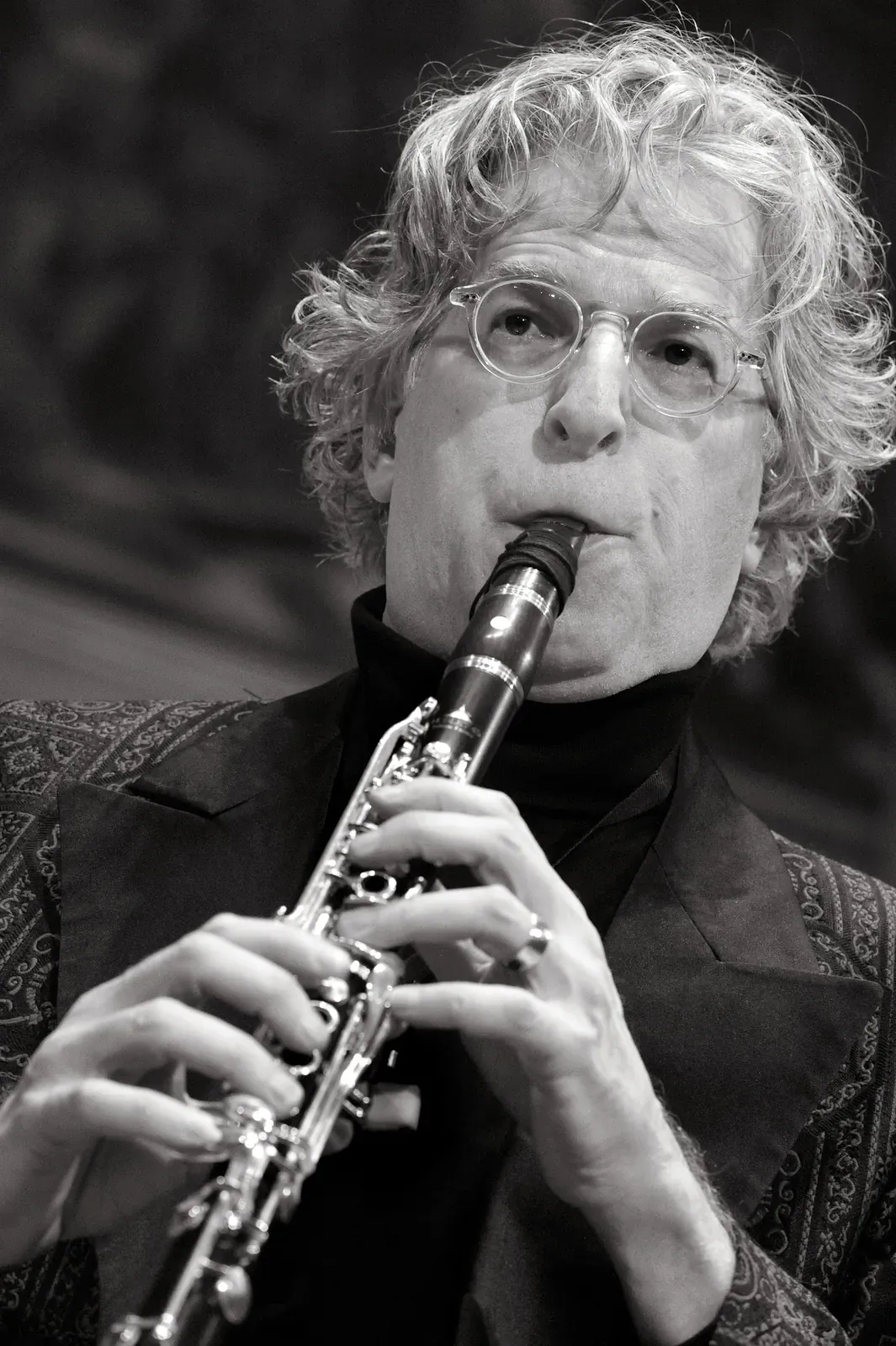
Clarinettist Ivo Papazov, born in Kardzhali in 1952, is regarded as the figure who shaped the orchestral version of the style. He formed his own band in Stara Zagora in 1974 and used the term Balkan jazz for what he played. Saxophonist Yuri Yunakov, a Romani musician from Thrace, joined Papazov’s band in 1983 after a spell with an accordionist’s group, and mixed Romani material with jazz at a time when both were frowned on.
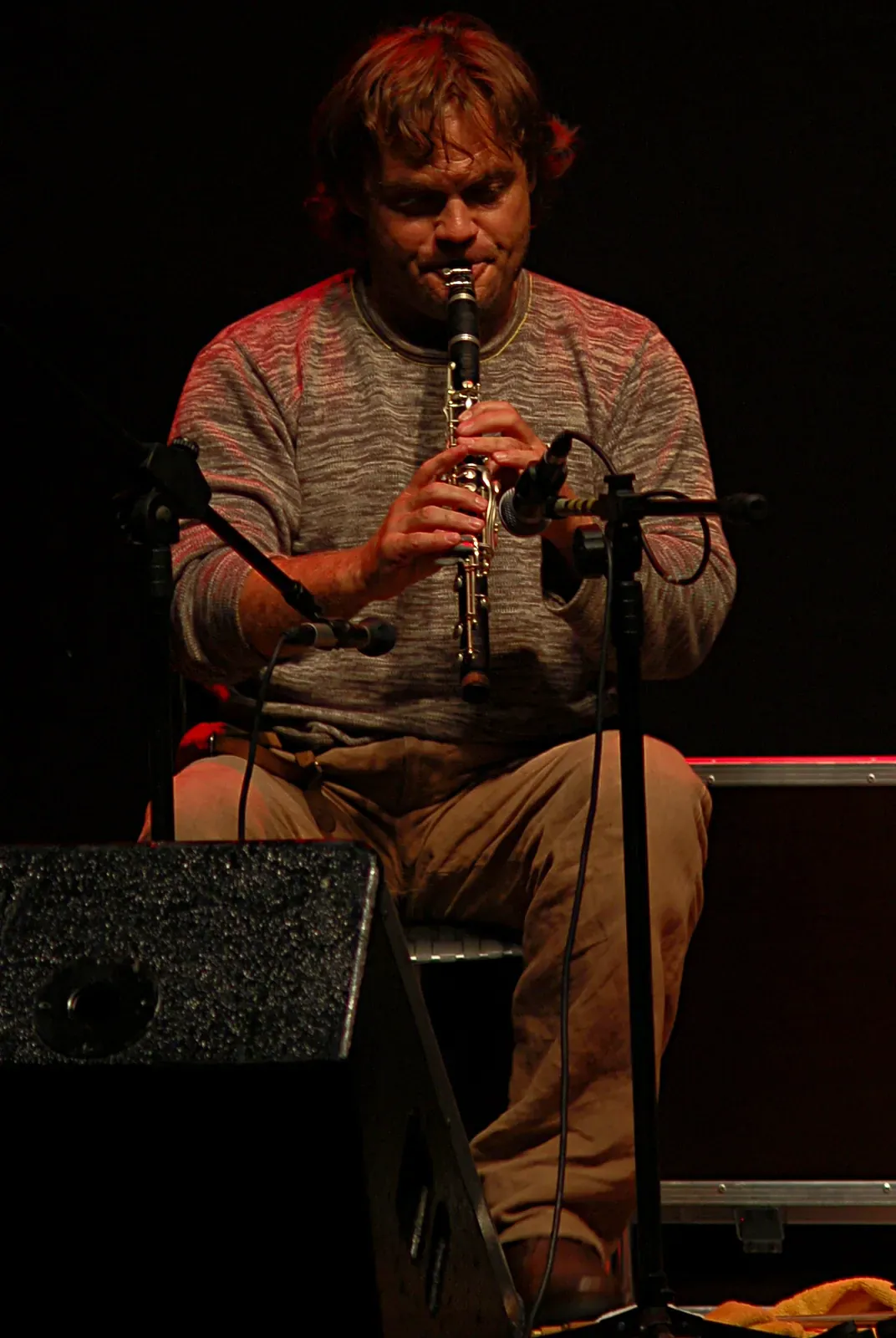
Official disfavour, 1982-1989
State media under the communist government favoured approved folk music and discouraged work with Romani or Turkish colouring. Wedding bands stayed popular with the public regardless. Papazov was arrested and beaten in custody in 1982, a case linked to his origins and his following among Bulgaria’s Turkish population. Recordings in Bulgaria came through the state company Balkanton, which held the country’s only recording business for four decades.
International recognition, from 1990
After the fall of the old government in 1989 and 1990, wedding music grew still more popular at home, and its players could travel. The British world-music label Hannibal issued Papazov’s albums abroad, among them Orpheus Ascending, produced by Joe Boyd, and he became one of the first Balkan Romani musicians to find a wide international audience. Yunakov moved to New York City in 1994 and formed the Yuri Yunakov Ensemble, which toured the United States and Europe. Papazov won the audience prize at the BBC Radio 3 World Music Awards in 2005, and Yunakov received a National Heritage Fellowship in 2011.
Characteristics
The repertoire covers the additive meters of Bulgarian folk music but favours the pravo horo in 2/4, the rachenitsa in 7/16 and the lesno. Pieces run at a breakneck pace and are played for hours at a stretch. Loudness is a marked trait. Wedding bands mix Bulgarian and Romani players, many of them master improvisers.
Instruments and production
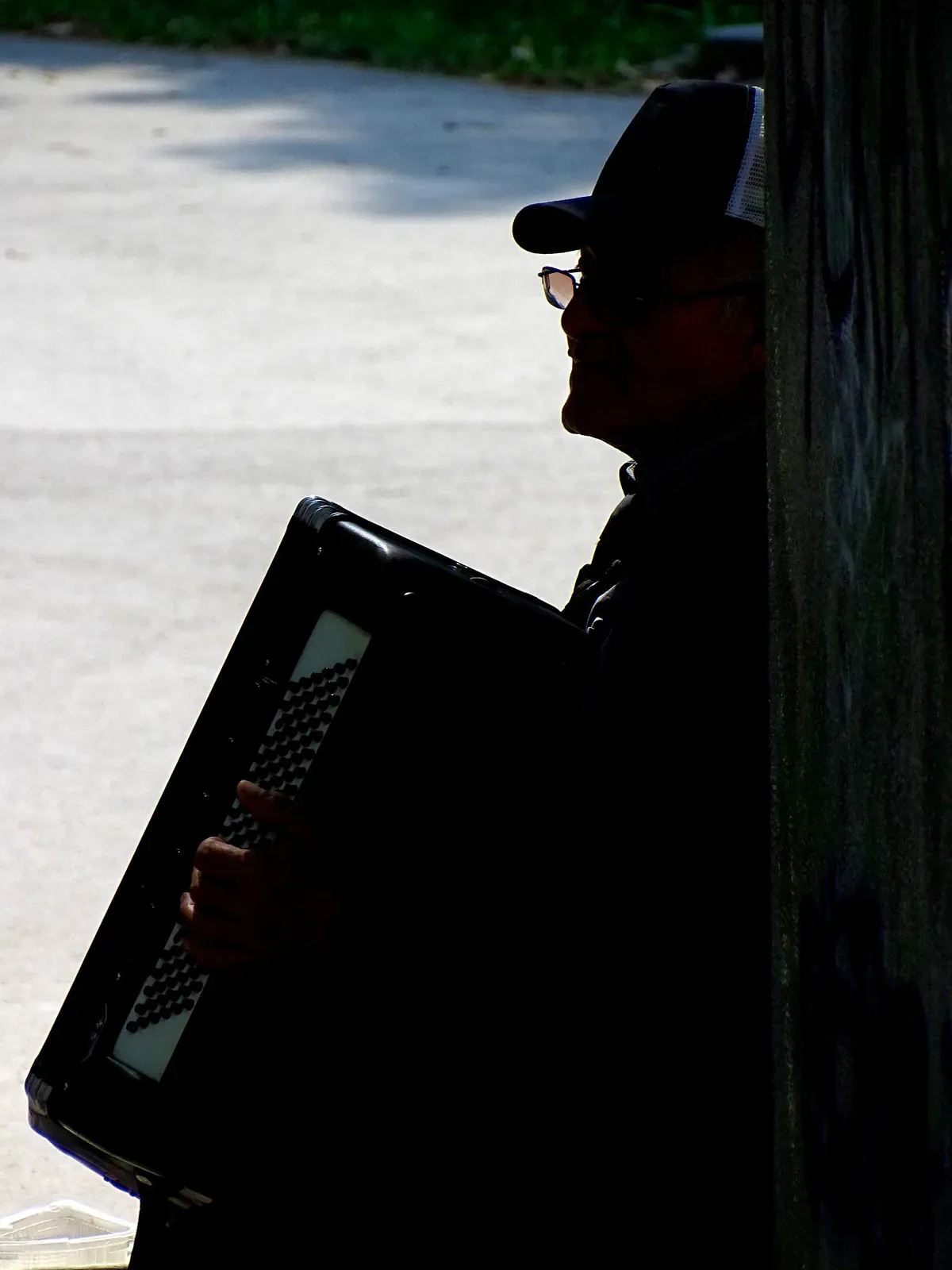
A band typically pairs a wind soloist, clarinet or saxophone, with accordion and electric bass, and later bands add synthesizer. The winds supply the melody and the solos; the keyboard instruments and bass hold the dance meter steady underneath.
Notable recordings
Papazov and Yunakov recorded the rachenitsa Kurdzhaliiska Ruchenica for the 2003 album Together Again, a track later analysed in a widely used university world-music textbook. Yunakov’s own 1999 album Balada gathered dance-floor pieces from Bulgarian weddings for American listeners, with its title piece running about eight minutes.
Culture
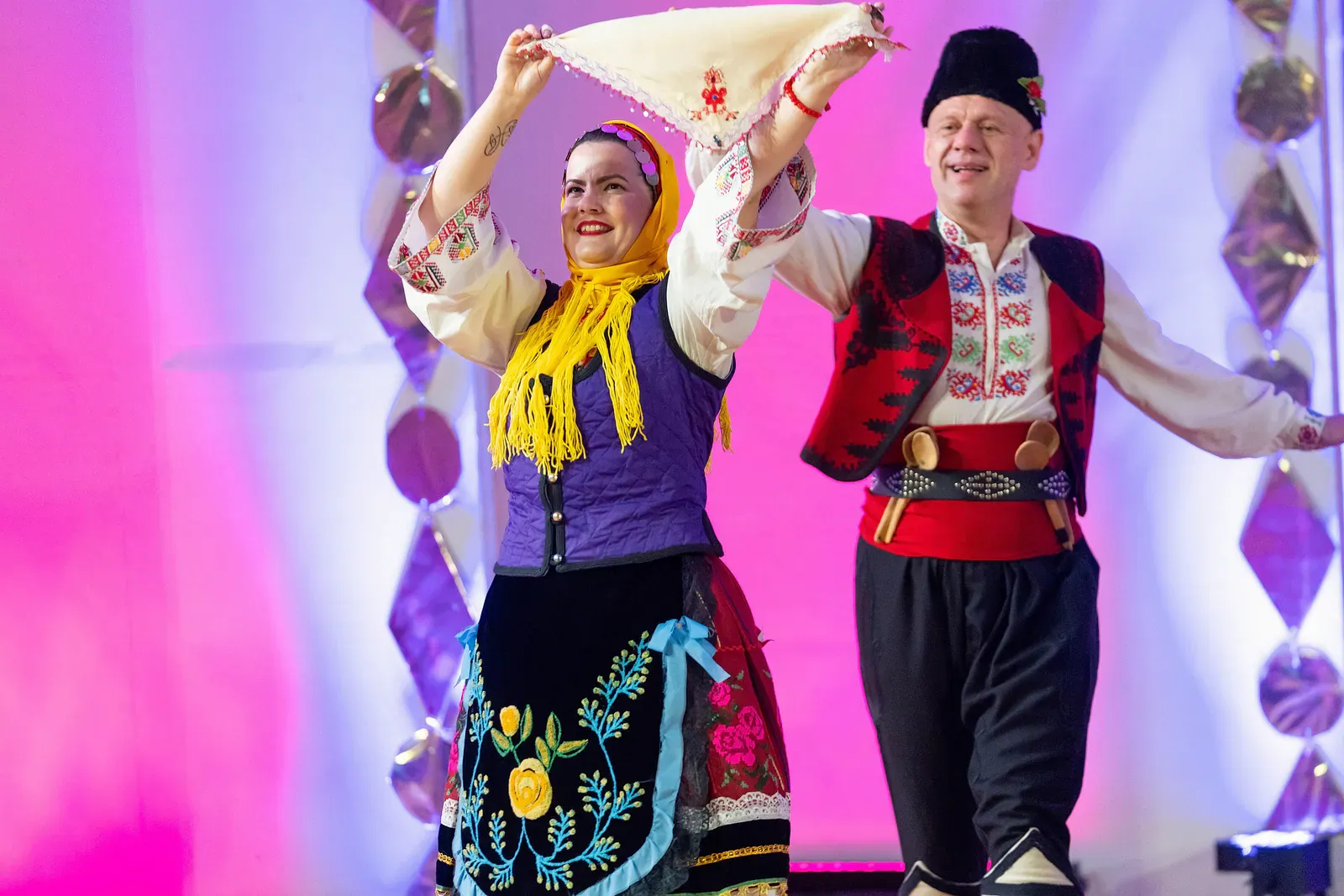
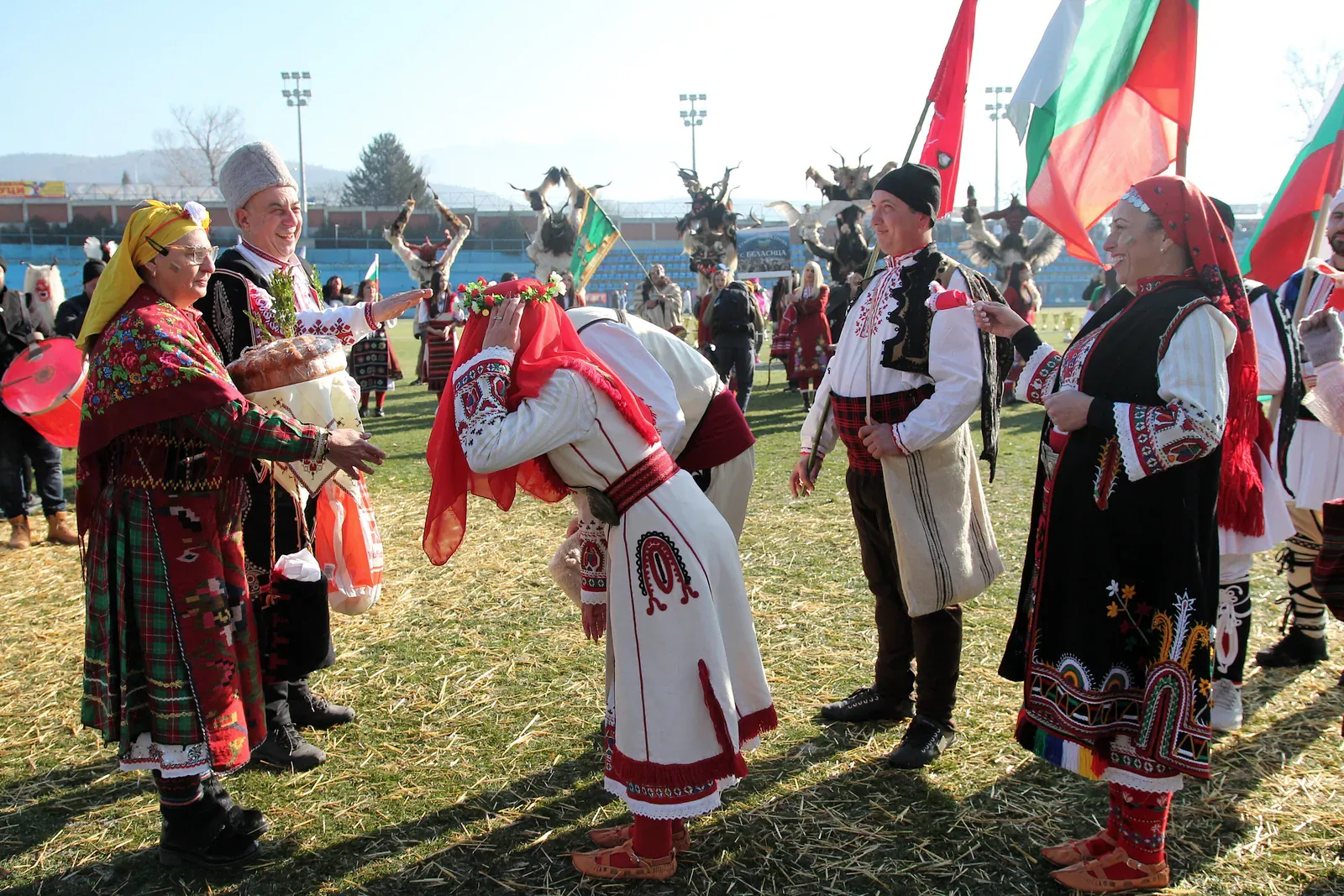
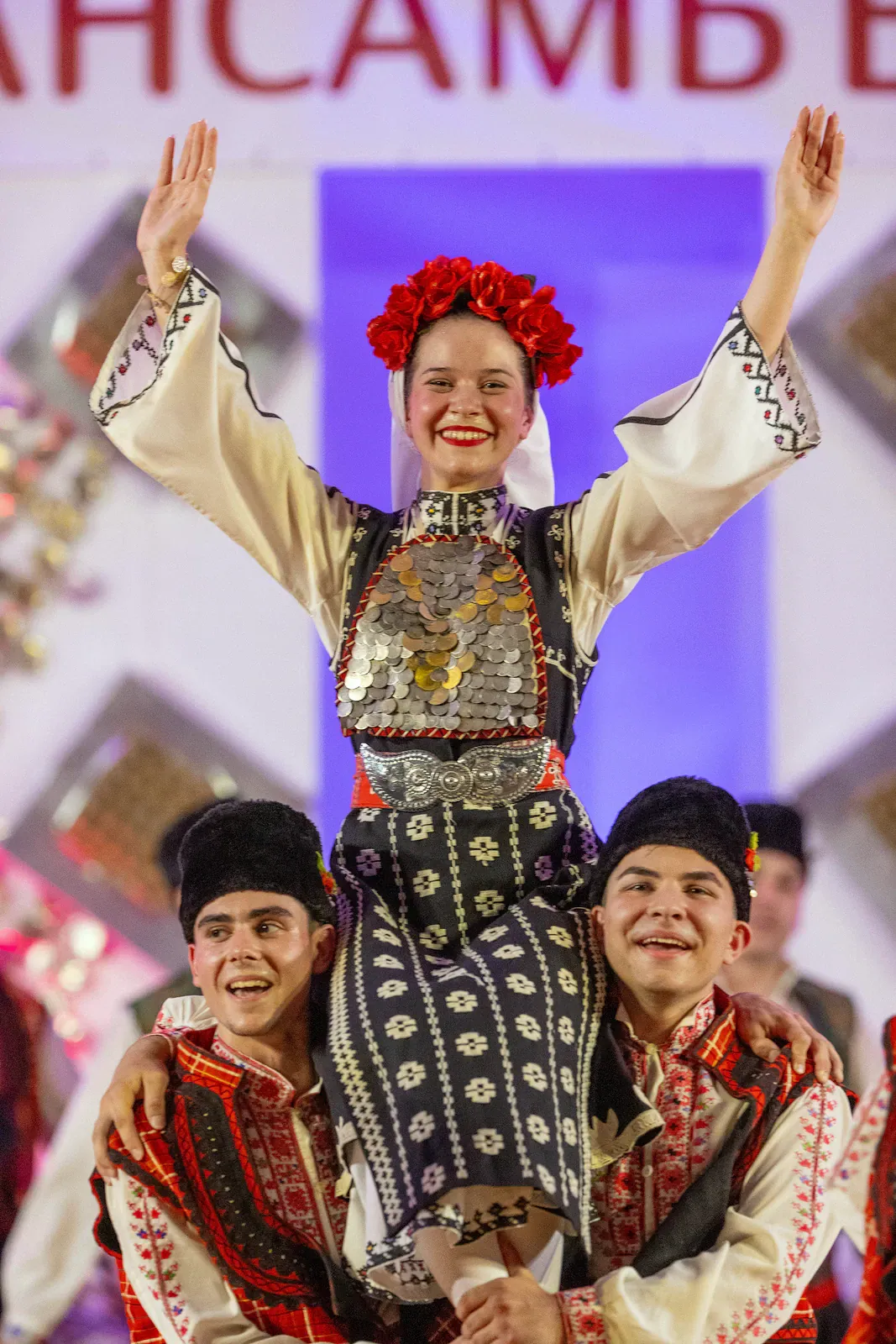
At a Bulgarian wedding the band is part of the ritual. It plays through the banquet and through the daruvane, the reciprocal exchange of gifts, and then for the dancing that follows. The genre has not been free of tension: its Romani and Turkish elements stirred controversy under communism, and wedding musicians still raise issues of auditions, registration, ethnicity, money and nationalism within their trade.
Legacy
Western musicians took notice of the unusual time signatures. Guitarist Steve Vai has described them as completely alien and drew on Bulgarian wedding music for a track on his 2005 album Real Illusions: Reflections. The style has also fed the world-music market’s interest in Balkan jazz.
Frequently asked questions
What is Bulgarian wedding music?
Bulgarian wedding music is an instrumental dance-band genre from Bulgaria, developed from the late 1960s, that combines Balkan folk dances with jazz improvisation on clarinet, saxophone and accordion.
Who are the leading Bulgarian wedding music musicians?
Clarinettist Ivo Papazov and saxophonist Yuri Yunakov are the best-known names. Papazov formed his bands in Stara Zagora in 1974, and Yunakov joined him in 1983 before moving to New York in 1994.
What time signatures does Bulgarian wedding music use?
It uses additive meters, favouring the 2/4 pravo horo and the 7/16 rachenitsa, along with others such as the 11/8 kopanitsa.
Sound
Sound sheet
Signature sounds
- Clarinet or saxophone lead over accordion, bass and synthesizer
- Additive meters such as 7/16 (2-2-3) and 11/8
- Breakneck dance sequences played for hours
- Jazz-style solos that shape the end of each piece
Techniques
- Extended improvised solos
- Additive meters
- Jazz improvisation over folk dances
- Loose dancer-driven structure
Tuning
Equal-tempered bass and keys under freely inflected clarinet and saxophone
Vocals
Led by instrumental voices: clarinet, saxophone and accordion carry the tunes
Scenes
Where it happened
Where and when the sound lived: one bar per city on a shared timeline.
Europe
North America
Active scenes
Peak 3, 1994-2025
Papazov founded his bands here in Thrace.
Home of Balkanton, the state record company.
Yunakov's base after emigrating.
Culture
Culture markers
- Wedding banquet and daruvane
The band plays through the banquet, gift exchange and dancing that follows.
Ritual - Horo line dances
Pravo horo, rachenitsa and kopanitsa fill the floor for several hours.
Dance
Media
Key media
- 1994May It Fill Your Soul: Experiencing Bulgarian Music
by Timothy Rice. Study of Bulgarian music including its wedding repertoire.
Book
Glossary
Terms on this page
Balkan jazz, Papazov's term for his wedding band style.
Wedding ritual of reciprocal gift exchange that the band accompanies.
Western Bulgarian line dance in 11/8, grouped 2-2-3-2-2.
Common line dance in 2/4.
National dance rhythm in 7/16, grouped 2-2-3.
Bulgarian name for wedding music, played for rituals, banquets and hours of dancing.
European folk family