Arabesk
Arabesk is a Turkish popular style of the 1960s to 2000s, built on Arab-influenced melody and rhythm, with fatalistic songs of longing from migrant city life.
Türkiye, around 1930
Middle Eastern and North African family
Born
around 1930
Türkiye
Links
9
Genres it drew on or shaped
Tempo
115-175 BPMLineage
Family tree
Timeline
Era by era
From the first sparks to today. Select a dot to read the story behind it.
- Cairo echoes
1930 to 1967
- Gencebay and the film years
1968 to 1979
- Coup, cassettes and the peak
1980 to 1989
- Mainstream and memory
1990 to today
Eras
Moments
- 1 Cairo echoes, 1930 to 1967
- 2 Gencebay and the film years, 1968 to 1979
- 3 Coup, cassettes and the peak, 1980 to 1989
- 4 Mainstream and memory, 1990 to today
around 1930
Cairo echoes
Egyptian radio and films reached Turkish listeners from the 1930s. Bans pushed Turkish singers to imitate Arab film songs, and in the 1960s several of them set Turkish words to Arab dance rhythms.
- 1948Egyptian film songs bannedTurkey bans Egyptian films and Arabic performance of their songs, which spurs a domestic trade in translated and imitated versions.
1968
Gencebay and the film years
Orhan Gencebay fused folk, classical and Arab styles, Kervan Plak began in 1972, and singers such as Ferdi Tayfur, Müslüm Gürses and İbrahim Tatlıses starred in Yeşilçam films built around their songs.
- 1968Gencebay's first free-style singleOrhan Gencebay releases Sensiz Bahar Geçmiyor, the first of his 1970s singles blending folk, classical and Arab styles.
- 1972Kervan Plak foundedOrhan Gencebay founds Kervan Plak, which signs other singers and later reissues his catalogue.
- 1976Batsın Bu DünyaGencebay's album Batsın Bu Dünya, whose title song curses the world, appears in June.
- 1977Çeşme filmFerdi Tayfur stars in the film Çeşme, named after his hit, which is said to have drawn 12 million viewers.
- 1978Tatlıses breaks sales recordsİbrahim Tatlıses breaks all sales records in Turkey, a mark of arabesk's grip on the mass market.
1980
Coup, cassettes and the peak
The 1980 coup brought a broadcast ban on arabesk at TRT, yet cassettes and live shows made it Turkey's dominant popular sound, with female stars such as Bergen setting sales records.
- 1980TRT bars arabesk after the coupAfter the September coup the state broadcaster bars arabesk music and films from its airwaves.
- 1982Bergen's attack and returnBergen is attacked with acid in October, and later returns to the stage, becoming a symbol in Turkey's debate on violence against women.
- 1987Acıların KadınıBergen's album, recorded in late 1986, sells over a million copies and wins Golden Record and Golden Cassette awards.
1990
Mainstream and memory
Arabesk blended into pop and rap, filled stadium-scale concerts, and was reassessed after the deaths of Ahmet Kaya in 2000 and Müslüm Gürses in 2013.
- 1999Ahmet Kaya award controversyAhmet Kaya receives Musician of the Year at a controversial ceremony in February, then leaves Turkey for France, where he dies in 2000.
- 2004Neredesin FiruzeMüslüm Gürses releases the album with Sensiz Olmaz on Kalan Müzik in February, reaching a younger audience.
- 2013Müslüm Gürses diesGürses, known as Müslüm Baba, dies on 3 March at 59.
Listening path
Start listening
A short path from an easy way in to the deep end. Thumbnails come from YouTube; the player loads only when you press play.
- 01
Orhan Gencebay, 1976
The fatalistic title song that defined the genre, from the singer's own label channel.
- 02
İbrahim Tatlıses, 1985
A Tatlıses signature with the sweeping strings and dance rhythm of the 1980s.
- 03
Bergen, 1987
The title song of the decade's best-selling album by a woman.
- 04
Müslüm Gürses, 2004
A late-career single that renewed Gürses for a younger audience.
Facts
| Family | Middle Eastern and North African |
| Origin | Türkiye |
| Emerged | 1970s |
| Status | Active |
| Tempo | 115 to 175 BPM |
| Meter | 4/4 |
| Grew out of | Ottoman classical music |
Arabesk is a style of Turkish popular music centred on a solo singer, with highly embellished vocals, minor-mode melodies and strings over a dance rhythm. It took shape between the late 1960s and the 1970s among rural migrants in Turkey’s big cities, and stayed popular through the 2000s.
Its songs deal with longing, unrequited love, fate and injustice.
Origins
The name comes from French “arabesque” and means “Arab style”, yet arabesk is Turkish music that borrows Arab melodies and rhythms, not Arab music itself. Egyptian films and radio reached Turkish listeners from the 1930s, and the songs of Muhammad Abd al-Wahhab and the Lebanese-born Farid al-Atrash set the model: dance rhythms, a dominant voice and violin choruses. In 1948 Turkey banned Egyptian films and Arabic performance of their songs, which spurred a local trade in translated and imitated versions.
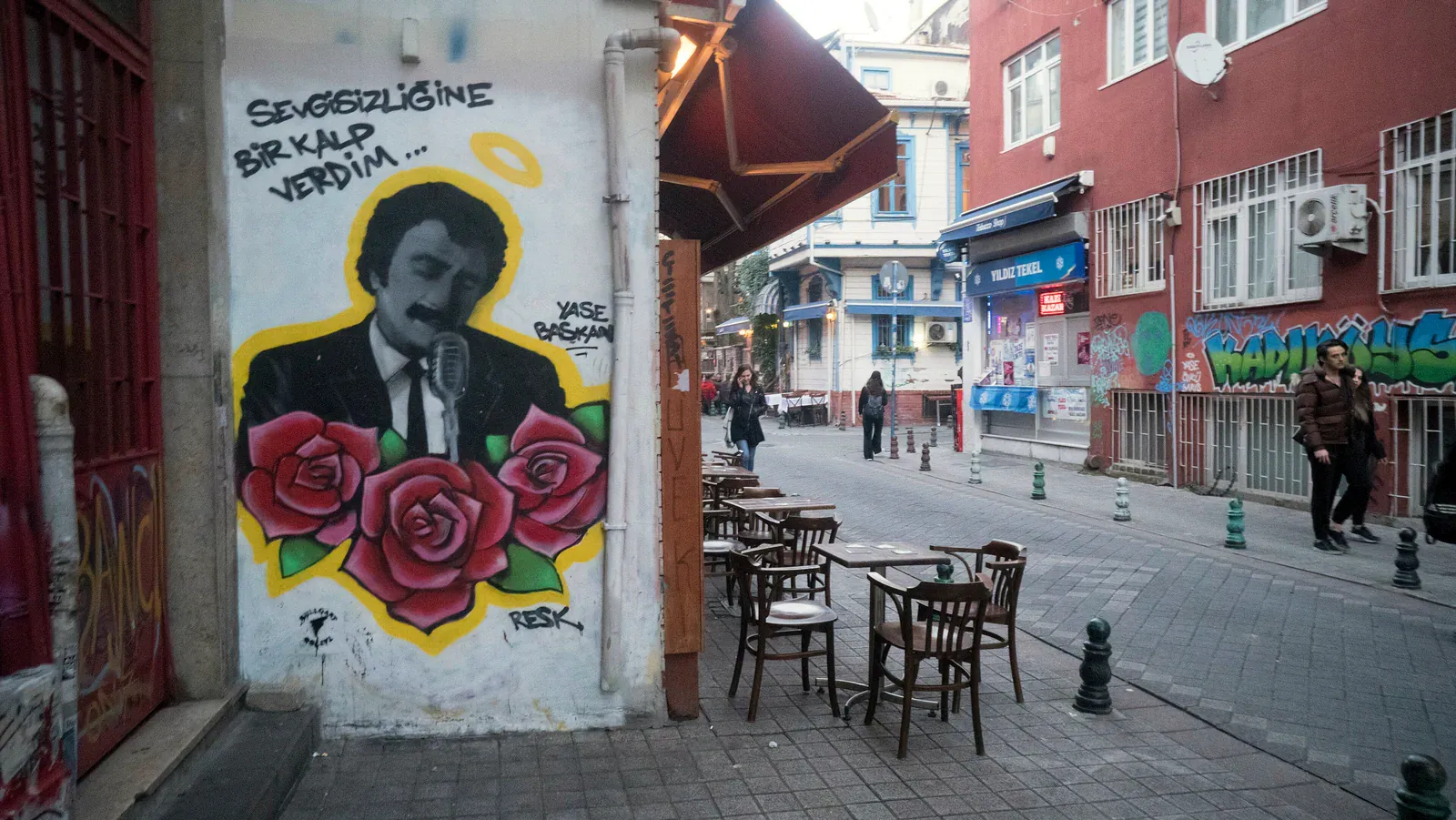
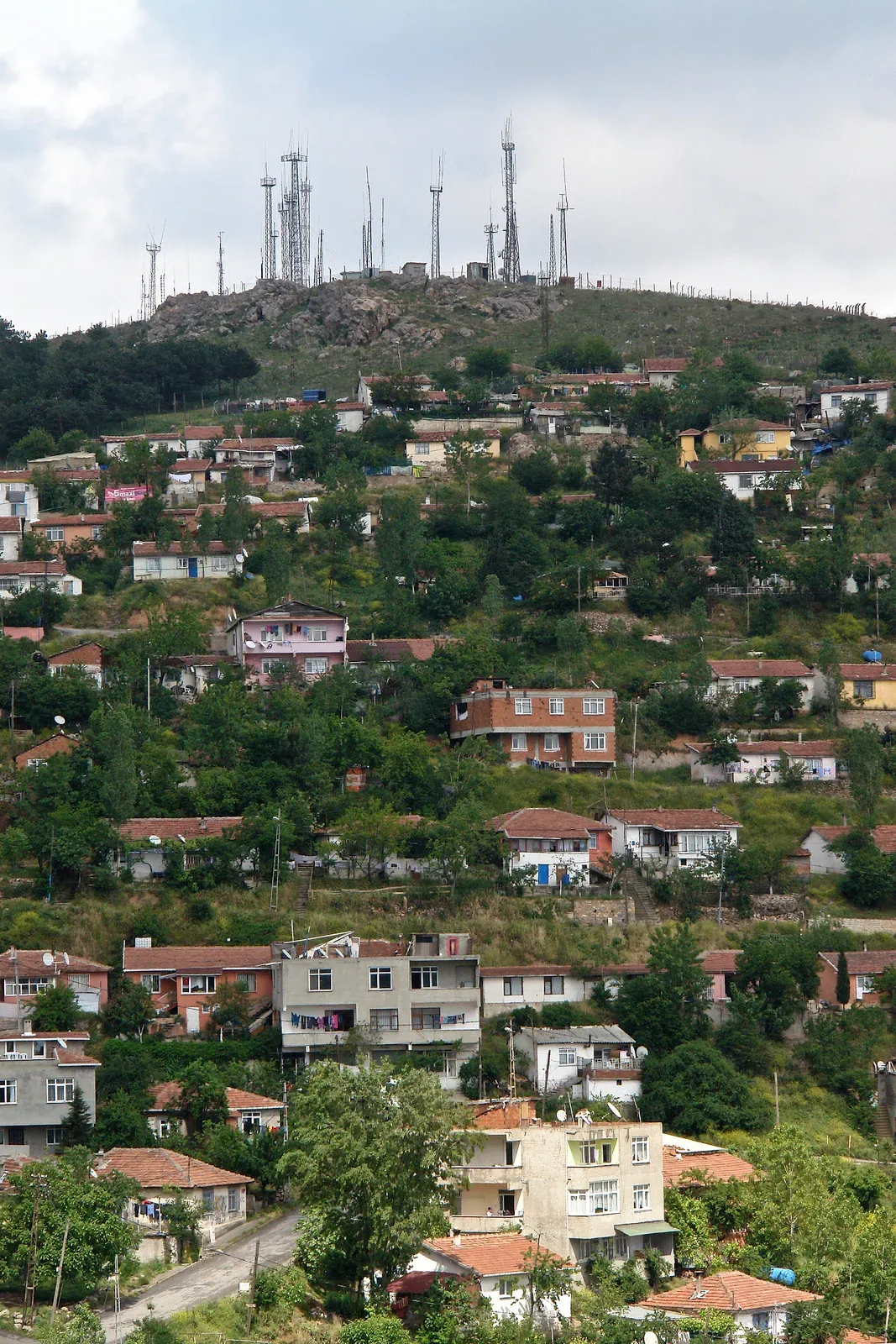
In the 1960s singers such as Adnan Şenses, Orhan Akdeniz, Ahmet Sezgin, Abdullah Yüce and Hafız Burhan Sesyılmaz set Turkish words to Arab dance music. The audience came from a wave of migration that began in the 1950s, when government rural programmes produced a labour surplus. Migrants built gecekondu districts, “built overnight”, on city edges, and by the 1970s such districts held up to 60 percent of Istanbul’s population. Arabesk became their music.
Gencebay and the film years, 1968-1979
Orhan Gencebay, a bağlama virtuoso born in Samsun in 1944, entered the 1966 National Bağlama Contest alongside Arif Sağ and Cinuçen Tanrıkorur. In 1968 he released his first “free-style” single, Sensiz Bahar Geçmiyor. Through the 1970s he fused folk, classical and Western rock, jazz and Arab styles, though he rejects the word arabesk as too narrow for his work. In 1972 he founded Kervan Plak, which signed other singers including Erkin Koray and Ajda Pekkan. His album Batsın Bu Dünya (1976), whose title song curses the world, became a standard of the style. Hakkı Bulut meanwhile added darbuka, bongo and violin to the Turkish folk format.
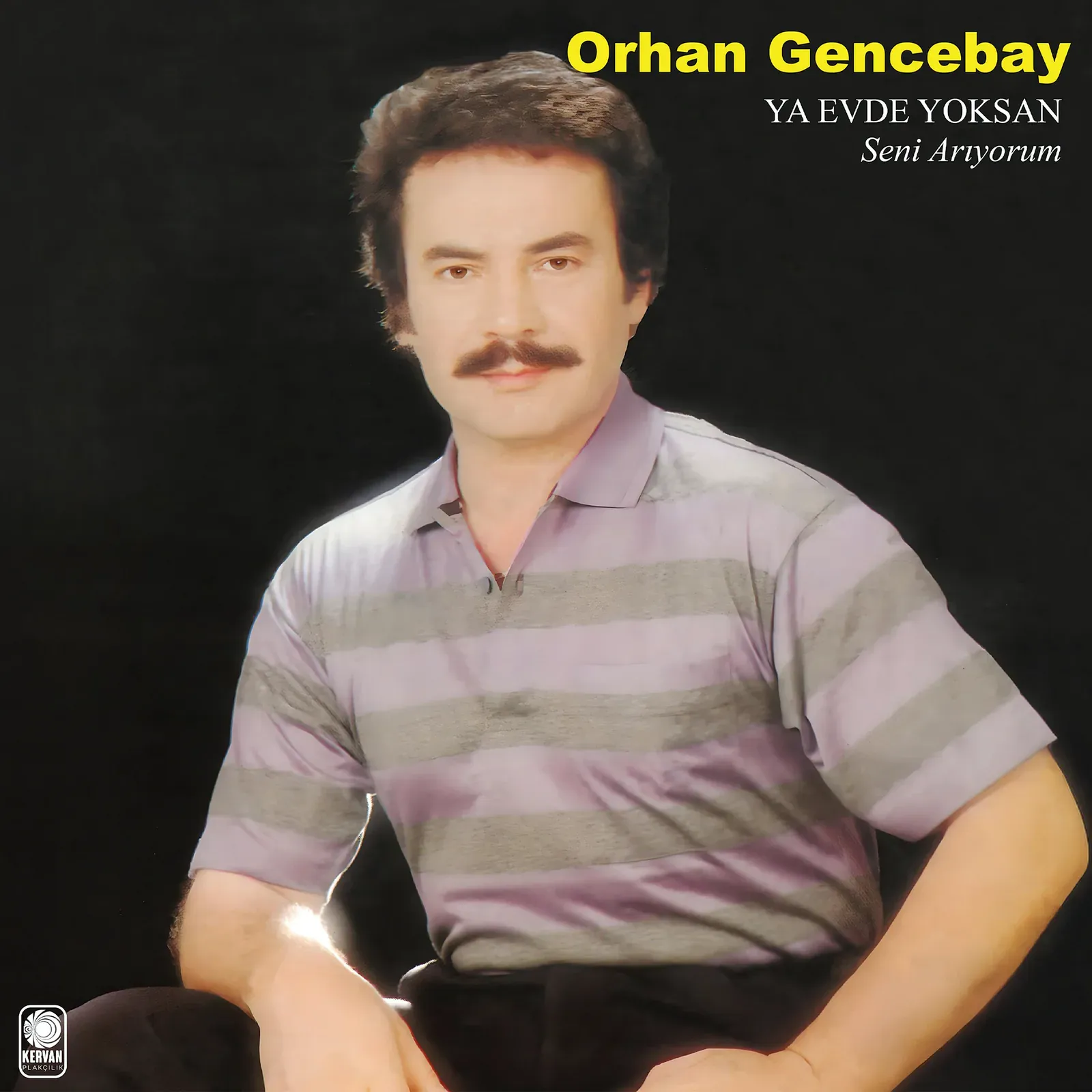
The style spread through Yeşilçam, the Istanbul film industry. Singers starred in melodramas built around their own songs: Gencebay led around 36 films, Müslüm Gürses starred in 38, and Ferdi Tayfur’s 1977 film Çeşme, named after his hit, is said to have drawn 12 million viewers. In 1978 İbrahim Tatlıses broke every sales record in Turkey.
Coup, cassettes and the peak, 1980-1989
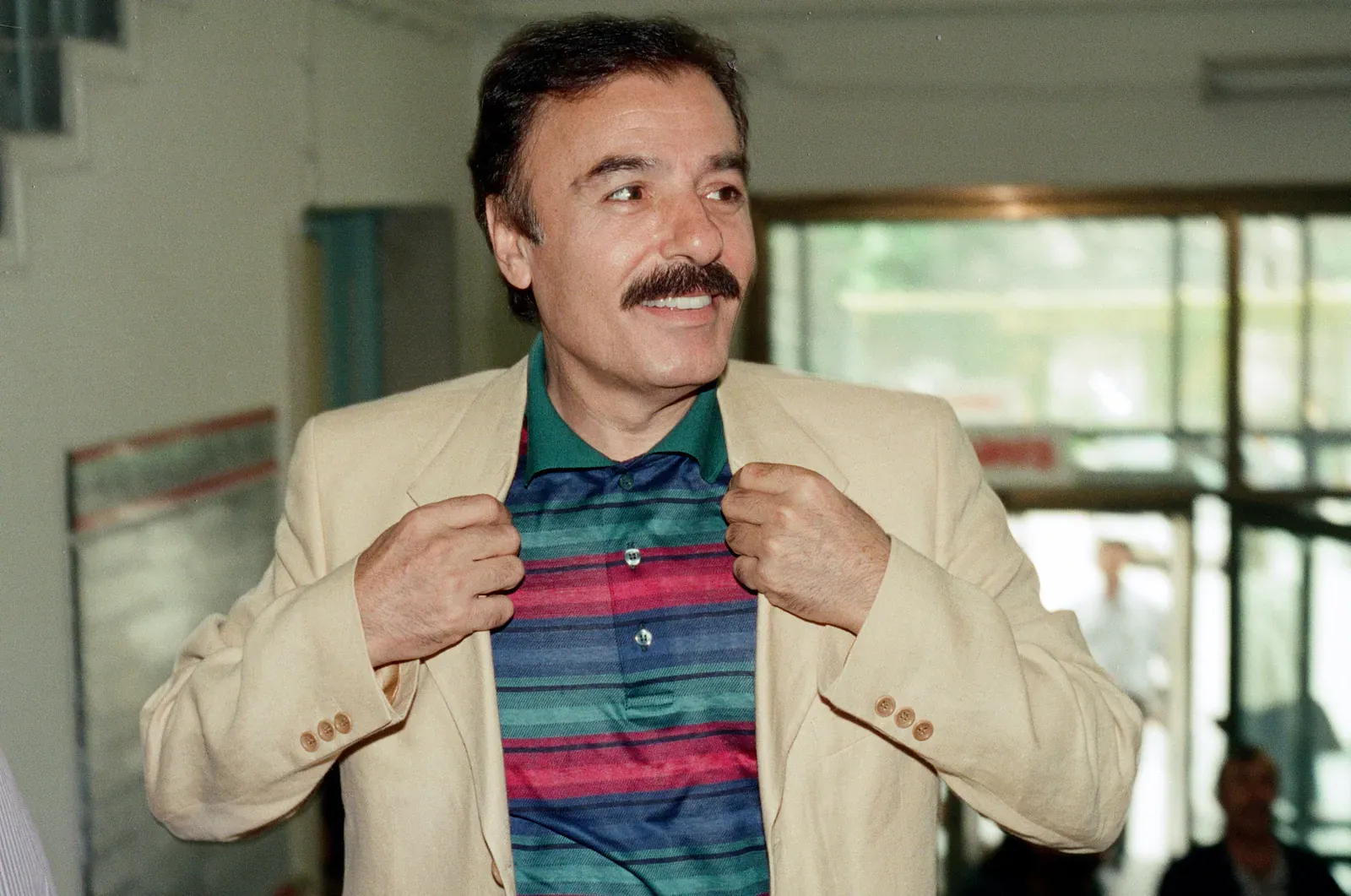
After the September 1980 coup the state broadcaster TRT barred arabesk music and films. The ban hardly slowed the music. Cassettes sold from the Unkapanı district of Istanbul spread through minibuses, coffeehouses and workshops, and women singers probably outsold men at the peak, as the sound grew more danceable. Bergen’s career shows both sides of that decade. She was attacked with acid in October 1982, returned to the stage and recorded Acıların Kadını in late 1986. The album sold over a million copies, and the Golden Record and Golden Cassette awards named her the year’s best-selling female arabesk artist. She died in August 1989 and became a symbol in Turkey’s debate on violence against women.
Politics shifted as well. By 1987 and 1988 the government favoured a sponsored “arabesk without pain”, a First Music Congress endorsed an approved version, and Prime Minister Turgut Özal’s Motherland Party took an arabesk song as an election slogan. Özal appeared in friendly conversation with Gencebay in early 1988, and the singer Bülent Ersoy returned from West Germany that year after a stage ban in Turkey.
Mainstream and memory, 1990 onward
Arabesk split into pop, rock and rap variants; Tatlıses, with 42 albums and a television show, kept his audience partly through club remixes. Ferdi Tayfur’s 1993 concert at Gülhane Park drew 200,000. Müslüm Gürses, known as Müslüm Baba, drew a young, low-income following whose members sometimes cut themselves with razor blades during concerts, which drew academic study in the late 1990s. In 2004 he released Neredesin Firuze on Kalan Müzik, and in 2006 an album of songs written by Murathan Mungan on Pasaj. He also recorded songs by Nilüfer, Teoman and Tarkan.

Not everyone welcomed it. The composer Fazıl Say called listening to arabesk tantamount to treason, and officials and critics used labels such as “degenerate”, a stance often read as class prejudice. In February 1999 Ahmet Kaya received a Musician of the Year award at a controversial ceremony, then left Turkey for France, where he died in 2000. Gürses died in 2013 and Ferdi Tayfur in January 2025.
Characteristics
Arabesk puts one voice at the centre. Lines are long, dramatic and ornamented, and the melodies are mostly minor, in varieties of the Phrygian mode drawn from makam practice. Violin choruses answer the singer. Only a very small share is instrumental. The lyrics dwell on fate (kader), unrequited love and grief.
Instruments and production
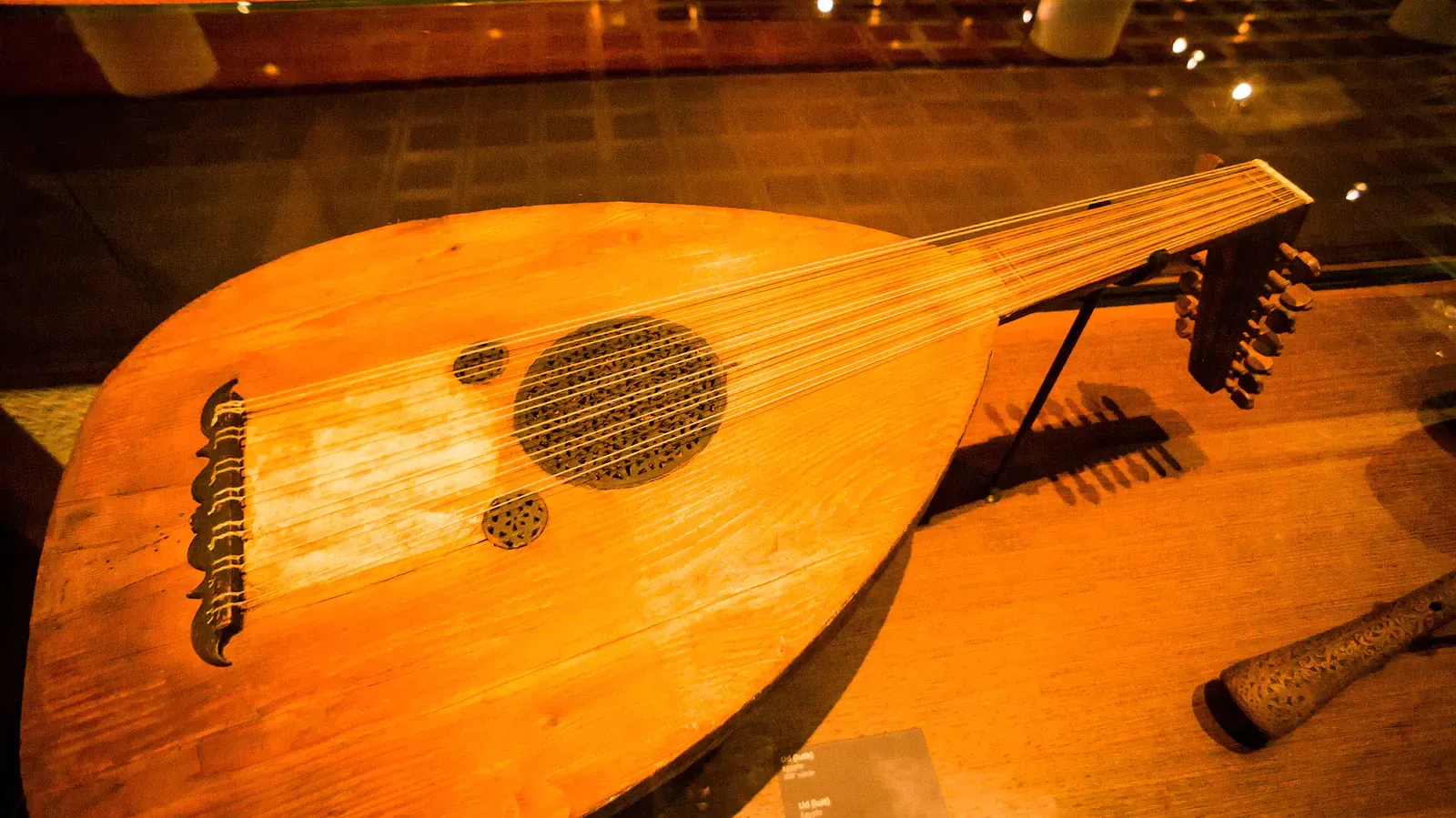
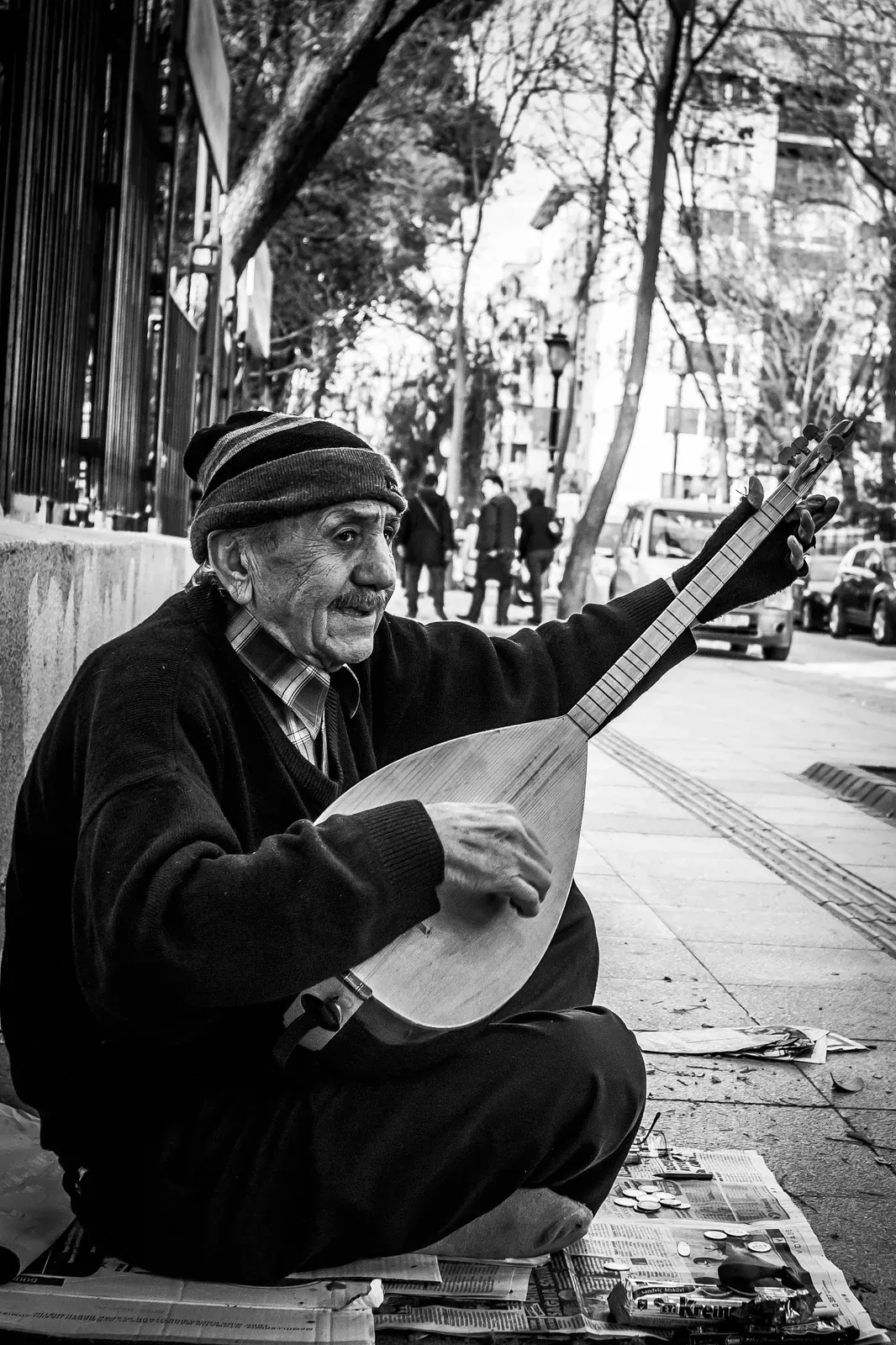
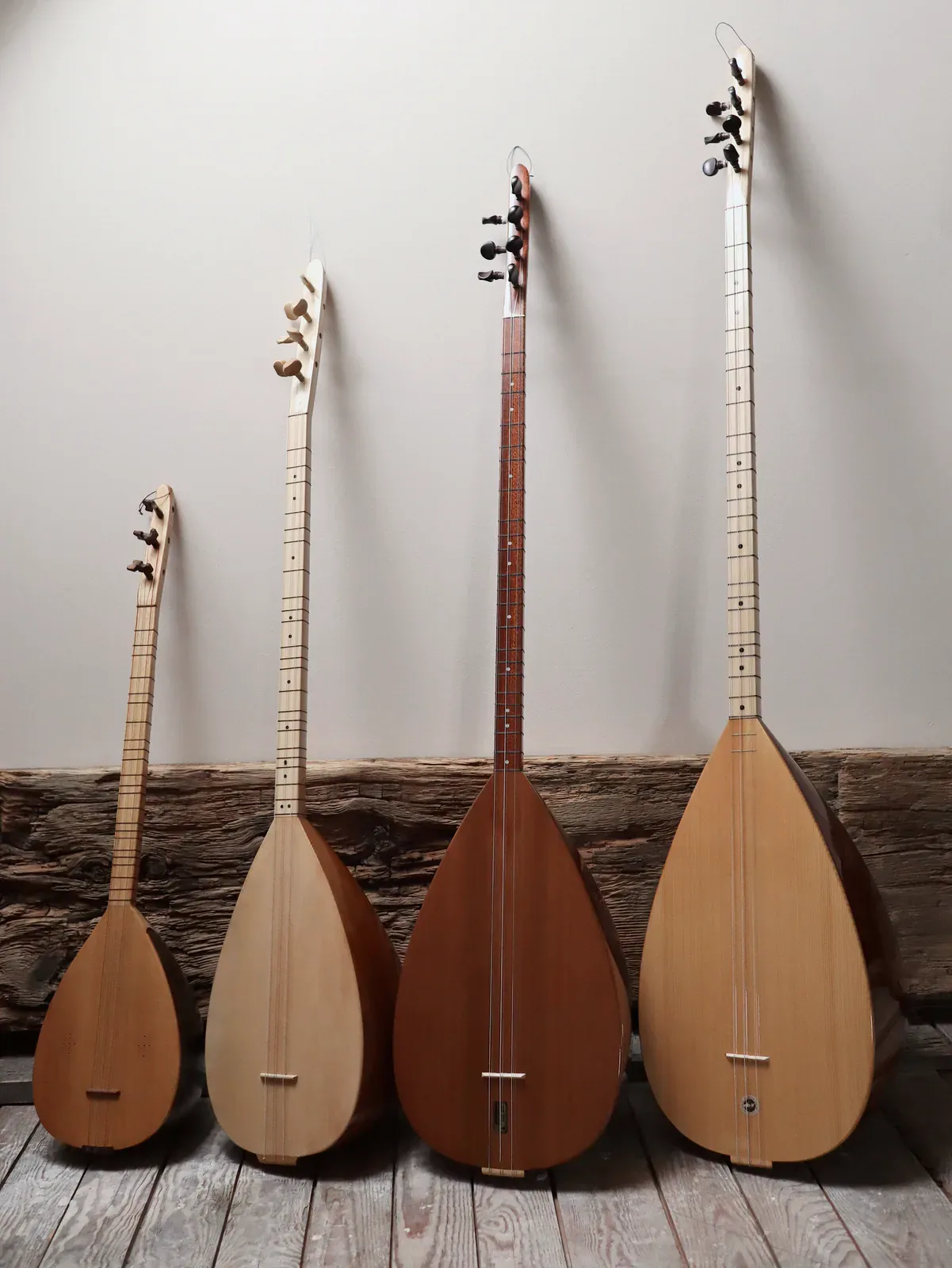
The bağlama, the long-necked lute of Turkish folk music, carries the folk side, and violins carry the Egyptian film side. Darbuka and bongo supply the rhythm. Distribution ran through the cassette trade of Unkapanı.
Culture
Arabesk was long treated as a culture as much as a music: the outlook of migrants in a city that gave them little. Films, minibuses and coffeehouses were its venues, and fatalism was its theme. The writer Martin Stokes’s The Arabesk Debate (2010) examines how state and critics argued over it.
Legacy
Arabesk influenced Turkish pop and rap, and its singers still draw crowds. It stands apart from Turkish classical music and Turkish folk music, both of which it borrows from, and from the guitar-led Anatolian rock of the same decades. See also Turkish pop and the wider Middle Eastern and North African family.
Misconceptions
Arabesk is not Arab music. It is a Turkish style that adapts Arab melodies and dance rhythms, built on the same makam system as Turkish classical music, and Arab classical music itself was never embraced in Turkey.
It was not simply banned. Egyptian film songs were barred in 1948, and TRT barred arabesk after 1980, yet before that the state mostly ignored the music, and by the late 1980s politicians were courting its stars.
It was not a male genre. Male singers dominated its early years, but women probably predominated at its peak.
Frequently asked questions
What is arabesk music?
Arabesk is a Turkish popular style of the 1960s to 2000s that combines Arab-influenced melody and rhythm with Turkish folk and classical material, in songs about longing and fate.
Who founded arabesk?
No single person did. Suat Sayın is often called its founder, while Orhan Gencebay shaped its 1970s sound, and singers such as Müslüm Gürses, Ferdi Tayfur, İbrahim Tatlıses and Bergen made it a mass market.
Is arabesk the same as Arabic music?
No. The name means “Arab style”, but arabesk is sung in Turkish and rooted in Turkish makam and folk traditions.
Why is arabesk linked to migrants?
Its first audience was the rural migrants who settled in gecekondu districts from the 1950s, and its themes of displacement and fate spoke to their lives.
Sound
Sound sheet
Signature sounds
- Vocal-centred melody with heavy ornamentation
- Minor, Phrygian-leaning scales
- Violin choruses over dance rhythm
- Lyrics of longing, fate and injustice
Techniques
- Melisma
- Violin answer
- Rock and folk fusion
Keys and modes
Phrygian-type makams. Mostly minor, in varieties of the Phrygian mode.
Tuning
Makam-based modal tuning with microtonal intervals
Vocals
A solo singer sits at the centre, with highly embellished, emotive delivery.
Scenes
Where it happened
Where and when the sound lived: one bar per city on a shared timeline.
Asia
Active scenes
Peak 4, 1977-2025
Home of the Unkapanı cassette trade and Yeşilçam film studios, and the destination of migrants who made the audience.
Nightclub circuit where Bergen and others began and where state radio set the cultural line.
Regional radio and club town that produced Ferdi Tayfur and early Müslüm Gürses.
Southeastern city that gave Tatlıses and Gürses to arabesk.
Venues and places
Ankara, 1977 to today. Nightclub where Bergen began her stage career under that name.
Istanbul, 1993 to today. Park where Ferdi Tayfur drew 200,000 people to a 1993 concert.
Culture
Culture markers
- Müslüm Baba
Fans called Müslüm Gürses father, and his concerts were studied by scholars.
Slang - Meyhane and minibus listening
The music spread through coffeehouses, workshops and shared minibuses as much as concert halls.
Ritual - Yeşilçam melodrama
Films repeated the singers' stories of migration, loss and the city.
Artwork
Media
Key media
- 1977Çeşme
by Ferdi Tayfur. Film built around the singer's hit, an example of Yeşilçam's arabesk melodramas.
Film - 2010The Arabesk Debate: Music and Musicians in Modern Turkey
by Martin Stokes. Study of how the genre was argued over by state and critics.
Book - 2018Müslüm
by Ketche and Can Ulkay. Biopic of Müslüm Gürses that renewed interest in the genre.
Film
Glossary
Terms on this page
Neighbourhood built overnight by rural migrants at the edge of a city, the home audience of arabesk.
Fate; the fatalism of kadercilik runs through arabesk lyrics.
Father Müslüm, the affectionate title fans gave Müslüm Gürses.
Record; Turkish labels such as Kervan Plak carry the word.
Istanbul's commercial film industry, which starred arabesk singers in melodramas.
Middle Eastern and North African family