Persian classical music
Persian classical music is Iran's art tradition of improvised and composed pieces in the dastgah modes, taught through the radif and listed by UNESCO in 2009.
Iran, around 590
Middle Eastern and North African family
Born
around 590
Iran
Subgenres
6
Documented branches
Links
5
Genres it drew on or shaped
Tempo
60-130 BPMLineage
Family tree
Grew out of
Iran
Persian classical music
Led to (6)
Timeline
Era by era
From the first sparks to today. Select a dot to read the story behind it.
- Court modes and the maqam heritage
590 to 1795
- Qajar court and the radif
1796 to 1955
- Radio Golha and the institutions
1956 to 1978
- Revolution, ensembles and recordings abroad
1979 to 2008
- UNESCO listing and the post-Shajarian years
2009 to today
Eras
Moments
- 1 Court modes and the maqam heritage, 590 to 1795
- 2 Qajar court and the radif, 1796 to 1955
- 3 Radio Golha and the institutions, 1956 to 1978
- 4 Revolution, ensembles and recordings abroad, 1979 to 2008
- 5 UNESCO listing and the post-Shajarian years, 2009 to today
around 590
Court modes and the maqam heritage
Sasanian court musician Barbad is credited with a system of seven royal modes, 30 derived modes and 360 melodies, a lineage later tied to the Safavid era and the older twelve-maqam classification.
- 590Barbad at the court of Khosrow IIThe court musician Barbad is remembered for organising seven royal modes, thirty derived modes and 360 melodies, a root of dastgah and maqam.
around 1796
Qajar court and the radif
In the 19th century the maqam system was rearranged into the radif and dastgah scheme, with Mirza Abdollah's tar and setar repertoire becoming the most widely taught version.
- 1918Mirza Abdollah diesThe tar and setar master, whose radif became the most widely taught, dies after teaching Abolhasan Saba, Esmaeil Ghahremani and Ali-Naqi Vaziri.
- 1924Qamar sings unveiled in TehranQamar-ol-Moluk Vaziri performs at the Grand Hotel in Tehran without the veil, among men, and goes on to a three-decade career.
1956
Radio Golha and the institutions
Golha programmes on Radio Tehran paired classical music with poetry and made musicians respected figures, while a 1968 centre worked to preserve the repertoire.
- 1956Golha begins on Radio TehranDavoud Pirnia's programmes combine poetry, vocal and solo music; the series runs until 1979 with 1,578 programmes.
- 1959Shajarian starts at Radio KhorasanMohammad-Reza Shajarian begins singing professionally at the Mashhad station.
- 1968Centre for Preservation and Propagation of Iranian MusicDariush Safvat and Nur-Ali Borumand help found the institution, credited with saving traditional music in the 1970s.
- 1977Aref Ensemble formsParviz Meshkatian, Hossein Alizadeh and Mohammad-Reza Lotfi found the group named after the poet and composer Aref Ghazvini.
1979
Revolution, ensembles and recordings abroad
After 1979 Golha ended, female solo singing was banned from recording, and masters such as Shajarian, Alizadeh and Meshkatian built ensembles and recorded for audiences at home and abroad.
- 1979Revolution ends GolhaThe programmes end, many artists emigrate, and the recording of female solo singing is outlawed.
- 1979Shajarian records RabbanaFour Qur'anic supplications in the Segah mode, recorded in July, become a staple Ramadan broadcast for three decades.
- 1985BidadMeshkatian and Shajarian release an album built on Homayoun and Shur, with lyrics from Hafez and Saadi.
2009
UNESCO listing and the post-Shajarian years
The radif entered UNESCO's intangible heritage list in 2009, the same year Shajarian became a protest voice; he died in October 2020.
- 2009Radif inscribed by UNESCOThe Radif of Iranian music is listed on the Representative List of the Intangible Cultural Heritage of Humanity.
- 2009Shajarian backs the Green MovementAfter criticising the government he is banned from concerts and releasing music; his song Language of Fire appears in September.
- 2020Shajarian diesIran's best-known classical vocalist dies on 8 October at 80.
Listening path
Start listening
A short path from an easy way in to the deep end. Thumbnails come from YouTube; the player loads only when you press play.
- 01
Mohammad-Reza Shajarian, 1979
The 1979 supplications in Segah, a vocal line with sparse accompaniment that became a Ramadan ritual.
- 02
Mohammad-Reza Shajarian, 1985
The fast metric chaharmezrab from the Bidad album, driven by plucked strings and percussion.
- 03
Hamavayan Ensemble, 1990
A reng, the rhythmic dance piece that traditionally closes a suite, played by Alizadeh's ensemble.
Facts
| Family | Middle Eastern and North African |
| Origin | Iran |
| Status | Active |
| Tempo | 60 to 130 BPM |
| Meter | 6/8 |
| Subgenres | 6 |
Persian classical music, also called Persian traditional music or the radif-dastgah system, is the art music of Iran. It is built on a repertoire of old melodies, the radif, organised into modal systems called dastgahs and avazes, and it mixes improvisation with composed pieces.
The radif was inscribed on UNESCO’s list of intangible cultural heritage in 2009.
Origins
The history of music in Iran reaches back to prehistoric Elamite and Oxus cultures, though little is known about the music of the Median, Achaemenid and Parthian empires. Sasanian music is better documented. The court poet-musician Barbad, who served the patron-king Khosrow II, is remembered for organising a system of seven royal modes, thirty derived modes and 360 melodies. Later tradition treats this as a root of the dastgah and maqam systems, although the claim rests on late accounts.
After the Muslim conquest, theorists such as Avicenna, Farabi, Qotb-ed-Din Shirazi and Safi-ed-Din Urmawi worked out the sonic theory behind the tradition. Its modes are related to those of neighbouring cultures, including the Arabic maqam, Azerbaijani mugham and Central Asian shashmaqam. See also Arabic classical music, mugham and shashmaqam.
The Qajar radif, 1796-1955
In the 19th century the older twelve-maqam classification was rearranged into the radif system. The oldest documented version of the seven-dastgah radif was developed by Mirza Abdollah (1843 to 1918), a tar and setar master of the late Qajar court, born in Farahan. His brother Mirza Hossein-Qoli shared the family repertoire, and the radifs of the two brothers are the oldest still used by students. Abdollah taught Abolhasan Saba, Esmaeil Ghahremani and Ali-Naqi Vaziri, and his rendition became the most widely practised version.
Each master kept his own version, handed to students orally over years of repetition, and a version often carries his name. In the early Qajar era the older rhythmic cycles (osul) were replaced by a meter based on poetry.
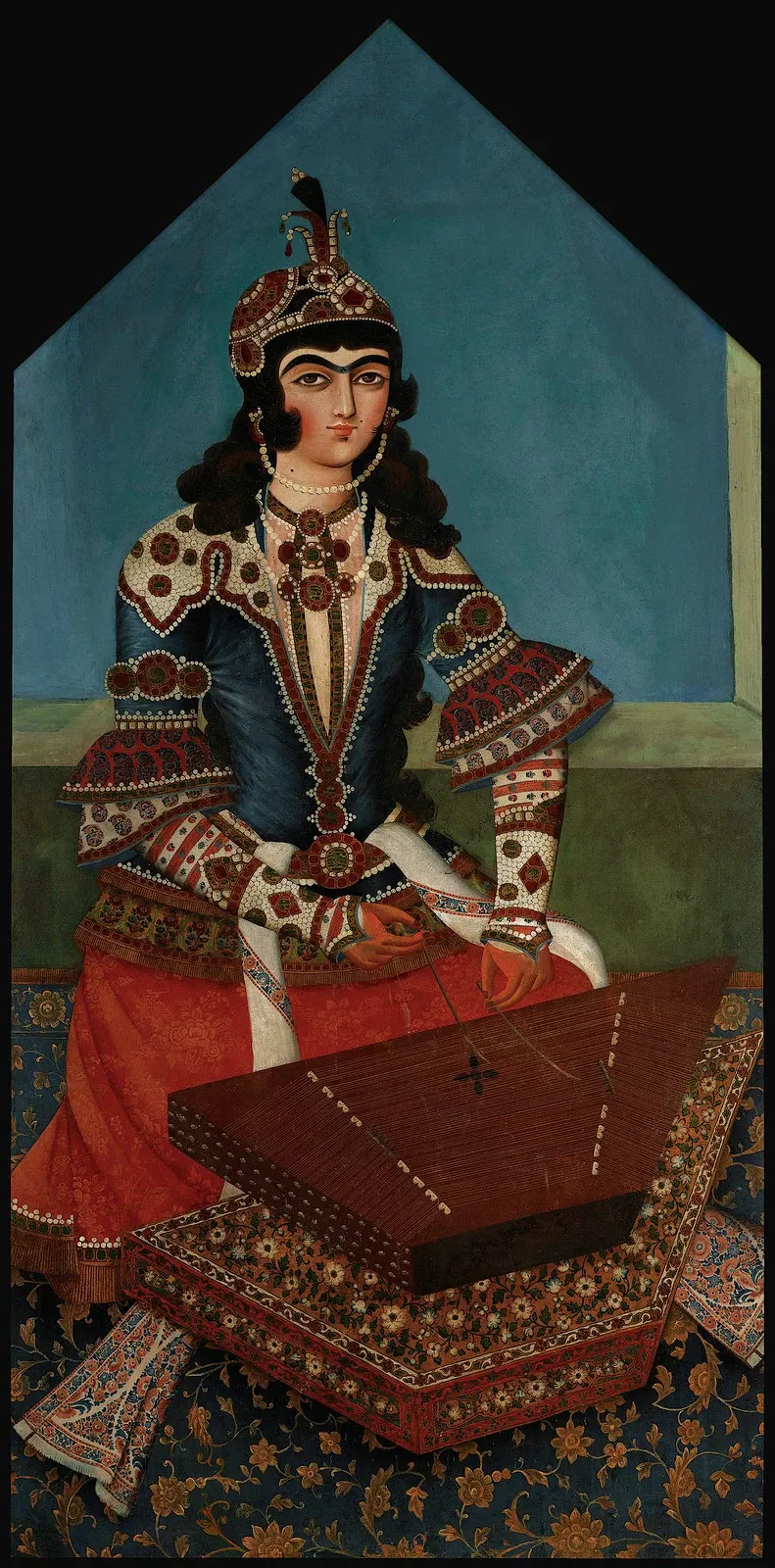
In the late Qajar and early Pahlavi years many compositions combined classical modes with Western harmony, and traditionalists feared for the older music. In 1924 the singer Qamar-ol-Moluk Vaziri, then 19, performed at the Grand Hotel in Tehran without a veil, among men, and began a career of about three decades. She was best known for her tasnif and tarane and retired from singing in 1956.
Radio Golha, 1956-1978
The Golha (“flowers”) programmes on Radio Tehran changed the social standing of the music. Founded by Davoud Pirnia, they paired literary commentary and sung poetry with solo and ensemble music, in several series such as Eternal Flowers, Colorful Flowers, Green Leaf, A Branch of Flowers and Desert Flowers. Pirnia led them for eleven years until 1967, and a later series, Fresh Flowers, followed in 1972 under Houshang Ebtehaj. In all they came to 1,578 programmes and about 847 hours of music and poetry.
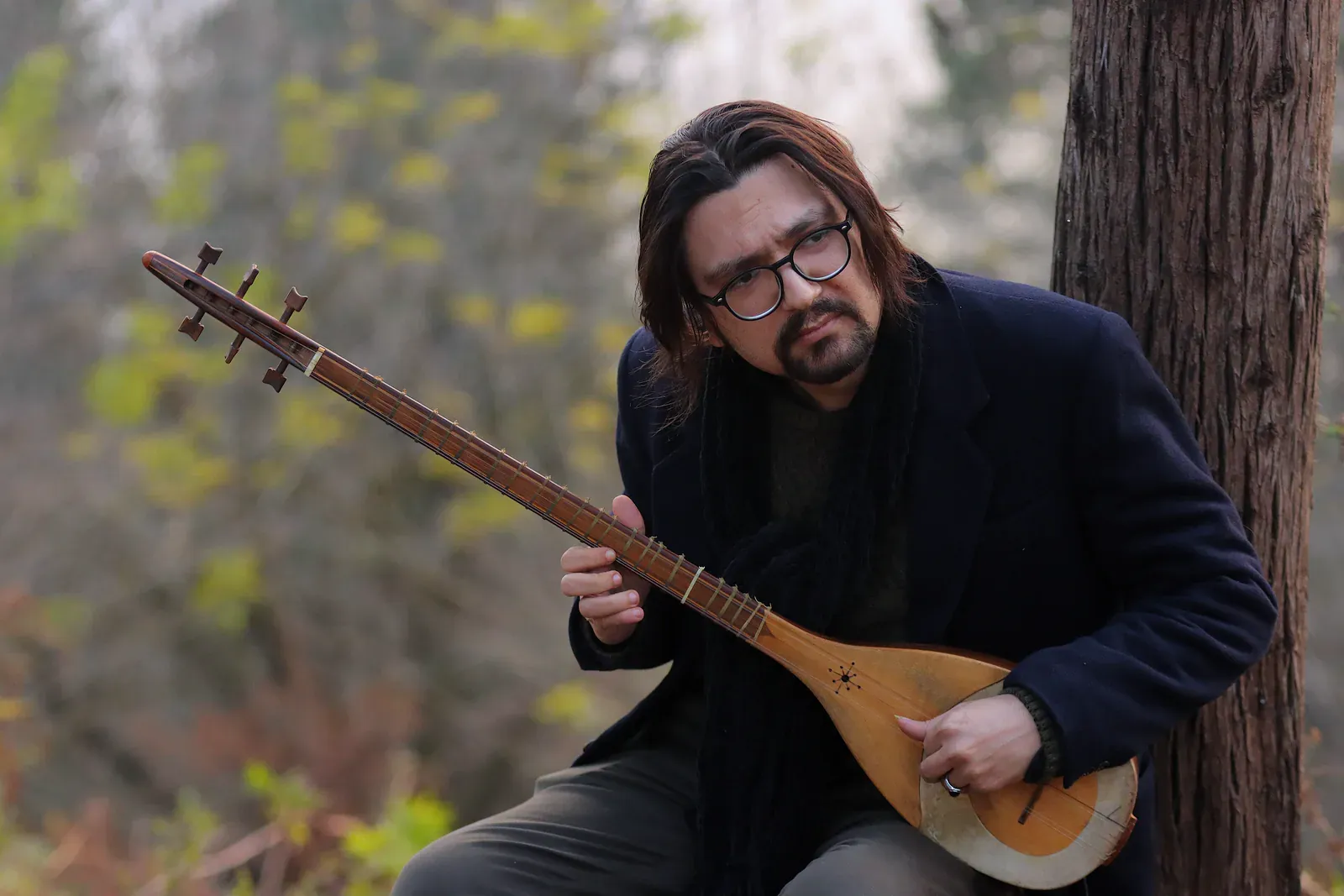
Before Golha, music was largely practised behind closed doors and performers were lumped with street entertainers; afterwards musicians came to be seen as masters and virtuosos. Shajarian began singing at Radio Khorasan in Mashhad in 1959, and in 1968 Dariush Safvat and Nur-Ali Borumand helped create the Center for Preservation and Propagation of Iranian Music, an institution credited with saving traditional music in the 1970s. In 1977 Parviz Meshkatian, Hossein Alizadeh and Mohammad-Reza Lotfi formed the Aref Ensemble, named for the poet and composer Aref Ghazvini.
After 1979
The Iranian Revolution ended the Golha programmes. In the early post-1979 years music was frowned upon, many Golha artists emigrated, and the recording of female solo singing was banned. Women could still play instruments, sing in choruses and sing solo for all-female audiences. Musicians who stayed ceased performing in public for a number of years. Shajarian recorded Rabbana in July 1979, and for about 30 years it was a main broadcast during Ramadan. The album Bidad, released in 1985, paired Meshkatian’s composition in the Homayoun mode with Shajarian’s voice and verses of Hafez and Saadi.
Alizadeh, a tar, setar and shurangiz player born in Tehran in 1951, became a leading composer, researcher and teacher within the system, and he performed with Shajarian, Shahram Nazeri and the Armenian duduk player Jivan Gasparyan. Lotfi, born in Gorgan in 1947, was known for his tar and setar playing and accompanied many of the leading singers until his death in 2014.
Characteristics
A typical performance is a suite. It opens with the pishdaramad, a composed metric prelude, followed by the chaharmezrab, a fast metric piece with a repeated rhythmic pattern. The avaz is the improvised centrepiece, then comes the tasnif, a composed metric song on classical poetry, and a reng, a rhythmic closing piece. Parts may be varied or omitted. The tasnif is usually slow and the reng medium in tempo, while chaharmezrab pieces are fast, although later solo practice sometimes slowed them toward the pace of a reng.
The radif holds more than 200 short melodic units, the gushehs, classified into seven main dastgahs; two of them have secondary modes called avazes. Each dastgah contains about 10 to 30 gushehs, and the central note of each gusheh, the shahed, shifts as the performer modulates. Rhythm takes three forms: symmetric, asymmetric and free, and it follows the metre of Persian poetry. Compositions alternate between low contemplative passages and athletic displays called tahrir.
The tradition is vocal at heart. The singer decides which mood to express, therefore which dastgah, and often chooses the lyrics too, with at least one wind or string instrument and one percussion instrument accompanying. Religious texts have largely given way to the verses of medieval Sufi poets, above all Hafez and Rumi.
Instruments and production
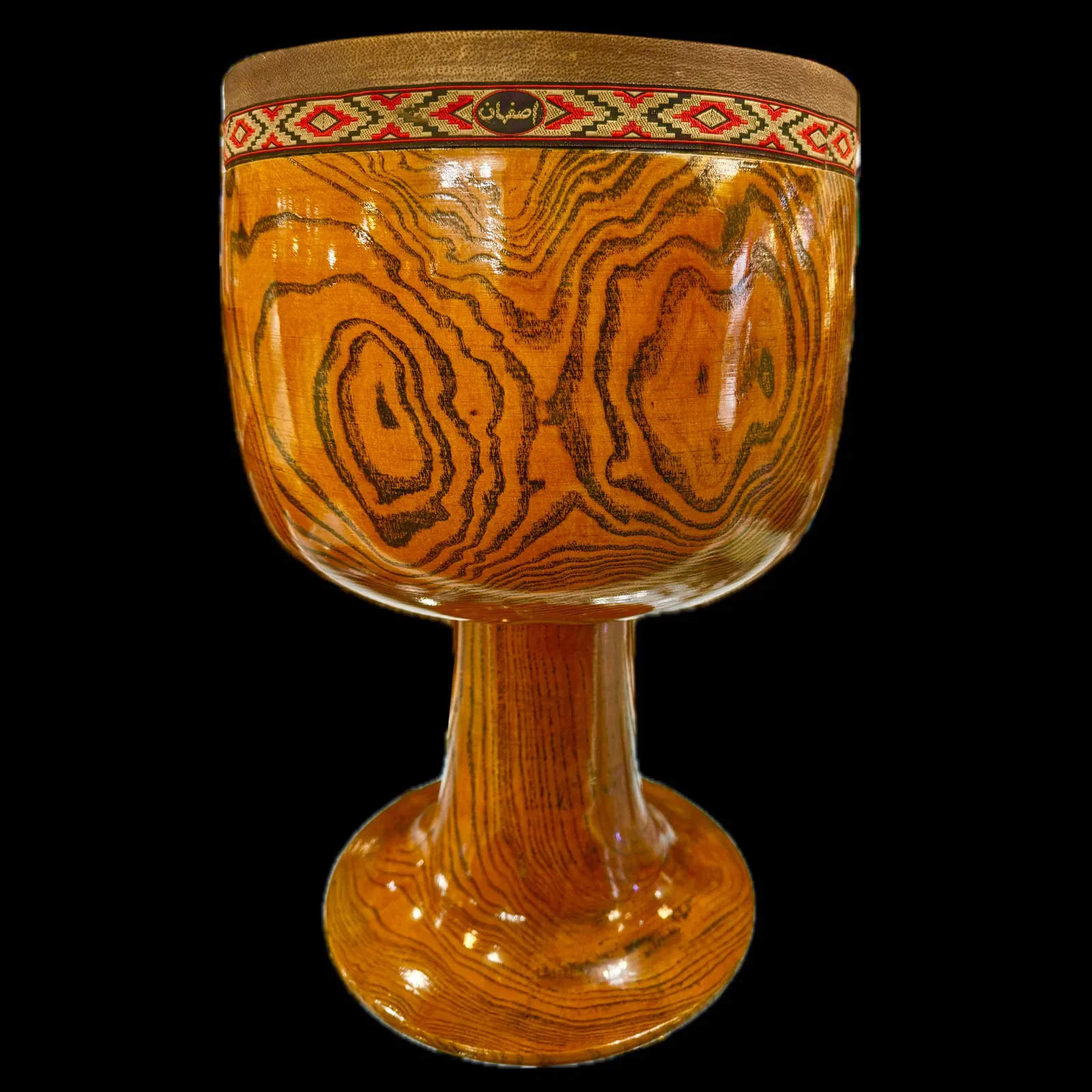
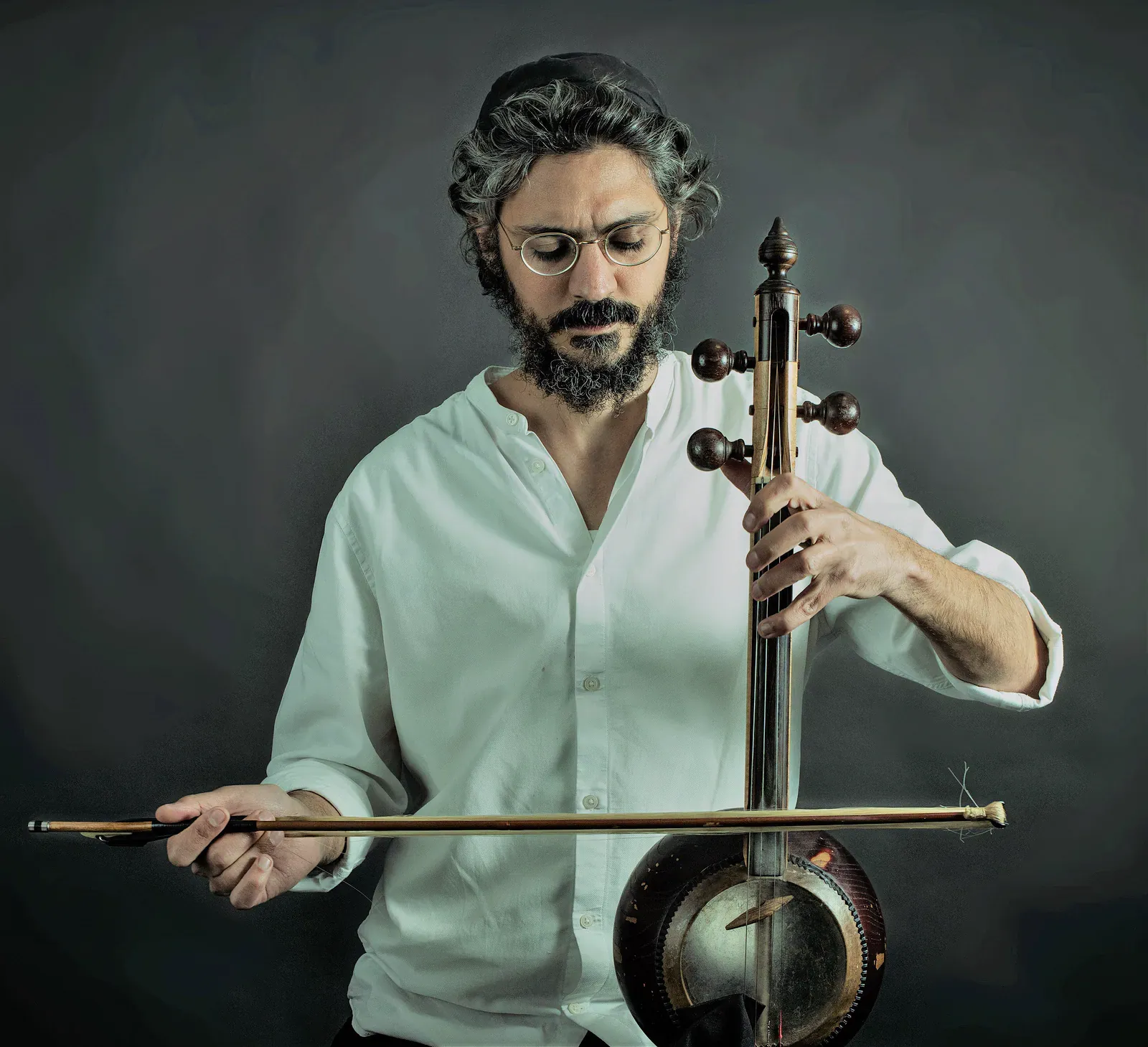
The tar is the primary string instrument, with the setar as a close, quieter relative. The santur, the bowed kamanche and the ney complete the usual ensemble, and the tombak, a goblet drum, is the principal percussion. The sorna, naqare and dohol belong mainly to folk music and are not usually used in the classical repertoire. The old harp, the chang, was replaced first by the qanun and later by the piano, and the Western violin is also used, with an alternative tuning.
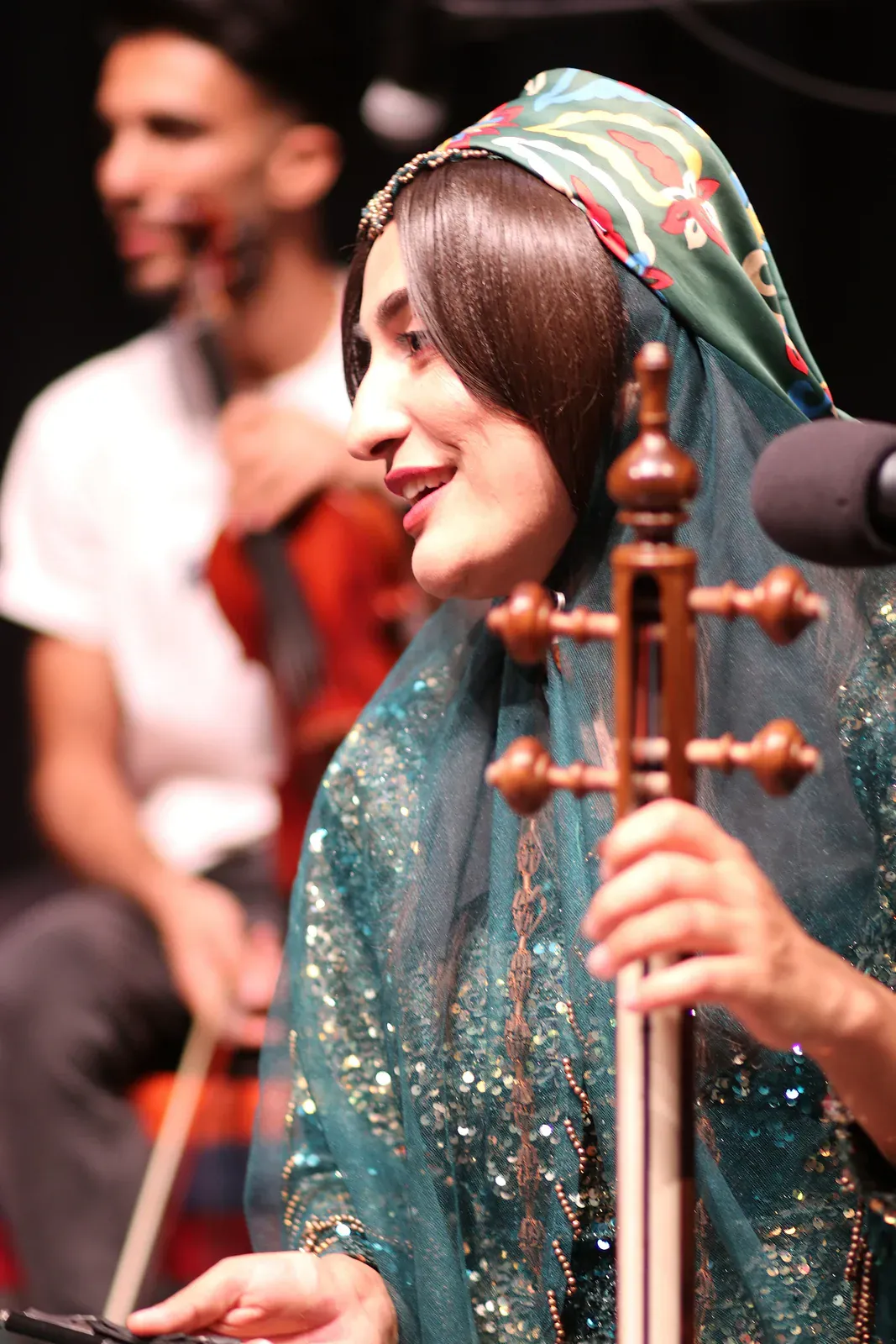
The music is learned by listening and repetition rather than from notation. The tombak is played with fingers and palms, often near the rim for a ringing tone, and virtuosi give solos lasting ten minutes or more.
Notable recordings
Rabbana consists of four supplications taken from the Qur’an, performed in the Segah mode. Shajarian said that people had long been used to another singer’s rendition at iftar time, so he composed a new version, added two more verses and recorded it at a Radio Iran studio. It was inscribed as a piece of Iran’s intangible cultural heritage in May 2017.
Bidad, from 1985, pairs Meshkatian’s pieces in Homayoun with a second part in Homayoun and Shur performed with Qolamhossein Bigjekhani. Its chaharmezrab shows the fast metric movement that follows the prelude in a suite.
Culture
The master-student relationship is central, and learning is a matter of years. Rabbana turned a recording into a ritual of the fasting month. After criticising the government, Shajarian was banned from holding concerts and releasing music, and his song Language of Fire, issued in September 2009, was read by some observers as addressed to security forces who had beaten protesters.
Legacy
Components of classical music have been incorporated into folk and pop, including Persian pop and Persian folk music. Shajarian, who died on 8 October 2020, received the Picasso Award from UNESCO in 1999 and the UNESCO Mozart Medal in 2006. The tradition sits within the wider Middle Eastern and North African family, whose music is largely modal.
Misconceptions
The first myth is that it is Arabic music sung in Persian. The modal systems are related through centuries of exchange, but the dastgah is a distinct system, standardised in the 19th century as the maqam system gave way to the radif.
The second myth is that it is entirely improvised. A performance alternates composed pieces, the pishdaramad, chaharmezrab, tasnif and reng, with the improvised avaz, and the radif itself supplies the melodic material improvisers draw on.
The third is that the radif is a written score. It was passed down orally, each master’s interpretation shaping and adding to it, so there are several versions, each tied to a particular master.
Frequently asked questions
What is the radif in Persian classical music?
The radif is the orally transmitted body of old melodic figures that forms the basis of Persian classical music. It is divided into dastgahs and avazes, and each master teaches his own version to students.
How many dastgahs are there in Persian classical music?
The tradition rests on twelve dastgah and avaz modal systems, with the common repertoire of more than 200 gushehs grouped into seven dastgahs, two of which have secondary avaz modes.
Which instruments are used in Persian classical music?
The tar, setar, santur, kamanche, ney and tombak form the standard core. A performance needs at least one wind or string instrument and one percussion instrument to accompany the singer.
Who is the most famous Persian classical singer?
Mohammad-Reza Shajarian (1940 to 2020) is the best-known vocalist. He began at Radio Khorasan in 1959 and later received two UNESCO honours, the Picasso Award and the Mozart Medal.
Sound
Sound sheet
Signature sounds
- Five-part suite: pishdaramad, chaharmezrab, avaz, tasnif, reng
- Improvised avaz in free rhythm
- Melodies drawn from the gushehs of a dastgah
- Sung classical and Sufi poetry
Drums and percussion
- Tombak
- Daf
Techniques
- Tahrir
- Gusheh modulation
- Improvised avaz
- Chaharmezrab plectrum strokes
Keys and modes
Dastgah-e Shur. Most gushehs correspond to the Phrygian mode.
Dastgah-e Mahur. Most gushehs correspond to the Ionian (major) mode.
Vocals
Sung poetry of Hafez, Rumi and Saadi; the vocalist chooses the dastgah and often the lyrics.
Scenes
Where it happened
Where and when the sound lived: one bar per city on a shared timeline.
Asia
Active scenes
Peak 2, 1959-2025
Centre of the court tradition, Radio Tehran's Golha programmes and the main preservation institutions.
Home of Radio Khorasan, where Shajarian began his career.
Venues and places
Tehran, 1924 to today. Where Qamar performed unveiled before a mixed audience in 1924.
Tehran, 1956 to today. Broadcast the Golha programmes of poetry and classical music.
Mashhad, 1959 to today. Station where Shajarian started his singing career.
Culture
Culture markers
- Ramadan broadcast of Rabbana
Shajarian's supplications aired before iftar for about 30 years.
Ritual - Master-to-student transmission
The radif is learned orally from an ostad, with each master's version bearing his name.
Ritual - Sung classical poetry
Lyrics have largely moved from religious texts to medieval Sufi poets, especially Hafez and Rumi.
Artwork
Media
Key media
- 1956Golha
by Davoud Pirnia. 1,578 programmes of poetry and music that set literary and musical standards and raised the status of musicians.
Radio
Glossary
Terms on this page
The improvised vocal centrepiece of a performance; also the secondary modes branching from two dastgahs.
A fast metric instrumental piece built on a repeated rhythmic pattern.
A modal system of 10 to 30 melodies (gushehs); the radif groups them into seven main dastgahs.
A single melody type inside a dastgah, with its own shahed or central note.
The orally transmitted repertoire of old melodic figures, organised into dastgahs and taught by masters.
A rhythmic dance-like closing piece of a suite.
A composed metric song on classical poetry, the Persian counterpart of a ballad, usually slow.
Middle Eastern and North African family