Mevlevi music
Mevlevi music is the sacred repertoire of the Mevlevi Sufi order of Konya: ney-led ayin suites composed for the whirling sema ceremony since the 1200s.
Konya, 1273
Middle Eastern and North African family
Born
1273
Konya
Subgenres
1
Documented branches
Links
4
Genres it drew on or shaped
Tempo
60-120 BPMLineage
Family tree
Timeline
Era by era
From the first sparks to today. Select a dot to read the story behind it.
- Konya and the first lodges
1273 to 1500
- Ottoman lodges and the ayin composers
1500 to 1924
- Ban and survival
1925 to 1968
- Records, world stages and heritage listing
1969 to today
Eras
Moments
- 1 Konya and the first lodges, 1273 to 1500
- 2 Ottoman lodges and the ayin composers, 1500 to 1924
- 3 Ban and survival, 1925 to 1968
- 4 Records, world stages and heritage listing, 1969 to today
1273
Konya and the first lodges
After Rumi died in 1273, his son Sultan Veled and Husameddin Chelebi organised the order around his tomb in Konya. Sultan Veled's verses were sung during the sema from the start.
- 1273Rumi dies and the order takes shapeRumi dies in Konya on 17 December. Sultan Veled and Husameddin Chelebi found the order and build his mausoleum, still a pilgrimage site.
- 1491Galata Mevlevi lodge foundedIstanbul's oldest Mevlevi lodge later becomes a museum of Mevlevi culture.
around 1500
Ottoman lodges and the ayin composers
Mevlevi lodges spread across the empire and up to 114 stood at the peak. Composers such as Itri, Selim III and Dede Efendi built the ayin repertoire, and notation arrived with Nasir Dede in 1794.
- 1640Itri is born in IstanbulThe composer later regarded as master of Turkish classical music, believed to be a Mevlevi who wrote religious music for the order, including a Segah Mevlevi ayin.
- 1794Suzidilara ayin notatedSheikh Nasir Dede of the Yenikapi lodge devises a notation commissioned by Sultan Selim III and writes down the Suzidilara ayin in the Tahririye.
- 1799Dede Efendi becomes a dedeHammamizade Ismail Dede Efendi, trained as a ney player at the Yenikapi lodge, receives the title and goes on to compose seven Mevlevi ayins.
1925
Ban and survival
Sufi orders were outlawed in Turkey in 1925 and the Konya lodge became a museum. The repertoire lived on through radio musicians, singers and private circles, and sema was presented as a cultural event.
- 1925Sufi orders outlawedThe Turkish Republic closes the lodges in September, and sema continues in a restricted, private form.
- 1927Mevlana Museum opens in KonyaRumi's mausoleum and lodge open as a museum on 2 March after a decree of April 1926, and are renamed the Mevlana Museum in 1954.
- 1954Niyazi Sayin joins Istanbul radioThe ney player starts work in Istanbul Radio's music broadcasts.
1969
Records, world stages and heritage listing
Players such as Kudsi Erguner carried the ayin to European concert halls and record labels, mixed ceremonies were allowed again in 1991, and UNESCO listed the Mevlevi sema in 2008.
- 1969Kudsi Erguner starts at Istanbul RadioThe ney player, taught by his father Ulvi Erguner, begins his career and later takes Mevlevi music to Paris.
- 1977Turquie - Musique SoufiKudsi Erguner's earliest album in MusicBrainz presents Turkish Sufi music for a European audience.
- 1991Mixed ceremonies allowed againCelaleddin Bakir Celebi, head of the order, writes a letter permitting men and women to whirl together once more.
- 1996Kani Karaca records the Saba AyiniThe Mevlana album sets Dede Efendi's ayin for Kalan Muzik with ney players including Ulvi Erguner and Niyazi Sayin.
- 2005UNESCO proclaims the sema a masterpieceThe sema ceremony is named a Masterpiece of the Oral and Intangible Heritage of Humanity.
- 2008Sema on the UNESCO Representative ListThe Mevlevi sema ceremony is inscribed, with Konya's Seb-i Arus commemoration each December as its main stage.
- 2025Niyazi Sayin diesThe ney master, long seen as the most important ney player in Turkish classical music, dies on 8 October aged 98.
Listening path
Start listening
A short path from an easy way in to the deep end. Thumbnails come from YouTube; the player loads only when you press play.
- 01
Kudsi Erguner and Suleyman Erguner, 1994
An easy way in: two ney masters play the reed flute that opens every ceremony.
- 02
Niyazi Sayin and Necdet Yasar, 2005
Free-rhythm improvisation of the kind that follows the naat, with tanbur and ney in dialogue.
- 03
Niyazi Sayin and Necdet Yasar, 2005
A metered instrumental piece of the type that accompanies the walk of the semazens.
- 04
Kani Karaca, 1996
The closing half of Dede Efendi's Saba ayin, where the cycles quicken toward the final semai.
- 05
Mercan Dede, 2002
The tradition reworked with beats and ney, showing its reach into electronic music.
Facts
| Family | Middle Eastern and North African |
| Origin | Konya, Türkiye |
| Emerged | 13th century onward |
| Status | Active |
| Tempo | 60 to 120 BPM |
| Meter | 14/8 |
| Subgenres | 1 |
Mevlevi music is the sacred repertoire of the Mevlevi order, the Sufi brotherhood founded in Konya by followers of the poet Rumi after his death in 1273.
It accompanies the sema, the ceremony in which dervishes whirl, and centres on the ayin, a composed suite for choir and ensemble led by the ney, an end-blown reed flute. Most of the surviving ayins were written by Ottoman court composers between the 1600s and the 1800s, and the music belongs to the wider Turkish classical tradition inside the Middle Eastern and North African family.
Origins
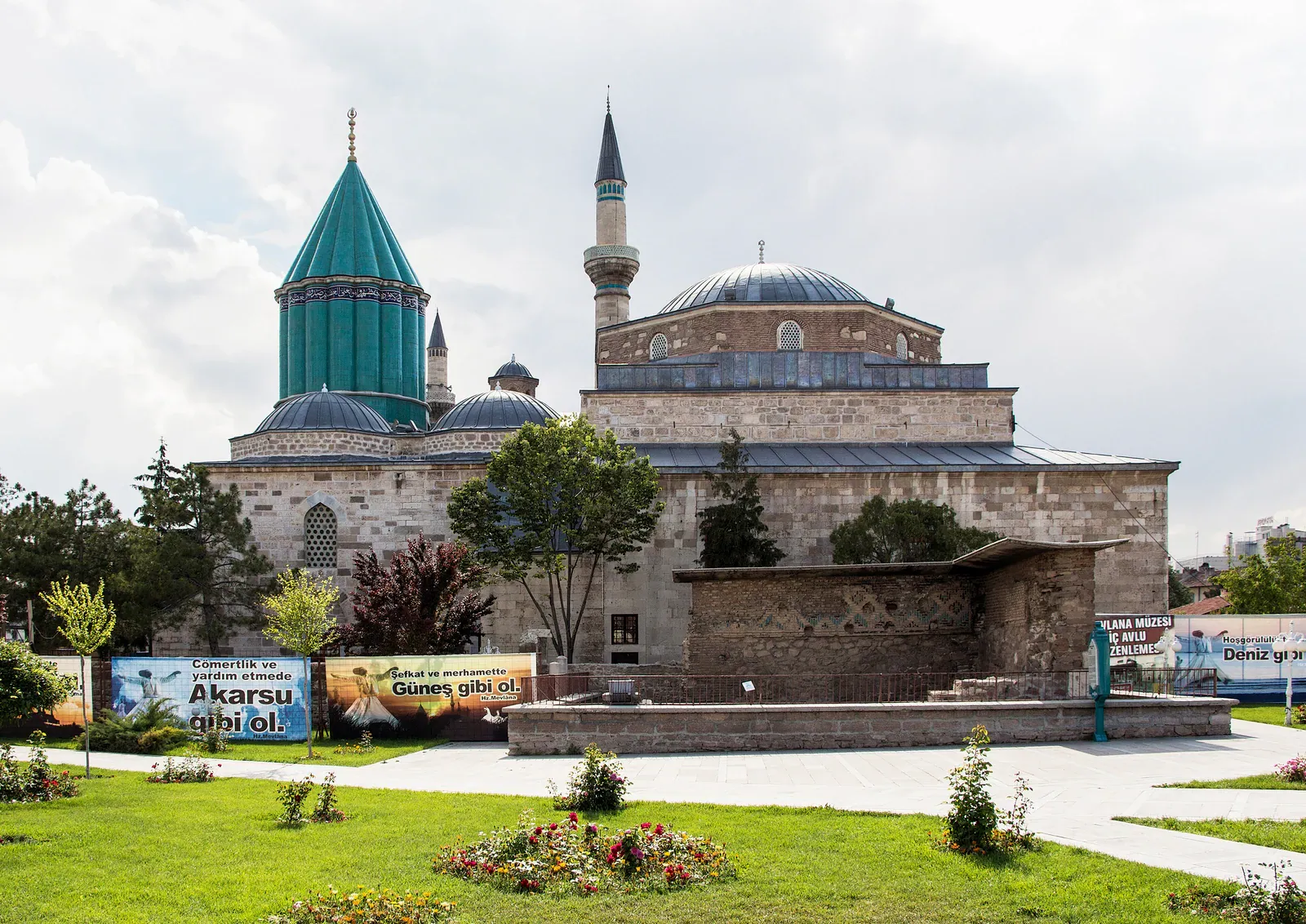
Rumi died in Konya on 17 December 1273. His son Sultan Veled and Husameddin Chelebi, who had inspired Rumi’s Mathnawi, organised the order and built the mausoleum that is still a pilgrimage site. Sultan Veled wrote verse as his father had, and lines he wrote are sung in the sema to this day. The ney was tied to the order from the start, since the Mathnawi opens with the reed’s lament for its separation from the reed bed.
The surviving ayins date from much later centuries, and a notation for them arrived only in 1794. What the early order left was the frame of the ritual: a eulogy, an improvisation, a processional walk and four turning sections.
Konya and the Ottoman lodges, 1273-1924
The order spread with the Ottoman state. A descendant of Sultan Veled, Devletşah Sultan Hatun, married Bayezid I, and her son became Sultan Mehmed I, which brought the lodges imperial support. Eventually there were as many as 114 lodges across the empire, reaching the Balkans, Syria, Egypt and Jerusalem, and many members held official posts.
Inside this network the order became a school of composition. Mustafa Itri, who lived from 1640 to 1712 and is regarded as the master of Turkish classical music, is believed to have been a Mevlevi and wrote religious music for the order, including a Segâh Mevlevi ayin. Only about 40 of his reported thousand works survive. His naat in Rast mode, the sung eulogy that opens the ceremony, is the one most often played before the ayin.
Sultan Selim III, who ruled from 1789 to 1807, was both a composer and a ney player. At his request Nasır Dede of the Yenikapı lodge developed a notation, and in 1794 he wrote down the sultan’s Suzidilara ayin. The palace also heard Dede Efendi, born Hammamizade İsmail in 1778, who learned the ney at the Yenikapı lodge and became a dede in 1799. He composed seven Mevlevi ayins, among them a Hüzzam ayin counted as the longest and most valued, and the Saba ayin that later became one of the most recorded.
Ban and survival, 1925-1968
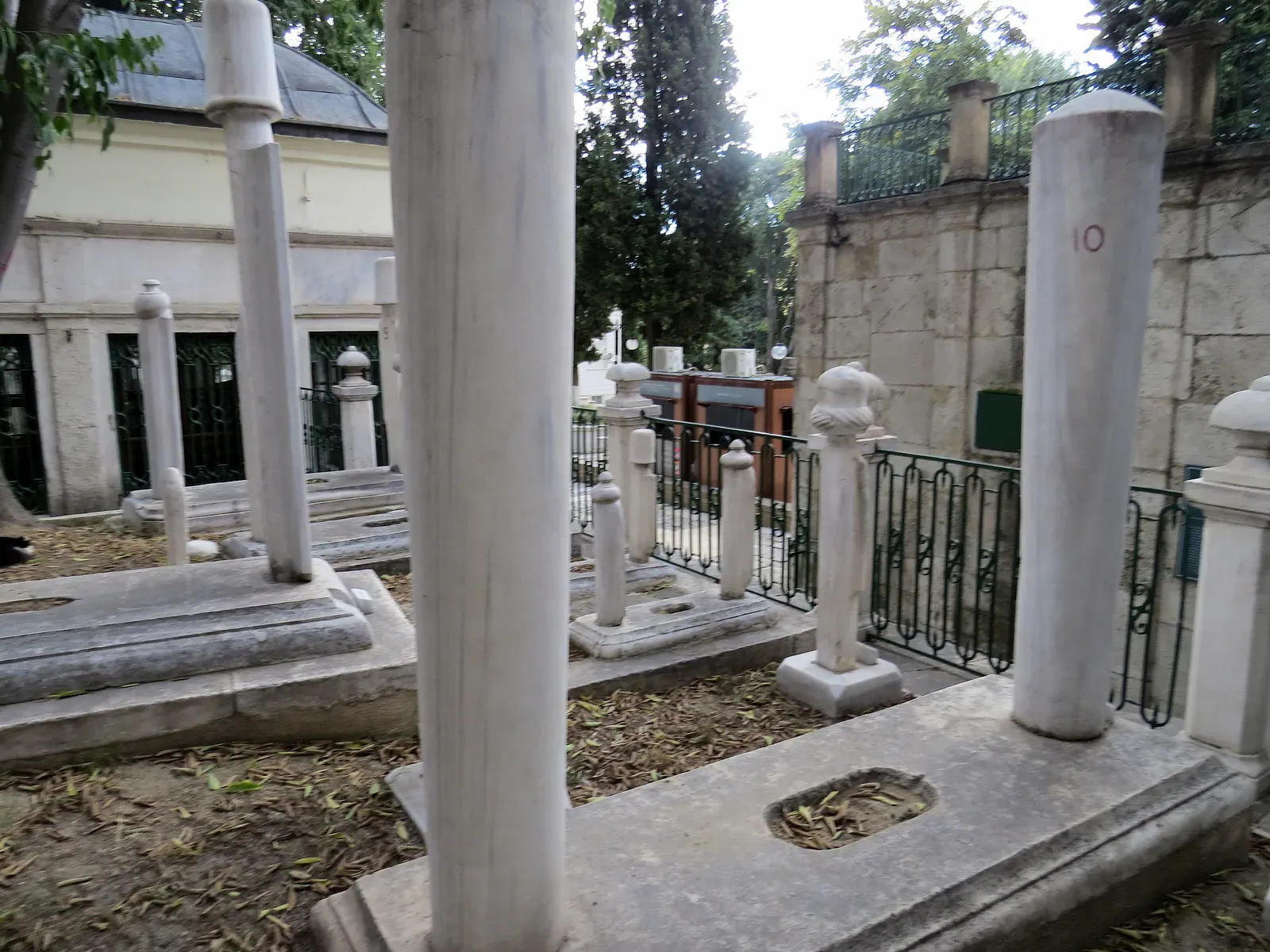
Turkey outlawed Sufi orders in September 1925. The lodge in Konya was turned into a museum that opened in 1927, and the Mevlevi practice moved into a more private mode. Sema is still presented as a cultural event, not as worship, and groups with no link to the order sometimes sell “Mevlevi whirling” to tourists.
The ayin repertoire survived mostly through musicians who had learned in the lodges and then worked in radio and classical ensembles. Kâni Karaca, a blind singer who came to Istanbul in 1950 and studied under Sadettin Heper, carried the religious repertoire into recorded form. Niyazi Sayın, a ney player who began in Istanbul radio in 1954, came to be regarded as the most important ney player in Turkish classical music.
Records and world stages, 1969 onward
Kudsi Erguner, born in 1952 and taught by his father Ulvi Erguner, started in Istanbul radio in 1969 and moved to Paris in the 1970s. There he founded the Mevlana Institute for the teaching of classical Sufi music and recorded for European labels. His work brought the ney and the ayin to concert halls, film scores and collaborations with Peter Gabriel, and in 2016 he was named a UNESCO Artist for Peace.
Inside Turkey, Kalan Müzik issued a full recording of Dede Efendi’s Saba ayin sung by Kâni Karaca in 1996, with Ulvi Erguner and Niyazi Sayın on ney. A 1991 letter from Celaleddin Bakır Çelebi, the head of the order, allowed men and women to whirl together again. UNESCO named the sema a masterpiece of intangible heritage in 2005 and inscribed it on its Representative List in 2008. Mercan Dede, a Turkish-Canadian ney player and producer, took the imagery into club music with the album Nar, issued by Doublemoon in 2002.
Characteristics
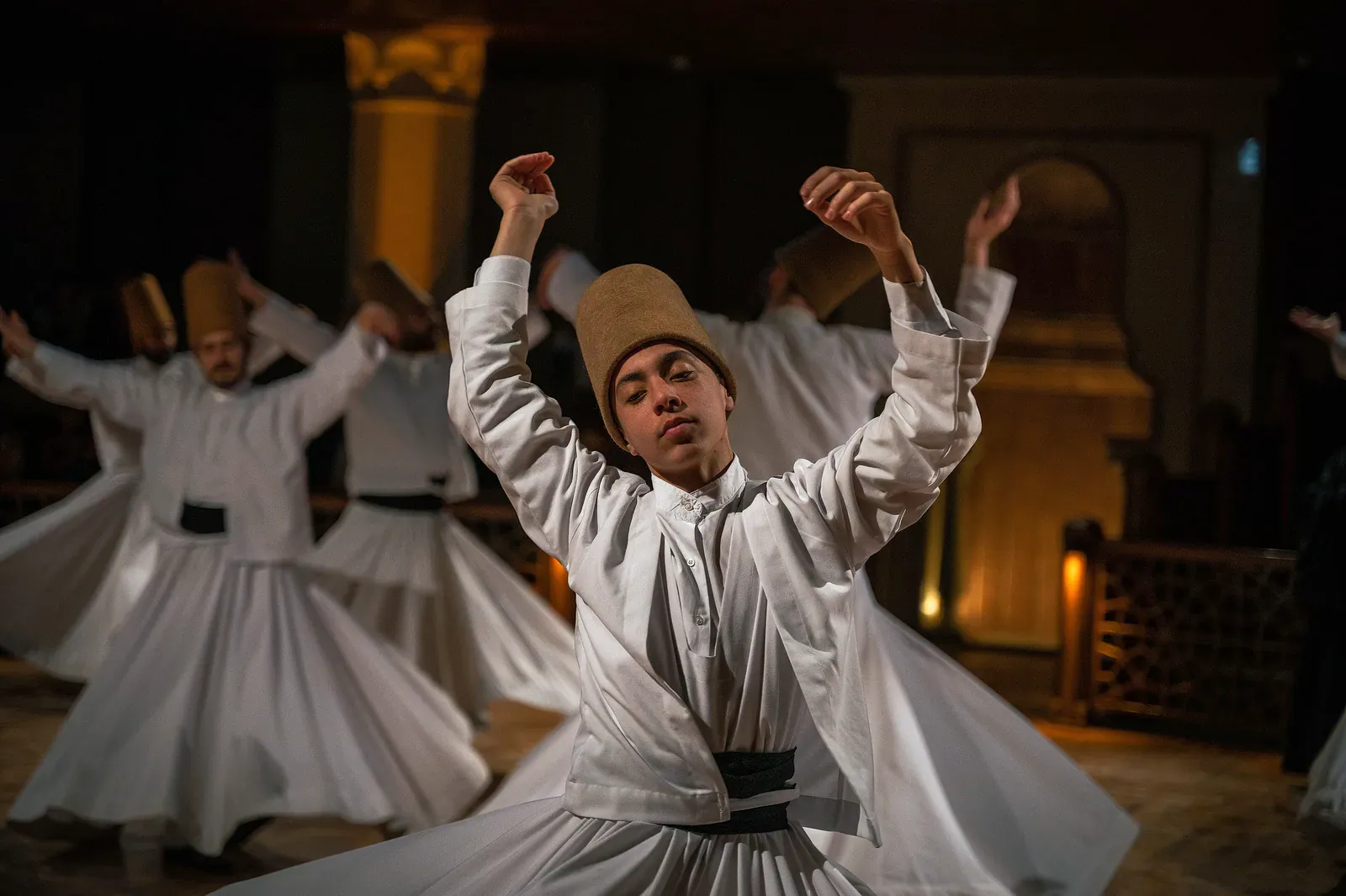
A full ayin runs through a fixed order. A soloist sings the naat, and a ney taksim, a free improvisation, follows it. The peşrev, an instrumental piece, accompanies the walk of the dervishes around the hall, and then come the four selams, each in its own rhythmic cycle, or usul. The first selam is usually in the 14-beat devr-i revan, grouped 3+4+3+4, or in düyek. As the suite proceeds the tempo rises and the cycles shorten, and a son peşrev and son yürük semai close the music. A recitation of the Quran ends the ceremony.
Each ayin is built in a single makam, which is why composers are named alongside their modes, such as Itri’s Segâh and Dede Efendi’s Hüzzam and Saba. The text sung by the ayinhan, or choir, comes from Persian verse, and the unison singing keeps the poetry in front of the instruments.
Instruments and production
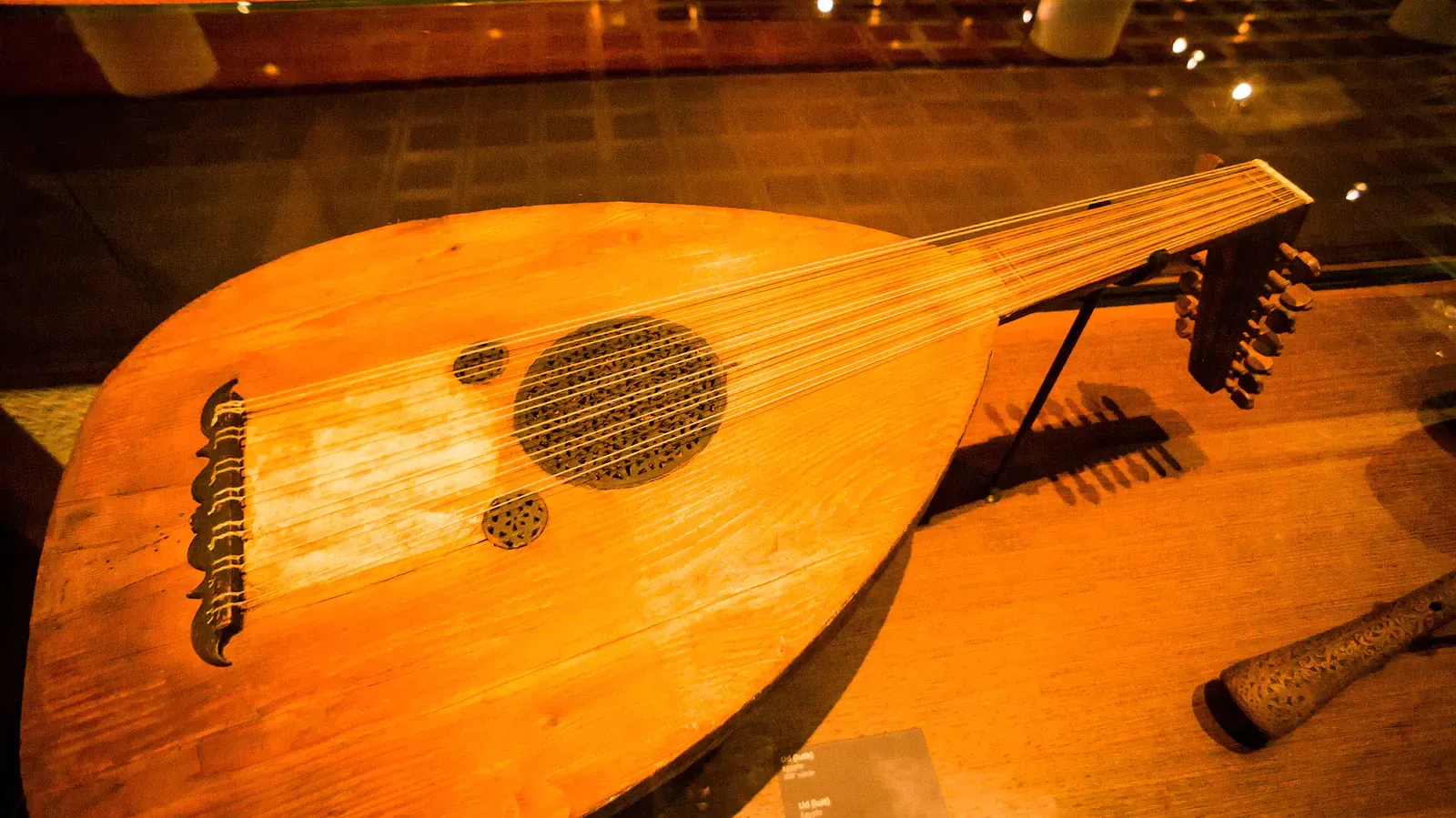
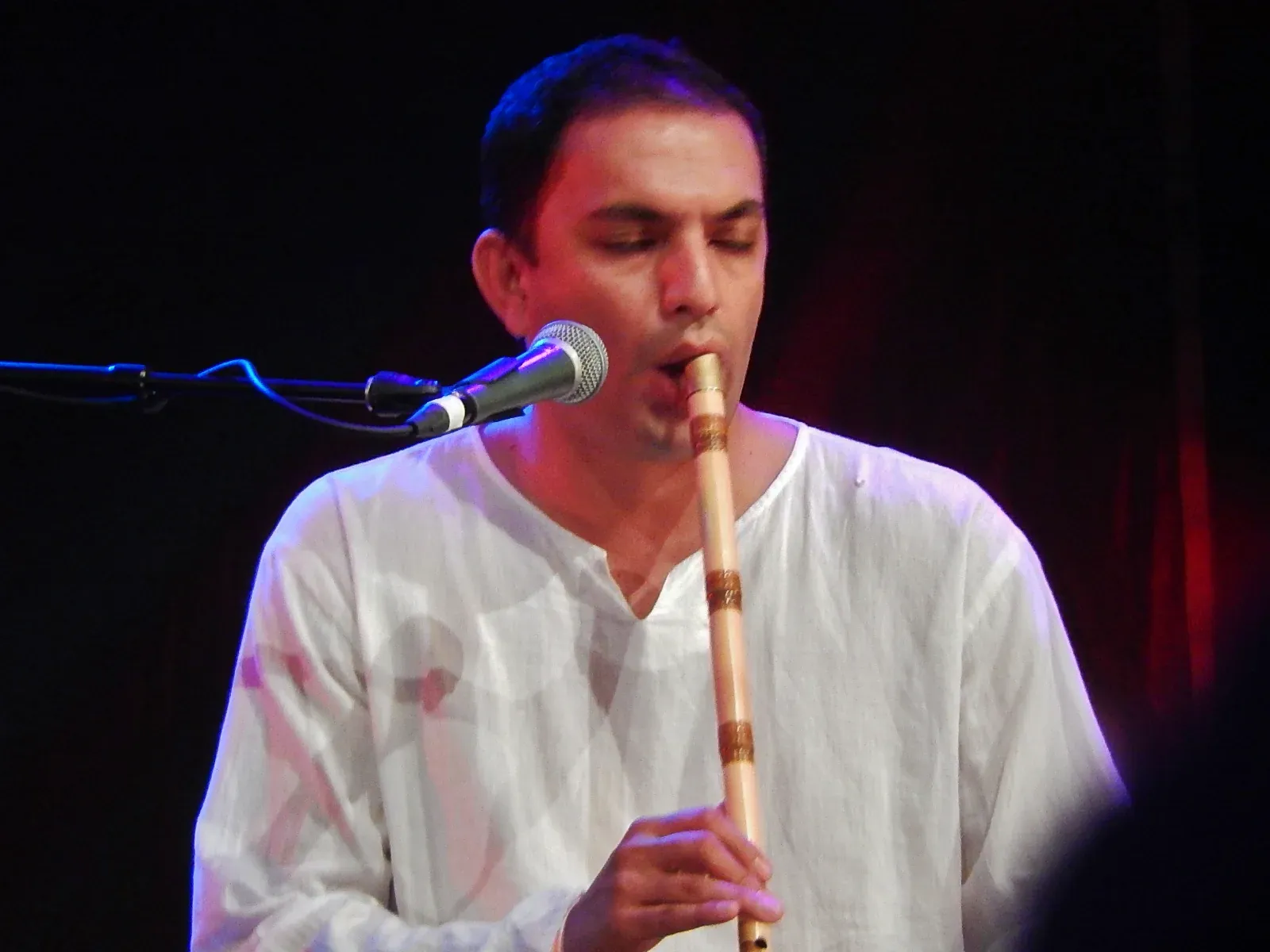
The ensemble is small and acoustic. The ney sets the tone, and the kudüm, a pair of small kettledrums, keeps the cycle. A rebab and a tanbur double the melody, and small cymbals called halile add a metallic pulse. The ney’s place is explained by the first line of the Mathnawi, “Listen to the reed”.
Records changed the way the music was heard. A sung ayin that once filled a lodge hall could now be listened to as a sequence of tracks, and ney taksims and peşrevs were pulled out of the ceremony and issued as concert pieces.
Notable recordings
Kâni Karaca’s Mevlana is the central document of the modern ayin. It sets Dede Efendi’s Saba ayin in full, from the ney taksim to the final yürük semai, and the later selams show the quickening that the ceremony depends on. Kudsi Erguner’s albums, from 1977 onward, did the same for Western listeners. The 2005 Kalan compilation of duets between Niyazi Sayın on ney and Necdet Yaşar on tanbur preserves the peşrev and taksim tradition that grew up beside the ayin.
Culture
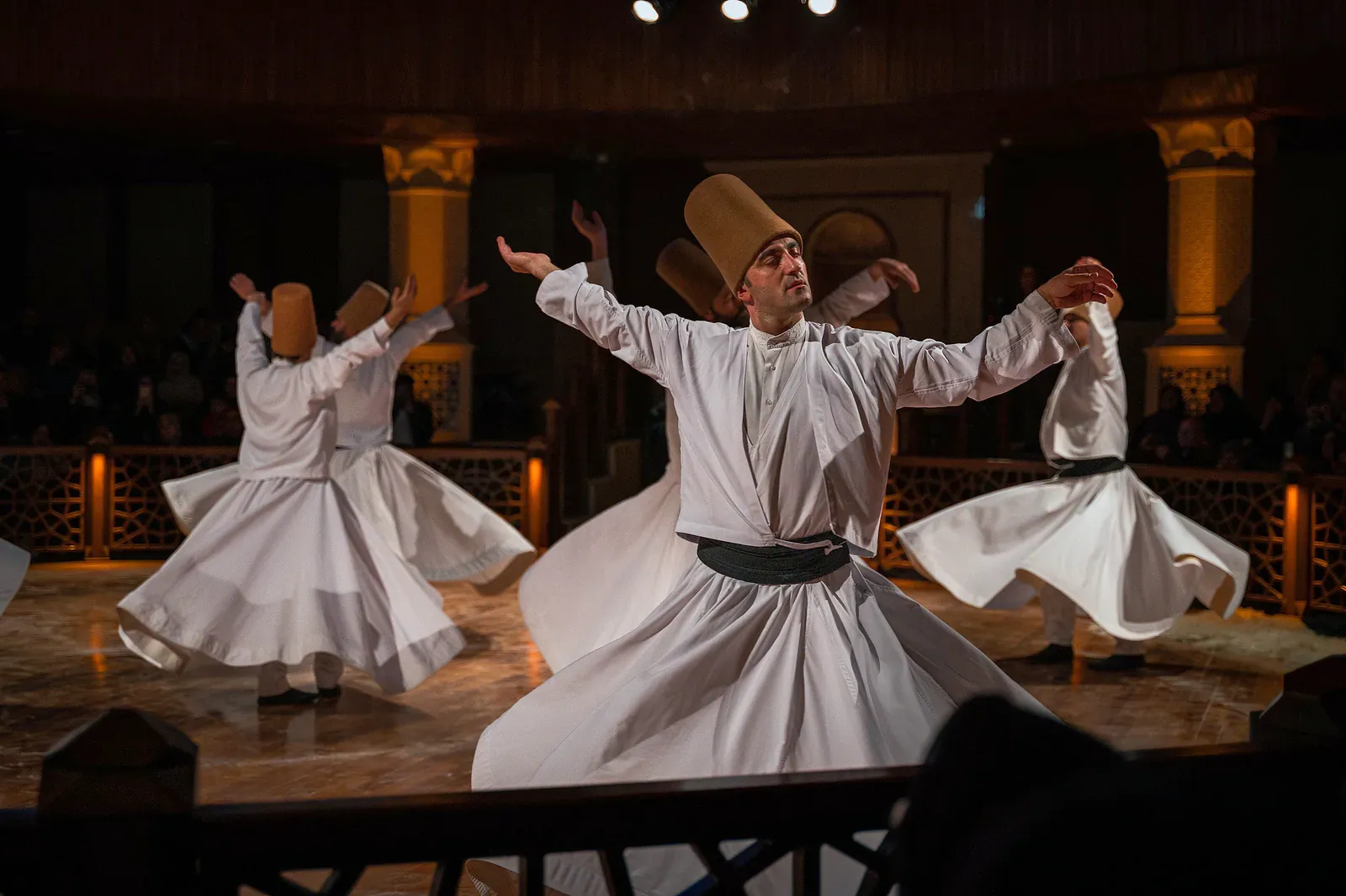
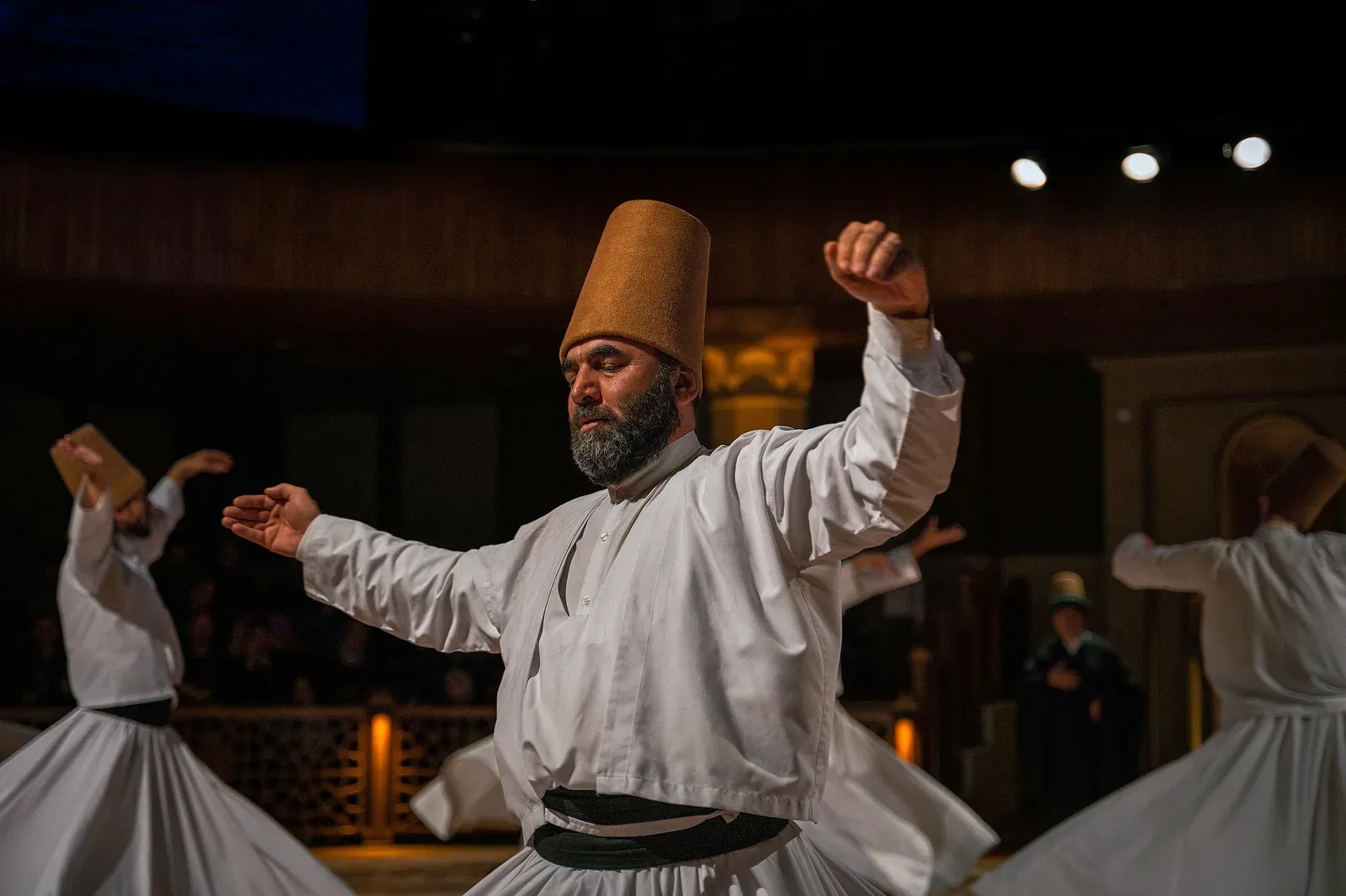
The sema is the visible side of the music. Semazens turn in place with the right hand raised and the left lowered, and the turning is read as an act of remembrance. Each year the Şeb-i Arus commemoration in Konya marks the night of Rumi’s death on 17 December, and the Mevlana Museum has long staged whirling performances for visitors. The Galata lodge in Istanbul also hosts performances.
Legacy
The ayins are still sung in Konya and Istanbul and recorded by ensembles in Turkey and abroad. The music also set the model for later Sufi music on the concert stage, where ney, voice and drum are often joined to jazz, flamenco or electronics.
Misconceptions
One popular story says Rumi first whirled when he heard goldsmiths hammering in the Konya bazaar. Historians of the order doubt it and consider that he picked up whirling from his teacher Shams of Tabriz, and whirling among Sufis is attested centuries before Rumi. Another belief holds that the Mevlevis alone whirl. The order cultivated it more than any other, but other Sufi groups practise it, and whirling may go back to Central Asian traditions.
A third mistake is to treat the ayins as music of Rumi’s own time. The composed repertoire comes from the Ottoman centuries, from composers such as Itri, Selim III and Dede Efendi, who set older verse. Finally, a tourist show is not a sema. The ceremony is a form of worship, and in Turkey it is presented to the public as a cultural event.
Frequently asked questions
What is Mevlevi music?
Mevlevi music is the sacred music of the Mevlevi Sufi order, made for the sema ceremony in which dervishes whirl. Its main form is the ayin, a suite with a sung eulogy, ney improvisation, instrumental walk and four selams.
What instrument is used in Mevlevi music?
The ney, an end-blown reed flute, leads the music. It is joined by the kudüm drum, the rebab and tanbur, small cymbals and a choir.
Who wrote the Mevlevi ayins?
Most of the repertoire was composed by Ottoman musicians such as Itri, Sultan Selim III and Dede Efendi, who wrote seven ayins. Rumi and Sultan Veled supplied poetry, not the surviving music.
Is Mevlevi music still performed?
Yes. Ensembles perform the ayins in Konya, Istanbul and abroad, and the sema was inscribed on the UNESCO Representative List in 2008.
Sound
Sound sheet
Anatomy of a track
| # | Part |
|---|---|
| 1 | Naat-i serif (sung eulogy) |
| 2 | Ney taksim |
| 3 | Pesrev (walk of the semazens) |
| 4 | First selam |
| 5 | Second selam |
| 6 | Third selam |
| 7 | Fourth selam |
| 8 | Son pesrev and son yuruk semai |
Signature sounds
- Ney taksim after the naat
- Four selams in one makam per ayin
- Usul cycles that quicken through the selams
- Choir singing verse by Rumi and Sultan Veled
Drums and percussion
- Kudum
Techniques
- Ney taksim
- Four selams
- Devr-i revan cycle
- Choral ayinhan singing
Keys and modes
Huzzam. Mode of Dede Efendi's longest ayin.
Saba. Mode of Dede Efendi's best-known ayin.
Ferahfeza. A makam used for a Dede Efendi ayin recorded by Kudsi Erguner.
Segah. Mode of Itri's Mevlevi ayin.
Rast. Mode of Itri's naat that opens the ceremony.
Tuning
Turkish makam system with microtonal intervals
Vocals
Solo naat followed by unison choir, with verse by Rumi and Sultan Veled
Scenes
Where it happened
Where and when the sound lived: one bar per city on a shared timeline.
Asia
Active scenes
Peak 2, 1491-2025
Seat of the order and site of Rumi's mausoleum, host of the Seb-i Arus ceremonies each December.
The Galata and Yenikapi lodges trained court composers and ney players, and the city's radio carried the repertoire after 1925.
Venues and places
Konya, 1927 to today. Rumi's mausoleum and former lodge, with whirling performances in a hall seating 150.
Istanbul, 1491 to today. The city's oldest Mevlevi lodge, now a museum that hosts whirling dervish performances.
Culture
Culture markers
- Sema whirling
Semazens turn in place with one hand raised and one lowered, shedding black cloaks before the selams.
Dance - Seb-i Arus commemoration
Each December in Konya marks the night of Rumi's death on 17 December 1273.
Ritual - Quran recitation
The ceremony ends with a recitation that normally includes verse 2:115.
Ritual
Media
Key media
- 1978Meetings with Remarkable Men
by Peter Brook. Feature film in which Kudsi Erguner took part, an early brush with Mevlevi music for Western audiences.
Film
Glossary
Terms on this page
A composed vocal and instrumental suite in one makam for the sema, also called ayin-i serif.
The singer or choir that performs the ayin text.
Eulogy to the Prophet that opens the ceremony, sung by a soloist.
Instrumental piece in a long usul cycle that accompanies the walk of the semazens.
One of the four main musical sections of the ayin.
The Mevlevi ceremony in which dervishes whirl to ney-led music.
A whirling dervish taking part in the sema.
Free-rhythm improvisation, here played on the ney after the naat.
Rhythmic cycle of the makam system, such as the 14-beat devr-i revan.
Middle Eastern and North African family