Raï
Raï is Algerian popular music from Oran, born in the 1920s among cheikhas and electrified in the 1970s, then carried worldwide by Khaled and Cheb Mami.
Oran, around 1920
Middle Eastern and North African family
Born
around 1920
Oran
Subgenres
1
Documented branches
Links
15
Genres it drew on or shaped
Tempo
85-115 BPMLineage
Family tree
Grew out of
Derived from
- Bedoui
Derived from
Influenced by
Oran
Raï
Led to (2)
Timeline
Era by era
From the first sparks to today. Select a dot to read the story behind it.
- Oran and the cheikhas
1920 to 1961
- Independence and suppression
1962 to 1975
- Pop raï and cassettes
1976 to 1991
- Paris and the world market
1992 to 2005
- Heritage and revival
2006 to today
Eras
Moments
- 1 Oran and the cheikhas, 1920 to 1961
- 2 Independence and suppression, 1962 to 1975
- 3 Pop raï and cassettes, 1976 to 1991
- 4 Paris and the world market, 1992 to 2005
- 5 Heritage and revival, 2006 to today
around 1920
Oran and the cheikhas
Cheikhas and cheikhs in Oran's cabarets and at weddings sang blunt urban lyrics over reed flute and drums, building on bedoui chant, Andalusi song and the street zendani. Rimitti made her first record in 1952.
- 1906First bedoui recordingCheikh Mohammed Senoussi is the first to record bedoui, the Bedouin-derived chant that raï grew from.
- 1920Raï takes shape in OranAfter the First World War, cheikhs and cheikhas in the cabarets of Oran sing coarse urban lyrics to flute and drum.
- 1923Cheikha Rimitti is bornSaadia El Ghizania, later Cheikha Rimitti, is born on 8 May 1923 at Tessala, Algeria.
- 1952Rimitti's first recordShe cuts a three-track record for Pathé, including Er-Raï Er-Raï.
- 1954Charrak Gattà causes a scandalRimitti's hit encourages young women to defy convention and angers orthodox opinion.
1962
Independence and suppression
After independence the state discouraged raï and female performers faded from public stages. Men took over, violin and accordion replaced flute and drum, and from the 1960s Messaoud Bellemou and Belkacem Bouteldja reshaped the sound.
- 1962Independence and a cultural clampdownThe new government tolerates little criticism from Oran's musicians, and public performances by women decline.
- 1964Bellemou and Bouteldja go mainstreamMessaoud Bellemou and Belkacem Bouteldja begin their careers and win mainstream acceptance in Algeria by 1964.
1976
Pop raï and cassettes
Producers such as Rachid Baba Ahmed added synthesizers, drum machines and electric guitar. Cheb singers spread on cassette despite bans, until state festivals from 1985 and Bobigny in 1986 opened the way to France.
- 1976Baba Ahmed's electronic pop raïProducer Rachid Baba Ahmed is credited with popularising raï internationally through a blend with electronic instruments.
- 1979Chadli Bendjedid takes powerThe new president eases moral and economic restraints, giving raï room to grow into pop raï.
- 1982Cheb Mami's talent show runAged 16, Mami finishes runner-up on Algerian television and starts a raï career.
- 1985First official raï festival in OranColonel Snoussi persuades the state to accept raï and Khaled is crowned king of raï at the festival.
- 1986Bobigny festival near ParisKhaled, Mami, Hamid, Sahraoui and Fadela play the first raï festival in France.
- 1987Hasni and Zahouania's BerakaTheir song with lyrics about drunken sex scandalises critics and fundamentalists and makes Cheb Hasni famous.
- 1988Khaled's KutchéA duet album with jazz musician Safy Boutella brings the first international success for raï.
- 1988October riots and El Harba WaynProtesters adopt Khaled's song as an anthem, and the government blames raï for the unrest that left 500 dead.
1992
Paris and the world market
Khaled's Didi in 1992, Taha's rock raï, the 1998 Bercy concert and Desert Rose in 2000 made raï a world-music fixture, while civil war in Algeria drove its stars to France and killed Cheb Hasni in 1994.
- 1992Khaled and DidiThe Don Was-produced album for Barclay and its single Didi make Khaled a world star.
- 1994Rimitti's Sidi MansourHer album with Robert Fripp and Flea inaugurates an electric form of raï.
- 1994Cheb Hasni is murderedHe is shot outside his parents' home in Oran on 29 September, the first raï star killed in the 1990s violence.
- 1995Rachid Baba Ahmed is assassinatedThe producer who modernised raï is killed in Oran on 15 February.
- 1996Khaled's AïchaThe song becomes one of raï's best-known international hits.
- 1997Rachid Taha's Ya RayahThe single becomes a classic of Franco-Algerian pop and a signature of Taha's raï-rock.
- 19981,2,3 Soleils at BercyKhaled, Rachid Taha and Faudel share a live album and a Paris concert.
- 2000Desert Rose reaches Western chartsSting's duet with Cheb Mami peaks at No. 15 in the UK and No. 17 in the US.
2006
Heritage and revival
Stars such as Khaled keep touring, younger acts sample the style, and in 2022 UNESCO listed raï as intangible heritage of humanity.
- 2015Didi plagiarism rulingKhaled is convicted of plagiarising Didi from a 1988 Cheb Rabah song, then cleared in 2016 when a 1982 tape surfaces.
- 2022UNESCO lists raïRaï joins the Representative List of the Intangible Cultural Heritage of Humanity.
Listening path
Start listening
A short path from an easy way in to the deep end. Thumbnails come from YouTube; the player loads only when you press play.
- 01
Cheikha Rimitti, 1954
Listen for the raw voice, flute and hand drums of the early tradition.
- 02
Khaled, 1996
A smooth pop-raï ballad that crossed into French charts.
- 03
Khaled, 1992
The hit that took raï to a world audience; hear the synth bass and sung-shouted chorus.
- 04
Rachid Taha, 1997
Strings, rock drums and a plaintive exile song in Algerian Arabic.
- 05
Sting, 1999
A pop duet where Cheb Mami's raï vocal carries the hook.
Facts
| Family | Middle Eastern and North African |
| Origin | Oran, Algeria |
| Emerged | 1920s, electrified 1970s-80s |
| Status | Active |
| Tempo | 85 to 115 BPM |
| Meter | 4/4 |
| Grew out of | Bedouin music, Bedoui |
| Subgenres | 1 |
Raï is a form of Algerian popular music that arose in the port city of Oran in the 1920s, among poor urban singers who performed raw, frank songs about hardship, love and drink. Its name is the Algerian Arabic word for “opinion” or “advice”.
Electrified in the late 1970s as pop raï, it became a world-music export through singers such as Khaled and Cheb Mami. It belongs to the Middle Eastern and North African family.
Origins
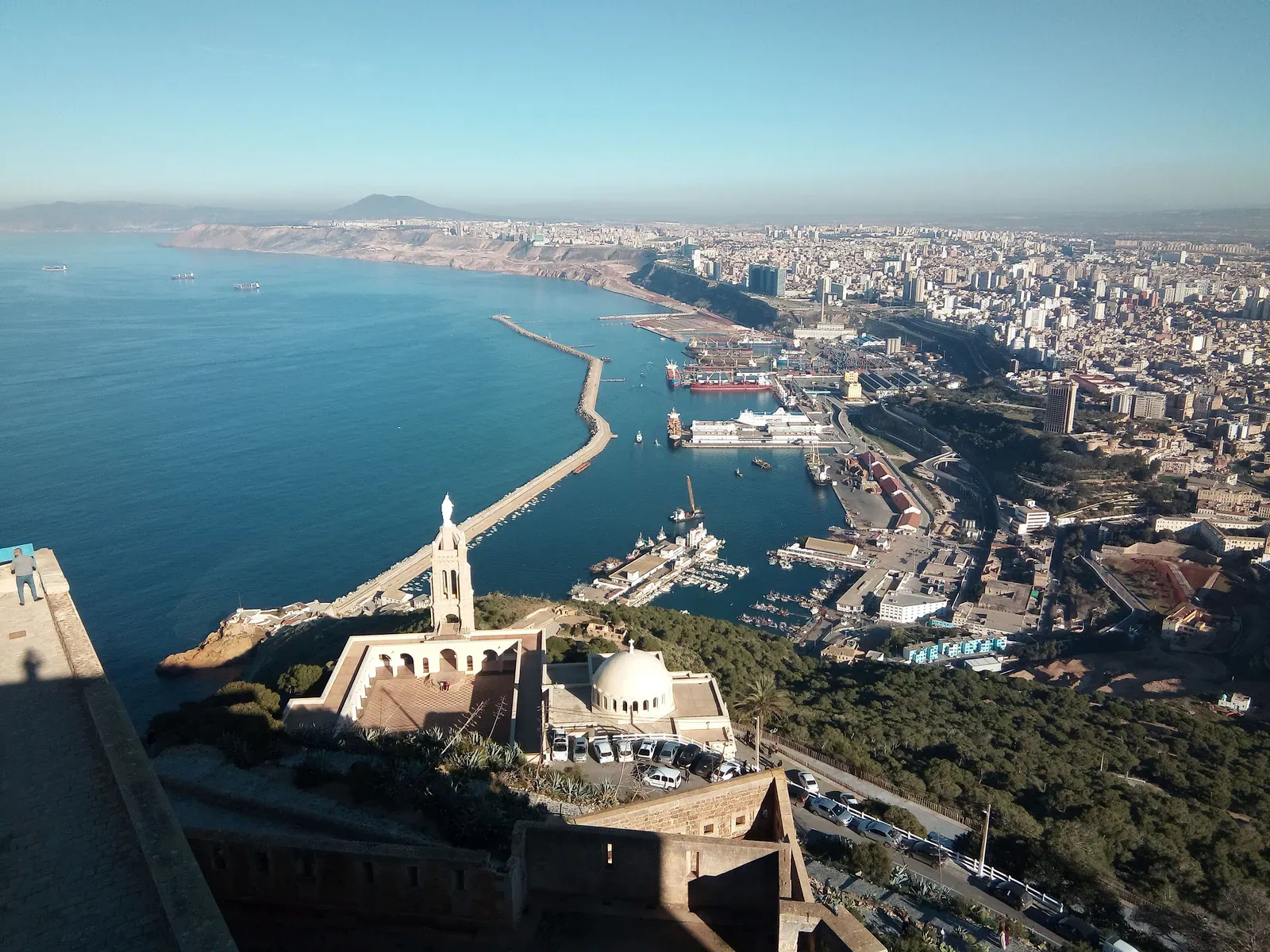
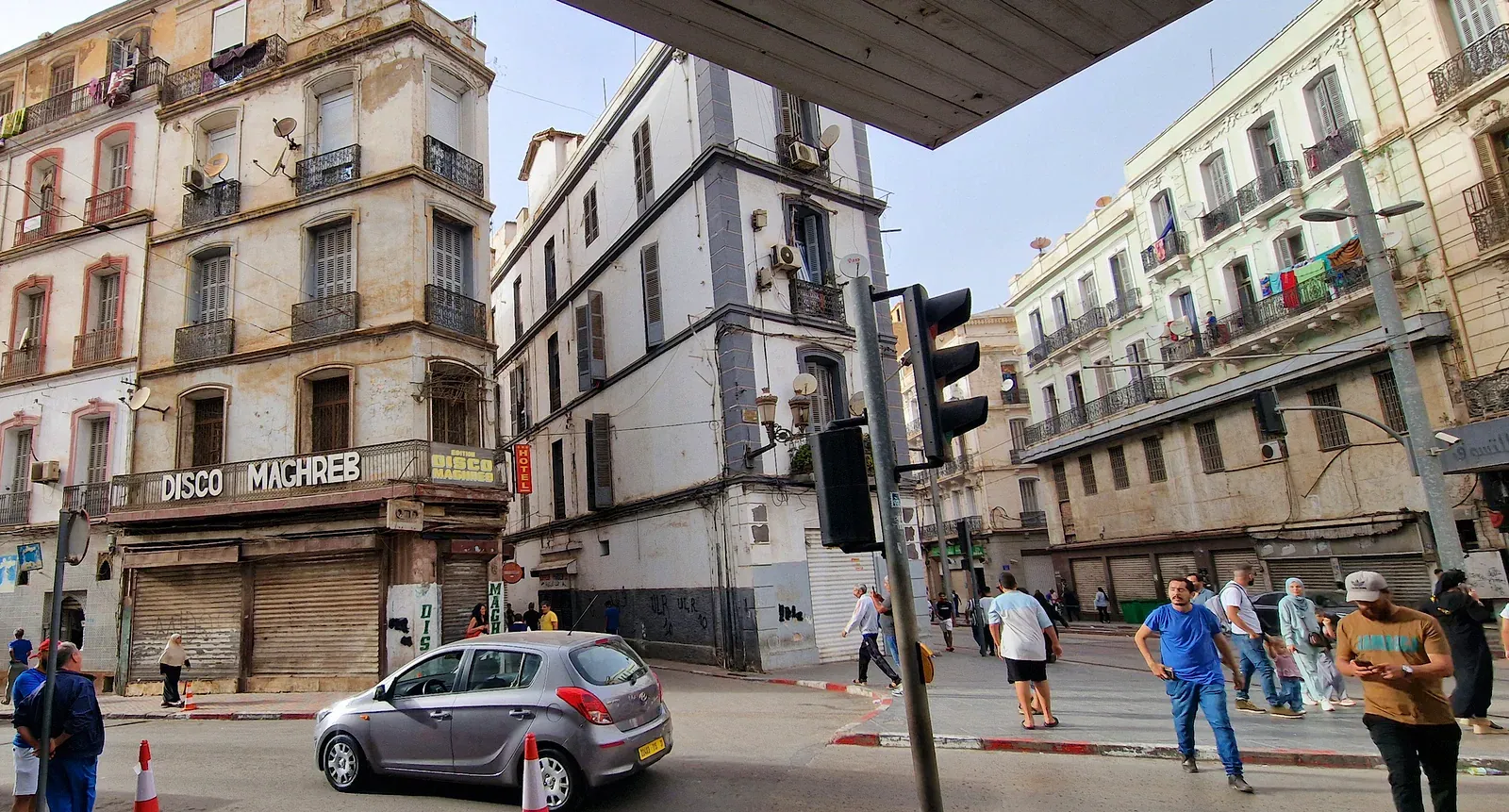
After the First World War, Oran was a port of cabarets and mixed quarters: Spanish fishermen and refugees in Sidi el Houari, a Jewish quarter with its own musicians, and poor Algerians who had left the land. Out of this milieu came male and female singers, the cheikhs and cheikhas, who rejected the polished poetry of classical Algerian song and sang in plain, often vulgar language to the sound of a reed flute and clay drums.
Several older styles fed the mix. Bedoui, a chant of Bedouin origin sung to guellal drum and gasba flute, was the closest relative, and its first recording is credited to Cheikh Mohammed Senoussi in 1906. The classical Andalusi tradition and the Hawzi song popular in Oran shaped its melodies, while Bedouin music supplied the idiom of rural poetry. Street musicians sang bar songs called zendanis, in which singers punctuated improvised lines with the cry “raï!” while they thought of the next phrase, and the exclamation gave the music its name.
Cheikhas were social outsiders, known for striking dress and lyrics that celebrated pleasure. They sang at weddings and feasts for women and, unusually, for men. Oran’s position also let in Spanish flamenco, gnawa and French cabaret, which blended with the rhythms of Arab nomads.
Oran and the cheikhas, 1920-1961
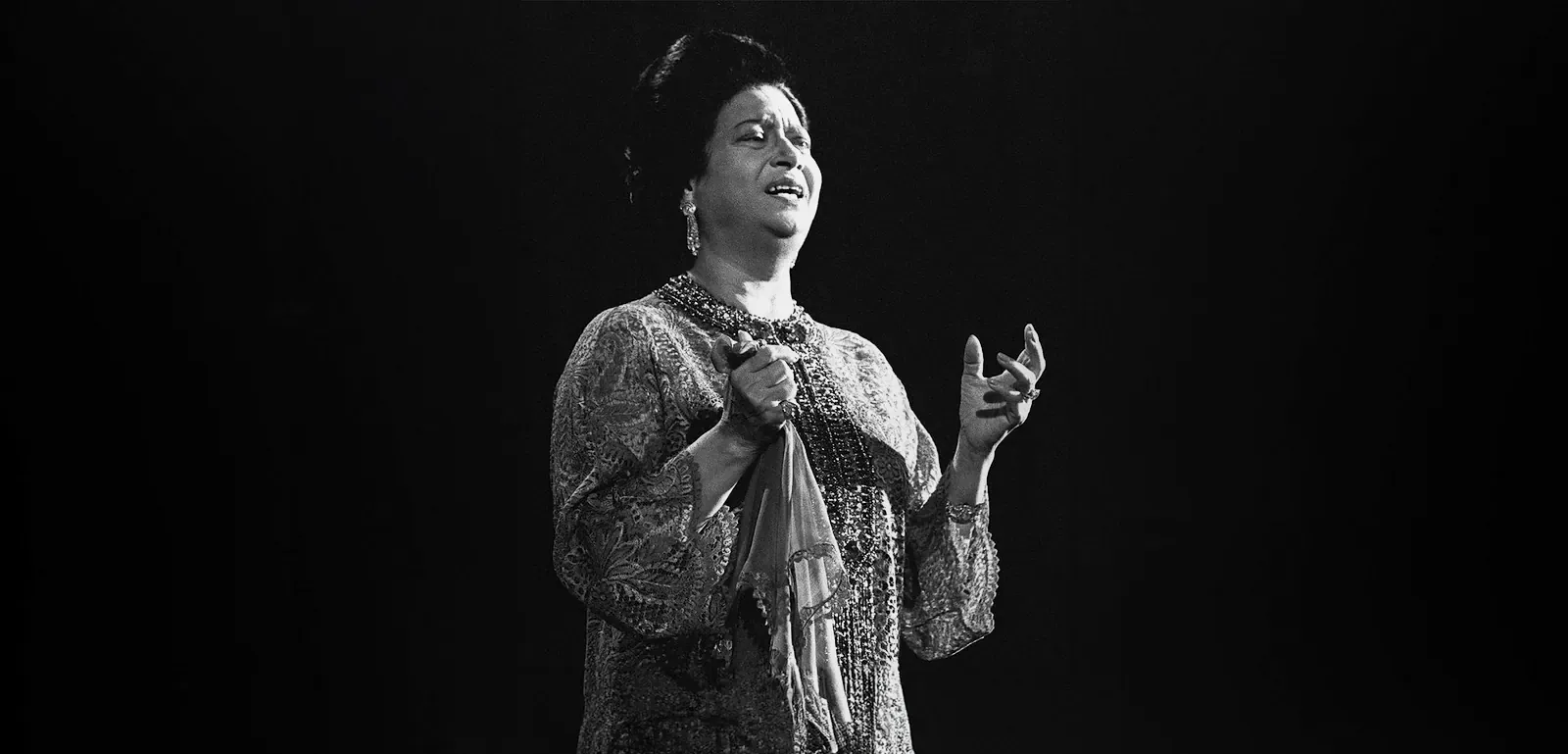
Cheikha Rimitti, born Saadia El Ghizania on 8 May 1923, became the central figure. Her fame spread by word of mouth during the Second World War, and she made her first record in 1952, a three-track disc for Pathé that included “Er-Raï Er-Raï”. Two years later “Charrak Gattà” caused a sensation: a bold hit that encouraged young women to defy convention and scandalised orthodox listeners. During the war of independence nationalists condemned her for singing folklore they saw as perverted by colonialism.
Independence and suppression, 1962-1975
When Algeria became independent in 1962, the new government tolerated little criticism and raï and Oranian culture were suppressed. Rimitti was banned from radio and television for broadcasts made under French control, though her songs stayed popular with the working-class poor and she kept singing at weddings and feasts. Public performances by women declined and men took over the genre. Violin and accordion replaced flute and drum.
In the 1960s Messaoud Bellemou and Belkacem Bouteldja began their careers and changed the sound, winning mainstream acceptance in Algeria by 1964. Imported styles, reggae among them, reached Algerian listeners in the following decade.
Pop raï and cassettes, 1976-1991
Pop raï grew from experiments with synthesizers, drum machines, electric guitar and trumpet. Producer Rachid Baba Ahmed is credited with spreading raï internationally from 1976 through a delicate blend with electronic instruments. The new generation took the titles cheb (male) and cheba or chaba (female), meaning “young”, to separate themselves from the older cheikhs. Among the first stars were Chaba Fadela, Cheb Hamid and Cheb Mami.
Raï circulated mostly on cassette. By the early 1980s it was issued almost exclusively on tape, and much of it never appeared on vinyl. Its association with mixed dancing and its frank lyrics drew official hostility. The state banned imports of blank cassettes and confiscated musicians’ passports, but the music kept moving through informal tape exchange. The election of Chadli Bendjedid in 1979 relaxed moral and economic restraints, and in 1985 Colonel Snoussi, together with France’s culture minister Jack Lang, persuaded the state to accept raï. The first state-sanctioned raï festival took place in Oran that year, where Khaled was crowned king of raï.
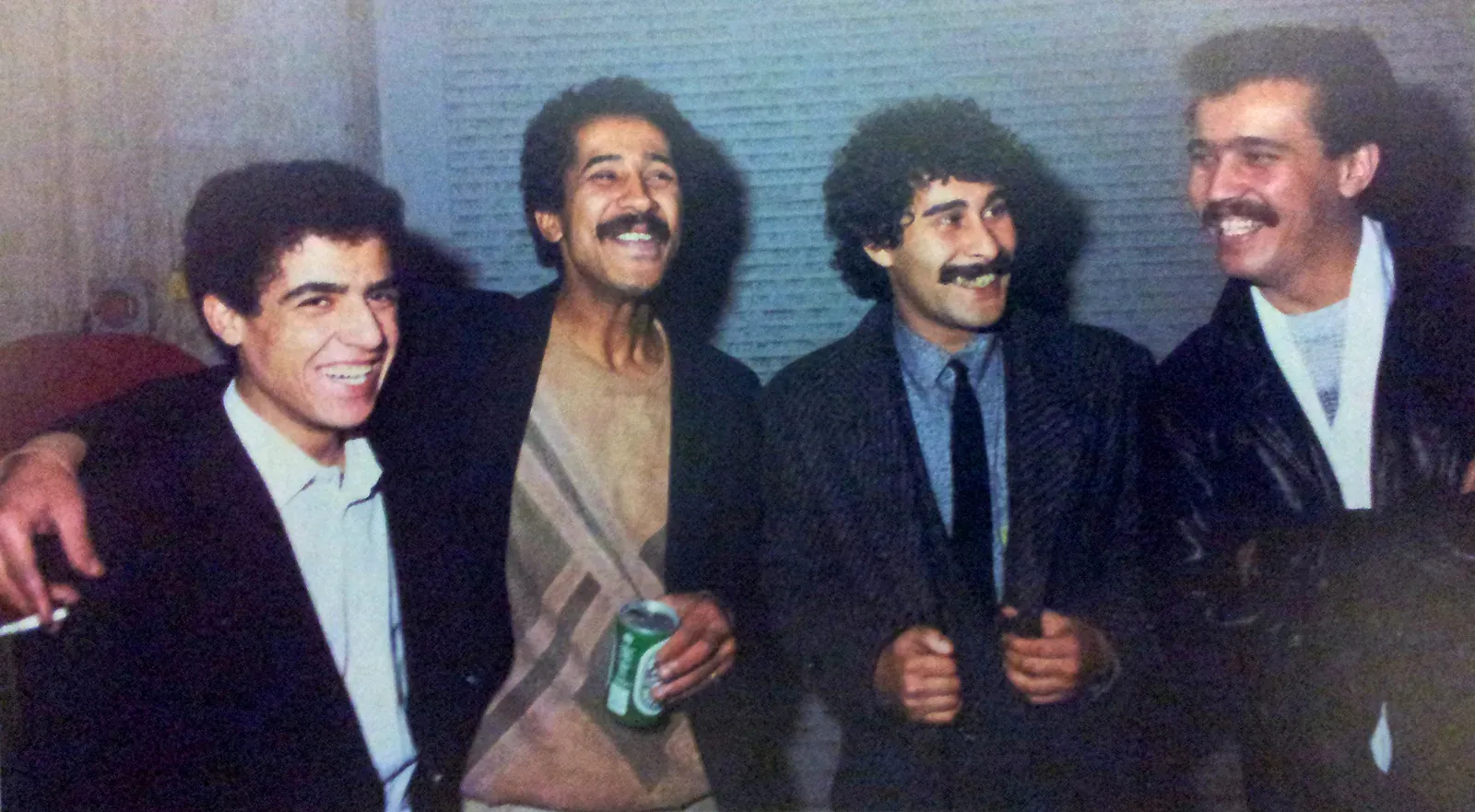
A festival at the MC93 theatre in Bobigny, near Paris, followed in January 1986 with Khaled, Cheb Sahraoui, Chebba Fadela, Cheb Hamid, Cheb Mami and the group Raïna Raï. In 1988 raï became entangled with politics: demonstrators during the October uprising adopted Khaled’s “El Harba Wayn” (“To Flee, But Where?”), and the government blamed raï for the unrest that left about 500 civilians dead.
Paris and the world market, 1992-2005
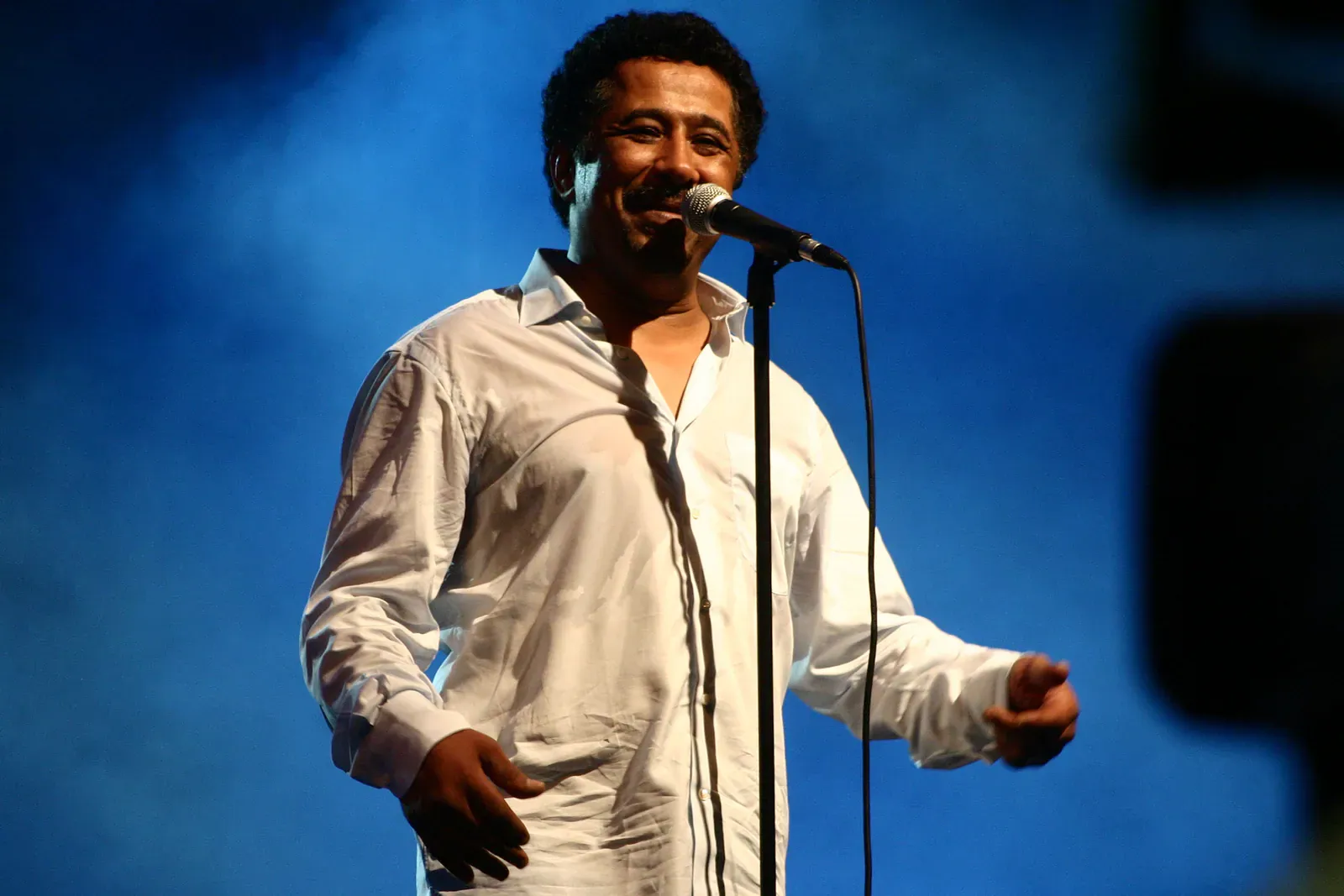
Khaled’s duet album “Kutché” with jazz musician Safy Boutella (1988) brought the first international success. His 1992 album “Khaled”, produced by Don Was, and its single “Didi” made him a star in Europe, the Arab world and parts of Asia. In Algeria the 1990s brought violence. Cheb Hasni, who had returned to sing in a stadium in 1994, received death threats and was murdered outside his parents’ home in Oran on 29 September 1994, the first raï musician to be killed. Producer Rachid Baba Ahmed was assassinated in Oran on 15 February 1995. Cheb Mami and Chaba Fadela moved to France, where raï could be made without censorship.
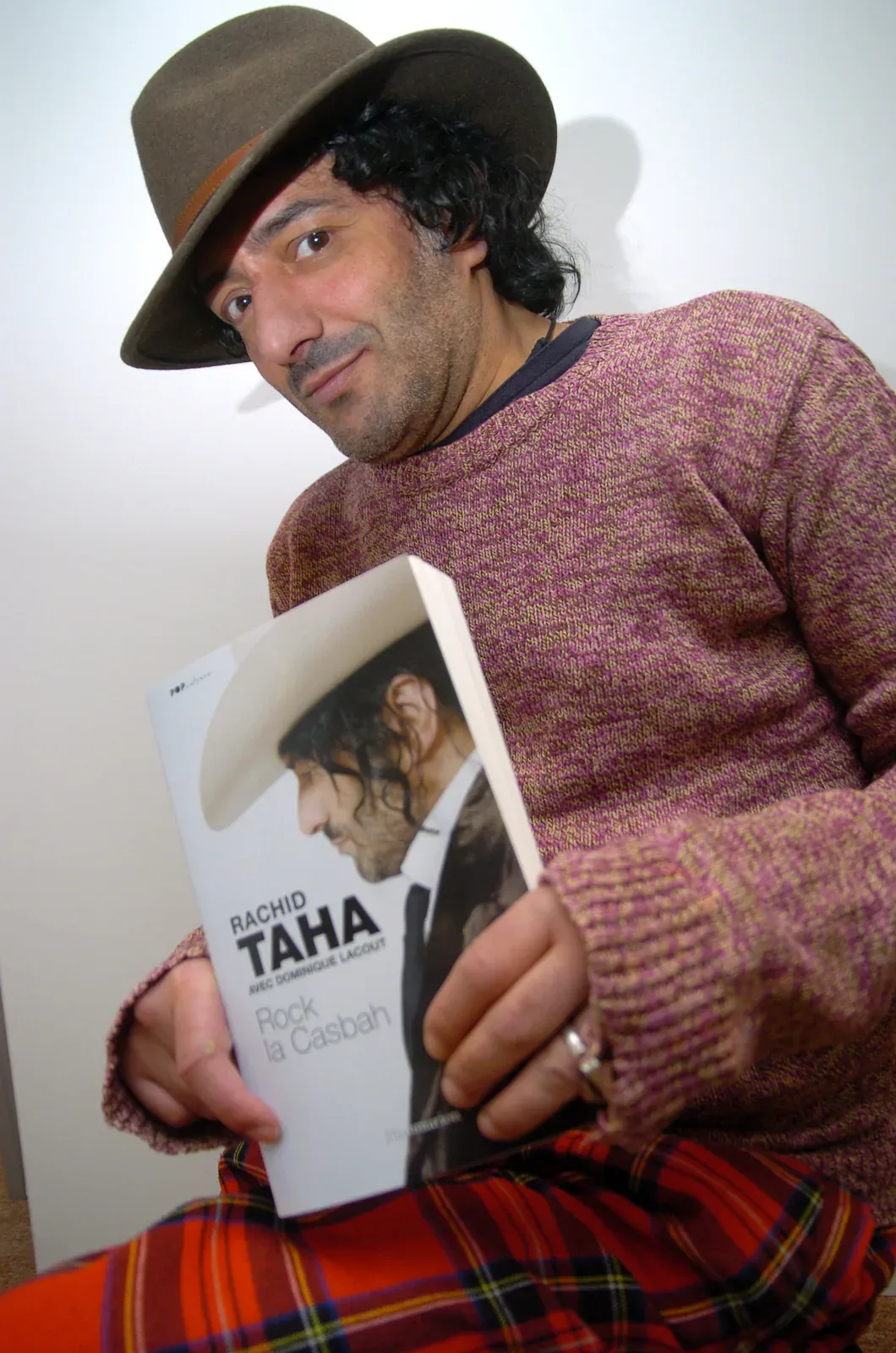
Paris became the genre’s base. Khaled’s “Aïcha” (1996) followed “Didi” into the charts, while a softer, sentimental “lover’s raï” came from Hasni, Cheb Tahar and Cheb Nasro. Rachid Taha, a singer from the Lyon band Carte de Séjour, fused raï with rock and punk, and Faudel added funk and hip hop. Taha, Khaled and Faudel shared a live album, “1,2,3 Soleils”, recorded at Bercy in 1998. In 2000 the duet “Desert Rose” by Sting with Cheb Mami reached No. 15 in the UK and No. 17 in the US, and topped Billboard’s Adult Alternative chart.
Characteristics
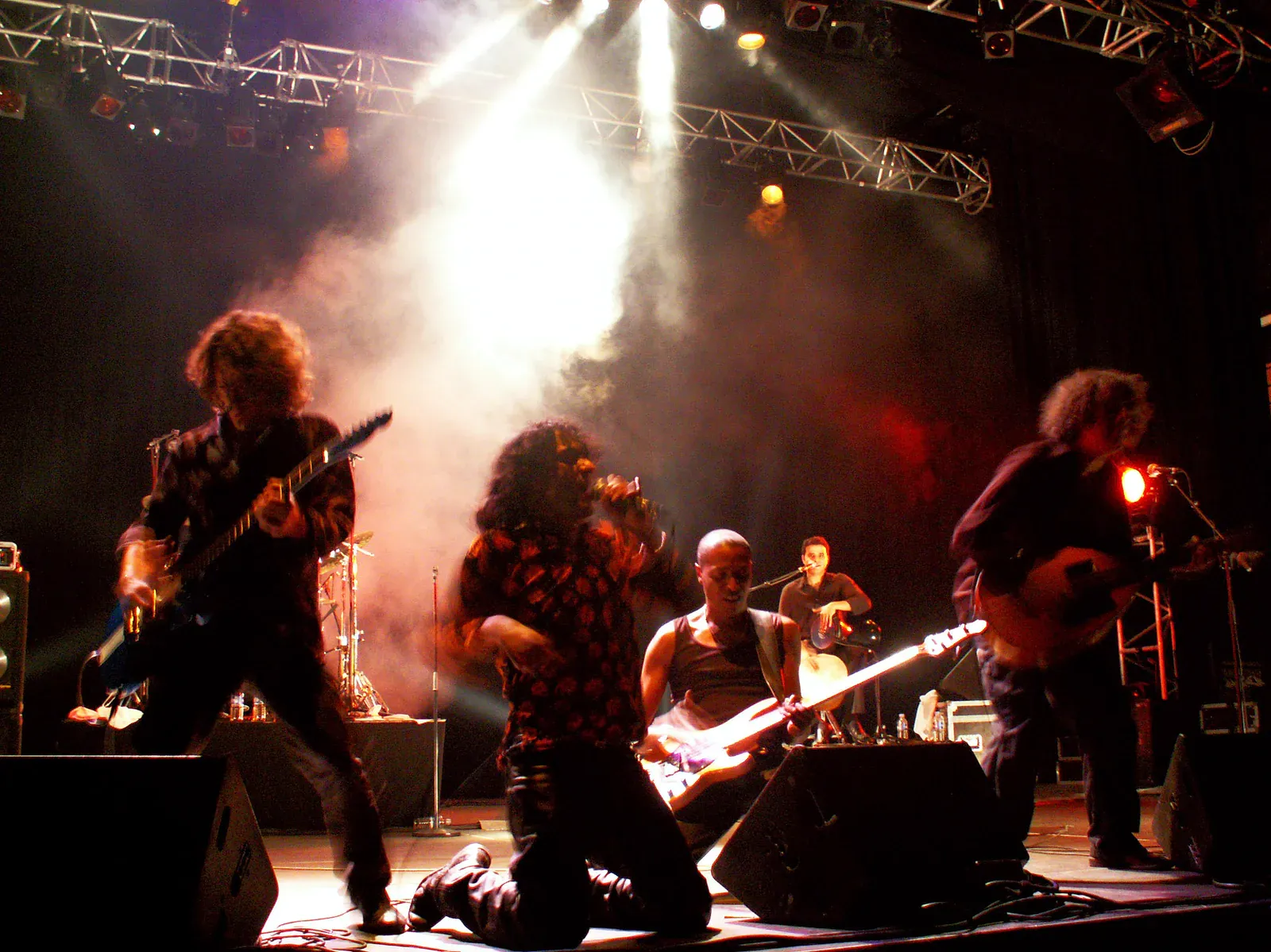
Early raï rests on a lead voice, ornamented, nasal and often gritty, singing improvised or traditional verses over a steady dance pulse. The refrain “raï” works as a filler, a hook and a signature. Lyrics deal with love, drink, social change, exile and hardship, and women have always taken a prominent part, although female artists often stay off their album covers. Pop raï keeps the voice and the dance groove but places them over keyboards and drum machines, usually in a moderate 4/4 pulse around 85 to 115 beats per minute.
Instruments and production
The early ensemble used the gasba, an end-blown reed flute, and percussion such as the guellal and the goblet-shaped derbouka. After independence, violin and accordion took over, and trumpet, electric guitar, synthesizers and drum machines arrived with pop raï. Producers shaped the style on cassette and later in Paris studios, and the Don Was production on Khaled’s 1992 album showed how a Western pop studio sound could frame the vocal. Rimitti’s 1994 album “Sidi Mansour”, made with Robert Fripp and Flea, set an electric-rock version of the style against her deep voice.
Notable recordings
“Charrak Gattà” (1954) records the shock of the early tradition: a woman singing openly of desire. “Didi” (1992) is the key crossover, and its authorship was tested in court in 2015 when Khaled was convicted of plagiarising it from a 1988 song by Cheb Rabah; he was cleared in 2016 after a 1982 tape of the song was produced. “Ya Rayah” (1997), a classic of Rachid Taha’s raï-rock, joins strings and rock drums to a plaintive song of exile. “Desert Rose” showed how a raï voice could carry a Western pop hook.
Culture
Raï has always been controversial. It was the music of marginal people and it was danced to by men and women together, which orthodox Muslims regard as improper. Lyrics on alcohol and sex, such as “Beraka”, which Cheb Hasni recorded with Chaba Zahouania in 1987, set critics against fans. Islamist groups opposed it in the 1990s and some singers were threatened. Female performers face further pressure, and women singers often avoid appearing on their covers.
Legacy
Raï moved Algerian Arabic song onto the world stage and helped create the Franco-Maghrebi pop of Paris and Lyon. It also shaped later fusions: Arabic hip hop and Algerian hip hop later fused with it, and Taha’s work linked it to punk and rock. In December 2022 UNESCO added raï to the Representative List of the Intangible Cultural Heritage of Humanity.
Misconceptions
Raï is not an invention of the 1980s. Its origins go back to the 1920s, and the first stars were women, the cheikhas, not the cheb singers of the pop era.
The word does not mean a political slogan. It means “opinion” or “advice” and began as a filler cry sung while a performer composed the next line.
Raï did not cause the 1988 uprising. The government blamed it, and most singers, including Cheb Sahraoui, denied any link; the connection stuck because demonstrators picked up a Khaled song.
Frequently asked questions
What does raï mean?
Raï is Algerian Arabic for “opinion” or “advice”. Singers shouted it as filler while improvising new lines, and the cry became the name of the music.
Where did raï music originate?
Raï originated in Oran, in western Algeria, in the 1920s. It grew out of cabaret and bedoui song among poor urban singers, especially women called cheikhas.
Who are the best-known raï singers?
Cheikha Rimitti is known as the mother of raï, and Khaled became its biggest international star. Cheb Mami, Cheb Hasni and Rachid Taha are other leading names.
What is pop raï?
Pop raï is the electrified form of raï that appeared in the 1970s and 1980s, using synthesizers, electric guitars and drum machines in place of reed flute and hand drums.
Sound
Sound sheet
Anatomy of a track
| # | Part | Bars |
|---|---|---|
| 1 | Instrumental intro and drum groove | 8 |
| 2 | Sung verse with improvised lines | 16 |
| 3 | Chorus or refrain | 8 |
| 4 | Instrumental break (flute, synth or violin) | 8 |
Signature sounds
- Ornamented, nasal lead vocal
- Call and refrain with shouted raï
- Synth, accordion or violin riff
- Derbouka and drum-machine groove
Drums and percussion
- Guellal
- Derbouka
- Drum machine
Techniques
- Melismatic singing
- Improvised lyrics
- Call and refrain
- Folk-to-pop instrumentation
Keys and modes
Arabic modal melodies. Ornamented vocal lines over maqam-derived modes, with fixed-pitch keyboards and guitars in pop raï.
Vocals
Raw, ornamented and often nasal singing in Algerian Arabic and, since the 1980s, French, with frank lyrics on love, drink, exile and hardship.
Scenes
Where it happened
Where and when the sound lived: one bar per city on a shared timeline.
Africa
Europe
Active scenes
Peak 4, 1986
Birthplace of raï, a port of cabarets, Spanish and Jewish quarters and Bedouin migrants.
Base of the diaspora where raï stars recorded, toured and moved during the 1990s.
Host of the first raï festival in France at the MC93 theatre in January 1986.
Home of Rachid Taha's band Carte de Séjour, which mixed raï with rock and funk.
Venues and places
Bobigny, 1986 to today. Theatre that hosted the first raï festival in France.
Paris, 1998 to today. Arena of the 1998 1,2,3 Soleils concert by Khaled, Taha and Faudel.
Culture
Culture markers
- Cheb and cheba
Young singers took stage names beginning with Cheb or Cheba to set themselves apart from the older cheikhs.
Slang - Weddings and feasts
Cheikhas sang at weddings and circumcision feasts for women and, unusually, for men.
Ritual - Mixed-gender dancing
Raï was danced by men and women together, which orthodox critics condemned.
Dance
Media
Key media
- 19981,2,3 Soleils
by Khaled, Rachid Taha and Faudel. Live album and concert of the three raï stars at Bercy.
Film - 1999Aux sources du Raï
by Cheikha Rimitti. Collects her early recordings.
Compilation
Glossary
Terms on this page
Bedouin-derived Oran chant sung to guellal and gasba, a root of raï.
Honorific meaning young, used for male raï singers; the female form is cheba or chaba.
Title for a female raï singer of the early tradition; the male form is cheikh.
Electrified raï built on synthesizers, guitars and drum machines.
Algerian Arabic word for opinion or advice, shouted by singers while they improvised the next line.
Street bar-song with improvised lines, often punctuated by the cry of raï.
Middle Eastern and North African family