Mizrahi music
Mizrahi music is an Israeli genre created by Jews from Arab countries, mixing Arabic, Turkish, Greek and European elements in Hebrew songs, from the 1950s.
Israel, around 1950
Middle Eastern and North African family
Born
around 1950
Israel
Subgenres
1
Documented branches
Links
12
Genres it drew on or shaped
Tempo
80-130 BPMLineage
Family tree
Grew out of
Influenced by
Yemenite Jewish poetry
Israel
Mizrahi music
Led to (1)
Timeline
Era by era
From the first sparks to today. Select a dot to read the story behind it.
- Community halls and Greek nightclubs
1950 to 1969
- The cassette years
1970 to 1979
- Zohar Argov and the festival
1980 to 1989
- Mizrahi pop
1990 to today
Eras
Moments
- 1 Community halls and Greek nightclubs, 1950 to 1969
- 2 The cassette years, 1970 to 1979
- 3 Zohar Argov and the festival, 1980 to 1989
- 4 Mizrahi pop, 1990 to today
around 1950
Community halls and Greek nightclubs
Immigrants from Arab countries played at weddings and neighbourhood events in Hebrew on oud, kanun and darbuka, while Greek and Moroccan performers such as Aris San and Jo Amar opened mainstream ears.
- 1950Neighbourhood bands at weddingsHomegrown performers in districts with many Jews from Arab countries play Hebrew songs in an Arabic style at weddings and community events.
around 1970
The cassette years
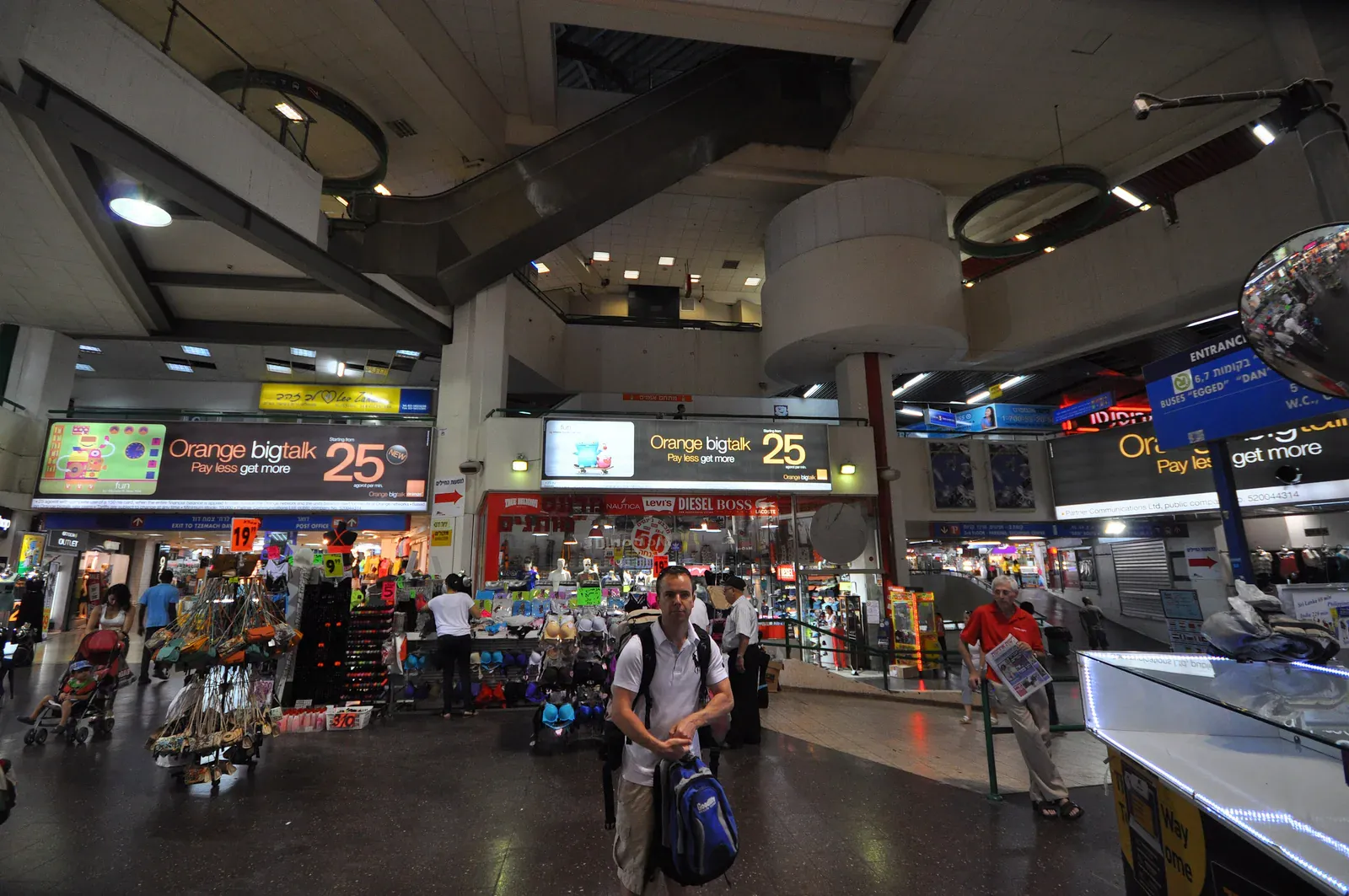
Homemade and commercial cassettes sold at the Tel Aviv central bus station carried the music around the transit camps and neighbourhoods, bypassing radio, and gave the genre its nickname for cassette singers.
- 1970Cassette distributionRecorded wedding parties and a commercial cassette network at the Tel Aviv central bus station let the community distribute its own music.
- 1976Jo Amar's BarcelonaThe Moroccan-born singer, a pioneer of the genre, records the song that Zohar Argov later covers.
- 1977Argov's first singleZohar Orkabi takes the stage name Zohar Argov for a single of two songs written by Moshe Nagar, which airs only once.
1980
Zohar Argov and the festival
Zohar Argov's debut album, his win at the 1982 Mizrahi music festival and Ofra Haza's Yemenite Songs brought the genre into the national mainstream, while synthesizers and electronic instruments arrived.
- 1980ElinorArgov's debut album makes him a nationwide recording artist in a genre the radio ignored.
- 1982HaPerah BeGani wins the festivalArgov's winning song at the Mizrahi music festival becomes the genre's mainstream breakthrough, written by Avihu Medina and Moshe Ben Moshe.
- 1984Ofra Haza's Yemenite SongsThe album of Yemenite poems set to music, with Im Nin'alu, appears on Hed Arzi.
- 1987Argov diesZohar Argov dies on 6 November; his story later inspires a play and a 1993 film.
- 1988Im Nin'alu tops European chartsA remix on the album Shaday reaches number one in several European countries and number 15 in the UK.
- 1989Zehava Ben's Tipat MazalHer debut album, with a Hebrew cover of a Turkish song, becomes a hit among Mizrahi and Arab-Israeli listeners.
1990
Mizrahi pop
Labels turned from cassette operations into a formal industry, rock, techno and R&B entered the sound, and stars such as Zehava Ben, Eyal Golan, Sarit Hadad and Omer Adam made Mizrahi pop Israel's most prominent pop form.
- 2002Sarit Hadad at EurovisionThe singer represents Israel with Light a Candle.
- 2019Omer Adam fills Yarkon ParkHe sells 50,000 tickets, 1,000 short of the park's record set in 2013.
Listening path
Start listening
A short path from an easy way in to the deep end. Thumbnails come from YouTube; the player loads only when you press play.
- 01
Jo Amar, 1976
An early Moroccan-Israeli hit that shows the genre's Arabic-style melody over a light dance rhythm.
- 02
Zohar Argov, 1982
The festival winner; listen for Argov's ornamented, synagogue-trained delivery.
- 03
Ofra Haza, 1984
A 17th-century Yemenite poem set to music, the root of her later international hit.
- 04
Sarit Hadad, 2002
A pop-era performance by one of the genre's biggest female stars.
Facts
| Family | Middle Eastern and North African |
| Origin | Israel |
| Emerged | Late 1950s-1960s |
| Status | Active |
| Tempo | 80 to 130 BPM |
| Meter | 4/4 |
| Subgenres | 1 |
Mizrahi music (Hebrew: muzika mizrahit, “eastern music”) is an Israeli genre that combines Middle Eastern, North African and European elements and is mostly performed by Israelis of Mizrahi descent, meaning Jews with roots in Arab countries. It is usually sung in modern or literary Hebrew.
It began in the 1950s at community celebrations, grew through cassette tapes in the 1970s, reached the mainstream in the 1980s with Zohar Argov, and by the 2010s had become the most prominent form of pop music in Israel.
Origins
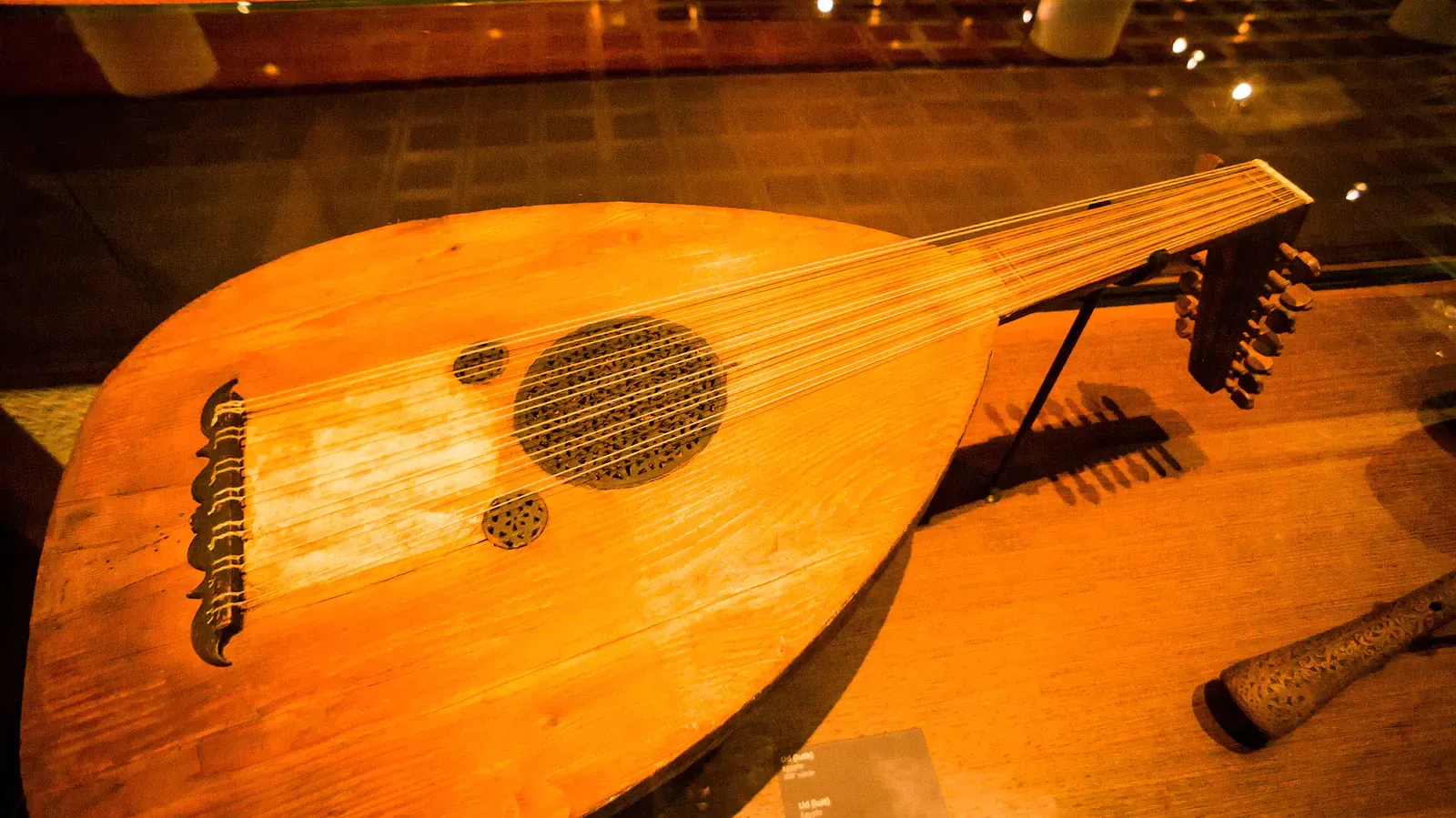
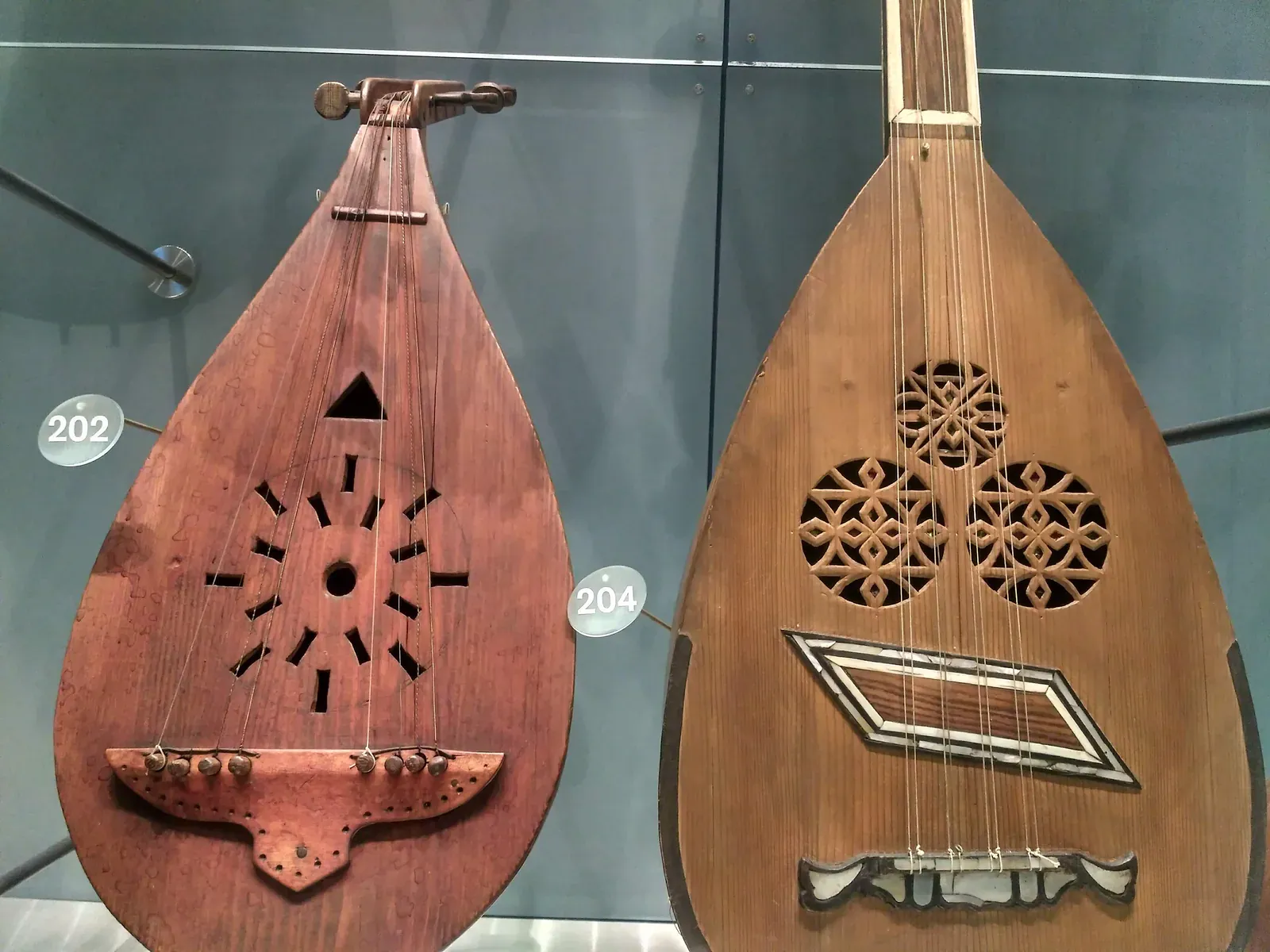
After Israel was founded in 1948, many Jewish families arrived from Arab countries and settled in neighbourhoods and transit camps. In the 1950s homegrown performers in districts with many of these families began to play at weddings and other events. They sang in Hebrew but in an Arabic style, on the oud, kanun and darbuka. Lyrics were at first taken from classic Hebrew literature, including medieval Hebrew poets, and singers later added texts by Israeli poets and then wrote their own. Some translated childhood favourites from Arabic into Hebrew, added electronics and sped up the tempo.
Two outsiders and a pioneer shaped the early sound. The Moroccan-born singer and cantor Jo Amar made albums in the 1950s and 1960s that drew mostly on Moroccan music, and his song “Barcelona” appears on a 1976 album and was later covered by Zohar Argov. Aris San, a Greek-born nightclub owner, played the electric guitar like a bouzouki and opened Israeli society to Greek and Mizrahi music in the late 1950s and 1960s. In the 1960s acoustic and electric guitars joined the oud, and the sound became more eclectic.
The cassette years, 1970-1979
Radio would not carry the music. Officials called it “too Arabic” and not authentically Israeli, and editors who favoured European and American styles rejected it. The community built its own channel instead. Recordings of wedding parties became sought-after goods in the transit camps, and the commercial cassette network at the Tel Aviv central bus station let Mizrahi artists sell directly to their audience. Singers known mostly through tapes were called “cassette singers”, and the Reuveni brothers, who began by selling a tape of one wedding, founded one of the major cassette companies and signed Argov, Haim Moshe and Margalit Tzan’ani.
Zohar Argov and the festival, 1980-1989
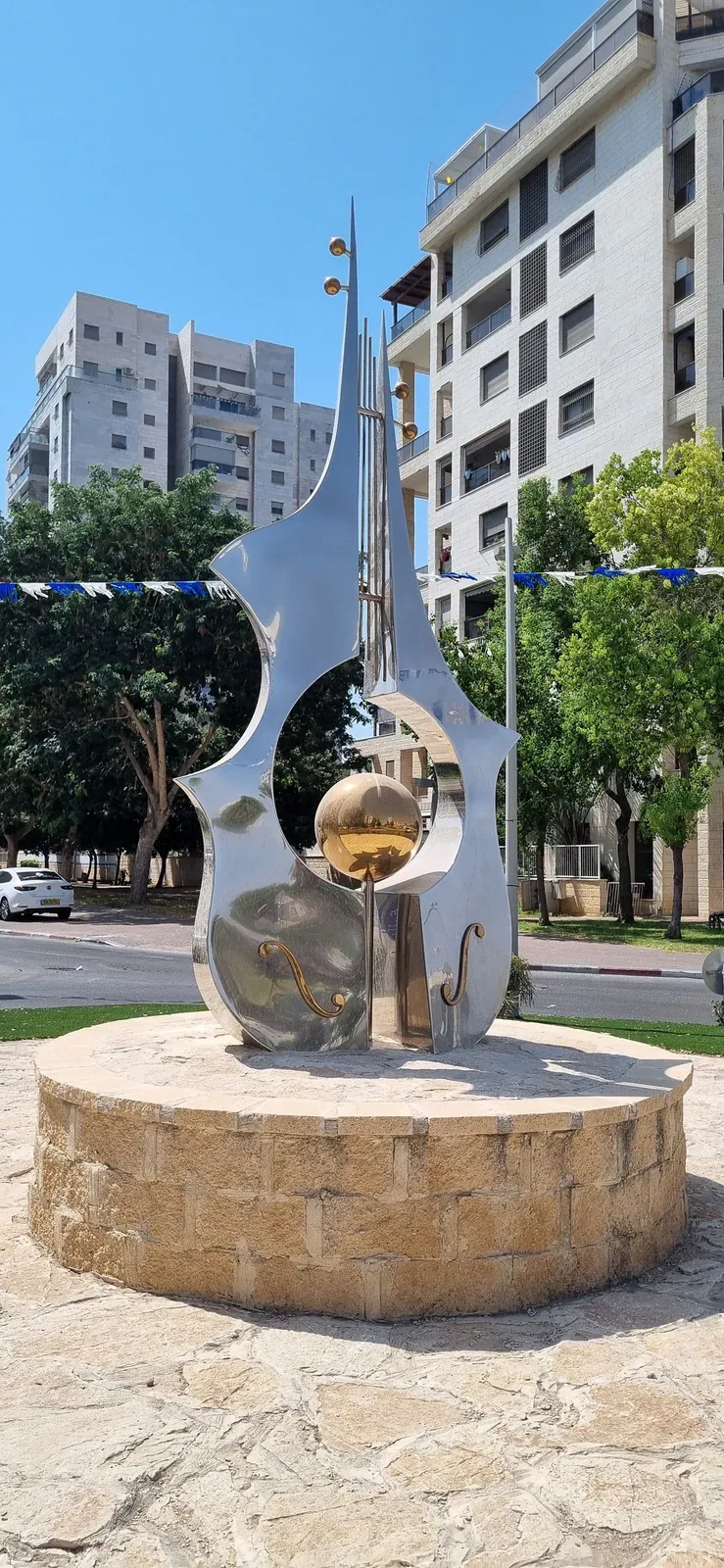
Zohar Orkabi took the stage name Zohar Argov for a single in 1977, and his debut album “Elinor” in 1980 made him a recording artist across Israel. He had grown up in Rishon LeZion singing in a synagogue, which gave his voice a pronounced Middle Eastern melisma. In 1982 he entered the Mizrahi music festival with “HaPerah BeGani” (“The Flower in My Garden”), written and composed by Avihu Medina and Moshe Ben Moshe, and won. The song became the genre’s mainstream breakthrough, ranking fourth in the Israeli annual Hebrew song chart, a result unprecedented for a Mizrahi song. Medina, who composed hundreds of songs for the genre, also wrote for Shimi Tavori, Daklon and Haim Moshe.
Argov’s life ended early. He struggled with addiction through the 1980s and died on 6 November 1987 at the age of 32. His story became a play and, in 1993, the film “Zohar”. He remains a divisive figure because of a rape conviction in the late 1970s.
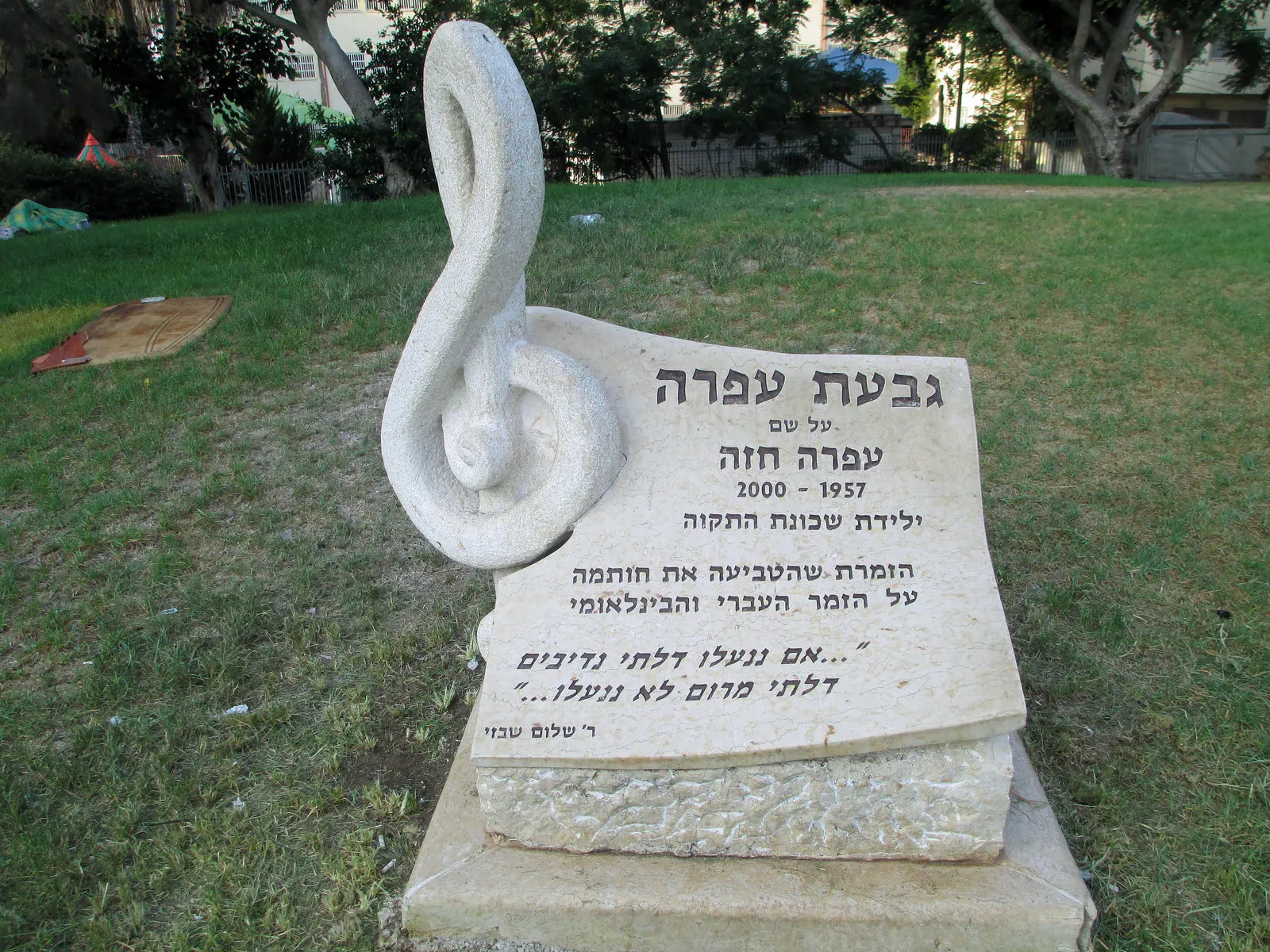
Women also gained a place. Zehava Ben began her career singing Umm Kulthum, and Margalit Tzan’ani later became a television personality. Ofra Haza, of Yemenite-Mizrahi descent, released “Yemenite Songs” on Hed Arzi in 1984, built on traditional poems, and a remix of its “Im Nin’alu” on the 1988 album “Shaday” reached number one in several European countries. Synthesizers and electronic instruments entered Mizrahi music in this decade.
Mizrahi pop, 1990 onward
By the mid-1990s the cassette trade had become a formal industry. Producers added rock, techno, electronic dance music, Europop and R&B while keeping the Greek, Turkish and Arab roots. Zehava Ben’s 1989 hit “Tipat Mazal” was a Hebrew cover of a Turkish song by Orhan Gencebay, and she gained popularity across the Arab world as an Arabic-language singer, even though her music was banned in some Arab countries. Eyal Golan, Sarit Hadad and others carried the genre to far larger audiences. Hadad represented Israel at Eurovision in 2002. In 2019 Omer Adam sold 50,000 tickets in Yarkon Park, 1,000 short of the record set by Kaveret in 2013.

Characteristics
Vocalists decorate their lines with trills, and delivery is often nasal or guttural. Intonation is usually Western: singers do not use the quarter tones typical of Arabic music, which separates the style from the Arabic repertoire it borrows from. Early songs were mostly love songs, translations of Greek or Mediterranean hits and Jewish-themed songs. The tempo of canonical recordings runs from slow ballads of about 80 BPM to dance numbers near 130 BPM. A somber, dramatic strand called Dika’on leans harder on Turkish and Arabic influence.
Instruments and production
The first bands used oud, kanun and darbuka. Guitars arrived in the 1960s, synthesizers in the 1980s, and later productions use studio pop methods and dance-music beats. Many hits were low-budget productions, which critics once used as an excuse to dismiss them.
Mainstream success
Acceptance came slowly. The educational and cultural establishment tried to steer second-generation Mizrahi youth away from the music, and radio played little of it outside festival songs. Pressure from Mizrahi composers and producers such as Medina, its popularity, and the adoption of its elements by mainstream artists changed that. In 1989 Yardena Arazi, one of Israel’s biggest stars, released “Dimion Mizrahi” (“Eastern Imagination”) with original and canonical Israeli songs. As early as 1985 some well-known Ashkenazi songwriters admired the sound. The music also spread into oriental rock and metal, with acts such as Orphaned Land, Dudu Tassa and Fortisakharof.
Notable recordings
“HaPerah BeGani” is often considered Argov’s signature track. Argov disliked it and wanted to enter “Shir Prati” (“Private Song”) instead; the festival director rejected that song, and the entry was first given to another singer before Medina persuaded the director to let Argov sing it. Before it reached radio it already sold as a bootleg cassette at the central bus station. “Im Nin’alu” is a poem by the 17th-century rabbi Shalom Shabazi, set to music by Haza; the original 1984 version appears on “Yemenite Songs”, and the remixed single produced by Izhar Ashdot stayed nine weeks at number one in West Germany in 1988.
Culture
The genre grew out of weddings, birthdays and bar mitzvahs, and the live celebration remains its home. Its history is tied to the social struggle of Israelis of Mizrahi and Sephardic origin for cultural acceptance, which writers have discussed in terms of assimilation as artists moved into the mainstream.
Legacy
Mizrahi pop is now the most prominent pop form in Israel. The genre sits within the wider Middle Eastern and North African family, alongside regional pop styles such as Turkish pop and Arabic pop.
Misconceptions
It is not simply Arabic music sung in Hebrew. Singers do not use the quarter-tone scales of Arabic music, and the mix also contains Greek and Turkish material, from Aris San’s bouzouki-style guitar to Turkish songs covered in Hebrew.
It was not a marginal niche in the end. Although radio ignored it in the 1970s and 1980s, the genre became the most prominent form of pop music in Israel by the 2000s and 2010s.
It is also not the same as the New Hebrew style: the Mizrahi style is described as more spontaneous.
Frequently asked questions
What does Mizrahi music mean?
Mizrahi means “eastern”. Mizrahi music is the Israeli genre created and mostly performed by Jews of Middle Eastern and North African descent, usually in Hebrew.
Who is the king of Mizrahi music?
Zohar Argov, who won the 1982 Mizrahi music festival with “HaPerah BeGani”, is widely called the king of Mizrahi music.
Which instruments define Mizrahi music?
The early sound rested on the oud, kanun and darbuka. Guitars joined in the 1960s and synthesizers in the 1980s.
Sound
Sound sheet
Anatomy of a track
| # | Part |
|---|---|
| 1 | Instrumental intro |
| 2 | Verse |
| 3 | Refrain |
| 4 | Instrumental break |
| 5 | Final refrain |
Signature sounds
- Hebrew lyrics sung in an Arabic, Greek or Turkish melodic style
- Ornamented, trilled vocals with nasal or guttural colour
- Oud, kanun and darbuka, later guitar and synthesizer
Drums and percussion
- Darbuka
Techniques
- Vocal trills
- Synagogue-style melisma
- Bouzouki-style electric guitar
Tuning
Western intonation; quarter tones typical of Arabic music are generally not used
Vocals
Hebrew, ornamented and often emotional, delivered with trills; later pop vocals add Western phrasing.
Scenes
Where it happened
Where and when the sound lived: one bar per city on a shared timeline.
Asia
Active scenes
Peak 3, 1988-2025
Cassette trade at the central bus station spread the music beyond the transit camps and neighbourhoods.
The city where Zohar Argov grew up singing in a synagogue.
Home city of Zehava Ben, who began recording at the end of the 1980s.
Venues and places
Tel Aviv, 1970 to today. Commercial cassette distribution here helped the genre grow outside radio and the record industry.
Culture
Culture markers
- Weddings and bar mitzvahs
The genre grew out of community celebrations, where bands played live for the neighbourhood.
Ritual - Cassette singers
Hebrew zamarei cassette, the nickname for artists known mainly through cassettes.
Slang
Media
Key media
- 1993Zohar
Biopic of Zohar Argov's rise and fall, released to wide acclaim.
Film
Glossary
Terms on this page
Nickname for artists who built their following through cassettes sold outside the record industry.
A somber, dramatic strand that leans on Turkish and Arabic influence.
Singing several notes on one syllable, a feature of Argov's synagogue-trained voice.
Hebrew for eastern; Jews from Arab countries and the wider Middle East and their descendants.
Annual song contest that gave Mizrahi artists mainstream exposure in the early 1980s.
The Hebrew name of the genre, often rendered as Mizrahi music or oriental music.
Middle Eastern and North African family