Egyptian shaabi
Egyptian shaabi is the working-class popular music of Cairo's streets and weddings, rooted in baladi and mawwal and made famous by Ahmed Adaweyah's cassettes.
Cairo, 1918
Middle Eastern and North African family
Born
1918
Cairo
Subgenres
3
Documented branches
Links
7
Genres it drew on or shaped
Tempo
95-135 BPMLineage
Family tree
Grew out of
- Baladi
Derived from
Influenced by
Mawwal
Cairo
Egyptian shaabi
Led to (4)
Timeline
Era by era
From the first sparks to today. Select a dot to read the story behind it.
- Roots in baladi and mawwal
1918 to 1969
- Cassettes and Adaweyah
1970 to 1989
- Shaabi pop and political hits
1990 to 2009
- Mahraganat and electro-shaabi
2010 to today
Eras
Moments
- 1 Roots in baladi and mawwal, 1918 to 1969
- 2 Cassettes and Adaweyah, 1970 to 1989
- 3 Shaabi pop and political hits, 1990 to 2009
- 4 Mahraganat and electro-shaabi, 2010 to today
1918
Roots in baladi and mawwal
Sayed Darwish brought street themes into Cairo song from 1918, and from the 1940s mawwal singers such as Abu Dira and Anwar al-Askari, with Shafiq Gallal and others, made a working-class sound of the neighbourhoods.
- 1918Sayed Darwish settles in CairoThe Alexandria-born composer moves to Cairo and writes operettas with street characters, a model for later popular song.
- 1950Mawwal singers of the 1940s to 1960sAbu Dira and Anwar al-Askari make mawwal improvisation a neighbourhood art, and Shafiq Gallal and Mohamed abd el-Motleb record songs in the shaabi mould.
- 1969Adaweyah sings in CairoA former cafe waiter performs songs full of working-class slang and double meanings in Cairo.
1970
Cassettes and Adaweyah
Ahmed Adaweyah's slang-filled songs sold on cheap audiocassettes and reached millions, though state radio and television kept them off the air and the music establishment disapproved.
- 1973El Sah El Dah EmboAdaweyah's first cassette hit, a nonsense-refrain song that spreads through street kiosks.
- 1973Salametha Om HassanA song about a woman and a failed zar ritual, read by listeners as a nod to Egypt (Umm Hassan) after the 1967 defeat.
- 1989Adaweyah is attackedAdaweyah is found comatose after being drugged in an attack tied to a Kuwaiti emir and is left partly paralysed, though he sings again.
1990
Shaabi pop and political hits
Hakim brought a cheerful, apolitical shaabi pop to middle-class listeners from 1992, while Shaaban Abdel Rahim scored quick topical hits from 2000 that were sold mostly on informal cassettes and CDs.
- 1992Hakim's debut NazraHakim releases his first album on Slam Records with help from Hamid El Shaeri.
- 2000Ana Bakrah IsraelShaaban Abdel Rahim's breakthrough song, with the refrain about loving Amr Moussa, passes the censors and causes a stir.
- 2001Bin Laden song bannedAfter the September 2001 attacks Shaaban records a song about Bin Laden that state censors pull from the airwaves.
- 2006Mahragan ElsalamA group of friends from the Elsalam district of northeast Cairo circulates a mix that is an early mahraganat landmark.
- 2007Tigi Tigi with Don OmarHakim records a duet with the reggaeton star Don Omar, widening the shaabi audience.
2010
Mahraganat and electro-shaabi
Wedding DJs in Cairo's neighbourhoods fused shaabi with electronic dance music and rap, and the sound broke out during the 2011 revolution, drawing both mass audiences and bans.
- 2011Mahraganat in the revolutionDJ Figo's Ana Baba Yalla goes mainstream amid the 2011 revolution and the genre reflects the political turmoil.
- 2014Mahraganat goes nationalBy summer 2014 the style is popular across Egypt, and Islam Chipsy and EEK tour the UK.
- 2016Radio banNagham FM bans mahraganat songs as contrary to Egyptian customs and traditions.
- 2019Shaaban Abdel Rahim diesThe singer known as Sha'bola dies on 3 December.
- 2020Musicians' union bans mahraganatAfter a Cairo Stadium concert on Valentine's Day, the Egyptian musicians' union moves to ban mahraganat and deny its singers membership.
- 2024Ahmed Adaweyah diesAdaweyah dies in Cairo on 29 December after a long illness.
Listening path
Start listening
A short path from an easy way in to the deep end. Thumbnails come from YouTube; the player loads only when you press play.
- 01
Ahmed Adaweyah, 1973
The cassette hit that started the shaabi boom; listen for the mawwal-style shout and street slang.
- 02
Hakim, 1992
The debut of shaabi pop, polished and danceable.
- 03
Hakim, 1994
A 1990s shaabi pop clip with synthesised arrangement and a steady dance beat.
- 04
Shaaban Abdel Rahim, 2000
Topical shaabi: a laundry presser's plain-spoken protest with a catchy refrain.
- 05
Hakim ft. Don Omar, 2007
Shaabi meets reggaeton in a duet that crossed language lines.
Facts
| Family | Middle Eastern and North African |
| Origin | Cairo, Egypt |
| Emerged | 1920s-1940s, star era from 1970s |
| Status | Active |
| Tempo | 95 to 135 BPM |
| Meter | 4/4 |
| Grew out of | Baladi |
| Subgenres | 3 |
Egyptian shaabi (Arabic for “of the people”) is the popular working-class music of Egypt, heard on streets, at weddings, in festivals and on public transport.
It grew out of baladi, the urban folk music and dance of Cairo, during the second half of the twentieth century, and it is built around expressive vocals, mawwal improvisation and lyrics about everyday life that range from sharp political comment to humour and double meanings. Its first national star was Ahmed Adaweyah, and its newest offshoot is mahraganat.
Origins
Shaabi began in Cairo between the 1920s and the 1940s. The composer Sayed Darwish, who moved to Cairo in 1918 and wrote operettas full of street characters, left songs and themes that later shaabi singers drew on. From the 1940s to the 1960s mawwal singers such as Abu Dira and Anwar al-Askari, and performers such as Shafiq Gallal, Mohamed abd el-Motleb and Mohamed el-Ezzabi, built a repertoire for the neighbourhoods. Many singers before the 1970s moved between genres, performing religious songs, love songs and even nationalist songs alongside what would later be called shaabi.
As migration to the cities increased, particular districts became known as shaabi, and each had its own musicians. The wider region is covered in the Middle Eastern and North African family, and Darwish’s theatre world under Arabic classical music.
Cassette era, 1970-1989
The breakthrough came with Ahmed Adaweyah. Born in 1945 in the Minya Governorate to a livestock dealer, he worked as a cafe waiter before singing in Cairo in 1969, and his songs were full of working-class slang and double meanings. Accounts differ on the exact first release, with 1972 and 1973 both given, but his recordings outsold many rivals. Like most shaabi singers he was capable of delivering a strong mawwal, a vocal improvisation that opens a song.
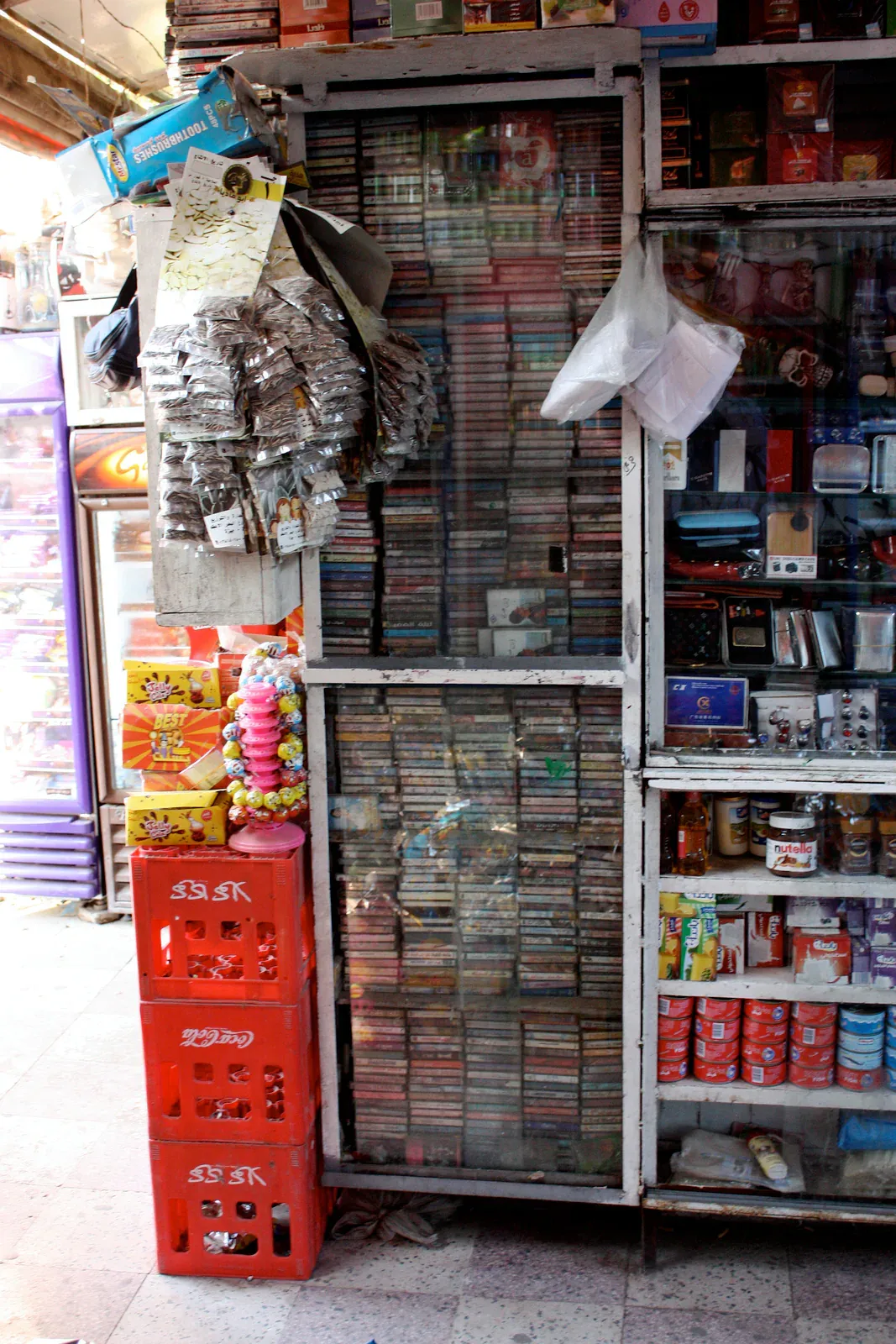
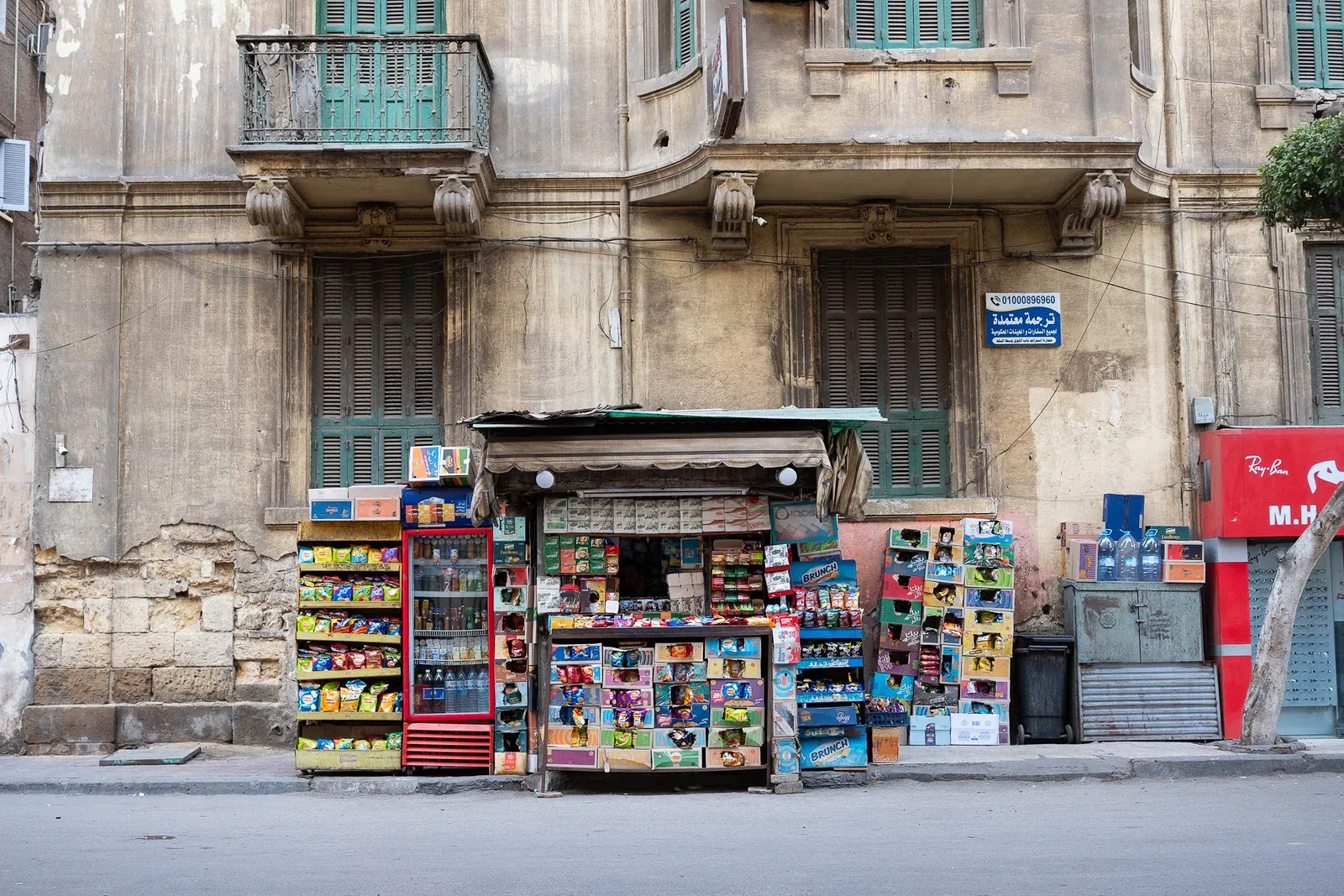
State radio and television kept his songs off the air, and the music establishment disapproved of the slang and the tone. Cheap audiocassettes solved the problem: they were copied and sold at street kiosks and carried the music across the country without any need for broadcasters. “El Sah El Dah Embo” is remembered as his first cassette hit, and “Salametha Om Hassan” is read as a veiled reference to Egypt, called Umm Hassan, and the defeat of 1967. “Zahma Ya Donia” described the crowded, hectic life of Cairo. In time he moved up from street culture to five-star hotels and the best nightclubs of the period.
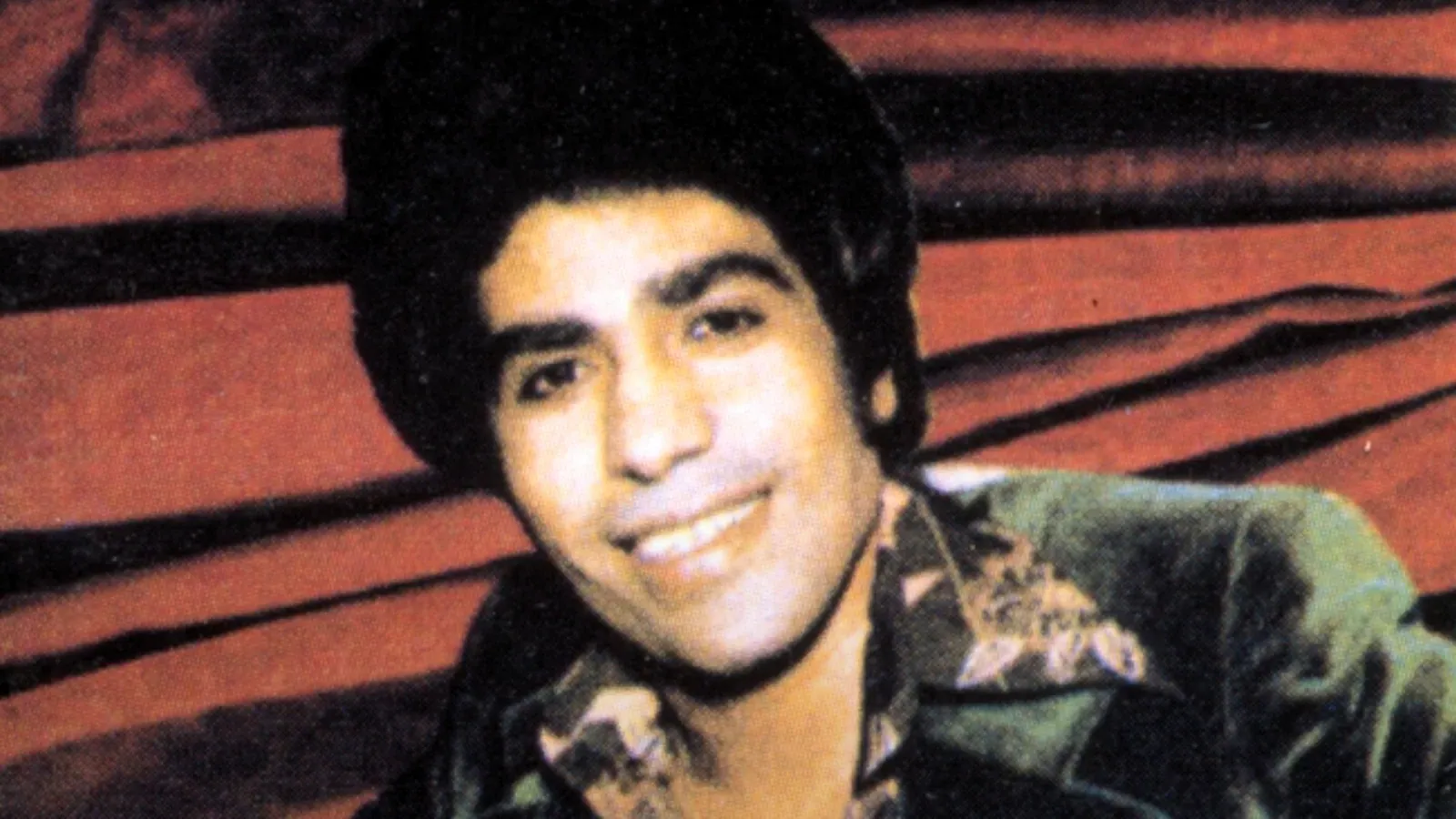
In 1989 Adaweyah was drugged and attacked in an episode linked to a Kuwaiti emir. He was found comatose and was left partly paralysed, but he recovered enough to sing again and kept appearing on music programmes. He died in Cairo on 29 December 2024, aged 79.
Shaabi pop and political hits, 1990-2009
In the 1990s the music reached a different audience. Hakim, born in 1962 in Maghagha in Minya, grew up on the working-class and middle-class tradition and admired Adaweyah. He practised mawwal from the age of eight, formed a band at school and released his debut album Nazra in 1992 on Slam Records, with help from Hamid El Shaeri, a figure of the al jeel dance-pop style. His cheerful, apolitical shaabi pop, coming from a middle-class background unlike most shaabi singers, was commercially successful, and he went on to collaborate with Narada Michael Walden and Olga Tanon in 2002, James Brown in 2004 and the reggaeton star Don Omar in 2007.
A more political line ran alongside it. Shaaban Abdel Rahim, born in Cairo in 1957 and formerly a laundry presser who ironed clothes with his feet, became famous in 2000 with “Ana Bakrah Israel”, whose refrain declared love for the diplomat Amr Moussa. Many were surprised that it passed the censors. He then reacted to events within days, with songs on the September 2001 attacks (a Bin Laden song was banned by state censors), the war in Iraq and the 2006 Lebanon conflict. His songs were sold mostly on informal cassettes. He died on 3 December 2019.
Mahraganat, 2006 to the present
Mahraganat (“festivals”) emerged from Cairo’s shaabi neighbourhoods as wedding DJs combined shaabi with electronic dance music, rap and influences from reggaeton and grime. An early mix, “Mahragan Elsalam”, appeared in 2006 from friends in the Elsalam district of northeast Cairo. The style was spread by MP3 files, phones, taxis and tuk-tuks, and in 2011, during the revolution, DJ Figo’s “Ana Baba Yalla” took it to a wider public. By summer 2014 it was popular across Egypt, with artists such as Oka and Ortega recording commercials and hit songs.
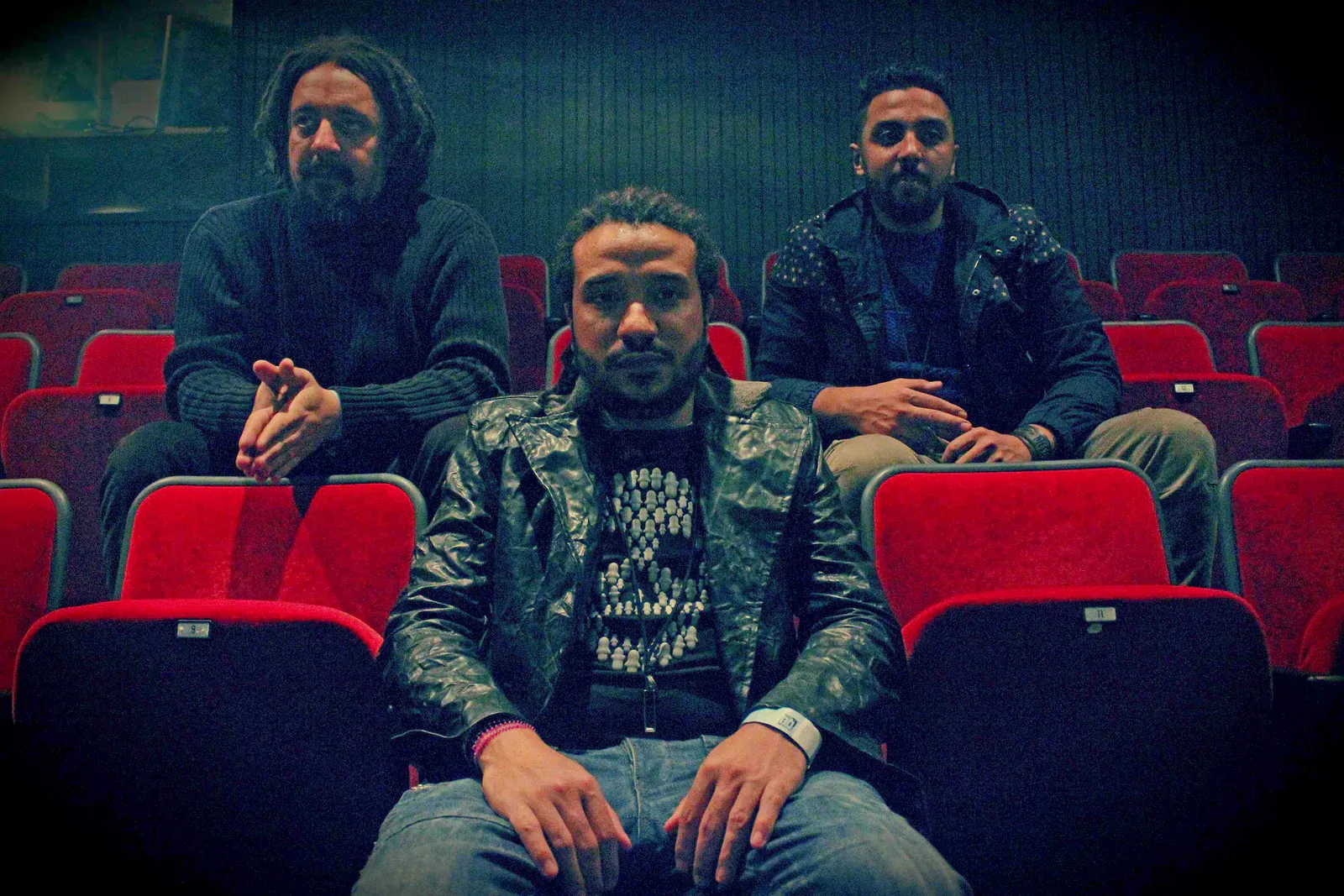
Mahraganat also drew resistance. Nagham FM banned it from its programmes in 2016 as contrary to Egyptian customs and traditions, and after a Cairo Stadium concert on Valentine’s Day 2020 the Egyptian musicians’ union moved to ban it and to deny its singers membership. Performers use the word mahraganat to separate themselves from shaabi, and some musicians, such as the keyboardist Islam Chipsy, reject the label as well, since his music is mostly instrumental.
Characteristics
Shaabi lyrics speak in the slang of the street. They can be intensely political, or filled with humour and double entendre, and the delivery stays close to speech. The song often begins with a mawwal before the beat enters, and a chorus refrain invites the crowd to answer. Melodies follow Arabic maqam modes, over rhythms set for dancing.
Instruments and production
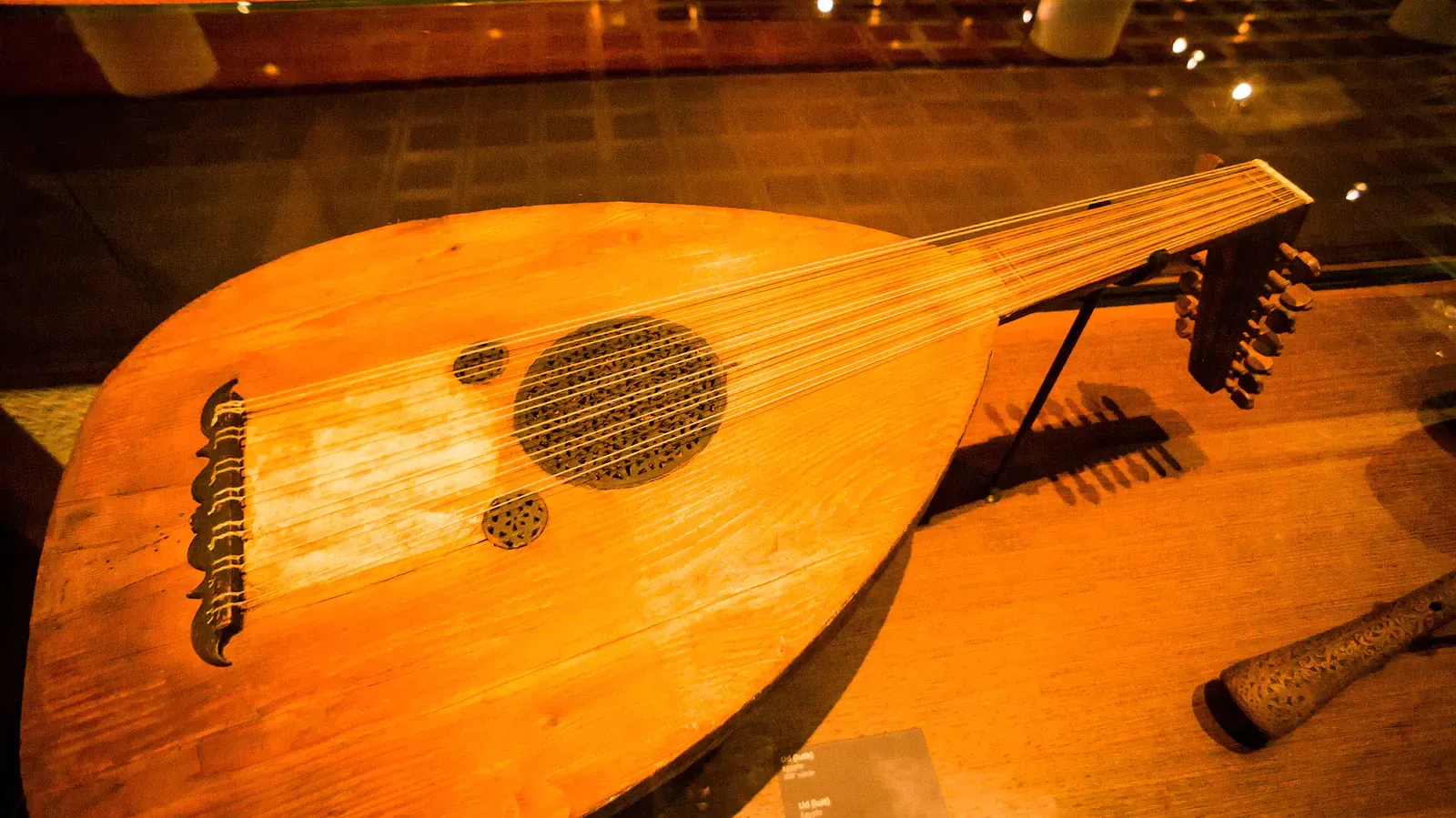
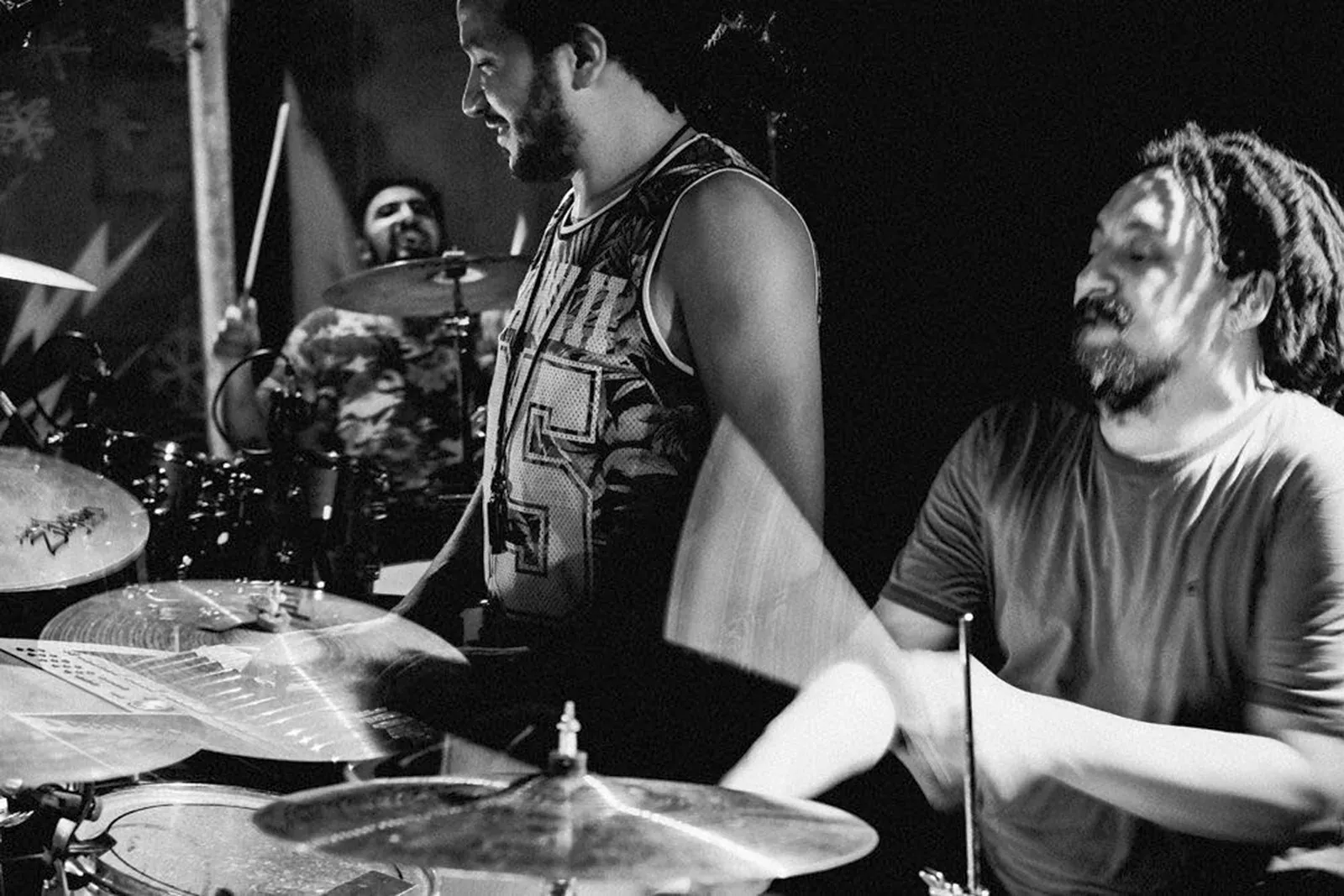
Early shaabi relied on the instruments of baladi and the wedding band: an accordion for the melodic hook, as in the arrangements of Farouk Salama, and hand percussion such as the darbuka. Later pop-leaning shaabi added synthesised keyboards and electronic production, and the mahraganat period brought heavy autotune. Islam Chipsy and EEK show the live version: one keyboard played at speed against two drummers, a sound described as electro-shaabi.
Mainstream success
Shaabi’s breakthrough was mostly a story of informal circulation. Adaweyah’s first album is credited with selling a million copies, and cassette copying meant much of the audience never appeared in any sales statistic. Because of the widespread indifference to copyright law, shaabi has been distributed mainly on pirated tapes and CDs. The music became known abroad from the 1970s, and Hakim’s duet “Tigi Tigi” with Don Omar and his 2001 live album recorded in America took the sound to listeners beyond Egypt. A 2022 book on Egyptian cassette culture uses Adaweyah as one of its central figures.
Notable recordings
“Salametha Om Hassan” reached listeners as a love and zar story with a political second reading, and was reissued many times. “Ana Bakrah Israel” shows the quick, topical form: a plain refrain, a working-class singer and a diplomat’s name in the chorus. “Tigi Tigi” shows the commercial side, a polished duet that mixes shaabi and Latin dance pop.
Culture
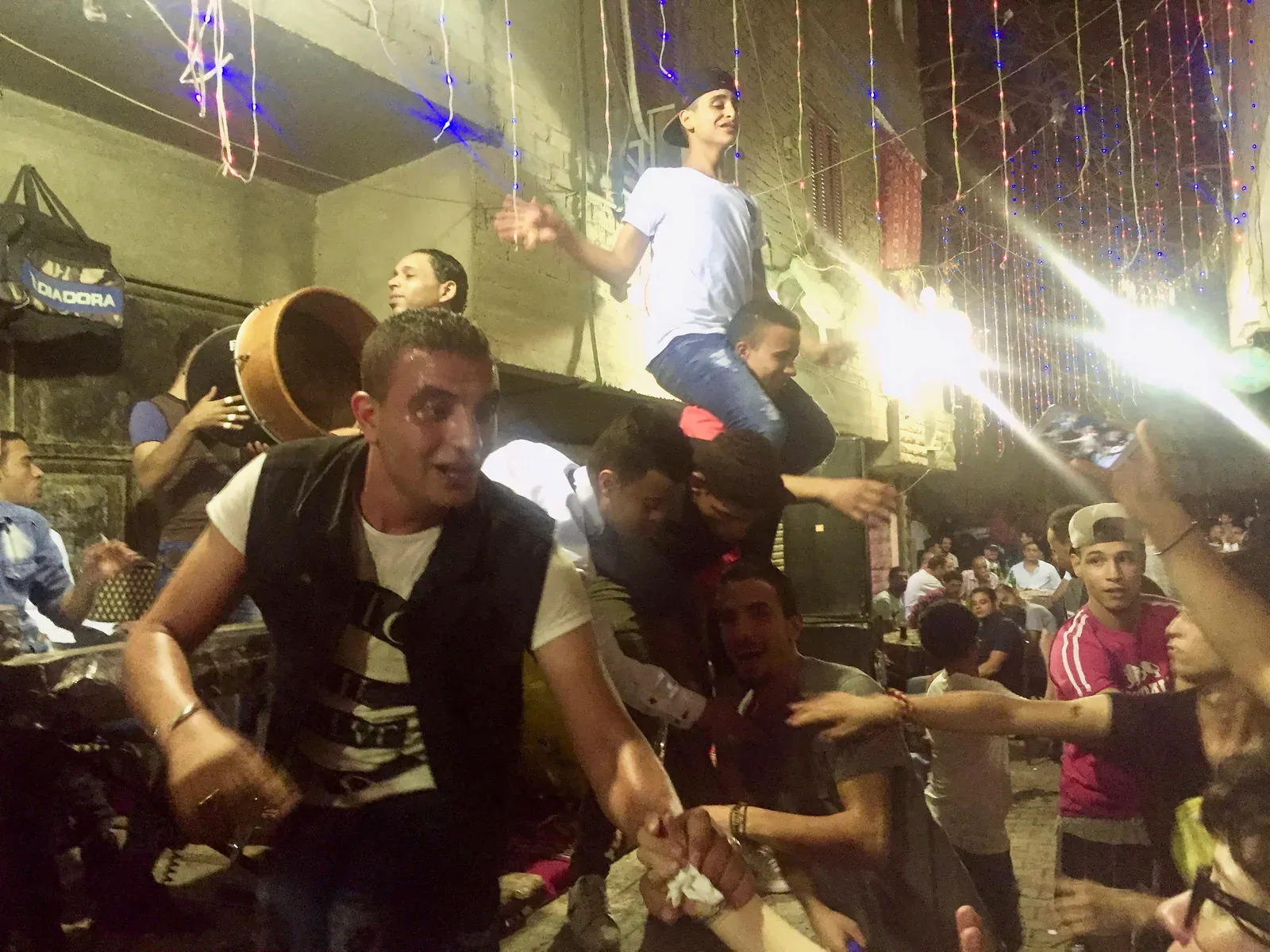
Shaabi is music for dancing. At weddings and street parties it accompanies raqs baladi, Egyptian folk dance, whose steps at mahraganat parties are mixed with hip-hop moves. The related mulid, the saint’s-day festival, is another setting for dance music. Lyrics prize humour, slang and double meanings, and many of the controversies around the music concern language that older or more conservative listeners find vulgar. The social position of the performers and fans, who are mostly working-class, is part of that reaction.
Legacy
Shaabi made working-class Egyptian speech a mainstream musical language. Adaweyah opened the way for Hakim and Shaaban Abdel Rahim, and the habit of mixing street slang with dance rhythm carried straight into mahraganat. Related styles include al jeel, a dance-pop style of the 1970s that offered an Egyptian alternative to foreign pop, and modern Arabic pop.
Misconceptions
Shaabi is often used as another name for mahraganat, but they are different. Mahraganat is a recent offshoot, dating from the mid-2000s and built on electronics and rap, and its performers use the word precisely to distinguish themselves from shaabi.
Shaabi is also said to be always political or vulgar. Many singers before the 1970s sang religious, love and nationalist songs as well, and Hakim’s commercially successful pop is generally cheerful and apolitical.
A third assumption is that shaabi stayed on the street. Adaweyah moved on to five-star hotels and leading nightclubs, and Hakim came from a middle-class background, unlike most shaabi singers.
Frequently asked questions
What does shaabi mean?
Shaabi is Arabic for “of the people” or “locally popular”. Egyptian shaabi is the music of ordinary urban life, from baladi roots.
Who is the most famous shaabi singer?
Ahmed Adaweyah is considered the first shaabi singer to reach stardom, followed by Shaaban Abdel Rahim, known for political songs, and Hakim, known for shaabi pop.
How is shaabi different from mahraganat?
Shaabi is the older working-class popular tradition. Mahraganat is an electronic and rap-influenced offshoot, developed from the mid-2000s by wedding DJs.
Why was shaabi kept off the radio?
Adaweyah’s songs were excluded from state television and radio because of their slang and street character, and cassettes carried them to listeners instead.
Sound
Sound sheet
Anatomy of a track
| # | Part |
|---|---|
| 1 | Mawwal vocal improvisation |
| 2 | Verse with spoken-style lyrics |
| 3 | Chorus refrain, repeated by the crowd |
| 4 | Instrumental break with accordion or keyboard |
Signature sounds
- Mawwal opening
- Slang and double-entendre lyrics
- Darbuka-driven dance rhythm
Techniques
- Mawwal
- Topical lyrics
- Slang and double entendre
Keys and modes
Maqam-based melody. Tunes follow Arabic maqam modes, often sounding minor to Western ears.
Vocals
Raw, speech-like working-class delivery with improvised mawwal, informal Egyptian Arabic and frank lyrics.
Scenes
Where it happened
Where and when the sound lived: one bar per city on a shared timeline.
Africa
Active scenes
Peak 4, 2013-2025
Capital and centre of the cassette trade, weddings and nightclubs where shaabi stars rose.
Governorate of birth of both Ahmed Adaweyah and Hakim.
Northeast Cairo district where a group of friends made early mahraganat mixes.
Working-class Cairo district that produced Islam Chipsy.
Culture
Culture markers
- Raqs baladi
Egyptian folk dance whose moves mix with hip-hop steps at mahraganat street parties.
Dance - Street slang and double meanings
Working-class slang, humour and double entendre run through shaabi lyrics.
Slang - Mulid
Saint's-day festivals are a setting for dance music related to shaabi.
Ritual
Media
Key media
- 2022Media of the Masses: Cassette Culture in Modern Egypt
by Andrew Simon. Stanford University Press study that follows Adaweyah and the tape trade across modern Egyptian history.
Book
Glossary
Terms on this page
Dance-pop style of the 1970s that offered Egyptians a local alternative to foreign pop.
Egyptian urban folk music and dance, the parent tradition of shaabi.
Festivals, the electronic and rap-influenced offshoot also called electro-shaabi.
Vocal improvisation that often opens an Egyptian shaabi song.
Arabic for of the people, the working-class popular music of Egyptian streets and weddings.
Middle Eastern and North African family